
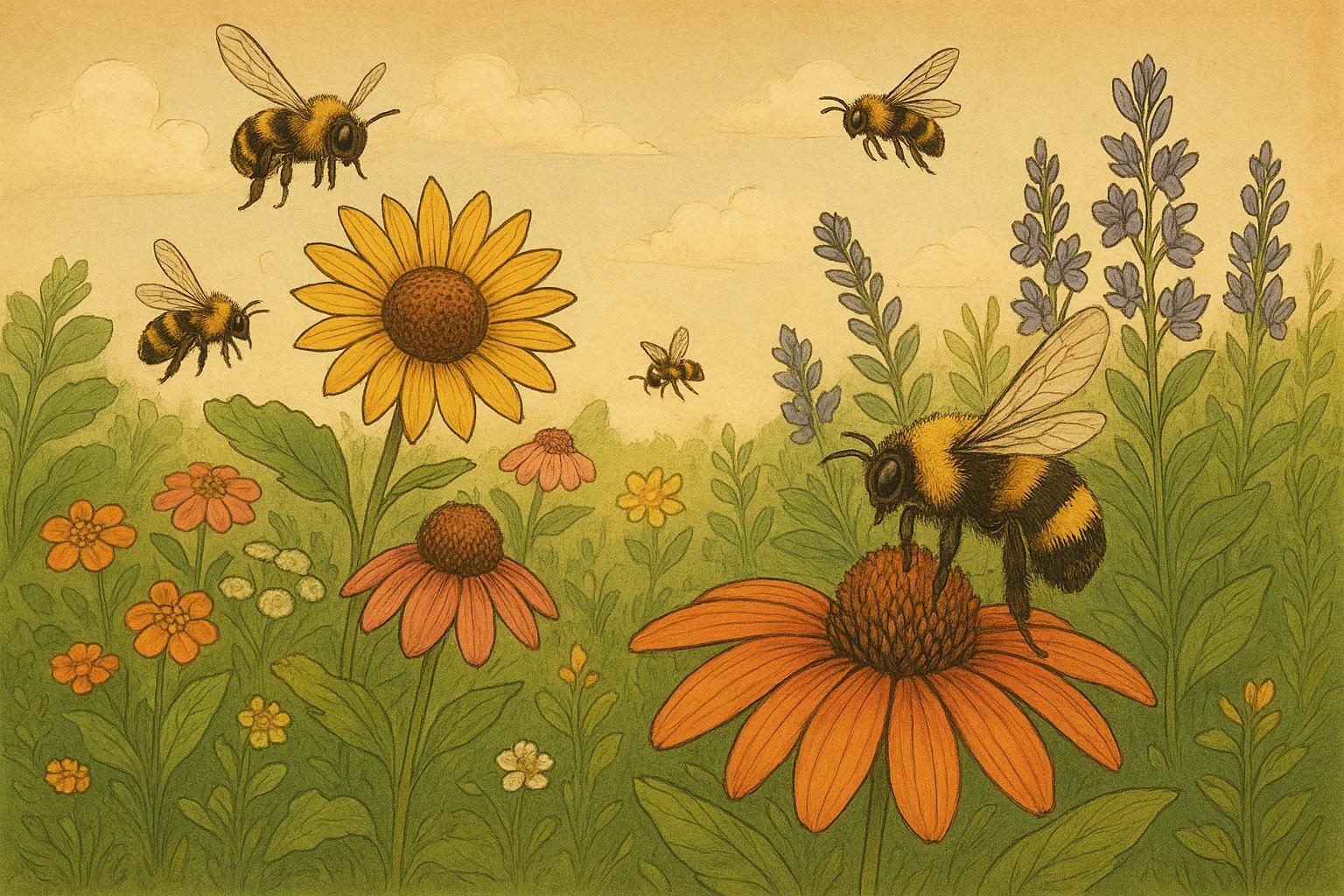
## Bees In Pollinator Gardens: Why They Matter
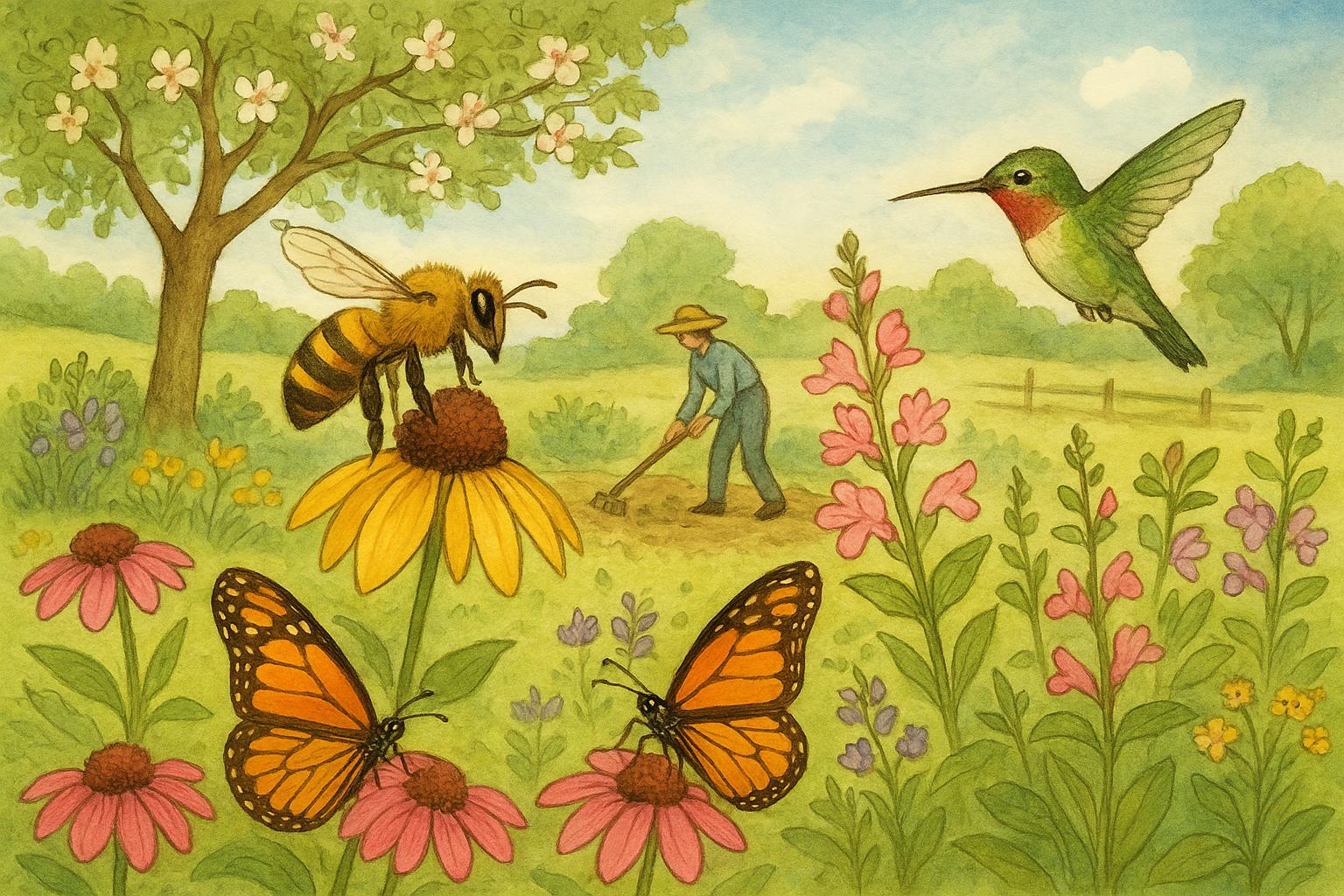
When you look out at a pollinator garden, the tiny, industrious workers you’re most likely picturing are bees. They’re efficient, fuzzy, and forgetful enough to keep visiting flowers (which is great for plants). Backyard pollinator gardens aren’t just pretty—they’re critical habitat. In urban and suburban patches where wildlands have been replaced by pavement, even a small garden can provide crucial forage and nesting for local populations of bees.
Bees are responsible for pollinating much of the fruit, vegetables, and seeds we rely on. Beyond food, they support the plants that provide habitat for birds and beneficial insects. So yes, inviting bees into your yard is basically inviting a tiny, flying workforce that keeps your garden and neighborhood ecosystems humming.
## Designing A Backyard Habitat For Pollinators
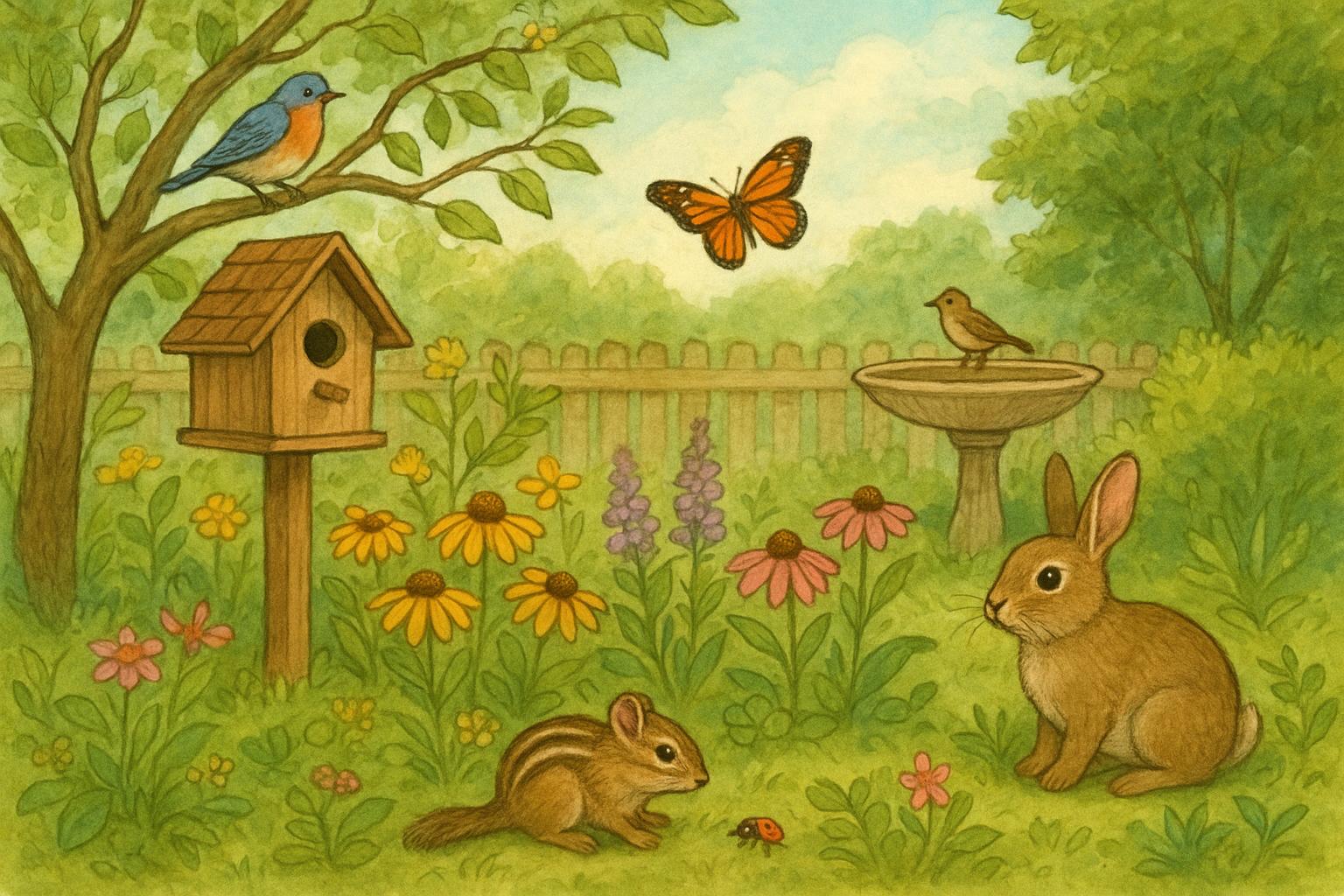
A good habitat is about variety, structure, and continuity. Think of your yard as a buffet and bed-and-breakfast for pollinators: seasonal flowers for foraging, shelter for overnight stays, and safe places for little ones to grow up. Diversity in plant types and bloom times is the name of the game.
### Plant Selection For Different Seasons
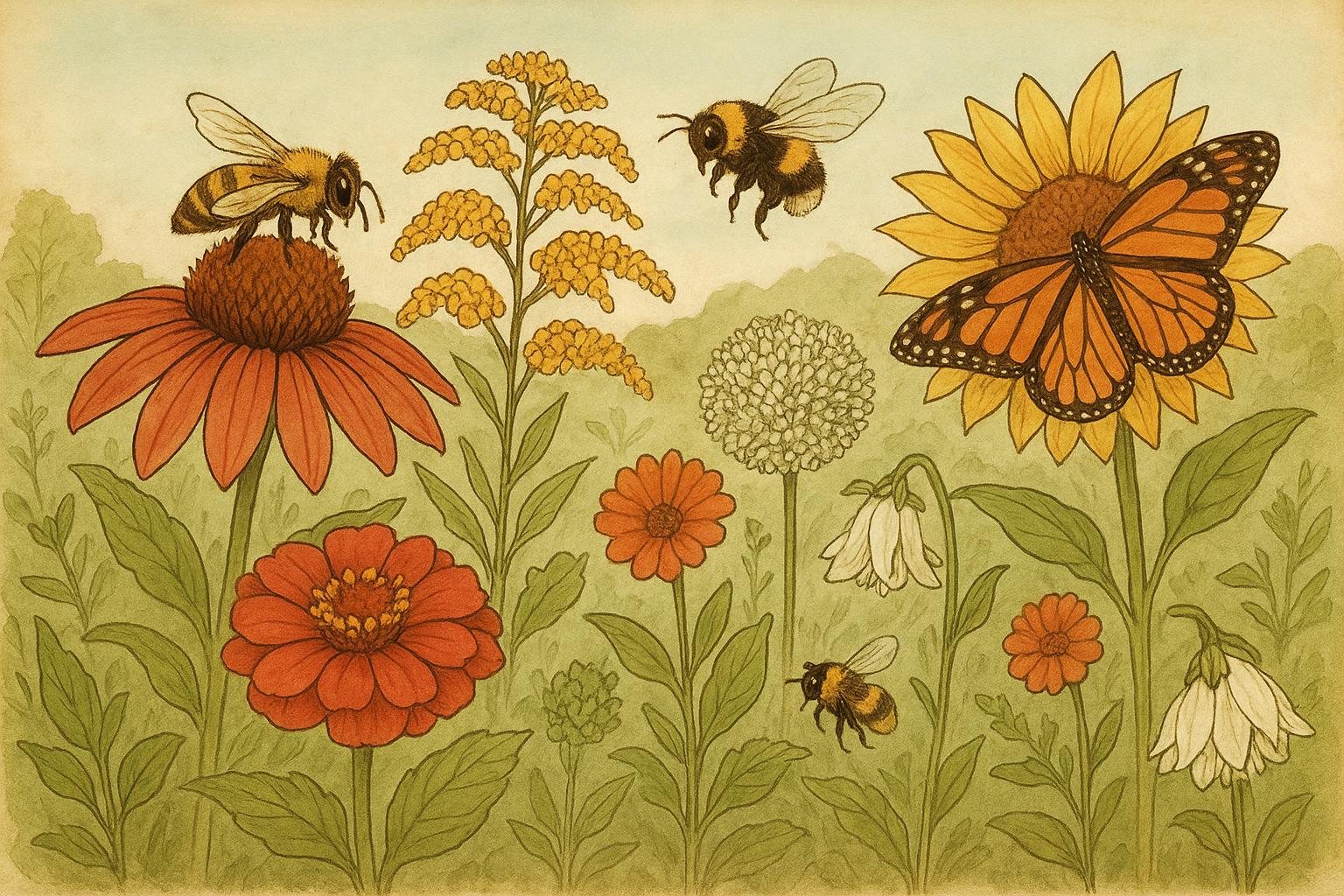
To support bees year-round, you’ll want a rotation of blooms from early spring through late fall. Early-blooming native trees and shrubs—like willows and serviceberry—feed the first emergent bees. Mid-season perennials such as asters, coneflowers, and salvias provide a banquet through summer, and late-season goldenrods and asters keep the food supply going into fall.
#### Native Perennials And Annuals
Choose native species when possible. Native plants and local bee species have evolved together, making those flowers especially attractive and nutritious. While ornamental exotics can be pretty, they often produce less nectar or pollen and sometimes have altered flower shapes that make it hard for many bees to access rewards.
#### Food For All Life Stages
Remember that adult bees forage for nectar and pollen, but some species also need specific plant materials for nesting. Mason bees, for example, use mud to seal nest cells; leafcutter bees harvest leaf discs. Including a mix of plants that offer different resources supports a broader range of bee species.
### Water, Shelter, And Nesting Sites
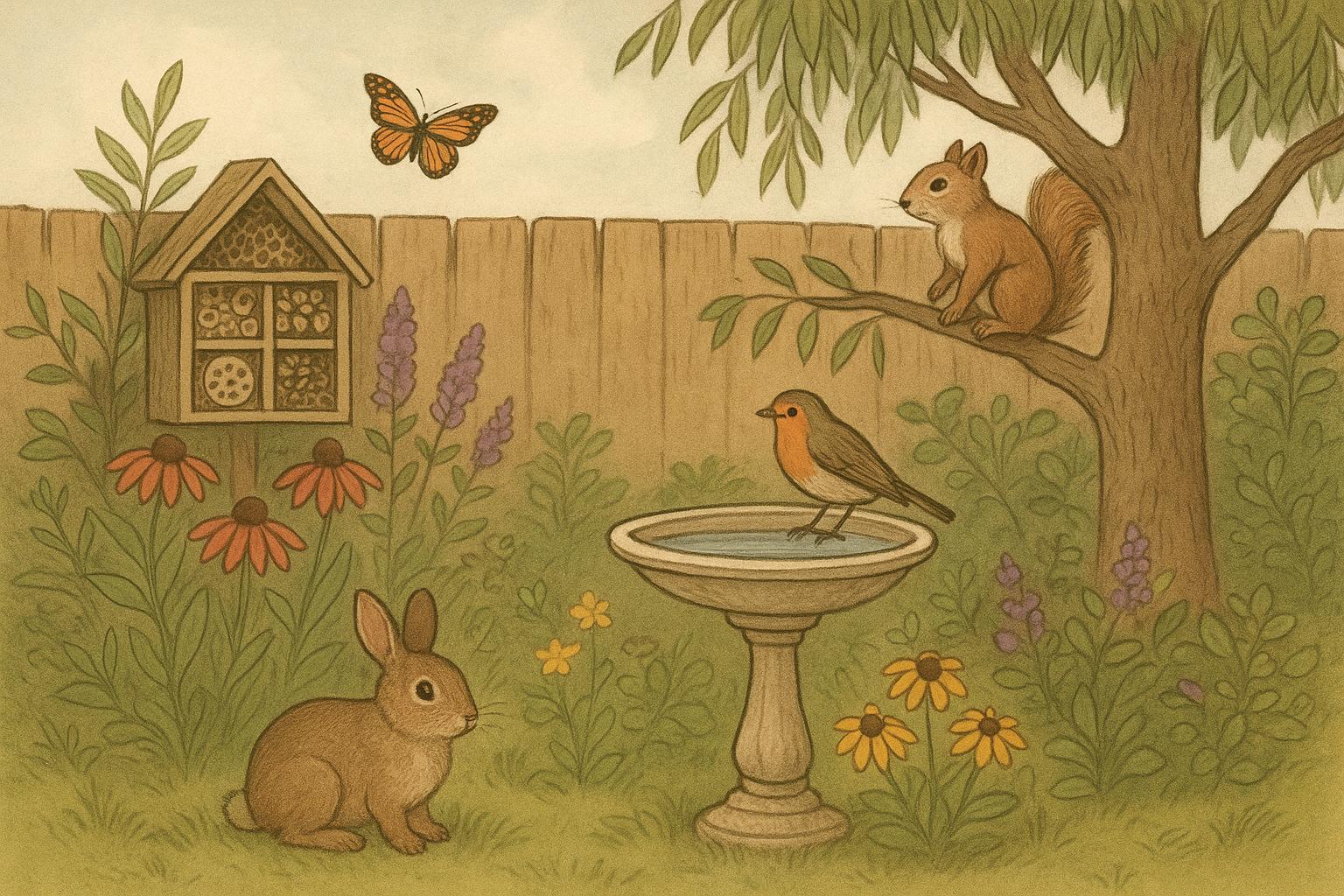
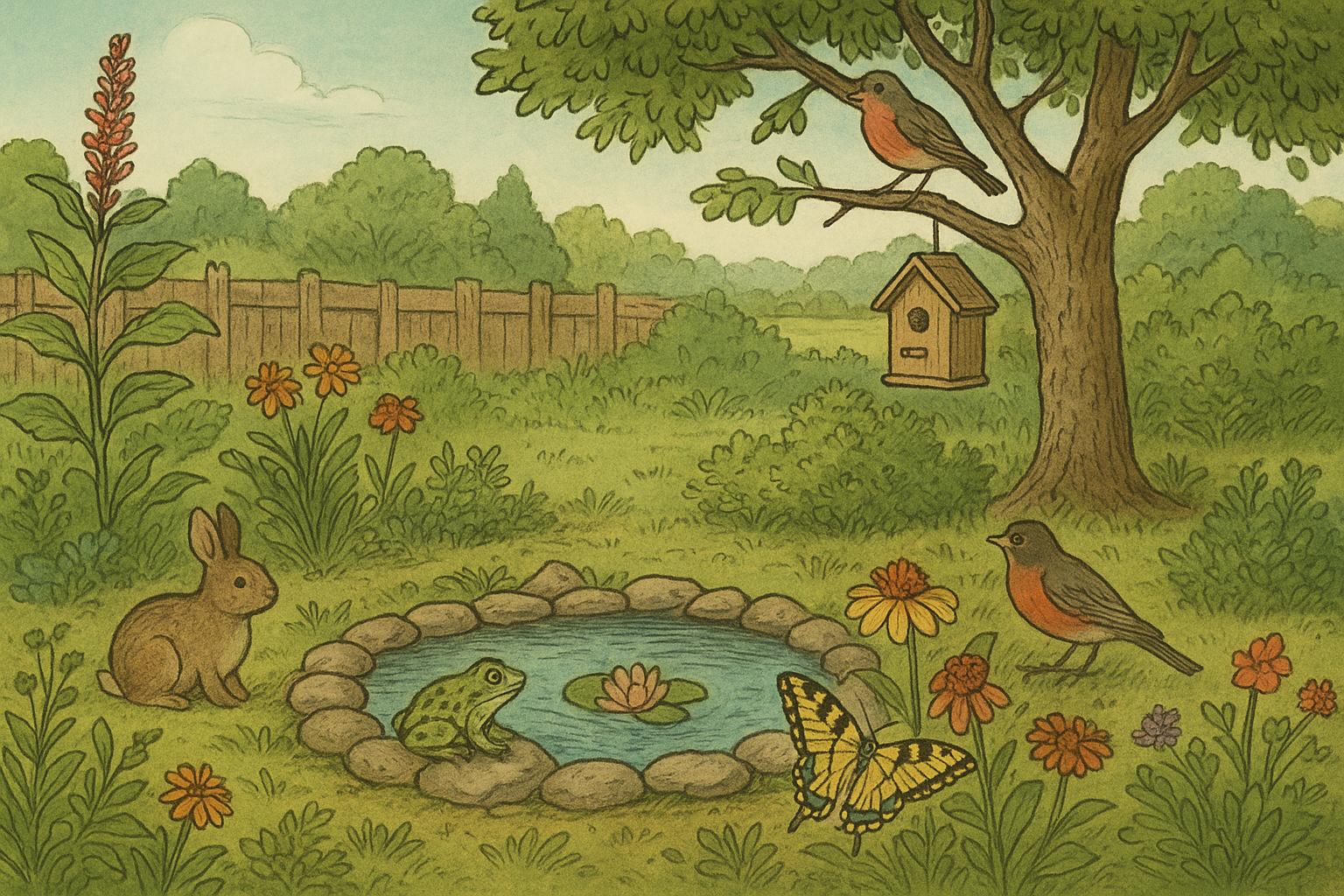
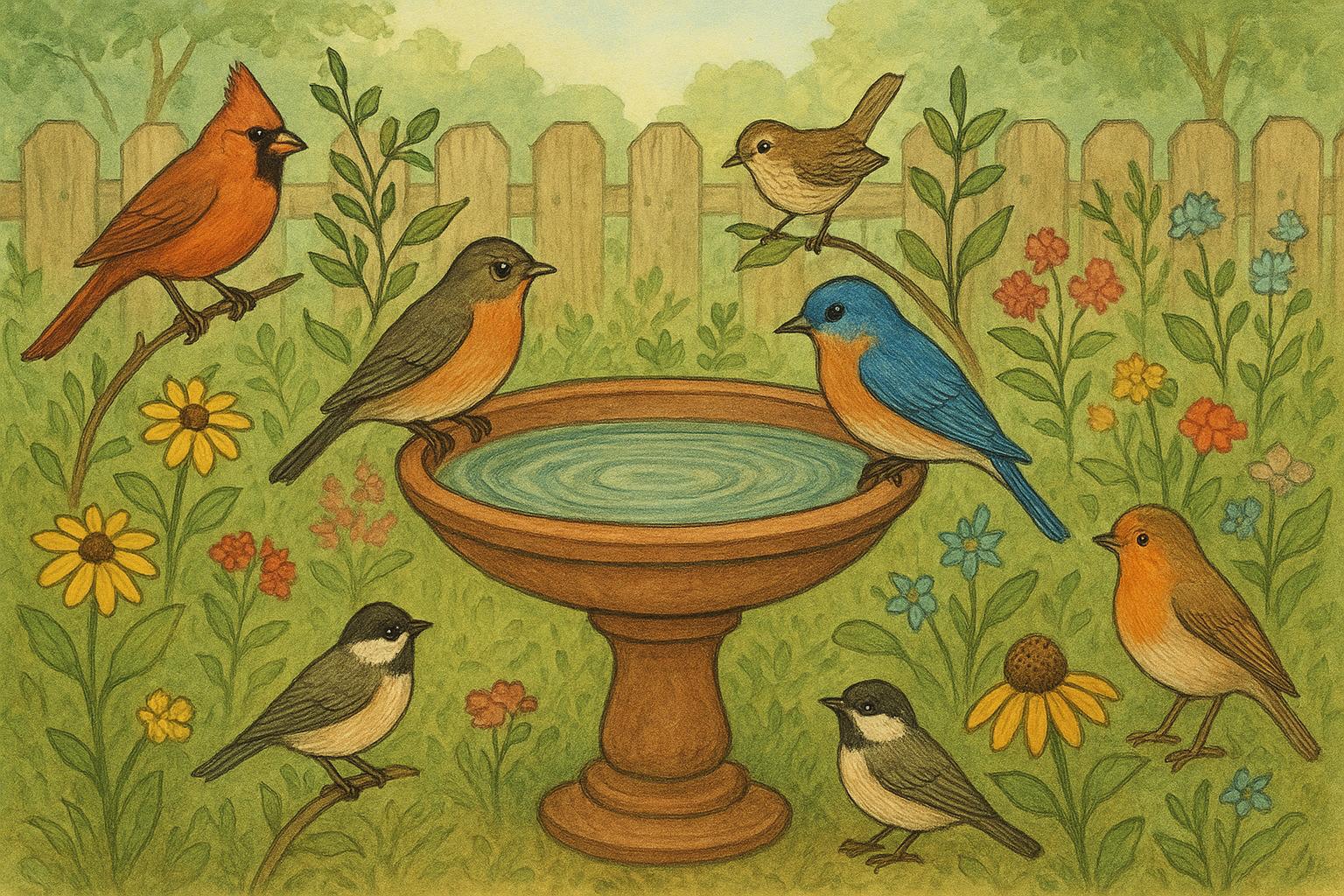
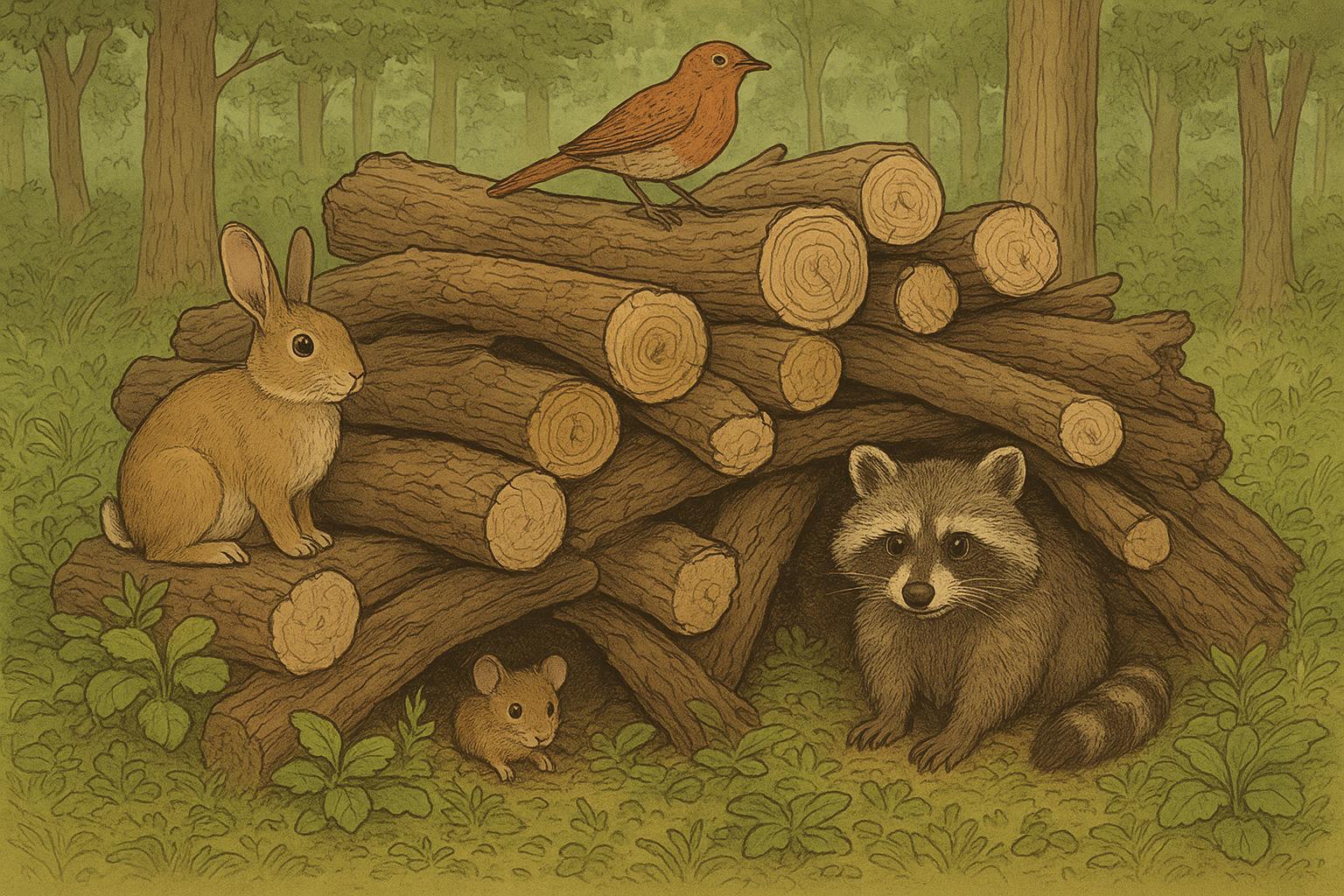
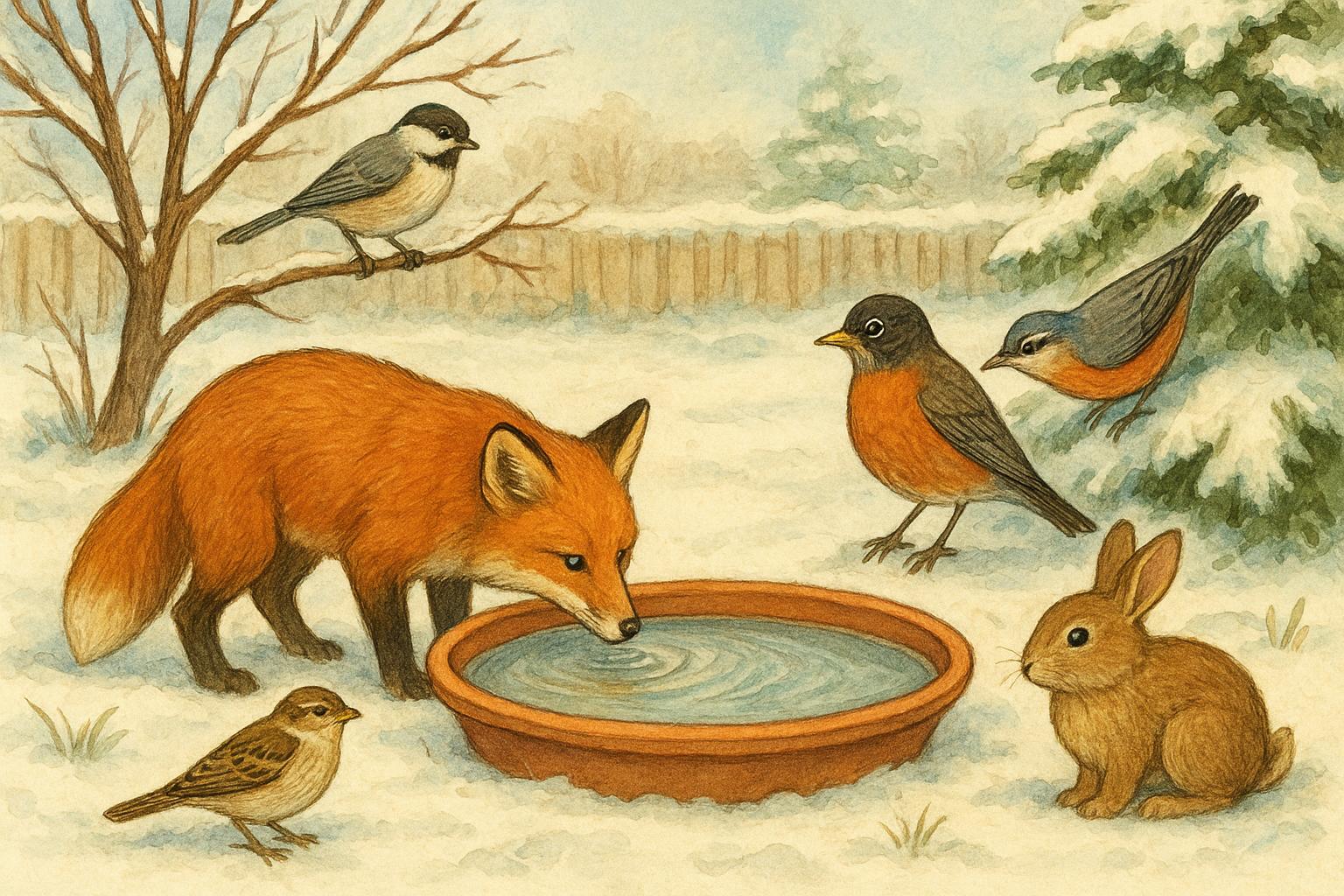
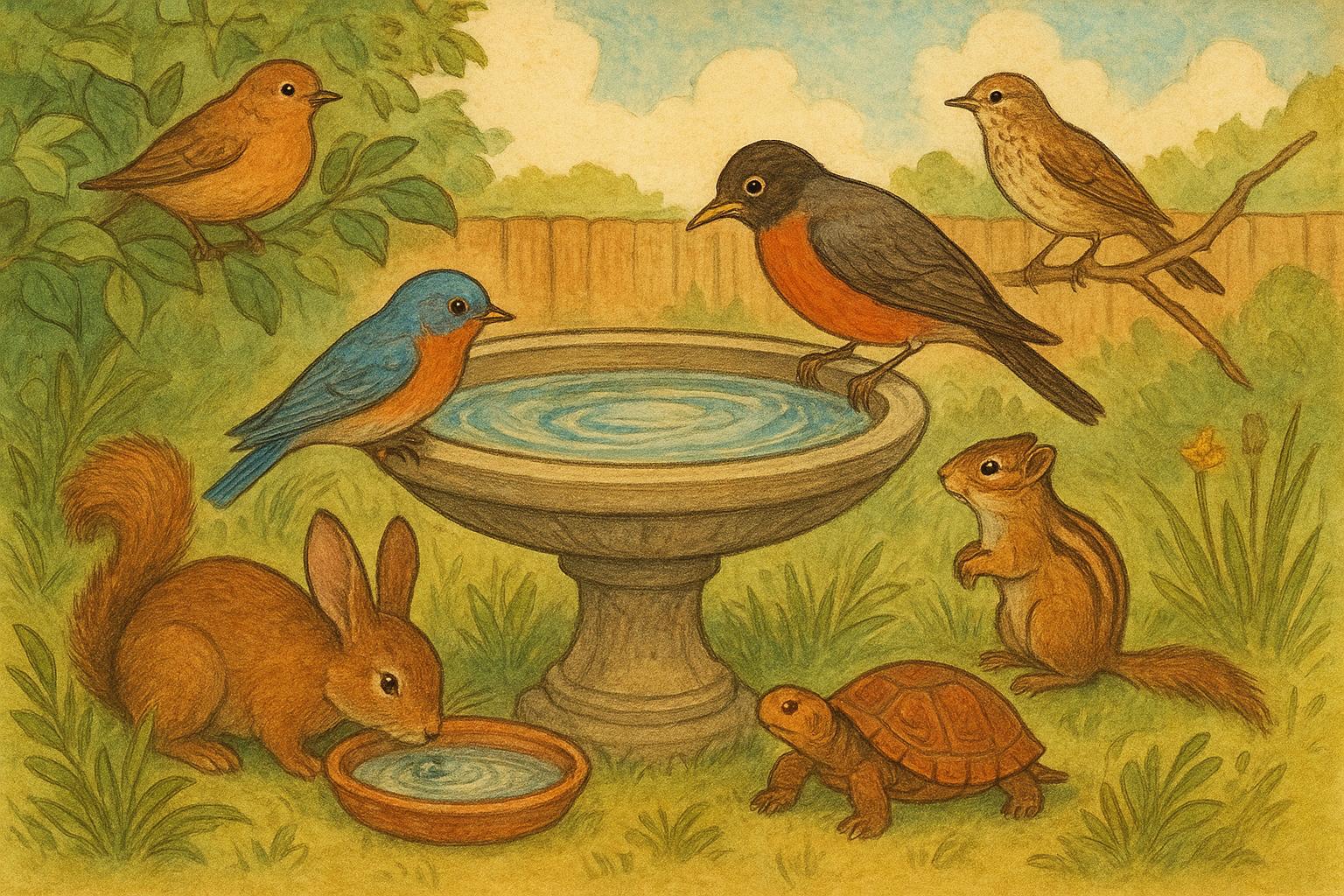
Bees need more than flowers. A shallow water source with landing stones supports hydration, especially on hot days. Shelter can be as simple as leaving a patch of bare, undisturbed ground for ground-nesting species or keeping small woody debris piles for cavity nesters.
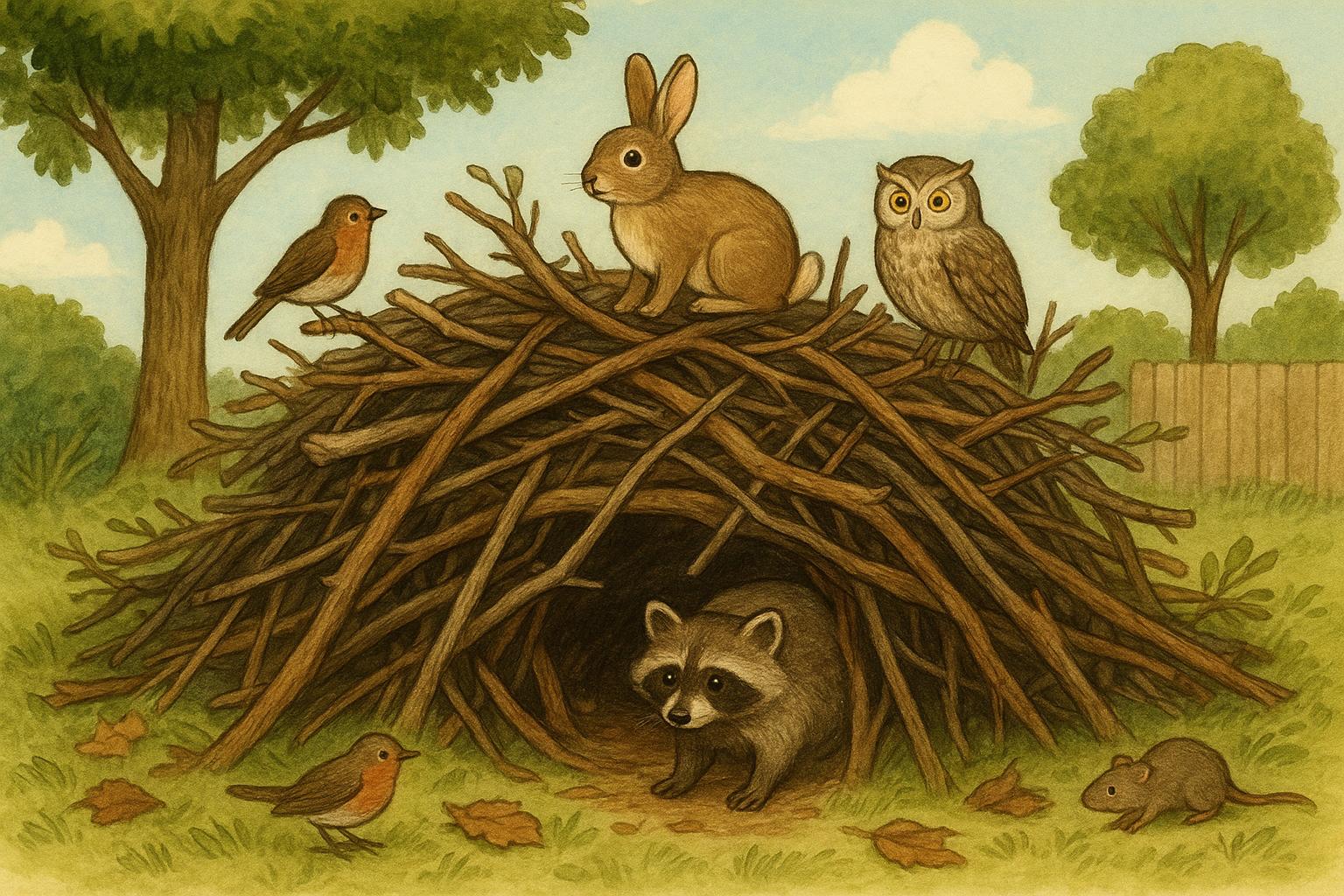
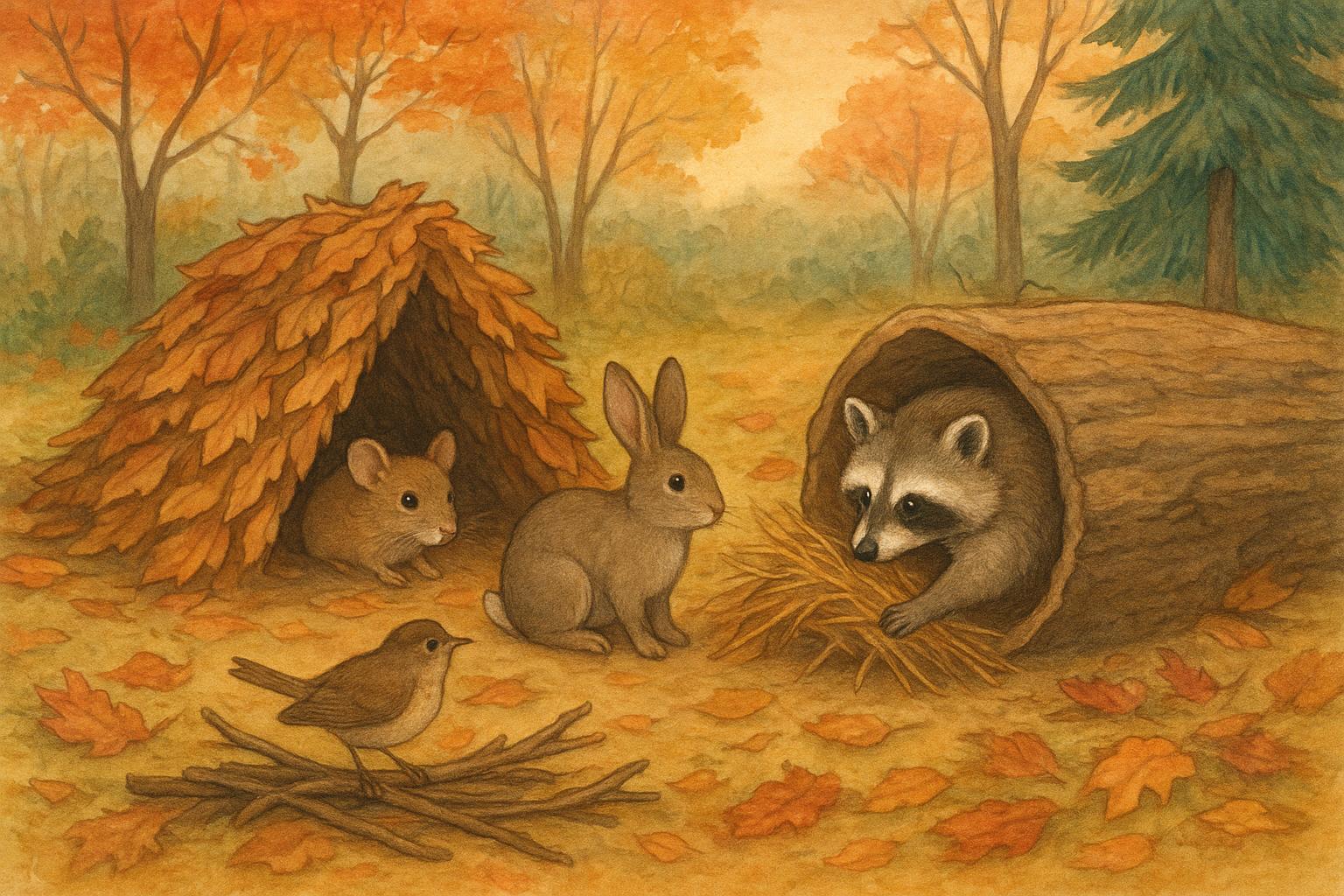
Leave some “messy” bits: stems left over winter, standing dead wood, and patches of bare soil are all valuable. If you prefer tidiness, designate a small corner for habitat features and keep the rest neat—your neighborhood bees will thank you.
## 1. Build A Simple Bee House
When it comes to remedies—or in this case, constructive solutions—we’ll switch to a more formal tone. Creating a nest block for cavity-nesting bees (such as mason and leafcutter bees) is an effective, evidence-based method to enhance local bee nesting opportunities. Below are materials and a clear, step-by-step procedure for constructing and maintaining a bee house.
Materials:
– Untreated, solid wood block (approx. 6” x 6” x 6” or larger) or a wooden box with a backer board
– Drill with a set of drill bits (3/32” to 3/8” diameters)
– Sandpaper (medium grit)
– Roof material (small piece of weather-resistant wood or shingle)
– Mounting hardware (screws or sturdy twine)
– Optional: untreated bamboo tubes or paper straws (cut to depth)
Construction and Application Steps:
1. Select a Site: Mount the bee house on a south- to southeast-facing wall, fence, or post where it receives morning sun and is sheltered from prevailing winds and heavy rain.
2. Prepare the Wood: Use untreated hardwood (avoid pressure-treated lumber). If using a solid block, mark out a grid of holes on the face. If using a wooden box, insert a backer board with drilled holes or add bundled bamboo tubes.
3. Drill Holes: Drill clean, straight holes 3 to 5 inches deep. Use mixed diameters between 3/32” and 3/8” to accommodate different species. Space holes about 1/2” apart to maintain structural integrity.
4. Smooth Edges: Lightly sand the front edge of each hole to prevent splitting and to provide a gentle landing area for entering bees.
5. Add Roofing: Attach a slight overhang or small roof to prevent direct rain from entering holes. Ensure ventilation but no direct water ingress.
6. Mount Securely: Position the house at least 3 feet off the ground (higher is fine), angled toward morning sun. Ensure it is firmly attached and won’t sway in wind.
7. Maintenance: Each fall, inspect the house. Replace any moldy or damaged tubes and remove obvious pest infestations. If using bamboo or paper tubes, replace them every 1–2 years to reduce disease buildup.
Follow these steps carefully. Proper placement and maintenance increase occupancy by solitary bees and help reduce parasite and disease pressure.
## 2. Create A Pesticide-Free Management Plan
Pesticides are a common cause of unintended harm to bees. A structured, alternative management plan reduces chemical use while keeping plants healthy. The following materials and steps outline a non-chemical protocol for common pest issues.
Materials:
– Sticky traps or colored traps for monitoring
– Neem oil or insecticidal soap (use only as a targeted, short-term control)
– Beneficial insect attractants (e.g., flowering herbs that draw predators)
– Garden sanitation tools (pruners, rakes, disposable bags)
– A notebook or app for monitoring pest levels and bloom times
Management Steps:
1. Monitor Regularly: Inspect plants weekly for pest or disease signs using traps and visual checks. Record findings to detect trends over time.
2. Promote Predators: Plant companion flowers (like dill, fennel, and yarrow) that attract lady beetles, lacewings, and parasitic wasps. Encourage birds and amphibians by providing water and shelter.
3. Use Mechanical Controls: Hand-pick large pests, prune out infested material, and dispose of it away from the garden. Remove heavily infested leaves or plants to prevent spread.
4. Apply Targeted Treatments Sparingly: If pest levels exceed action thresholds, apply products like neem oil or insecticidal soap in the evening when bees are less active. Follow label directions, and avoid broad-spectrum insecticides.
5. Timing Is Key: Avoid treatments during bloom. Treat at night or early morning when bees are less active, and choose products with the least residual harm.
6. Evaluate and Adjust: Review outcomes seasonally. Use your records to refine planting, timing, and control methods for next year.
This structured approach reduces chemical exposure to bees and supports a resilient garden ecosystem.
## Encouraging Diversity Without Overcomplicating Things
You don’t need to become a full-time entomologist to help bees. Simple actions—planting a block of native flowers, leaving a strip of bare soil for ground-nesters, or installing one properly made bee house—can make a measurable difference. Aim for a mosaic of habitats: sunny spots for foraging, shaded areas for cooling off, and undisturbed nooks for nesting.
Consider creating small stepping-stone habitats between neighborhoods. Even pots on balconies can provide forage. Community coordination—like school gardens, park plantings, and homeowner association allowances for native landscaping—amplifies individual efforts.
### Maintenance Tips For Long-Term Success
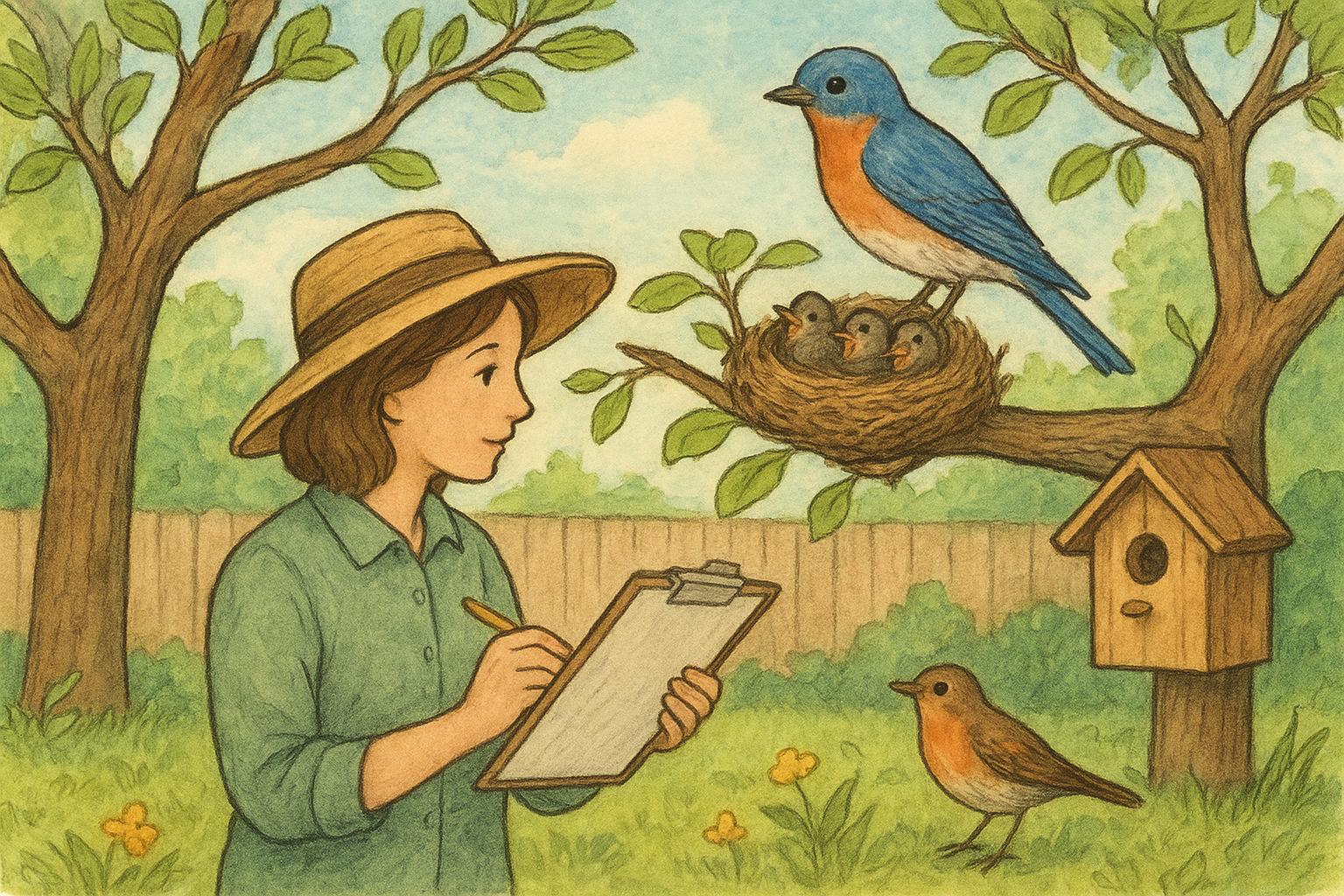
Keep records of bloom times, occupancy of bee houses, and any pest or disease events. Replace nest materials as specified, and rotate plant varieties to maintain continuous bloom. If you notice declining numbers or diseased nests, contact local extension services or native pollinator organizations for diagnostics before making large management changes.
## Common Questions About Backyard Bees
Do bees sting? Yes, some do, but many native solitary bees (which make up the majority of species) are non-aggressive and rarely sting. Social species like bumble bees can sting if provoked, but they typically won’t bother you if you move calmly around them.
How can I tell if a bee house is occupied? You may observe mud plugs in entrance holes (mason bees) or leaf fragments protruding (leafcutter bees). Adults may be seen entering and exiting during sunny days. Avoid disturbing nests during the active season.
Can I attract pollinators without compromising a tidy garden? Absolutely. Designate small, contained areas for wild elements—perhaps a single border or corner—and maintain formal beds elsewhere. A tidy garden with intentional habitat corners supports bees without looking unkempt.
Is it legal to keep bee houses? Generally yes, and many municipalities encourage pollinator-friendly practices. Check local ordinances if you’re in a high-density urban area or part of a managed property association.
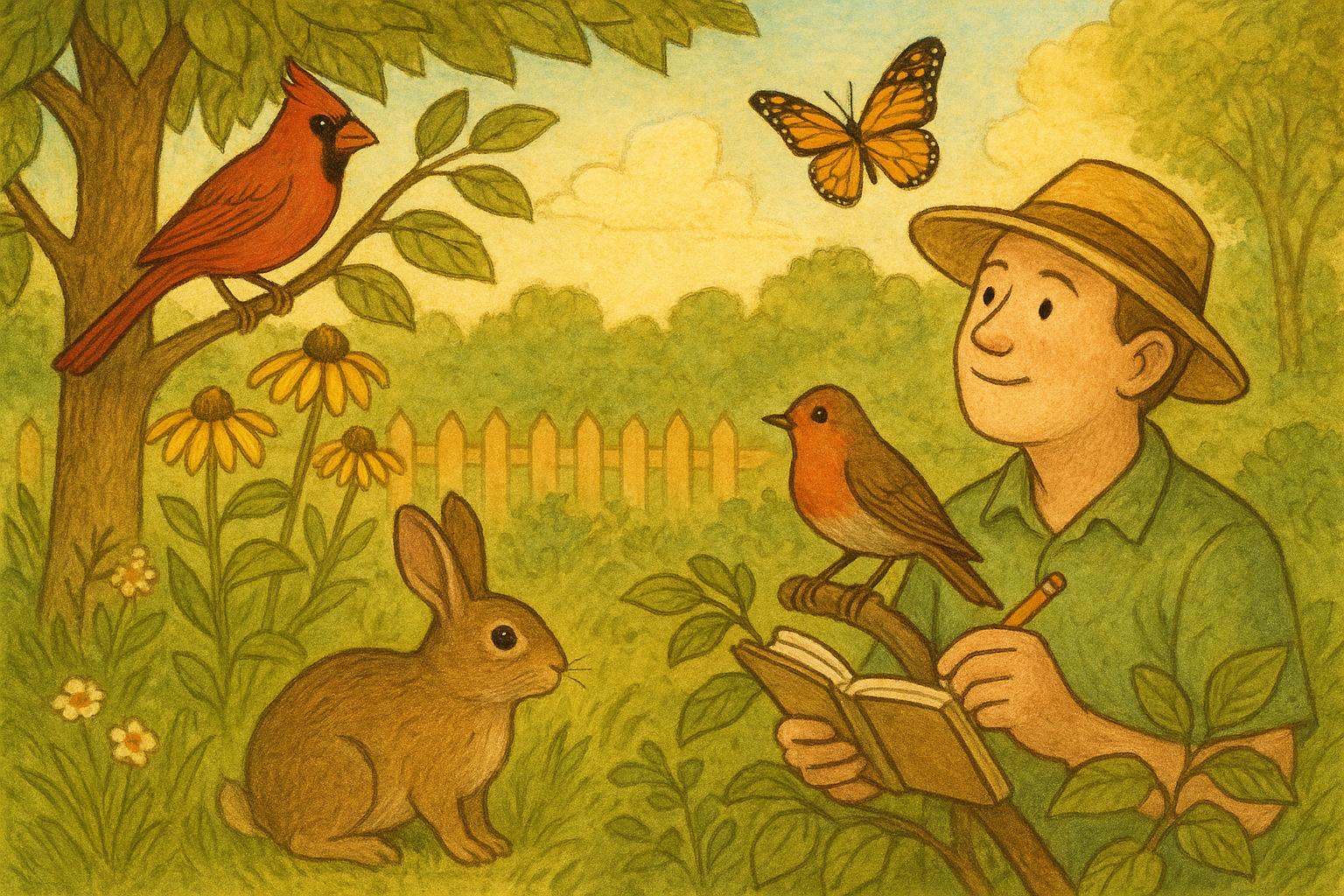
If you want to test-drive this lifestyle change, start small: plant three native species that bloom in different seasons, set out a shallow water dish with stones, and put up one well-made bee house. Observe. Tweak. Enjoy the tiny theater of pollinator activity in your backyard—your plants, and the neighborhood food web, will thank you.

Leave a Reply