
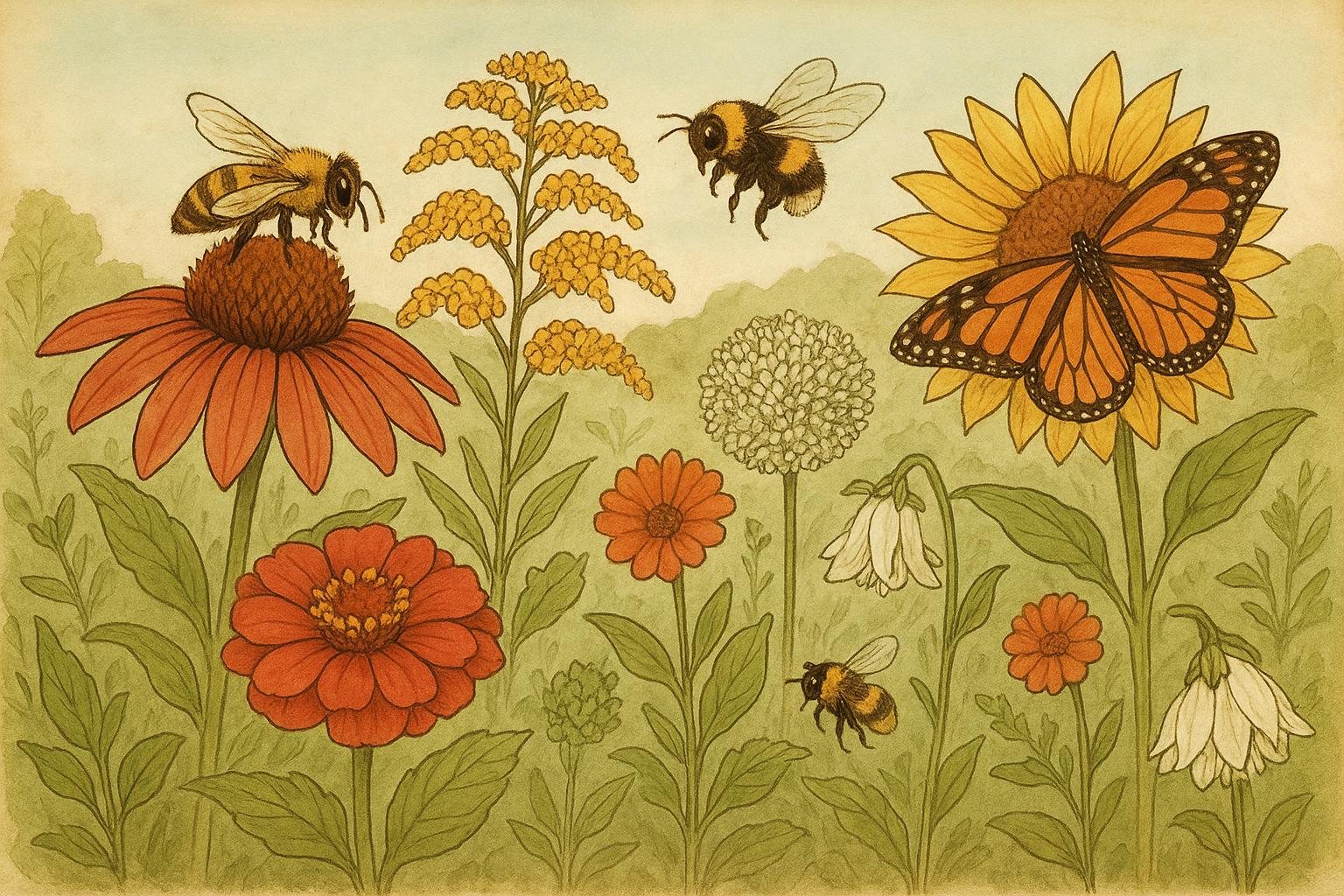
Pick plants that give food for weeks, not just a weekend. Pollinators need predictable nectar across the year. That shapes everything from which seeds you buy to how you place the plants in the bed.
## Seasonal Nectar Plant Selection For Pollinators: A Practical Roadmap
Start by thinking in seasons. Seasonal nectar plant selection for pollinators is less about single showy specimens and more about sequencing: early, middle, and late bloomers that overlap. If you build that chain, bees, butterflies, hummingbirds and other visitors find one continuous buffet.
### Spring Strategies
Spring is about the early risers. Native bulbs and shrubs often bloom before most perennials, and those first flowers are critical. Plant crocus, native willow, and fruit-tree blossoms to give nectar when queen bumble bees and spring-emerging solitary bees need it. A few details matter:
– Choose a mix of shallow and slightly deeper flowers; it lets both short-tongued flies and longer-tongued bees feed.
– Keep some small bare patches of soil for mining bees that nest in the ground.
A row of spring blooms near sunny sheltered spots makes them easy to find. Early nectar plants set the season’s tone.
### Summer Maintenance And Mid-Season Picks
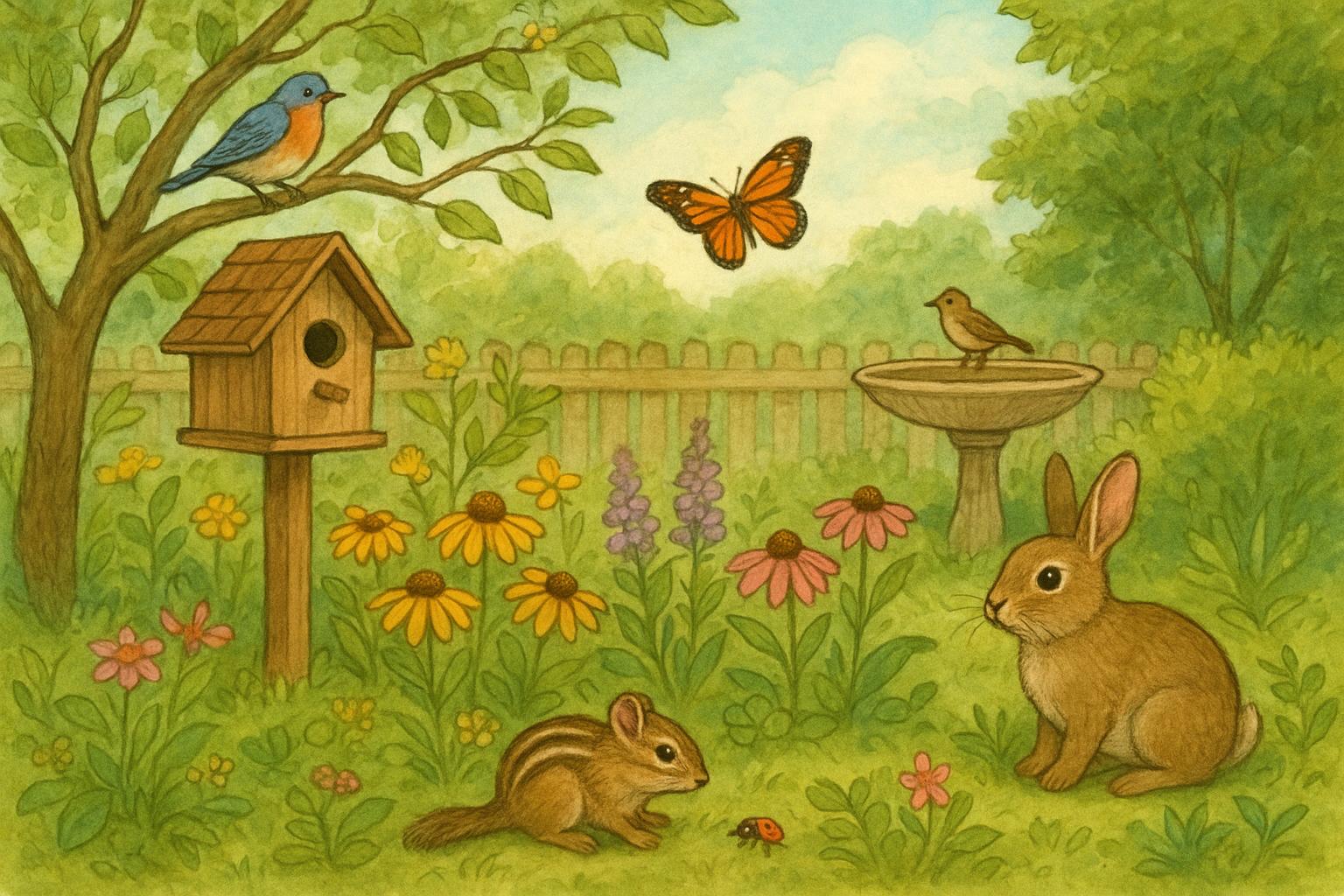
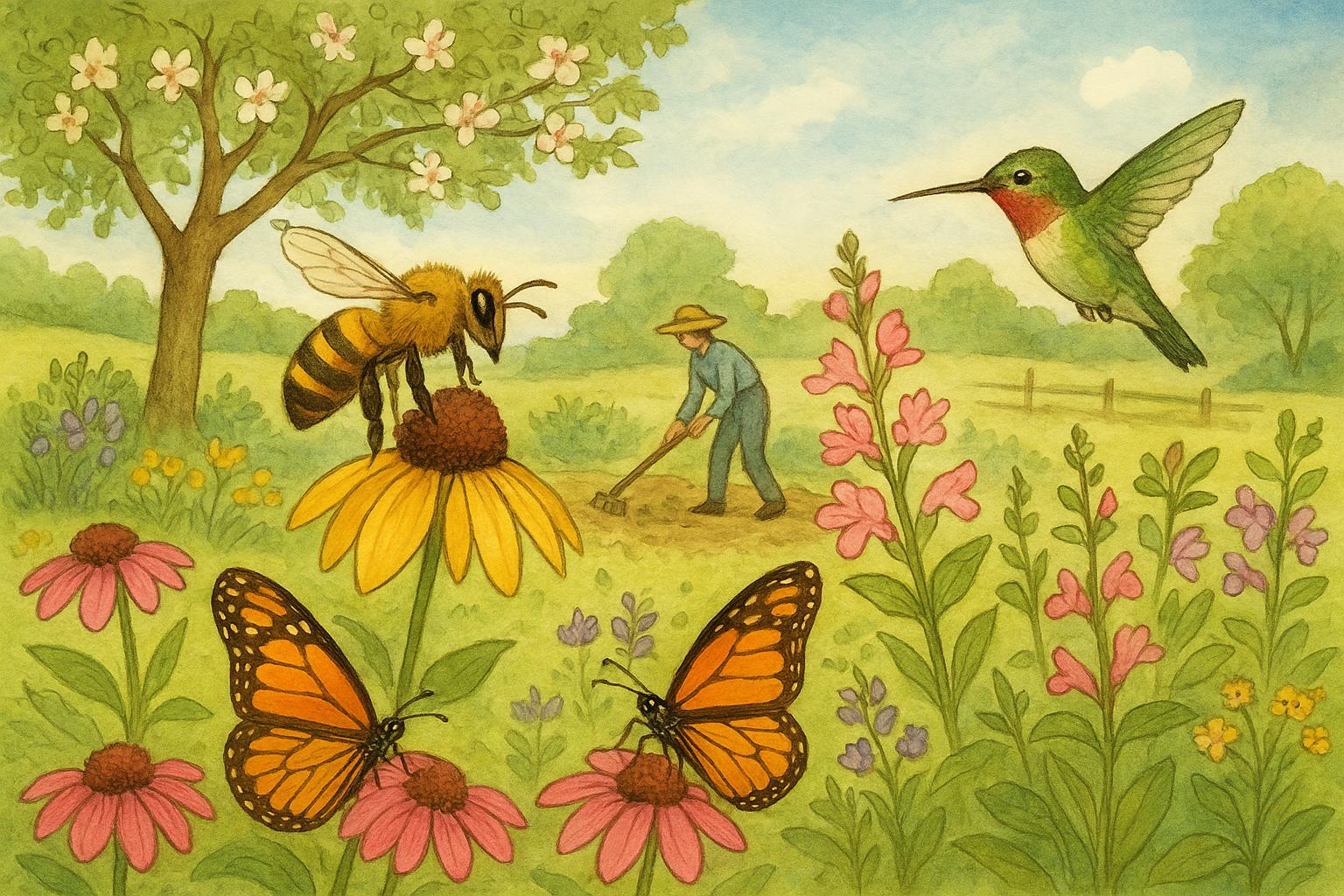
Summer is when pollinator blooms can really shine. This is the time for perennial clumps that repeat and support populations through their nesting and brood-rearing cycles. Echinacea, monarda, and native salvias are reliable summer producers. They attract a wide range of species and hold nectar for days.
Water smartly. Deep, infrequent watering encourages strong roots and healthier blooms. Deadhead selectively—removing spent flowers can extend bloom time, but leave some for seed-feeding birds later in the year. For many gardeners, summer is where the payoff happens: steady visits, larvae on host plants, and visible diversity.
### Fall Resources And Late-Season Flowers
Don’t let the garden go quiet in September. Late-season nectar plants are critical for migratory pollinators and for insects building fat reserves for overwintering. Goldenrod and asters are the heavy lifters here. Solidago stands and diverse asters provide dense, late nectar that butterflies and bees gorge on.
Planting for fall also means thinking about structure. Taller late flowers can protect smaller plants from early frosts and offer thermal microclimates. Include sheltering evergreens nearby so insect life has refuge as nights cool.
### Winter Considerations And Evergreen Value
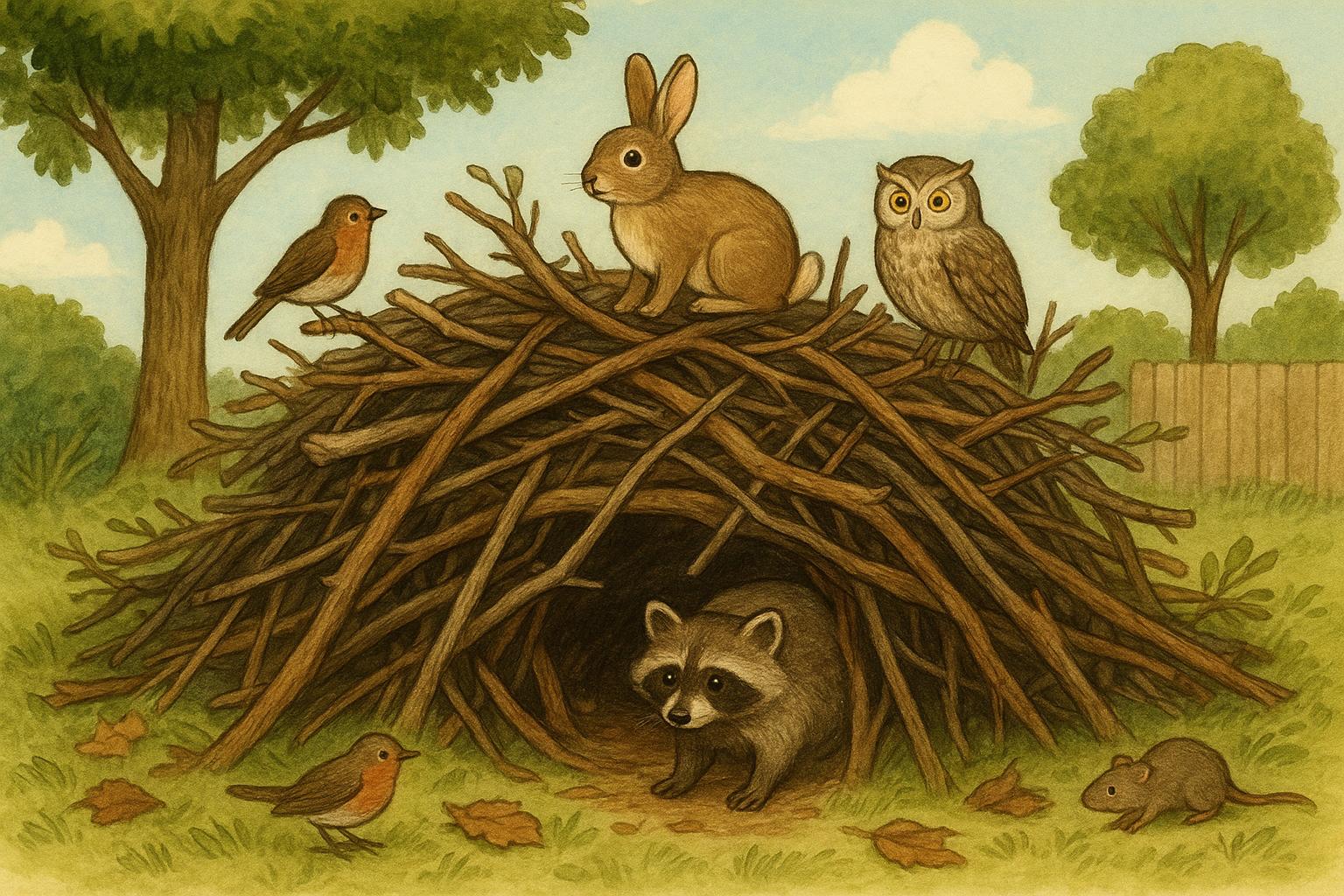
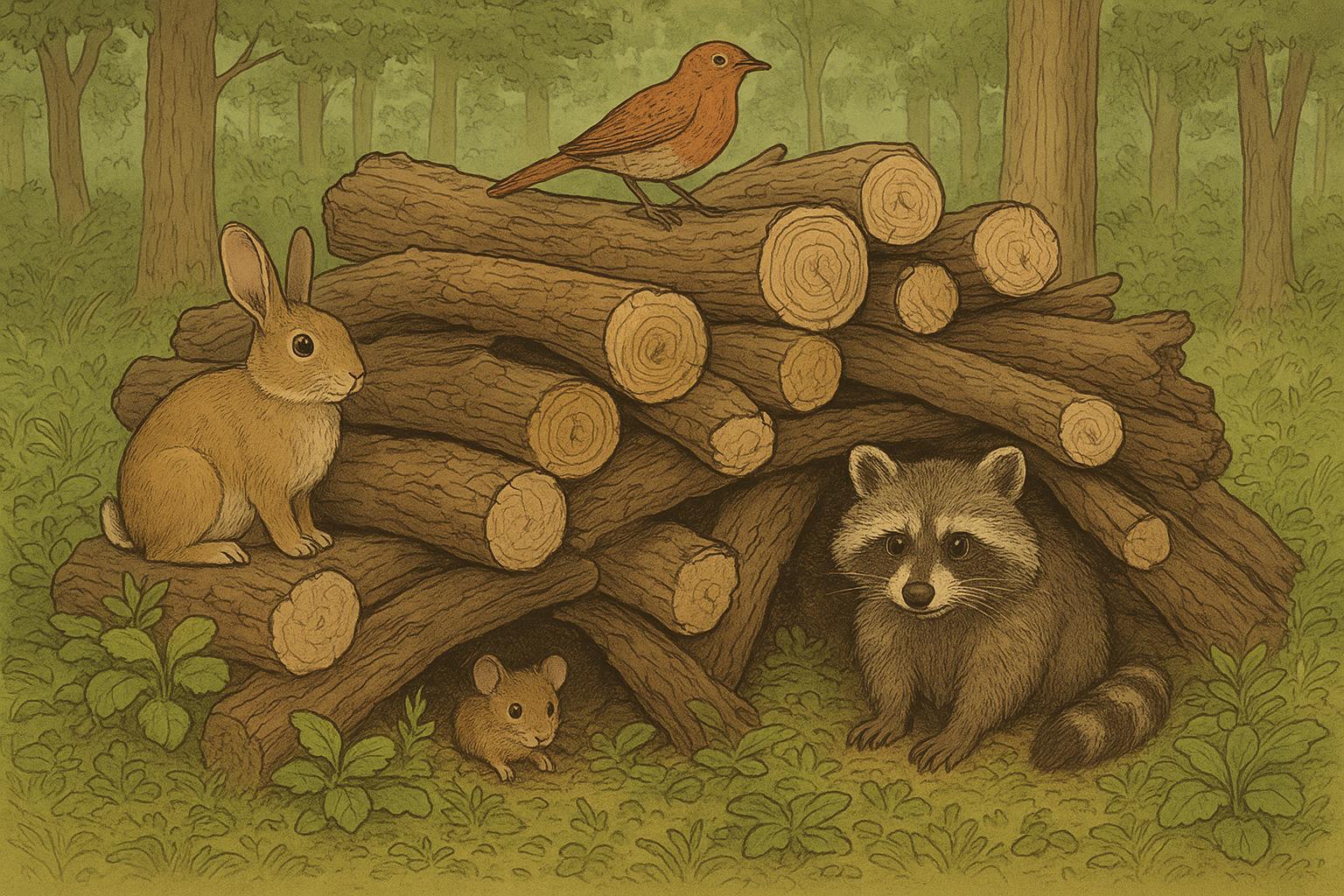
You won’t get many blooms in true winter, but you can support pollinators indirectly. Evergreen shrubs and sheltered hedges create warmer pockets where early spring blooms appear sooner. Also, maintaining dead stems and seedheads through winter helps overwintering bees and provides seeds for birds. Consider leaving a corner of the garden a bit messy.
### Plant Traits To Prioritize
Not every flower is equal. When you make seasonal nectar plant selection for pollinators, look for these practical traits:
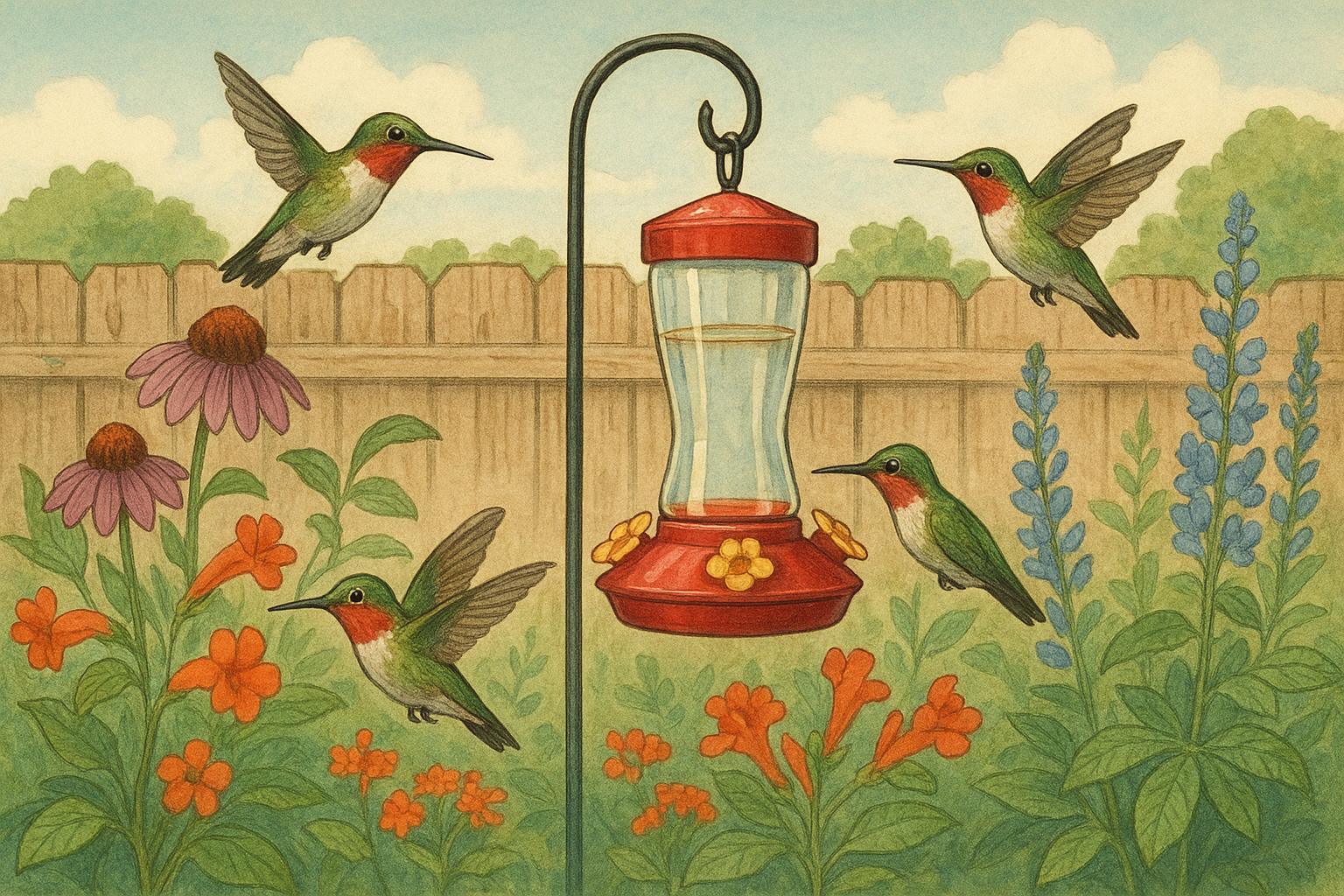
– Flower Shape: Open, daisy-like flowers feed a wide range of species. Tubular flowers suit hummingbirds and long-tongued bees.
– Bloom Duration: Plants that flower for several weeks give more reliable resources than single-day displays.
– Nectar Volume And Accessibility: Native species often strike the best balance for local pollinators.
– Native Range: Locals tend to match local pollinator life cycles and provide host plants for caterpillars.
A small list of go-to nectar plants can cover many needs without overwhelming the yard.
#### Examples Of Spring To Fall Chains
Try pairing these for overlap: crocus and willow in spring, Phlox and bee balm in summer, and late asters and goldenrod for fall. Thse choices create at least an eight-week overlap between major bloomers, which reduces gaps that stress pollinator populations.
### Designing For Different Pollinator Types
Bees, butterflies, and hummingbirds each prefer different things, but they coexist if you plan layers. Plant height and flower shape are the big variables. Bees appreciate clustered flowers where they can land; butterflies prefer flat landing platforms; hummingbirds want red tubular blooms. Mix them in swaths rather than single specimens. A single clump of nectar plants is easier for a foraging bee to find than scattered specimens.
### Small-Space And Container Options
You can design a pollinator-friendly balcony or small yard. Use containers with soil depth for perennials like lavender and sages. Sun-loving containers near windows and doors get frequent visitation. Even a single window box with continuous blooming varieties helps local pollinator blooms, especially in urban areas where wildflower patches are scarce.
### Planting Layout And Microclimates
Think like a pollinator. They follow sunlit corridors, fly low to the ground, and prefer sheltered spots. Create sunny strips with full-sun nectar plants, and buffer them with shrubs that block wind. Group plants into blocks of color and species so they’re visible at a distance. Clusters of the same plant are easier to find than peppered individual plants.
#### Soil And Water Management
Healthy soil = healthy flowers. Amend poor soils with organic matter and avoid overfertilizing. High nitrogen pushes leaves over flowers and reduces nectar production. Mulch to retain moisture but keep a patch of exposed soil for ground-nesters. Water in the morning to let surfaces dry and reduce disease.
### Pesticide Practices That Actually Help
If you use pesticides, think first, spray last. Systemic insecticides can contaminate nectar and pollen long after application. Target problems mechanically when possible—hand-remove pests, use row covers at risky times, or introduce beneficial insects. When you must spray, pick spot treatments after dusk or very early morning to reduce pollinator exposure.
### Sourcing Plants And Native Selections
Buy from reputable nurseries that sell regionally appropriate plants. Ask whether stock was treated with neonicotinoids; if unsure, choose another source. Native plants win more often than not because they co-evolved with local pollinators and often need less water and care. Check local extension services or native plant societies for lists suited to your area.
### Monitoring And Adjusting Year To Year
Track what visits and when. A simple notebook or phone photos will show gaps in bloom timing or missing host plants for caterpillars. If bees stop coming in early summer, add a midseason bloomer next year. Seasonal nectar plant selection for pollinators is iterative—each season teaches you what to tweak.
### Community Scale Benefits
When neighbors do this together, benefits multiply. A street lined with staggered bloom periods supports migrating monarchs and long-lived bumble bee colonies. Even small plantings near community paths create stepping stones for insects moving through developed land. Encourage local plant swaps focused on nectar plants and pollinator blooms to spread knowledge and stock.
Plant selection isn’t just about pretty colors. It’s a yearlong push to offer steady resources. Make choices that overlap, match local needs, and prioritize function over pure ornament. That’s how gardens stop being isolated decorations and start feeding the bigger ecosystem, one bloom at a time.

Leave a Reply