
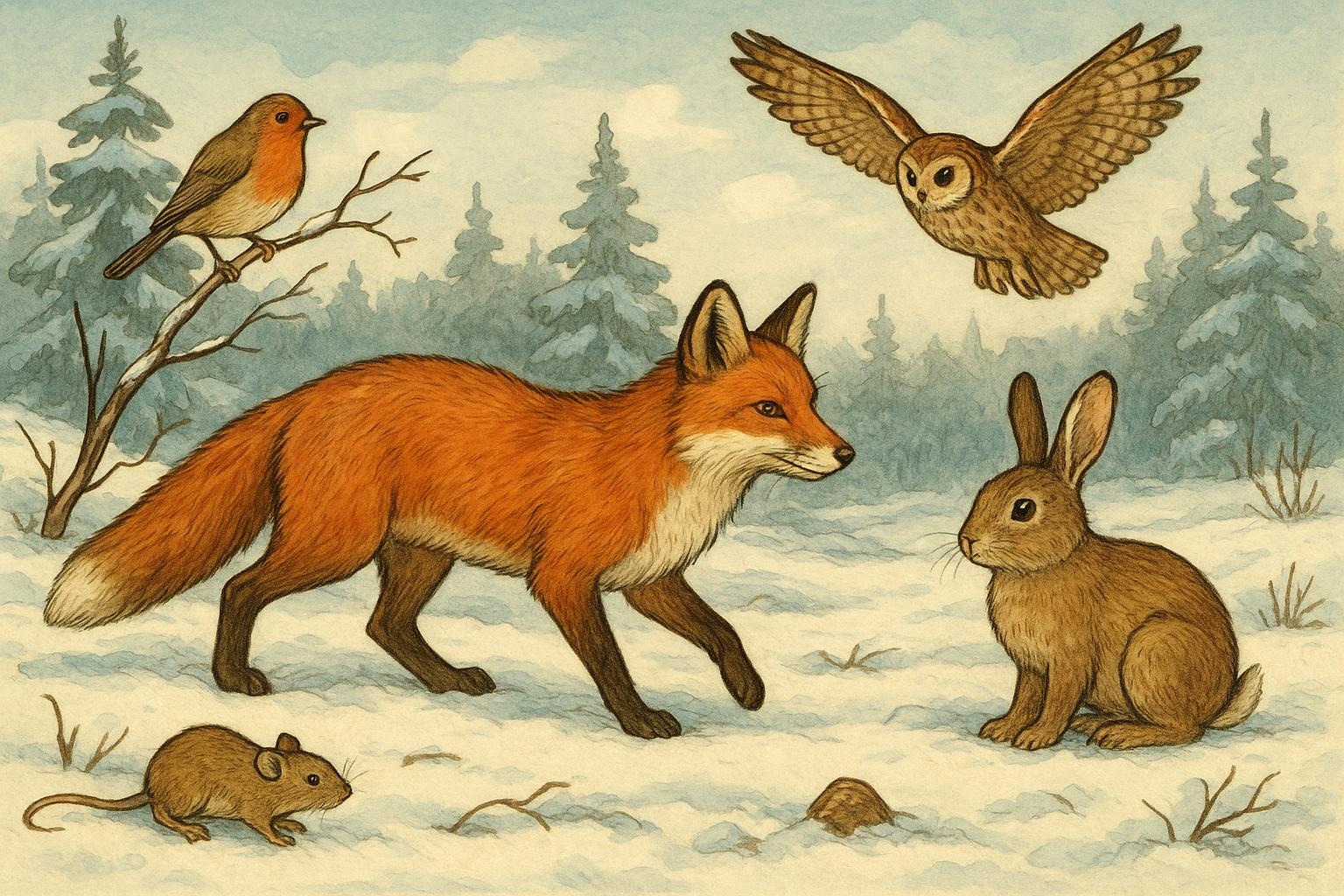
Winter in the backyard often feels quiet, but if you step outside with a patient pair of eyes and a warm hat, you’ll find plenty of life moving and working. Not everything hunkers down for the cold; some species shift strategies and others increase activity to take advantage of less competition. This guide gives you a friendly field companion for spotting, understanding, and supporting active wildlife through the colder months — with a couple of practical remedies you can build at home.
## Active Wildlife In Winter: Who’s Out And About
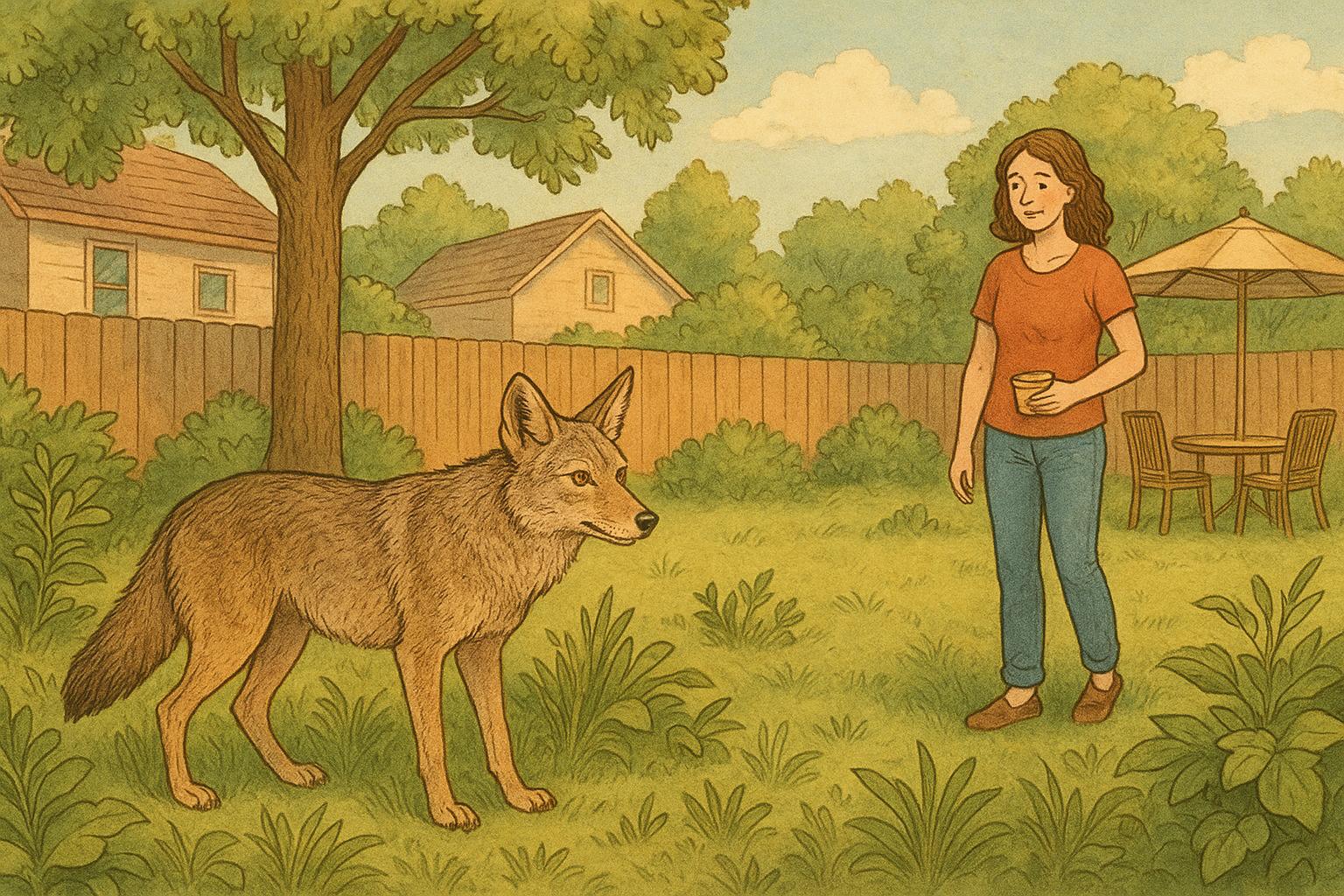
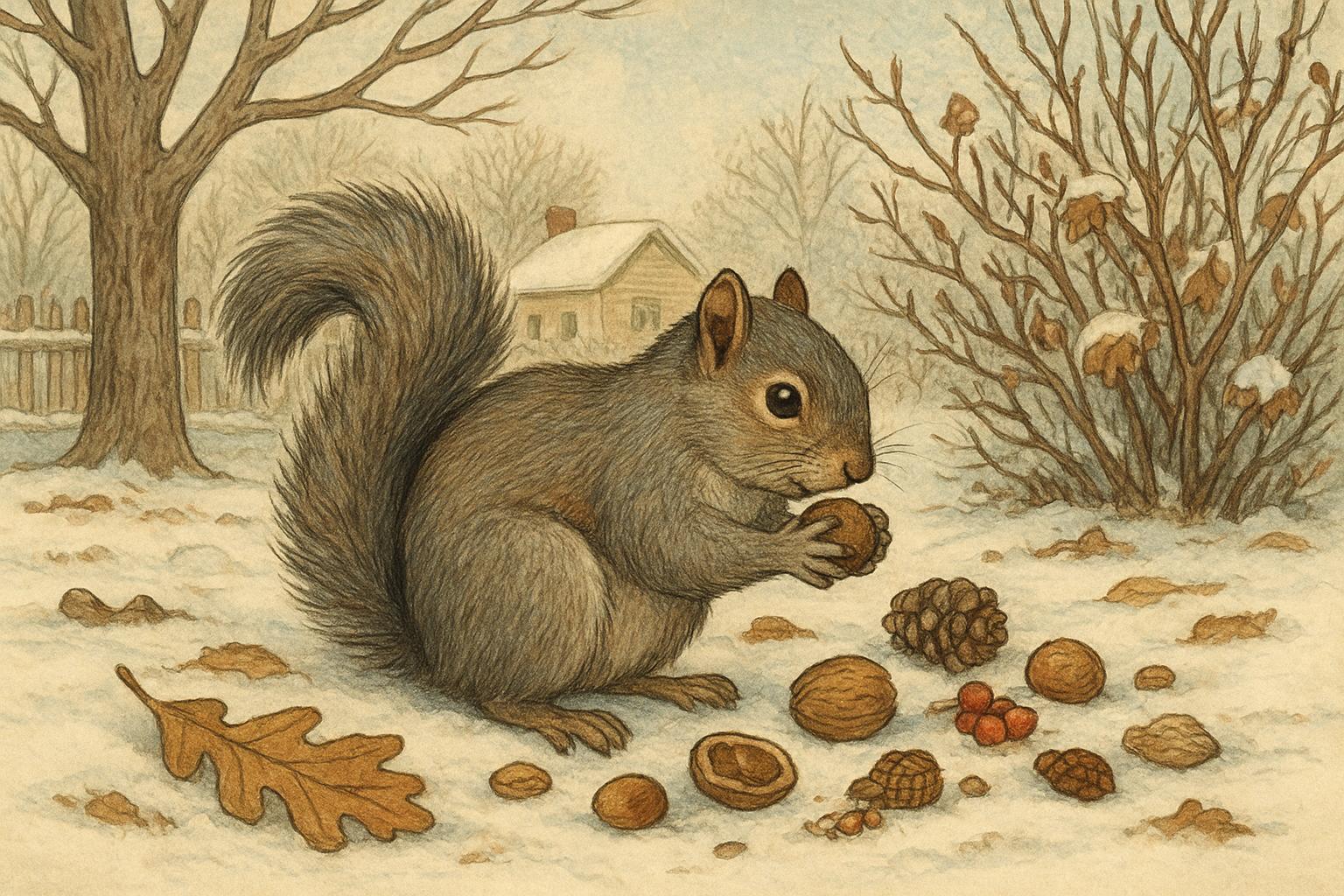
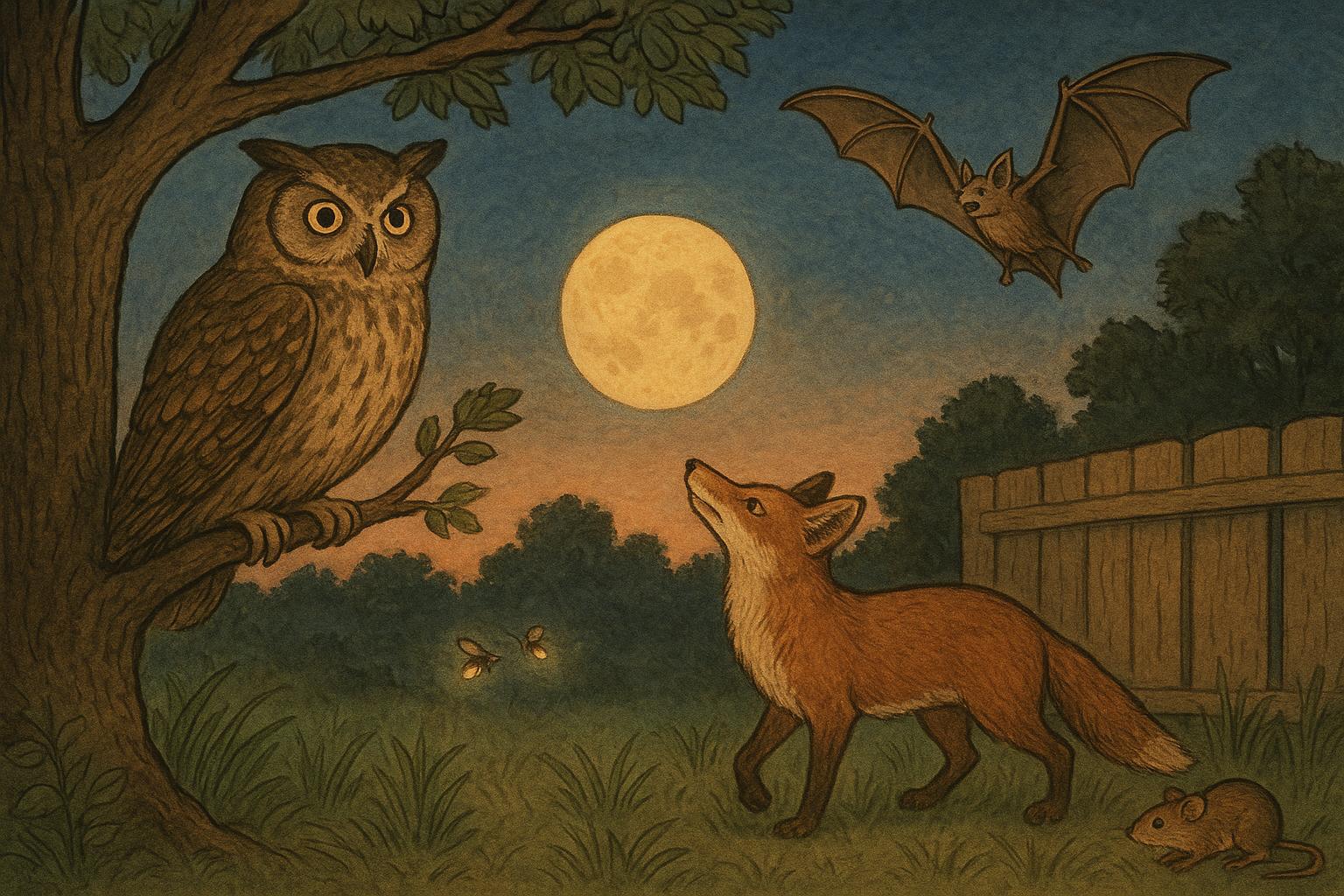
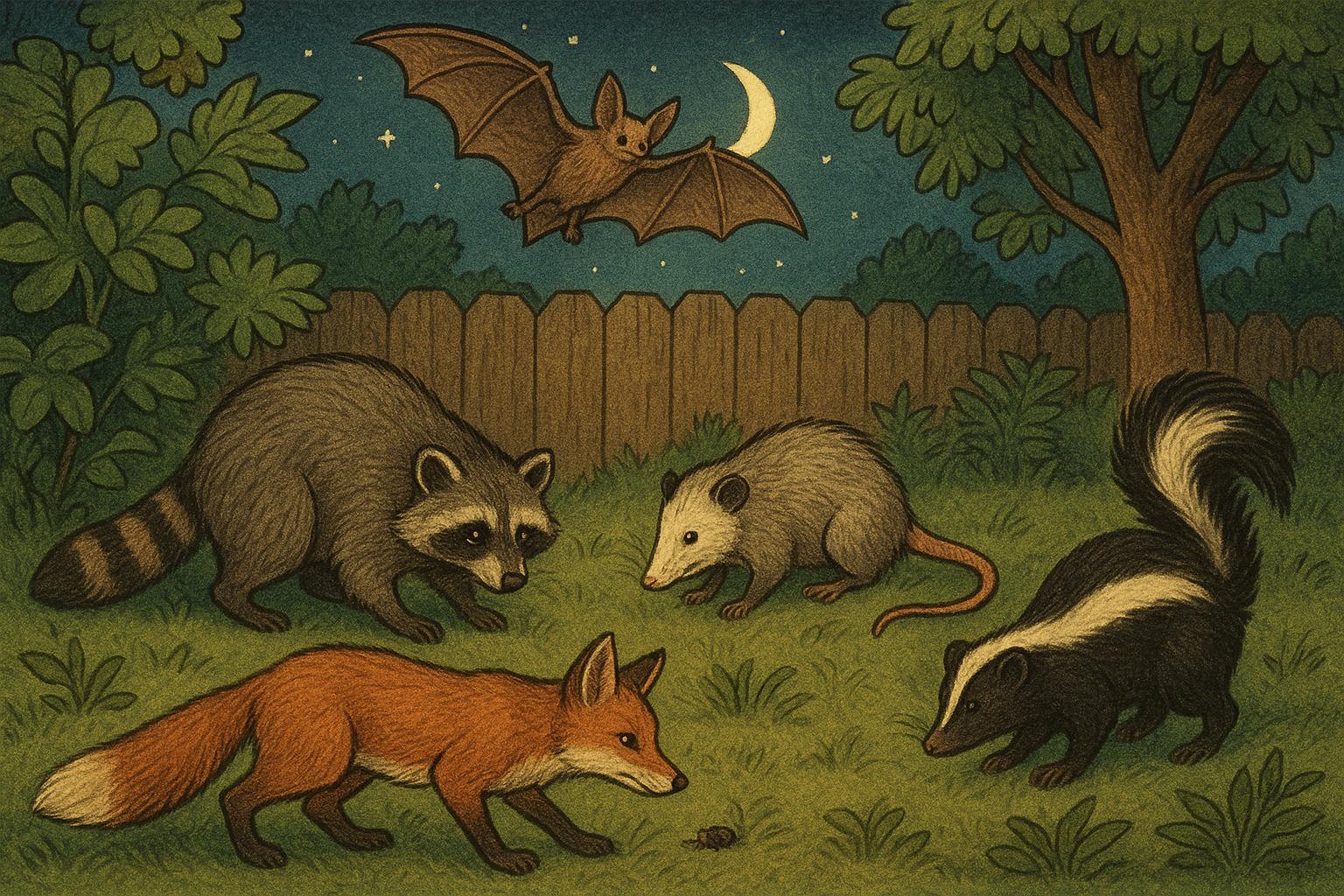
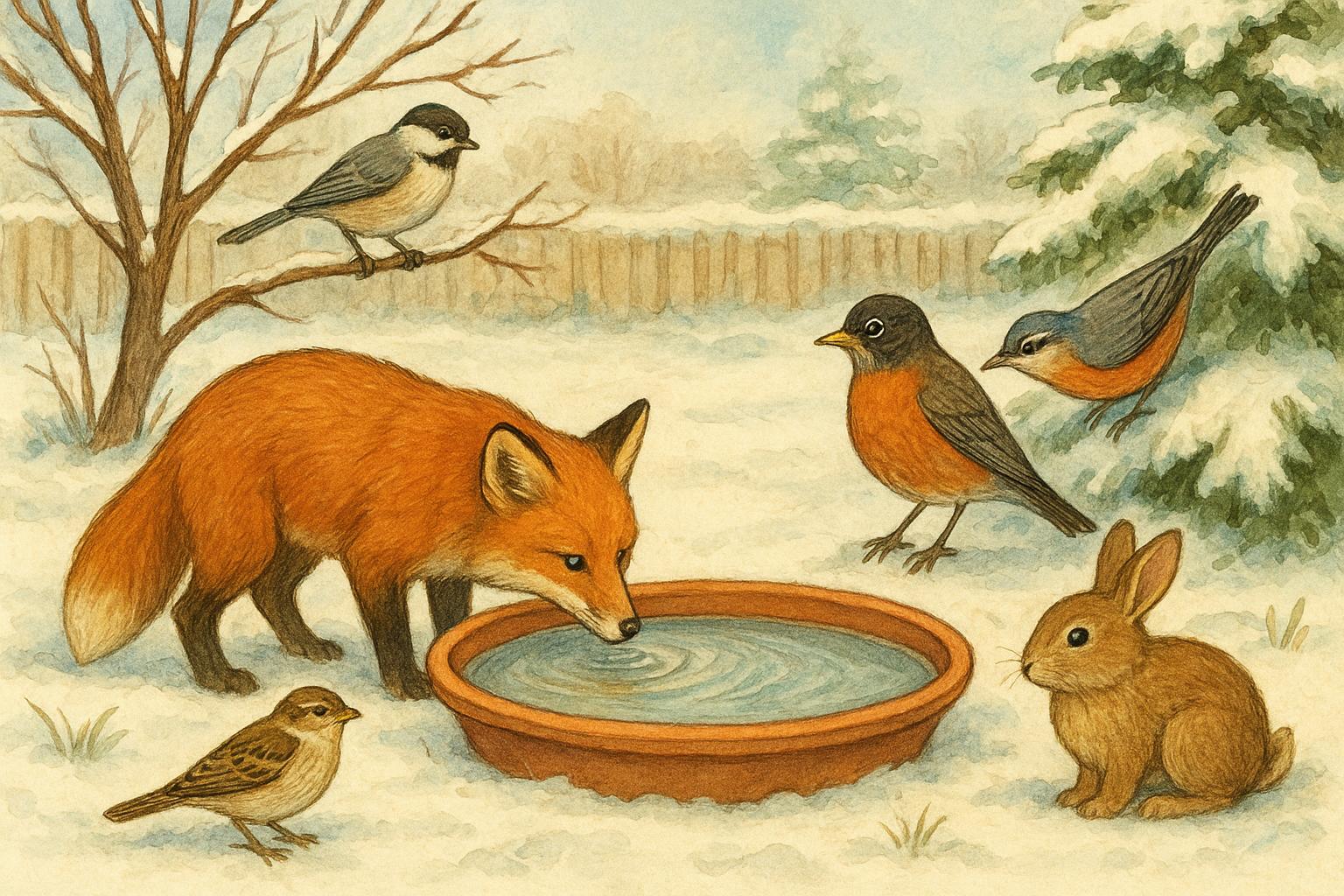
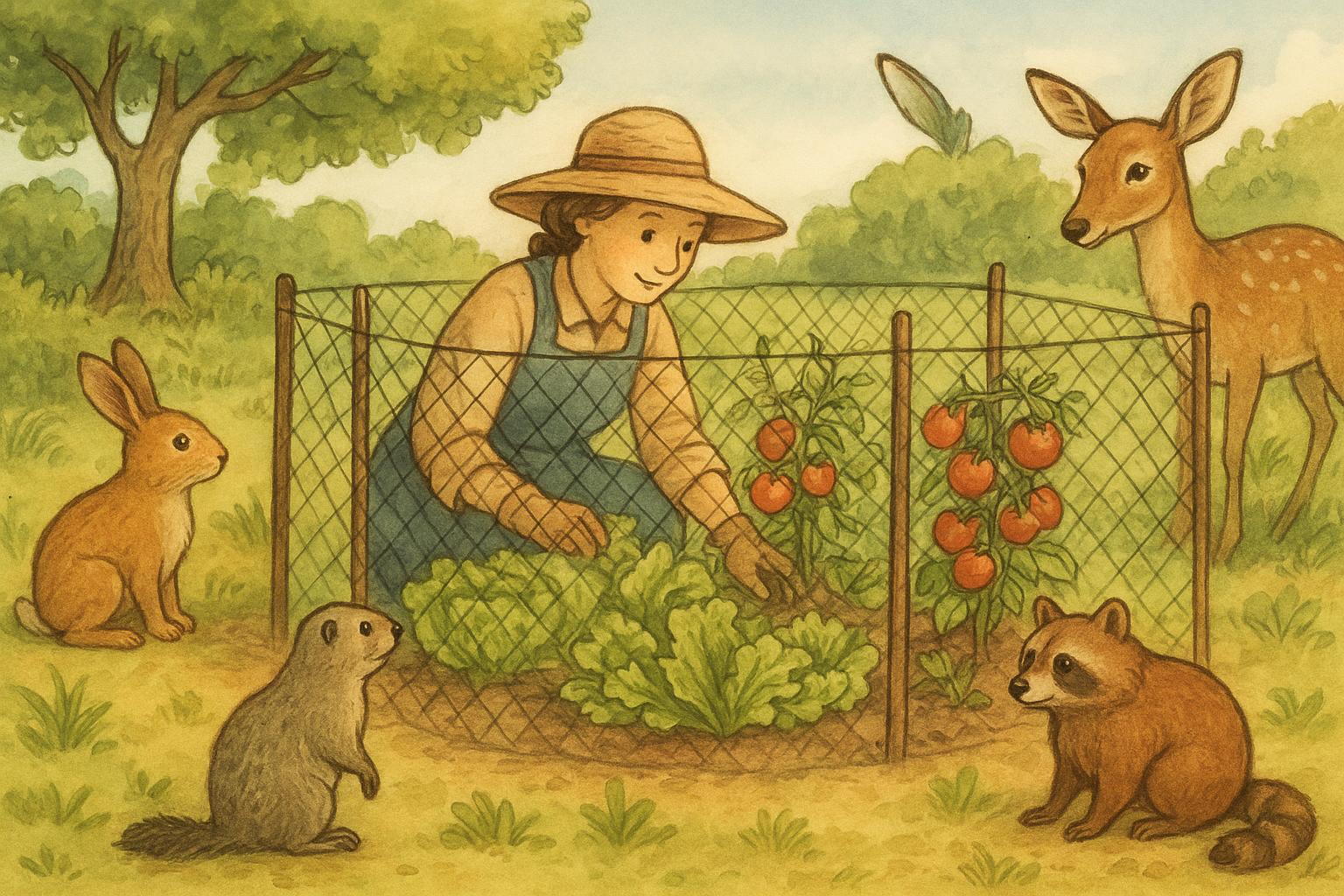
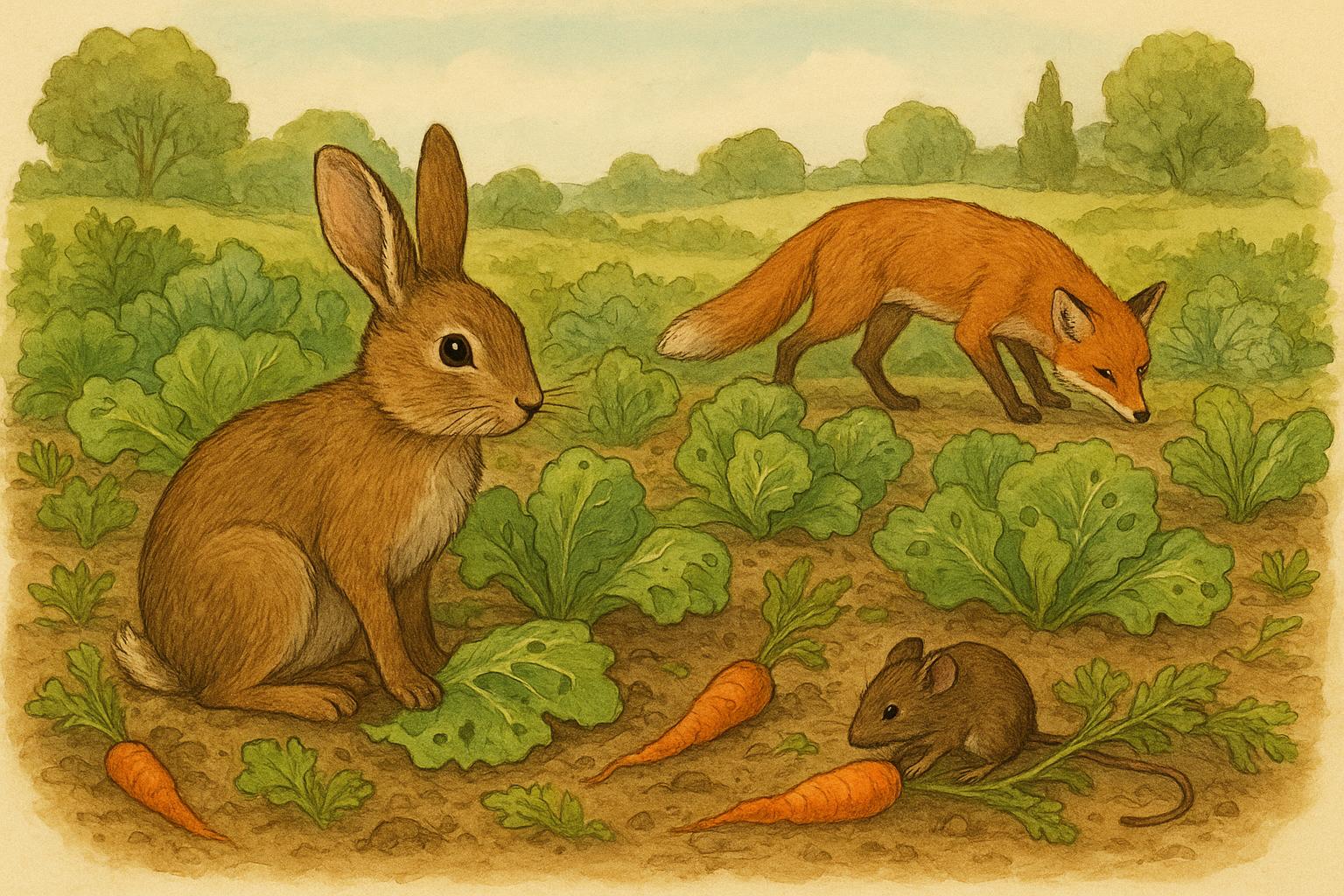
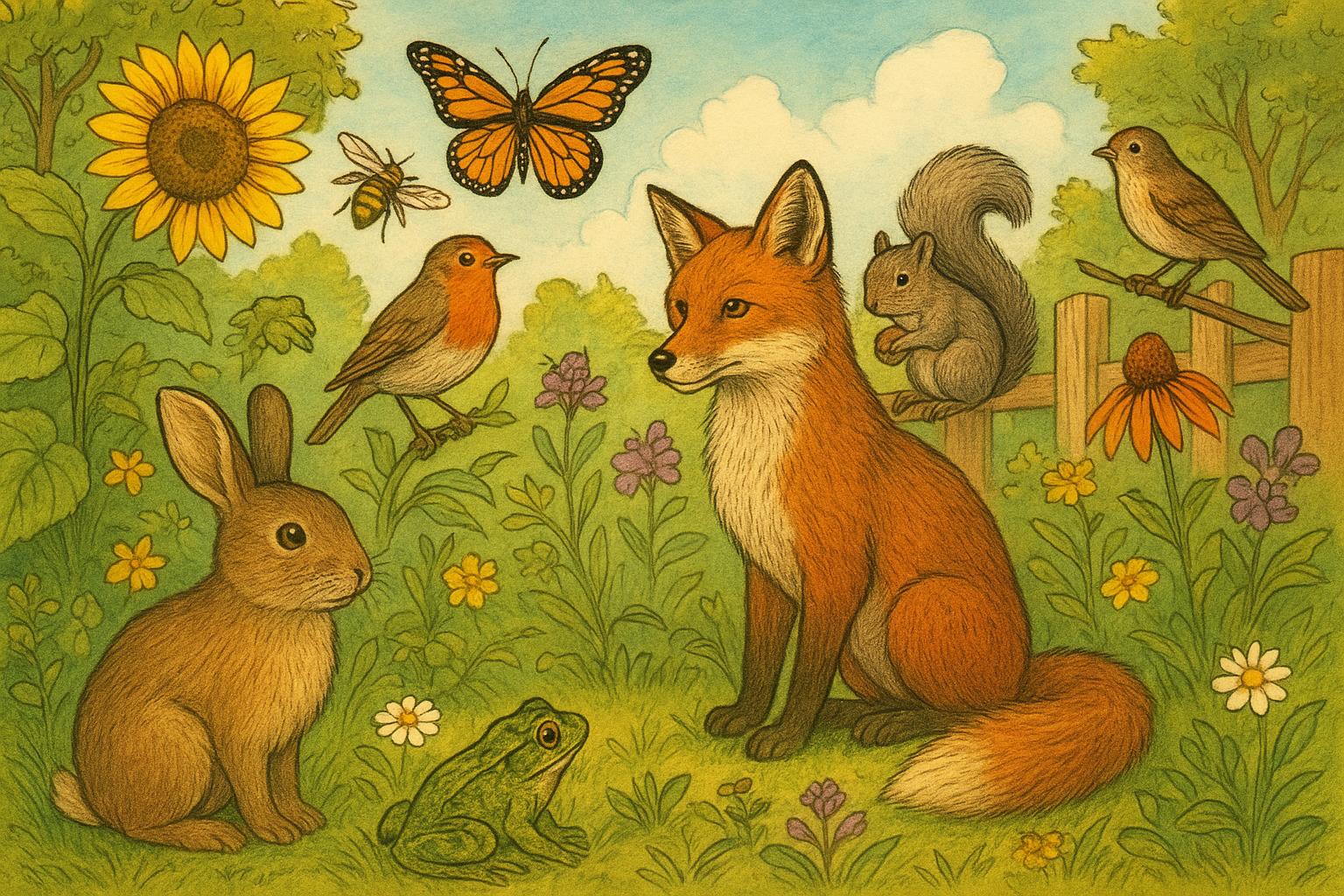
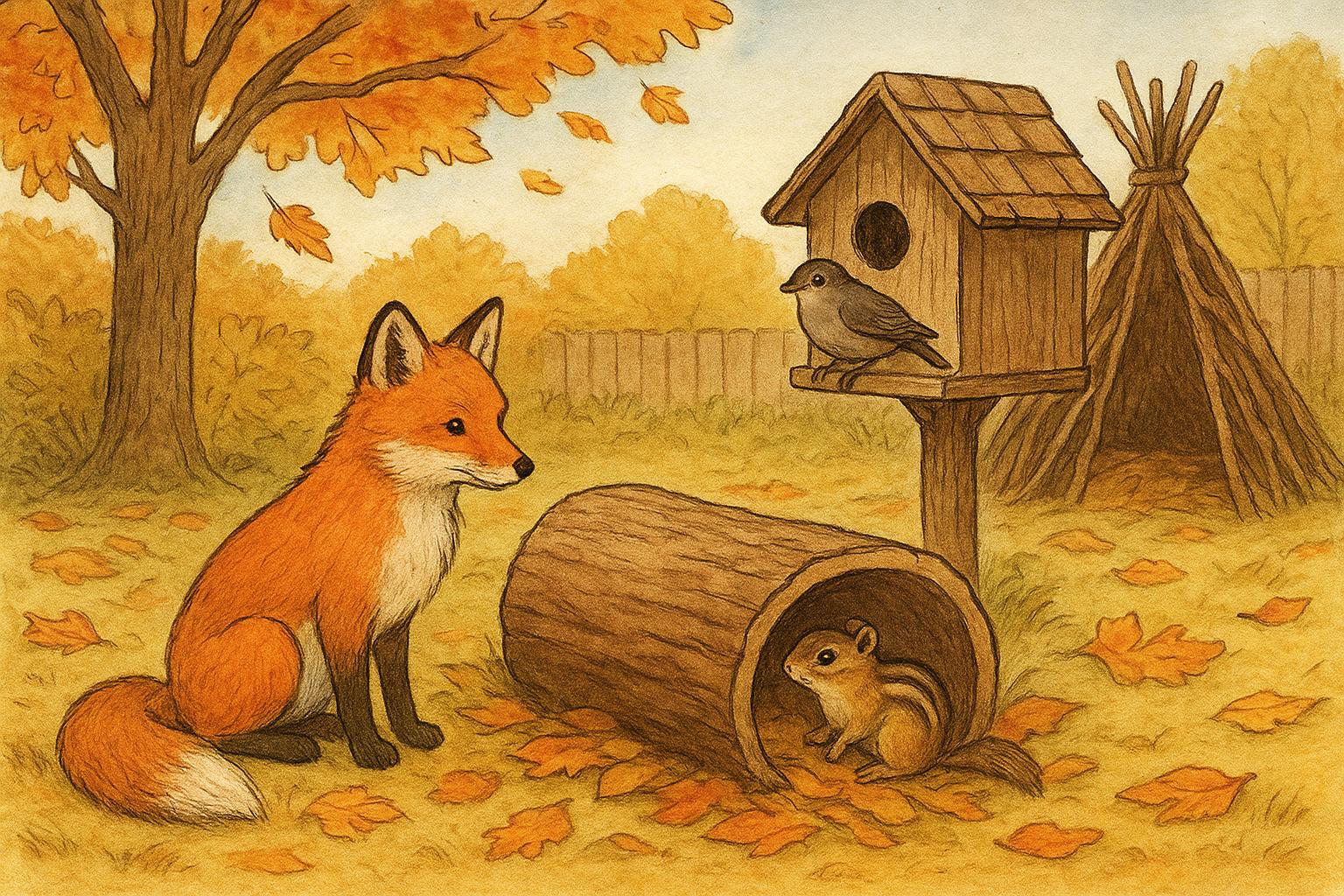
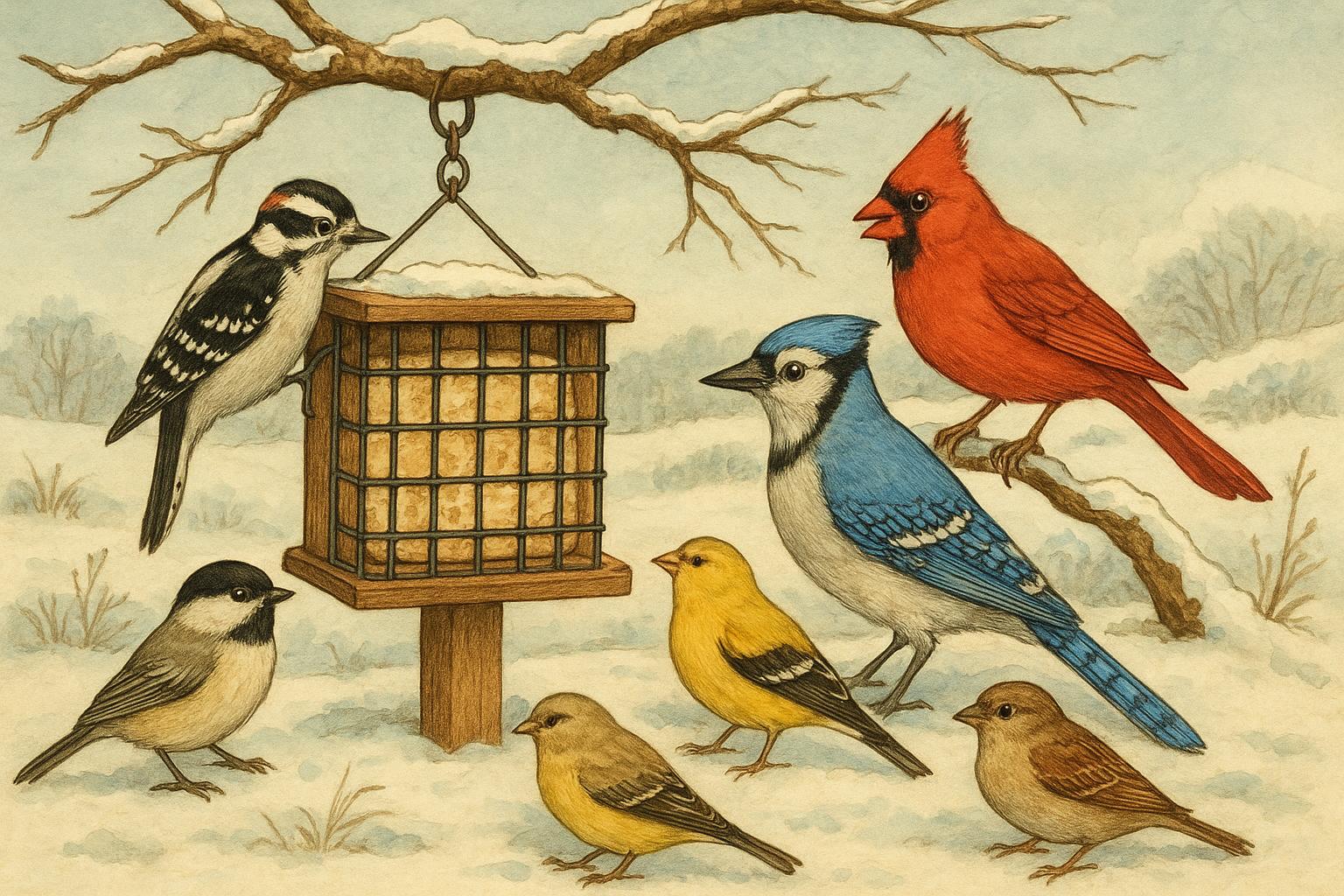
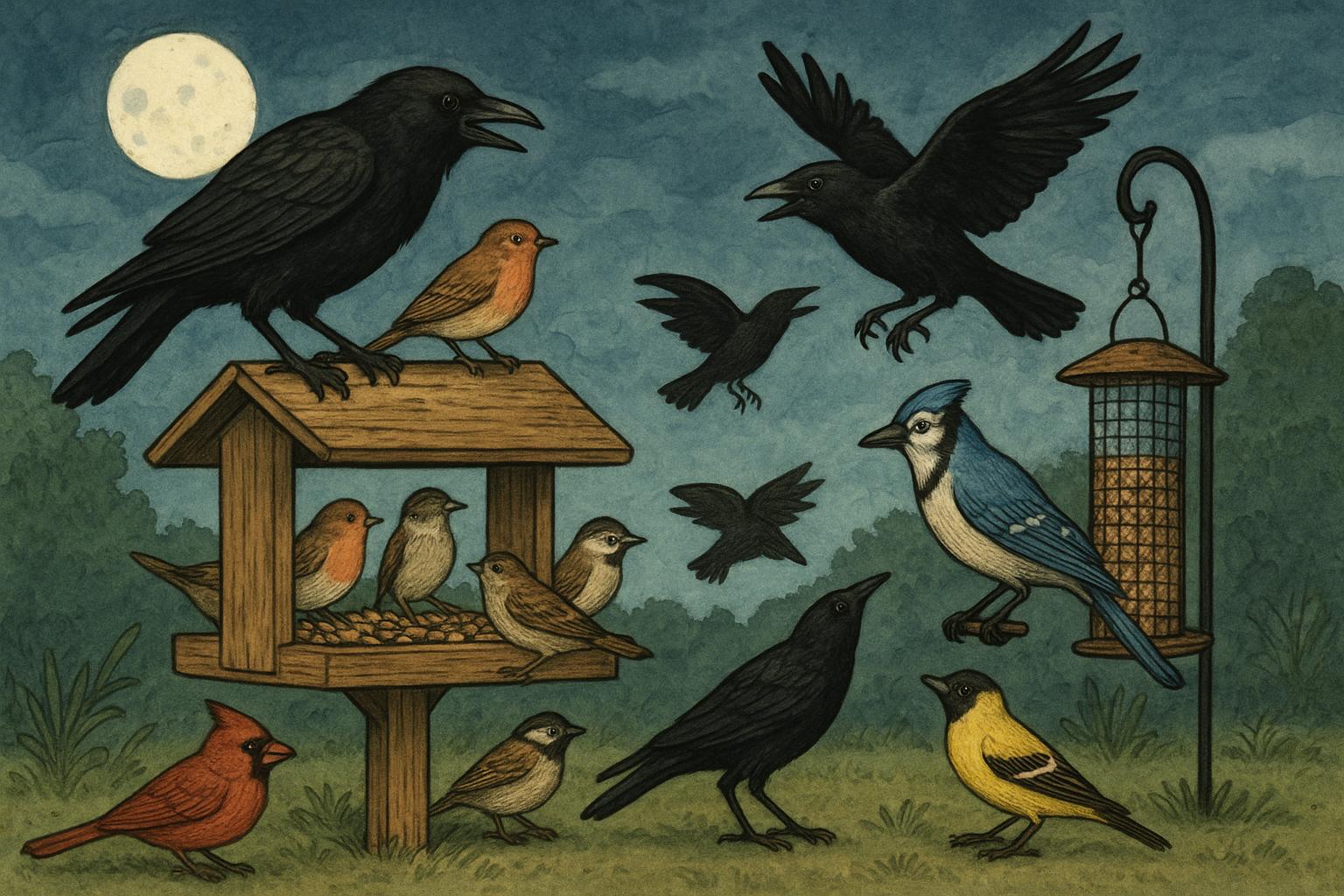
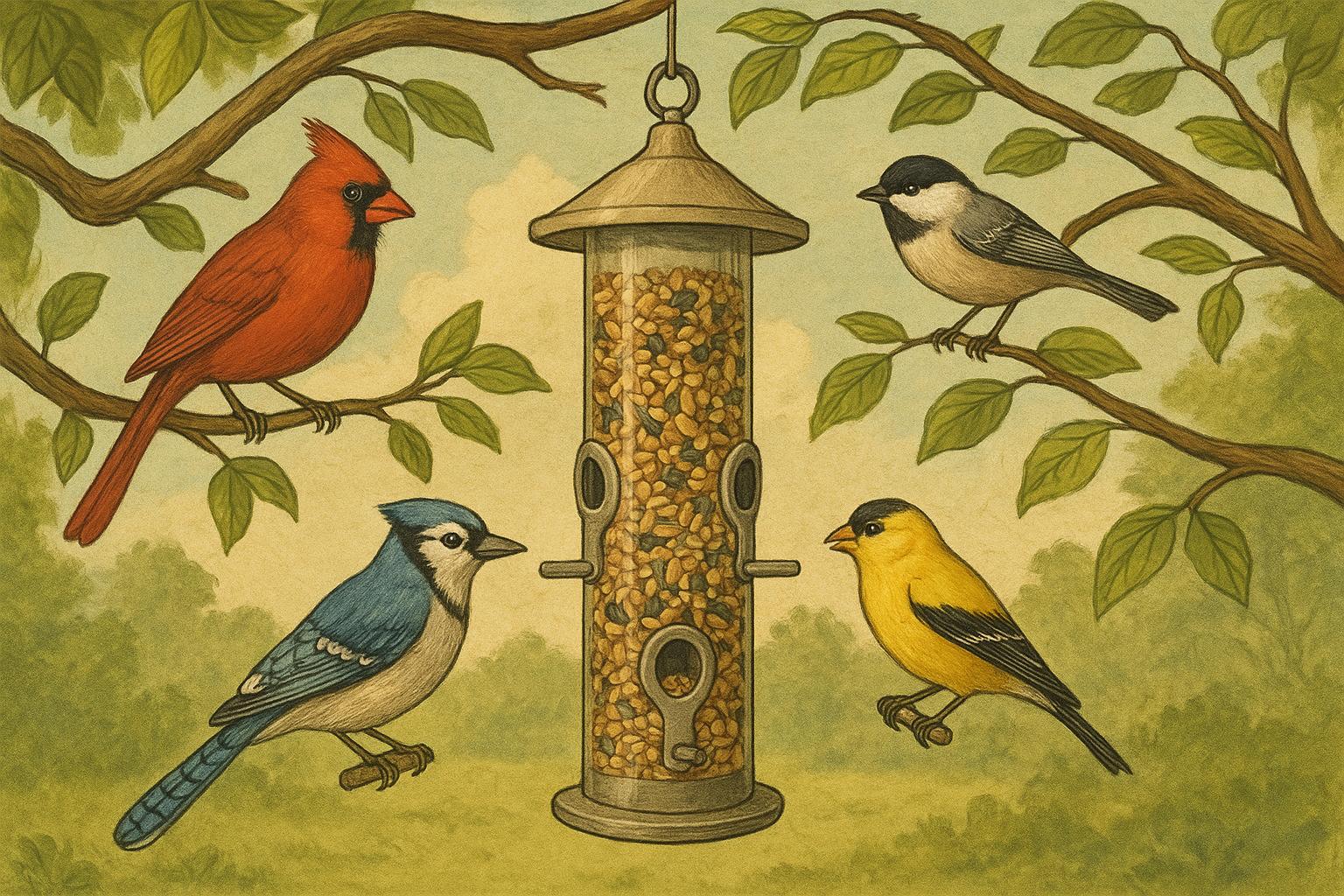
When you picture winter, you might imagine only snow and silence, but many animals remain busy. Songbirds such as chickadees, nuthatches, and jays are among the most obvious, flitting between feeders and berry-laden shrubs. Woodpeckers drum on dead branches searching for insect larvae warmed by sunlit bark. Mammals show up too: rabbits and foxes are commonly seen, deer browse evergreens, and squirrels patrol their caches. Even coyotes and owls remain active, adjusting hunting patterns to shorter days.
Active wildlife adapts behavior to conserve energy yet still fulfill needs for food, water, shelter, and reproduction. Understanding which species are likely to be moving through your yard is half the fun — and it helps you create a win-win habitat.
## Reading Tracks, Scat, And Other Signs
You don’t always need to see an animal to know it’s been there. Winter preserves signs remarkably well.
### How To Identify Tracks
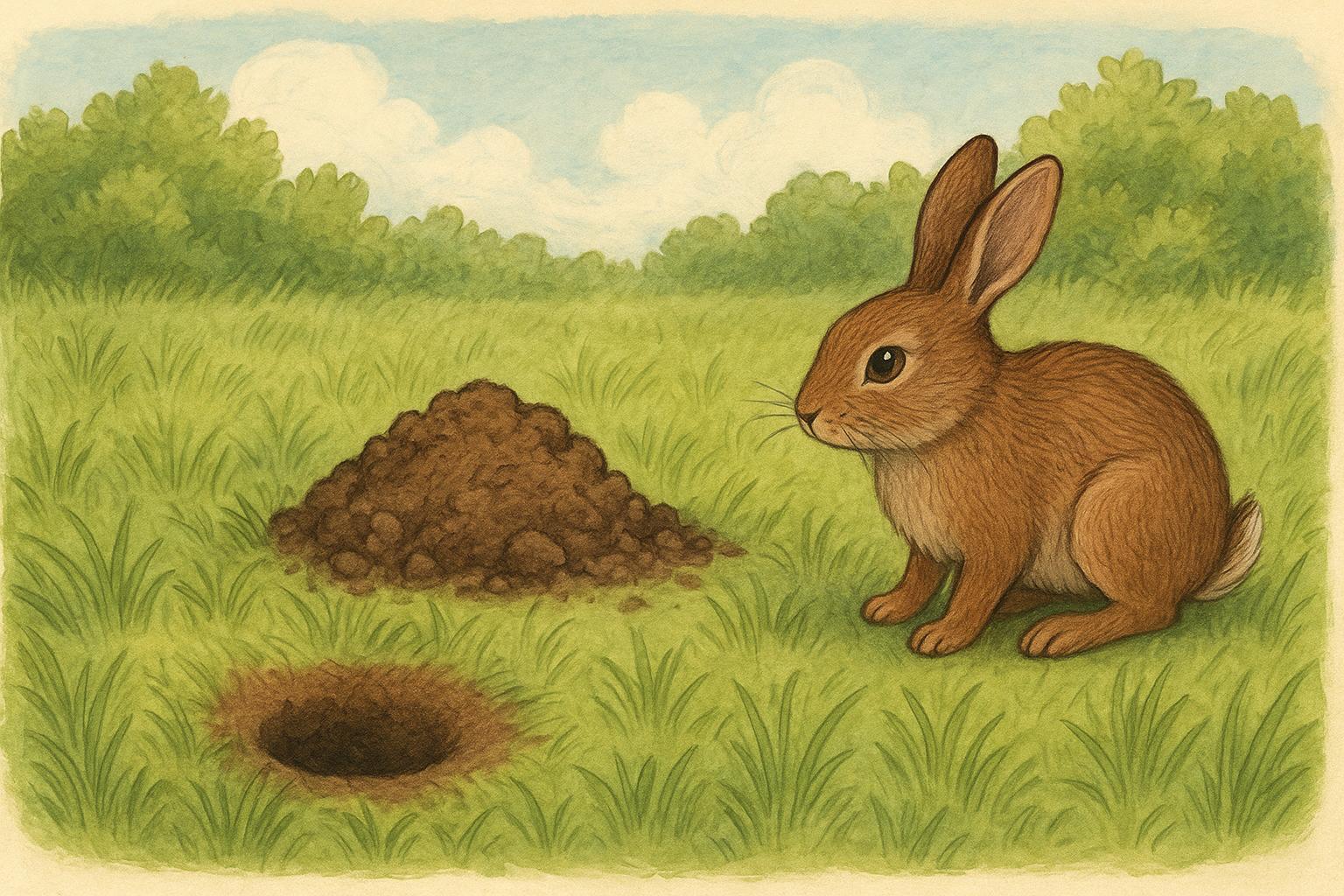
Tracks in snow give immediate clues. Small paired prints with a bounding pattern often mean rabbit; evenly spaced, four-toed prints with claw marks can be fox or coyote depending on size. Bird tracks show three forward toes, sometimes with a backward hallux; larger birds like grouse leave broader impressions. Keep a small field notebook and trace with a stick for photos later — this helps you learn patterns over time.
### Interpreting Scat And Feeding Signs
Scat size, shape, and contents tell stories. Rodent droppings are small and pellet-like, while larger tubular scat with hair or bone suggests a predator. Look for gnaw marks on twigs — beavers and voles leave distinctive teeth grooves. Fruit spats, hull piles, and feather sheddings near feeders indicate heavy bird activity. All these signs point to pockets of active wildlife in your landscape, even on the coldest days.
## Habitat Features That Keep Winter Wildlife Active
Creating or preserving microhabitats will encourage animals to stay or pass through your property.
### Shelter And Thermal Refuges
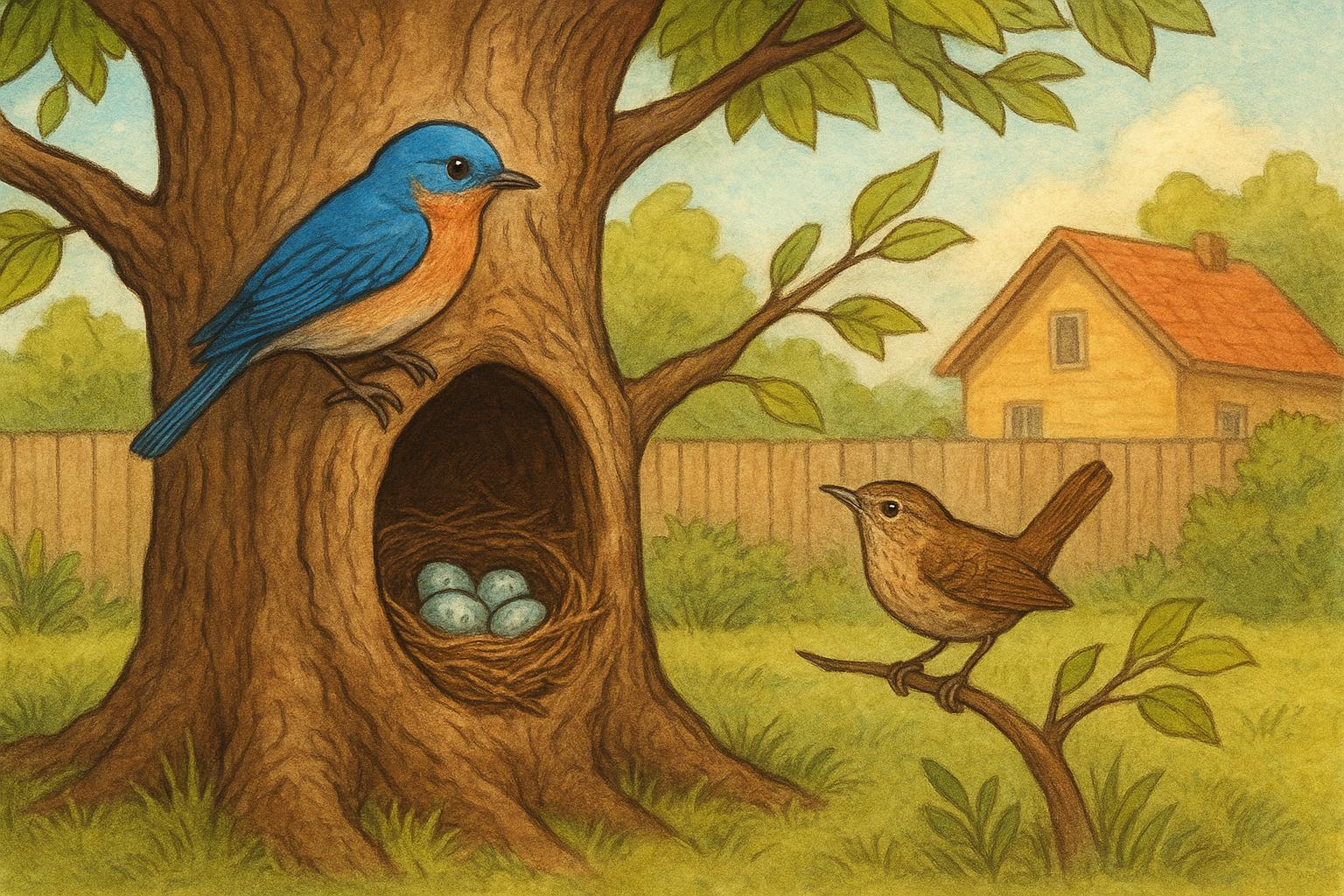
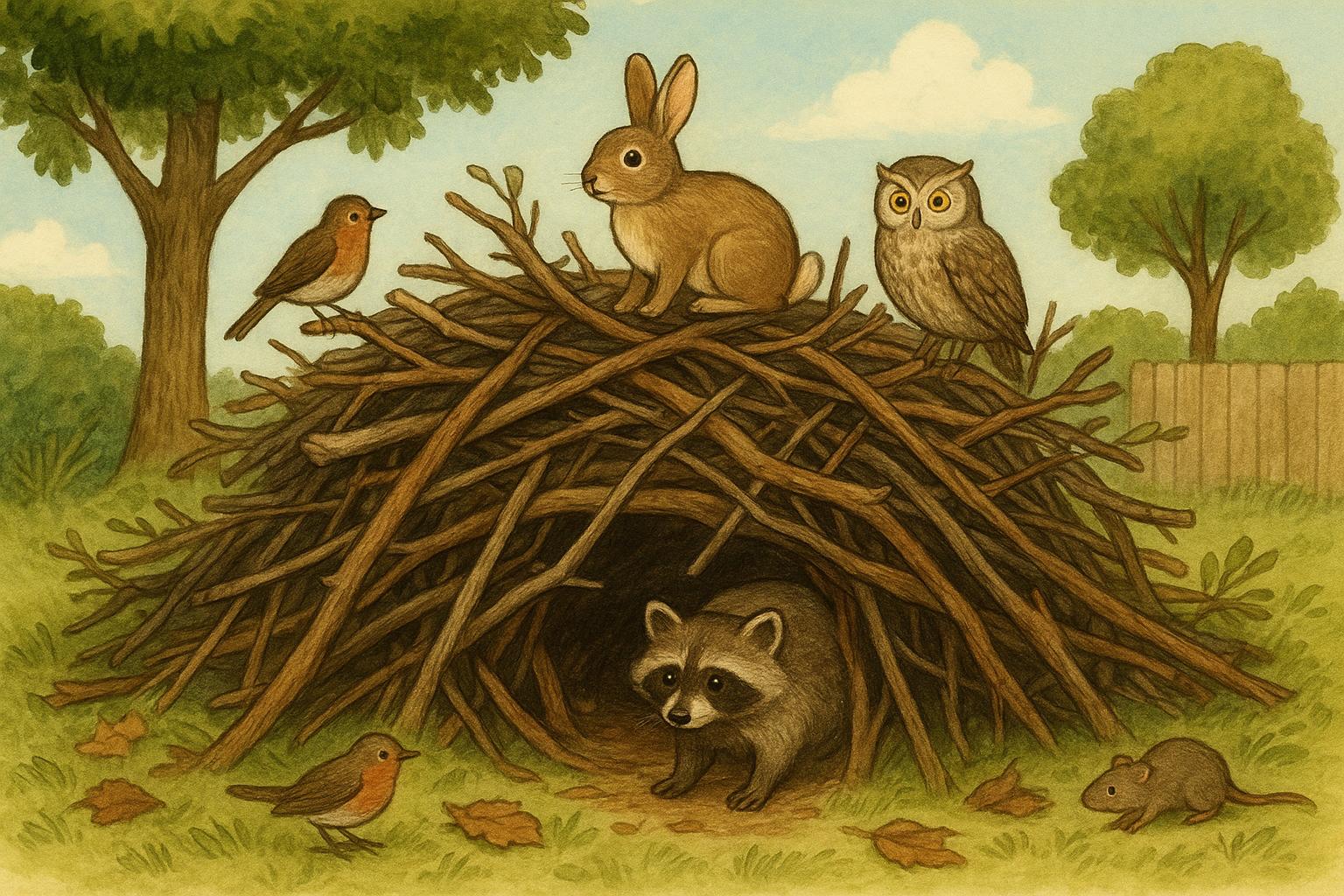
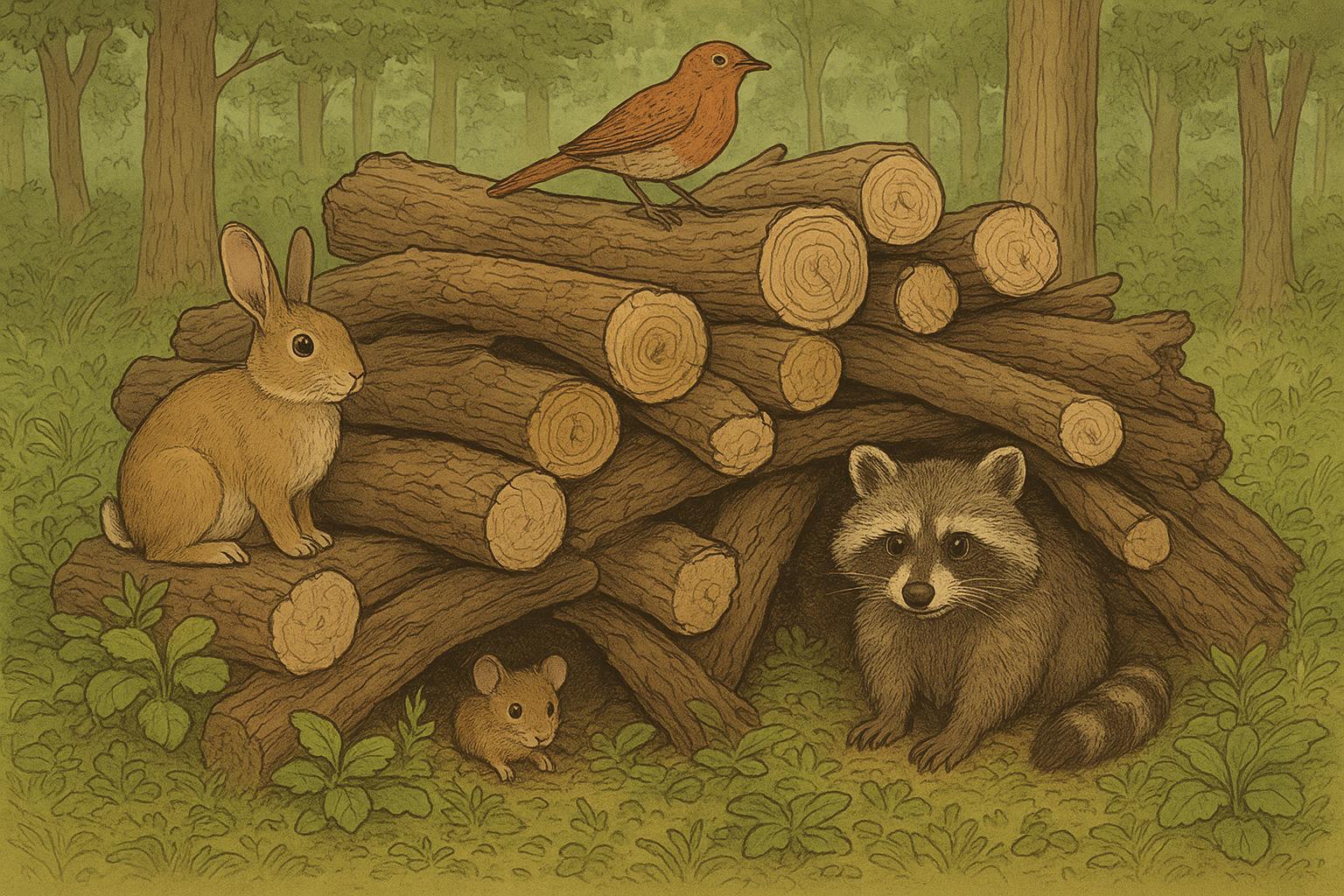
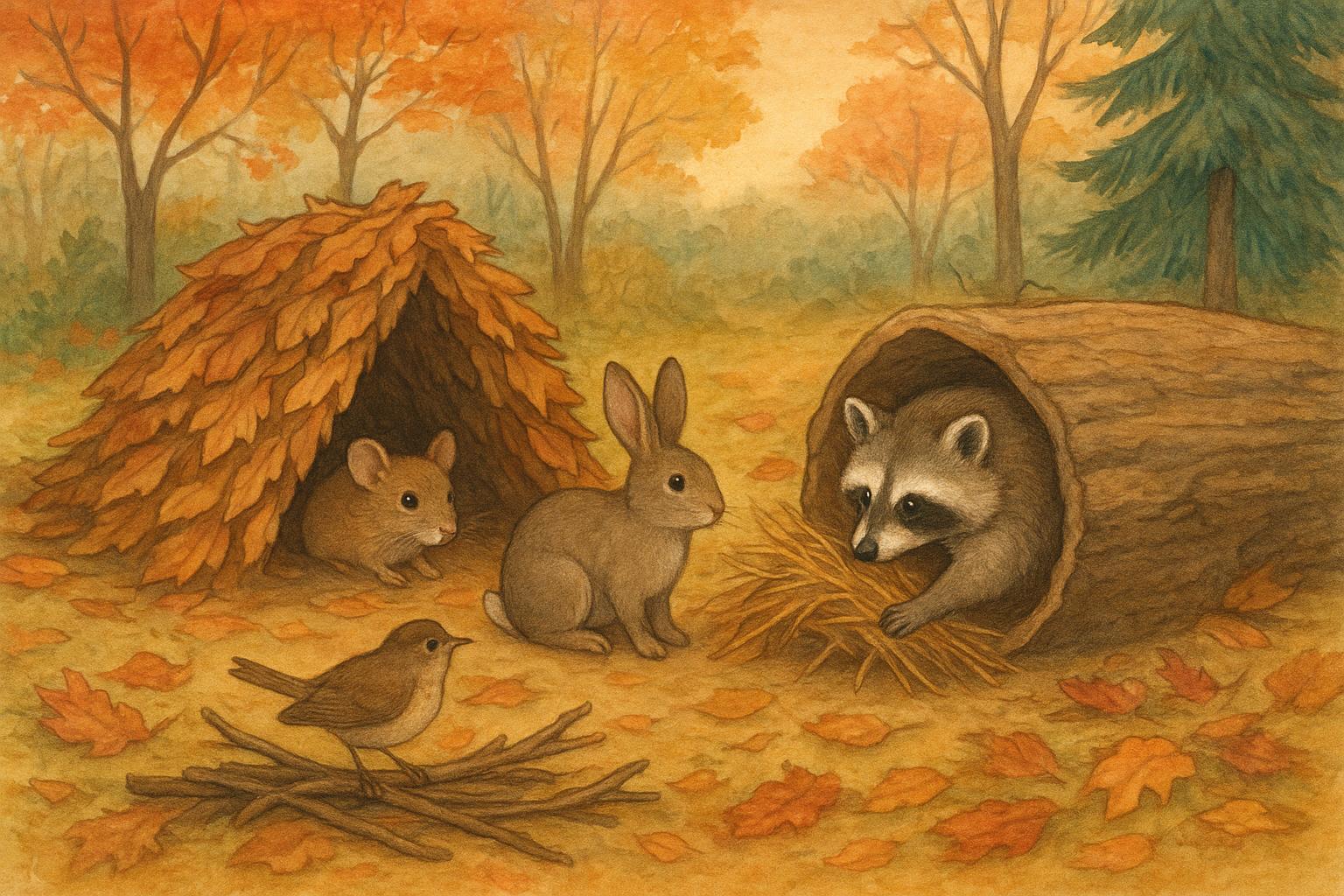
Dense evergreens, brush piles, and stacked logs provide insulation and windbreaks. Dead standing trees (snags) are invaluable for cavity-nesting birds and small mammals. Leaving a thin layer of leaf litter in sheltered spots supports overwintering insects and foraging opportunities for birds.
### Food And Water Sources
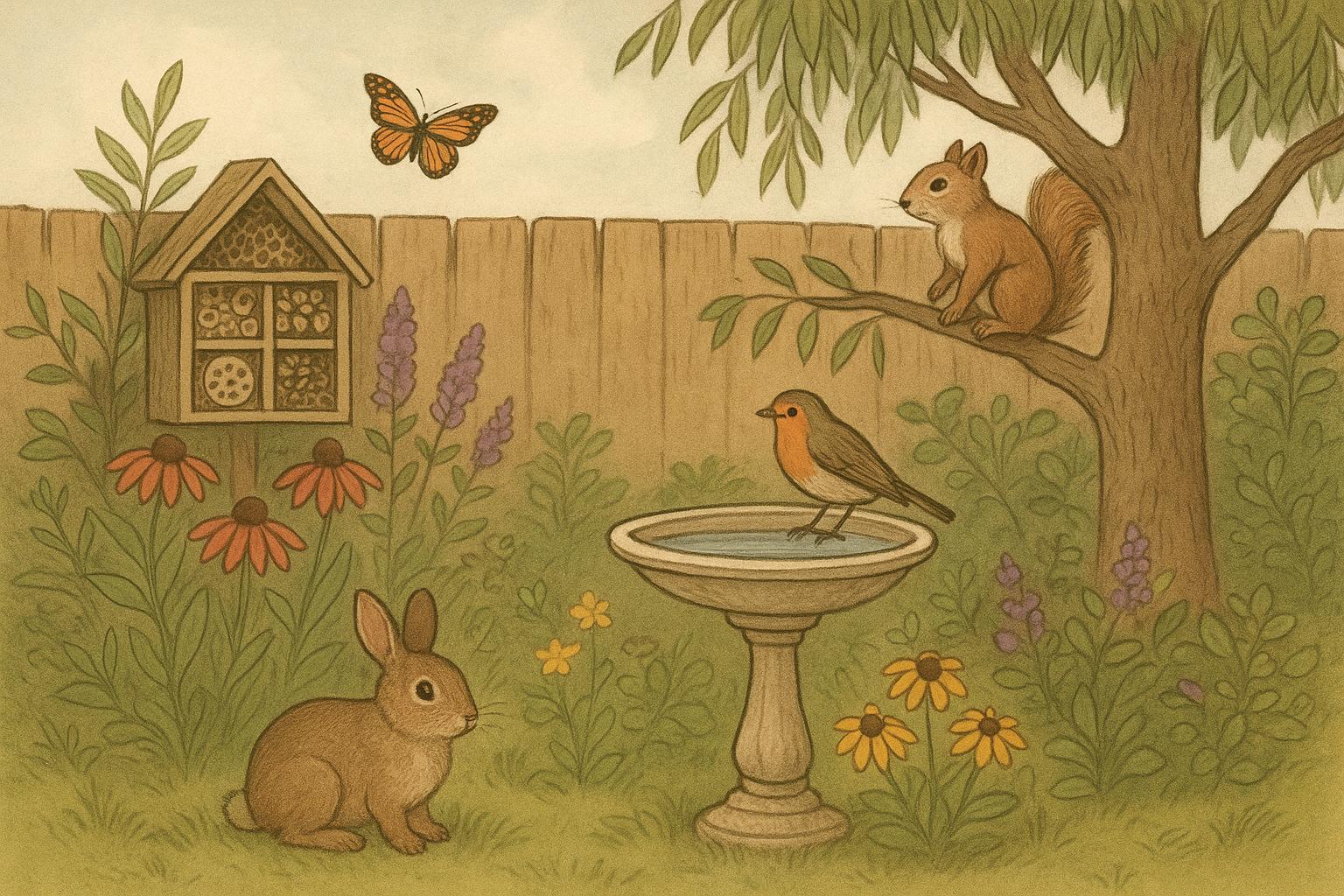
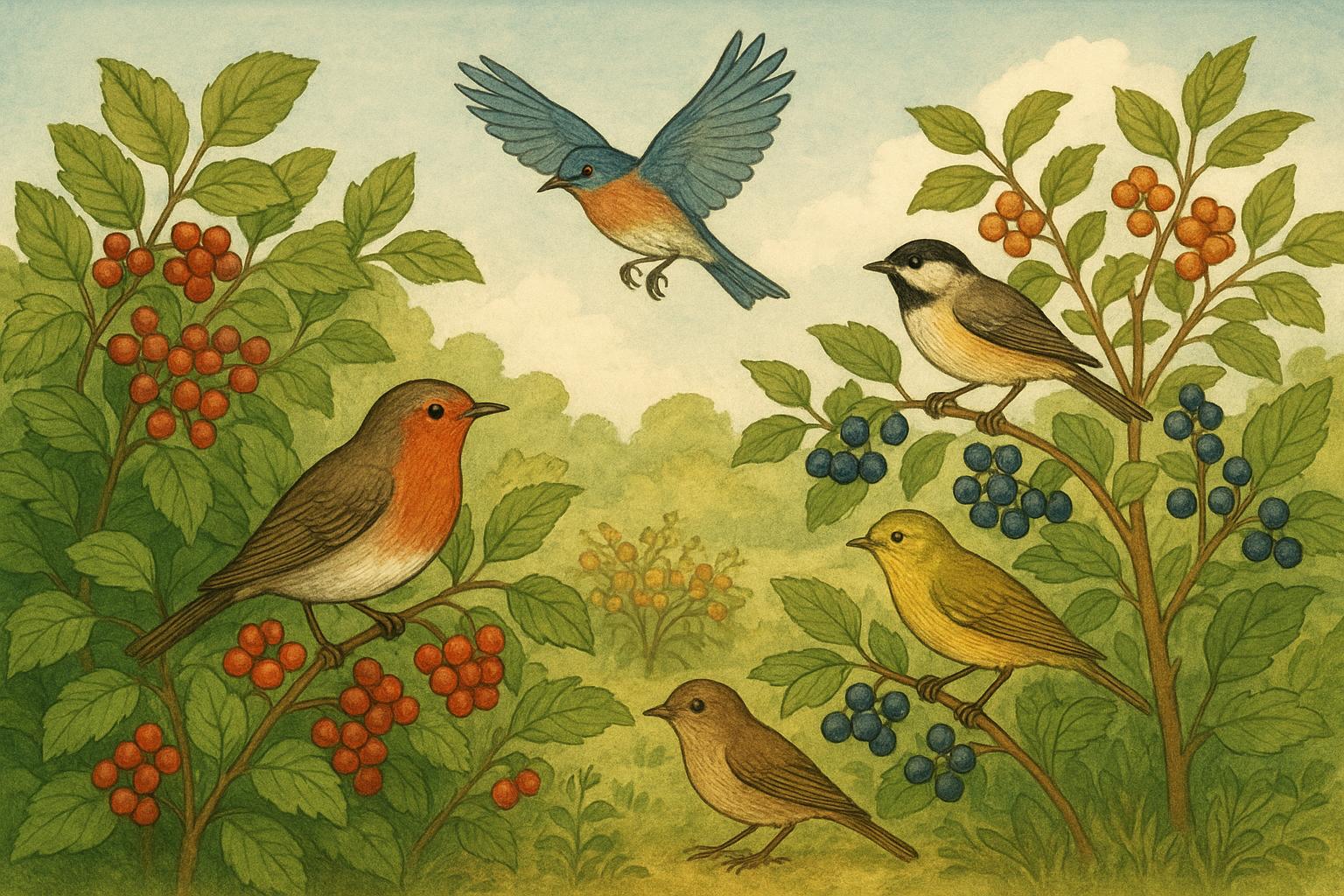
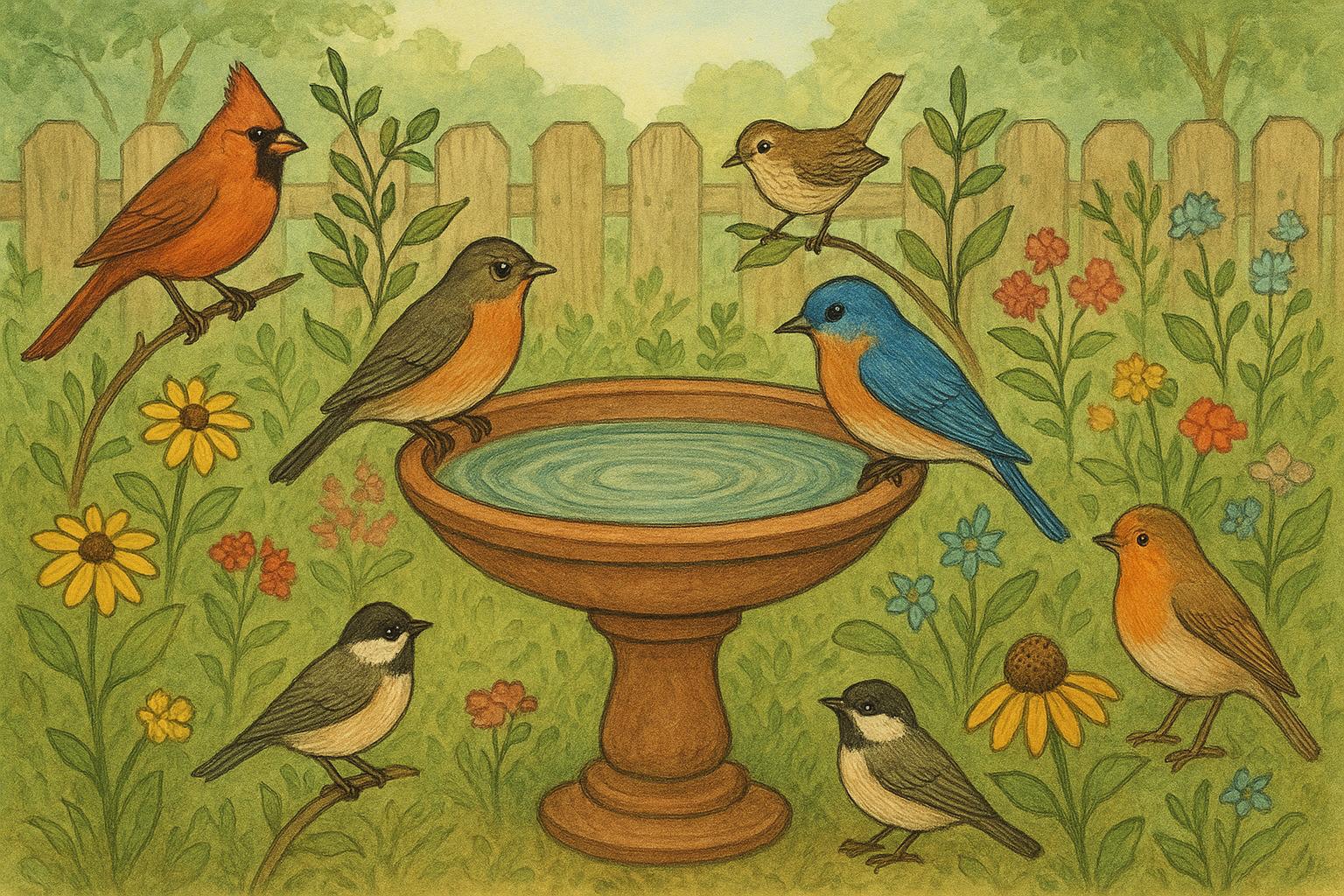
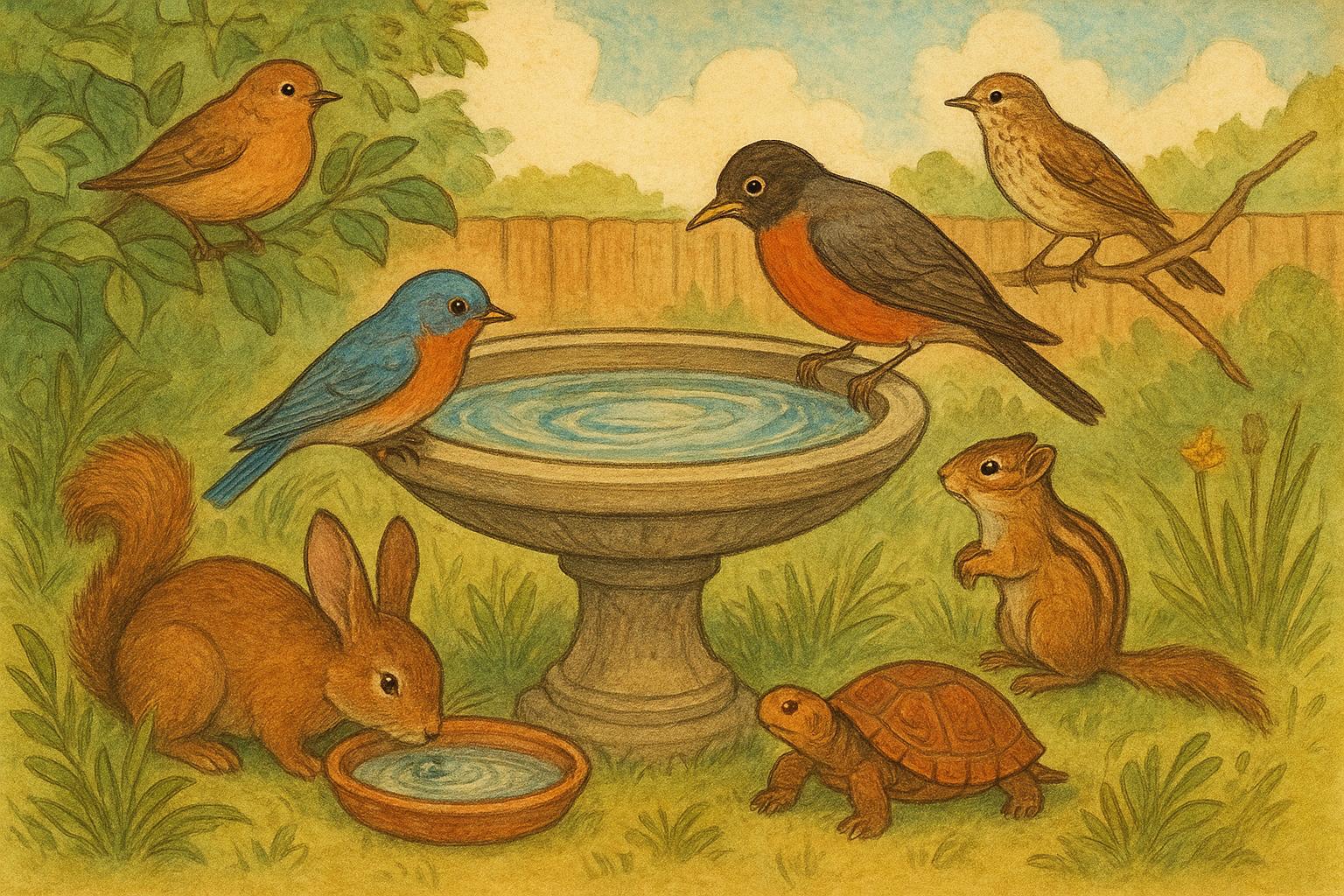
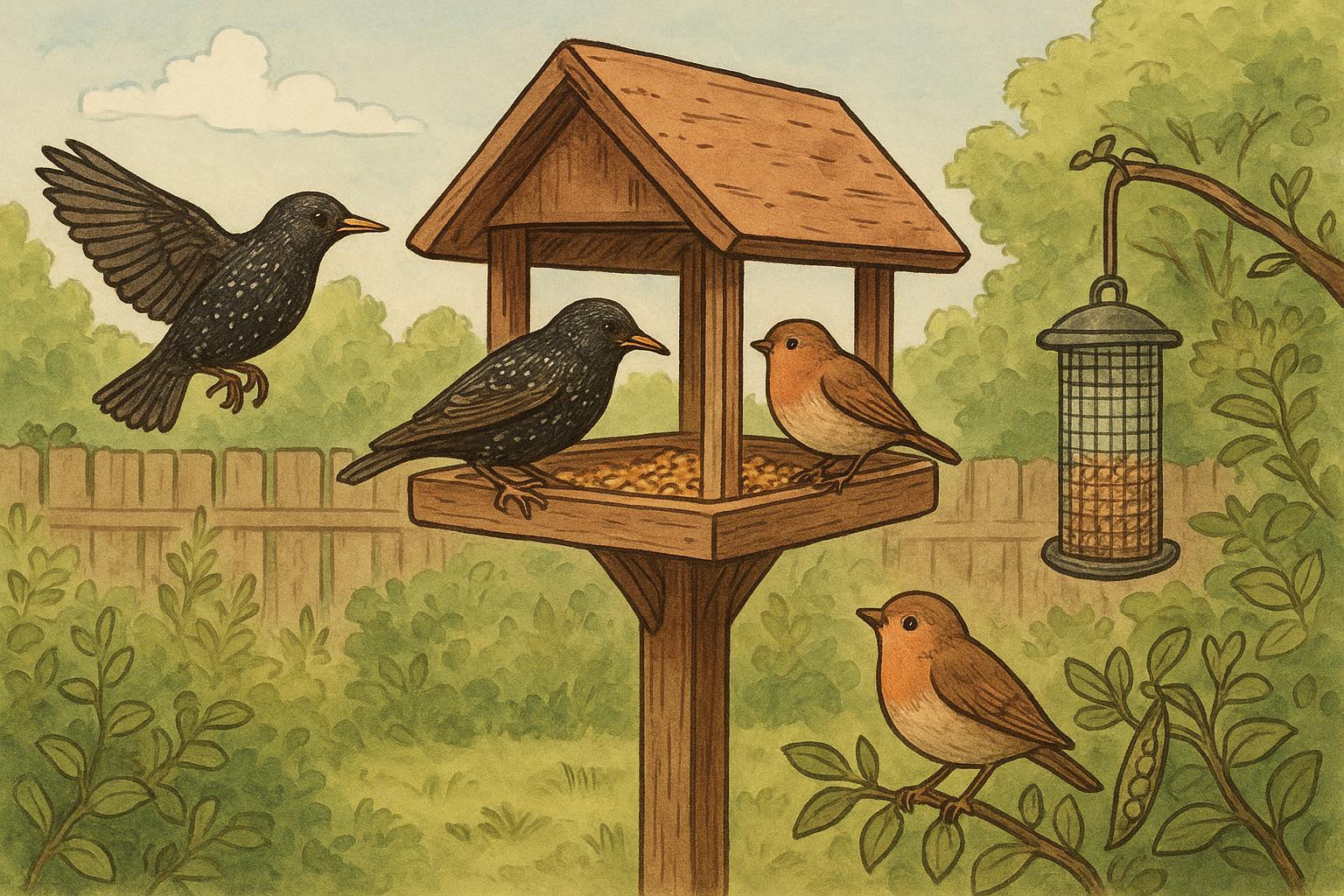
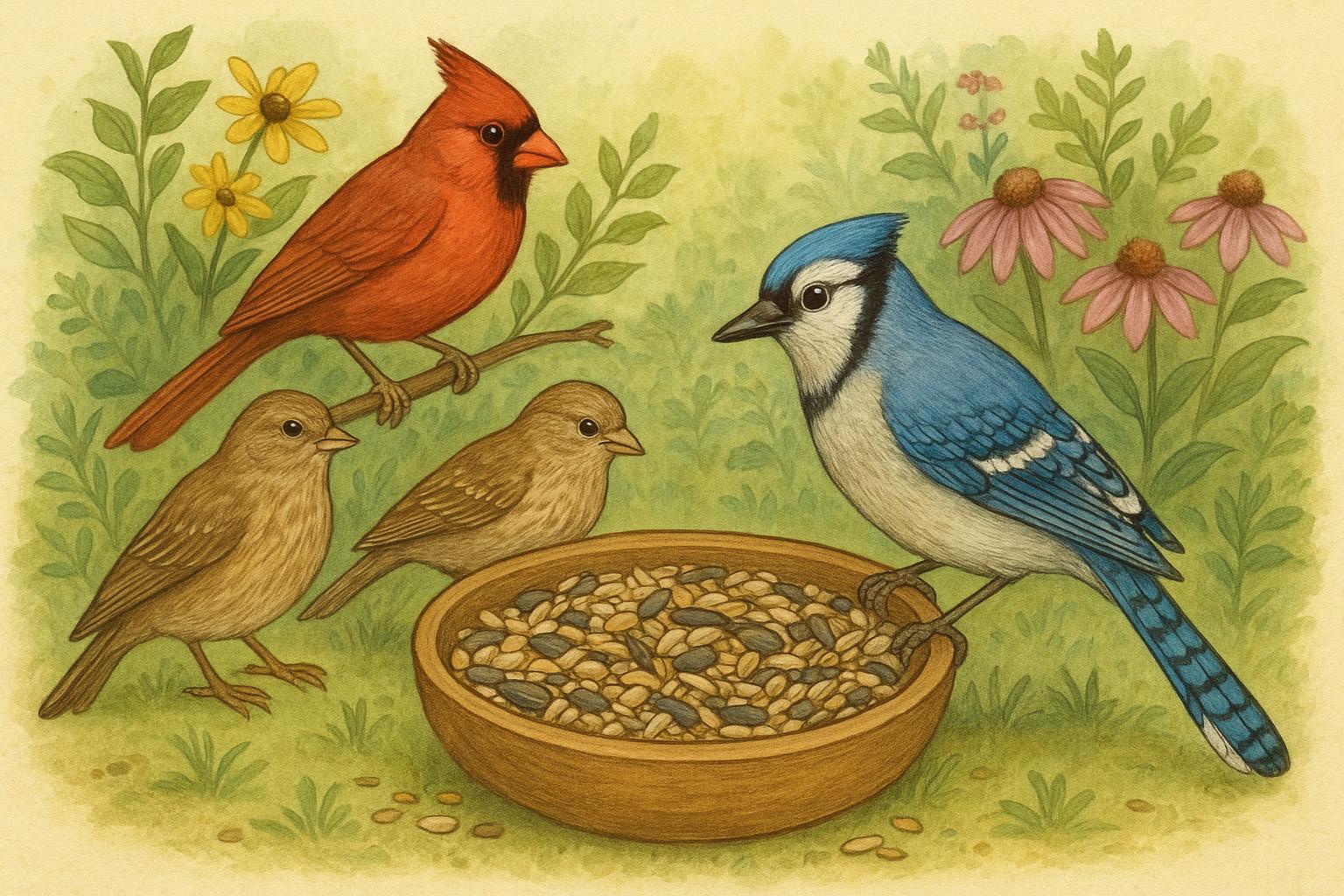
Natural food — seeds, nuts, berries — is ideal. Supplementary feeders help, particularly during deep freezes. Active wildlife benefits from reliable unfrozen water; a heated bird bath or a shallow basin in sunlit areas can make a big difference. Avoid sudden, large changes in food availability, and keep feeders clean to reduce disease risks.
### Connectivity And Safety
Wildlife needs connected corridors to move safely. Preserve hedgerows, native shrubs, and fence gaps that allow travel. Minimize hazards like loose netting, open paint cans, and uncovered wells. Thoughtful lighting choices (minimal, shielded) reduce disorientation for nocturnal creatures while still letting you enjoy night sightings.
## Signs Of Stress Versus Normal Winter Activity
Knowing the difference between a healthy, busy animal and one in trouble is helpful. A bird that fluffs and perches quietly between feeding bouts is conserving heat — normal. A bird sitting motionless on the ground with droppings nearby or a mammal that allows unusually close human approach may be sick or injured. If you suspect distress, contact a local wildlife rehabilitator rather than attempting hands-on care yourself.
## Remedy 1: Build A Simple Heated Bird Bath
Helping birds maintain access to liquid water is one of the most effective ways to support active wildlife in winter. The following is a practical, safety-first guide.
### Materials
1. Durable, shallow bird bath bowl (18–24 inches diameter recommended)
2. Submersible bird bath heater with thermostat (UL-listed for outdoor use)
3. GFCI outdoor extension cord or outdoor-rated power outlet with GFCI protection
4. Stable pedestal or stand rated for freezing conditions
5. Thermometer (optional, for monitoring)
### Steps
1. Select Location: Choose a sheltered spot with partial sun and a clear line of sight to cover (trees or shrubs) so birds can escape predators quickly.
2. Install Pedestal: Securely set the pedestal on stable ground or a flat, compacted base to prevent tipping. Ensure it’s level.
3. Place Bowl: Sit the bird bath bowl on the pedestal. If mobility is needed for freezing/thawing cycles, select a bowl easy to lift.
4. Fit Heater: Read the heater manufacturer’s instructions. Suspend or place the submersible heater in the bowl as directed so it keeps a small area free of ice without boiling the water. Do not submerge heaters not rated for full immersion.
5. Power Safely: Connect to a GFCI-protected outlet. Outdoor-rated components and GFCI protection reduce electrocution and fire risks.
6. Monitor and Maintain: Check water daily in extreme cold. Change water if it becomes soiled. Use the thermometer occasionally to ensure heater maintains a safe, unfrozen surface without overheating.
7. Seasonal Care: Turn the heater off and store it when sustained temperatures exceed manufacturer guidance to prolong life and prevent algae build-up.
Follow local electrical safety codes and manufacturer guidelines strictly. Proper installation reduces risks to animals and people.
## Remedy 2: Install A Brush Pile And Nest Boxes
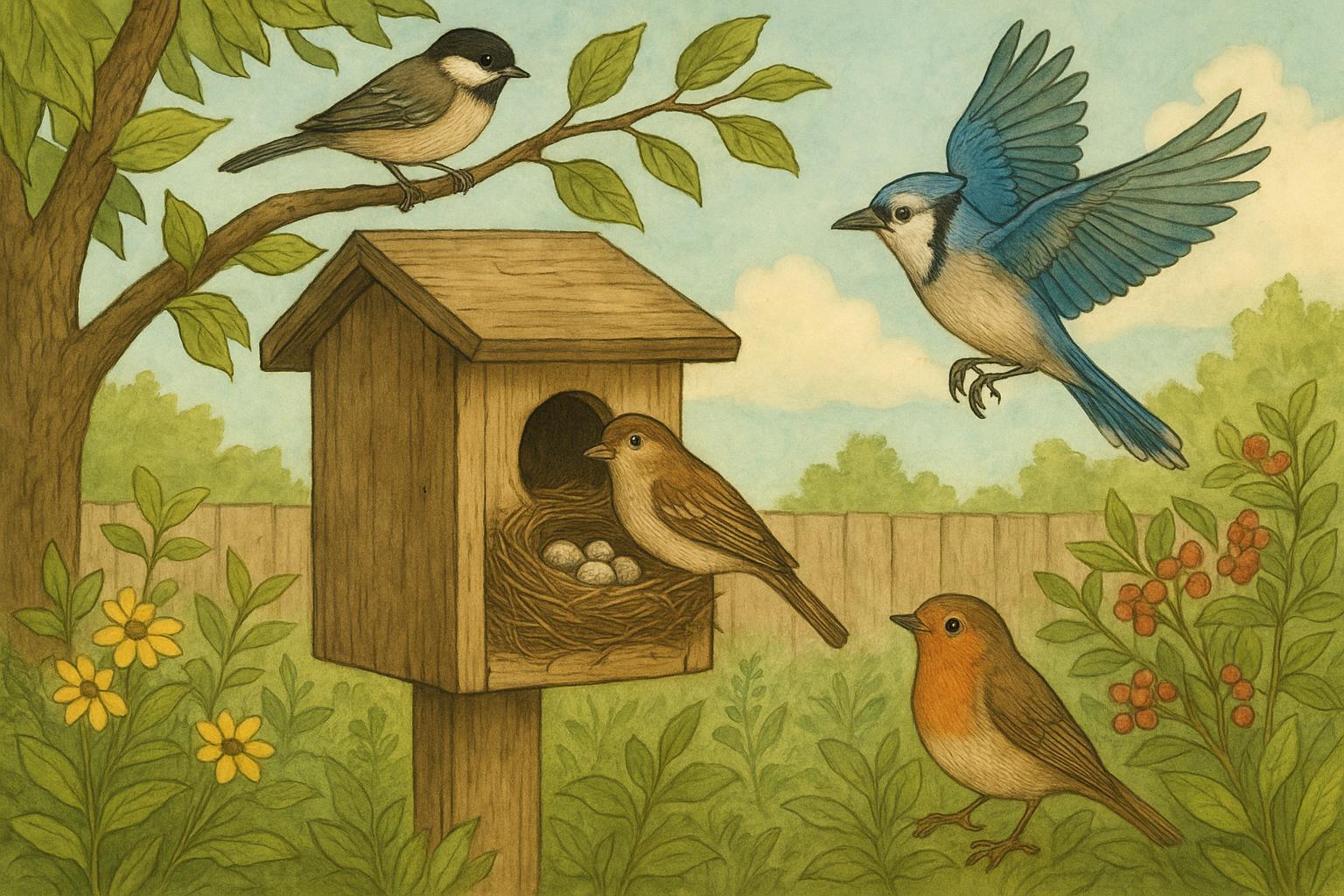
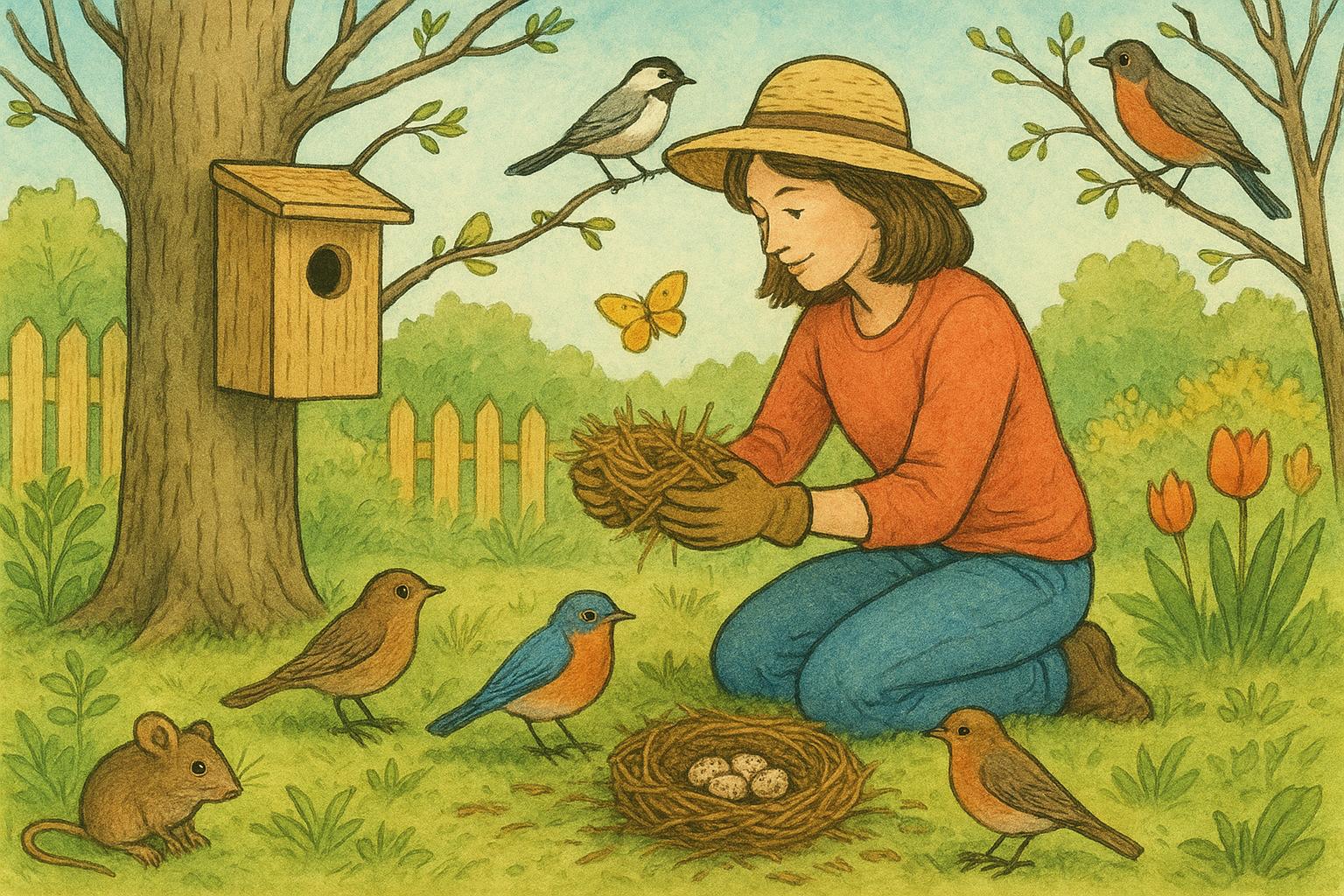
A brush pile is a low-tech, high-benefit habitat structure, ideal for ground-dwelling and small woodland species. Installing nest boxes provides roosting and shelter options for birds and small mammals.
### Materials
1. Clean, untreated wood logs and large branches (varied diameters)
2. Smaller sticks, leaf litter, and pine boughs for insulation
3. One or more durable nest boxes appropriate for target species (e.g., bluebird, chickadee)
4. Galvanized screws and predator baffles if mounting boxes on posts
5. Basic tools: saw, drill, work gloves
### Steps
1. Choose Location: Place the brush pile near existing cover (hedgerow or tree line) but away from heavy foot traffic and property boundaries to reduce human-wildlife conflicts.
2. Build Base Layer: Lay larger logs parallel to each other to form a stable base. Crisscross the next layers to create interstitial spaces.
3. Add Structure: Stack medium branches and then smaller sticks; leave pockets and tunnels to encourage small mammal and amphibian use. Top with leaf litter and boughs for insulation.
4. Install Nest Boxes: Mount nest boxes 5–10 feet high for small songbirds, facing entrances away from prevailing winds. Use predator baffles where necessary. Ensure correct entrance hole size for target species.
5. Monitor Passively: Check boxes annually outside nesting season for occupancy and to remove debris. Resist frequent checks during cold spells to avoid disturbing roosting animals.
6. Maintain: Refresh the brush pile material every few years; allow decomposition to proceed naturally, replacing only when the structure collapses.
Boxes and brush piles help maintain pockets of active wildlife across winter, offering refuge, roosting, and nesting readiness for spring.
### Safety And Regulatory Notes
Before installing any structures, check local ordinances regarding wildlife attractants and baiting. Avoid feeding or provisioning species that are illegal to feed in your area, or that may be invasive. When in doubt, contact local wildlife agencies or extension services.
#### Winter Monitoring Tips
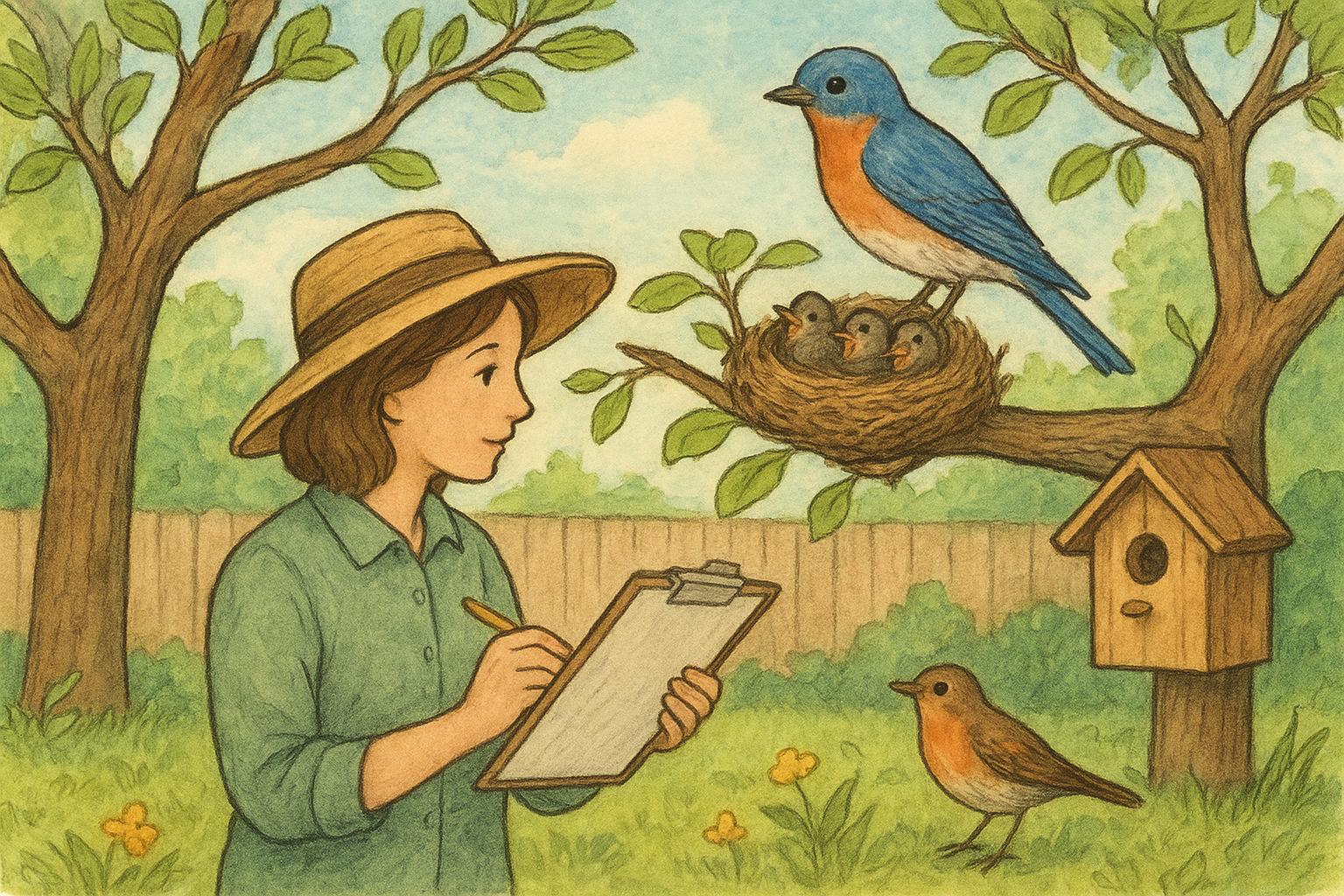
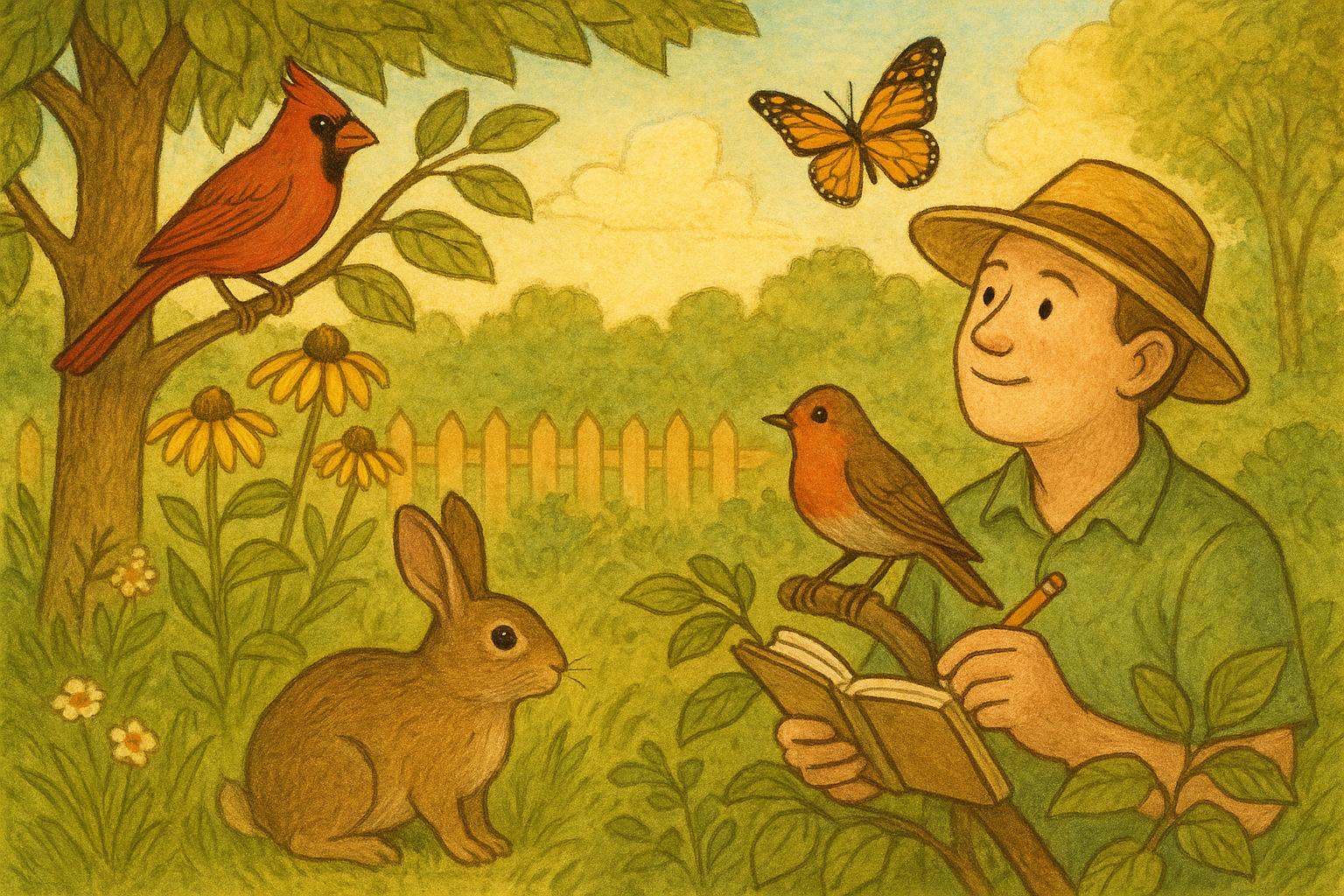
Keep a simple log of species seen, times of day, and weather conditions. This record helps you learn patterns and adjust habitat features. Use binoculars and a field guide app for identification; avoid startling animals by approaching slowly and keeping a respectful distance.
A winter backyard can be an active classroom: the quiet surface belies a community of species that have adapted cunningly to keep moving. With a little knowledge and a couple of practical projects, you’ll increase the chances that active wildlife will pass through or take up safe residence in your patch of winter landscape.



Leave a Reply