
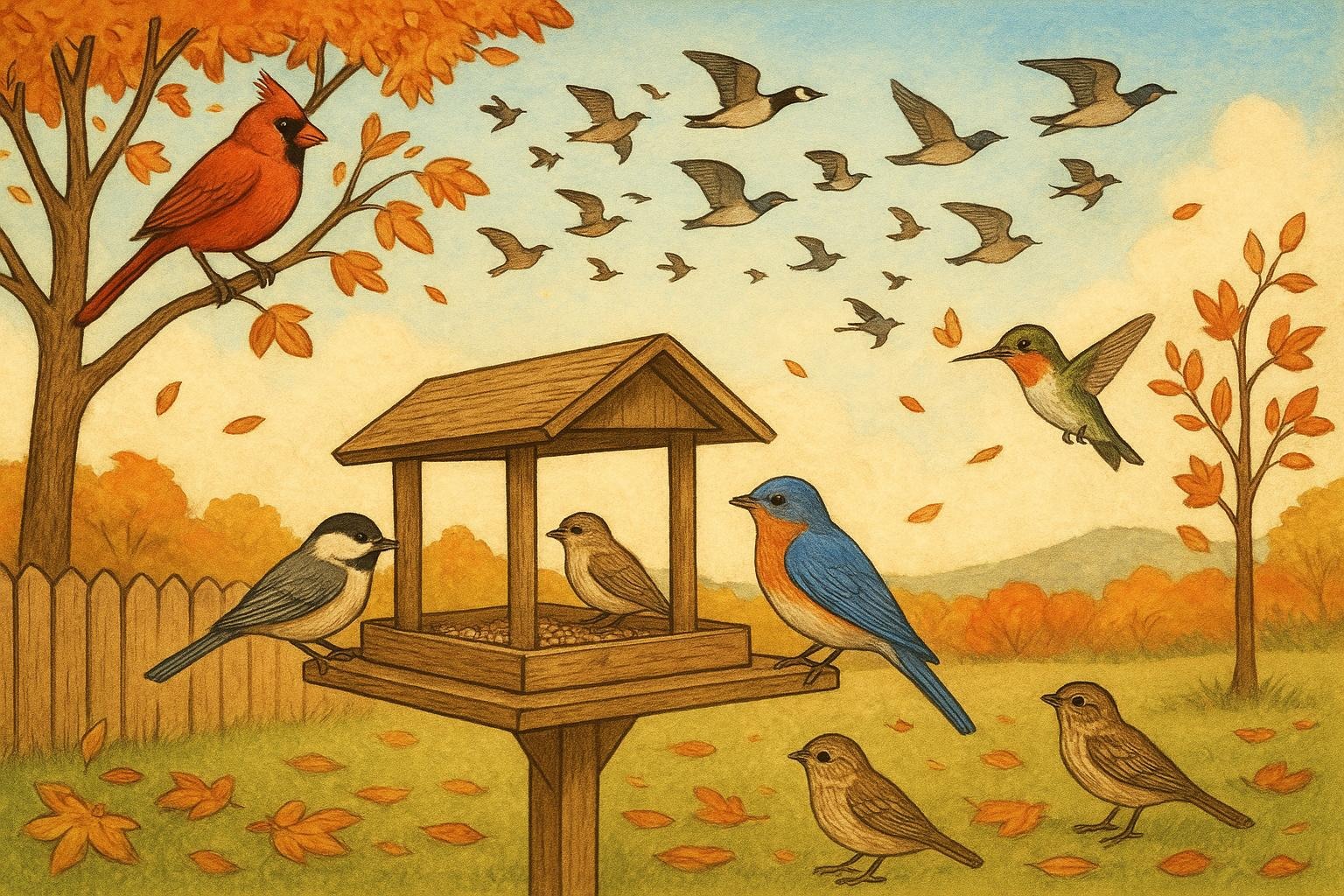
## Avian Migration: What To Expect In Your Backyard
Spring and fall bring the most dramatic changes in our feathered neighborhood: sudden flurries of warblers, the trumpet of geese, and the quiet thinning of familiar residents. If you’ve ever stood at the window with a mug of something warm (or cold, if you’re a true northerner) wondering why birds disappear and reappear on the same calendar schedule every year, you’re witnessing avian migration in action. This natural phenomenon is a mix of instinct, weather, food availability, and evolutionary finesse — and your backyard can play a big role as either pit stop or obstacle.
### How Avian Migration Shapes Local Bird Behavior
Birds don’t all migrate the same way. Some are long-distance marathoners, flying from Arctic breeding grounds to South American wintering sites. Others are short-hop migrants that move just a few hundred miles. The species mix you see during migration depends on habitat types, local food sources, and regional flyways. In early spring you’ll notice males arrive first in many species, staking claims and singing like they’ve had extra coffee. In the fall, families move together, and juveniles often show up in odd places — it’s an excellent time for curious observers to spot vagrants and unusual species.
#### Timing, Weather, And Triggers
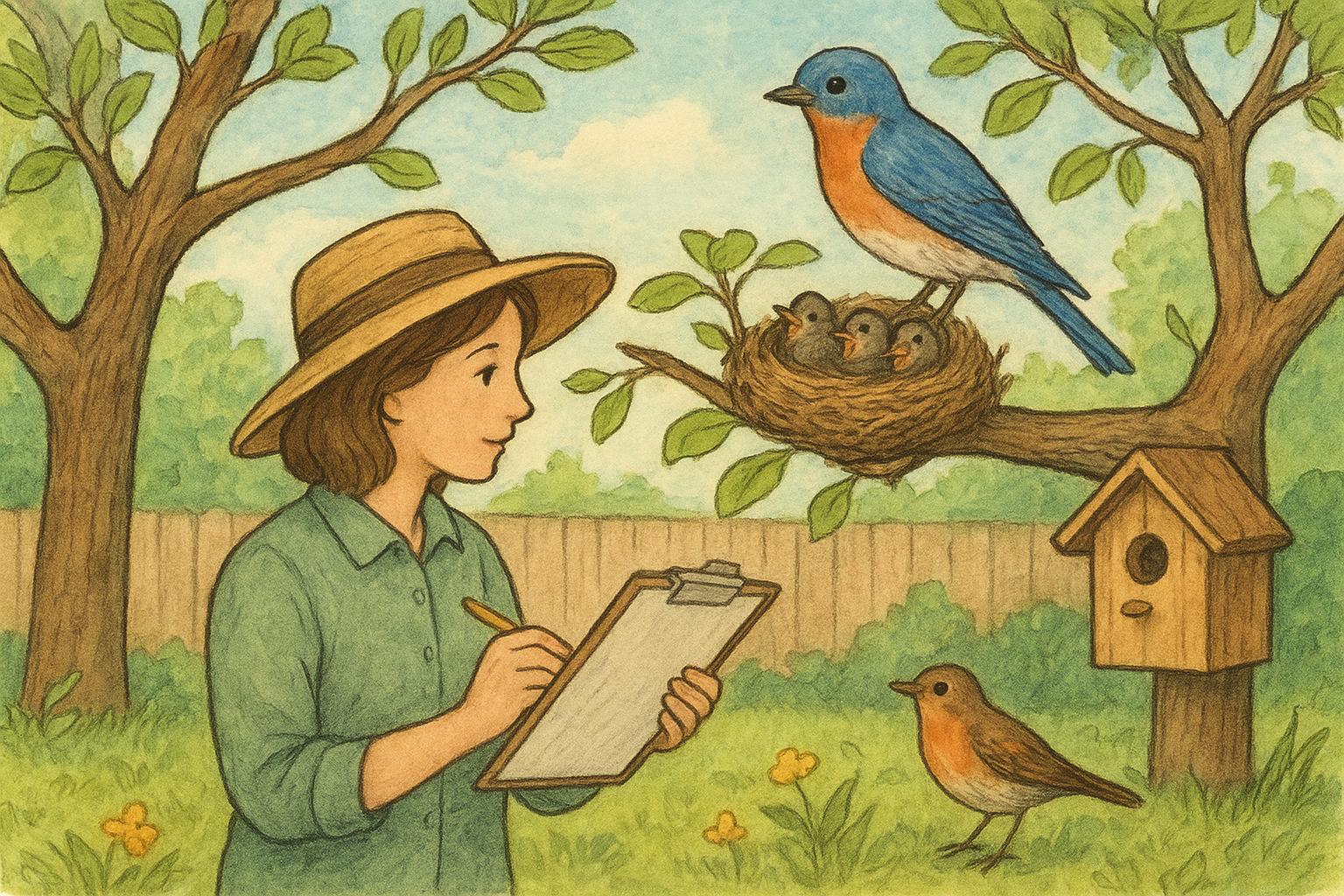
Migration timing is cued by daylight length, fat stores, and weather patterns. Cold fronts can push whole waves of birds through an area in a day. Conversely, prolonged bad weather can ground migrants, forcing them to spend extra days refueling in local habitats. Keeping a simple log of what you see and when — even a few notes — can reveal surprising patterns over a season.
### Why Your Backyard Matters During Avian Migration
Besides offering joy and entertainment, backyards can act as critical refueling stations. Migrants expend enormous energy and need accessible food, water, and safe shelter. Even small changes — adding native shrubs or turning off porch lights during peak migration nights — can mean the difference between life and death for a fatigued warbler or thrush.
#### Common Seasonal Visitors And What They Need
– Warblers: Insect-rich shrubs, low branches for gleaning, and shallow water.
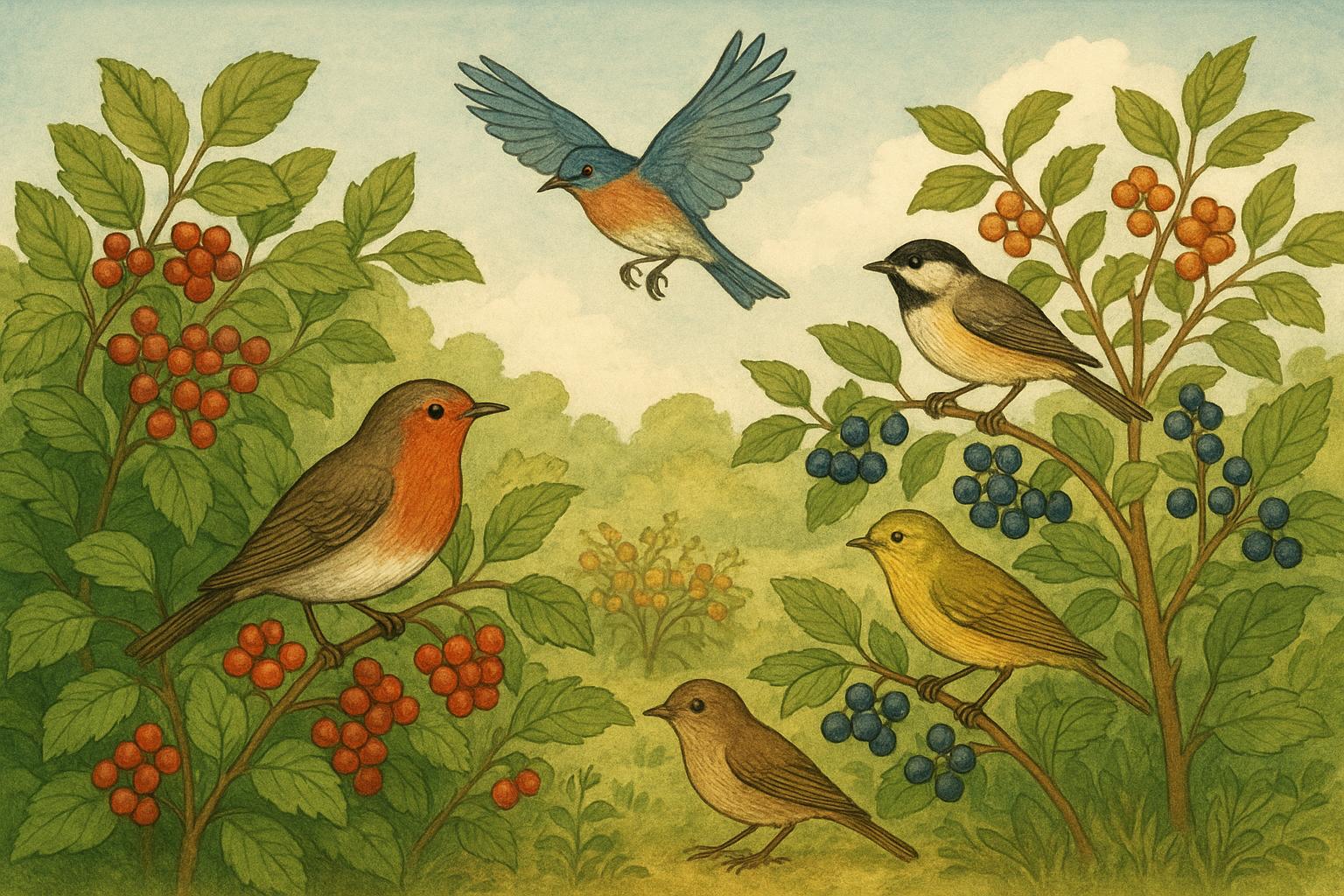
– Thrushes: Berry-producing trees and ground cover for foraging.
– Sparrows And Finches: Seed sources and dense shrubs for quick cover.
– Hawks And Falcons: Open perches and thermals; they’re usually passing through.
### Simple Observing Tips For Migration Windows
Keep binoculars accessible, maintain a tidy calendar of migration peaks for your region (local birding groups are great resources), and try quiet patience. Migration is often most rewarding in the first two hours after sunrise and the last two before dusk. Bring snacks for yourself — migrants don’t appreciate your hunger-induced humming.
## Remedy 1: Create A Stopover Garden For Migrants
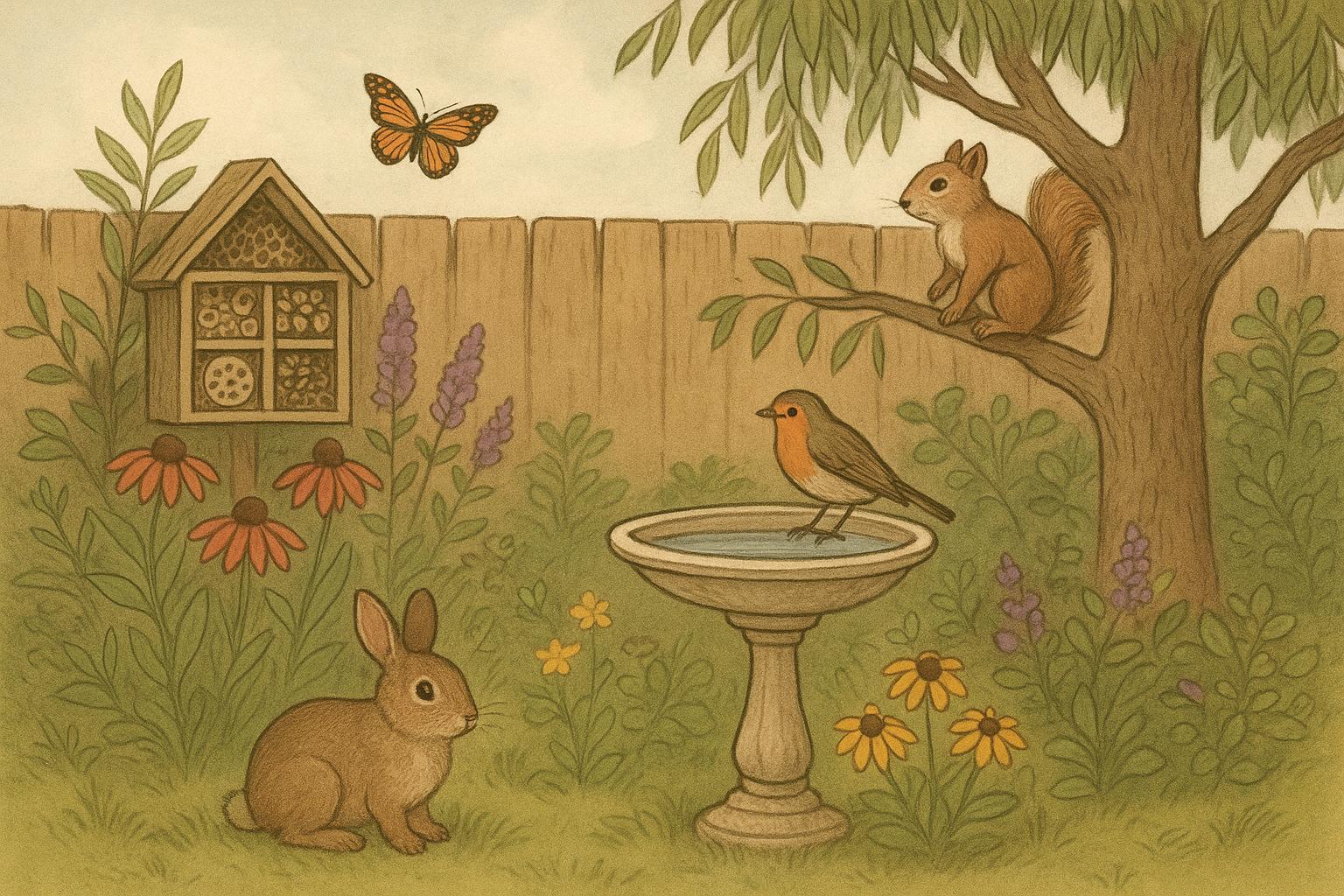
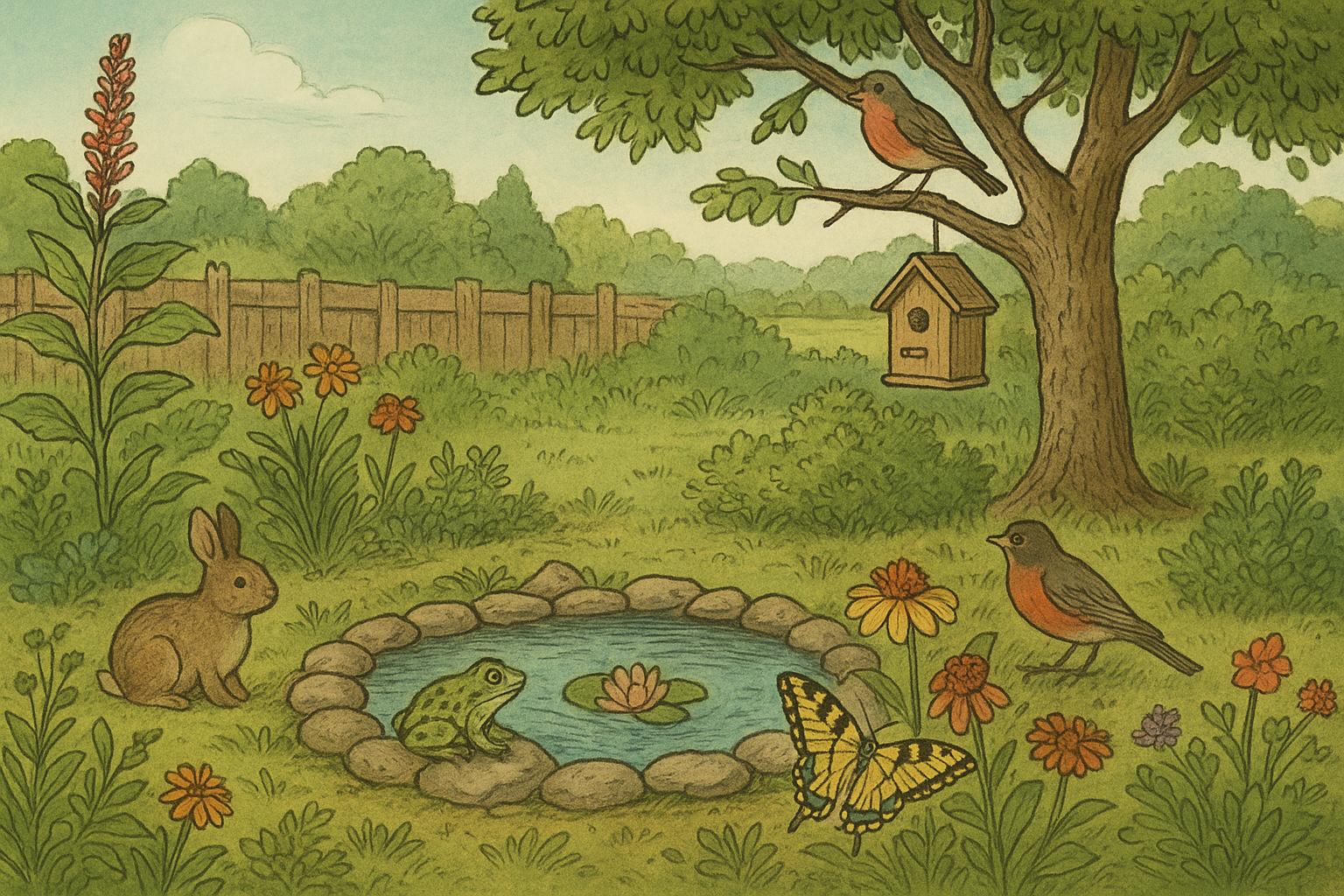
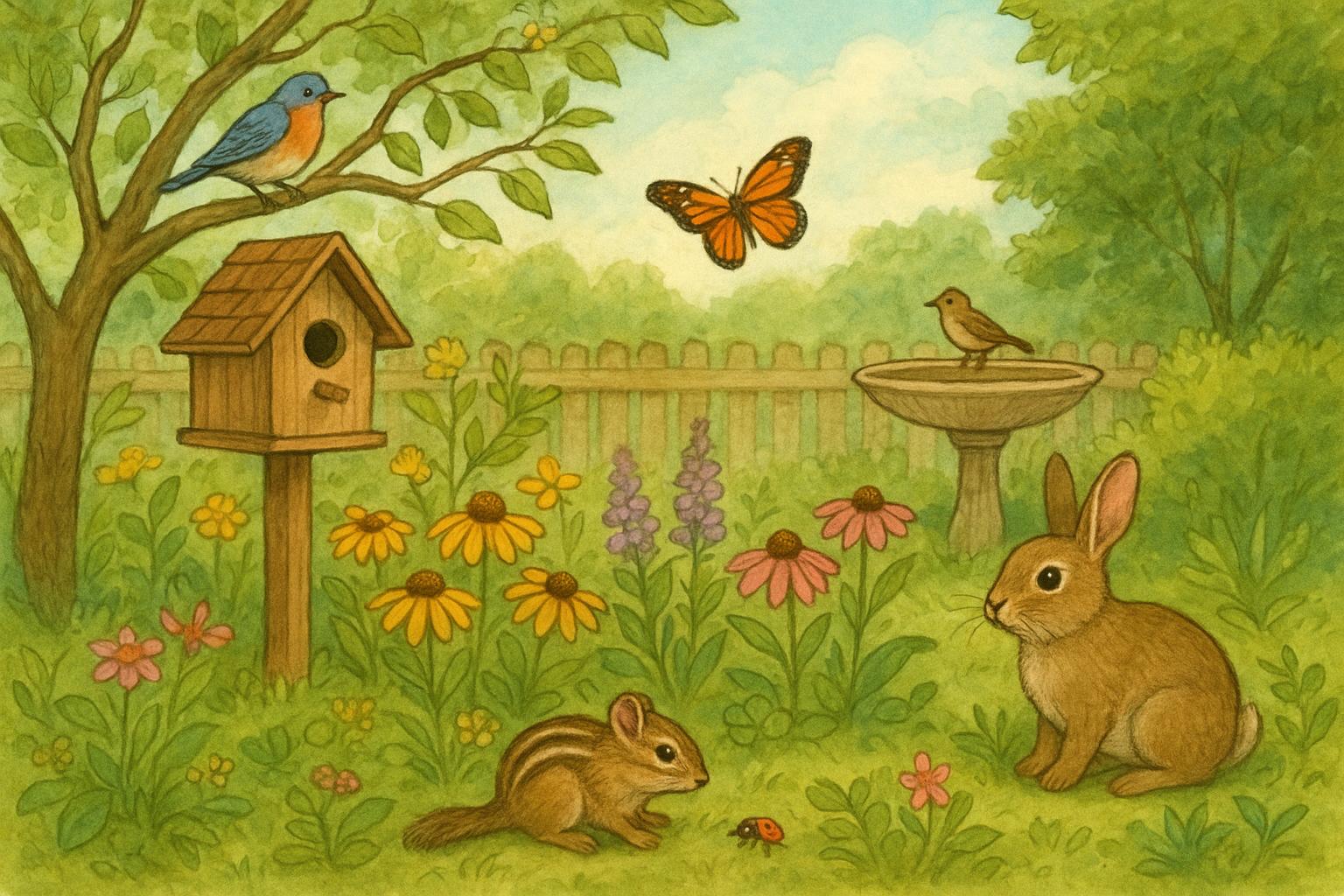
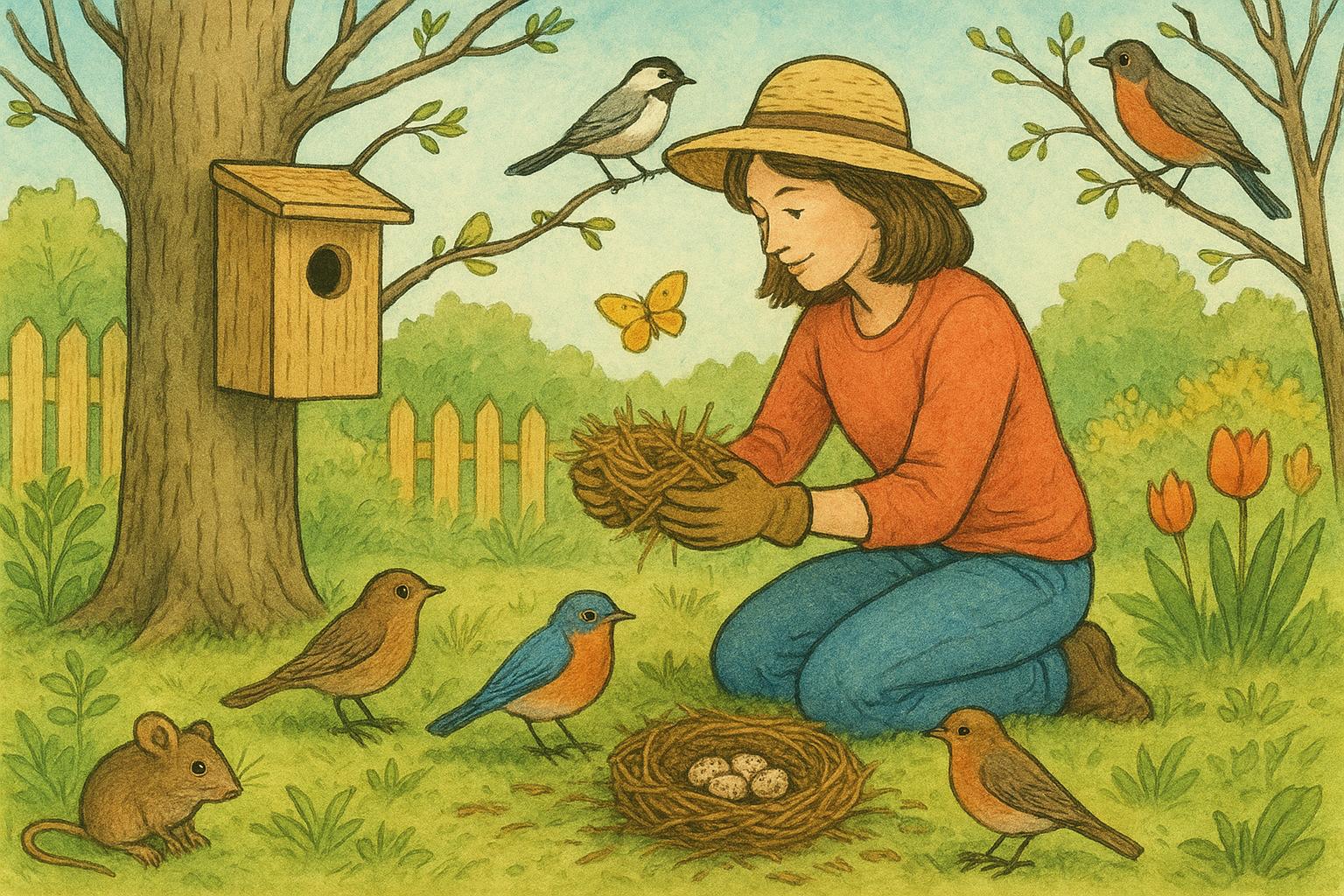
When migrants are on the move, your yard can be a lifesaver. Creating a stopover garden supplies food, water, and shelter, and it’s surprisingly low-maintenance once established.
#### Materials Needed
1. Native shrubs and trees (species dependent on your region; ask a local native plant nursery).
2. Perennial native plants for insects and nectar.
3. A shallow birdbath or dripper fountain.
4. Mulch and native groundcover plants.
5. A small brush pile or berry-producing shrub like serviceberry, elderberry, or viburnum.
6. Planting tools: shovel, gloves, water source.
#### Step-By-Step Creation And Application
1. Site Selection: Choose a spot with at least partial sun and some shelter from prevailing winds. Near existing trees or hedges is ideal.
2. Plant Layering: Plant a mix of canopy trees (small native trees), mid-story shrubs, and low groundcover to create vertical structure. This mimics natural habitats and provides multiple foraging levels.
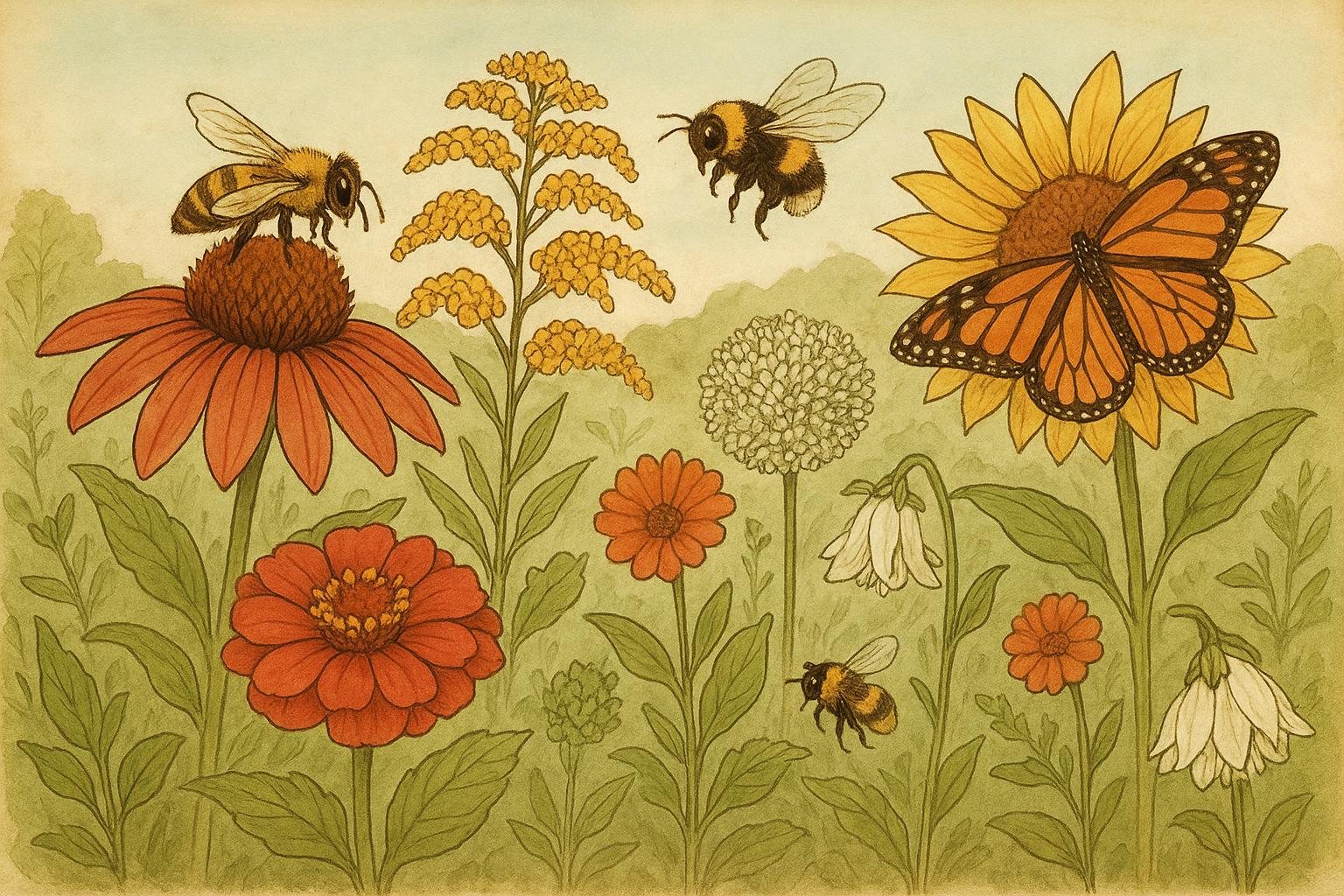
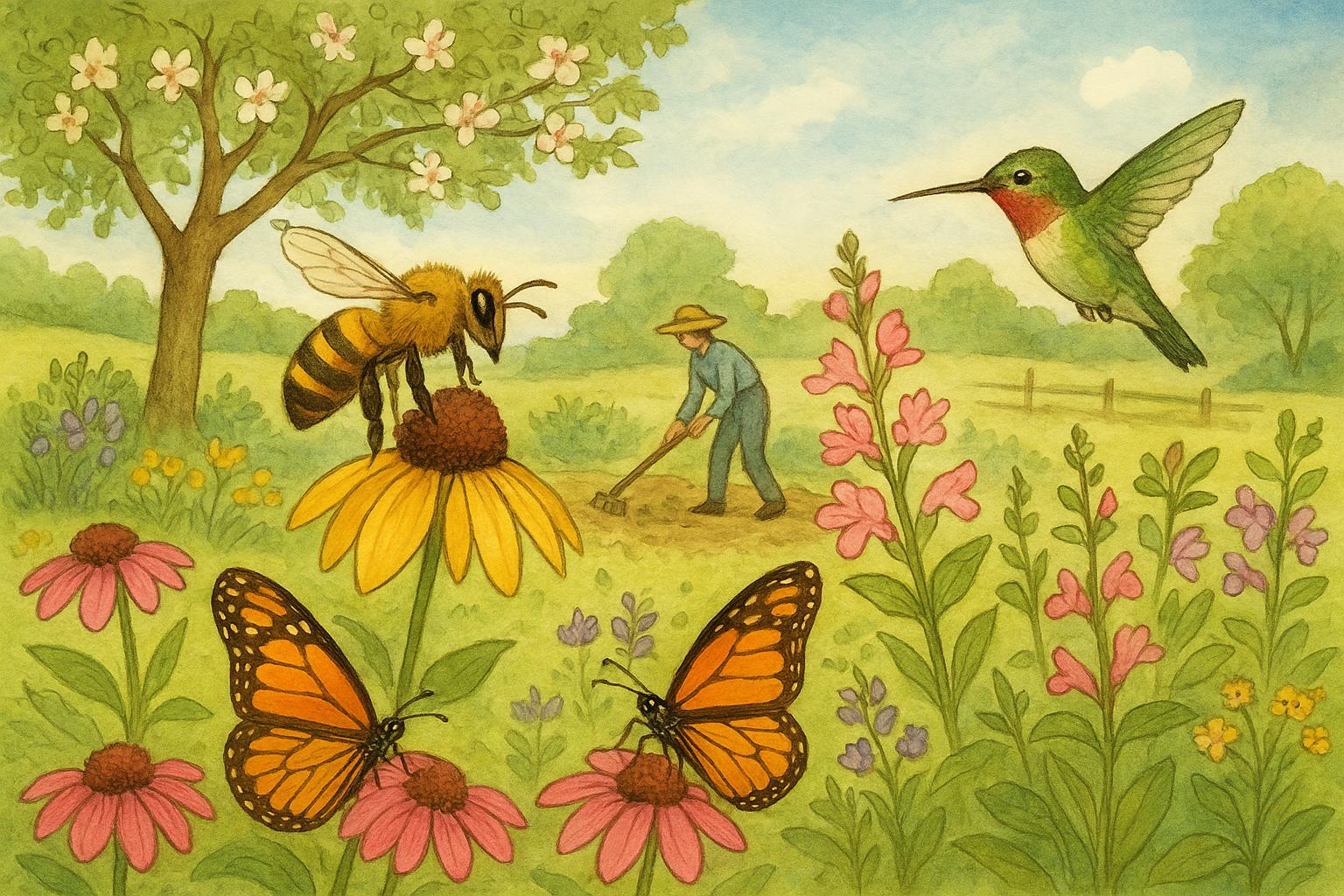
3. Native Flowers And Insect Habitat: Incorporate native perennials that bloom at different times to support caterpillars, bees, and other insects migrants feed on. Avoid non-native sterile ornamentals that provide no food.
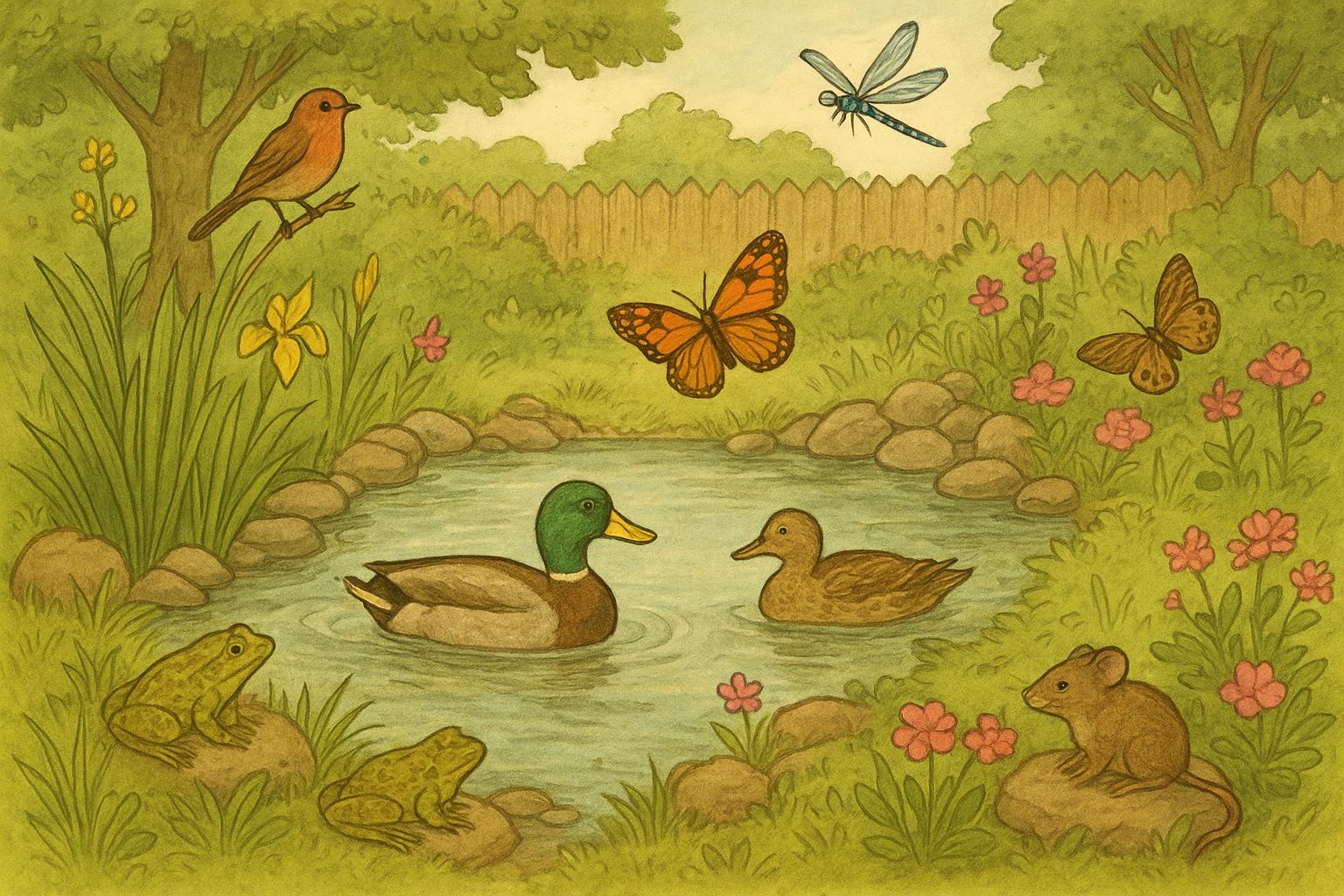
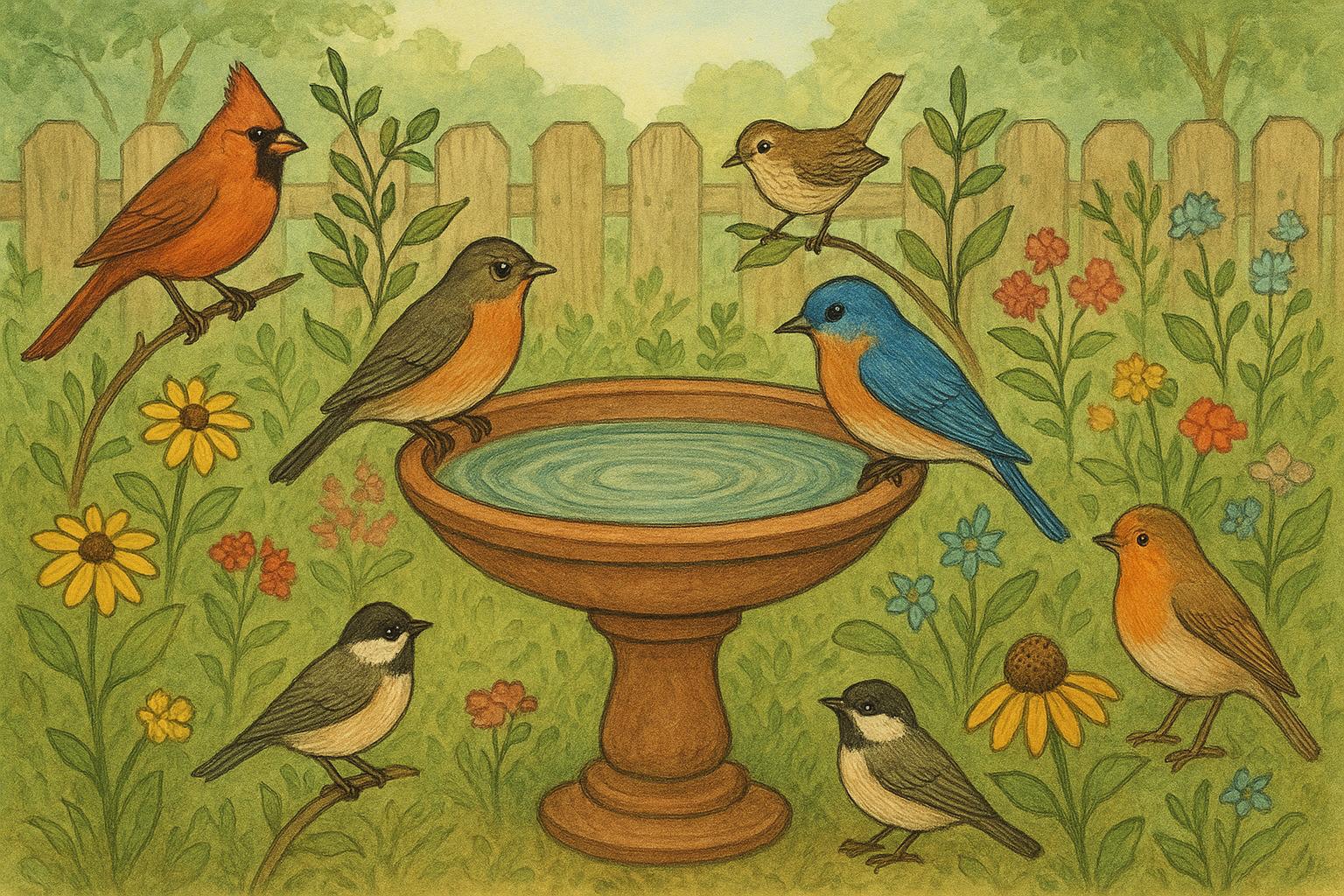
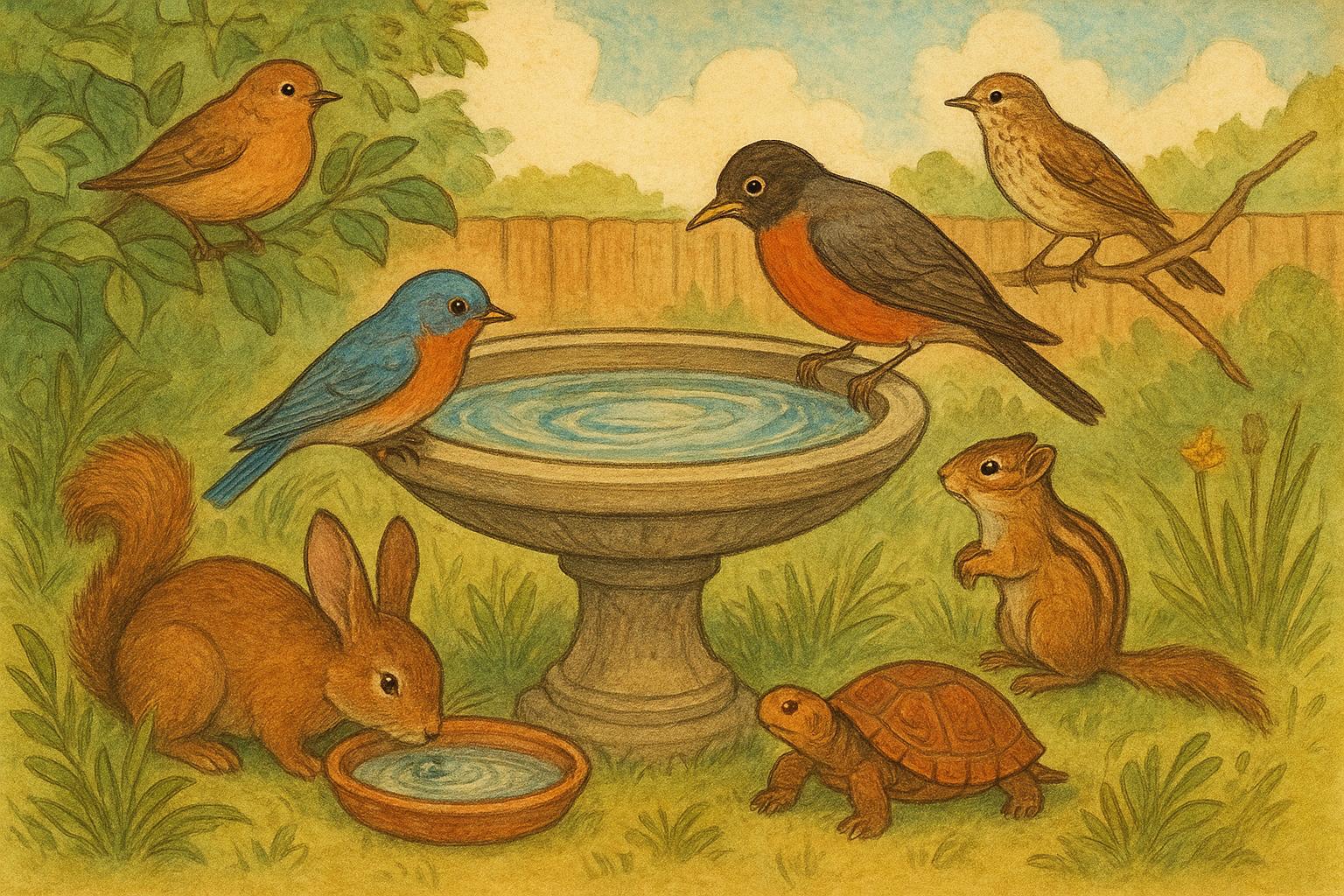
4. Water Installation: Install a shallow birdbath or a small dripper; keep water shallow and clean. Migrants favor moving water, so a bubbler can make the site much more attractive.
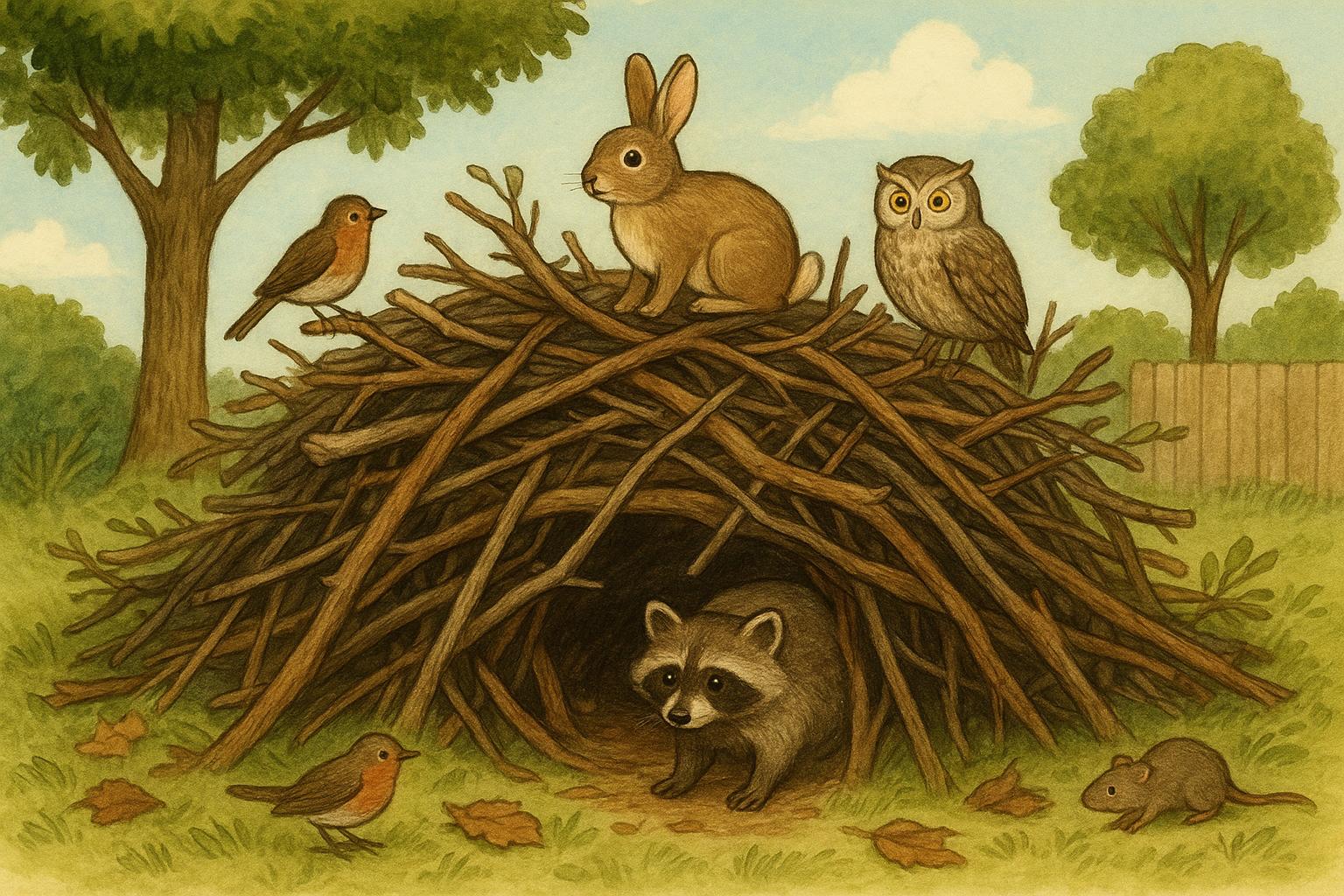
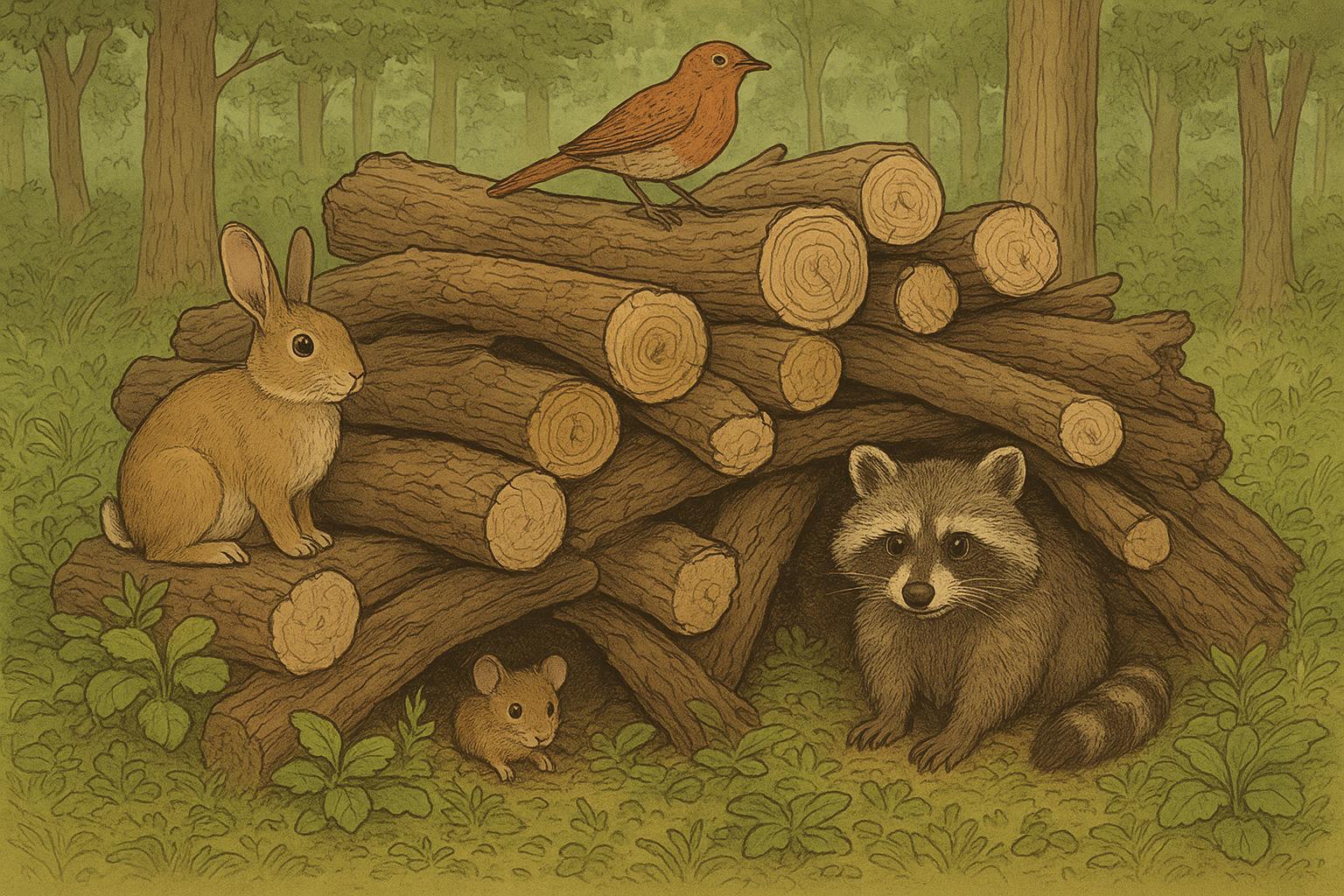
5. Shelter And Safety: Leave some brush piles or dense shrubs for quick cover. If space allows, plant a berry shrub that fruits in late summer and fall.
6. Maintenance: Water new plants through the first two seasons, remove invasive species, and avoid broad-spectrum pesticides. Allow leaf litter in some areas to support insect life.
Be mindful of plant choices to ensure fruiting times coincide with migration windows in your region. This remedy supports not only migrants but resident species, too.
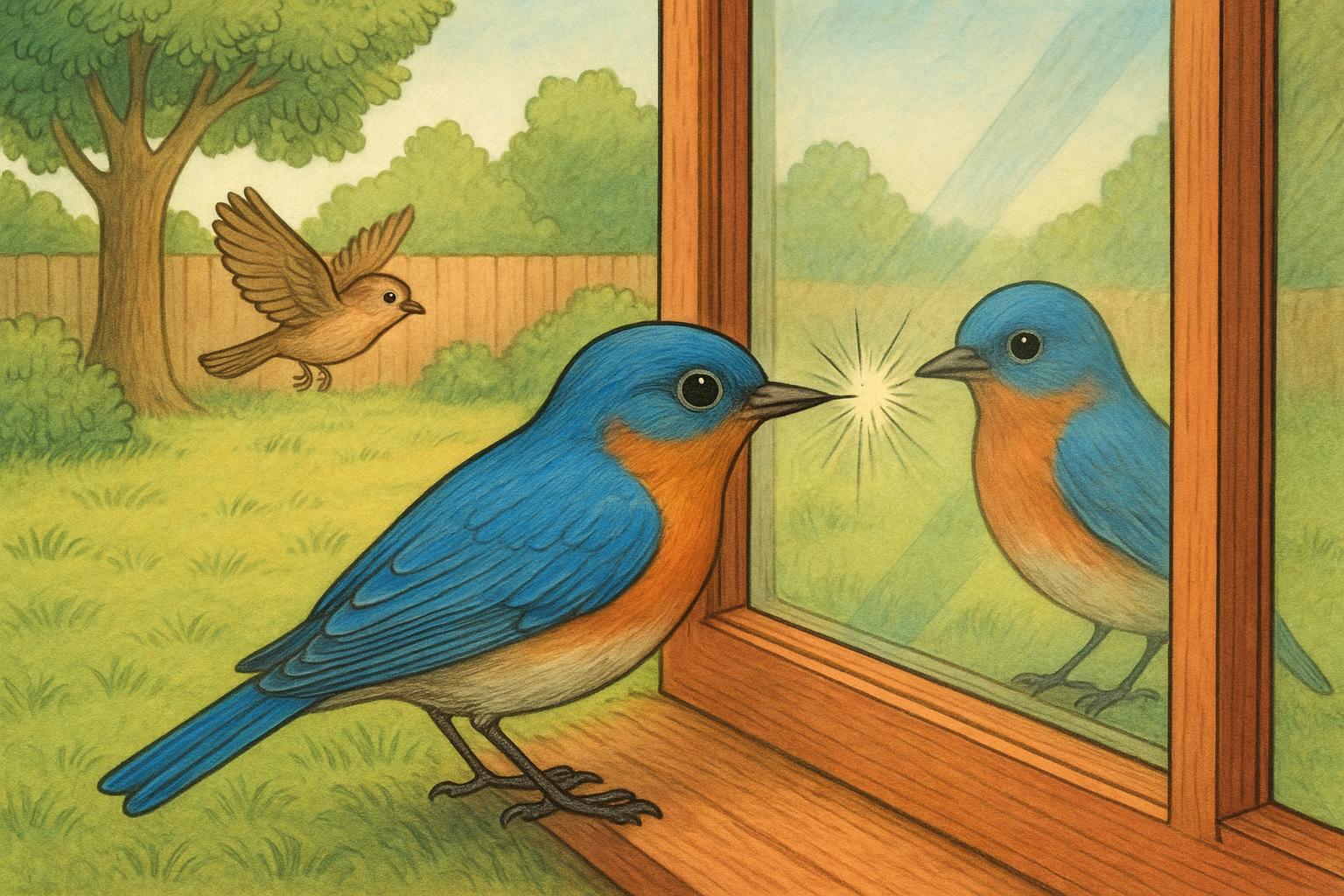
## Remedy 2: Reduce Window Collisions And Light Pollution (Especially For Nocturnal Migrants)
One of the biggest threats to migrating birds in suburban and urban areas is window collision, often exacerbated by artificial night lighting. This remedy focuses on making your home safer, particularly during peak migration nights.
#### Materials Needed
1. CollidEscape tension-mounted screens or UV-reflective decals (bird-friendly window film).
2. Blackout curtains or shades.
3. Timer or smart plugs for exterior and interior lights.
4. Rope lights or shielded, downward-facing fixtures for necessary exterior lighting.
5. Ladder and cleaning supplies for window application (if applying film).
#### Step-By-Step Creation And Application
1. Audit Lighting: Identify all exterior and interior lights visible from outside. Note which lights can be turned off during peak migration (typically April-May and September-October).
2. Dim And Shield: Replace exposed exterior fixtures with shielded, downward-facing lights. Use warm LED bulbs at the lowest effective lumens. These steps reduce skyglow that disorients nocturnal migrants.
3. Implement Lights-Out: Program timers or smart plugs to turn off non-essential lights between sunset and sunrise during migration peaks. Coordinate with neighbors if possible for neighborhood-scale effectiveness.
4. Treat Windows: Apply bird-friendly window film or decals spaced closely (no more than 4 inches vertically or 2 inches horizontally for decals) to break up reflections. For temporary measures, close blinds or hang lightweight curtains to reduce reflectivity.
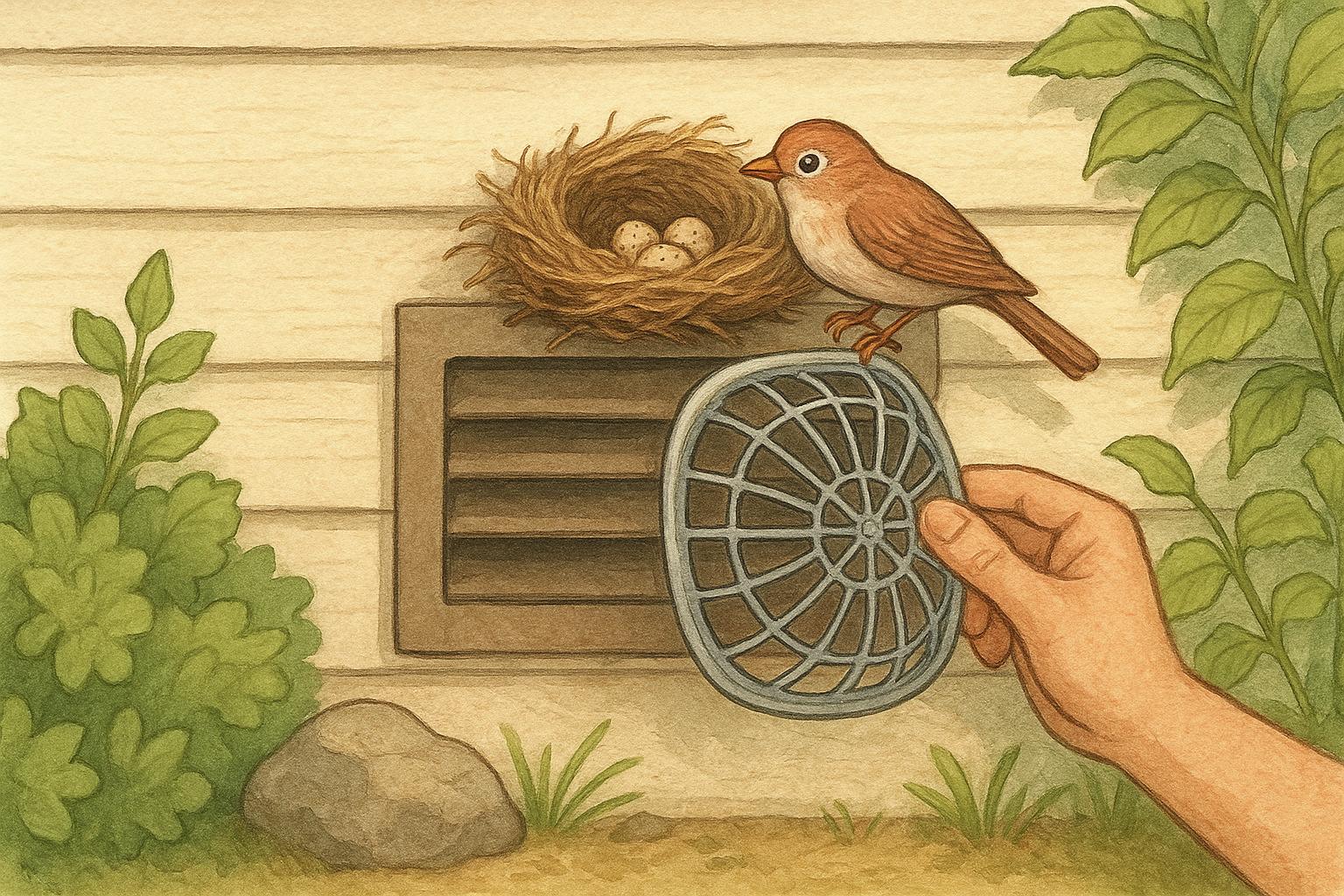
5. Install Screens Or Netting: Consider tension-mounted screens for frequently used windows; they can prevent impact and allow birds to bounce off rather than slam into glass.
6. Monitor And Adjust: During migration nights, watch for increased bird activity near your house and adjust lighting as needed. If a collision occurs, follow local wildlife guidelines for safe handling; contact wildlife rescue if necessary.
These interventions are evidence-based and should be implemented carefully. Proper placement and spacing of visual markers on glass are crucial to effectiveness; follow manufacturer instructions for films and decals.
### Managing Predators And Pesticides During Migration
Cats and outdoor pets pose a significant local threat to migrating and resident birds. Keeping cats indoors or providing supervised outdoor enclosures during migration peaks reduces predation. Likewise, avoid broad-spectrum insecticides during migration season to protect the insect prey base migrants rely on. If pest control is necessary, choose targeted, less-toxic options and treat at times when pollinators are least active.
#### Practical Steps To Reduce Risks
– Keep cats indoors or in enclosed “catios.”
– Time pesticide applications to minimize impact on non-target species and follow integrated pest management (IPM) practices.
– Create buffer zones of native plantings to reduce lawn areas that offer little habitat.
– Post a simple “Lights Out” sign for houseguests explaining migration concerns — neighbors and visitors often respond positively when the reason is clear.
### Citizen Science And Your Backyard Contribution
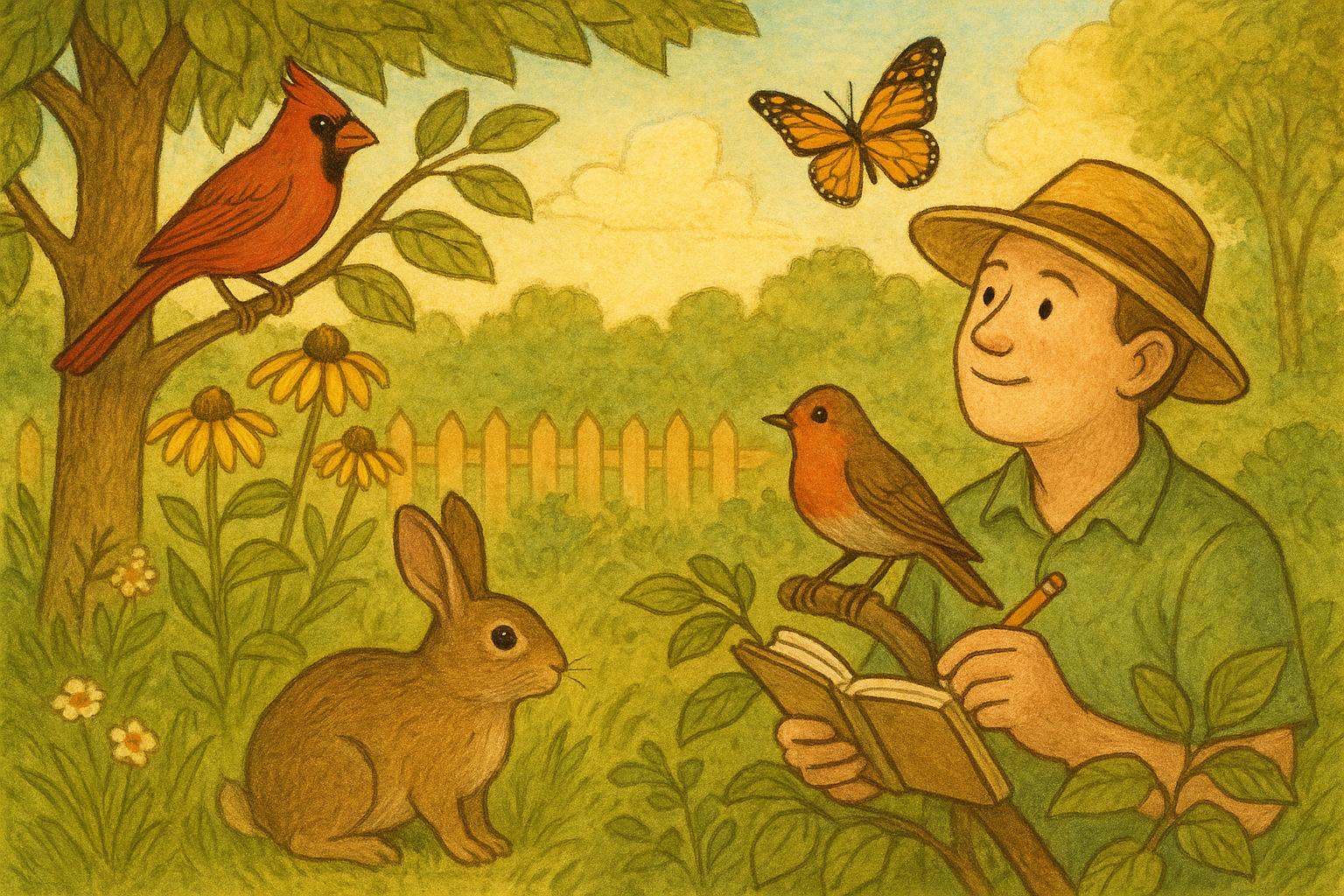
Participating in community science projects like eBird, Project FeederWatch, and local migration counts magnifies the conservation value of your observations. Submit seasonal records, report unusual sightings, and join local birding groups. Your observations help researchers track shifts in timing, route changes, and population trends — all tied closely to broader patterns of avian migration.
#### Tips For Useful Data Collection
– Record dates, species, counts, and behaviors (feeding, resting, flocking).
– Note habitat conditions and any disturbances (lights on overnight, nearby construction).
– Photograph when possible; clear images can aid identification and verification.
A few consistent entries each season are more valuable than sporadic data. Think of your backyard notes as small but meaningful threads in a much larger ecological tapestry.
### When To Seek Expert Advice
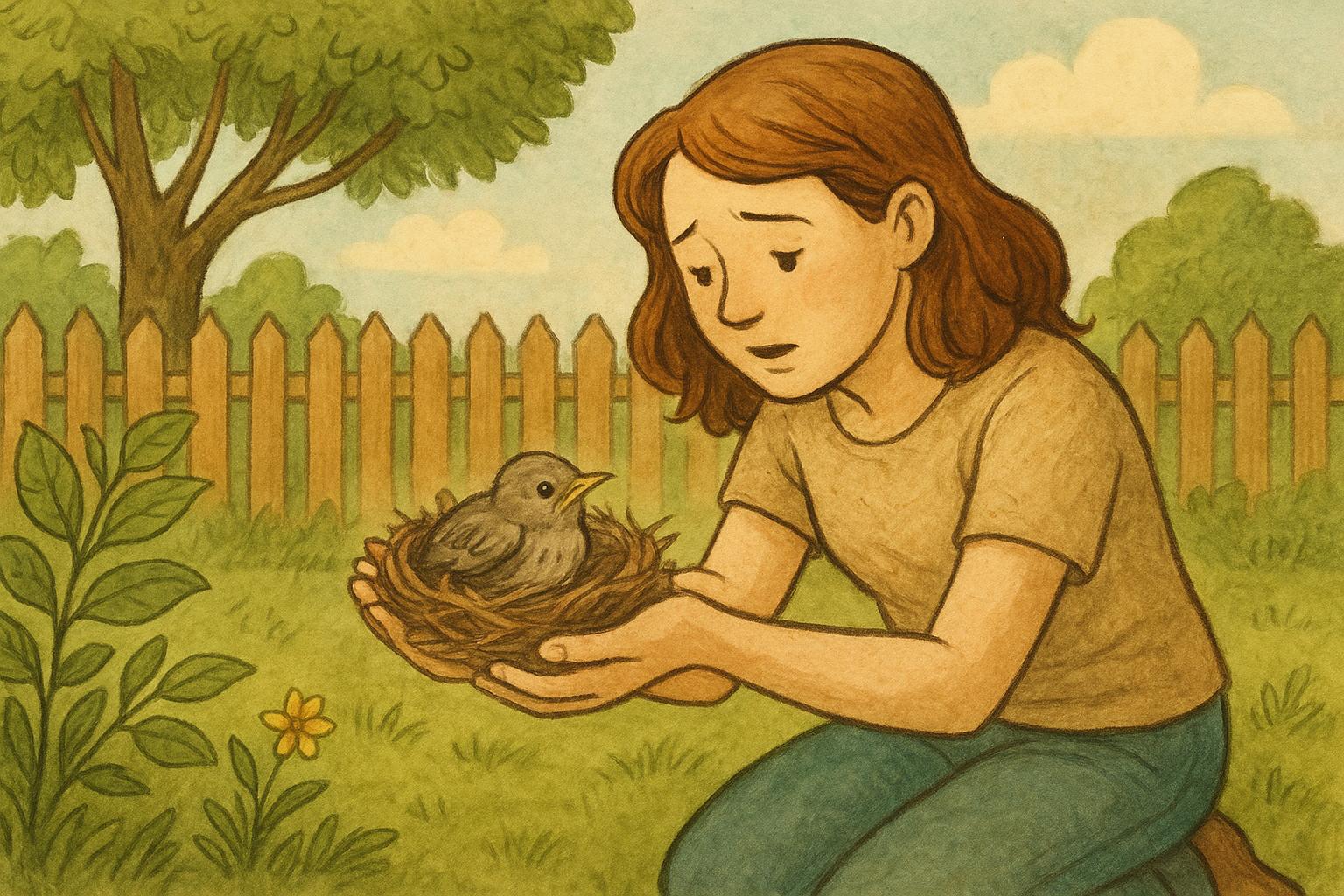
If you encounter injured migratory birds or unusual die-offs, contact local wildlife rehabilitators or conservation agencies promptly. For severe window collision hotspots or to design a large-scale native planting plan, consult with local extension services or certified habitat installers. Professional guidance ensures remedies are appropriate for your local ecology and legal in your jurisdiction.
Keep in mind that avian migration is a complex, centuries-old ballet. Your backyard can either be a helpful intermission or an obstacle. With a few thoughtful changes, you can welcome migrants, reduce hazards, and enjoy one of nature’s most spectacular routines — often from the comfort of your favorite chair.


Leave a Reply