
## Bird Chase: Why Birds Chase Each Other In Your Yard
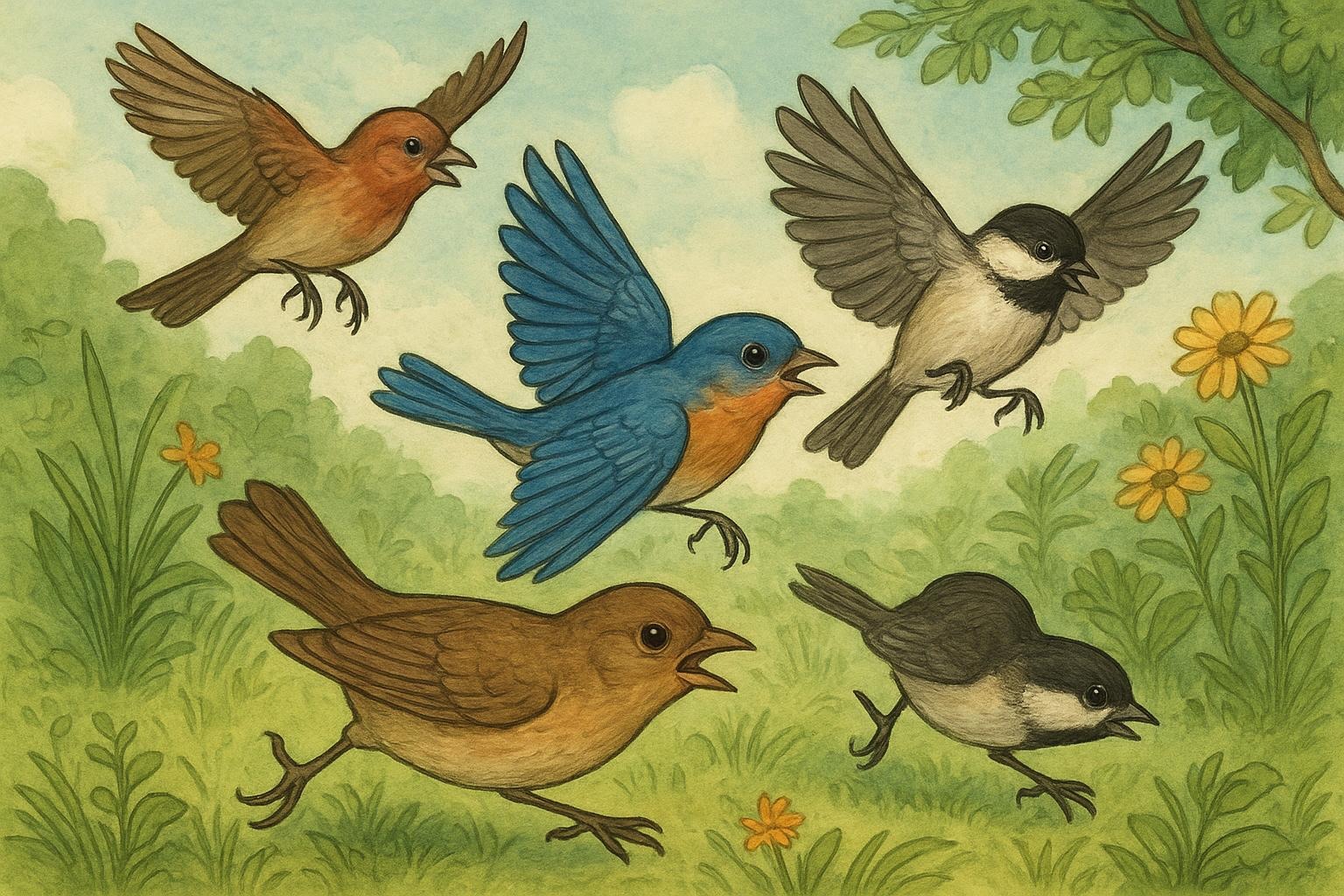
If you’ve ever watched a bird chase sweep across your yard — tiny wings flashing, feathers akimbo, and the occasional indignant squawk — you’re not alone. A bird chase can look dramatic and chaotic, but it’s usually just birds doing what birds do: communicate, protect, mate, or sometimes misread each other. Think of it as avian soap opera with more aerobatics and fewer commercials.
### Territorial Reasons
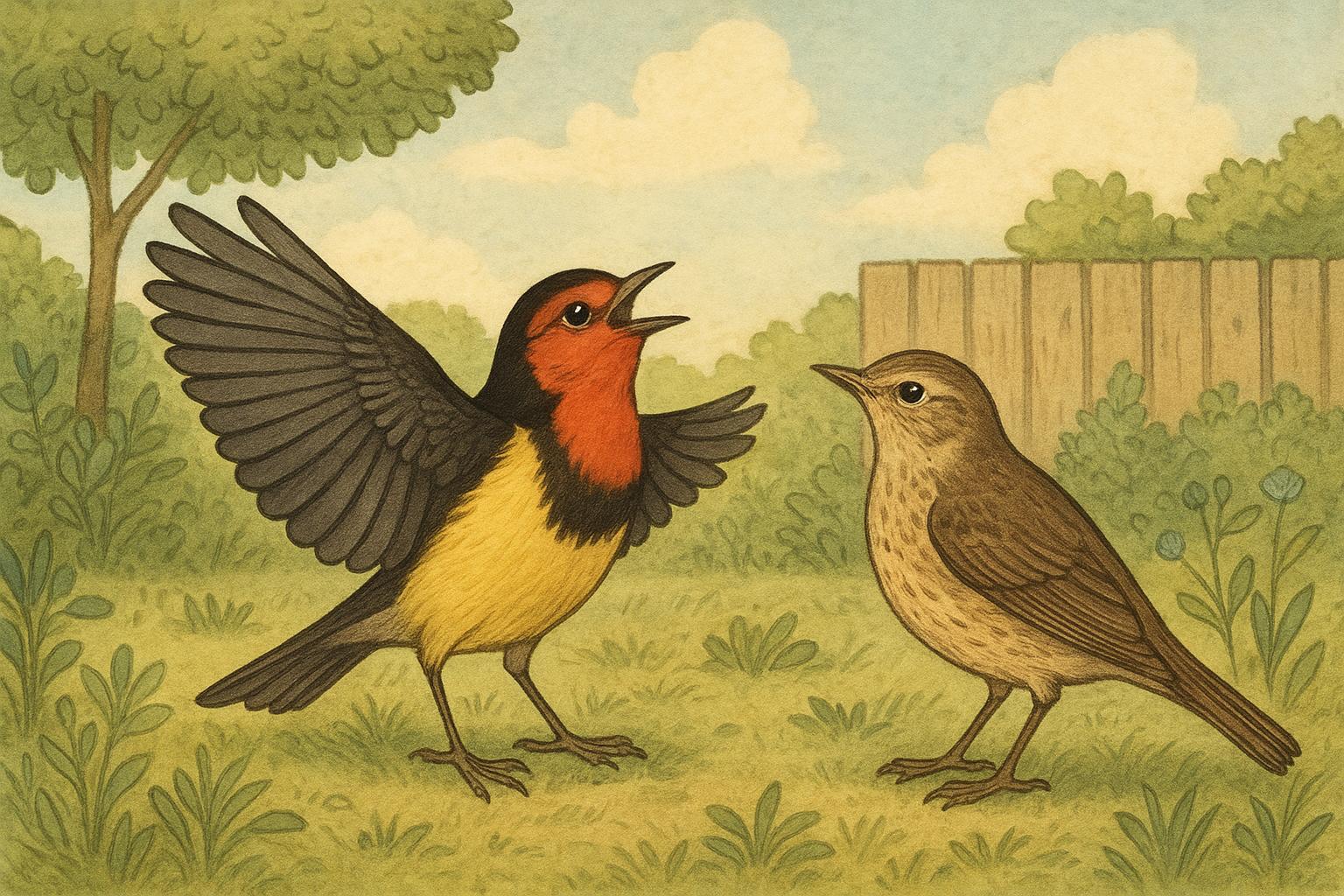
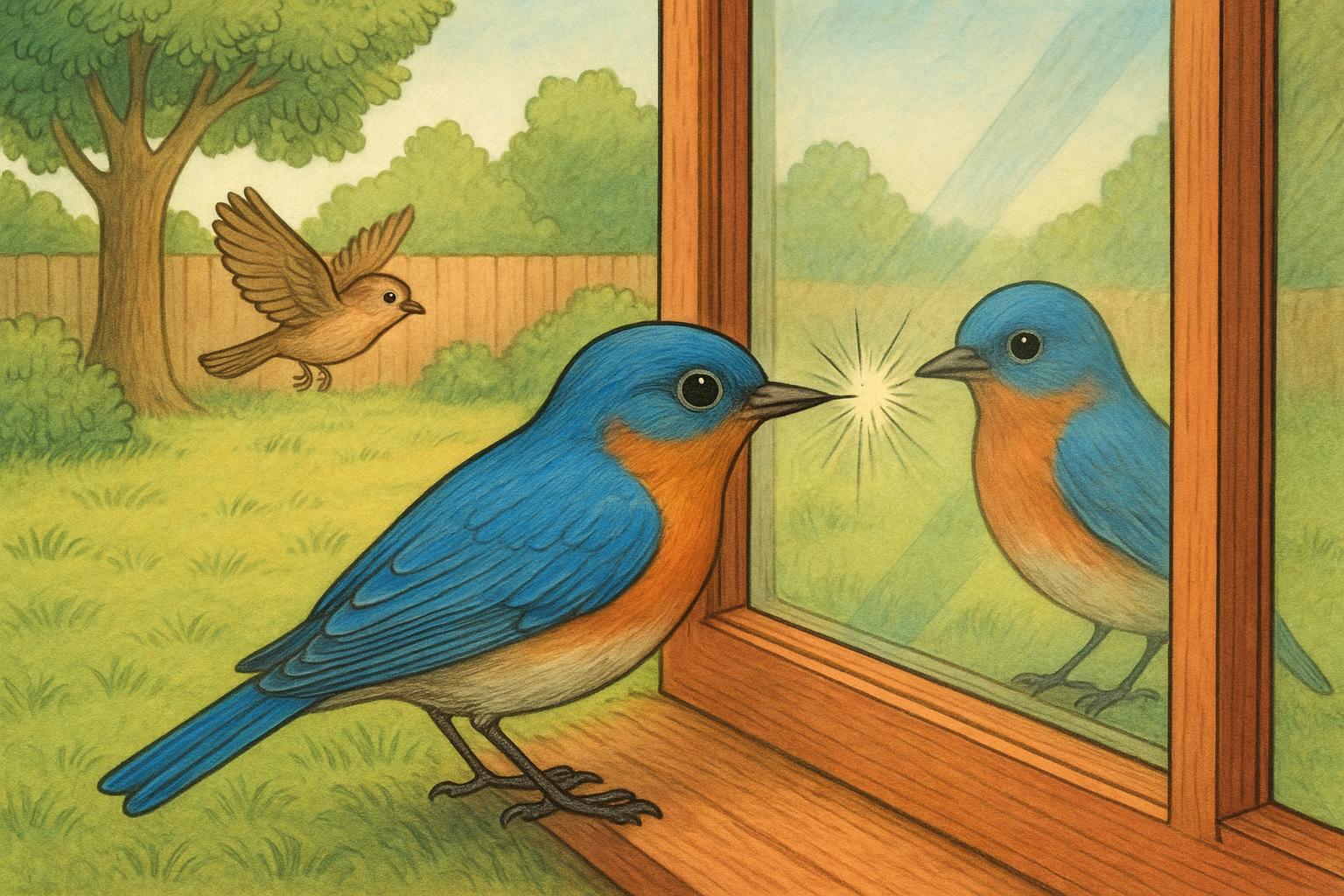
One of the most common causes of a bird chase is territory. Many species, especially during spring and early summer, patrol and defend a patch of trees, shrubs, or feeders. When an unfamiliar individual wanders in, the resident may give chase to drive it away. The chase serves both as a visual warning and a practical way to remove a potential competitor.
#### How Males And Females Differ
Male birds often lead dramatic chases when defending territory or advertising fitness. Females sometimes participate, especially if they’re protecting nearby nests. Not every chase is strictly one sex against another — mixed pursuits are common when a pair jointly defends a nest site against interlopers.
### Mating Displays And Courtship
Courtship can look surprisingly like aggression. A chasing male may be trying to impress a female by demonstrating stamina and flight skill. Conversely, rival males often chase a courting pair to break up potential pairings. These are less about harm and more about mating opportunity; still, from your window it looks intense.
### Food And Feeder Conflicts
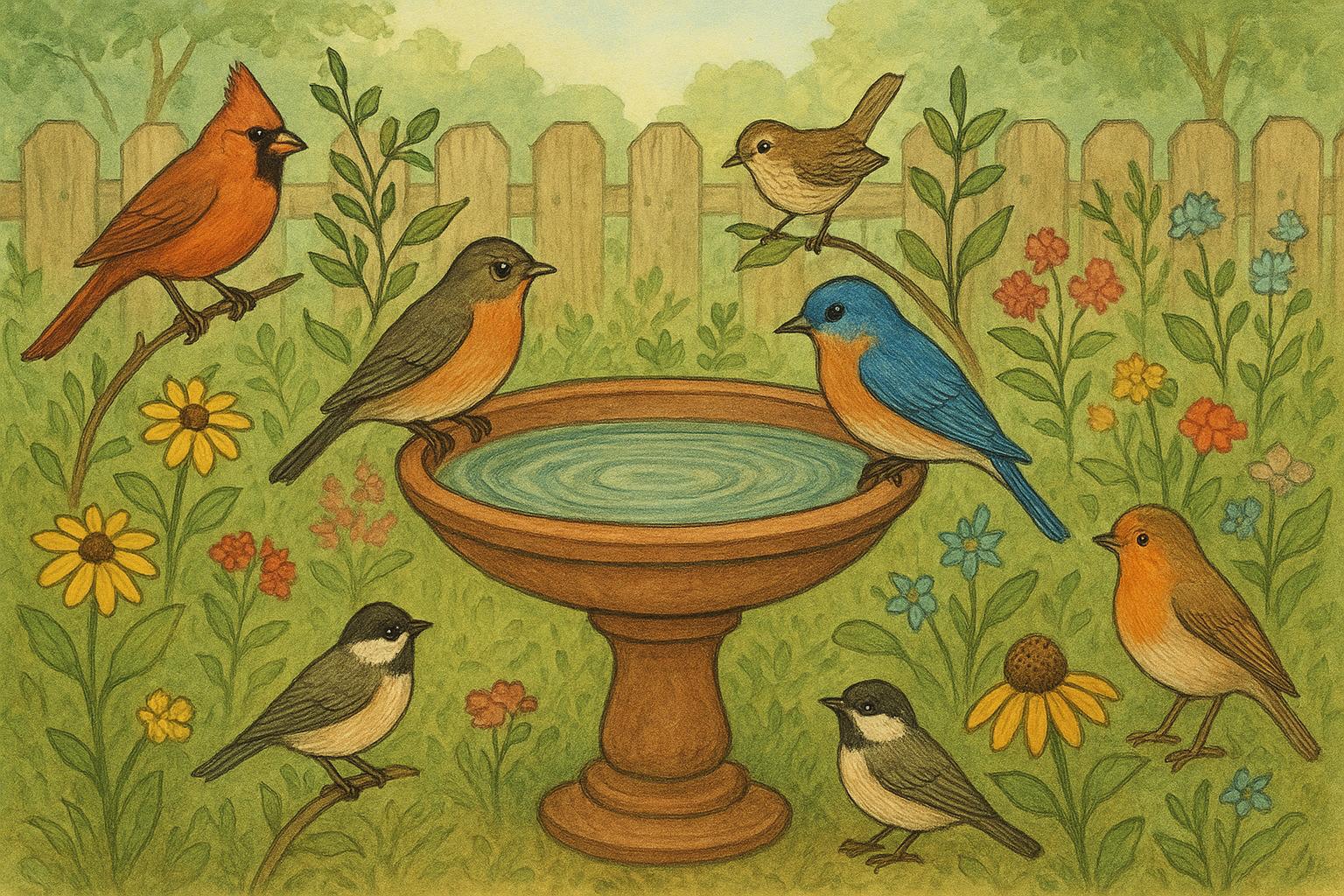
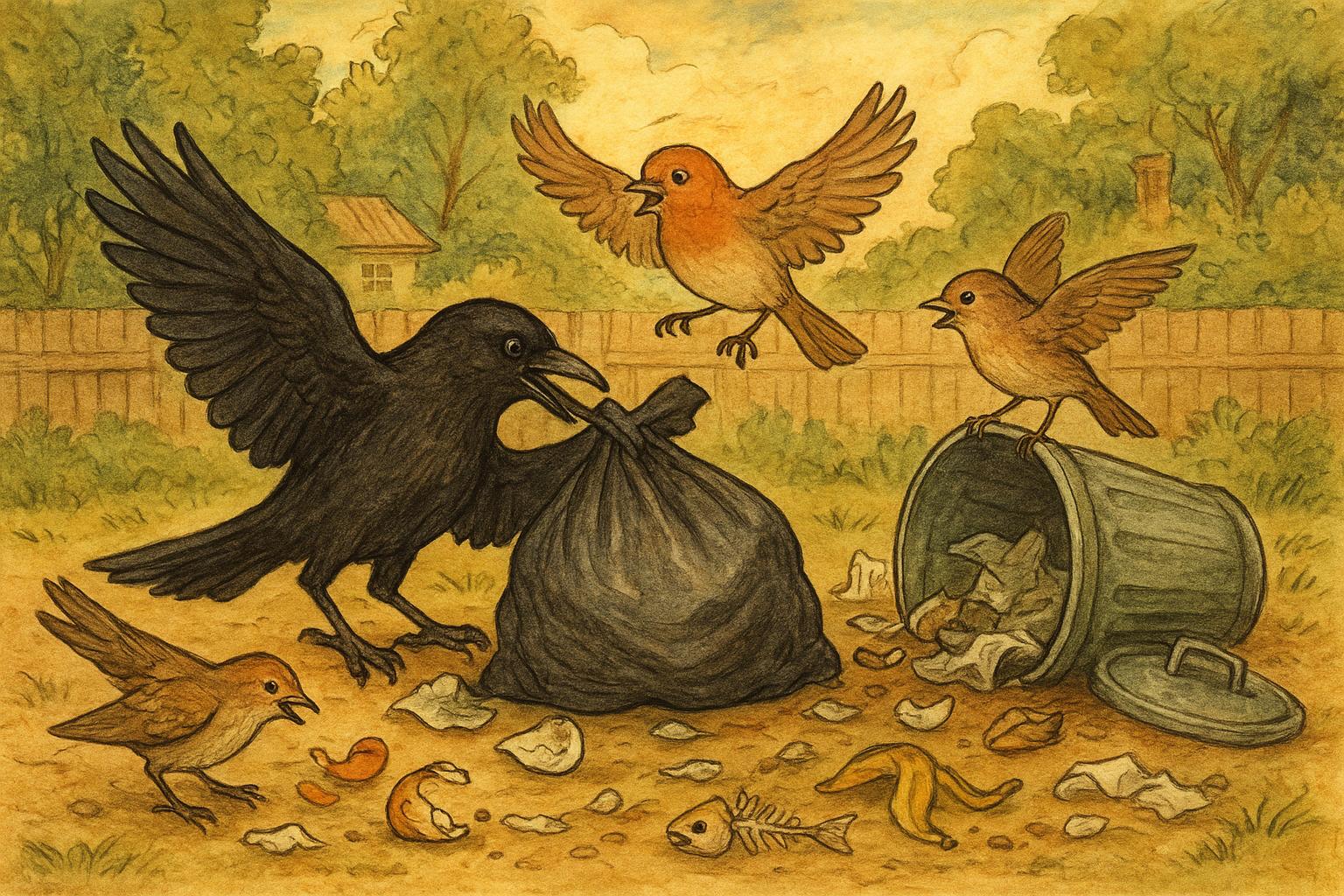
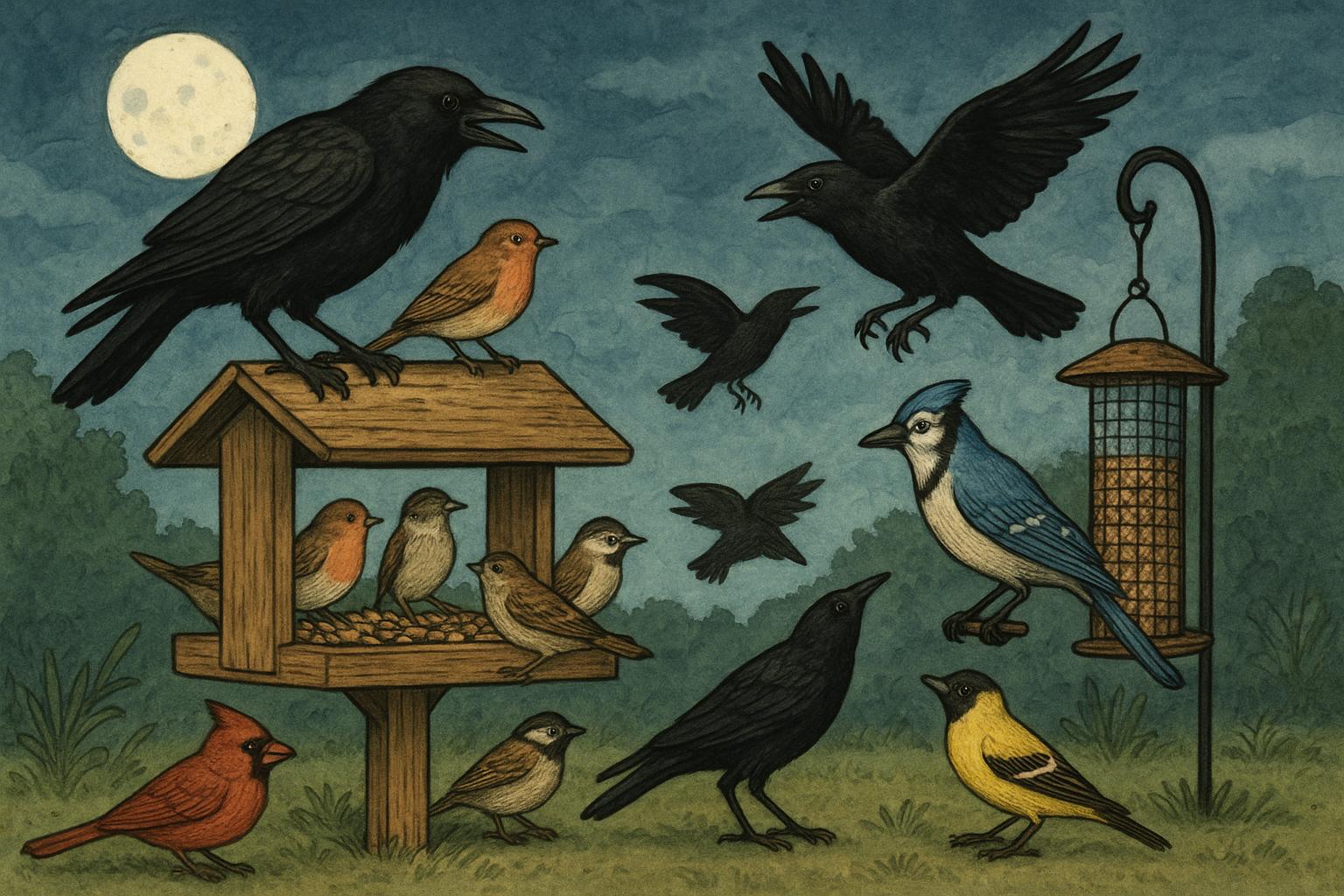
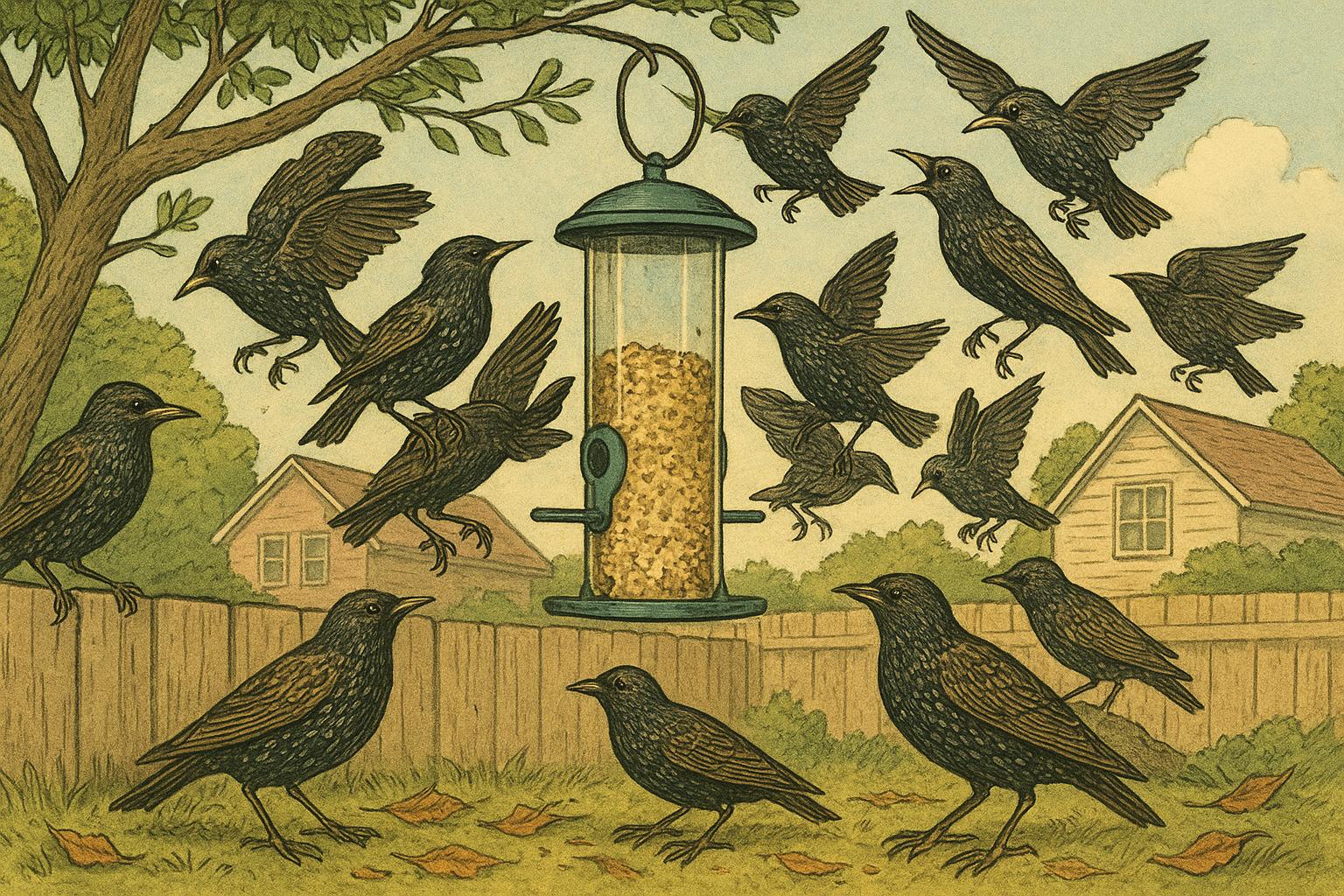
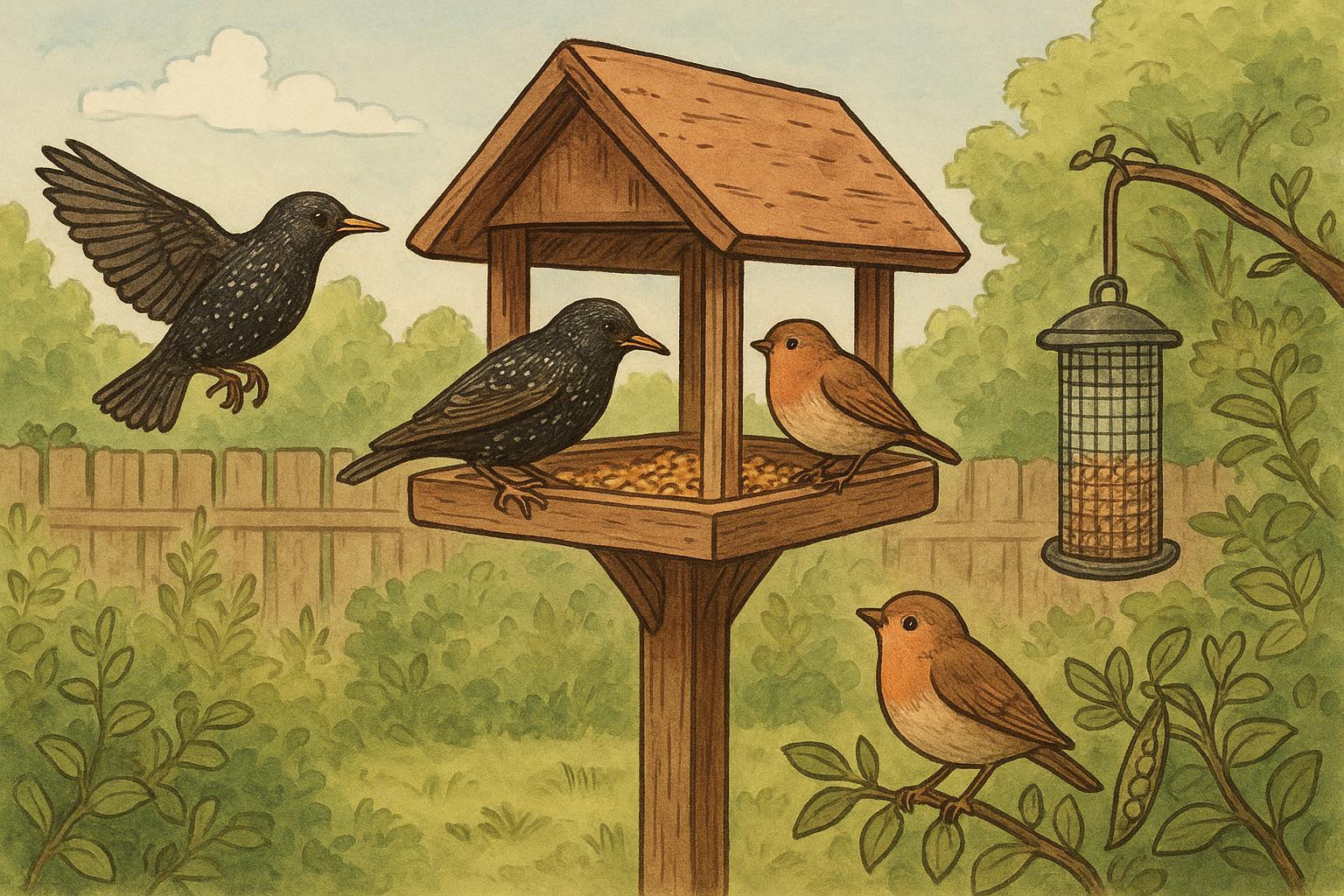
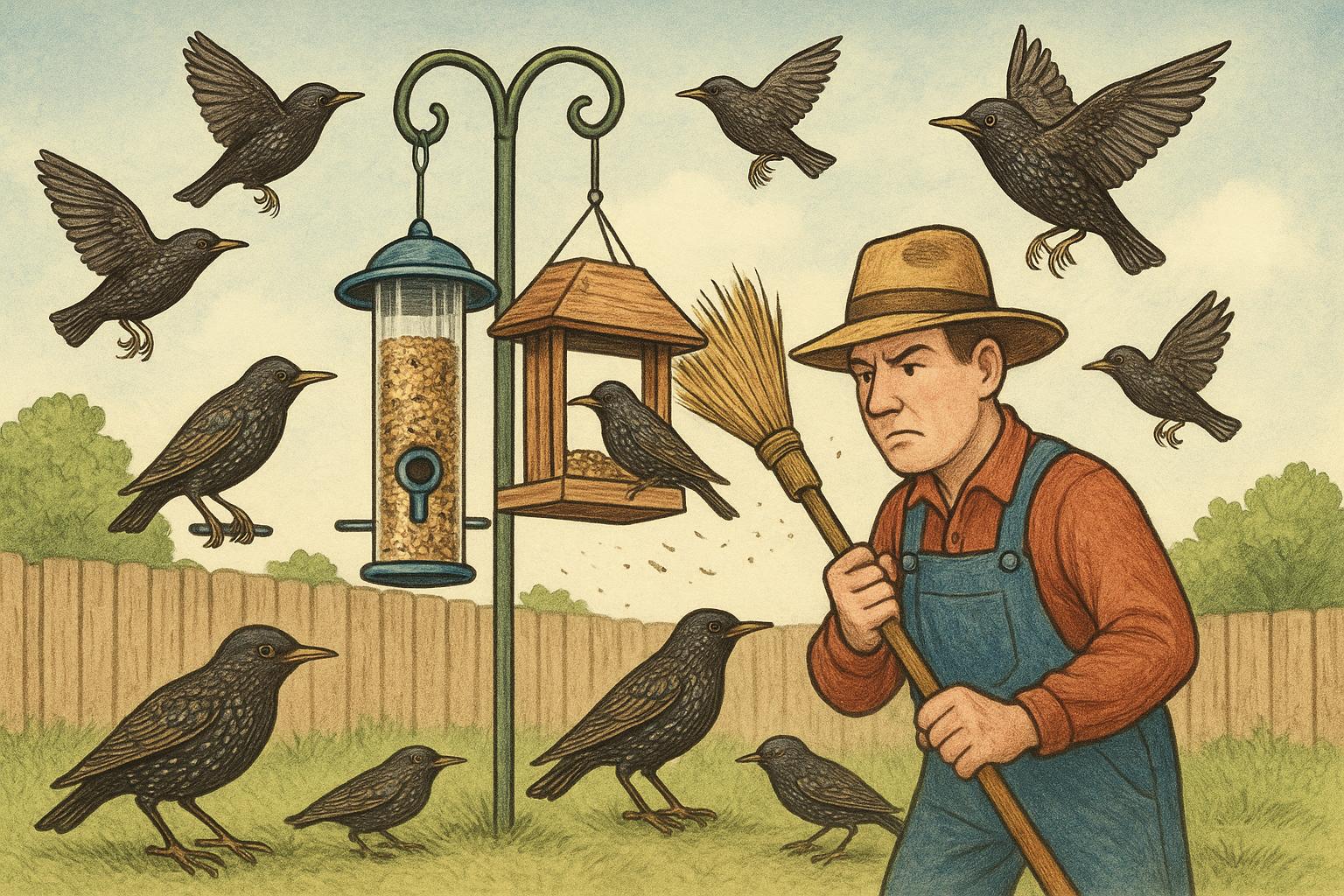
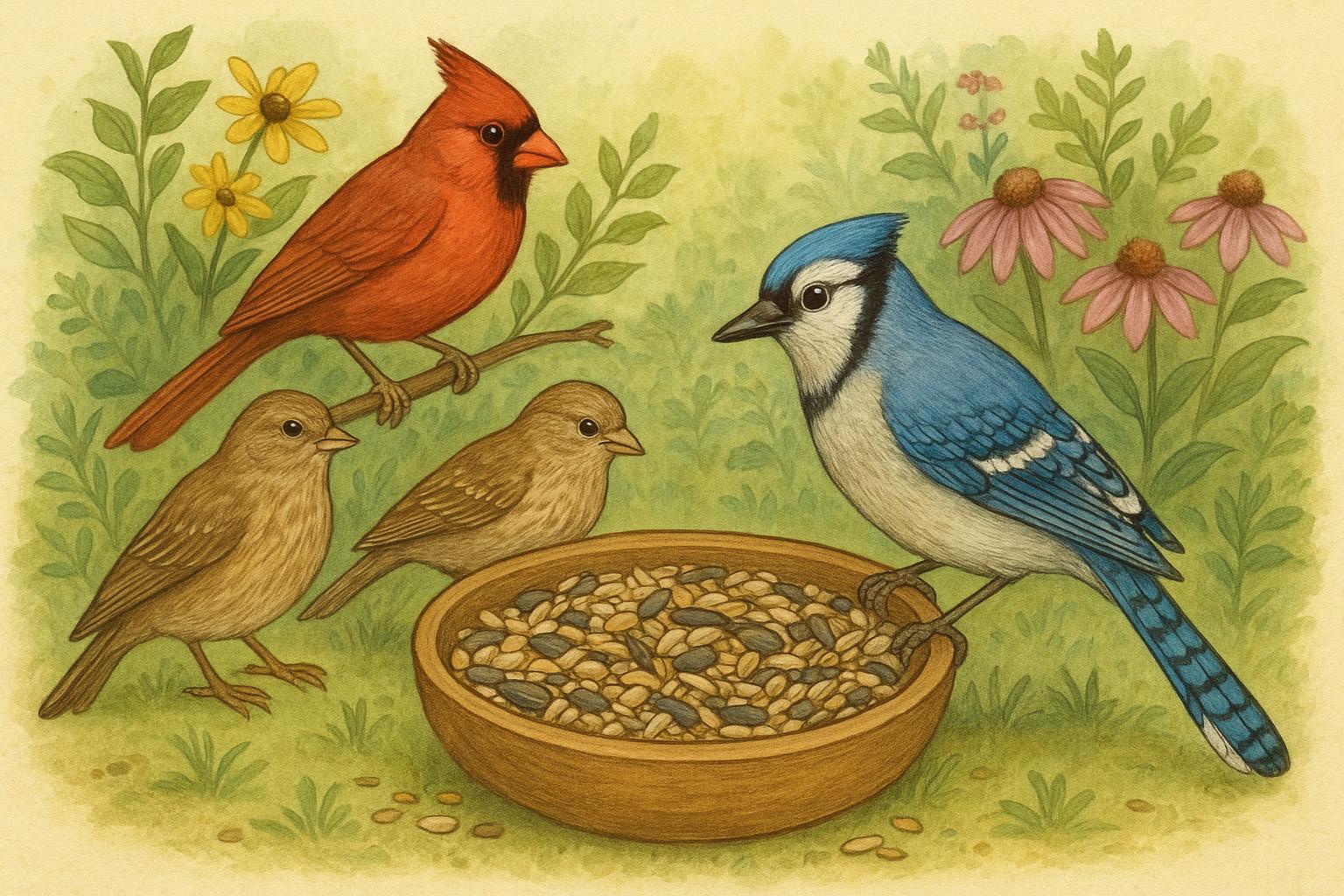
Feeders concentrate resources, so a bird chase often happens in your yard simply because snacks are on the line. Species with aggressive feeder behavior (like house sparrows or starlings) may chase smaller species away. If you enjoy a peaceful mix of birds at your feeders, understanding which species provoke frequent chases helps you manage the situation.
### Predator Confusion And Mobbing
When a predator like a hawk or an owl appears, smaller birds sometimes engage in “mobbing” — a coordinated series of chases and dive-bombs to harass and drive the predator away. During a mobbing event you’ll see several species join forces; what looks like chaotic chases are actually purposeful, protective coordination.
### Juvenile Learning And Mistaken Identity
Young birds learning to fly, forage, and interact will occasionally trigger or participate in chases. Inexperienced juveniles may trespass into territories or misinterpret adult displays, prompting an older bird to chase them off as part of social learning.
### When A Bird Chase Is Serious Versus Playful
Not all chases are born equal. Brief bursts, loud calls, and quick returns to the same perch often mean the dispute is minor. Prolonged chases with sustained aggression, feather damage, or a bird pinned to the ground are more serious and may require intervention, especially if a protected or rare species is involved.
### What You Can Do To Lessen Yard Chases
A few simple adjustments can reduce the frequency and intensity of bird persecution and the commuter-style chases they trigger. Below are two remedies with required materials and step-by-step instructions. These remedies are practical for most yard sizes and designed to be wildlife-friendly. The guidance is written in a more formal, prescriptive tone to help you implement them effectively.
## 1. Remedy: Reduce Territorial Bird Chase By Redesigning Feeders
Materials:
– Multiple feeder types (tube, platform, and suet) — preferably with different perches
– Adjustable-height poles or brackets
– Native shrubs or small trees for cover (potted if necessary)
– Seed mixes suited to target species
– Baffle or squirrel guard for pole-mounted feeders
Steps:
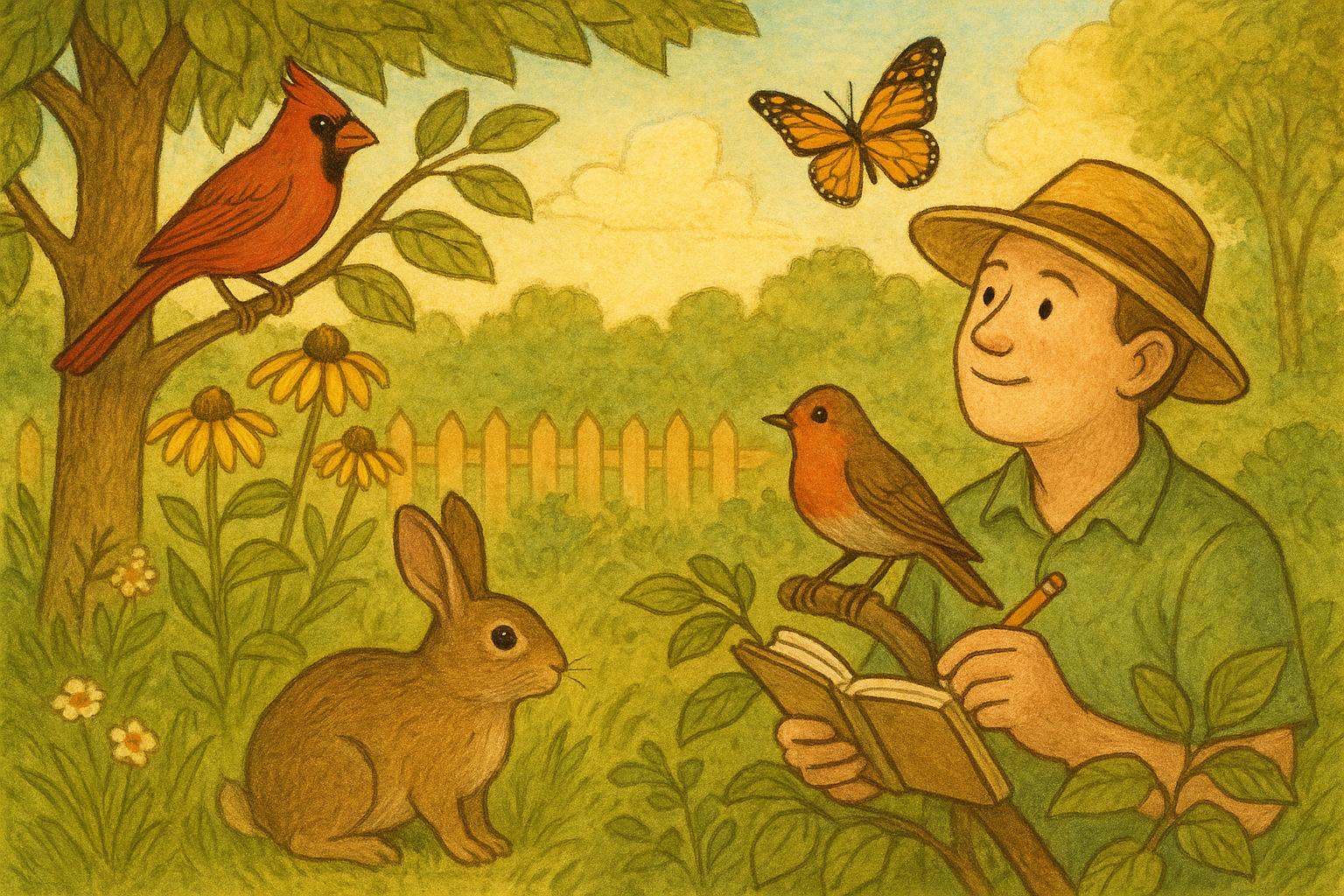
1. Assess Current Setup: Record which feeder attracts aggressive individuals and note which species are most often involved in a bird chase. Observational notes over several days (morning and late afternoon) are useful.
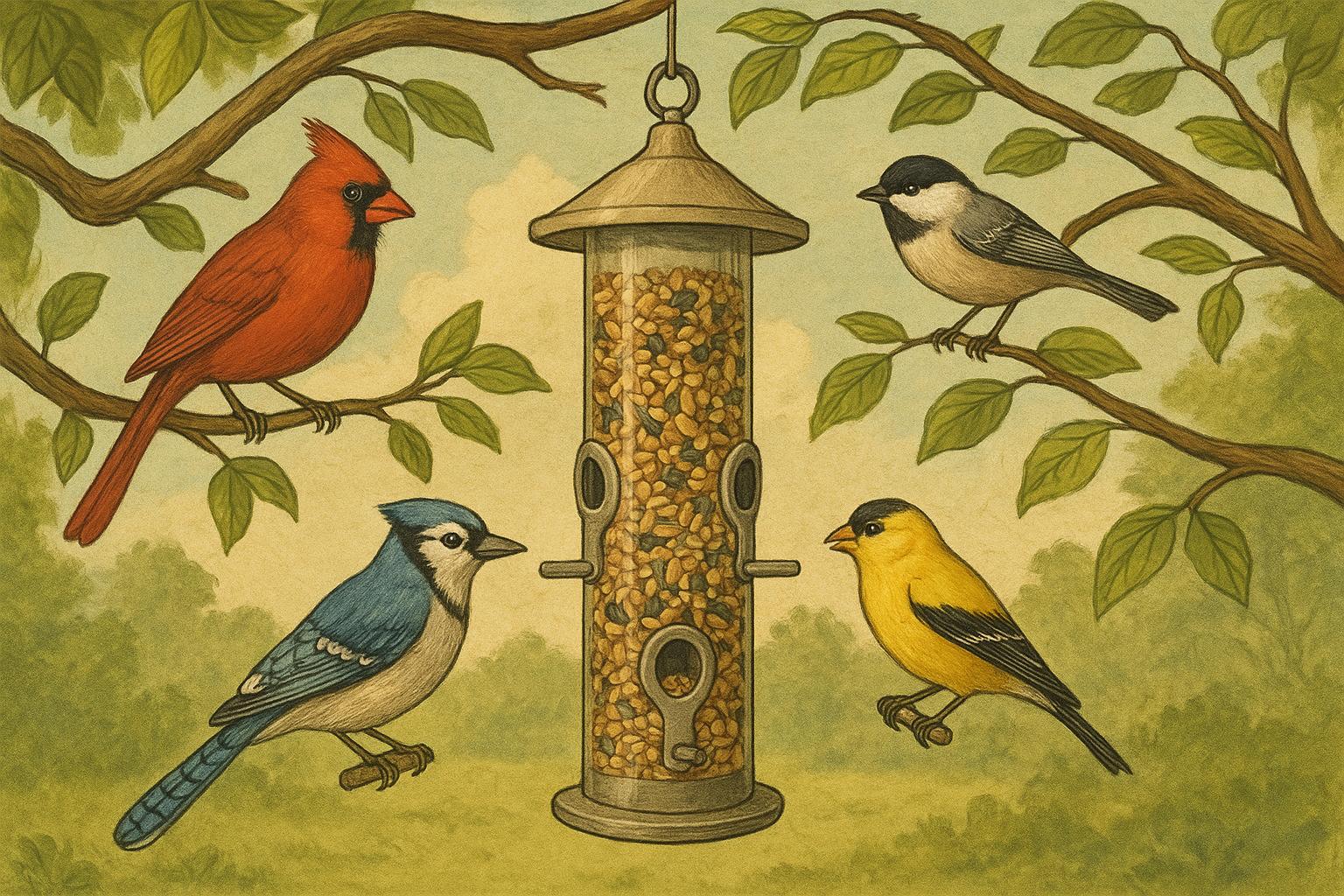
2. Diversify Feeding Stations: Install multiple feeders spaced at least 10–15 feet apart. Different species can feed at separate stations, reducing direct competition and lowering the chance a bird chase erupts over a single food source.
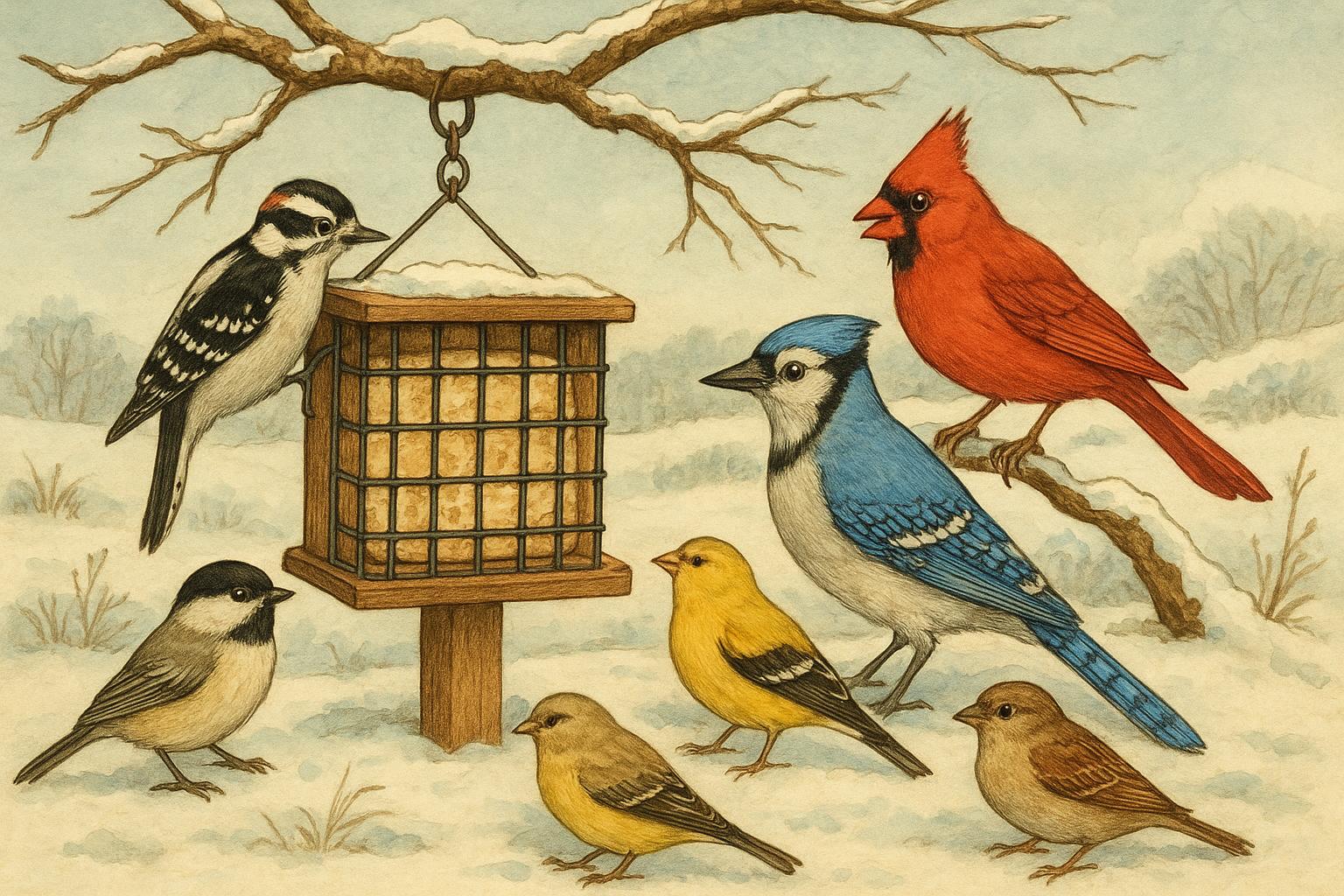
3. Use Species-Specific Feed: Offer seed types that favor smaller, less aggressive species at one feeder (nyjer for finches; small seed mixes for sparrows), and place high-energy foods like suet in separate, less-contested locations.
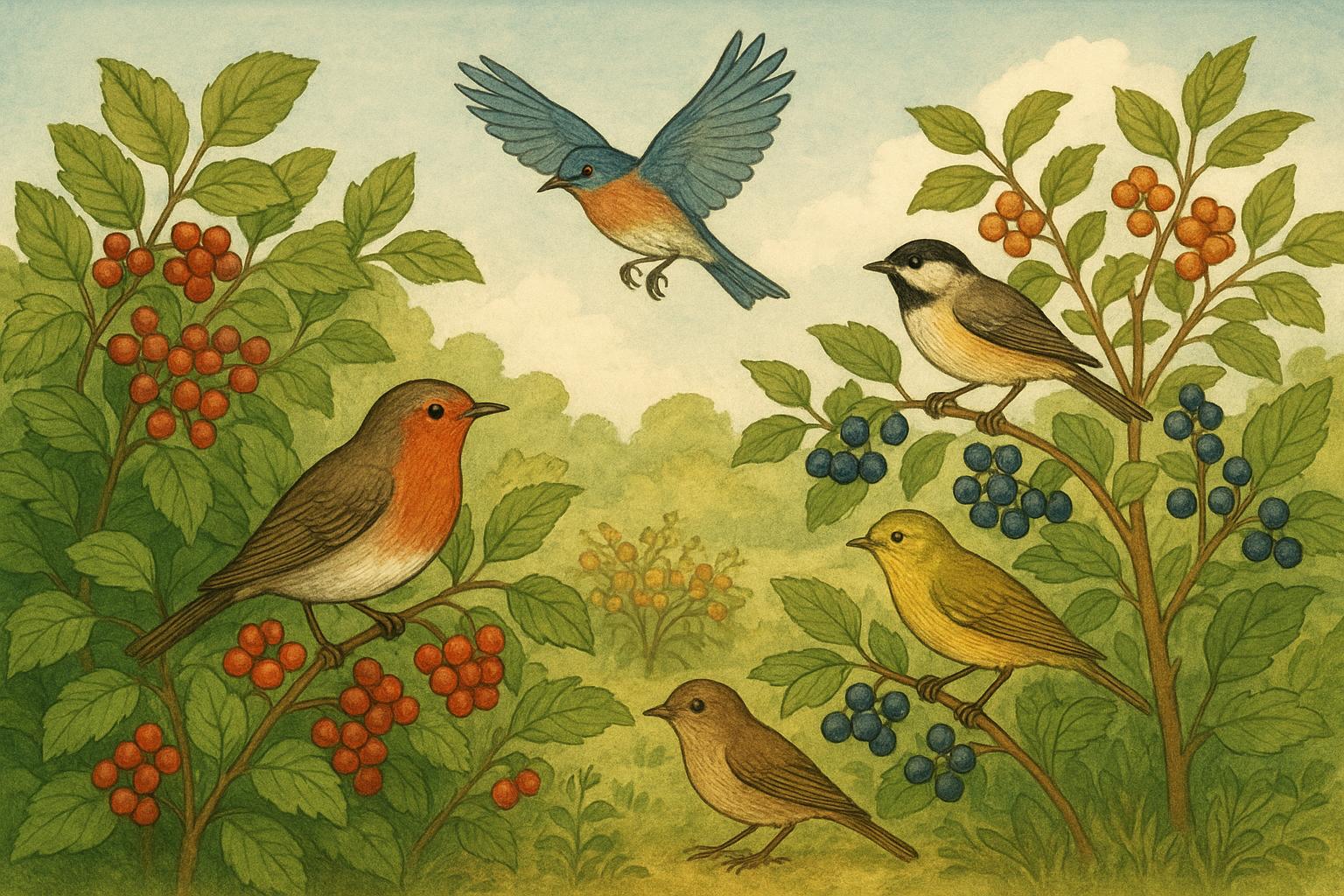
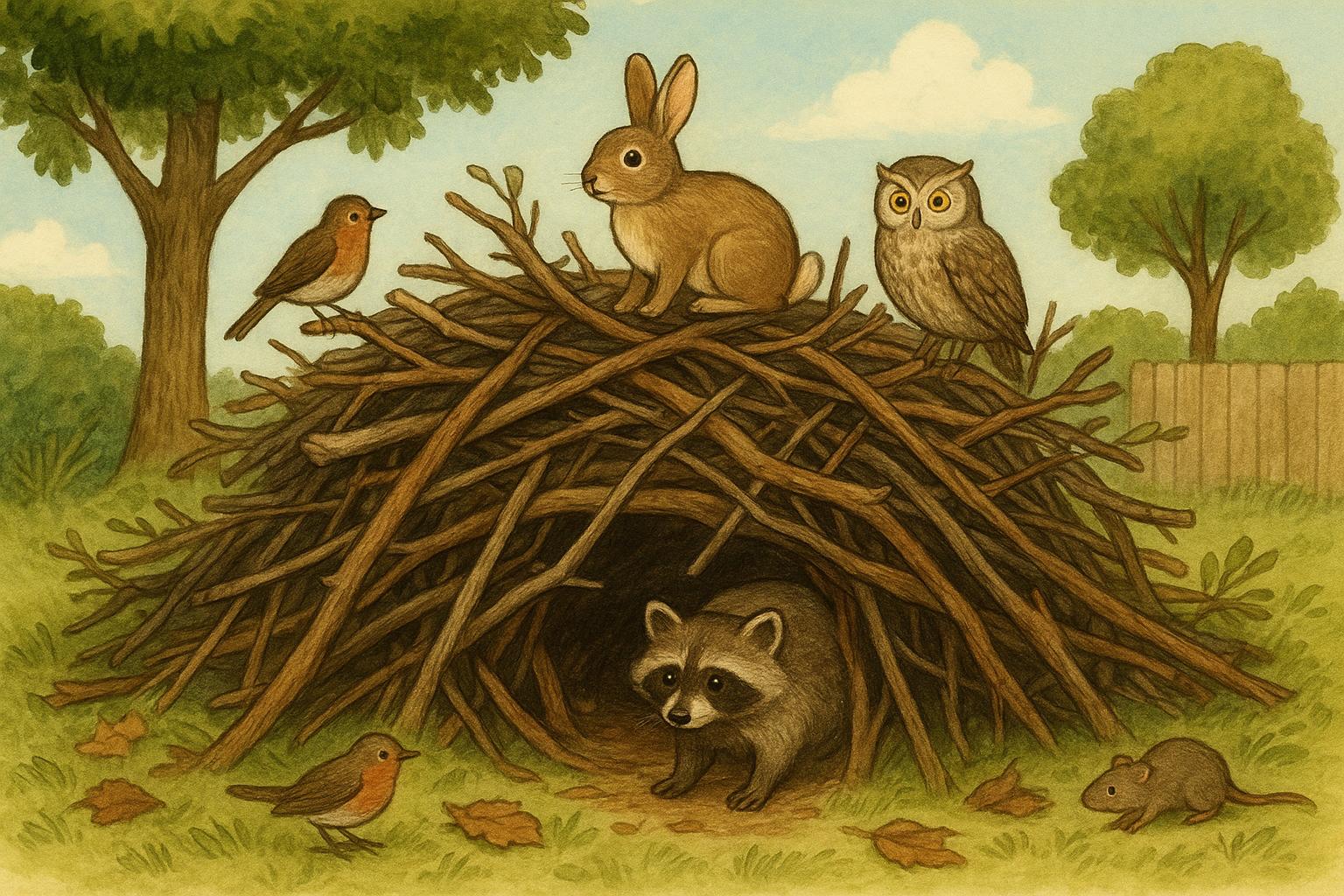
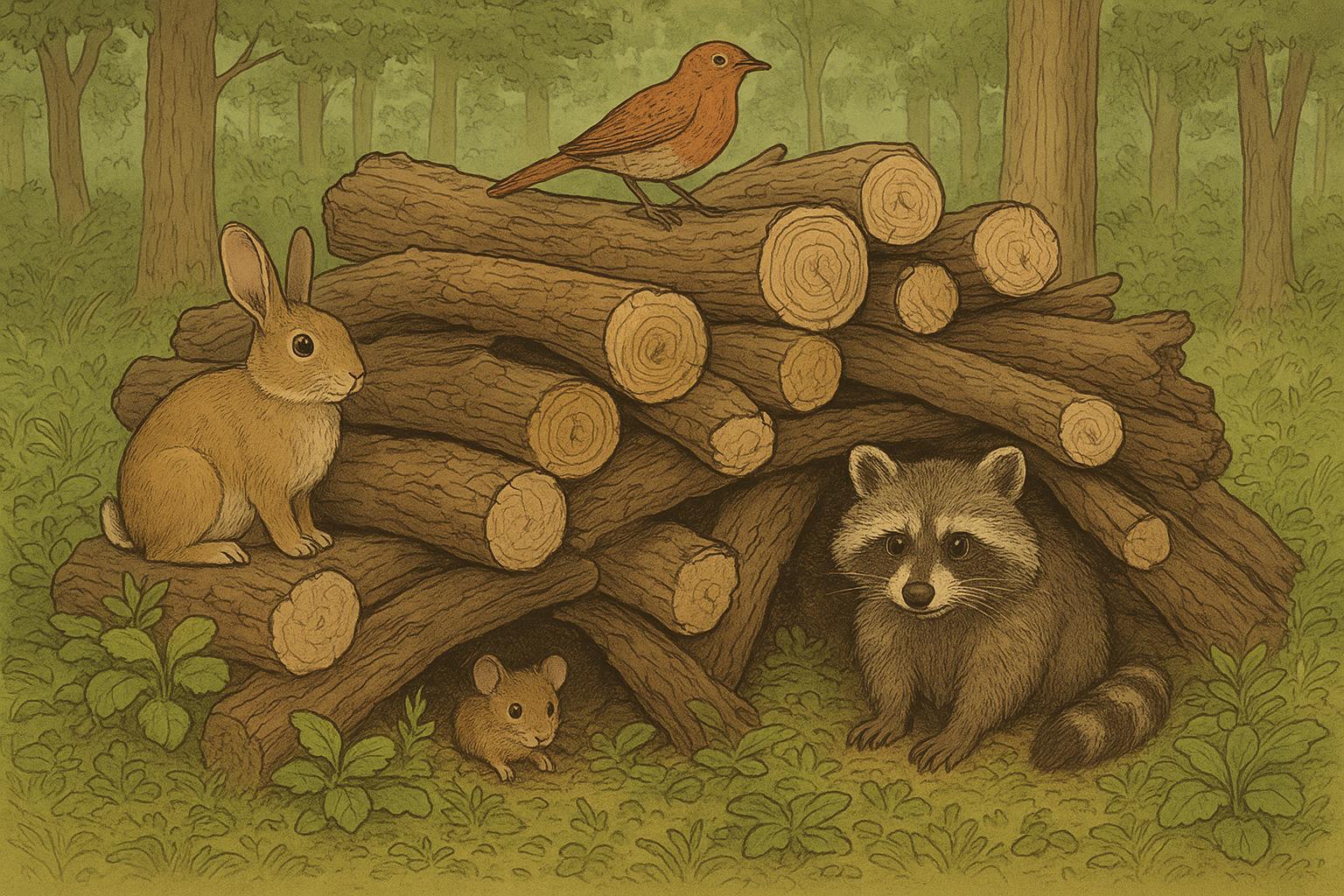
4. Provide Escape Cover: Plant or place shrubs and branches near feeders so chased birds have quick shelter. Small native shrubs or a brush pile create immediate refuge and reduce chase intensity.
5. Adjust Feeder Access: Change feeder heights and perch lengths. Shorter perches can deter larger, aggressive birds from monopolizing a feeder. Rotate feeder styles seasonally to discourage territorial monopolies.
6. Monitor And Tweak: Continue to document behavior. If a particular feeder still attracts bullies, relocate it or modify the offered food. Regular adjustments help maintain a balanced yard community.
## 2. Remedy: Deter Nest Disturbance And Aggressive Chases During Breeding Season
Materials:
– Nest boxes appropriate to local species (dimensions and entrance hole size specific)
– Predator guards for nest boxes (metal baffles or cages)
– Motion-sensitive deterrents (e.g., gentle water sprays or visual deterrents)
– Native understory shrubs for concealed nesting
– Field notebook or mobile app for nest observations (legal nesting disturbance considerations apply)
Steps:
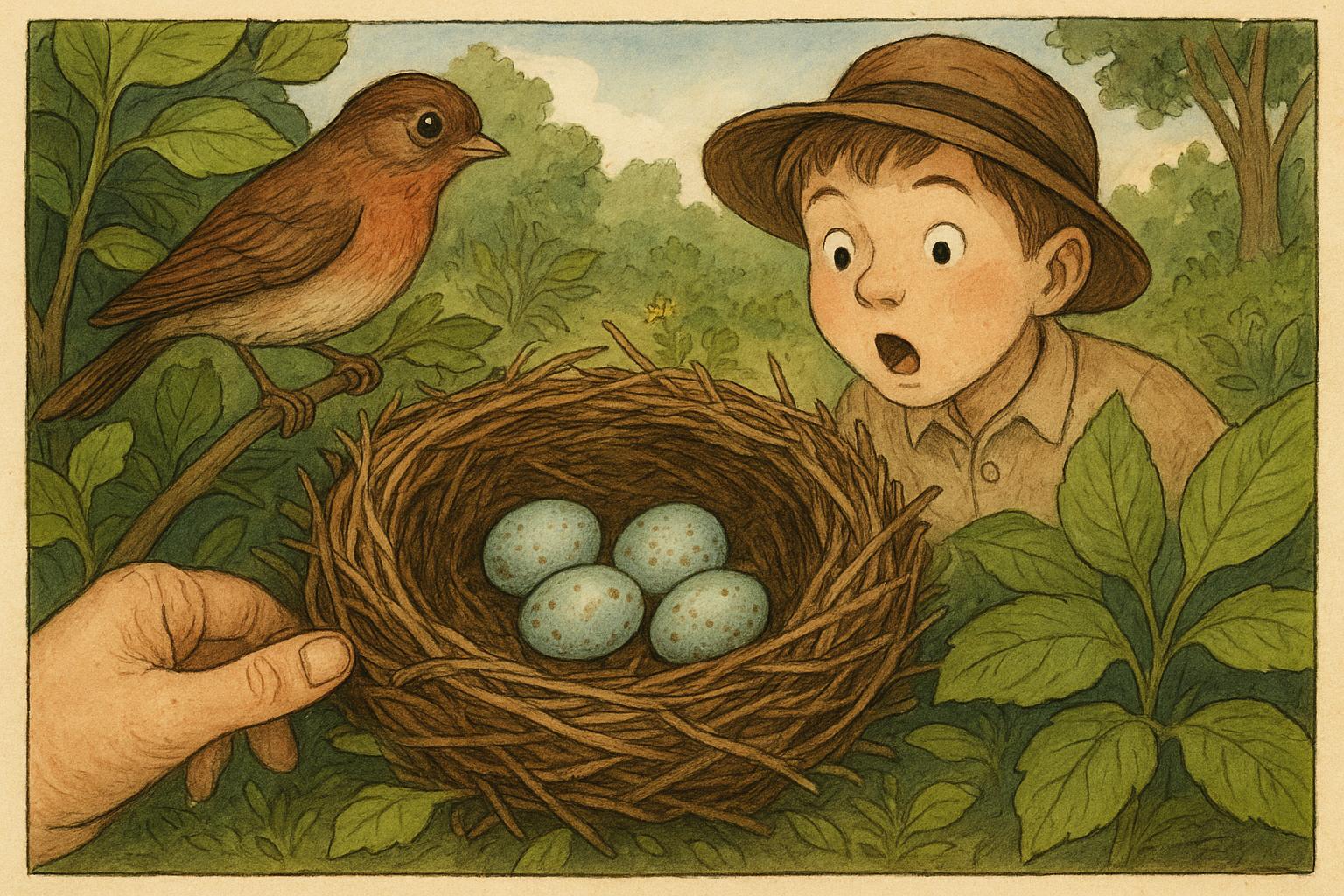
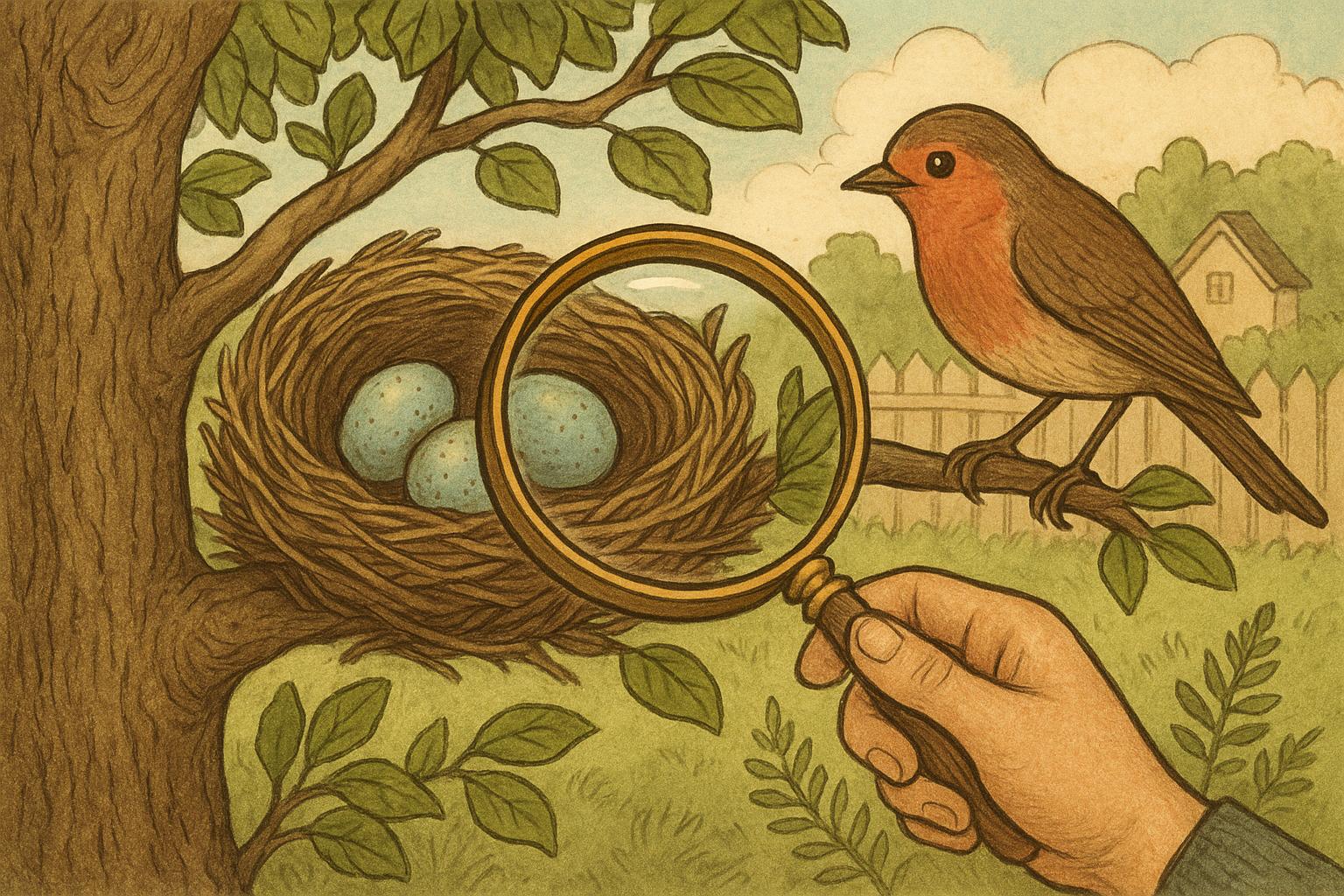
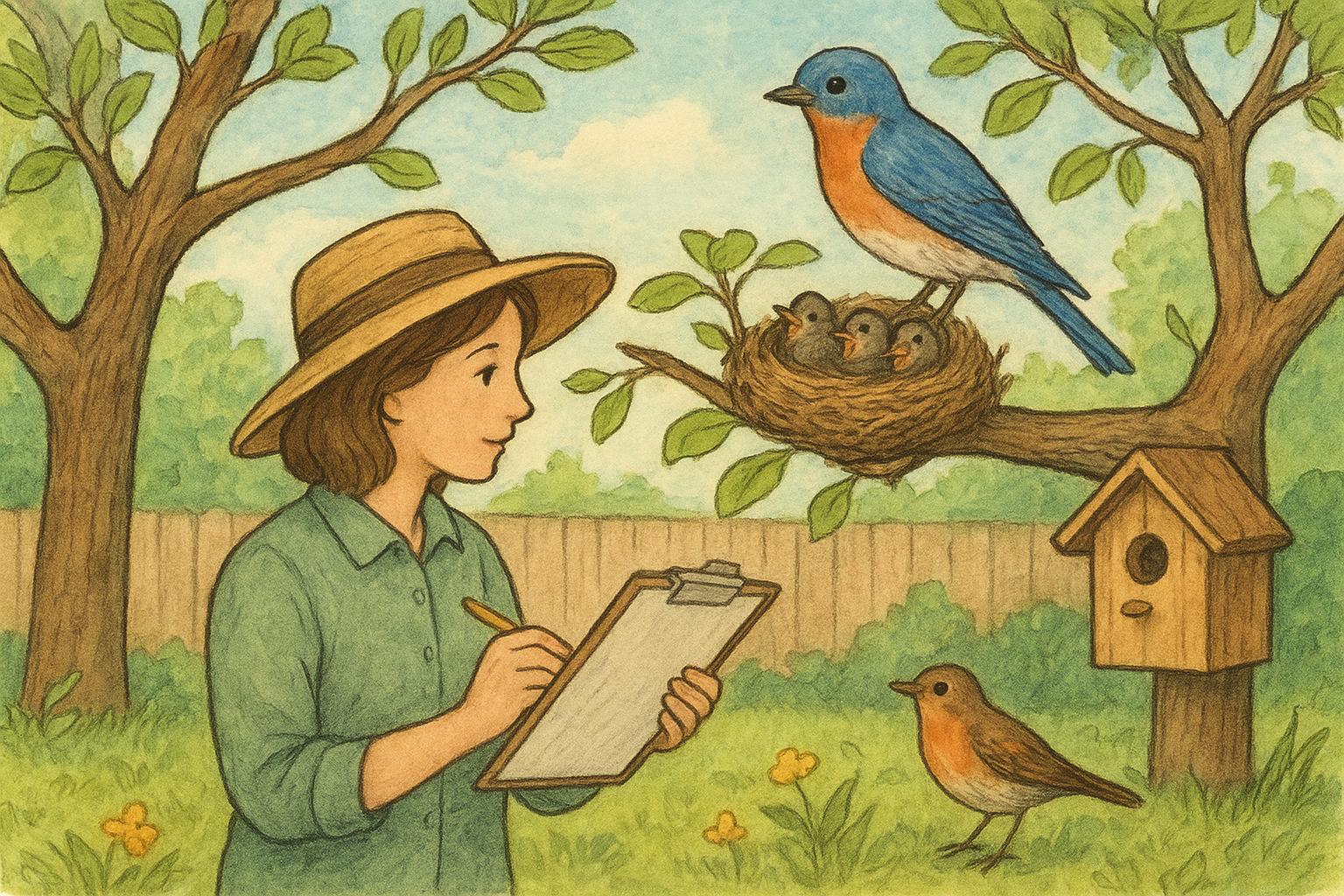
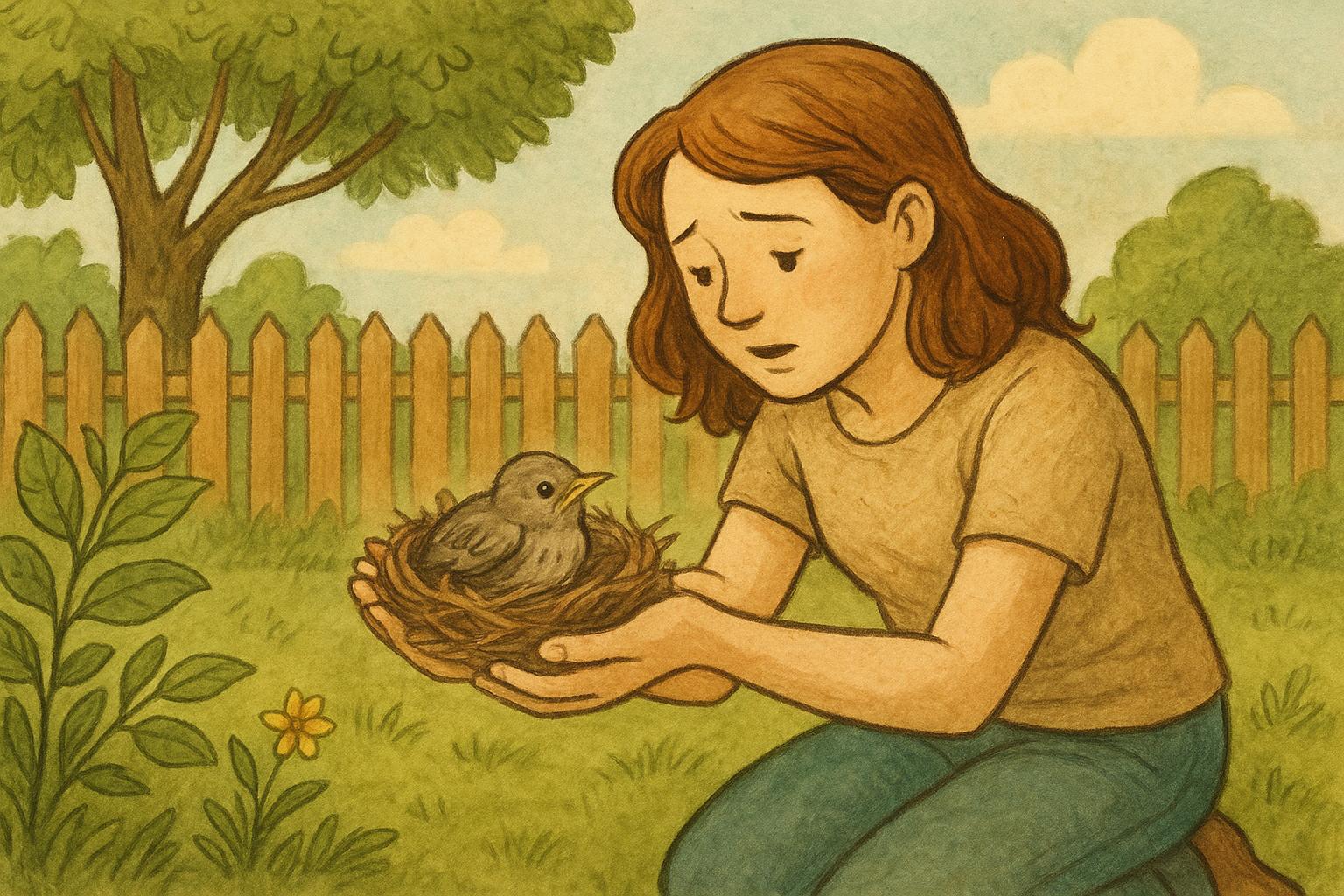
1. Identify Vulnerable Nests: Observe from a distance to identify active nest sites and species. Do not physically disturb nests; use binoculars and notes to record activity.
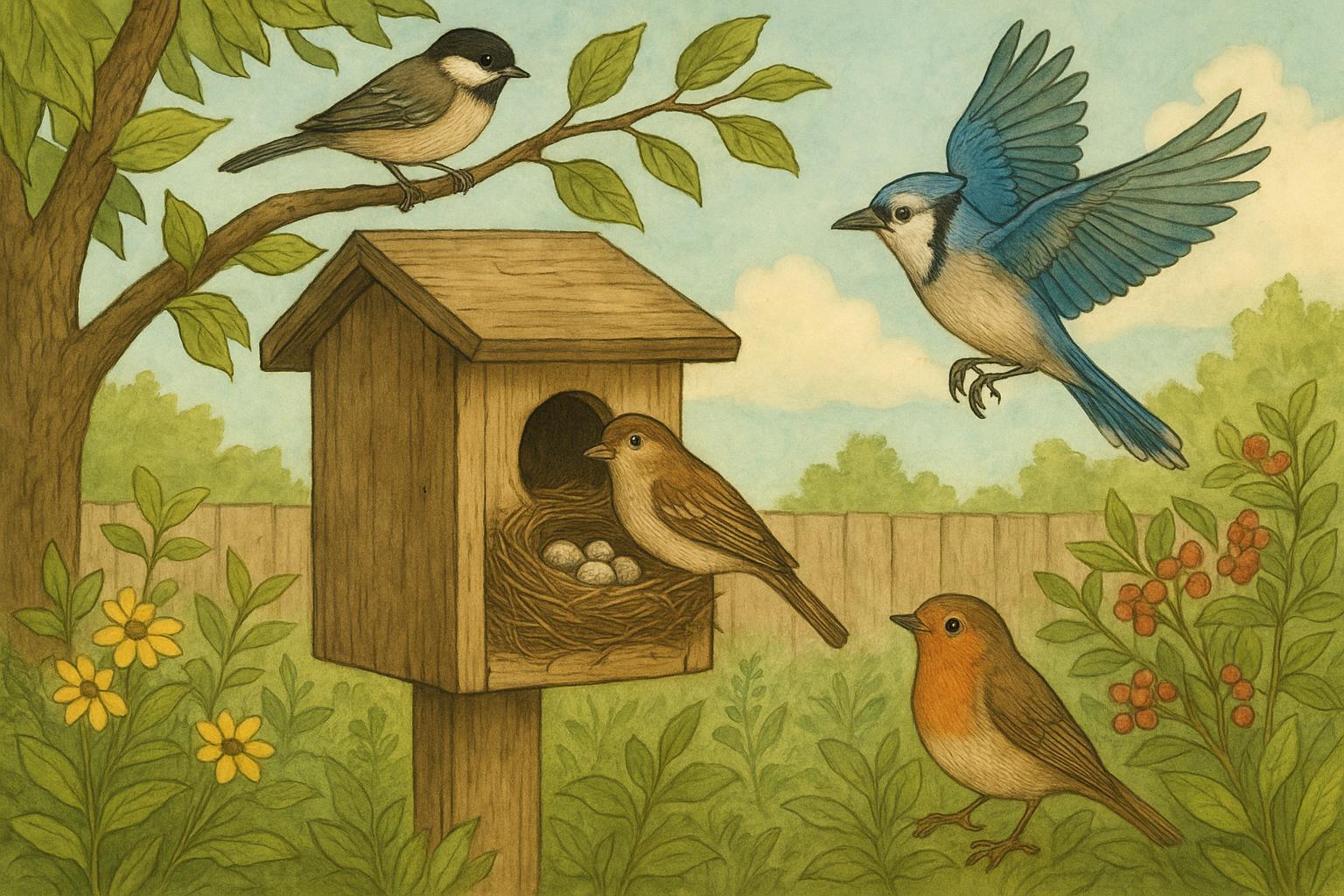
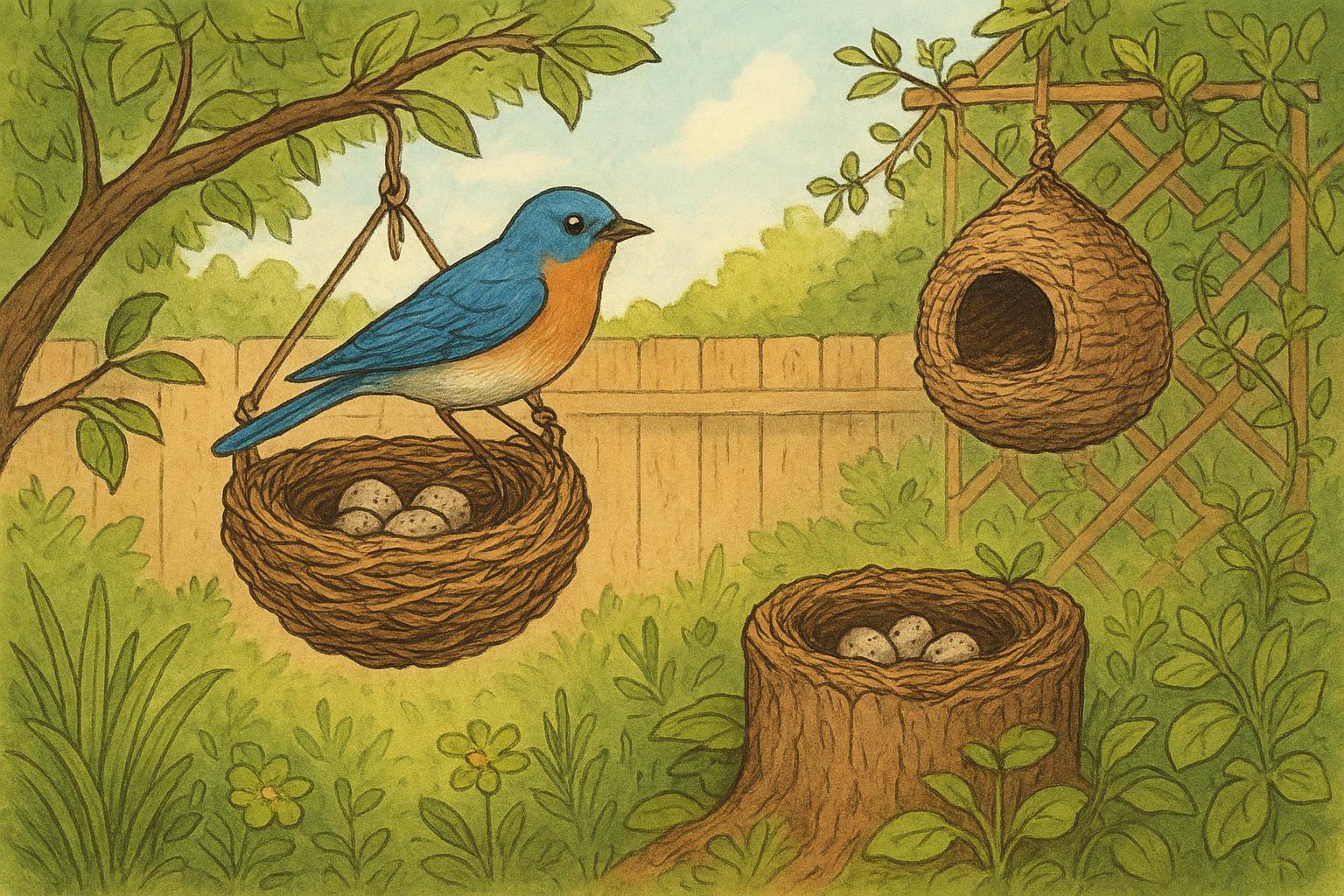
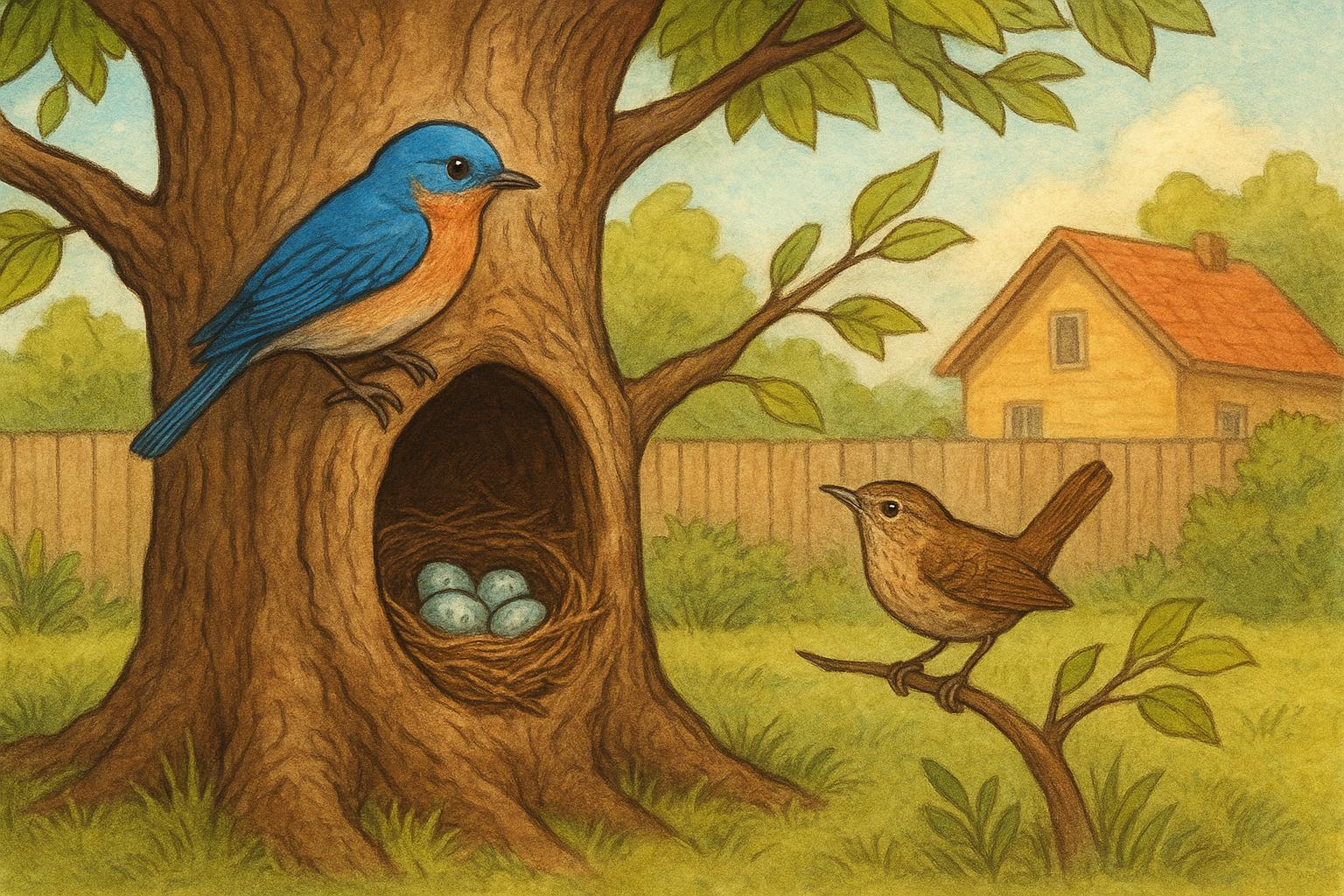
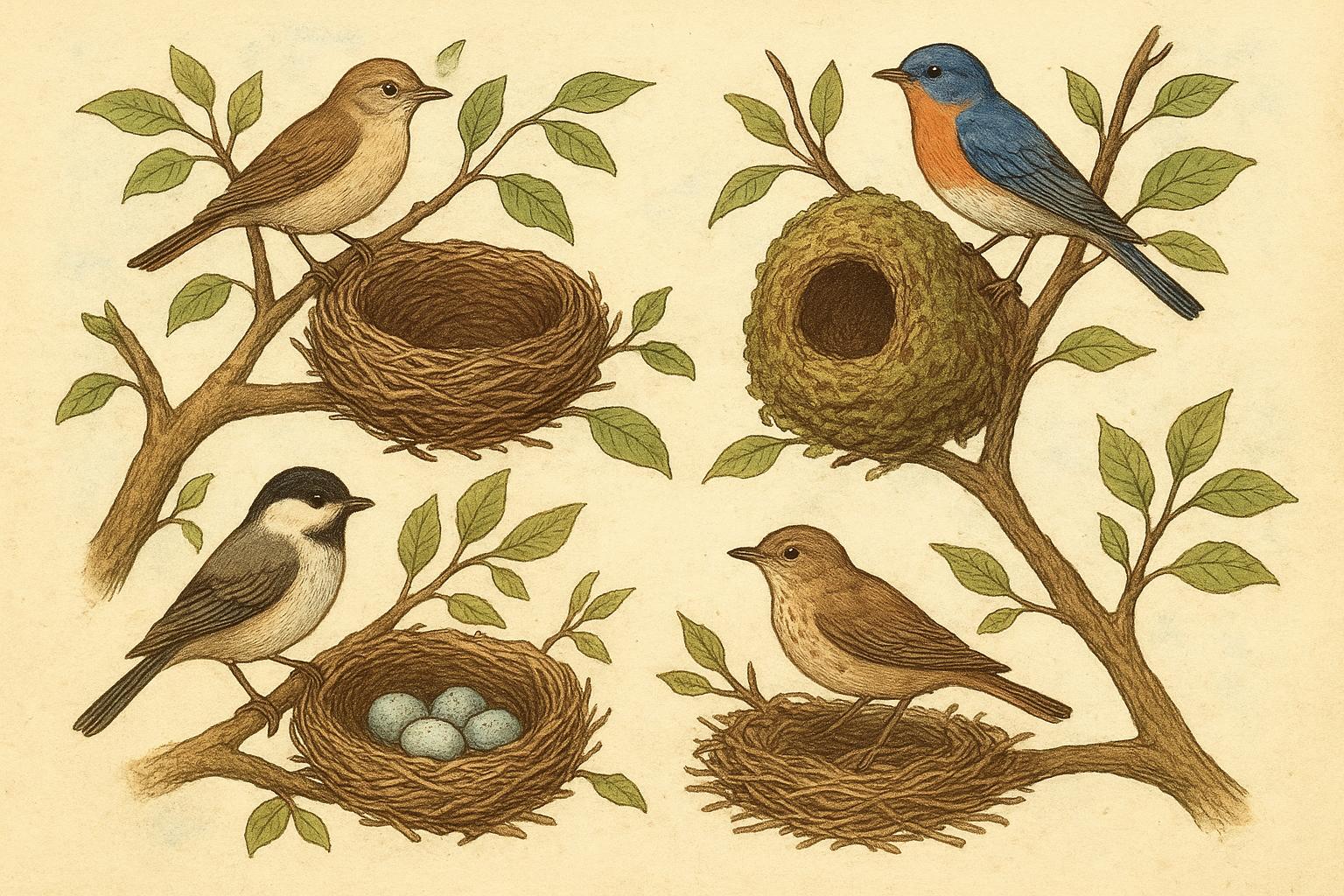
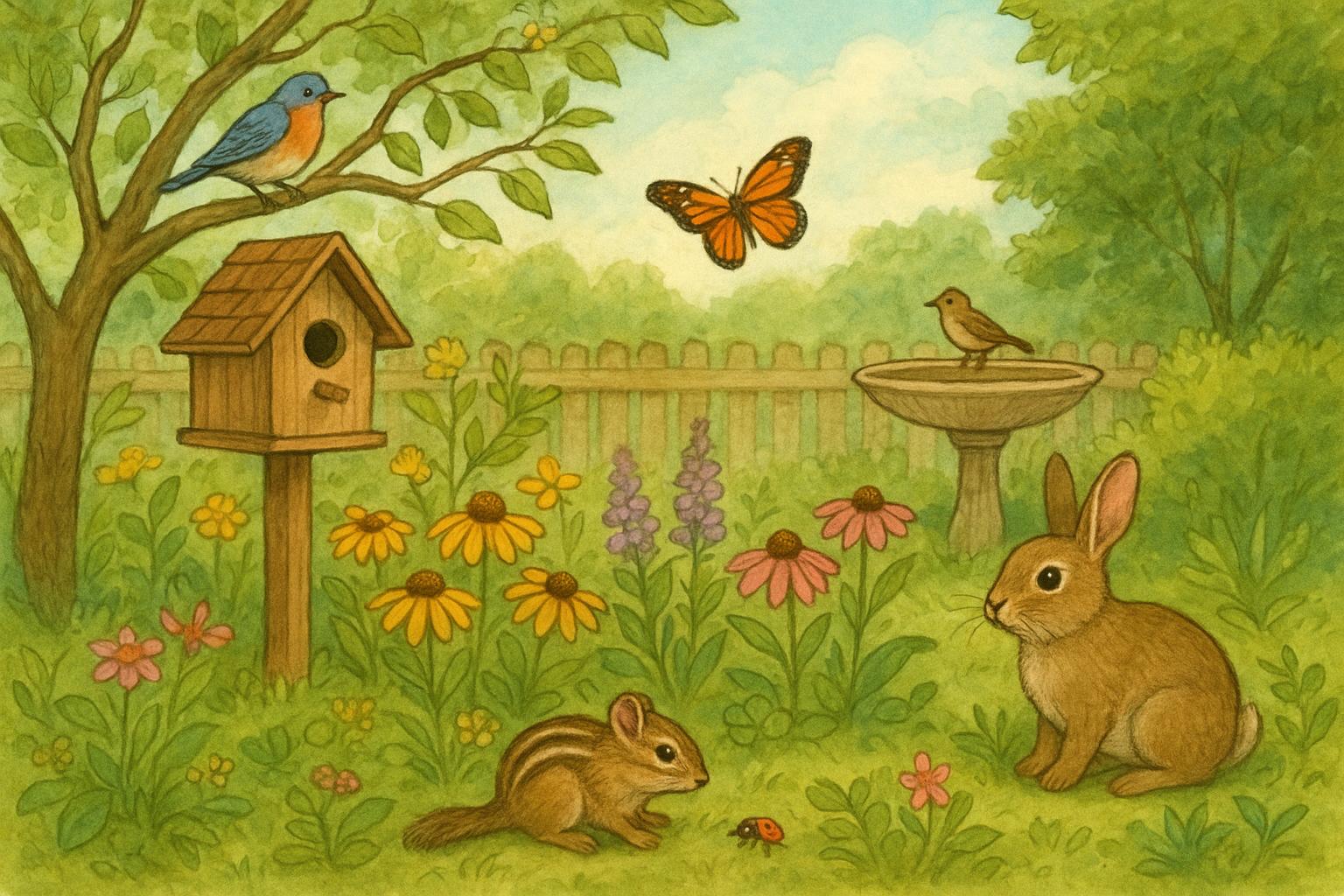
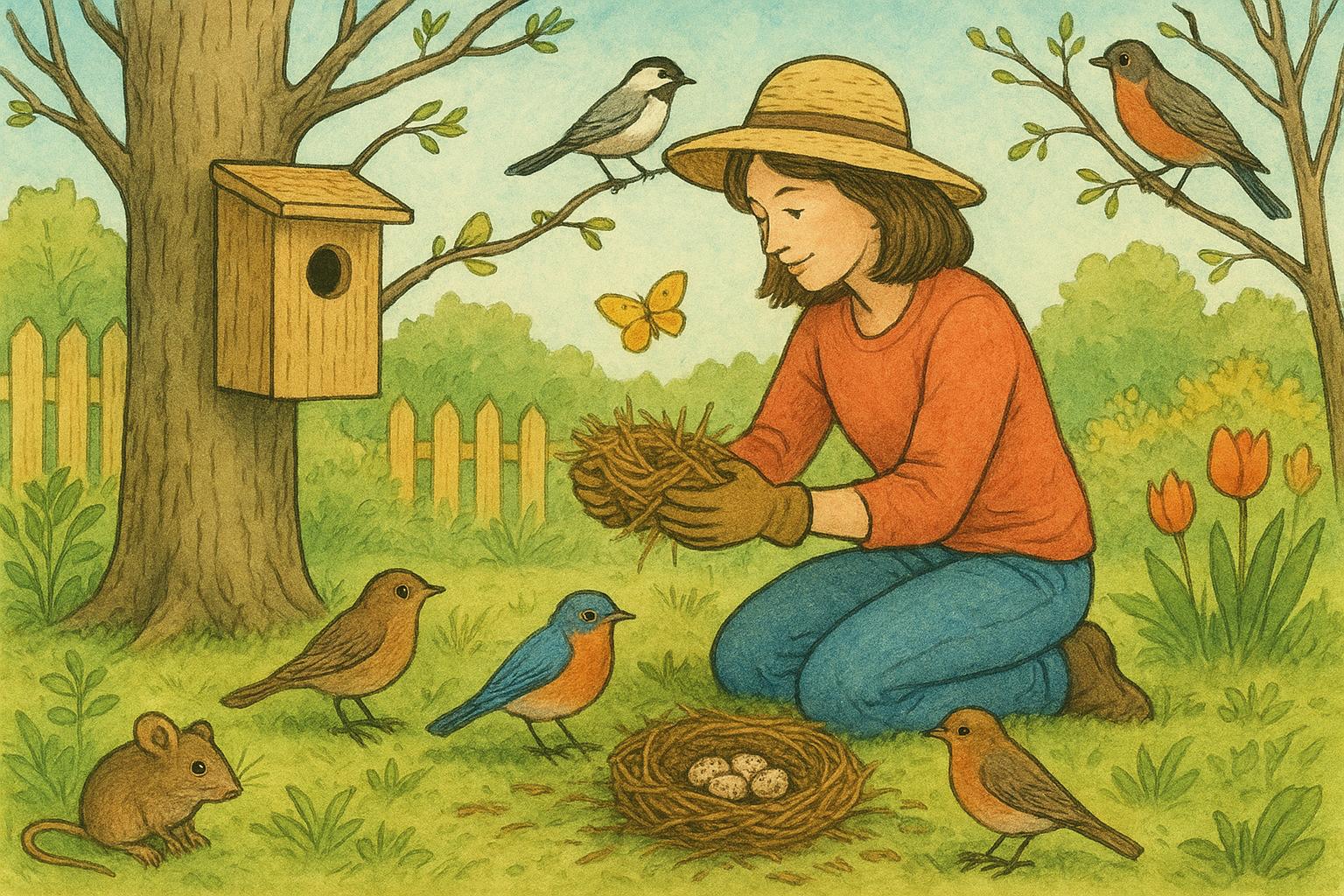
2. Install Nest Boxes Properly: Place nest boxes at species-appropriate heights and orientations, following local birding guidelines. Proper placement reduces the need for birds to defend makeshift or exposed nesting sites aggressively.
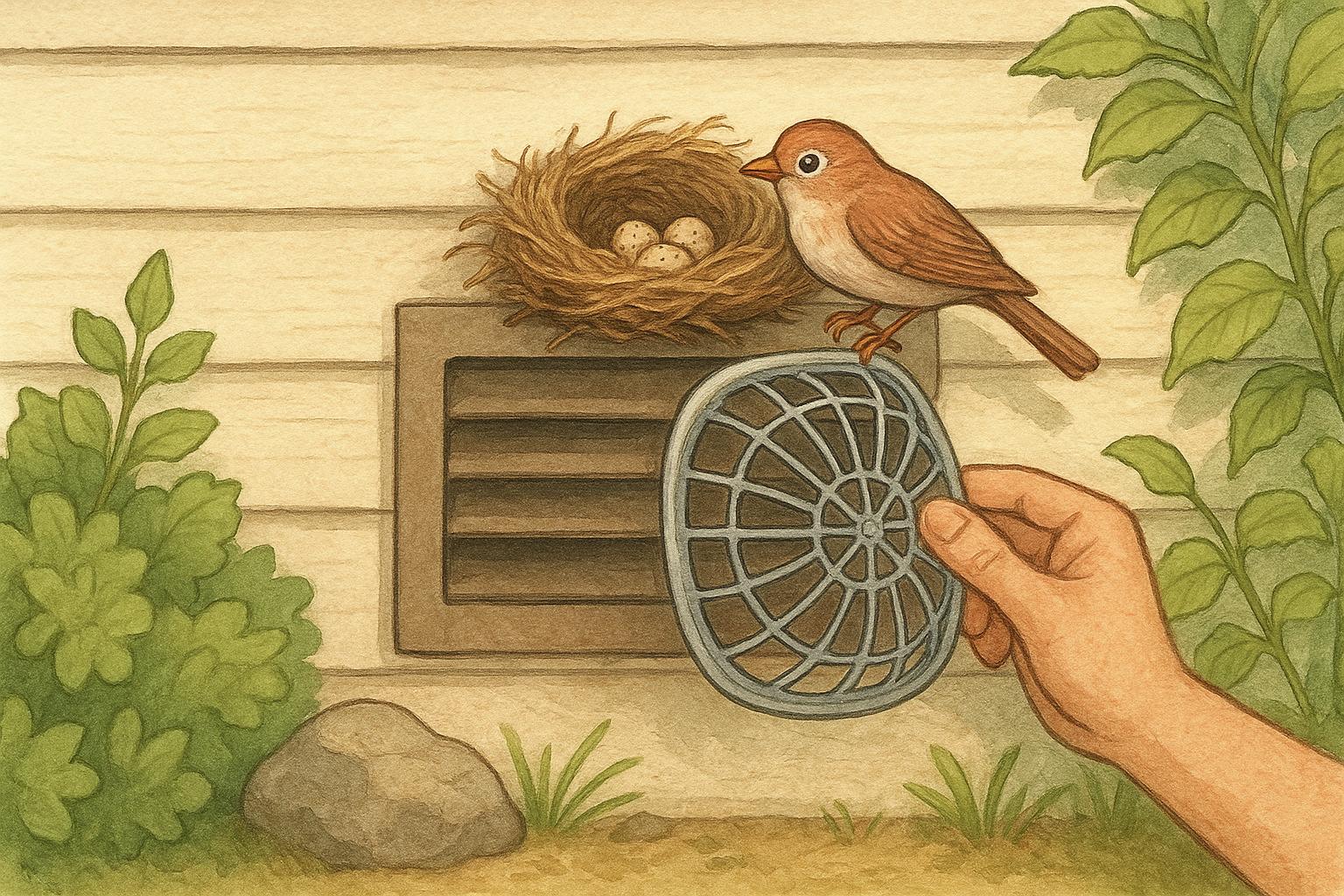
3. Add Predator Guards: Fit nest boxes with metal guards around entrance holes and use pole baffles to prevent mammalian or avian predators from approaching. Guards reduce repeated intrusions that can provoke prolonged chases.
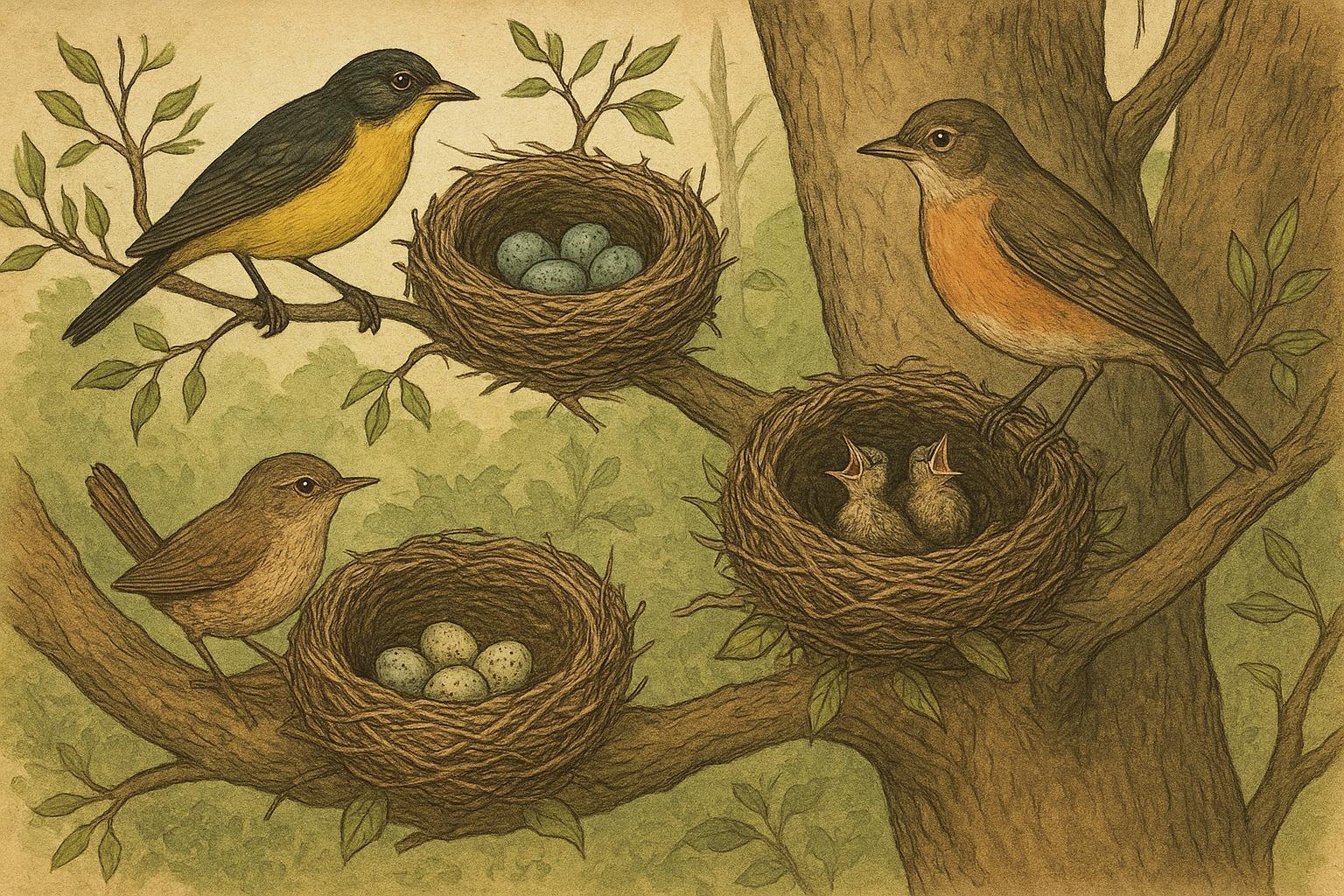
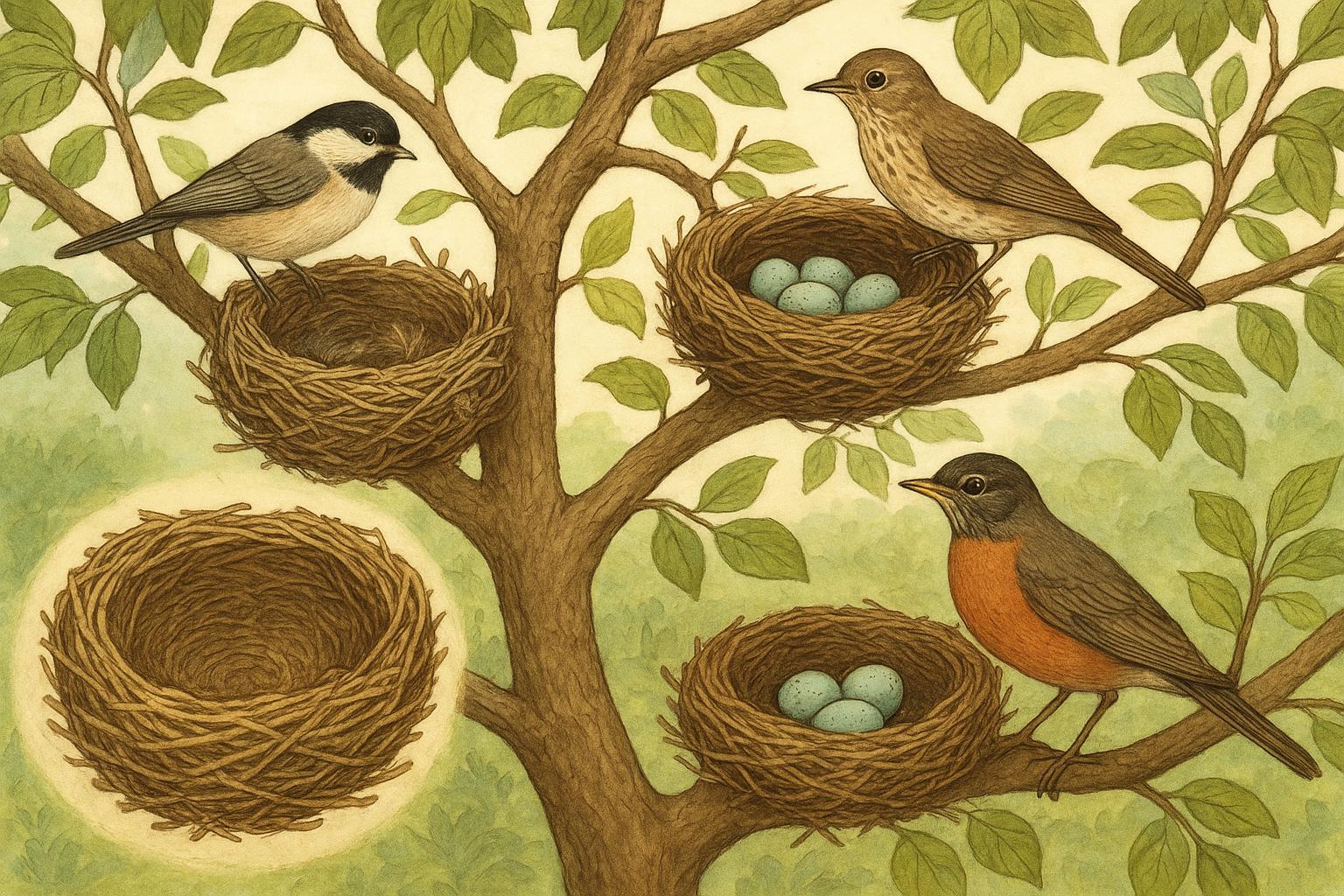
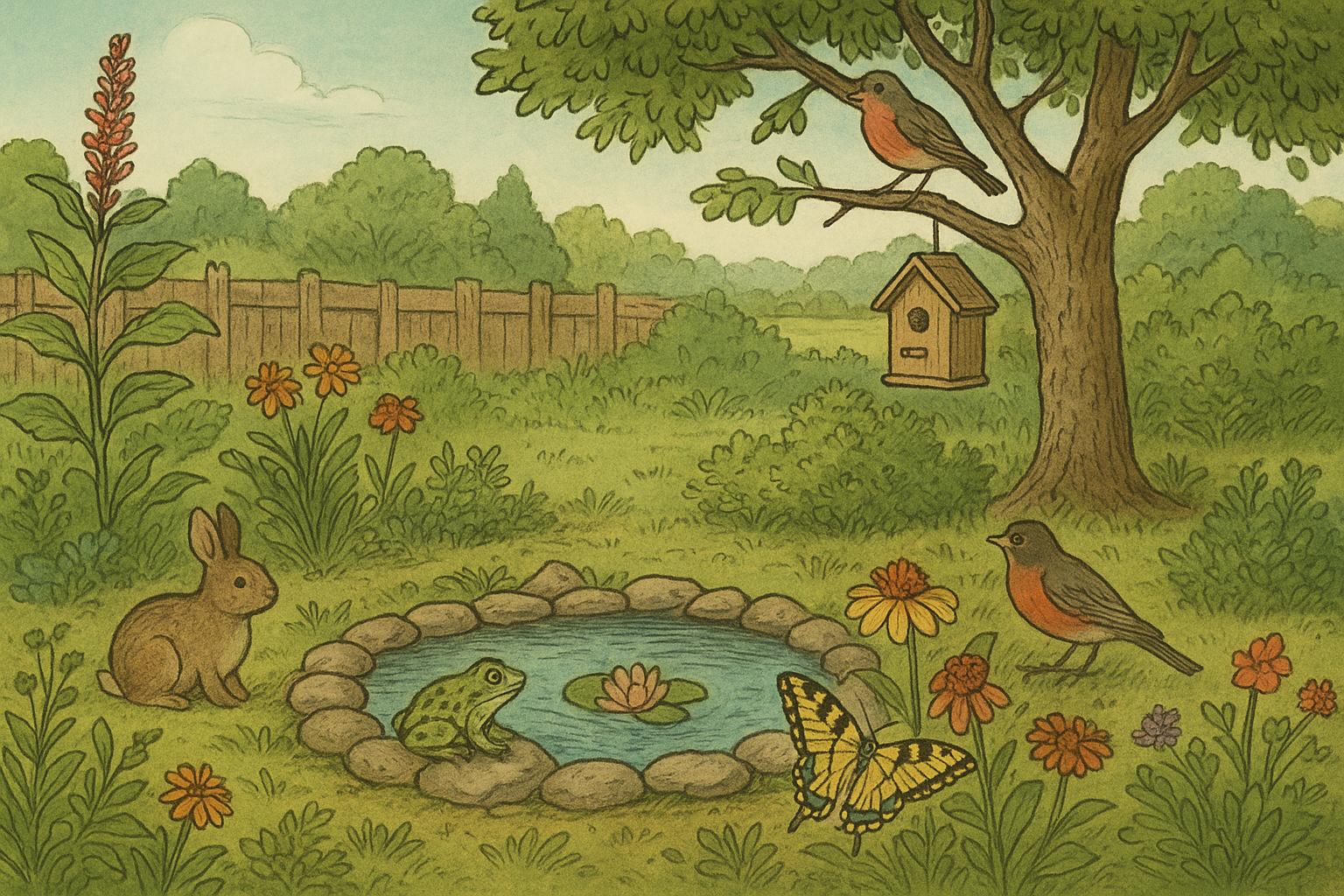
4. Increase Concealment: Plant or maintain native understory shrubs near nesting areas to provide natural concealment. Dense vegetation reduces line-of-sight for aggressors and gives nesting pairs better cover without forcing them into constant aerial defense.
5. Use Gentle Deterrents For Persistent Aggressors: If a particular species repeatedly disturbs nests, small-scale motion deterrents (approved and humane systems only) may discourage perching near the nest area. Ensure deterrents comply with local wildlife protection laws.
6. Document And Report If Necessary: If aggressive behavior escalates to predation or injury of protected species, document incidents with date/time/behavior and contact local wildlife authorities or a bird conservation group for guidance.
### Minimizing Disturbance Without Becoming a Lawn Tyrant
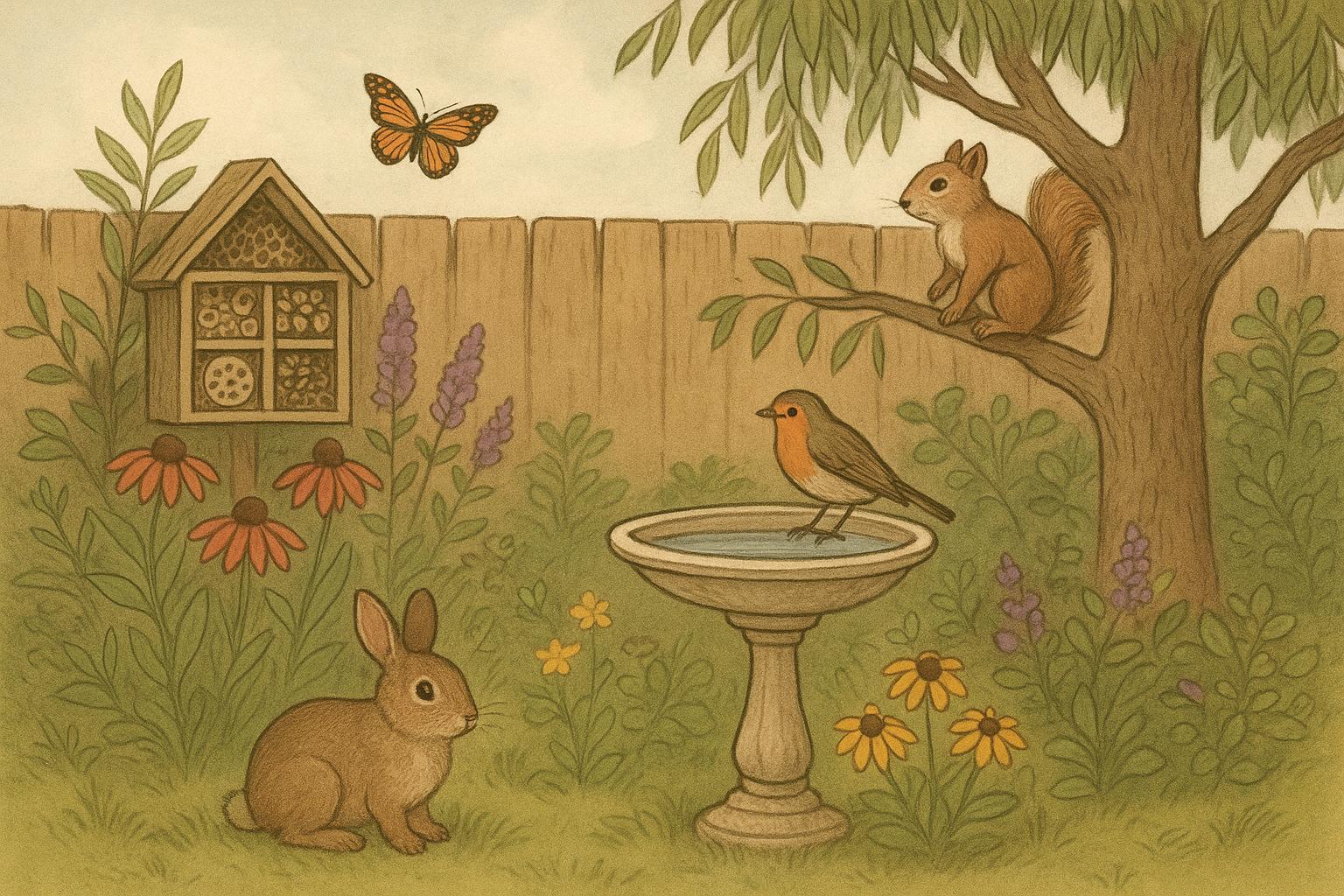
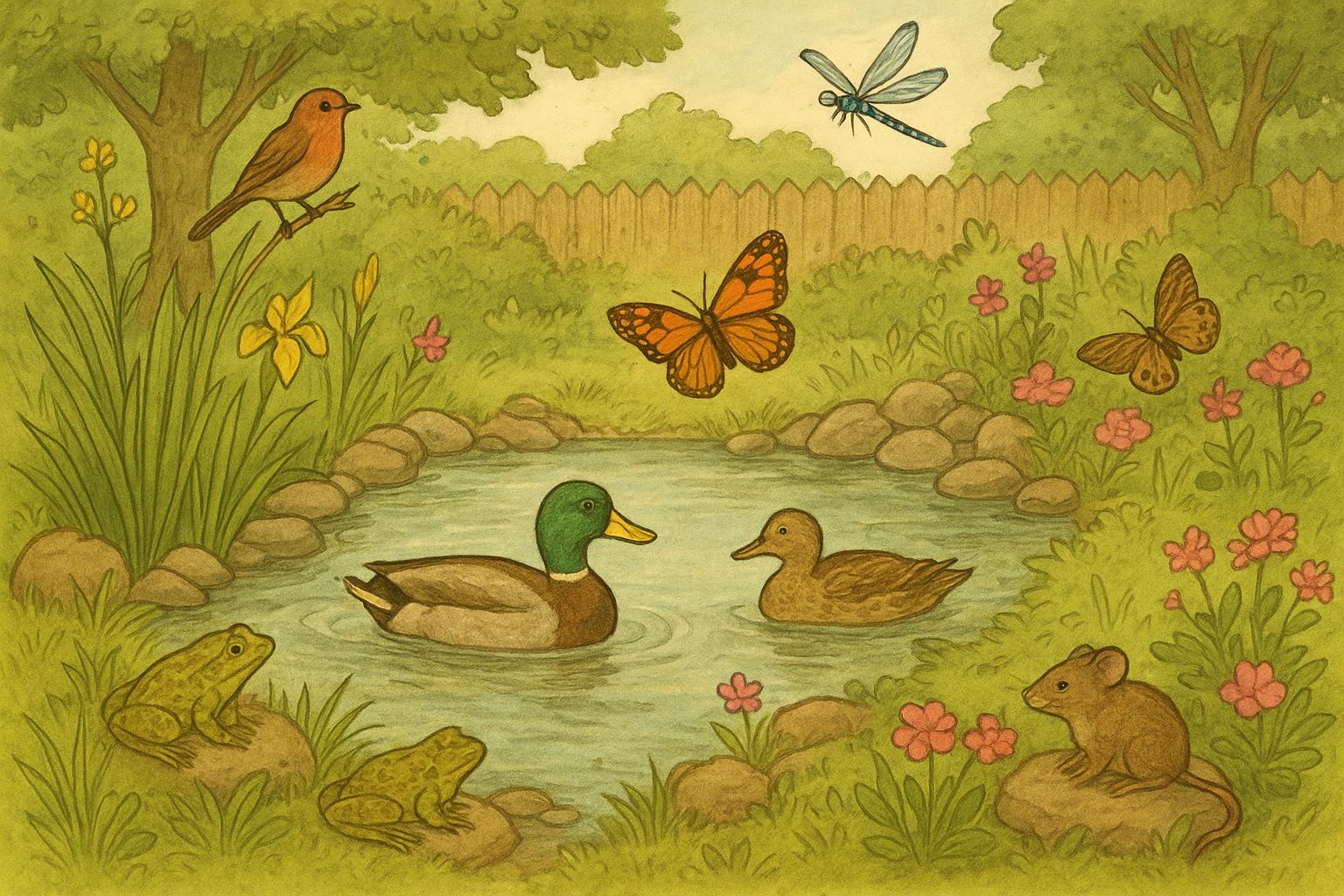
Simple habitat choices go a long way. Native plants that supply natural food and cover, distributed feeding stations, and thoughtful nest-box placement reduce the triggers for a bird chase and promote a more peaceful backyard avian community. Your yard needn’t be a no-fly zone; small changes shift the balance from constant skirmish to seasonal, natural interactions.
### When To Record Behavior And Seek Help
If you notice repeated, injurious chases, or a protected species being harassed, keep records: dates, species, descriptions, and photos if possible (taken from a safe distance). Documenting a pattern helps wildlife rehabilitators and local conservation authorities decide whether intervention is necessary. Recording also aids researchers studying urban bird interactions — your yard may hold useful data about how birds adapt to human-dominated spaces.
### A Final Friendly Note On Enjoying The Show
Watching a bird chase can be entertaining, educational, and a reminder that yards are vibrant ecosystems. With a few considerate, well-informed adjustments, you can reduce the worst of the scuffles while preserving the dynamic aspects of bird behavior that make backyard birding so delightful.

Leave a Reply