
## Suet For Winter Backyard Wildlife: How To Keep Feeders Full
Cold weather strips insects from tree bark and shrinks the fat reserves of small birds. Put out suet for winter backyard wildlife and you’ll see more activity at your feeders, not less. A single suet cake can keep a pair of chickadees visiting all afternoon. It’s high-energy, simple, and the birds know what to do with it.
### Why Suet Works In Winter
Birds burn a lot of calories staying warm. Fat is the most concentrated fuel they can find. Winter suet supplies that fuel in a compact package. Woodpeckers can pound at a suet block for minutes, then fly off with a quick burst of energy. Nuthatches and wrens wedge into crevices and peck suet like it’s dessert. If you want more action at your yard, this is the bait.
Winter suet also sticks to bills and feathers in a way seeds do not. That matters when insects are rare and you need to offer something birds can eat fast and store as energy. Don’t expect suet to replace natural foraging, but do expect it to change behavior. You’ll notice more territorial calls and a faster turnover at the feeder.
### Which Species Will Show Up
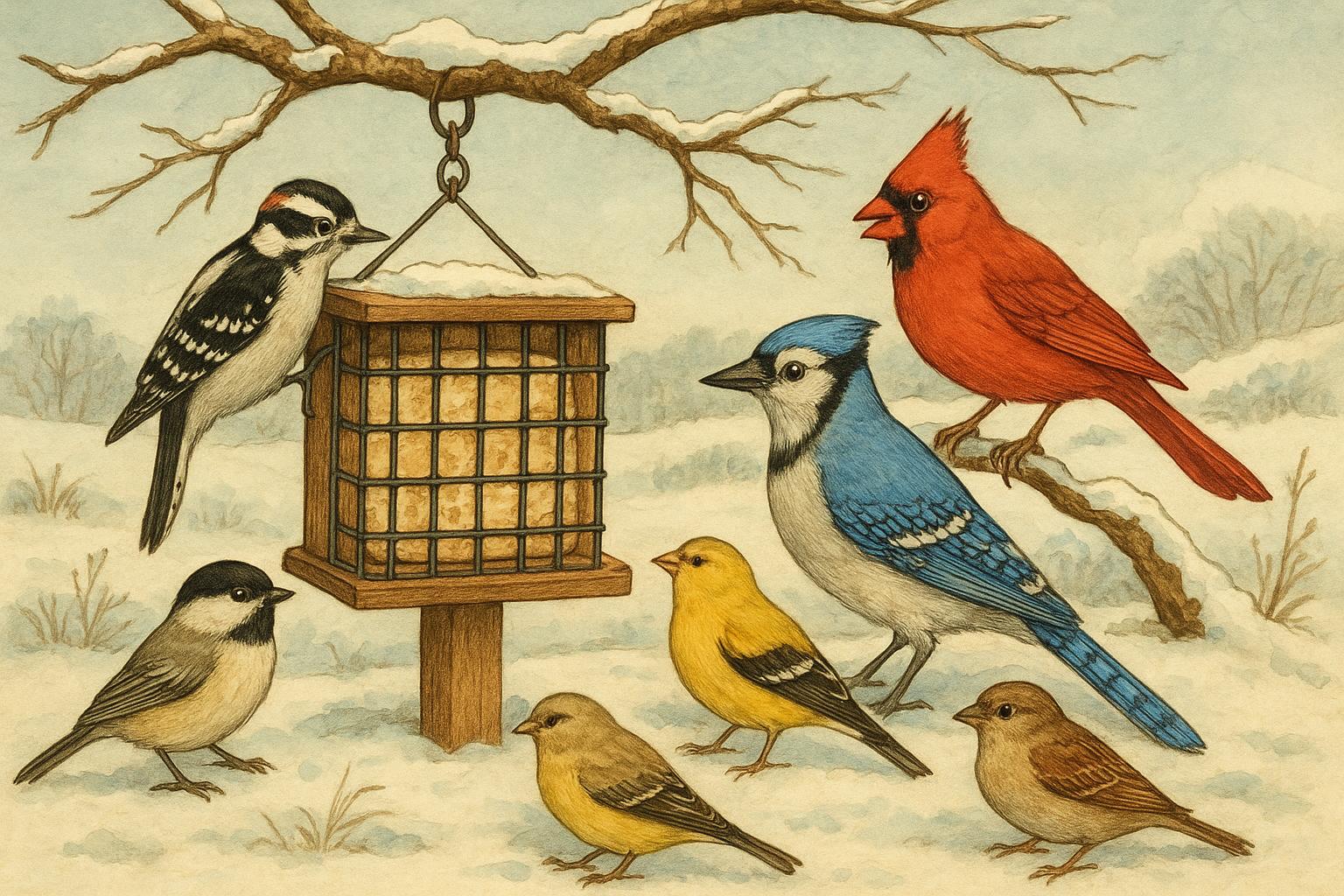
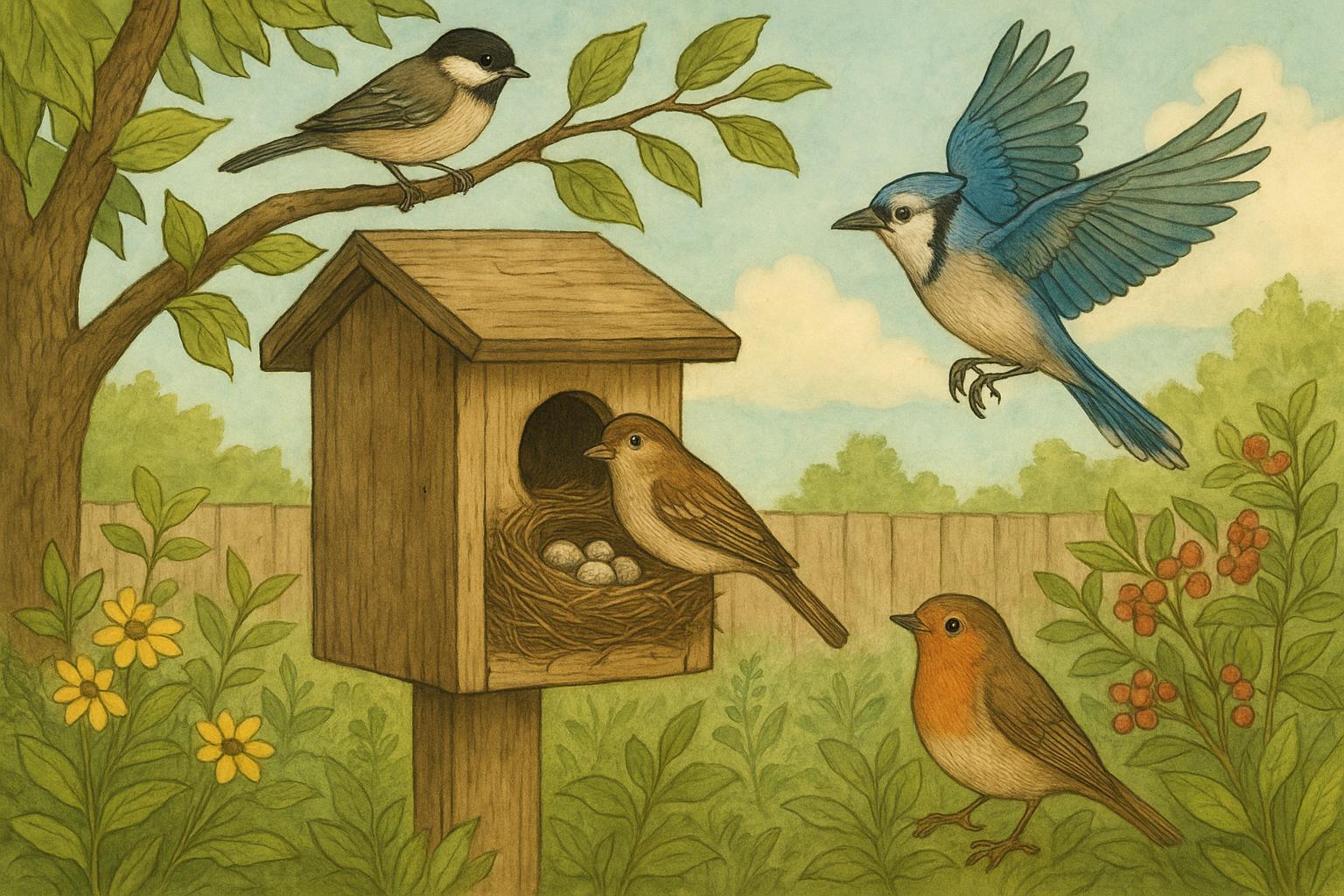
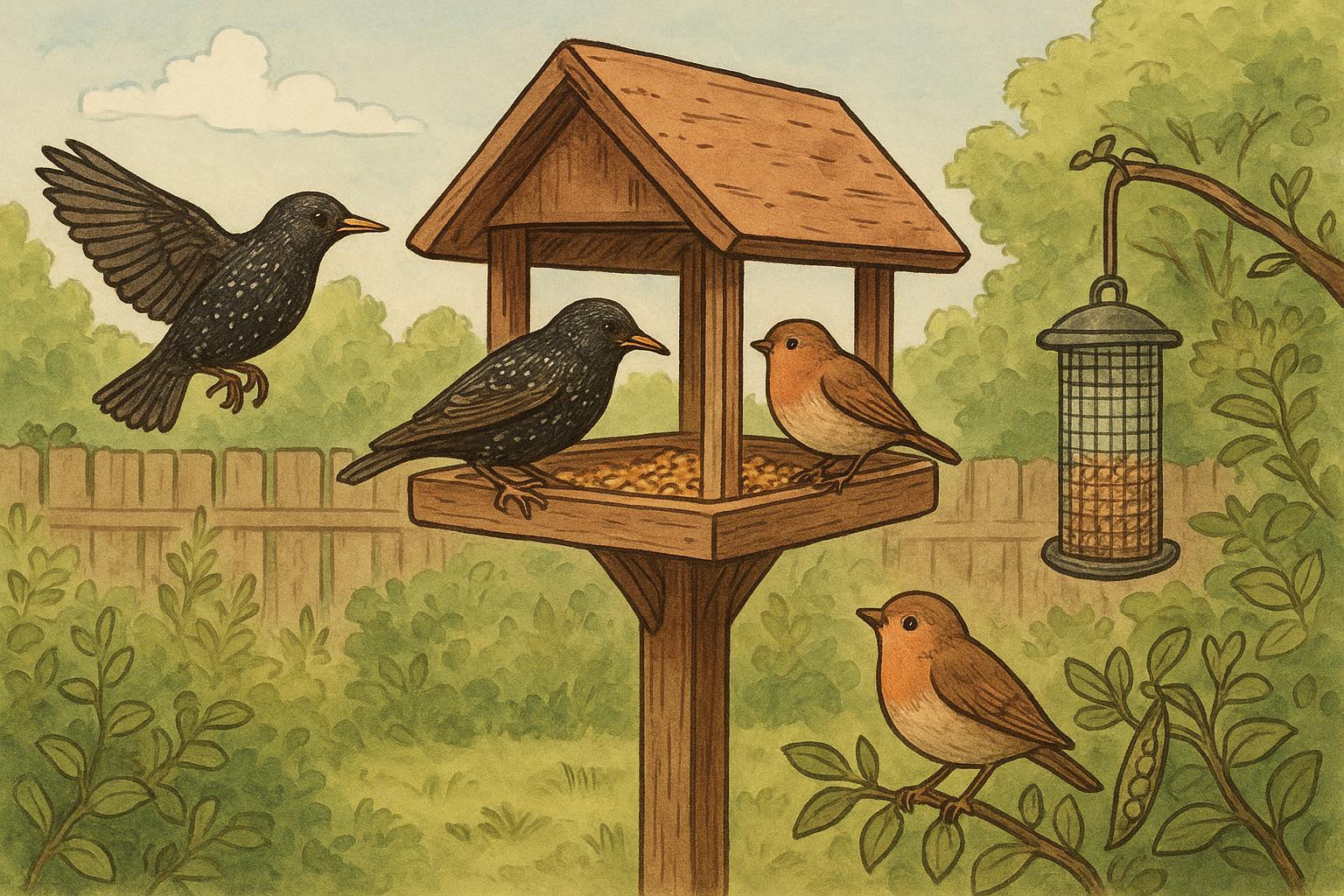
Suet is not picky. Woodpeckers, chickadees, titmice, nuthatches, and wrens are the usual guests. Juncos and starlings will sometimes take suet, and so will sparrows when the weather gets nasty. Hummingbirds do not eat suet. If you put out suet for winter backyard wildlife, keep an eye on which species find it first and position feeders near cover so smaller birds can escape predators after grabbing a bite.
#### Suet Versus Seed: What Changes
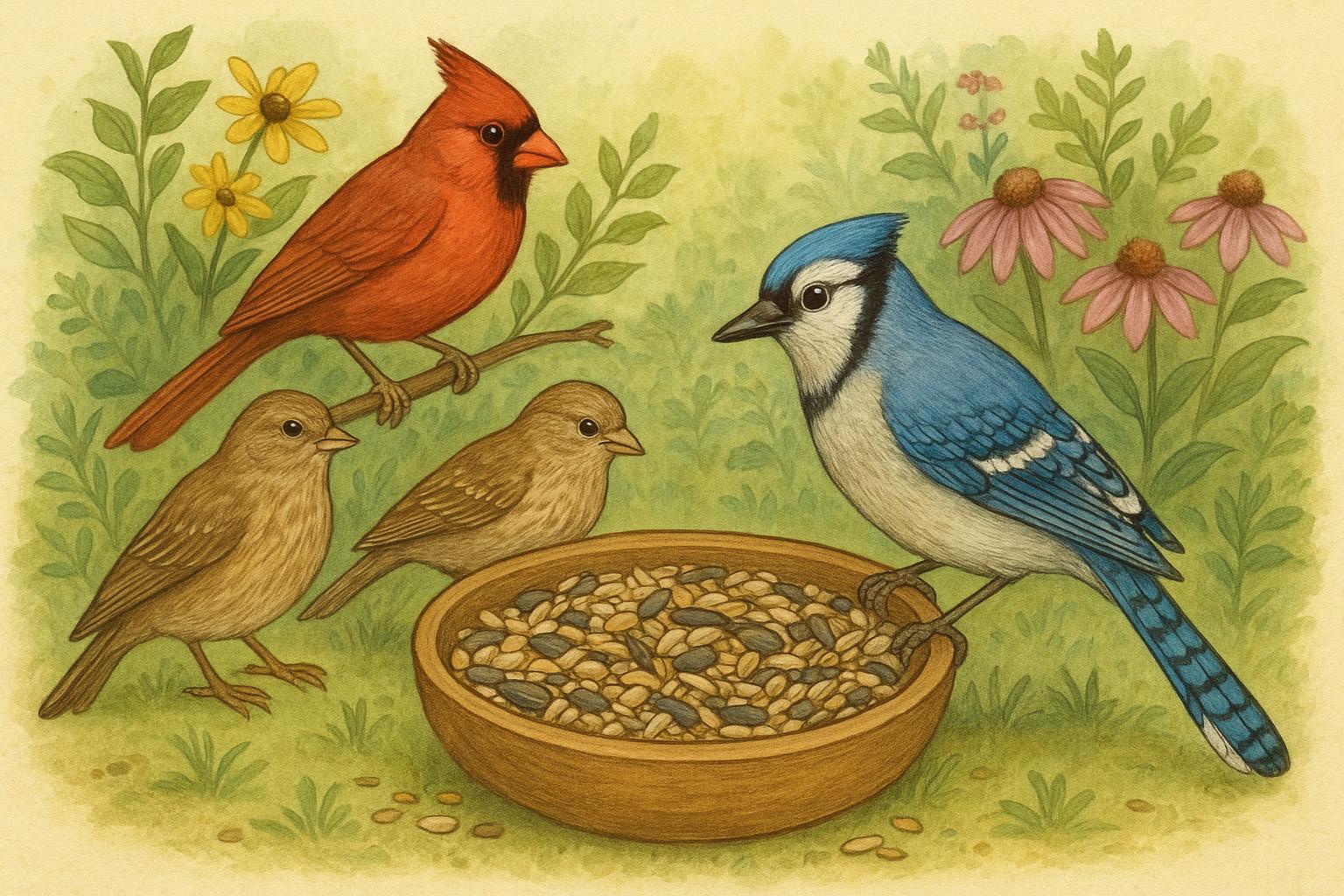
Seed feeders attract finches and grosbeaks. Suet feeders attract insect-eaters. If your yard feels quiet in January, switch a feeder to suet and watch the balance shift. It’s a small tweak with a big outcome.
### Types Of Suet And How To Make It
You can buy bird suet in cakes and in jars. Store brands vary in quality, so read labels. High-quality bird suet lists beef fat or beef tallow first, then nuts and seeds. Cheap mixes use long-chain vegetable fats that get waxy and don’t last as long.
Making your own suet is straightforward. Melt rendered beef fat or suet and stir in toasted oats, chopped peanuts (unsalted), sunflower hearts, and some dried mealworms if you want to attract insect specialists. Pour into molds or old yogurt containers and chill until firm. If you’re out of beef fat, coconut oil works in milder winters, but it melts faster when the temperature climbs.
#### Recipe For A Simple Suet Cake
Melt 1 pound of rendered beef fat. Mix in 1 cup of quick oats, 1/2 cup of crushed unsalted peanuts, and 1/4 cup of dried mealworms. Stir until even. Spoon into a small plastic mold or an empty milk carton, cool until set, and cut into pieces that fit your feeder. Store extras in the freezer. Don’t add salt or artificial sweeteners.
### Placement, Timing, And Maintenance
Put suet feeders where birds can fly to cover quickly. Eye-level or slightly higher works. Avoid direct midday sun to stop the cakes from melting. In very cold areas suet rarely melts, so placement is less critical except for predator cover.
Rotate cakes regularly. Suet can go rancid or grow mold if it sits wet under snow. In winter, check feeders every few days. Replace any suet that looks discolored or has an odd smell. Store bulk suet in the freezer and only thaw what you’ll use in a week.
If you want consistent activity, top-up feeders before dusk on cold nights. Birds will remember reliable food sources and come back. I once had a female downy woodpecker visit the same feeder at dawn for three straight weeks after one icy storm.
### Squirrel-Proofing And Other Troubles
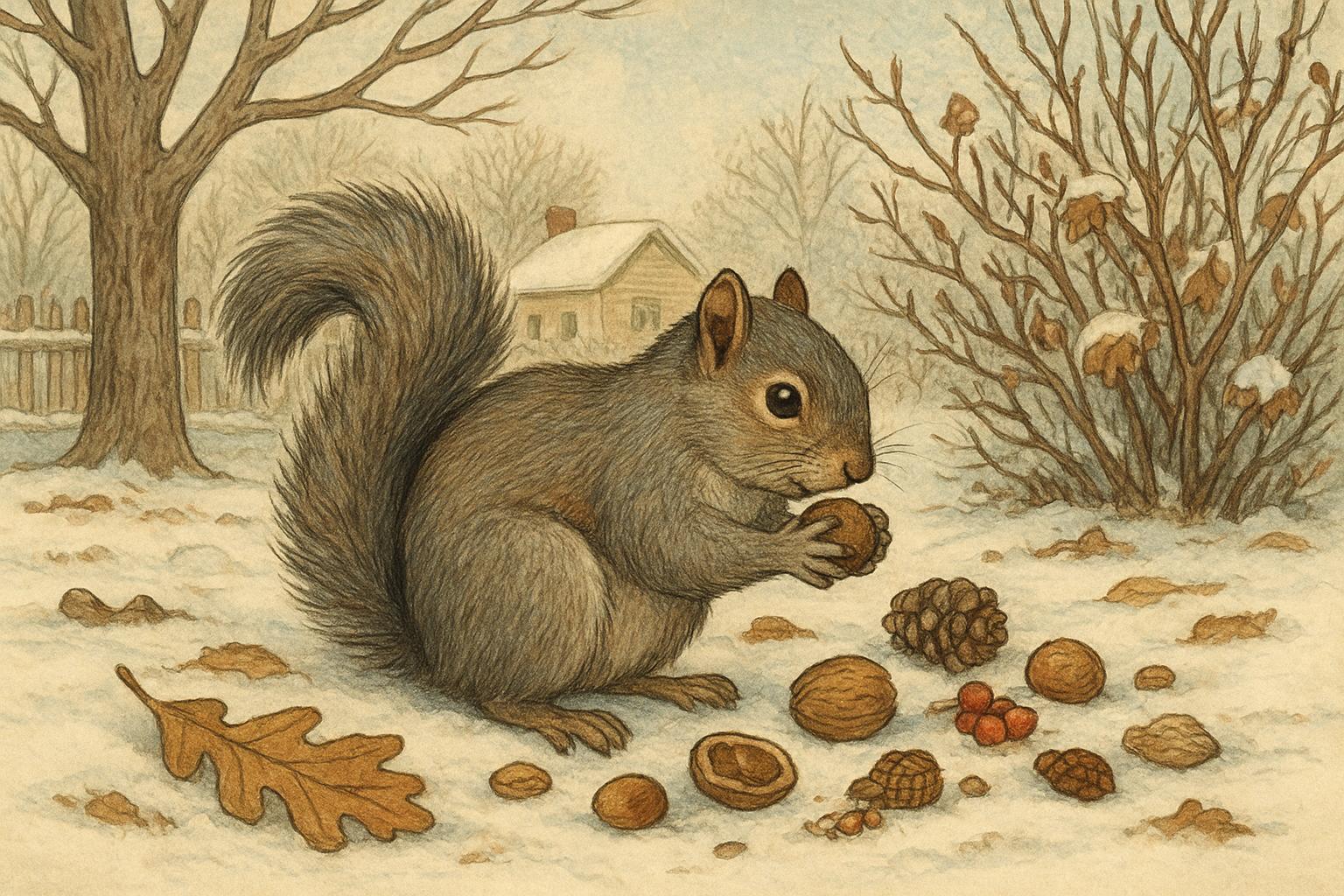
Squirrels love fat too. A metal suet cage keeps larger mammals from stealing entire cakes, and weight-sensitive feeders can close to squirrels but stay open for clinging birds. Baffles placed above and below feeders help. If you have persistent problem squirrels, move the feeder a few feet away and add a second station for birds closer to shrubs. That misdirection often works.
Be careful with additives that claim to repel mammals. Capsaicin products deter mammals but test them first and follow directions so you don’t harm birds. Also never use bacon or salty leftovers in suet. Those are bad for birds.
#### Cleaning And Health Tips
Clean feeders with mild soap and hot water frequently. Frozen suet can hide pathogens once thawed, so inspect before you hang. If multiple birds seem ill near a feeder, remove it and sanitize. Rinse feeders well to remove soap residue.
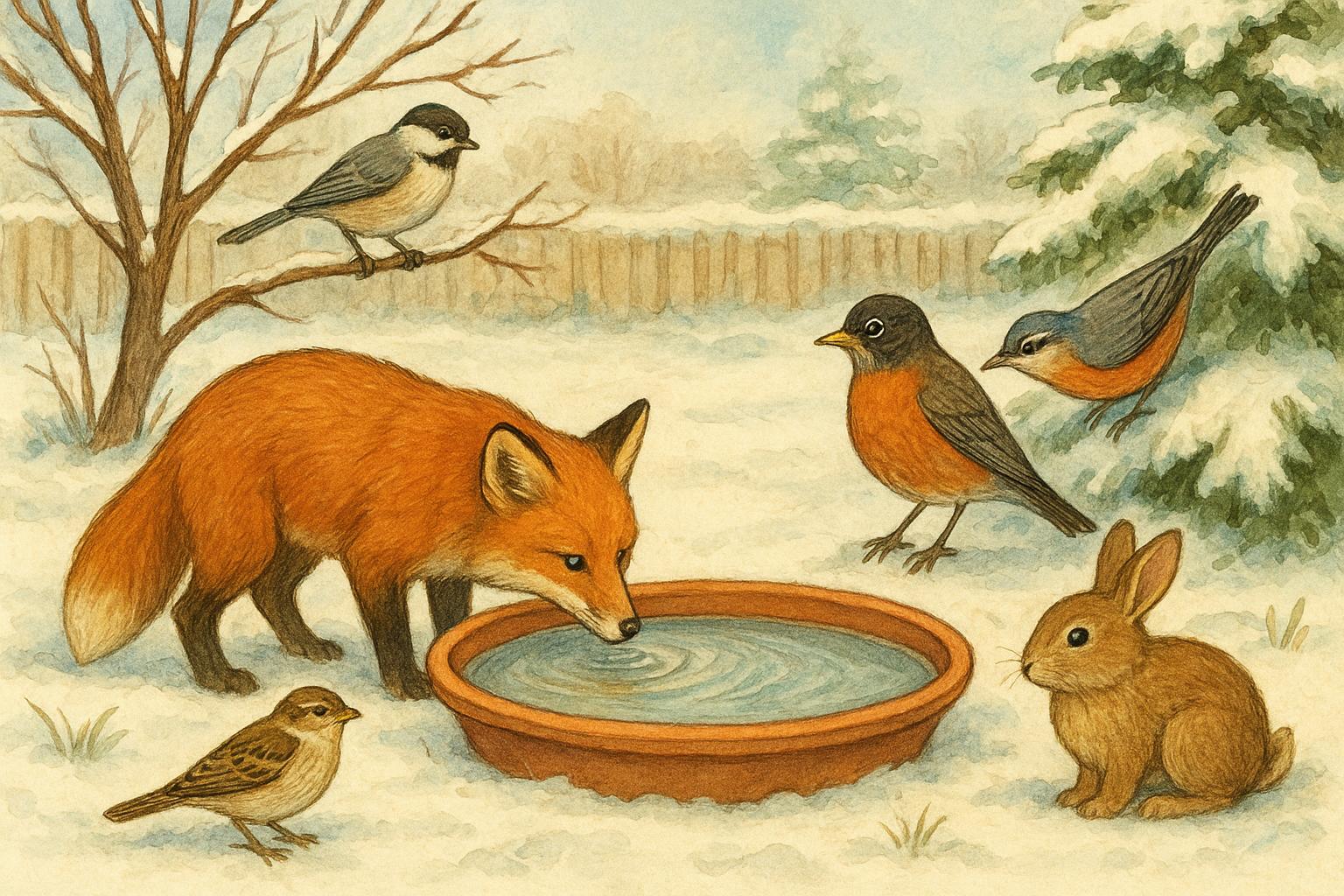
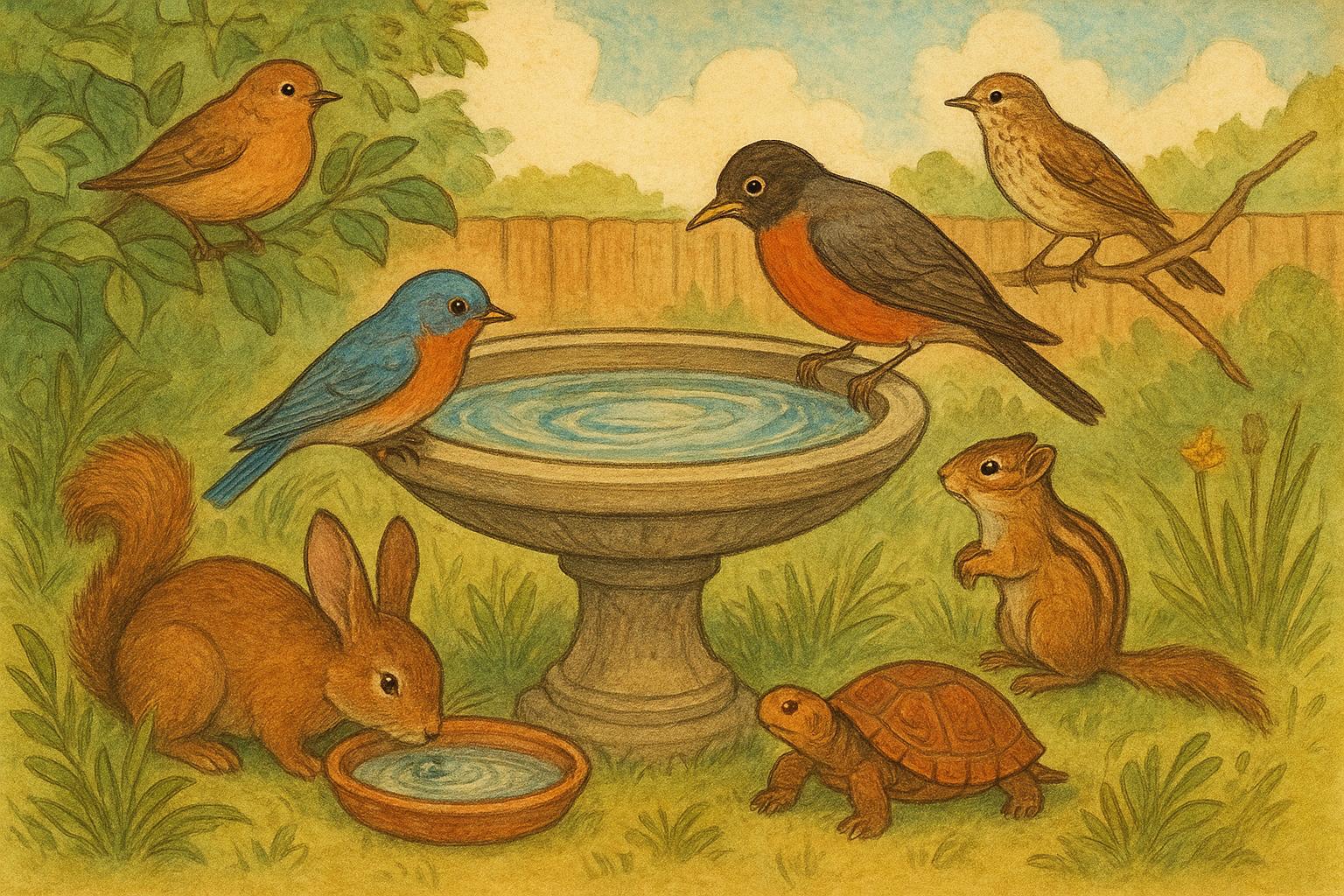
Leaving a shallow tray of water near a suet station helps birds preen and drink. In deep freezes the water should be changed daily or heated with a small heater designed for wildlife use.
### Seasonal Adjustments And Variations
If your winter warms above freezing often, choose firmer fats or move feeders into shaded areas. In late winter, switch to suet mixes with more seeds to help transitioning birds. Some people make suet logs by drilling holes in pine logs and packing in the mixture. Others press suet into mesh nut cages for titmice and chickadees. Try different presentations and note which arrangement brings the most visitors.
Putting out suet for winter backyard wildlife changes how your yard feels. It brings birds closer, gives you a front-row seat to their winter routines, and helps small birds survive lean times. Watch how they come back, sometimes in little clusters, nibbleing away like a neighborhood coffee shop.













Leave a Reply