
## Summertime Yard Wildlife Observations To Note
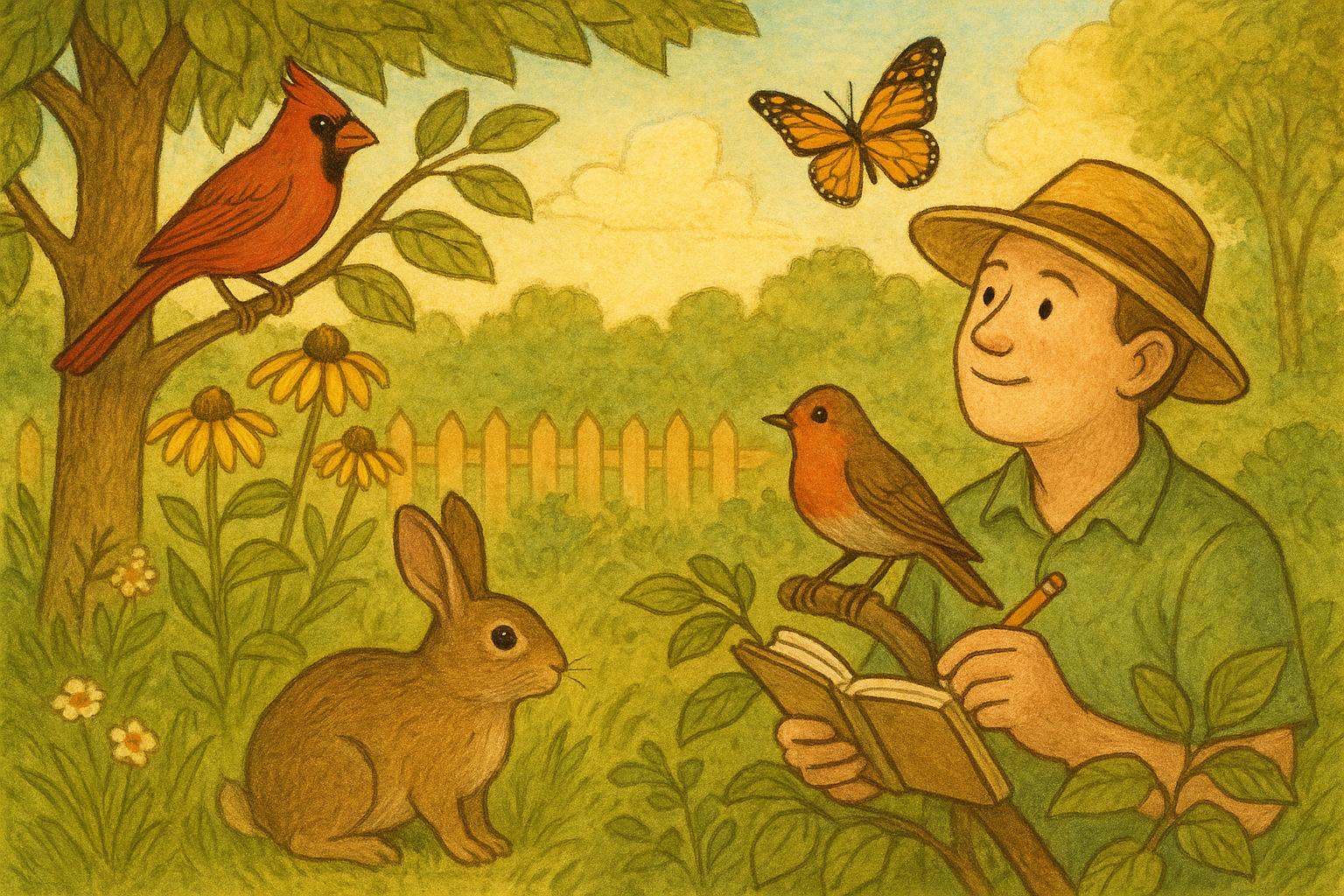
Late June through August is when a yard really fills in. If you pay attention you start noticing patterns: where birds drink, when moths hit the porch light, which plants get visited by pollinators. Those are the sorts of summertime yard wildlife observations that tell you what your garden actually supports, not what the seed catalog promises.
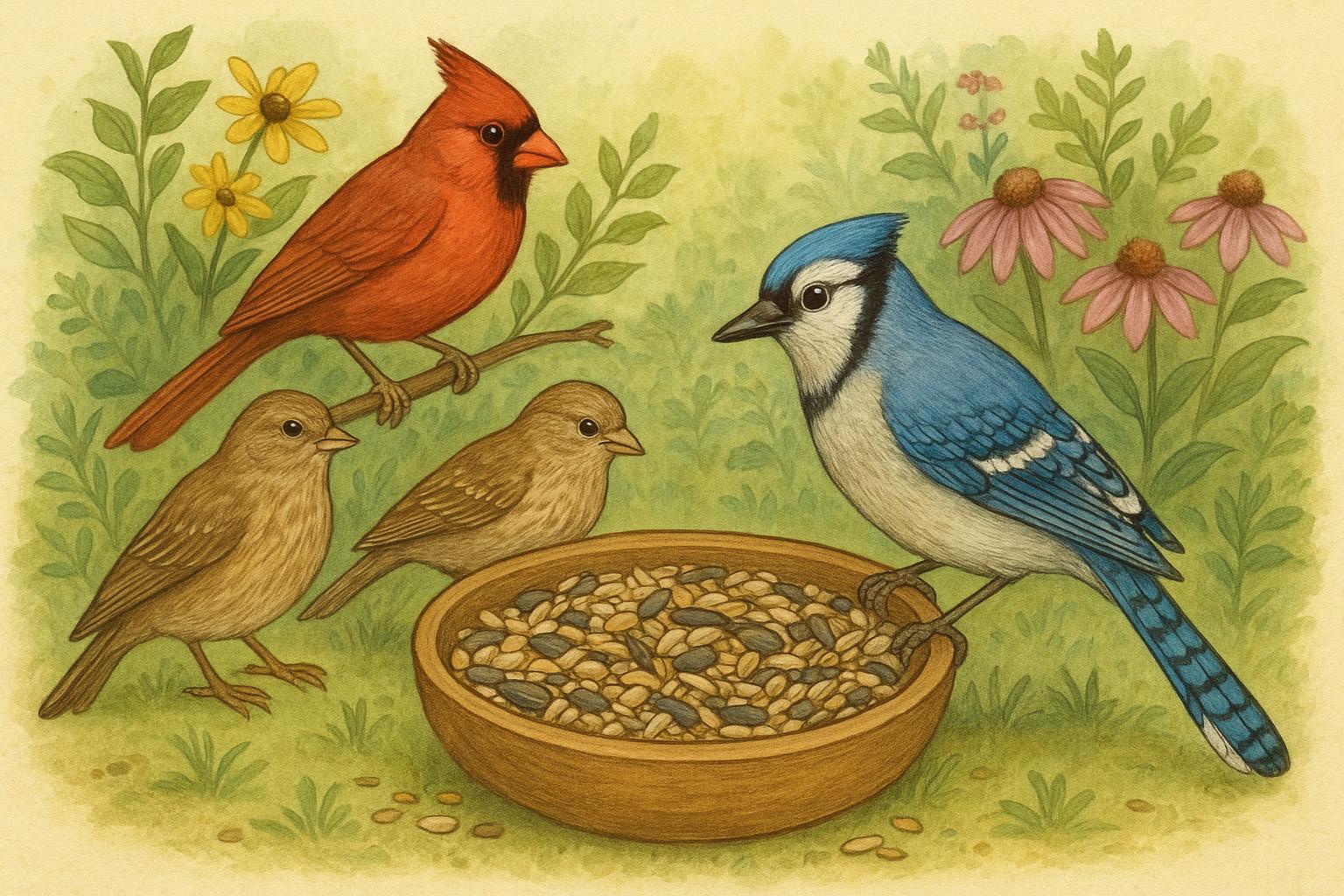
Start small. Watch one shrub for ten minutes in the morning. You’ll likely see more than you think. A single rose bush might host honeybees, a small wasp, two species of hoverfly, and a cardinal perched nearby. Jot it down. Over a week you’ll turn these moments into reliable data about how your yard functions.
### Daily Patterns And Feeding
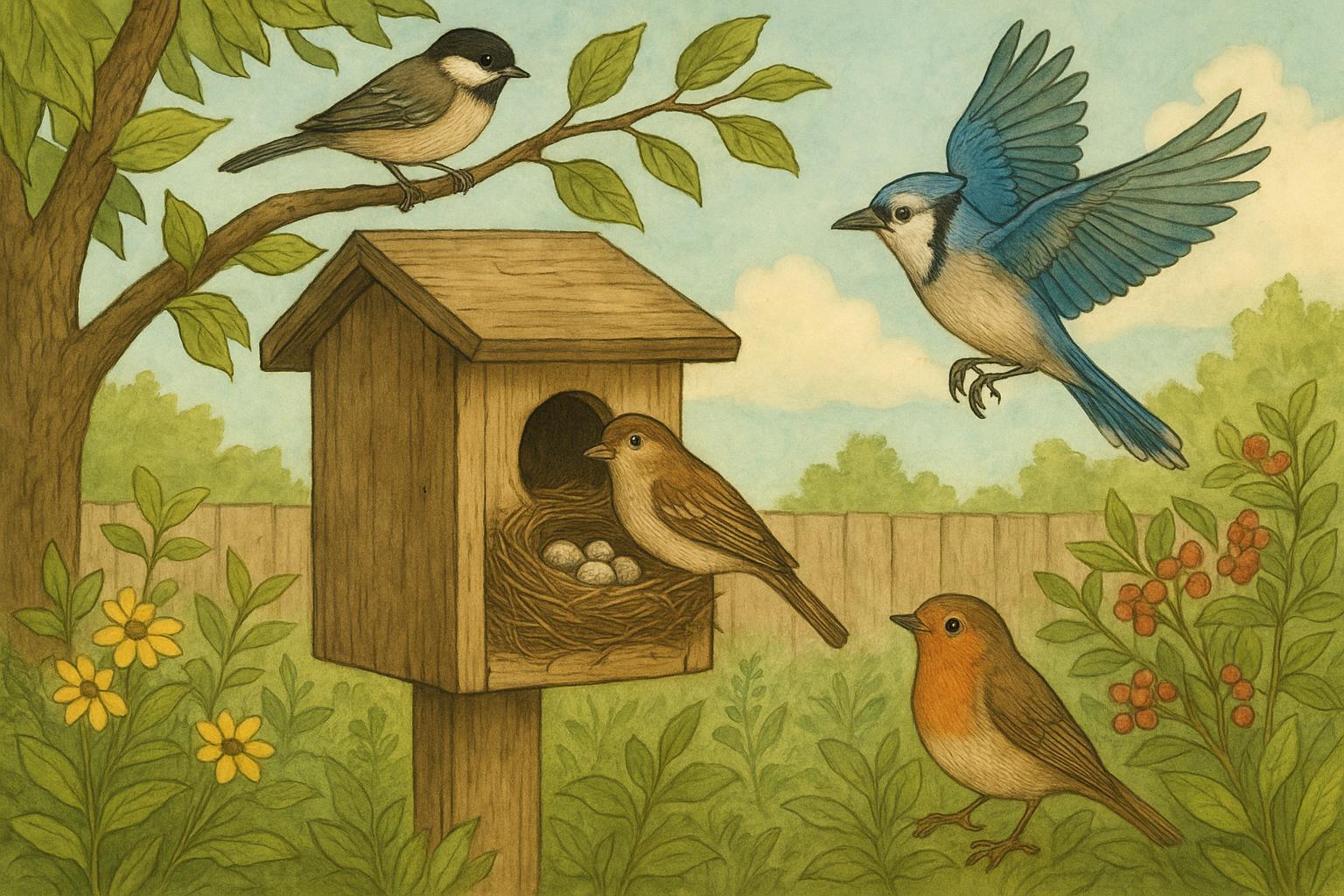
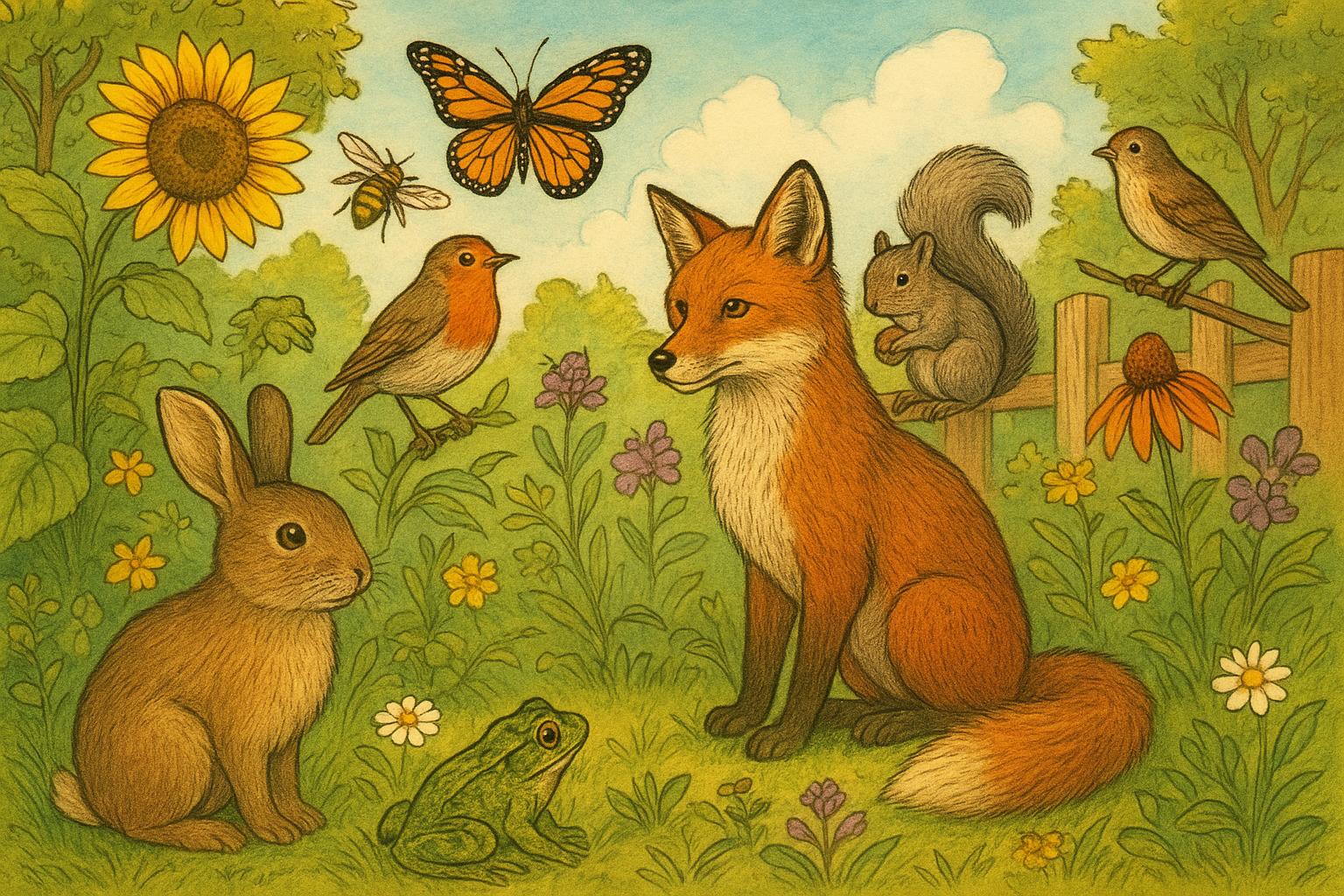
Most backyard wildlife follows a clock. Songbirds are busiest in the hour after sunrise. Bumblebees run from mid-morning into late afternoon. Predators use different rules. A fox strolls through at dusk. A hawk surveys mid-day. If you note these routines you can plan plantings and maintenance around them.
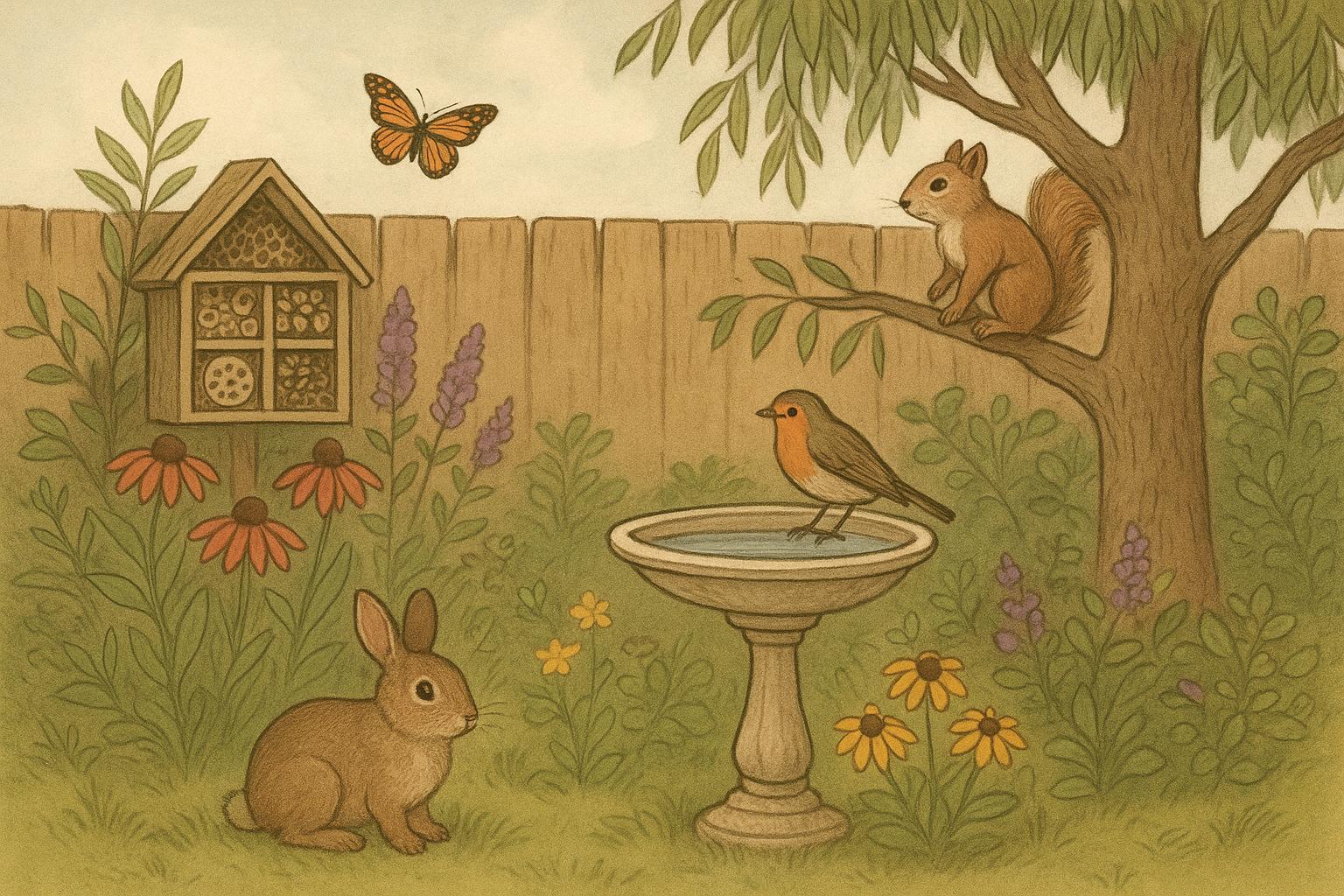
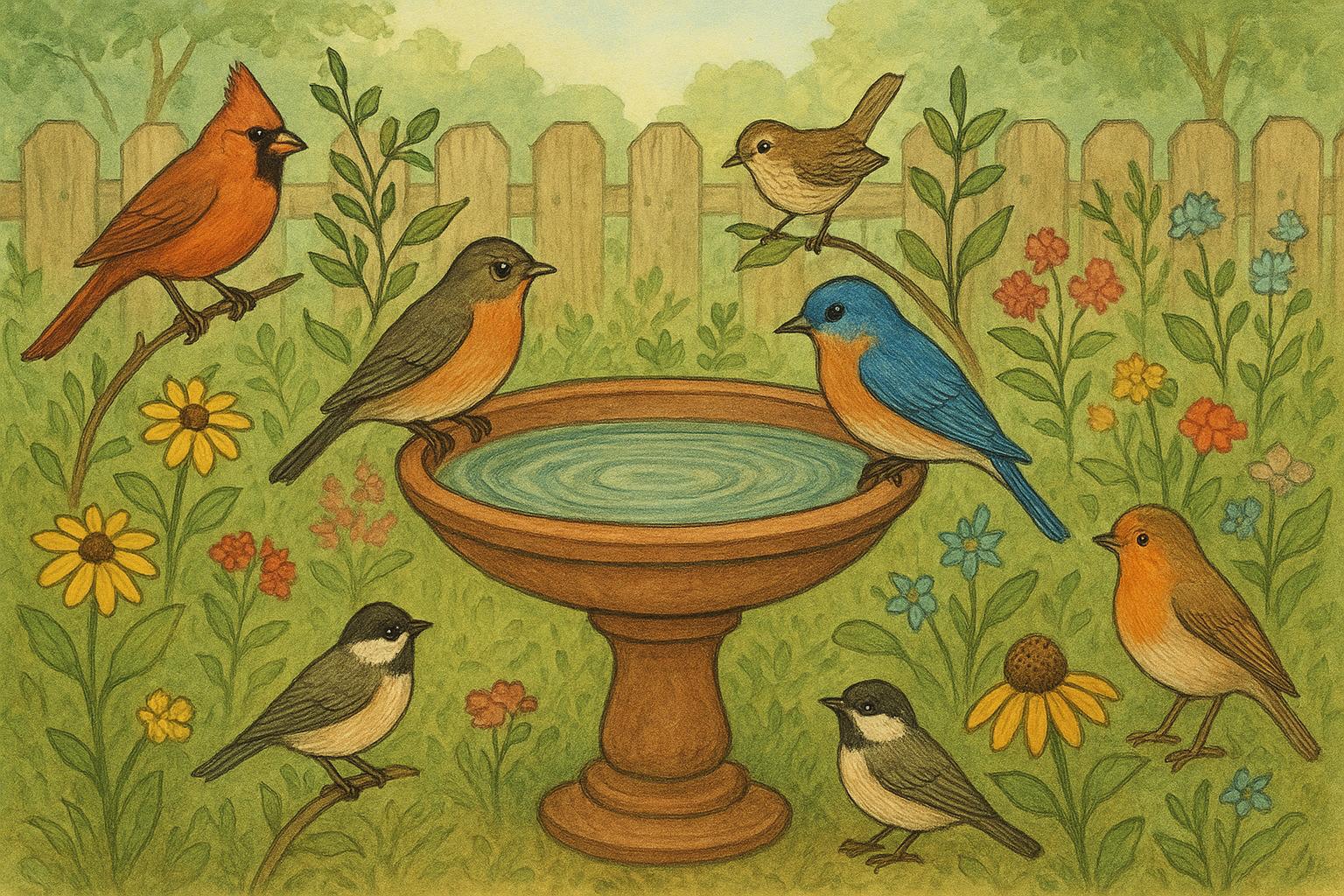
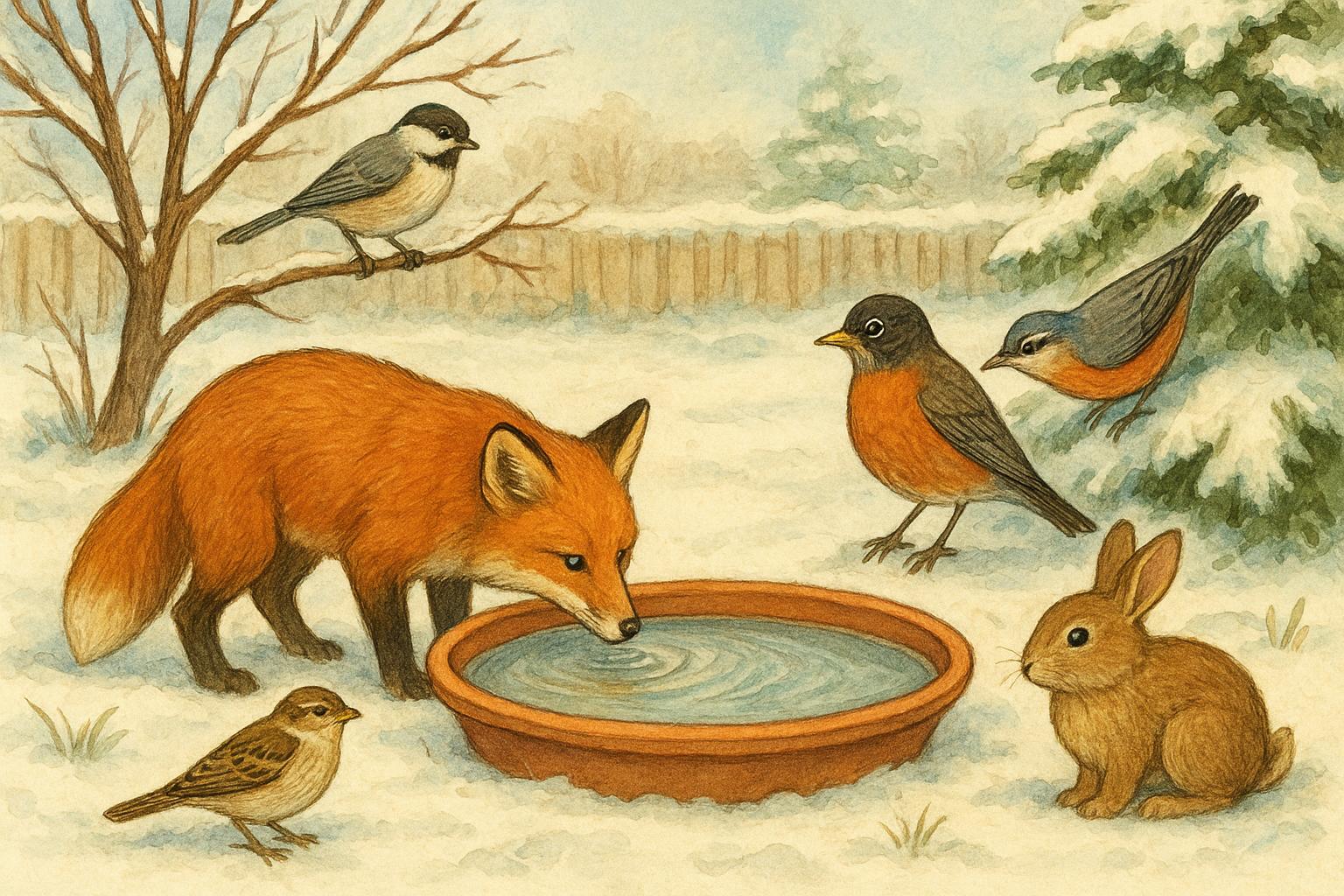
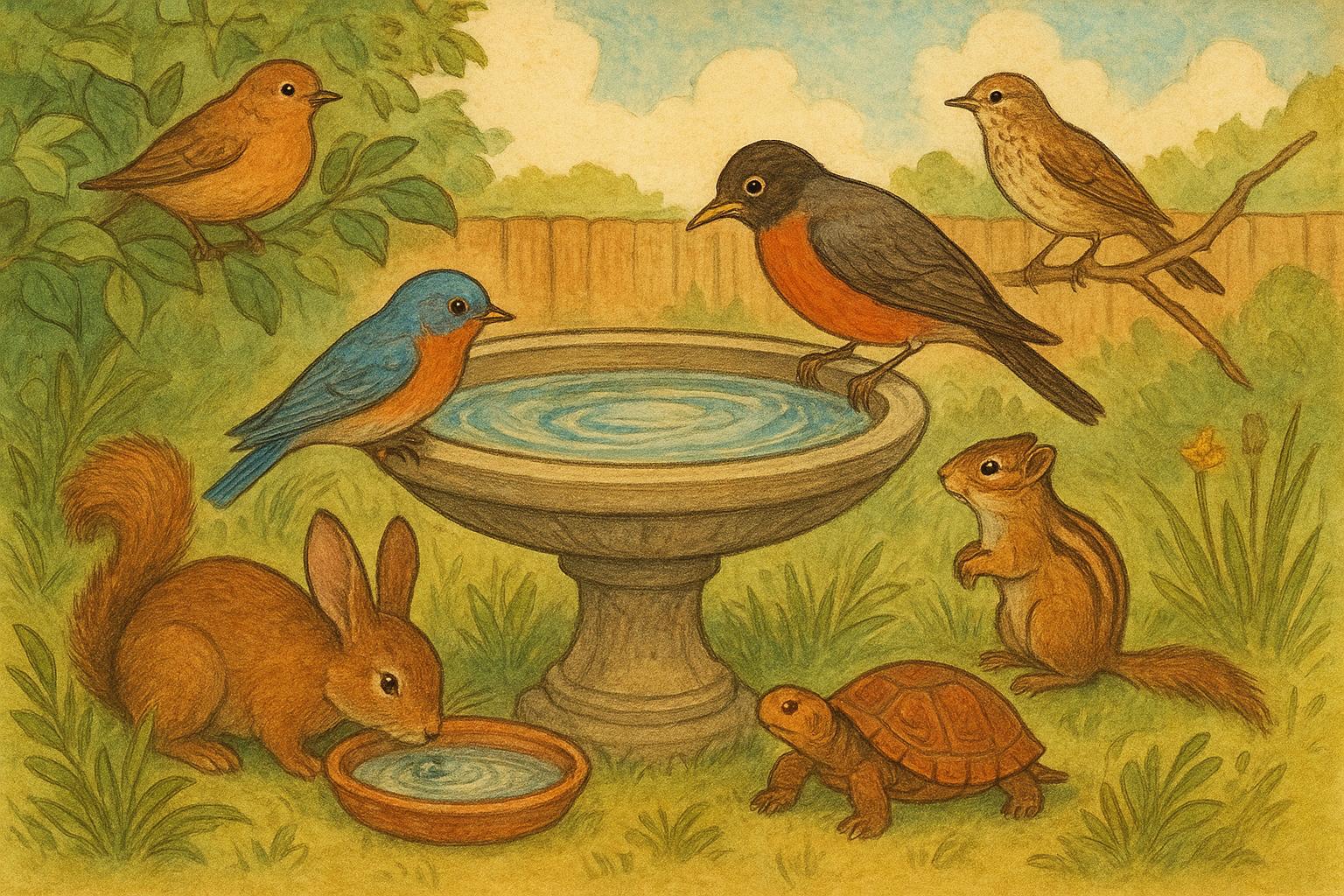
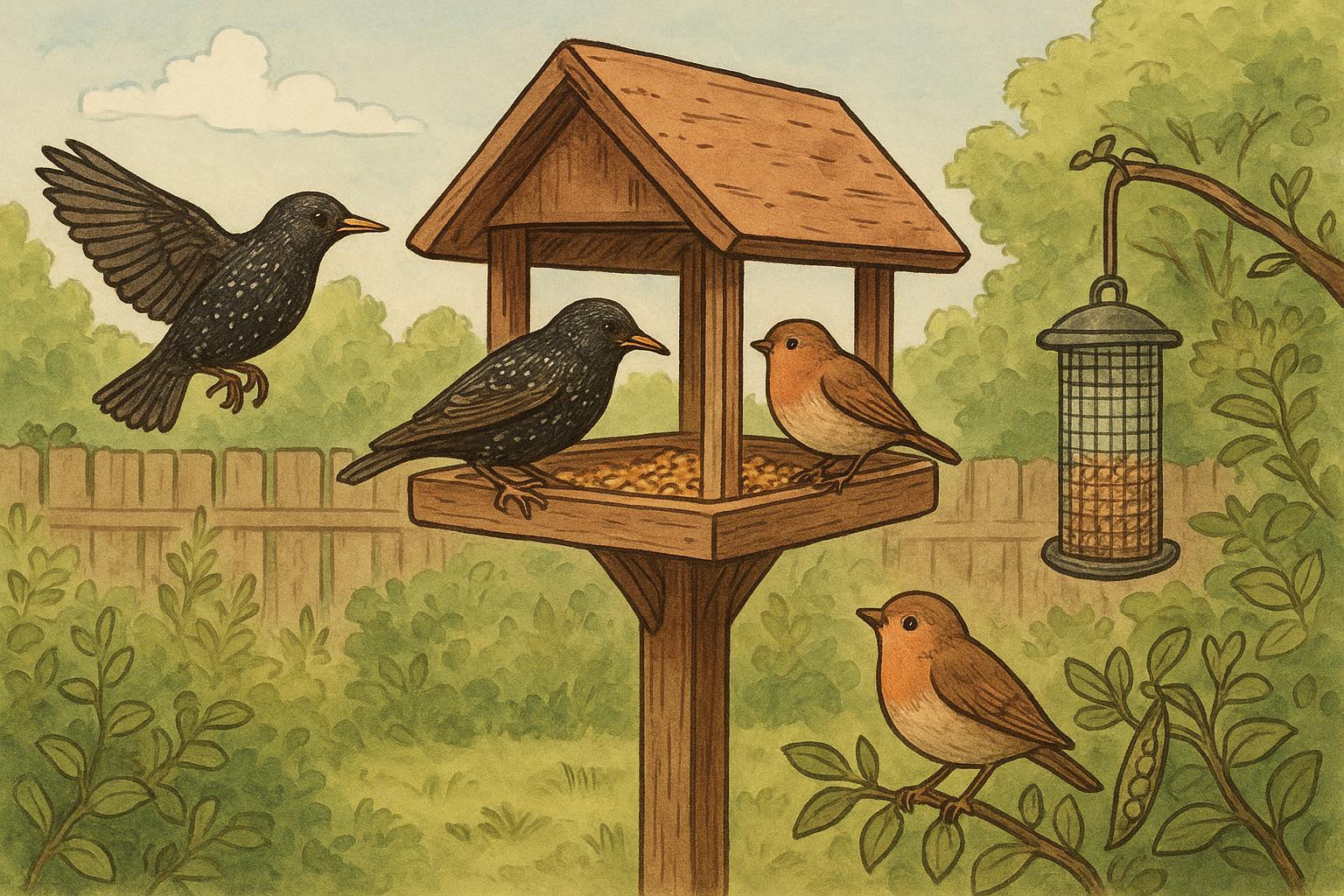
Feeding spots are informative. A shallow dish with fresh water becomes a magnet for unexpected visitors. I once left a low tray near a clump of mint and started seeing thrushes bathing, flocks of sparrows stopping for a drink, and even a pair of juvenile toads in the same week. Water reveals species that might otherwise remain hidden in dense foliage.
### Signs Beyond Sight
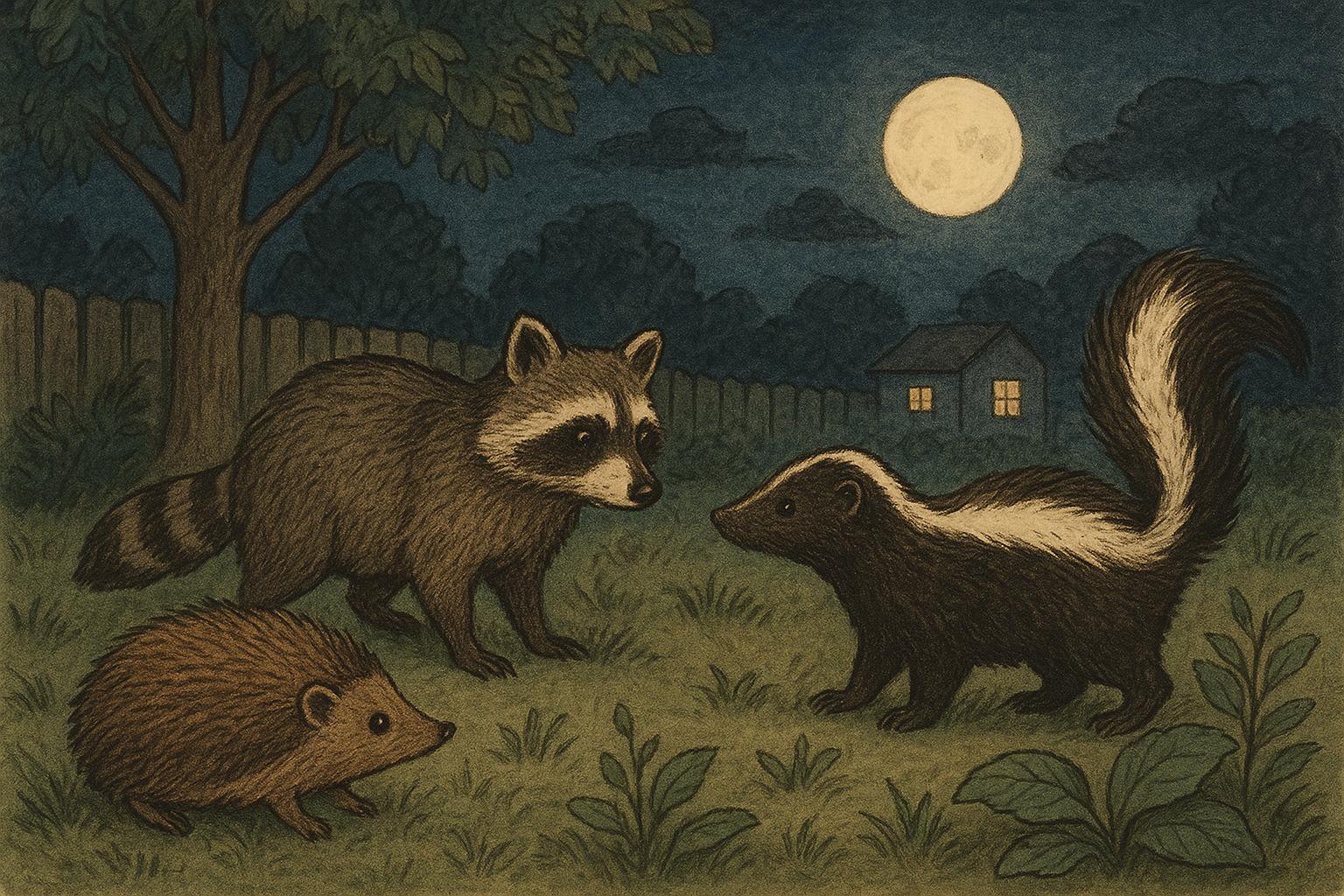
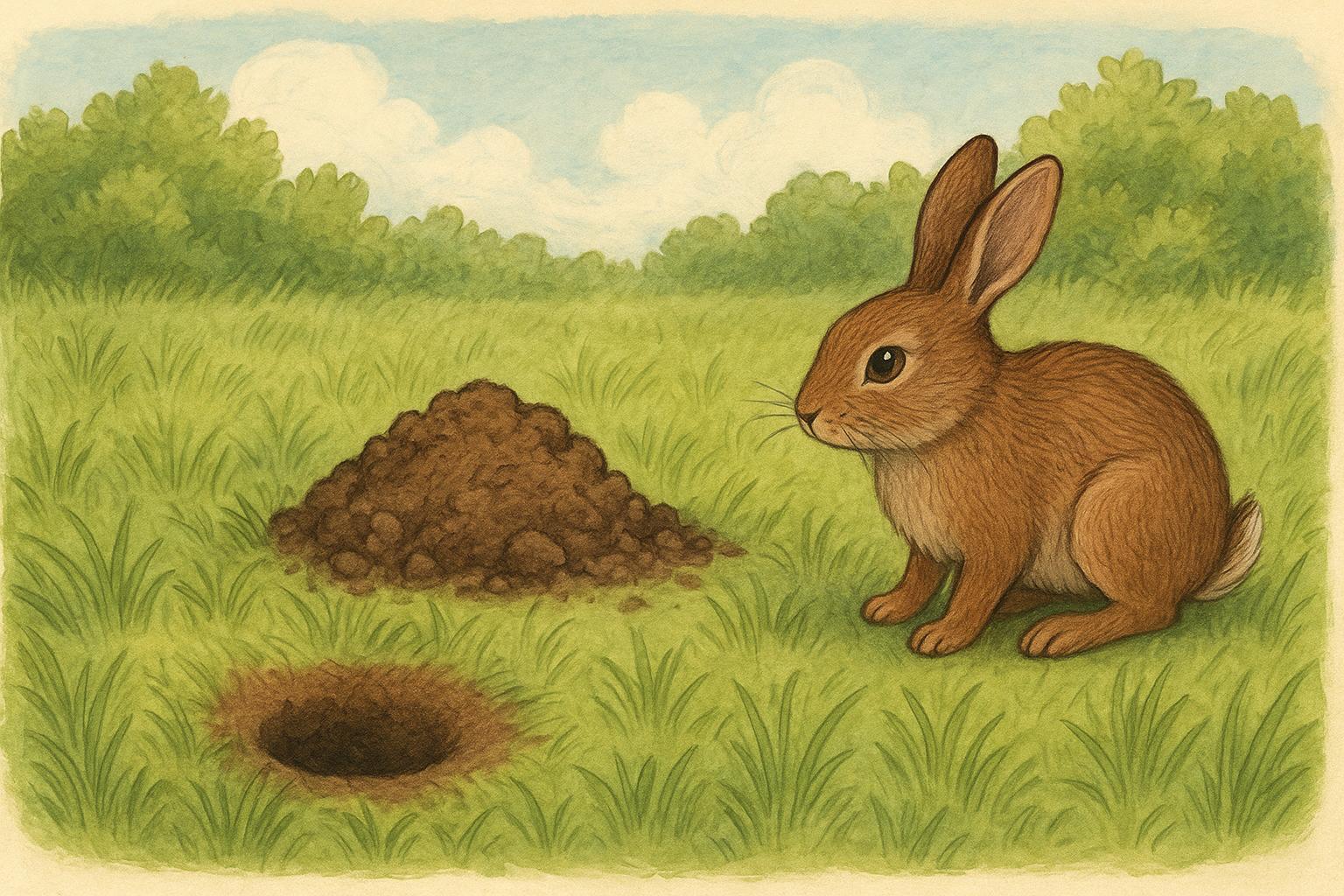
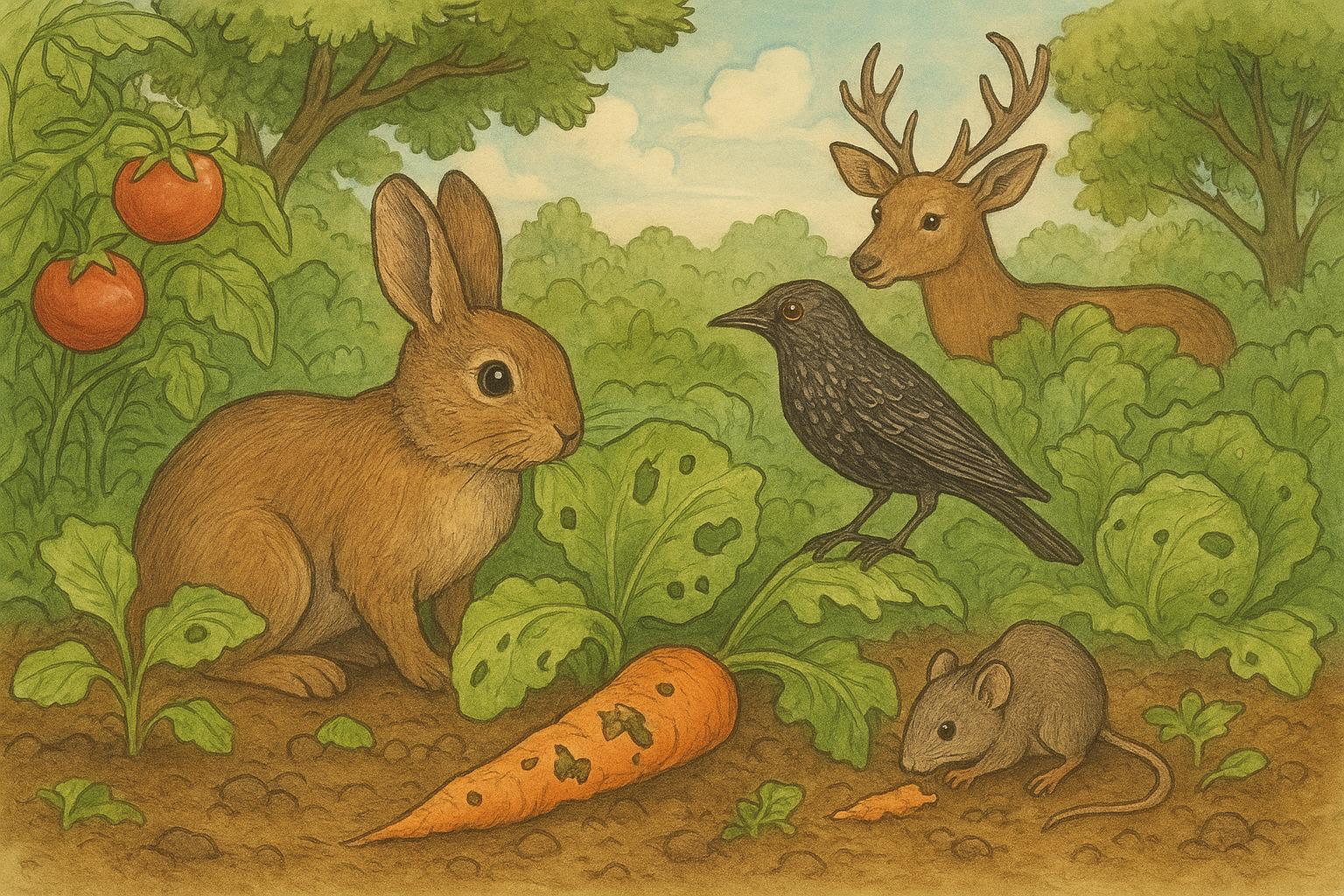
Tracks, droppings, chewed leaves, and missing fruit are all part of yard wildlife observations. You do not have to see an animal to know it’s using your space. Look under feeders for seed hulls. Check the soil for fresh burrow holes. Listen at night for rustling in the eaves. These indirect signs often point to persistent visitors.
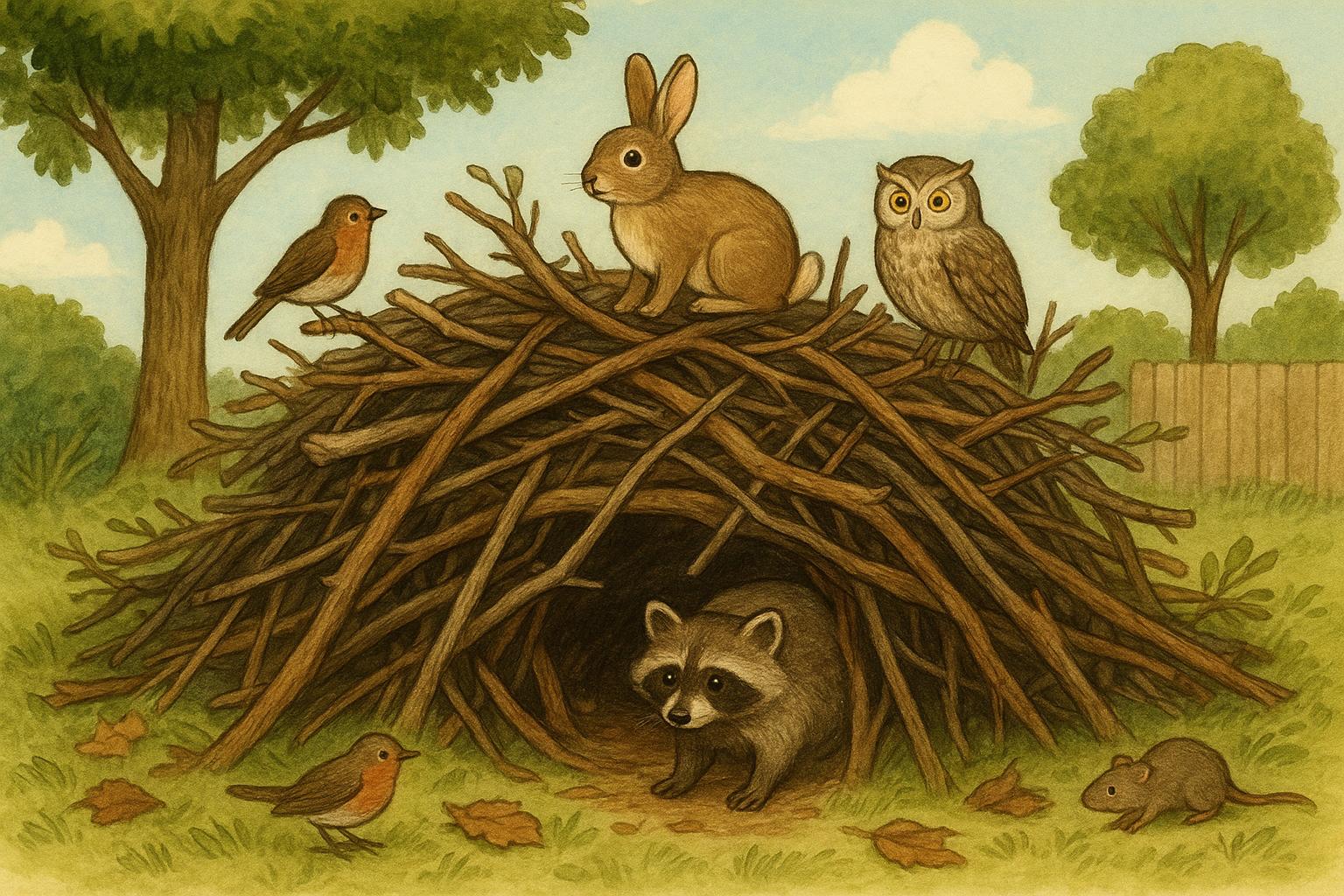
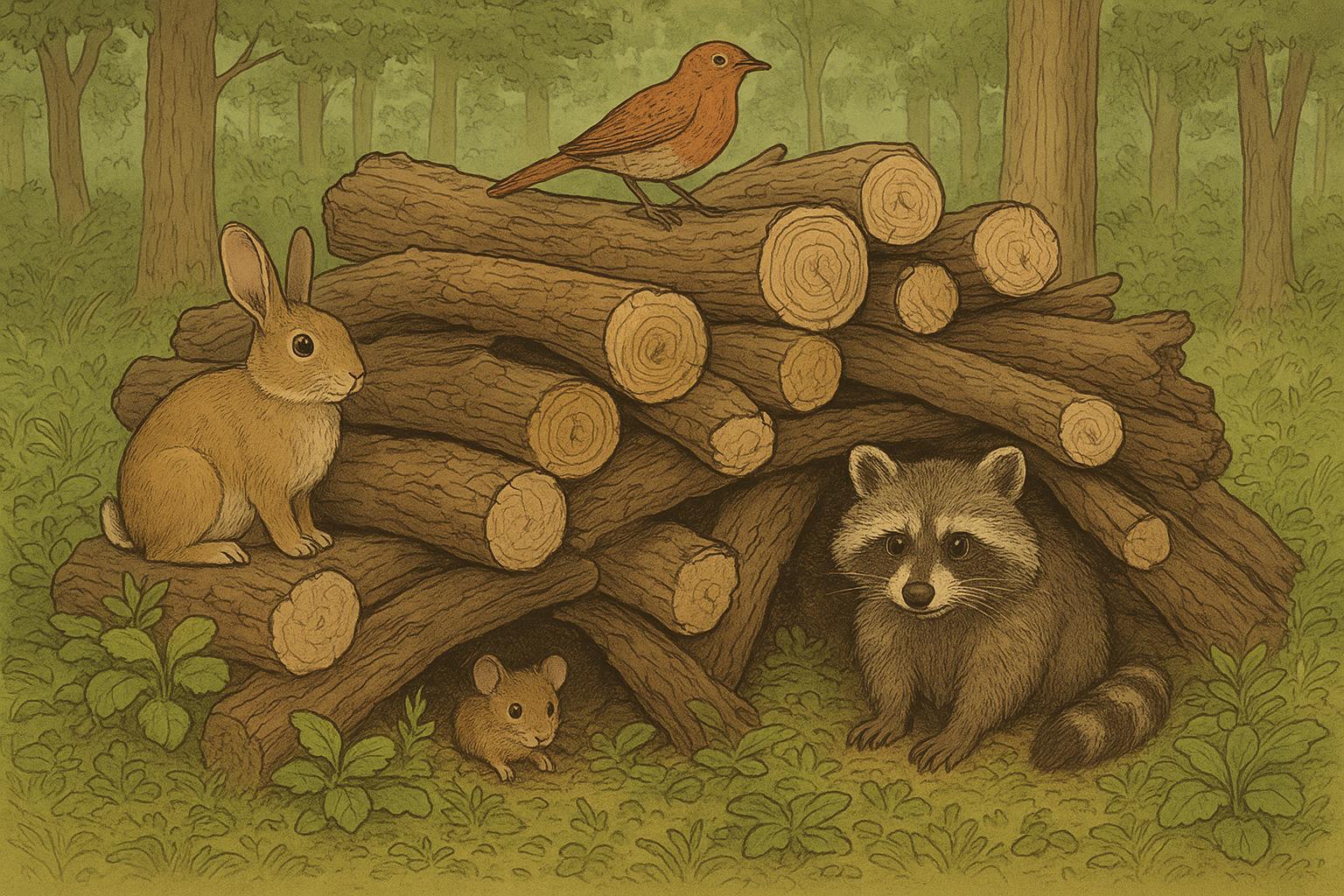
A practical technique: leave one corner of the yard a little less manicured. A square meter of unmowed grass produces more evidence of activity than a perfectly trimmed lawn. You’ll find more beetles, more spiders, and sometimes the tracks of small mammals. That little mess gives you clues about the food web at work.
#### Pollinators And Plant Choices
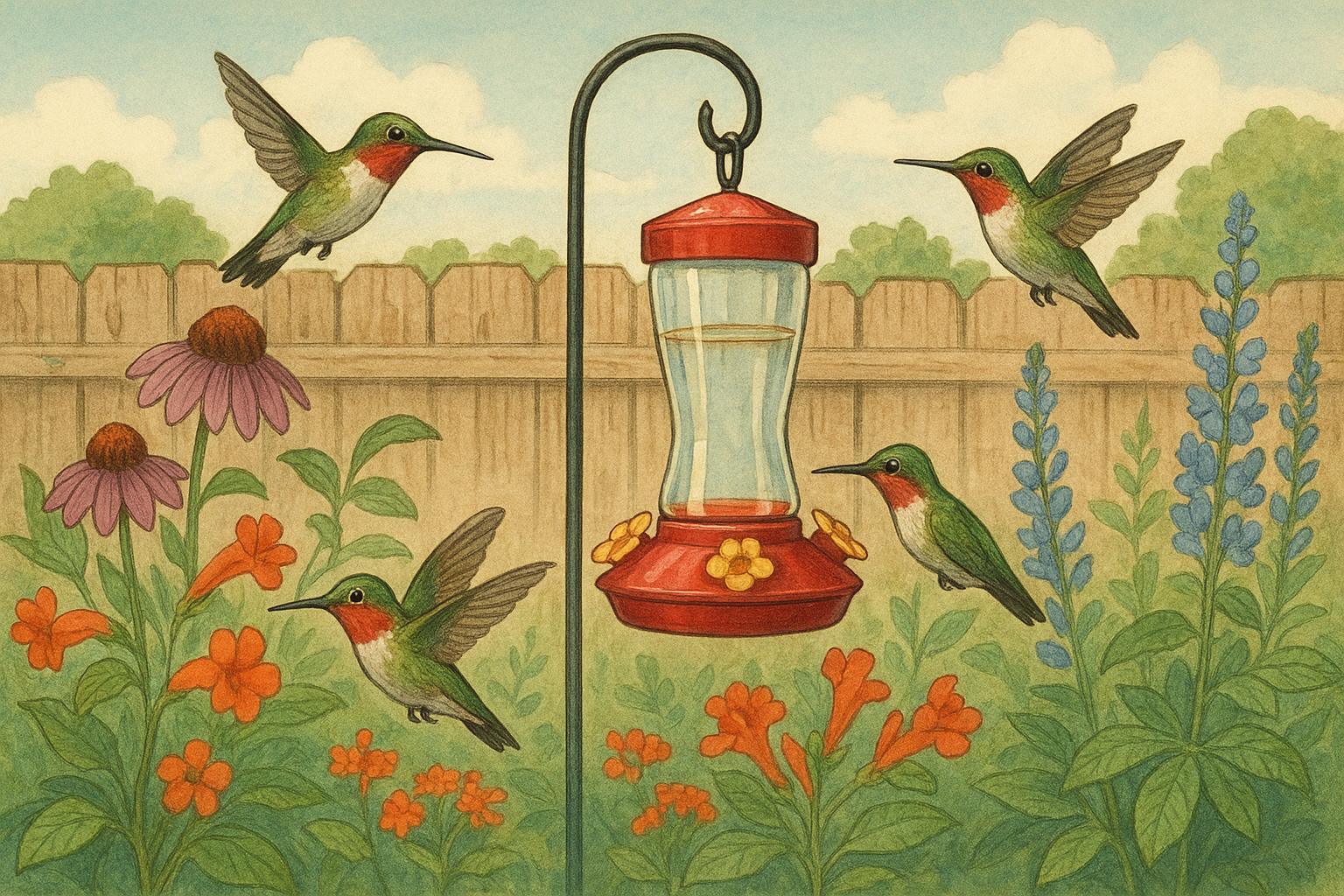
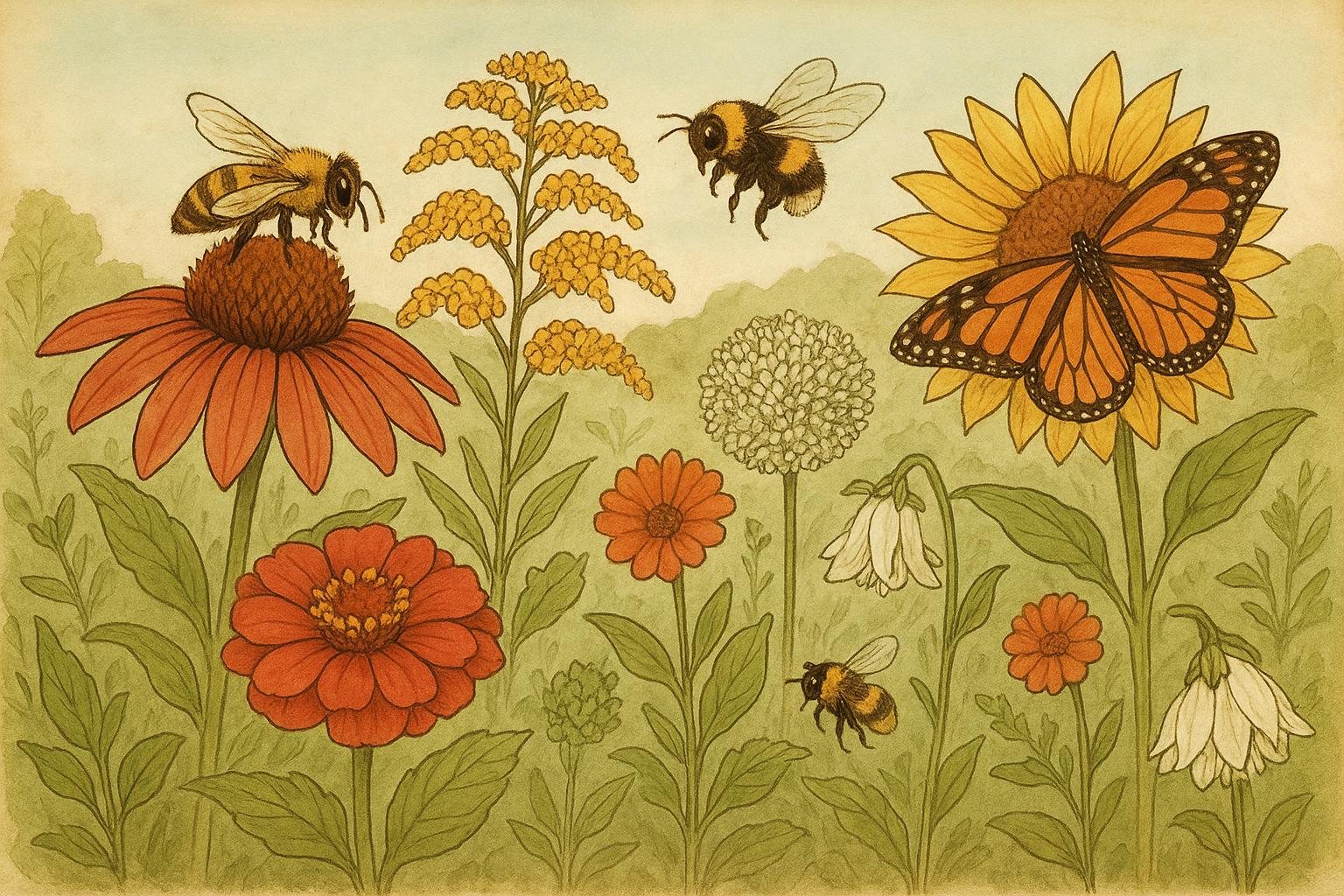
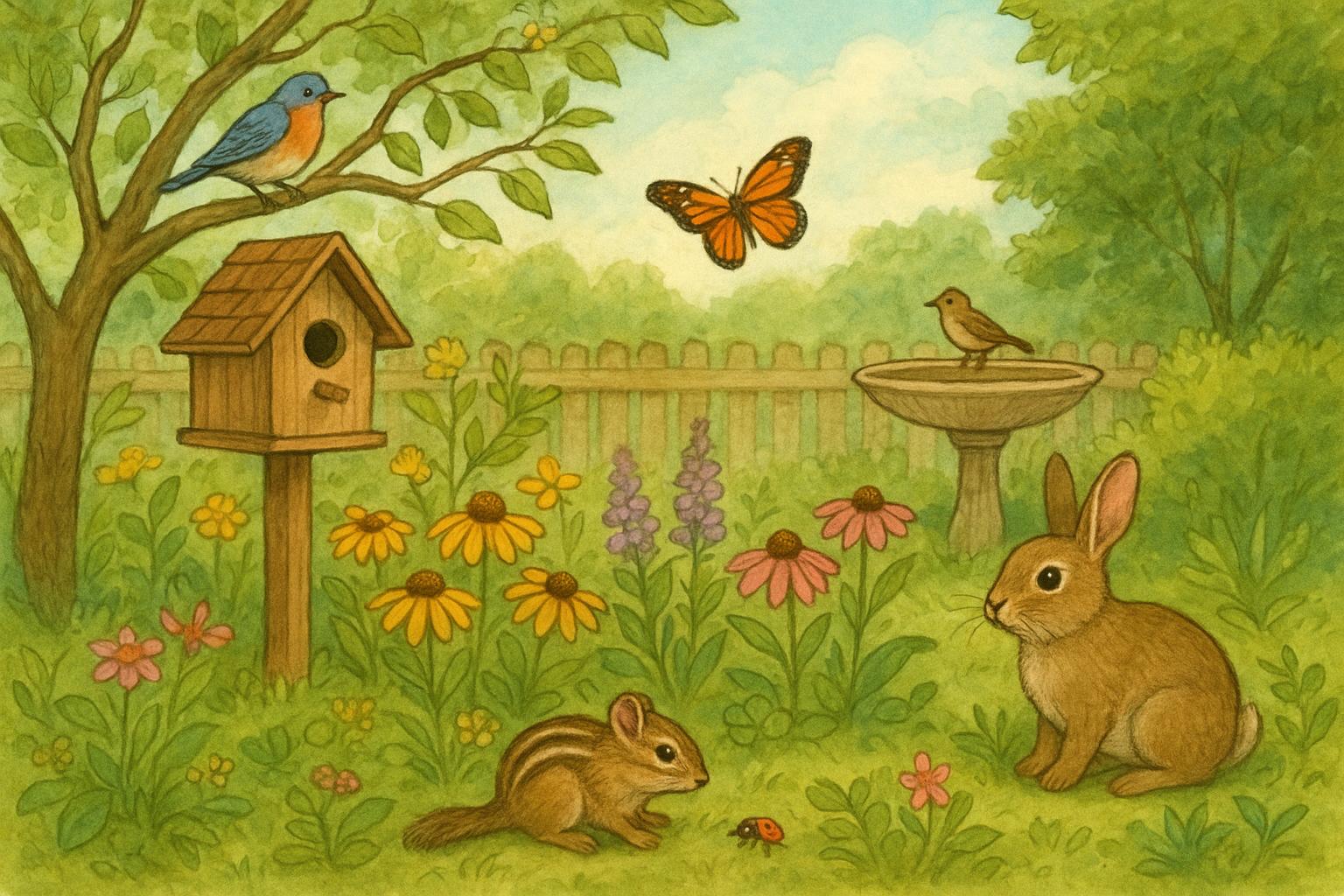
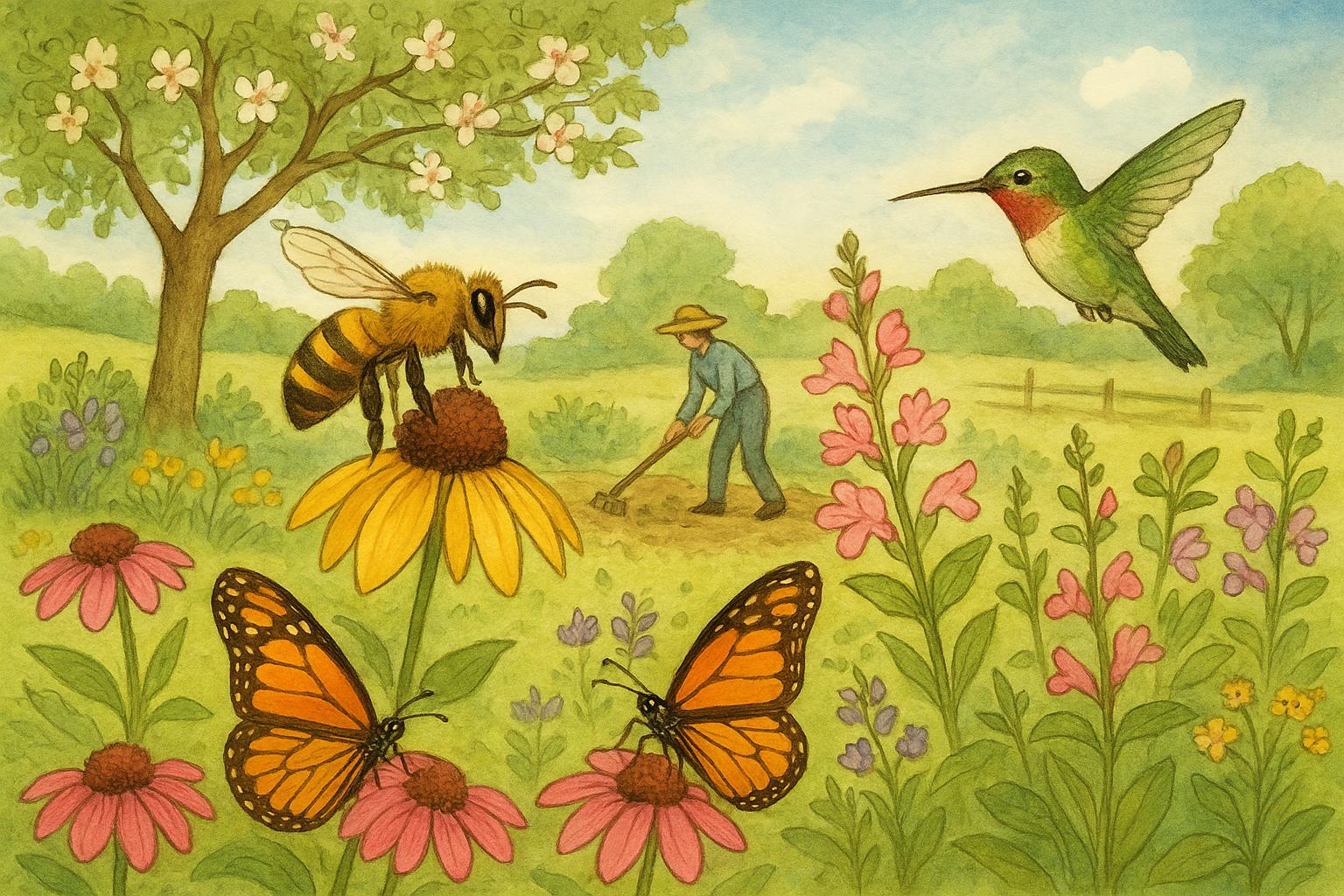
Plants shape who shows up. Native perennials will usually attract more native pollinators than exotic ornamentals. A patch of bee balm or coneflower is not glamorous, but it draws a diverse set of insects, which then feed birds and small predators. In the height of summer, watch for shifts in visitor species as different plants bloom.
Try swapping one annual for a native substitute next season and note the change. I replaced a bedding impatiens bed with native asters and, by late summer, had three times as many butterflies. That swap became one of my most rewarding summertime yard wildlife observations.
### Predators, Pests, And Balance
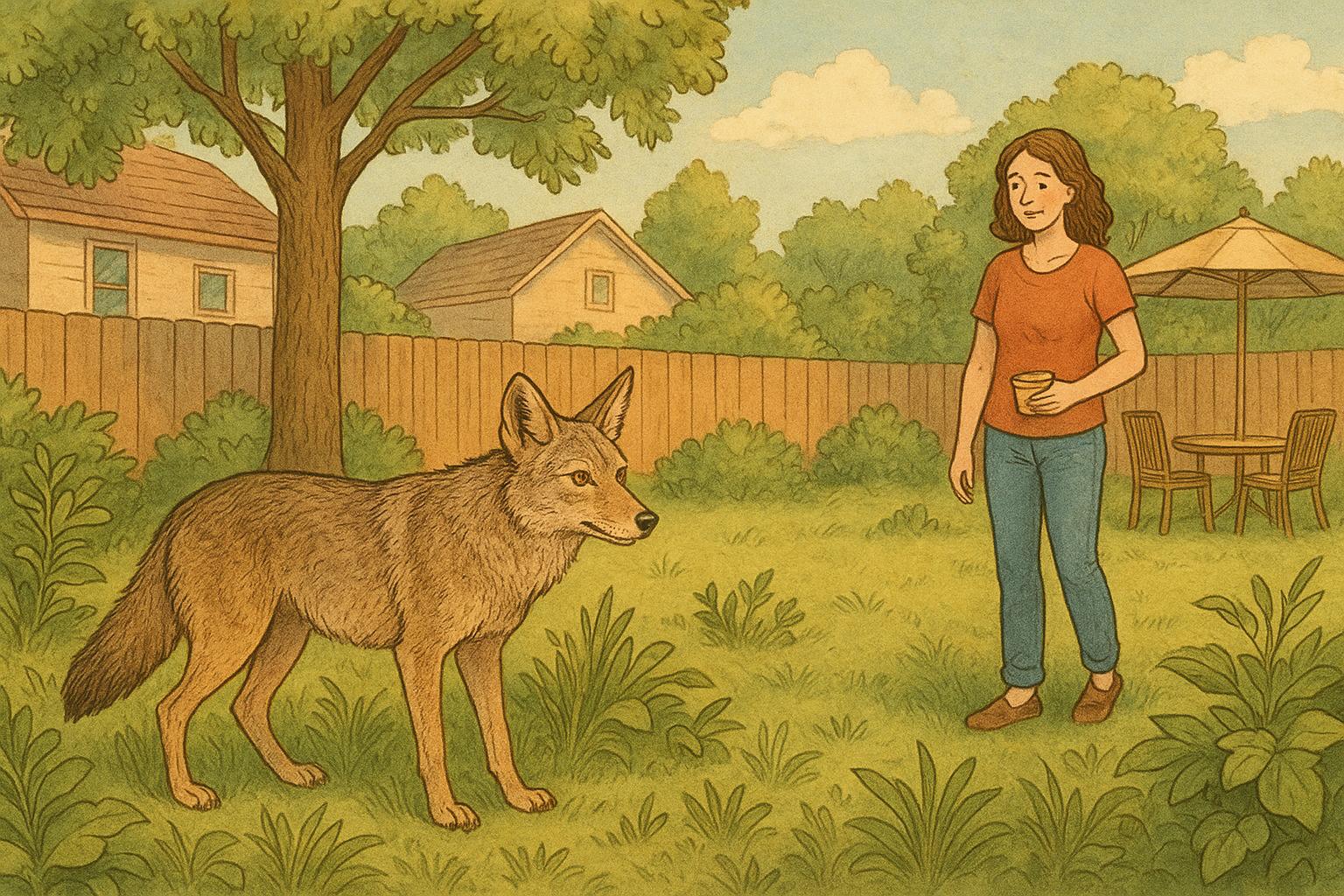
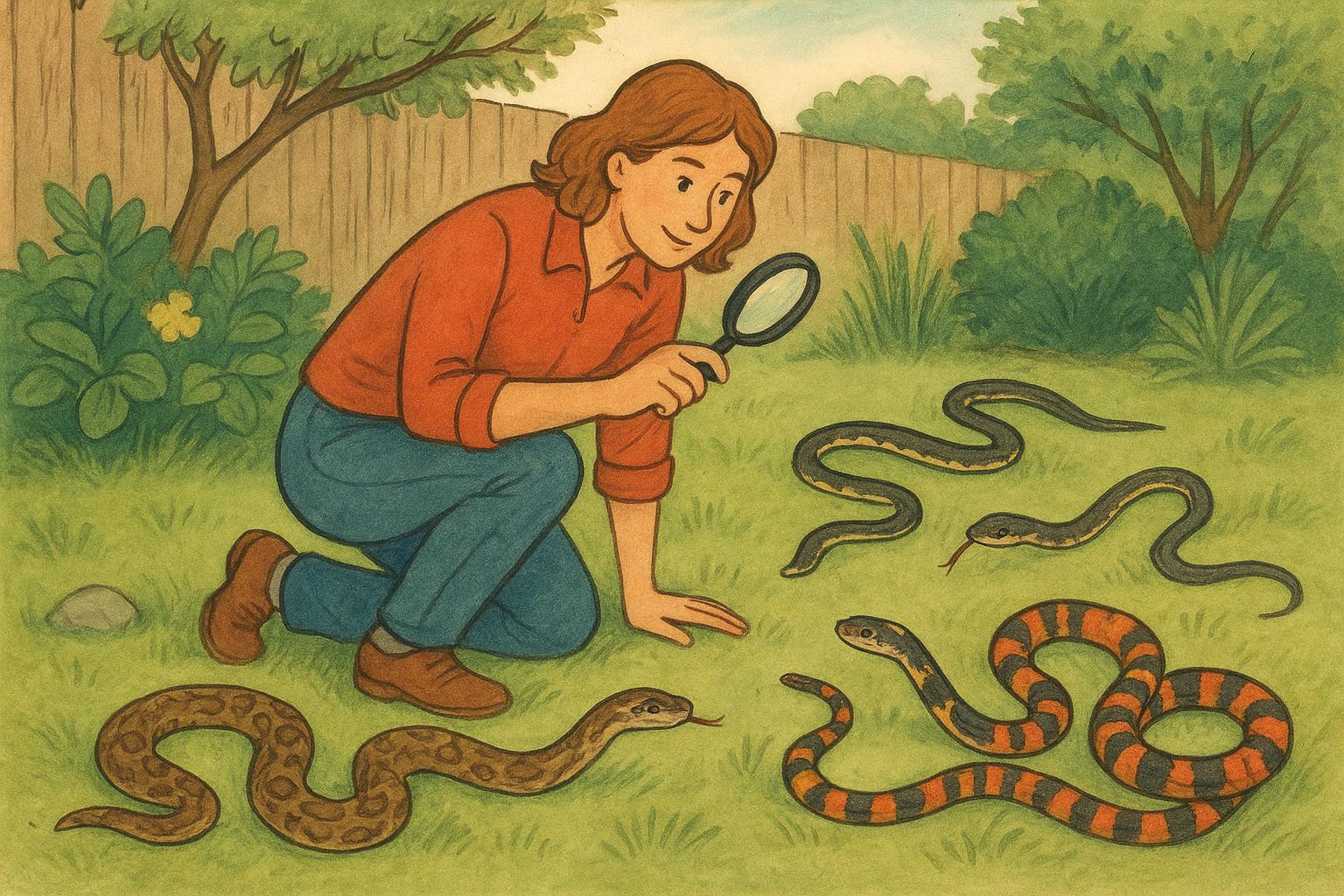
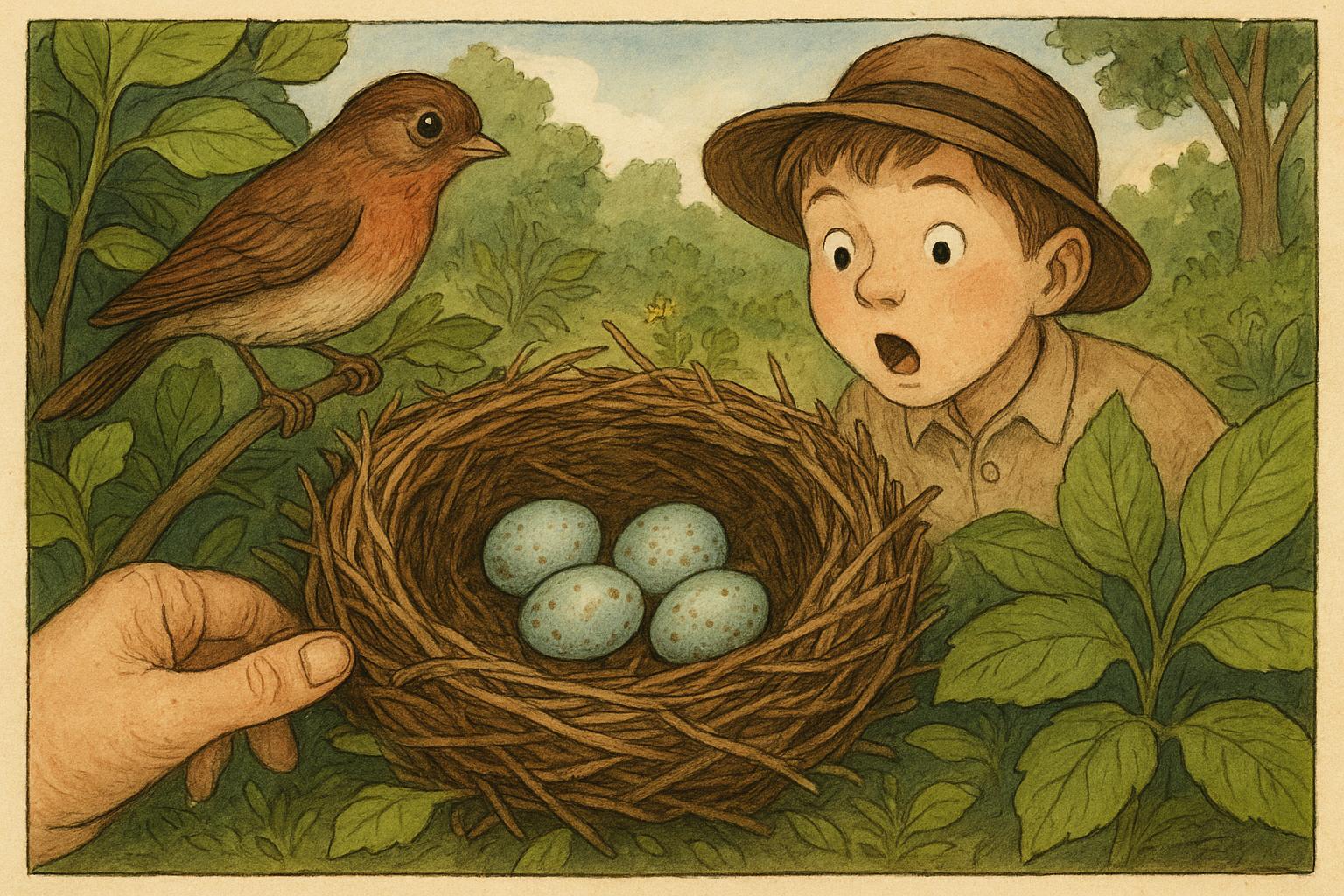
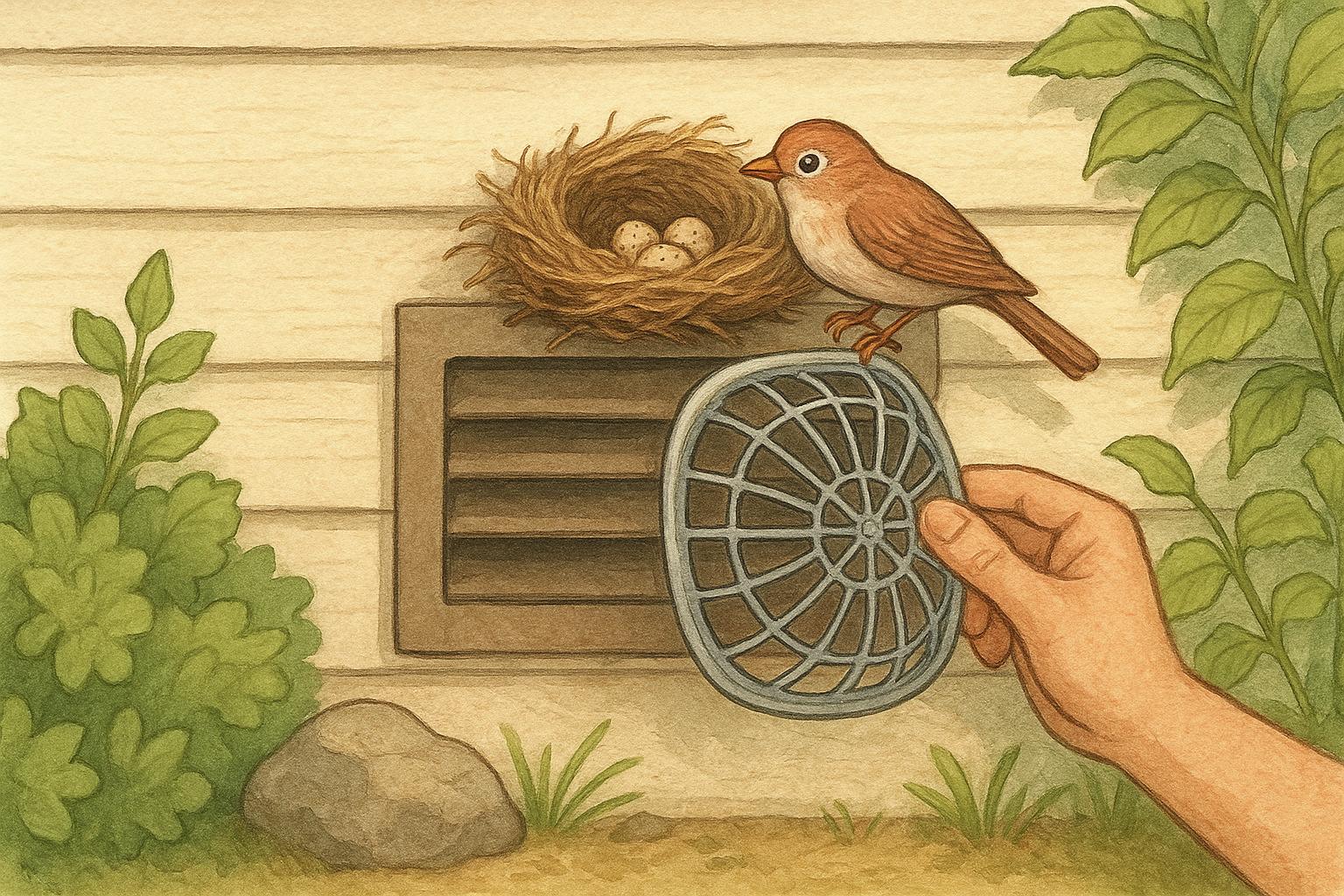
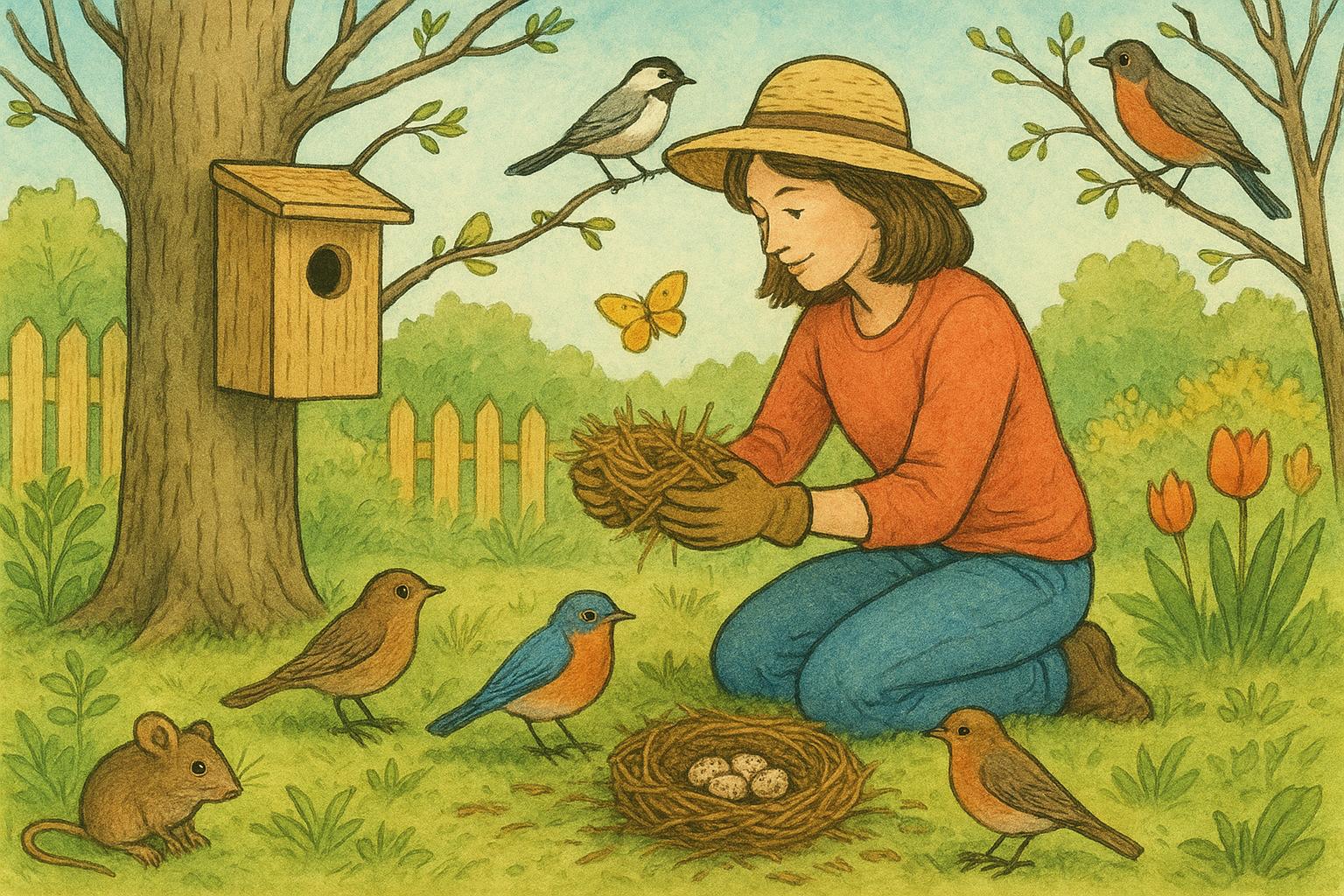
People often panic when they see predators. A Cooper’s hawk snatching a dove can be shocking, but it’s part of the balance. Predators control overabundant species and indicate a healthy ecosystem. Still, you can protect vulnerable nests with simple measures like covering feeders at certain times or pruning to reduce hiding spots for snakes near children’s play areas.
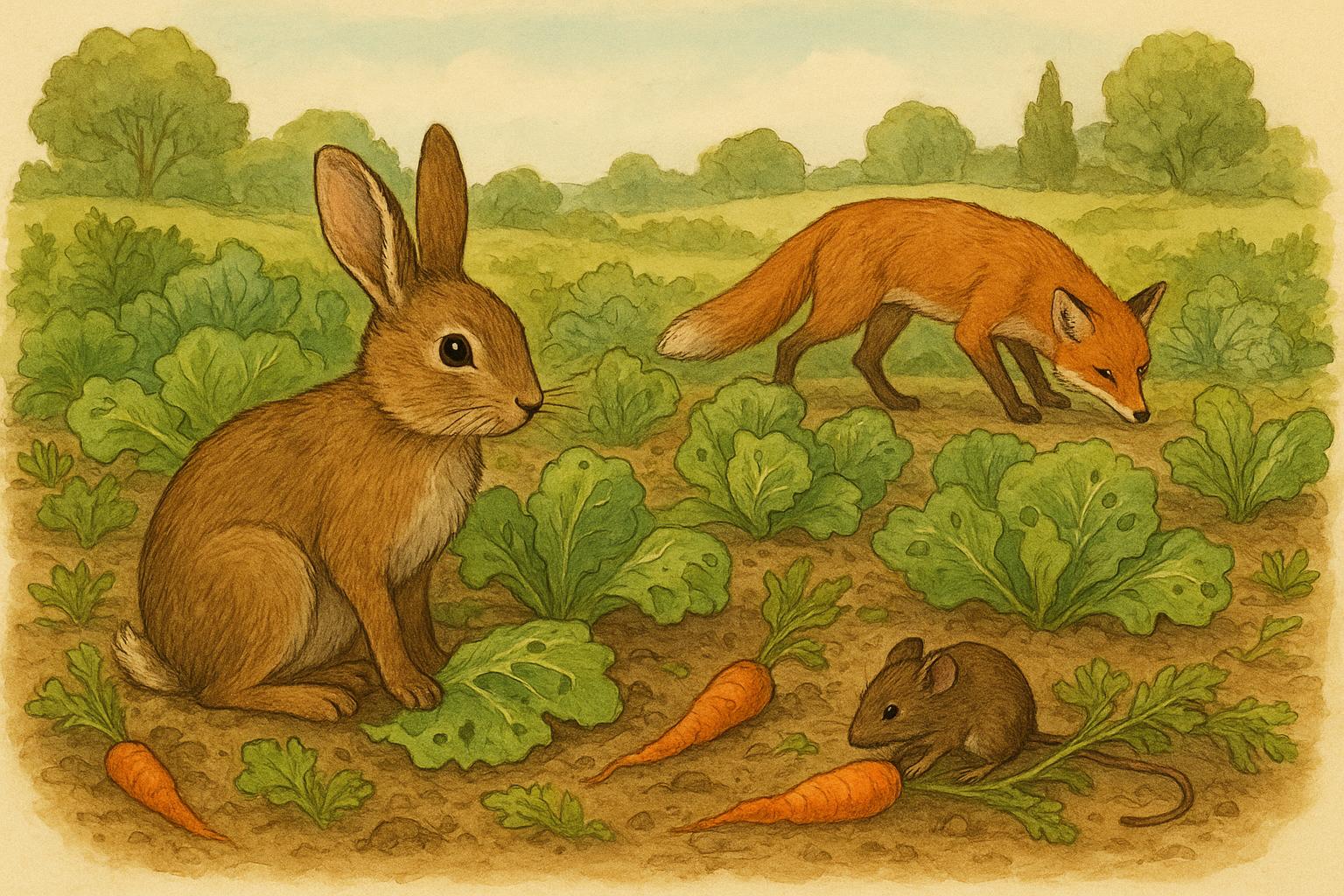
Pests deserve practical attention. If Japanese beetles appear, pinch early grubs and remove infested foliage. But observe first. Many insects that look destructive are transient. Lacewing larvae eat aphids. Lady beetles arrive when aphids spike. Making careful yard wildlife observations before reacting will save time and prevent unnecessary spraying.
– Offer a water source. Even a shallow dish makes a difference.
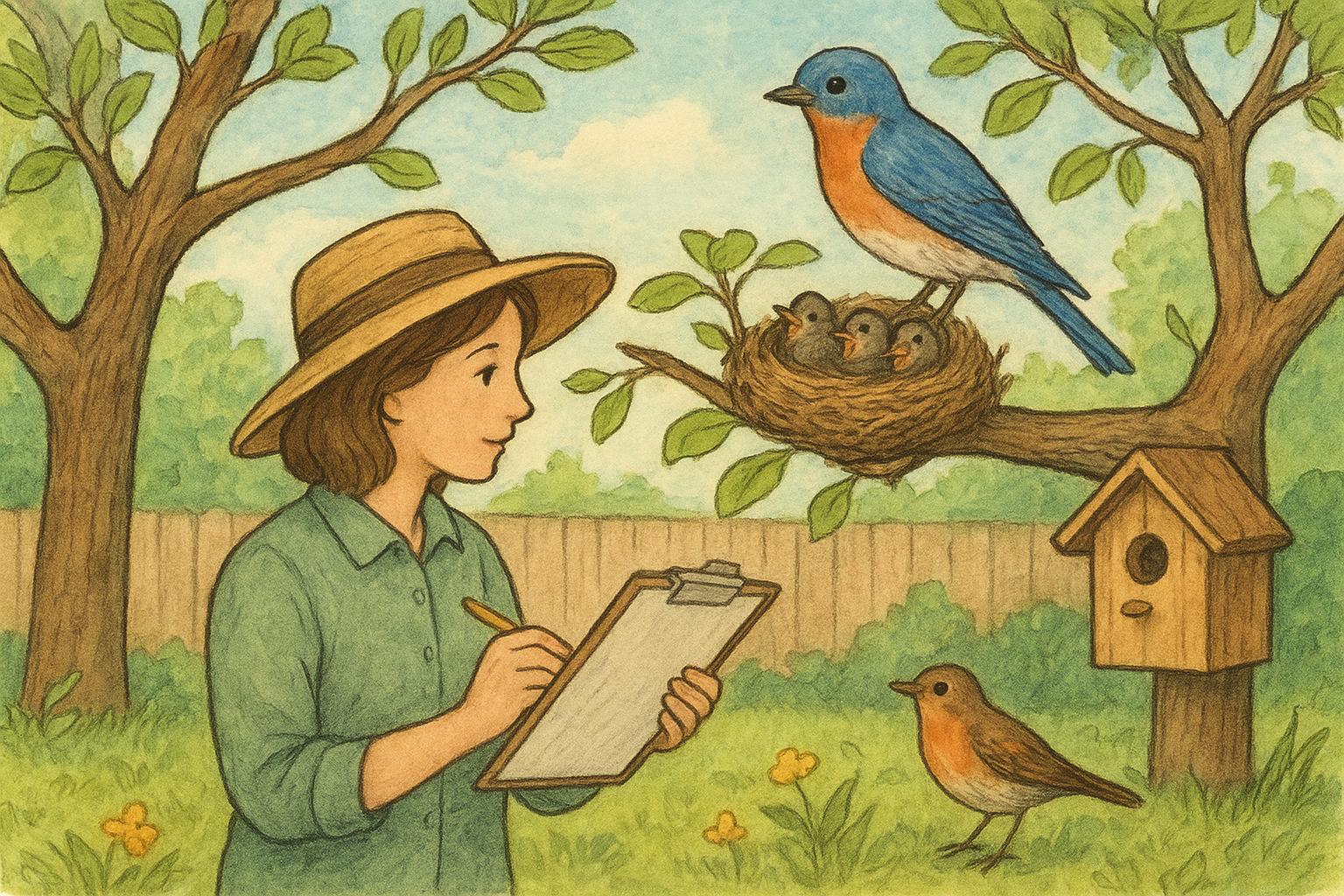
– Keep a log. A notebook or phone note with dates and species builds a seasonal picture.
– Let a small area be wild. It will teach you more than a tidy bed ever will.
### Nighttime Visitors To Expect
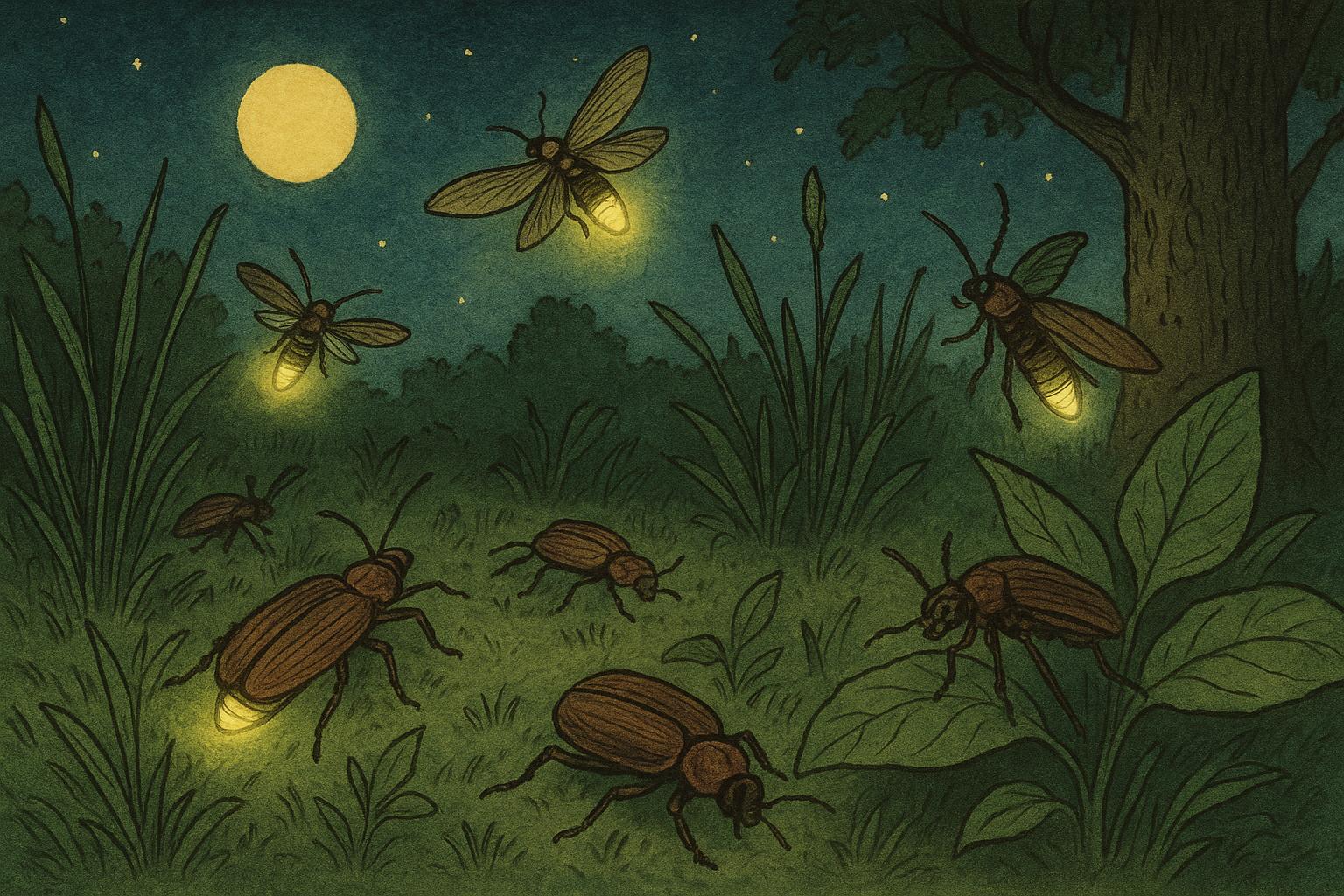
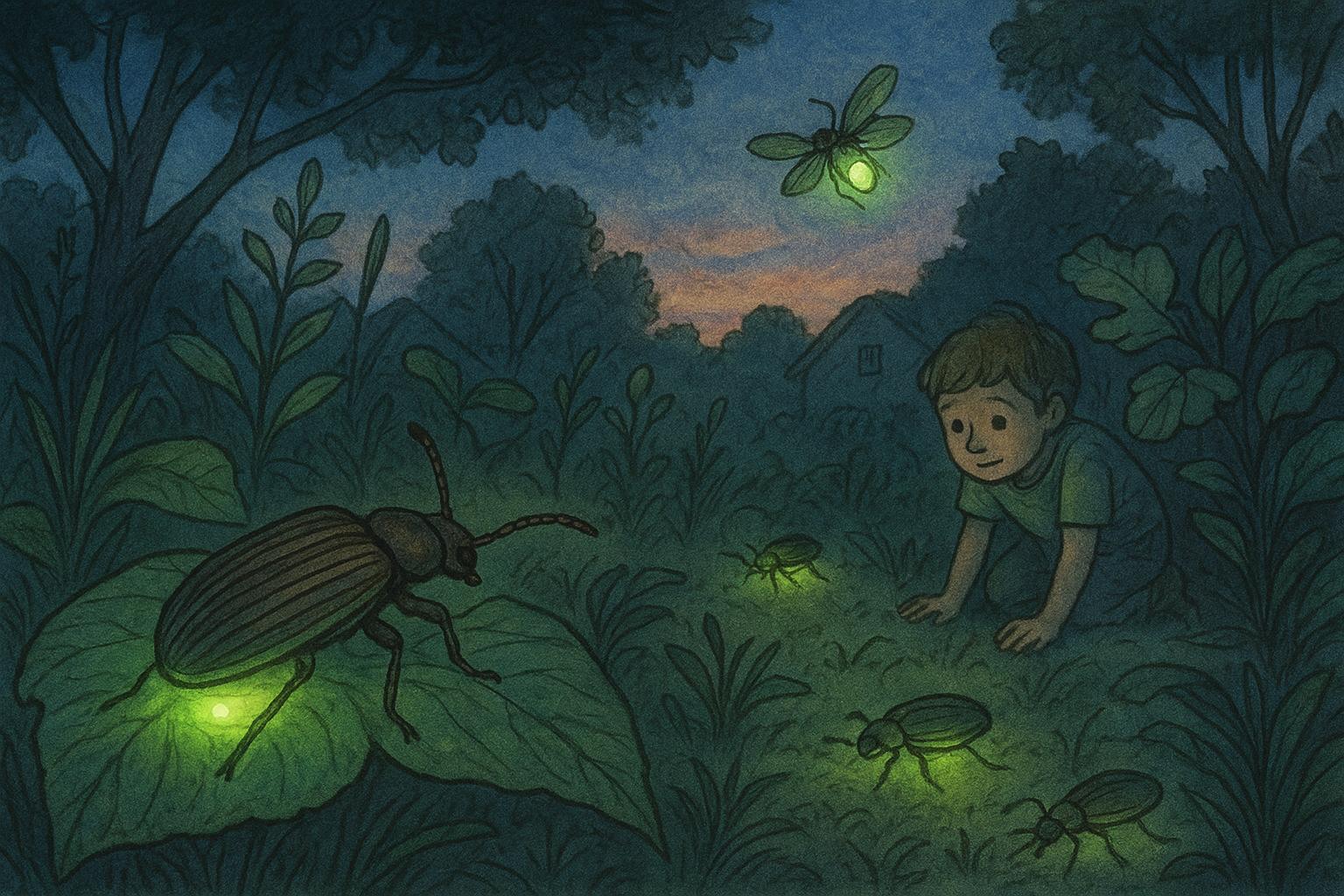
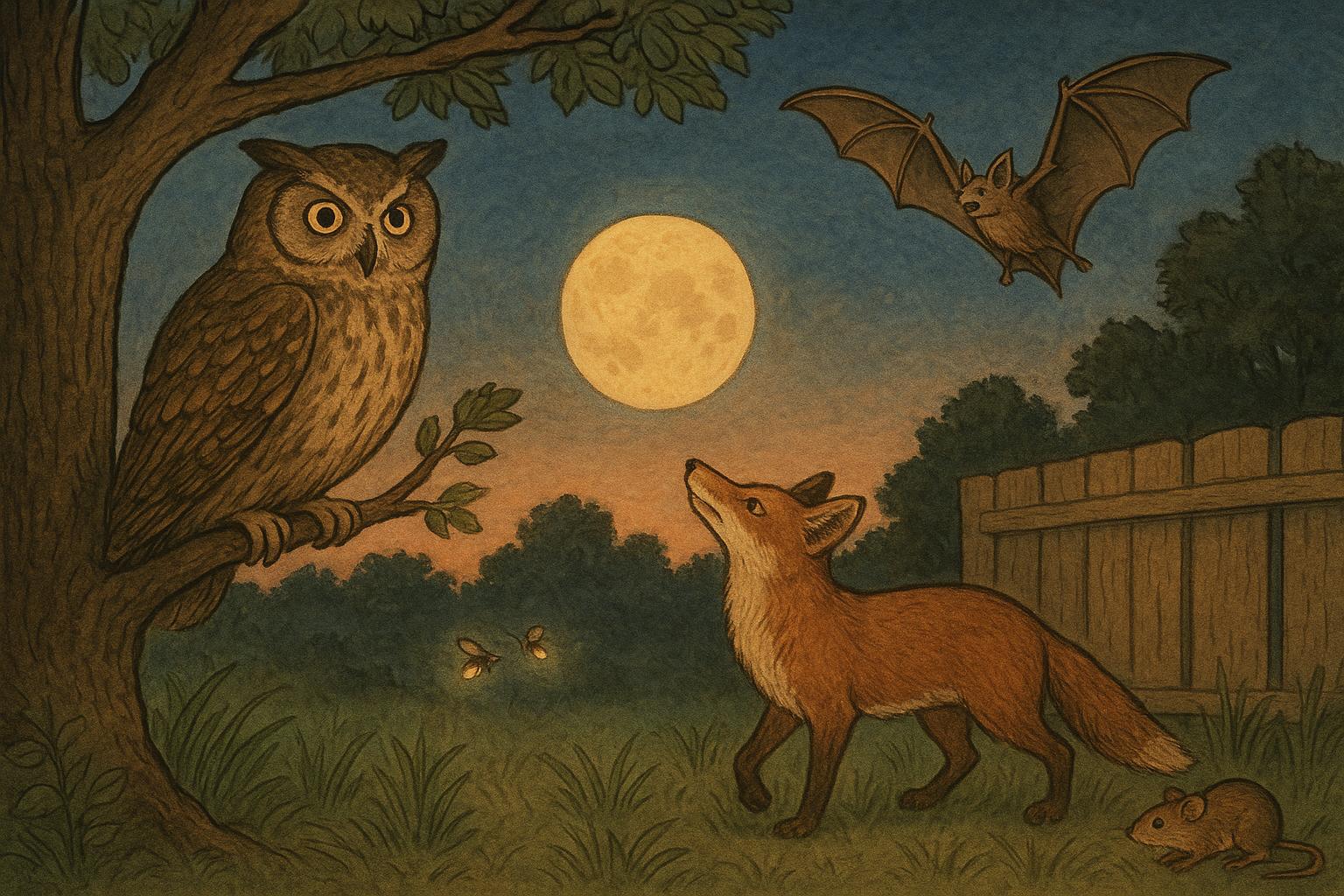
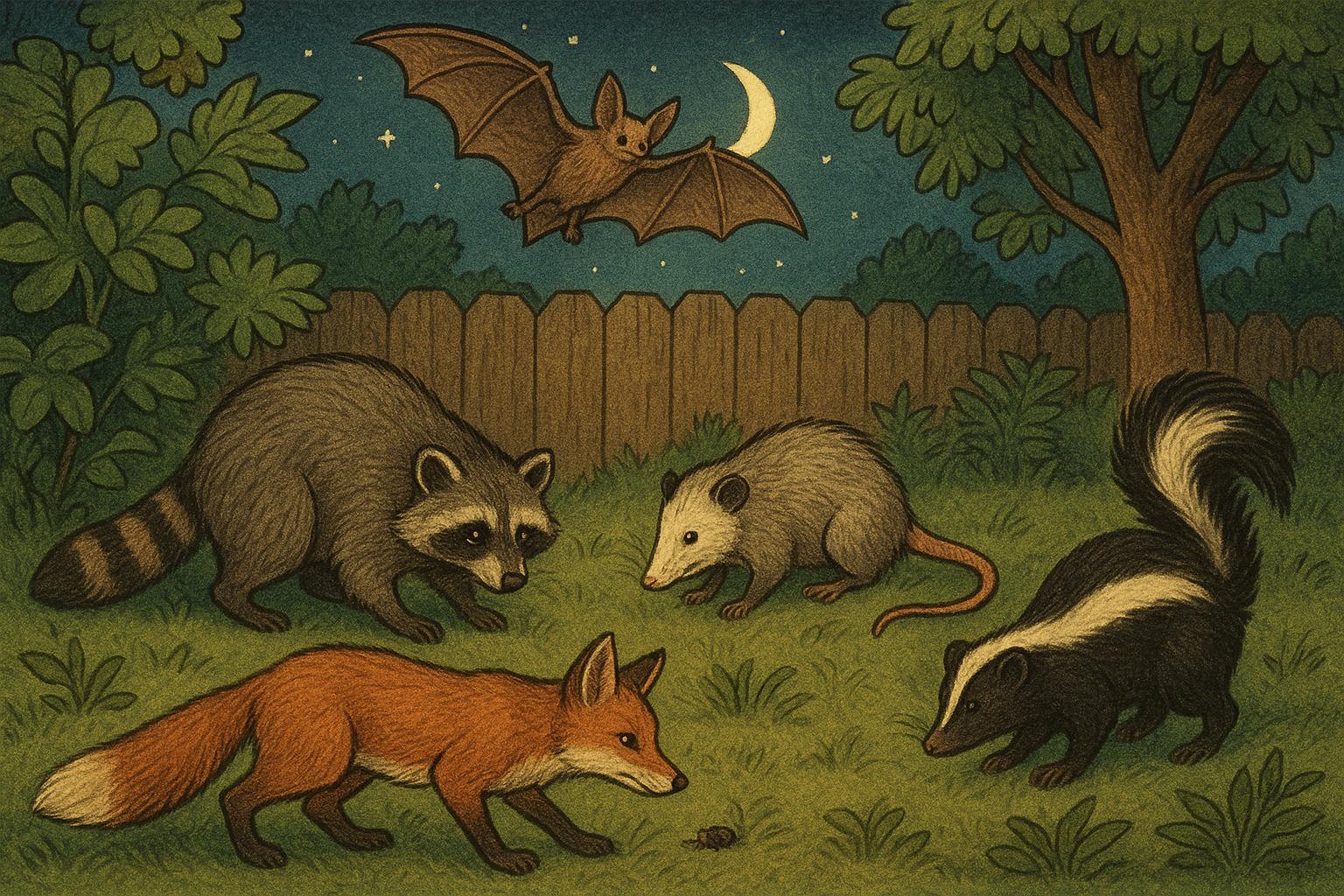
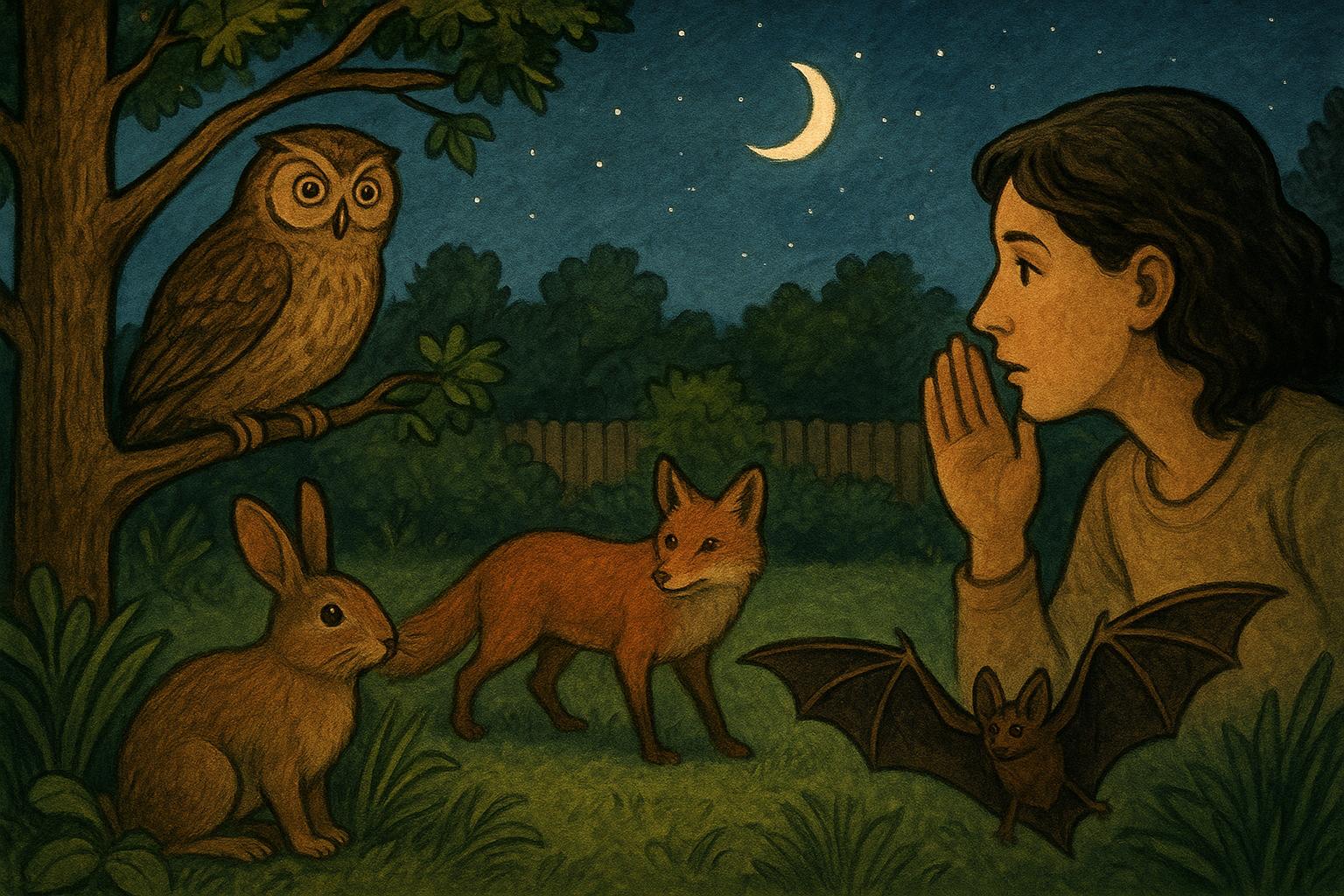
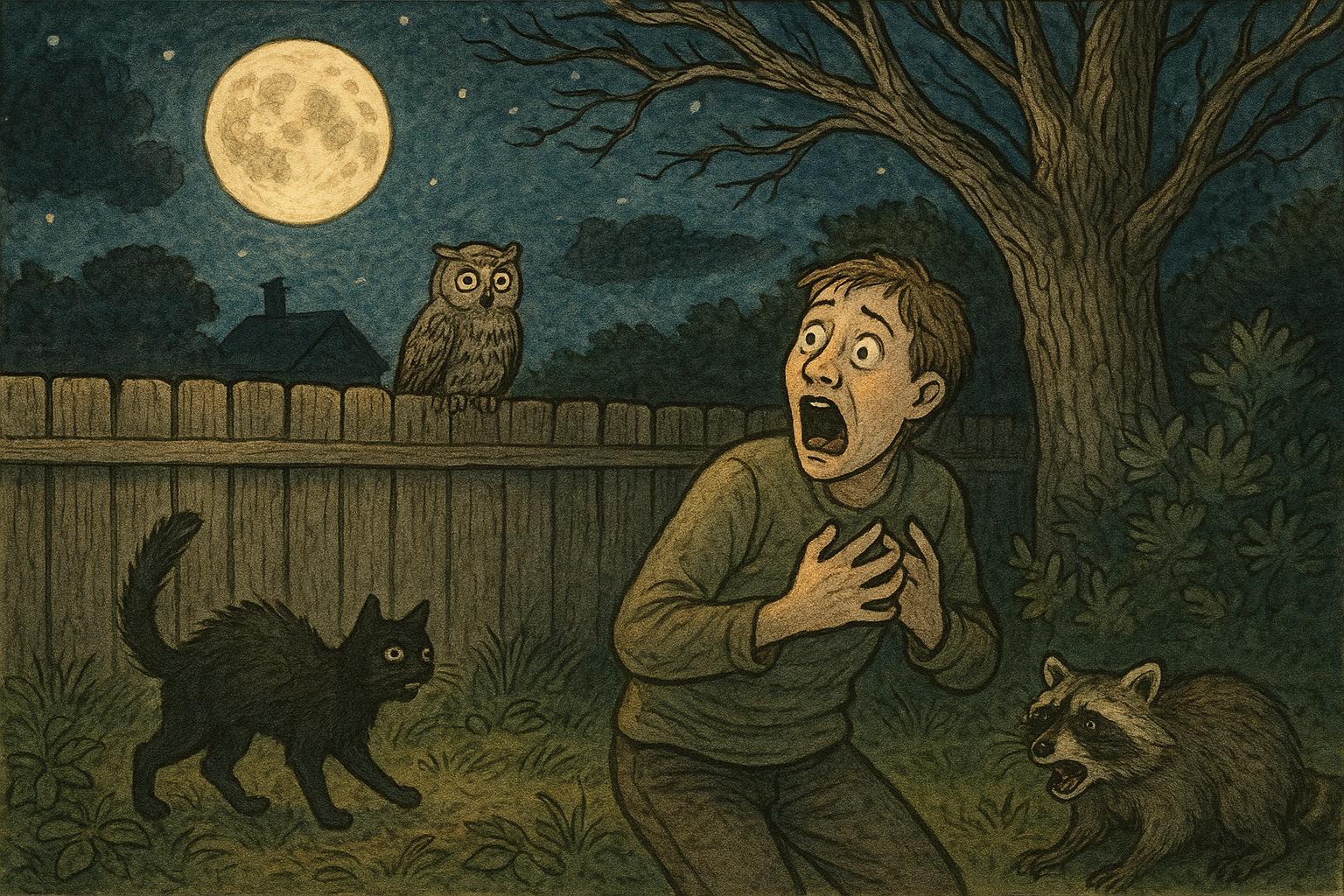
Moths are summer’s undercover pollinators. Turn off porch lights occasionally and watch the yard with a flashlight. You’ll find pollinating moths, earwigs, and sometimes bats making quick passes. Bats often follow insect hotspots, so a sudden increase in bat activity is another useful summertime yard wildlife observation.
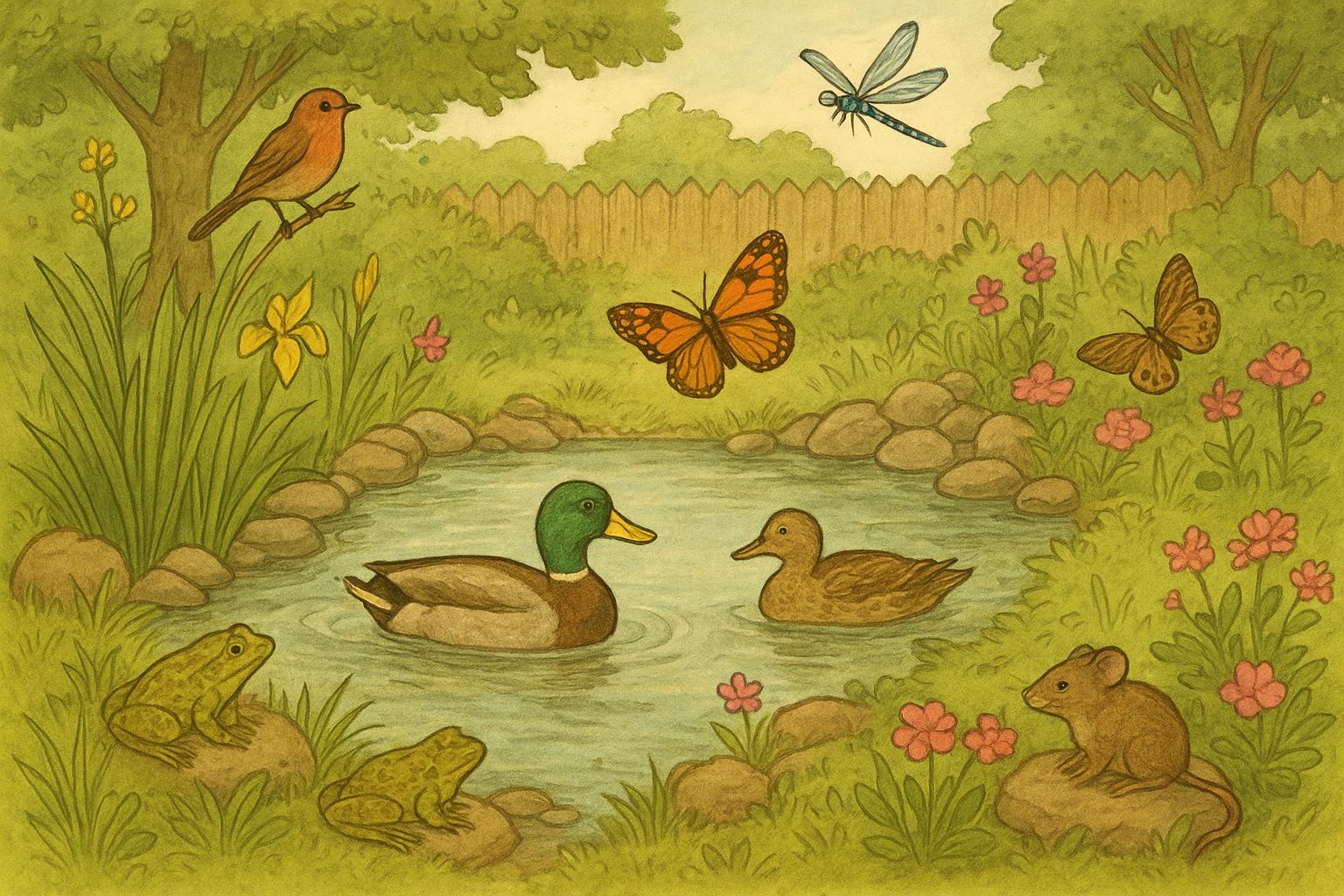
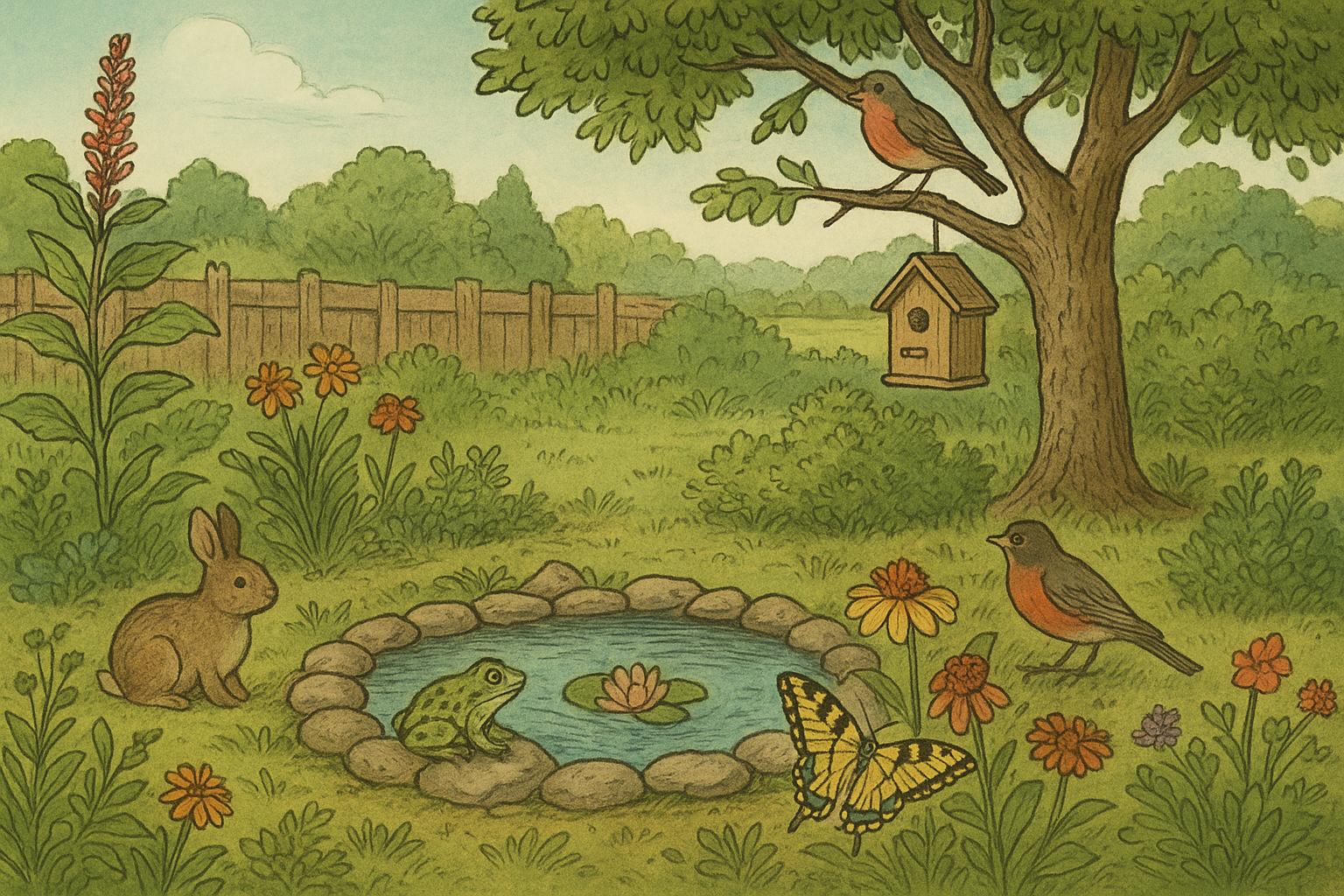
Frogs and toads show up near water and damp spots. If you want them, keep those puddles or install a small pond. They eat slugs and mosquitoes, and their evening chorus is a marker of a functioning backyard ecosystem.
### Recording And Learning
Use a camera or phone to capture quick snapshots. A blurry photo often gives enough detail to identify a creature later. Join local nature groups online and compare notes. Identifying what you see refines future observations and connects you with others doing the same.
Do not worry about perfection. My notebook is messy and I have a mispelled species name in the margin from year one. The point is to observe, note, and learn. Over seasons those entries tell you what’s changing and why. They also turn ordinary summer afternoons into purposeful exploration.

Leave a Reply