
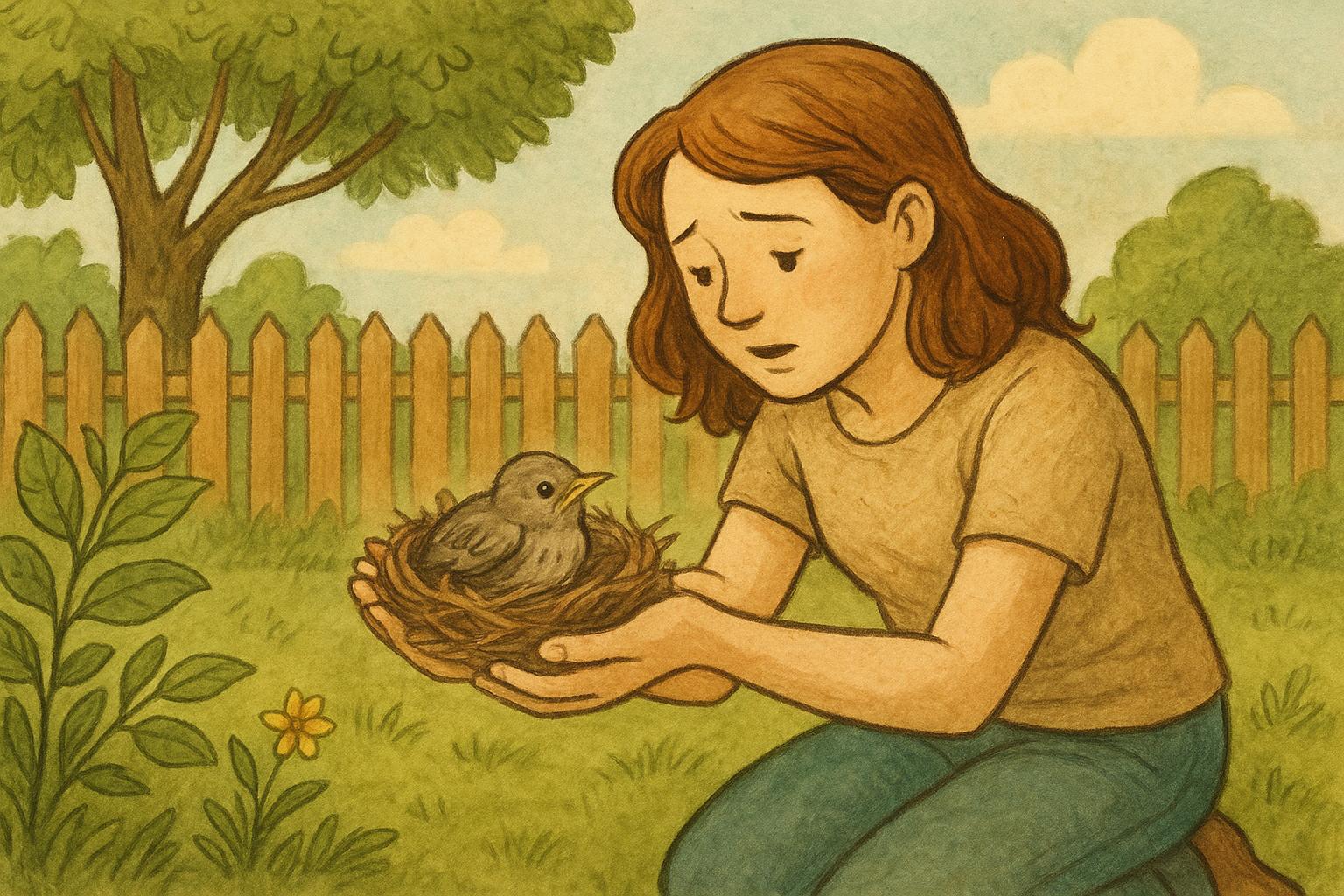
## Steps To Take When You Find A Nestling: Quick Actions
If you find a nestling in your yard, the first thing to do is stop and look. That moment matters more than reflexively picking it up. The right small choices now make the difference between safe nestling care and accidentally doing more harm.
### Look And Listen Before You Touch
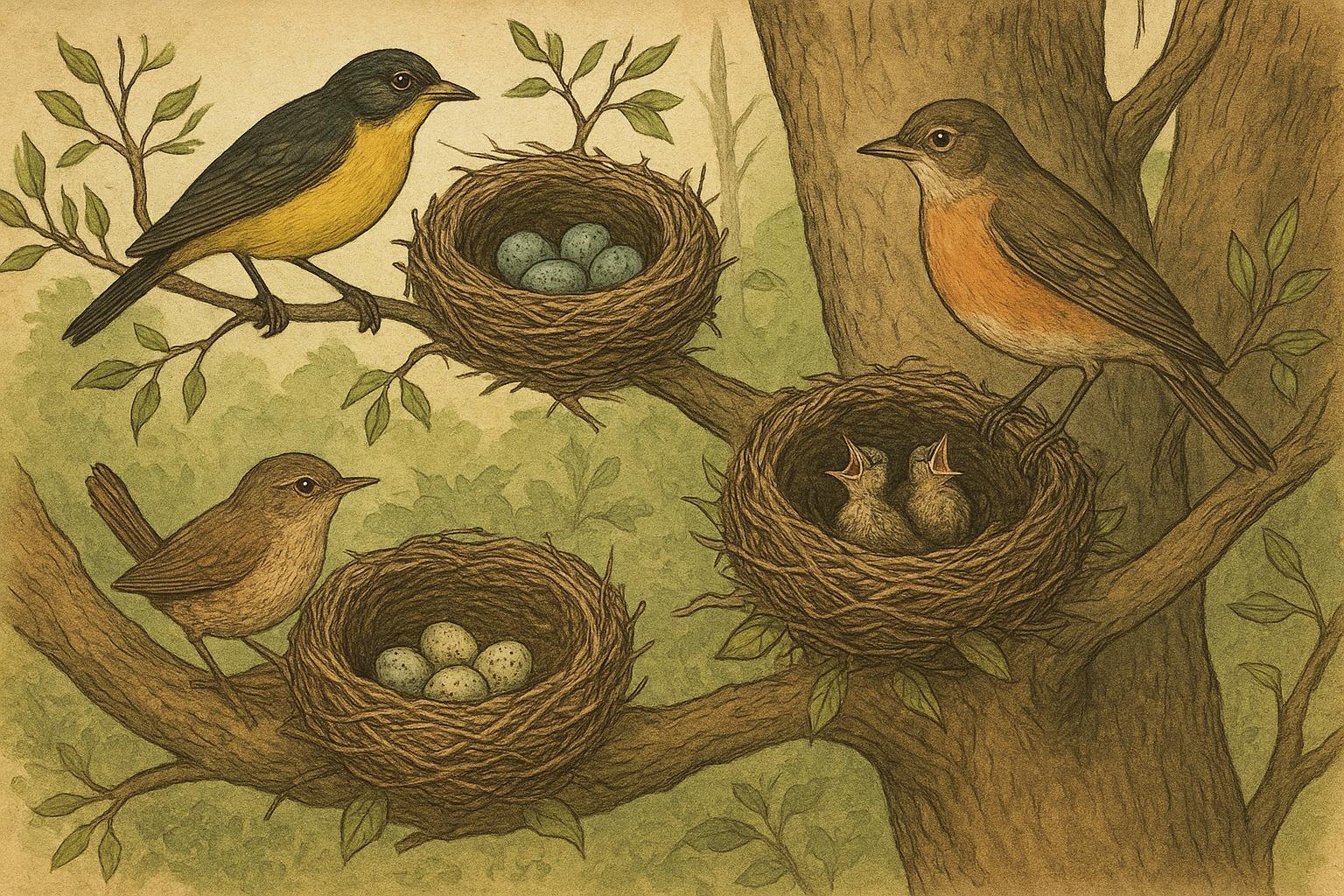
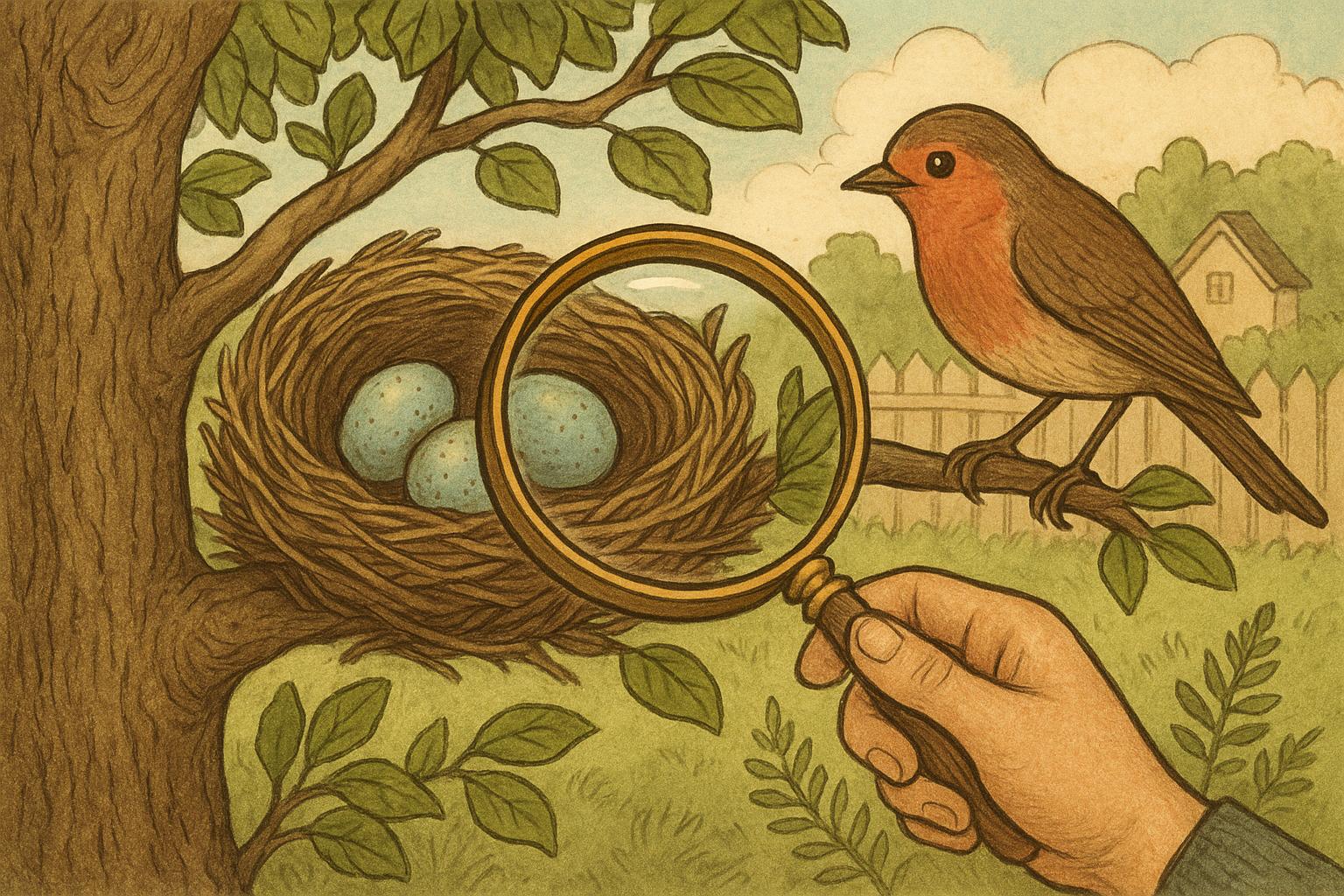
Get close enough to see whether the bird is truly a nestling or a fledgling. A nestling will be mostly naked or downy, eyes often closed or barely open, and unable to perch. A fledgling looks more like a small adult and can hop or flutter, even if awkward. If you’re unsure, observe for 15–30 minutes from a short distance. Parents often come back to feed even when humans are nearby.
If you decide you need to intervene, follow clear steps to take when you find a nestling: move slowly, keep pets and kids away, and avoid handling it more than necessary. Excessive handling can chill the bird or make it stress. Remember, touch itself doesn’t cause most birds to be abandoned. But added stress can.
### How To Tell If It Needs Help
Look for injuries, extreme lethargy, or if the bird is on the ground after a storm and the nest is intact nearby. A wet or cold nestling that isn’t begging or opening its beak to feed is a red flag. Signs of urgent trouble include visible wounds, broken wings, or if predators were clearly around.
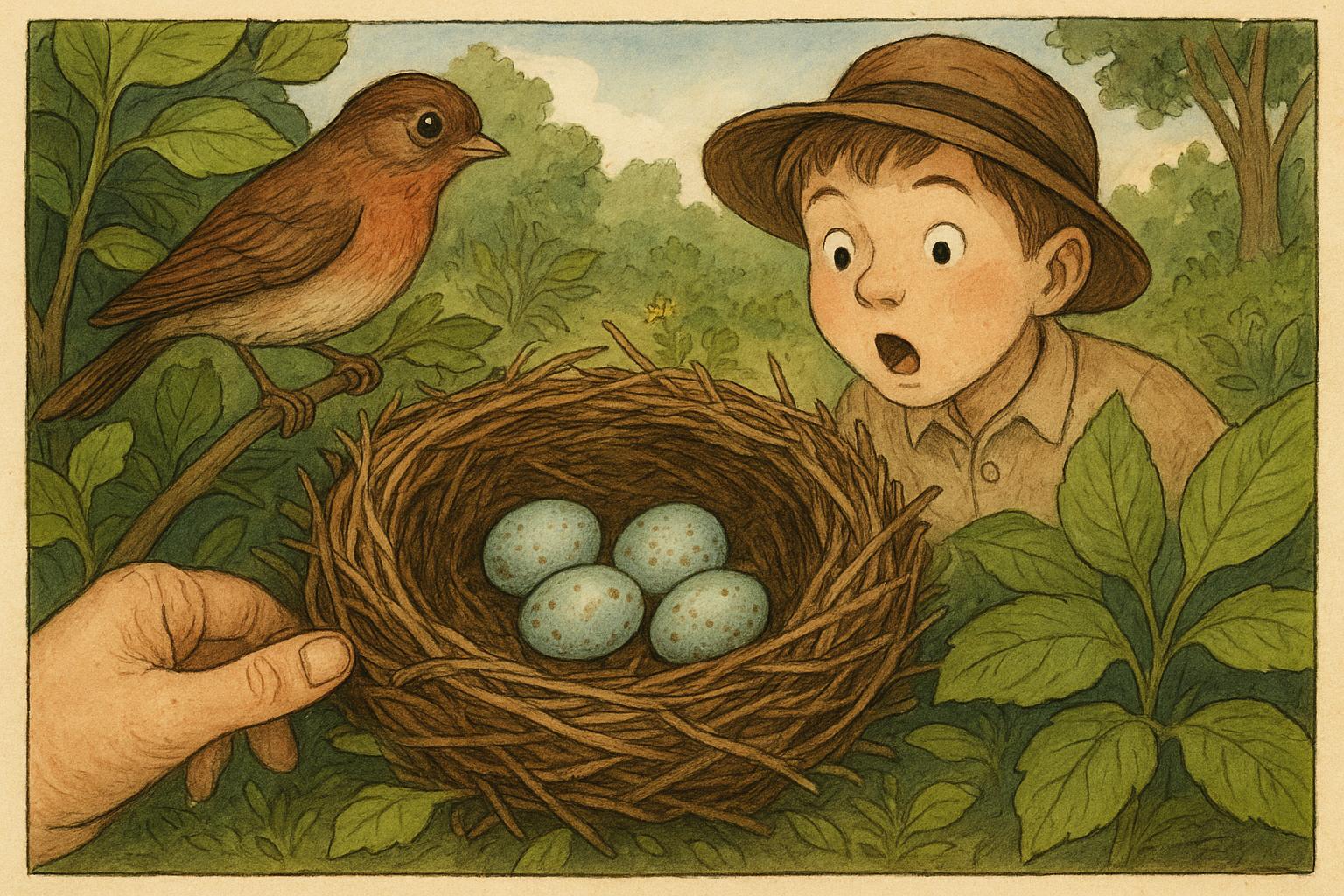
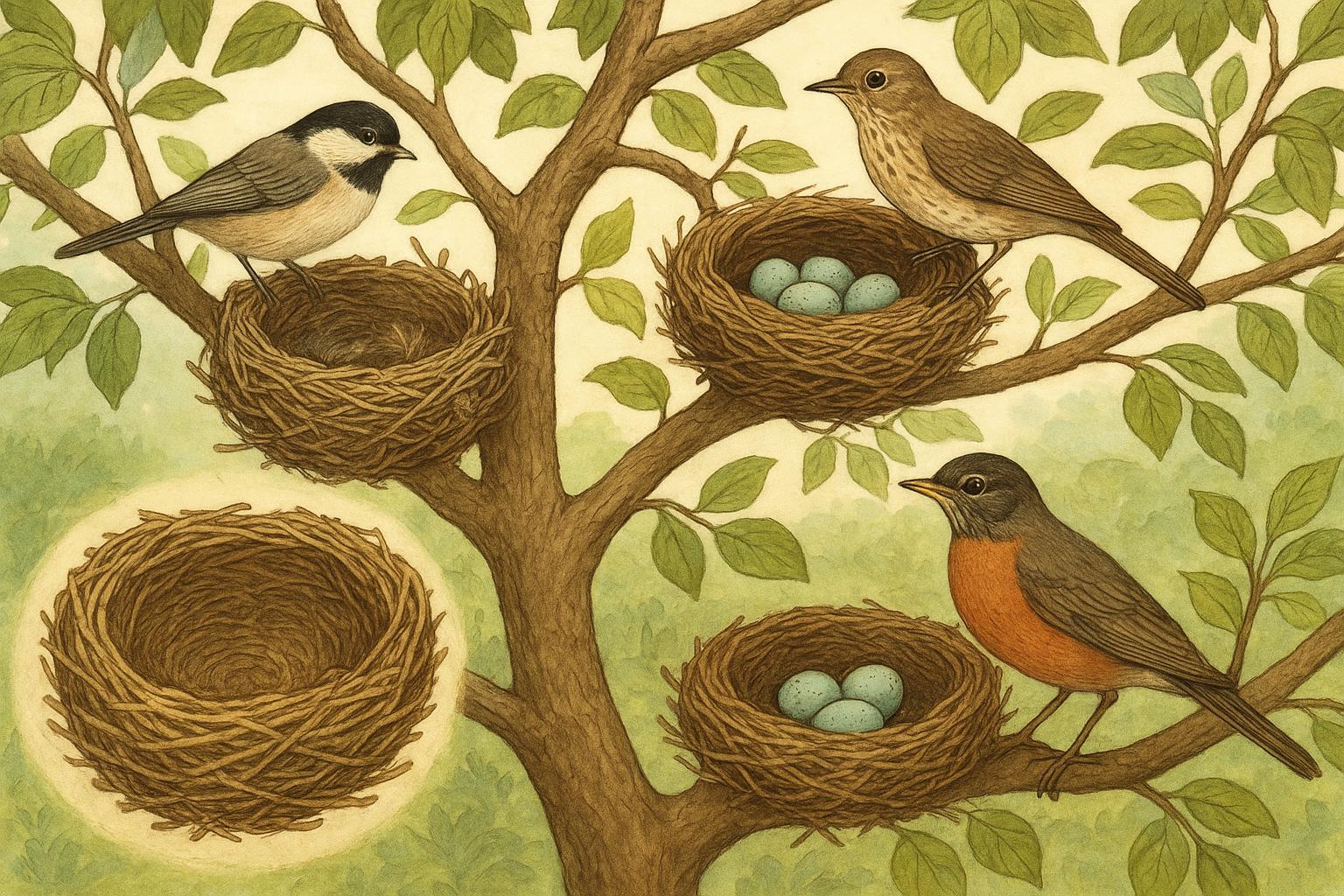
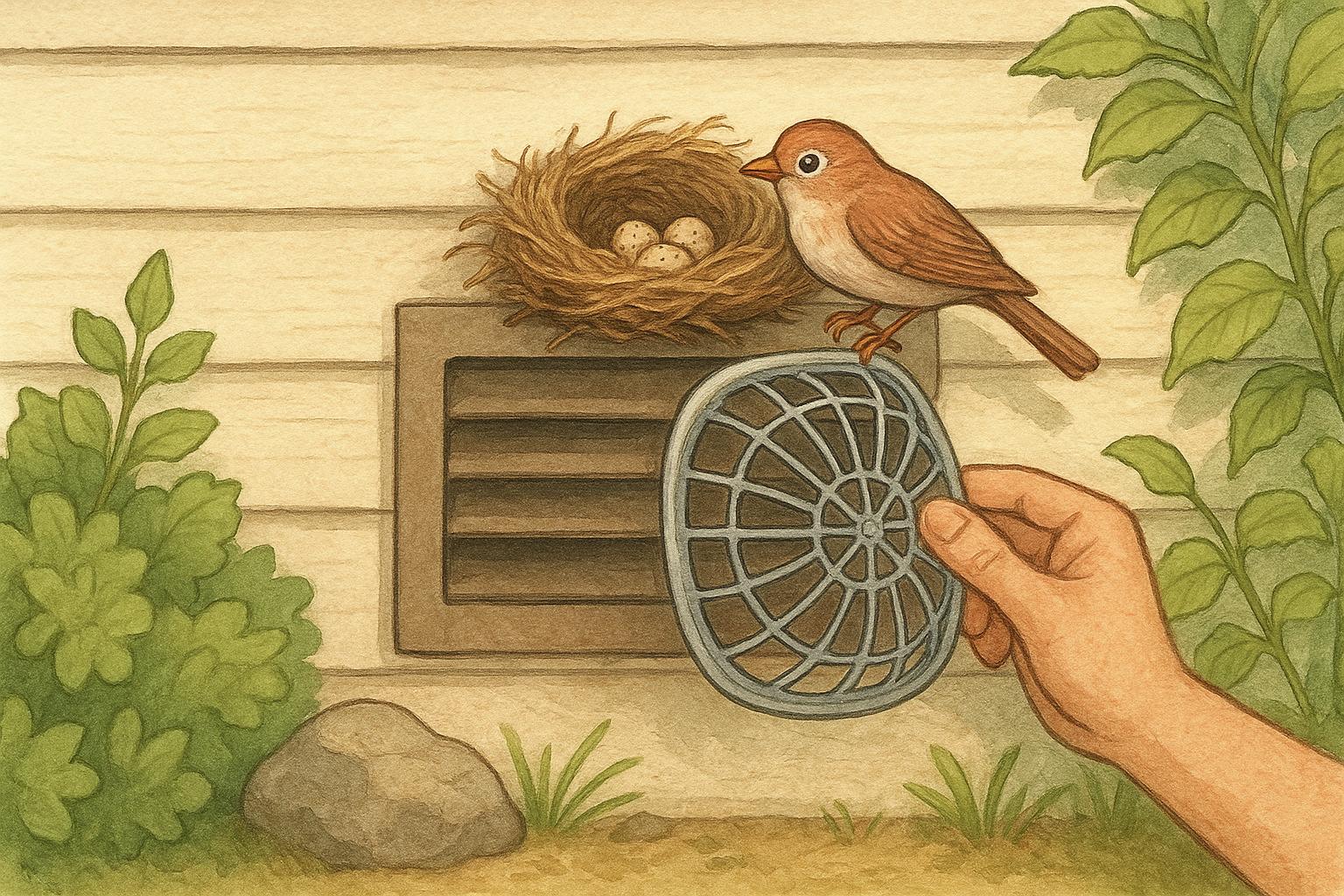
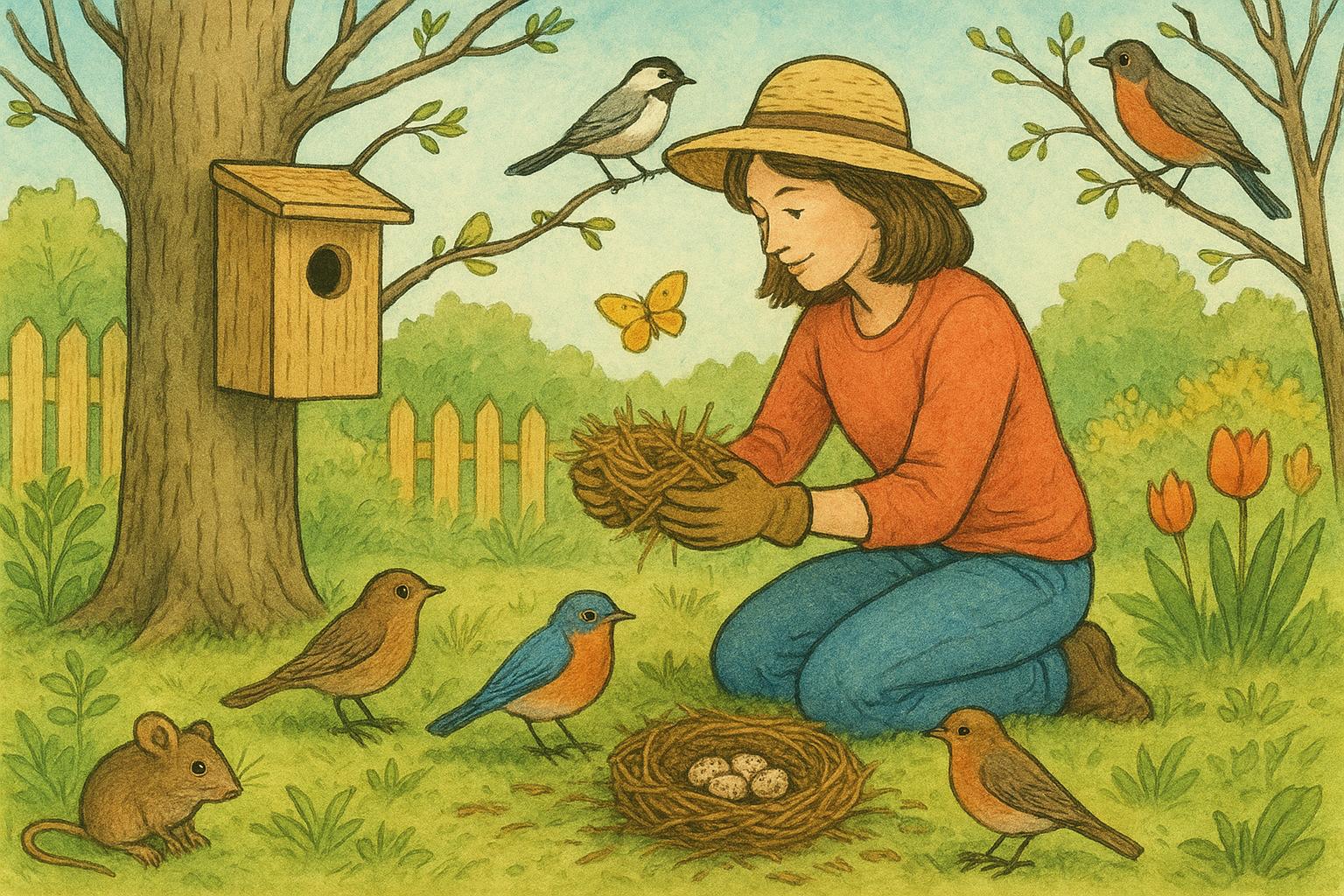
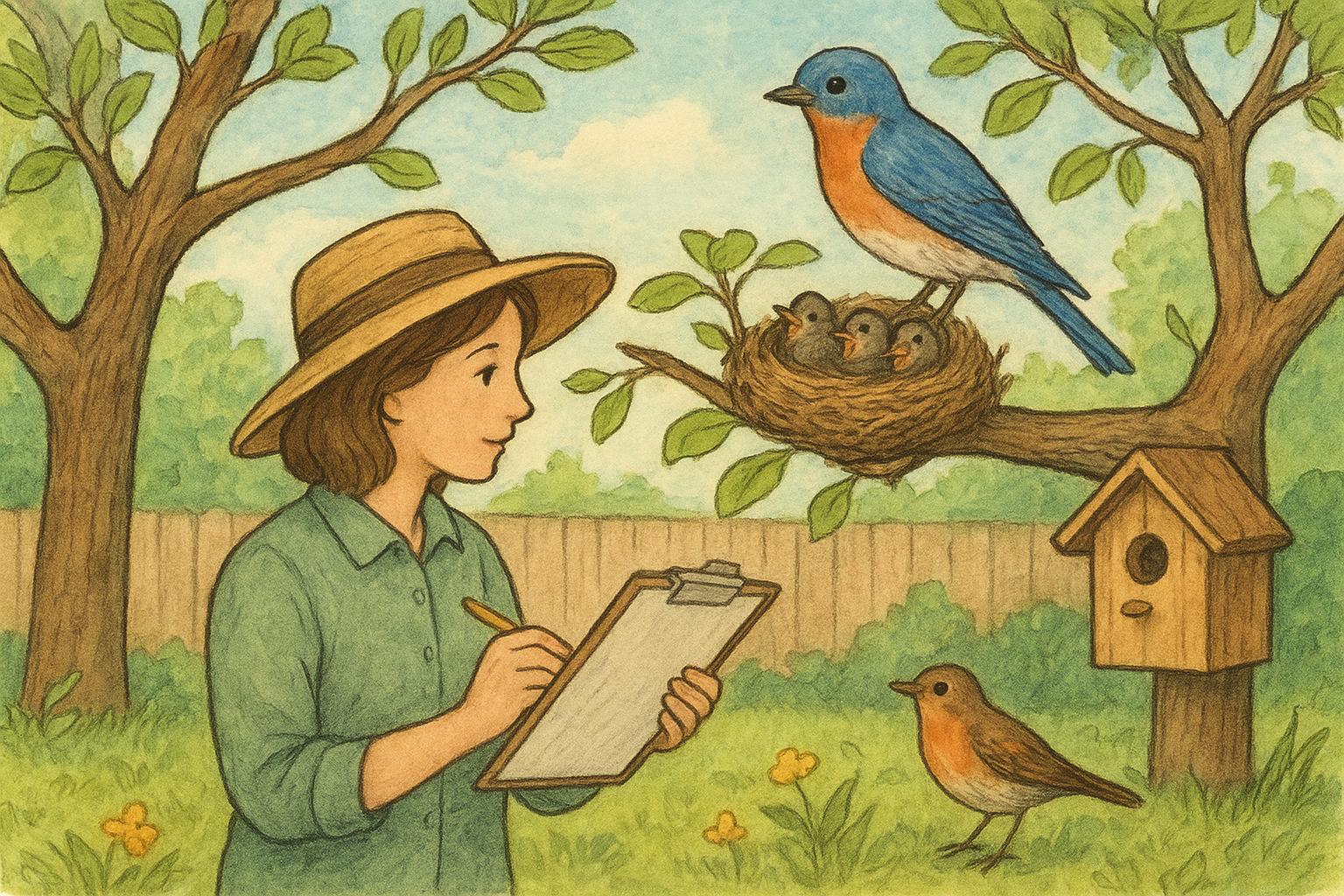
If it’s just fallen out of a damaged nest, one of the first steps to take when you find a nestling is to try to return it to the nest. If the nest is reachable and intact, gently lift the bird into a small container lined with soft cloth and place it back where you found it. Parents will usually accept it back. This is simple nestling care: warm, dry, in the right spot.
#### When To Leave It Alone
Sometimes the best action is no action. If the bird is in a shrub or on a low branch and appears alert and active, leave it be. Parents may be close by, feeding from a distance. Human presence can keep them away, so step back. If you’re in doubt, watch from inside for a while.
### Moving A Nestling Safely
If you must move a nestling, minimize time out of a nest or warm place. Use a soft cloth or small box. Don’t attempt to feed it yourself unless instructed by a rehabilitator—many common household foods are deadly to baby birds. Water is not a substitute. Keep the bird warm; hypothermia is common.
A short numbered list helps here:
1. Wear gloves or use a cloth to protect both you and the bird.
2. Place the bird in a snug box with ventilation and a soft towel.
3. Keep it warm with a wrapped hot water bottle or warm rice sock on low heat—check frequently.
That list is small because brevity matters when you’re nervous and the bird is fragile.
### Temporary Nestling Care If You Must Intervene
If you cannot return the nestling and must care for it overnight, provide a warm, quiet place away from pets. The goal of emergency nestling care is stability until professionals can take over. Do not attempt to raise the bird long-term unless you’re licensed and experienced. Feeding at the wrong temperature or with the wrong food can cause aspiration or death.
Call a local wildlife rehabilitator or animal control for instructions. Keep the bird in a small box lined with a towel. Keep the container dark and quiet. Check it periodically but avoid overhandling. If a rehabilitator isn’t available immediately, follow their instructions exactly; they may guide you to bring it in or deliver it to a vet.
#### How To Transport A Nestling
Short trips are best. Secure the box so it won’t slide and keep it at a consistent, warm temperature. Drive calmly. Sudden stops and starts stress the bird. If the bird seems injured, tell the rehabilitator or vet about visible wounds, bleeding, or if the bird appears unable to move a limb.
### When To Contact Professionals
Find a local wildlife rehabilitator by searching online directories, asking a vet, or calling animal control. Some rehabbers specialize in songbirds; others do raptors or waterfowl. If a professional says to bring the bird in, follow their guidance for containment and transport. Explain exactly where and when you found the bird and what you observed. That detail helps with triage.
One of the practical steps to take when you find a nestling is writing down your location and the condition of the nest if possible. Photographs can be helpful for identification without disturbing the site. Avoid uploading images with exact GPS coordinates if you’re concerned about attracting collectors, but share location details with the rehabber.
### Legal And Ethical Points To Know
In many places, handling native birds is regulated. It’s illegal to keep wild birds without a permit. That makes phone calls and quick contact with rehabbers important. Species identification matters too; some birds require specialist care. Don’t use antibiotics, milk, or bread. Those are common mistakes and often fatal.
When a neighbor asks what to do, advise them using the same practical steps to take when you find a nestling: observe, minimize handling, warm if necessary, and call a pro. Offer to watch the area for feeding visits rather than attempting home remedies.
#### Preventing Future Falls
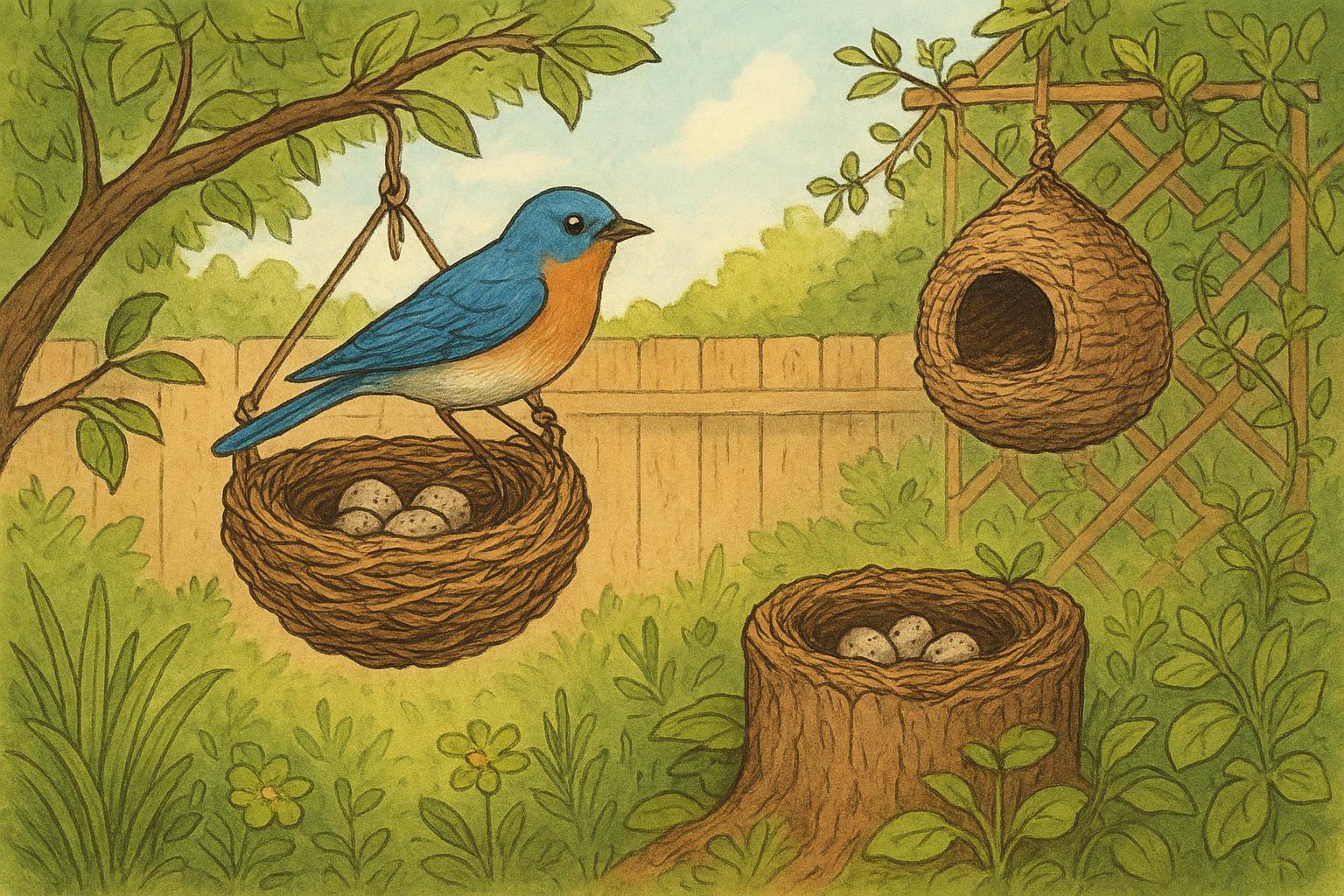
If a nest fell because of cats, secure outdoor cats or bring them indoors during nesting season. Trim branches carefully and check birdhouses for structural problems each spring. Nestling survival improves when the environment is safer and quieter.
If you’re worried about wildlife in your yard, consider putting up a simple sign or educated note for family members about local birds and basic nestling care. Small, repeated actions protect more birds than heroic last-minute rescues.
There’s more to learn on species-specific diets, but those details belong with a rehabber. For now, stabilize and seek help. If you act quickly and calmly, you do the most useful thing for a vulnerable bird. The right next steps to take when you find a nestling are often the quiet, patient ones: observe, protect, and connect with someone who knows what to do. Be prepared to hand it over; that’s the best outcome for most nestlings that need help. If you’re unsure, call first—don’t just assume. I’ve seen people try to feed a baby bird bread and definately watch it worsen.





Leave a Reply