
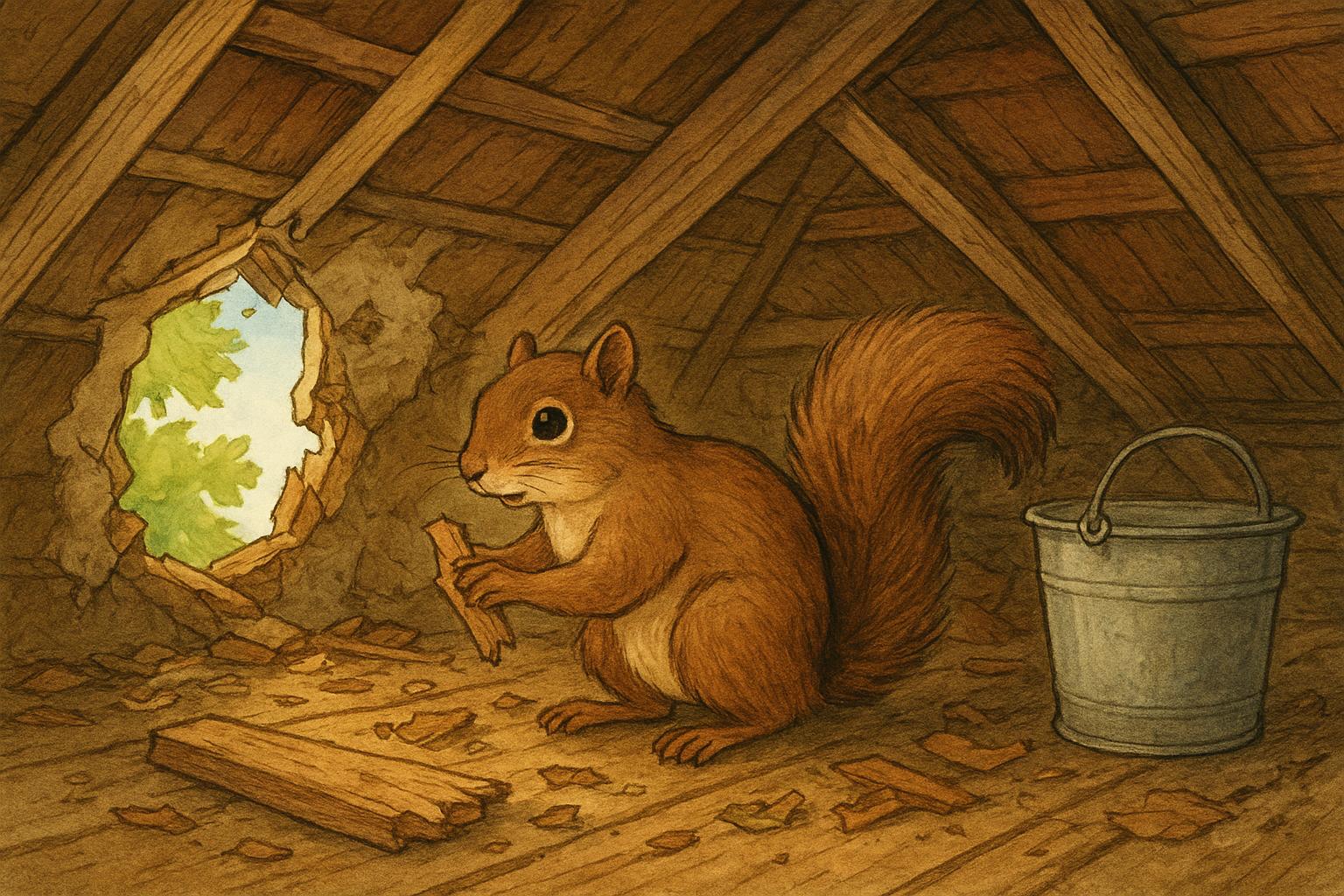
Squirrels in your attic are loud, messy, and surprisingly good at finding weak spots. Fixing that problem once takes less time and money than repairing chewed wiring, ruined insulation, or a nest full of droppings. Start by treating this as a building problem, not just a wildlife annoyance.
## How To Prevent Squirrels In The Attic Without Breaking The Bank
(here’s how to stop them for good)
You want practical steps that work. The baseline is simple: find how they get in, close the hole, and remove attractions. That sentence sounds basic because it is. A lot of homeowners try fancy squirrel deterrents first — lights, sprays, fake owls — and they still end up with a critter in the rafters. The key is exclusion. Once you’ve blocked access, the other steps are maintenance and follow-up.
### Inspect The Exterior First
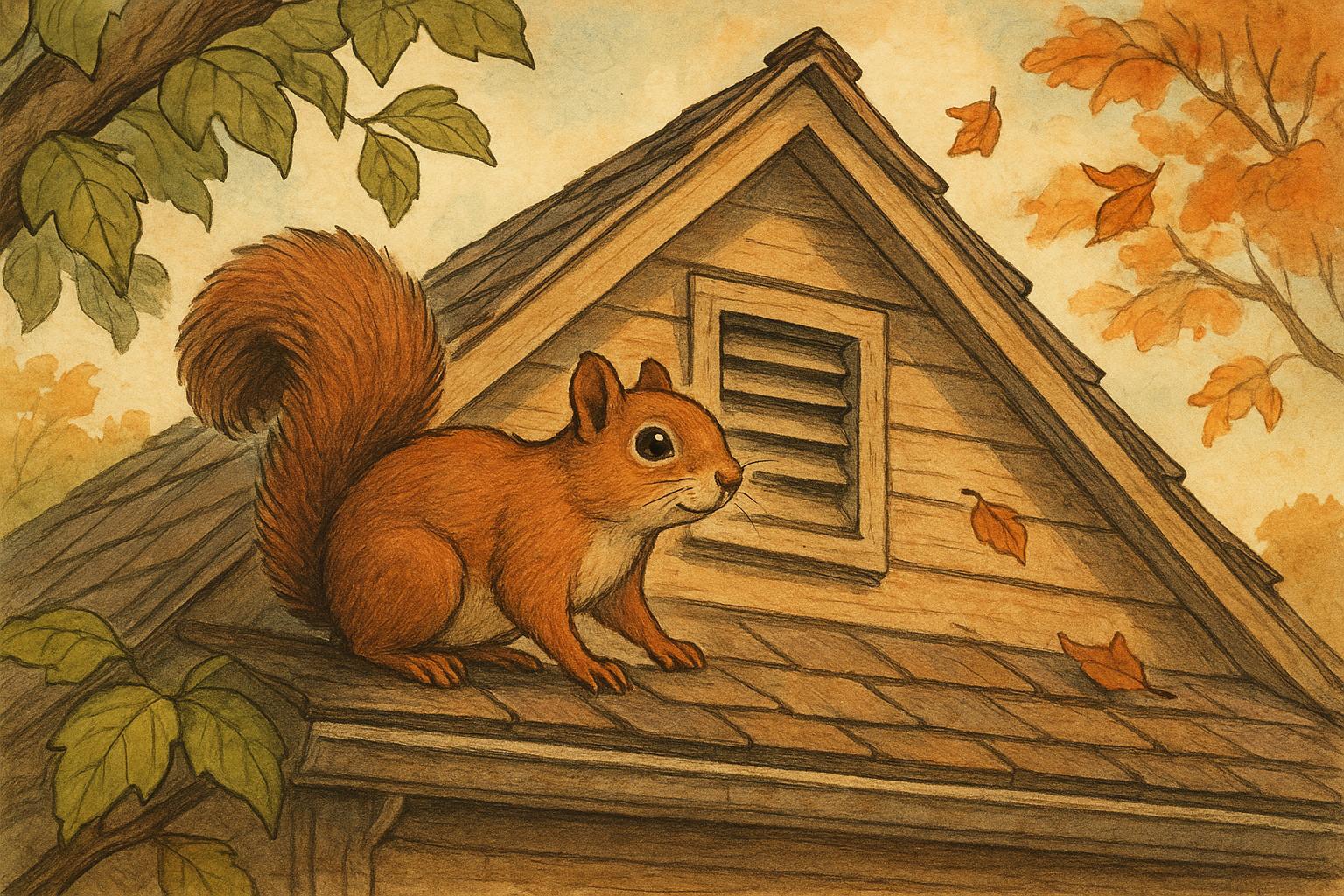
Walk the perimeter at eye height and then again from below the eaves. Look for torn soffits, loose fascia, gaps around roof vents, and missing chimney caps. Squirrels will squeeze through holes the size of a quarter if the edges are chewed or widened. They also use tree branches as bridges. If a limb brushes within a few feet of your roof, trim it back to create a clear run that’s at least six to eight feet away.
#### Common Entry Points To Check
– Roofline vents and gable vents
– Chimney without a cap or with a damaged cap
– Loose siding or peeling flashing
– Soffit vents with torn screens
### Seal Holes With The Right Materials
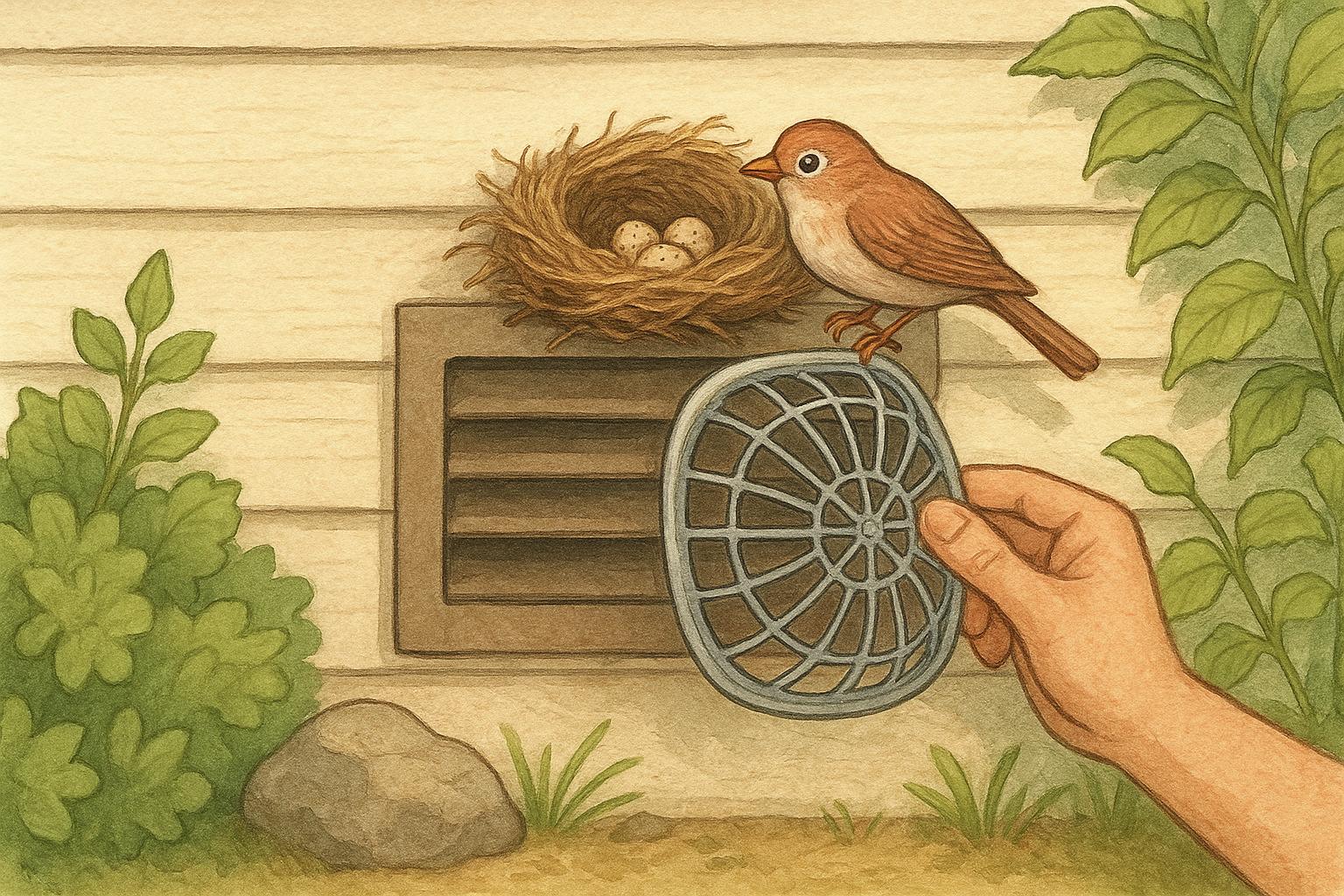
Hardware cloth, galvanized steel mesh, and sheet metal are your friends. Soft materials and plastic won’t hold up. Use screws and furring strips to attach metal mesh so it can’t be peeled off. For soffits and vents, replace torn screens and add 16-gauge hardware cloth behind the soffit. When you repair a hole, make the patch bigger than the gap; squirrels will start chewing the perimeter if there’s any weak edge.
How to prevent squirrels in the attic includes responding fast. A small repair now prevents a big reconstruction later.
### Use One-Way Doors If You Suspect They’re Nesting
If squirrels are already inside, you can’t just seal everything at once; young will be trapped. A one-way exclusion door lets animals leave but not come back. These are a humane and legal option in many places. Put the door on the main entry point and leave it for several days before patching the hole. Check at dawn and dusk. If you see activity, wait another day.
### Choose Squirrel Deterrents That Actually Work
Not all squirrel deterrents are created equal. Ultrasonic devices promise a lot but results are mixed. Motion-activated lights can discourage nighttime activity, but daytime chewing continues. Here are deterrents that tend to be worth trying:
– Predator scent or urine (use with caution and local regulations)
– Motion-activated sprinklers where yards are accessible
– Bright, motion-sensing lights near likely entry routes
Combine deterrents with exclusion work. Deterrents alone are often temporary fixes. Use them to buy time while you seal entry points.
### Make Your Yard Less Appealing
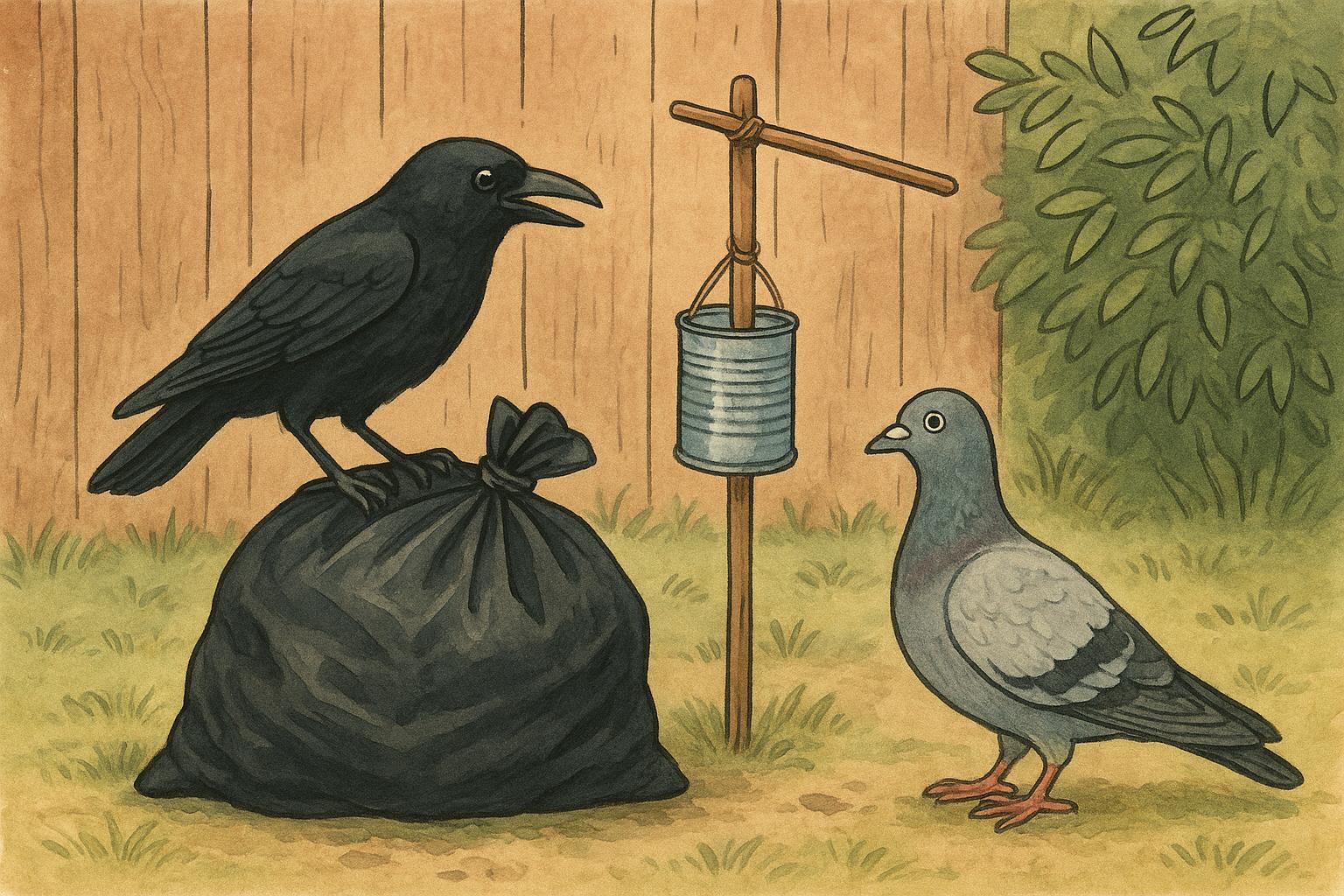
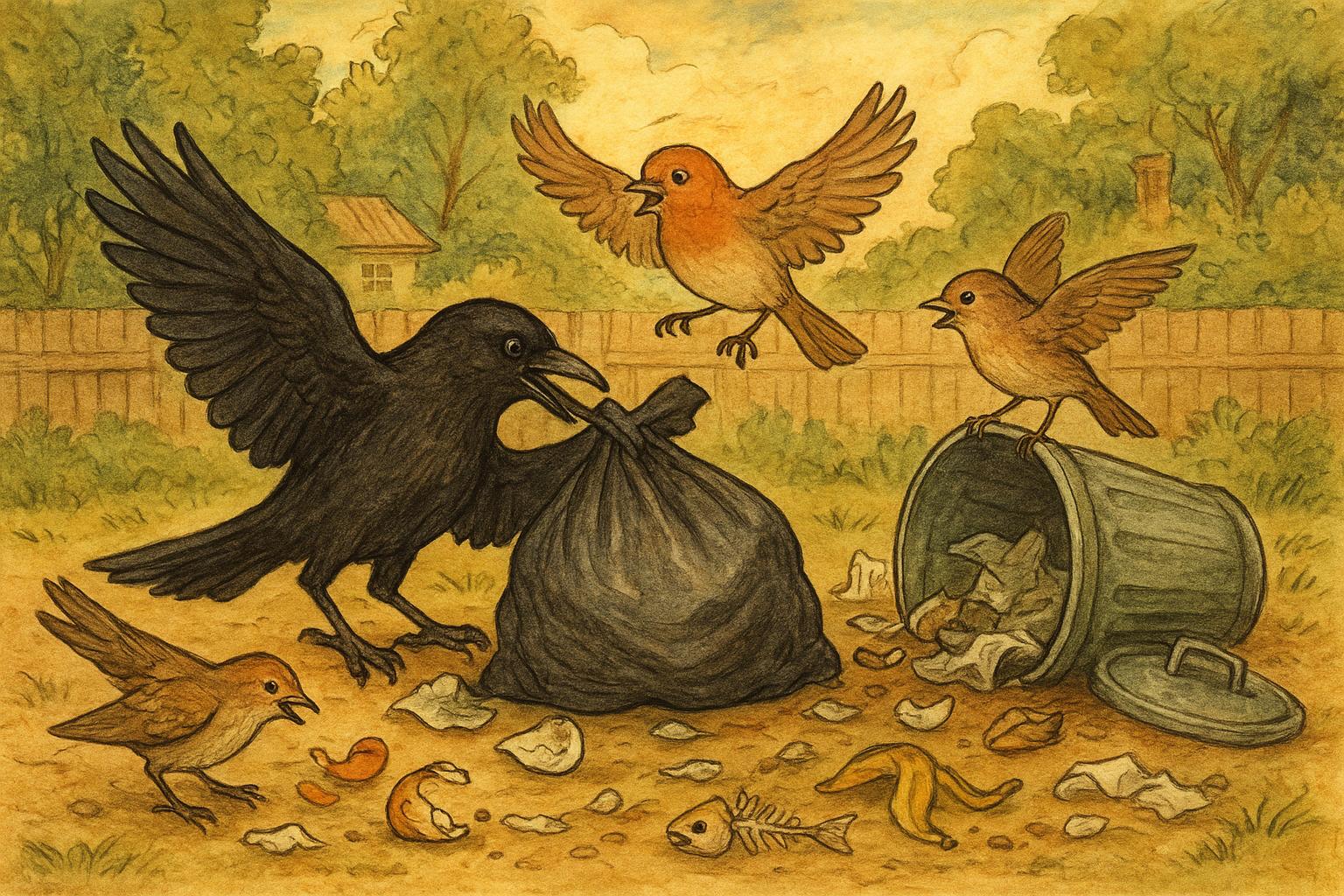
Squirrels are opportunists. Bird feeders are the top attractor. If you want to reduce visits, move feeders at least 30 feet from your house and use squirrel-proof designs. Secure trash cans with latches and avoid leaving pet food outside. If you have fruit trees, pick up fallen fruit promptly; it’s a buffet.
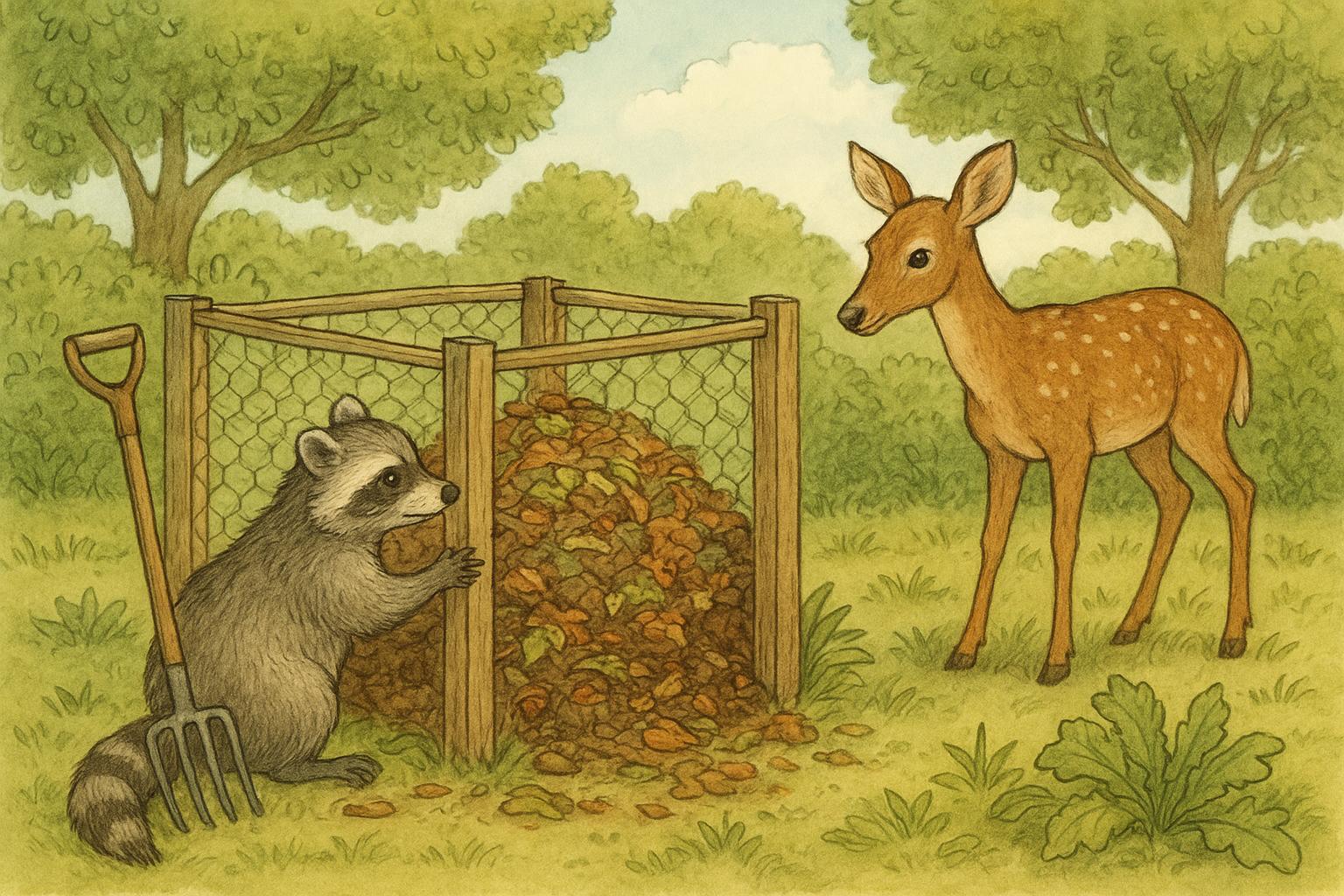
Squirrel prevention also means reducing places they can hide. Keep brush piles away from foundations and remove old wood stacks near the house.
#### Inside The Attic: What To Inspect
Once you’ve got them out, don’t assume everything’s fine. Pull back insulation and look for:
– Gnawed wiring or chewed cable jackets
– Nesting material and food caches
– Rodent droppings and urine staining
If you spot damage to wires, call an electrician. This isn’t the place for DIY guesses. Wire chewed by rodents can lead to fire hazards.
### When To Bring In A Professional
If the squirrels return after patching holes, if you find a large nest, or if the attic smells strongly of urine, call a licensed wildlife control firm. Professionals can do humane removals and also inspect for structural damage and disease risks. They’ll use chimney caps, predator-proof venting, and other long-term fixes that are harder to DIY. Expect to pay more than a handyman, but also expect fewer repeat problems.
### Handling Droppings And Contamination Safely
Attic droppings can carry parasites and pathogens. Don’t sweep them up with a broom. Wear gloves, a mask, and use a HEPA-filter vacuum or wet-wipe cleanup with disinfectant. If droppings are heavy, hire a remediation service. Ripping insulation out and replacing it is often cheaper than extensive decontamination later. Also, watch for fleas and ticks on pets after an attic infestation — they can hitch a ride indoors.
### Keep Up With Maintenance
Squirrel prevention is ongoing. Inspect roofs and trim trees every fall and spring. Replace damaged screens, keep gutter guards in good shape, and re-check any previous repair sites for new gnaw marks. It’s easier to fix a small notch than to rebuild a bay of the roof.
How to prevent squirrels in the attic is not a one-time chore. It’s a seasonal practice.
### Legal And Ethical Considerations
Check local wildlife regulations. In some areas squirrels are protected during nesting seasons and you can’t remove young without a permit. Live trapping and relocation may be restricted. Don’t use poisons; they cause unnecessary suffering and risk secondary poisoning to predators. When in doubt, consult a professional who knows local rules.
### Quick Weekend Checklist
– Walk the roofline for gaps and chew marks
– Trim branches back at least six feet
– Install or repair chimney caps and vents
– Move bird feeders and secure trash
– Set a one-way exclusion if you find active nesting
This approach is about stopping the problem at the building envelope and then managing attractants. Use sensible squirrel deterrents, not gimmicks. Seal well, inspect regularly, and call in pros for big jobs or complicated damage. You’ll sleep better knowing your attic isn’t a squirrel motel. And yes, you should change those insulation batts — they’re probably trashed and smelly by the time you notice signs of activity. Definately treat the wiring as suspect until an electrician signs off. If you’ve ever had this issue, you’ll know the feeling is part relief, part annoyance. It’s repairable, but it needs attention now, not later, so the problem doesn’t re-occur. How to prevent squirrels in the attic becomes much easier when you stop giving them easy entrances and free buffet lines. How to prevent squirrels in the attic means thinking like a builder and acting like a homeowner who wants the job done right. How to prevent squirrels in the attic works best when you combine exclusion, sensible squirrel deterrents, and routine squirrel prevention around the yard. Mispelled words in manuals and sticky notes are more forgivable than one chewed electrical wire.











Leave a Reply