
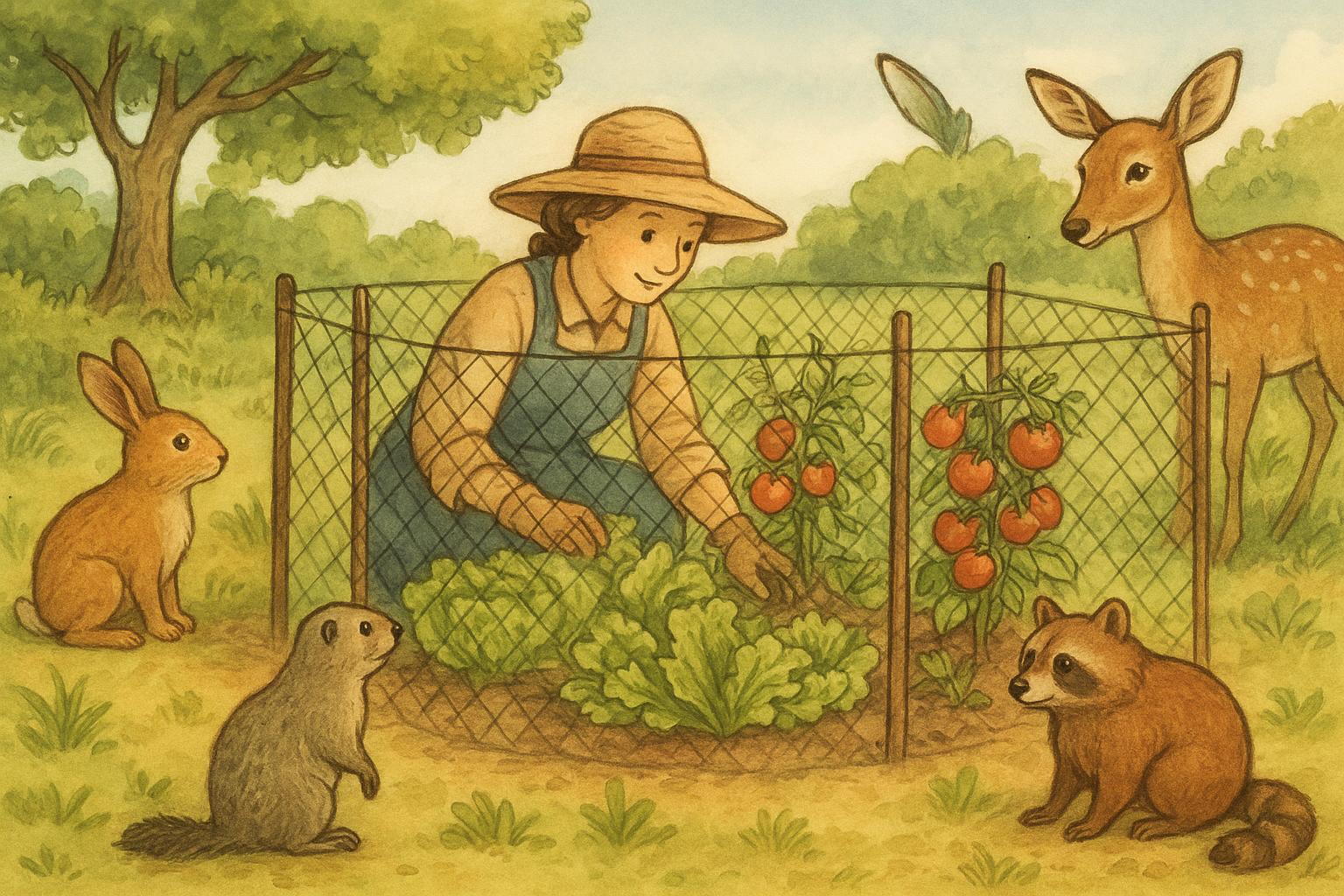
## Why Wildlife Targets Your Vegetable Plot
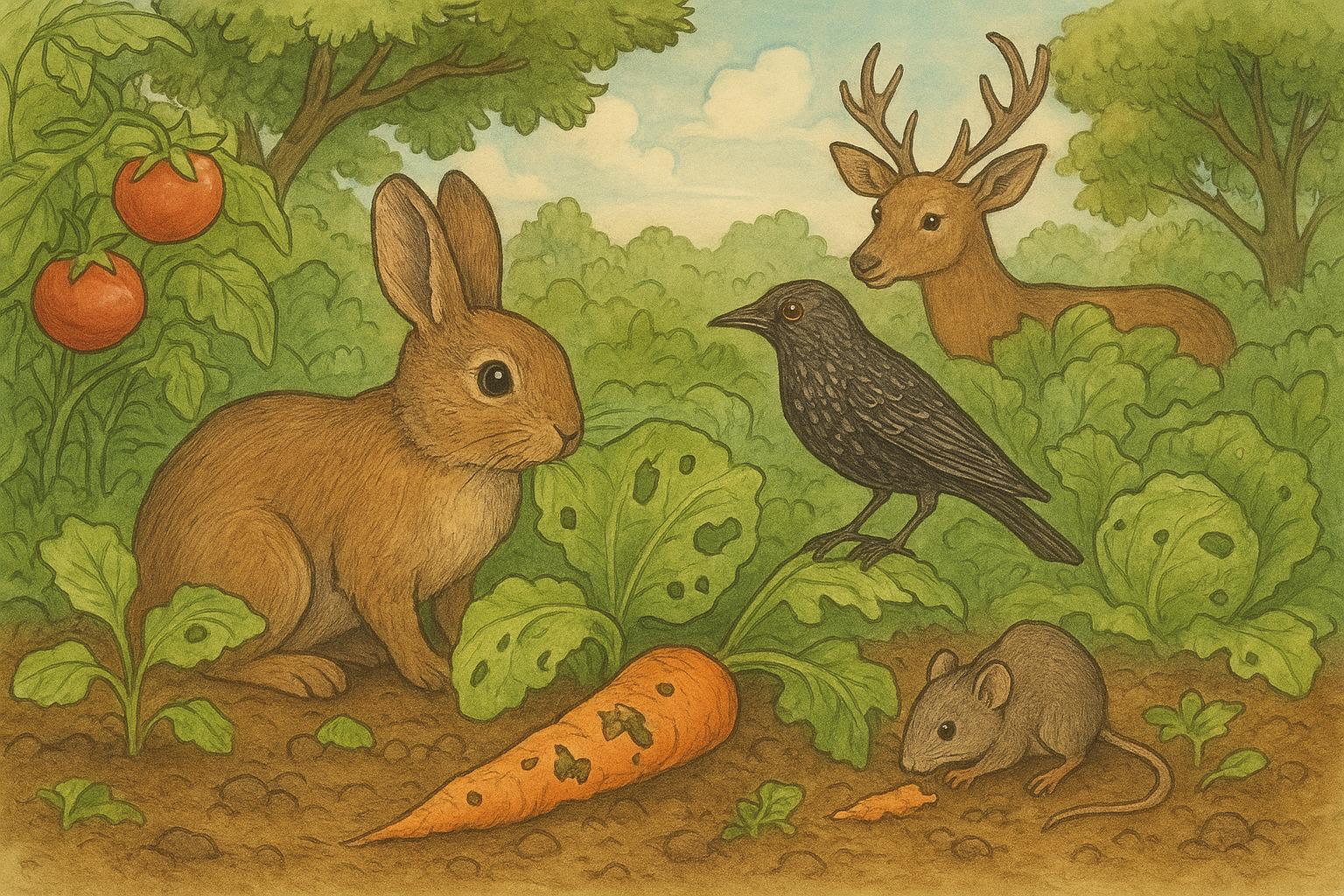
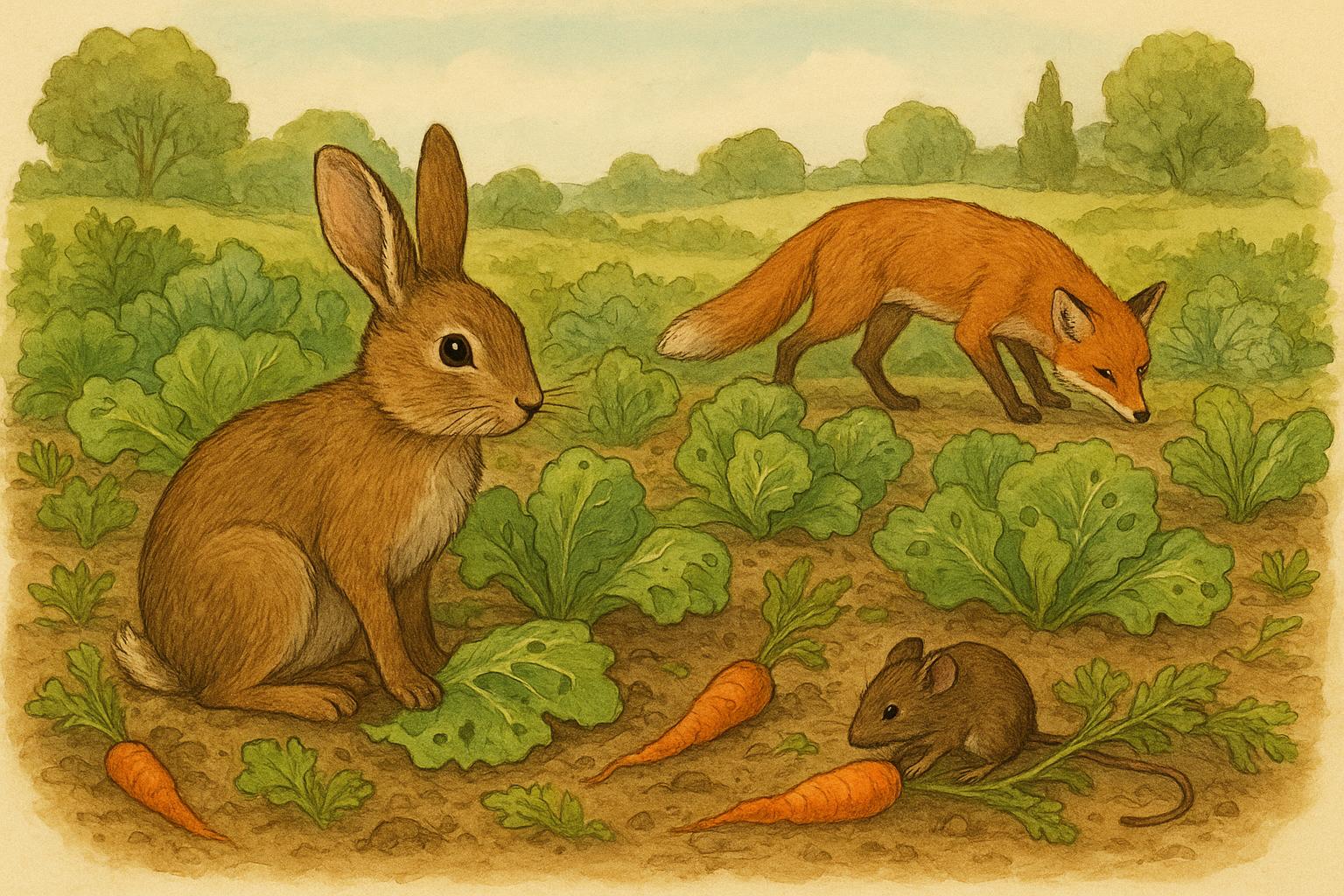
Animals don’t raid a patch of soil because they enjoy your aesthetic. They go for easy calories, shelter, or a safe travel route through your yard. Rabbits nibble tender shoots, deer browse taller plants, birds peck soft fruits, and rodents dig for roots and tubers. Knowing what’s coming through the fence — and why — helps you set reasonable defenses that work for the long run.
### Spot The Culprits First
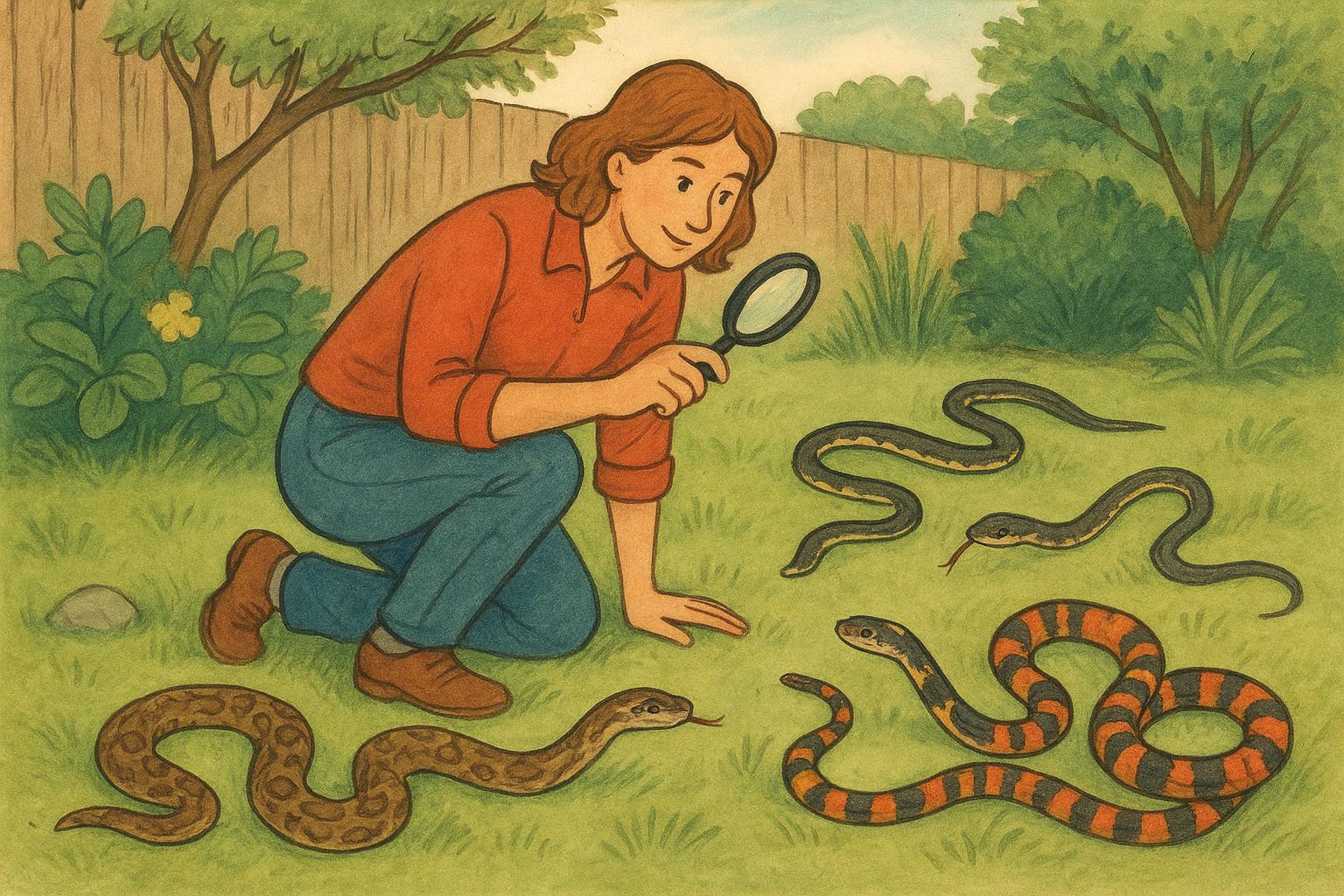
Look for signs before you set traps or buy sprays. Droppings, hoof prints, clipped stems, and trails of chewed leaves tell different stories. A row of small, triangular bites points to rabbits. Large, ragged edges on tomato plants suggest deer. Shallow pits and missing potatoes often mean voles or gophers. Take notes for a week. The pattern will suggest whether you need a high fence, buried hardware cloth, or lightweight netting.
## Practical Approaches To Protecting Vegetables From Wildlife
Protecting vegetables from wildlife is mostly about matching the right barrier to the right animal. A one-size-fits-all approach fails fast and looks expensive on your backyard budget. Below are practical methods that fit common problems and will let your vegetable garden produce more and frustrate fewer critters.
### Fencing And Physical Barriers
A physical fence is the single most reliable tool. For deer, install a fence at least eight feet high or two staggered 4-foot fences spaced a few feet apart — deer won’t risk jumping an unknown gap. For rabbits and ground pests, bury hardware cloth or woven wire at least 6 to 12 inches down from the fence line to block digging. Use 1/4- to 1/2-inch mesh for voles and smaller rodents.
#### Building An Effective Deer Fence
– Use sturdy posts and tensioned wire or woven panels.
– Add a top rail or angled extension if bucks attempt to clear the fence.
– Keep the perimeter clean; low shrubs can give animals a running start.
Raised beds help, too. They put root crops out of easy reach and let you combine above-ground netting with below-ground barriers.
### Netting, Cages, And Row Covers
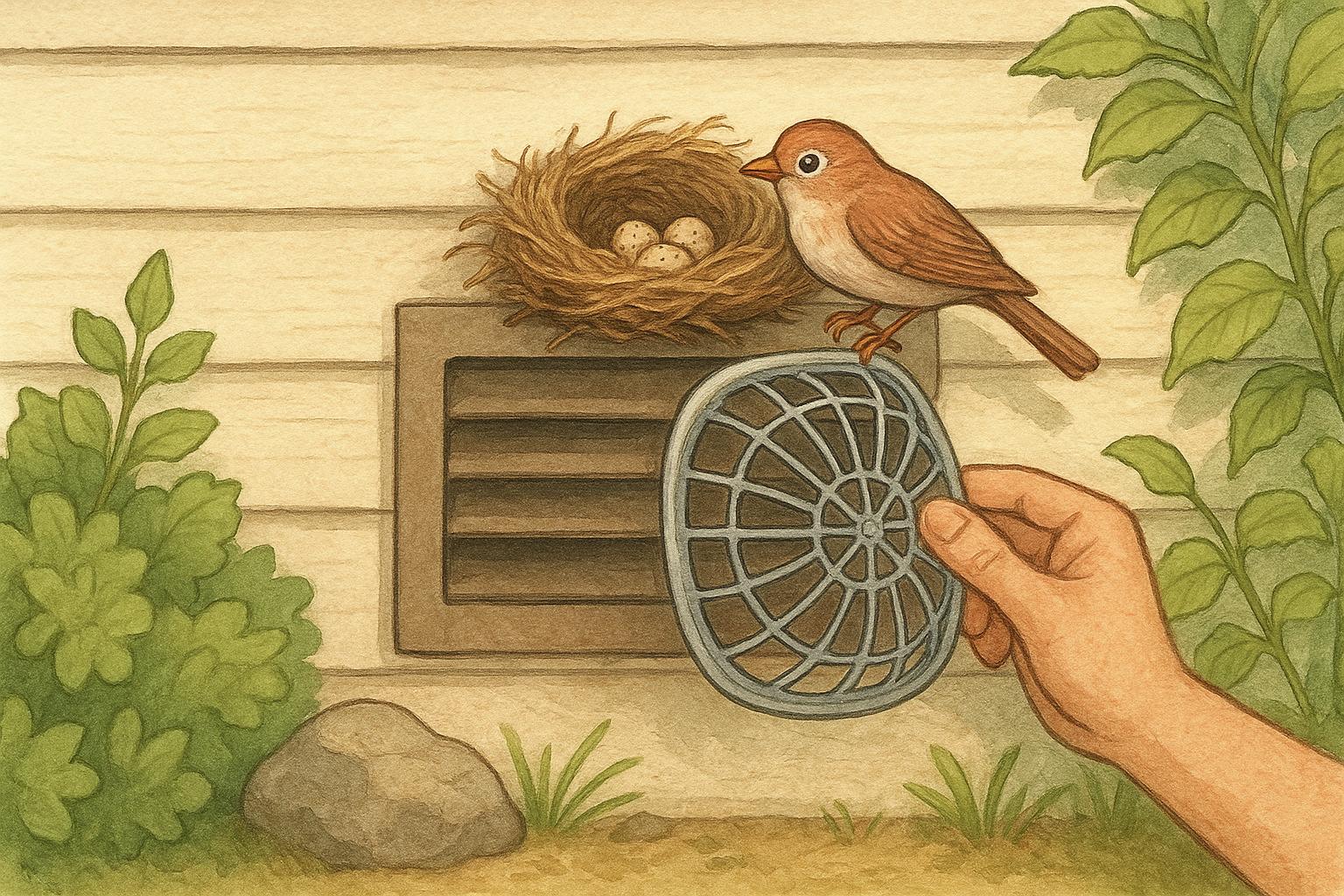
Netting keeps birds and small mammals away from fruiting plants. Drape row covers over low crops to shield seedlings from nibblers while still allowing light and rain. For brassicas and young tomato plants, individual cages of chicken wire or hardware cloth are surprisingly effective.
When you use netting, tension it so animals can’t get trapped underneath where they can still chew through. Remove or vent covers once plants need pollinators; many vegetables need insects to set fruit.
### Buried Barriers For Burrowing Animals
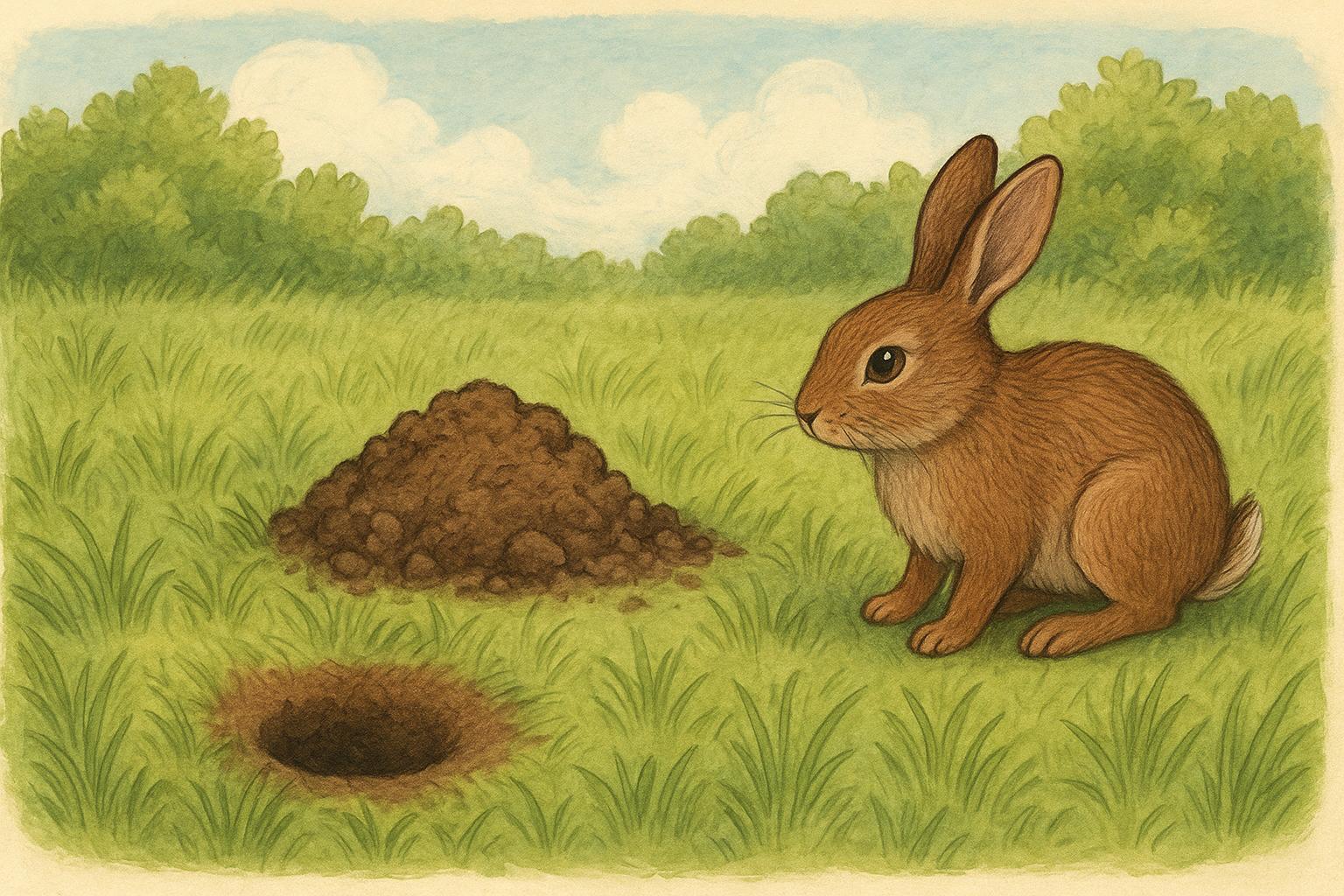
Gophers and voles are best handled with underground barriers. Line beds with hardware cloth before filling them or sink 1/4-inch mesh cylinders around individual plants. For larger plots, install a buried apron that extends horizontally into the soil to deter tunneling.
### Deterrents And Repellents
Scent and taste repellents can work when used strategically. Commercial repellents based on predator urine, blood meal, or capsaicin discourage many mammals if reapplied after rain. Home solutions like human hair, soap bars hung near plants, and ammonia-soaked rags have mixed results but are cheap experiments.
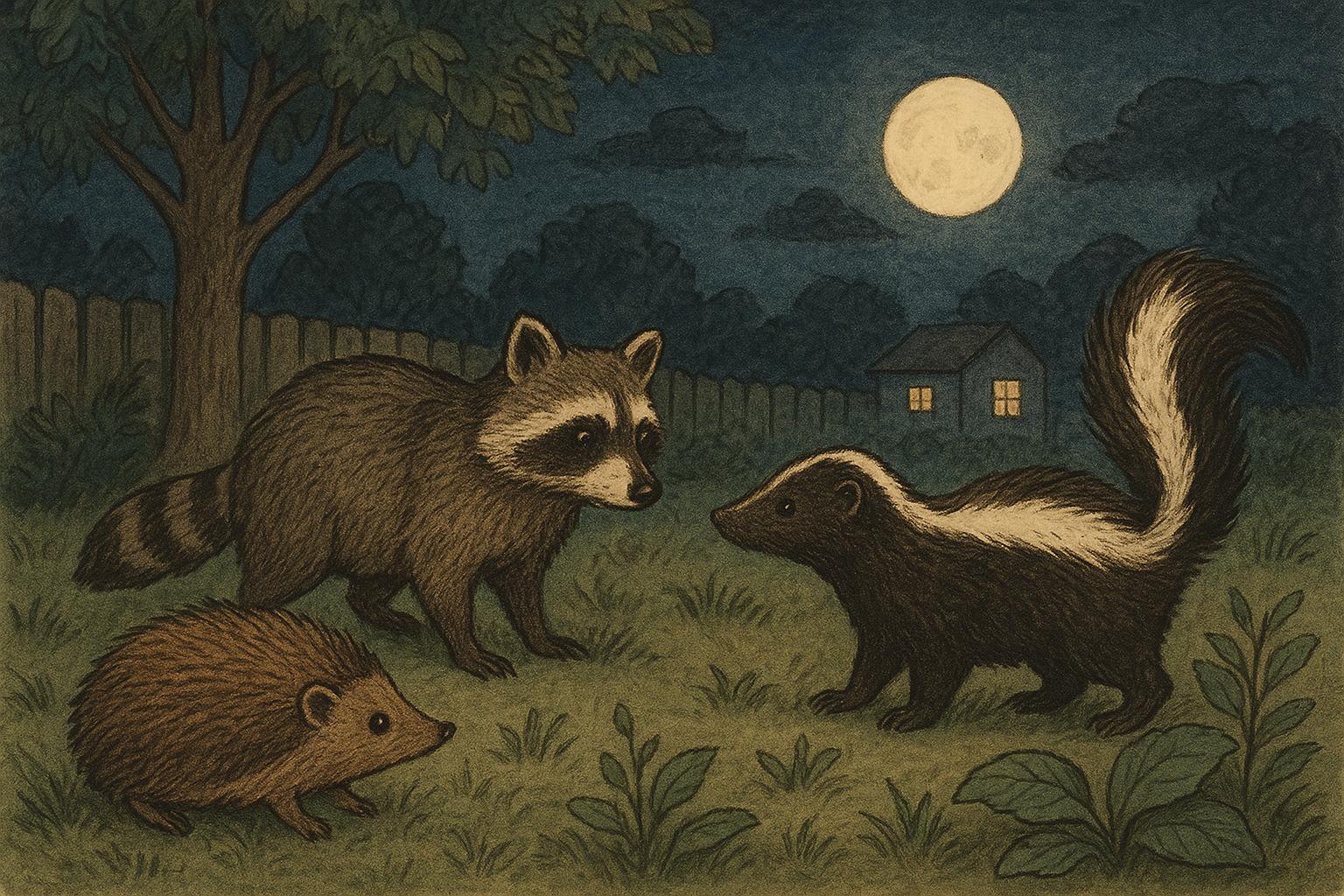
Motion-activated sprinklers startle raccoons and deer, and lights may dissuade night feeders. Be aware that animals become habituated; change tactics now and then. Overreliance on one smell or sound will lose effect.
### Companion Planting And Garden Design
Use plant placement to your advantage. Strongly scented herbs and flowers — rosemary, sage, marigolds — can mask the smell of young vegetables or act as a minor irritant to some pests. Put sacrificial plants like nasturtiums at the edge of your plot to distract aphids and slugs.
Design the layout so that frequently harvested crops are closest to the house. That increases observation and makes quick repairs to damage more likely. A tidy garden with clear paths reduces hiding spots for skunks and rabbits.
### Timing And Plant Choices
Fast-growing varieties and staggered planting reduce the window when plants are vulnerable. If deer repeatedly strip early peas, try sowing a faster variety or delaying planting until the animals have alternative food sources. Choose varieties with tougher leaves if rabbits are the main problem. Small changes to planting schedules and cultivar selection can cut losses without any hardware at all.
### Secure Food Sources And Remove Shelter
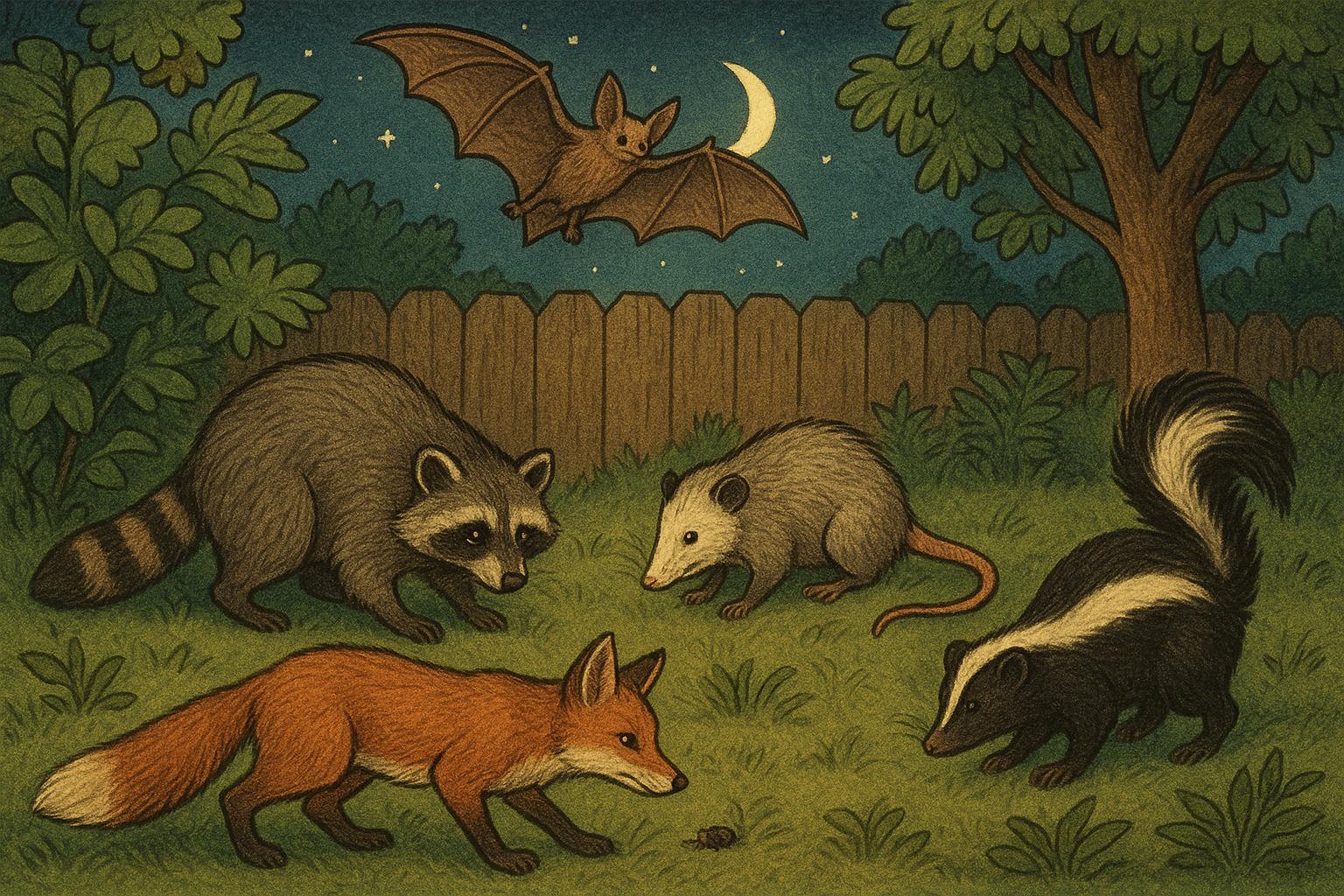
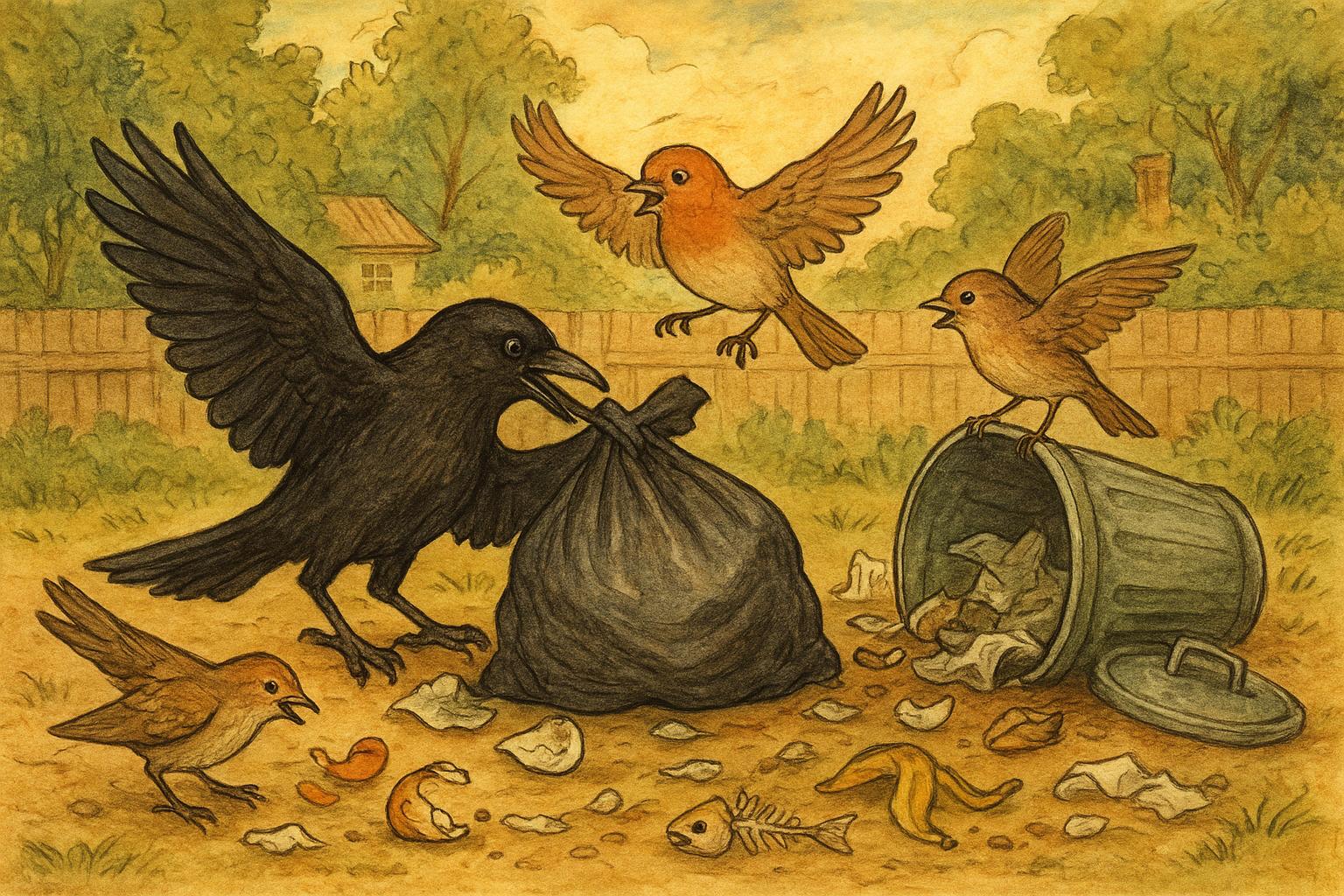
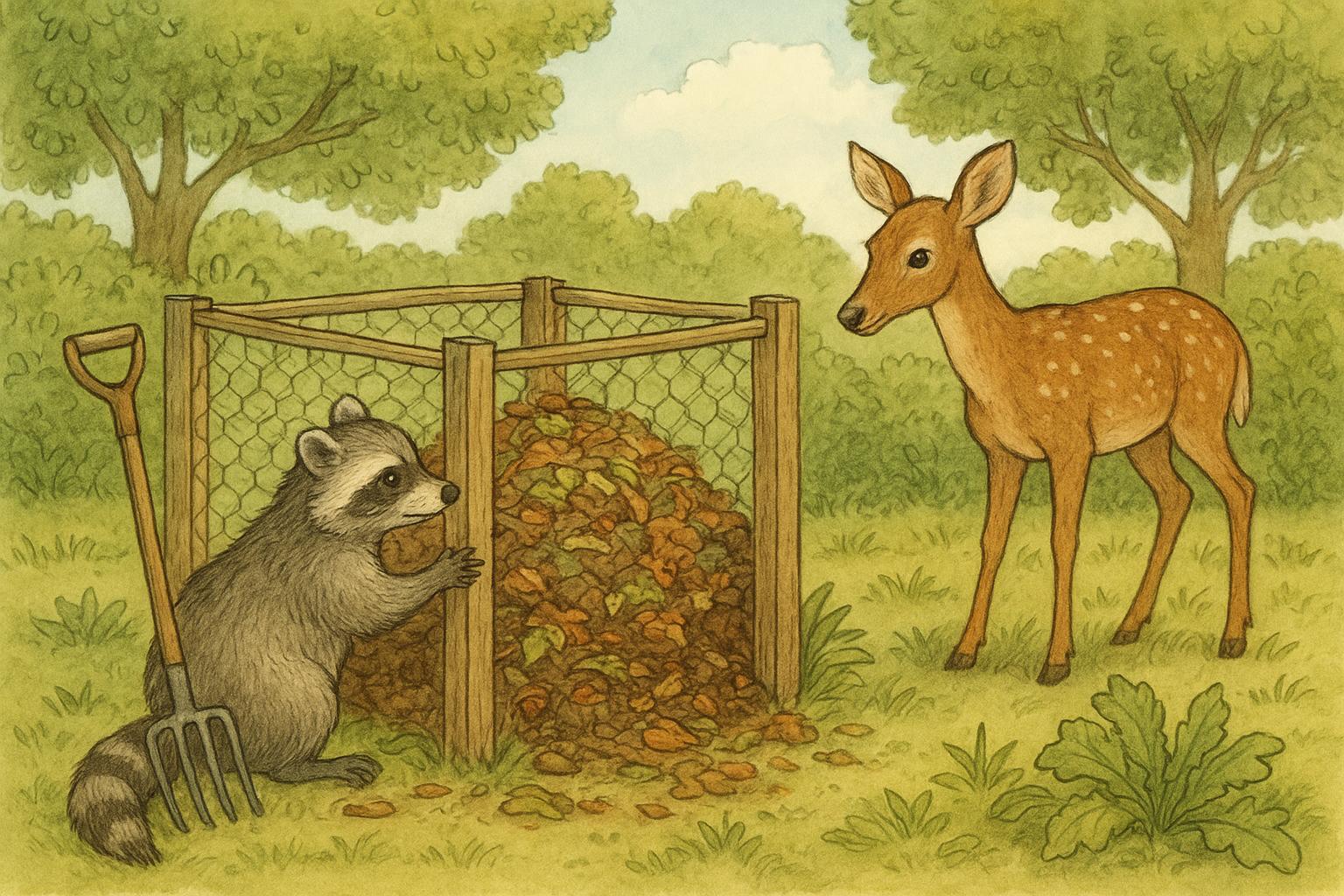
Raccoons and foxes are drawn by more than just produce. Secure compost bins, keep pet food indoors, and close garbage containers. Eliminate brush piles and dense ground cover that provide daytime shelter for rodents. A single neglected shed or overgrown corner becomes an animal motel overnight.
### Humane Capture And Legal Concerns
Live traps can work for nuisance animals, but check local regulations before relocating wildlife. Moving animals can spread disease, upset local ecology, and sometimes is illegal. For species you’re unsure about, contact local wildlife authorities or a licensed trapper. They can advise whether removal, exclusion, or habitat modification is the right move.
## Maintenance And Seasonal Tactics
Routine care pays off more than last-minute panic. Walk your vegetable garden weekly to check for fresh damage, sagging netting, or new burrows. Tighten fences in spring before young deer start testing boundaries, and inspect buried barriers after heavy rains.
### Winter And Off-Season Preparations
Protecting vegetables from wildlife doesn’t stop when the frost comes. Many animals use old beds for winter cover. Pull old plants, till lightly, and repair holes. Consider planting cover crops that aren’t attractive to local herbivores or that can be flailed down and removed before spring.
### Quick Fixes For Sudden Outbreaks
If you return to find a treated bed stripped overnight, act quickly. Erect temporary cages around the most vulnerable plants, sprinkle repellent, and set a motion-activated light. Quick, visible change tends to stop repeated visits more than subtle shifts.
### Monitoring And Adaptive Strategies
Keep a simple log with dates, species observed, and what tactics you tried. If a method fails twice, switch gears. Persistence is valuable, but so is flexibility. What works one season can fail the next as animal populations and food availability change.
## Tools And Supplies Worth Investing In
Spend money on a few good items: quality hardware cloth, heavy-duty netting, a reliable pair of post drivers, and motion-activated deterrents if raccoons or deer are a regular headache. Cheap netting tangles and becomes a hazard; cheap fencing sags and invites trespass. The right tool used properly saves time and plants.
### Final Practical Notes
Protecting vegetables from wildlife is not a single heroic act. It’s a series of small, sensible choices: matching barriers to pests, securing food and shelter, and maintaining your garden so it’s harder to exploit. Start with observation, apply the least invasive method likely to work, and adapt as needed. Your garden will reward steady attention more than any single expensive gadget. Also, remember that neighbors’ yards and local land use affect wildlife pressure — sometimes cooperation with nearby gardeners is the fastest path to fewer complaints from hungry critters and a healthier garden overall.
A quick tip: keep a roll of spare netting and a few extra stakes in your shed. When an animal finds a weakness, being able to patch it that afternoon makes all the difference. Occassional fixes beat permanent damage.


Leave a Reply