
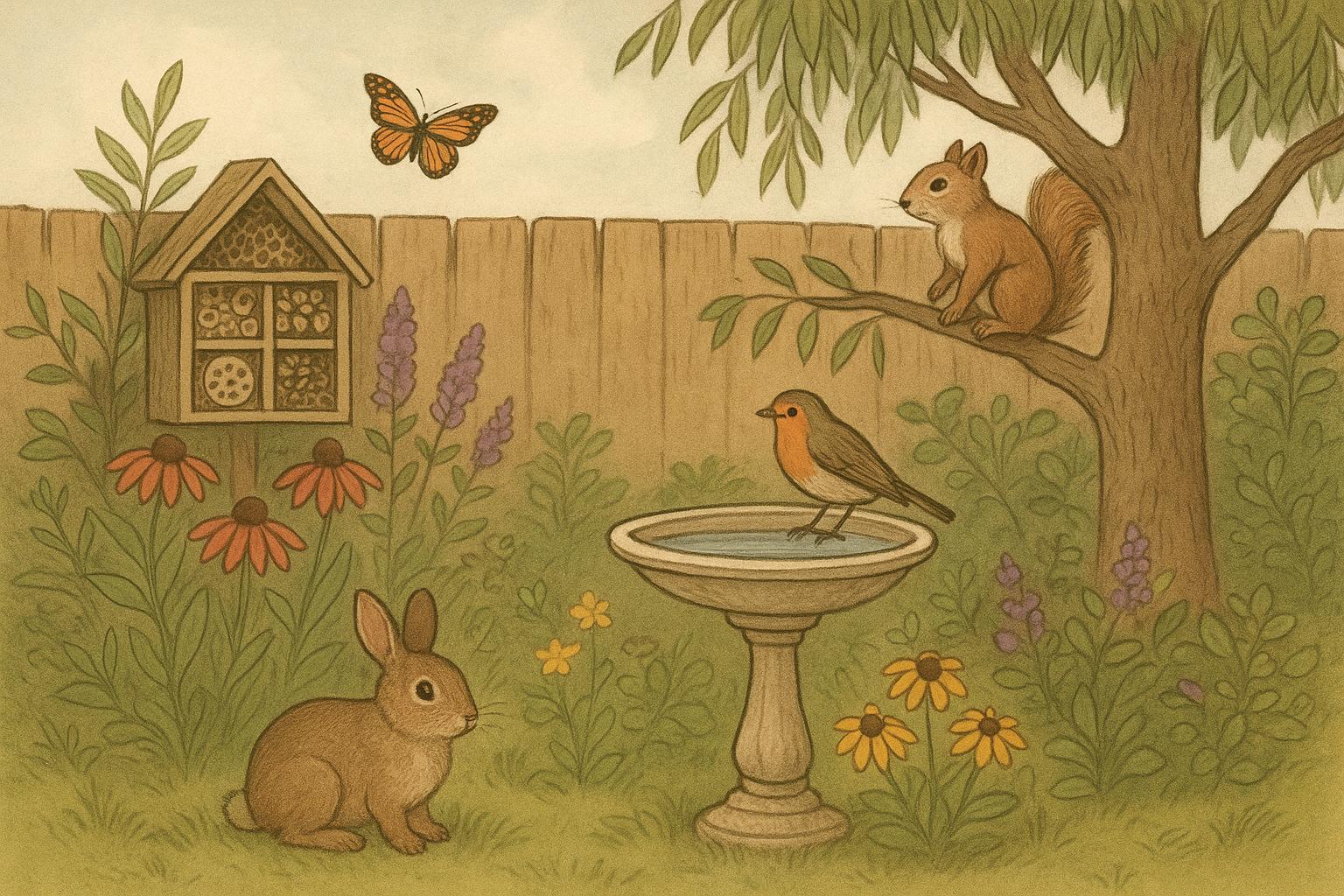
You can make a real, functioning wildlife patch out of half a yard or less. It’s about choices that do more with less, not about pretending your space is a nature reserve.
## Compact Yard Wildlife Habitat Ideas For Tiny Spaces
Start by deciding what you want to attract. Pollinators? Small birds? Frogs and beetles? Picking a primary target narrows plant lists and structures so your efforts actually show results. A single native shrub plus a small water feature will draw more bees and butterflies than a dozen ornamental plants that provide no nectar or cover.
Work vertically. Use a trellis for native vines, hang a few small planters, or mount a nesting box on a post. You can pack in layers — groundcover, a mid-height shrub, a climbing vine — and still leave room for a narrow path. Those layers make your yard feel bigger to wildlife and give different species the specific microhabitats they need.
## Plant Selection For Small Spaces
Native plants should be the backbone. They support local insects and, in turn, the birds that feed on them. Choose plants that flower at staggered times so something is blooming from early spring through late fall. A short list to consider: a native bee-friendly perennial, a small native shrub, and a native grass or sedge for structure.
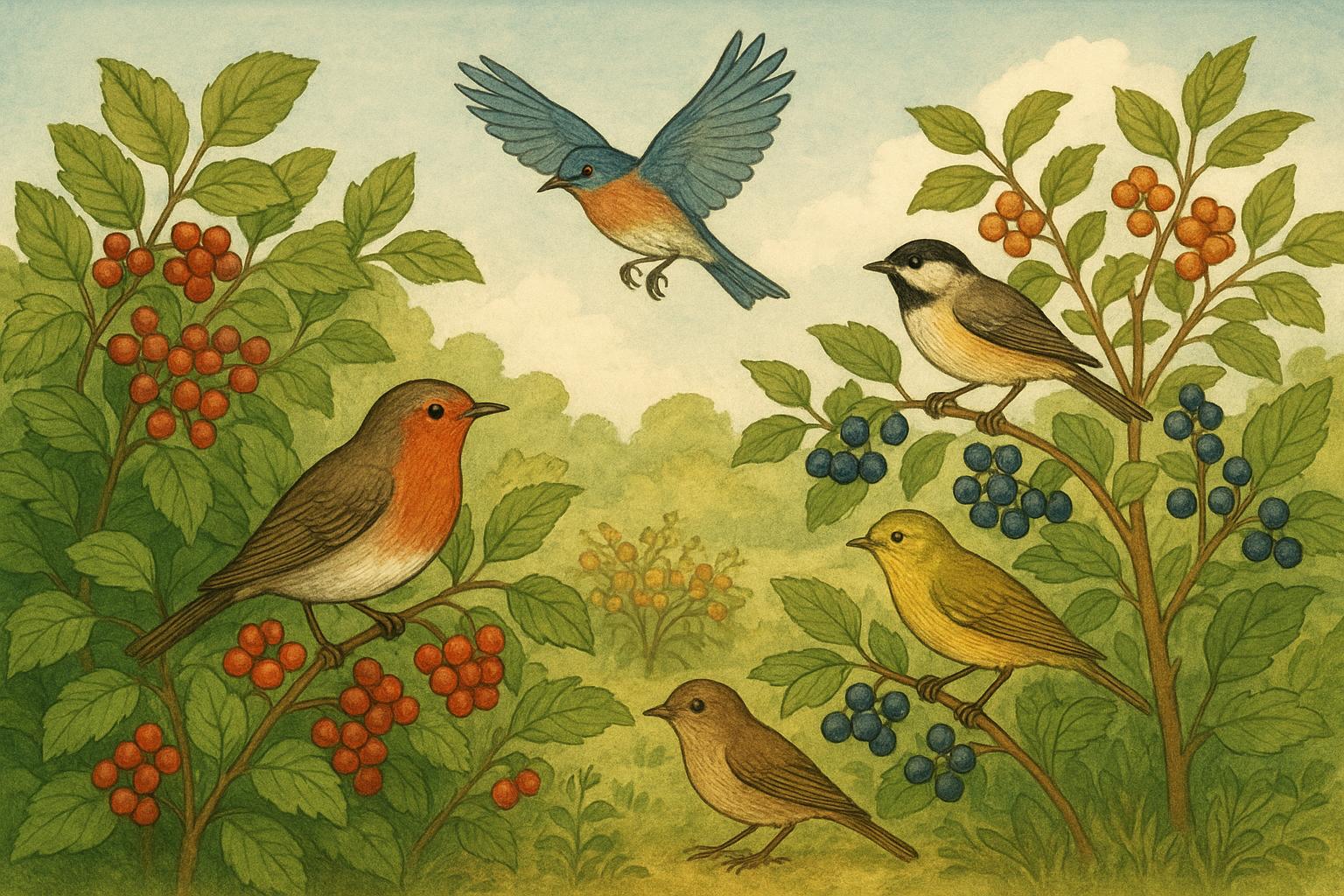
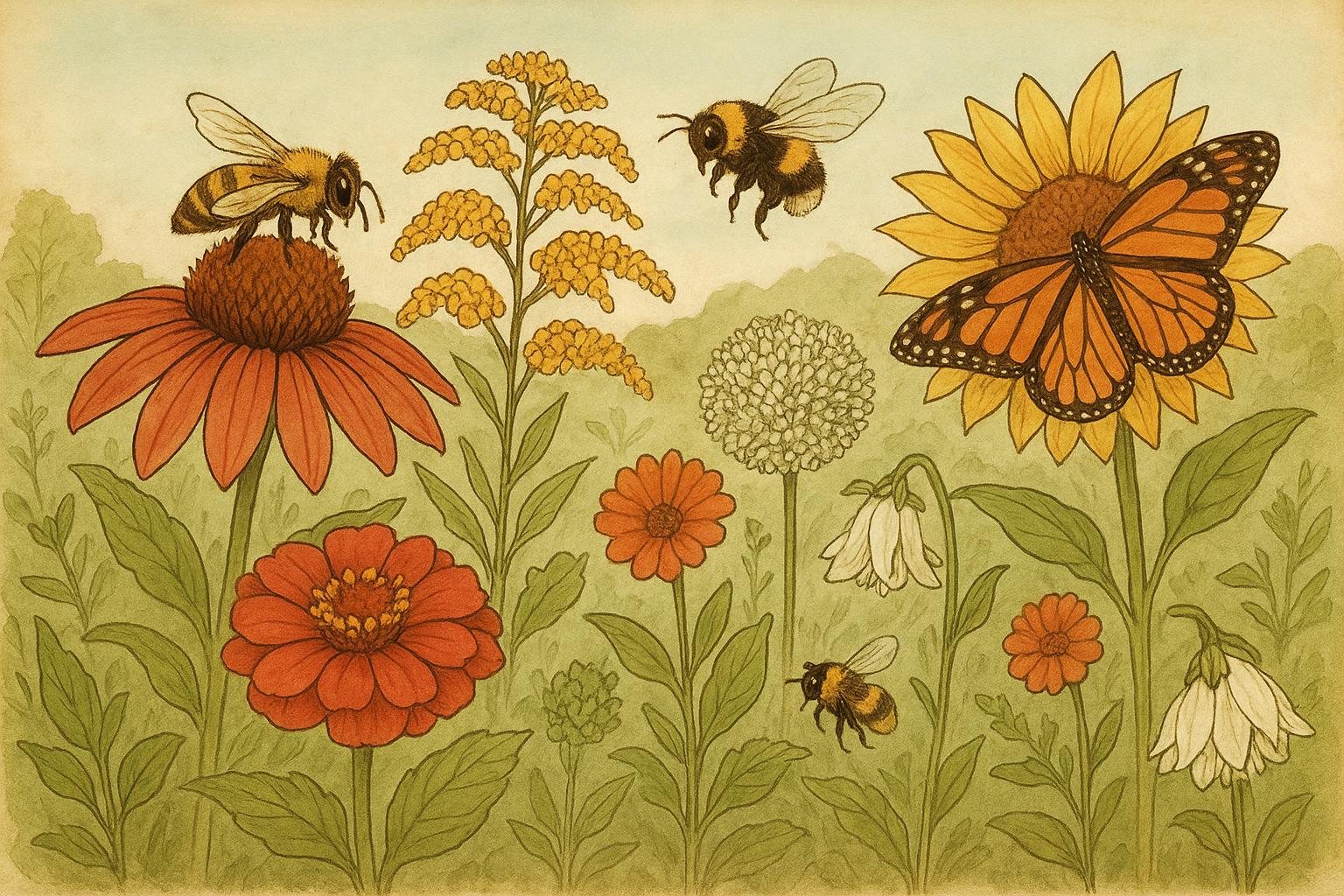
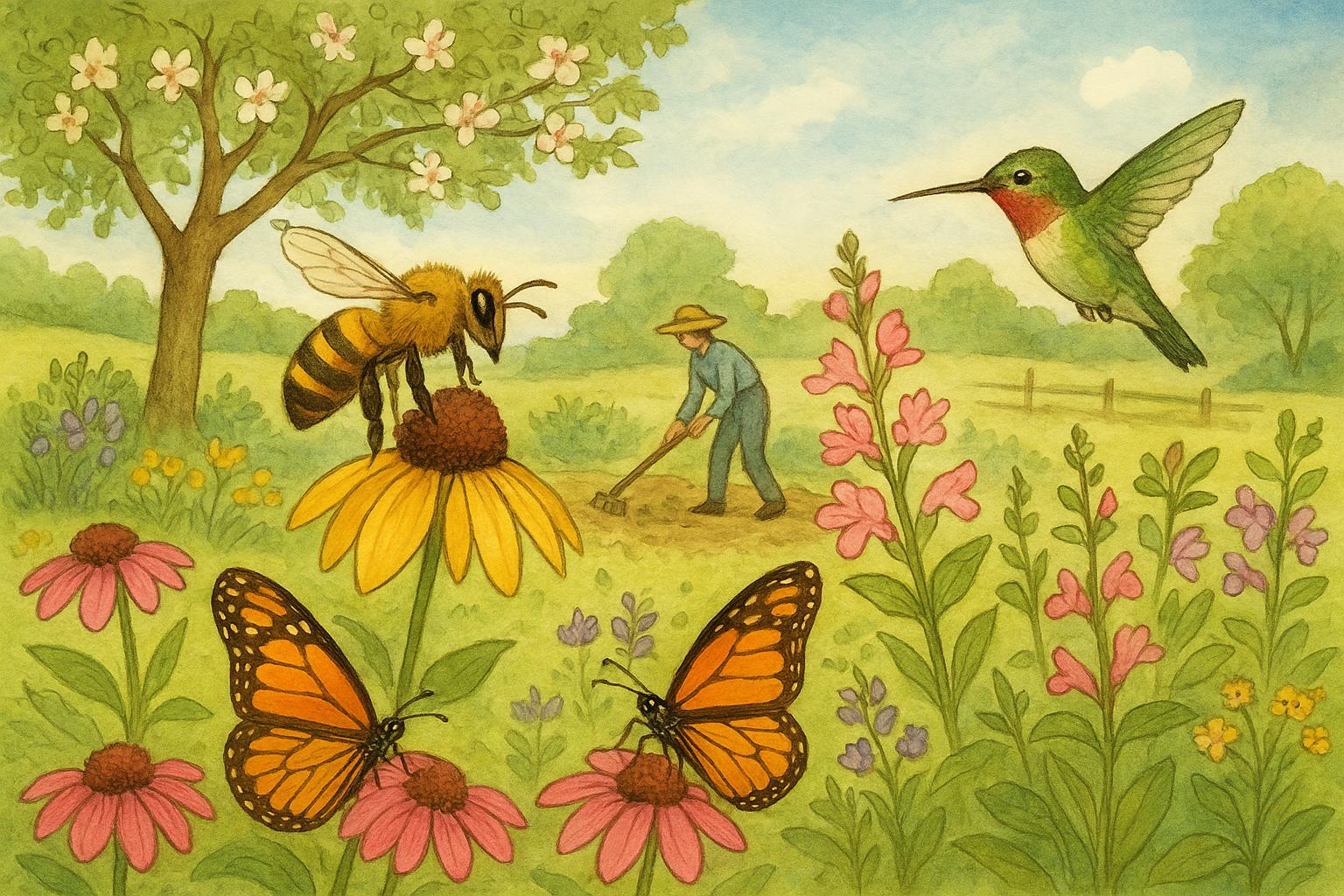
Think of plants as habitat pieces, not decoration. A single serviceberry or spicebush can provide nectar, berries, and a perch. A clump of native grasses offers nesting material and concealment. If you want butterflies, include host plants for caterpillars — milkweed for monarchs, parsley or fennel for swallowtails — even a tiny pot of host plants will dramatically increase your chances of seeing larvae and adult butterflies.
### Native Plants That Punch Above Their Weight
– Small Shrubs: Serviceberry, Summersweet, or Hazelnut.
– Perennials: Bee balm, coneflower, and native asters.
– Grasses and Sedges: Little bluestem, Carex spp.
These selections give blooms, seeds, and structure across seasons. Plant modestly and densely; that concentrates resources and reduces maintenance. You’ll see the benifit quickly.
## Water, Shelter, And Food In A Small Yard
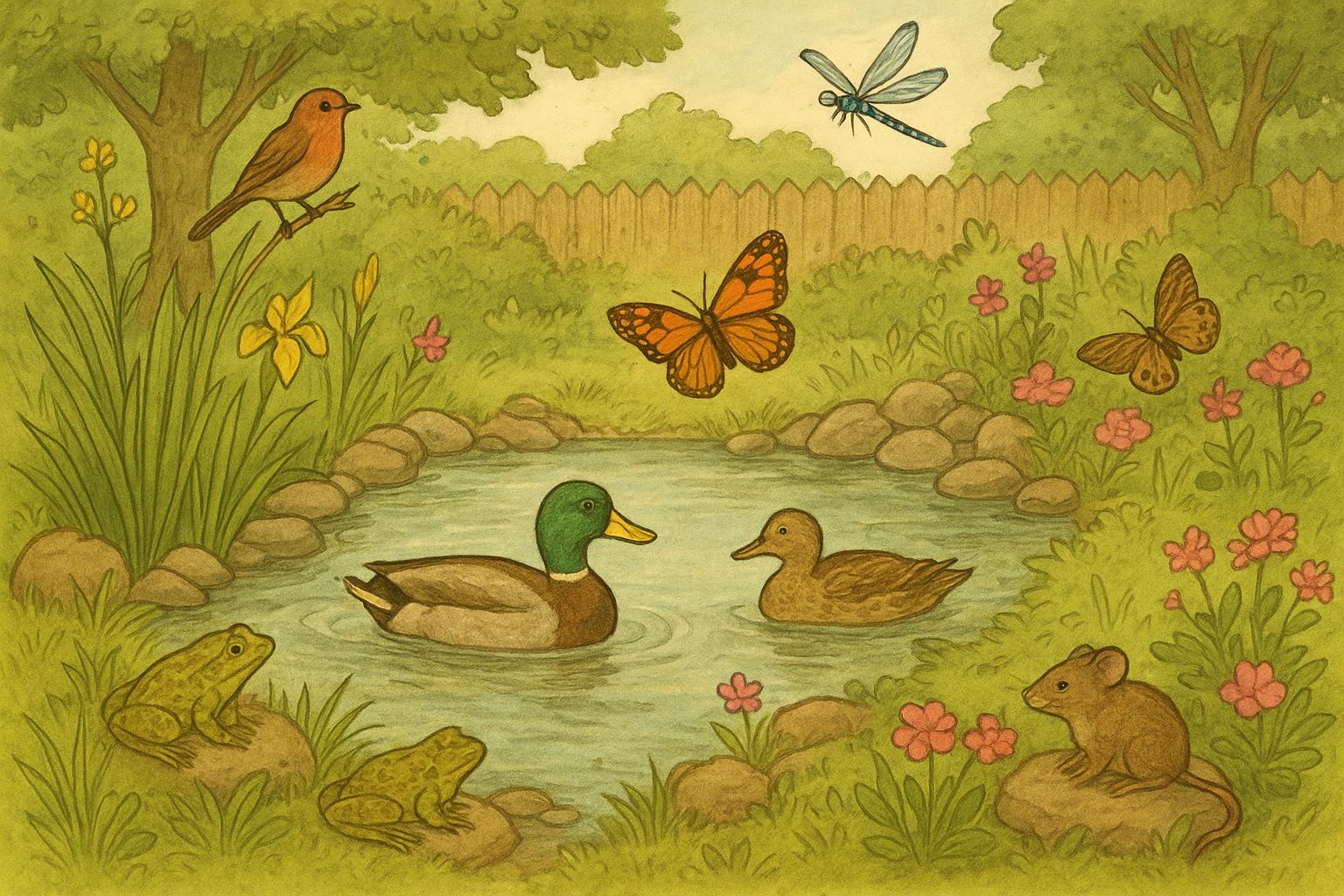
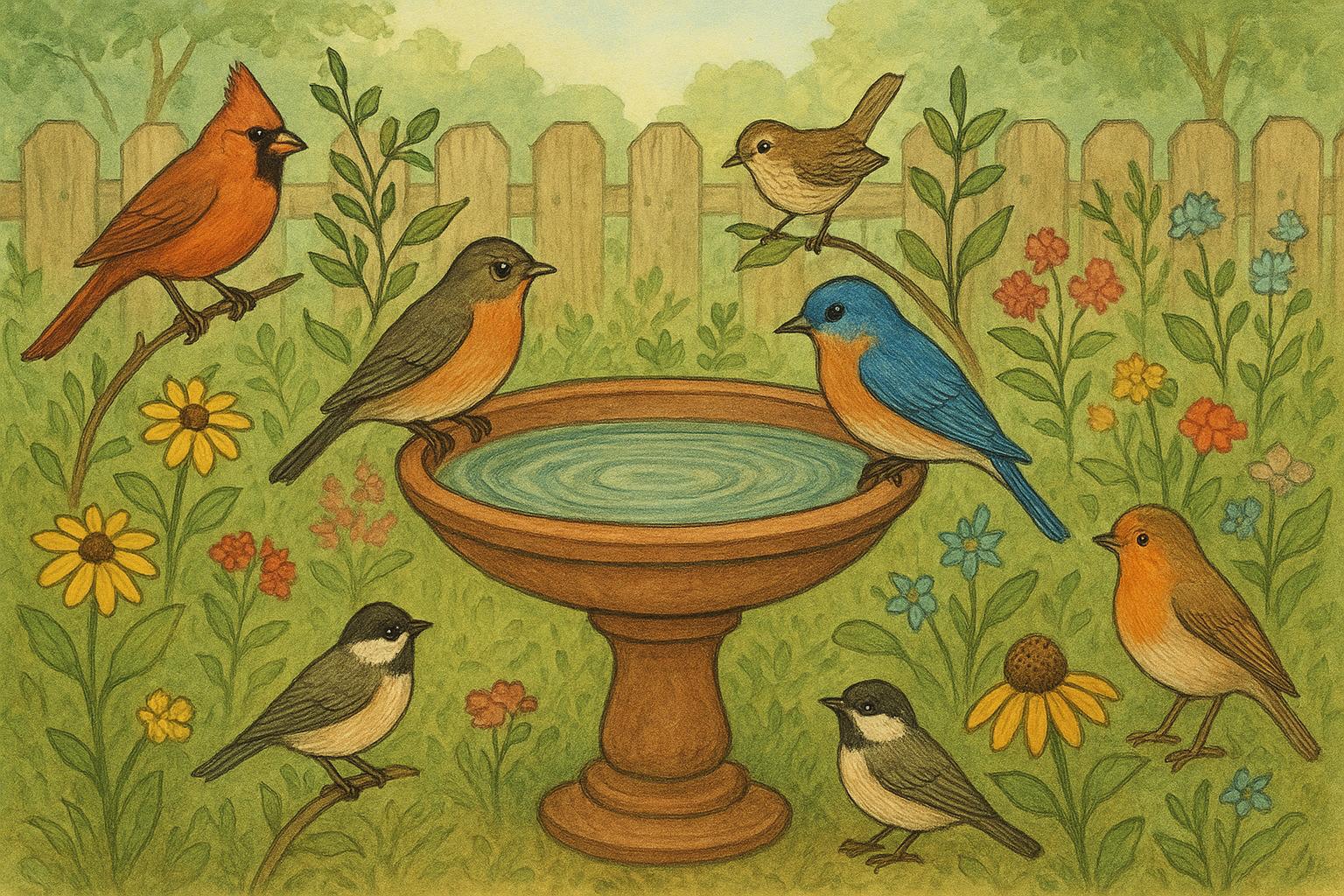
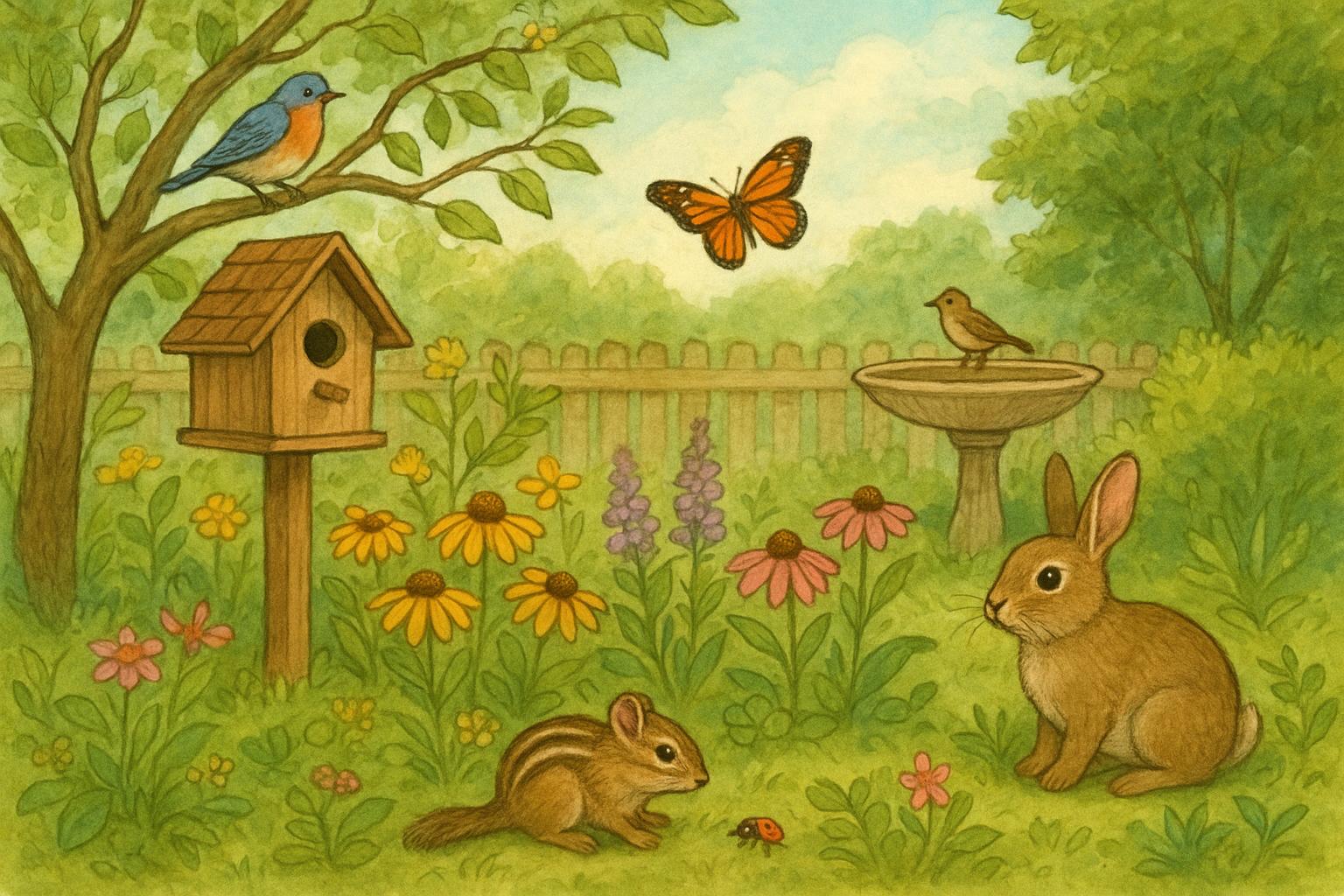
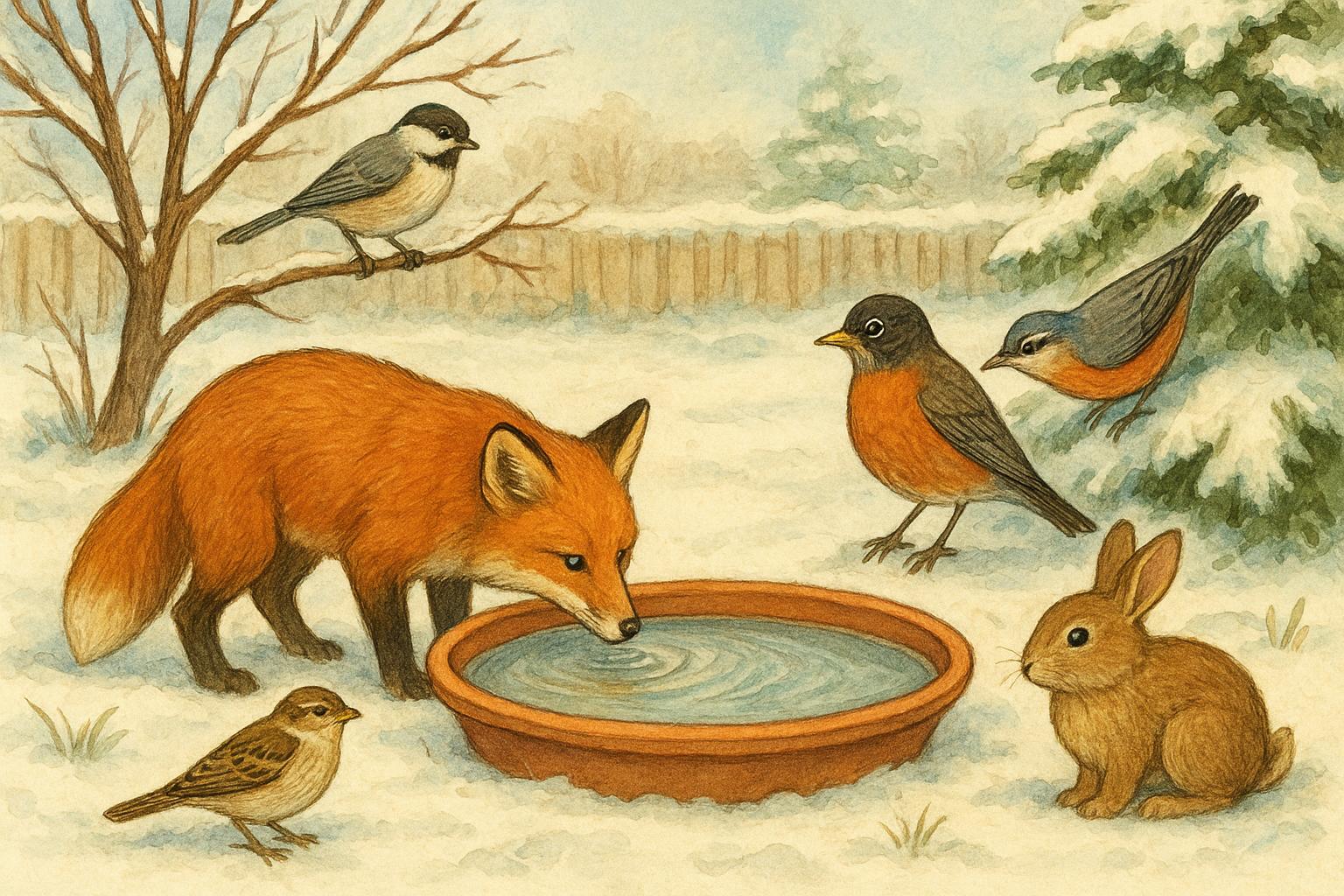
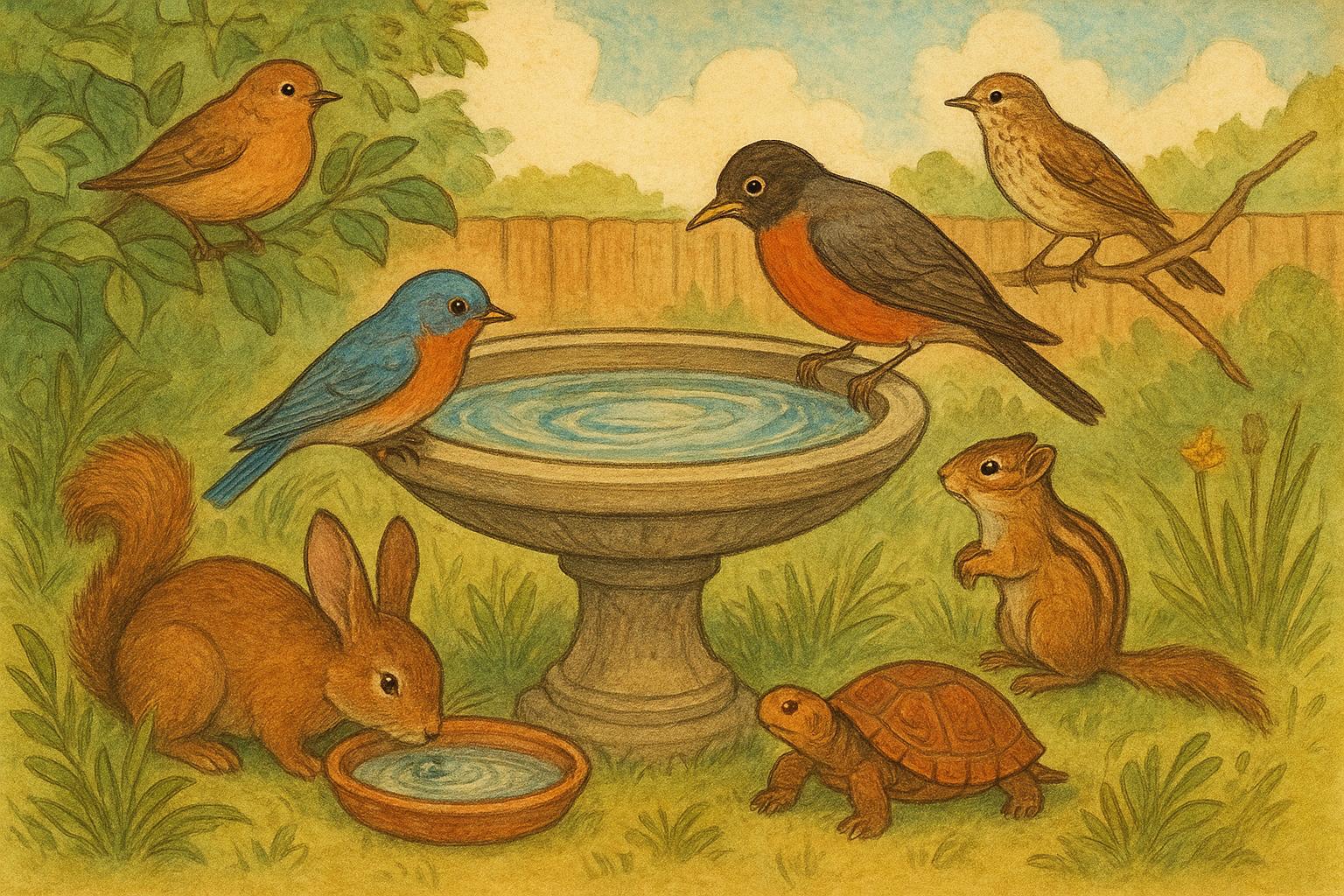
Even a shallow saucer of water will draw birds and pollinators. Place it in a sheltered spot near cover so visitors can feed and retreat. A dripper or a recirculating fountain keeps water moving and reduces mosquito larvae — yes, even in a tiny basin.
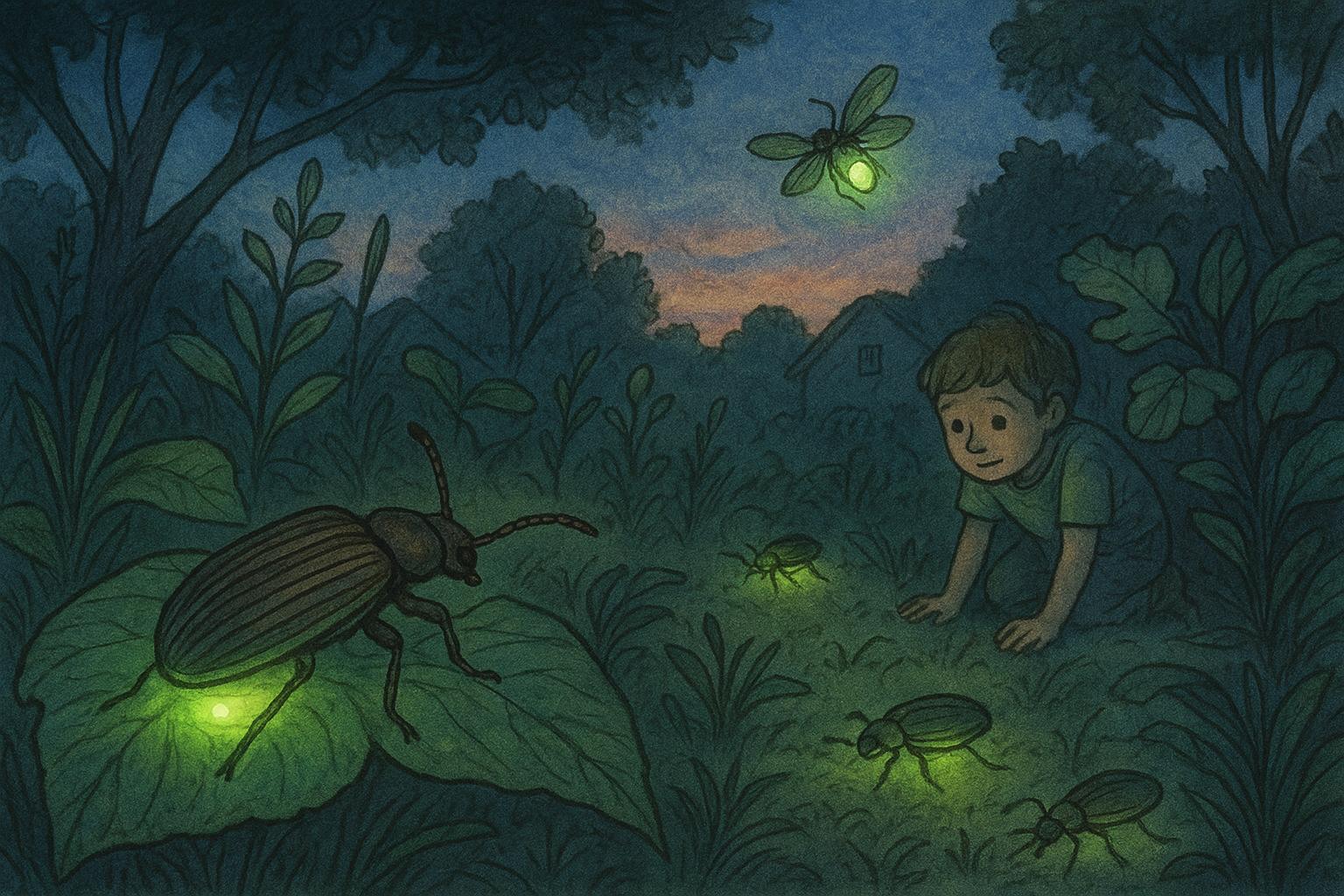
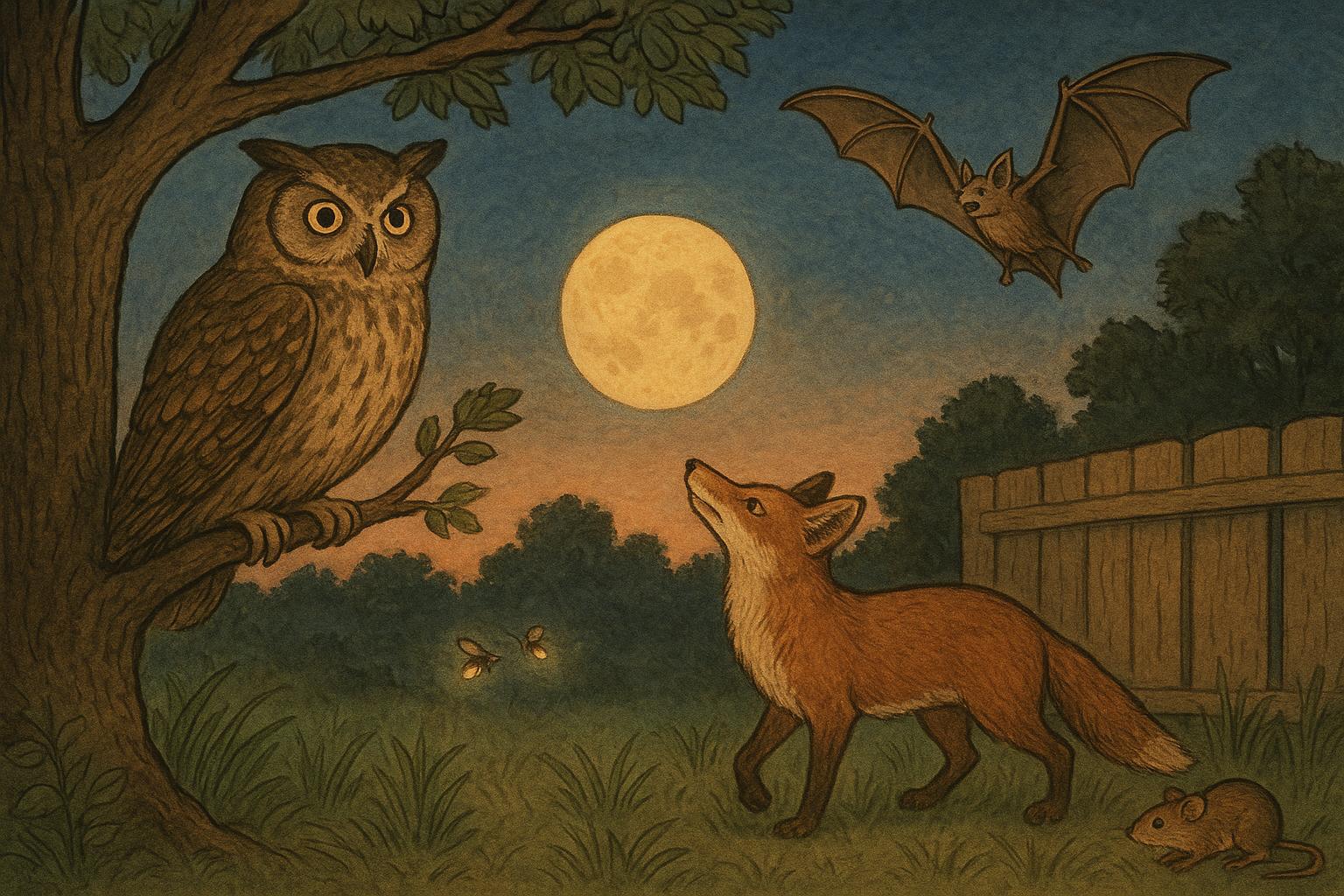
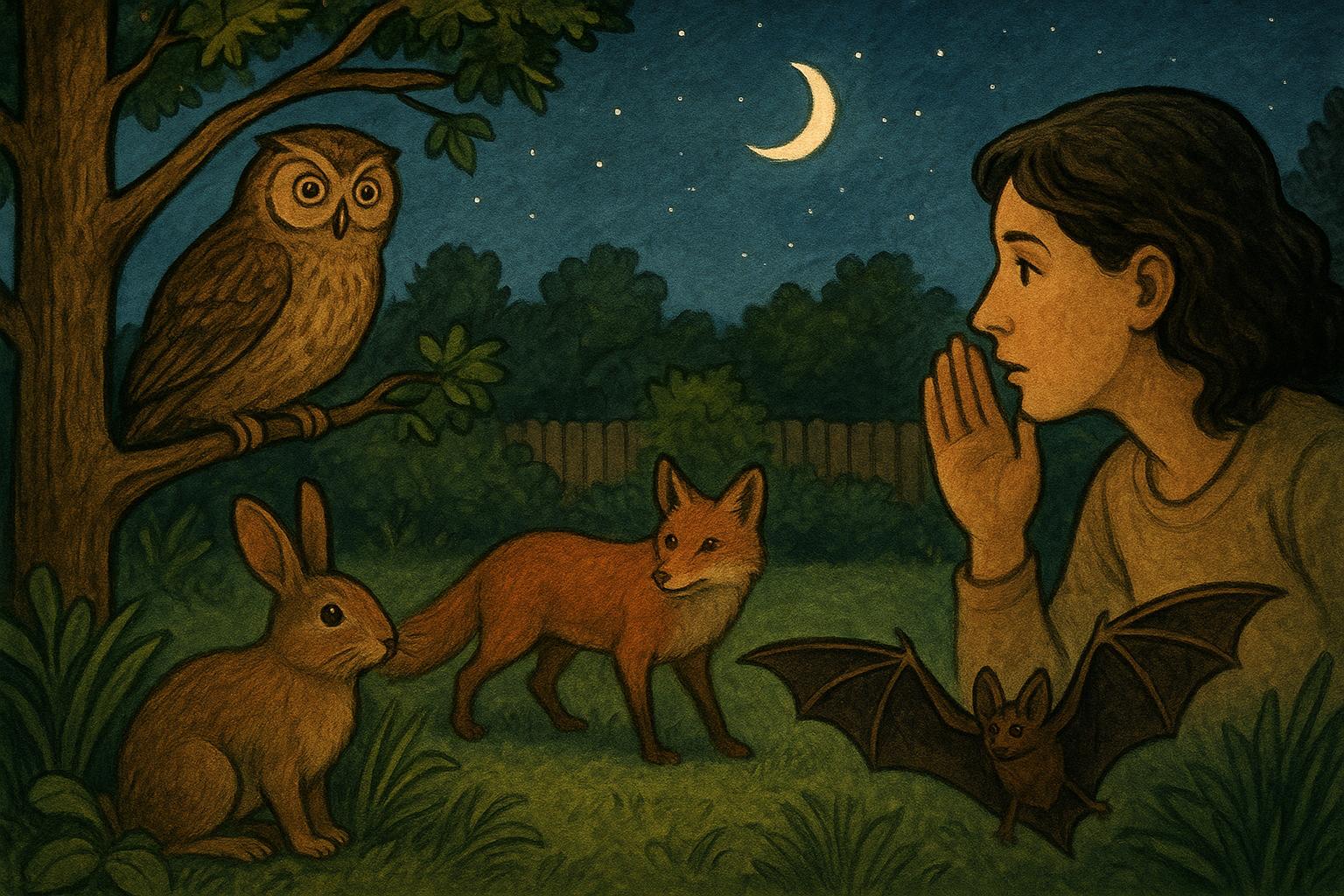
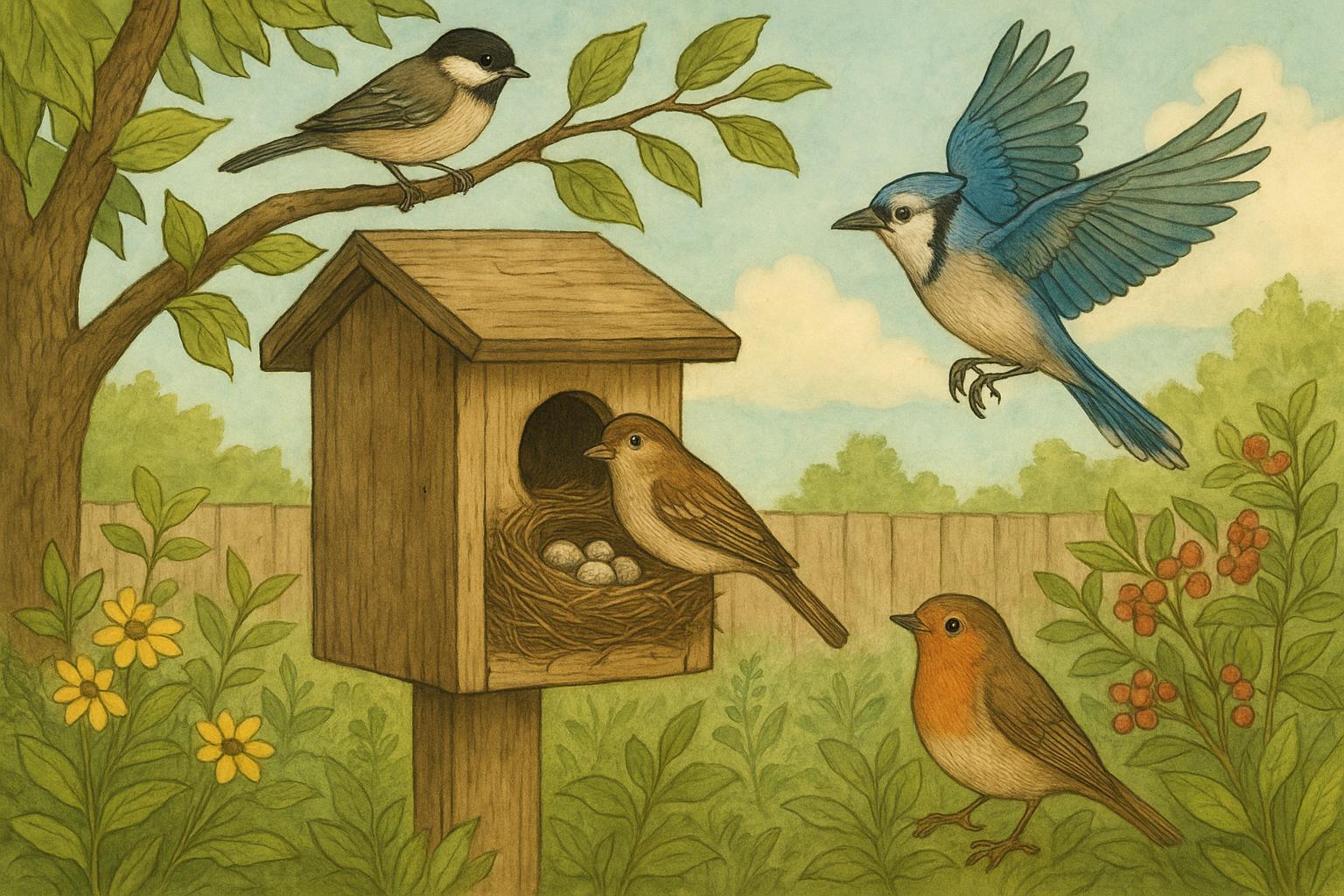
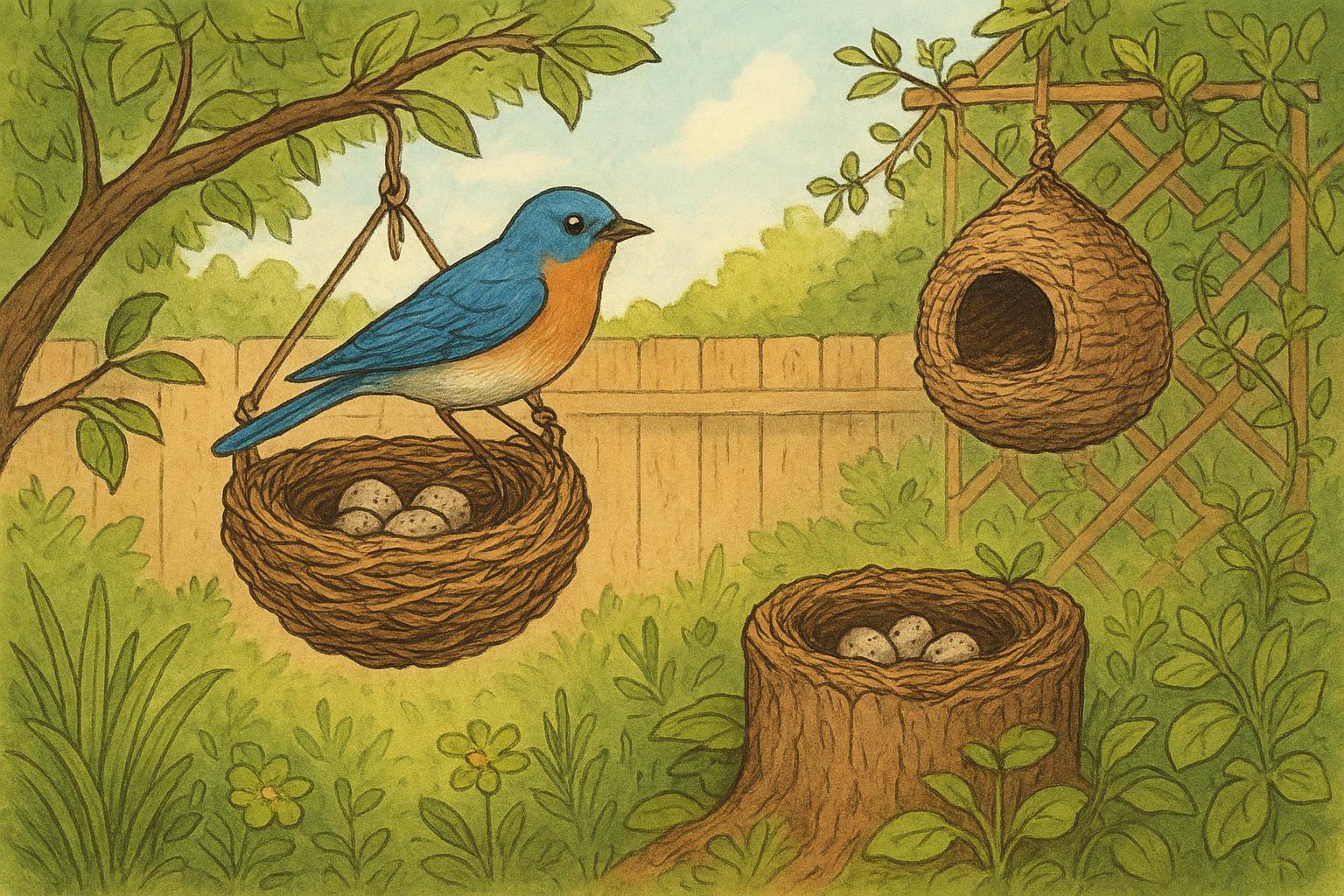
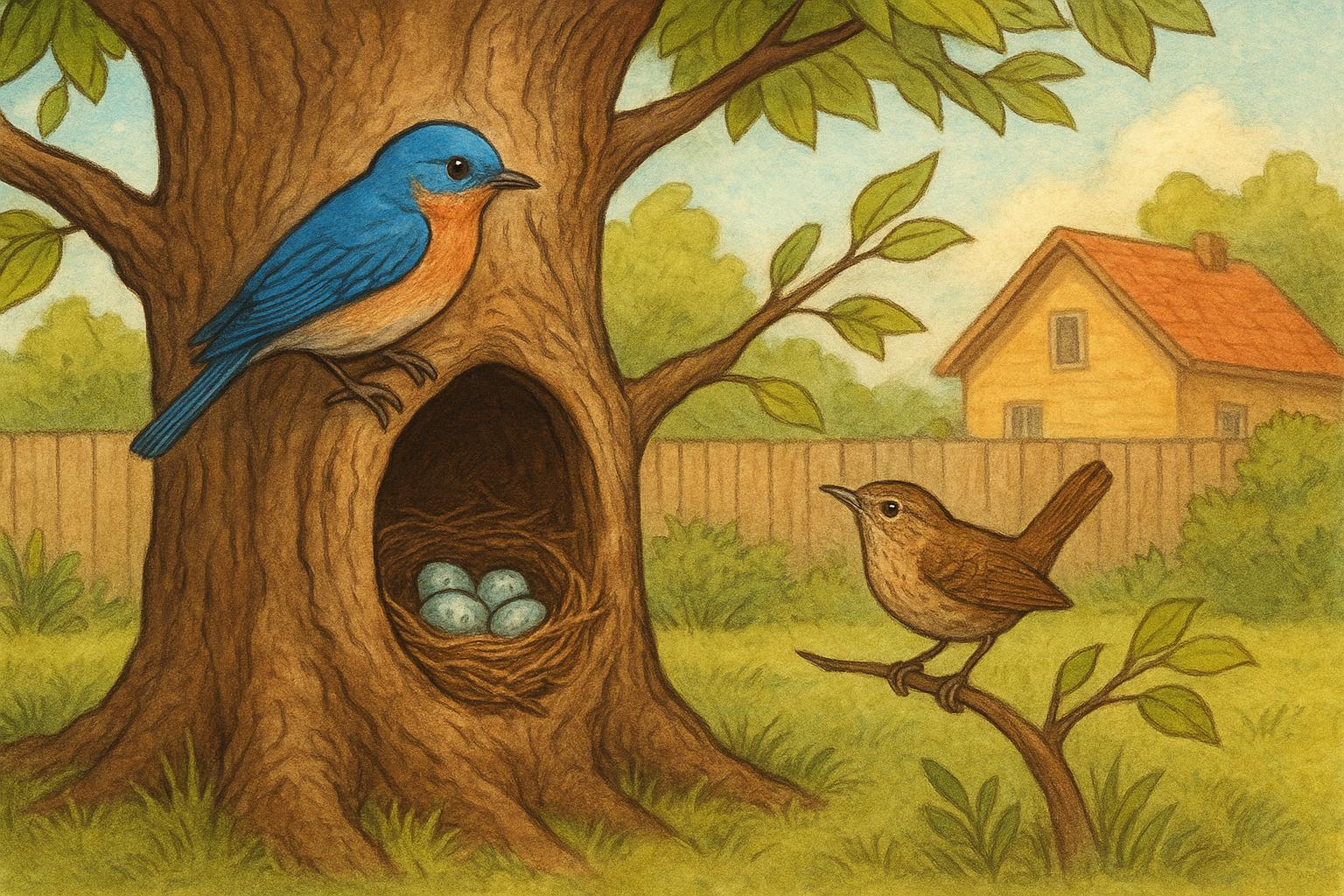
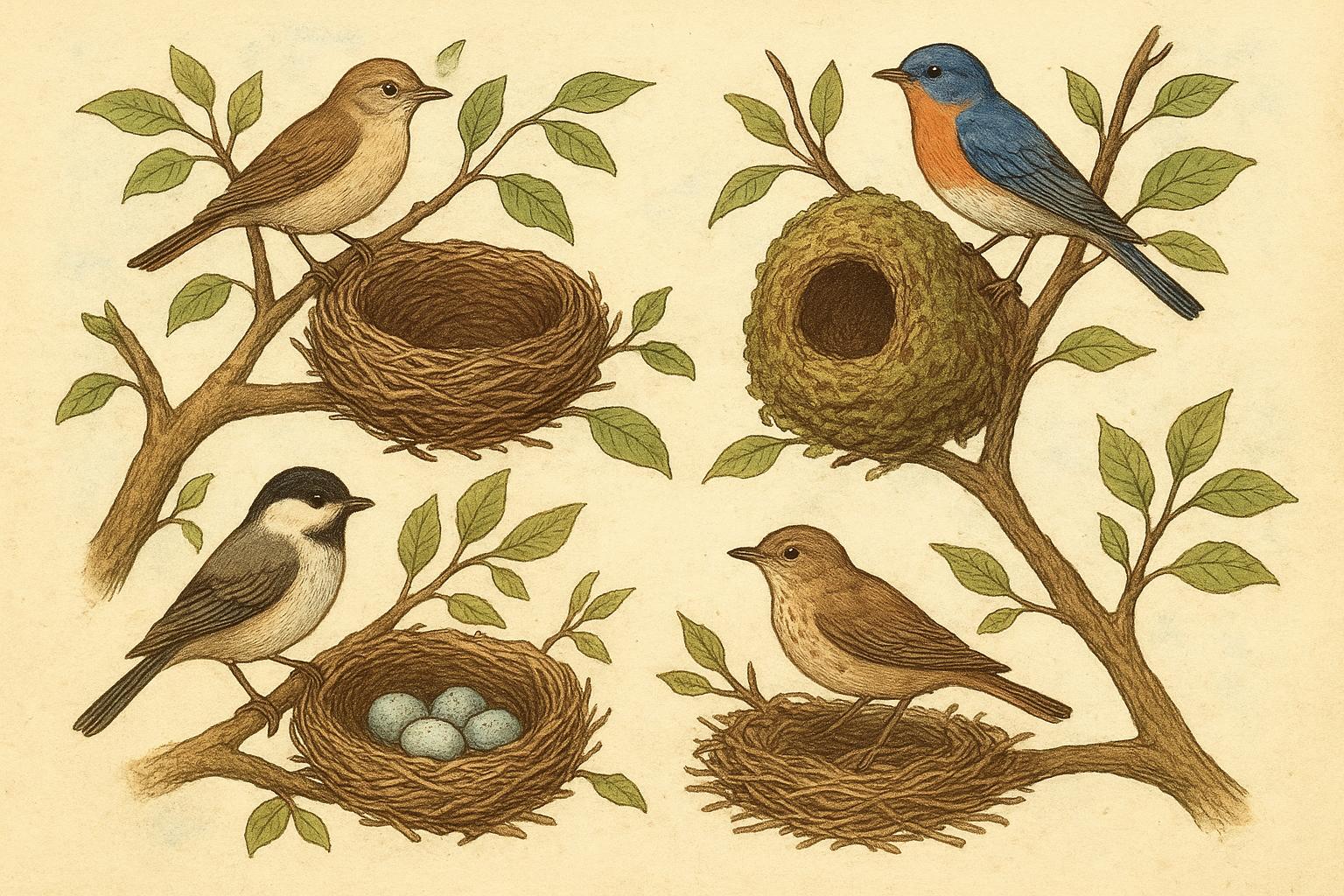
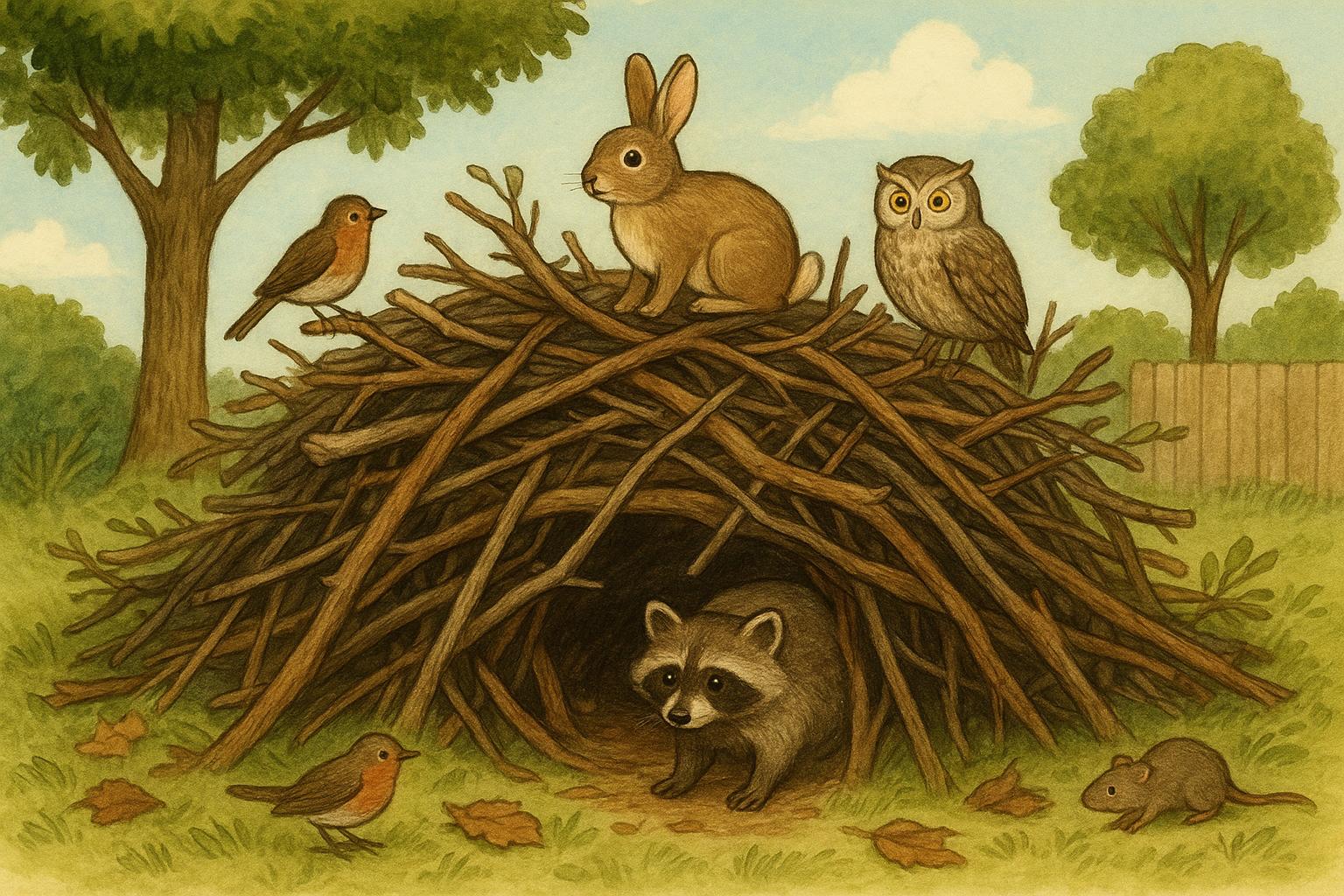
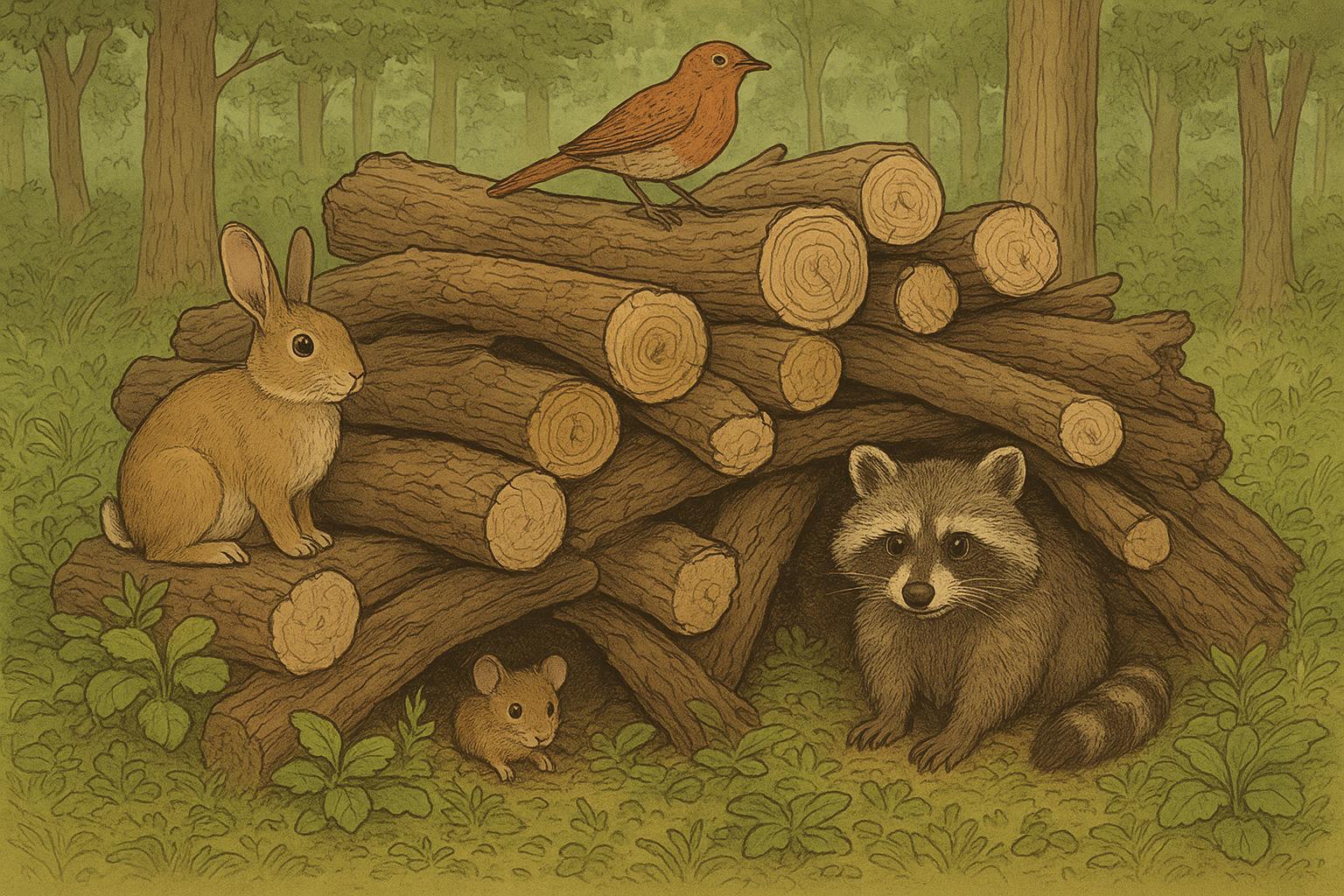
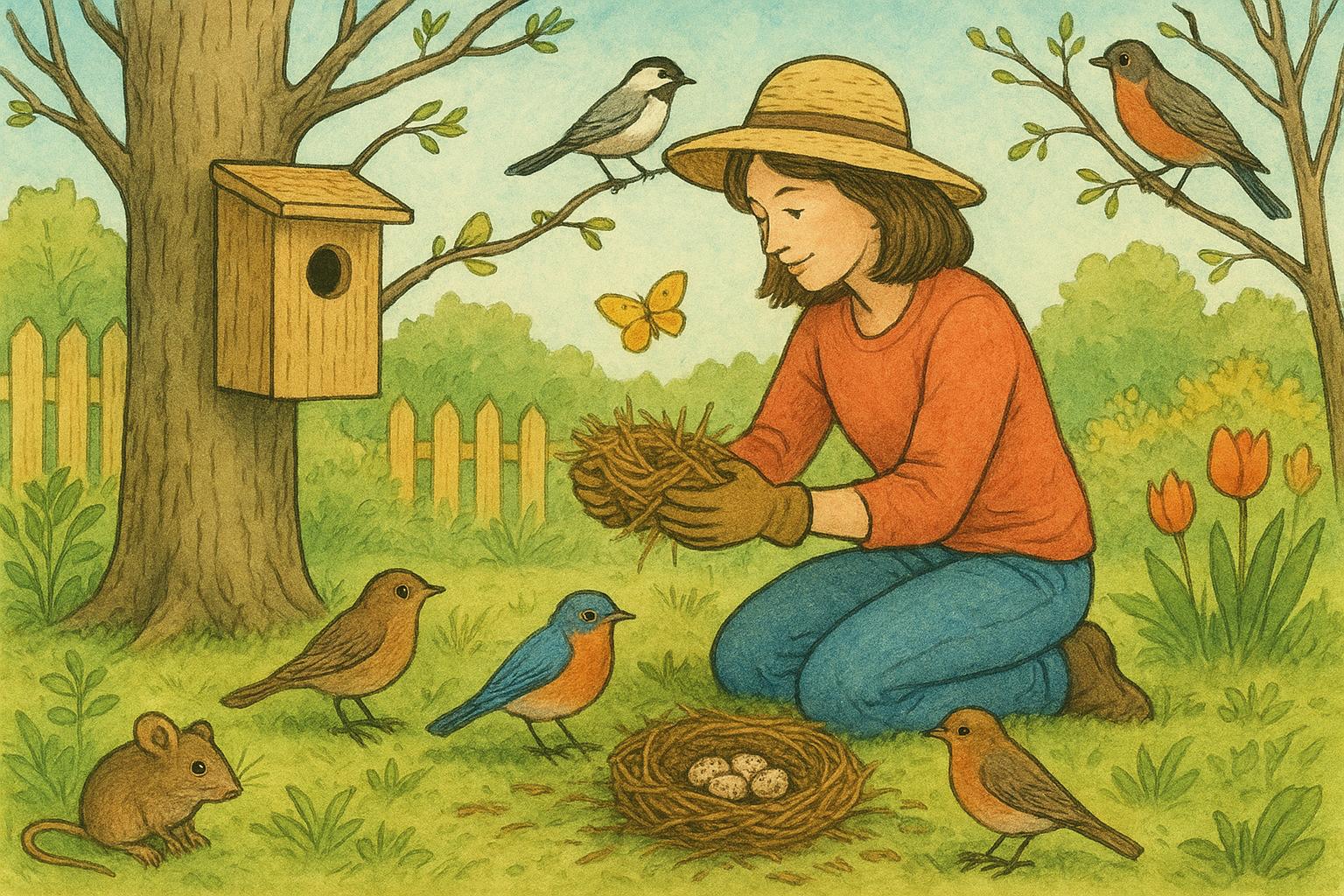
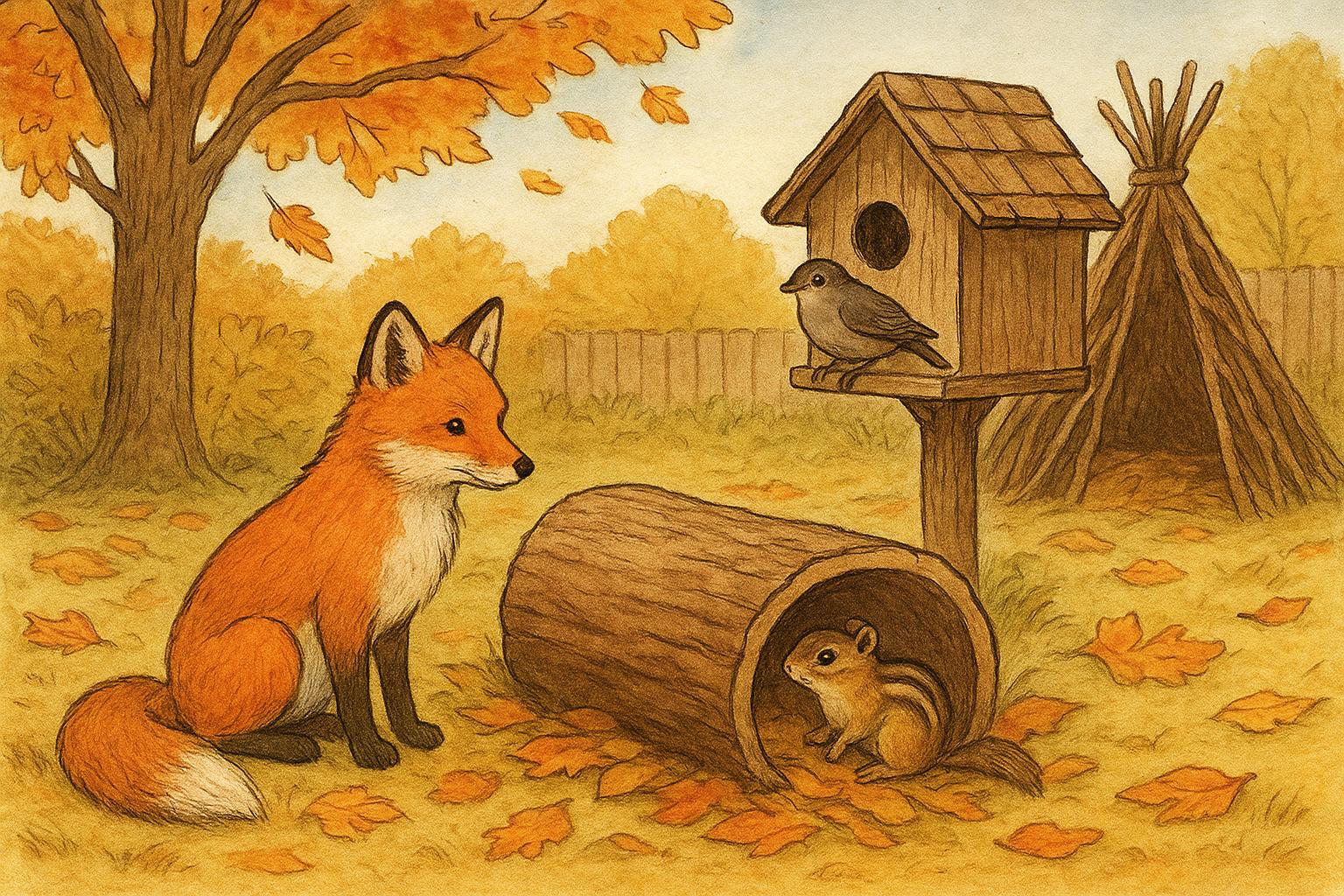
Shelter can be surprisingly small-scale. Stack a few logs in a hidden corner for beetles and amphibians. Install a bat box on a fencepost, or leave an area of leaf litter for ground beetles. A single birdhouse or a trio of small cavities for native bees mounted on a post will be used if you put them in the right spot.
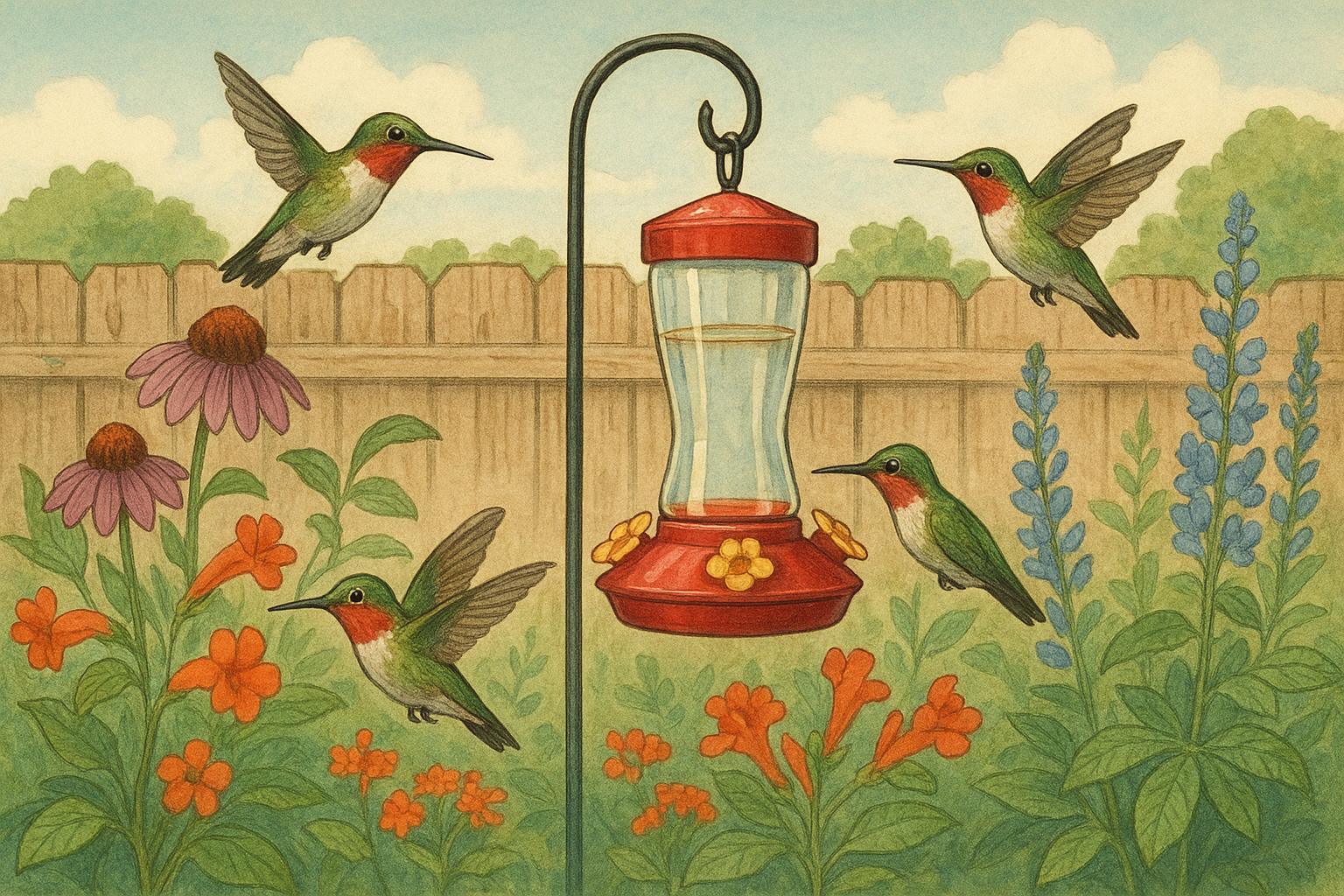
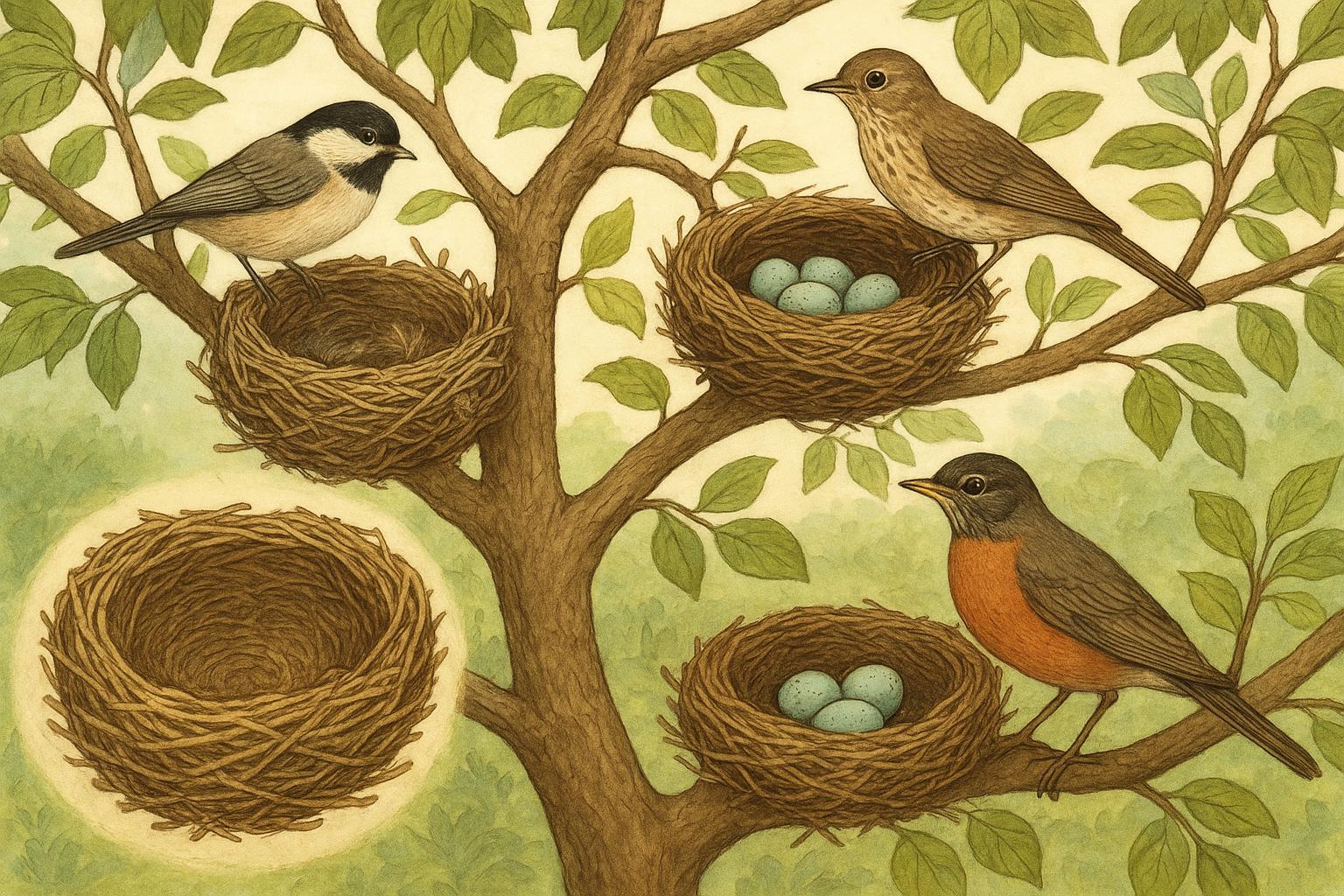
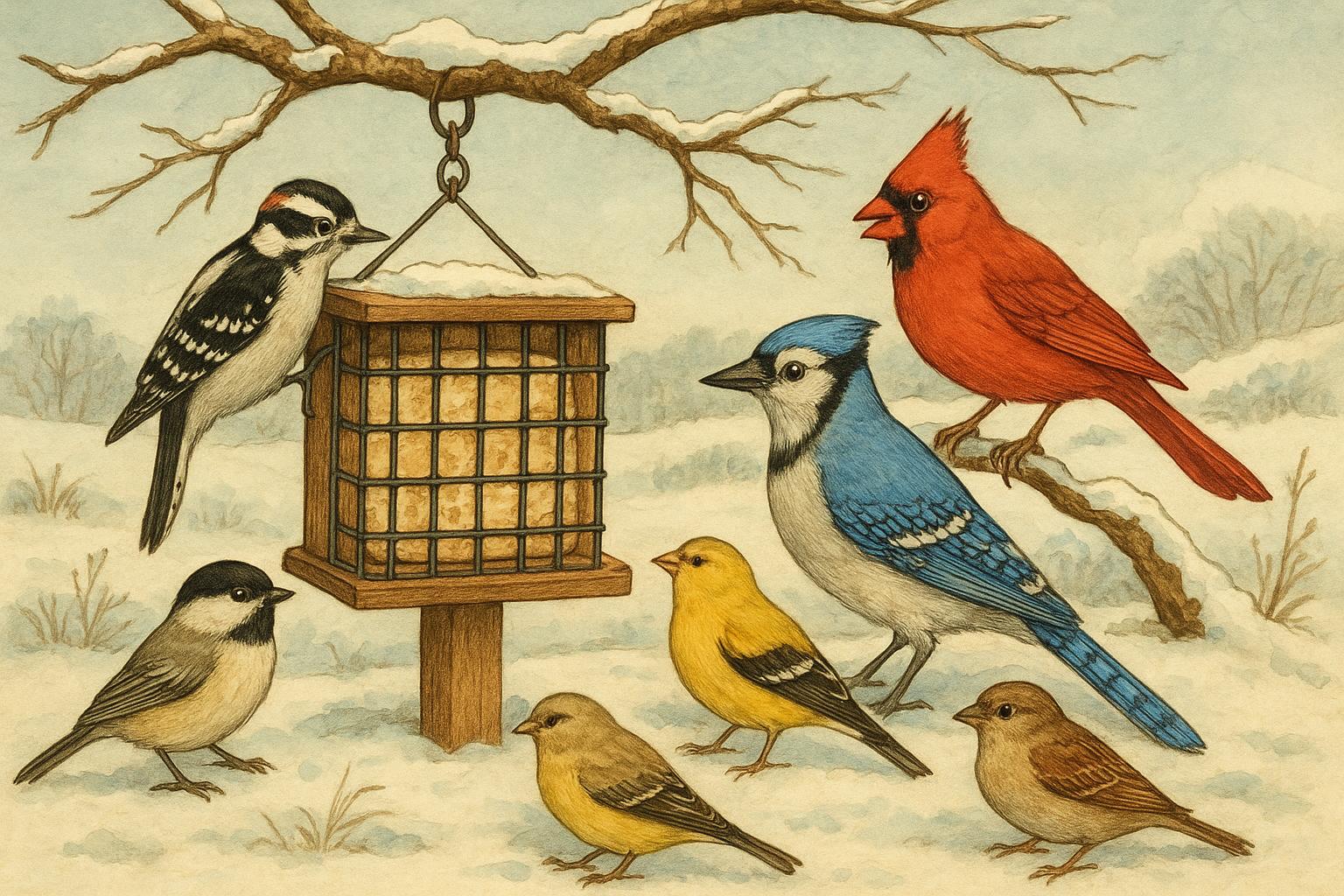
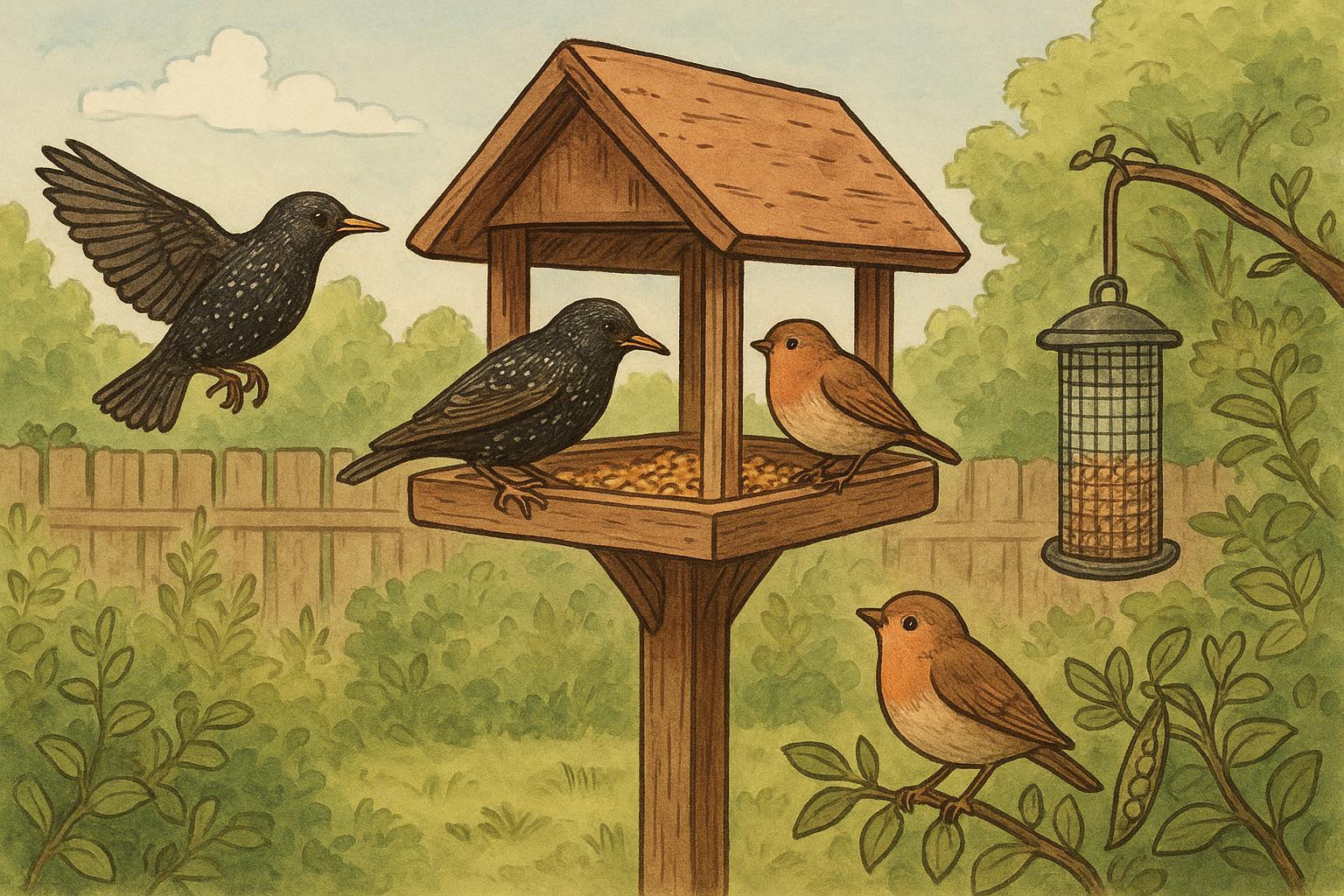
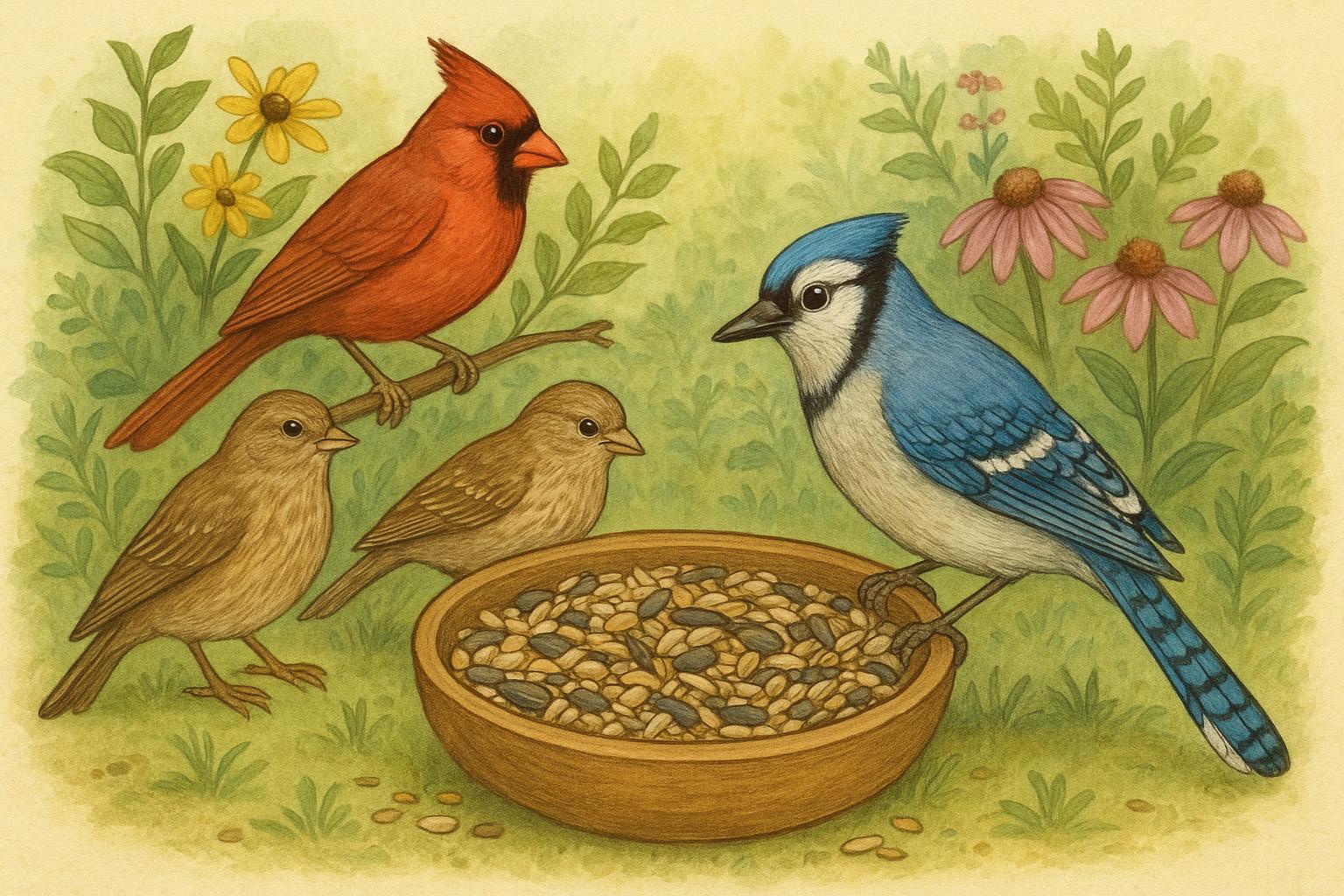
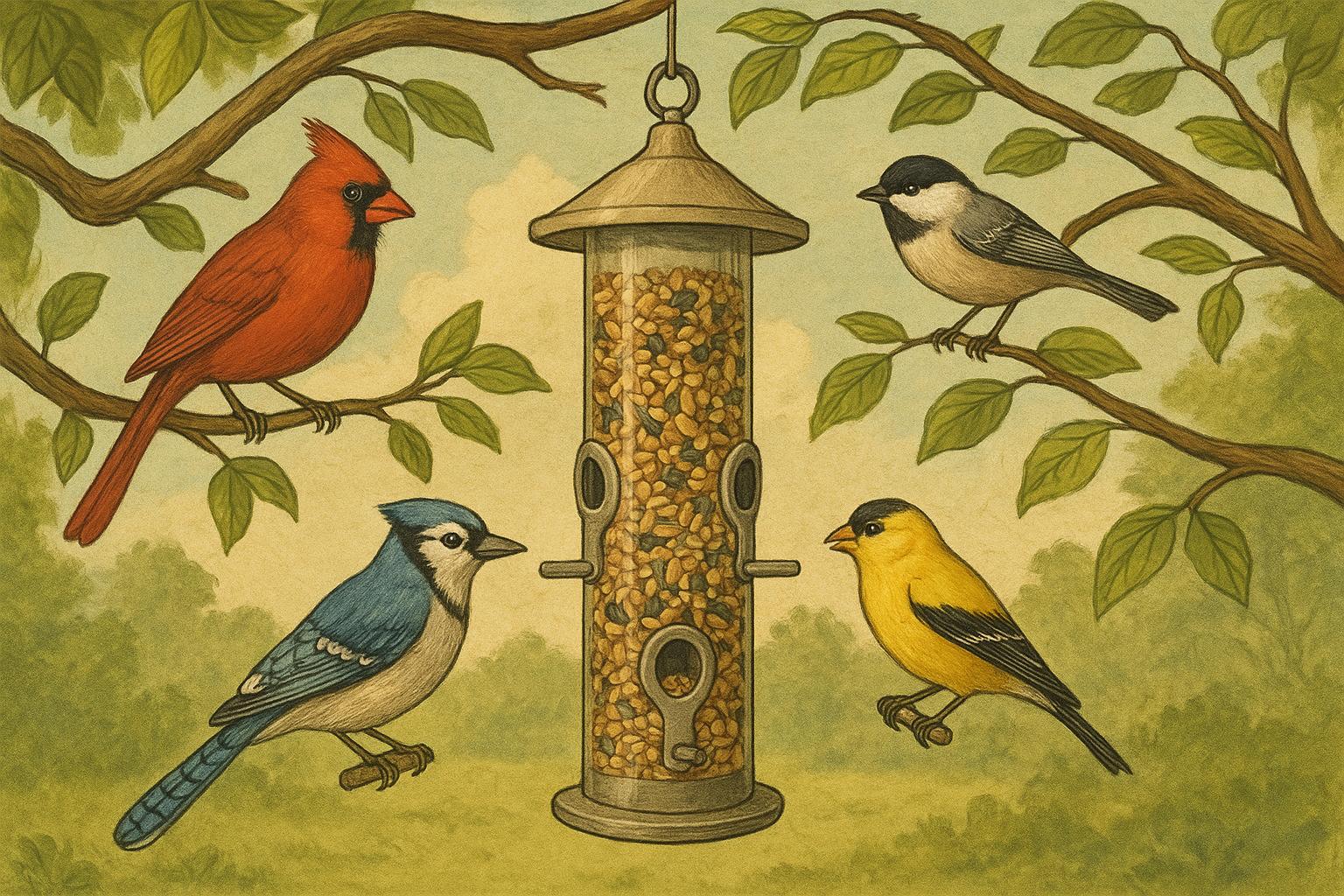
Food means more than feeders. Feeders are handy, but natural food sources sustain more species. Let some seedheads remain through winter, and allow fruiting shrubs to drop berries. These are energy-rich meals for migrants and resident birds. If you choose to use supplemental feeders, vary types — nectar for hummingbirds, suet for woodpeckers, seed mixes for finches — and maintain them to prevent disease.
### Water Features That Fit Small Spaces
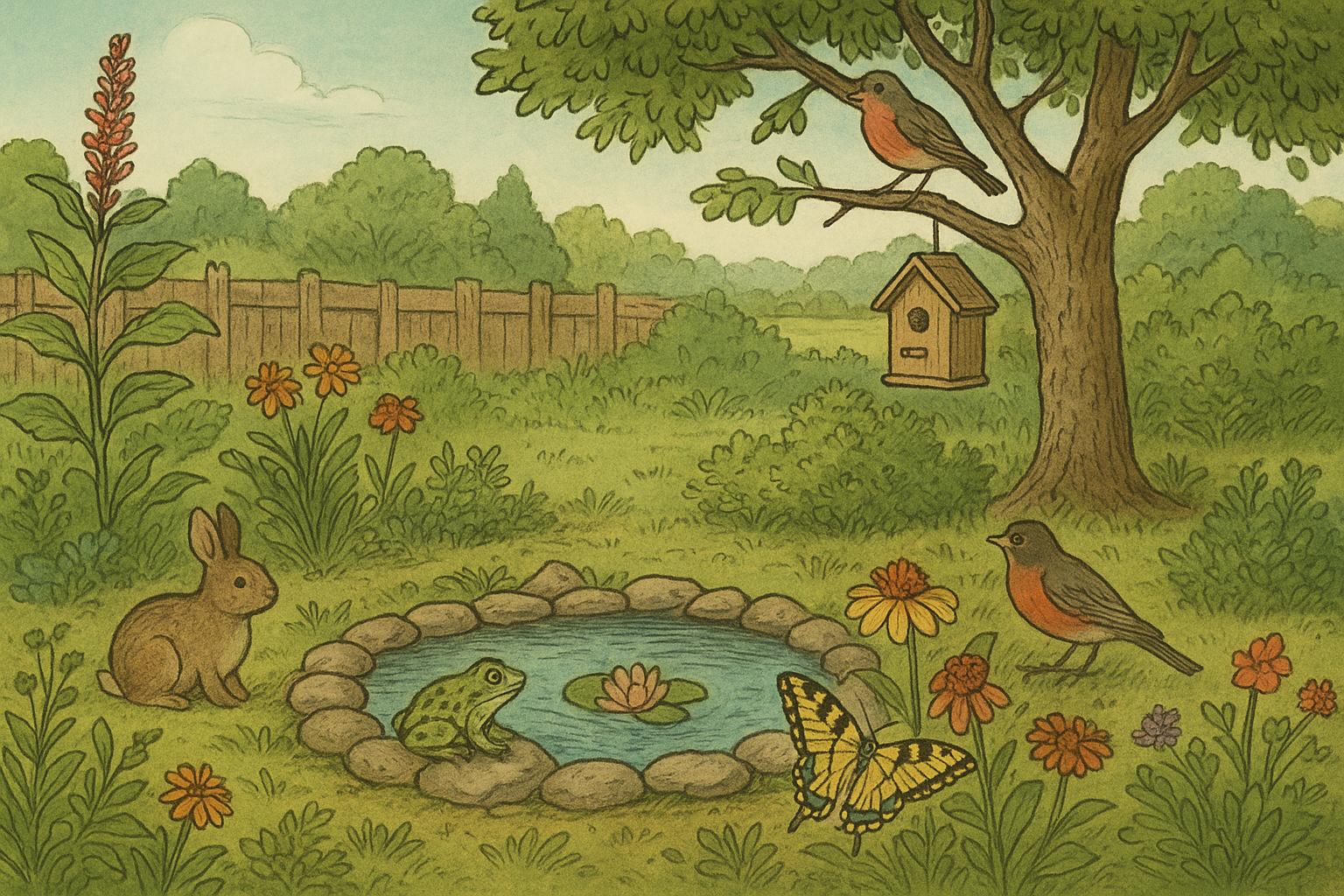
A simple sealed tub, half-buried pot, or shallow basin works. Keep edges gentle so insects and small amphibians can climb out. Group rocks nearby to provide perching and sunning spots. Add a small solar bubbler if you want movement without wiring.
## Designing For Year-Round Use
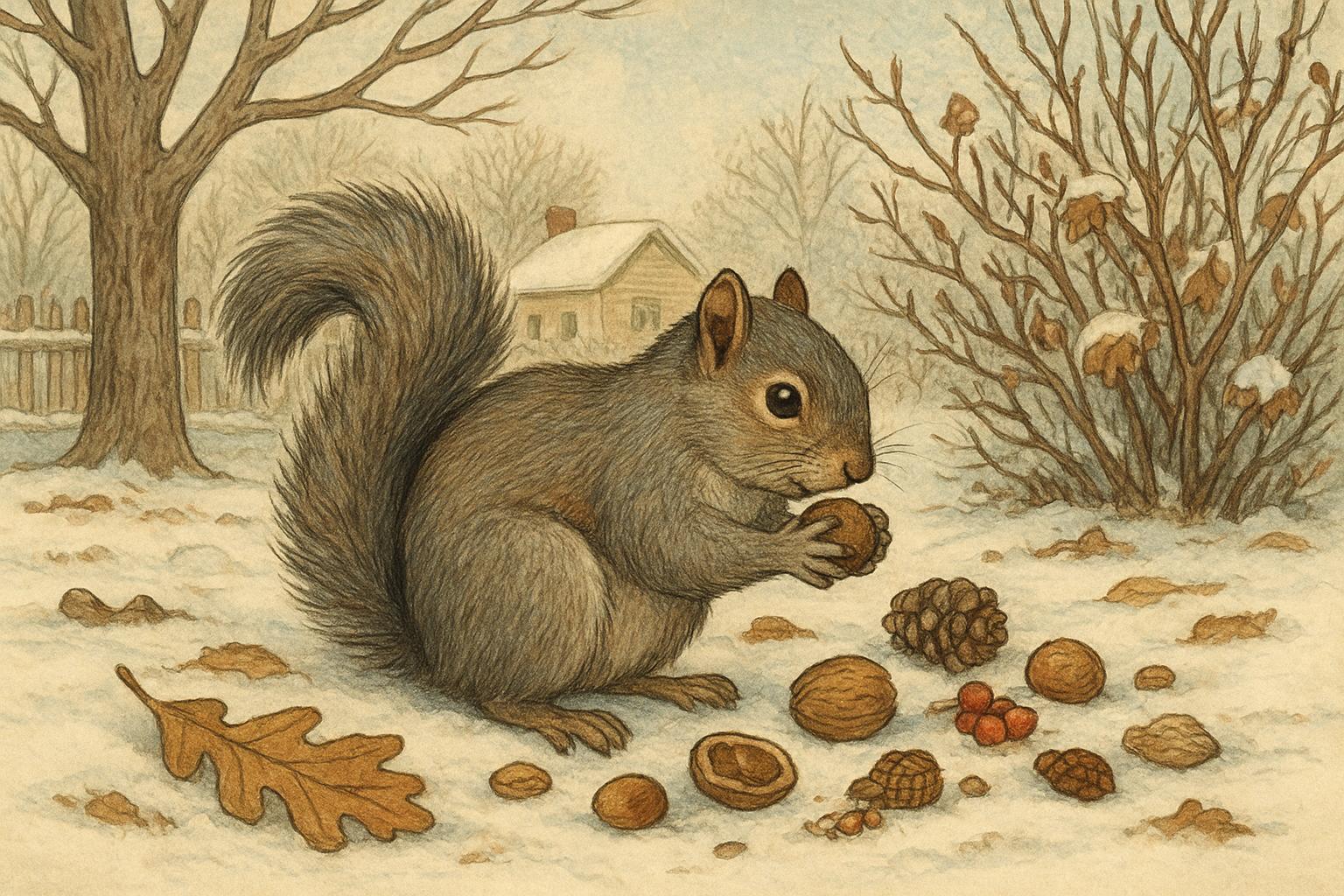
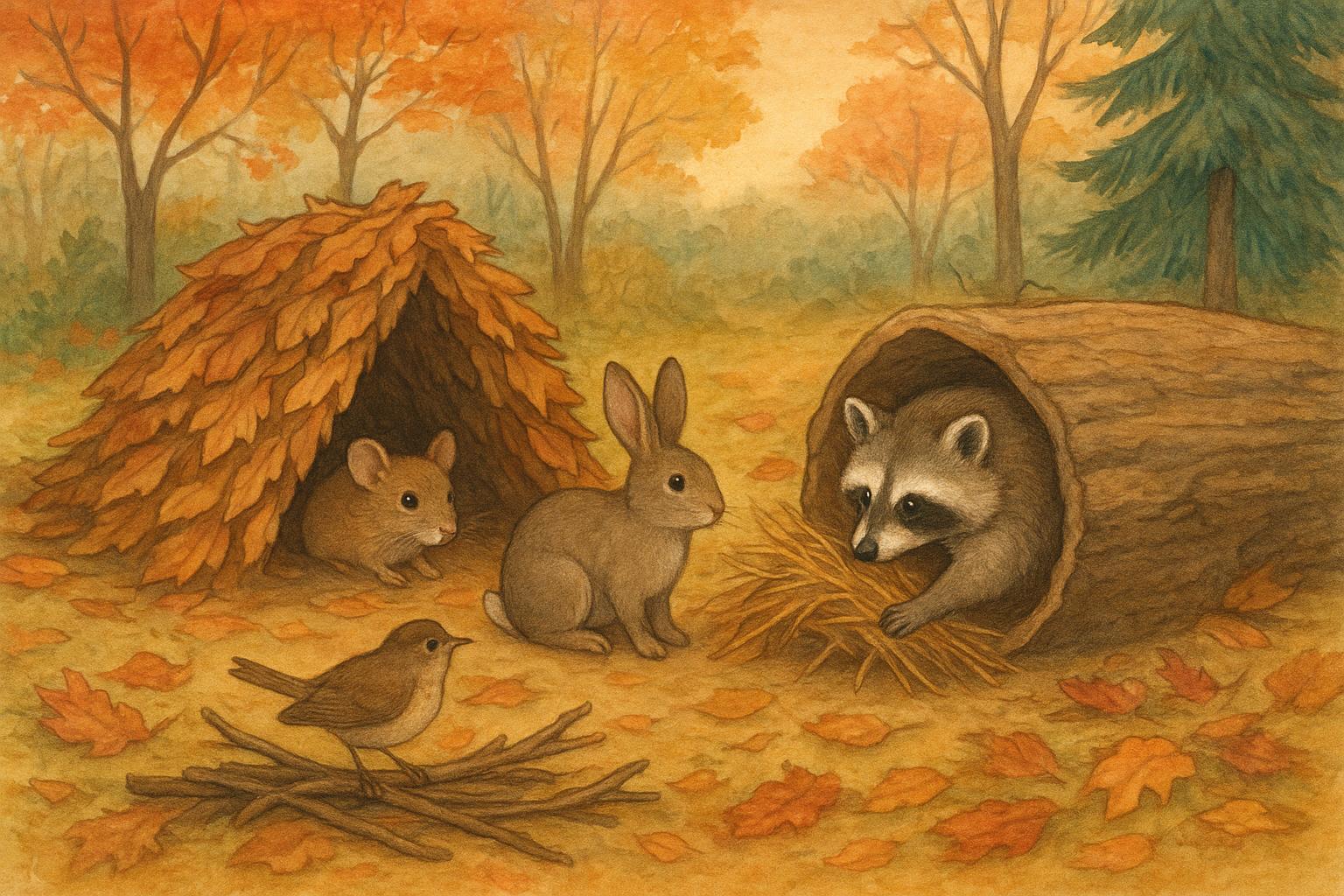
Plan for seasons. Early-spring nectar and late-summer seed will keep insects and birds through migration and winter. Leave hollow stems and seed pods standing; they provide nesting materials and food. A pile of prunings left where it won’t annoy neighbors becomes an insect hotel and a hunting ground for insectivorous birds.
Rotate maintenance: prune after nesting seasons, not before. If you clear every shrub in late spring, you’re removing nests and shelter. A slight messier yard often equals more wildlife. That may not suit every homeowner’s aesthetic, but small compromises go a long way.
## Compact Structures And Materials
Nesting boxes and bee hotels don’t need to be elaborate. Use untreated wood, rough cuts, and varied hole sizes for bees. Mount bird boxes facing away from prevailing winds and toward cover. If you have a fence, attach shelves to hold pots or create a living wall with native succulents and herbs; these vertical elements count as yard wildlife design.
Don’t overcomplicate hardscaping. Narrow stone paths and a few large flat stones for basking are enough. Avoid smooth concrete and synthetic turf; they offer nothing to wildlife. Even recycled bricks or pavers laid with gaps for plants create microhabitats and help rainwater soak in.
### Small Water Management Tweaks
Capture rain from a downspout into a rain barrel that overflows into a planted swale. That soak-in area nourishes plants and provides damp zones frogs and dragonflies appreciate. You’ll reduce runoff and create a micro-wetland without a major excavation.
## Low-Maintenance Choices That Still Impress
Choose clumping perennials over aggressive spreaders. Mulch with leaves where possible. Set up a seasonal routine: light weeding, checkers for pests, clean birdbath weekly. A little attention beats a lot of effort once a year.
Think modular. Start with one area for pollinators and expand later. A few pots with nectar plants near a sunny window will attract bees; add a shrub next season to bring in birds. This phased approach makes yard wildlife design manageable and less overwhelming.
## Integrating With Neighbors And Regulations
Talk to neighbors about plant choices and timing; coordinated patches can link habitats across yards. Check local rules for structures like water features and beehives. Small actions add up when your block adopts similar backyard habitat ideas.
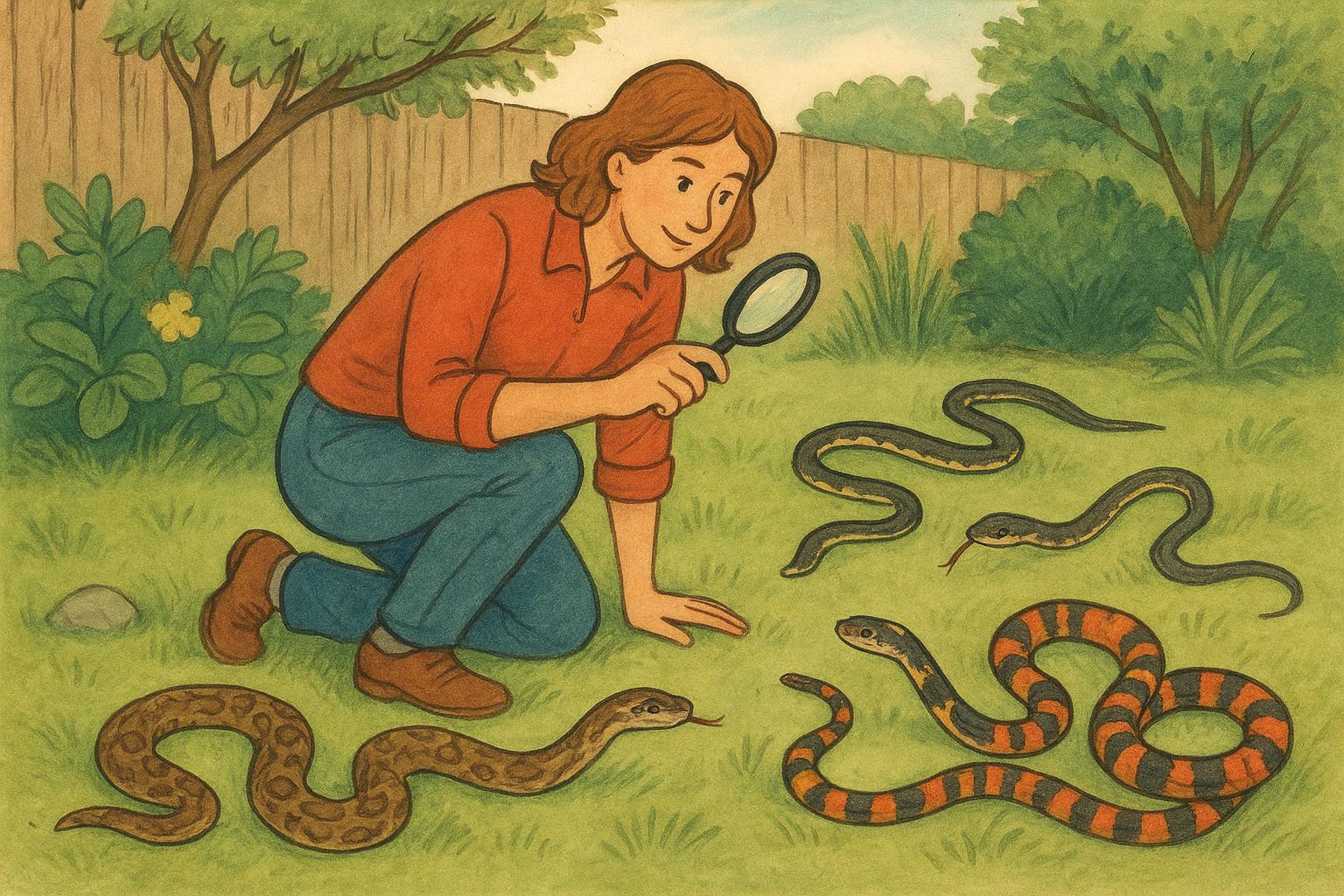
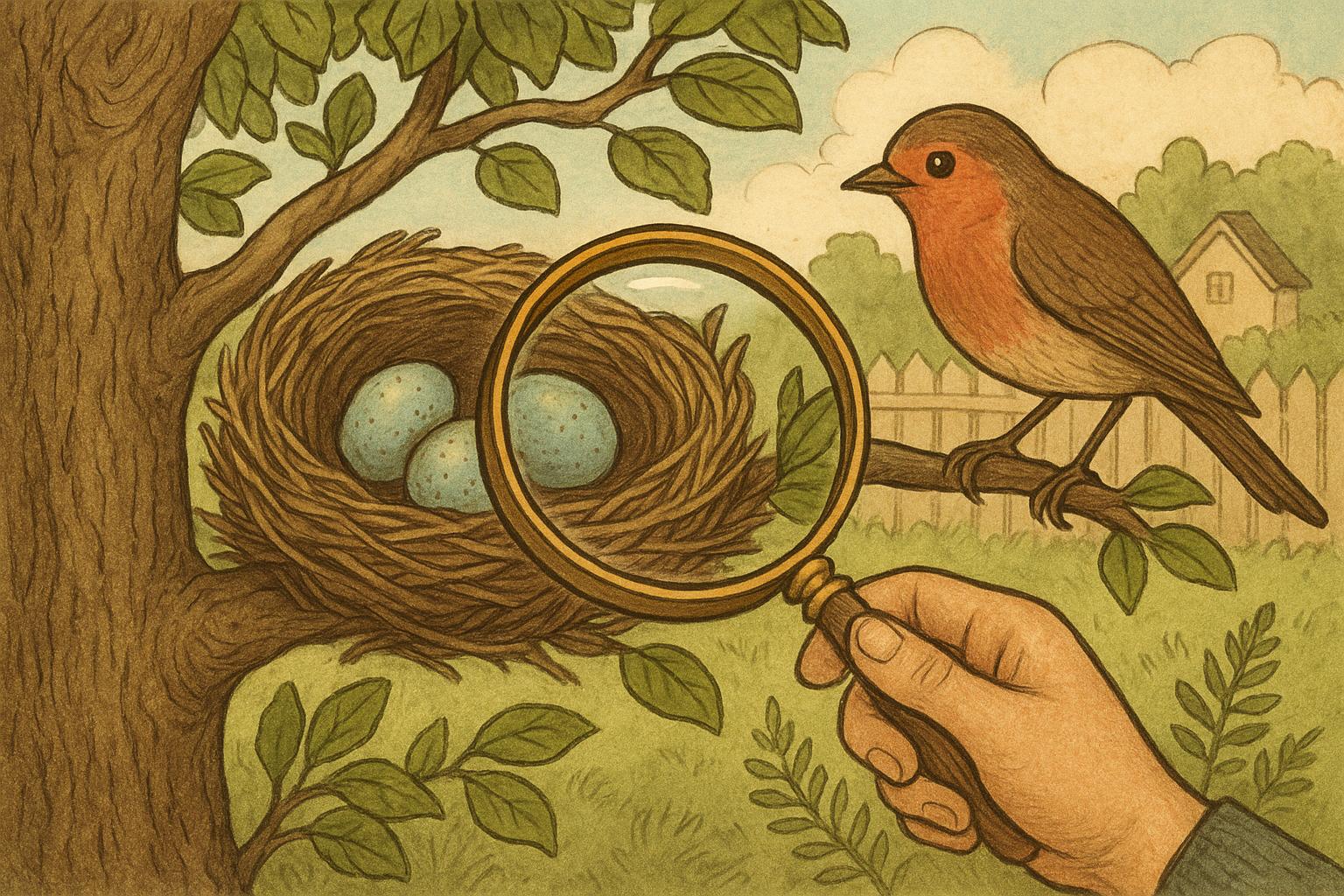
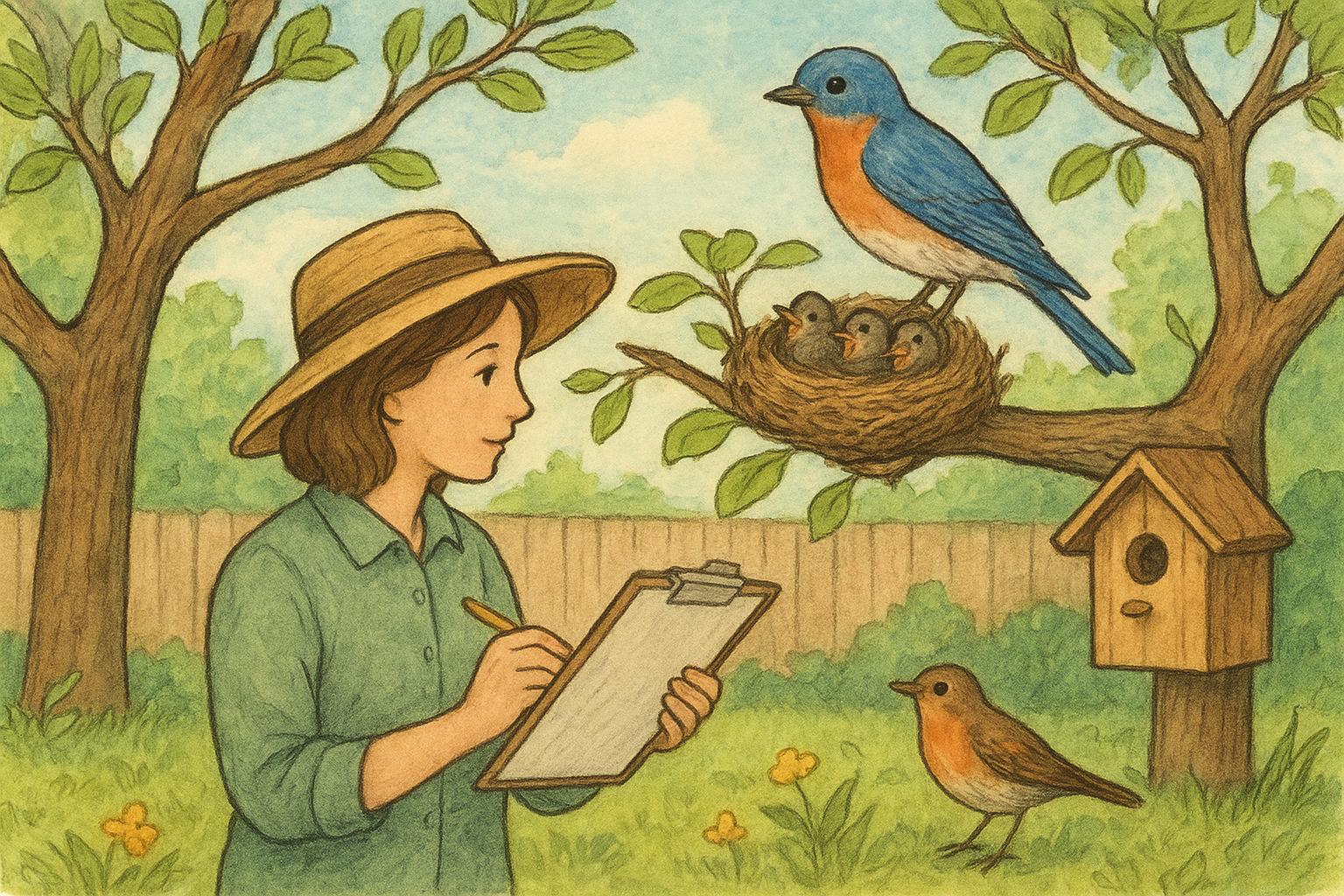
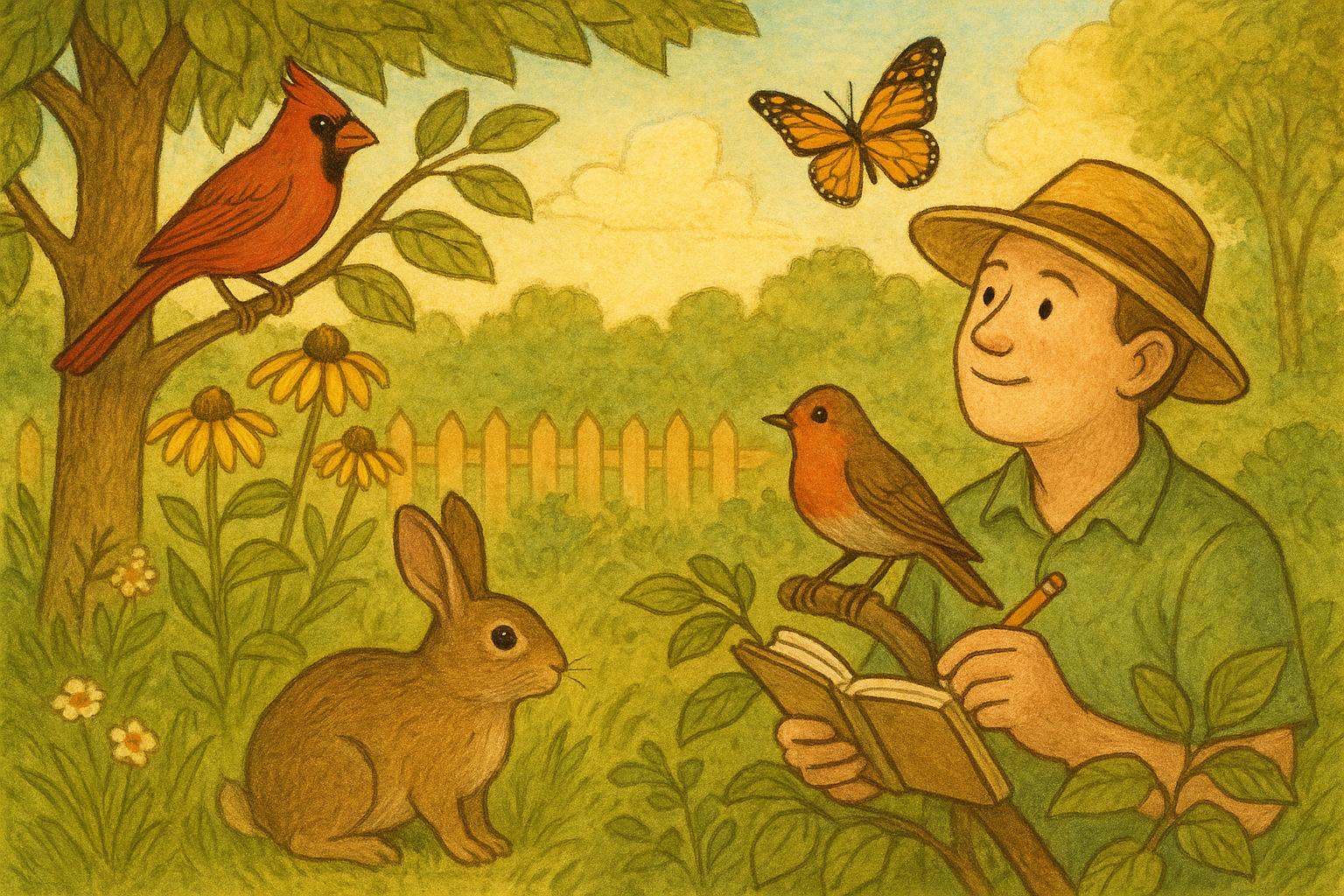
Adding wildlife features can also teach kids about lifecycles and ecology. A simple observation station — a bench and a notepad — encourages watching and learning. It’s practical, low-cost, and often leads to better stewardship. You might get muddy hands and a few curious questions, but that’s part of the sucess.
Make choices that fit your lifestyle and space. Small yards demand focus, but they can be dense, vibrant pockets of life. Aim for function over form, and the wildlife will tell you what’s working.

Leave a Reply