
## Quick Reality Check: Wildlife Loves Your Compost
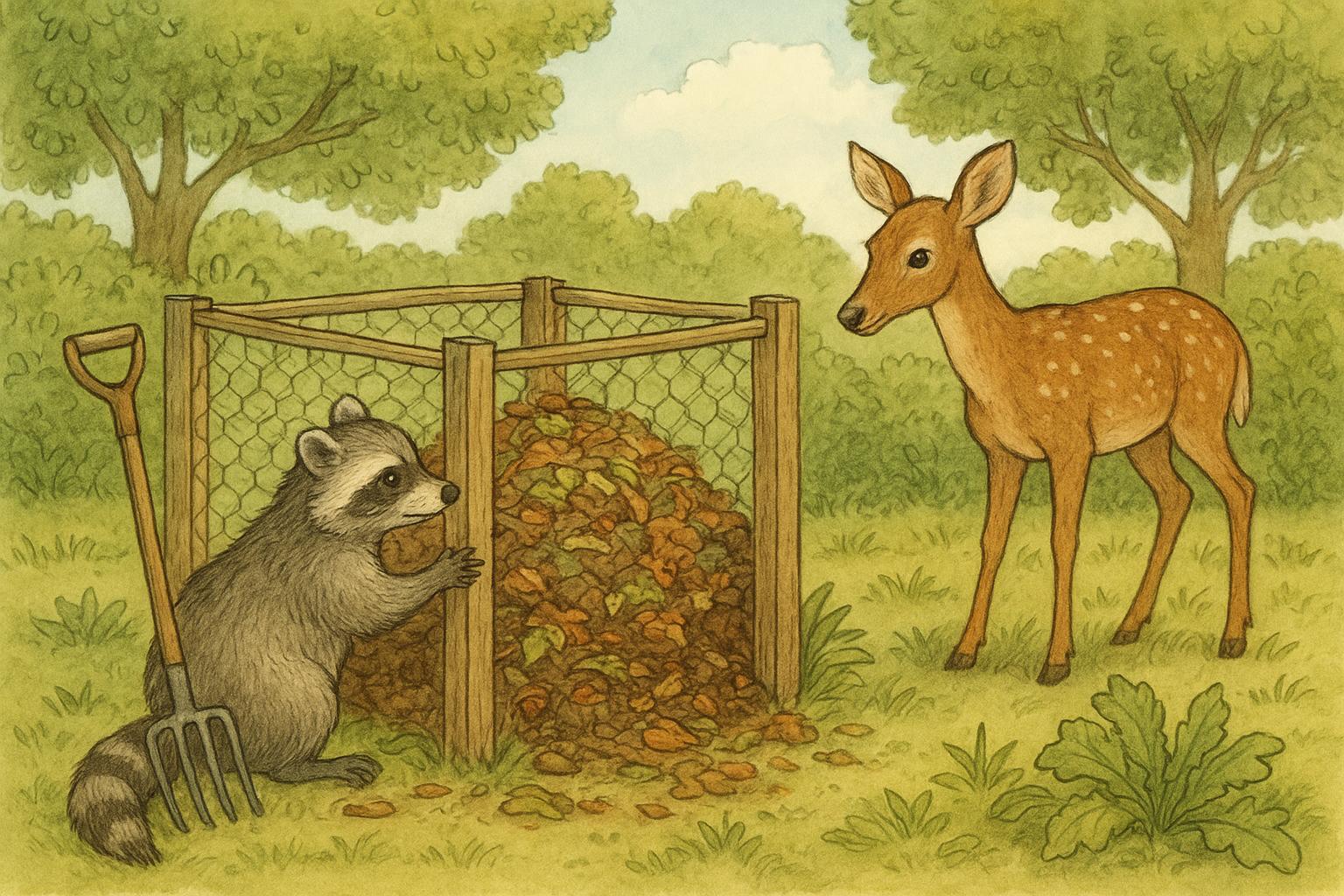
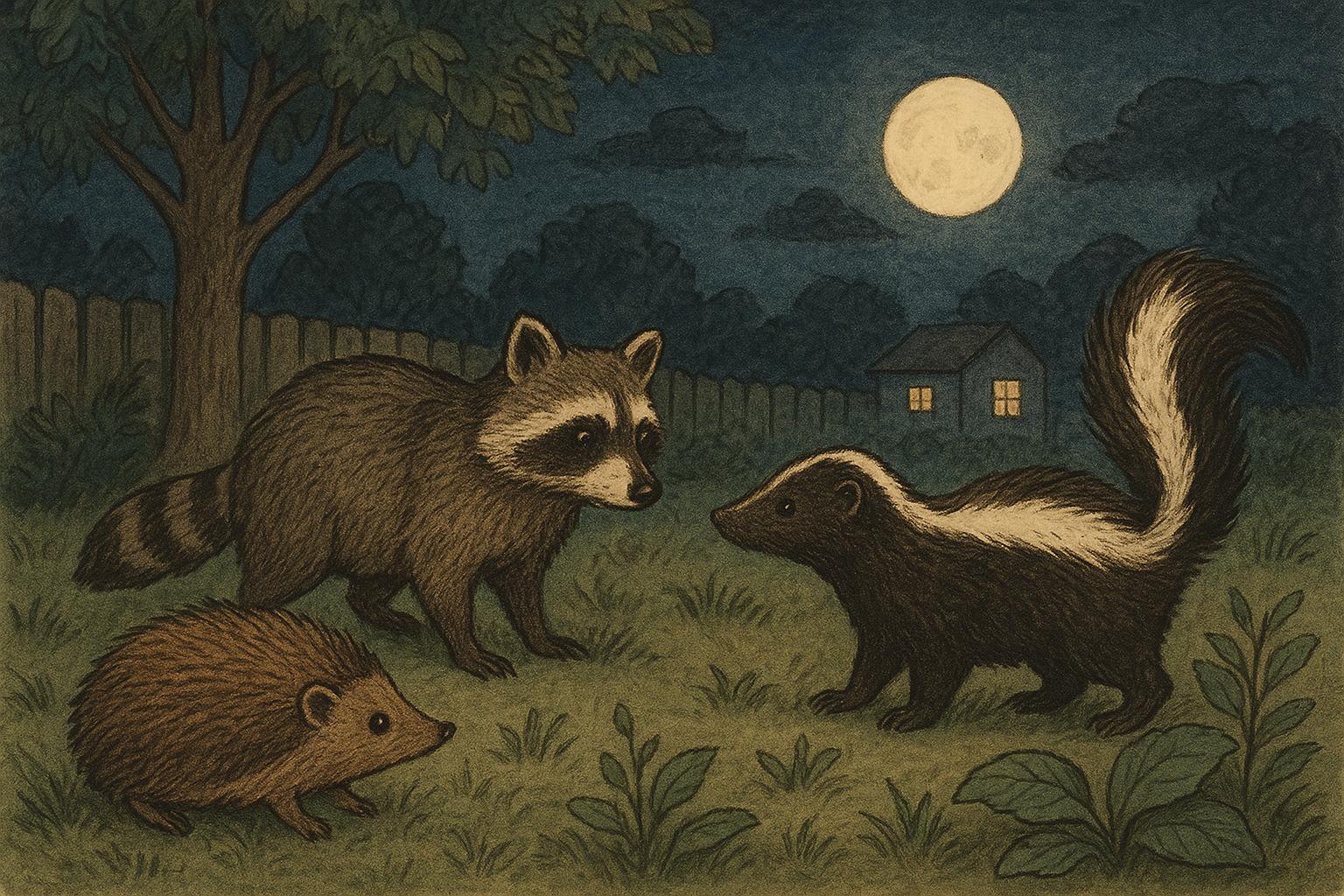
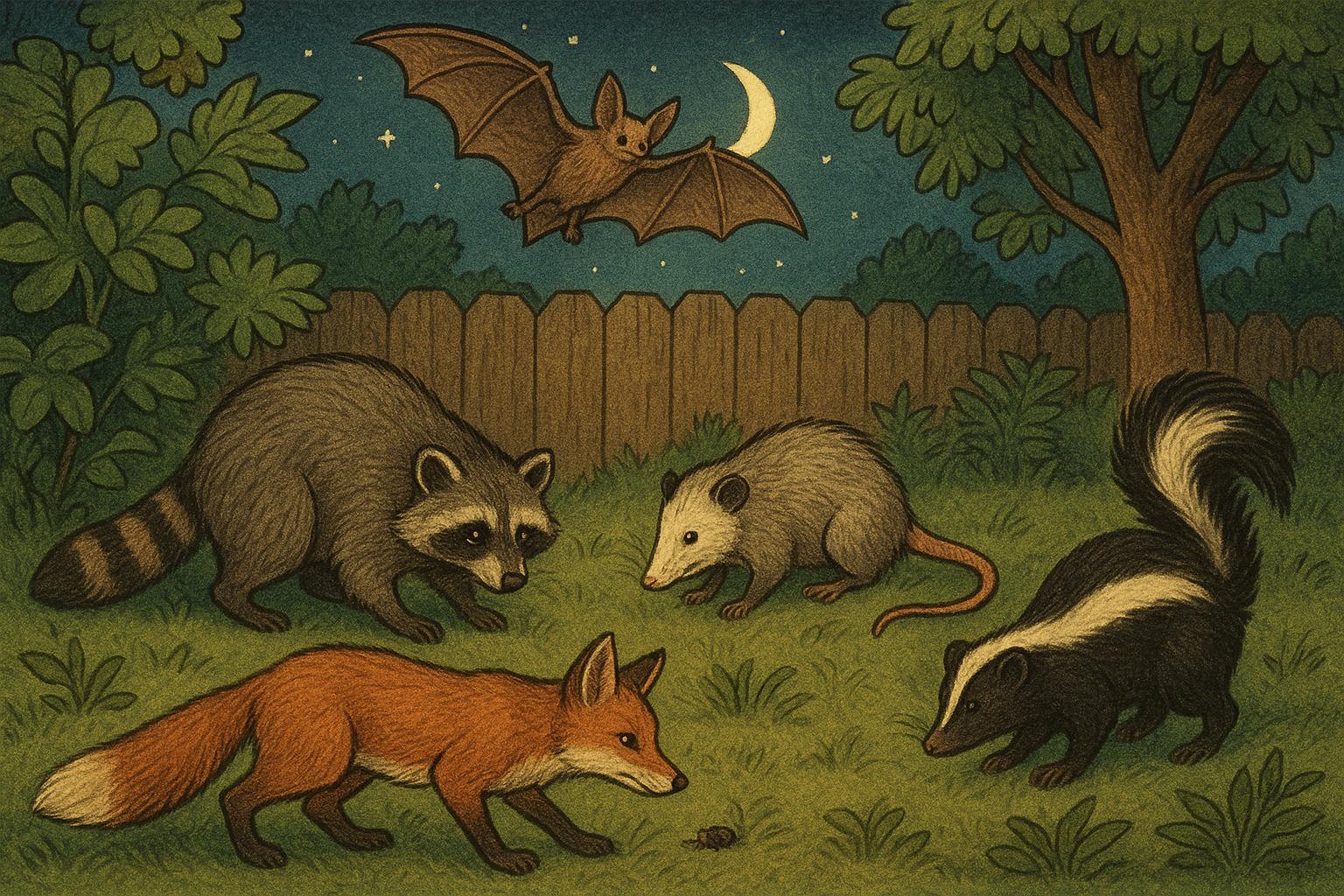
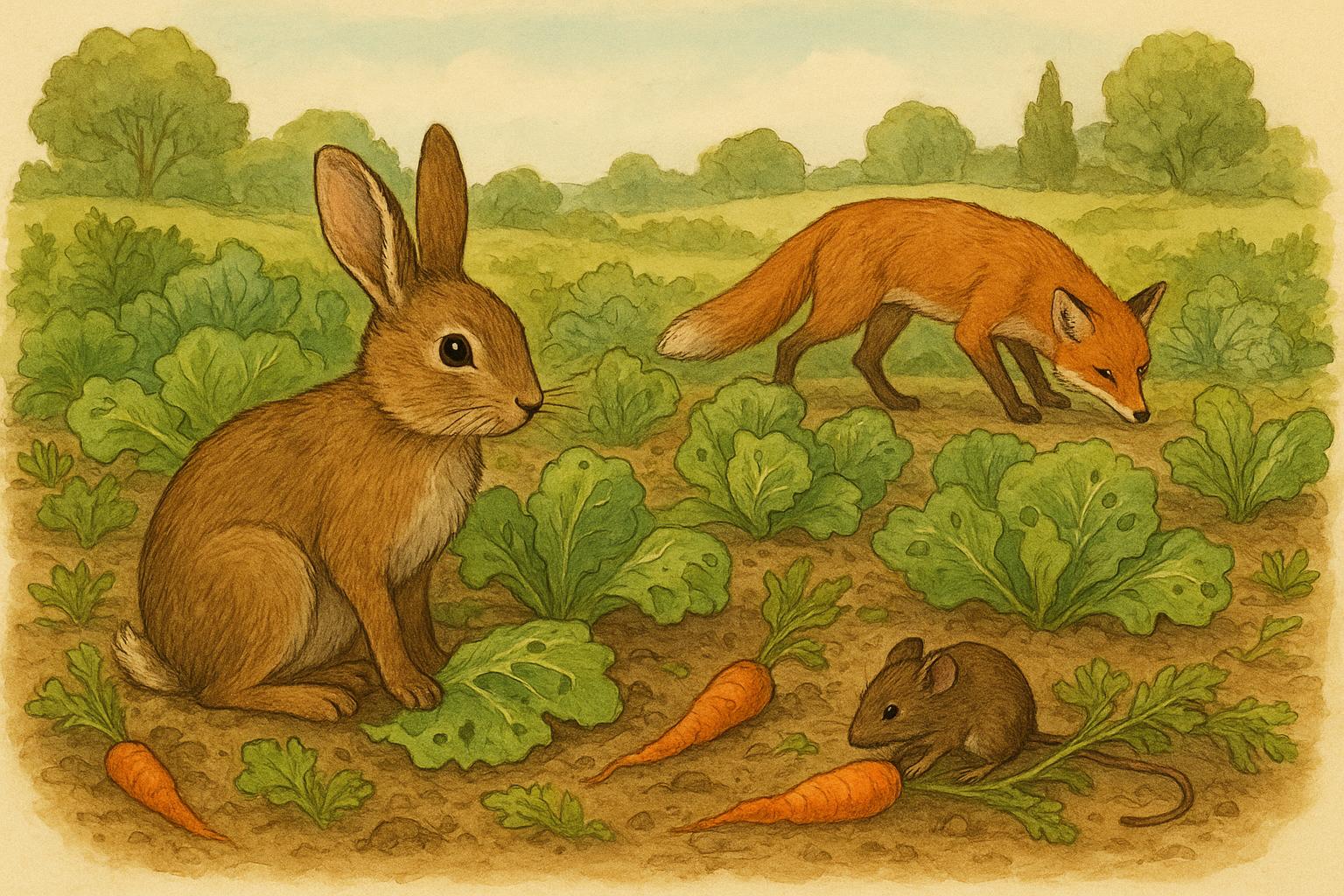
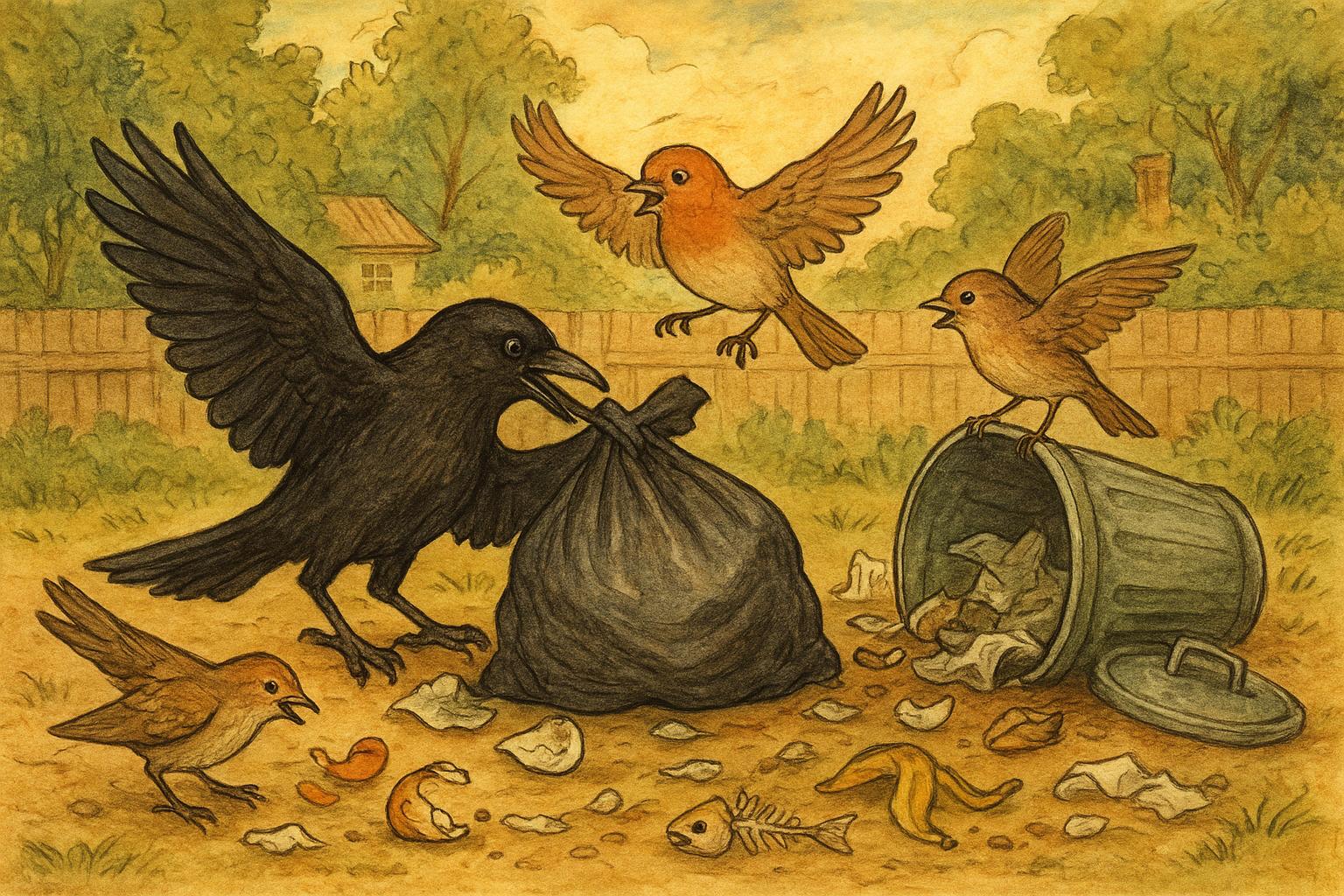
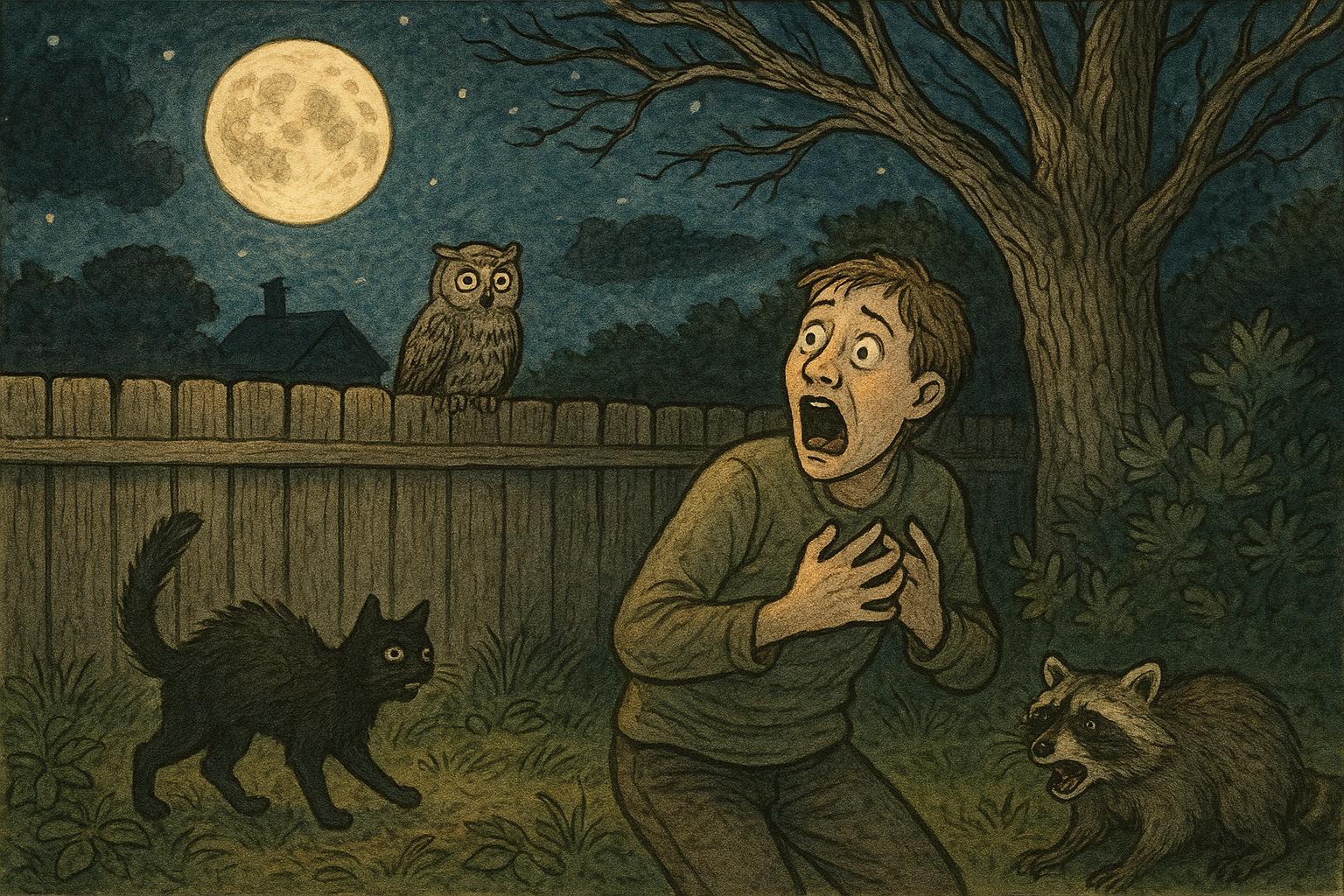
If you compost in the yard, expect visitors. Raccoons, rats, possums, foxes, and even neighborhood dogs find food scraps irresistible. The smells and easy calories transform an innocent compost pile into a wildlife buffet. You don’t need to wage war on every animal, but you do need to make your pile less attractive and harder to get into. That’s the idea behind sensible compost protection and compost security.
## How To Secure Compost Piles From Wildlife Without Losing Convenience
You can secure compost piles from wildlife and still have a system that’s easy to use. The key is layering defenses: physical barriers, odor control, and good habits. Each measure on its own helps a bit. Together they cut wildlife visits dramatically.
### Choose The Right Container
A robust bin is the single best move for compost protection.
– Enclosed Tumblers: Easy to turn, sealed against most critters, and quick to heat up. Great if you want low-maintenance compost and fewer visits from animals.
– Wire Bins With A Lid: Use 1/2-inch hardware cloth on the sides and top. That mesh arrests rodents and raccoon paws but still allows airflow.
– Pallet Or Board Bins: Cheap and workable, but reinforce gaps and use a top that fastens down.
If you’re dealing with persistent diggers like raccoons, mount the bin on a solid base or add a buried skirt of hardware cloth around the perimeter. This prevents animals from digging in under the sides.
### Make Access Difficult, Not Impossible
Wildlife are patient. Make entry awkward.
– Use a lid that locks or clips shut. A bungee cord is a good low-cost option but consider carabiners for long-term durability.
– For tumblers, aim for models where openings are small and seams tight.
– Add weight to lids in windy areas so they don’t blow open and invite a rummage.
A simple trick: chain a small brick or paving stone on top of the lid. It’s not glamorous, but for many critters, that extra weight is a deterrent.
### Fight The Smell, Cut The Interest
Animals come for odor and reward. Reduce the aroma and they’ll lose interest.
– Bury food scraps in the center of the pile under at least 6–8 inches of browns (leaves, straw, shredded paper). This is basic compost protection.
– Avoid putting in strong-smelling meat, fish, dairy, or greasy foods unless you have a hot compost system that quickly breaks them down. Those items are raccoon magnets.
– Add more carbon. Dry leaves, shredded cardboard, and wood chips absorb moisture and mask smells.
– Keep the pile moist but not wet. A soggy pile smells worse and attracts flies and rodents.
### Use Fencing And Netting Strategically
For piles that can’t be fully enclosed, a fence helps.
#### Materials And Setup
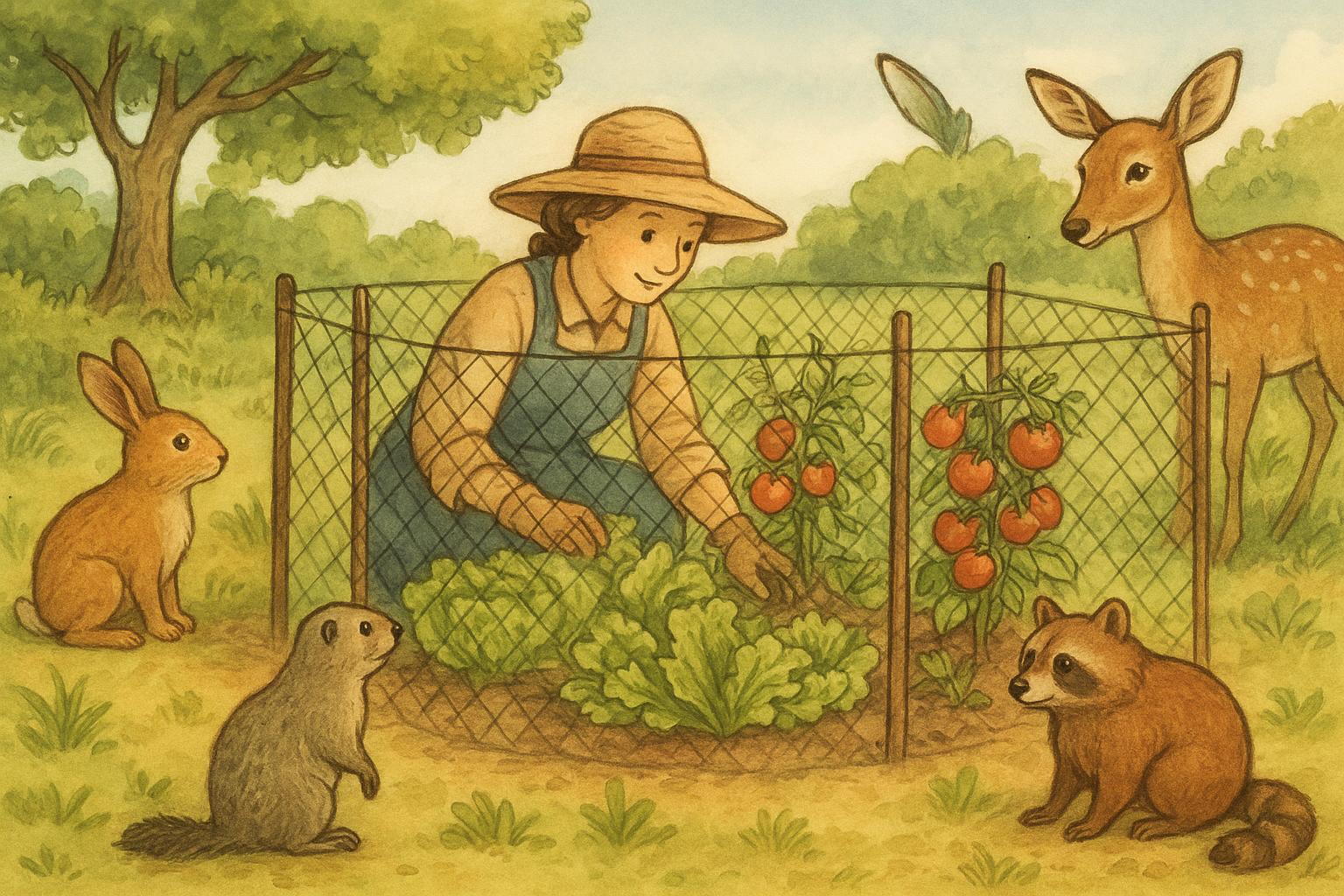
Use 1/2-inch hardware cloth buried 6–12 inches into the ground and extending a few inches outward. Attach it to posts and build a short cage around the pile. That prevents animals from digging and stops paws from getting in.
If deer are the issue, a taller fence or single line of electric wire works. For birds, a simple net over the pile will discourage scavenging.
### Secure Food Sources Elsewhere
Your compost may not be the only draw. If you want compost security, look at the whole property.
– Keep pet food indoors. Feeding pets outside is like putting out a sign that says “Come Dine Here.”
– Store birdseed in metal bins. Spilled seed under feeders is a chronic attractant.
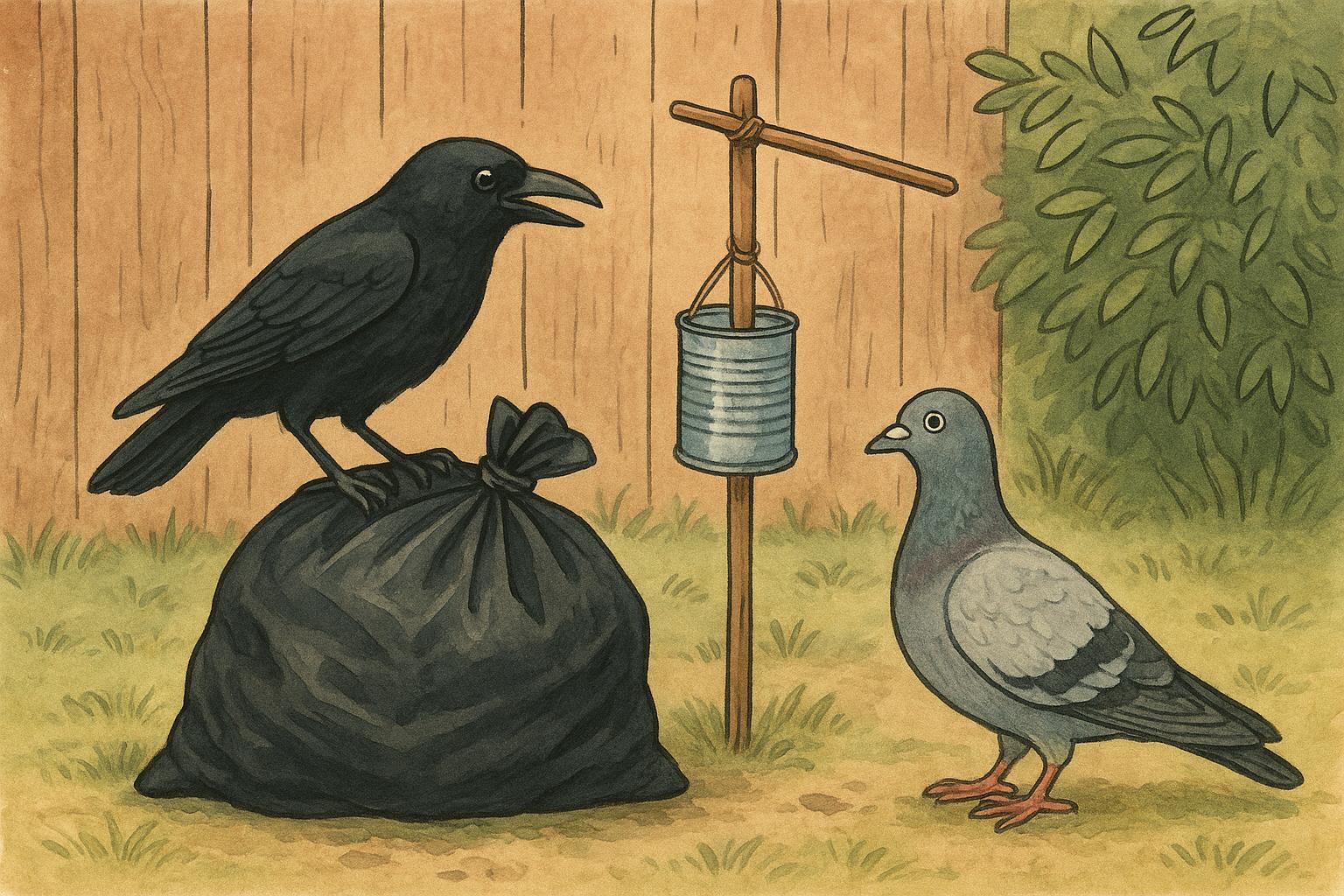
– Lock your garbage. Even sturdy municipal bins can be toppled if wildlife are determined.
Combining yard-wide practices with direct compost protection makes your pile less of a magnet.
### Manage Temperature And Turning
A hot compost system (thermophilic) will discourage many animals. When piles reach and hold temperatures above 130°F for several days, they break down food scraps faster and reduce smells.
– Turn regularly to keep heat and speed decomposition. Tumblers make this easy.
– For static piles, use a compost thermometer and monitor temperatures. If the pile is cold and smelly, wildlife will sniff it out.
Occassionally mixing the pile and adding high-carbon materials keeps conditions unfavorable for critters.
### Deterrents And Scare Tactics That Work (And Some That Don’t)
Motion-activated lights or sprinklers can be effective for nocturnal scavengers like raccoons. Predator urine and commercial repellents sometimes help but are less reliable. Don’t rely on mothballs; they are toxic and illegal to use outdoors in some places.
Electronic devices emitting ultrasonic sounds promise a lot, but many animals ignore them. Use these as part of a multi-layer approach, not as the only method.
### Practical Step-By-Step For A Small Yard
#### Quick Setup
1. Choose a closed bin or reinforce a simple box with hardware cloth.
2. Line the bottom with straw or shredded cardboard to absorb liquids.
3. Bury scraps in the center and cover with 6–8 inches of brown material.
4. Clip the lid closed after each addition.
5. Turn weekly or use a tumbler to keep things hot.
This sequence gives you compost protection and compost security without a lot of ongoing fuss.
### When Wildlife Still Gets In
If a raccoon or fox breaches the pile despite your precautions, don’t panic. First, review weak points: was the lid locked? Were there gaps? Did you add smelly scraps recently? Patch holes immediately and remove any food items that might be sustaining the intruder.
Persistent intrusions may call for professional wildlife control, especially if animals are nesting or showing aggressive behavior. Local wildlife specialists can advise on humane exclusion methods and legal considerations.
### Design Considerations For Long-Term Success
Think of composting as a system, not a single thing in the yard.
– Place bins in a shaded, well-drained spot near the house for easy monitoring.
– Consider multiple small bins instead of one large pile. Smaller volumes are easier to manage and heat up faster.
– Use durable materials. A cheap plastic bin might crack and leave entry points, undermining your compost security.
Routine checks every few days during warm months catch problems early.
### Seasonal Adjustments
In winter, food-scent attraction diminishes but animals will still investigate. Insulate bins to keep composting activity going, and continue to secure lids. In summer, smells intensify; increase covering, turning, and carbon additions to maintain compost protection.
Keep an eye on local wildlife patterns. If raccoons are more active in spring, tweak your habits accordingly.
### Final Practical Reminders
Be consistent. Half-hearted measures invite visits. Small, steady practices—locking lids, burying scraps, and reinforcing gaps—pay off. You’ll spend less time chasing critters and more time using finished compost where it belongs: your garden beds.






Leave a Reply