
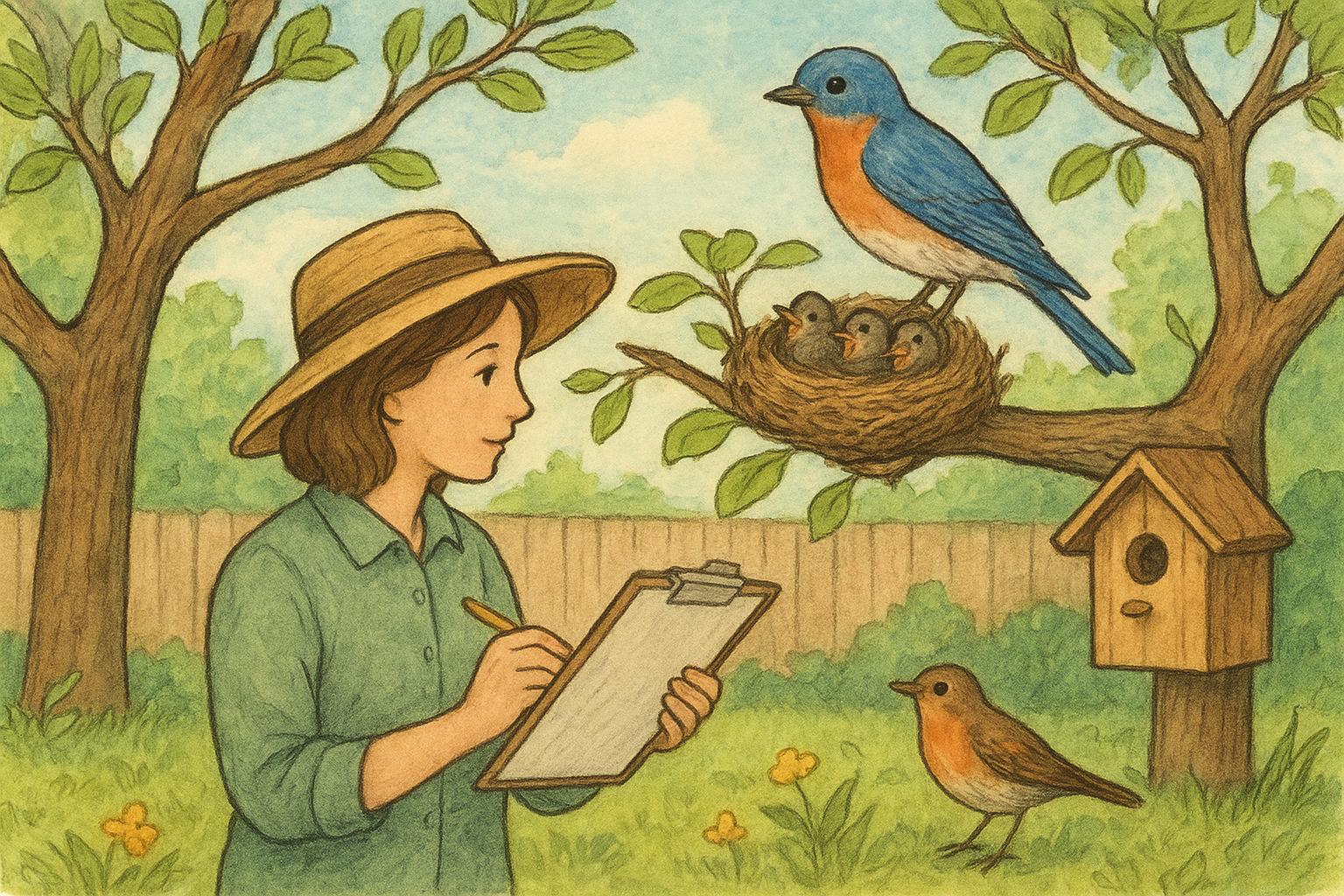
Spring nesting season is when yards fill with quiet work: soft lining material, parent birds shuttling, babies peeping. If you want to watch that up close without ruining a nest, you need a clear approach. This article gives practical, down-to-earth guidance for spring nest monitoring that actually respects birds and gives you useful data.
## Spring Nest Monitoring: A Practical Field Guide
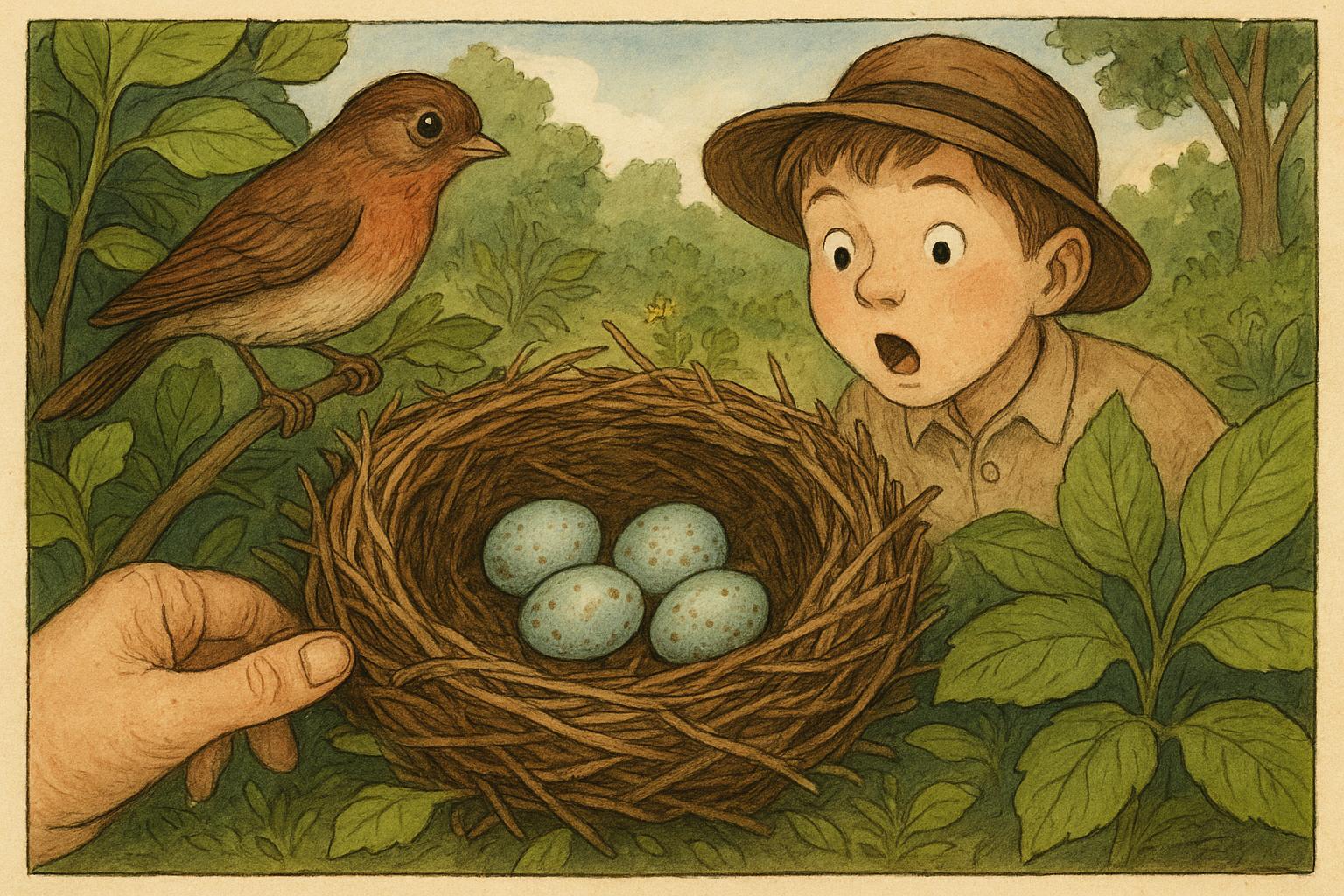
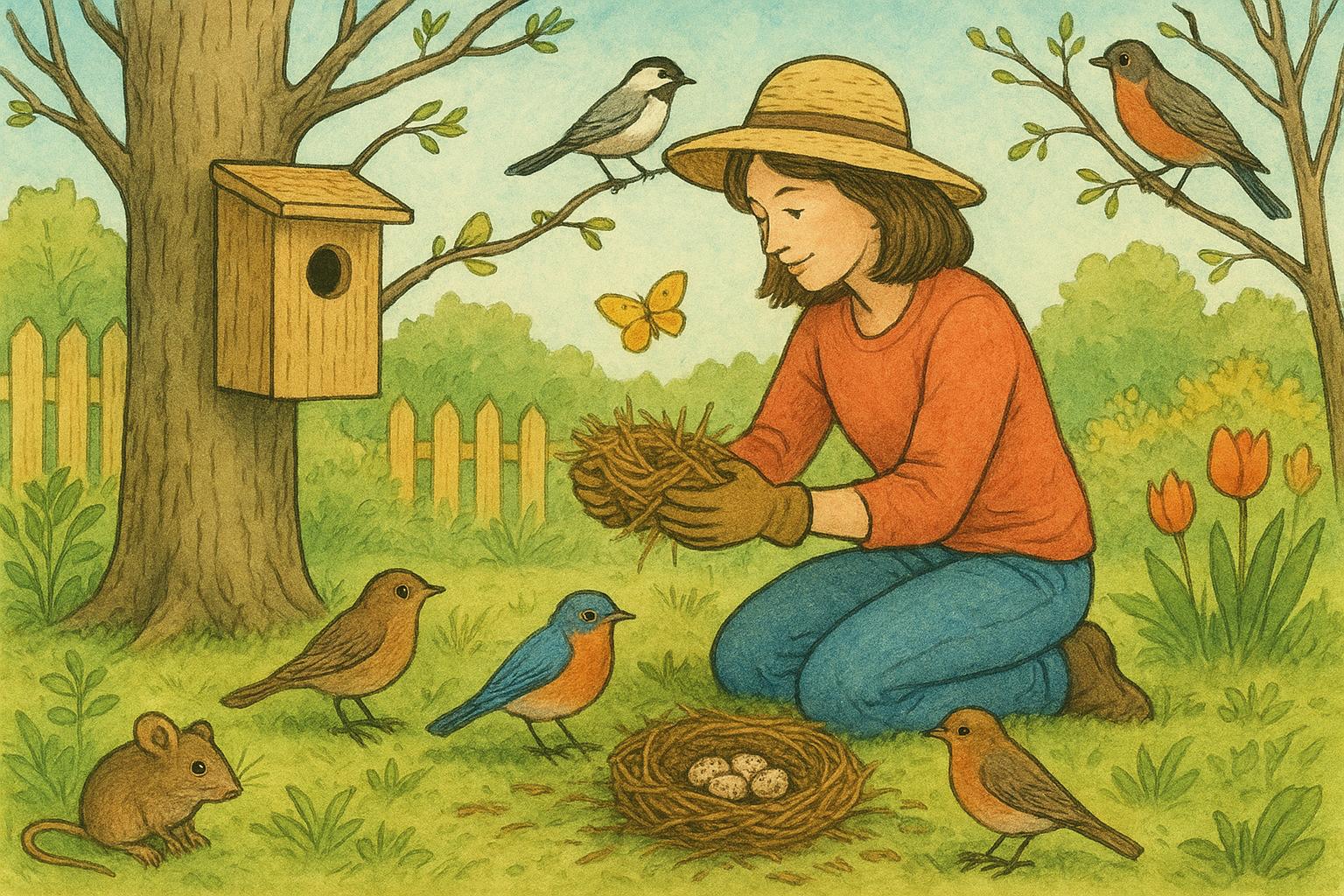
Spring nest monitoring starts with a basic ethic: observe, don’t disturb. The simplest mistake is curiosity that becomes interference. A parent bird scared away repeatedly may abandon a nest. Movement near a nest, loud voices, or trying to touch eggs are common problems. Keep your distance, move slowly, and use tools to minimize your presence.
If you plan to record anything beyond casual notes, treat your watching like data collection. Decide what you will record before you start. That keeps you focused and prevents needless trekking back and forth that can harm the birds.
### Why Watch Nests At Home
Many people watch nests because it’s fascinating. But good backyard work also supports conservation. Local nest monitoring can reveal changes in timing, breeding success, or predator pressure. A few backyard monitors who log nest counts over years give researchers valuable snapshots across neighborhoods.
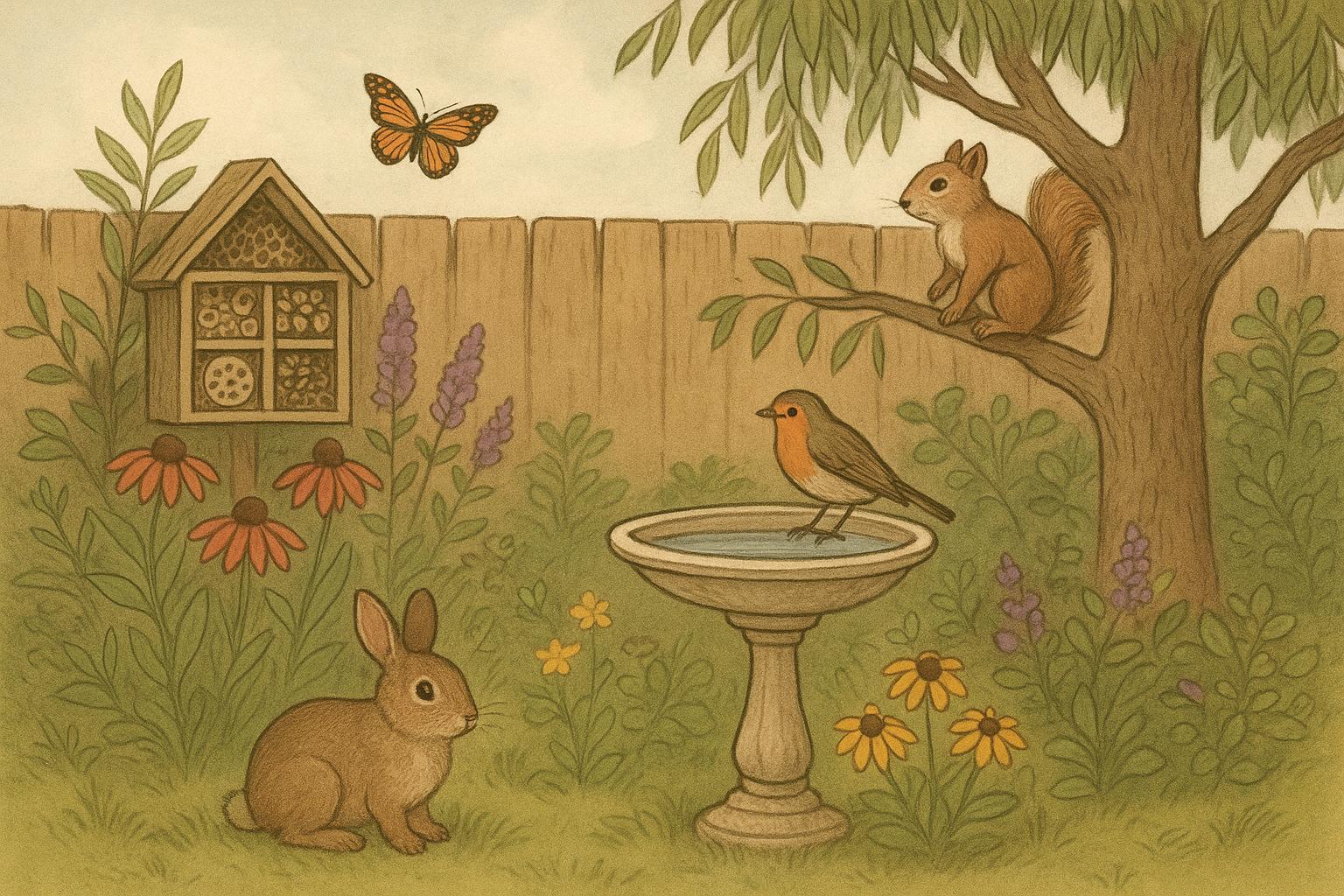
Watching nests also helps you learn birds’ habits. You notice species preferences, how weather affects feeding, and how fledglings leave the nest. That informs better yard design for wildlife: native plants, nest boxes in safe spots, and reduced pesticide use.
#### A Realistic Goal For Your Project
Don’t try to monitor everything. Pick a few nests or a single species and do them well. Track a manageable number of nests and a small set of variables: species, date found, egg count, hatch date, and outcome. This makes your entries useful and repeatable.
## Getting Started With Minimal Impact
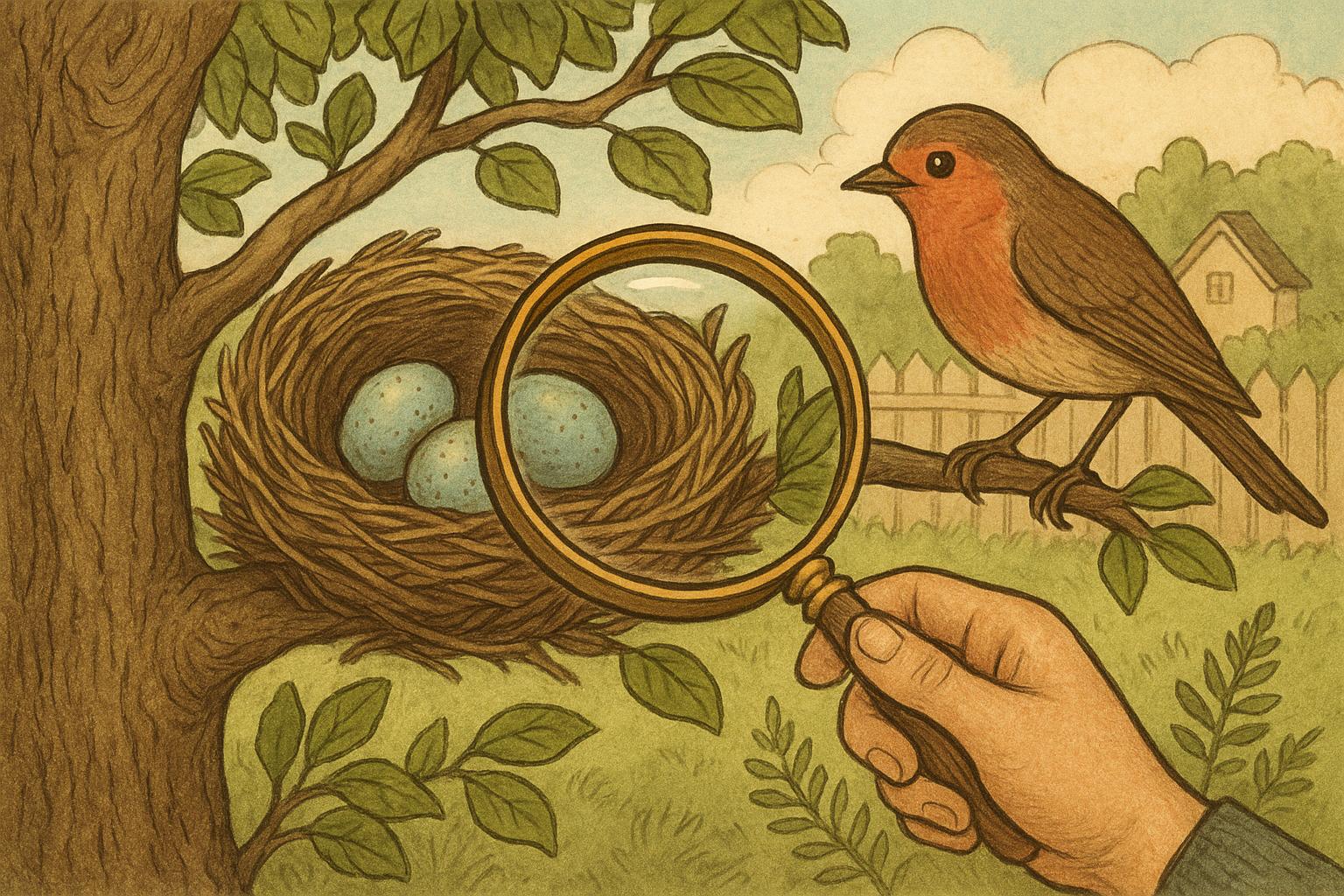
Start by scouting without touching. Use binoculars or a spotting scope from a distance. If you have a cat or dog, keep them indoors during watching periods. Birds respond to repeated disturbances, even if you don’t mean harm.
Mark observation points rather than the nest itself. A discreet flag or a GPS waypoint keeps the nest location known without marking it in plain sight for predators or well-meaning neighbors. When you need to get closer for a clear view, do it briefly and at the same time each day, so birds are less likely to be surprised.
### Tools That Make Monitoring Easier
You don’t need expensive equipment. Here are practical items that keep you low-impact and effective:
– Compact binoculars (8x or 10x) for routine checks.
– A small notebook or a field app on your phone for immediate notes.
– A camera with zoom or a phone telephoto lens for photo documentation.
– A ladder only if absolutely necessary and used with care.
Limit ladder use. Getting on a ladder increases the chance of dropping things, disrupting nest structure, or leaving scent trails. If a better view is essential, ask a friend or a local bird club for advice before climbing.
### When To Check Nests
Timing matters. For most small passerines, a single short visit every two to three days is enough to track progress; daily checks are rarely necessary and increase disturbance. If the nest contains eggs, wait until hatching is expected before checking more frequently. During the first few days after hatch, parents come and go frequently but stressful disruptions can still cause problems.
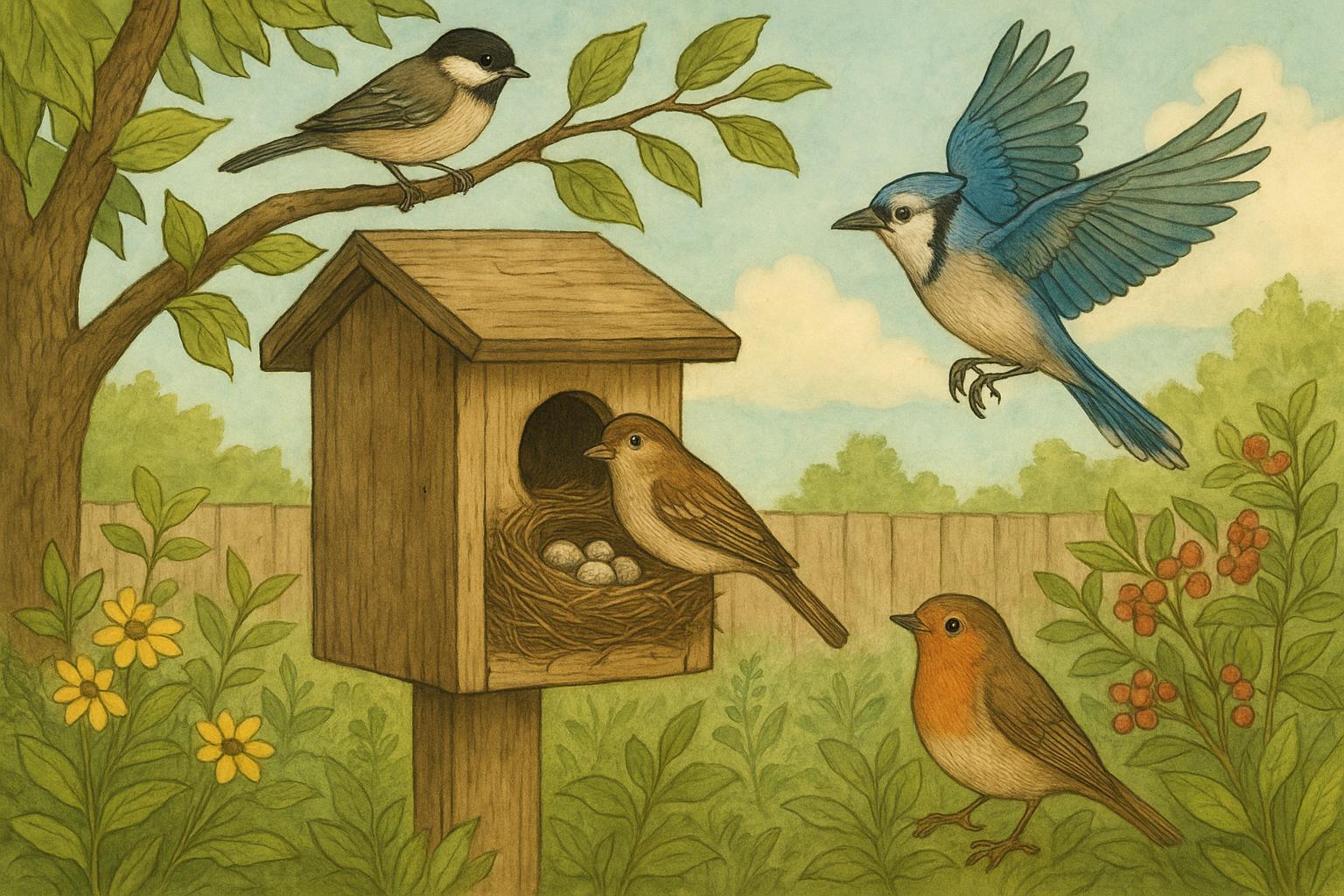
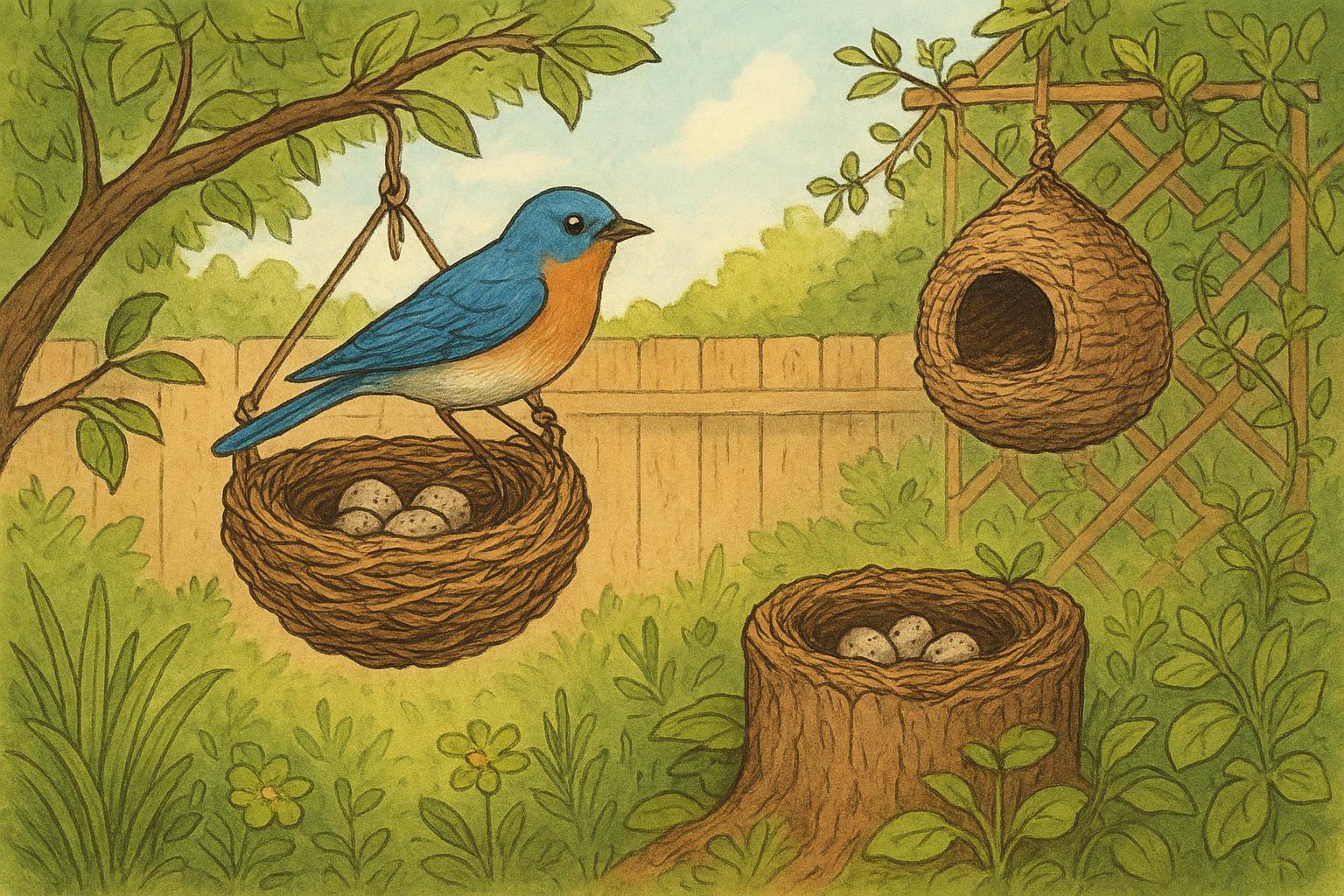
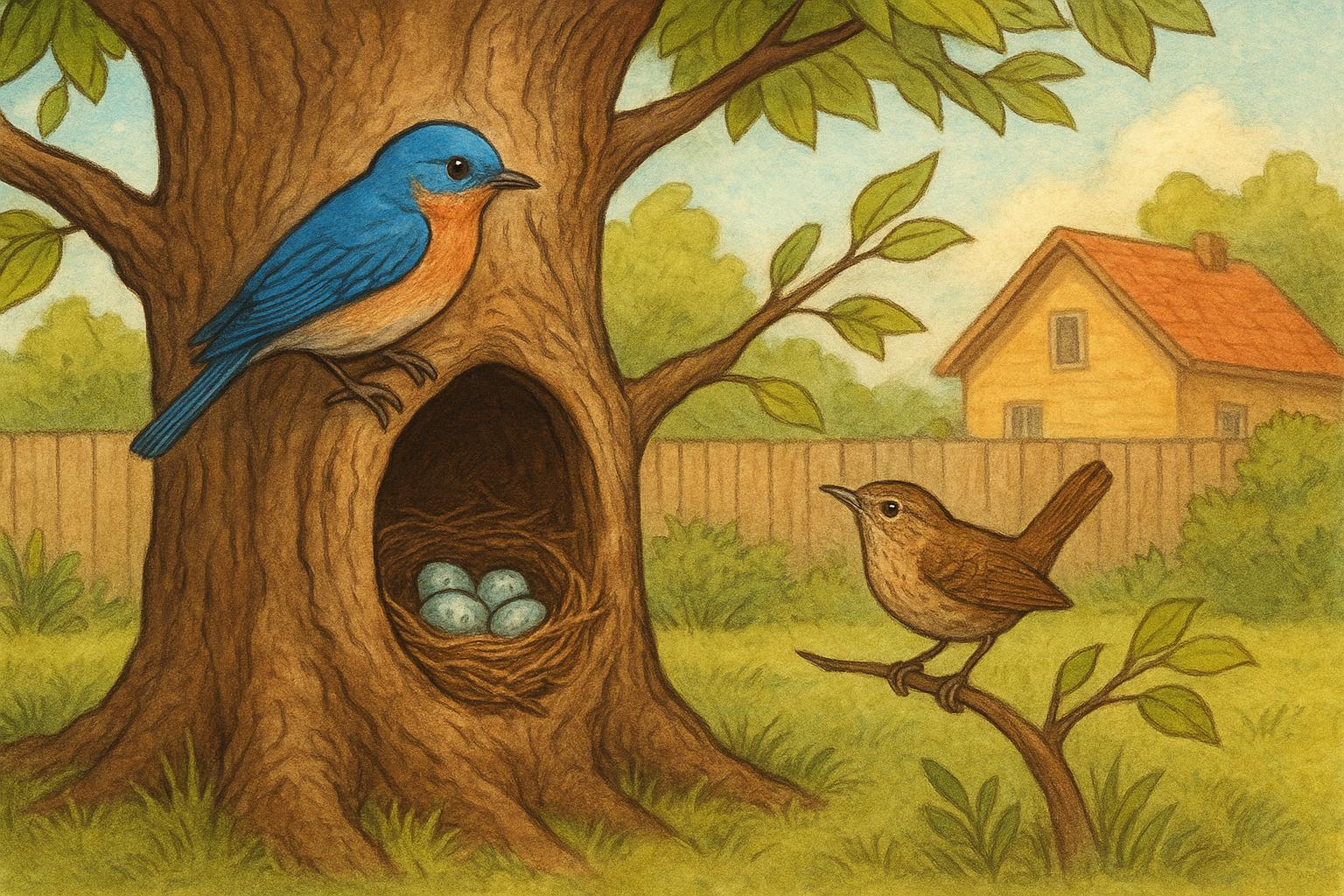
For cavity nesters like bluebirds or chickadees, nest box checks should be even more conservative. Follow local guidelines—often a once-per-week schedule for nest boxes is recommended. If you’re participating in citizen science, they will give you exact windows to check.
## What To Record For Useful Data
Useful nest monitoring records are consistent and specific. Here’s a short list to get started. Record the same items in the same order each time.
– Date and time of visit.
– Species (or best guess).
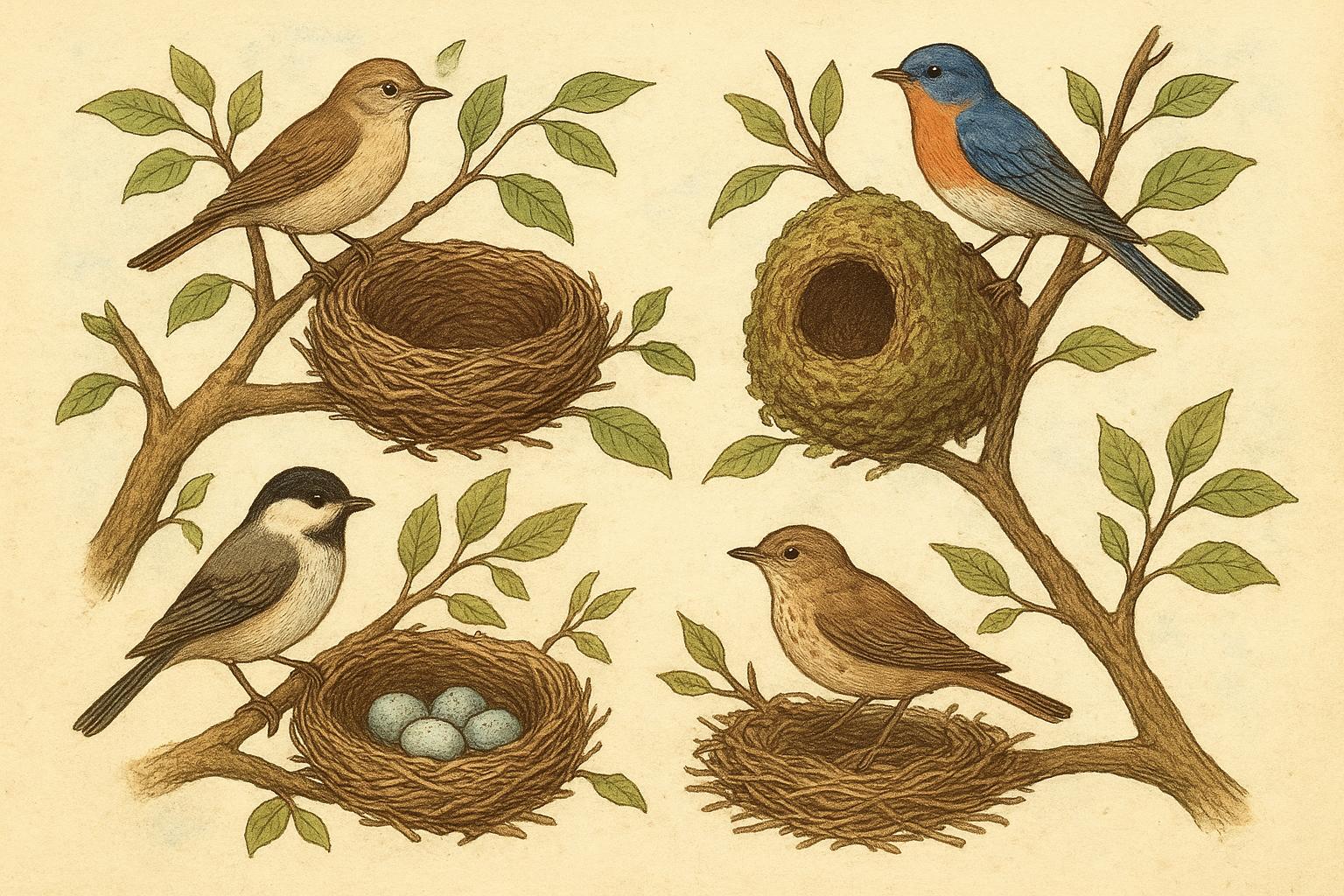
– Nest location type (tree, shrub, nest box, eave).
– Number of eggs or nestlings.
– Behavior notes (feeding trips per hour if you can estimate, predator sightings).
– Outcome (fledged, failed, abandoned) and any obvious cause.
Photos are gold. A clear photo of eggs or nestlings helps verify species and clutch size later. Make sure photos are taken from a distance with a zoom lens.
### How To Do Countable Nest Counts
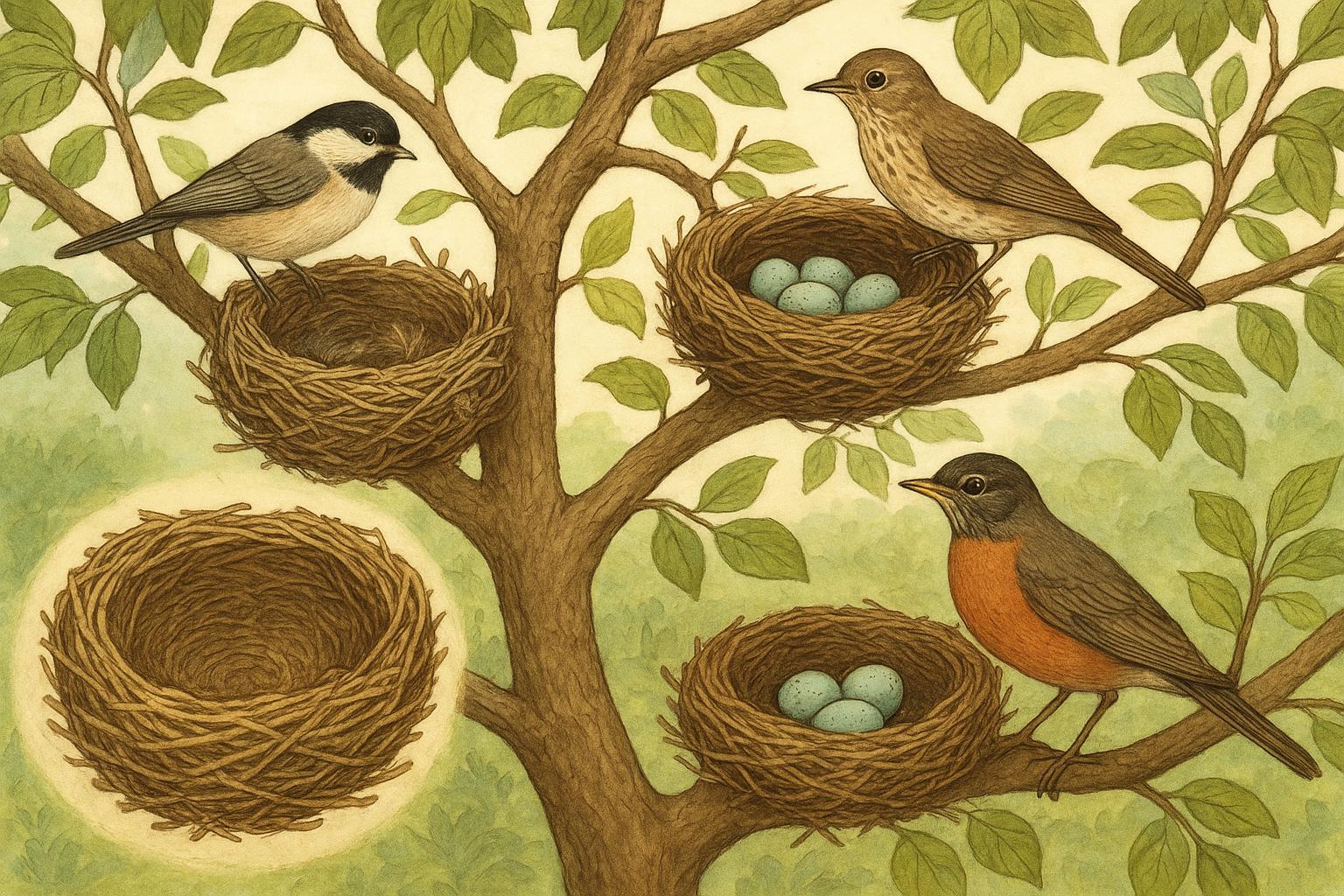
If you’re contributing to local monitoring programs, they will ask for nest counts: simple tallies of active nests in a defined area. Keep these counts honest and repeatable. Use the same route and timing each year. Don’t inflate numbers by counting the same nest twice. For multi-yard efforts, coordinate with neighbors to avoid overlaps.
When you do nest counts, note the survey effort. How long did you spend? How far did you walk? That context makes your numbers far more useful.
## Reading Nest Behavior And Timing
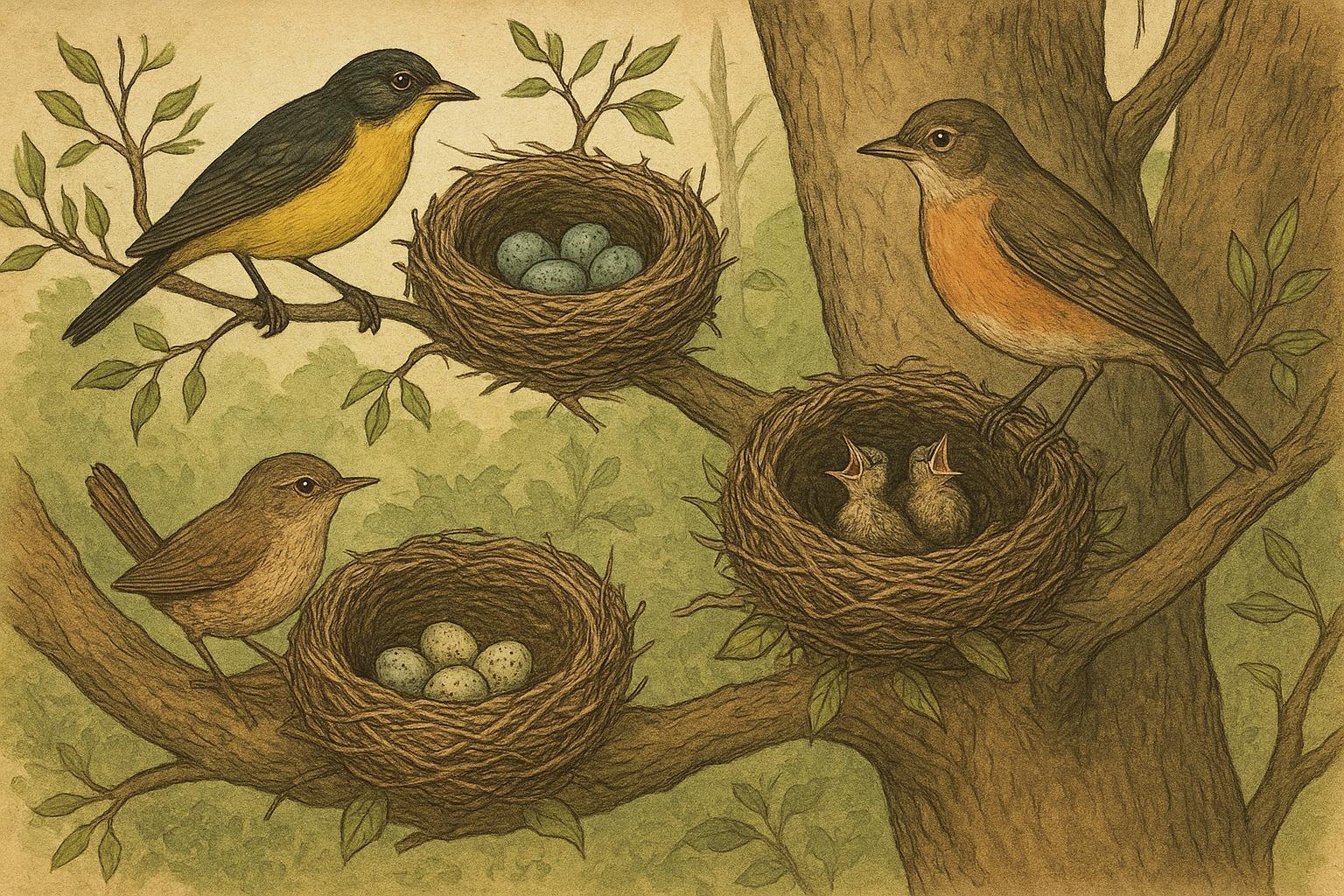
A clutch of four eggs that suddenly becomes two might mean predation, cold weather, or miscounting. Watch for patterns. If parents visit frequently and the nestlings are active, chances are good. If adults stop appearing, record the last confirmed activity and leave the area.
Phenology—the timing of nesting—is one of the clearest things backyard monitors can track. Note first egg dates and hatch dates. Over years, you may spot shifts tied to temperature changes or local habitat alterations.
### Handling Predation And Disturbance
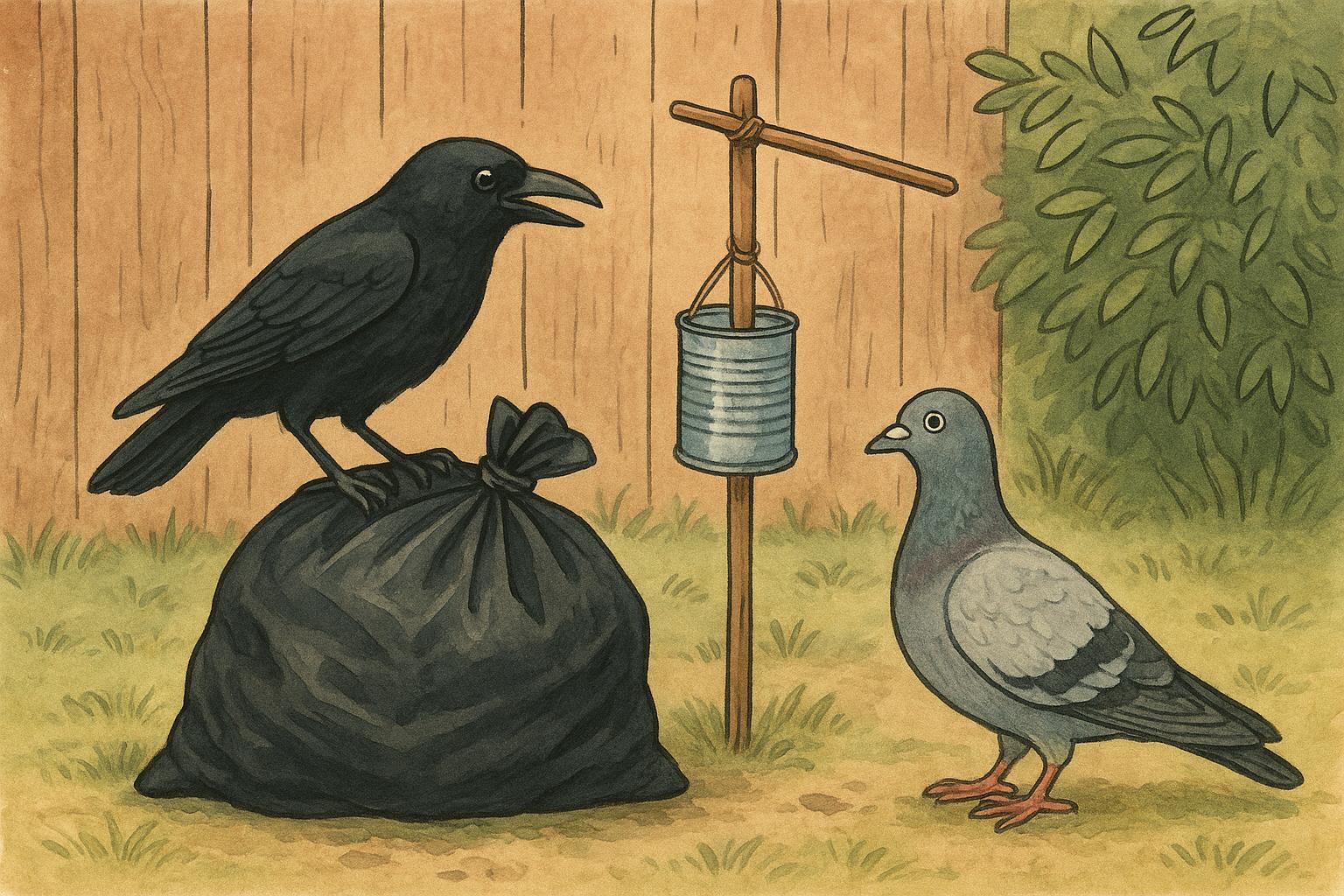
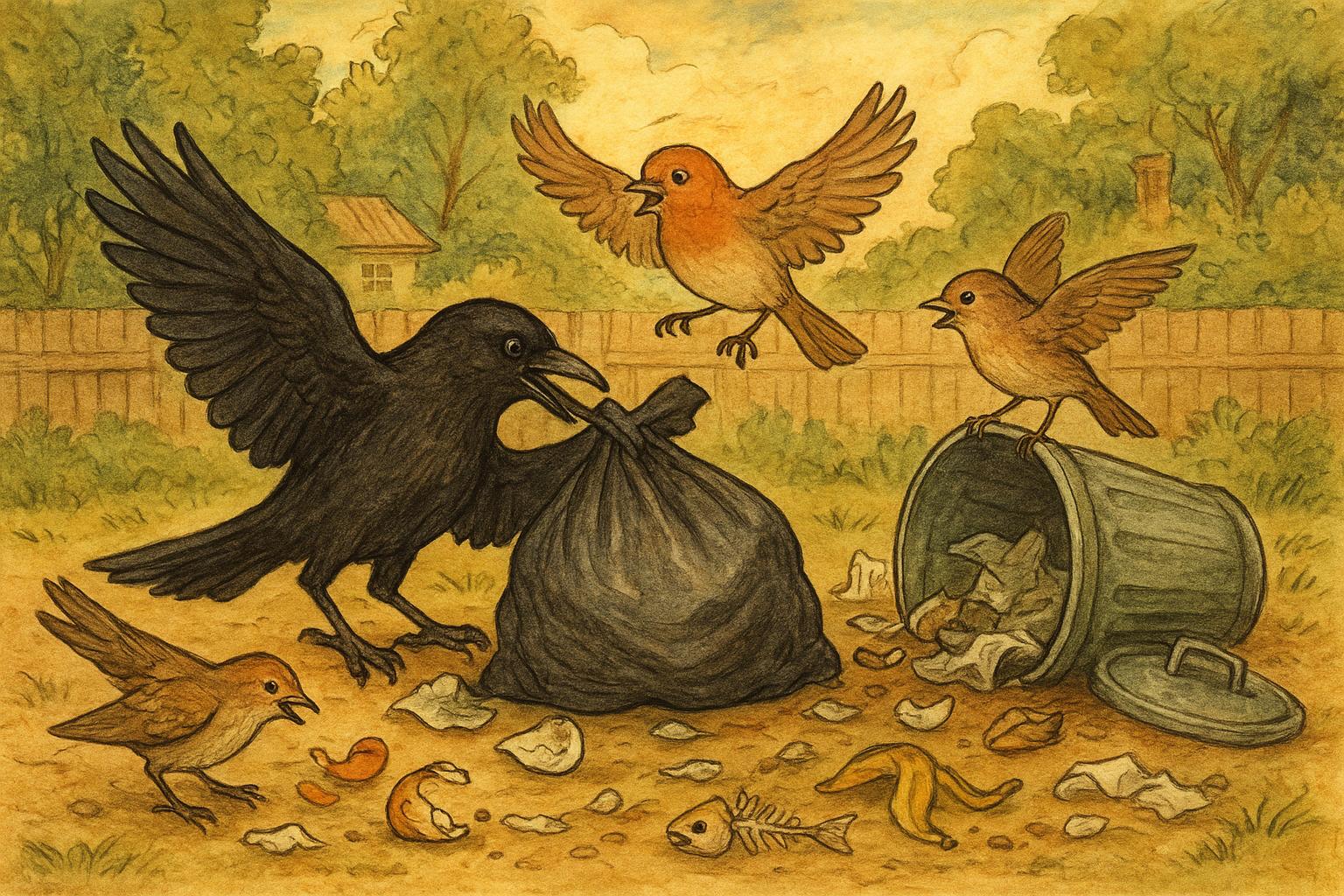
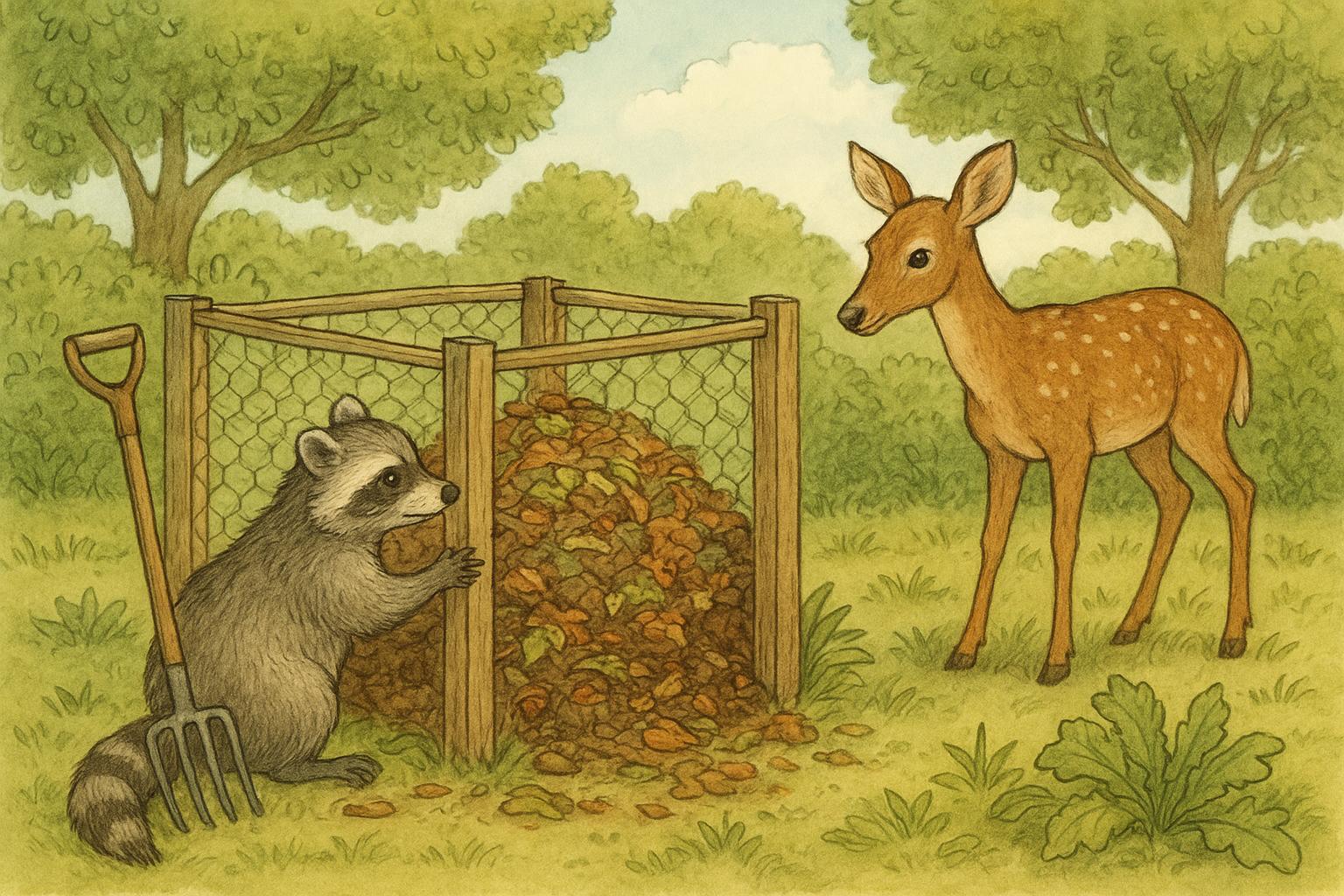
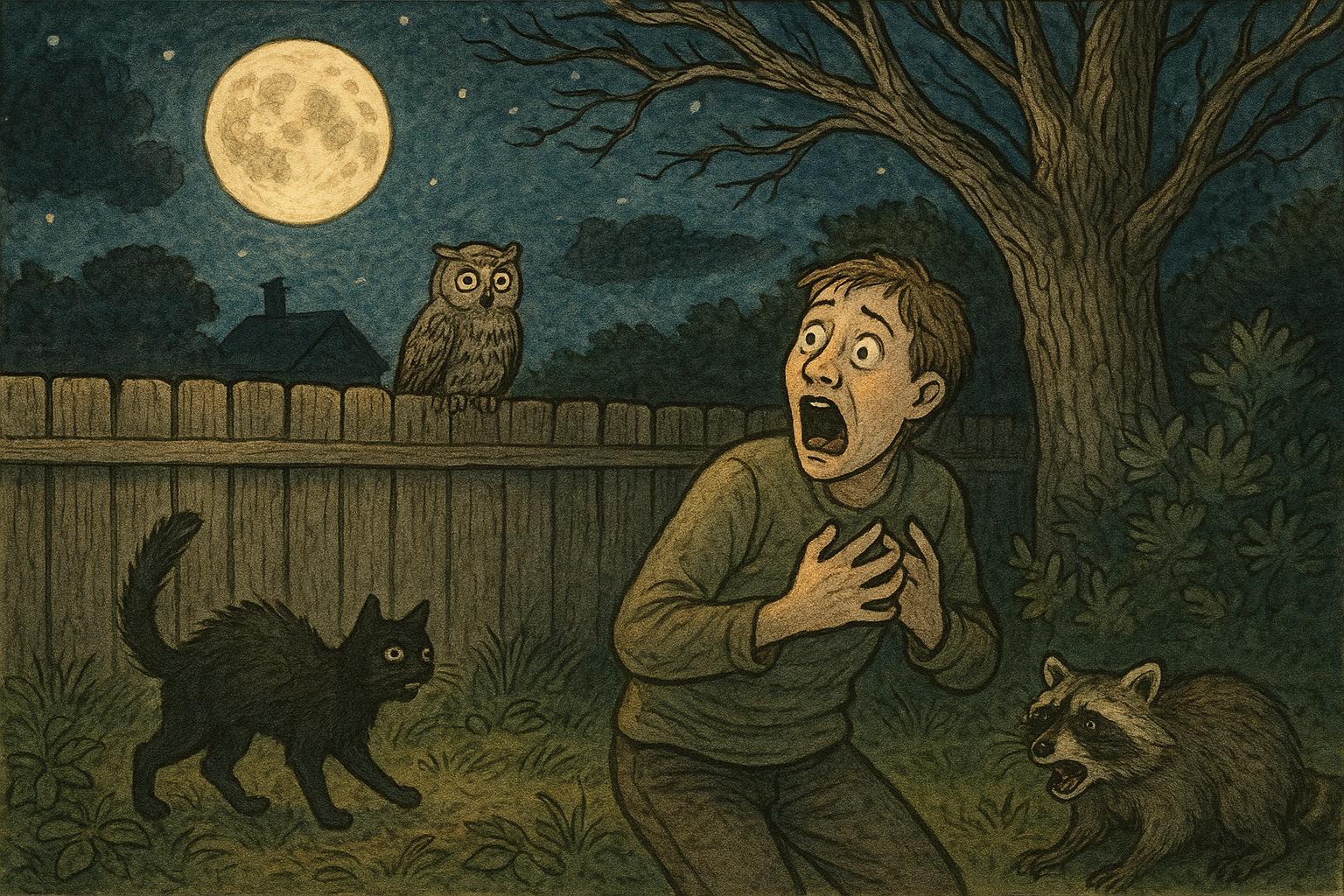
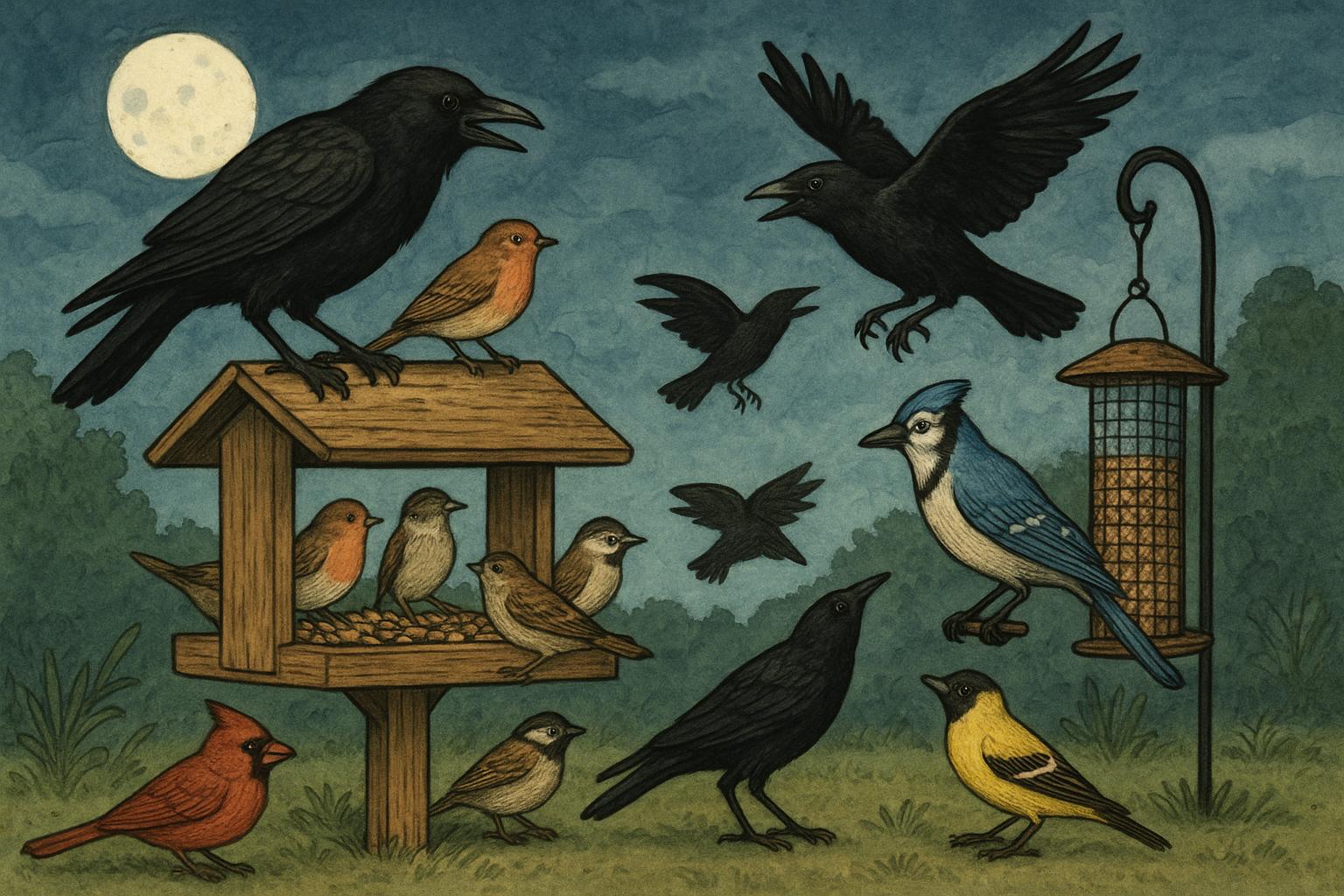
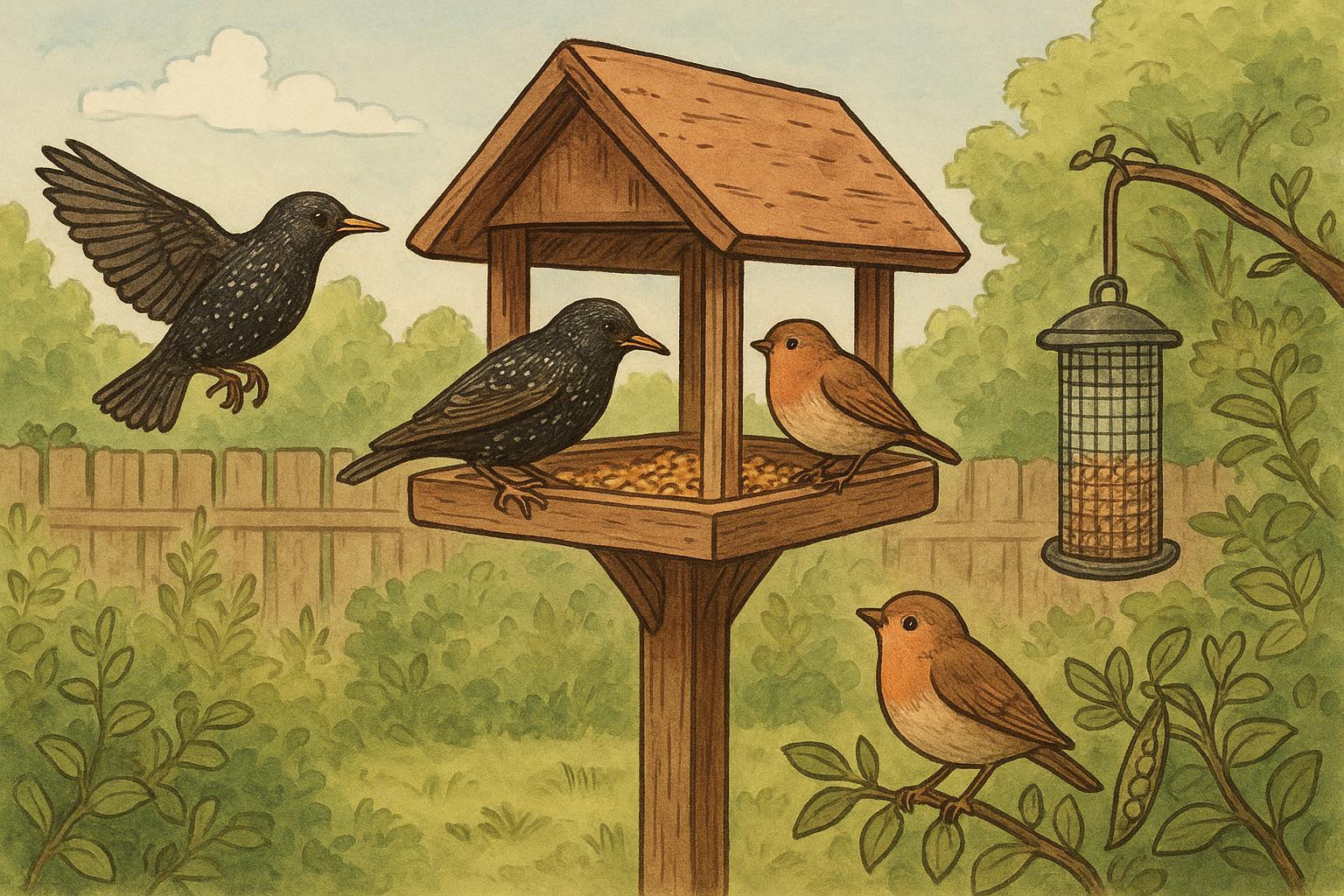
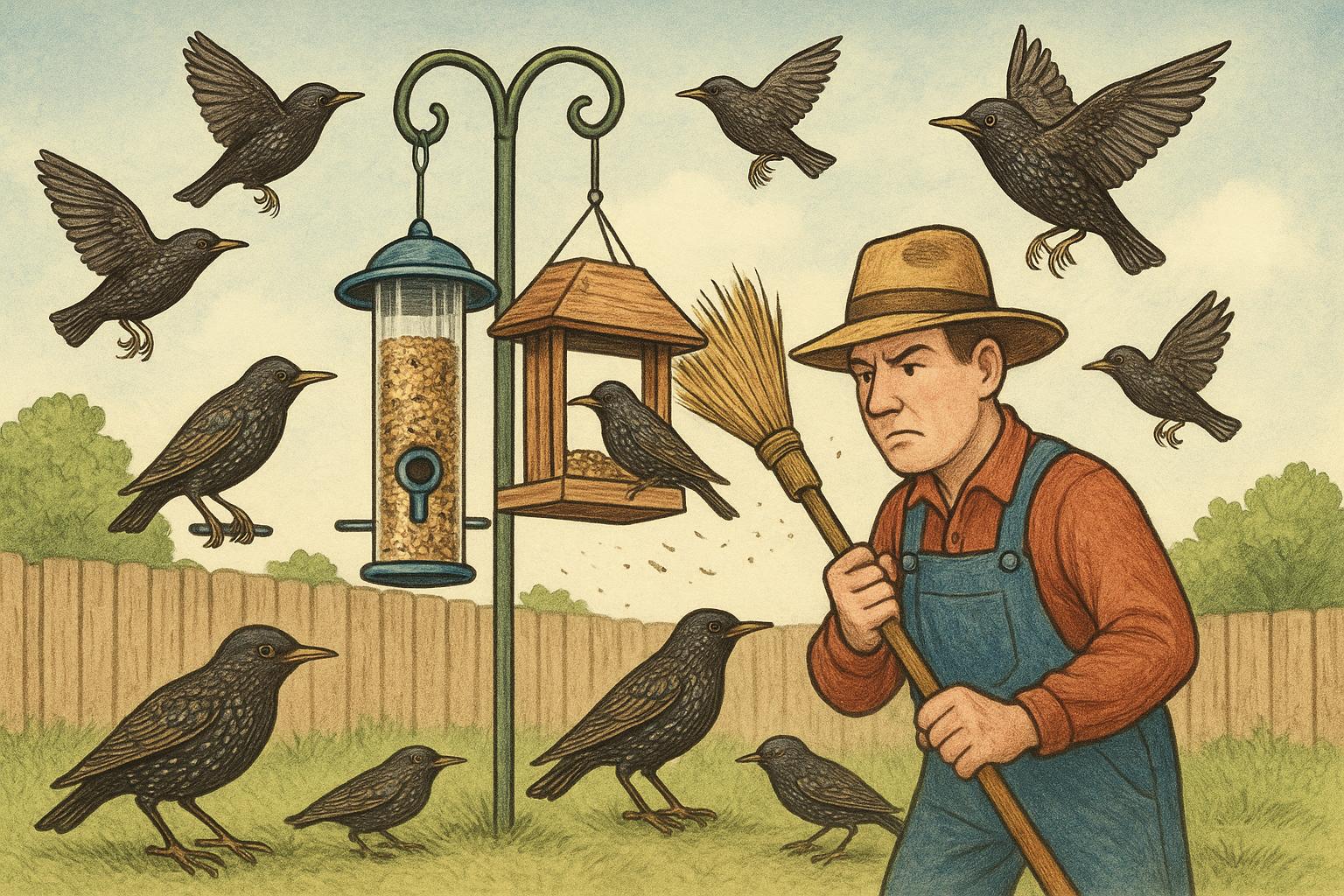
Predators are part of the system. Squirrels, raccoons, crows, and cats cause many nest failures. You can reduce risk with practical steps: remove bird feeders that attract predators near nest sites, avoid placing nest boxes where a cat can leap, and secure compost piles.
If you observe a predator taking eggs or nestlings, don’t intervene directly. Recording the event is valuable data. If domestic animals are the issue, talk to neighbors politely about keeping pets supervised during nesting season.
## Legal And Ethical Limits
In many places, it’s illegal to handle active nests or eggs of native birds without a permit. That includes moving nests or removing eggs. That law exists because touching can transfer human scent or damage nest integrity. When in doubt, don’t touch.
If you find what looks like an abandoned nest with eggs, observe from a distance for a day or two. Sometimes parents are away for long stretches. If the situation seems dire—cold, injured nestlings—contact a licensed wildlife rehabilitator. They can advise whether intervention is necessary and legal.
### Reporting And Sharing Data
Local bird clubs and national platforms accept observations. eBird, NestWatch, and similar projects will guide you on what to submit. When you register observations, including your nest counts and timing, label your data clearly so researchers can filter backyard reports from broader surveys.
Keep your notes organized. A simple spreadsheet with column headers for date, species, clutch size, and outcome will do. If you plan to share data, follow the project’s format. That makes your efforts actually useful to scientists.
## Common Mistakes New Monitors Make
New monitors often overstay their welcome. They linger, they peep in nests, or they try to move chicks thinking they’ve been abandoned. Don’t.
Another common mistake is inconsistent recording. One week you jot down everything, the next you miss key dates. Consistency beats completeness. Small, regular entries are better than detailed but sporadic logs.
Also, don’t assume a failed nest means the species is declining. Weather, local predators, and chance play a big role. Long-term data and multiple sites give the real picture.
### When Something Goes Wrong
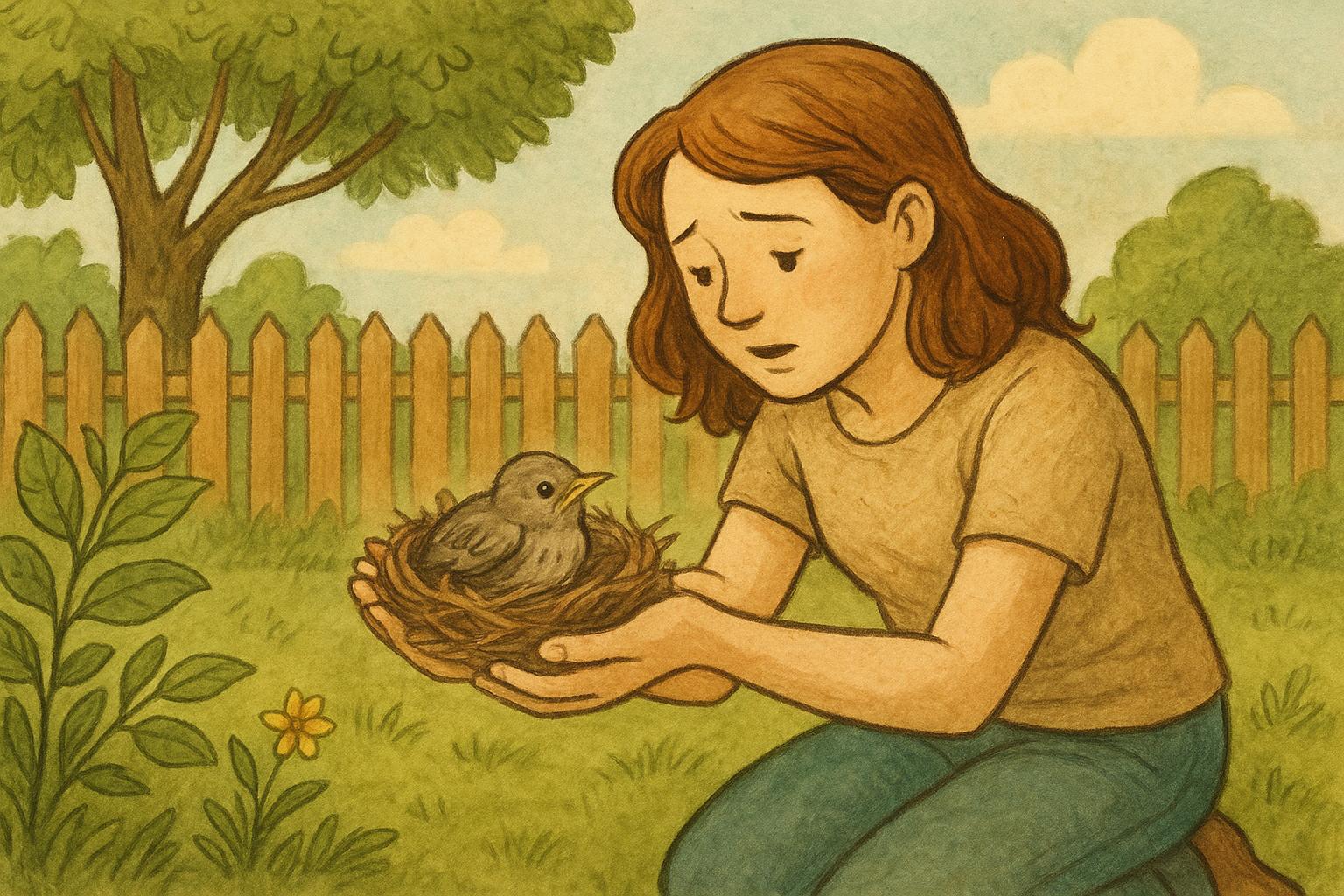
If you discover eggs that were accidentally broken, clean-up is seldom needed. Leave the nest alone. If a nest collapses in a storm and the young are on the ground, assess quickly from a distance. If parents are still visiting, return them. If they aren’t, call a rehabilitator. Do not attempt to raise wild birds yourself.
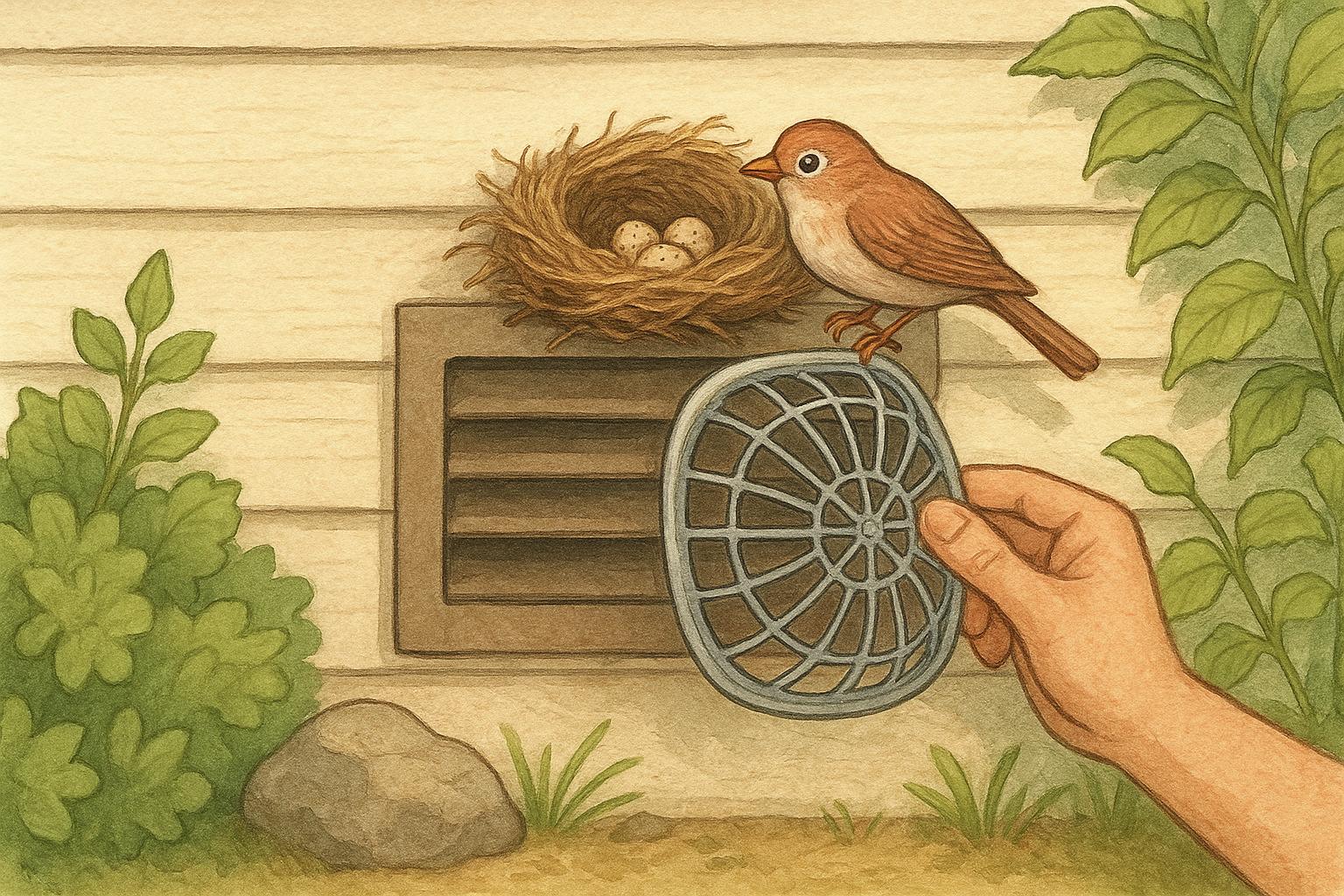
If a nest is in immediate danger from construction or yard work, try to delay the activity if possible. Sometimes moving a disturbance a few feet away or postponing work for a few weeks will allow nesting to finish. Open a conversation with contractors and explain why the pause matters. Most people respond when the request is reasonable.
## Advanced Tips For Repeat Observers
If you plan to monitor for several seasons, standardize your method. Use the same observation times and paths. That reduces bias from weather or time-of-day differences.
Consider installing a motion camera at a respectful distance to capture predator visits. Cameras can reveal nighttime predators you’d never see. But be careful: cameras can also attract attention. Conceal the setup and avoid bright attachments.
If you keep nest boxes, rotate maintenance to winter months when they’re empty. Replace worn material and check for parasites in a seasonally appropriate manner. Mark each box with a unique ID and log its GPS coordinates.
### Collaborating With Neighbors And Groups
Neighborhood efforts multiply value. Share basic guidelines for how to watch a nest without disturbing it. Coordinate nest counts across properties so you’re not duplicating work. Local Audubon chapters, bird clubs, and university programs often welcome backyard partners and can provide training.
If you find something intriguing—early nesting, an unusually large clutch, or a predator hotspot—share it. But protect nest locations when posting online. Avoid giving exact addresses or visible landmarks that betray nest sites to opportunistic predators.
## The Small Wins That Matter
A fledgling successfully leaving the nest, a parent returning after a short disturbance, a season with higher nest counts—those are worth recording and celebrating. Small wins add up into meaningful data. You’ll also get a better sense of how your yard supports wildlife and where small changes produce real benefits.
Keep your goals modest. Monitor well, add one or two variables at a time, and let your skills grow naturally. That’s how useful backyard science happens. It’s quiet work. And often very rewarding.





Leave a Reply