Get The BEST TIPS & SPECIAL OFFERS

Habitats
Discover diverse backyard habitats and how they support local wildlife. This collection explains shelter, food sources, water, and microclimates, plus practical tips for designing and maintaining thriving ecosystems. Learn how native plants, fallen logs, brush piles, and ponds attract birds, pollinators, and other wildlife year-round.
-
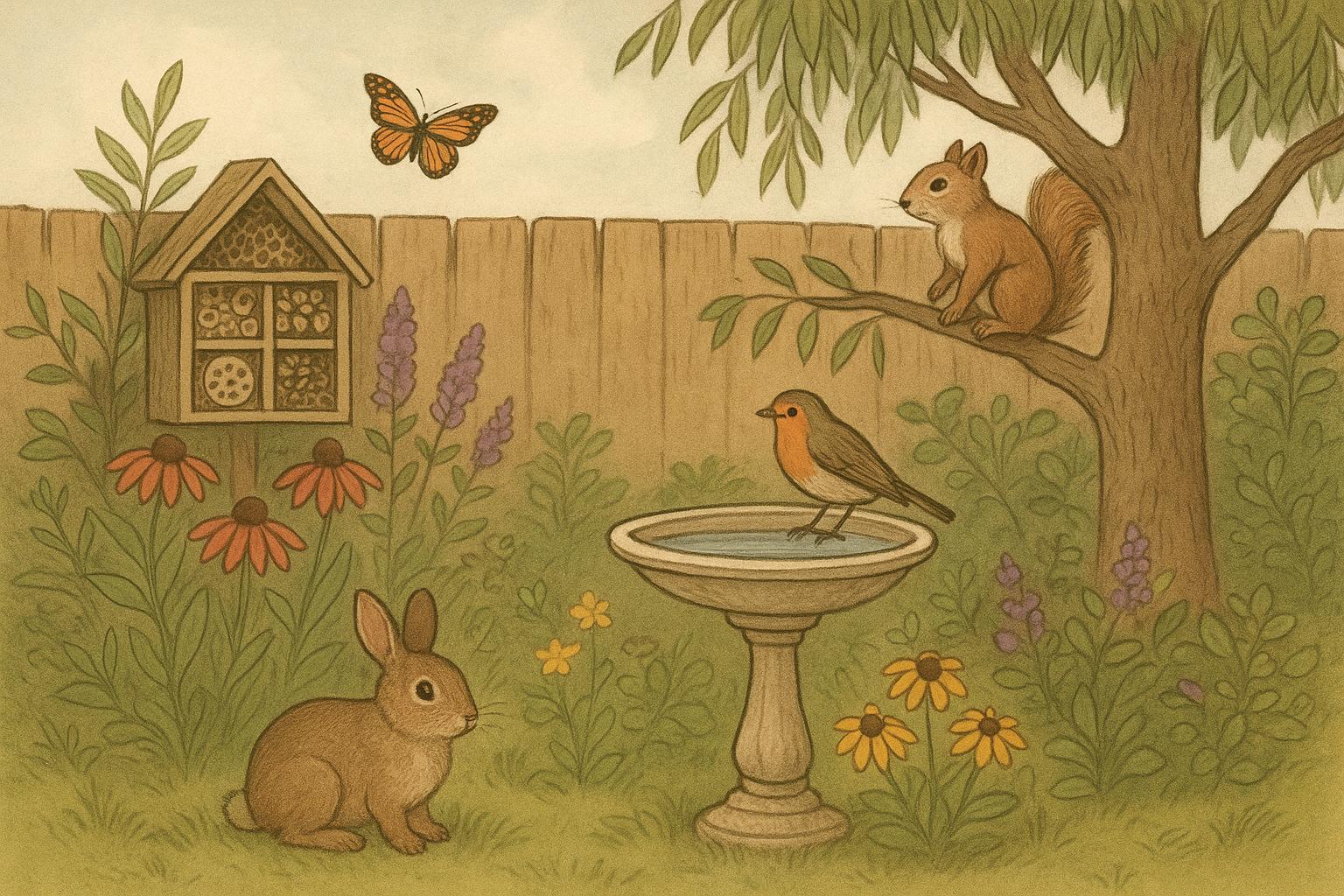
Compact Yard Wildlife Habitat Ideas For Small Yard Design
Turn a small space into a thriving, wildlife-friendly yard with compact yard wildlife habitat ideas that attract birds, pollinators, and frogs.
-
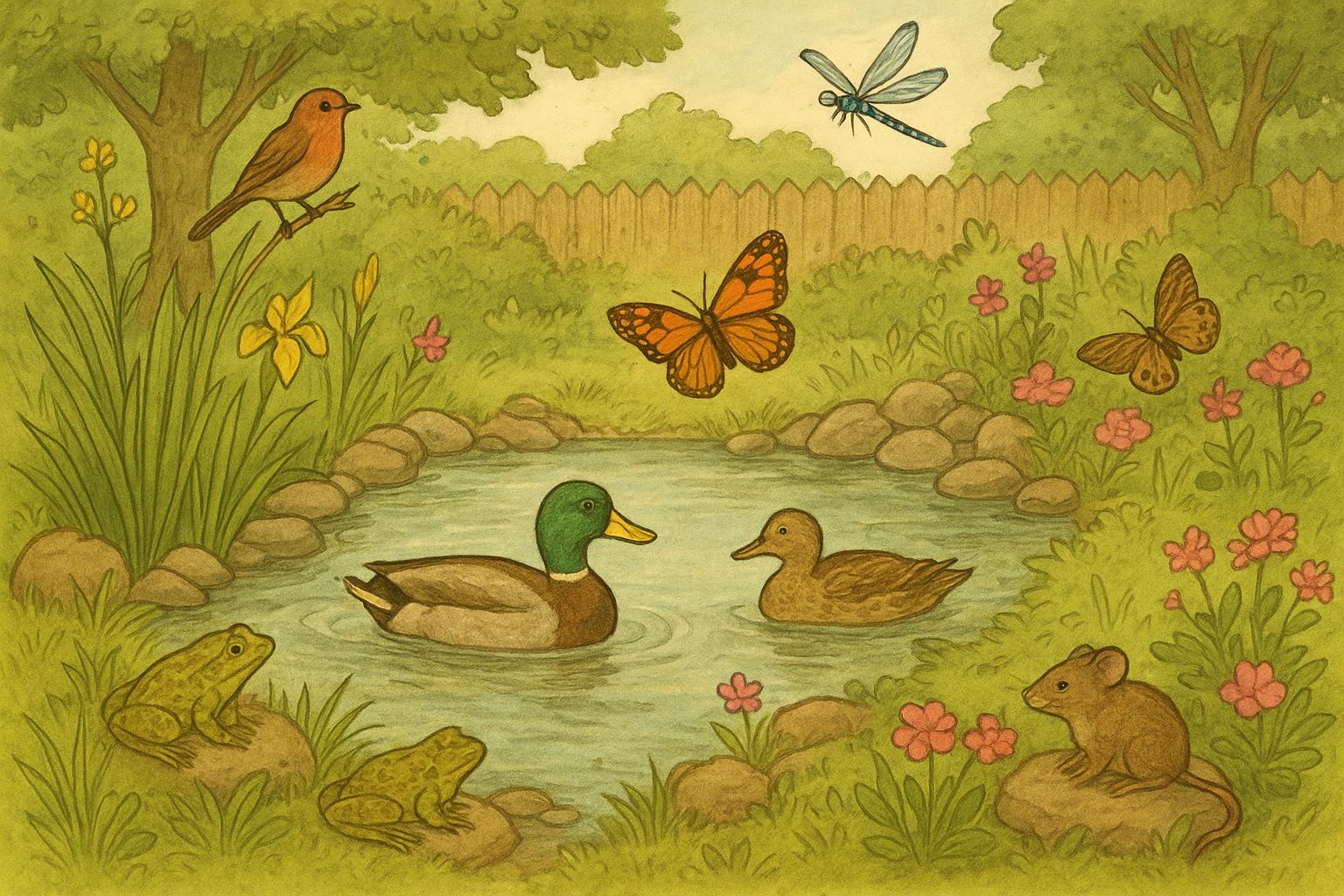
Creating A Wildlife Friendly Water Edge For Backyard Ponds
Create a wildlife-friendly pond edge with creating-a-wildlife-friendly-water-edge, featuring native plants, gradual slopes, shelter, and water.
-
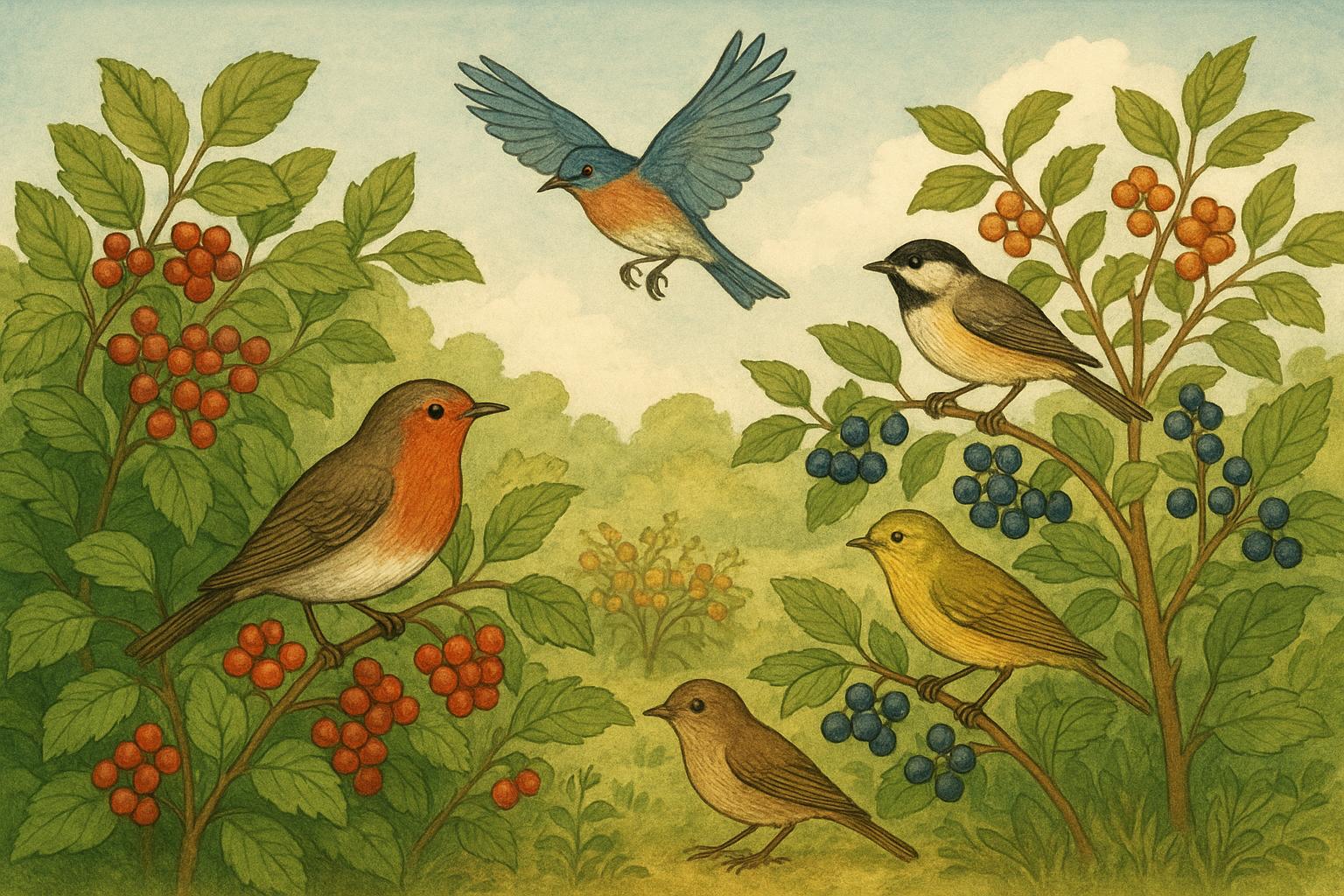
Fruiting Shrubs That Attract Birds For Berry Bushes
Learn how fruiting shrubs that attract birds provide year-round berries, shelter, and vibrant wildlife in your garden, inviting birds daily.
-
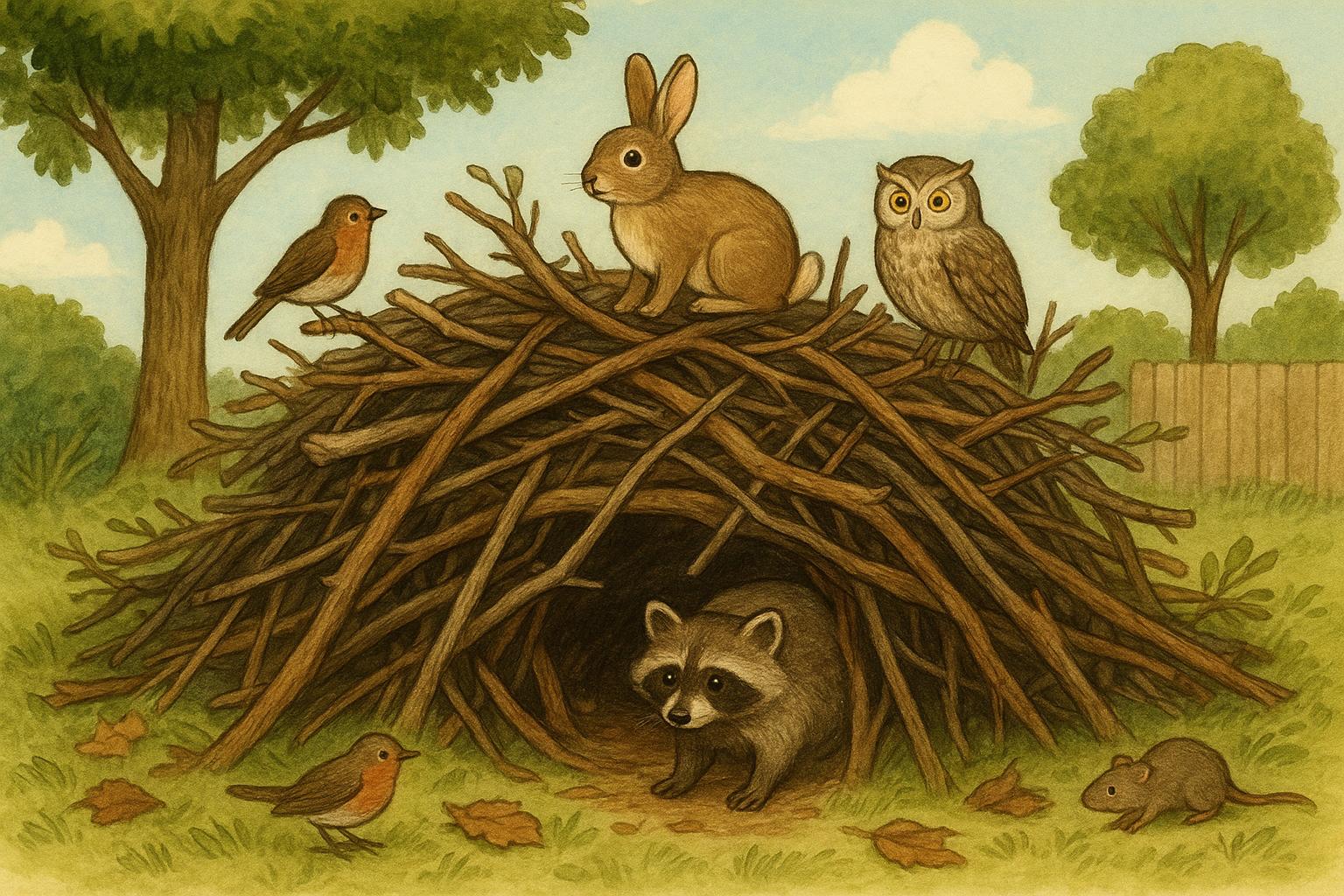
Brush Pile Habitat For Backyard Wildlife Shelter Design
Transform your yard with a thoughtfully designed brush pile habitat for backyard wildlife, delivering shelter, nesting sites, and pest control.
-
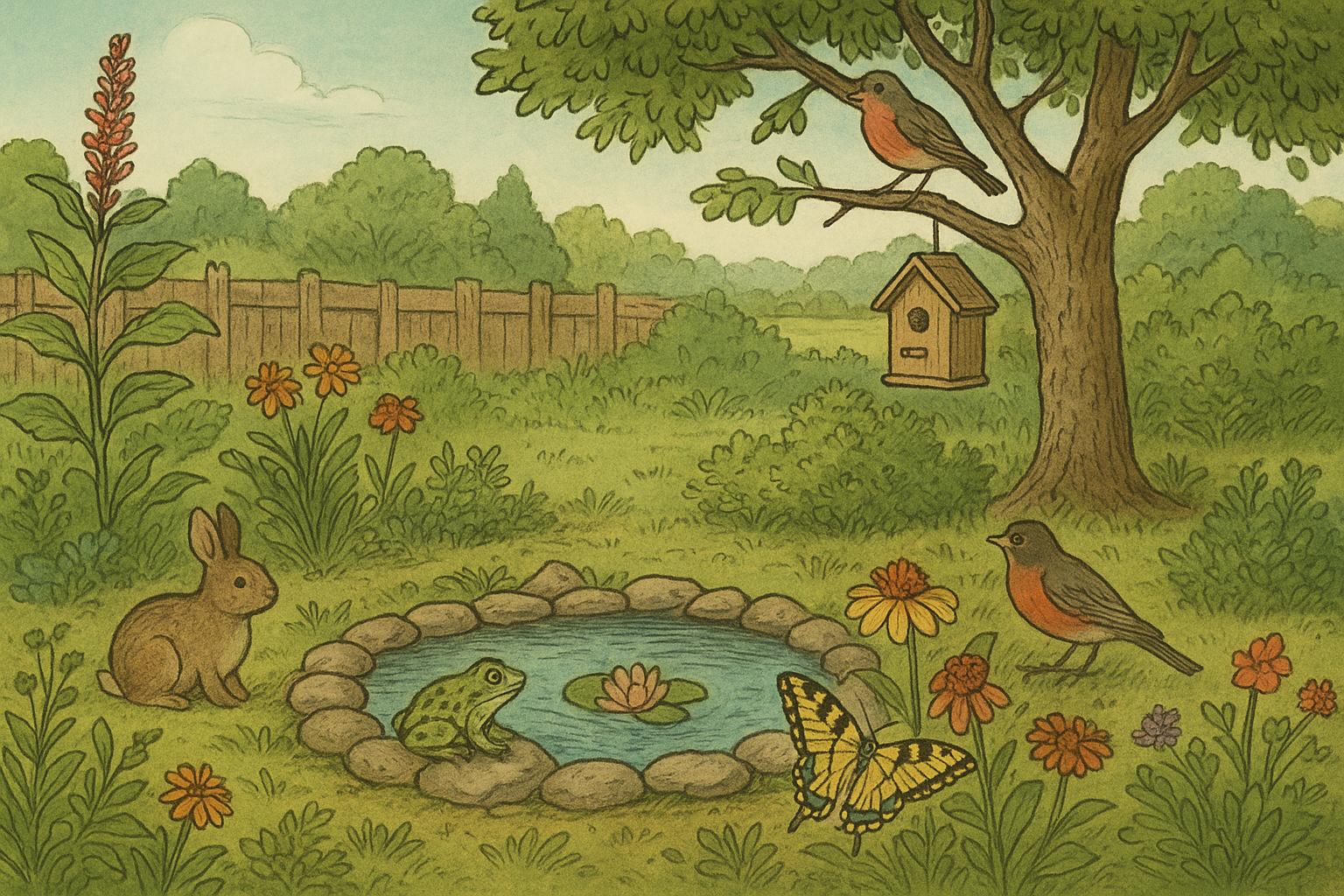
Low-Maintenance Wildlife Yard Design for Balanced Habitat
Create a thriving, low-maintenance wildlife yard design with native plants, smart water features, and habitat balance for year-round visitors.
-
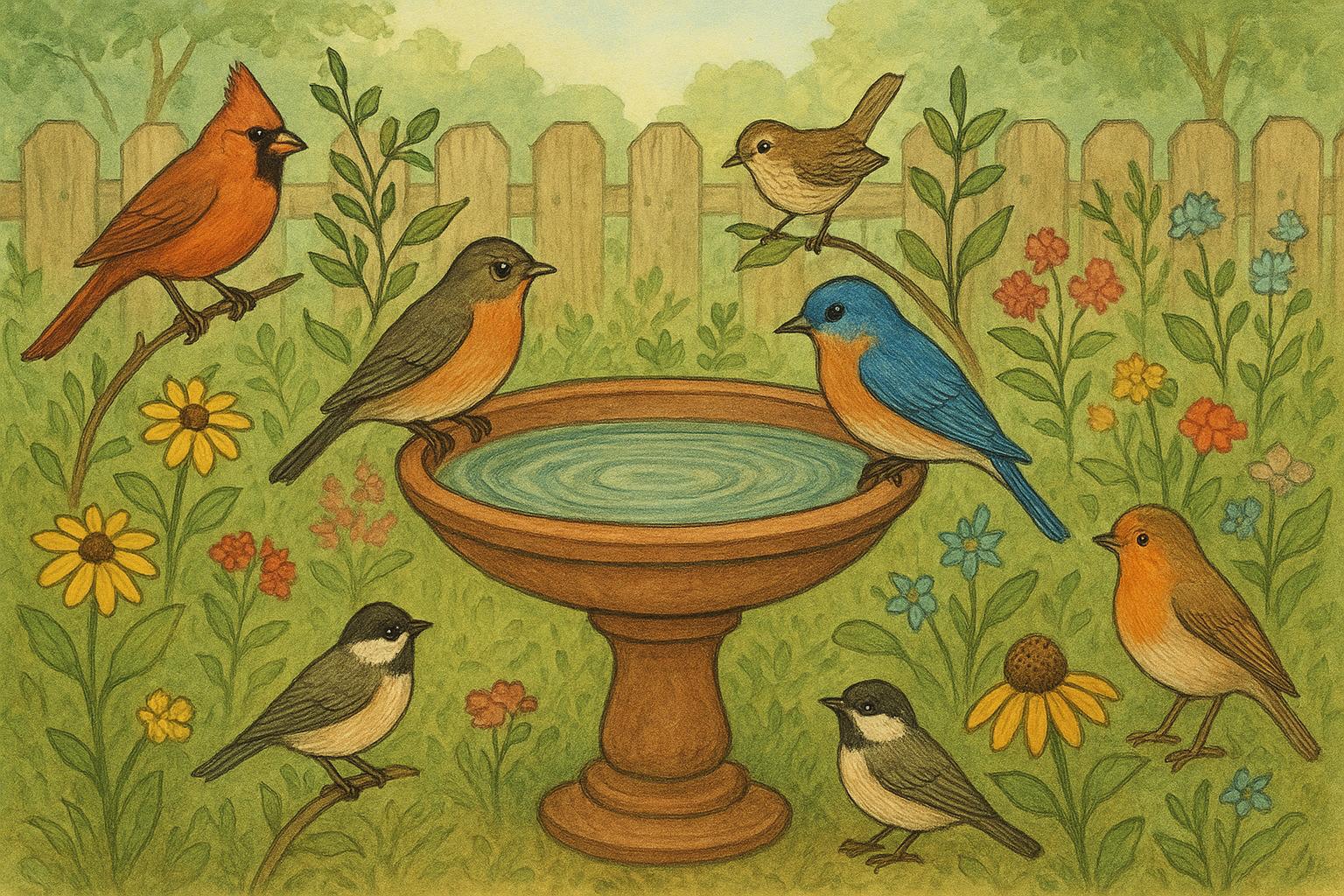
Avian Drinking Basins For Garden Wildlife In Backyards
Boost yard biodiversity with avian drinking basins for garden wildlife; learn safe placement, maintenance, and how to attract a variety of birds.
-
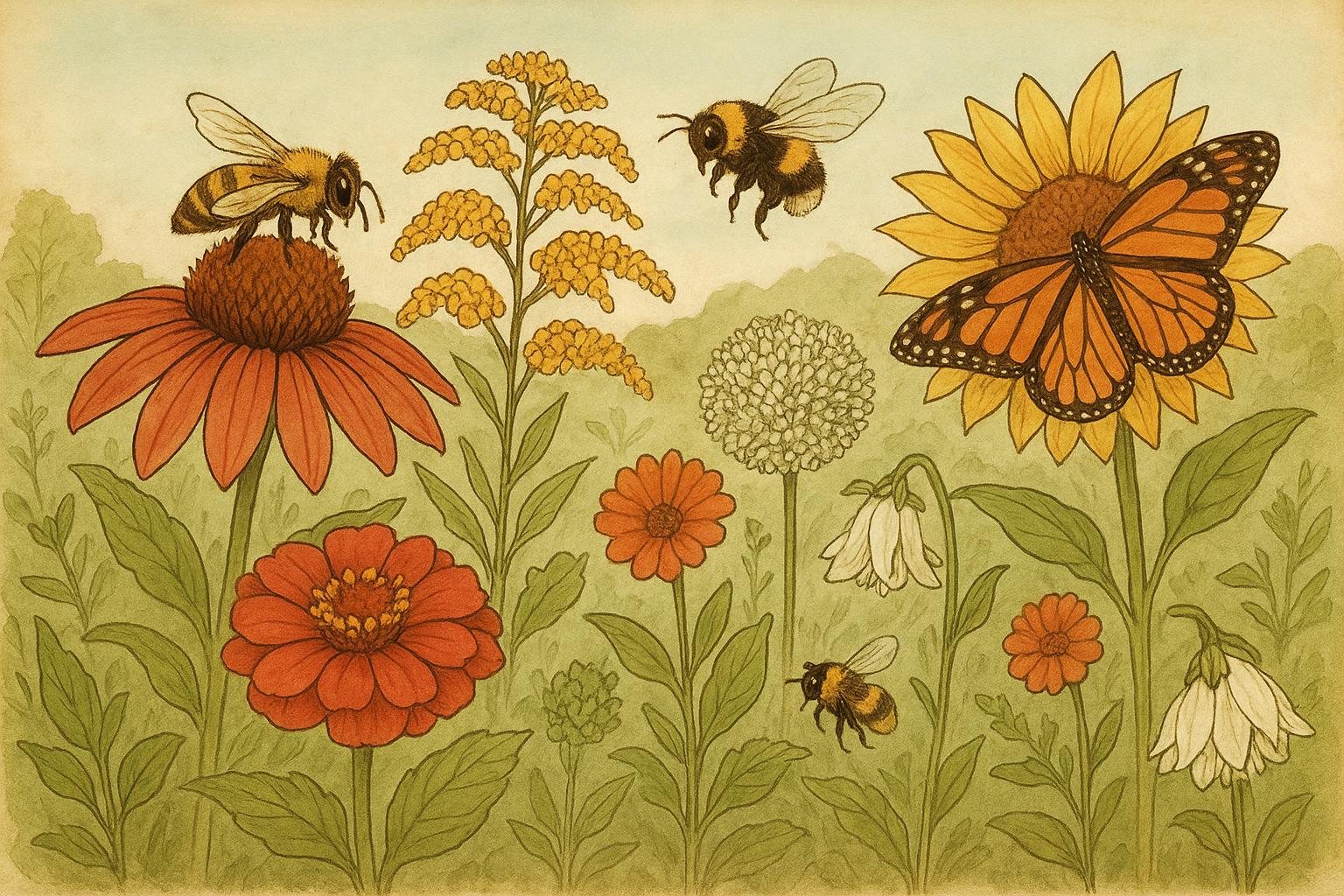
Seasonal Nectar Plant Selection For Pollinators In Bloom
seasonal nectar plant selection for pollinators guides year-round bloom planning to attract bees, butterflies, and hummingbirds with choices.
-
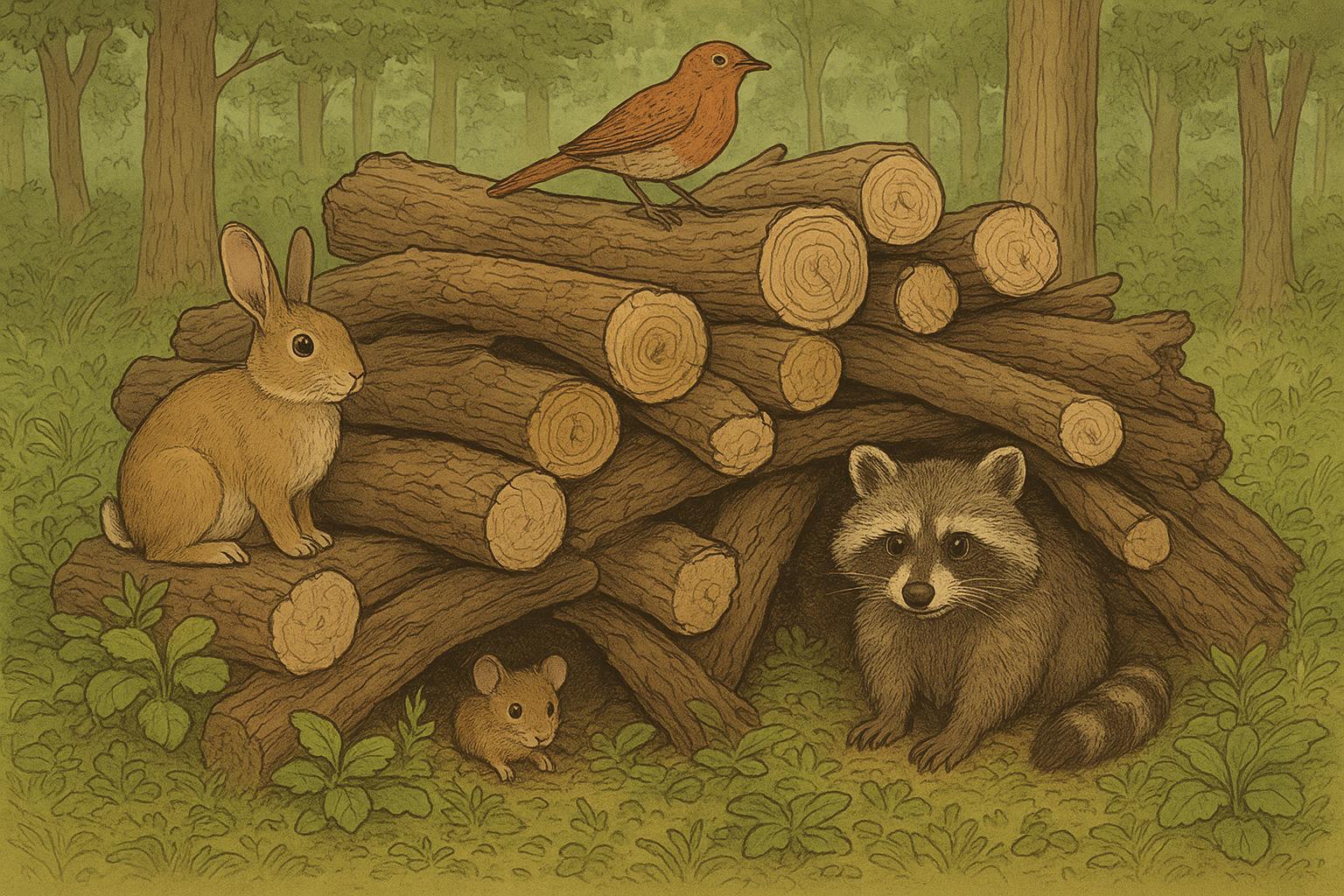
Ground Cover Shelter For Yard Wildlife In Log Pile Habitats
A practical guide to creating a ground cover shelter for yard wildlife with log piles, native plants, and simple maintenance for richer biodiversity.
-
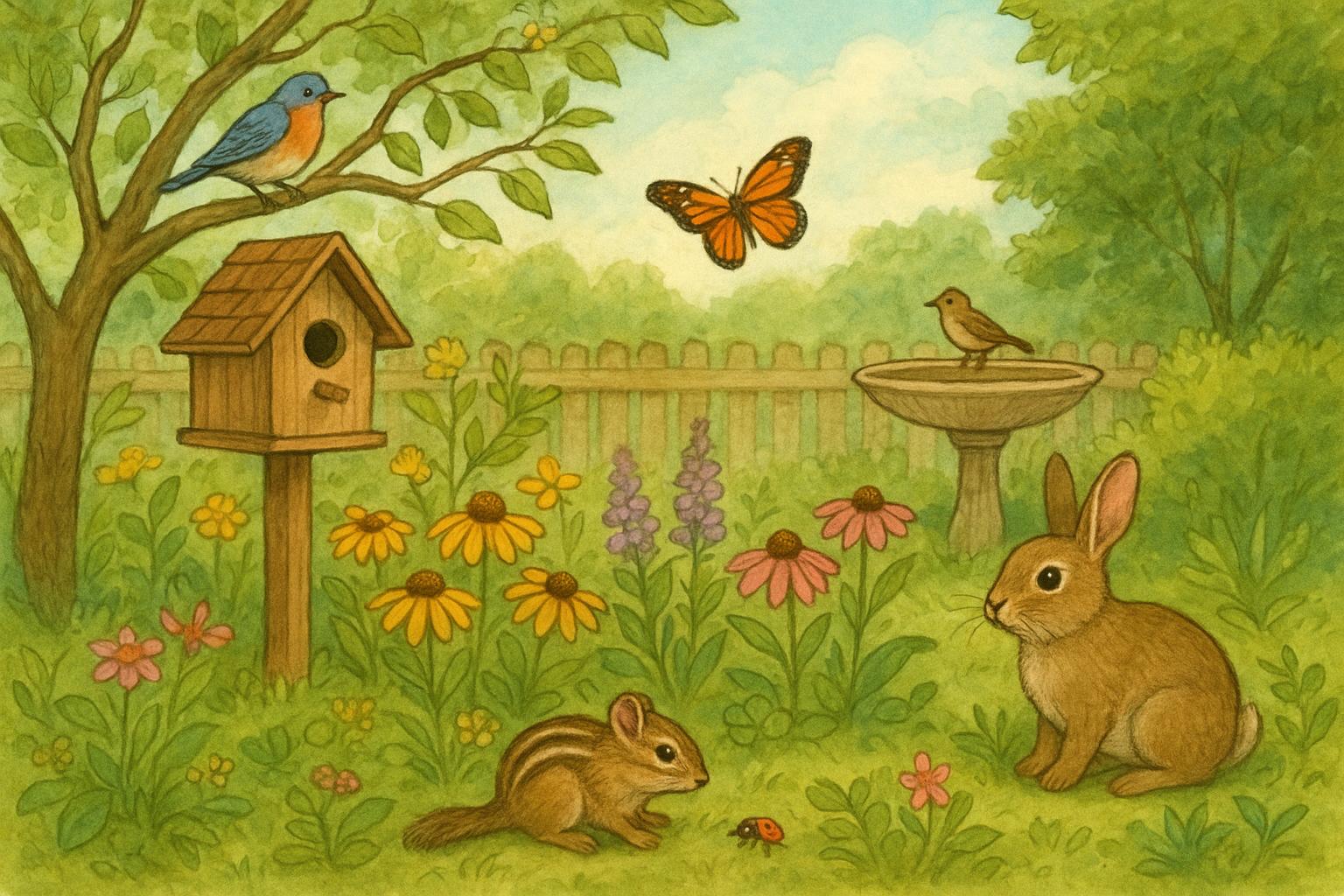
Designing a Wildlife-Friendly Backyard For Habitat
Turn your yard into a thriving habitat with designing a wildlife-friendly backyard ideas: native plants, water features, shelter, nesting spots.
-
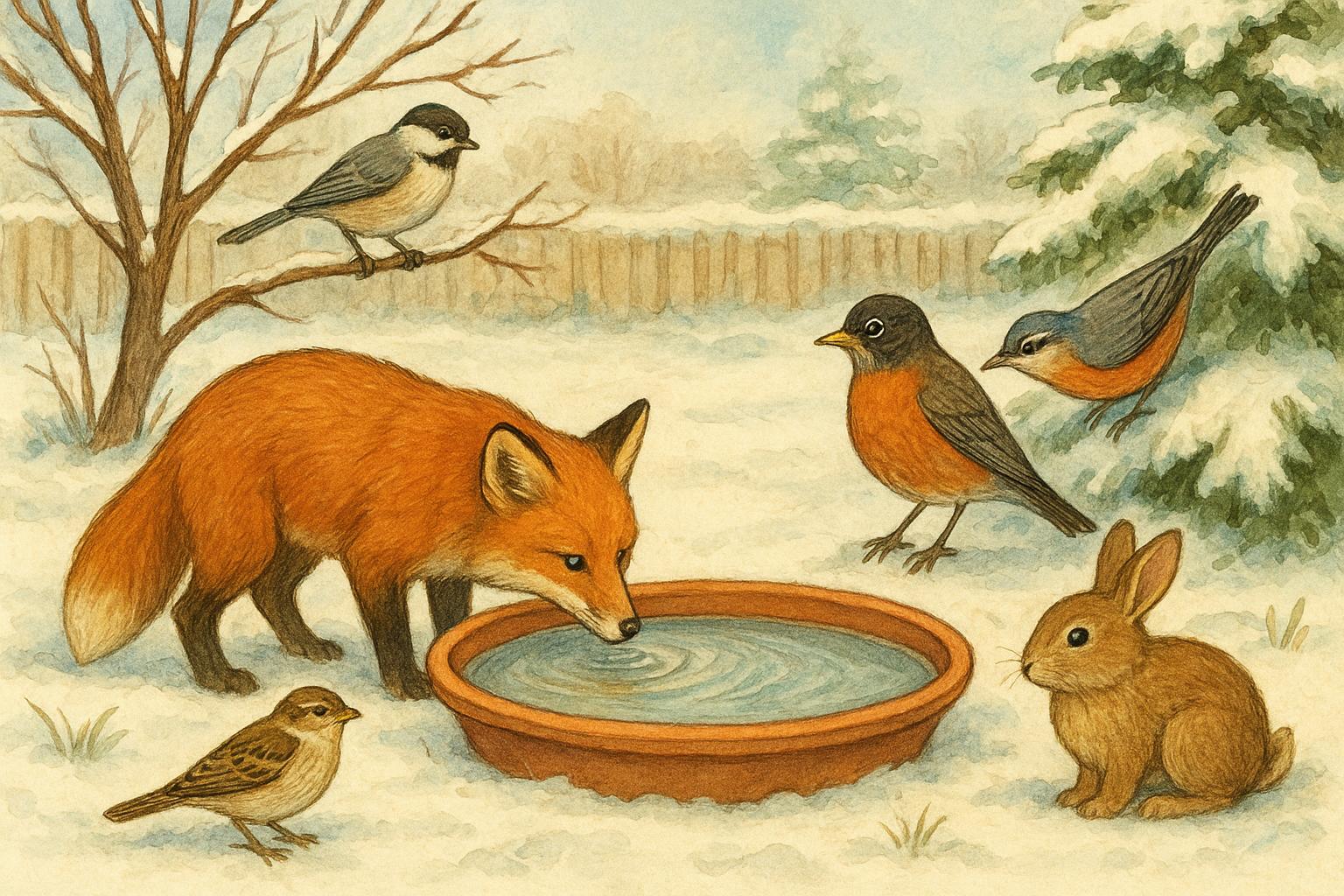
Ice Free Winter Drinking Water For Backyard Wildlife?
Keep birds and backyard wildlife hydrated all winter with ice-free winter drinking water for backyard wildlife, using simple, reliable setups.
-
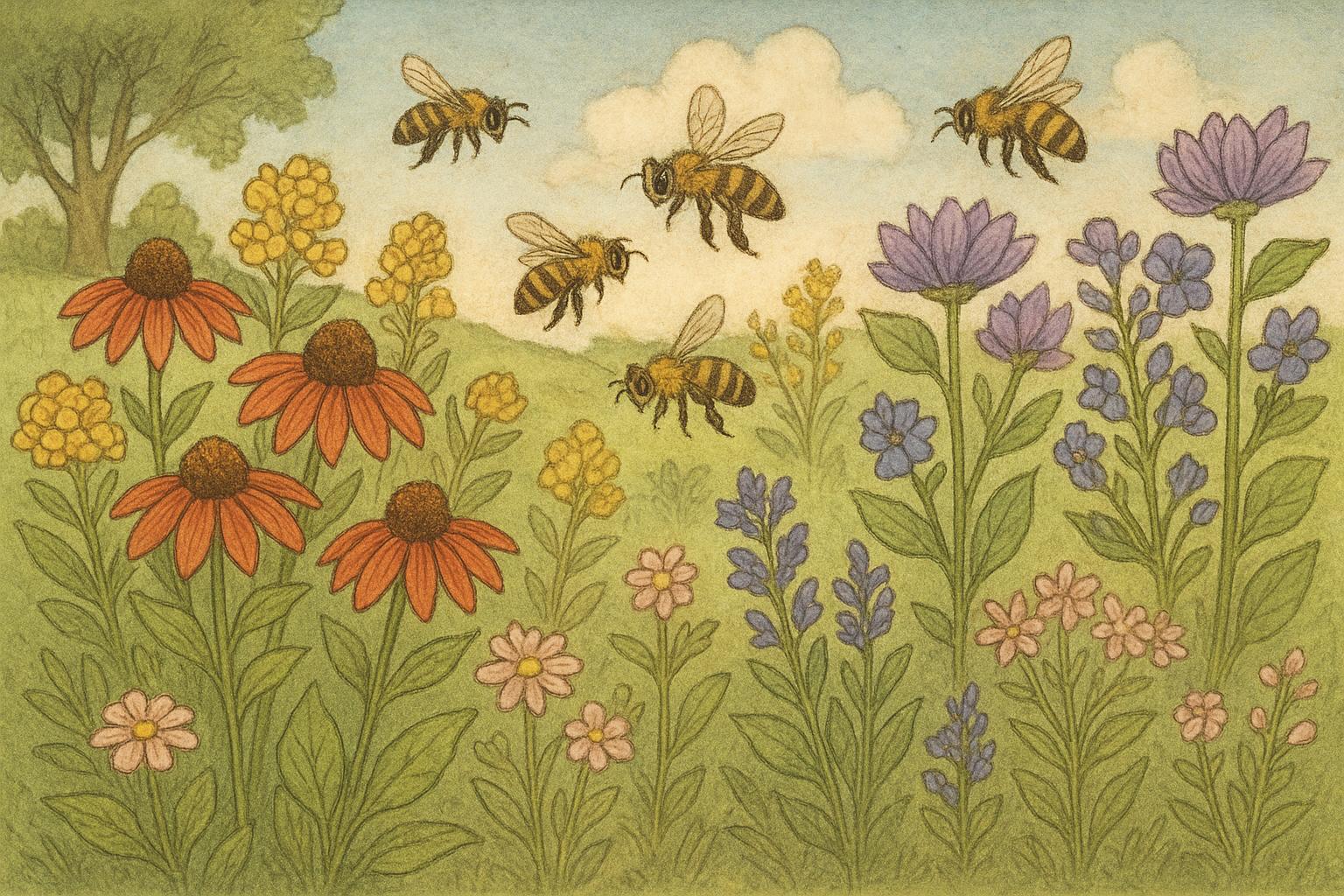
Creating Bee Garden Habitats: Plants That Attract Bees
Formal guide to creating bee garden habitats with plants that attract bees, seasonal bloom plans, nesting tips, and pesticide-aware care.
-
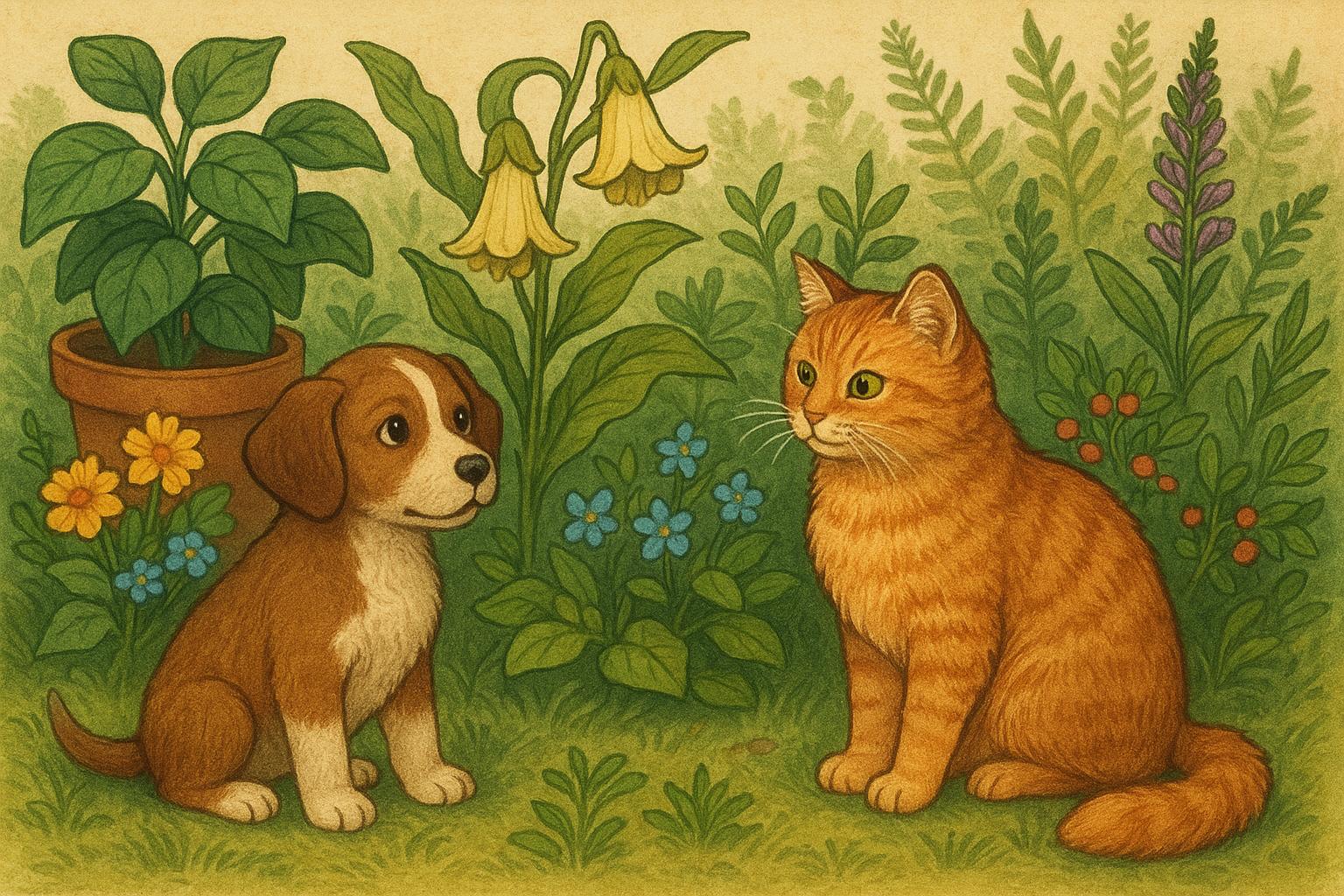
Shocking Wildlife Friendly Plant Selections For Pets
wildlife friendly plant selections redefine lawns into dramatic, pet-safe habitats with vibrant blooms and thriving pollinators.