
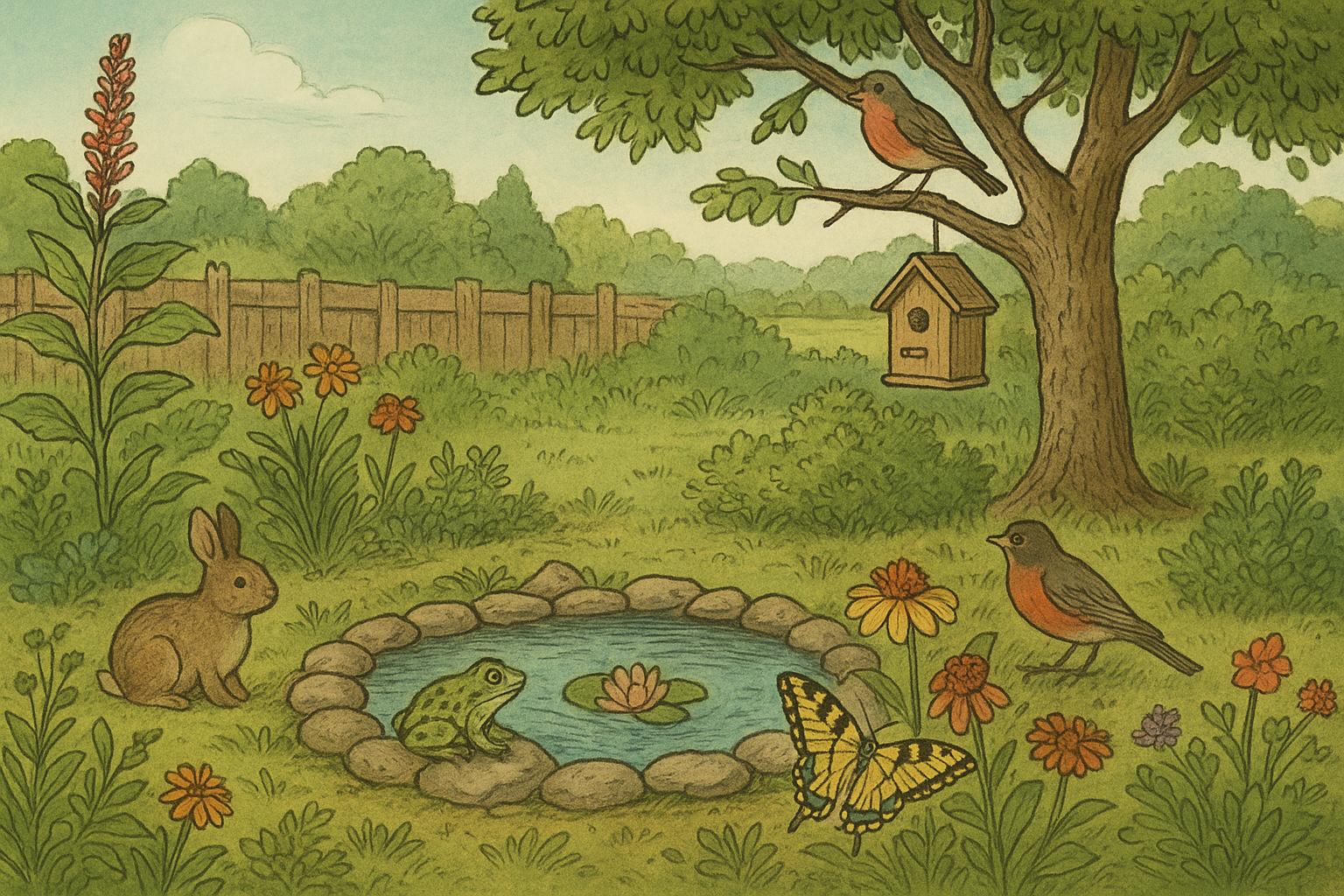
A yard that supports birds, bees, and frogs without making you a full-time gardener is possible. You don’t need acres or botanical expertise. You need a plan that prioritizes structure, season-long food, and straightforward maintenance.
## Low-Maintenance Wildlife Yard Design Tips
Start with the skeleton: trees, shrubs, and a few perennial clumps. Those elements create layers—canopy, understory, groundcover—that birds, insects, and small mammals use for shelter and movement. Planting once and letting things settle beats constant reshuffling. When I help homeowners do a low-maintenance wildlife yard design, I push them to pick long-lived native species and think in terms of decades, not weeks.
### Choose Natives That Do Double Duty
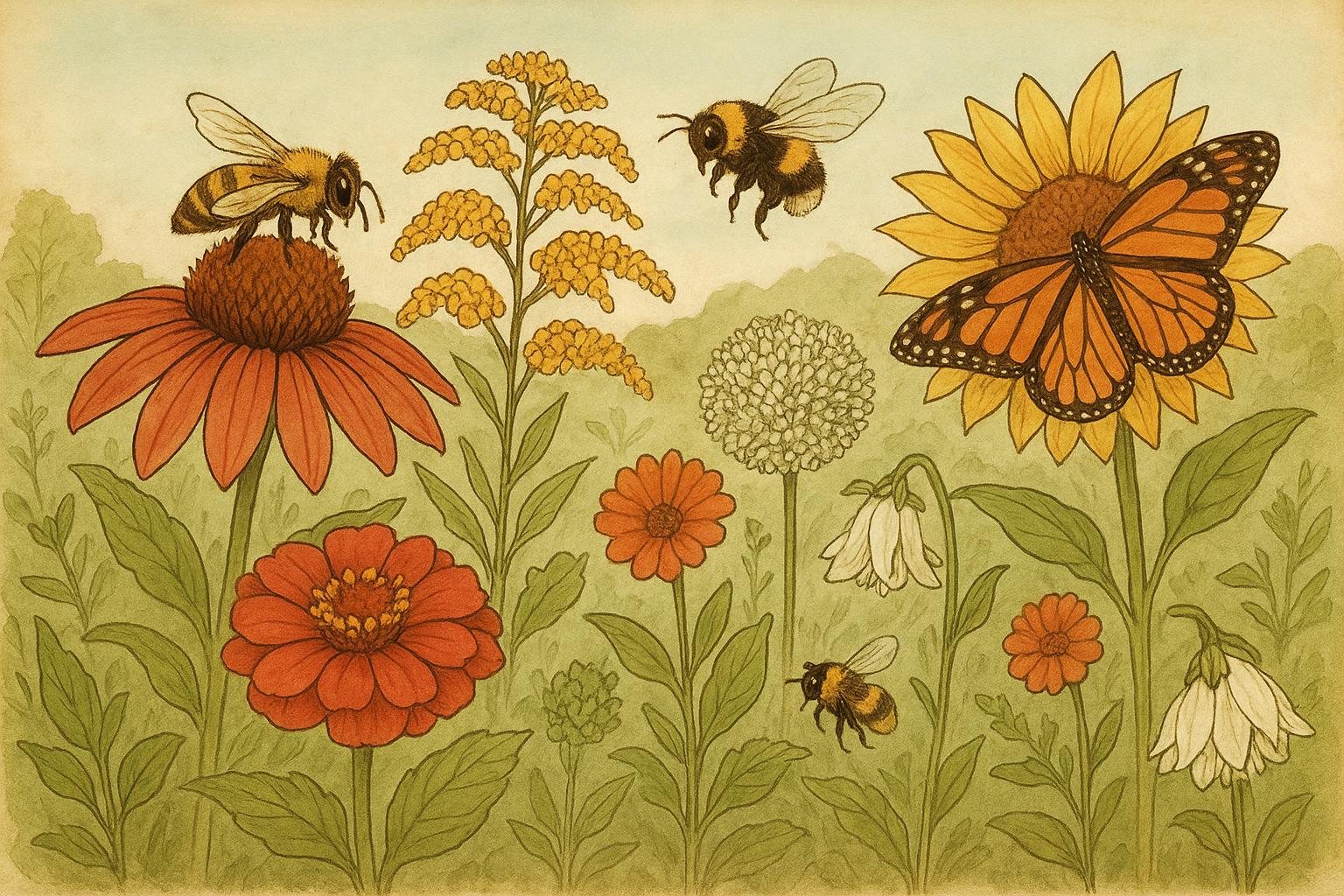
Native plants support the most insect life, which in turn feeds nestlings and small mammals. Look for species that:
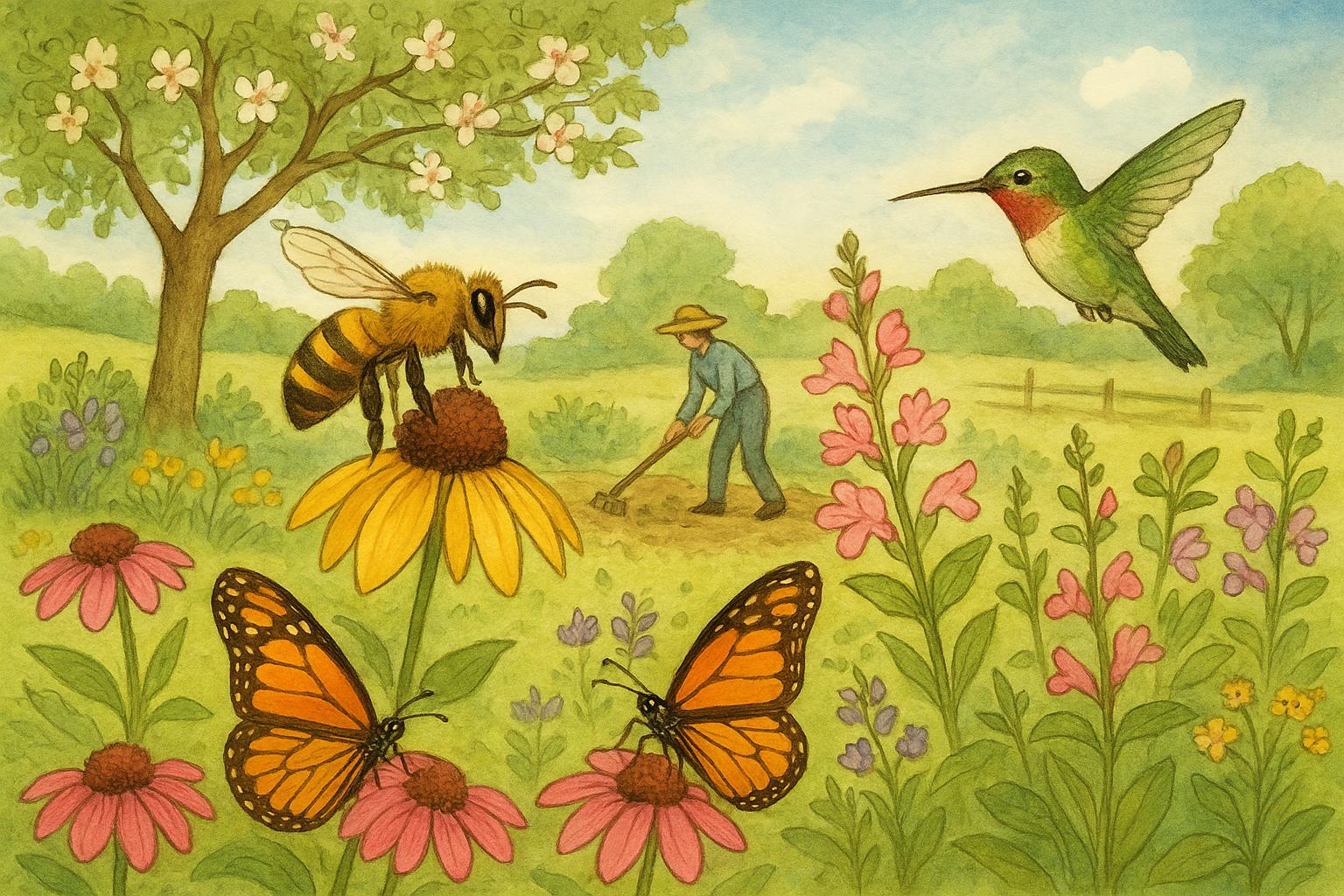
– Bloom at different times so pollen and nectar are available across seasons.
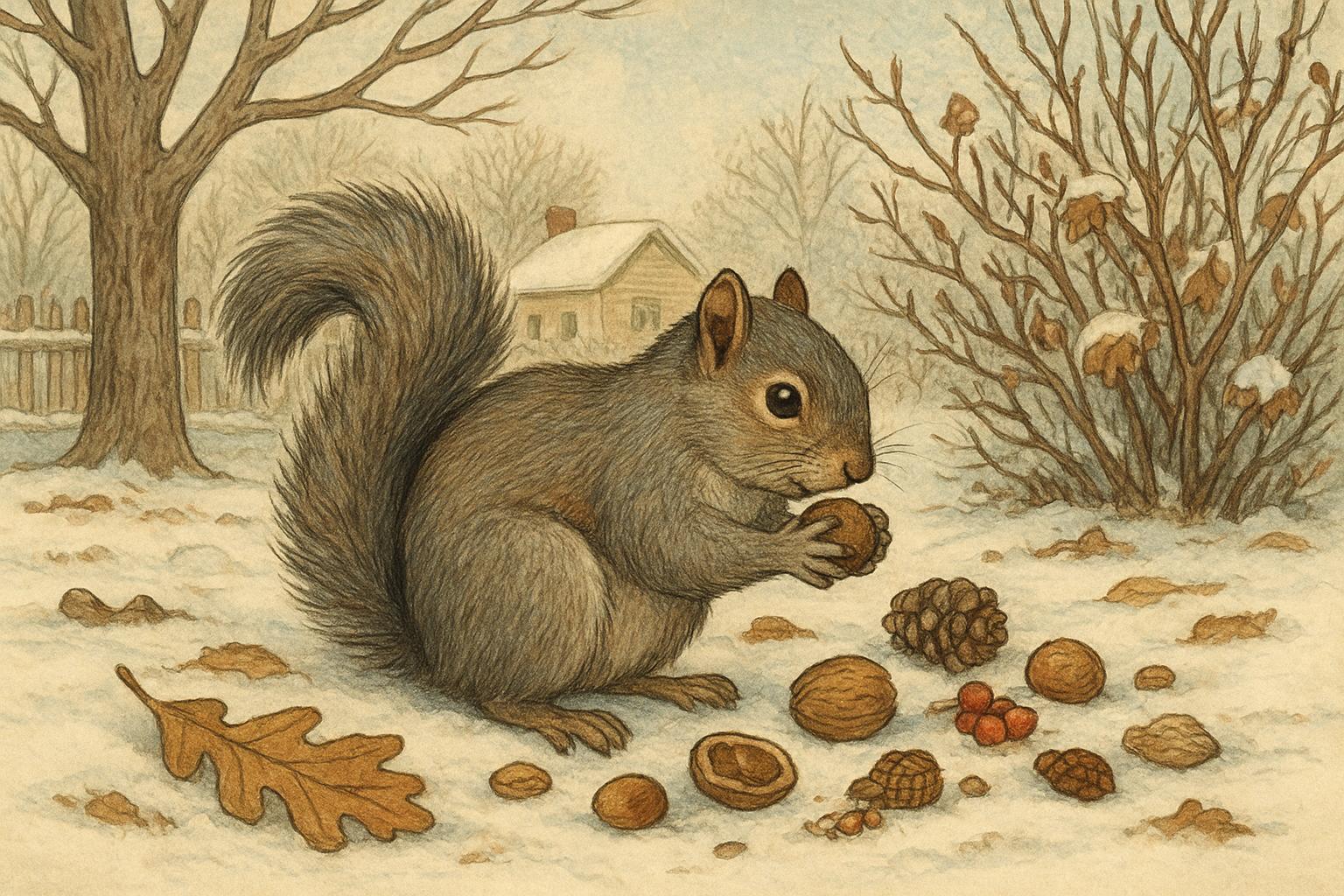
– Produce seeds, nuts, or berries that persist into fall and winter.
– Offer structural habitat—dense shrubs, hollow-stemmed perennials, or seedheads.
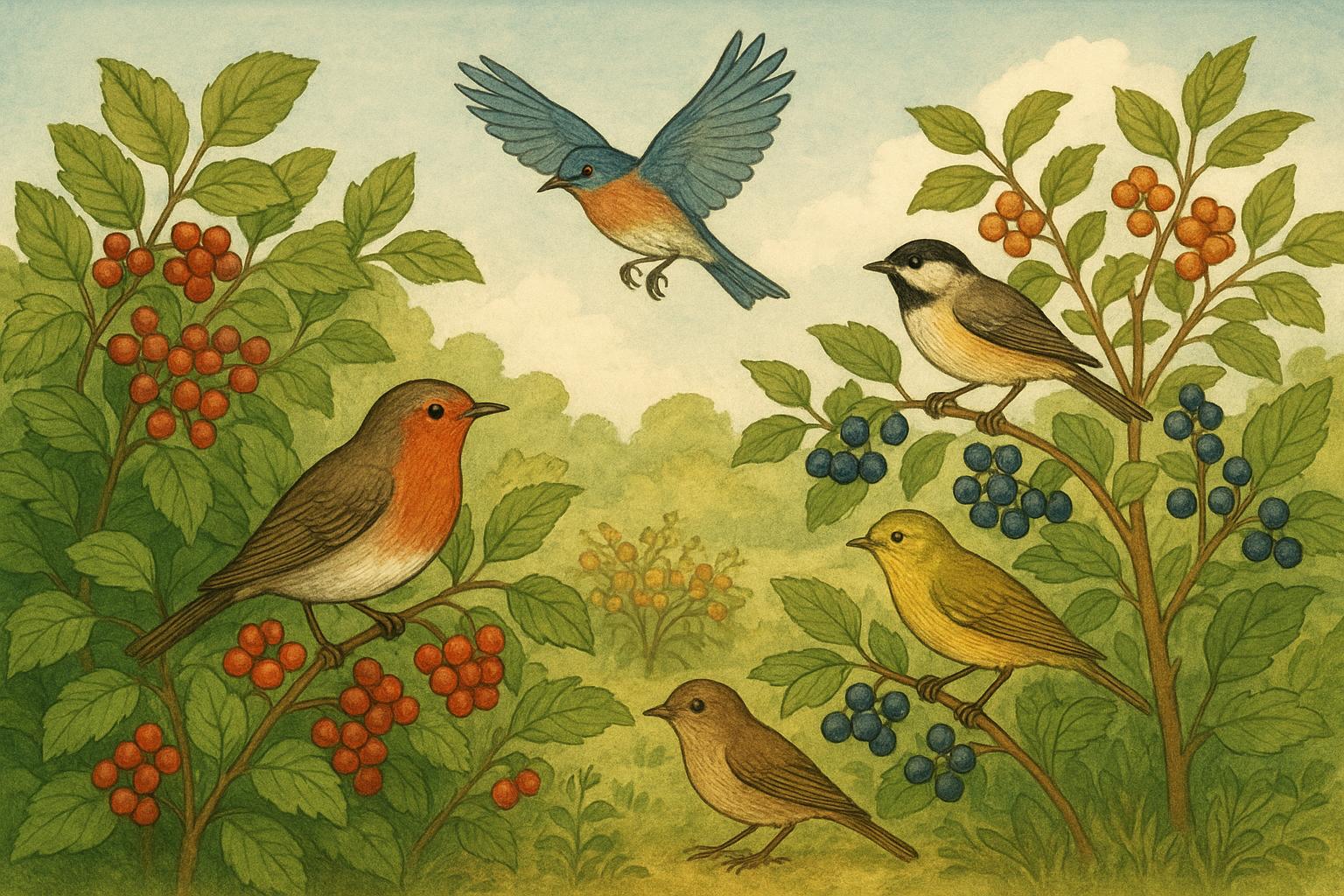
A small grove of serviceberry (Amelanchier) will flower in spring, feed pollinators, and supply berries for birds in summer. Planting prairie-type bunchgrasses gives cover and winter seed heads. Aim for clusters rather than lone specimens; a cluster is easier for wildlife to find and for you to maintain.
## Hardscaping With Habitat In Mind
Hard surfaces don’t have to mean sterile. Stone, wood, and gravel can be arranged to offer microhabitats without adding chores.
### Rock Piles And Log Features
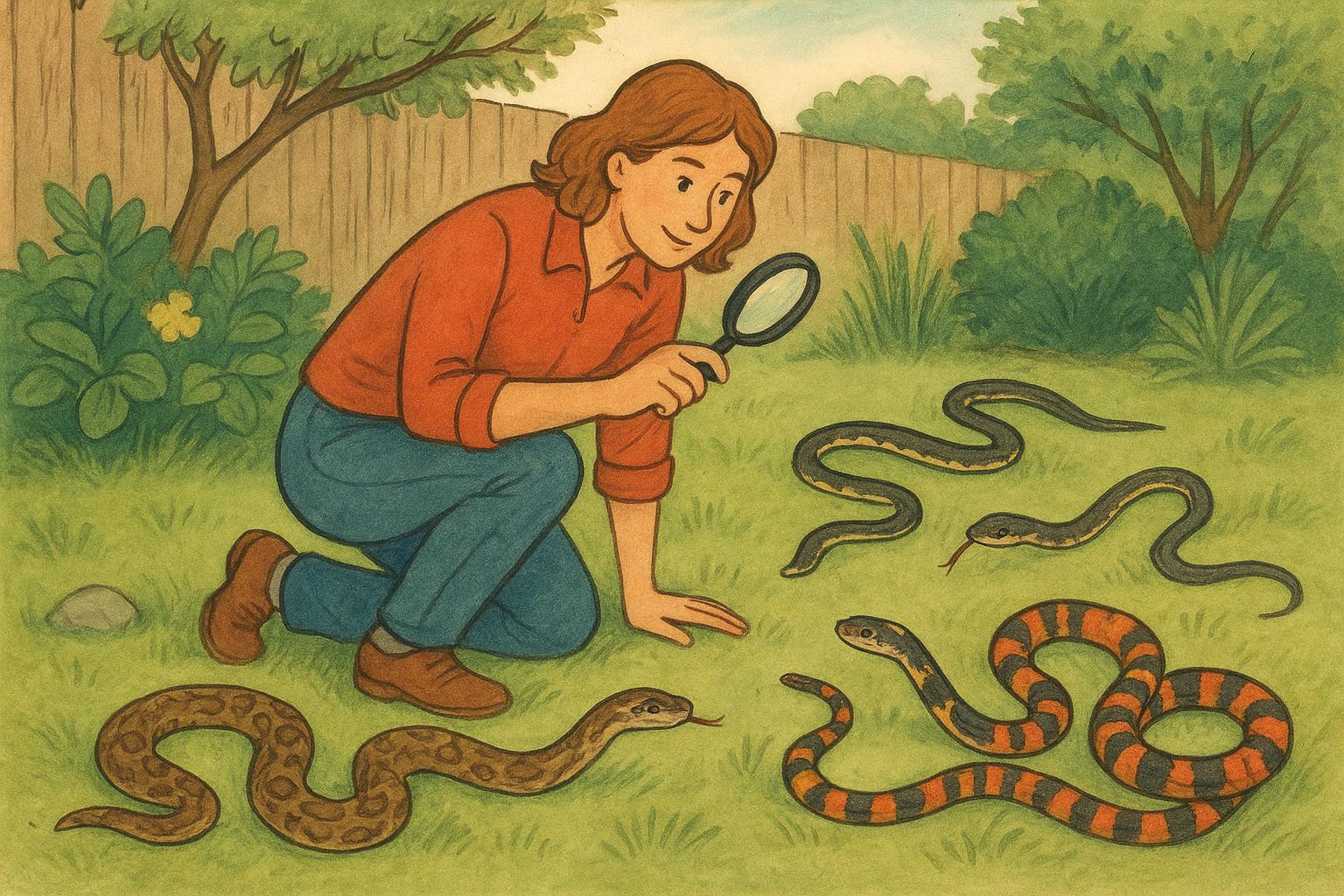
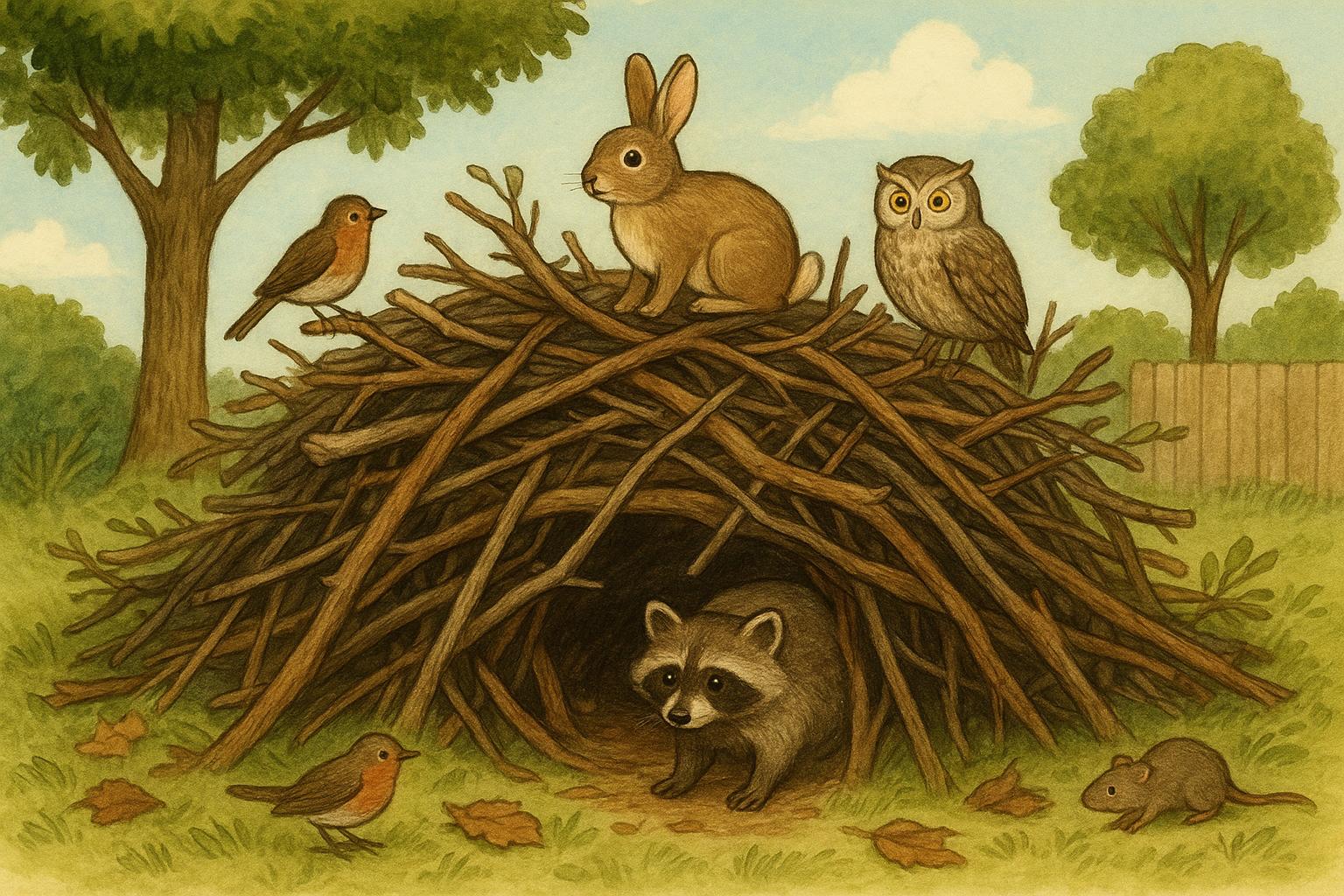
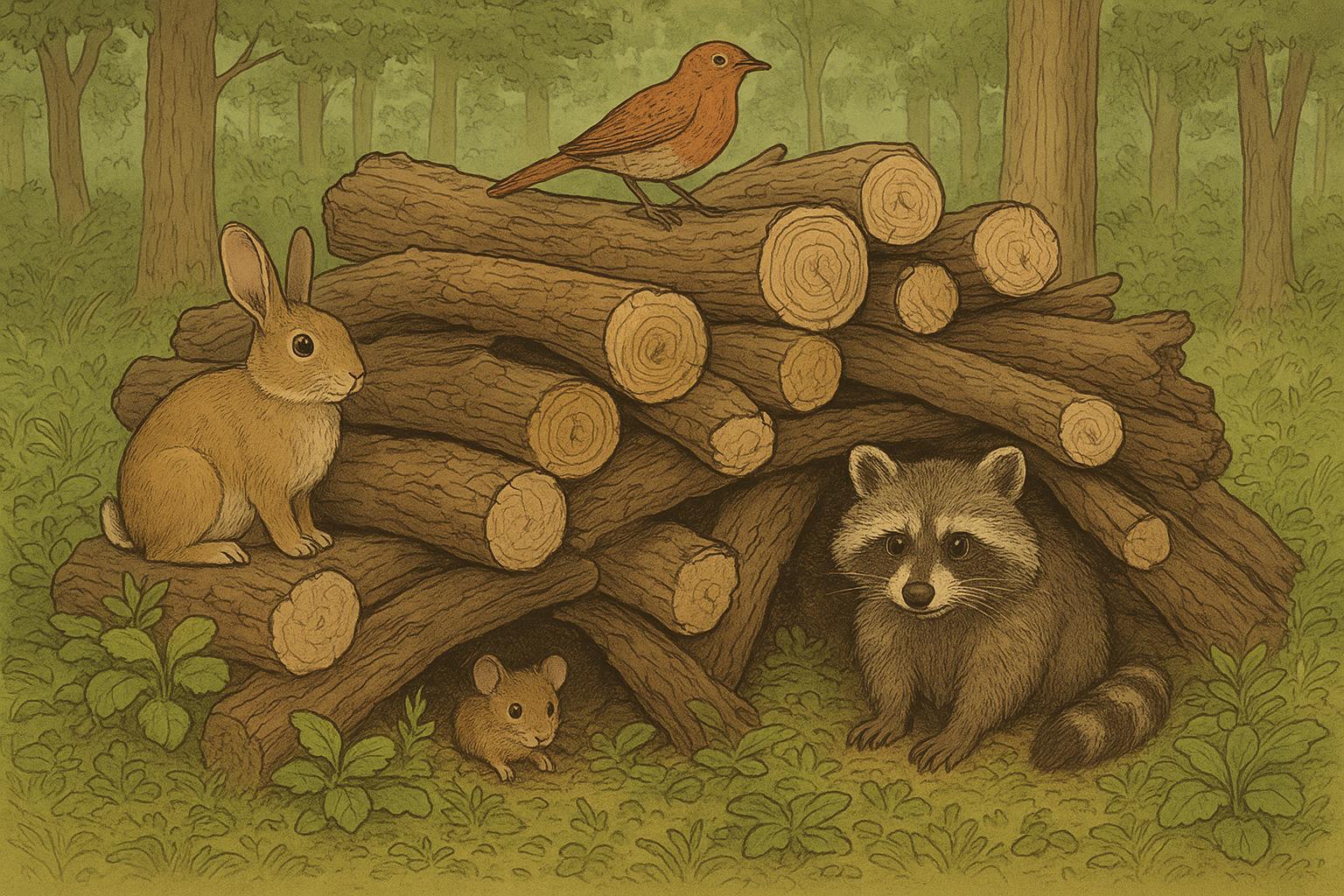
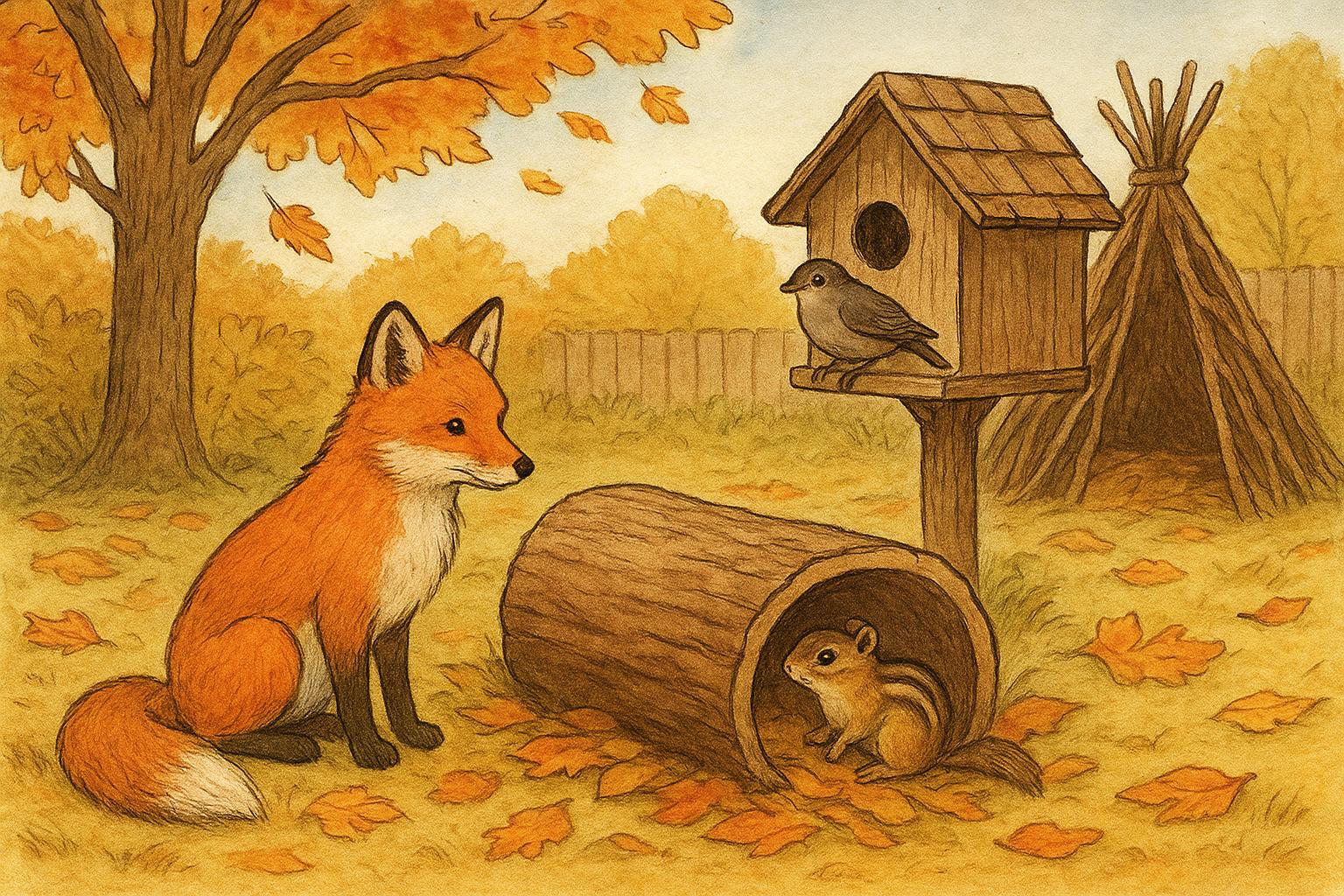
A tidy stack of flat stones creates basking spots for reptiles and microcrevices for insects. Logs placed on the ground slowly decay and host beetles and fungi—food for woodpeckers and shrews. If you want a cleaner look, use edge restraints and tuck the feature into a shrub border.
#### Avoid Over-Processing The Yard
A common mistake is to prune everything into submission. Let some branches stay. Leave seed heads standing through winter. These small allowances give insects and birds a food source when nothing else is blooming.
## Water That Doesn’t Require Daily Attention
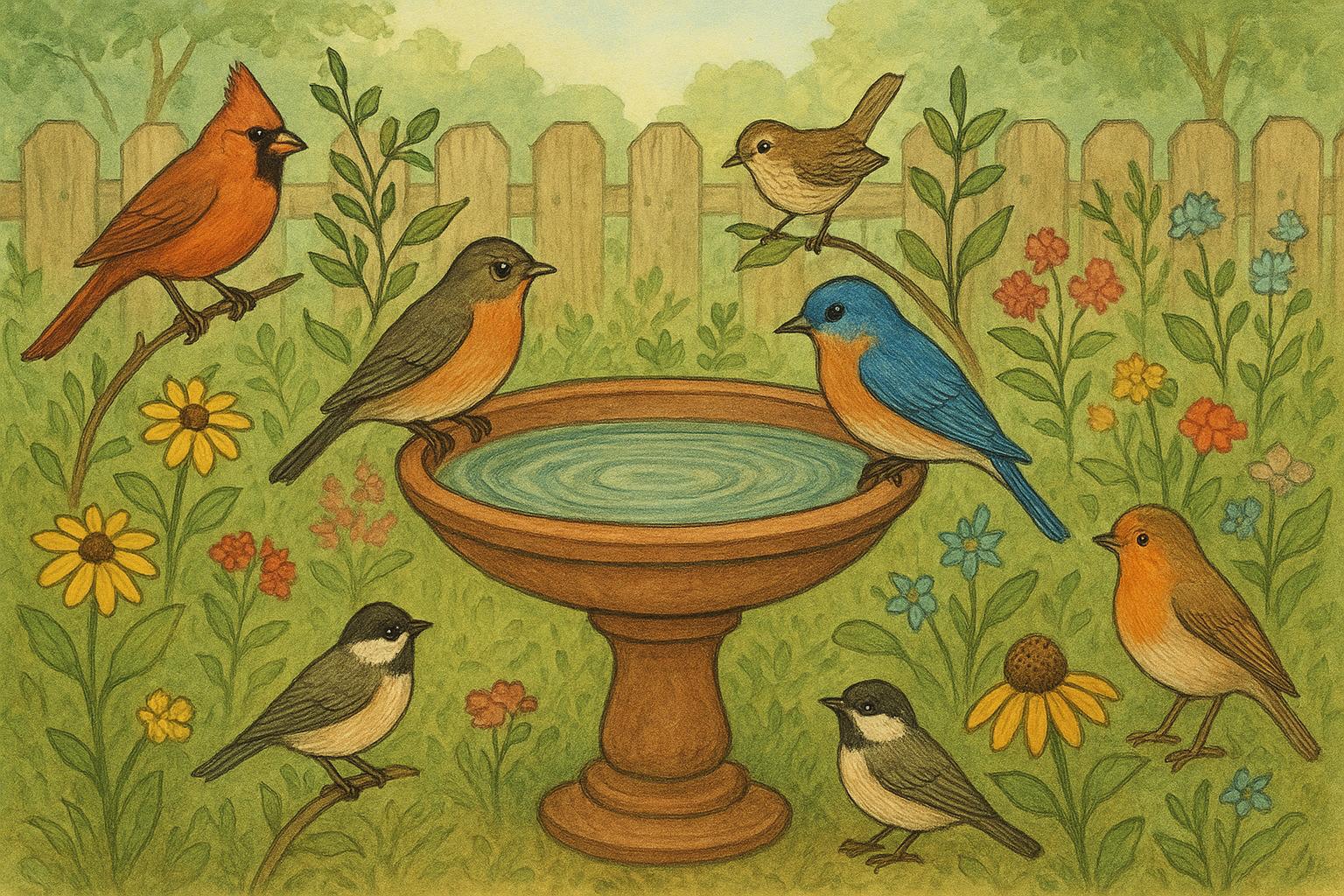
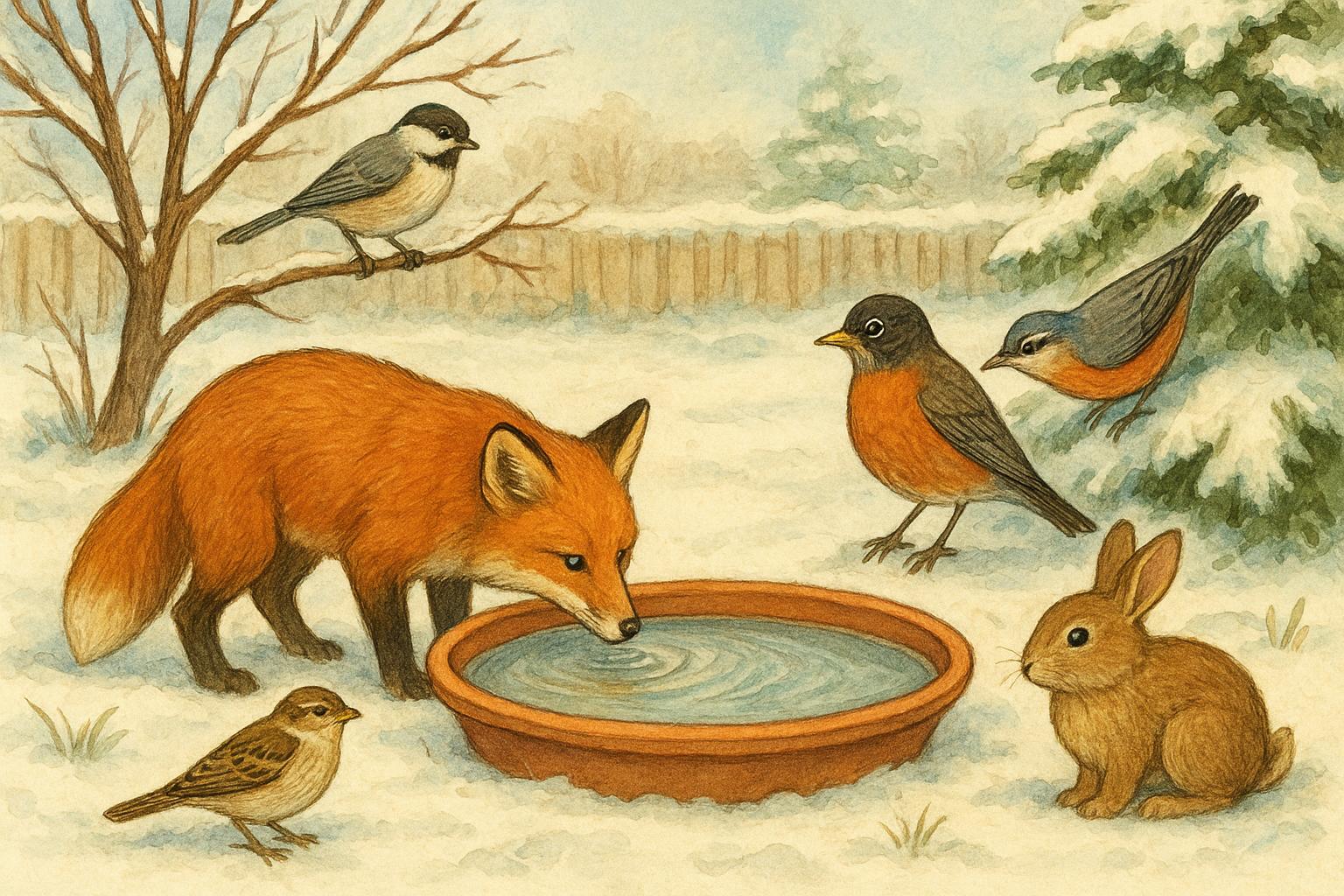
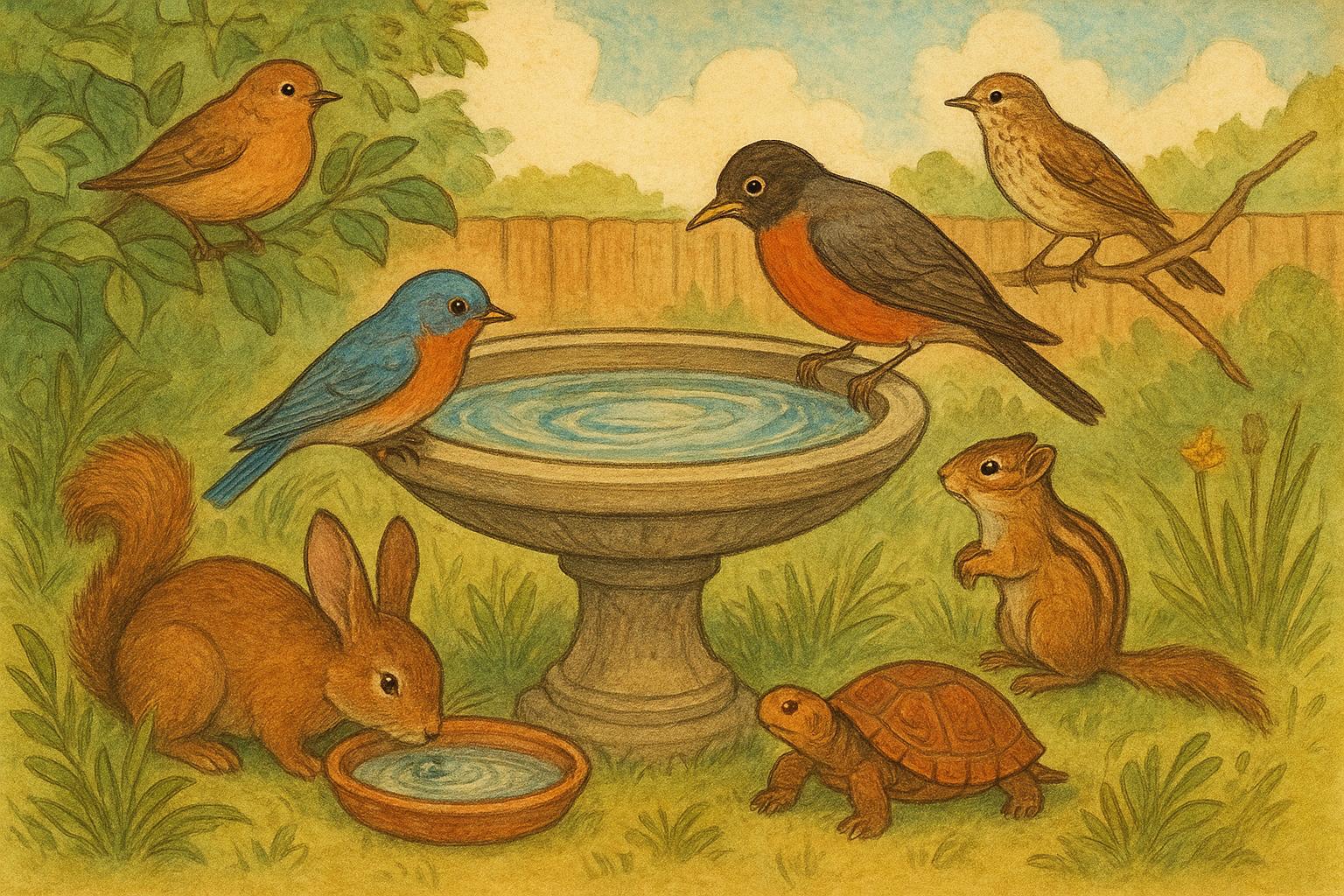
Water attracts life fast, but it needn’t be a high-maintenance pond. A shallow basin or wildlife-friendly birdbath is often enough.
### Low-Fuss Water Ideas
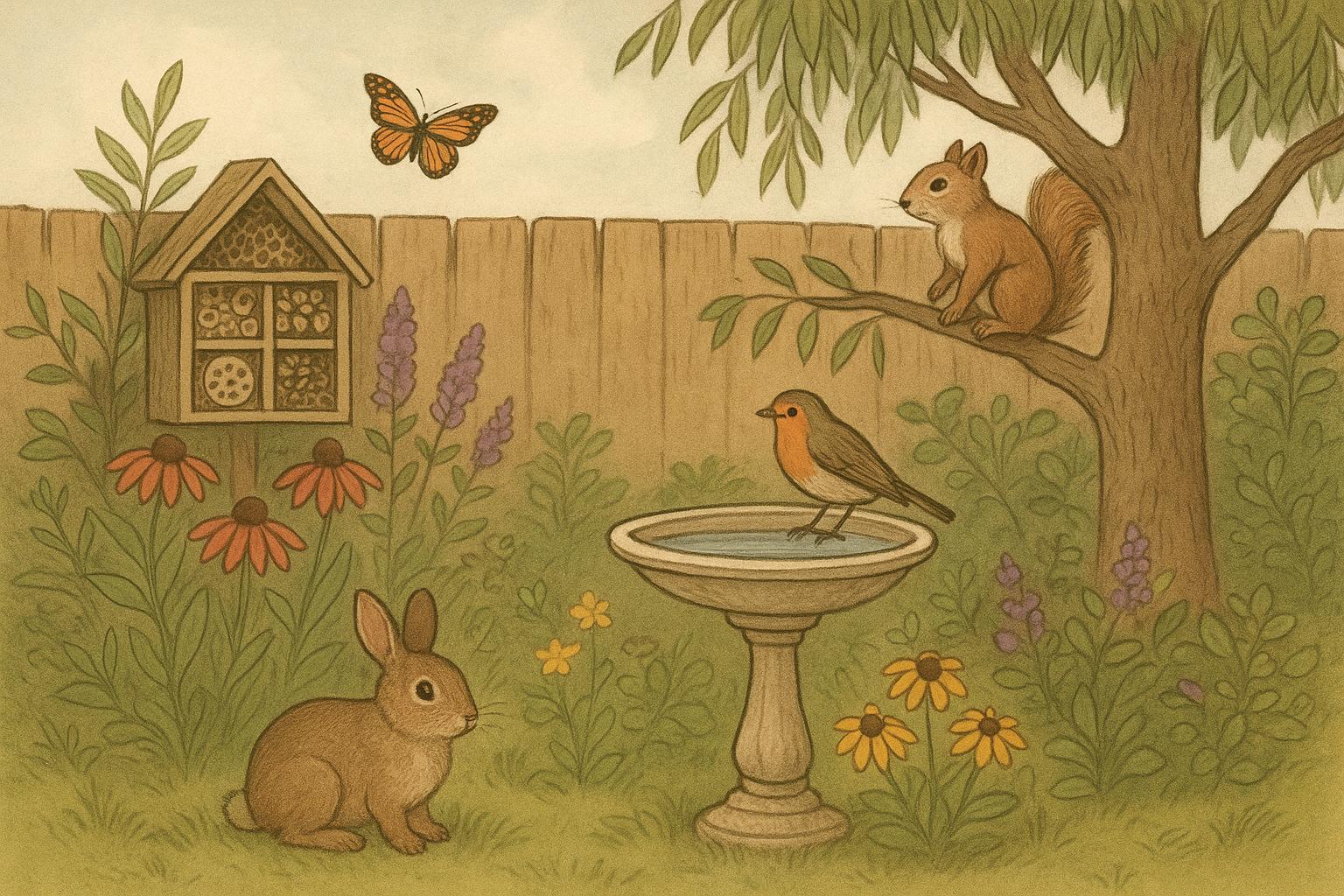
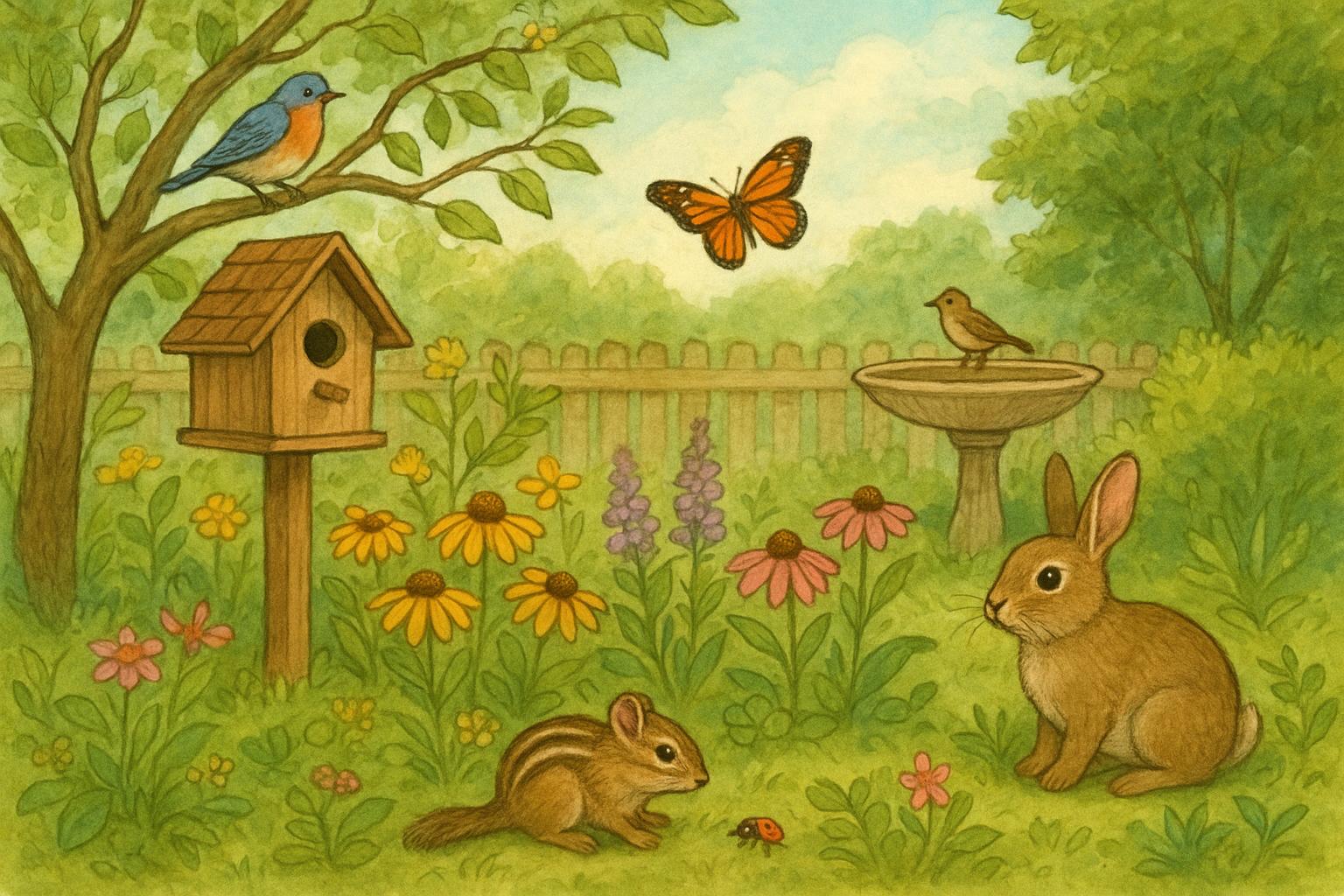
– A simple birdbath on a pedestal, placed near shrubs for quick cover.
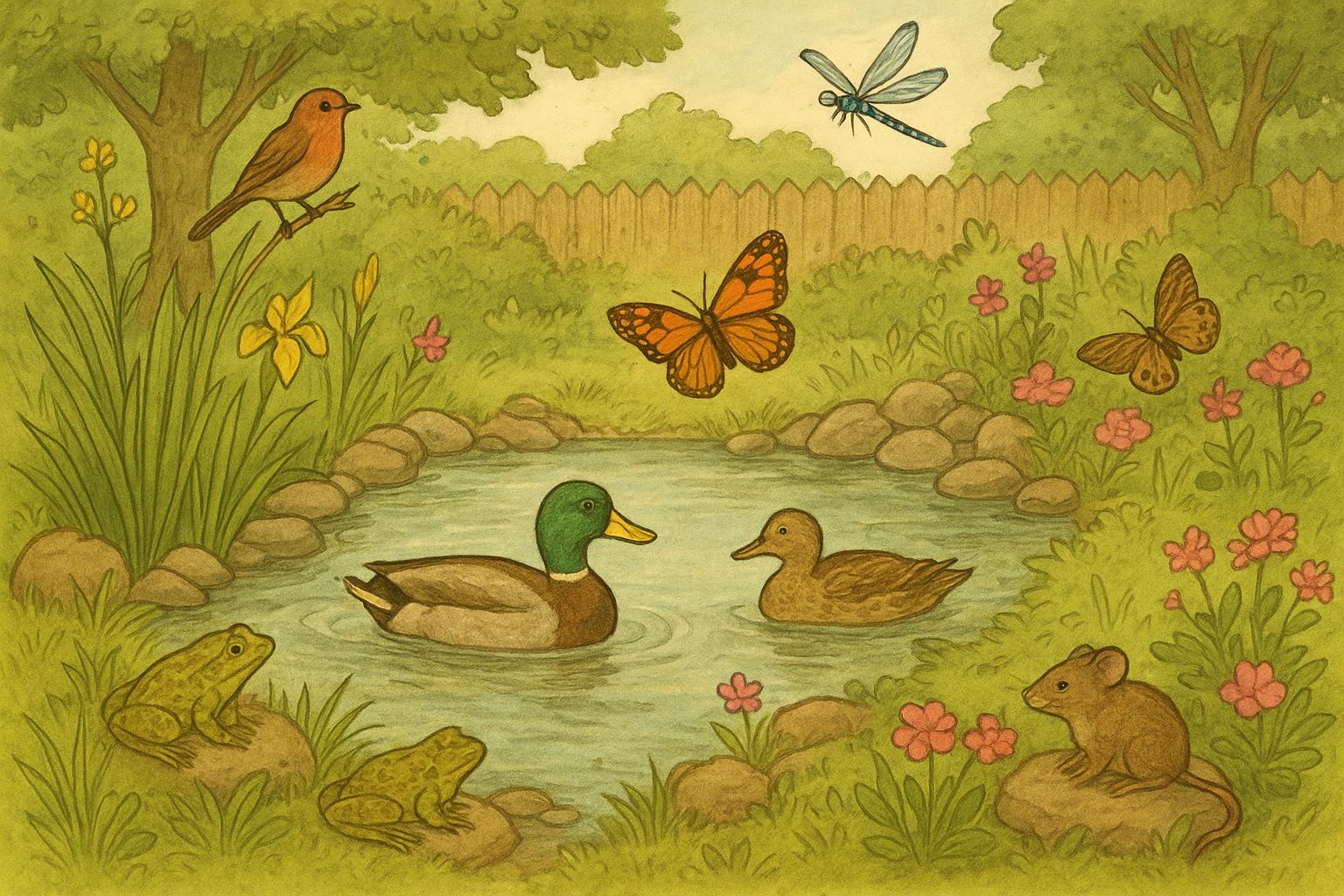
– A shallow, lined basin with gentle sloping edges so frogs and insects can climb out.
– A small recirculating fountain with a low-power pump and an easy-to-clean basket filter.
If you choose a pump, put it on a timer or install a solar option. That cuts electricity use and means fewer times you need to get on a ladder. Keep water sources no more than 30 feet from cover—birds won’t cross long open stretches to drink if they feel exposed.
## Mulch, Mow, And Let It Be
Maintenance choices shape habitat balance as much as plant selection. Mowing height, leaf litter management, and mulch type all influence which animals will use the space.
### Smart Mulch Use
Organic mulches like shredded hardwood break down and feed soil life. Use them in beds to reduce weeds, conserve moisture, and slow work. Avoid overly tidy mulch rings around tree trunks; a small natural mound is fine and reduces the need to weed. Letting a few areas stay mulched with leaf litter provides overwintering spots for insects.
#### Mowing Strategies For Habitat Balance
Raise your mower blade. Tall grass patches support nesting for some birds and overwintering for butterflies. Instead of mowing the whole lawn weekly, create a mosaic: a regularly mowed path for access, a few native grass swaths, and a meadow corner that gets cut once or twice a year. This variation gives birds and insects options without adding upkeep.
## Structures That Serve Wildlife And People
Nest boxes, bat houses, and brush piles are classic additions, but placement and design matter.
### Where To Put Nest Boxes
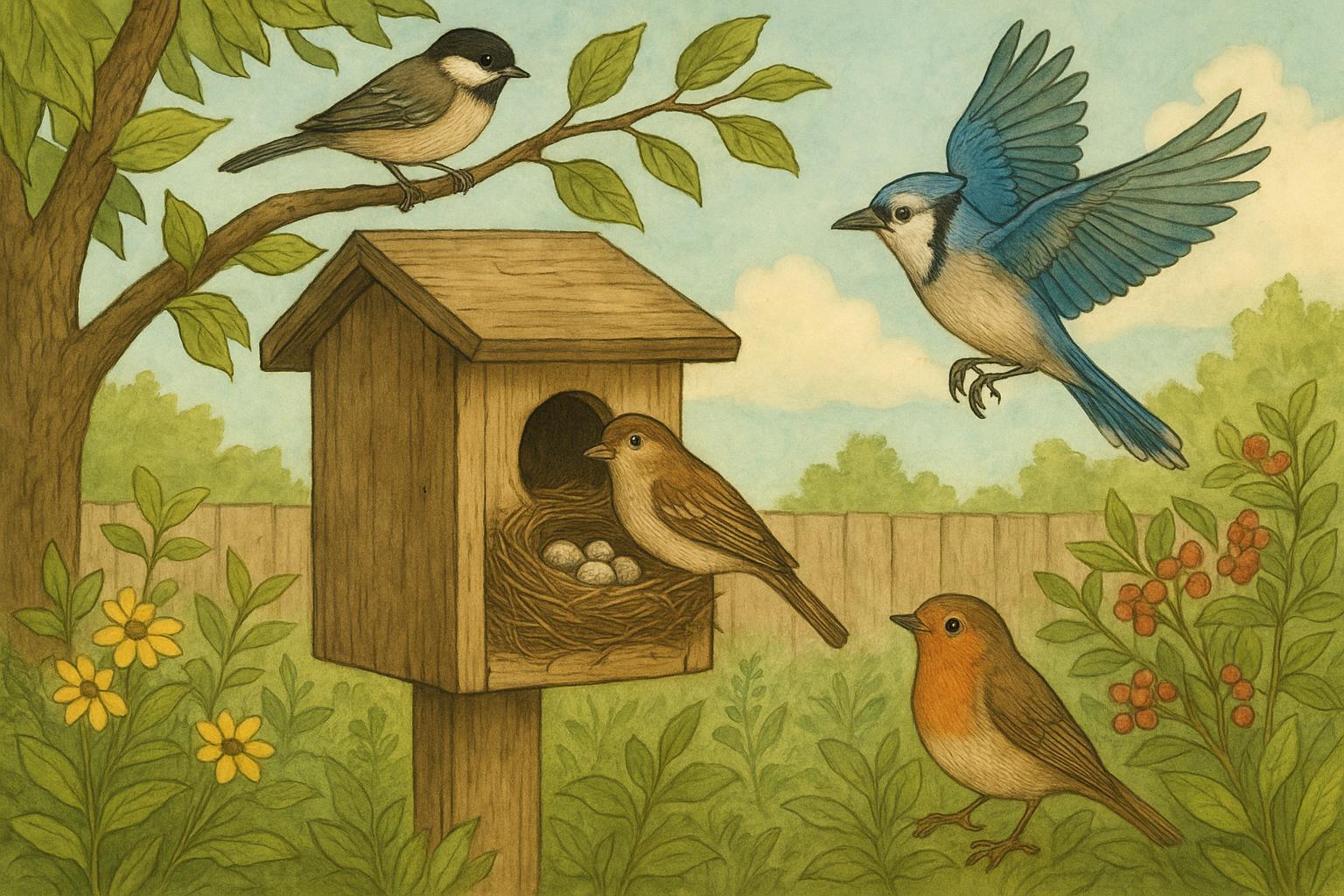
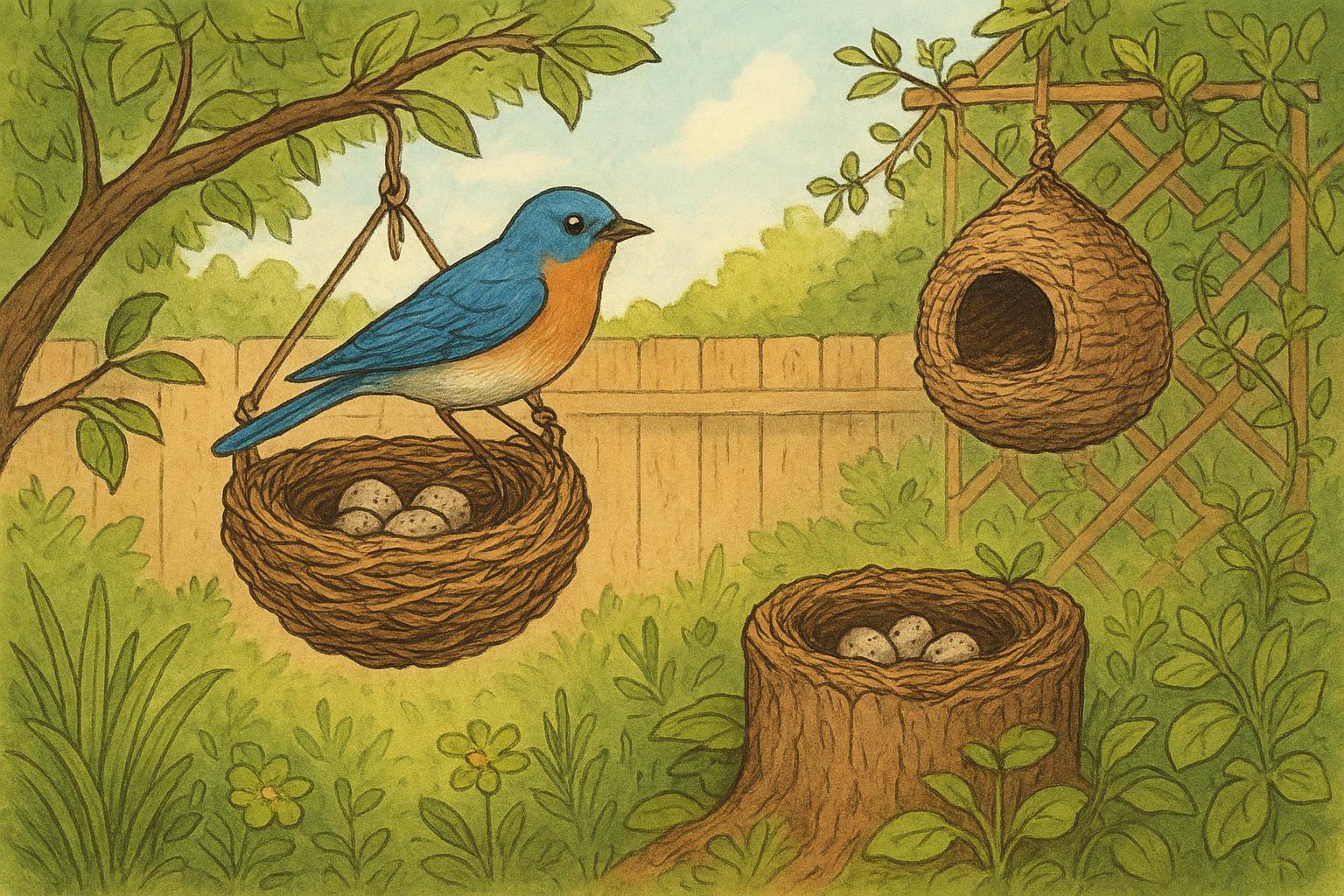
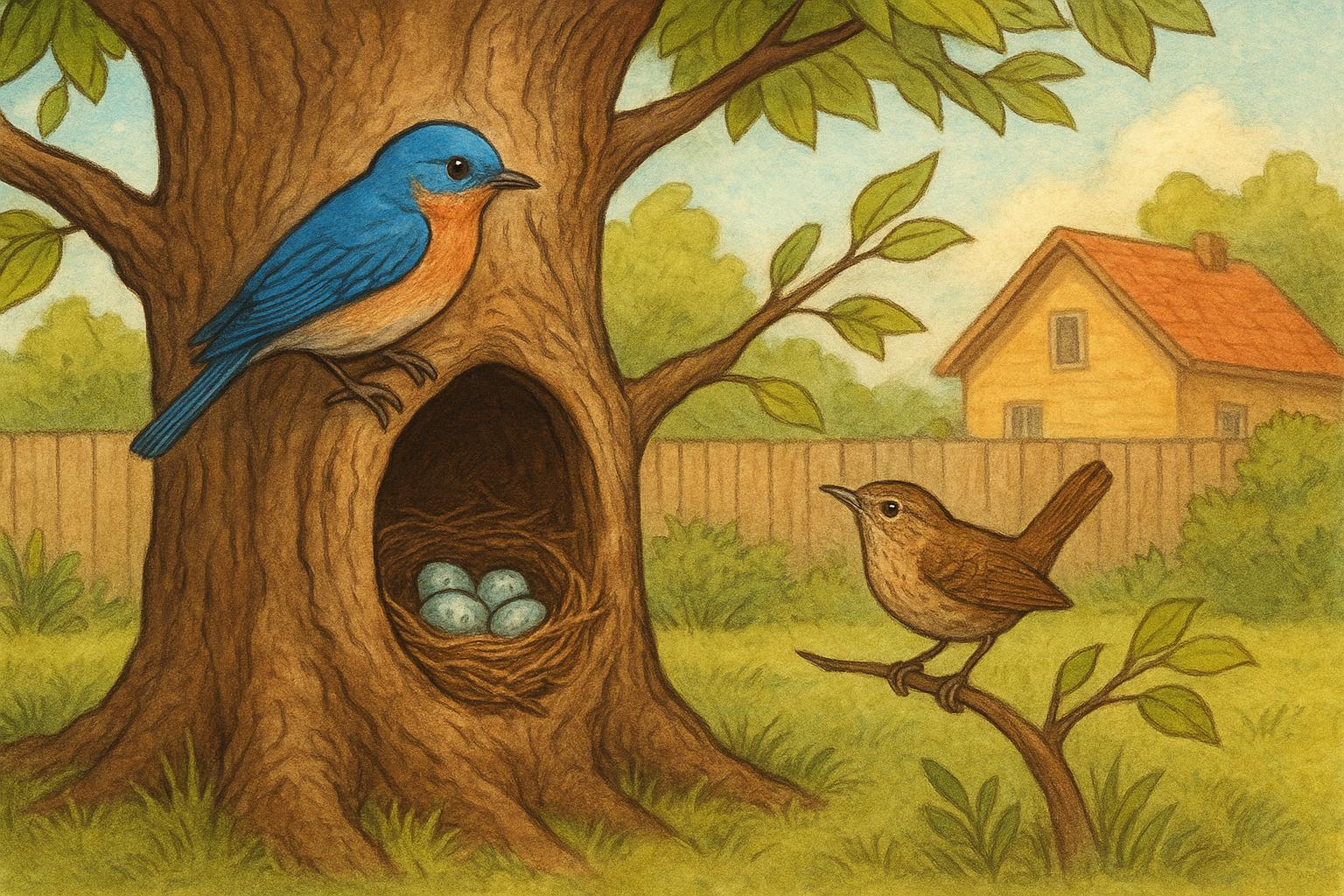
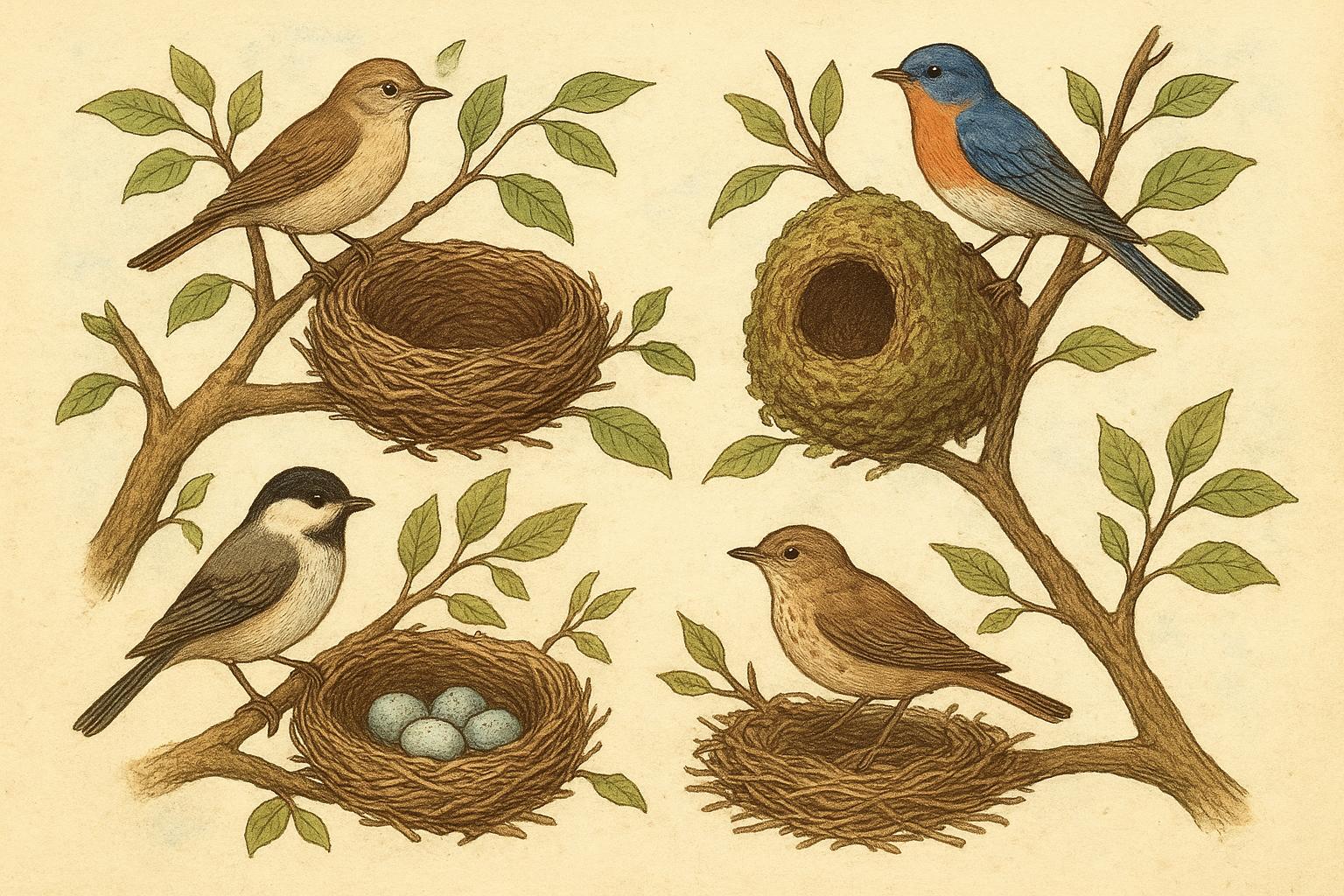
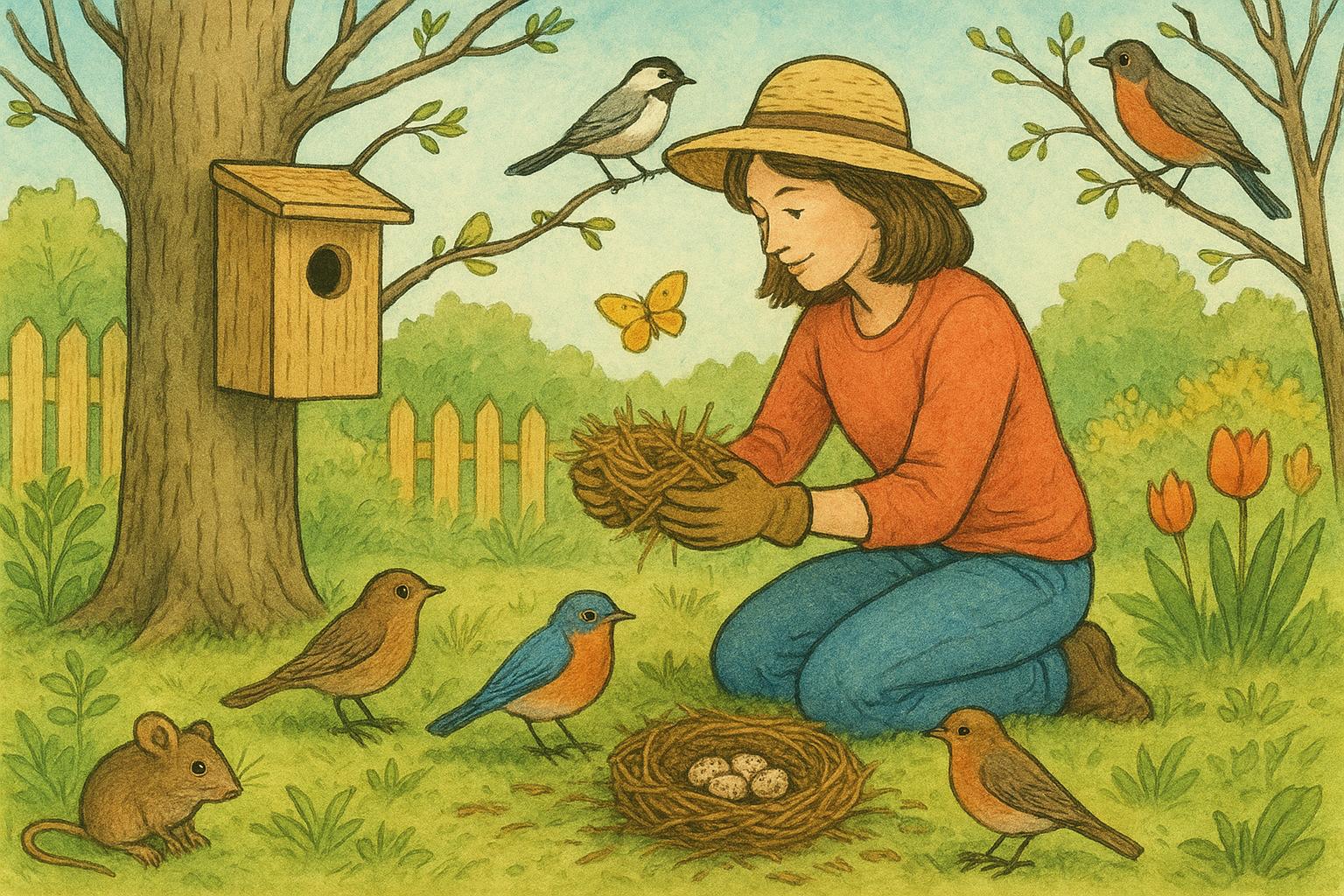
Mount nest boxes on north- to east-facing faces, 10–15 feet high for most songbirds. Keep them away from busy human activity and direct predators’ sight lines. If you want swifts or swallows, use multi-chamber boxes attached to outbuildings. Clean boxes in fall only if necessary—many insects overwinter in there and can be beneficial.
#### Bat Houses And Pollinator Hotels
Bat houses should be in sunlit spots to keep them warm; a clear flight path is essential. Pollinator hotels are handy for some solitary bees, but avoid using treated woods or painted interiors. Place them facing southeast and protect them from heavy rain.
## Creating Edges And Corridors
Wildlife moves along edges—where two habitat types meet. Think less “detached garden island” and more “connected network.”
### Use Mixed Borders
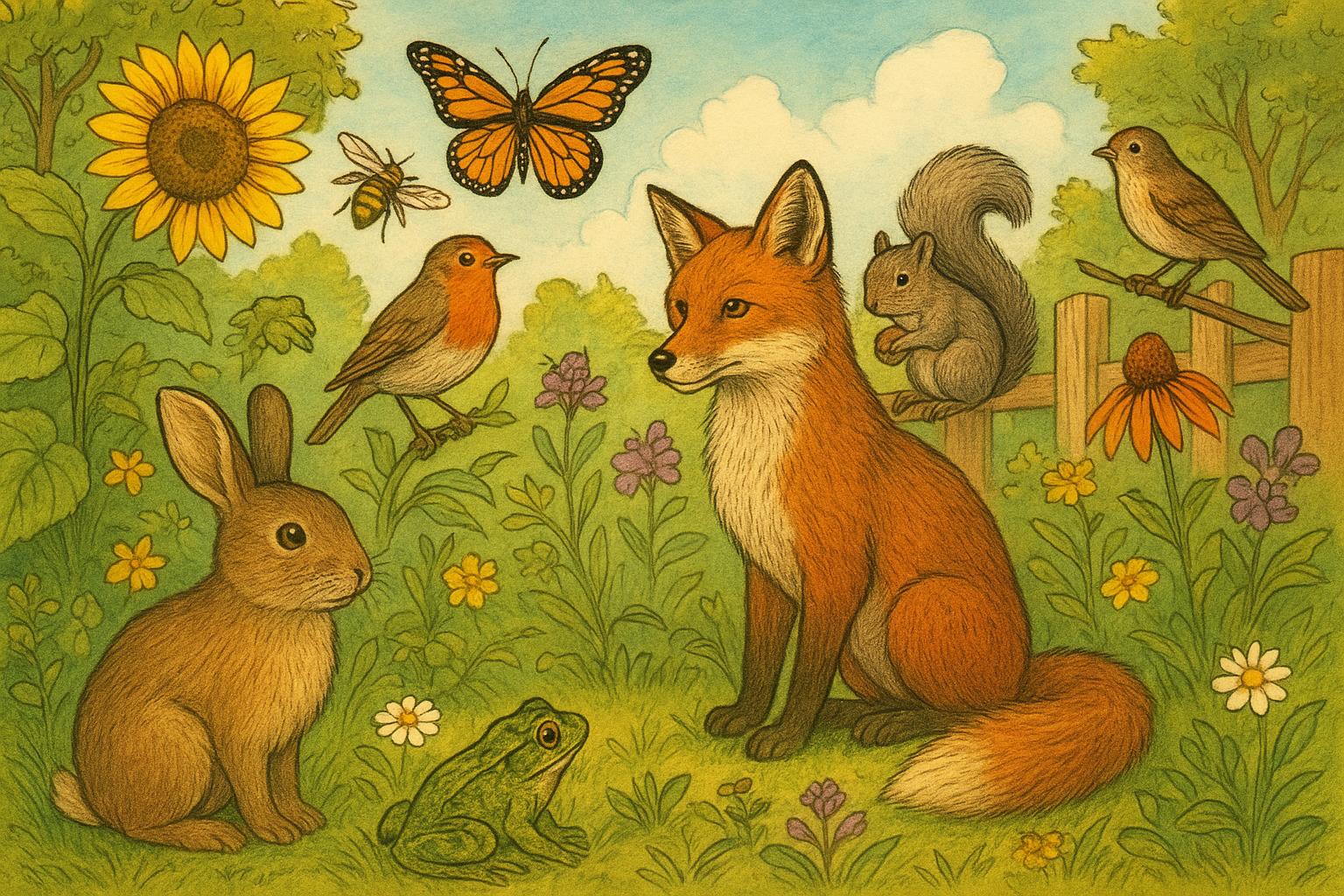
A boundary strip combining shrubs, tall perennials, and groundcovers creates an edge that supports more species than a plain fence line. This is crucial for habitat balance: connected patches let animals move, find mates, and locate food during scarcity.
#### Corridors Through The Neighborhood
Even small yards matter if they form stepping stones. Choose plants similar to nearby natural remnants. If your neighbor has a hedgerow or a parkway with oaks, planting compatible understory species helps local populations more than installing a handful of exotic ornamentals.
## Seasonal Care Without Excess
Seasons change needs. The right timing saves labor and boosts habitat.
### Spring And Summer Tasks
Focus work in spring: plant, control invasive seedlings by hand, and refresh mulches. Summer is mostly observation—water during dry spells, monitor for pests rather than treating immediately. Let native predators like lacewings and lady beetles handle aphid outbreaks first.
#### Fall And Winter Work
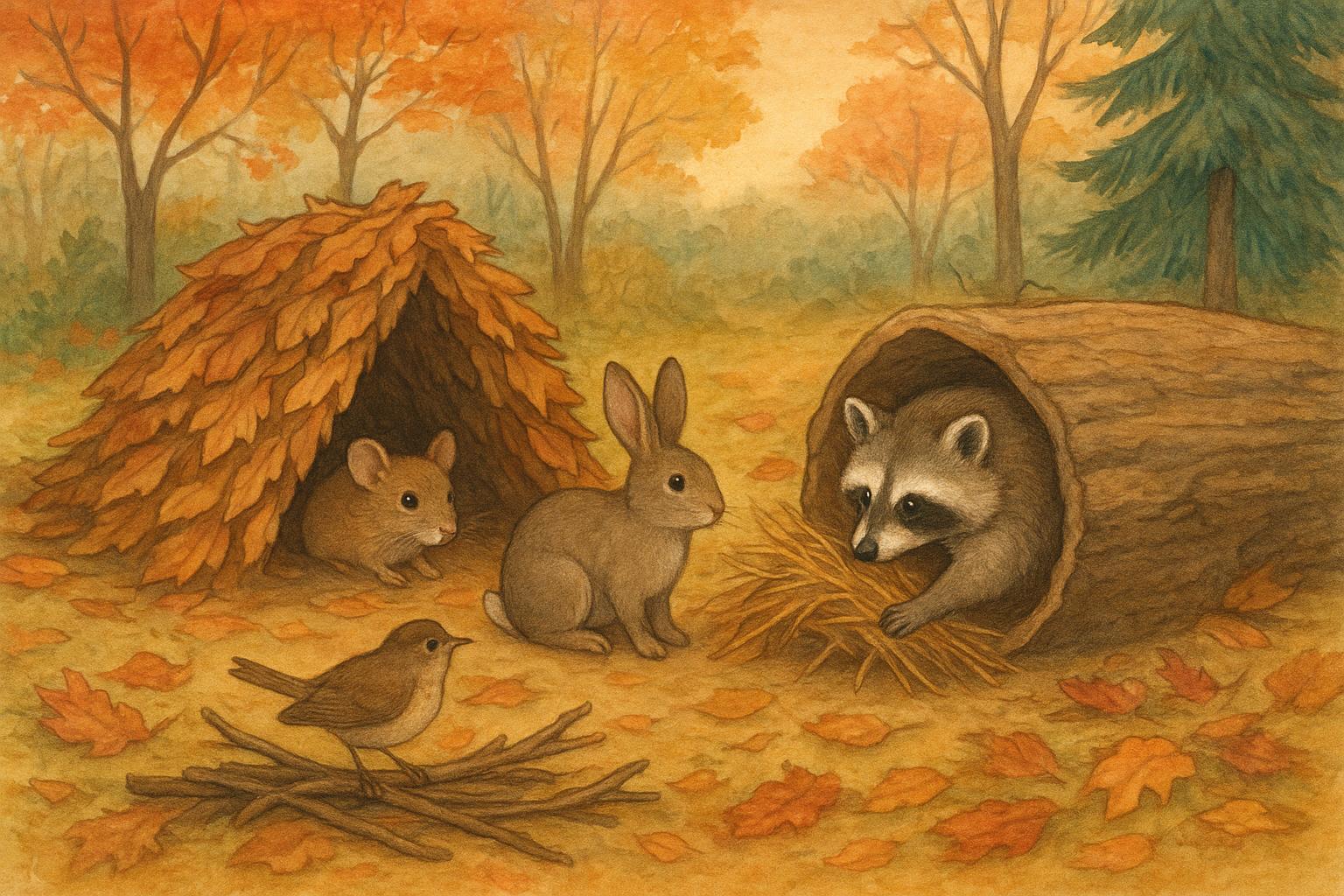
Reserve pruning for late winter when pests are dormant and birds aren’t nesting. Leave seed heads and leaf litter until late winter or early spring so birds and overwintering insects have food and shelter. When you finally clean beds, compost responsibly or leave some material in a brush pile.
## Dealing With Pets And Predators
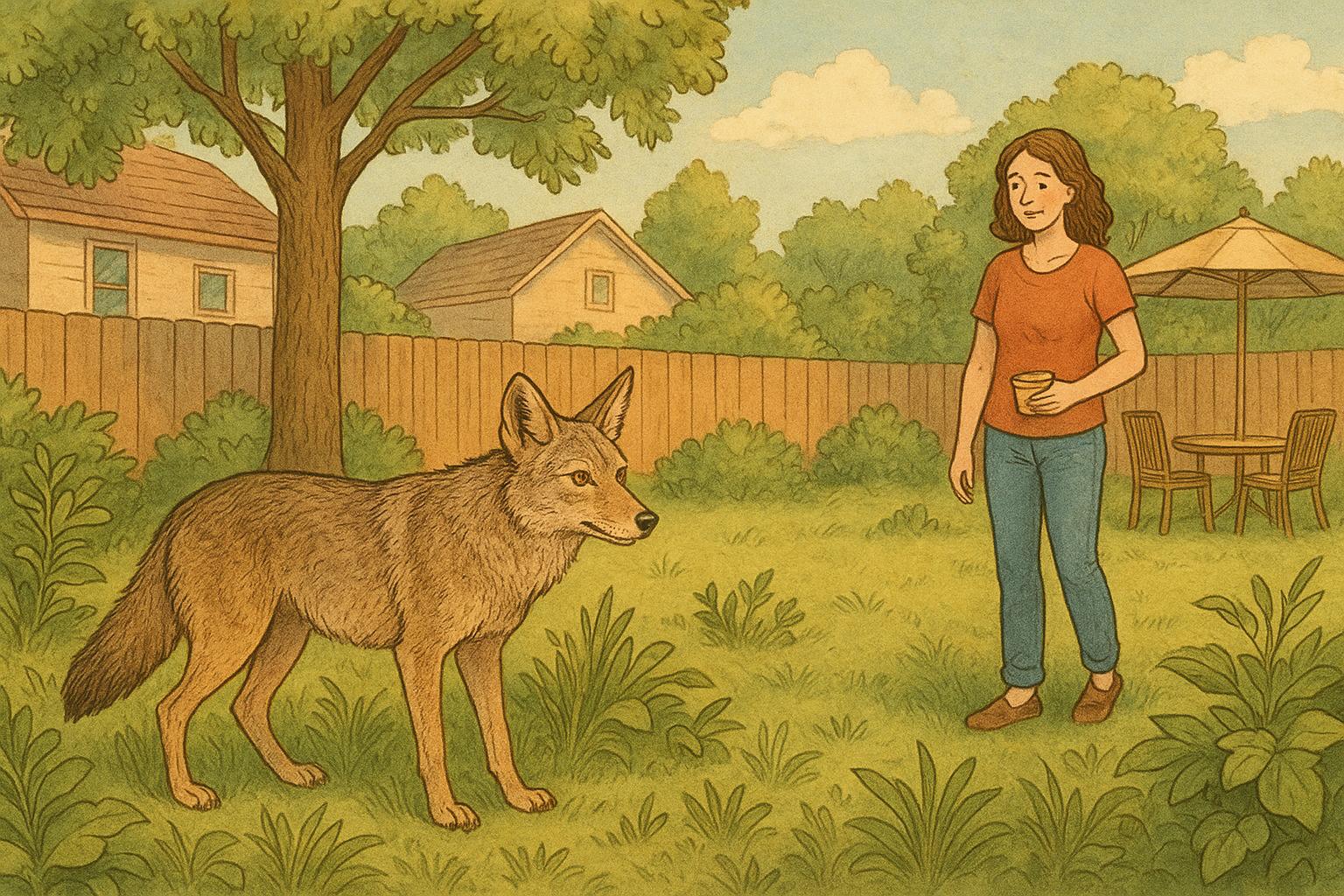
Cats and small dogs complicate wildlife-friendly yards. You can protect wildlife without locking your pet inside.
### Simple Pet-Friendly Measures
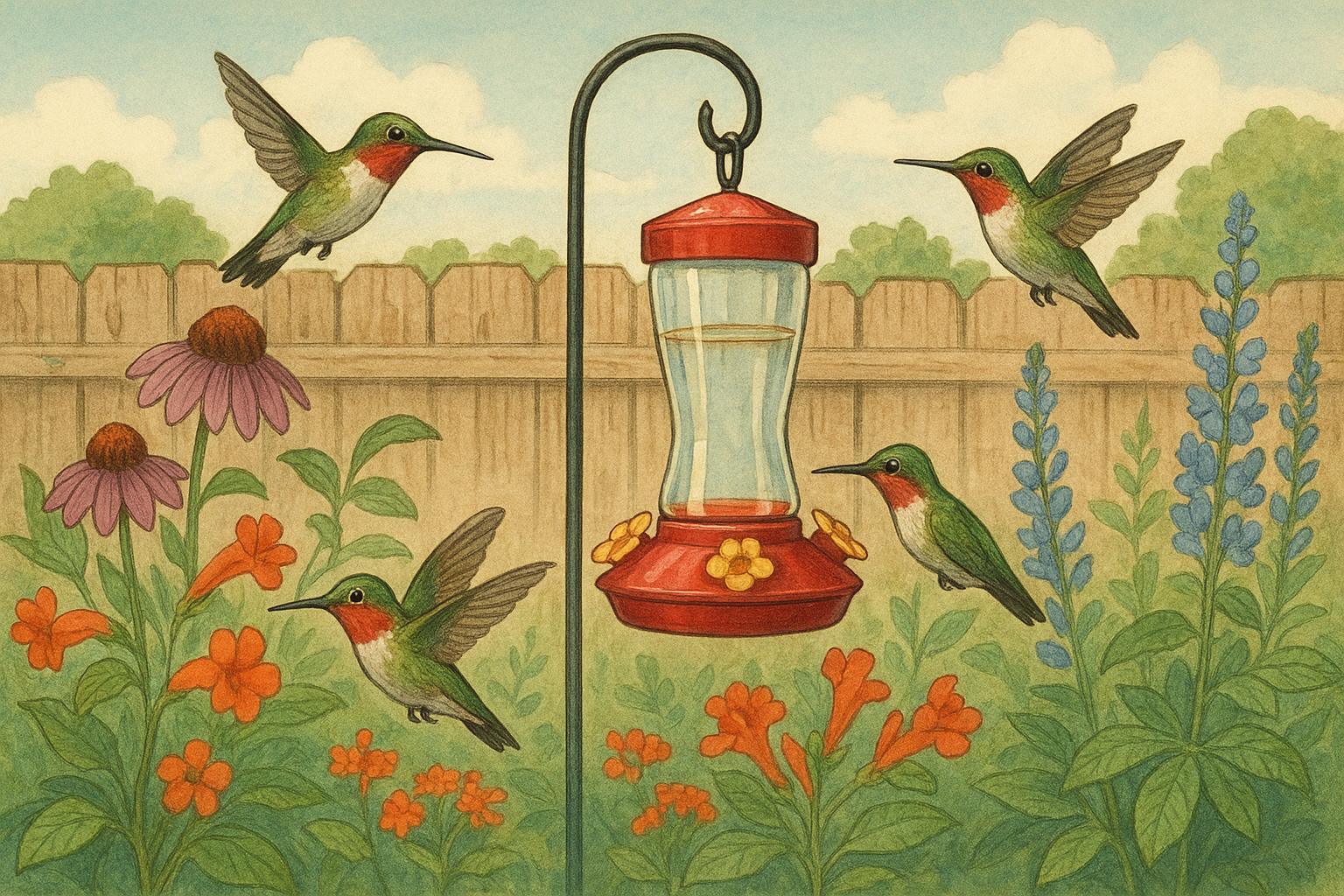
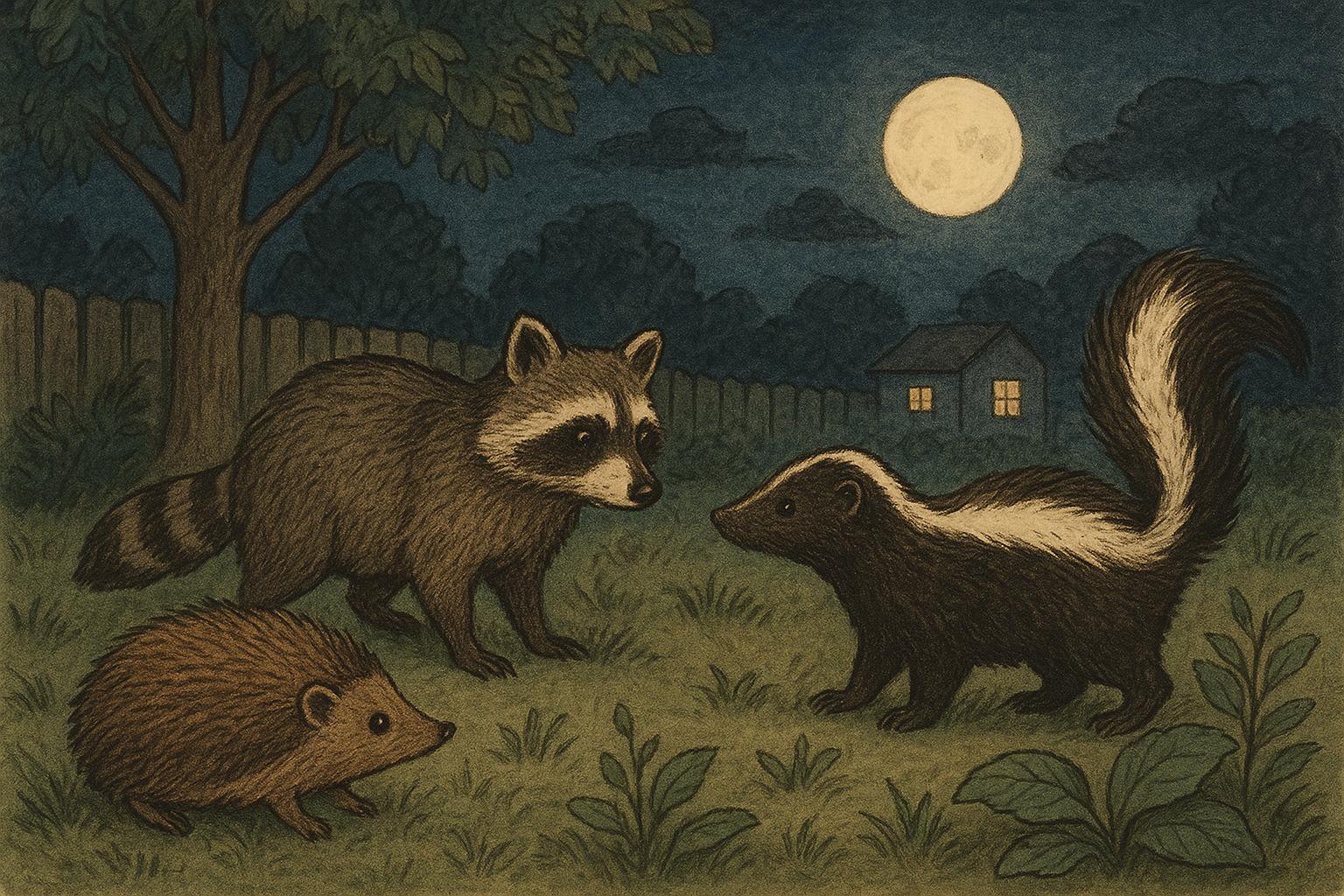
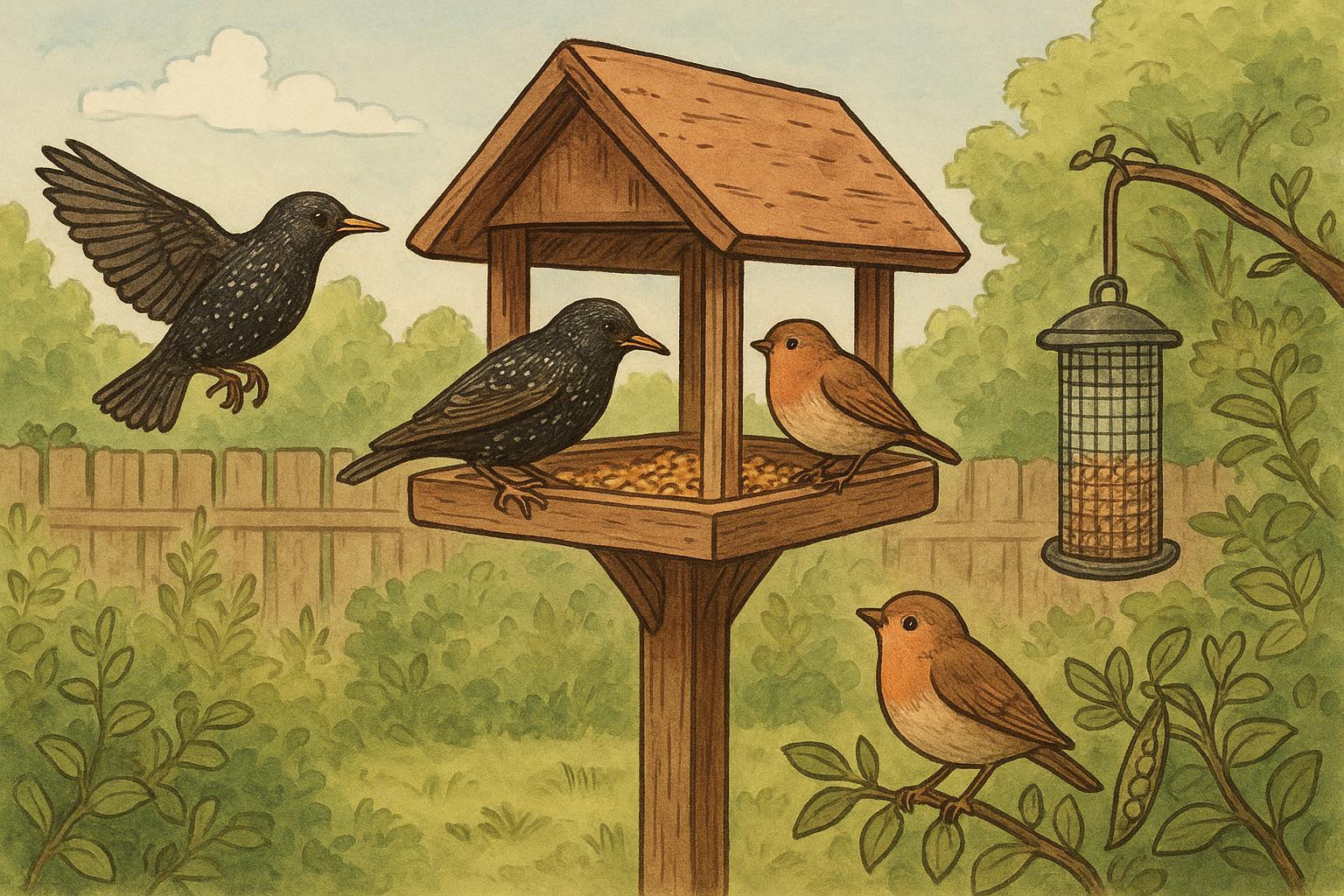
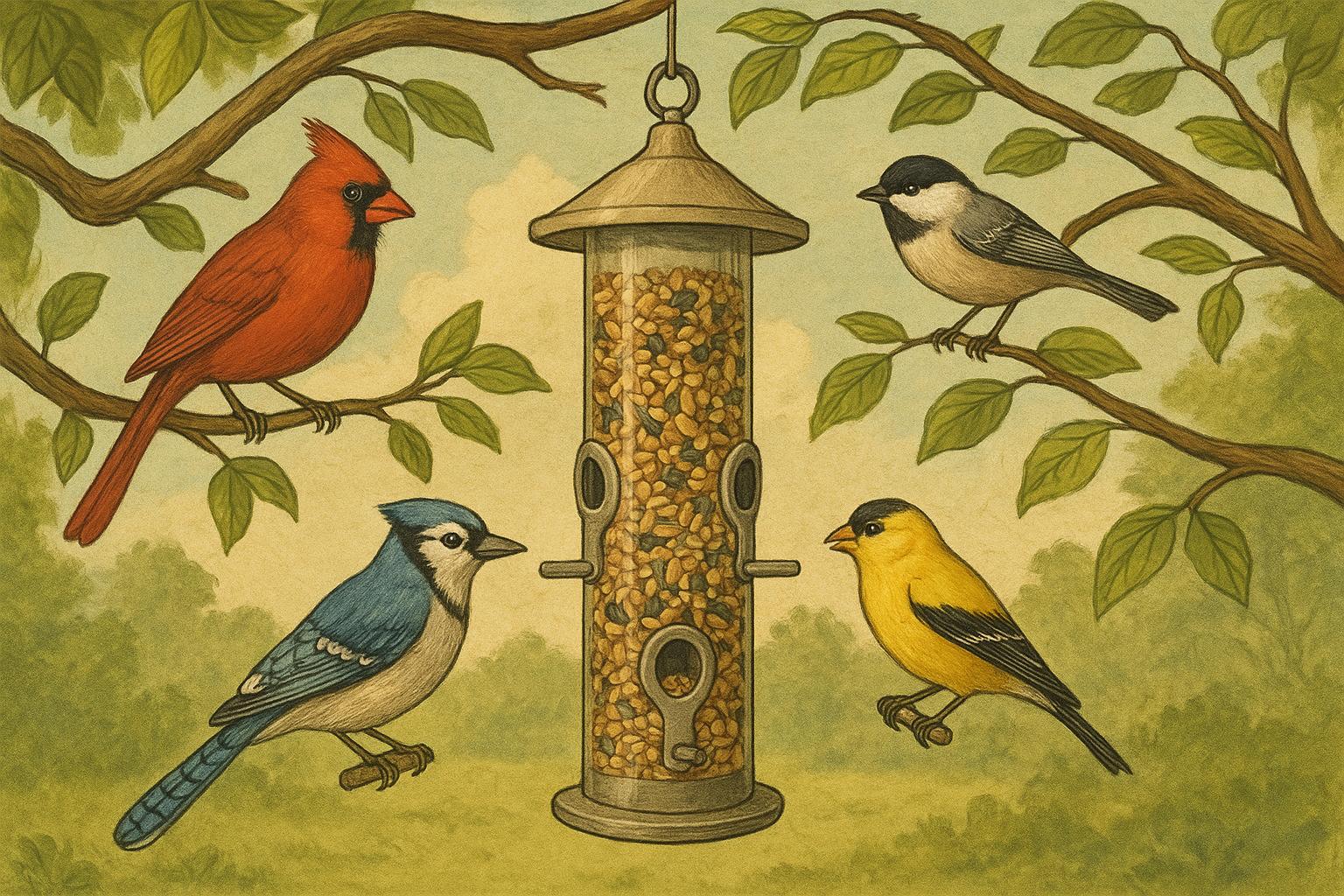
Provide a fenced-off play area for pets and dense shrub escape zones for wildlife. Keep feeding stations higher and closer to cover to reduce squirrel dominance. If you’re trying to improve breeding success for birds, consider net-free fruit trees or timed feeders that limit night access to raccoons.
#### Predator Management Without Chemicals
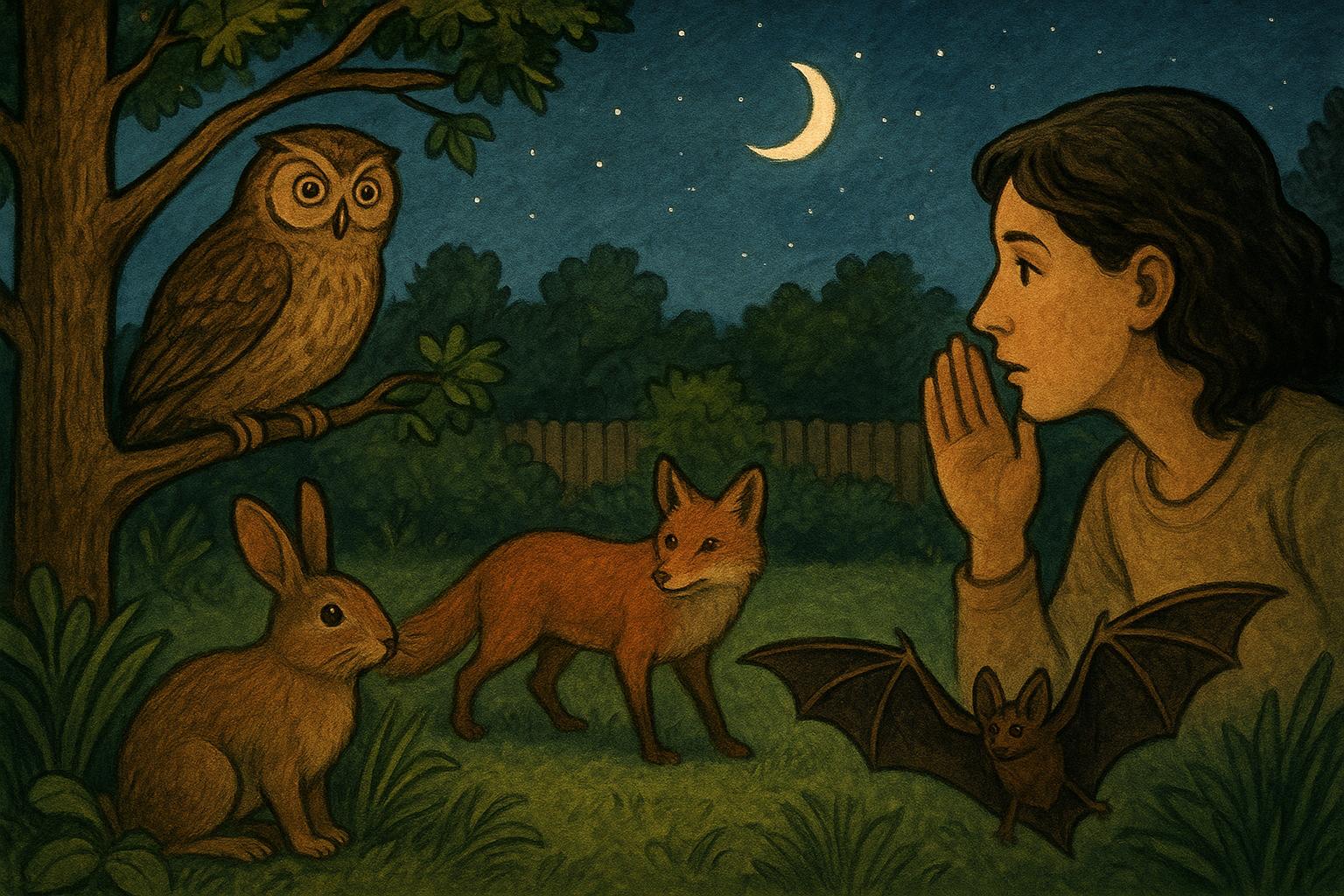
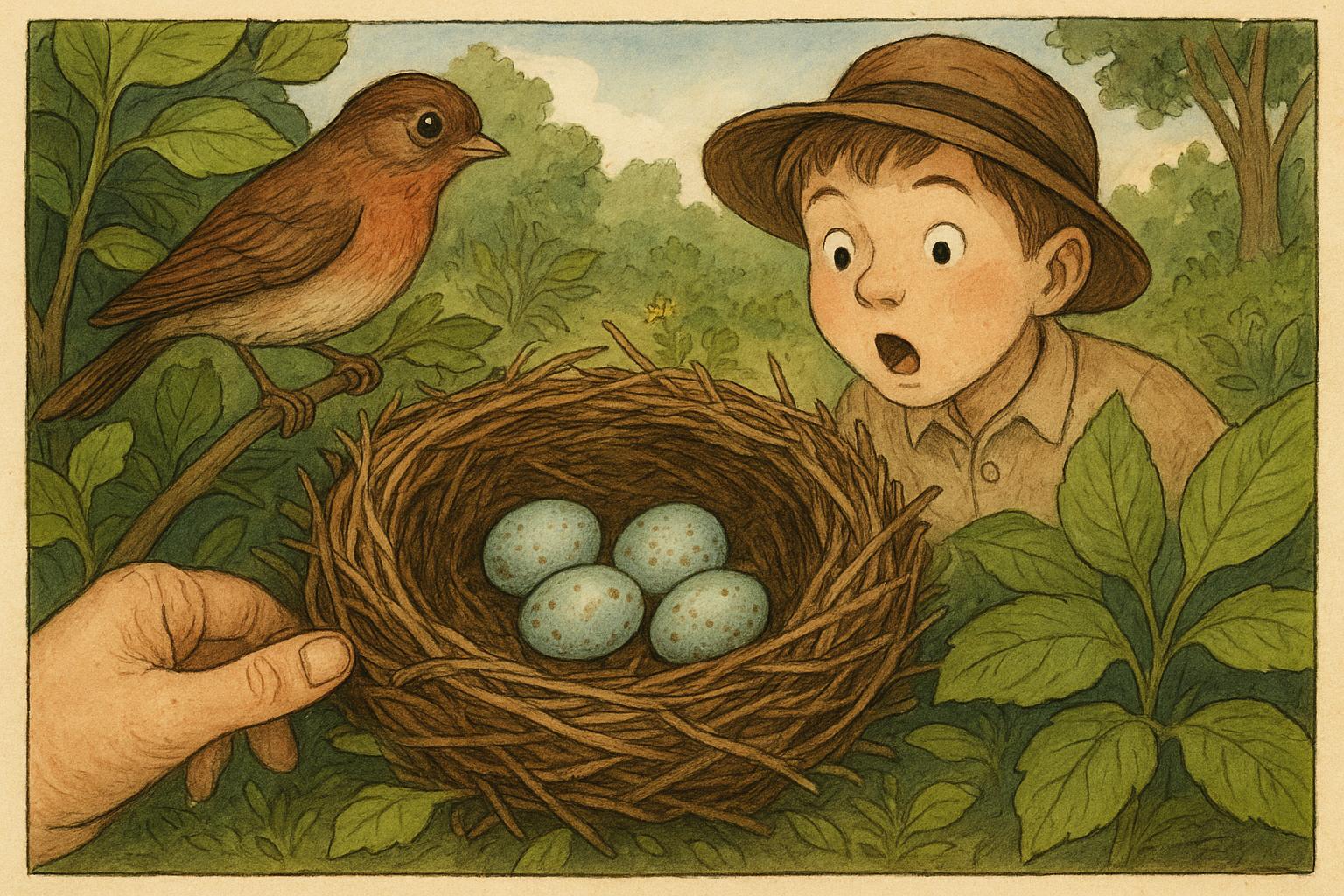
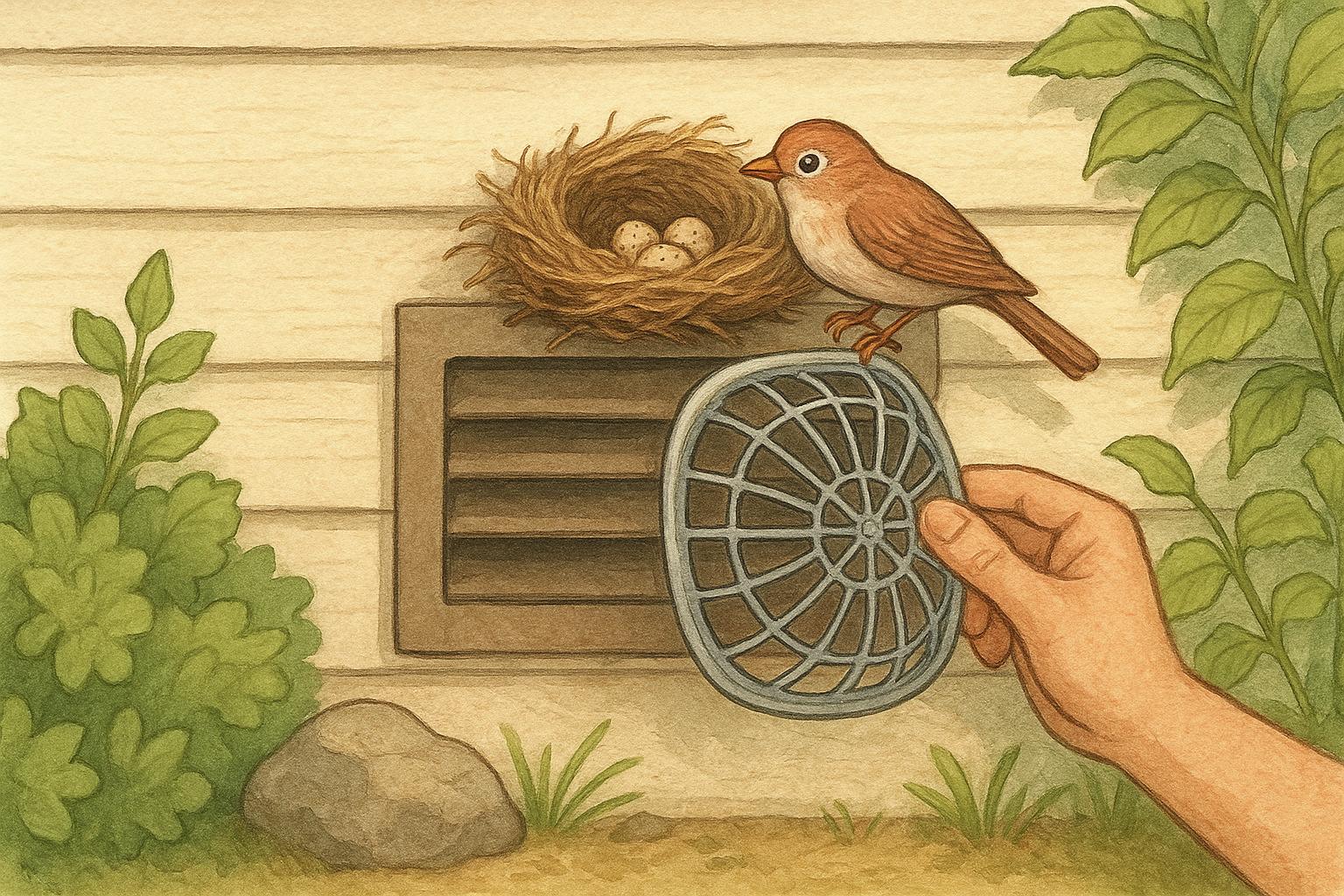
Avoid broad-spectrum rodenticides; they poison predators too. Instead use exclusion for vulnerable nests—wire cages over low-growing nests during vulnerable weeks. Motion-activated lights can deter nocturnal predators without harming wildlife.
## Measure Success By Function, Not Looks
A yard that hums with insect life and fills with birds in spring is working, even if it looks a bit wild. I tell clients to expect a change in aesthetic. Native plantings and untrimmed seed heads ask us to accept a messier look at times. That’s part of habitat balance.
### Keep A Simple Monitoring Routine
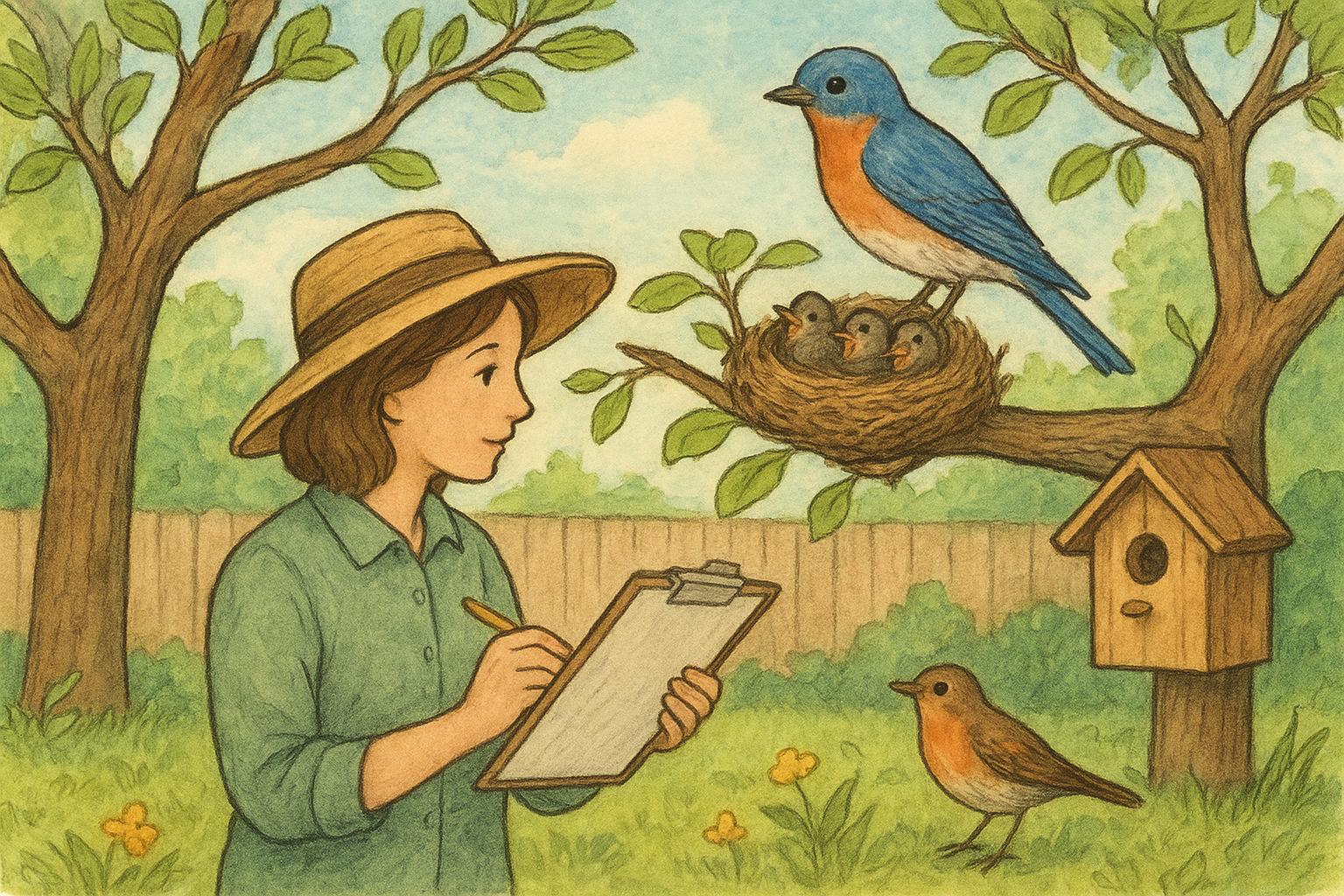
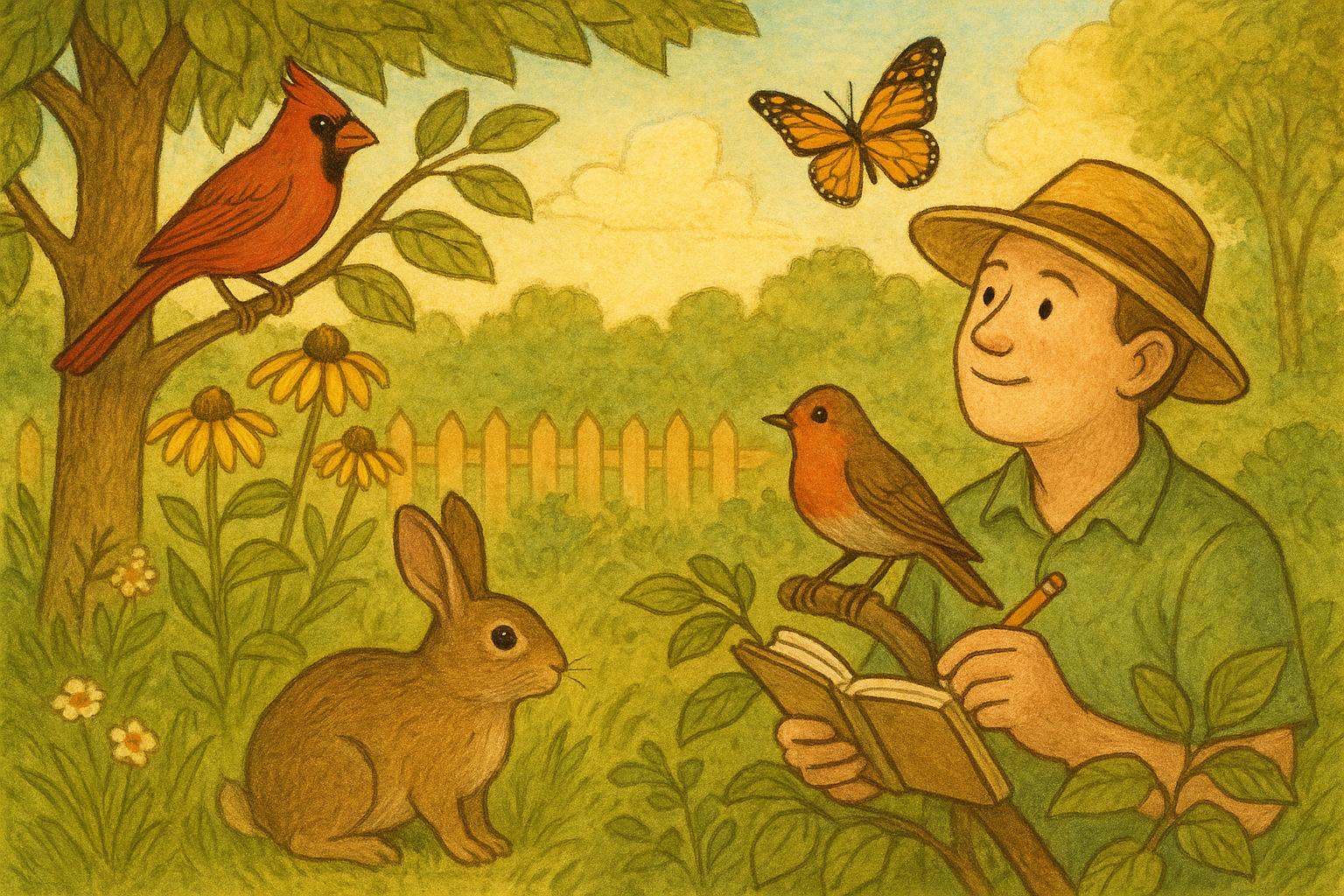
Walk your yard on weekend mornings. Note first and last bloom, which birds come for which plants, and where frogs call. A quick sketch and some notes over two years reveals whether your choices work. Adjustments should be surgical, not wholesale.
## Low-Maintenance Wildlife Yard Design For Small Spaces
You can compress all of this into a small lot. Use vertical layers. A trellis with native vines, a single multi-stem shrub, and a pocket of native grasses can mimic a larger ecosystem.
### Container-Friendly Options
Containers can host pollinator-friendly plants: native milkweed in a big pot, or a cluster of asters that bloom late. Place containers near perches and cover. Even balcony gardens contribute to habitat balance when they supply nectar and shelter.
## Budget-Friendly Choices That Last
You don’t need expensive soil amendments or exotic specimens.
### Spend Once, Save Later
Invest in quality native plants and decent mulch. Use seed mixes for larger areas and layer with shrubs over time. Take cuttings from established natives if local regulations allow. Time is the real investment; patience reduces cost and labor.
#### Volunteer Plants Can Be Allies
Let some volunteers stay. Native seedlings that show up can become the foundation for a naturalized corner. Thin them if they crowd, but don’t pull every volunteer—some become the most reliable bloomers and are easiest to care for. Just keep an eye out for aggressive invasives and remove those early.
## A Few Common Pitfalls To Avoid
– Planting the wrong species for your soil or light and then trying to force them with water and fertilizer. It rarely works long-term.
– Over-pruning and removing standing dead stems that provide habitat through winter.
– Going purely ornamental and losing the structural elements wildlife need.
A good low-maintenance wildlife yard design relies on intentional choices: right plants, smart placement, and a maintenance rhythm that favors observation over constant intervention. If you set things up to be forgiving, the yard does most of the work. Expect a little chaos—seperate patches of untidiness—and you’ll be rewarded with a functioning, low-effort habitat that keeps giving back.

Leave a Reply