
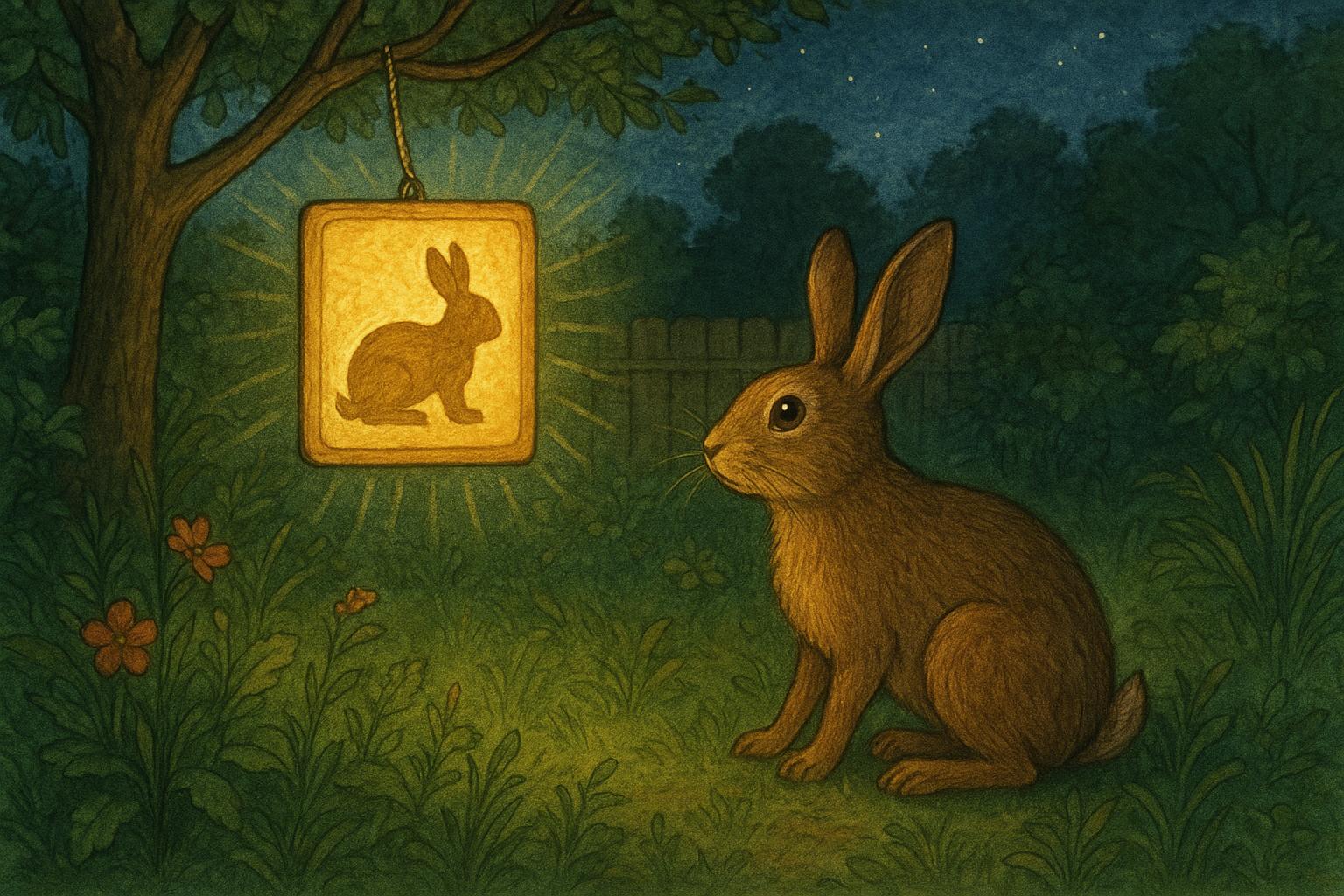
## Know The Clues: Rabbit Signs To Watch Tonight
If you want to know whether a rabbit is visiting your backyard, look for a handful of reliable clues. Not all of them are cute. Some are subtle, like a faint path through long grass. Some are unmissable, like a cluster of round droppings beside your basil. These rabbit signs are consistent across seasons. Learn them once and you’ll stop guessing.
### Where To Start Your Search
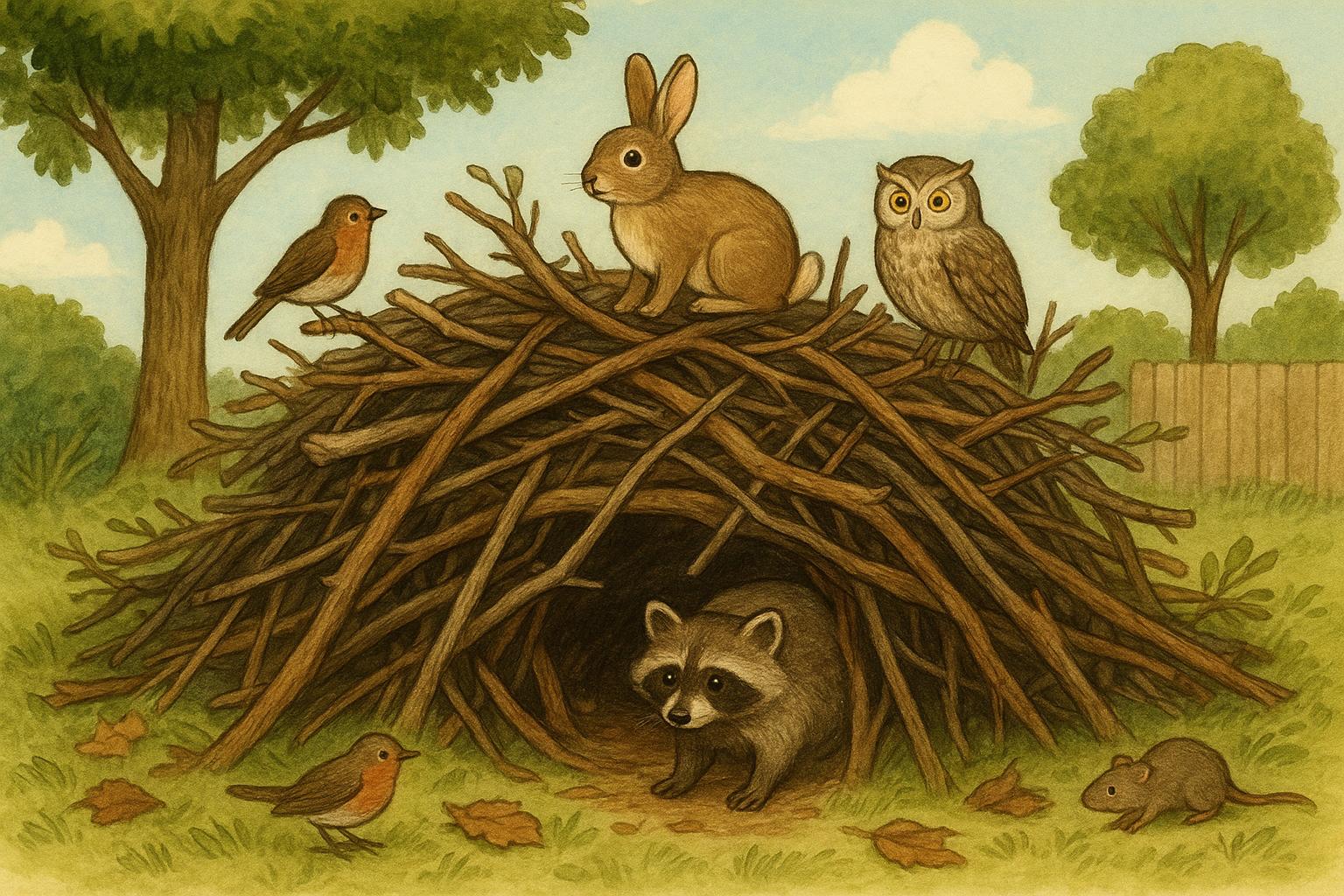
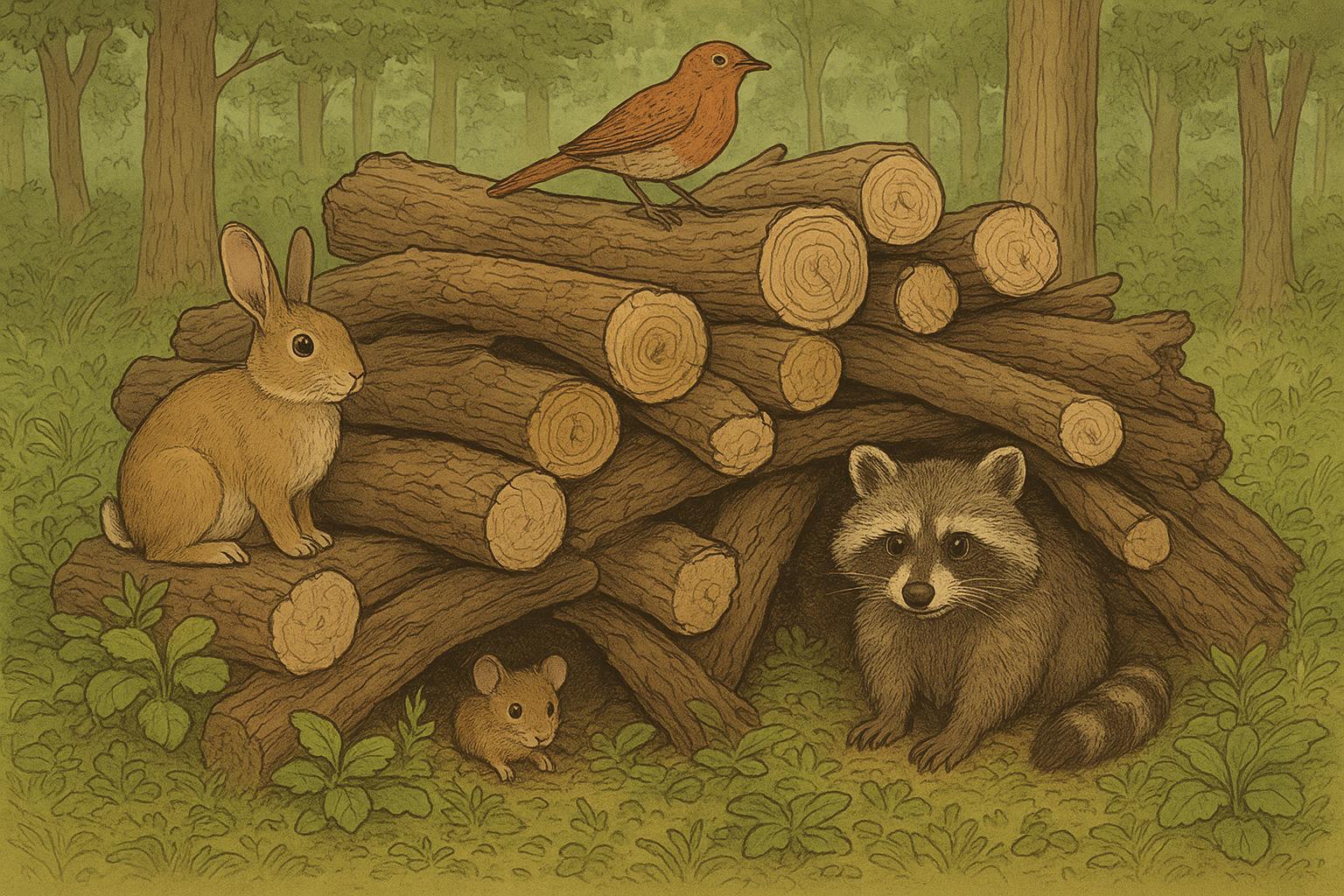
Start near the edges. Rabbits love cover. Shrubs, dense perennials, compost piles, and stacked wood are staging areas. Walk the perimeter of lawn beds after dusk and before dawn. Use a flashlight held low, not pointed into your eyes. You’ll spot faintly beaten paths and nip marks on stems.
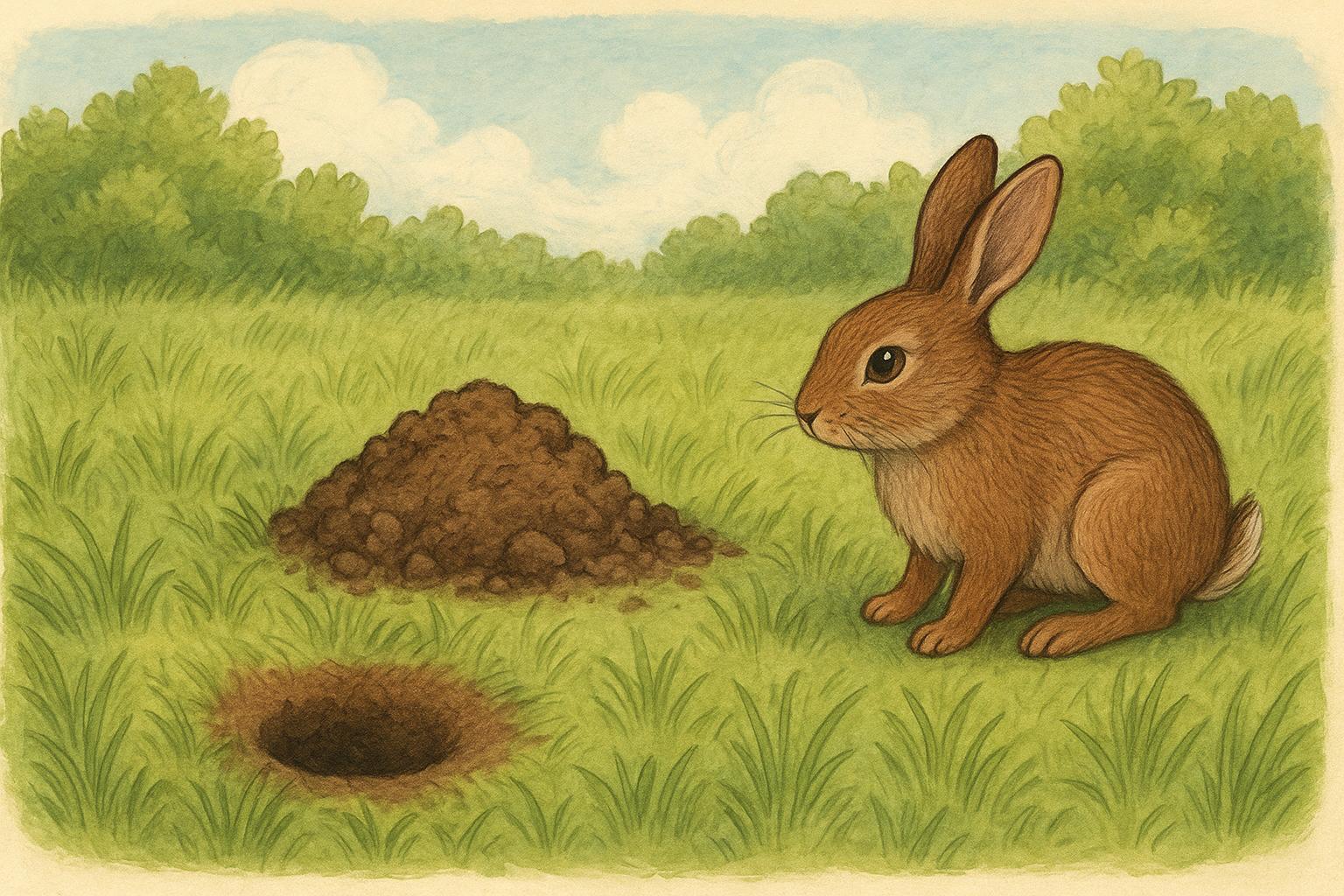
Look at the soil and mulch first. Disturbed earth and flattened grass are good indicators. Also check where plants are closest to the ground—rabbit feeding often leaves a tidy horizontal bite a few inches above the soil. If you have a stretch of yard that feels quieter at night, that quiet is probably candidate corridor.
### Reading Rabbit Tracks And Droppings
You’ll see rabbit tracks in soft ground, mud, or fresh snow. Rabbit tracks are distinctive: two larger hind prints side-by-side and two smaller front prints staggered ahead. It looks almost like a little person sprinting. Take a photo for later comparison if you’re unsure.
Droppings are a dead giveaway. Rabbit droppings are small, round pellets—firm, not smeared. A few near a garden border is normal. Many clustered in one spot often mark a daytime rest area or a latrine. If droppings are scattered through a bed, feeding is happening right there.
#### How To Tell Tracks From Other Animals
Raccoon and cat prints can be confusing at first. Cats show claw marks rarely and have a more rounded paw shape. Raccoons leave five-toed prints with a hand-like shape. On the other hand, rabbit tracks rarely show claws and have that double-hind, single-fore pattern. If the prints look like a small rabbit ran in a zigzag, you found what you’re looking for.
## Nighttime Habits That Show Up In Your Yard
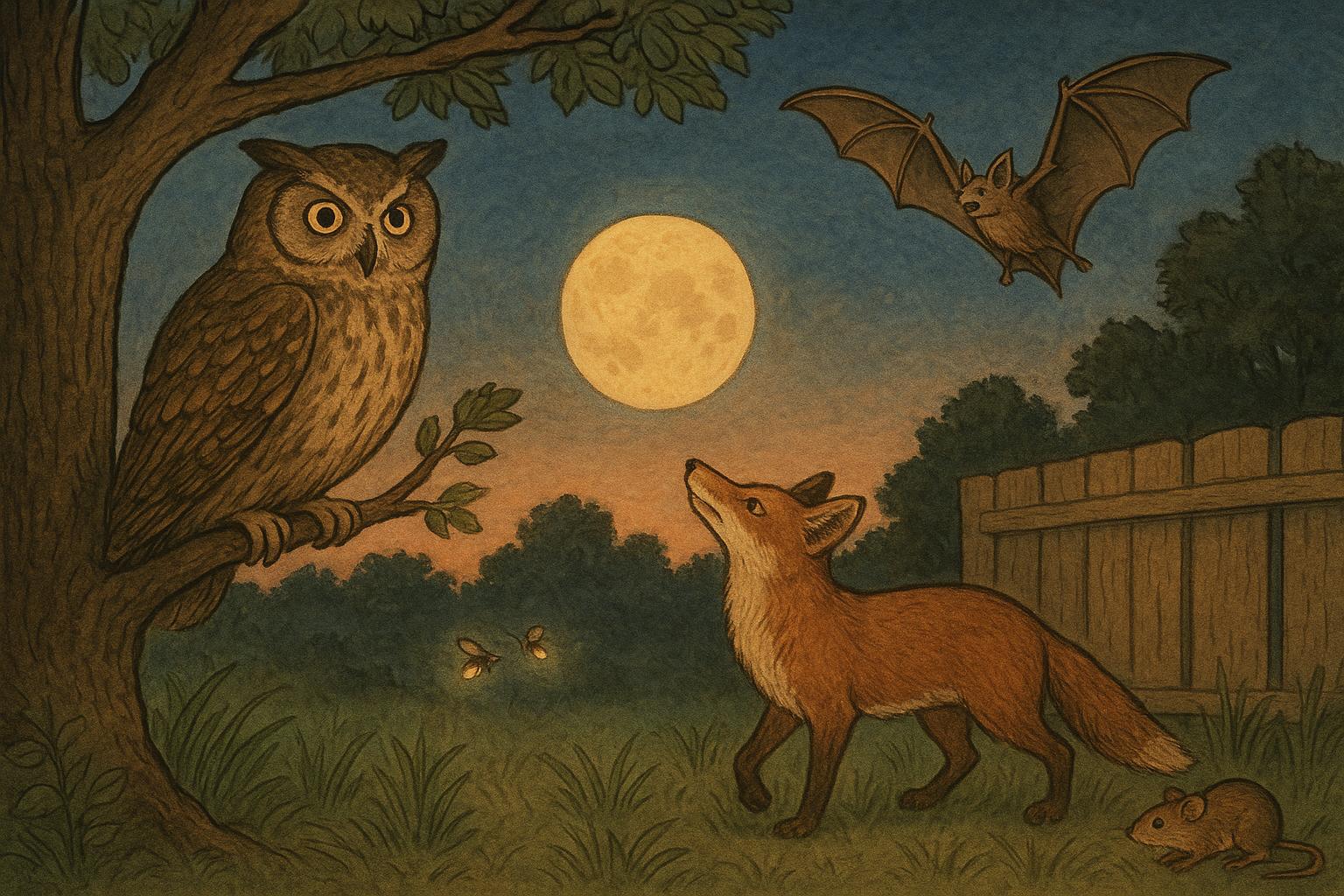
Rabbits are crepuscular. That means activity peaks around dawn and dusk. Overnight they move between feeding spots and safe cover. Pay attention to times. Spotting a freshly nipped stem in the morning strongly suggests a night visitor. Don’t assume daytime absence means nothing is visiting. Rabbits are shy. They are most active when humans are absent.
### Signs Left By Feeding
Chew marks on woody stems are telling. Rabbits leave clean, diagonal cuts on young branches. For perennials, look for the tops of plants neatly clipped off. They prefer tender growth: lettuces, tulips, hostas. If you find a half-eaten fruit or cracked seed pod, that’s likely not from deer. Rabbits don’t drag food. What they bite is usually left close by.
Trails are another feeding sign. A network of narrow, beaten paths through tall grass or along fence lines indicates repeated use. These runways often lead to a nearby thicket or hedge. Once you find a runway, follow it back to the most used shelter.
#### Nesting Signs In Spring And Summer
In breeding season, you might find a shallow scrape in a sheltered spot lined with grass and fur. That’s a nesting site. Mothers often pull fur from their chest to line the nest. The nest cup is normally hidden in a clump of vegetation. Disturb it as little as possible if you see one with tiny fur-covered eggs—uh, I mean kits. Kits are small and vulnerable. Leave the area alone; the mother usually visits only at dusk and dawn.
### Listening For Presence
You don’t always need to see or touch signs. Listen. Rabbits thump with a hind foot to warn others. It’s a sharp sound and usually comes from a hedgerow or the base of a tree. You might also hear frantic rustling in undergrowth when a predator passes. At night, sounds travel. A thump tells you where to look.
## Documenting Rabbit Sightings Without Spooking Them
If you want to know how many rabbits are using your yard, set up a camera or take notes. Motion-triggered cameras are ideal. Place them near runways or suspected feeding sites, pointed slightly downward to avoid false triggers from blowing vegetation.
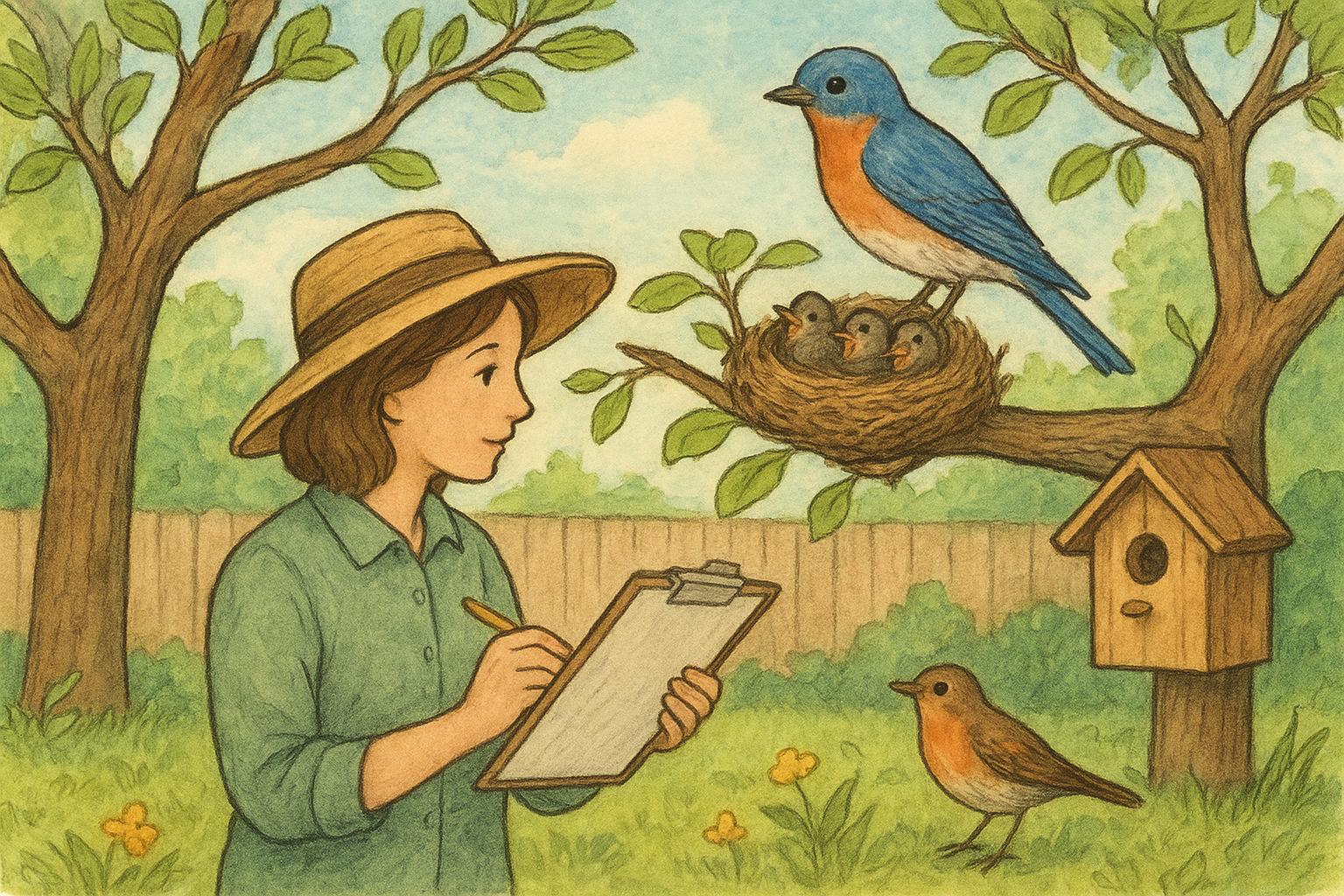
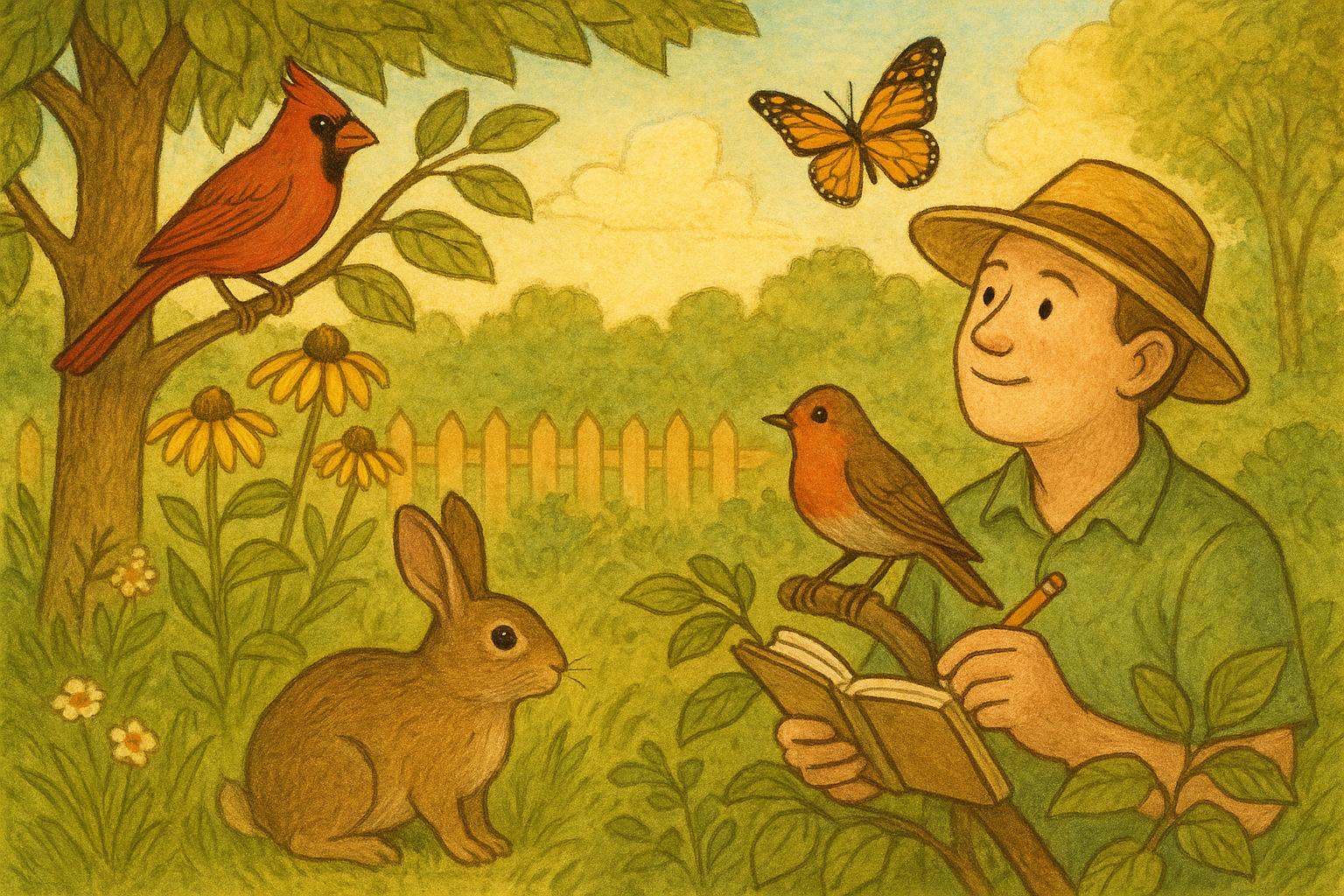
Keep a log. Note time of the sighting, weather, and what the rabbit was doing. Over a few weeks you’ll start to see patterns: which parts of the yard they prefer, what plants they favor, and if the same individual returns. Rabbit sightings logged at consistent times help you predict future activity.
### Camera Placement Tips
Set the camera low—about 12 to 18 inches off the ground. Angle it along the expected runway, not straight at the sky. Hide the camera behind a small branch or piece of mulch to reduce glare. Check batteries and memory at least weekly. Rabbits move fast, and a bad angle will miss the whole show.
#### What To Photograph Besides The Animal
Capture the context. Take wide shots that show nearby shrubs, fences, and plantings. Photograph droppings and tracks next to a ruler or coin for scale. These images make it easier to compare later and can help confirm species when multiple small mammals visit.
## Practical Steps To Protect Your Plants
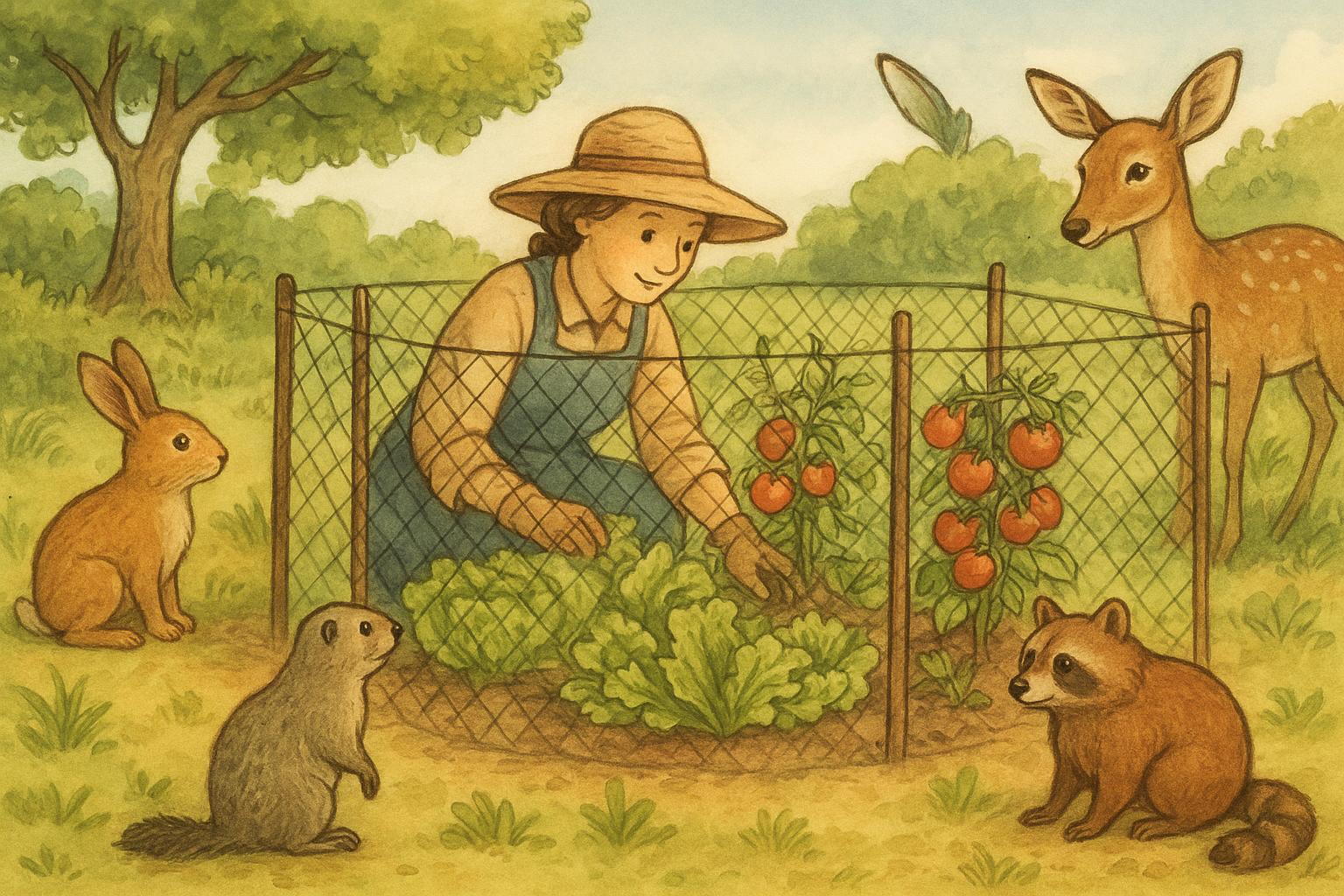
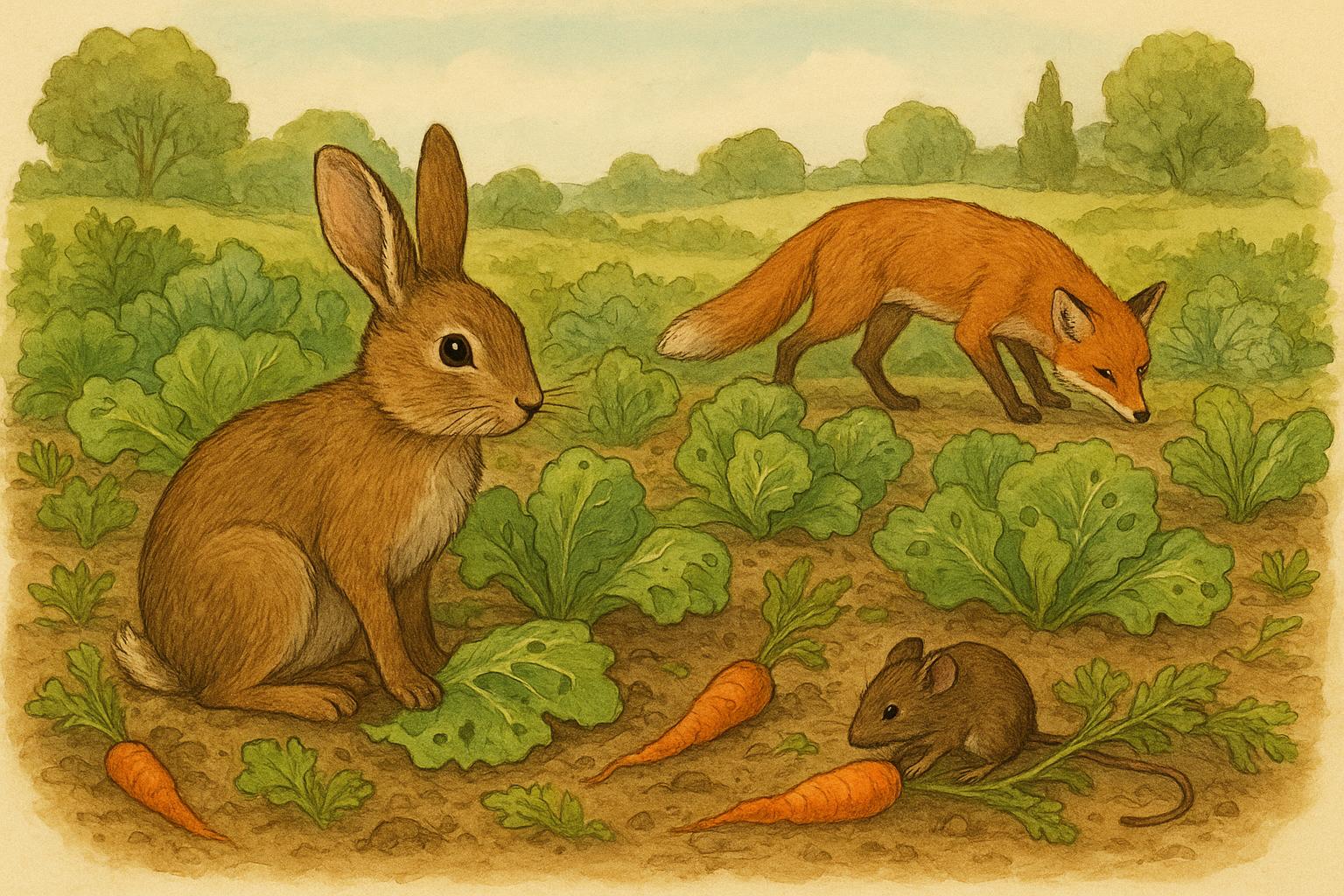
Rabbits eat with surgical precision. You can use that against them. Protect the base of plants with collars made from wire mesh. A 1-inch hardware cloth cylinder at least 18 inches tall will keep most rabbits away from young trees and roses. Make sure the mesh is buried a few inches or staked flush to the ground so they cannot push under.
For smaller perennials, floating row cover works well. It lets light in and reduces airflow loss while keeping nibblers out. Avoid sprays that claim to be harmless without testing; many animals adapt quickly to taste-based repellents.
### Using Plant Selection Strategically
Plant choices matter. Rabbits avoid highly aromatic herbs like rosemary and thyme. They also tend to avoid plants with tough, fuzzy, or extremely bitter leaves. Consider adding these to the yard edges as sacrificial buffers. If you surround tender plants with less palatable varieties, you reduce the risk.
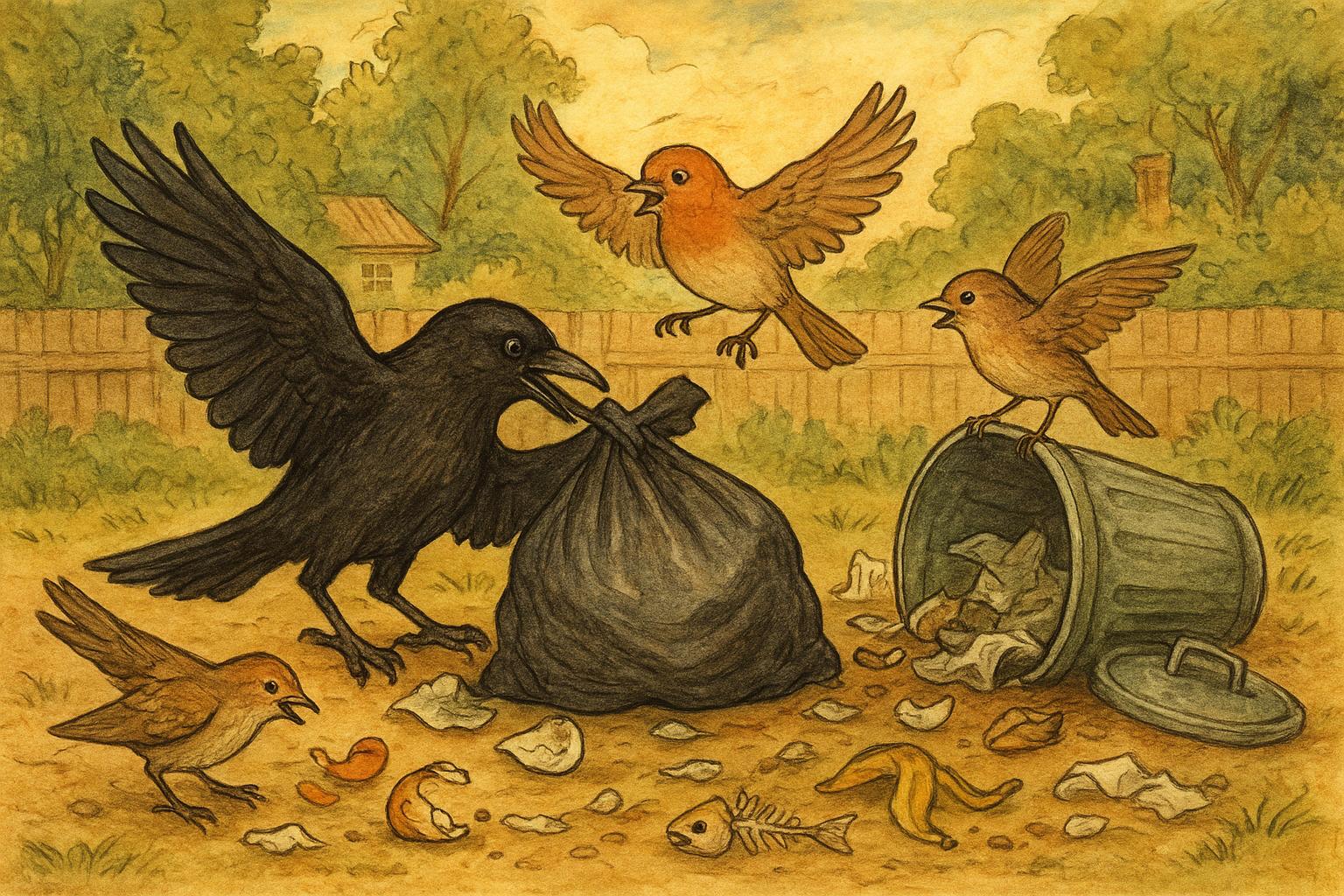
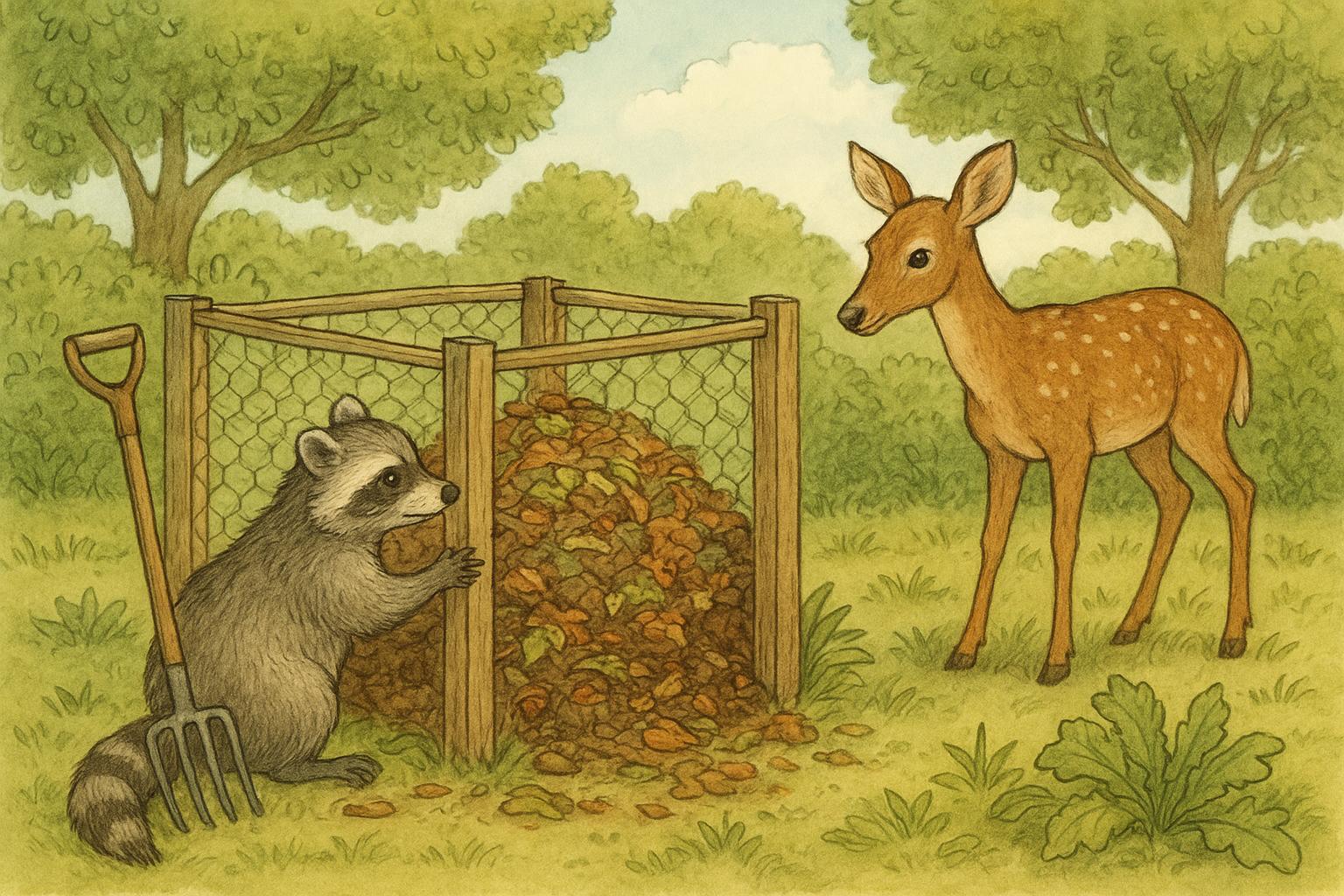
If you want rabbits to stay away, don’t feed them inadvertently. Leaving pet food outside or composting edible scraps on the ground invites them. Use enclosed compost bins and remove fallen fruit quickly.
#### Timing Your Interventions
The best time to protect a plant is before the rabbits get used to it. Install barriers when plants are small and vulnerable. Rabbits learn the location of easy food and will come nightly if allowed. Set defenses early and keep them in place until plants are established.
## When To Be Concerned: Damage Patterns That Need Action
A few nibbled stems are one thing. Whole rows of seedlings gone overnight is another. If damage escalates quickly, you’re dealing with either an increased rabbit population or a particularly bold pair. Heavy browsing on woody shrubs—scarring and girdling near the base—can kill young trees. That requires immediate protection with hardware cloth cages.
Consider humane removal only as a last resort. Local wildlife laws vary. Often, securing the area and reducing attractants is enough. Trapping and relocation can stress animals and cause more problems. If you think removal is necessary, consult local wildlife authorities.
### Predators And Your Backyard Balance
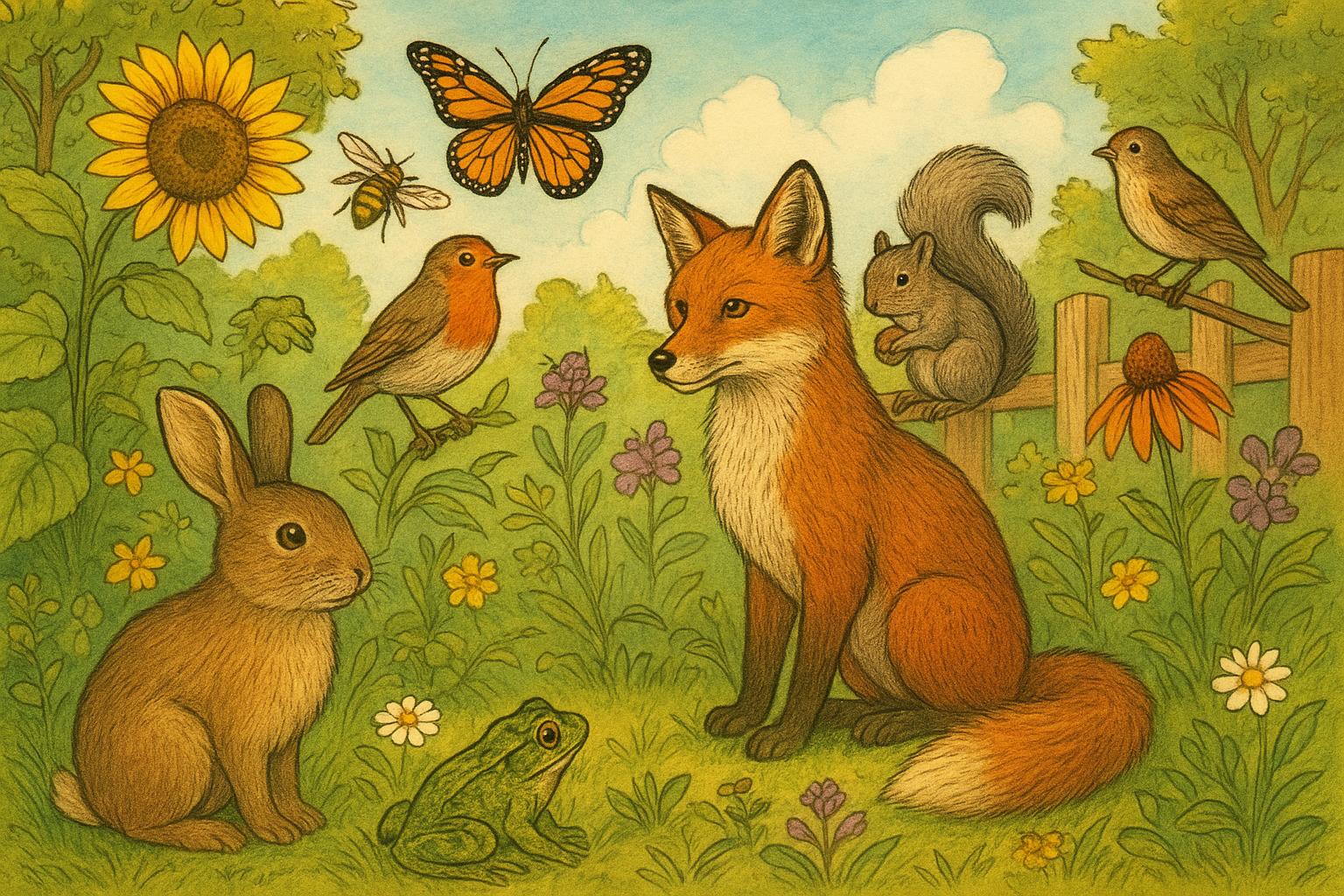
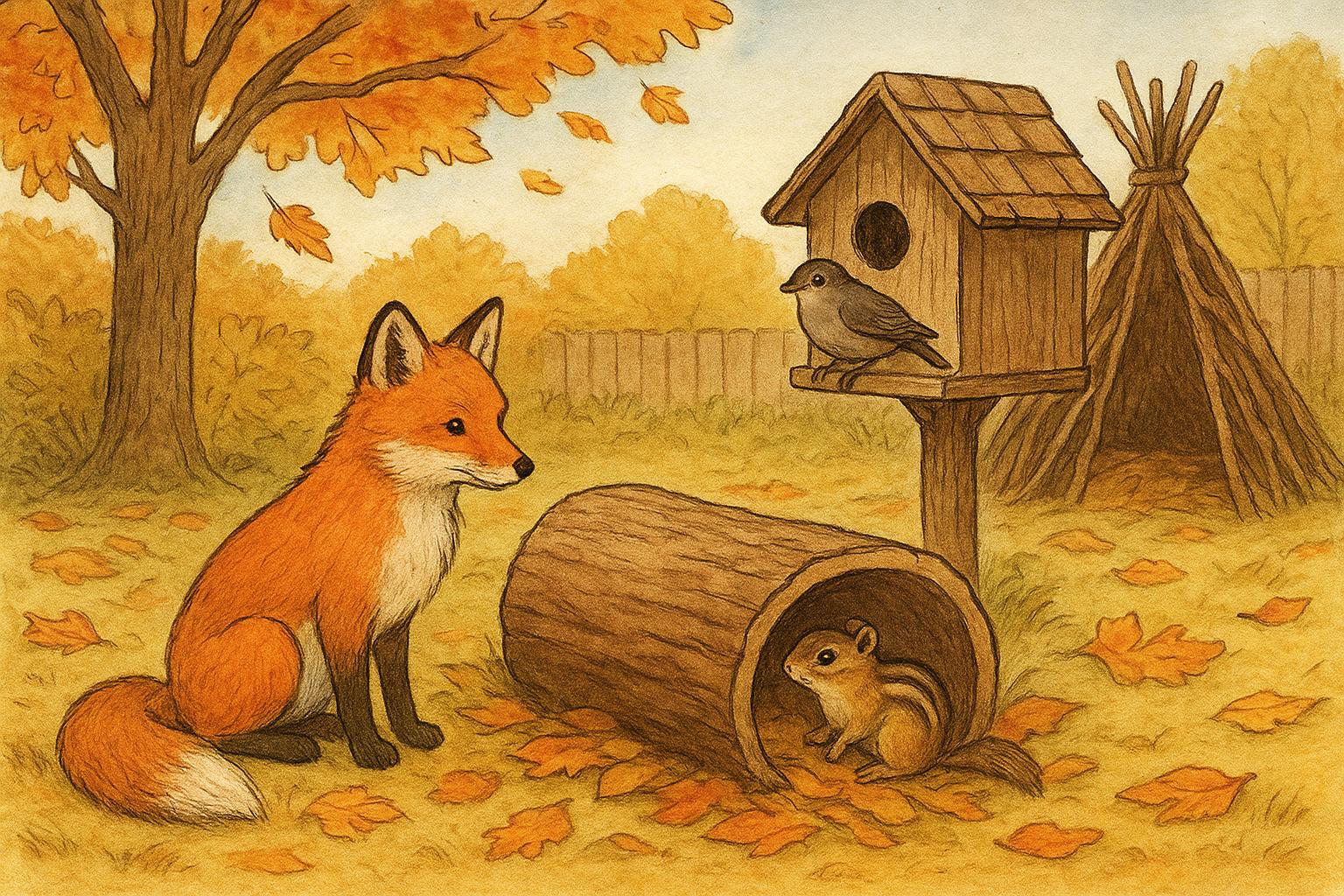
Foxes, hawks, and neighborhood dogs keep rabbit numbers in check. If you see fewer rabbit signs suddenly, predators may be active. This is normal. If you have a domestic dog that chases small animals, you may reduce rabbit presence but increase stress on other wildlife. Decide what balance you want.
## How Seasons Change The Signs
Winter and summer present different footprints. In snow, rabbit tracks are the easiest to spot. You’ll see clear patterns and can often follow a long path from a hedgerow to a garden bed. In summer, look for faint runways through tall grasses and the year-round pellet clusters. Spring brings nests and increased movement as litters disperse. Fall is when food scarcity leads rabbits to take more risks, sometimes entering yards that were previously ignored.
### Water Sources And Their Role
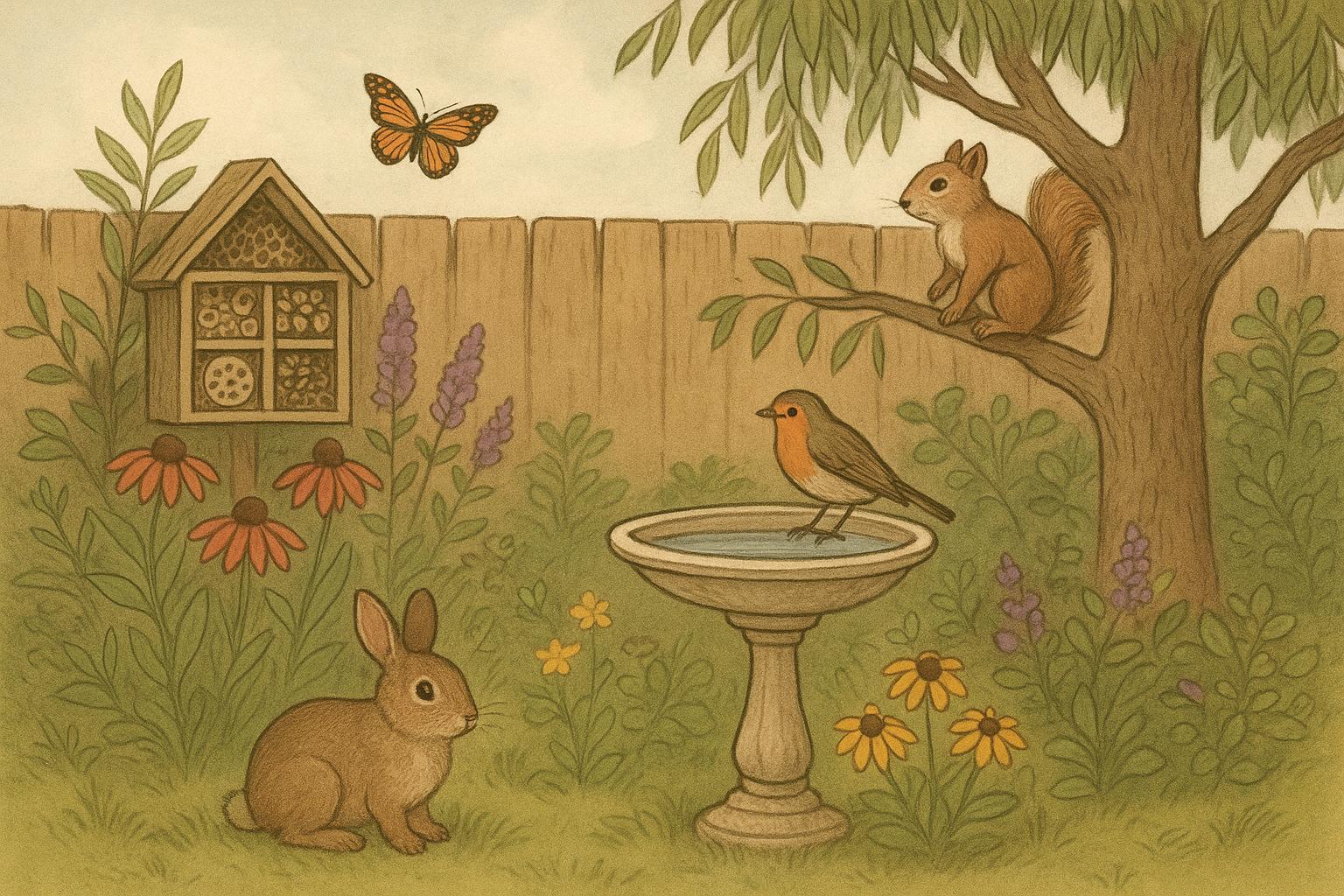
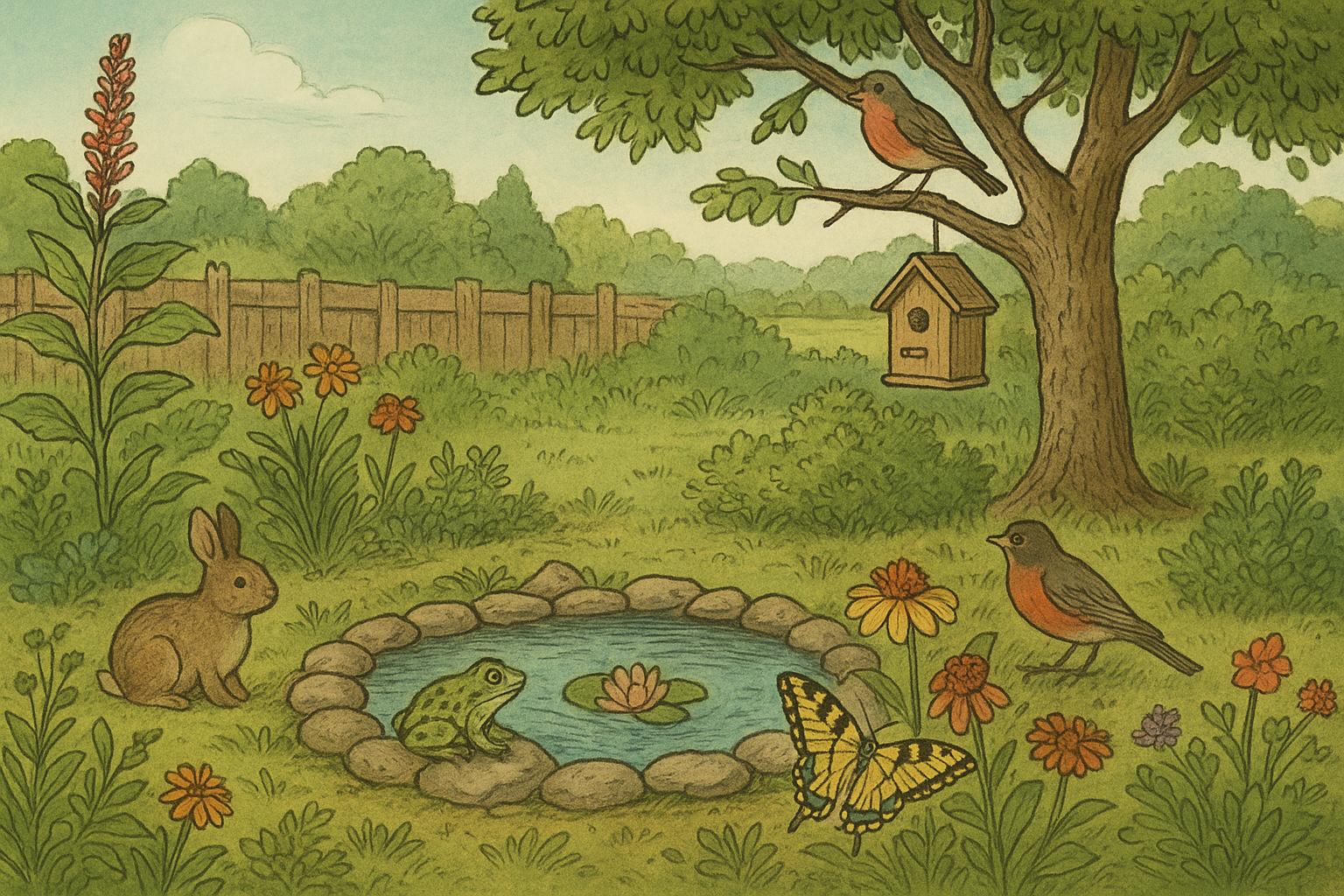
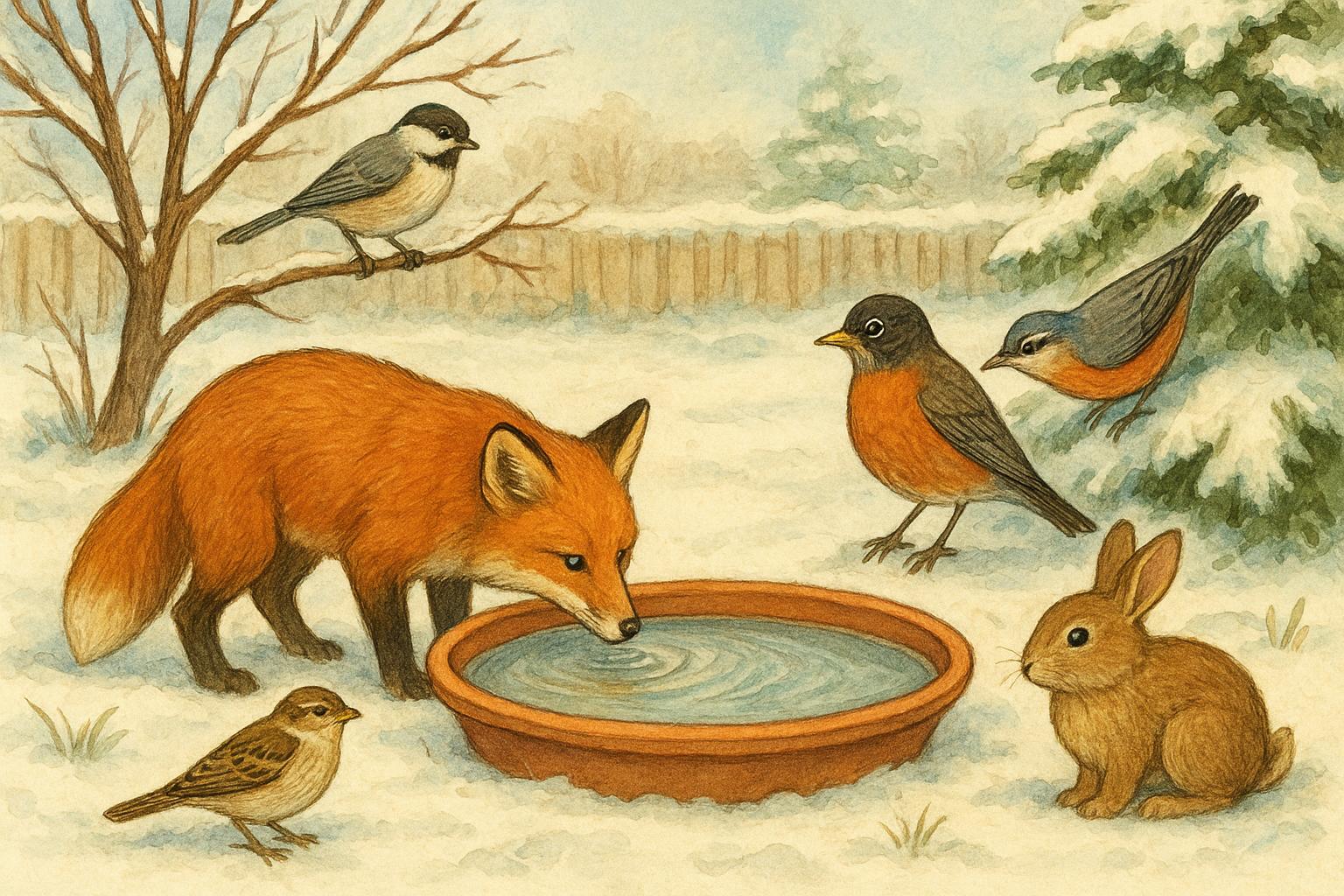
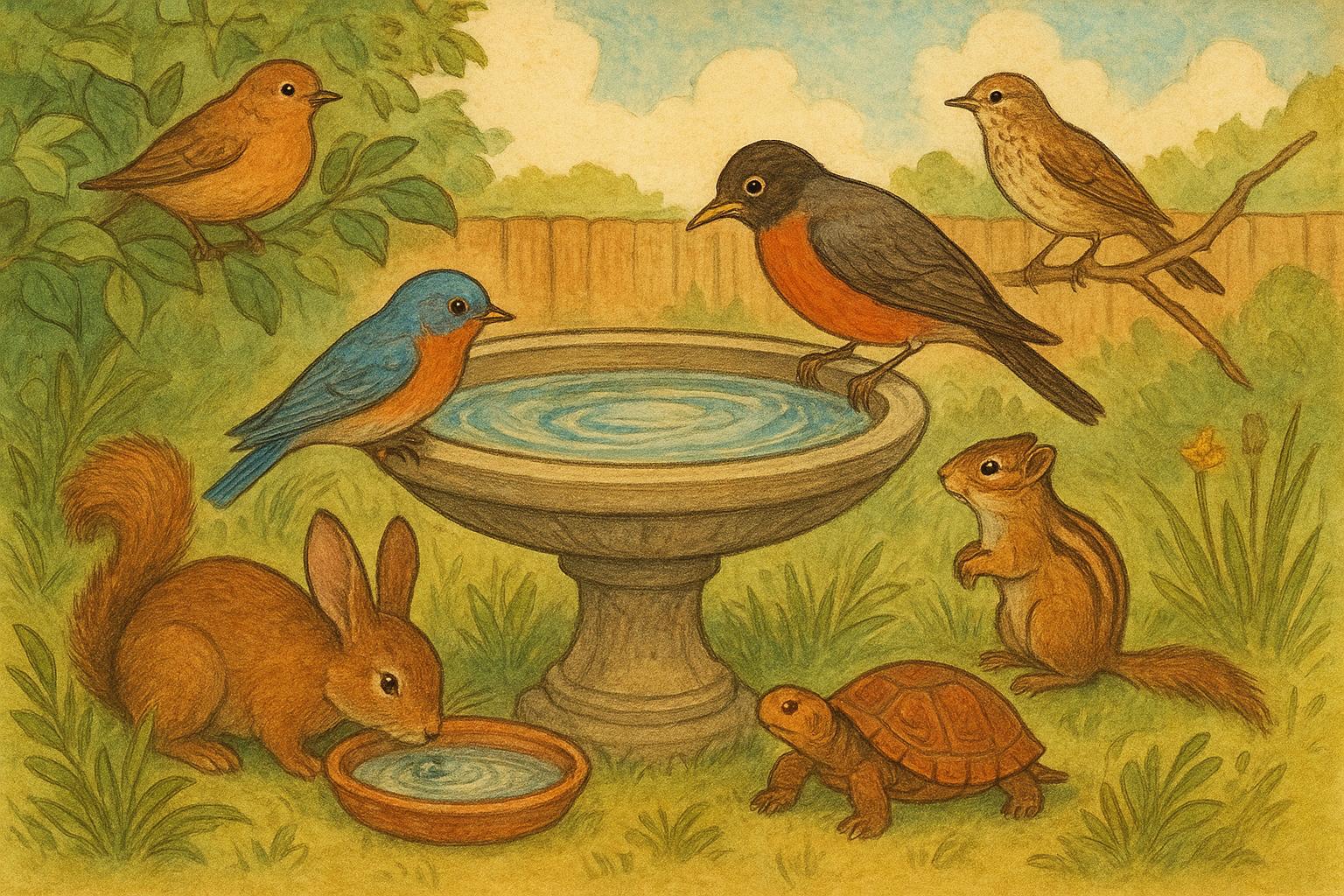
Rabbits don’t need open water often. They get moisture from plants. But a nearby birdbath or shallow saucer can attract them on hot days. If you’re trying to discourage rabbit activity, avoid providing easy water sources near vulnerable plantings.
## Signs You Might Mistake For Rabbit Activity
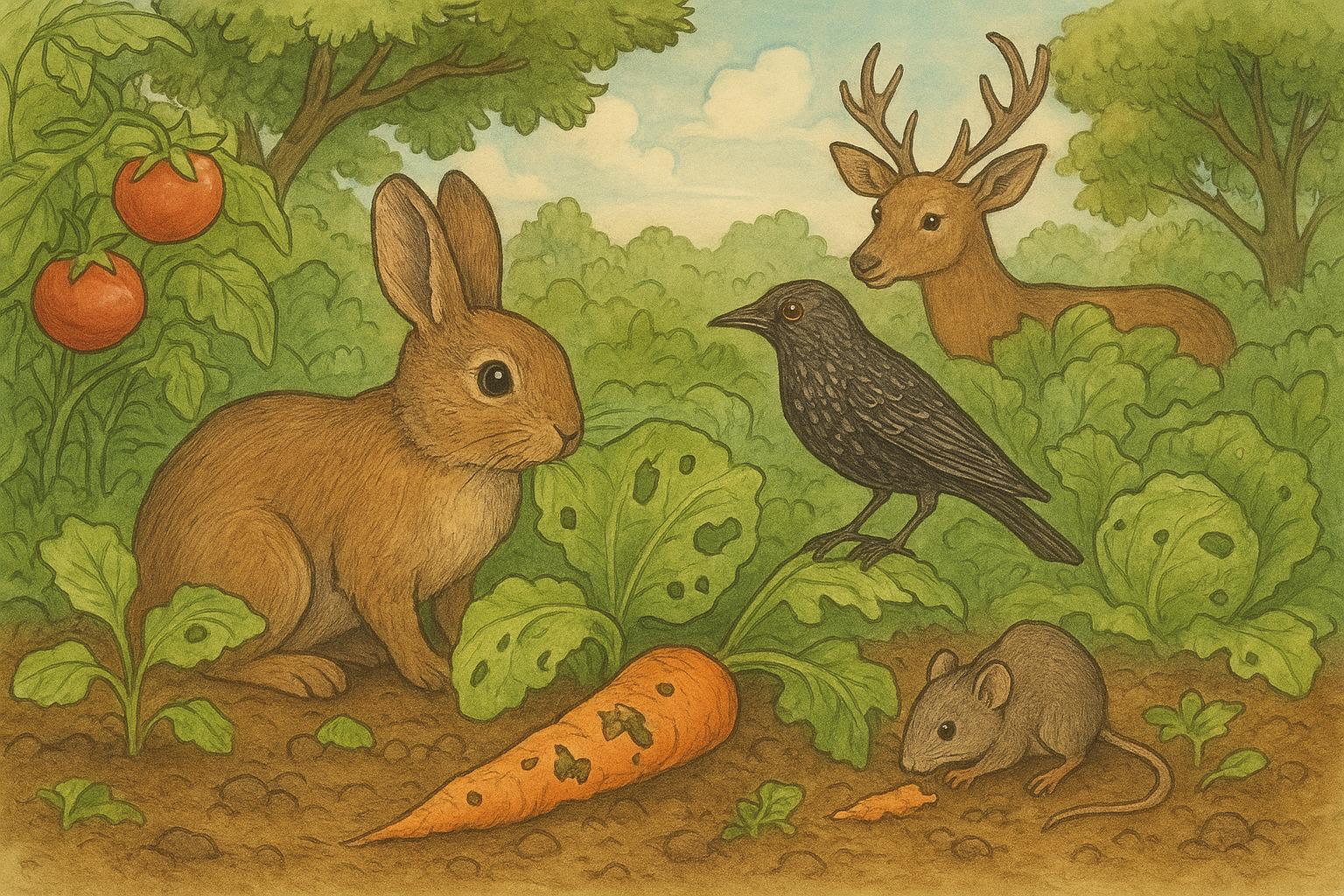
Not every bite mark is from a rabbit. Deer pull foliage upward and leave ragged tears. Voles and mice gnaw closer to the ground, often leaving smaller teeth marks. Squirrels strip bark higher up and leave clean chews on branches but rarely bite at soft greens. If in doubt, compare photos of rabbit signs online or consult a local extension service.
### What Raccons And Skunks Can Leave Behind
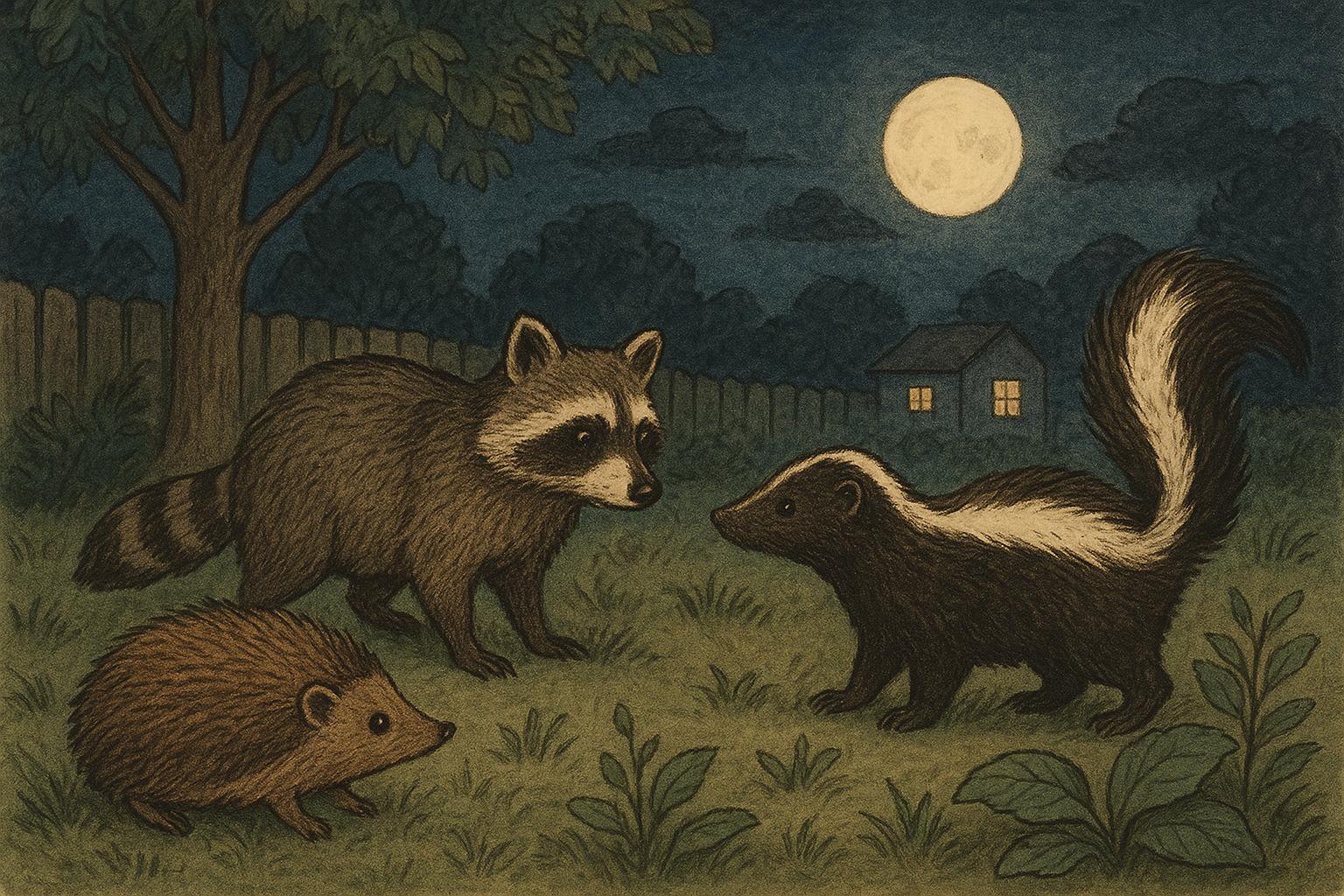
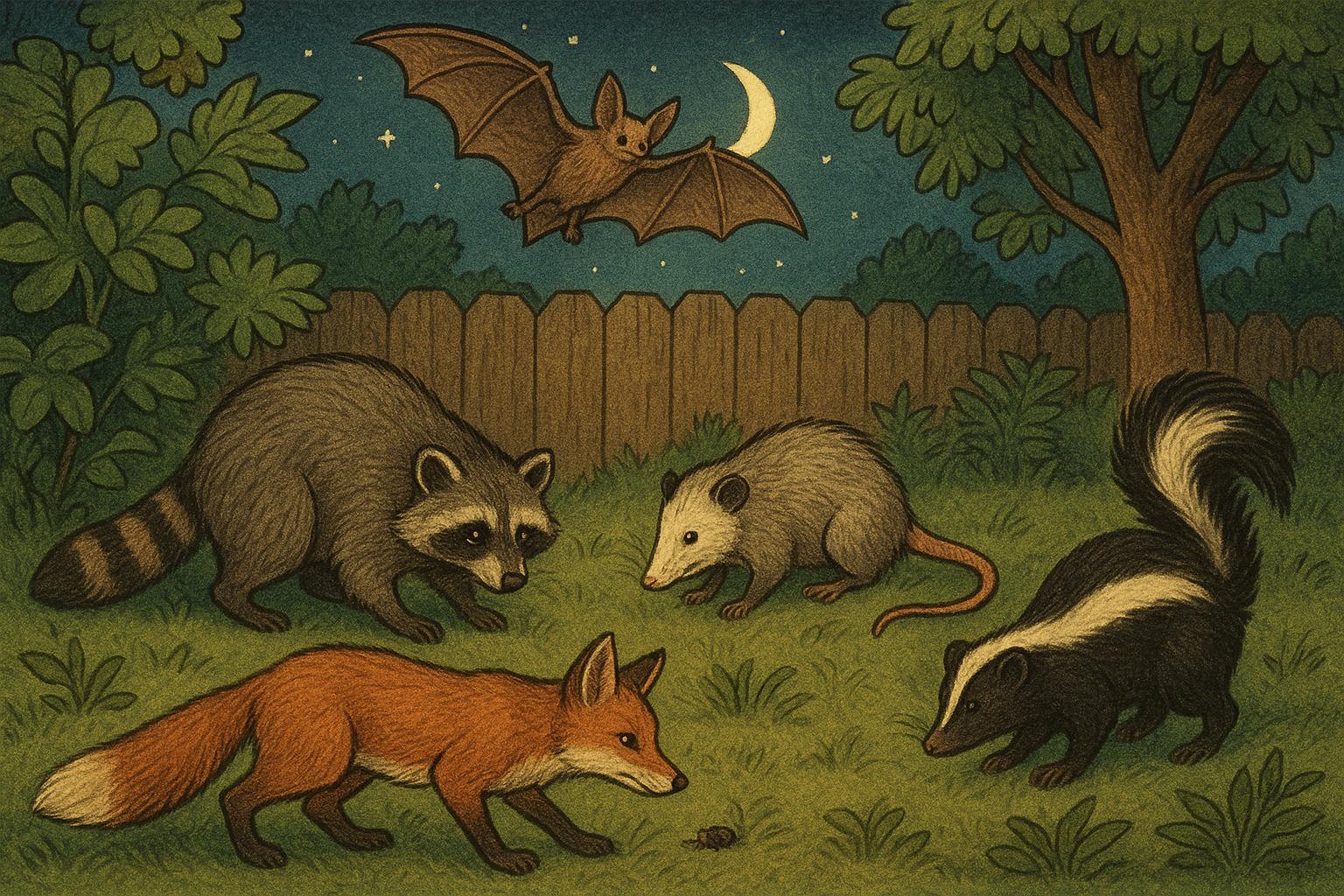
Raccoons may overturn soil and leave messier scuffs, often near compost or trash. Skunks hunt for grub and worms, leaving small, neat holes. Both can intersect with rabbit runways, so you might find mixed signs. Look closely: rabbit droppings are pellets. Raccoon droppings are messier and elongated.
## When To Use Repellents And When To Let Them Be
Repellents can deter some rabbits temporarily. Soap bars, garlic sprays, and commercial repellents work for a while. But many rabbits habituate to these treatments. If you choose repellents, rotate types and reapply after rain. Physical barriers are more reliable. They don’t require a lot of maintenance and often cost less over the long run.
### Community Considerations
If you live in a suburban neighborhood, your yard is part of a mosaic. Neighboring gardens affect rabbit movement. If everyone leaves edible plants exposed, rabbit pressure increases. Talk with your neighbors. Coordinated efforts—like removing fallen fruit or using consistent fencing—reduce rabbit sightings in the entire block.
#### When To Call Experts
If you’re unsure whether the signs point to rabbits or a disease issue, contact your local cooperative extension or wildlife rehab center. They can help identify signs of mange, myxomatosis, or other illnesses that change behavior and appearance. Also call if you find orphaned young—professionals can advise whether intervention is needed.
## Small Things That Make A Big Difference
A single change can shift rabbit behavior. Move your compost to a closed bin. Replace groundcover under bird feeders with gravel. Keep a low light on near vulnerable beds during peak rabbit hours. These minor tweaks often reduce rabbit signs significantly without harming the animals.
Try one intervention at a time. That way you’ll know what works. Observe for a week and then try something else. Science, in your backyard.
### Encouraging Safe Coexistence
If your goal isn’t to eliminate rabbits but to reduce the damage, create a designated feeding area away from prized plants. Plantings of clover, dandelion greens, or a rabbit-friendly patch can draw them away from your roses. It’s not a perfect solution, but often it reduces pressure on the more valuable parts of your garden.
You’ll see fewer desperate nips on your prized hostas if you give rabbits an easier meal elsewhere. Keep expectations realistic. Rabbits aren’t pests in the sense that you can remove them forever. They adapt. So should you.
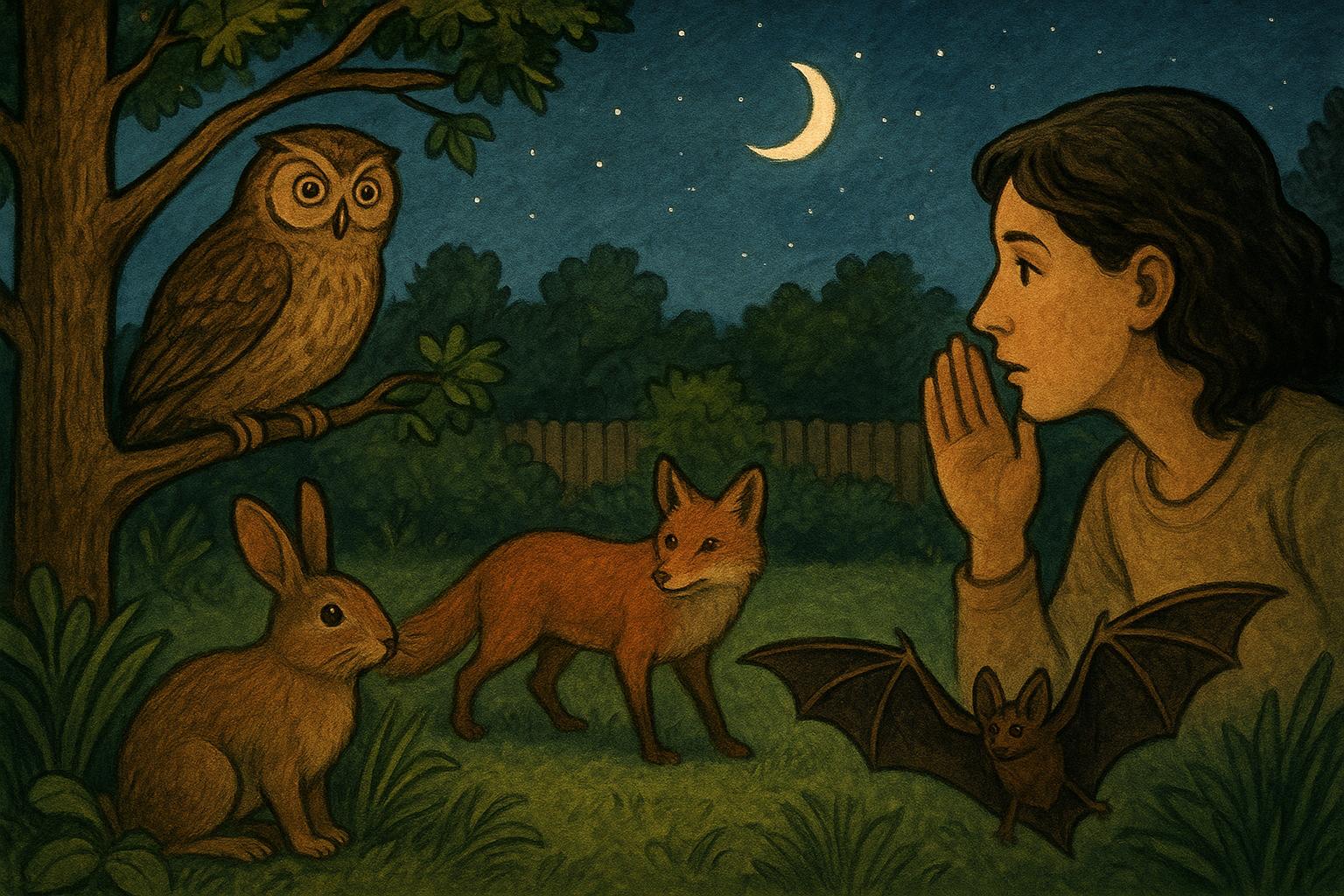
Keep an eye out tonight. Those faint paths and fresh pellets will tell you the rest. If you want, set a camera and check the memory card tomorrow. You might find a family of hoppers making themselves at home under your neigborhood hedge. Or you’ll find nothing, which is a sign in its own way. Either way, you’ll be learning the yard’s language.

Leave a Reply