
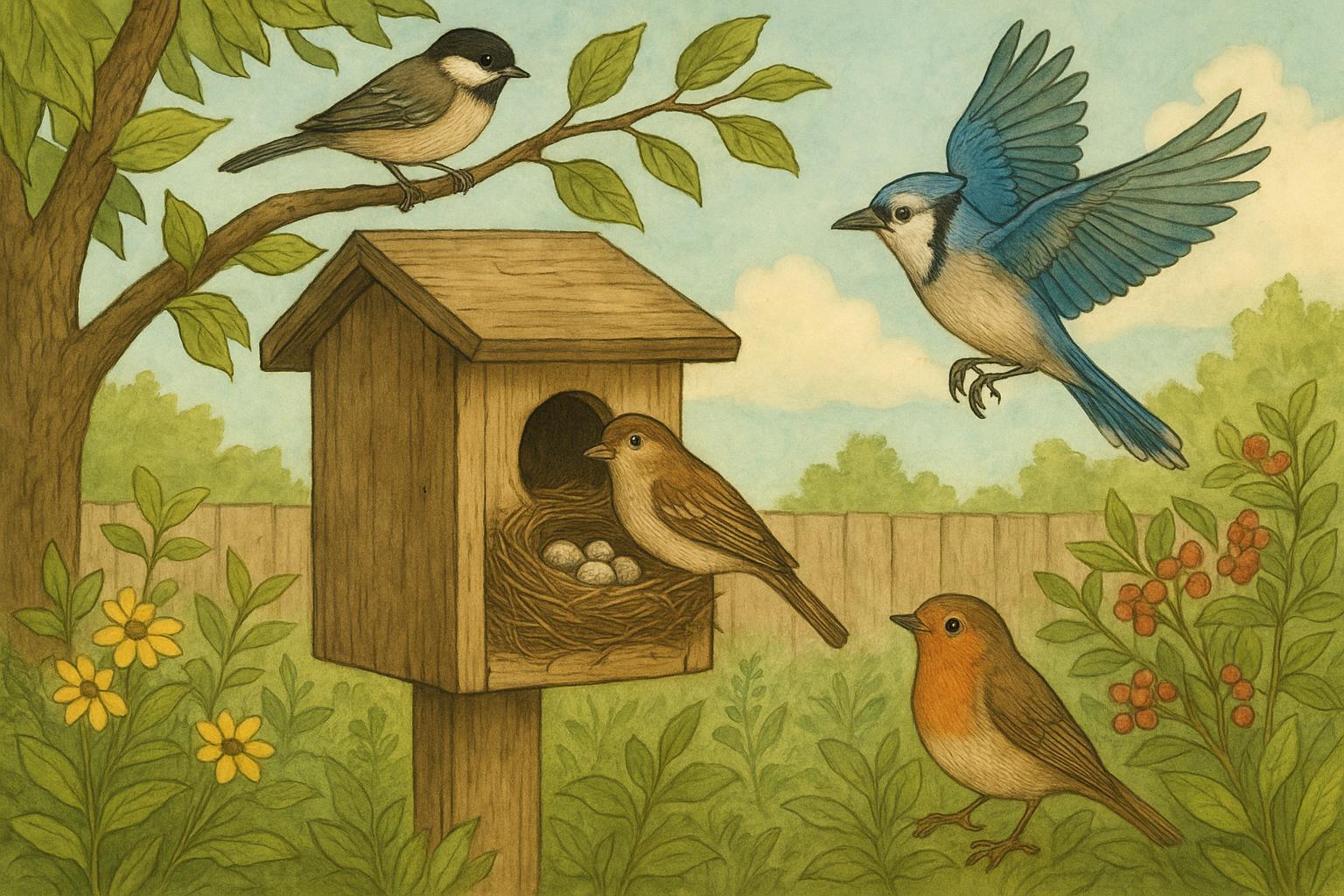
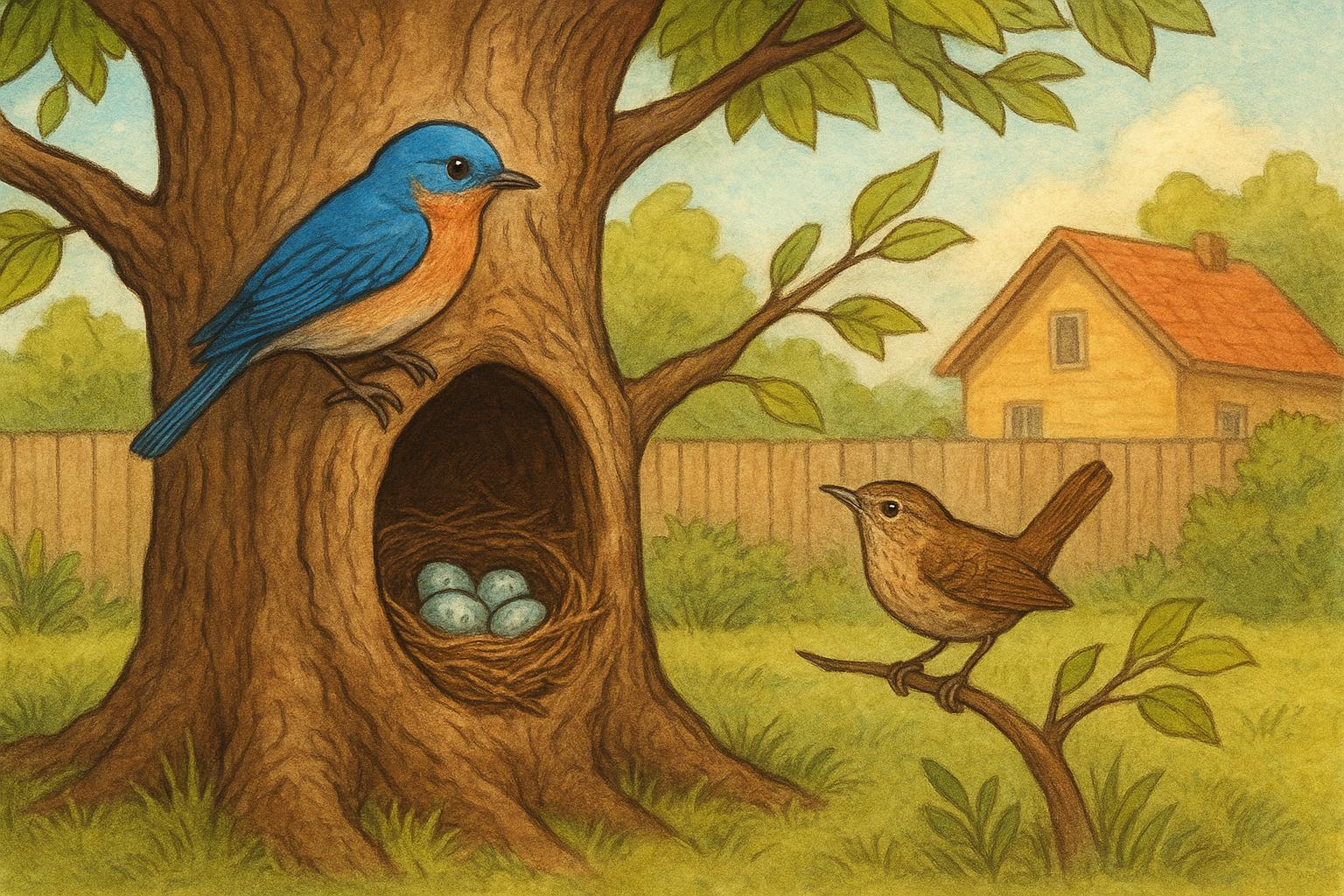
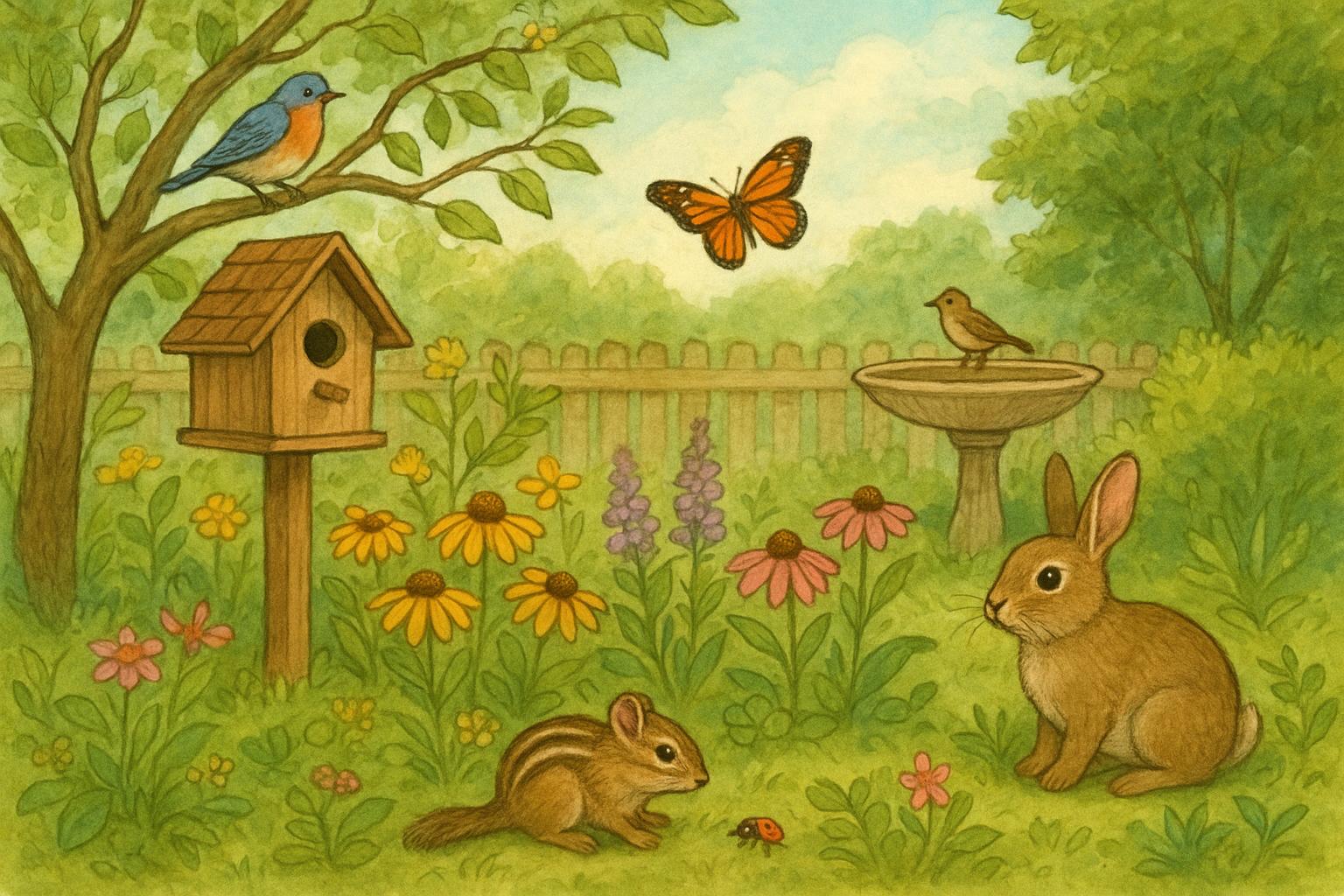
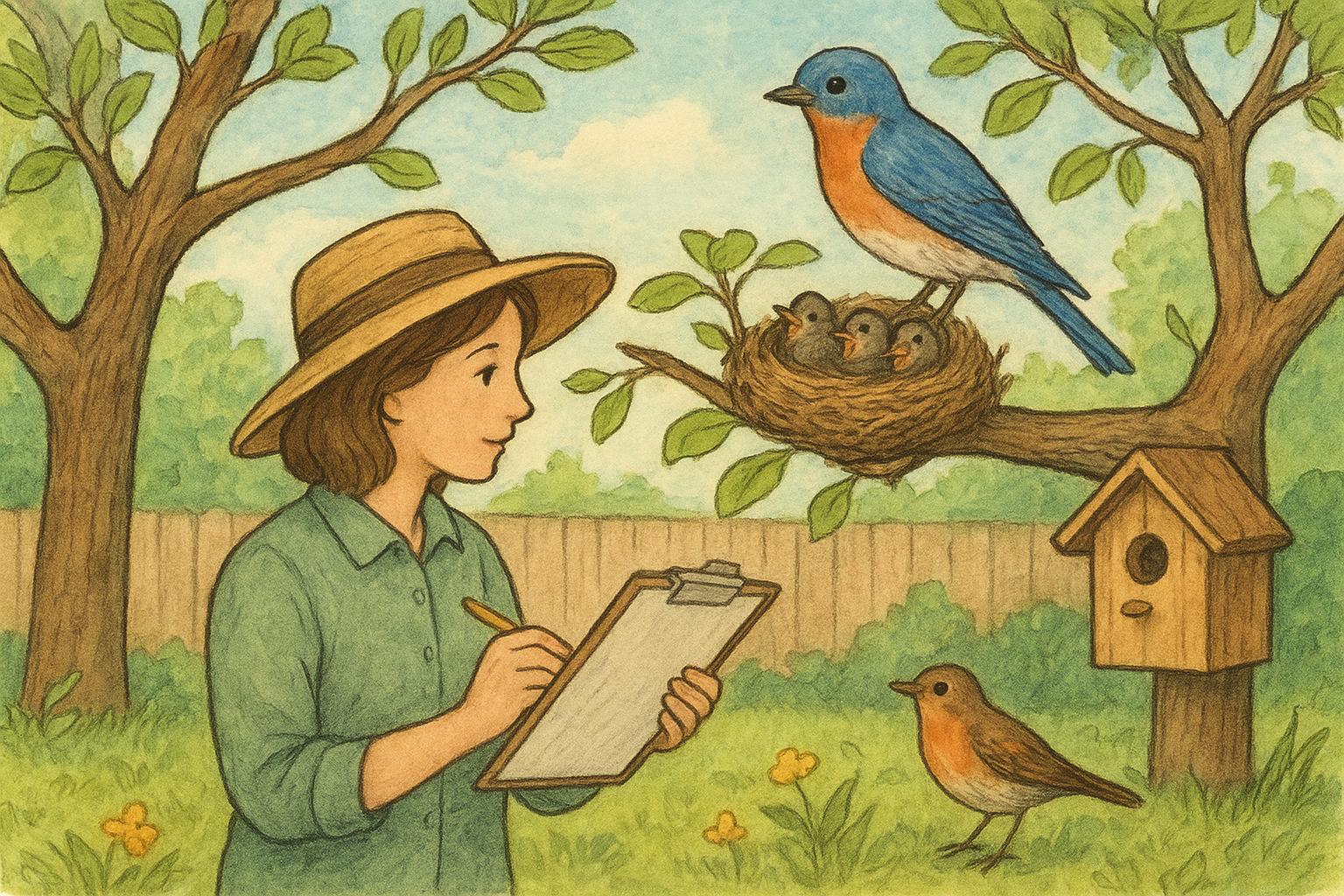
Backyard nest boxes are more than cute weekend projects. They’re working windows into how birds choose sites, build structures, and navigate parasites and predators. Put up a box, watch a pair of Carolina Wrens, Tree Swallows, or Bluebirds move in, and you suddenly get a front-row seat to bird nest ecology in action.
## Bird Nest Ecology In Practical Terms
“Bird nest ecology” isn’t a fancy phrase you only read in journals. It’s the set of interactions that determine whether a nest will hold eggs, fledge chicks, or fall to disease or predation. In a backyard nest box setup you can see those interactions clearly: which materials parents prefer, how often they feed young, and what threats show up at night. This hands-on view teaches you patterns that field ecologists study across landscapes.
### What Boxes Reveal About Site Selection
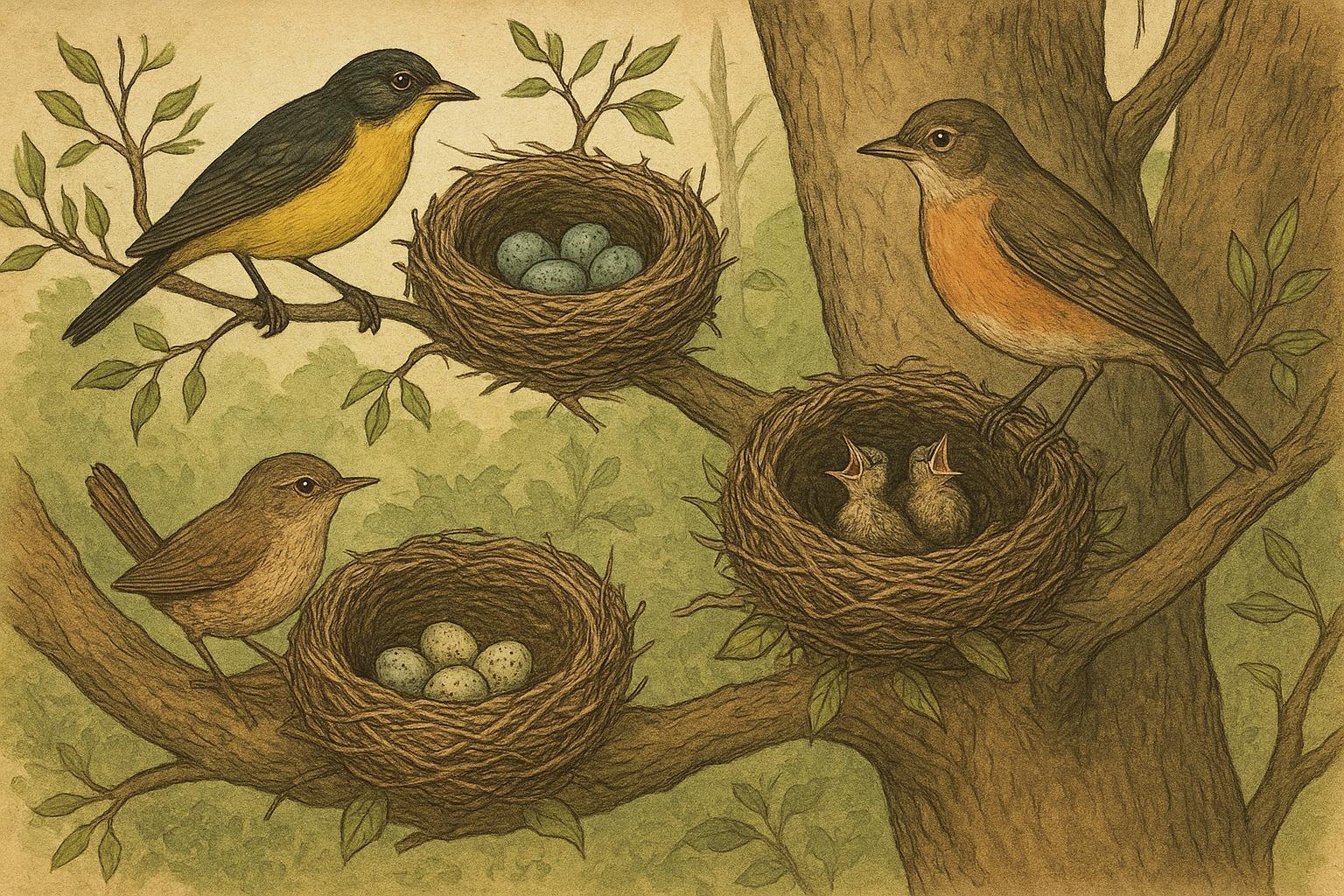
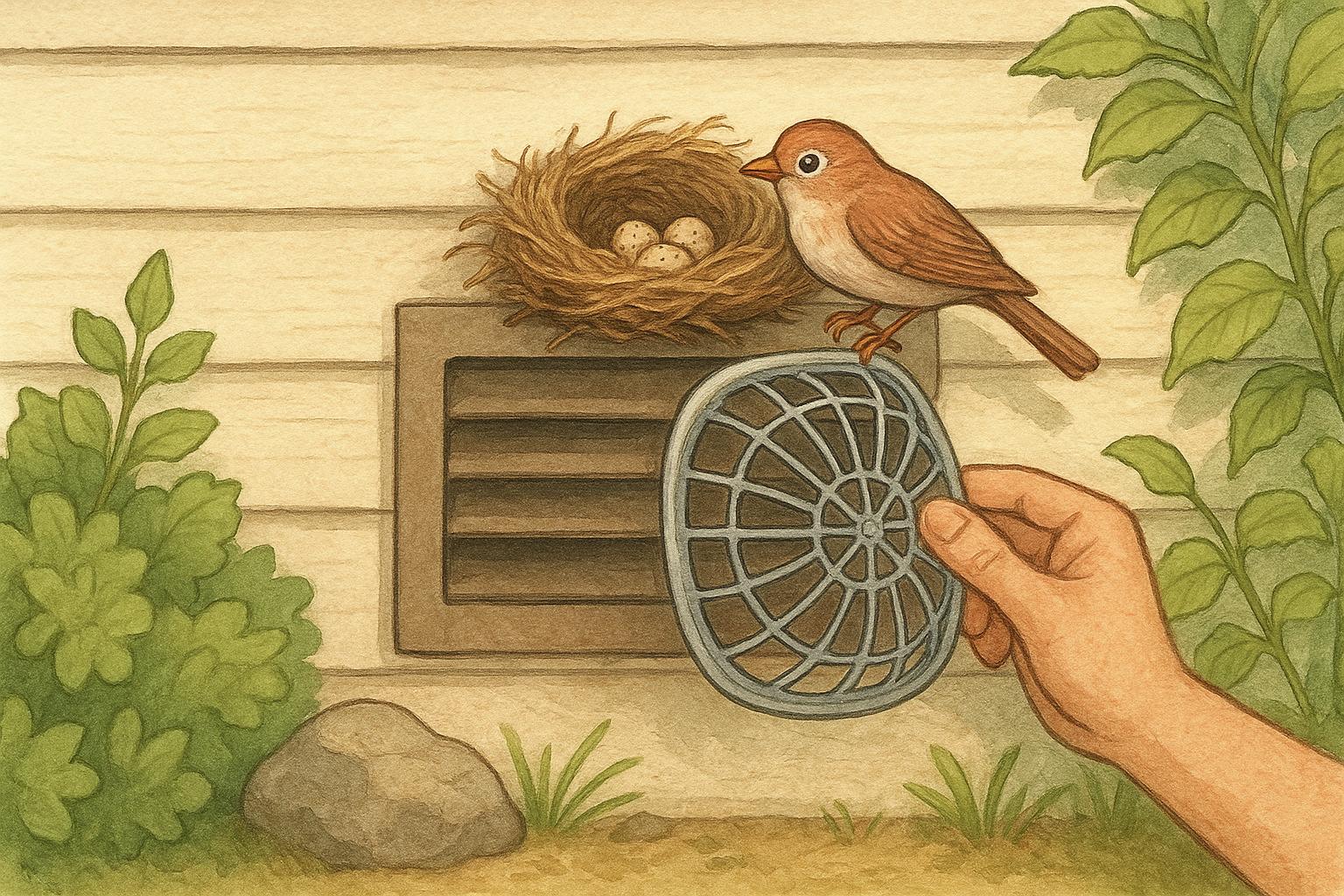
Birds pick nest sites based on shelter, microclimate, and safety. In my neigborhood, Tree Swallows prefer boxes facing open water or clearings. Chickadees, by contrast, pick denser shrubs. Those choices show how nest location affects egg temperature and exposure to predators. A box under an eave gets less rain and has a different microclimate than one hanging on a pole, and that changes survival odds.
#### Microclimate And Materials Matter
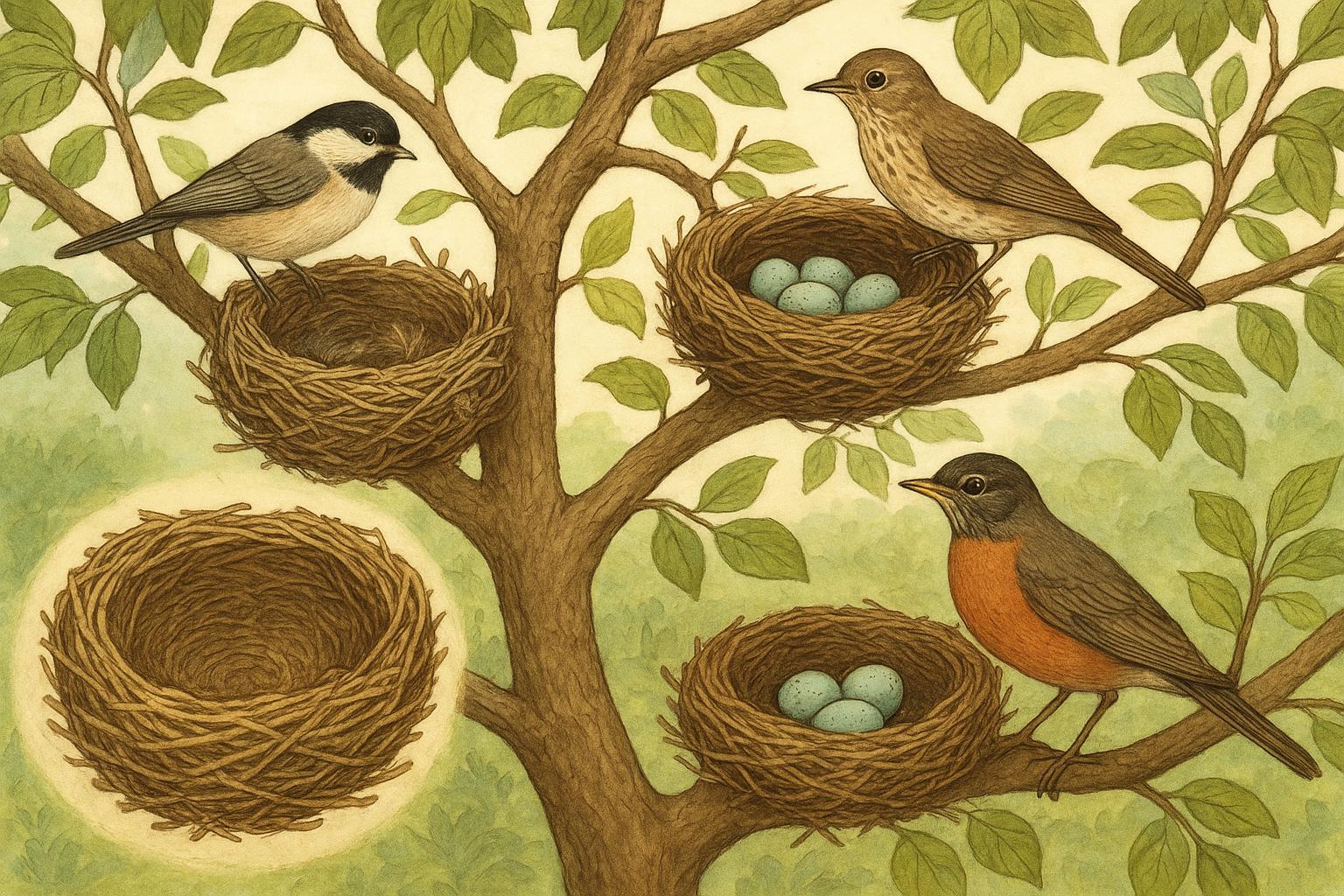
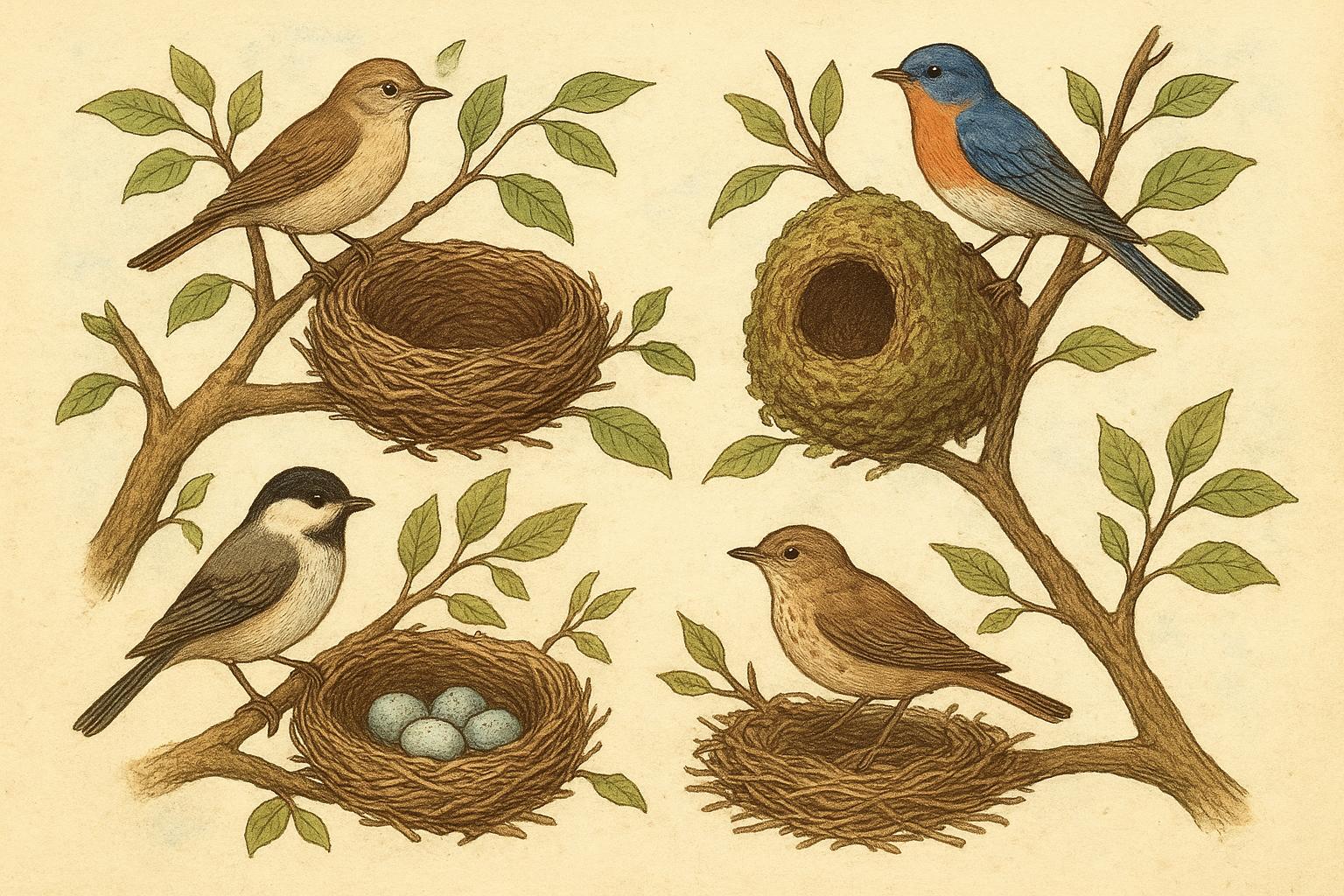
The stuff parents bring tells a story. Soft feathers and moss provide insulation; grass and twigs create structure. In cool springs, nests with more insulating material often hatch earlier and suffer less brooding stress. In hot summers, birds sometimes build looser nests to improve airflow. Watch a pair of wrens shift from tight grass cups to a looser design as the season warms, and you’re seeing nest ecology respond to temperature.
### Predation, Parasites, And Human Influence
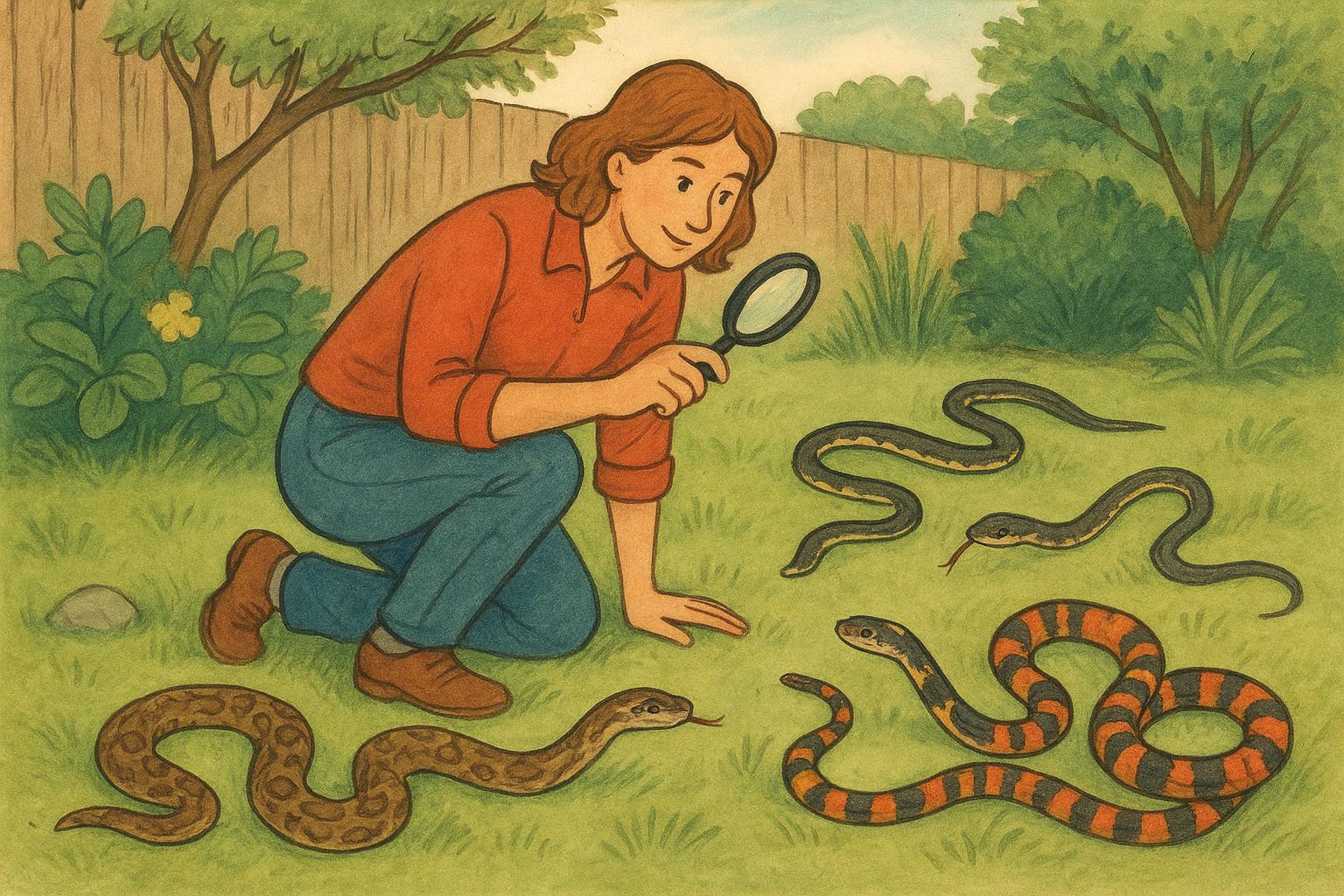
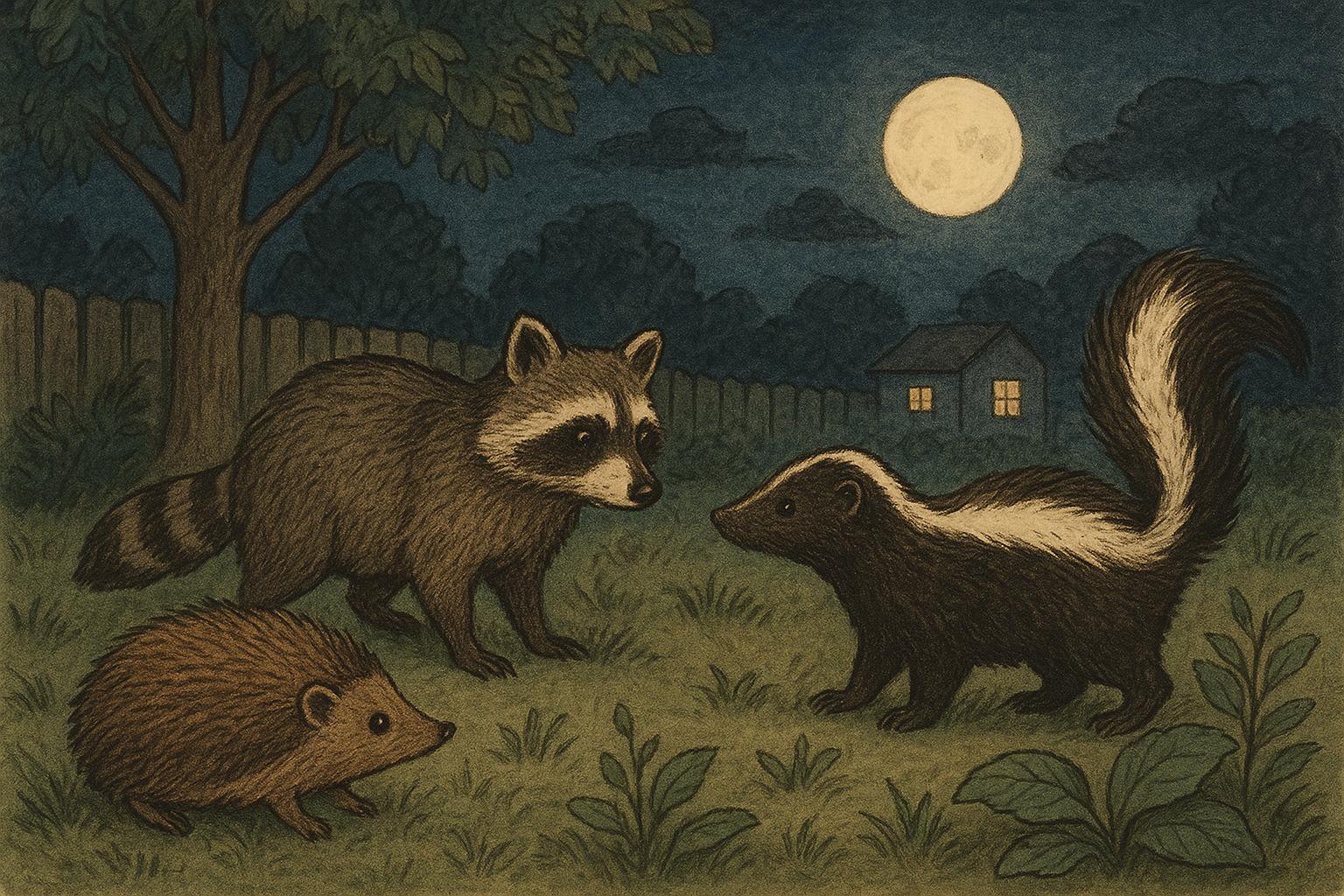
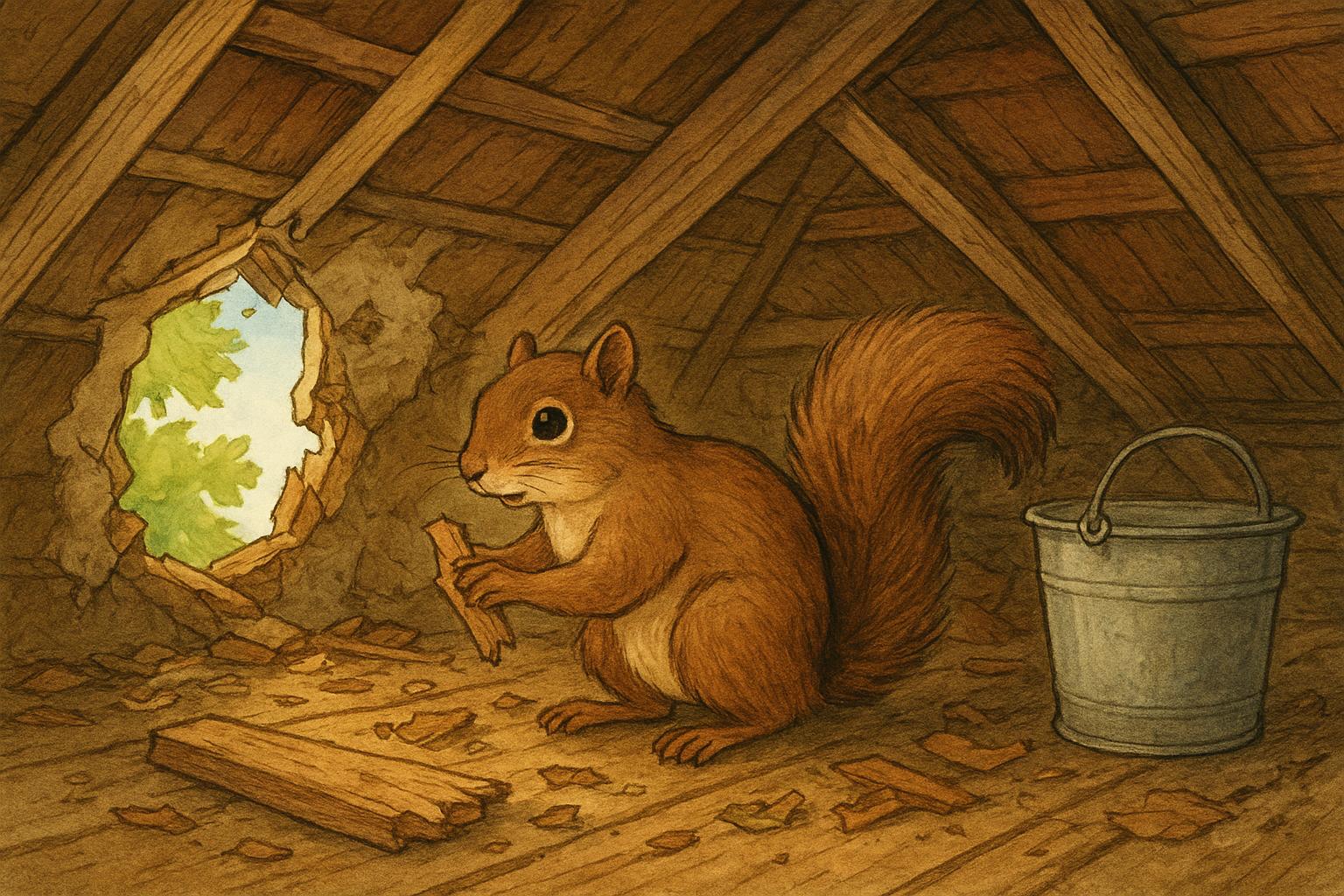
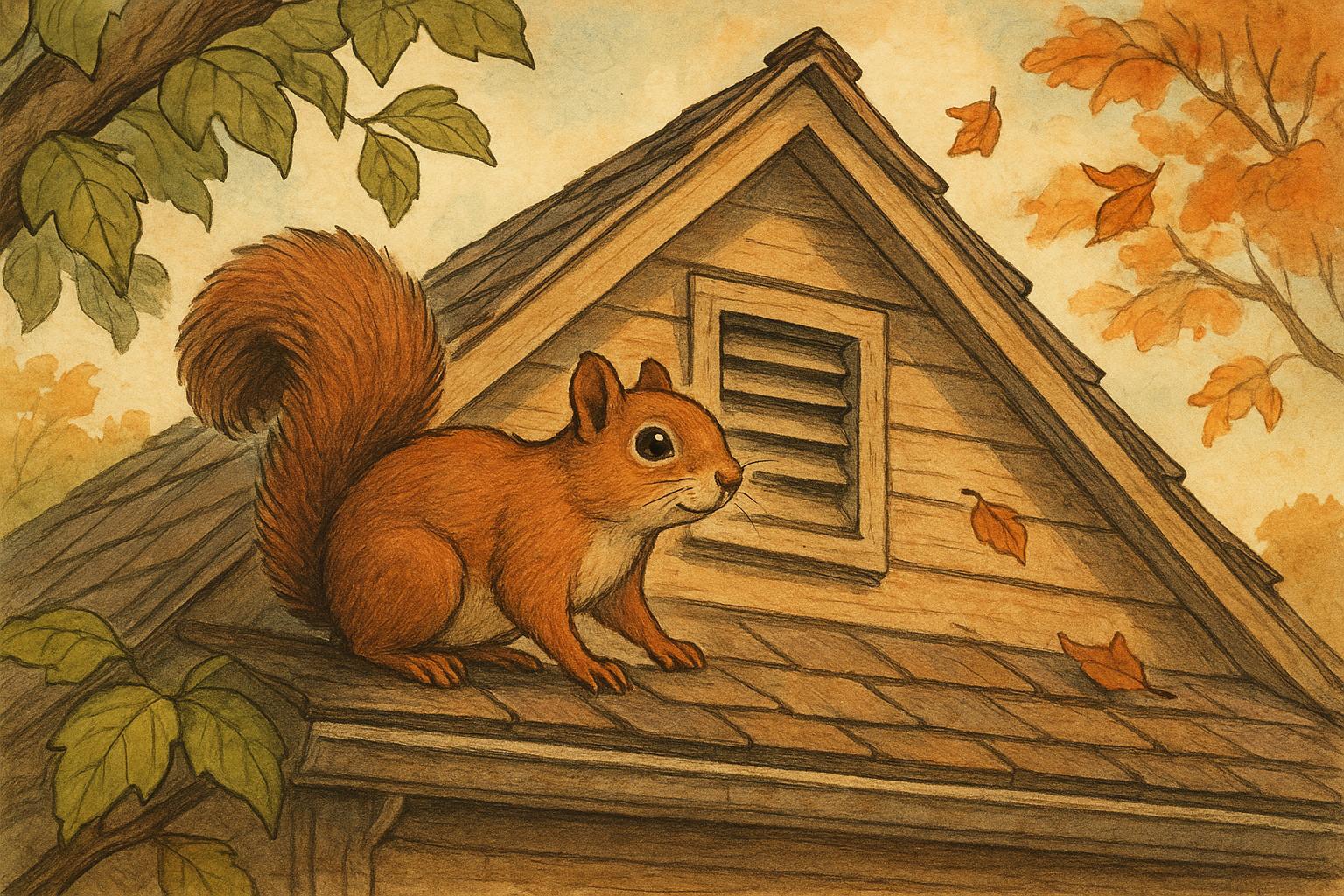
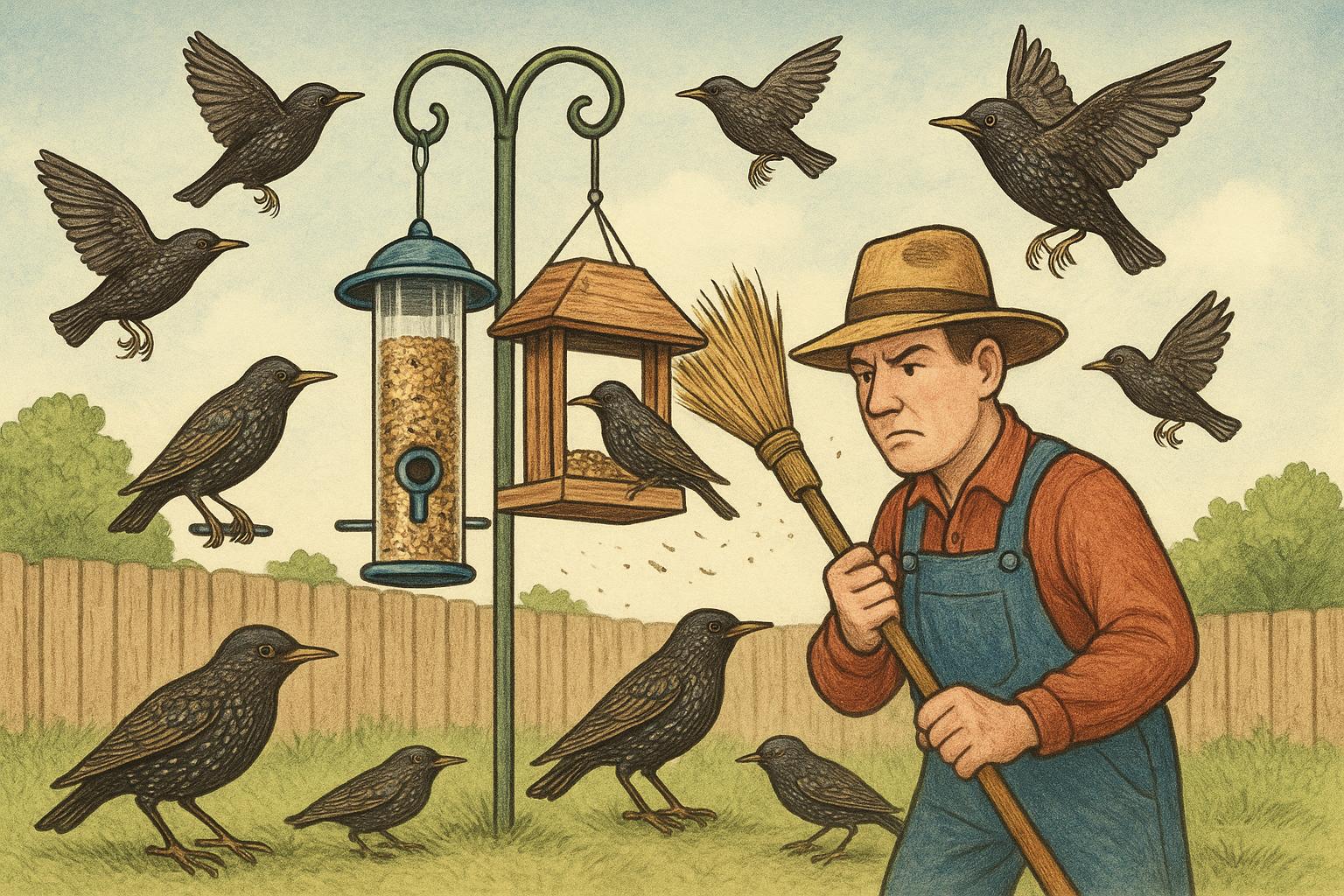
Boxes make it easier to spot threats. Squirrels, raccoons, and snakes will investigate boxes; House Sparrows may evict native cavity nesters. Parasites like blow flies or mites are visible when you check an old nest. Those checks are a form of small-scale experiment: move a box higher, add a predator guard, or change the entrance size, and you’ll often get different settlers. That’s the essence of bird nest ecology — these variables shift success rates.
## Using Nest Boxes To Test Questions About Nest Ecology
You don’t need a lab to test hypotheses. Simple changes can reveal causal links.
### Small, Focused Experiments You Can Run
Try two boxes on the same pole, one shaded and one sunlit. Compare clutch size and fledging rates. Install a predator guard on half your boxes and record visits. Swap nesting material between nests to see if parents rebuild with preferred items. These small experiments are how naturalists first learned about material selection and thermoregulation.
#### Record Keeping And Ethical Checks
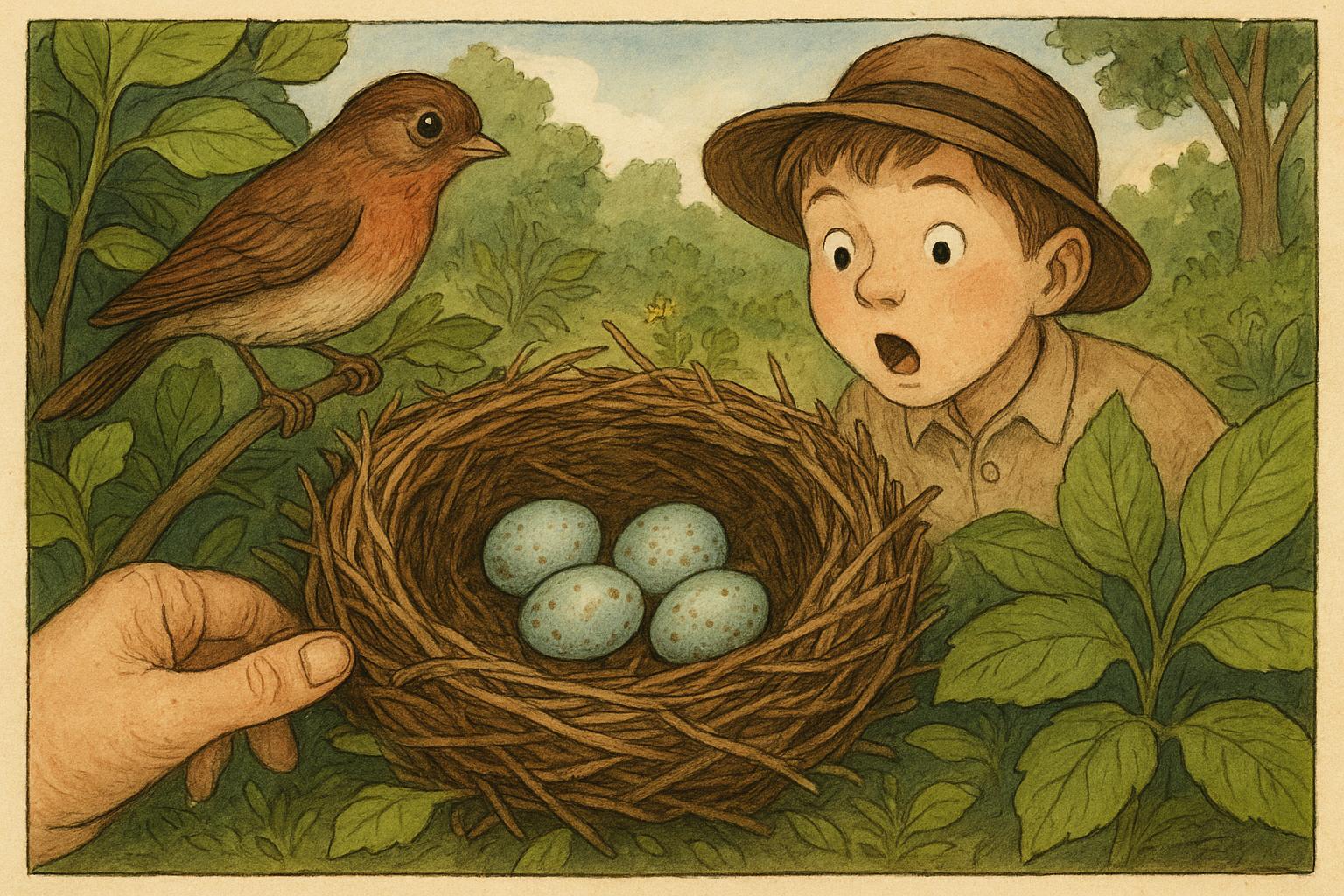
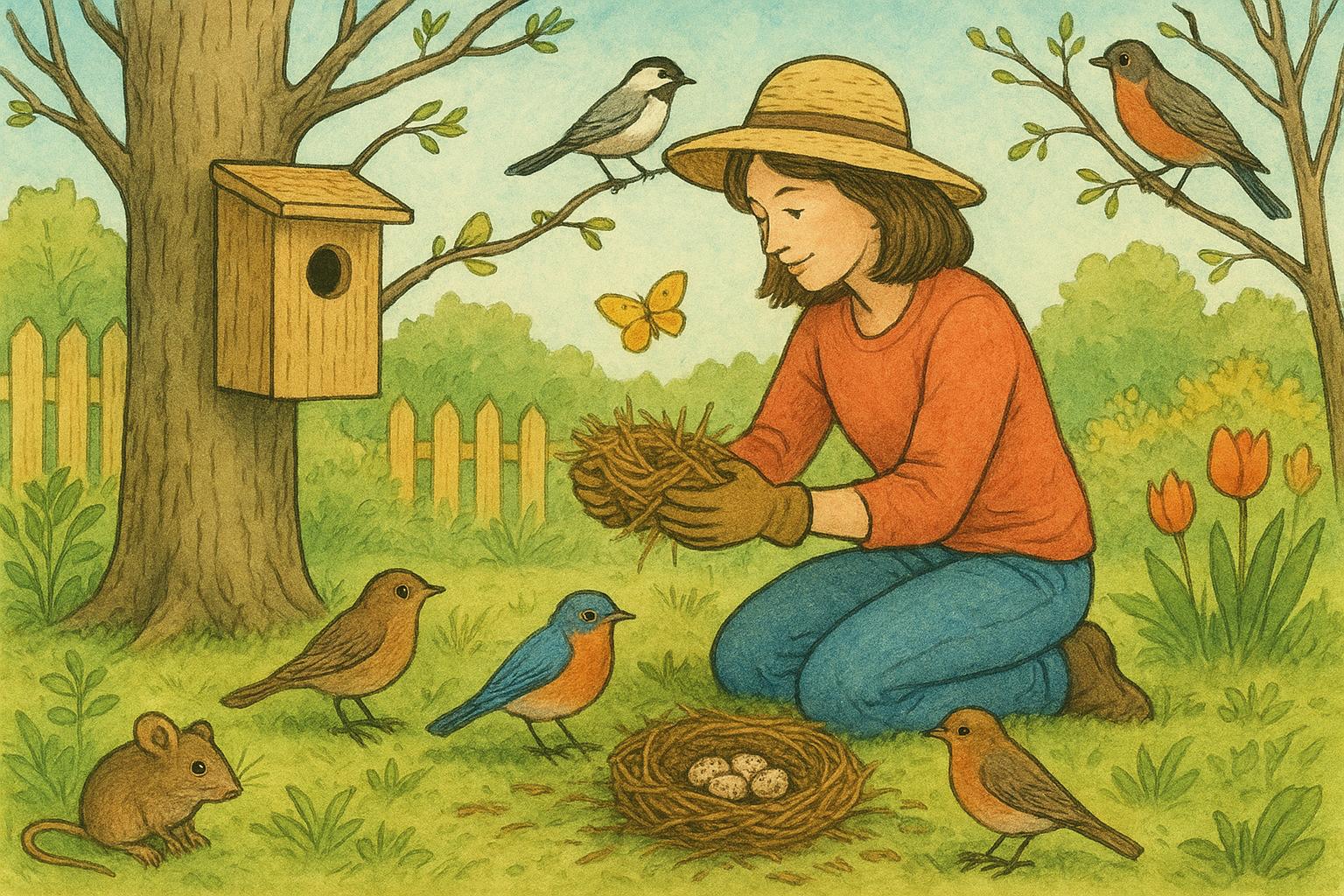
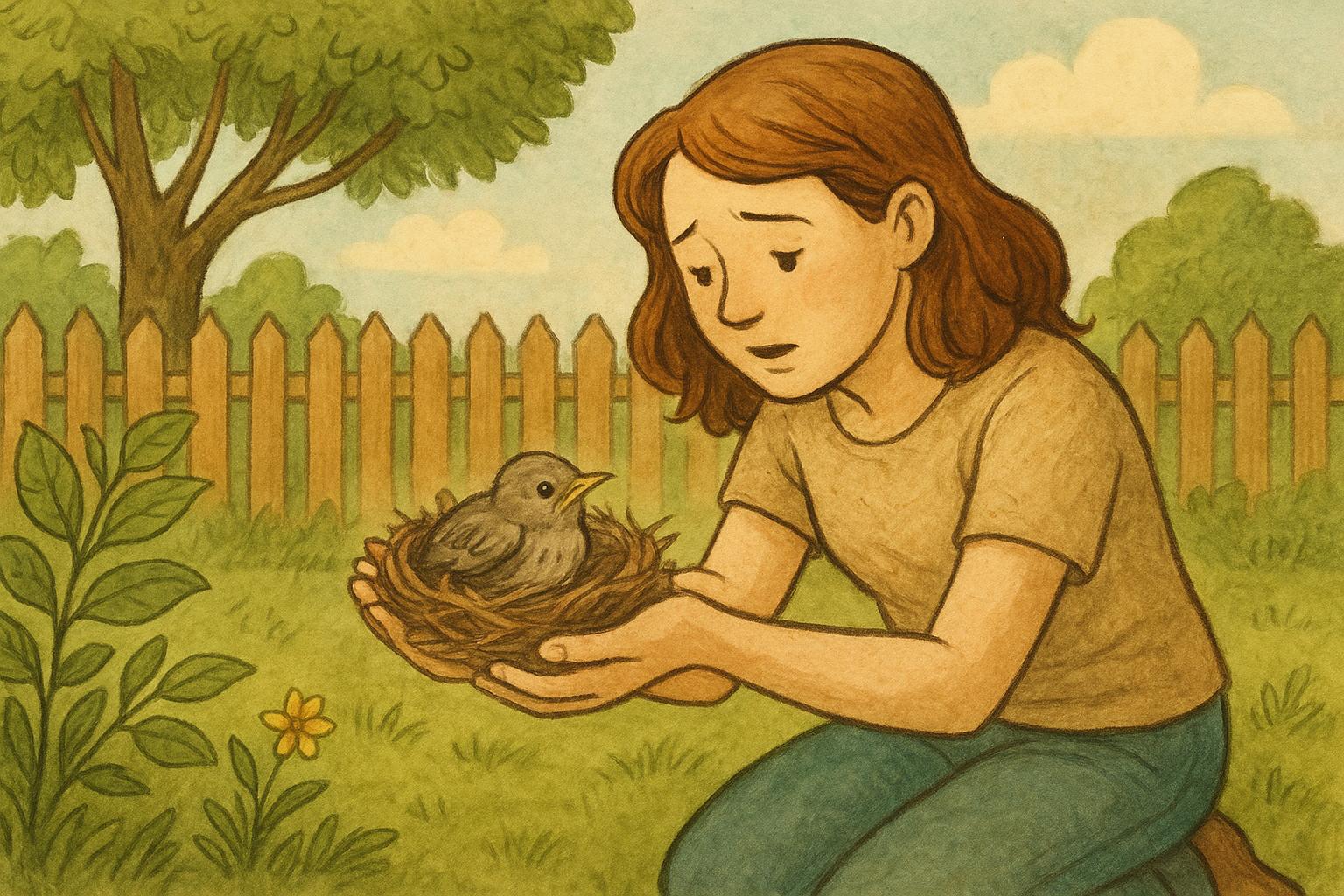
Be systematic. Note dates of occupation, number of eggs, hatch dates, and fledging counts. Photograph rather than disturb when possible. If you handle a nest, wear gloves and minimize time. Federal and local rules vary; some species require permits. Treat monitoring as stewardship, not a hobby that risks the birds’ welfare. Occassionally a well-meaning person can do more harm than good.
### Interpreting What You See
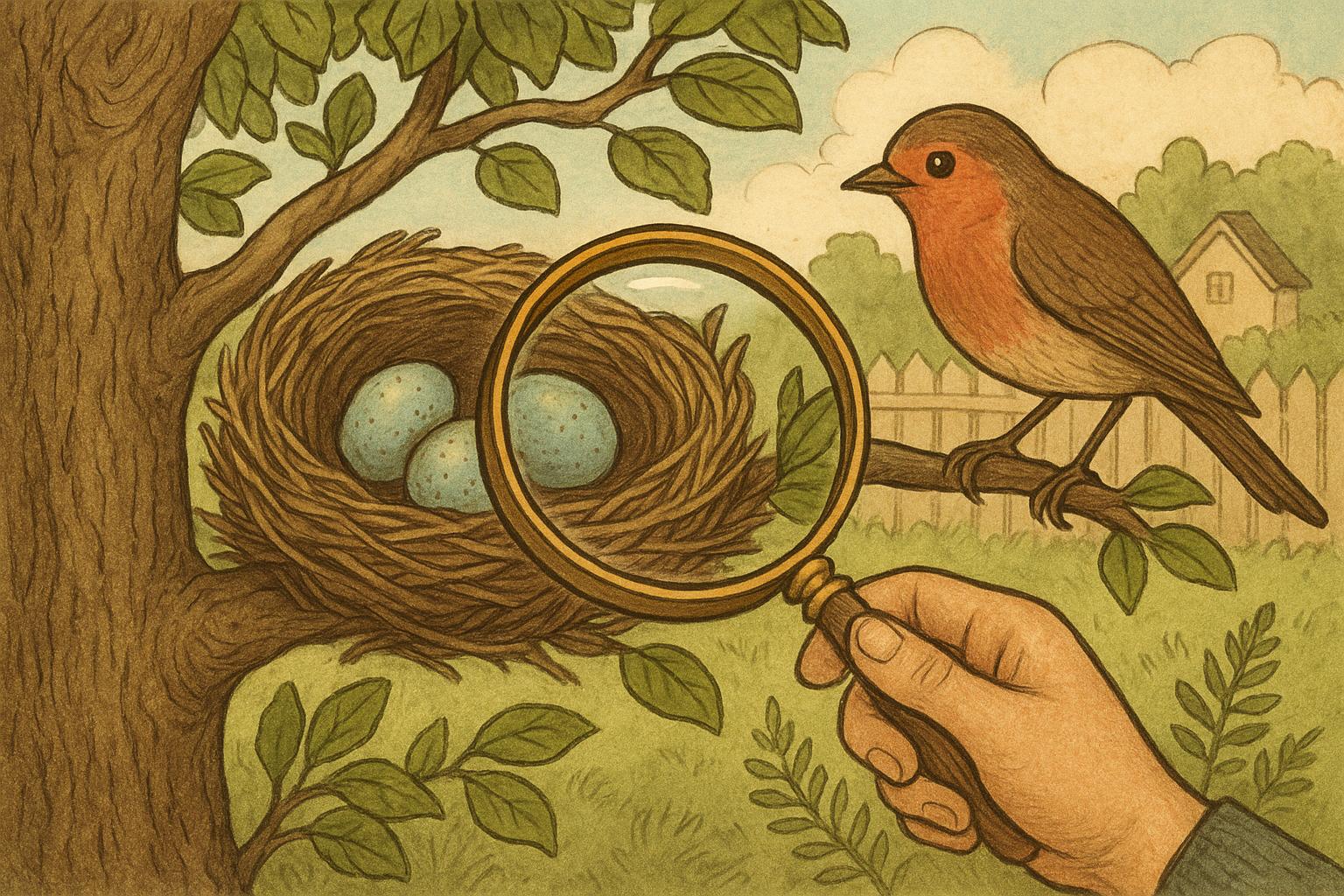
When a nest fails, ask why. Was there obvious predation, or did cold weather coincide with abandonment? Did ectoparasites appear? Compare failed nests to successful ones. Over seasons patterns emerge: maybe nests in a particular corner always suffer from wetting, or a nearby feeder attracts predators at dusk. Those patterns are the real data of nest ecology.
## Practical Tips For Better Backyard Data
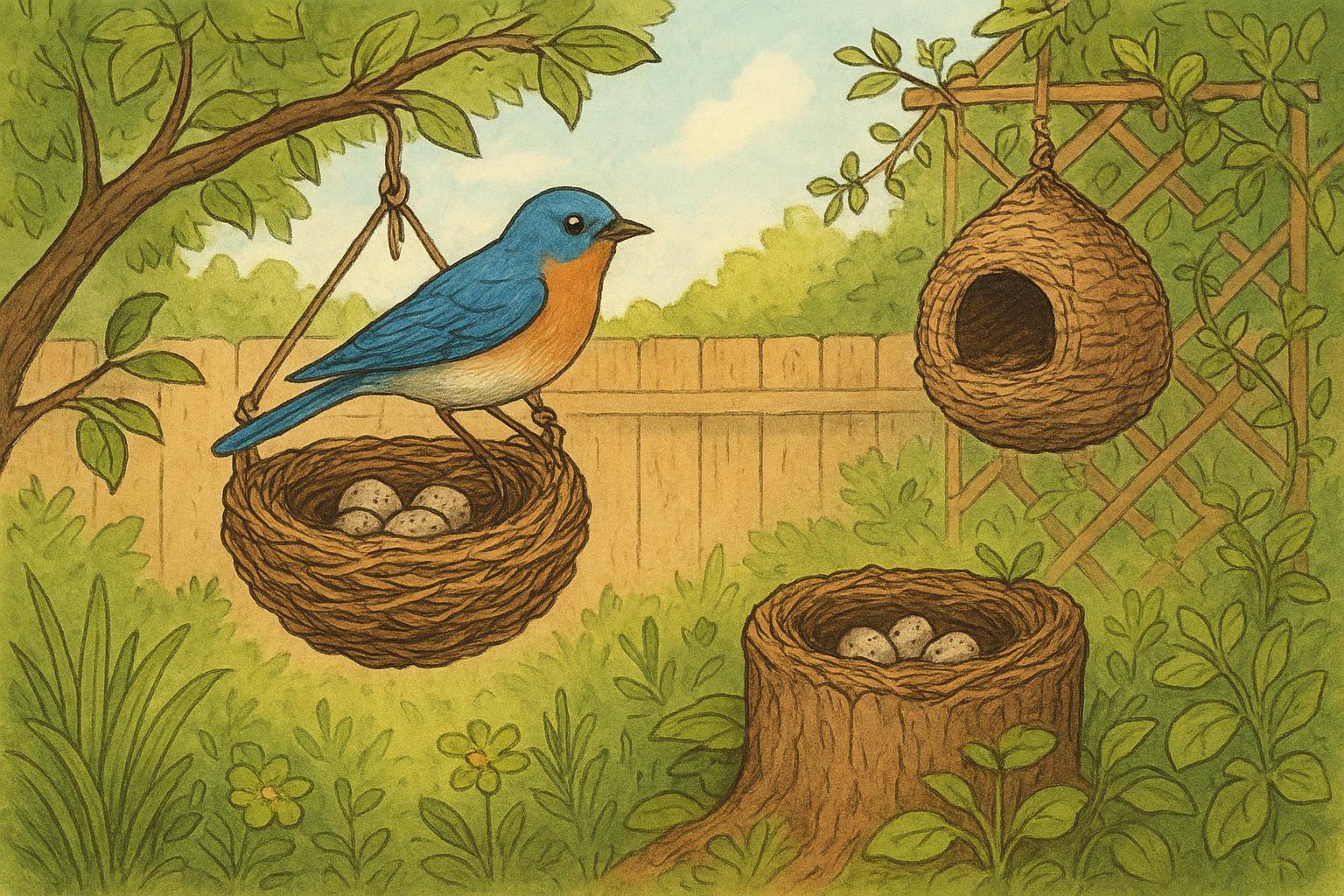
Pick box designs suited to target species. Entrance size controls which birds can enter. Mount boxes at recommended heights and directions. Grease poles to deter snakes and install predator baffles if raccoons are common. Clean boxes after the breeding season unless you’re studying parasite loads. In that case, record what you find and then remove old nests responsibly.
### Engage With Local Groups
Join local bird clubs or nest box programs. They often have standardized protocols and long-term datasets. Comparing your findings with others helps distinguish local quirks from broader trends. Plus, you’ll avoid common pitfalls, like placing too many boxes too close together. People sometimes install dozens of boxes without considering competition — which can skew results and upset local dynamics.
#### A Note On Observation Etiquette
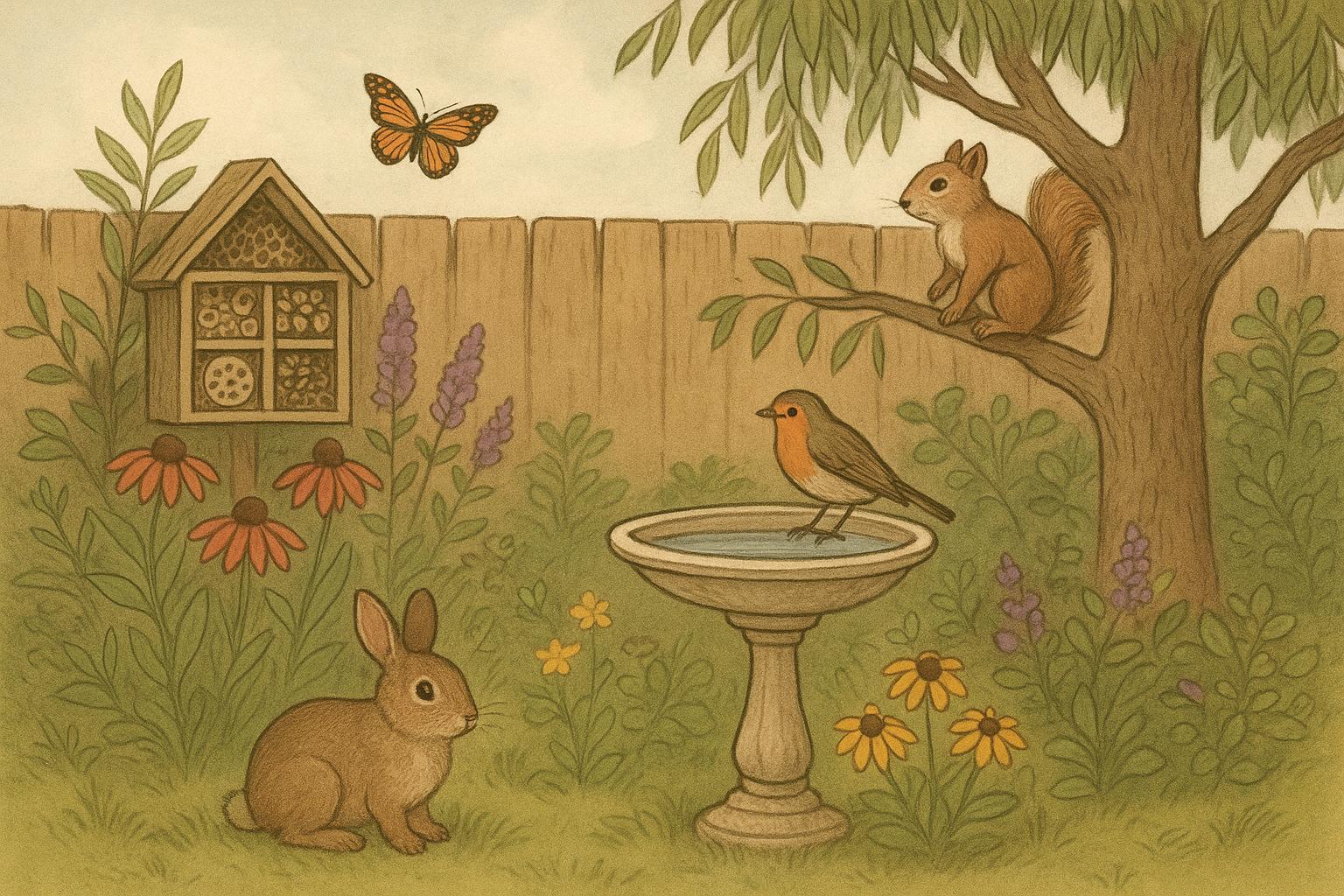
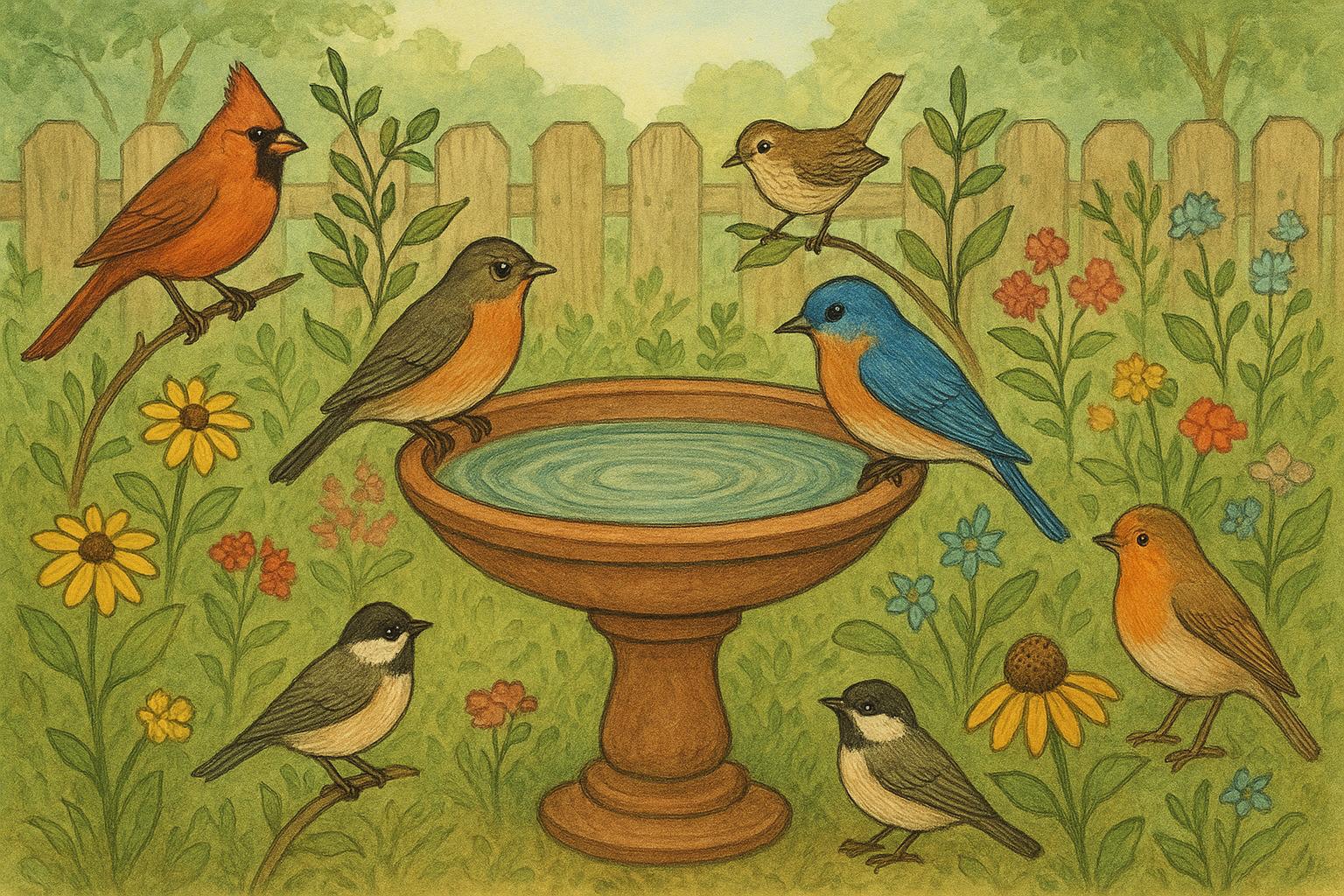
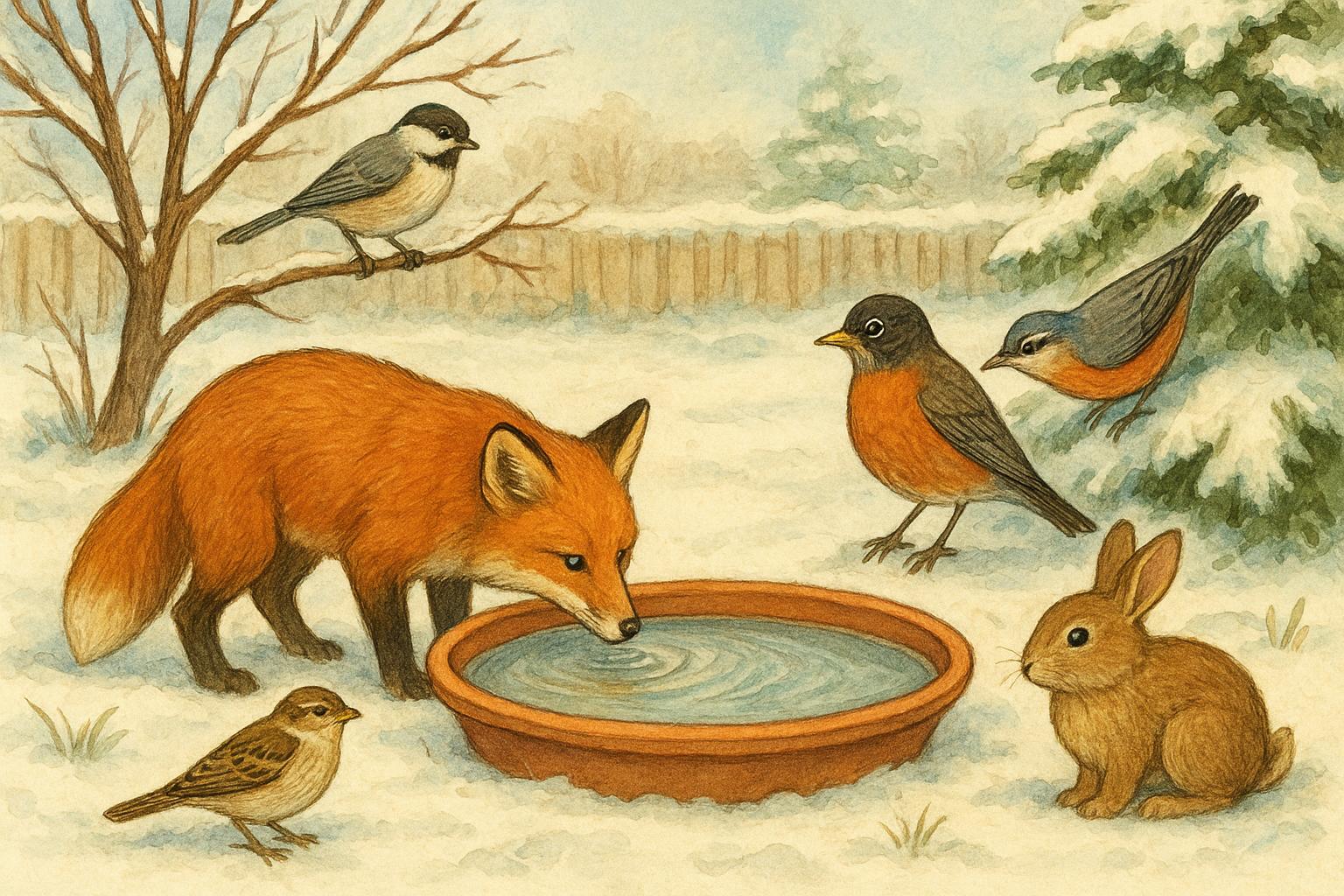
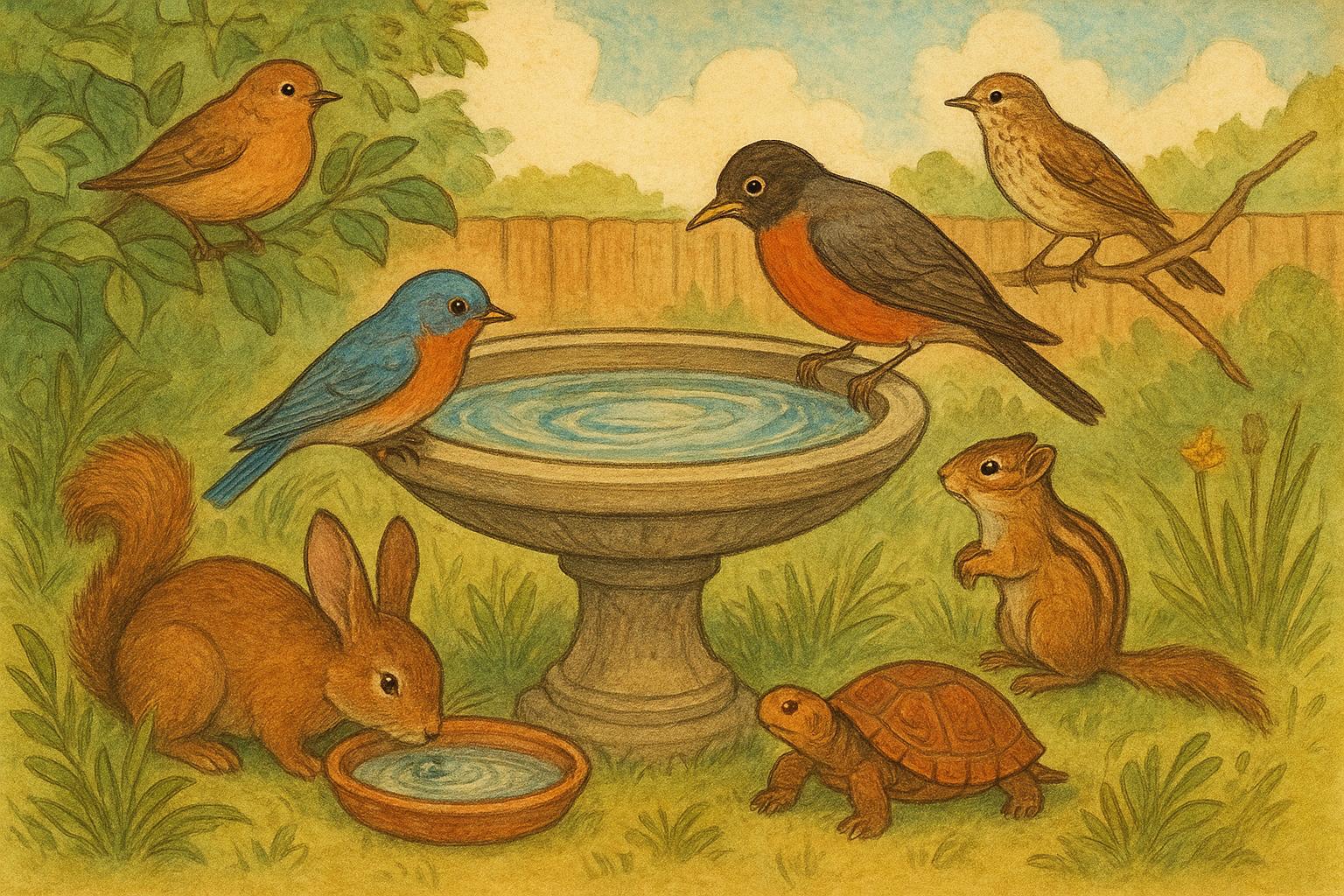
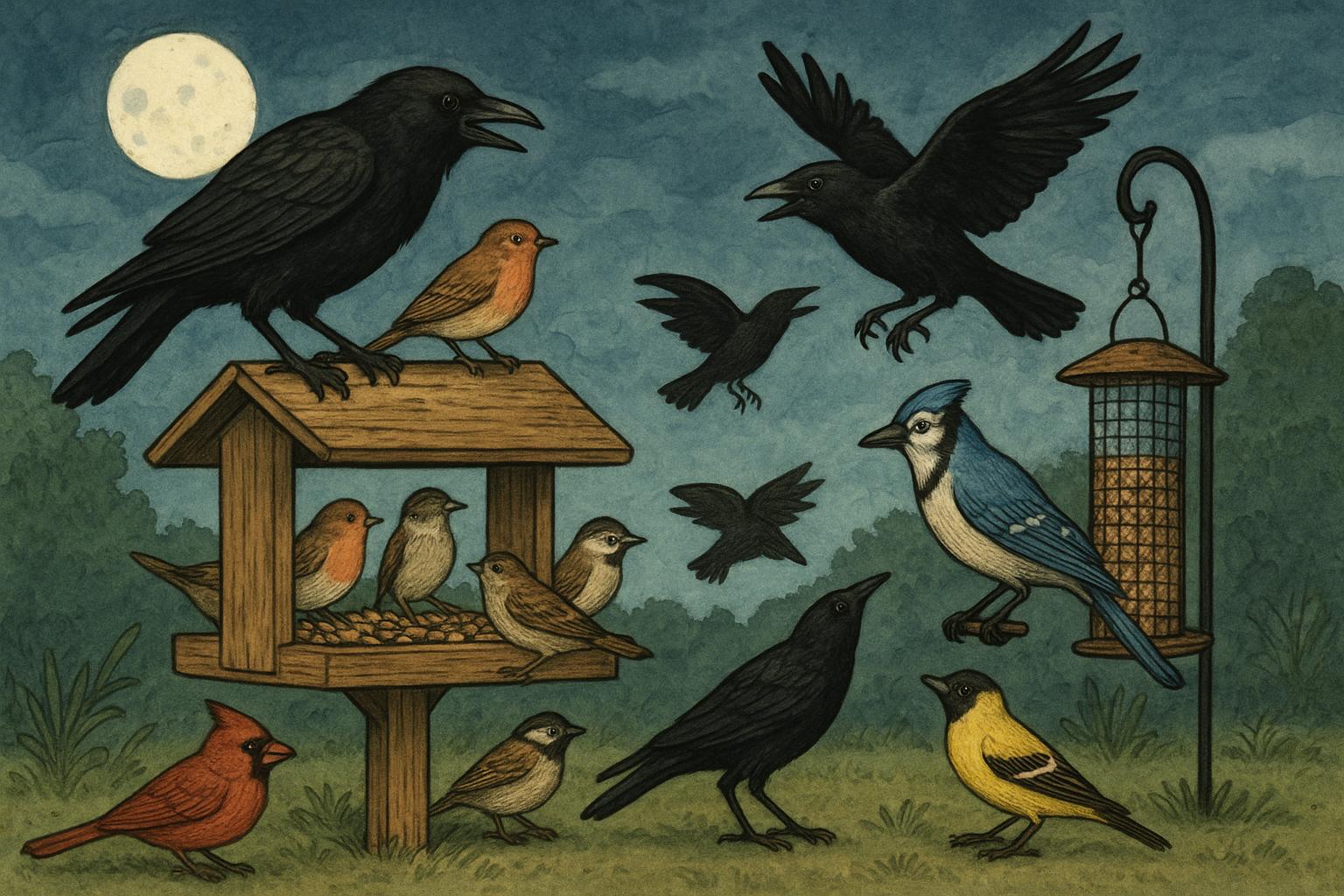
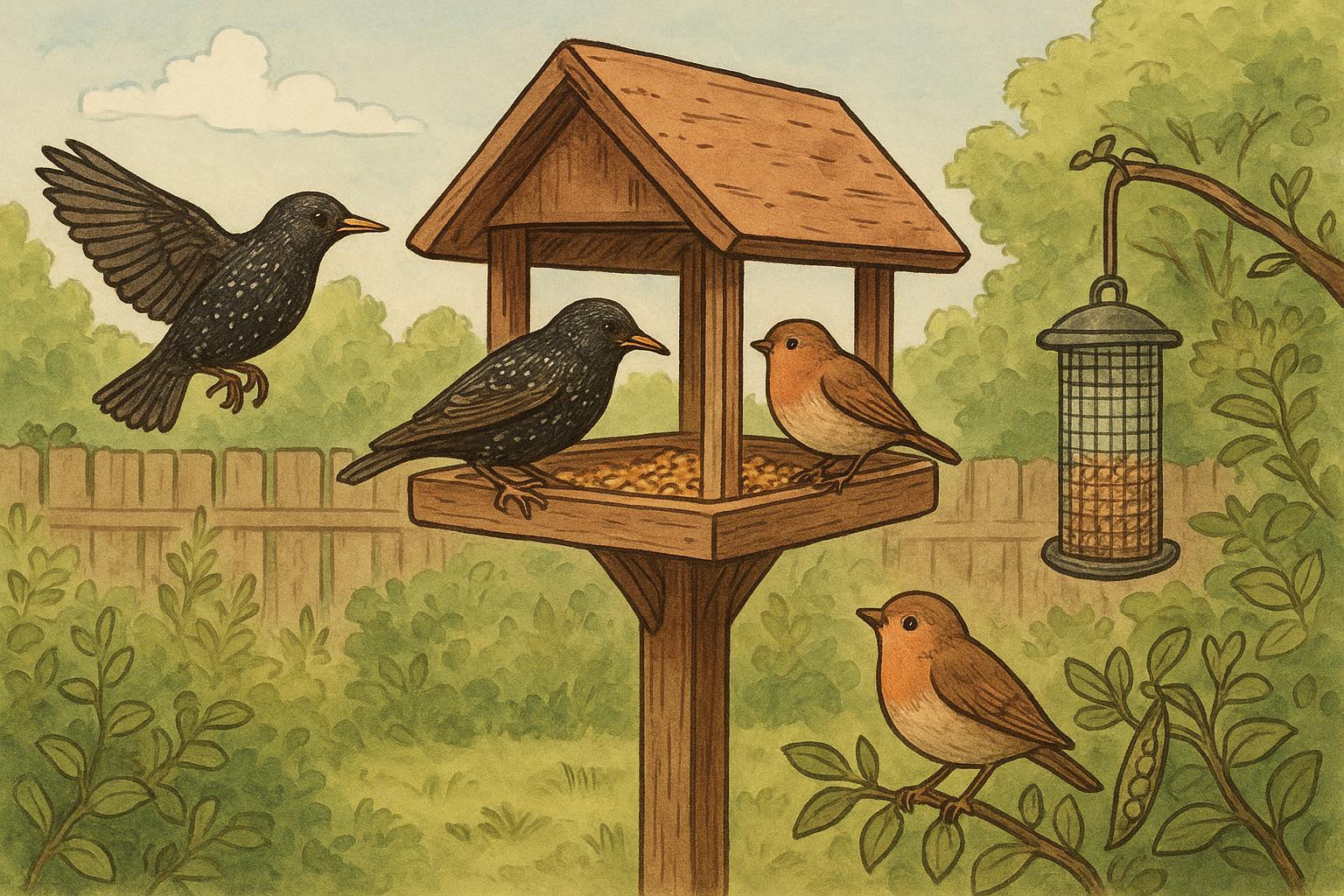
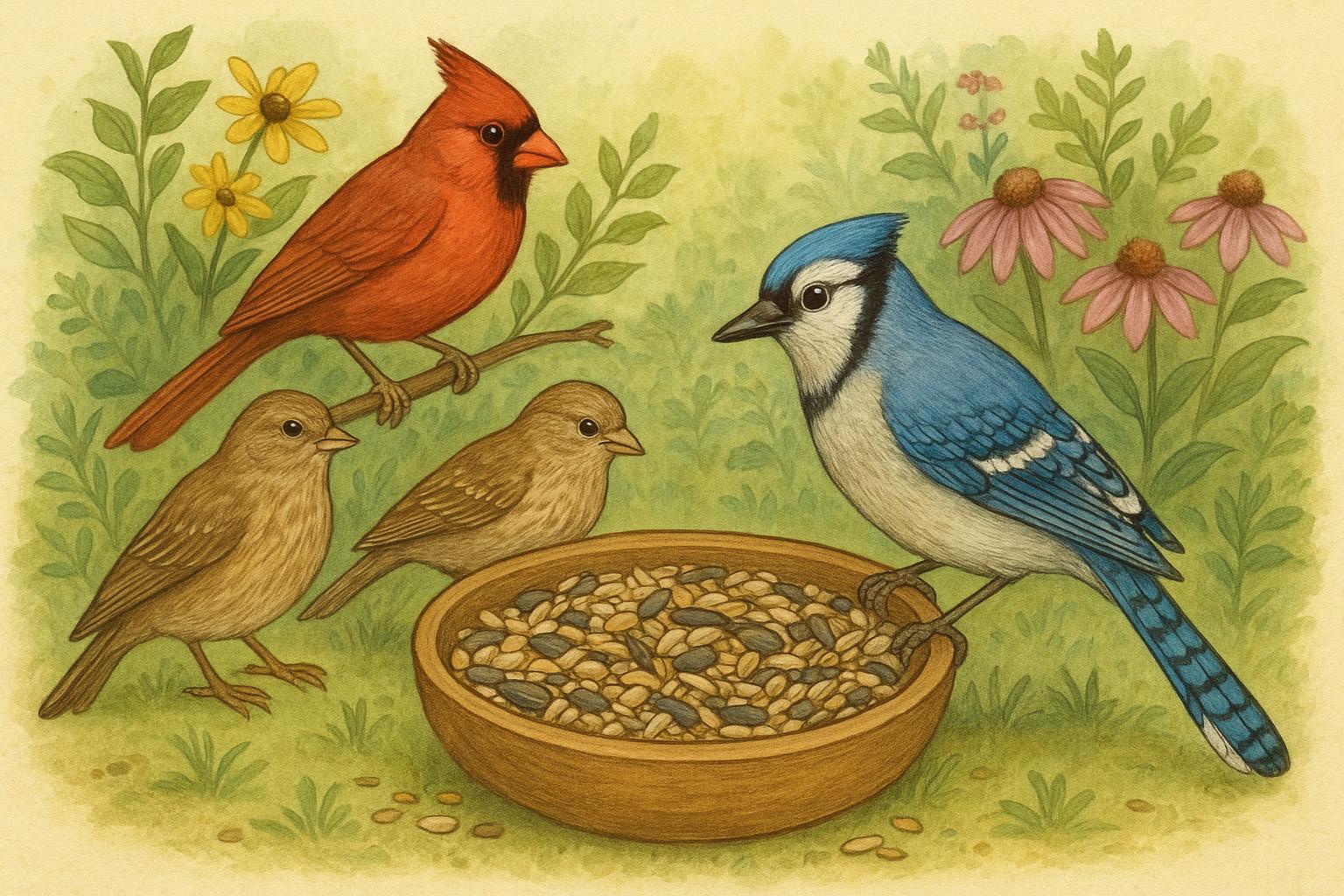
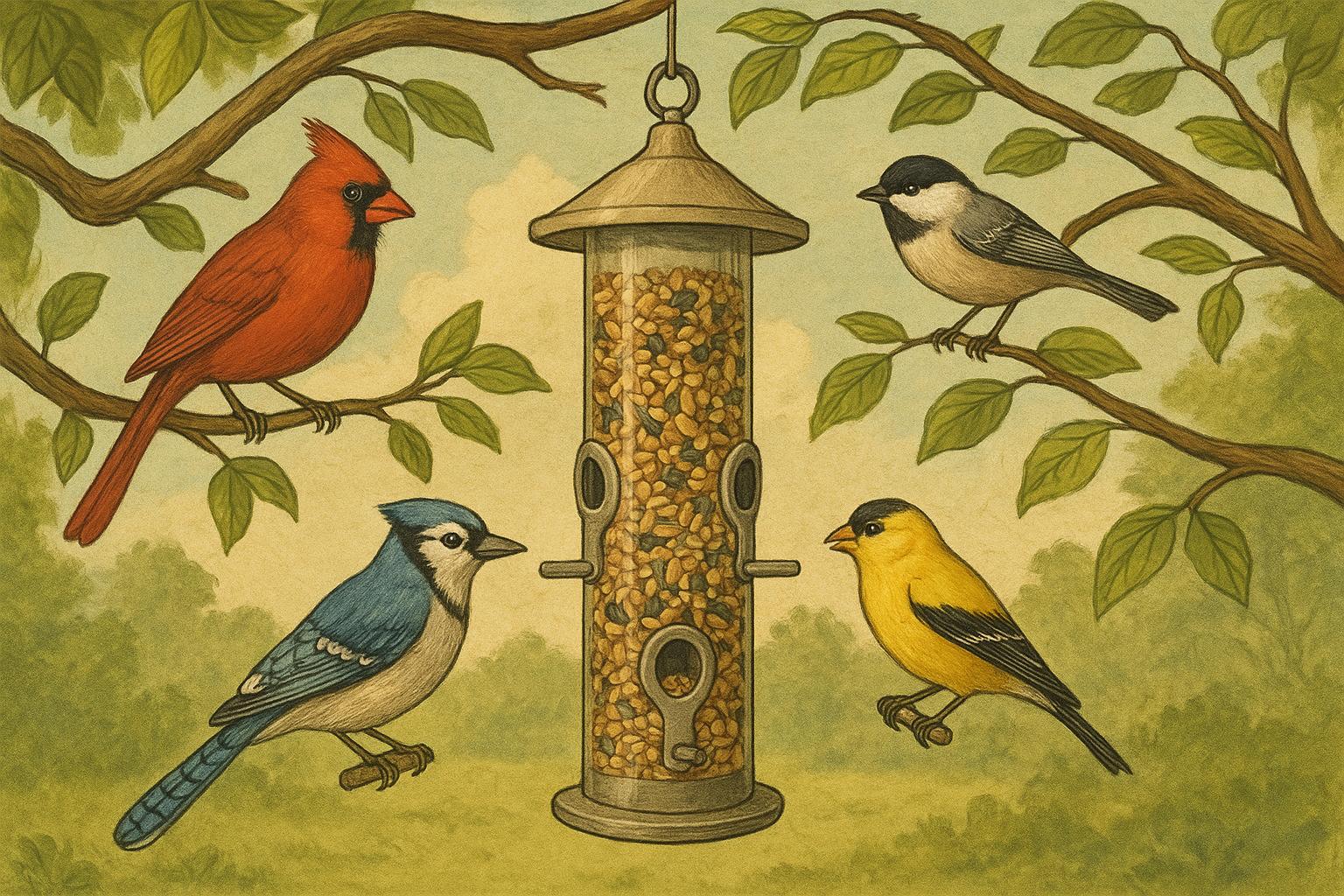
Keep disturbance low. Use a camera to check inside rather than leaning into a box in full view of predators. Night checks are unnecessary and can cause abandonment. Feeders and water sources can be useful, but understand they alter natural behaviors. If your aim is to study nest ecology, be mindful about what you add to the habitat.
If you want to learn more, pick one question to follow through a season. Record carefully. Small, repeated observations from backyard boxes add up and change how we understand bird nest ecology — one nest at a time. And sometimes you’ll see things no paper predicted, like a pair of bluebirds hauling in a strip of plastic for lining, or a wren that repairs the same hole twice. Teh details are where the real lessons live.


Leave a Reply