
## Common Backyard Snake Species Homeowners See
If you live in a suburban lot or a rural parcel, snakes will show up sooner or later. Most of the time they’re harmless and passing through. A handful of species, though, turn up again and again in yards because homes provide food, shelter and water. Knowing the common backyard snake species where you live cuts the guessing and the fear.
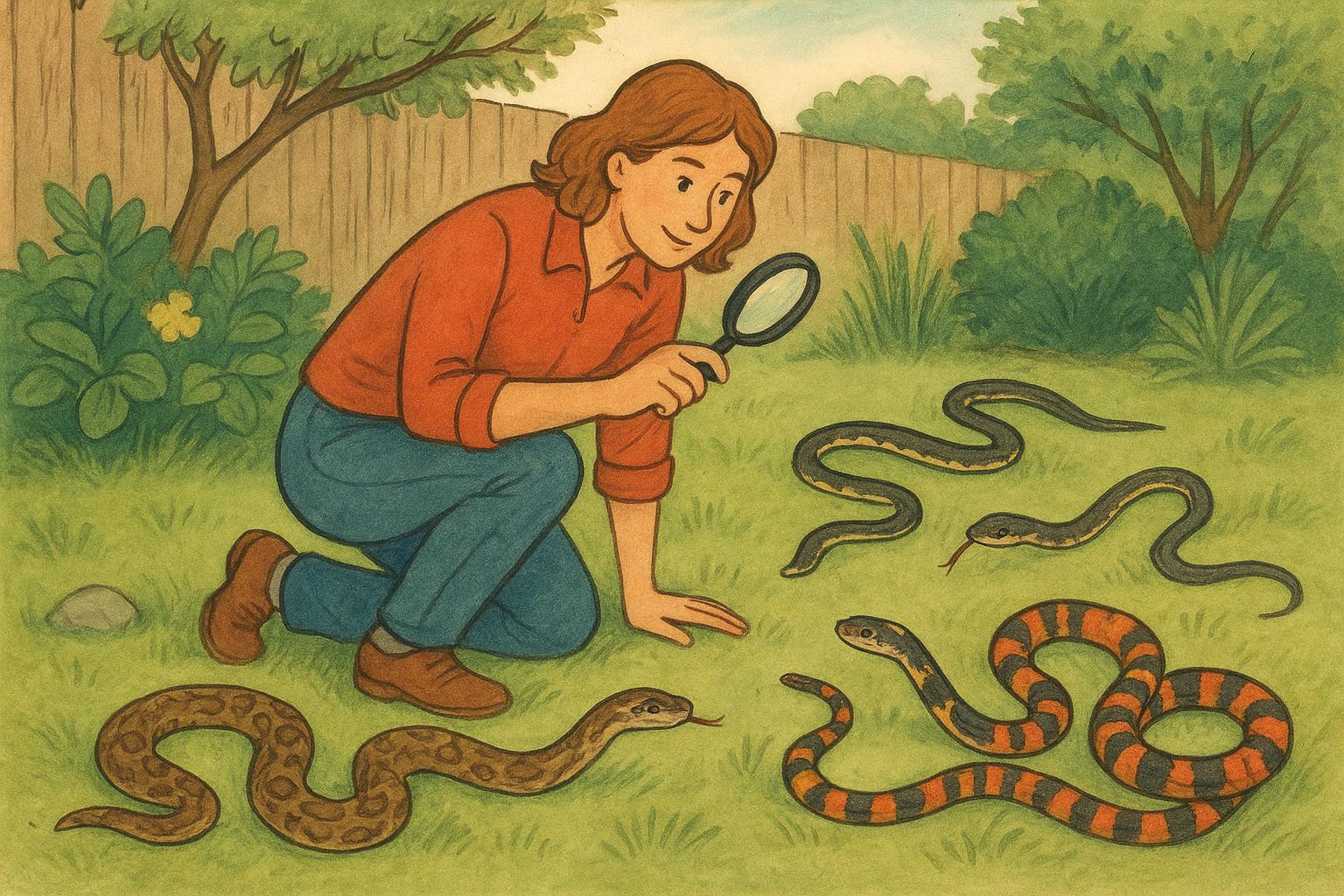
Garter snakes are the ones people notice most. Thin body, stripes down the length, often 18–36 inches long. A heavy-looking black racer or rat snake will climb a fence or a tree in pursuit of rodents. Watersnakes and ribbon-like brown snakes hang out near ponds or creeks. In parts of the country you’ll also see king snakes and milk snakes that mimic venomous patterns without the venom. In some regions venomous snakes such as copperheads, rattlesnakes or cottonmouths are part of the local mix. Pay attention to scale patterns, head shape and where you found the animal; that information usually points to a likely identification.
## How To Tell Venomous From Nonvenomous
People want a simple rule. There isn’t one that works in every region. Pupils, head shape and color are useful clues, but they fail sometimes. The safest option is distance and documentation: take a photo and consult an expert.
That said, a few practical identifiers help most of the time:
– Triangular heads that are wider at the jaw can signal pit vipers, but some nonvenomous snakes flatten their heads when threatened.
– A rattle is a clear sign of a rattlesnake, while buttonlike bumps at the end of the tail mean nothing useful on other species.
– Shiny, smooth scales and bright banding patterns often belong to harmless kings and milk snakes, but banding color order matters with coral snakes in some states.
– Behavior and habitat help. An aggressive, coiled snake in wood chips near a porch deserves caution. A slender snake moving quickly through the grass is often a nonvenomous racer or garter.
Don’t try to pick up or prod a snake to test for venom. Needlelike bites from small nonvenomous snakes still happen when people try to handle them. Keep a record: photo, approximate length, date, location in your yard. Send that to a local extension office or a herpetology group for confirmation.
### Pitfalls To Avoid When Identifying
There are some common traps that make owners misidentify harmless animals as dangerous. Color alone is unreliable. Juveniles can look very different from adults. Location matters: coral snakes live in the southeast, not in most northern yards. Baby copperheads are often mistaken for harmless brown snakes because both are small and similarly colored. If you live in a neigborhood surrounded by woods, assume you’ll see a mix and learn the local list rather than rely on internet memes.
## Typical Snake Habitat In Residential Yards
Snakes are not random. They pick spots with food and cover. Your yard can be a small but effective ecosytem for them.
Common features that attract snakes:
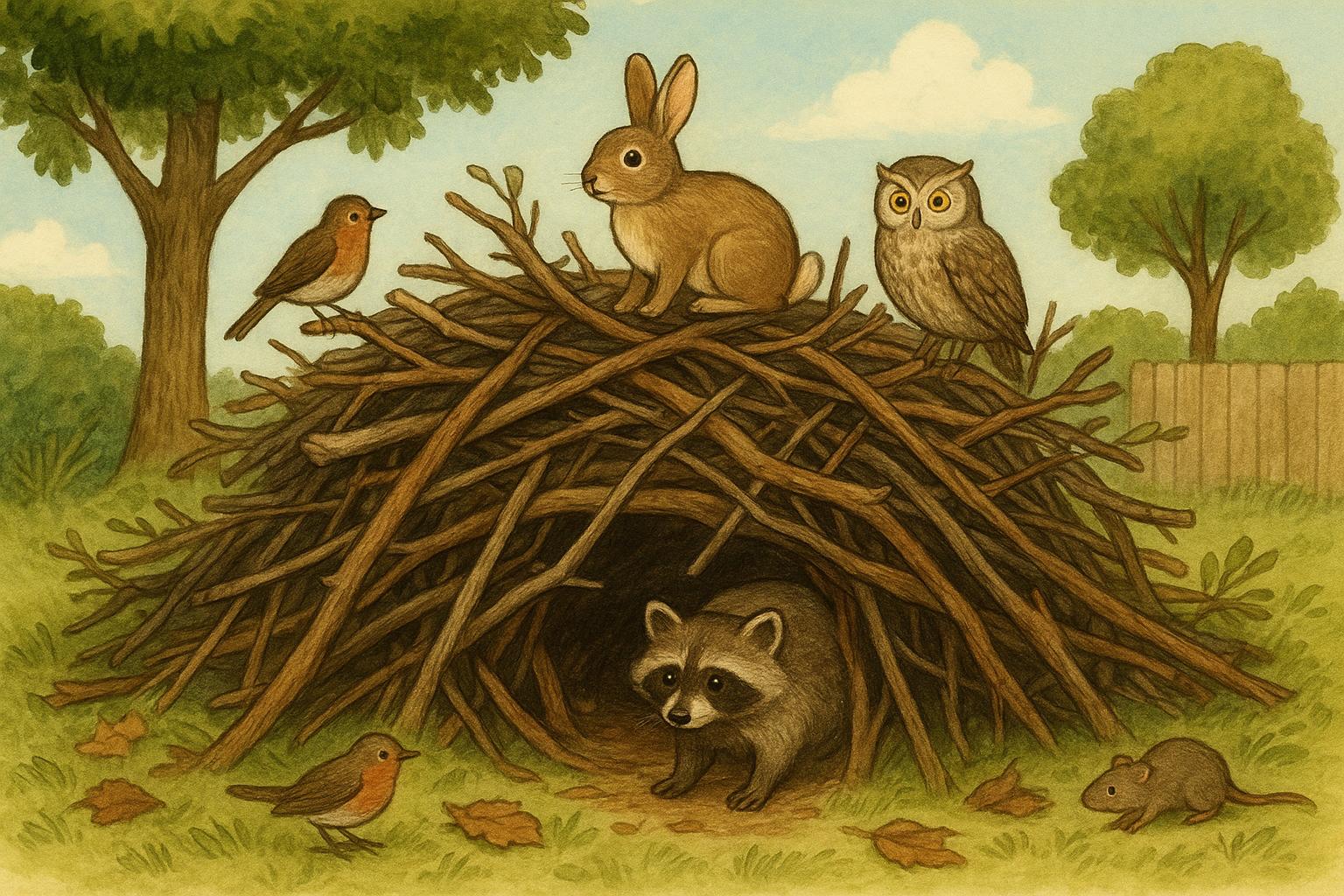
– Rock piles, wood stacks and debris provide sun-warmed hiding places.
– Tall, unkempt grass and heavy ground cover give quick escape routes.
– Compost piles and brush borders host voles and insects, a dependable food source.
– Bird feeders increase rodent activity and indirectly lure snakes.
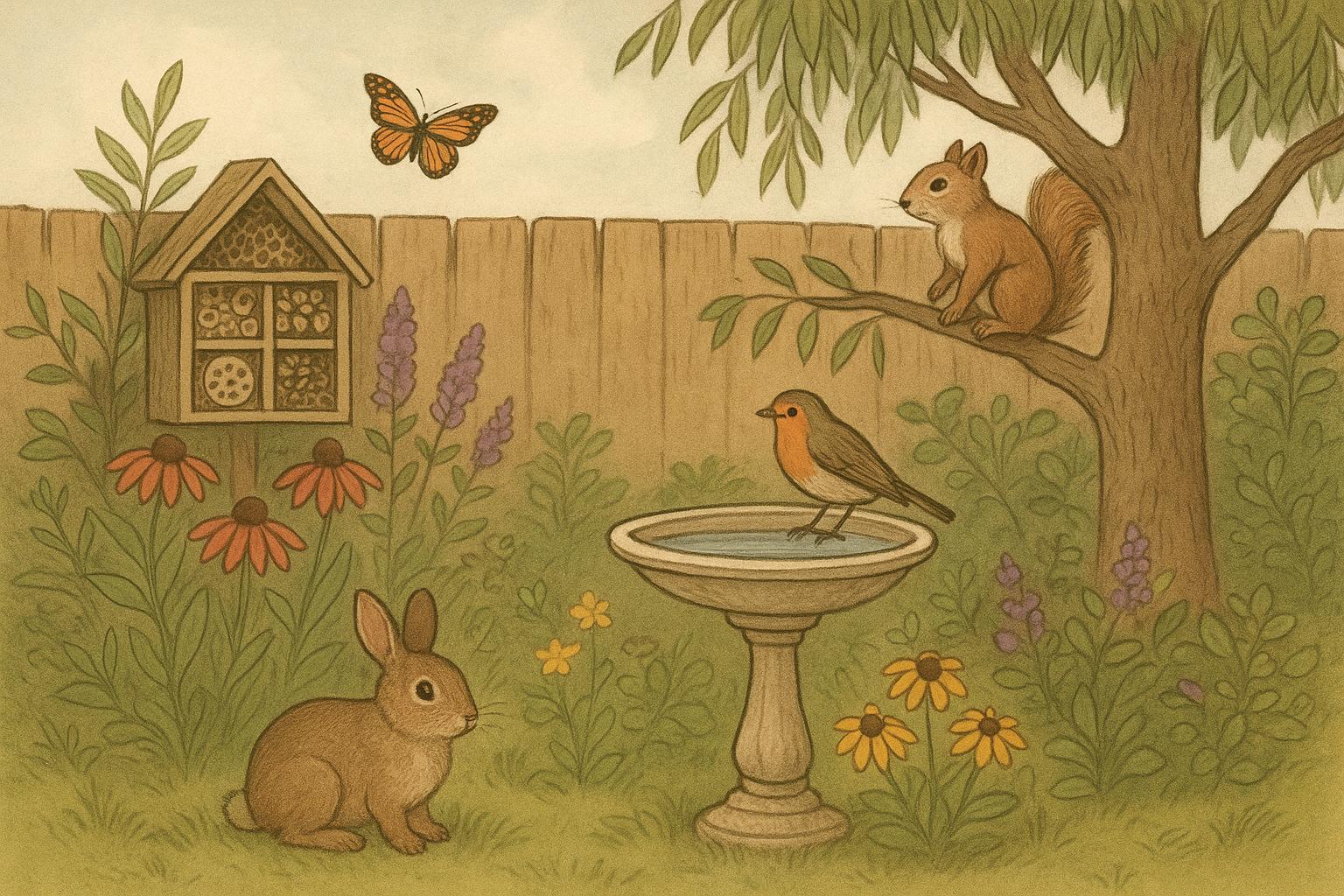
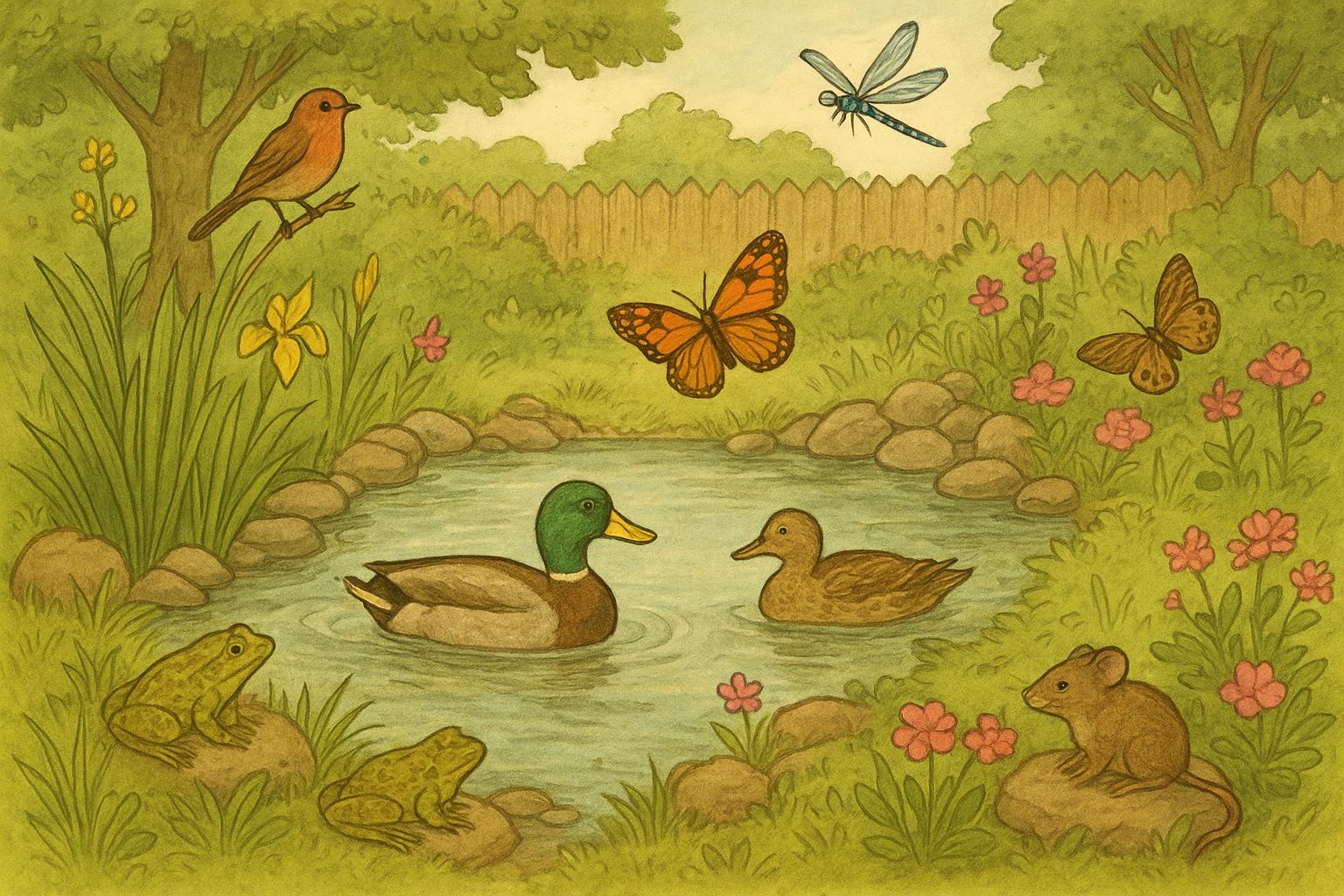
– Water features like ponds, birdbaths and slow drains draw watersnakes and other species that visit to drink or hunt.
Some snakes prefer edge environments — the border between lawn and woods — while others are comfortable deep inside a garden. Knowing your yard’s microhabitats helps explain which snake species you might see. For instance, a moist, mulched flower bed against a stone wall is more likely to host a rat snake at night than a dry gravel driveway.
### Microhabitats Inside the Yard
Different parts of the yard support different species even within a single block. Under decking and porches you’ll find snakes hunting for nesting rodents. Around sheds and under tool benches, they use insulation for warmth. Ponds and their margins attract watersnakes, but also small frogs, which in turn attract garter snakes. A stone wall that faces south can be a warm basking spot for several hours each morning and will be a favored sunning place after a cool night.
## Seasonal Patterns And Behavior
Snakes change what they do across the year. That rhythm tells you when you’re most likely to encounter them.
Spring: Snakes emerge from hibernation or communal dens and are active hunting and breeding. This is prime time to spot males traveling long distances, sometimes crossing yards to find mates. Spring observations are often of thin, mobile snakes.
Summer: Snakes are more secretive during the heat of the day. You’ll see them early morning or after sunset. Juveniles appear in late summer. Rainy nights especially can produce higher activity as frogs and insects become abundant.
Fall: Snakes bulk up and move toward den sites. Late-season sightings often show thicker, slower-moving snakes. This is when homeowners find snakes under rocks or in sunny spots as the animals try to warm up.
Winter: In colder regions snakes hibernate. In mild climates some species remain intermittently active, but overall activity drops. If you have a ground-level den near your foundation, you could see movement on unseasonably warm days.
Knowing the season helps you interpret a sighting. A juvenile snake in August is likely nonvenomous in most areas. A sluggish snake in late October probably means it’s getting ready for hibernation and not hunting.
## Safe Ways To Identify And Document A Snake
If you come across a snake and want to identify it without risking harm, follow a few rules. First, distance. Second, documentation. Third, consult a human expert.
Stand back and keep kids and pets away. Use a camera’s zoom or a phone camera at arm’s length. Note the background: was it on pavement, grass, wood pile or near water? That matters for identification. Photograph both sides if possible, and get a shot of the head, the tail, and the whole body. Size in photos is impossible to gauge without a reference, so place a recognizable object several feet from the snake for scale — a shoe, a rake, a garden hose.
Write down details: time of day, weather, how it moved (slithered straight, sidewinding, climbed). If you can’t safely photograph, make careful mental notes: distinct stripes, blotches, a single row of dorsal scales, or a prominent ridge of scales. Then check reliable local resources. County extension services, local herpetological societies, and university departments often provide identification help through email or social media.
### Photographing Tips
Use burst mode for movement. Don’t get low and block an escape route — that will make the snake defensive. If the snake is on a porch or inside the house, keep doors closed and call animal control. If it’s in a flowerbed, leave it alone if it isn’t creating a hazard; snakes will usually move on once they finish feeding or basking.
## Tools And Resources For Identification
There are good apps and good people. Field guides still matter because they’re curated for your region; an app may show a species that doesn’t exist in your state. University extension services are invaluable. They can help you decide whether a sighting is a venomous snake or a harmless one.
Online forums can be useful but treat them skeptically. Photos without location data create confusion. If you send images to a local reptile or herpetology club, include county or city and the substrate where the snake was found. Professionals who trap and relocate snakes will have practical experience and can give immediate advice about safety and legal considerations.
## Managing Snake Habitat Without Harming Wildlife
Most homeowners don’t want to kill snakes. You can reduce the chance of an unwelcome encounter by changing the yard, not trying to eliminate wildlife altogether.
Practical steps:
– Keep grass short and edges trimmed. No tall drifts for snakes to hide in.
– Remove rock and wood piles or move them to a well-drained, exposed area.
– Stack firewood off the ground on a rack and keep it away from the house.
– Seal gaps under porches and foundations to deny denning spots.
– Store pet food and birdseed in sealed containers to reduce rodent attractants.
– Install gravel or metal flashing as a snake barrier where small pets play.
Even a modest reduction in cover and food sources makes your yard less hospitable. Be prepared that some snakes will still pass through. That’s normal and often a good sign — a yard with snakes is apt to have fewer rats and mice.
### Nonlethal Deterrents And Their Limits
Commercial snake repellents rarely work long-term, and some contain chemicals that harm pets or beneficial insects. Motion-activated lights and sprinklers can deter nocturnal visitors around specific areas but won’t stop them entirely. Fencing specifically built for snakes — fine mesh sunk into the soil and angled outward — is the most reliable physical barrier, but it’s an investment and works best in small, focused areas like chicken runs.
## When To Call Professionals Or Authorities
Most yard sightings don’t require a removal team. Call professionals when a venomous snake is inside the house, when a snake is cornered and cannot escape, when someone is bitten, or when there are multiple snakes indicating a den on your property.
If a pet has been bitten, get veterinary help immediately. Do not try to suck out venom or cut the wound. Keep the pet calm and transport it. If a person is bitten, seek emergency medical care and bring a photo of the snake if you can.
In some regions, wildlife removal is regulated. Certain species are protected; moving them could be illegal without a permit. Ask your local wildlife agency or extension service if you’re unsure. Professionals can also assess whether a den site exists and recommend options that comply with local ordinances.
## Backyard Snake Species To Know By Profile
Below are profiles of common species many homeowners encounter. These are generalizations — appearance can vary by region and age.
#### Garter Snake (Thamnophis spp.)
Length: 18–36 inches. Appearance: Longitudinal stripes in yellow, green or white on dark background. Behavior: Diurnal, often found near water and gardens. Eats worms, amphibians and small fish. Notes: Common across much of North America and generally harmless. They can musk and bite if handled.
#### Rat Snake / Black Rat Snake (Pantherophis obsoletus and related)
Length: 36–72 inches. Appearance: Juveniles patterned with blotches; adults often solid black with lighter belly. Behavior: Excellent climbers; love barns, sheds and attics when rodents are present. Eats rats, mice, birds and eggs. Notes: Beneficial predator. Can constrict rodents but not dangerous to people.
#### King Snake (Lampropeltis spp.)
Length: 24–48 inches. Appearance: Bold banding or speckled patterns—colors vary by species. Behavior: Often found under logs and rocks. Eats other snakes, including rattlesnakes in some areas. Notes: Harmless to people and useful in keeping venomous snake numbers down.
#### Milk Snake / Corn Snake (Lampropeltis triangulum / Pantherophis guttatus)
Length: 24–48 inches. Appearance: Red, black and white bands in some milk snakes; corn snakes show orange-brown blotches. Behavior: Ground-dwelling, sometimes enter barns. Notes: Often mistaken for copperheads or coral snakes depending on color phase. Nonvenomous.
#### Watersnake (Nerodia spp.)
Length: 24–48 inches. Appearance: Heavy-bodied with banding or blotches. Behavior: Found near ponds, lakes and streams; often mistaken for cottonmouths in the southeast. Notes: Nonvenomous but will flatten and bite when threatened. Good swimmers.
#### Copperhead (Agkistrodon contortrix)
Length: 18–36 inches. Appearance: Hourglass-shaped bands in coppery colors; triangular head. Behavior: Typically found near logs and rocks; more active at night in summer. Notes: Venomous. Bites are painful; seek medical care. Use caution if your yard is near woodland edges.
#### Rattlesnake (Crotalus and Sistrurus spp.)
Length: 24–60 inches depending on species. Appearance: Rattle at tail tip, keeled scales, stout body. Behavior: Prefer sunny rocks and open areas near cover. Notes: Venomous and potentially dangerous. Keep distance and call professionals if found near homes.
#### Brown Snake (Storeria dekayi)
Length: 8–13 inches. Appearance: Small, brown with lighter streak down the back. Behavior: Lives in gardens and under debris. Eats slugs and earthworms. Notes: Harmless. Often discovered by gardneer types while turning soil.
#### Ribbon Snake (Thamnophis sauritus)
Length: 20–36 inches. Appearance: Slender with bright stripes; very quick. Behavior: Prefers watery edges and marshy yards. Notes: Looks like a garter but more slender and often near water.
#### Cottonmouth / Water Moccasin (Agkistrodon piscivorus)
Length: 24–48 inches. Appearance: Thick-bodied, sometimes banded; white mouth interior (displayed during threat). Behavior: Found in or near water in the southeast. Notes: Venomous. Adults can be aggressive when cornered. Distinguish from nonvenomous watersnakes by behavior, head shape and locality.
## Reporting And Community Knowledge
If you see a species you haven’t seen before, local data matters. Report your finding to a state wildlife database or a citizen science project. This helps track range changes and can alert neighbors to the presence of venomous snakes in the area. Neighborhood groups sometimes set up quick spreadsheets or alerts to share photos and IDs. That can help you and your neigbors know what to expect and how to modify yards to reduce unwanted crossings.
Backyard snake species aren’t random visitors. They’re responding to food and shelter you provide. Learning the species in your area, and how they behave, makes encounters manageable. Keep a camera handy, keep pets on leash near brush, and make small changes to remove easy hiding spots. If you’re ever in doubt, take a photo and ask a pro. It’s the fastest way to replace fear with accurate information.















Leave a Reply