
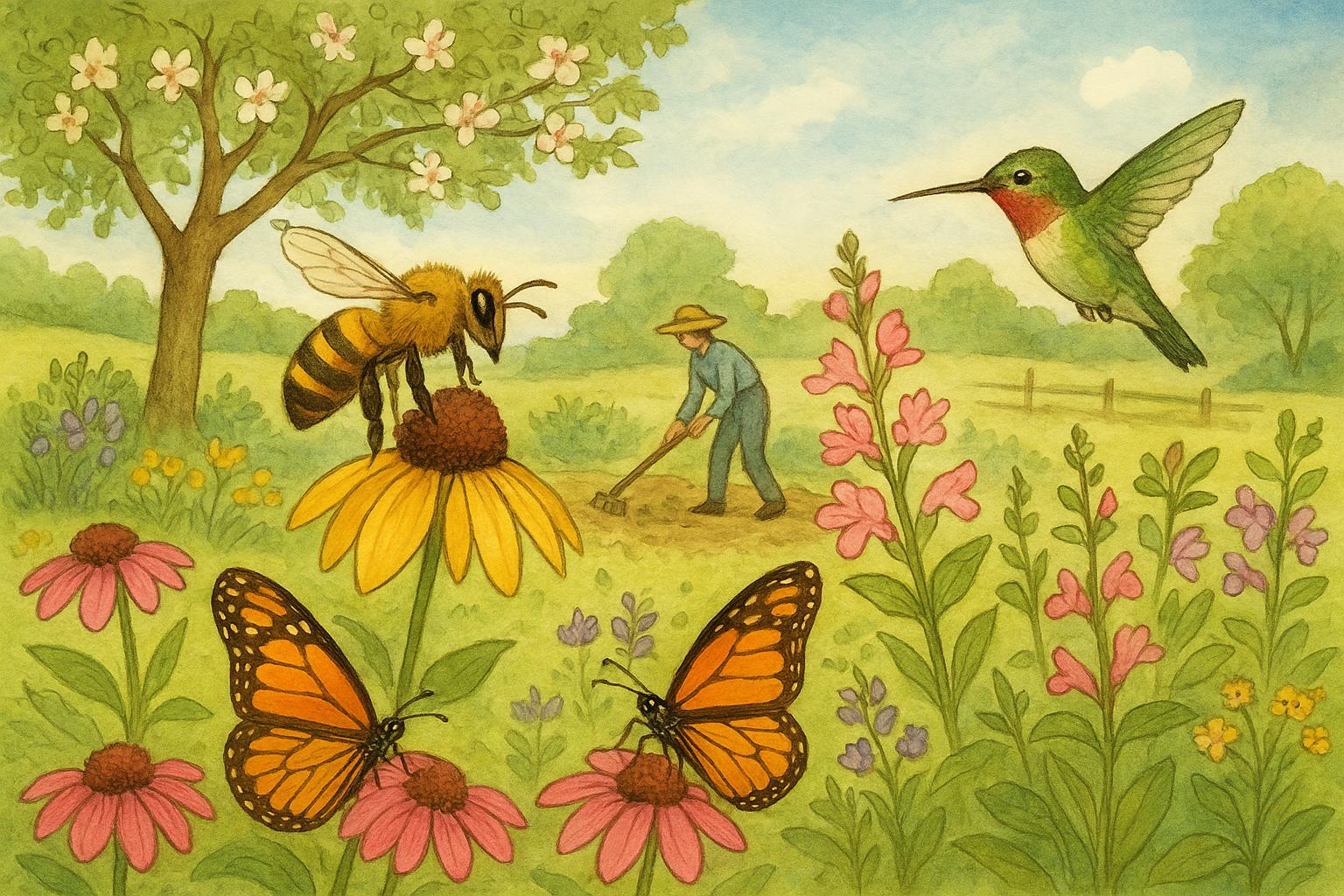
## Pollinator-Friendly Spring Yard Prep: A Practical Checklist
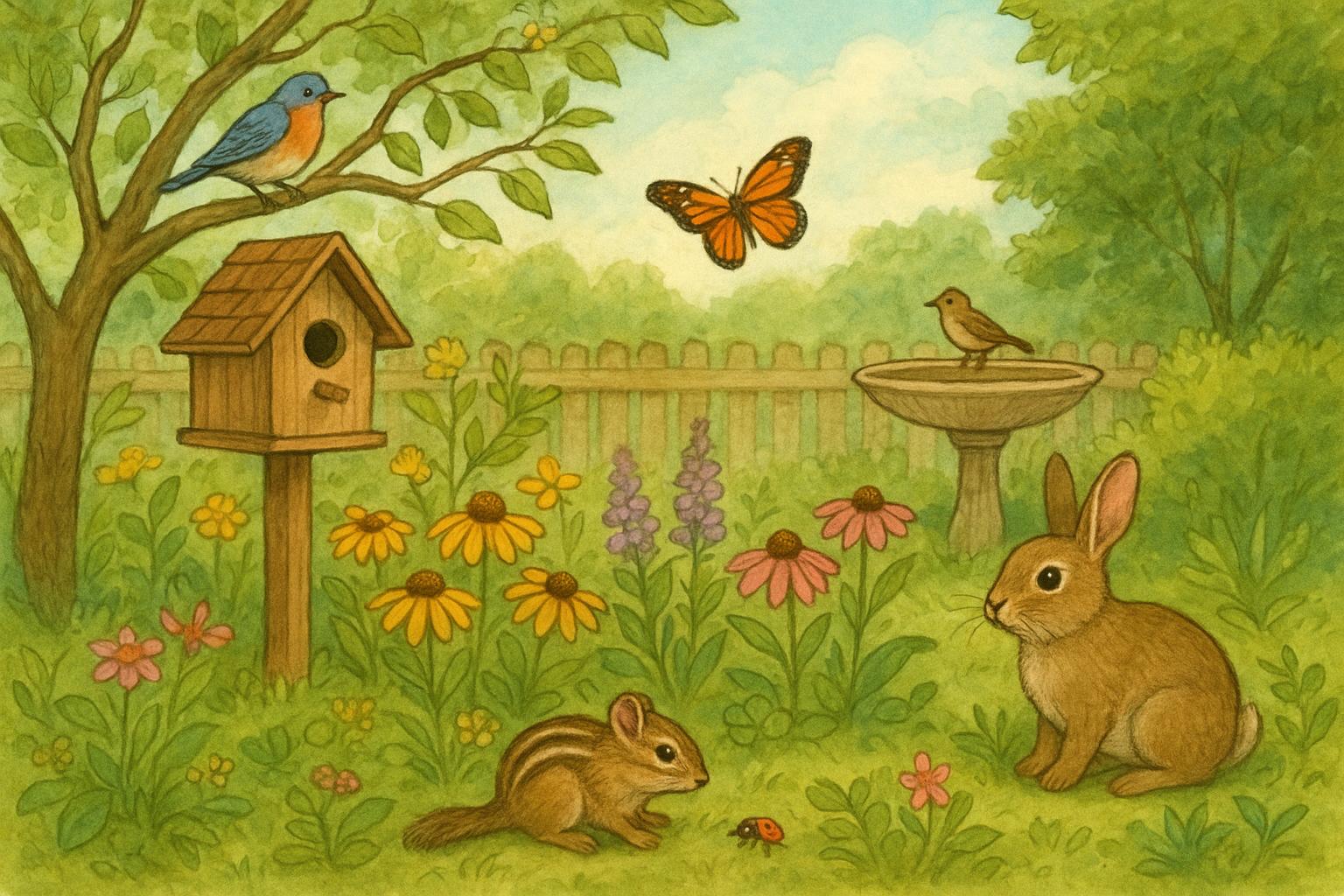
Start with one clear rule: plant for food first, decoration second. If each bed has at least three species that bloom at different times, your yard will feed pollinators from early spring into fall. This is the core of pollinator-friendly spring yard prep. It’s not glamorous work. It’s pruning the right way, choosing the right species, and admitting that a few wild corners are actually doing important work.
### Why Spring Matters For Pollinators
Spring is when queen bees emerge, early butterflies need nectar, and migrating insects look for stopover points. Miss this window and you’ve missed the easiest chance to build population resilience. Early-blooming shrubs like willow or serviceberry provide pollen and nectar when little else is available. Even dandelions, which people gripe about, feed hungry insects in March and April. Let them be in small, managed patches.
### Make A Bloom Calendar
Map out what blooms in March, April, May, June, July, August, and September. Aim for overlap so there’s never a long food gap. Include trees, shrubs, bulbs, perennials, and annuals.
– Early: willow catkins, crocus, willowherb, fruit tree blossoms.
– Mid: columbine, lupine, early salvia, native violets.
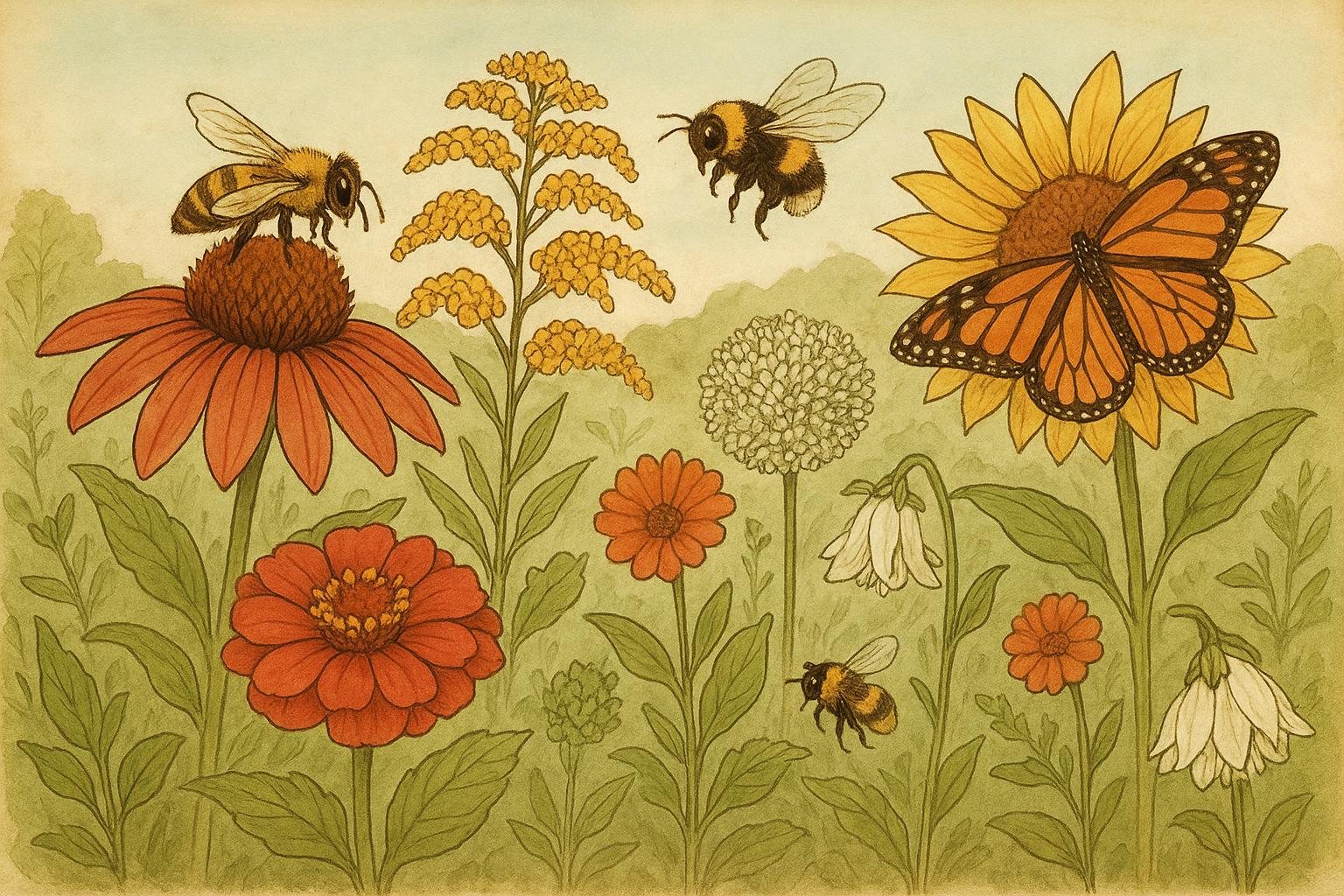
– Late: coneflower (Echinacea), asters, goldenrod.
Write it out on a sticky note. You’ll be surprised how helpful that simple list is when buying plants or deciding what to remove.
### Plan With Native Plants In Mind
Native species evolved with local pollinators, so they’re more likely to provide the right nectar and pollen at the right times. Find your region’s native plant list from a local extension service or native plant society. If you don’t know your hardiness zone, check a map online and match plants to it.
If you need a starter bed, pick a mix of a shrub, two perennials, and a bulb or two. Shrubs give structure and early pollen. Perennials return year after year, and bulbs fill the very early gap. Don’t forget host plants for caterpillars. Monarch caterpillars need milkweed. Swallowtail caterpillars prefer parsley-family plants like fennel and dill.
#### Trees, Shrubs, And Perennials To Prioritize
Prioritize species that bloom at different times and offer both nectar and pollen. Some solid bets across many regions are:
– Early: Willow, serviceberry, redbud, witch hazel.
– Mid: Salvia, penstemon, phlox.
– Late: Aster, goldenrod, sedum.
Avoid sterile cultivars that have been bred only for looks. They often produce little nectar. Look at labels and plant descriptions. If “double” blooms are listed, skip it for your main pollinator beds.
### Prep The Soil For A Strong Start
Spring is the time to correct the things you ignored all winter. Loosen compacted soil, add organic matter, and fix drainage spots. Pollinators don’t need perfect soil, but healthier plants mean more flowers and more nectar.
A simple approach: fork over the top 6–8 inches in beds you’ll plant, mix in a couple of inches of compost, and rake smooth. Avoid heavy tilling if you can. Tilling destroys nesting sites for ground bees and wakes up weed seeds unnecessarily.
#### Simple Soil Tests And Fixes
You don’t need lab results to get useful information. A small jar test will show drainage. Mix a handful of soil with water, shake, and let it sit. If it settles into tight layers, amend with compost and coarse sand for better aeration.
If your pH is off, lime or sulfur can adjust it, but only tweak pH if you test and see a problem. Many pollinator plants tolerate a range of pH levels. Over-correcting is an easy mistake.
### Leave Some Mess: Habitat Over Tidiness
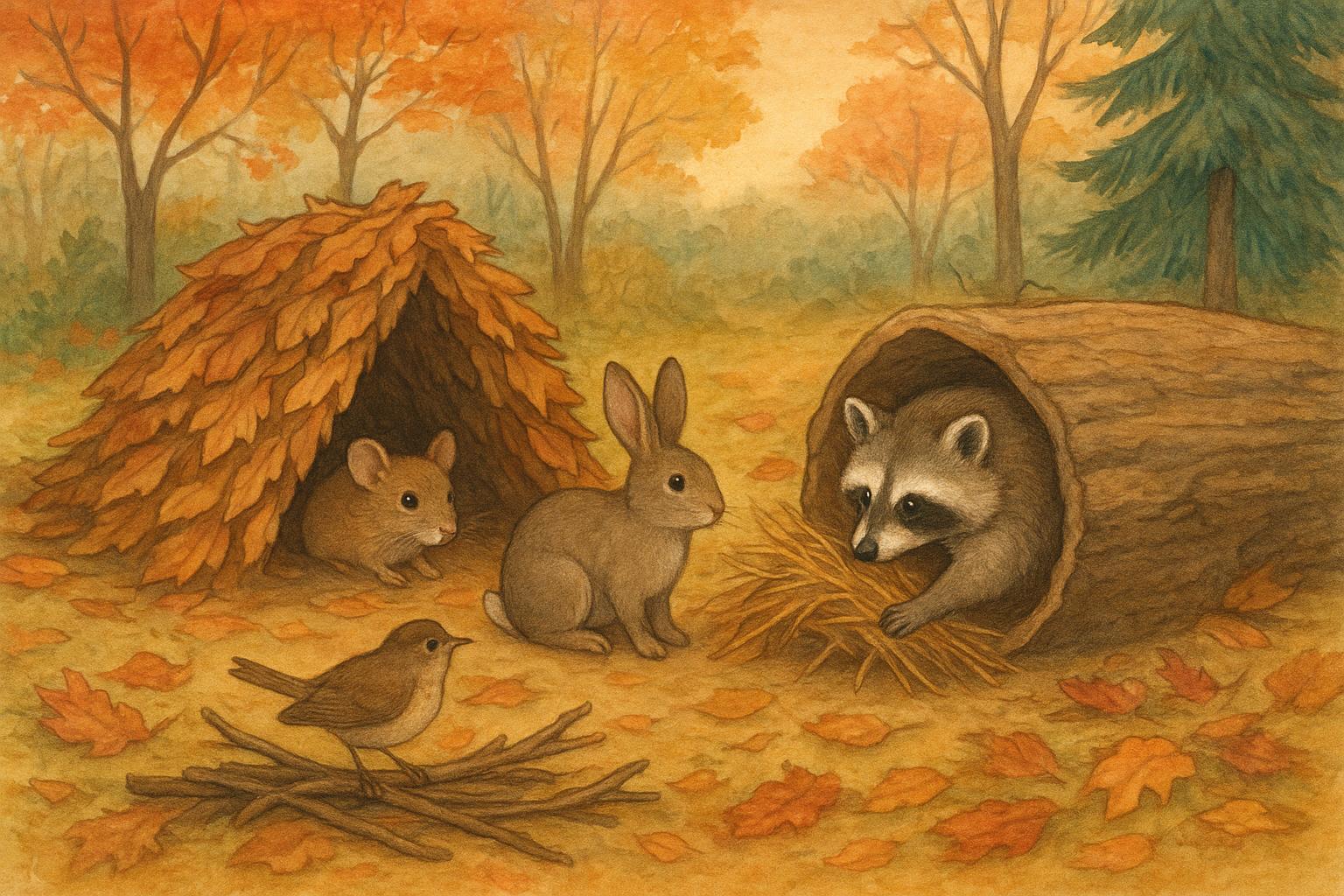
Pruning everything into neat balls and removing every dead stalk is a gardener habit that harms pollinator habitat. Many native solitary bees nest in hollow stems or in soil left undisturbed. Caterpillars overwinter on dead leaves. Birds and predatory insects use leaf litter as shelter.
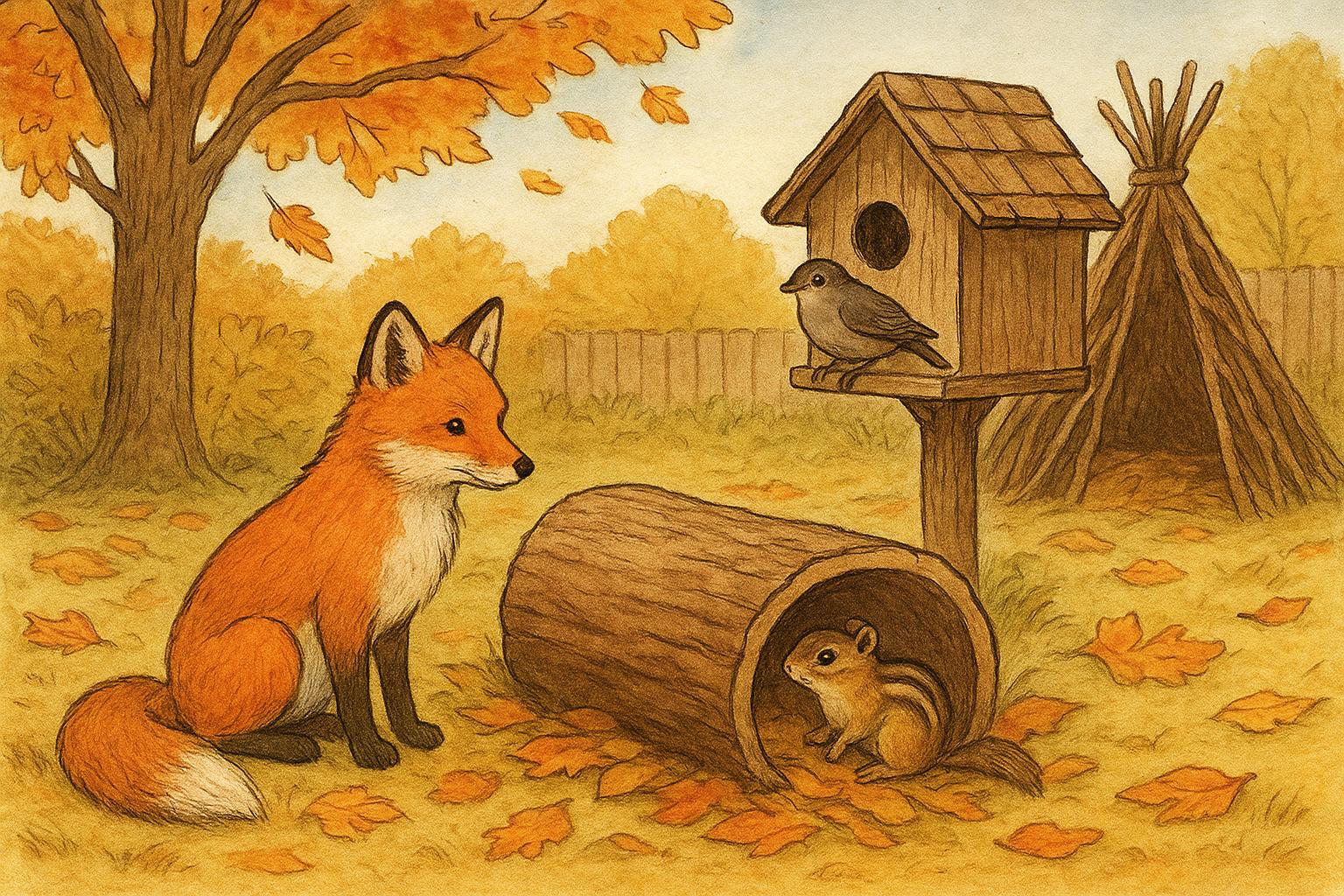
Trim selectively. Leave seedheads until late winter so birds can eat them and insects can roost. Keep a three-foot perimeter of unmowed grass, brambles, or a pile of sticks in a corner. It looks unkept, but it supports life.
#### Create Overnight Shelters And Mud Puddles
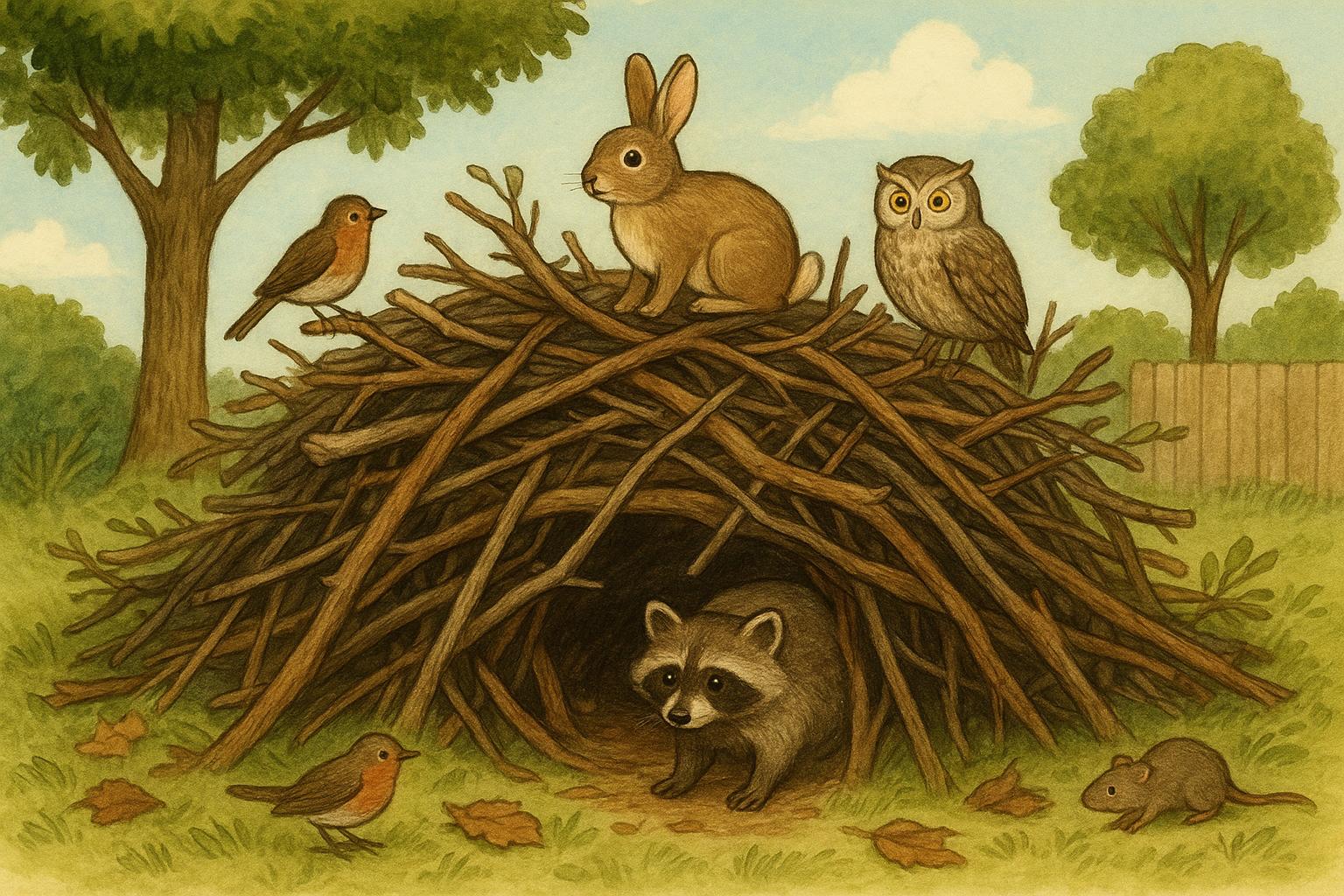
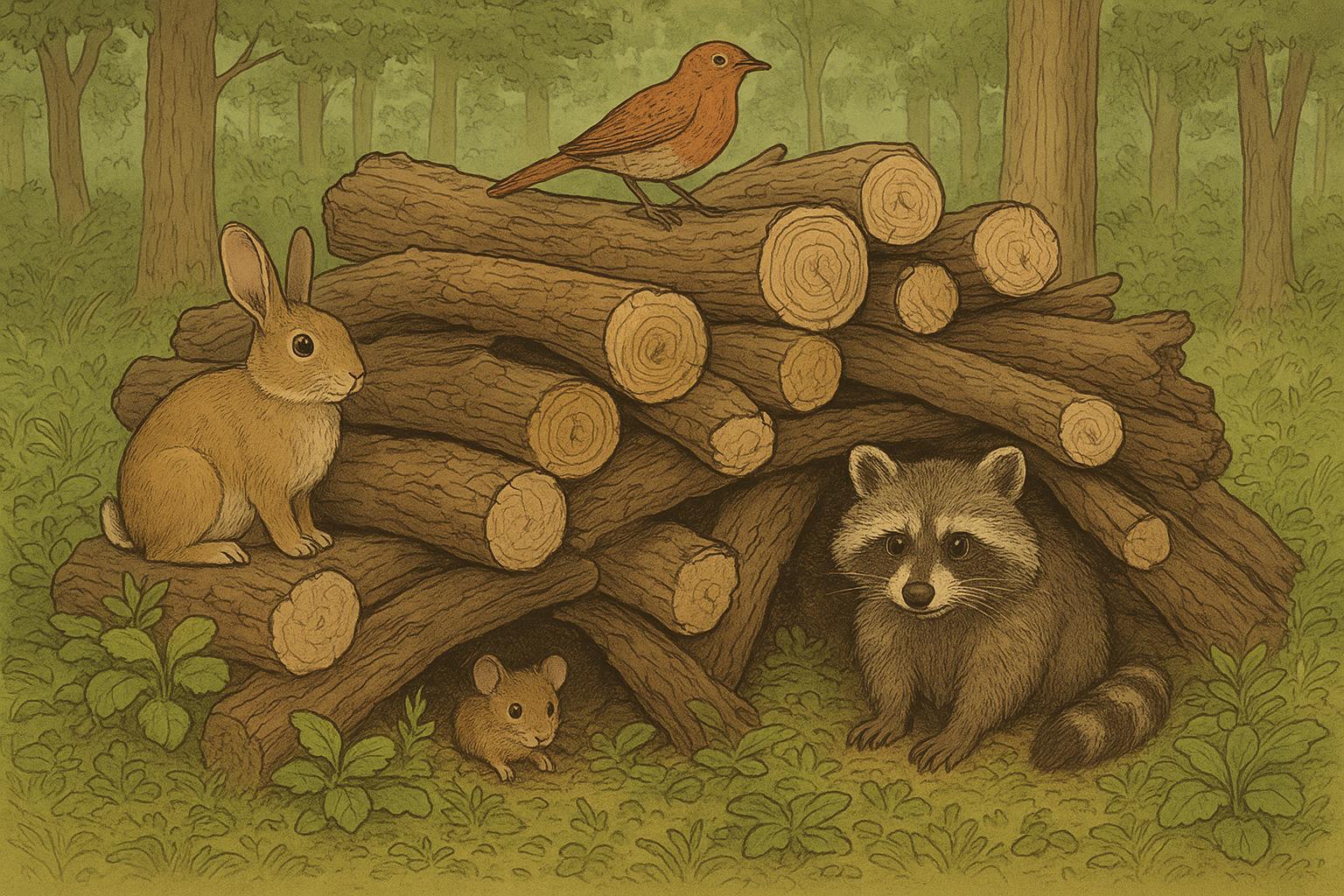
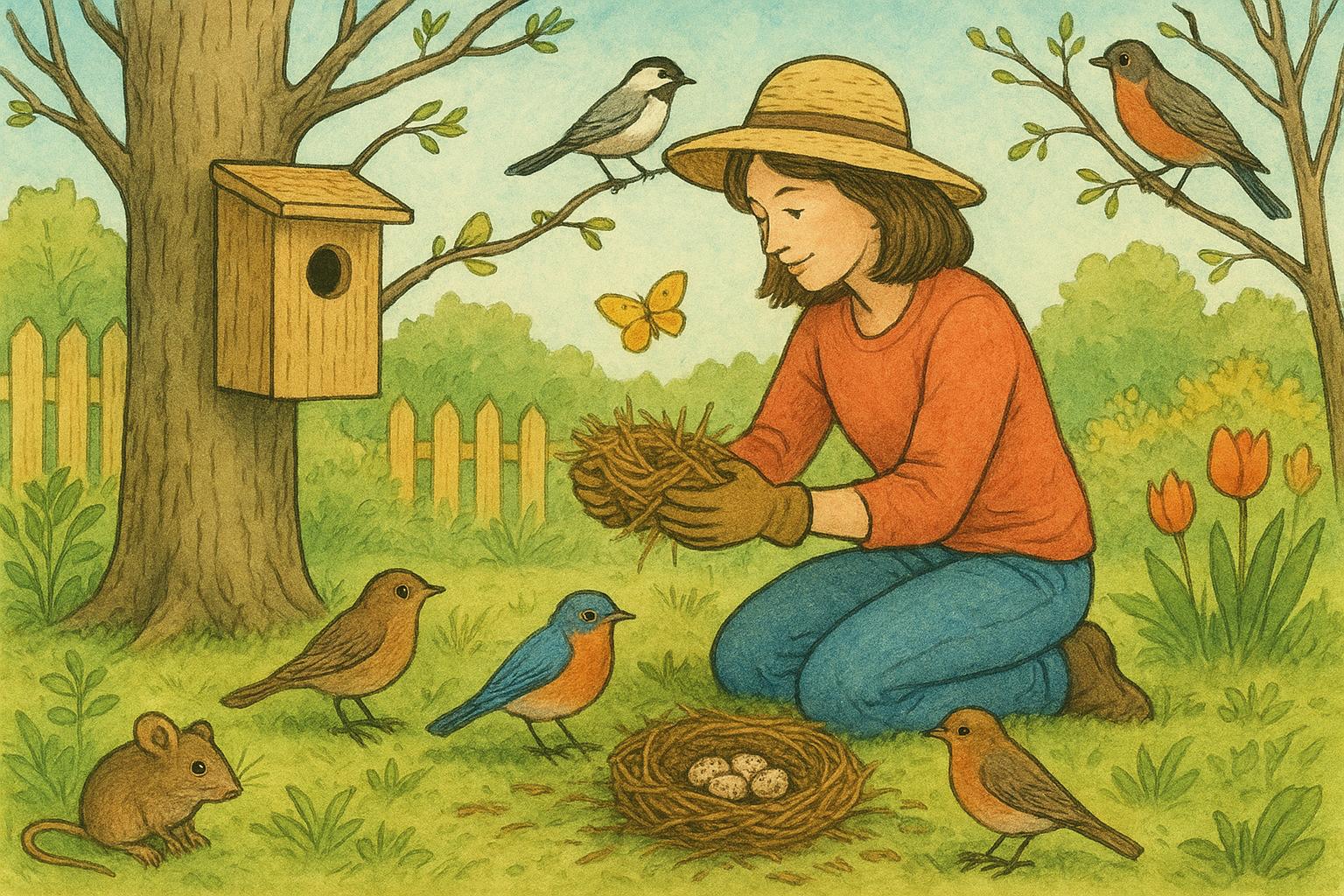
Set out a small pile of twigs or build a log pile against a fence. Make a shallow dish with pebbles and keep it filled for thirsty pollinators. Bees collect minerals and clay from mud; a damp patch will draw them in. It’s an oddly effective trick that gardeners ocassionally miss.
### Watering And Timing For Best Results
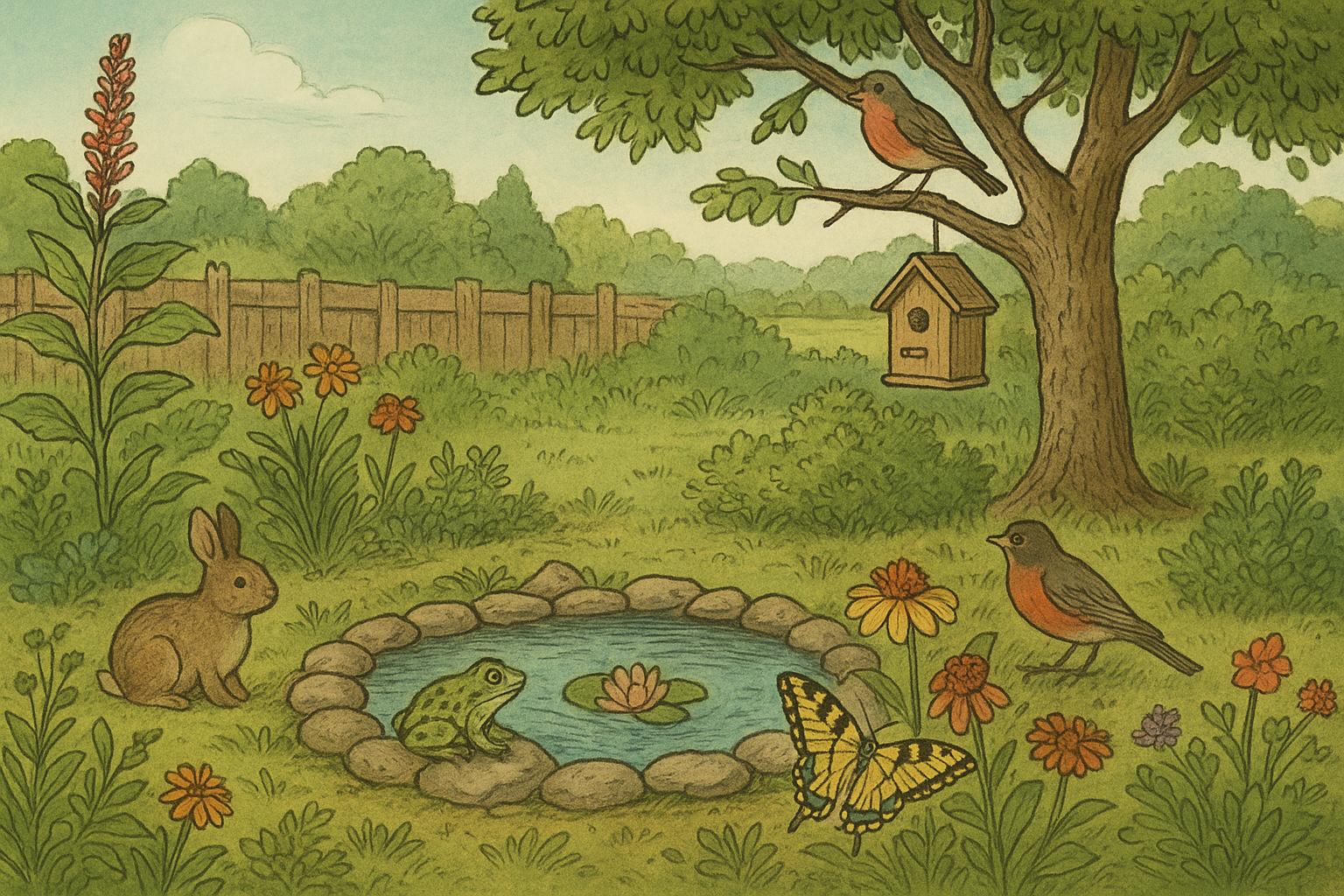
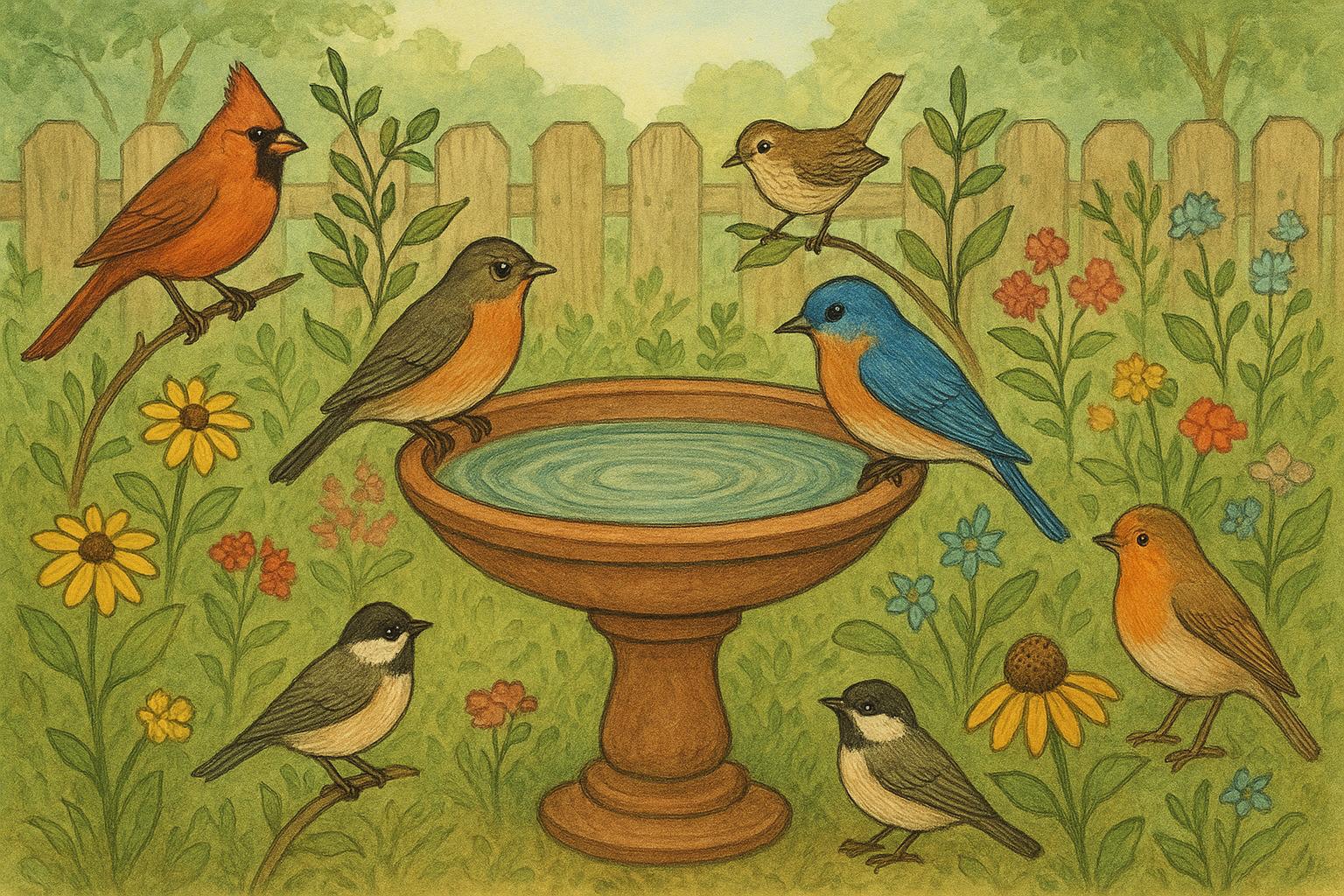
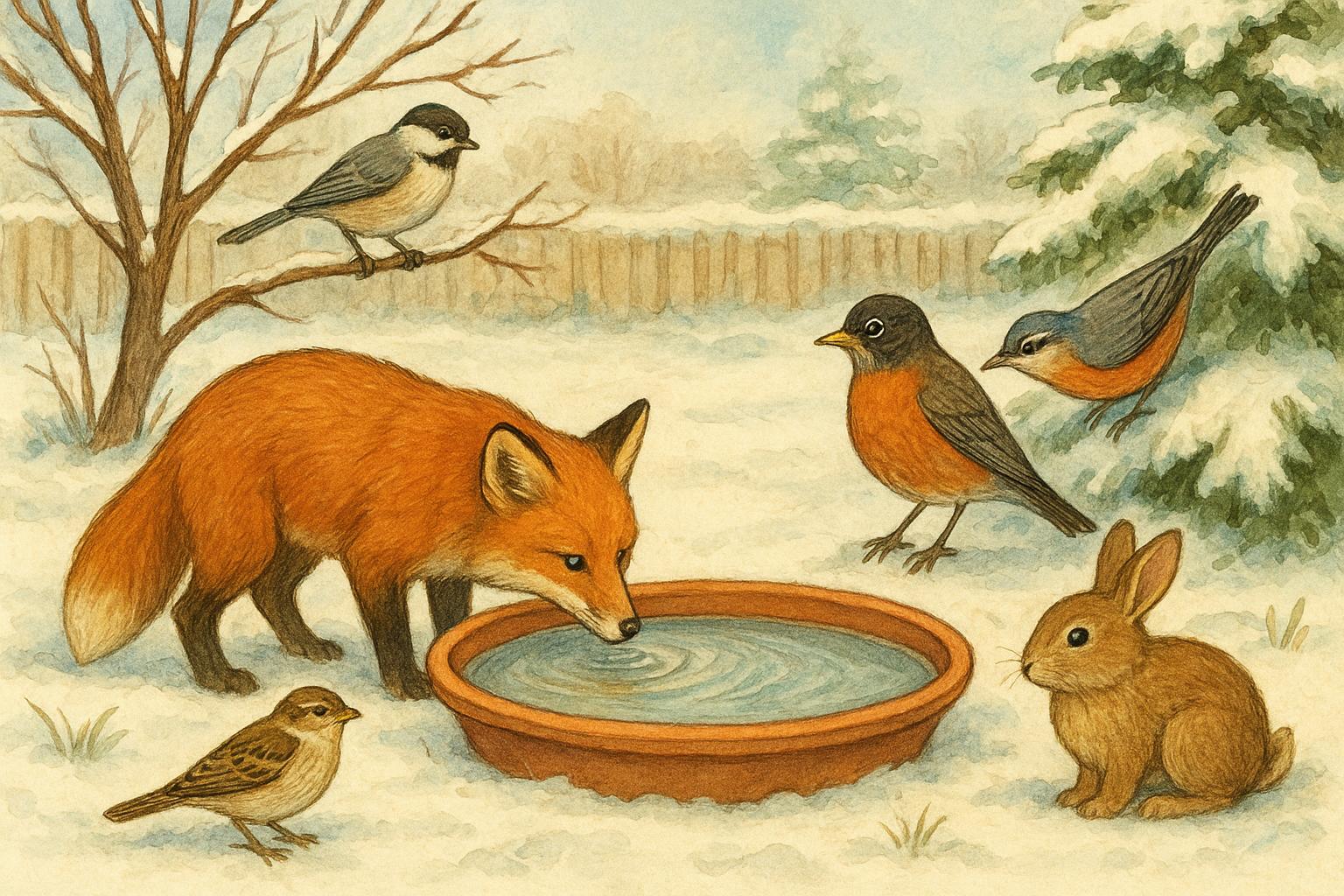
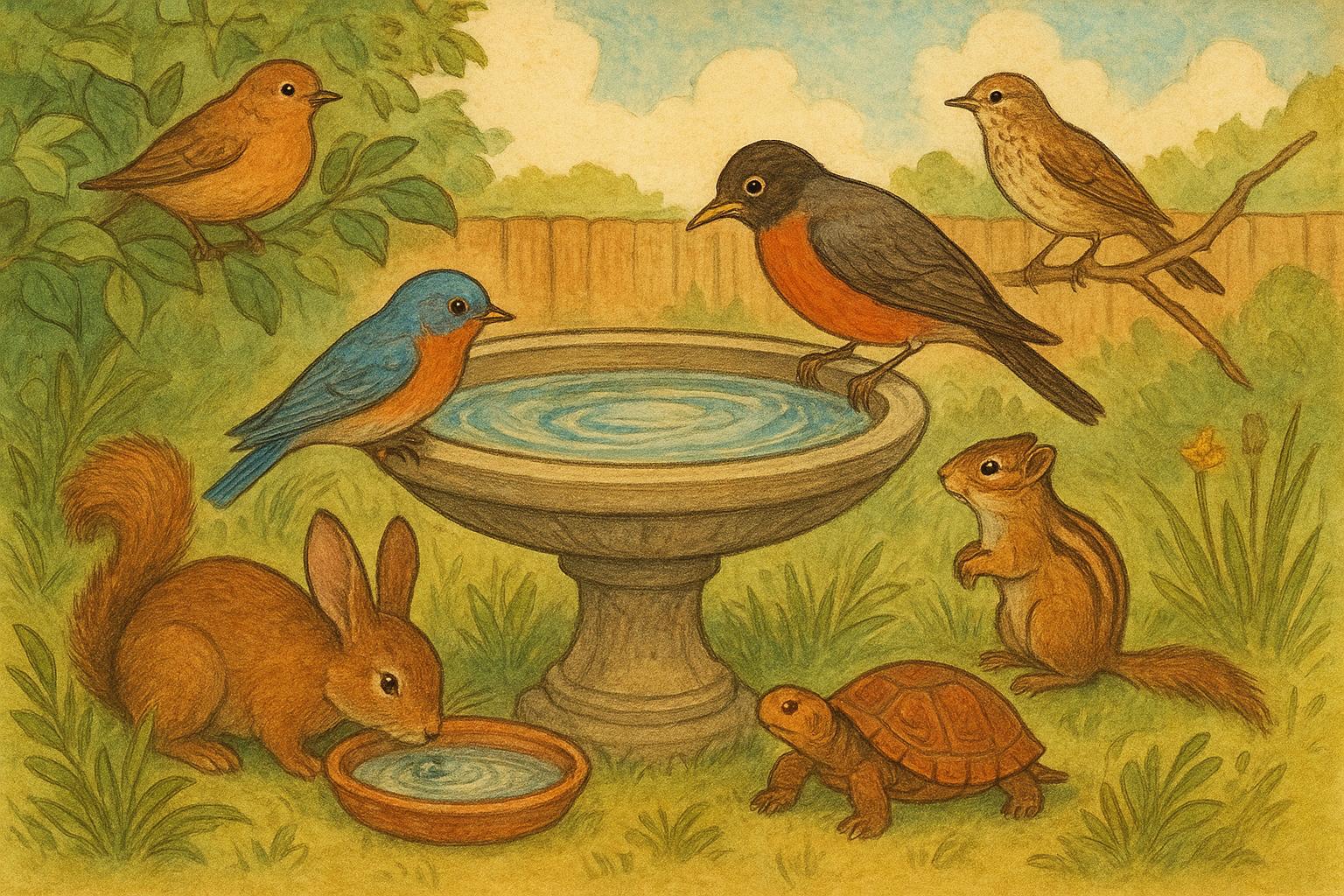
Spring watering matters most for newly planted transplants. Water deeply and less frequently to encourage strong roots. For perennials you planted last year, watch for early dry spells. Pollinators need reliable water sources during heat waves, so maintain a shallow basin or birdbath with flat stones for landing spots.
Avoid night watering when possible. Moist nights increase fungal issues on leaves and can stress some plants. Early morning watering is best.
### Reduce Chemicals And Rethink Lawn Care
Chemicals are the single fastest way to wreck a pollinator-friendly yard. That includes both insecticides and herbicides. Systemic insecticides in particular are absorbed into nectar and pollen and can kill bees even without direct spraying.
Radical idea: treat the lawn as a lawn substitute in spots. Convert strips to wildflower mixes, clover lawns, or mowed paths through native plantings. Clover lawns provide nectar, fix nitrogen, and reduce the need for fertilizer. If you must use pesticides, target pests by hand or use spot treatments only and choose products labeled as safe for bees.
#### Safe Alternatives To Pesticides
Introduce beneficial insects such as ladybugs and lacewings. Handpick caterpillars that are defoliating prized ornamentals if numbers are small. Use row covers early in the season to protect young plants. For persistent problems, look for soaps, horticultural oils, or microbial options like Bacillus thuringiensis for specific caterpillars.
### Quick Projects That Bring Pollinators Fast
If you want immediate impact this spring, focus on a few practical projects you can finish in a weekend.
– Plant a pollinator container for the porch with a mix of nectar-rich annuals and a trailing vine.
– Install a few native shrubs along a fence as a fast food source for early pollinators.
– Create a one-square-meter “wild” patch and seed it with native annuals and perennials.
– Build simple bee hotels from bundles of bamboo or reed stems. Place them in a sunny, south-facing spot.
These small changes yield noticeable results within weeks. You’ll see more bees and butterflies come for the food you planted.
### Timing And Staggered Planting Strategies
Staggered planting helps ensure continuous blooms. Plant bulbs in fall in groups for early flowers. Space out perennial plantings and sow some annual seed mixes in spring for mid-season color. Don’t plant everything at once. That way you’ll have a rolling supply of nectar and pollen.
Another tactic: plant repeat-blooming varieties for annuals such as zinnias and cosmos. Deadhead sparingly if you want seed for birds later in the season; remove spent flowers from display beds to encourage more blooms.
### Tools And Materials For Pollinator Prep
You don’t need fancy gear. A few reliable tools make pollinator prep easier and less stressful: a sturdy spade, a hand fork, good pruning shears, a watering wand, and a soil thermometer if you’re into timing plantings. Keep a bag of native wildflower seed for filling holes and a few gallons of compost.
Call this your pollinator prep kit. Keep it accessible so when a planting impulse hits you can act quick. Pollinators respond to changes fast; they’ll find new resources within days.
### Community Moves That Multiply Impact
Think beyond your property. Talk to neighbors about replacing small lawn patches with pollinator-friendly plantings. Work with a neighborhood association to plant native shrubs along a street, or donate native plugs to a local school garden. A row of milkweed by a county path supports monarchs for miles.
Local seed swaps and plant exchanges are a good source of inexpensive native plug plants. Join a workshop or volunteer with a local conservation group to learn regional specifics. Practical knowledge about native species and local pest pressures will save you time and prevent wasted plantings.
### Monitoring And Simple Recordkeeping
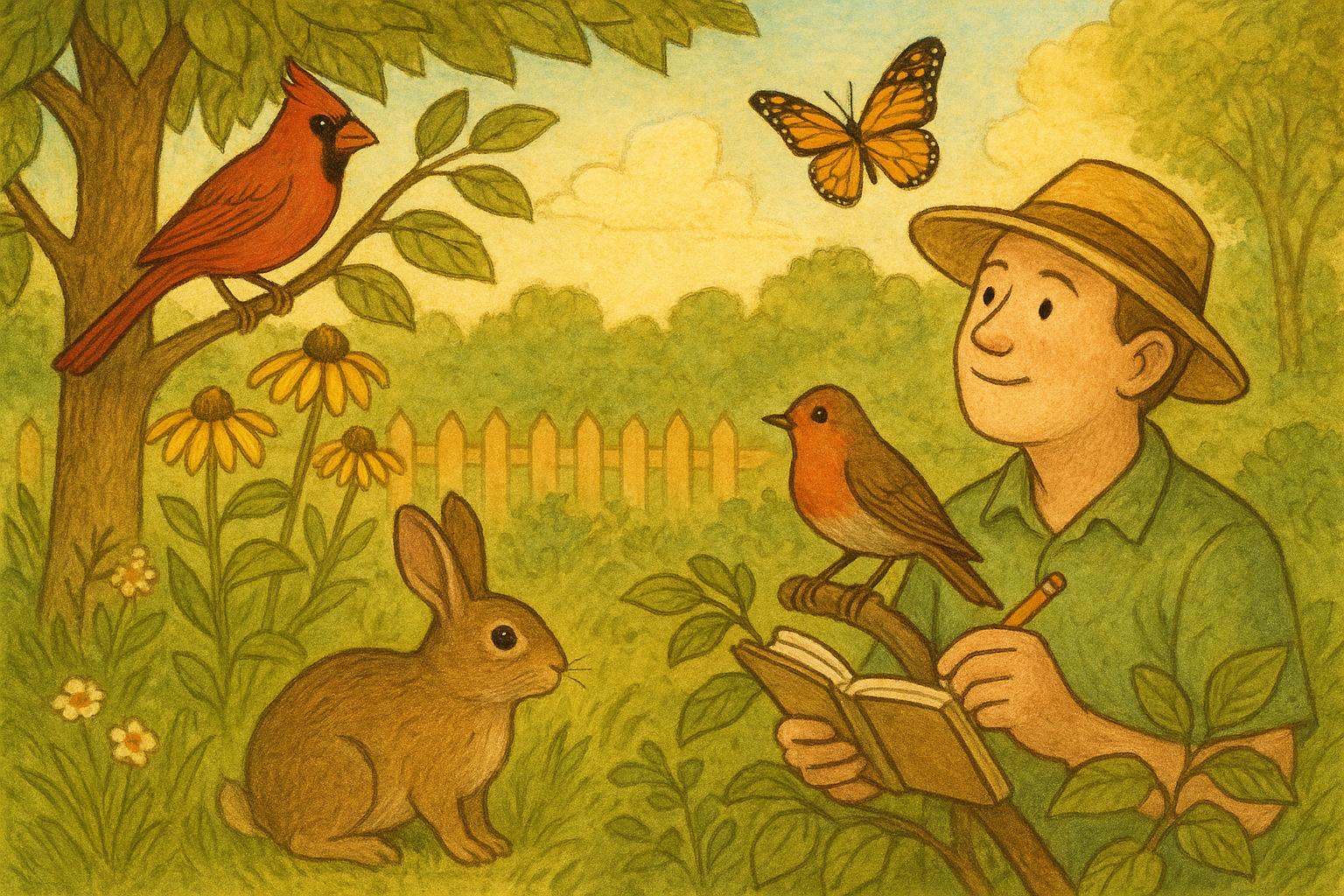
Keep a notebook or phone photos to track what blooms when and which pollinators show up. Note pest outbreaks and which plants seem favored. Over a couple of seasons you’ll see patterns. Maybe the bumblebees favor late red salvia while solitary bees swarm the hollow-stem plants you left standing. Use that info to tweak next year’s planting plan.
Participate in citizen science projects if you like. Submitting simple observations can help researchers and give you a sense of contribution beyond your yard.
### Common Mistakes To Avoid
Don’t over-prune. Don’t remove all “weeds.” Avoid buying the cheapest nursery plants when you can invest in quality natives. Don’t rely on labeled “pollinator mixes” without checking species lists; some mixes contain non-natives or aggressive annuals that outcompete natives.
If you’re short on space, focus on quality rather than quantity. A window box with several nectar-rich platnts can be more valuable than a sprawling lawn.
### Small Budget, Big Results
You don’t need to spend a lot to make a difference. Sow seed directly, divide existing perennials, trade cuttings with neighbors, and let some bulbs naturalize. Use recycled containers for temporary displays. Most pollinators are unimpressed by expensive decor; they want food and shelter.
Planting even a single native shrub and letting a corner of the yard go semi-wild invites a surprising variety of life. The trick is consistent, seasonal attention rather than one big makeover. Keep a list and tackle one project a weekend. You’ll notice the difference before the season ends.

Leave a Reply