
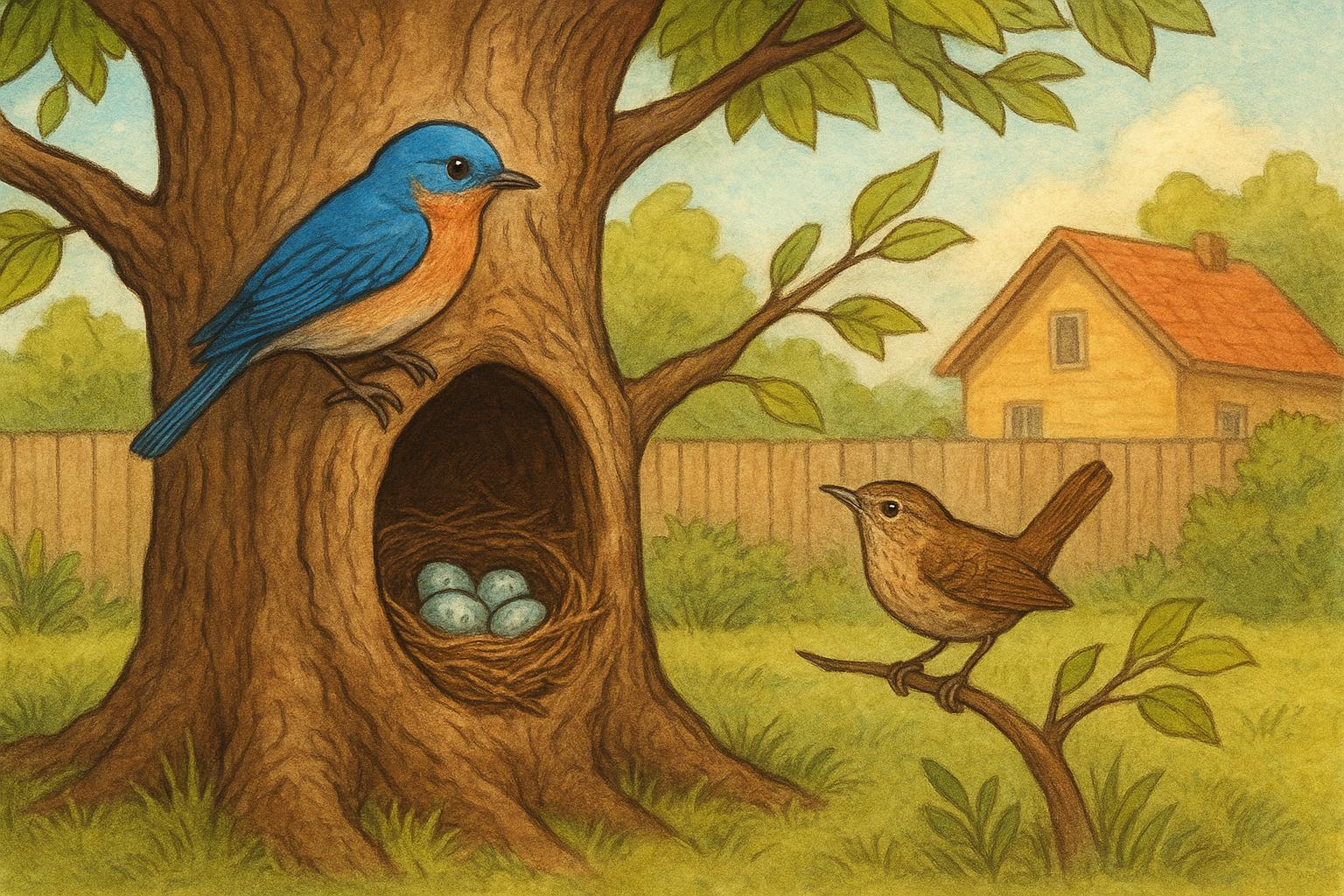
If you want more birds using your property, focus on the holes in the trees. Tree cavity nests are one of the most reliable ways to attract and keep cavity-nesting species around, and they tell you a lot about tree health and neighborhood ecology.
## Tree Cavity Nests In Your Yard
Natural cavities form slowly, from decay, fungal rot, or from woodpecker excavation. Once a cavity reaches the right shape and size, it becomes prime real estate. Small birds like chickadees and titmice prefer snug, deep chambers; larger birds such as wood ducks or screech owls need bigger openings and sturdy floors. The same tree can host different nests over time: a woodpecker bores a hole this year, a bluebird or nuthatch moves in the next. If you’re used to seeing backyard nests that sit on open branches, cavity nests are quieter and harder to spot, but they keep appearing in the same trees year after year.
## Which Birds Use Tree Cavities
Species vary by region, but a handful of regulars show up in towns and suburbs. Hairy and downy woodpeckers create the cavities; chickadees, nuthatches, and wrens often take over abandoned holes. Owls and kestrels may use larger cavities or hollowed trunks. Even parrots in some climates use tree cavities. If you live near water, look for wood ducks in flooded trees or riverbank snags. In late winter and early spring, birds scout for cavities. If you notice aggressive chases around a hole, that’s a sign a pair is staking a claim.
## How Birds Choose Tree Cavities
Depth, entrance size, and location matter more than you’d expect. A deep, well-covered cavity protects eggs and nestlings from rain and predators. Small entrances exclude larger predators but must still allow the adult birds to pass through. Orientation matters too; many species prefer entrances facing away from prevailing winds. Height above ground varies: some species like the safety of 20 feet up, others do fine at five. Birds also gauge the surrounding habitat. A cavity surrounded by dense foraging habitat will be favored over a lone hole in an open lawn.
### Signs Your Trees Have Potential Cavities
Look for these cues: existing woodpecker holes, peeling bark that shows soft heartwood, fungal conks, and hollow-sounding trunks when tapped. A limb that sounds hollow or is unusually light when you move it can conceal a nesting chamber. You don’t need to be a tree expert to spot potential. Even a small, partially healed wound can become a cavity over a few seasons. If a tree has large, visible cavities, consider leaving it standing unless it’s a safety risk. Many birds rely on these natural features.
### Making Space Without Destroying Trees
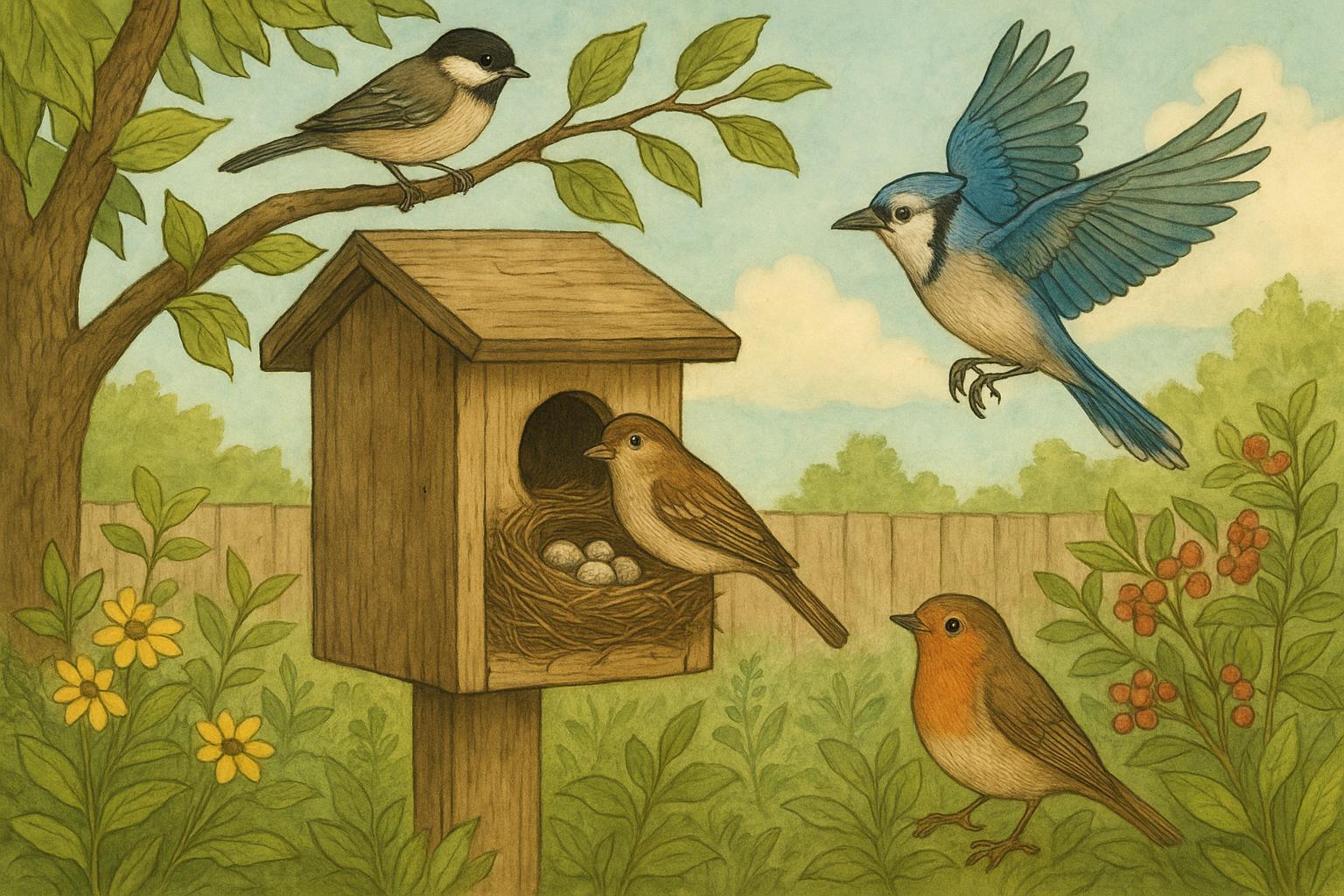
You don’t have to cut trees to create habitat. Installing nest boxes tailored to target species gives them alternatives, but boxes don’t fully replace natural cavities. For example, chickadees and small nuthatches use boxes readily, while woodpeckers prefer creating their own holes. Use rough-cut wood for boxes so birds can grip the interior. Place boxes at the recommended height and away from heavy human traffic. Consider predator guards and proper entrance sizes to reduce raptors and raccoons getting in. If you do offer boxes, check local guidance on whether you should clean them and when; disturbing active nests can cause abandonment.
#### Protecting Natural Tree Cavities
If a tree cavity is actively used, the best action is hands-off. Keep pets away and avoid major trimming during nesting season. If the cavity poses a hazard to people or property, consult an arborist who can offer solutions that preserve the cavity or relocate birds when possible. In urban areas, a standing snag—dead but upright—can be very valuable for cavity users. A living tree with internal decay often supports a richer community of insects and birds than a perfectly maintained specimen.
#### Nest Box Tips That Complement Cavities
Think of nest boxes as supplements. For small species, entrance hole sizes of 1 1/8 to 1 1/4 inches work well. For larger species, match the box dimensions to known preferences in your area. Face the opening away from prevailing winds and place boxes where predators can’t easily climb. Use screws or brackets that allow the box to be opened for inspection between seasons. Avoid using paint inside the box; exterior paint is fine. Remember that some species prefer boxes mounted to poles rather than trees.
### Timing, Disturbance, And Legal Notes
Nesting seasons vary. In many temperate areas birds begin choosing cavities in late winter and early spring. Watching too closely can do harm. If adults are flying to and from a cavity, give them space. It’s illegal in many places to disturb or remove certain nesting birds during their breeding season, especially protected species like owls. If you find a nest with eggs or young, local wildlife agencies can advise on best practices.
### Common Mistakes People Make With Backyard Nests
One mistake is replacing every damaged or decaying tree immediately. That removes future cavities. Another is installing a generic box without thinking about species needs; poorly sized or poorly placed boxes sit empty. Over-cleaning boxes in midseason or checking too often causes stress. Finally, homeowners sometimes trim limbs that shield cavity entrances, exposing nests to predators and weather. Small changes—leaving snags where safe, adding a few well-placed boxes, keeping cats indoors—make a real difference.
## Tree Cavity Nests In Backyards Bird Nest Guidebook
If you keep a small notebook, jot down which holes birds use, the species, and timing. That simple log will tell you what works over three seasons. You’ll notice patterns: one tree may consistently host a pair of titmice, another might be a preferred woodpecker excavation site. That data helps you decide whether to add boxes, protect a dying limb, or let nature take its course. Over time, your yard becomes a recognizable part of the local network of cavities and nests.
Use these observations to make practical choices. Planting mast-producing trees like oaks helps long-term cavity production. Let low-risk deadwood remain. If safety or property concerns force removal, take photos first; you might find small birds nesting or evidence of recent use. These are easy wins for wildlife and they fit into busy lives.
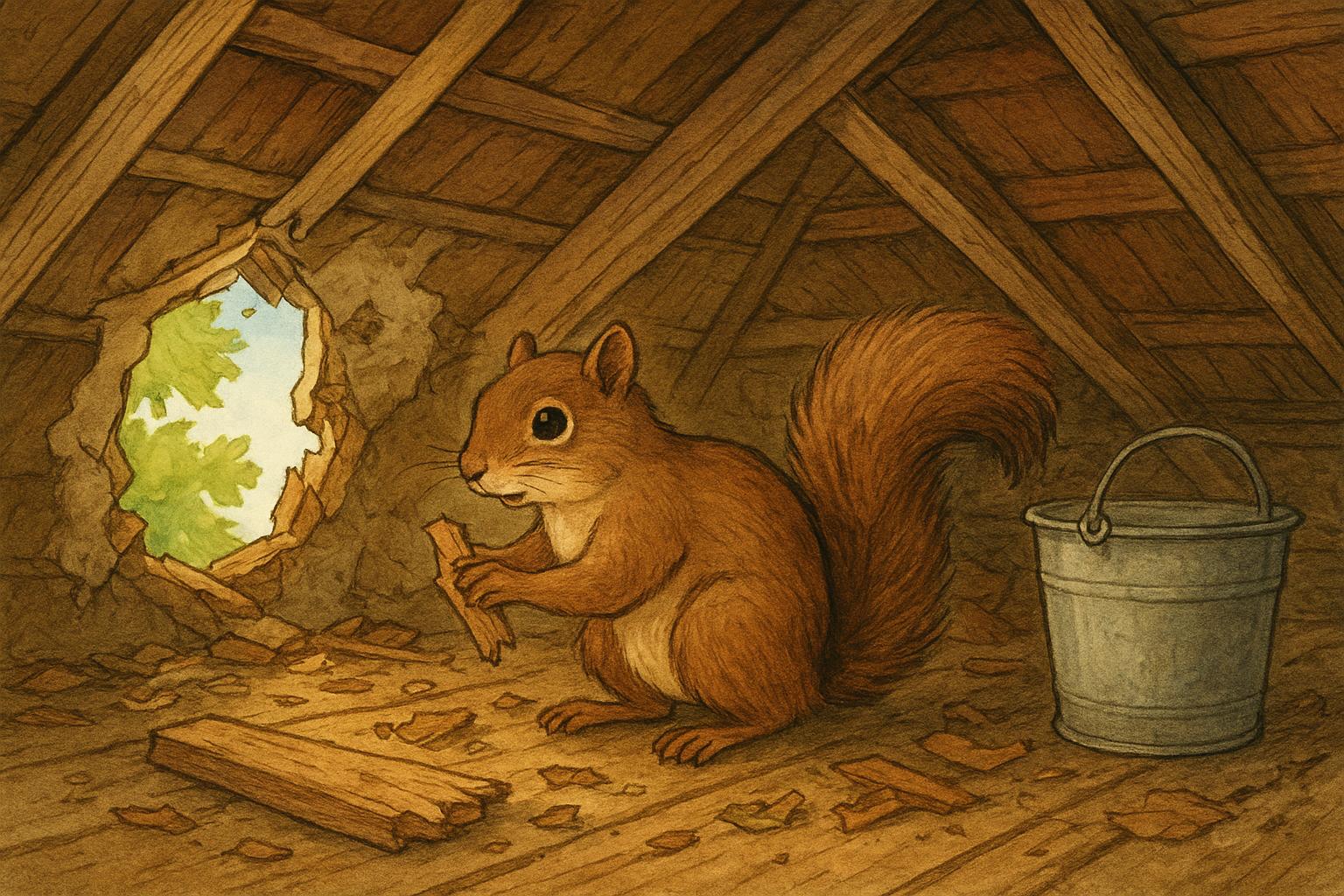
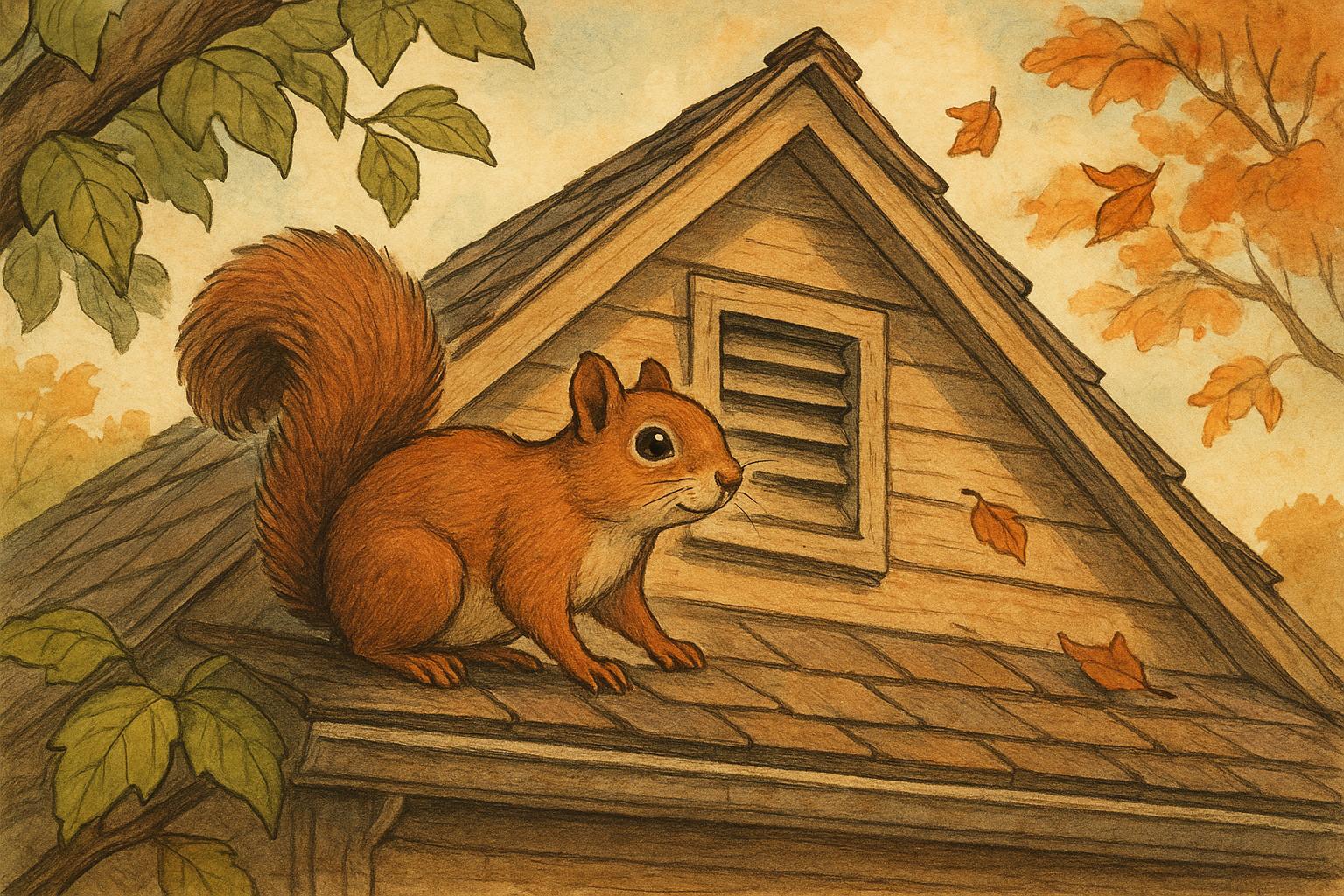
A quick note about pests: bees and wasps sometimes occupy cavities. If a cavity has an aggressive colony, consider contacting a professional who can relocate them without destroying the hole. Birds will often reclaim that space later if it remains available. And yes, odd things occur; one year I found a squirrel nest in what I assumed was a chickadee hole—humans aren’t the only improvisers. The more you look, the more the story of your yard’s cavities unfolds.


Leave a Reply