
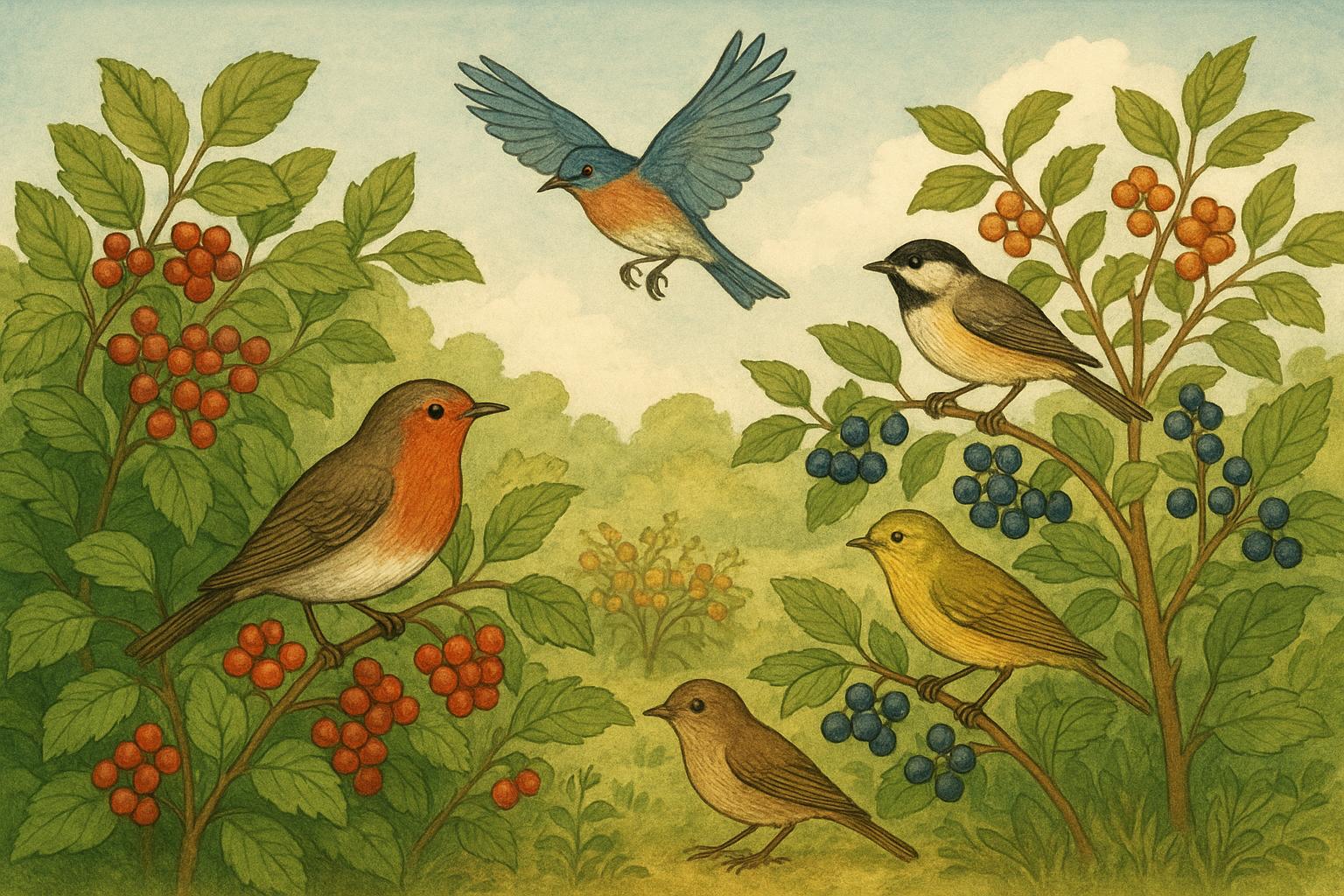
## Fruiting Shrubs That Attract Birds In Your Yard
If you want fewer empty branches and more activity outside your window, plant fruiting shrubs that attract birds. A well-chosen shrub does two things at once: it feeds them and gives cover. Birds look for food, roosts, and safe spots to hide from predators. Shrubs that set fruit at different times of year keep something on the menu when insects and seeds are scarce.
### Choosing Shrubs For Food And Shelter
Not every berry makes a bird stop. Size, color, and how long the fruit stays on the plant matter. Small, dark fruits like those on serviceberry and elderberry are favorites of thrushes and robins. Bright red clusters often draw robins, cardinals, and cedar waxwings. Dense branches and thorny plants like hawthorn provide nesting and protection from cats and hawks.
Soil and light determine what will thrive where you live. Winterberry (Ilex verticillata) tolerates wet sites; viburnums manage a range of soils. Think ahead: plant in groups or hedges for better cover. Birds are more likely to use berry-bearing shrubs if they can move from bush to bush without leaving cover.
### Timing Matters: Year-Round Fruit Availability
To keep birds interested across seasons, pick a mix of early-, mid-, and late-season producers. Serviceberries ripen in late spring and feed returning migratory birds. Summer bearers like elderberry and viburnum support fledglings. Late-season producers such as beautyberry and bayberry hold fruit into winter, a critical time for species like cedar waxwings and mockingbirds.
If you want to offer berries for birds through the cold months, choose cultivars that hold fruit after leaf drop. Plants that persist through freeze-thaw cycles become reliable food sources, and birds learn to visit the same yard year after year.
## Top Fruiting Shrubs For Birds
Below are practical picks, what birds they attract, and a few planting tips.
### Serviceberry (Amelanchier)
Serviceberry produces small, sweet berries in late spring and early summer. Robins, thrushes, and waxwings love them. The tree-like shrub also flowers early, supporting pollinators before fruit appears. Plant in well-drained soil and expect multi-stem growth unless you prune into a single trunk.
### Winterberry (Ilex verticillata)
Winterberry is one of the best winter food sources. Female plants need a male nearby to set fruit, so plant at least one male for every four females. The bright red berries persist into winter and feed many species when insects are gone. It tolerates wet, acidic soils and benefits from light pruning to open the center.
### Viburnum Species
Viburnums are a broad group with varied fruit color and timing. Viburnum dentatum and V. trilobum are great for birds. Their blue-black drupes attract thrushes, catbirds, and finches. They also make decent hedges. Most viburnums prefer sun to part shade and reasonable drainage.
### Elderberry (Sambucus)
Elderberry is fast-growing and blows up with fruit in midsummer. The clusters are messy but irresistible to many birds, including robins and warblers. Birds also use the dense stems for cover. Elderberry tolerates a range of soils and can be coppiced if it gets leggy.
### Hawthorn (Crataegus)
Hawthorn offers dense, thorny shelter and late-season pome fruits. Many songbirds and small mammals eat the fruit. Thorns deter predators, making hawthorn a good nesting shrub near lawns or paths where cats are a worry. Most species prefer sun and well-drained soil.
### Beautyberry (Callicarpa)
Beautyberry is dramatic: magenta fruits that persist into fall and sometimes winter. Migratory birds like thrushes and some sparrows stop for them. They respond well to pruning; cut back hard in spring to encourage a bushy shape and lots of fruiting wood.
### Bayberry (Morella Pensylvanica)
Bayberry produces waxy gray berries that often last through winter. Waxwings and other fruit-eaters will strip them, but they remain a reliable food. Bayberry tolerates poor, sandy soils and is drought-resistant once established. It’s a good choice for coastal gardens.
## How To Arrange Shrubs For Maximum Use
Planting layout matters. A single solitary shrub will attract birds, but a layered planting does better. Combine low berry shrubs with taller ones and add nearby trees if possible. This creates flight lanes and escape routes birds prefer. Avoid putting feeders too close to dense cover where cats could hide, but keep food sources within sightlines from shelter.
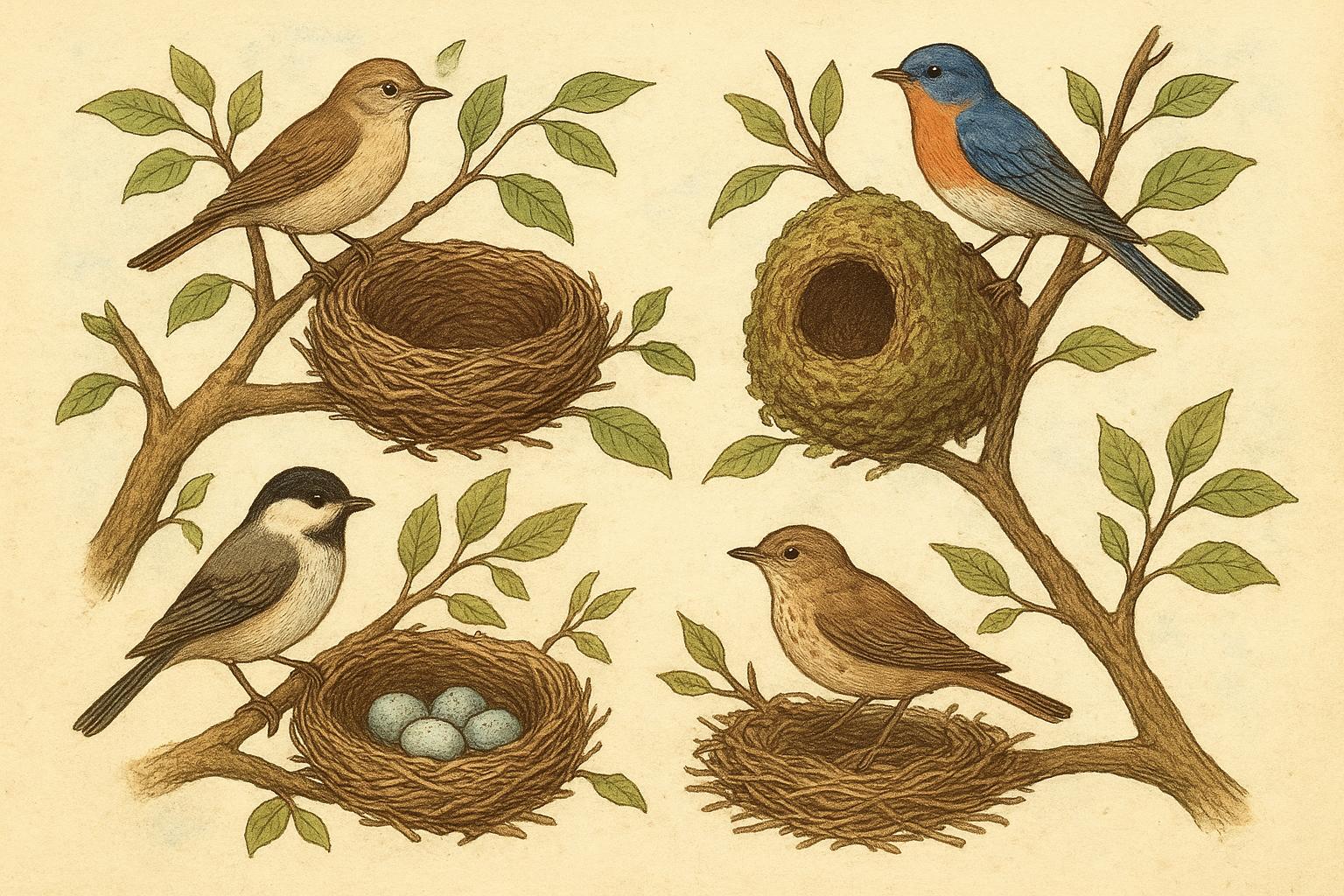
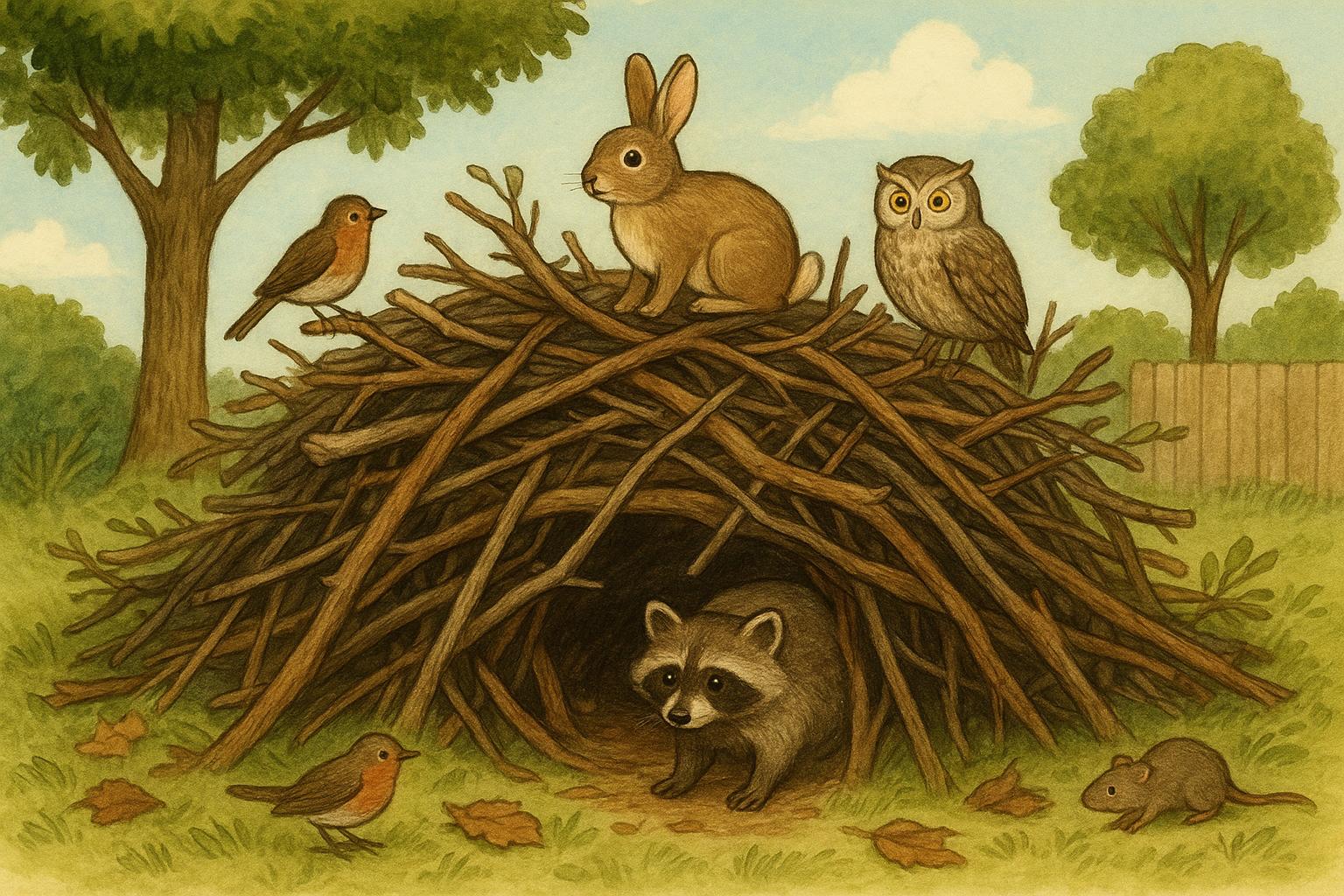
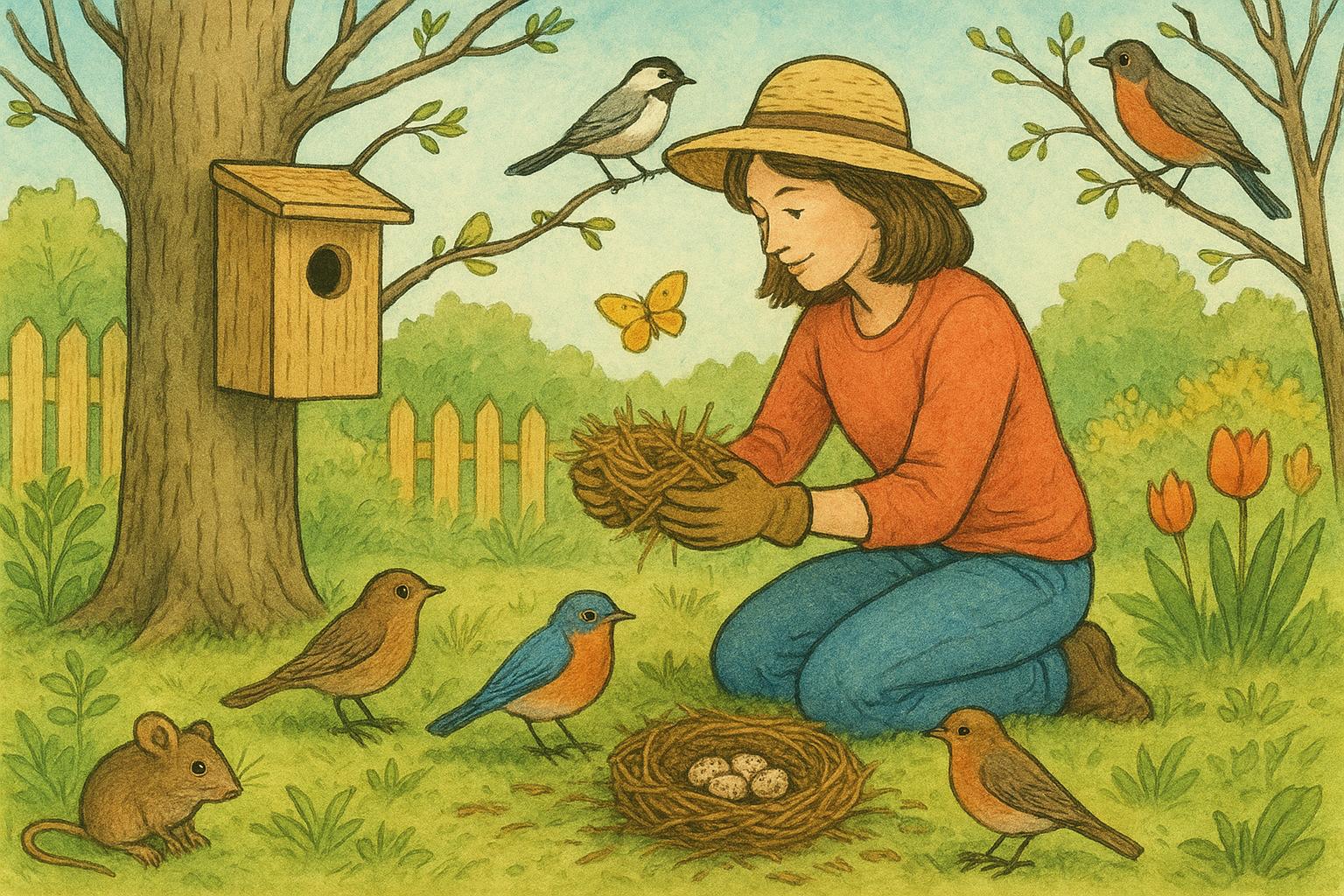
Mulch, not mown bare soil, helps attract insects that young birds need. If you want to support nesting, leave some dead branches and seedheads in place through spring and summer. They look untidy, but they’re valuable habitat.
### Preventing Problems Without Chemicals
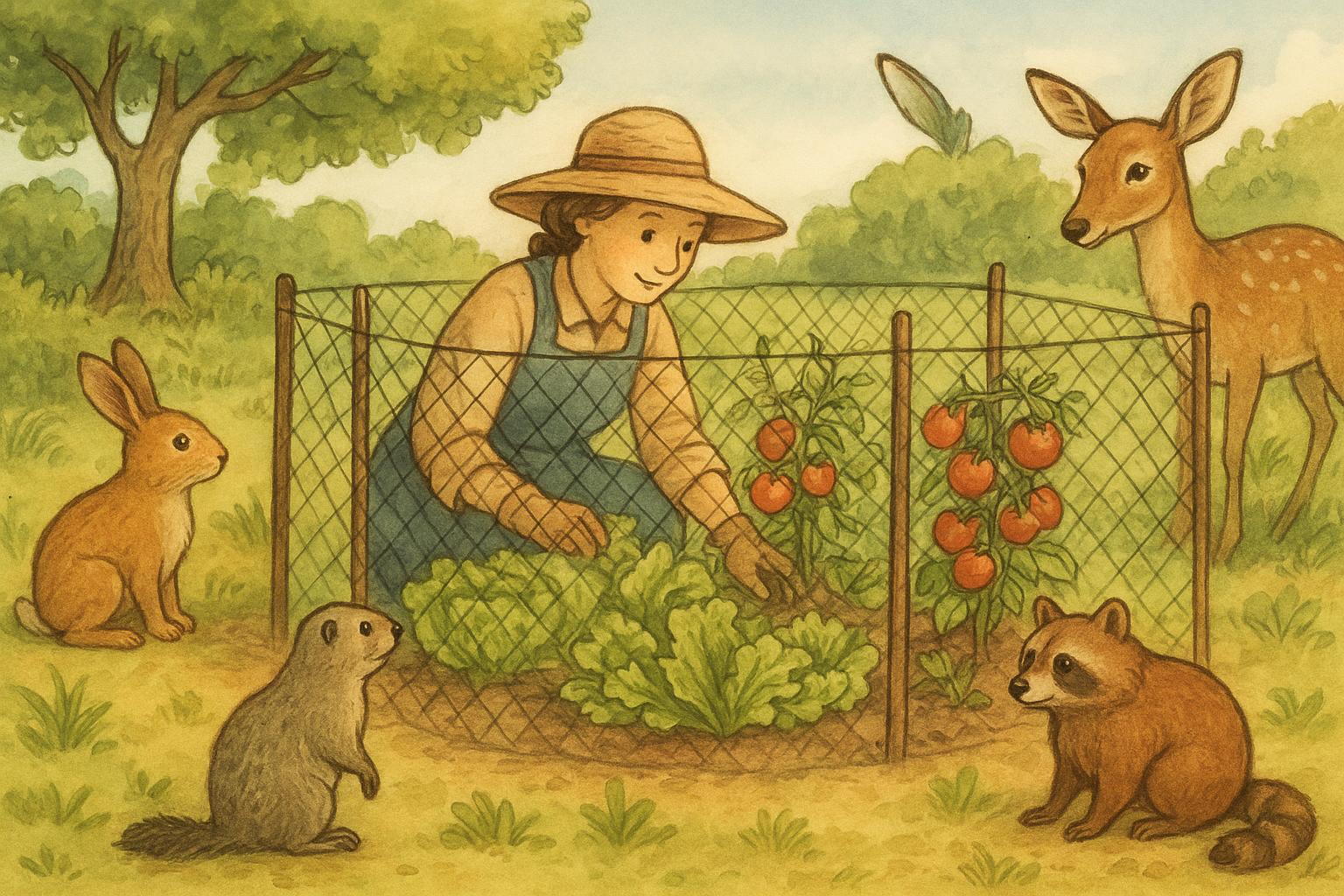
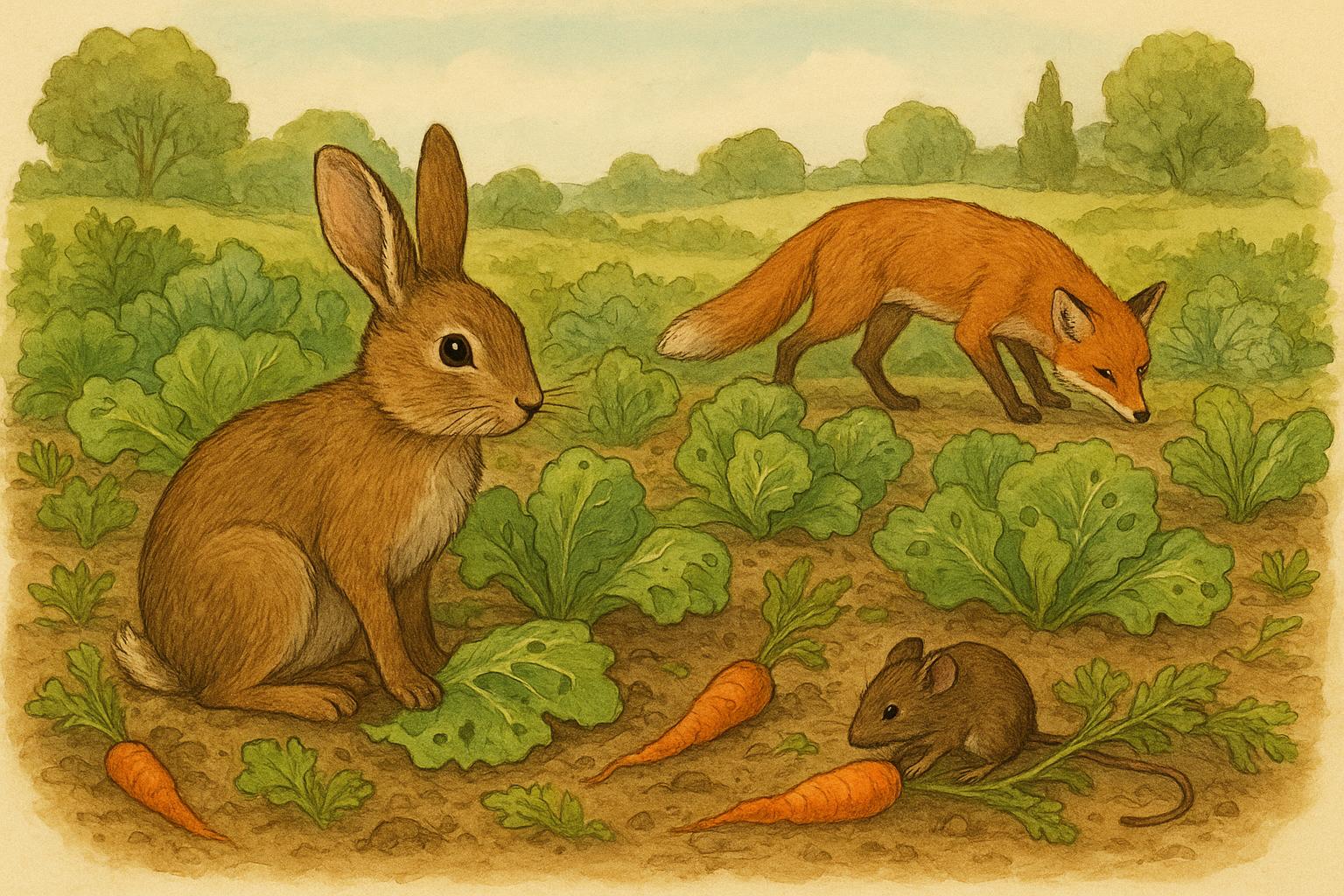
Fruit attracts other wildlife, including mammals. If raccoons or large rodents are a problem, elevate some plantings or use physical barriers temporarily during peak fruiting. Netting can protect small fruit crops but use it carefully; birds can get entangled if netting is loose. Occassionally you’ll need to remove diseased branches to prevent spread, but many fruiting shrubs are hardy with minimal intervention.
## Encouraging Birds With Berries And Beyond
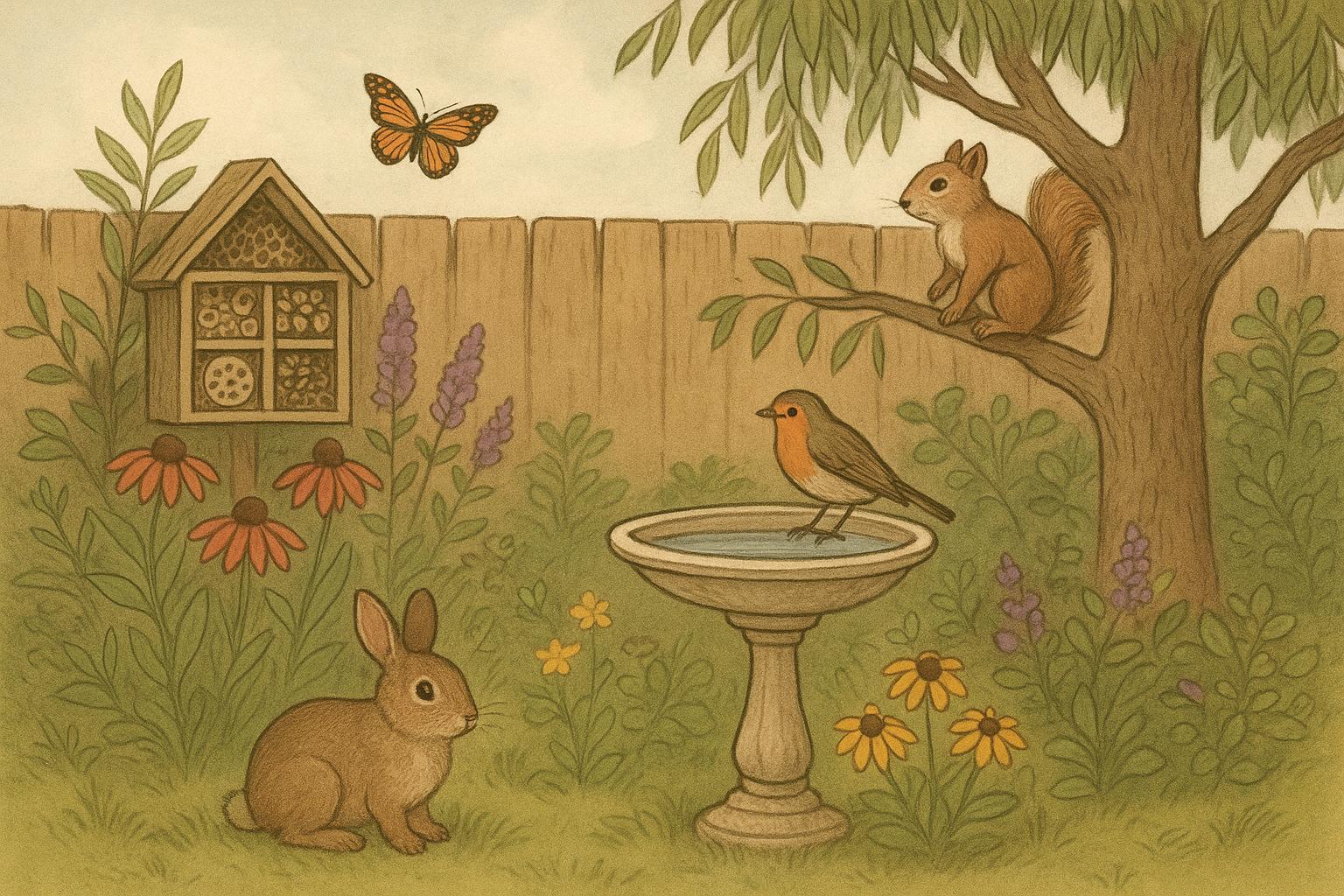
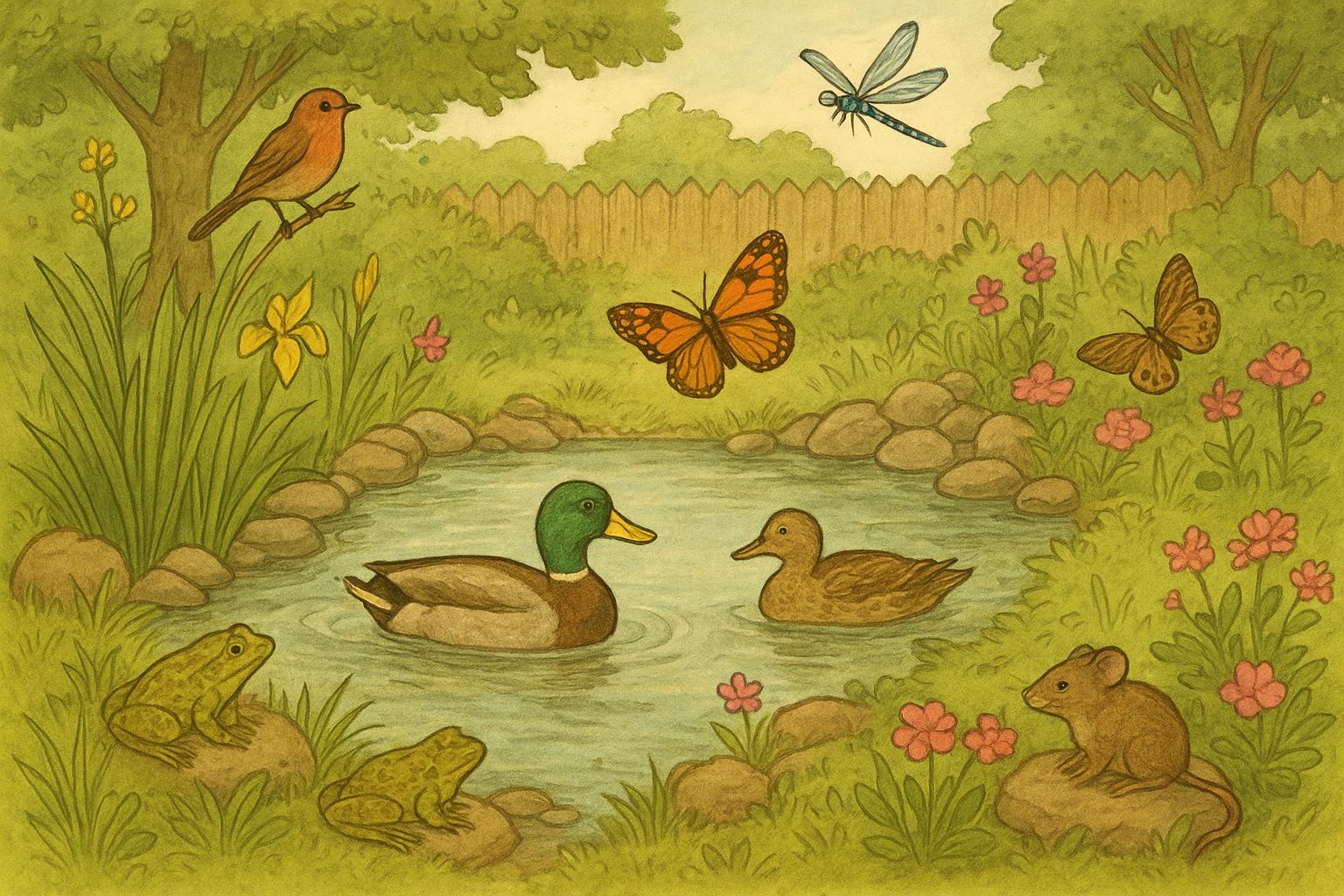
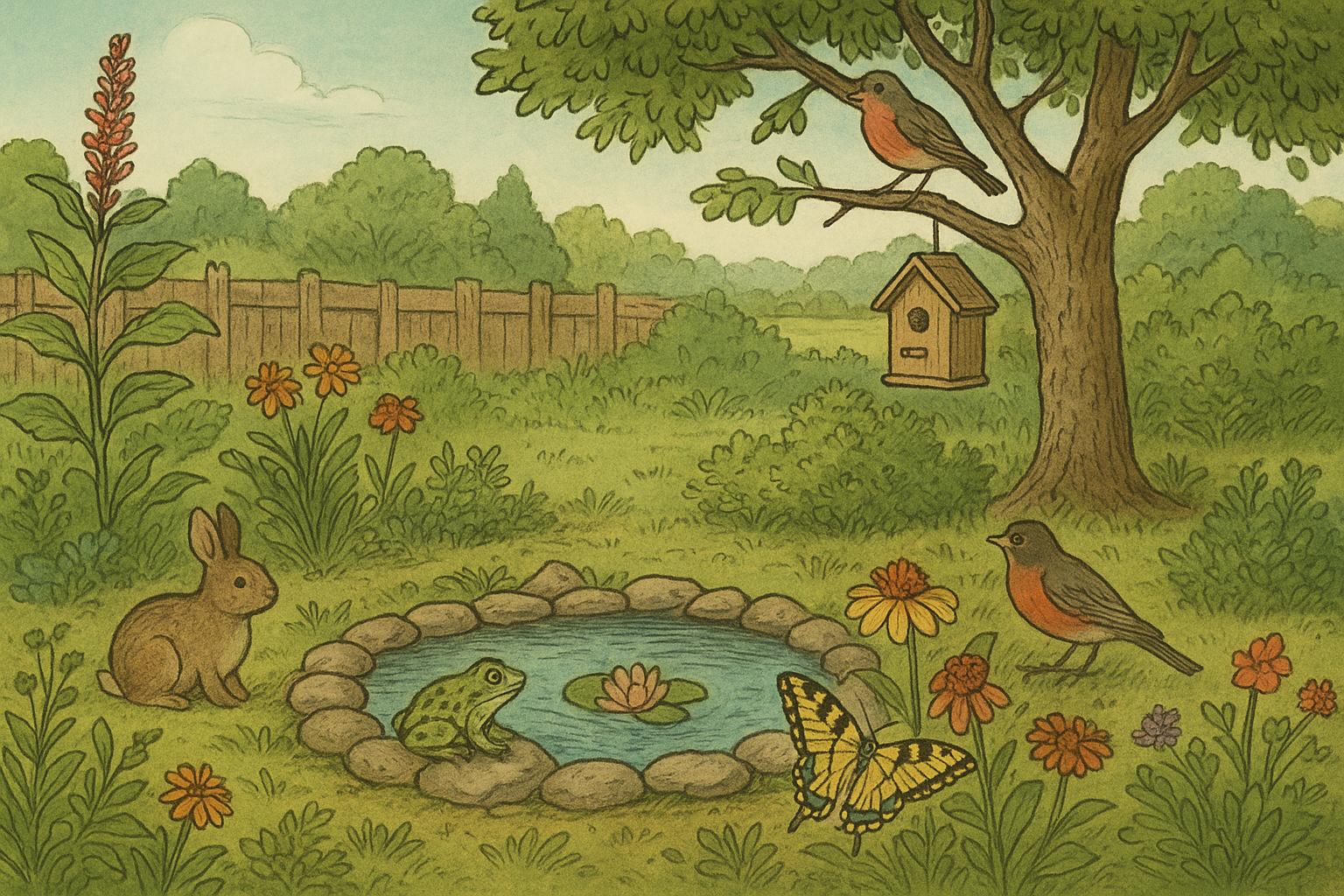
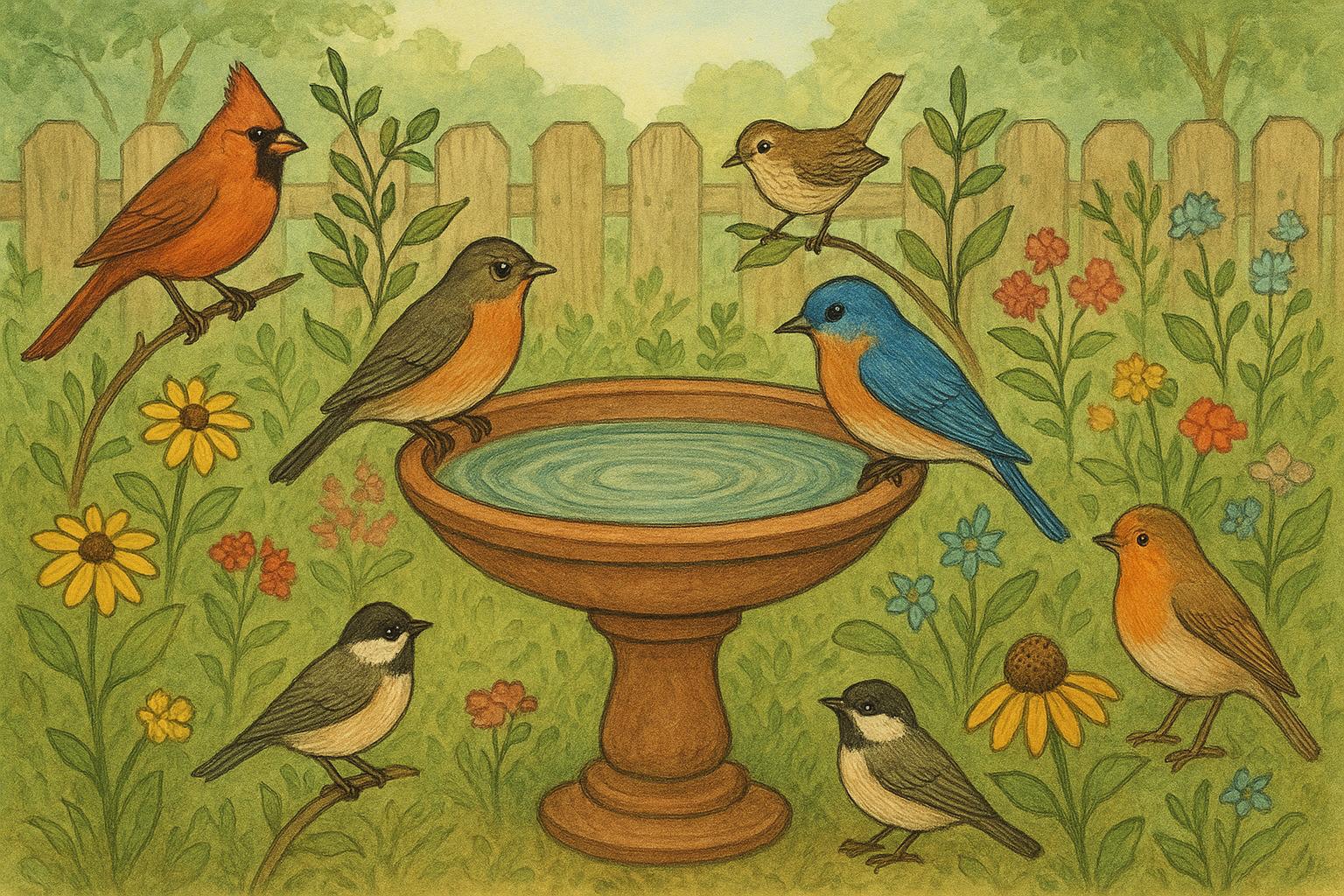
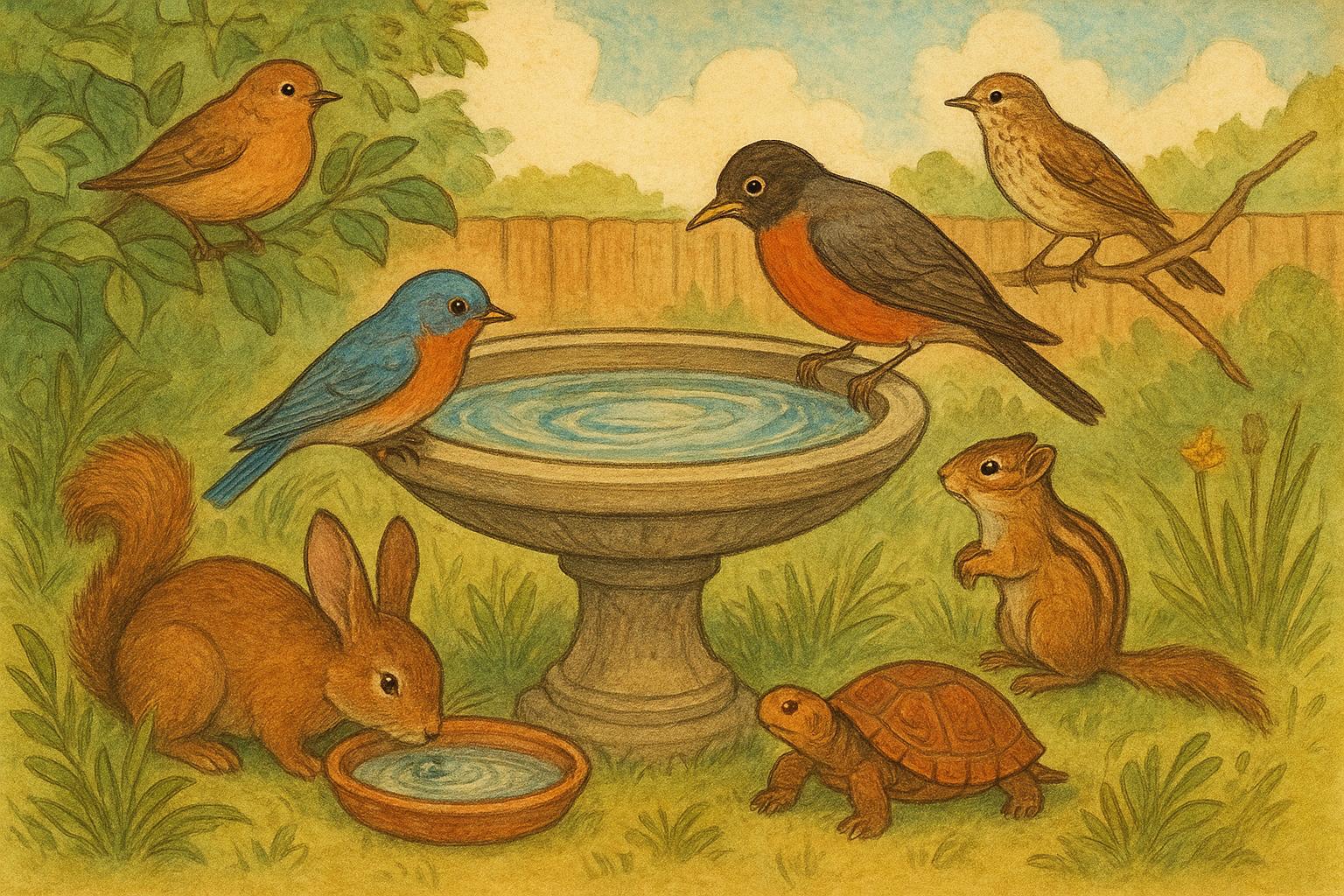
Shrubs that bear fruit are part of a bigger recipe. Water, native plants, and shelter multiply their value. A small basin or fountain placed near your berry shrubs can change a passing visit into a daily routine. Plant native berry shrubs birds recognize from their migratory routes; species familiarity helps.
If your goal is to provide berries for birds and also enjoy a tidy yard, choose species that hold fruit longer and require simple pruning. You don’t need a jungle to attract life — just thoughtful placement and a few reliable plants chosen for your climate and soil.

Leave a Reply