
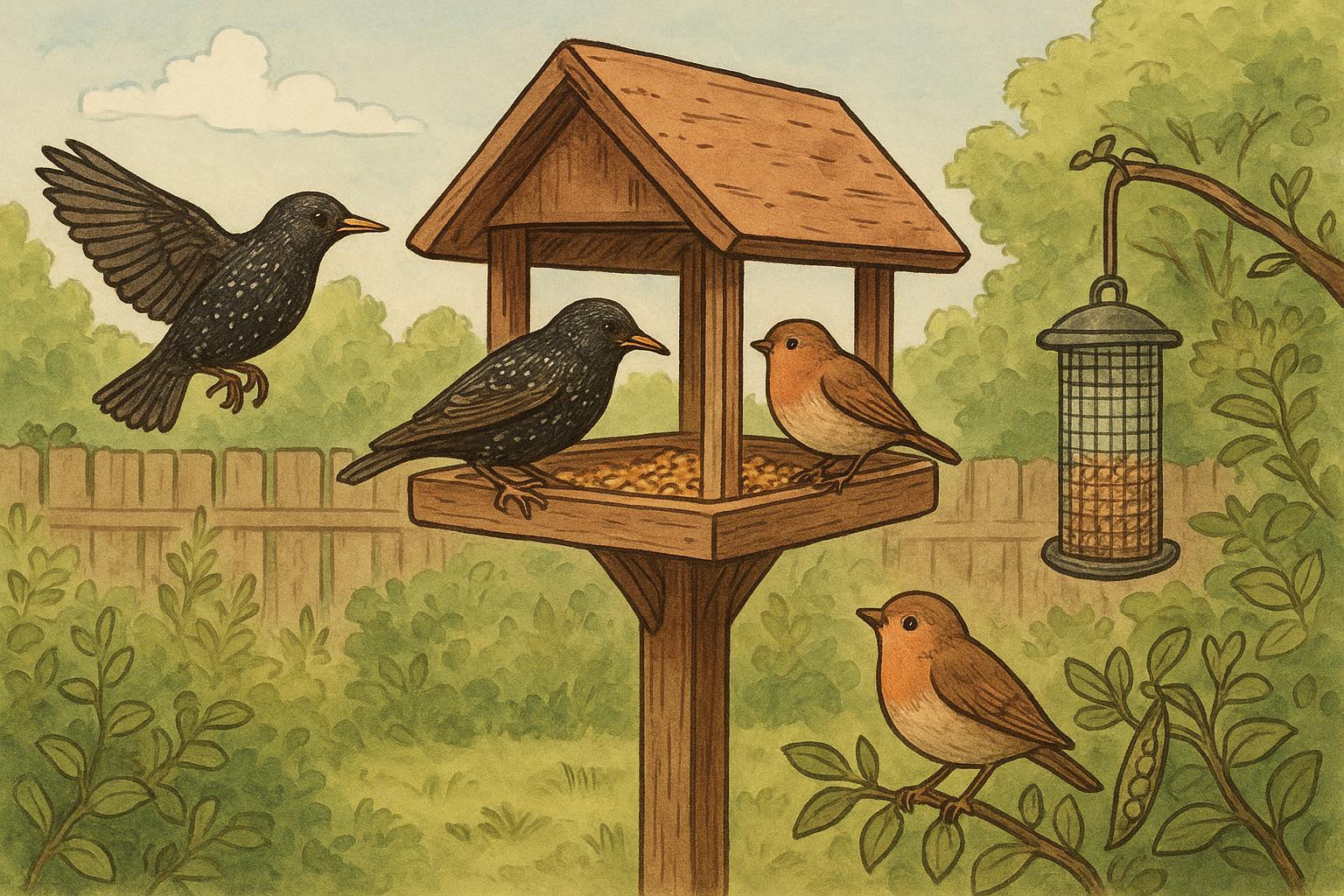
## Practical Steps For Reducing Starling Visits At Backyard Feeders
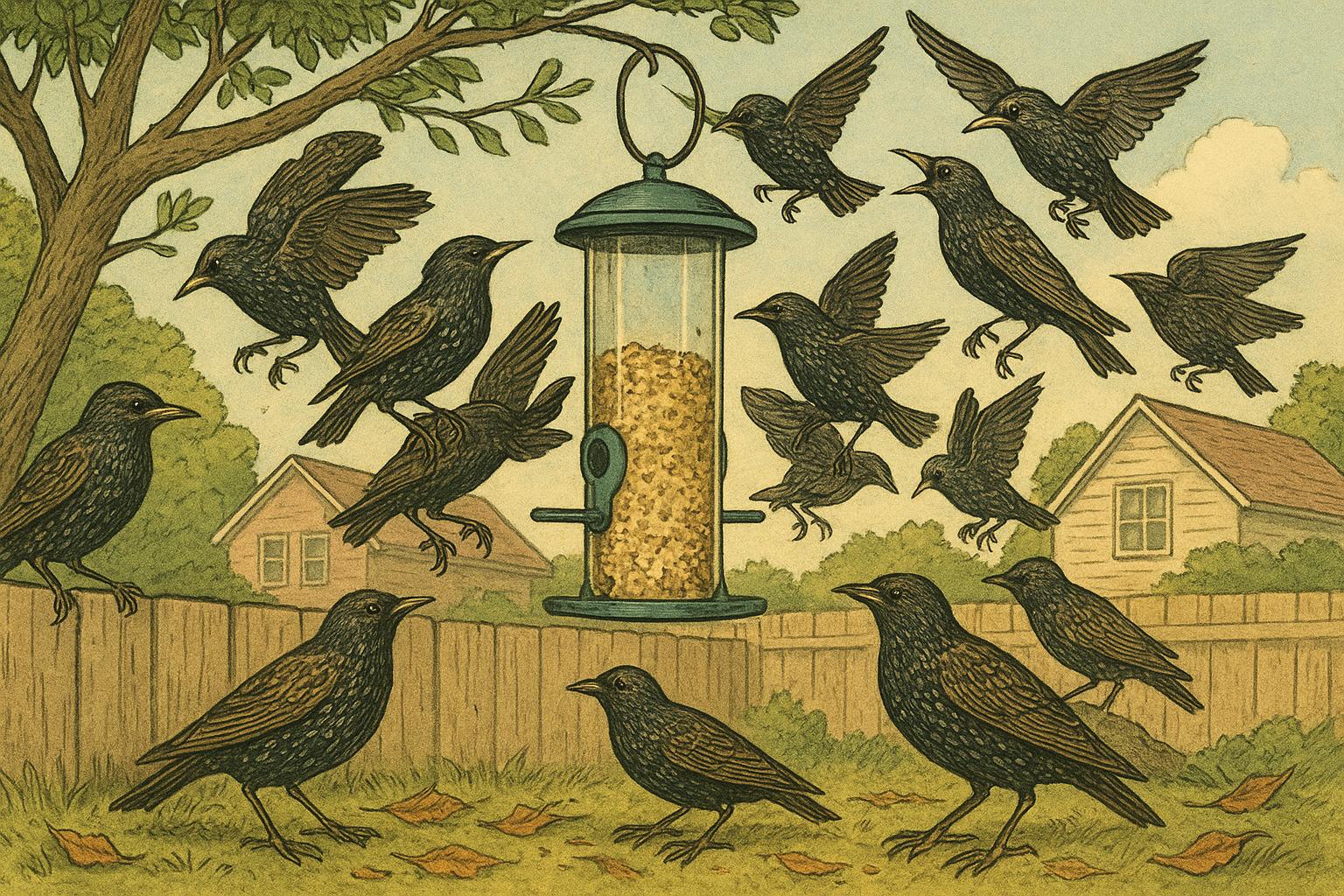
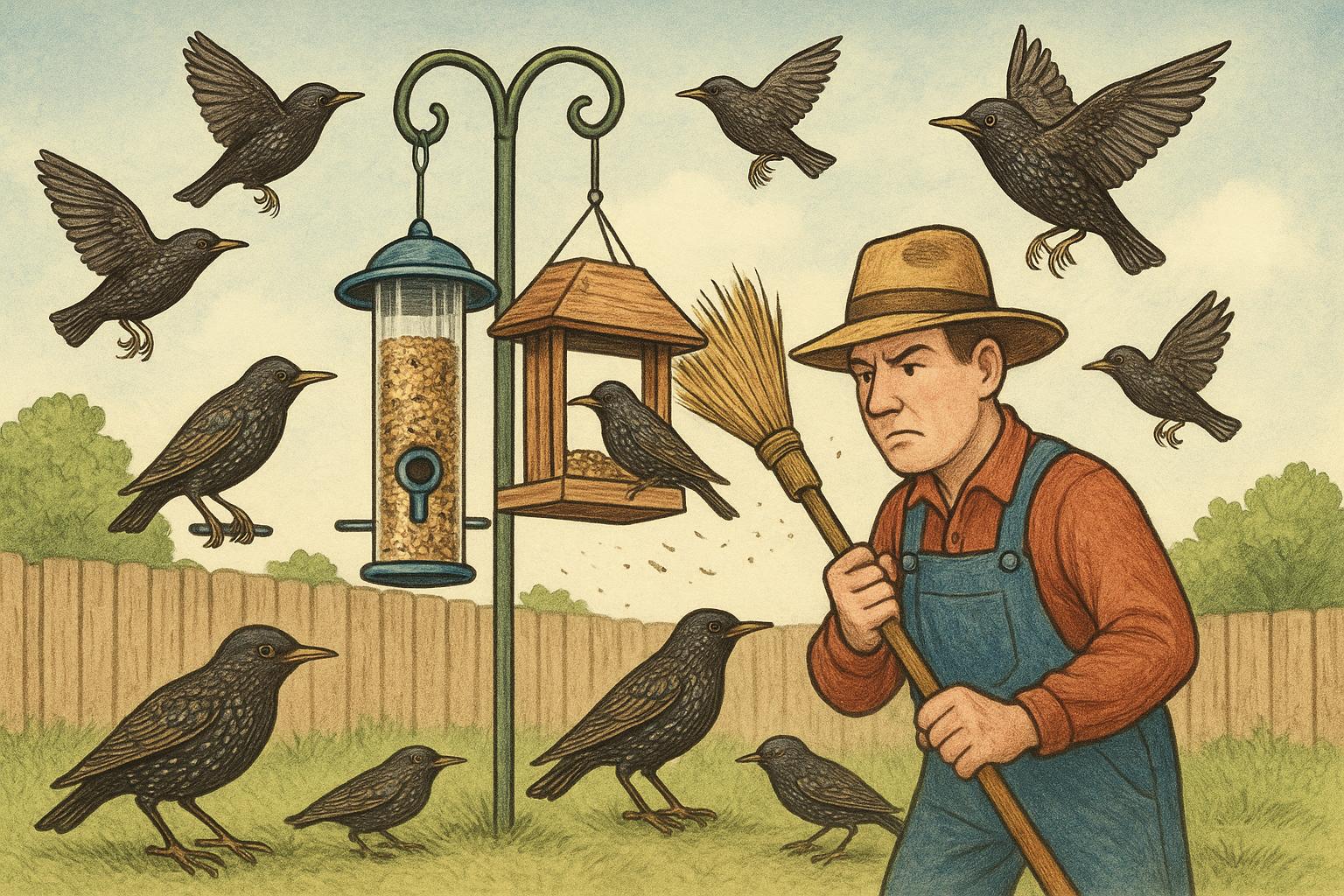
Starlings are loud, fast, and they spread out on a feeder like someone opened a free-for-all. If your goal is reducing starling visits at backyard feeders, the best results come from a mix of small changes rather than one dramatic action. You make the spot less attractive to starlings while keeping it friendly for the smaller songbirds you want to see.
### Understand Why Starlings Flood Feeders
Starlings are social, aggressive, and opportunistic. A little spilled seed or an open platform feeder is like a billboard to them. They prefer easy, abundant food and wide perches where a flock can land together. Fixing those things removes the incentive. That’s the core idea behind both starling deterrents and basic starling control: change the access, change the reward.
### Choose Feeders That Starlings Can’t Dominate
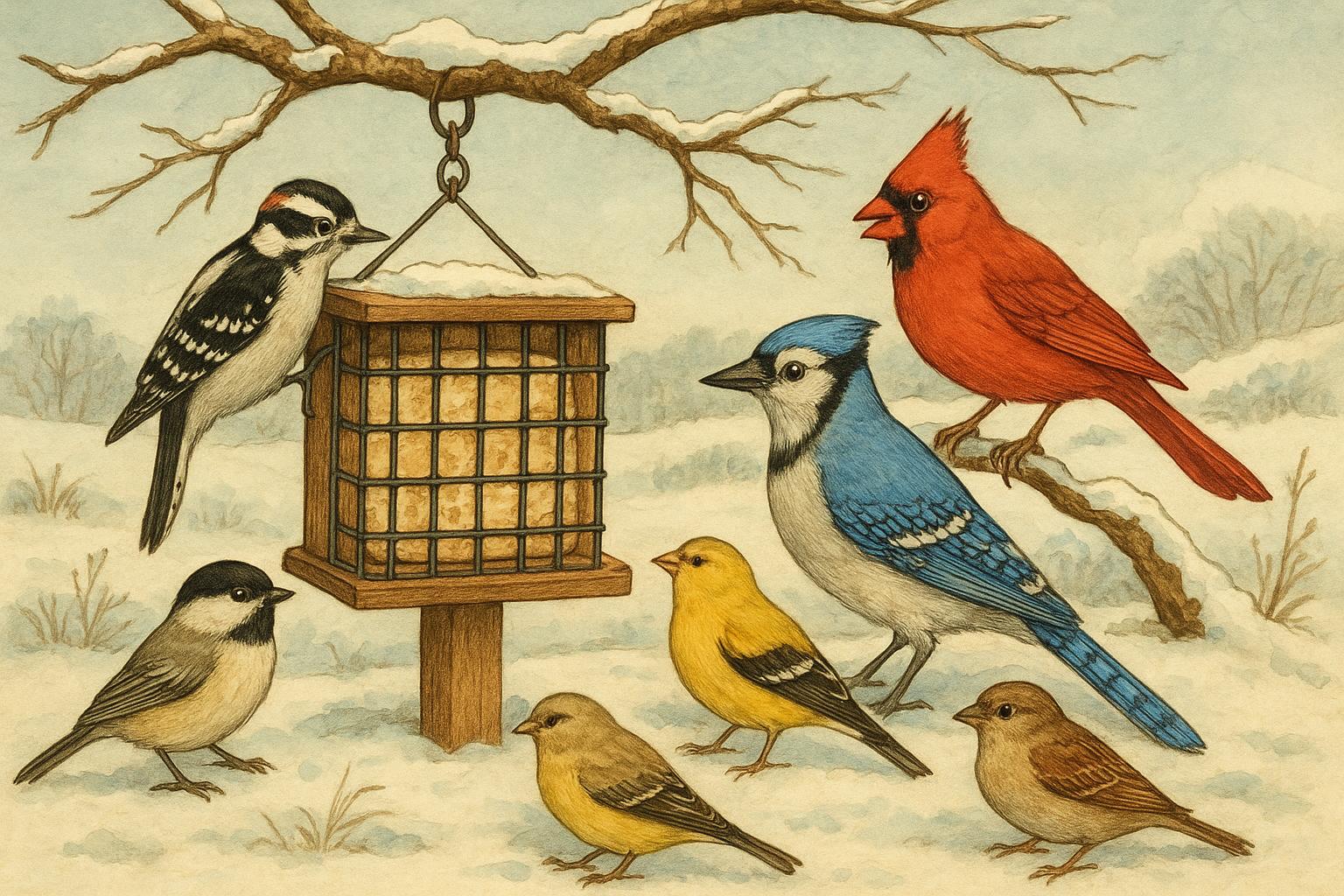
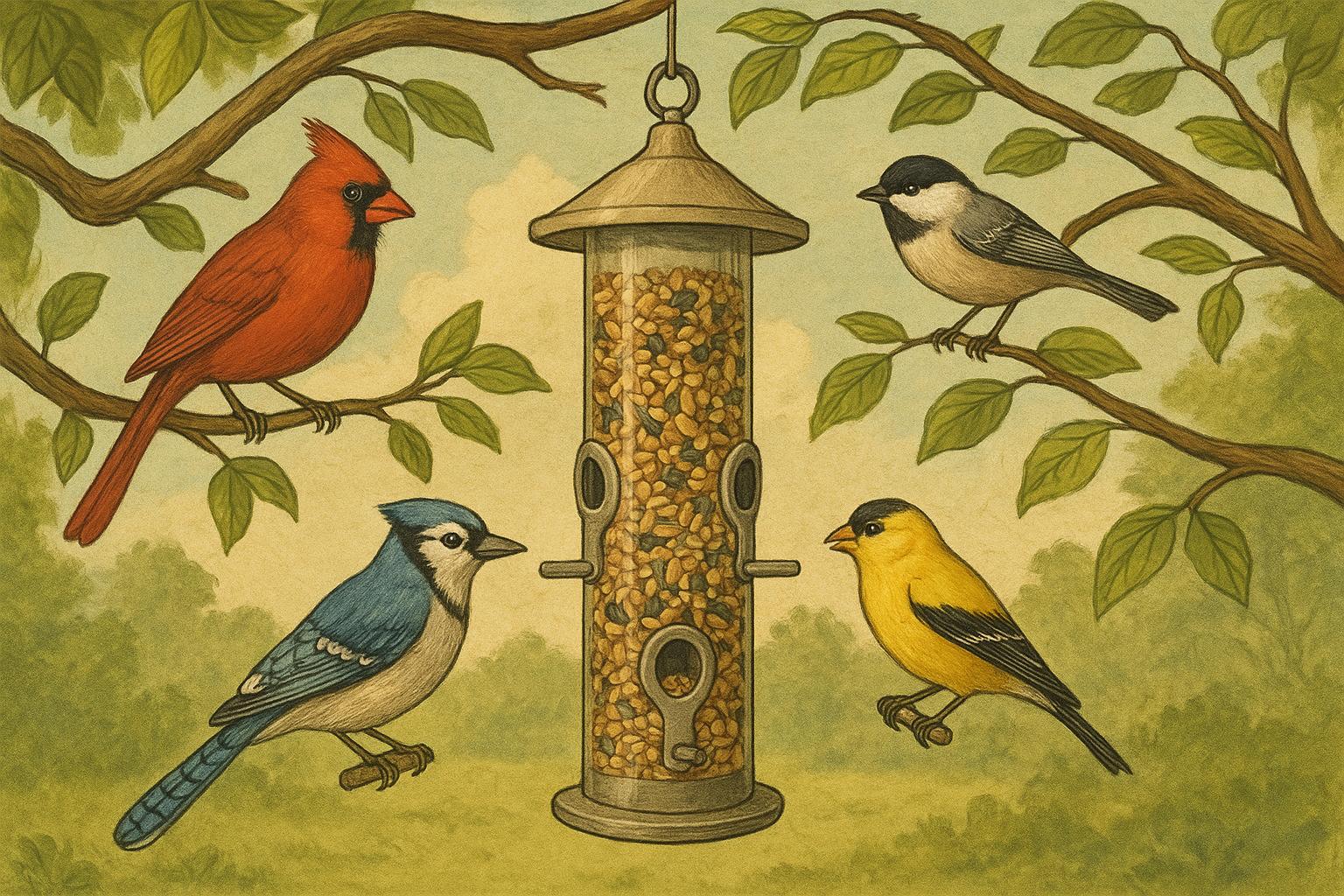
Smaller, selective feeders win the day. Tube feeders with small perches, or feeders with ports sized for chickadees and finches, limit a starling’s ability to settle in. Caged feeders that leave only a single seed port exposed work well too. For ground-feeding species, use tray or hopper feeders with mesh bottoms so spilled seed falls through; that reduces the free buffet starlings love.
– Use Nyjer (thistle) feeders for finches. Starlings generally won’t bother with Nyjer.
– Try weight-sensitive feeders. They close off access when something heavy—like a starling—lands.
– Replace open platform feeders with baffled or caged versions.
These changes are practical starling deterrents you can implement in a weekend.
### Adjust What And When You Put Out
Empty feeders aren’t interesting. If you feed around the clock, starlings will discover that reliably. Feed in smaller batches and refill more often. Morning-only feeding can favor early-rising smaller species and make your yard less of an all-day banquet for starlings.
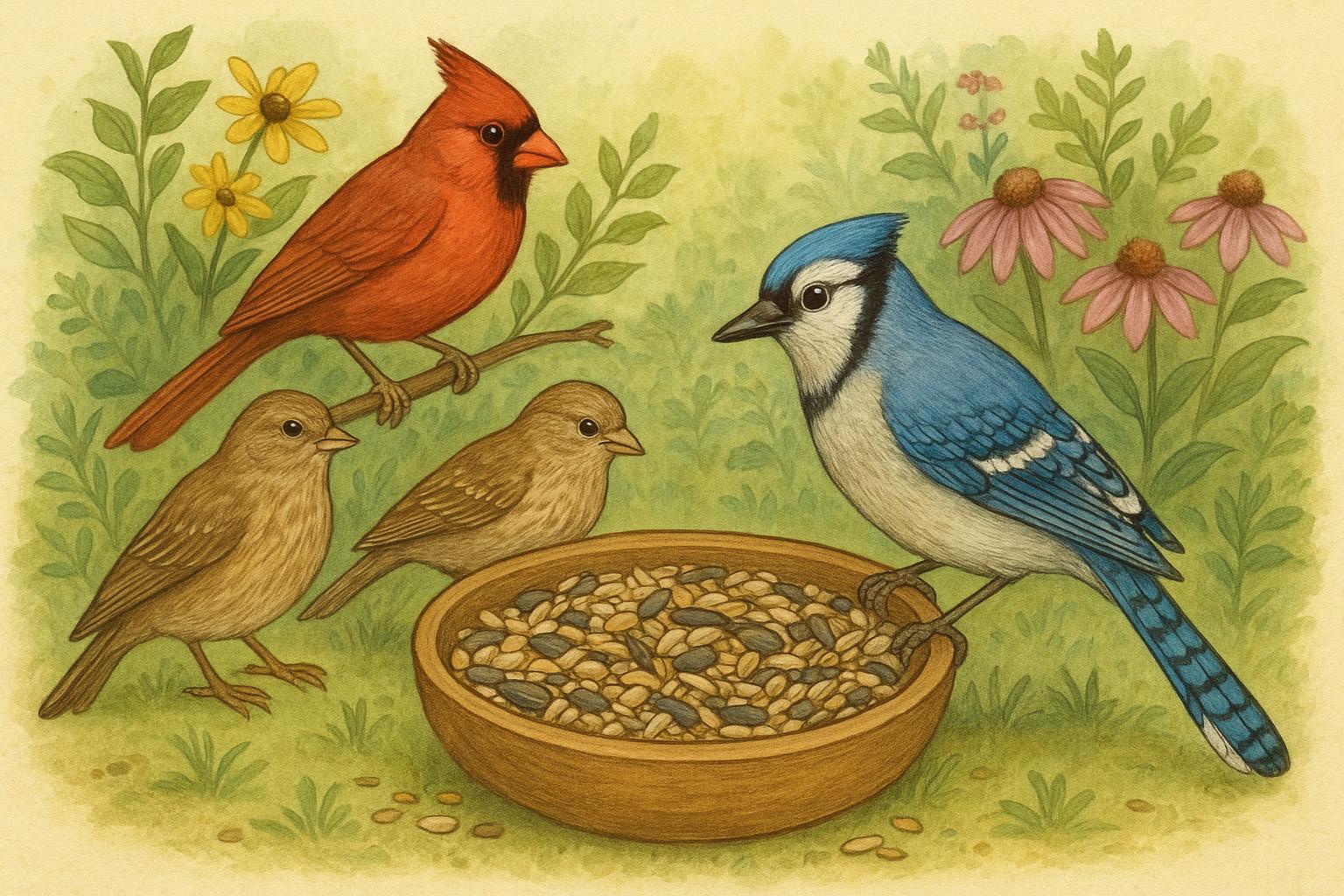
Seeds matter. Starlings go for cracked corn, millet, and large seeds. Offer safflower seed, which many songbirds eat but starlings dislike. Suet attracts starlings in winter, so if you can’t tolerate them on suet, switch to suet cages that favor smaller woodpeckers and nuthatches.
If you’ve been scattering seed on the ground, stop. Ground seed draws flocks. Keep feeders cleaned so spilled seed doesn’t accumulate.
### Use Targeted Starling Deterrents
#### Visual Deterrents
Reflective objects, shiny pinwheels, and streamers can work for a while. Starlings are wary of new, moving things. Hang reflective tape near feeders or use lightweight mylar strips that swing with the breeze. They don’t have to be fancy. A few inexpensive strips placed strategically will make starlings hesitate.
Rotate these items. Visual deterrents lose effectiveness if left in one place; starlings get used to them.
#### Acoustic Options
Ultrasonic devices sell well online, but their results are mixed. Some people report short-term success; in many yards starlings habituate quickly. If you use sound, combine it with other measures. Noise works best as part of a changing strategy rather than as a lone starling control tool.
#### Physical Barriers
Baffles above and below feeders stop starlings from perching or reaching seed. Cages that restrict access to one bird at a time work even better. Remember, starlings are persistent. The physical barrier should match the species you want. A cage with small openings excludes starlings while letting smaller birds through.
Rotate among different starling deterrents. If you use only one, expect diminishing returns. Mix reflective strips, baffles, and feeder types to keep starlings guessing.
### Habitat And Neighbor Cooperation
Starlings are social beyond your property line. If a neighbor feeds large amounts of seed on platforms or leaves suet exposed, that’s an open invitation. Talk with neighbors. Ask if they’d try a caged feeder or feed less frequently. Offer to swap ideas—most people respond when you frame it as helping songbirds, not as a personal complaint.
Trim long perches near feeders. Starlings prefer elevated, unobstructed landing spots. Shorten tree limbs or remove unused poles that create perfect staging areas. Also remove obvious nesting materials and open compost bins that might attract them.
### Legal And Ethical Considerations For Starling Control
European starlings are non-native in North America and have no federal protections, but laws vary by place. Before considering lethal control, check local regulations and humane practices. Many municipalities prohibit shooting or trapping without permits. Nonlethal starling control is usually the first and best route. If you consult a wildlife professional, pick someone who emphasizes long-term habitat and feeder solutions over quick kills.
### Small Experiments, Big Wins
Don’t overhaul everything at once. Change one thing at a time and watch. Swap a platform feeder for a tube feeder and note how the flock reacts for two weeks. Then try a different seed. Track results on your phone: date, change, effect. You’ll learn what works in your yard and what doesn’t. Starlings adapt and so must your strategy.
If one change fails, try another. Maybe starlings are avoiding the new feeder style but gathering on a nearby roof. Move the feeder a few feet and add a baffle. Sometimes small, repeated tweaks beat one dramatic effort.
### When To Consider Professional Starling Control
If you’ve tried multiple starling deterrents and adjusted feeding habits but still face large flocks, it may be time to call in a professional. Reputable wildlife control people will assess habitat features, feeder placement, and food availability, then recommend targeted actions that balance effectiveness with humane practice. Ask for references and for a plan that prioritizes nonlethal methods.
Even with help, you can expect progress rather than perfection. Starlings are tough and bold. Winning back your feeder space often means steady attention and occasional adjustments.
### Practical Notes For Long-Term Success
Keep feeders clean and tidy. Regularly sweep up spilled seed and clean cages. Replace feeders that become rusty or warped; gaps and bent perches invite starlings. Vary the setup seasonally. What works in winter might not in spring when flocks are larger.
Be patient. Changing behavior in a flock takes time. Doocuments some simple photos each week to see small trends you might miss day-to-day. The payoff is worth it: fewer starlings, more variety of native birds, and less seed waste.


















Leave a Reply