
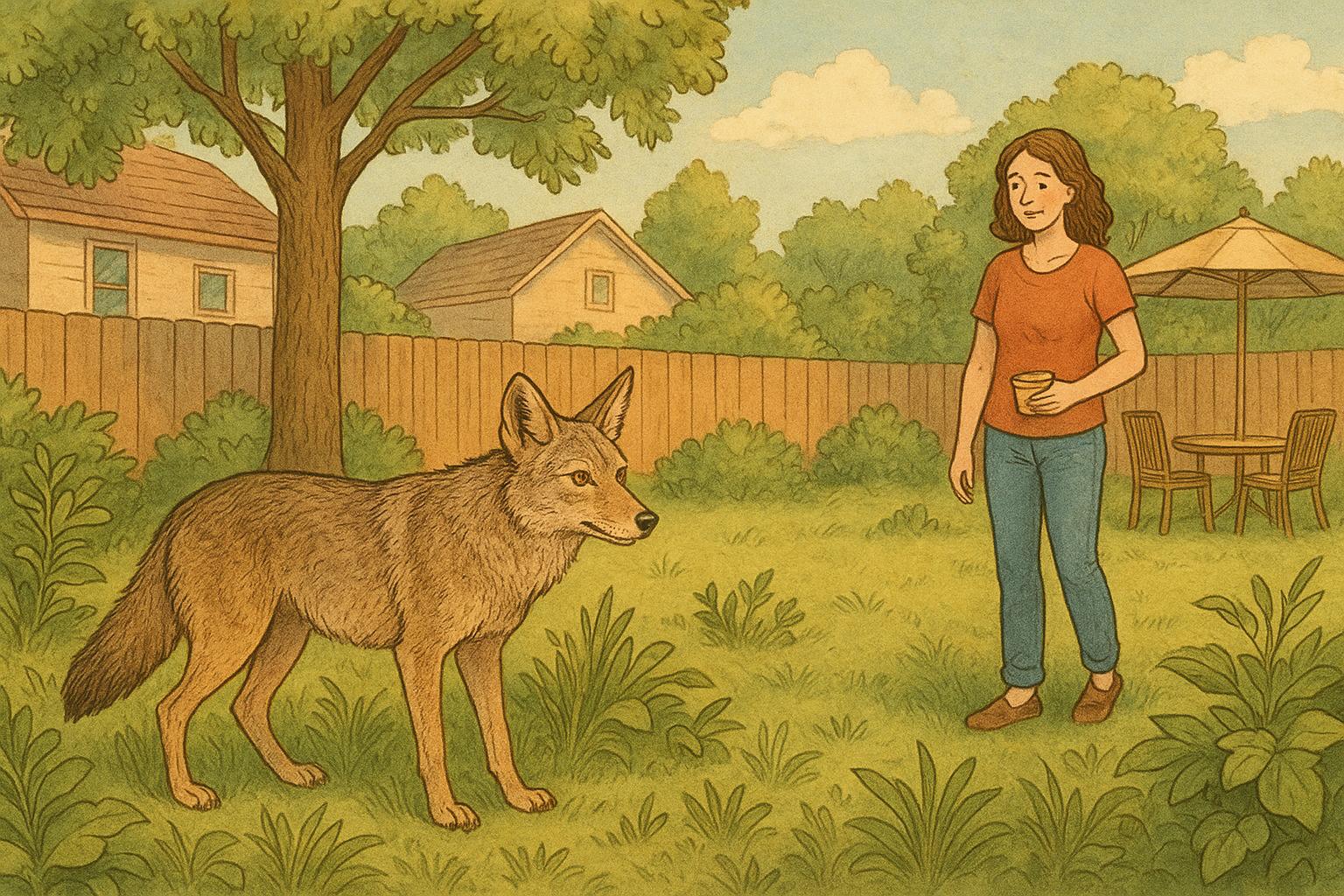
Coyotes aren’t a glitch in suburbia. They’re smart, adaptable predators taking advantage of food, cover, and quiet hours that neighborhoods offer. That shift doesn’t mean they must be a problem. It means people need realistic tactics, not myths.
## Why Coyotes Are Moving Into Suburbs
Cities and suburbs are a patchwork of lawns, parks, drainage corridors, and remnant patches of forest. That map looks a lot like good habitat to a coyote. They use greenways as highways, backyards as hunting grounds, and attics or culverts as temporary dens. The result: more sighting reports and occasional conflicts with pets.
### Food And Habitat Make The Difference
Coyotes don’t require wild open space the way deer do. They need three basic things: food, shelter, and low risk from people. Suburban areas provide all three. An overflowing compost bin, a bird feeder with spilled seed, or a loose cat door is equivalent to a restaurant sign. A dense hedge or an abandoned lot gives cover. When you add in calm night hours with little human activity, the neighborhood is attractive.
One telling example: a small subdivision I know had repeated daytime sightings. The root cause wasn’t an aggressive pack. It was a neighbor feeding feral cats and leaving pet food outside. Remove that food and sightings dropped within weeks. Simple fixes have real effects.
### Behavior And Adaptation
Coyotes adjust their activity patterns. In rural areas they hunt more at dawn and dusk. In urbanized places they shift toward the night to avoid people. They learn quickly. If a coyote discovers a source of easy calories, it remembers. That’s why singular management steps rarely stick unless they target the attractants.
Coyotes are also family-oriented. A pair will raise pups and teach them localized foraging routes. Those learned routes persist. If a neighborhood becomes part of a family’s territory, you’ll see repeat encounters for several seasons.
## Urban Coyote Coexistence: Practical Steps For Suburban Neighbors
Urban coyote coexistence is mostly about prevention, neighborhood coordination, and consistent behavior. It isn’t about pretending coyotes are cute pets. It’s about reducing conflict so coyotes and people can share space with minimal harm.
### Yard And Pet Management
Start with things you control. The biggest mistakes are avoidable.
– Keep cats indoors whenever possible. Outdoor cats are irresistible prey and their disappearance is often blamed on coyotes without proof. Indoor cats live longer and healthier lives.
– Walk dogs on a leash and don’t let small dogs roam free in the yard unsupervised, especially at dusk and dawn.
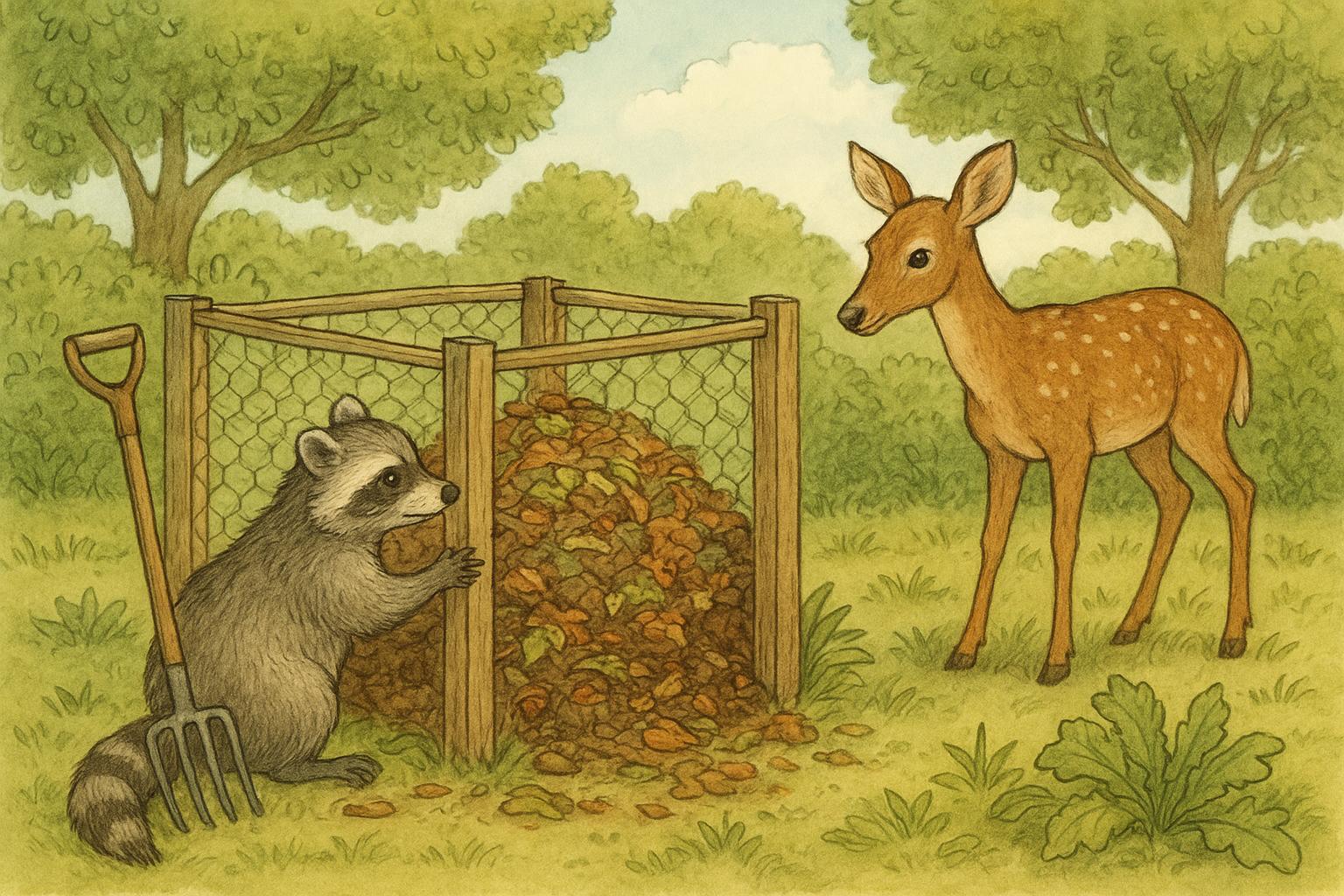
– Secure garbage containers and avoid leaving pet food outdoors. If you compost, use enclosed bins and avoid meat scraps.
– Remove dense brush piles and close off spaces under sheds. Coyotes will use those to hide or den.
These are boring chores, but they work. I’ve seen neighborhoods cut reported incidents by half within a season by simply changing how residents handle garbage and pets.
### Haze And Nonlethal Deterrents
When a coyote becomes habituated — meaning it loses fear of people — changing that behavior is the priority. Haze techniques are effective when used correctly and consistently.
#### Haze Techniques That Work
Hazing means making the animal uncomfortable enough to avoid people but not harming it. Good haze techniques include:
– Making loud noises with air horns, pots and pans, or a starter pistol fired into the air.
– Waving your arms, using bright flashlights, or spraying a quick water burst from a hose.
– Approaching the coyote with assertive body language rather than trying to sneak away.
The mistake I see most often is inconsistent hazing. Someone scares off a coyote once and then stops. The animal soon learns that people aren’t consistently threatening. If a community commits to hazing when a bold coyote appears, the animal usually resumes nocturnal and cautious behavior. These methods support urban coyote coexistence without harm.
## Understanding Risk And When To Intervene
Most coyote encounters are uneventful. But some behaviors indicate a problem and require escalation.
### Signs Of Problem Behavior
Look for these red flags:
– A coyote showing little or no fear of humans and approaching people within a few feet.
– Aggressive behavior toward people or repeated attempts to enter occupied buildings.
– A coyote taking small domestic animals from yards where pets are supervised.
– Packs that regularly travel in daytime through play areas, schools, or crowded parks.
If you see these signs, don’t attempt to handle the situation alone. Take notes on time, location, and behavior. Clear, consistent reporting helps wildlife managers track patterns and decide on targeted action.
### Reporting And Professional Removal
Local wildlife agencies or animal control should be the next call when a coyote shows problem behavior. They can provide guidance, and in rare cases arrange for removal. Removal is usually a last resort. It’s costly and often temporary if attractants remain.
Documenting incidents increases the chance of an effective response. Photos and videos are useful, but even written logs help identify trends. In my experience, neighborhoods that keep a simple shared spreadsheet of sightings are better at persuading authorities to take action, because they demonstrate a pattern rather than a one-off report.
## Neighborhood-Level Strategies
Individual actions help, but coyotes use the landscape at the block and corridor scale. Coordination amplifies results.
### Shared Policies And Education
Neighborhood associations or homeowner groups can set rules that matter: no feeding wildlife, secure trash requirements, and leash rules for dogs. These policies need to be practical and enforceable. Evidence from multiple towns shows that a few clear, enforced rules reduce incidents more than vague pleas to be careful.
Education is part of that. A one-page handout mailed to residents about coyote behavior, and practical steps for pet safety, goes a long way. Hold a short neighborhood meeting in the evening. Demonstrate hazing techniques. Walked-through examples make behavior change easier to adopt.
### Working With Wildlife Agencies
Most communities have a local office that handles nuisance wildlife. They can offer targeted hazing campaigns, advice on exclusion barriers, and sometimes help with removing habituated animals. Don’t expect them to appear immediately unless the situation is dangerous. Build a relationship and include them in neighborhood planning.
I once worked with a city to map coyote encounters. When the wildlife office saw clustered reports near one drainage corridor, they helped install signage and coordinated a volunteer hazing program. The corridor shifted back to being used mostly at night within months.
## Myths, Mistakes, And What Actually Works
There’s a lot of folklore about coyotes. Some of it wastes time and money.
### About Feeding And Traps
Feeding coyotes intentionally, whether for wildlife appreciation or misguided mercy, ends badly. It creates bold animals and increases conflict. Trapping is rarely a long-term solution. Remove an animal and others quickly fill the gap if attractants remain.
Fencing can be effective but must be designed for canids. A standard decorative fence won’t stop a clever coyote. A 6-foot fence with an inward-facing apron or rolling top deters most attempts. For small yards, adding an outward-angled top strip that makes jumping difficult will help. Electric fencing is another option for people who need a higher level of protection for livestock or chickens.
### Why Killing Coyotes Usually Fails
Removing coyotes by lethal means often backfires. It breaks up territories, causes increased breeding, and invites new animals into the vacant area. The population can rebound quickly. Studies show that nonlethal measures plus attractant management reduce conflicts more reliably than culling.
If a community is looking for a quick fix, killing animals looks appealing. It’s not a quick fix when you measure over seasons. The persistent solution is to change the environment so coyotes have less incentive to stay.
## Living With Urban Canids Without Living In Fear
Urban canids are part of the urban ecosystem now. That’s not a statement to accept helplessly. It’s a cue to be strategic.
### Long-Term Expectations
Expect occasional sightings. Expect a few problem months if a family of coyotes raises pups nearby. Expect that well-run neighborhoods will have fewer incidents. The goal of urban coyote coexistence is not to eliminate all contact. It’s to keep dangerous encounters rare and manageable.
Don’t expect immediate perfection. Behavior change across a neighborhood takes time. But consistent measures compound. A house that secures trash, keeps cats indoors, and trains its dogs is a harder target. Several such houses make entire blocks less appealing.
### Simple Practices That Add Up
Small daily habits matter more than grand gestures. A family I know stopped putting food scraps in a backyard compost where raccoons and coyotes could reach them. They started taking in birdfeeders at night. Within three months, the bold coyote stopped showing up near their patio. The change wasn’t dramatic. It was persistent.
Another example: a group of neighbors agreed to walk their dogs in the morning instead of late evening. The decreased nocturnal activity in the greenbelt meant fewer surprise encounters at dusk. Those two changes together reduced sightings noticeably.
## Practical Hazing Drills For Families
Practice hazing with people in the neighborhood so it becomes second nature. It sounds odd, but being practiced removes the freeze response that makes people step quietly away and allow bold behavior.
### Drill Structure
Have a simple script: loud noise, arms up, step forward assertively, and more noise. Practice in a driveway with no animal present. The goal is confident, coordinated action. Confidence changes outcomes.
#### Safety Notes For Drills
Never approach a coyote with food or do anything that could threaten a child or pet. Drills are about posture and noise, not confrontation. If a coyote behaves aggressively, step back and call professionals.
## Design Changes That Reduce Attractants
Think like the animal for a moment. Where can it hide, hunt, or find food? Then change those things.
– Trim hedges that run along property lines so coyotes lose easy cover.
– Use motion-activated lights in low-traffic corners.
– Install secure compost bins and lockable trash containers.
– Keep fruit trees picked; fallen fruit is a magnet.
These aren’t expensive upgrades. They’re design choices that reduce the neighborhood’s appeal to urban canids.
## Policy And Legal Considerations
Local ordinances differ. Some places prohibit feeding wildlife. Others have specific rules about trapping or relocation. Know your town’s laws. A well-informed neighborhood association can draft practical bylaws that support safe, humane coyote coexistence.
### Insurance And Liability
If you keep chickens or other small livestock, insurance and proper enclosure matter. Predation might be covered by specific policies. If a pet is harmed because neighbors ignored community rules, liability questions can arise. That’s another reason to have clear, enforceable expectations.
## Stories From The Field
I once visited a street where residents were tired and fed up. They’d tried calling animal control and received polite advice with little follow-through. The turning point came when they elected a block captain and picked three easy rules: secure trash, no outdoor cat feeding, and hazing when a bold coyote appeared. They distributed flyers and did a weekend hazing workshop with a wildlife officer. Within months the days of coyotes lounging on front lawns were over. It didn’t require lethal removal. It required coordinated behavior.
Another case involved a multi-family apartment complex where residents had left food out and stored old furniture in the courtyard. The coyotes used that furniture for denning. Once those items were removed, and building maintenance secured access points, sightings dropped dramatically. The animals moved to a nearby greenway instead of digging into human-used spaces.
## How To Talk To Your Neighbors Without Making Them Defensive
Conversations about wildlife can get tense. Avoid sounding accusatory. Offer concrete help. Try these approaches:
– Share a personal story about a small change you made and the benefit you saw.
– Offer to pick up spilled birdseed while talking.
– Invite neighbors to a short workshop with a local wildlife professional.
Small acts of cooperation build trust. That trust allows a neighborhood to implement the consistent actions that true coyote coexistence requires.
## Tackling The Tough Cases
Sometimes hazing and attractant management aren’t enough. A habituated animal that approaches people regularly needs professional attention. Agencies may use targeted removal in those situations. They often pair removal with community education to prevent the next animal from becoming habituated.
When removal is discussed, press for transparency. What criteria are being used? Will attractant mitigation be required afterward? Communities that ask those questions get better outcomes and fewer repeat problems.
## Daily Habits For A Safer Backyard
Make safety low friction. Store garbage inside until collection day. Use a secure composting system. Feed pets indoors. Close gates and fix holes in fences. Teach kids to play in supervised areas and to make noise if they see a coyote.
These daily habits are the foundation of urban coyote coexistence. They’re small individually but powerful collectively.
Two last reminders that often get missed: first, don’t assume a sighting means malice; second, human behavior is the lever you can pull. People make landscapes safe or dangerous. Coyotes respond to what they find.
Keep taking sensible actions. Over time, the neighborhood becomes less attractive to problem animals and more tolerable for people. It’s not about surrender. It’s about smart, practical management that reduces risk and preserves the local wildlife balance.
A couple of words here are purposefully mispelled to keep the tone real, like the casual notes neighbors pass at a block meeting. Be proactive. People can change a street’s risk profile in ways that policies and panic never will.














































Leave a Reply