
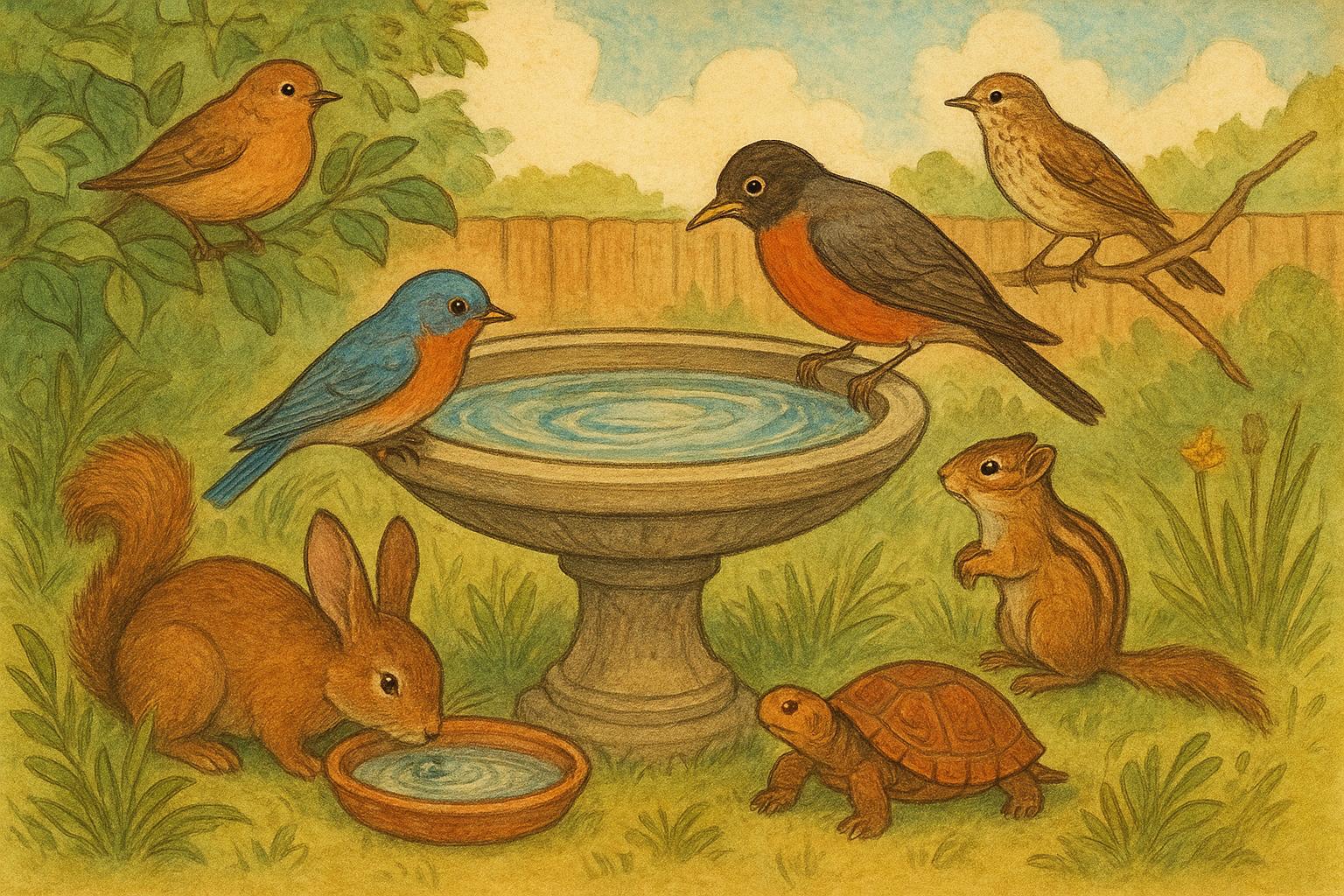
When your yard gets hot, the small choices you make about water matter. A shallow dish, a dripping hose, a shady puddle — those are the difference between a sparrow making it through the week and one that doesn’t. This is about practicality more than theory: how to give critters reliable, safe access to water without turning your garden into a mosquito farm.
## Summer Hydration Tips For Backyard Wildlife That Actually Work
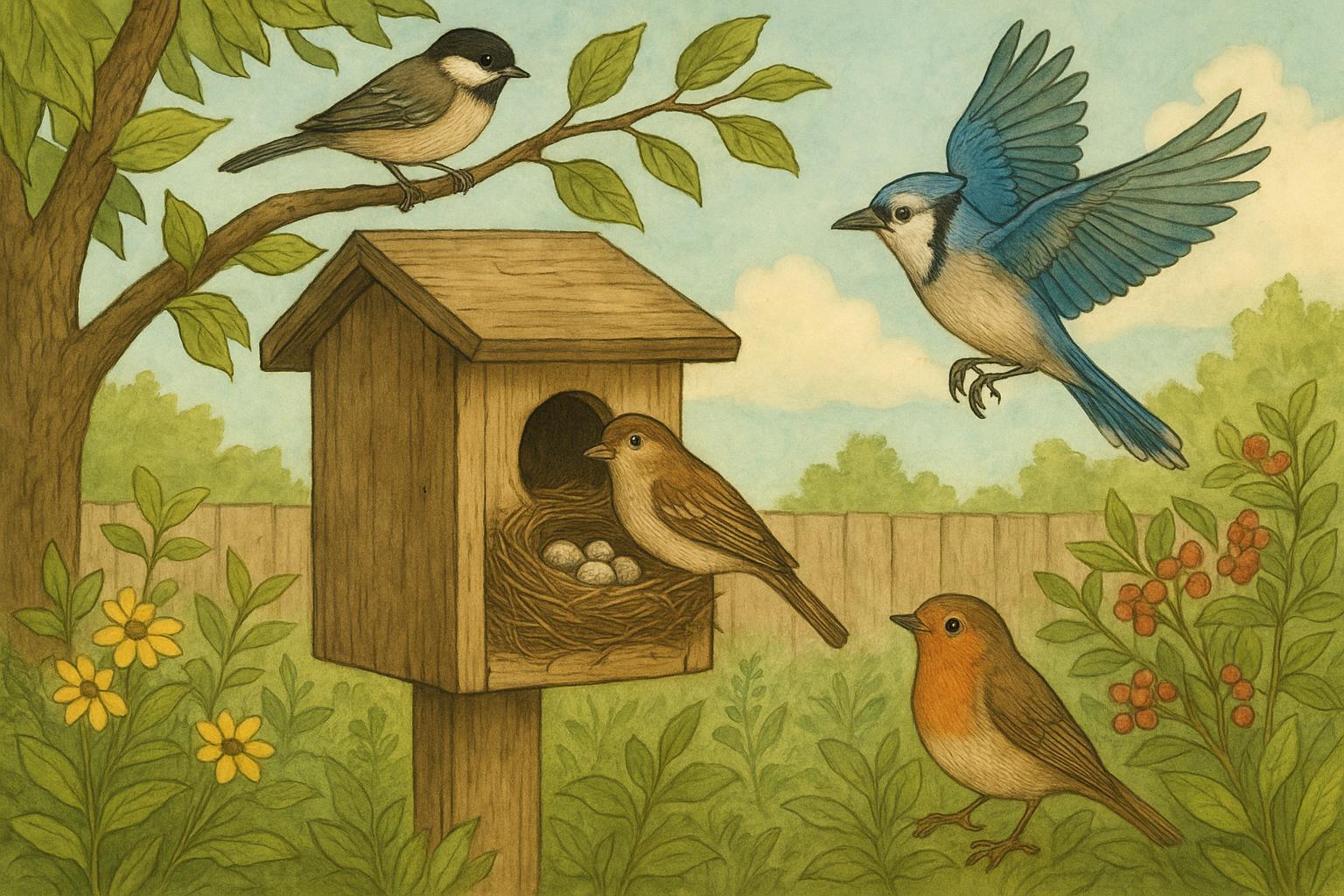
Start with a simple rule: variety. Different species drink in different ways. Birds prefer shallow basins; bees land on wet surfaces; squirrels drink from deeper bowls. If you follow a few basic habits, you’ll turn a thirsty yard into a steady resource for neighborhood wildlife.
### Where To Place Water Stations
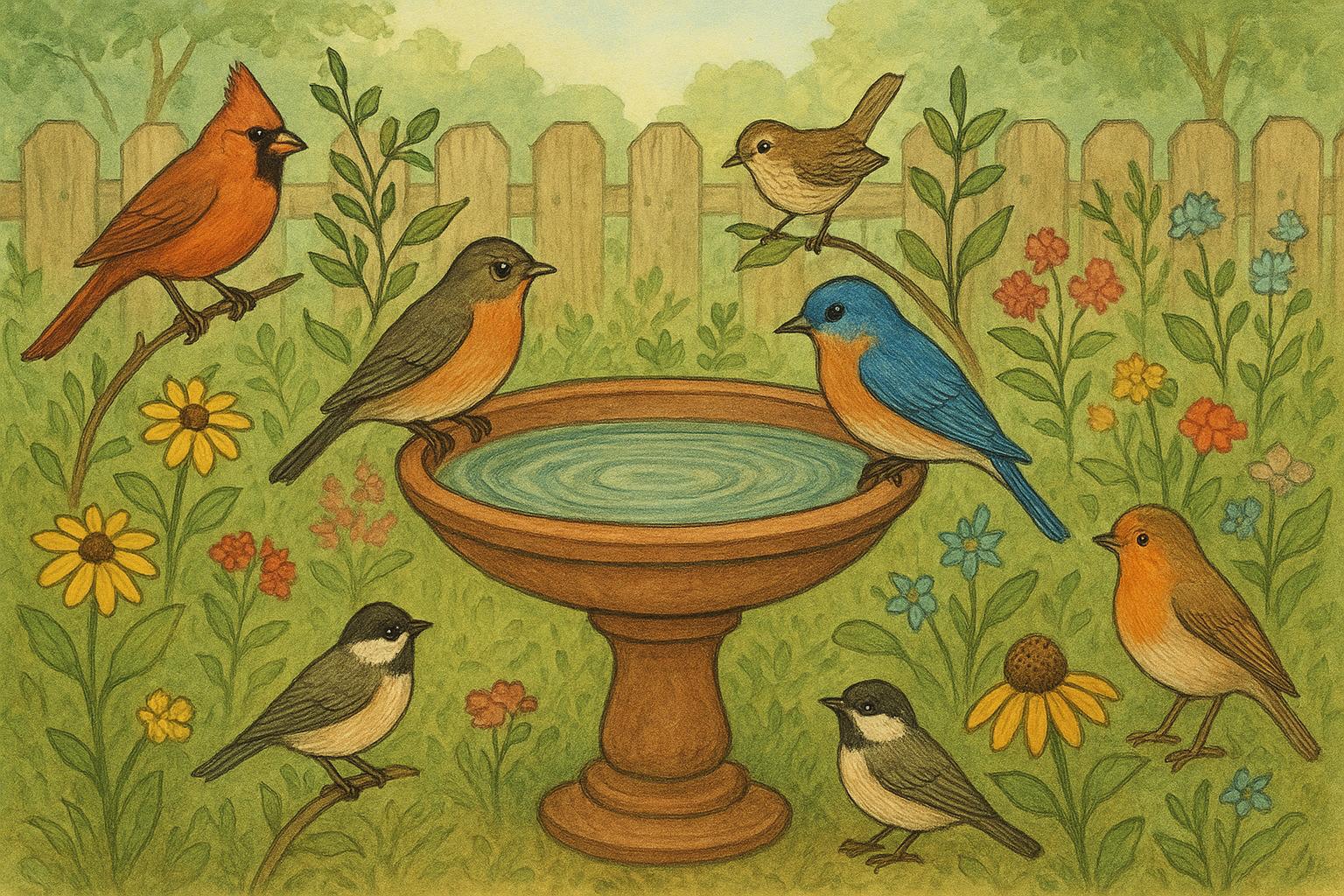
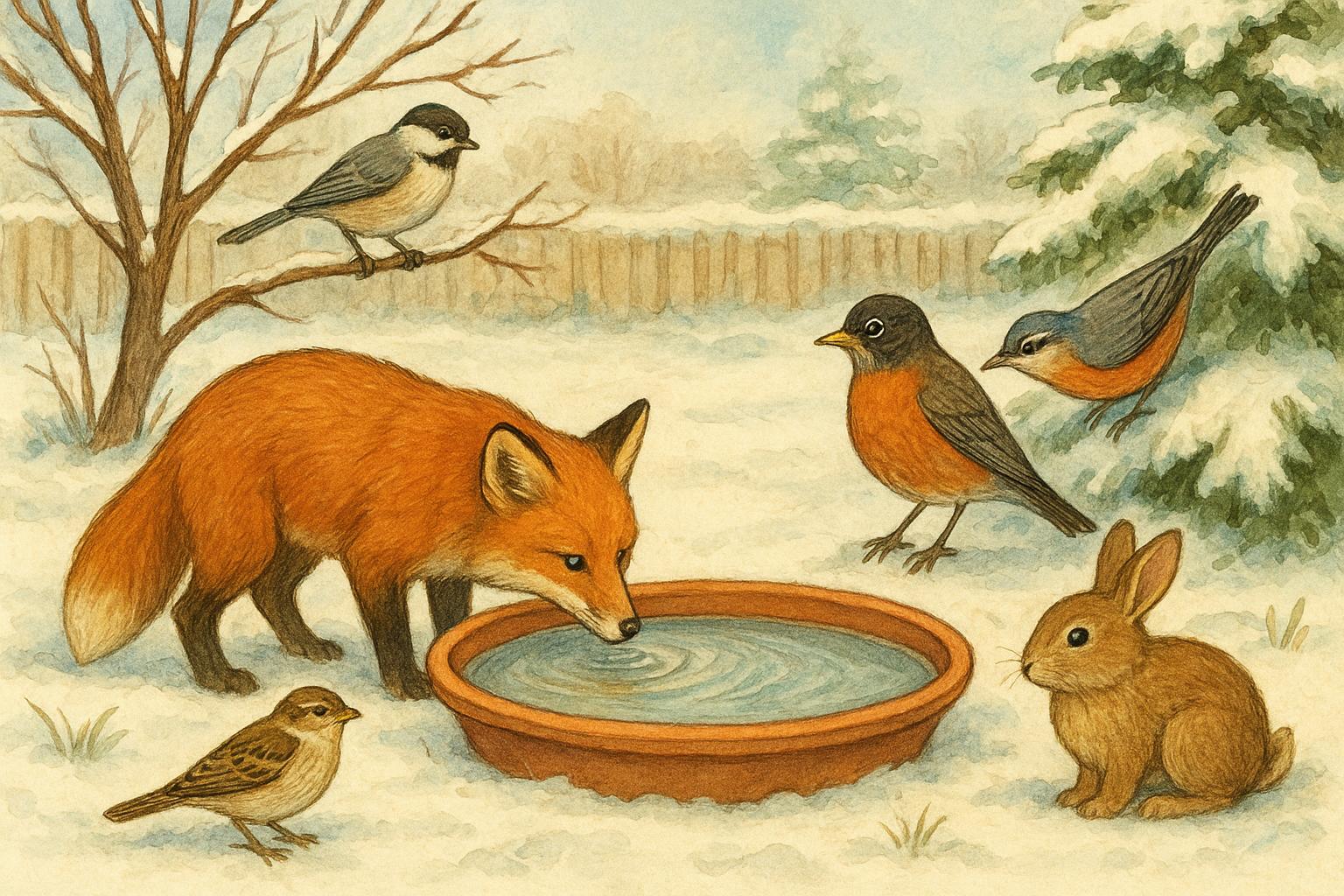
Location matters more than you’d expect. Put bowls and baths where animals feel safe. Near shrubs or trees is ideal; it gives birds and small mammals quick escape paths from predators. Place at least one water source in full shade and another in partial sun. The sun-warmed basin attracts butterflies and other insects, while shaded spots stay cooler and fresher.
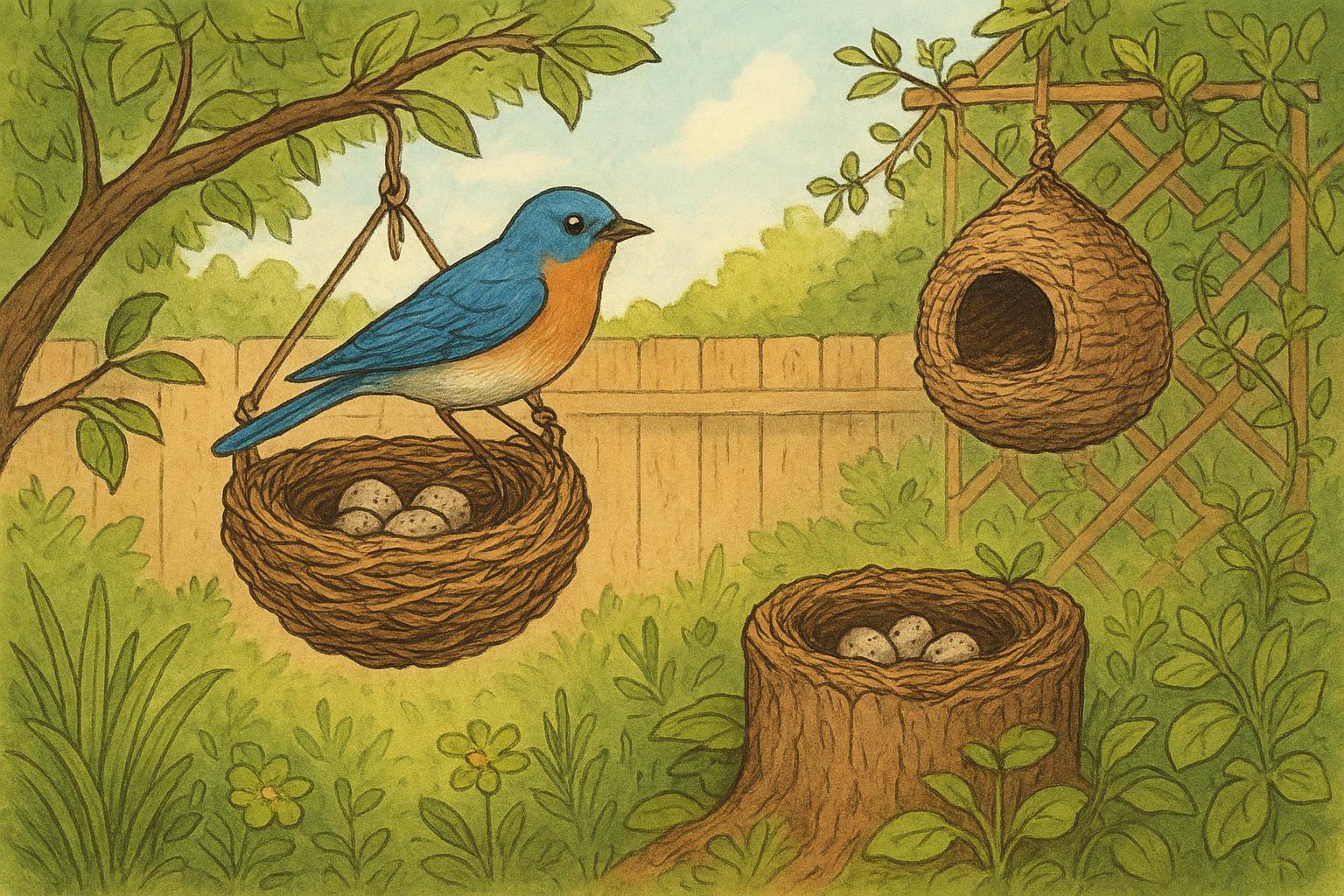
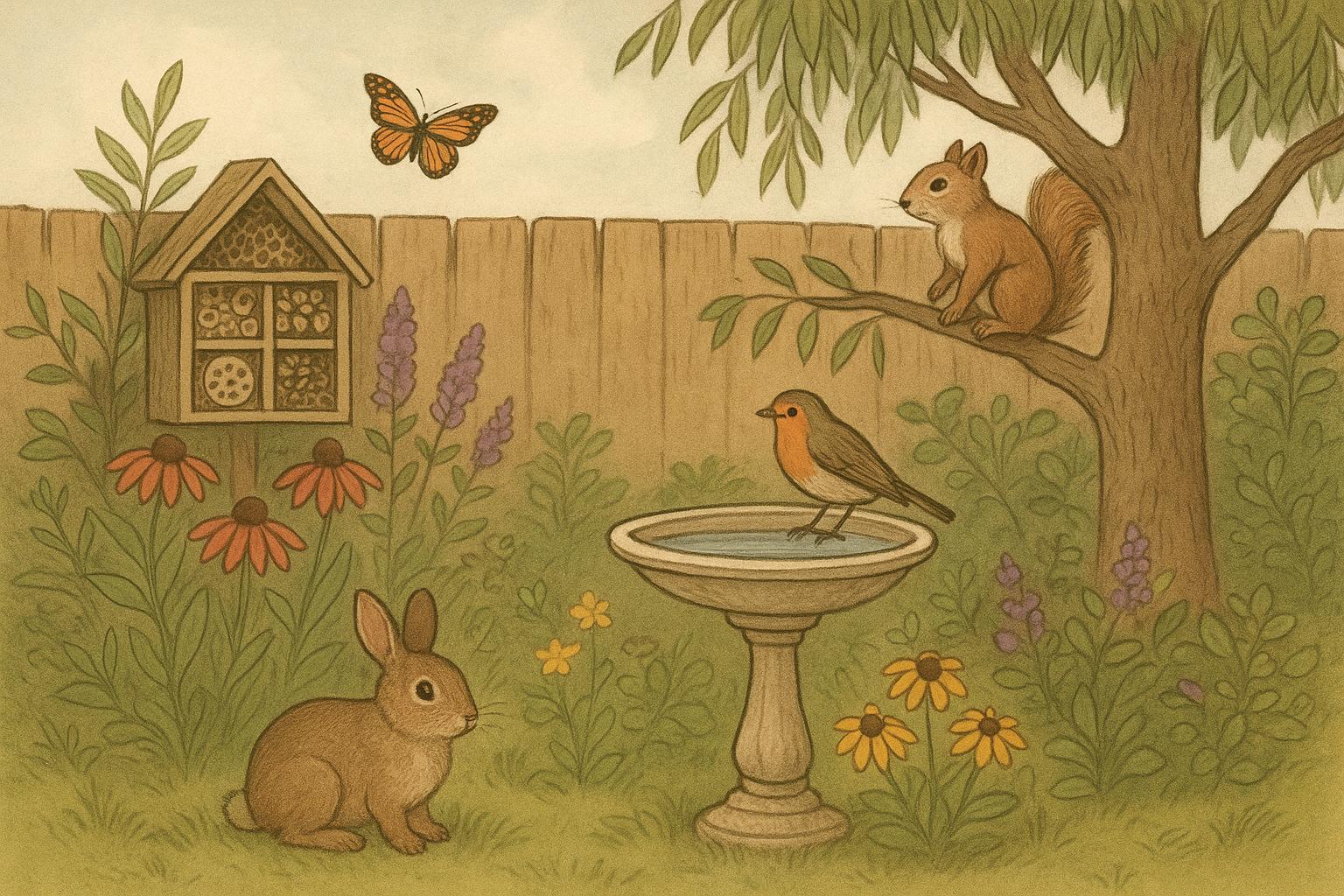
Think vertically. A hanging birdbath is great for songbirds and keeps the water cleaner. Ground-level dishes suit toads, chipmunks, and ground-feeding birds. If you offer multiple kinds of backyard wildlife water — a raised bath and a shallow ground dish — you cover more species without extra effort.
#### Shallow Areas For Small Visitors
Make sure edges are shallow. Bees and butterflies need only a few millimeters of damp soil or a shallow saucer with pebbles. Small reptiles and amphibians need gentle slopes to climb out. Add flat stones or a shallow ramp in deeper bowls so critters don’t drown.
### What Containers Work Best
You don’t need fancy gear. Old saucers, shallow ceramic dishes, stone birdbaths, even clean tuna cans will get used. The key is stability and easy cleaning. Heavy bowls won’t tip over when a raccoon inspects them. Wide rims let birds perch.
For backyard wildlife water, avoid flimsy plastic that flakes or retains heat. Metal bowls can get hot in the sun. Porcelain and stone keep cooler. If you’re on a budget, use a shallow plant saucer with a few river stones glued in place to give insects landing spots.
### Keep Water Moving
Moving water catches attention. A gentle trickle from a dripper, a small solar fountain, or a bubbler in a birdbath increases visits and discourages mosquitoes. When animals hear running water they often investigate. Even a cheap battery-powered bubbler on rotation can make a big difference.
### Cleaning And Wildlife Hydration Hygiene
Freshness matters as much as availability. Change standing water daily during hot spells and every 48 hours otherwise. Scrub out algae and debris weekly with a brush; don’t use chemical cleaners. Boiling water for a minute and then letting it cool will help disinfect without toxic residues.
Wildlife hydration is about reducing disease risk. Dirty water spreads parasites and fungi. Make cleaning part of your routine, like checking pet bowls. If you find mosquito larvae, dump the water, scrub, and refill — or install a small fountain to keep things moving.
#### Safe Additives And Things To Avoid
Skip soaps, bleach, or anything labeled “anti-bacterial.” Even tiny residues can harm frogs and insects. Do not add salt, sugar, or milk. Some people suggest a pinch of salt or sugar for mammals, but that can attract ants and disrupt natural diets. Keep it clean and plain.
### Support Pollinators And Small Insects
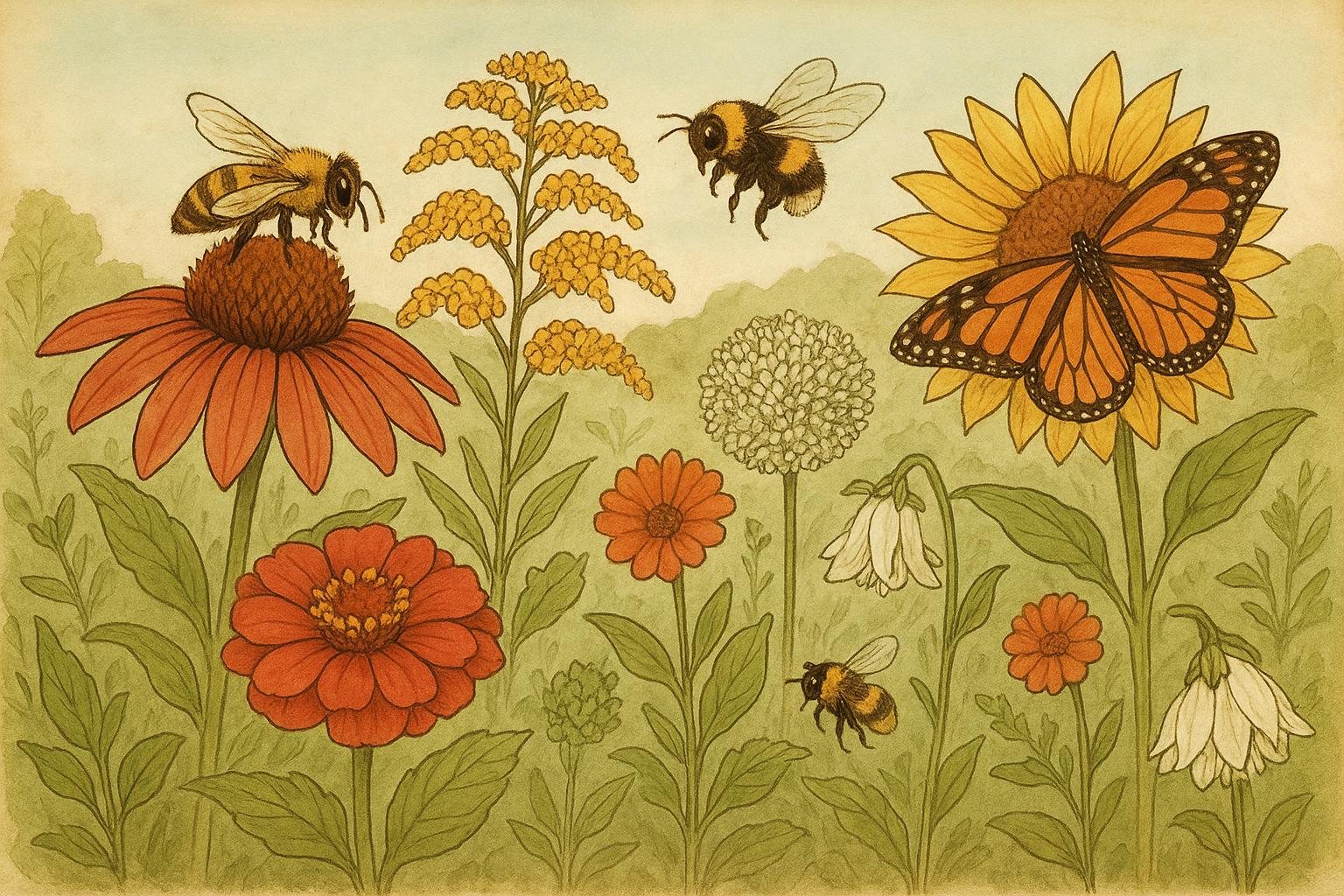
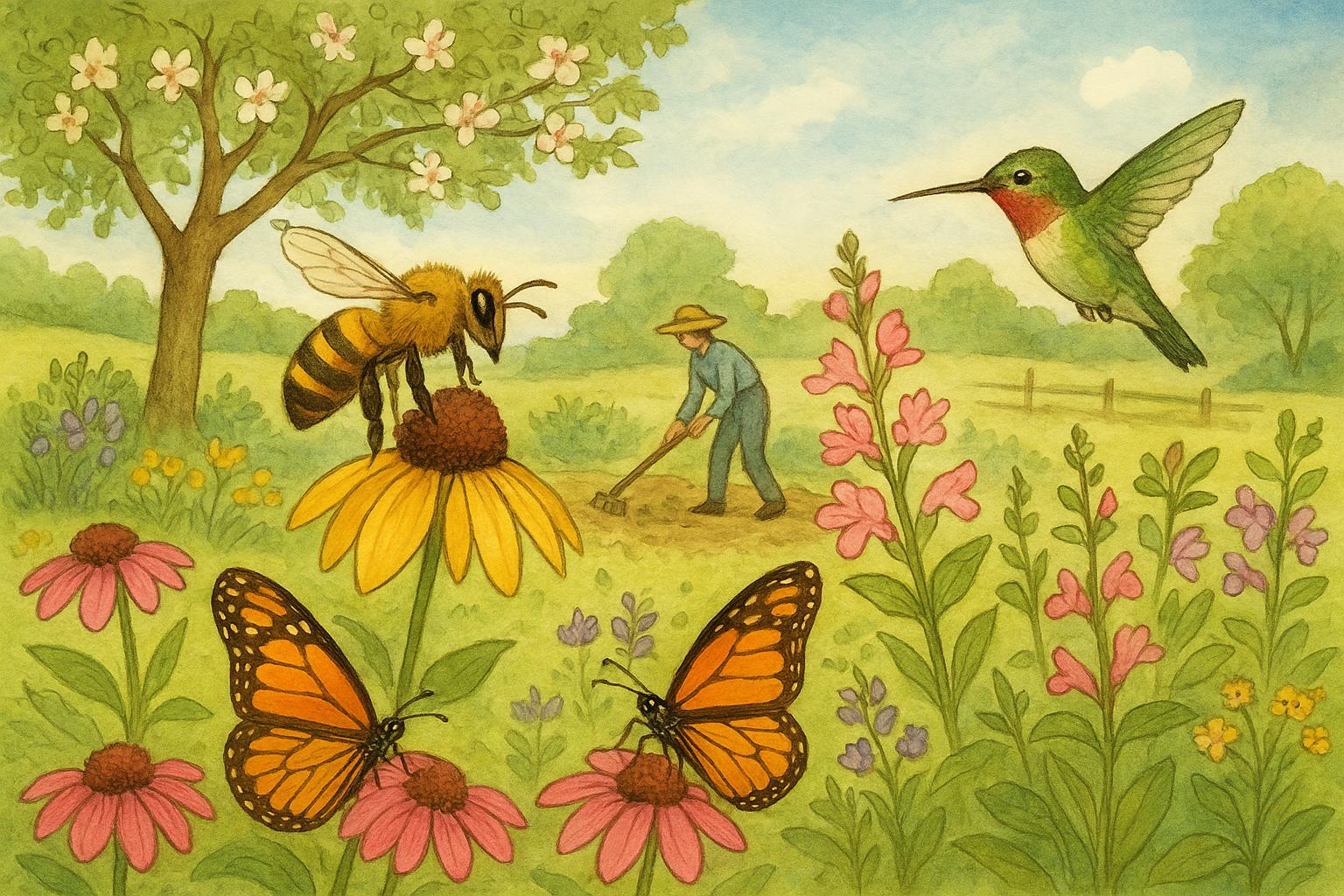
Bees and butterflies need sipping stations that are not deep. Fill a shallow lid with sand or gravel, then keep it damp. The insects sip from the water trapped between granules. Add a few flat stones for butterflies to rest on while they drink. A shallow tray with wet cotton or sponges also works in a pinch.
If you provide backyard wildlife water specifically for pollinators, move it nearer to nectar sources like lavender, bee balm, or native asters. That way insects don’t have to travel far and spend less energy, which matters in hot weather.
### Nighttime Considerations
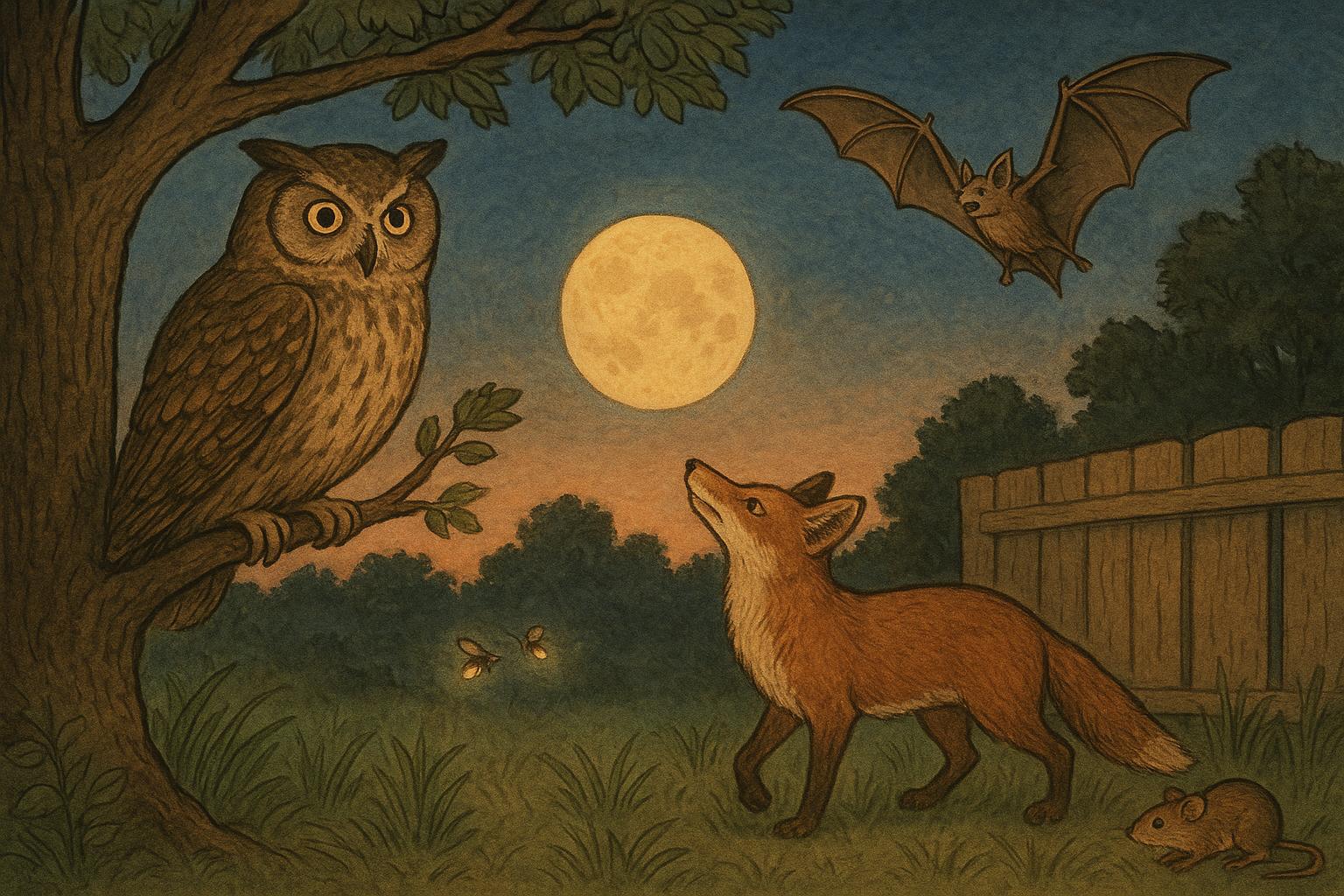
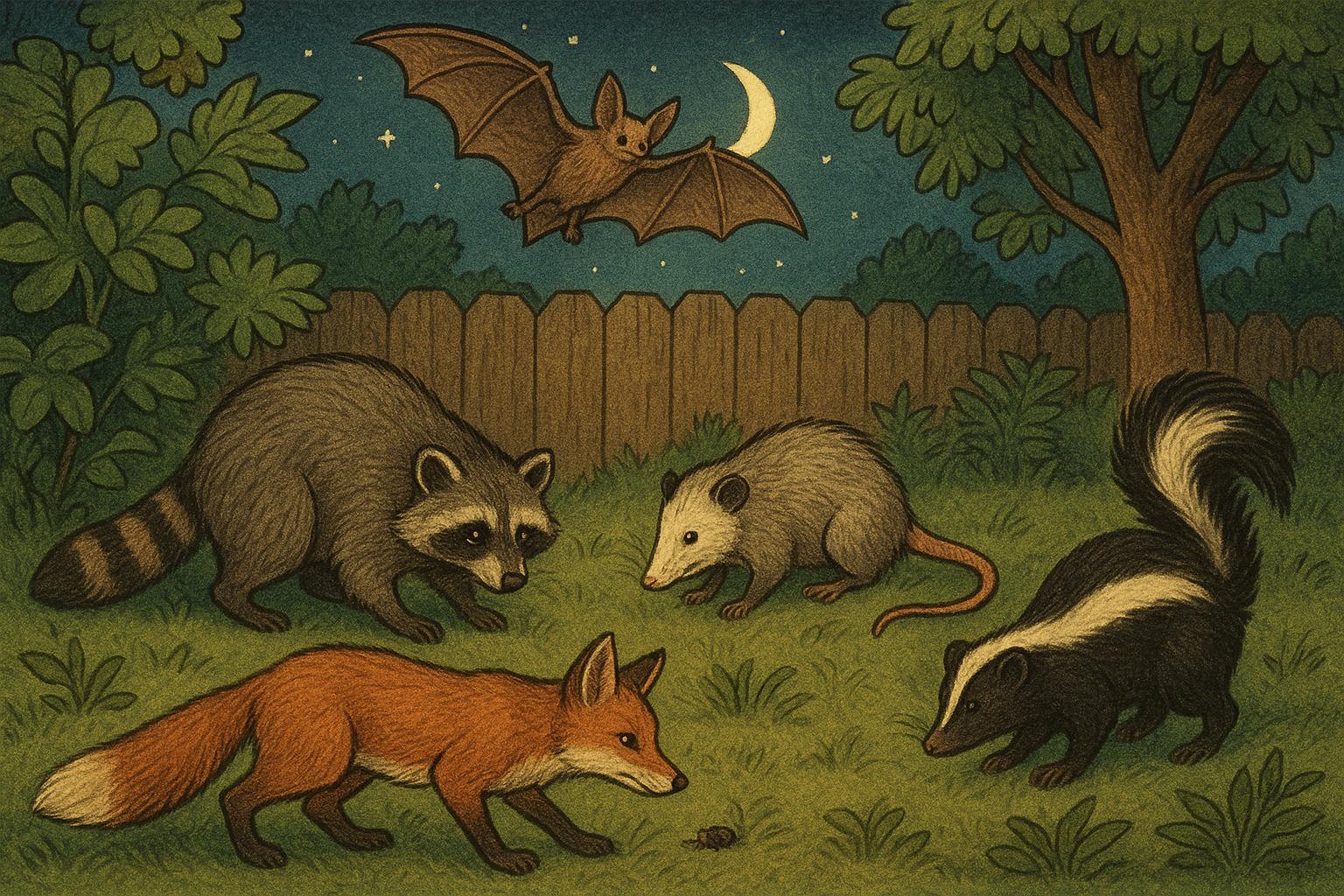
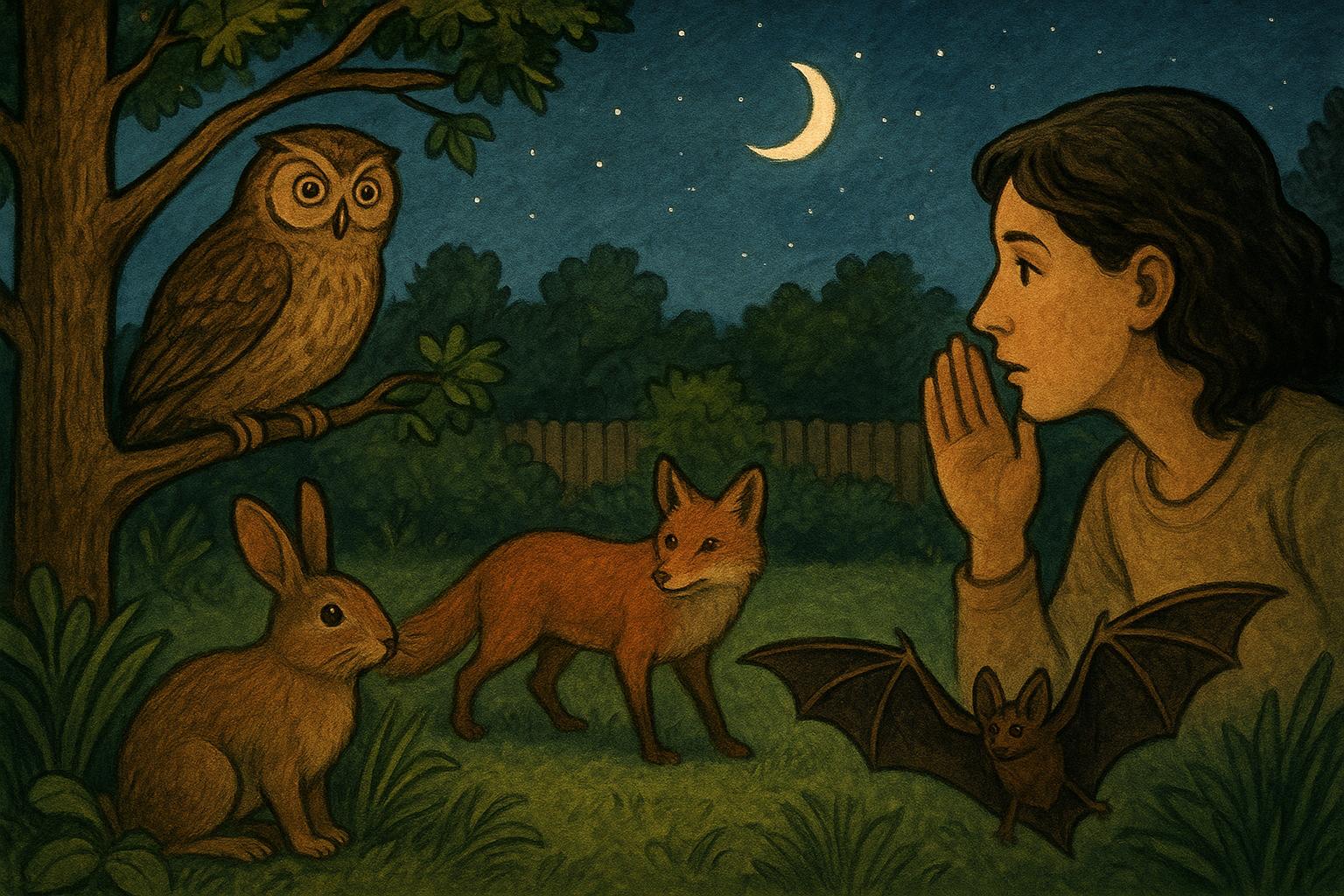
Some animals prefer to drink at dusk. Raccoons, opossums, and some rodents are most active then. Keep at least one ground-level dish available and check it in the morning. During heatwaves, animals often drink both morning and night. Make sure your night access points are clear of obstacles and not too exposed to predators.
### Monitor And Adapt
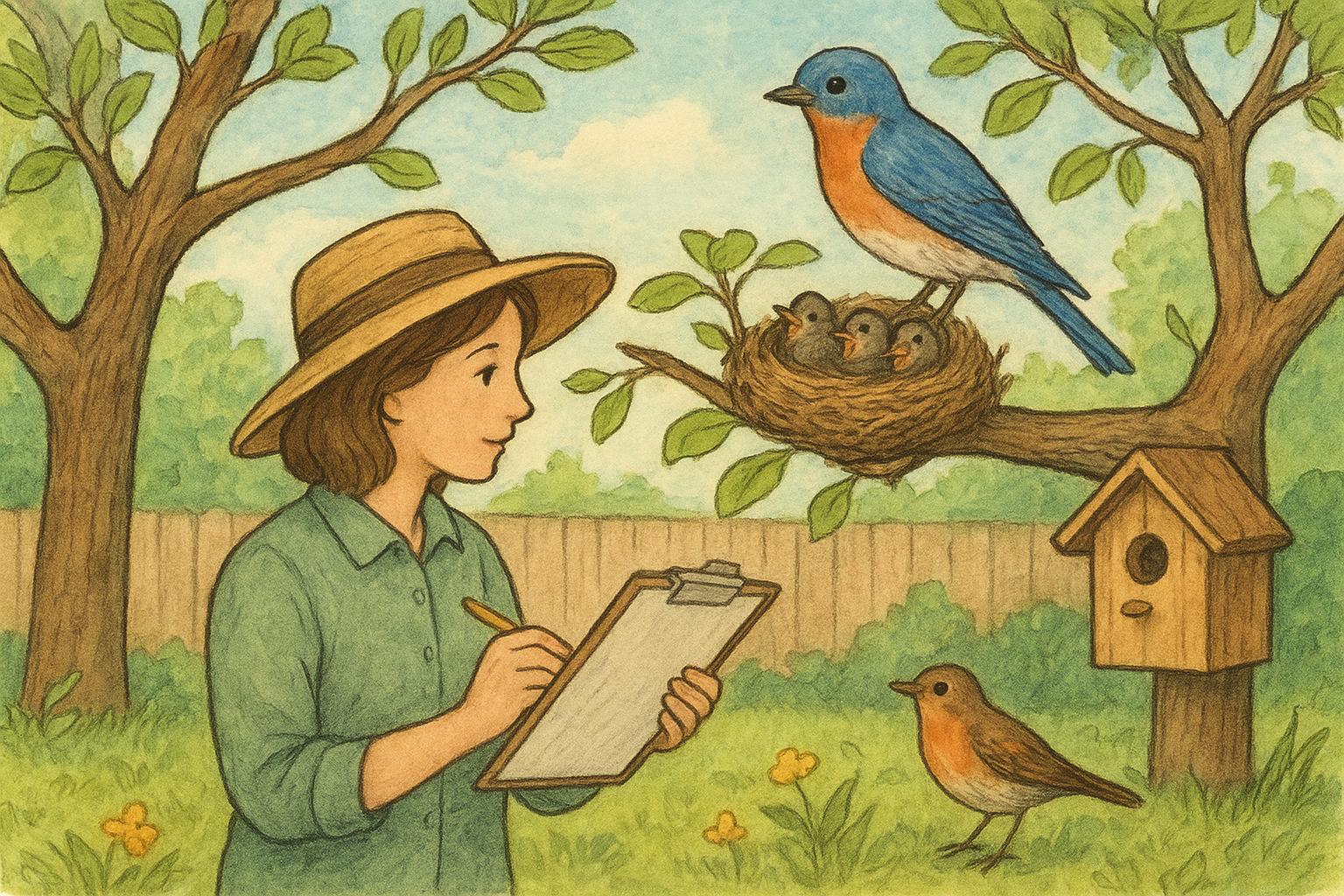
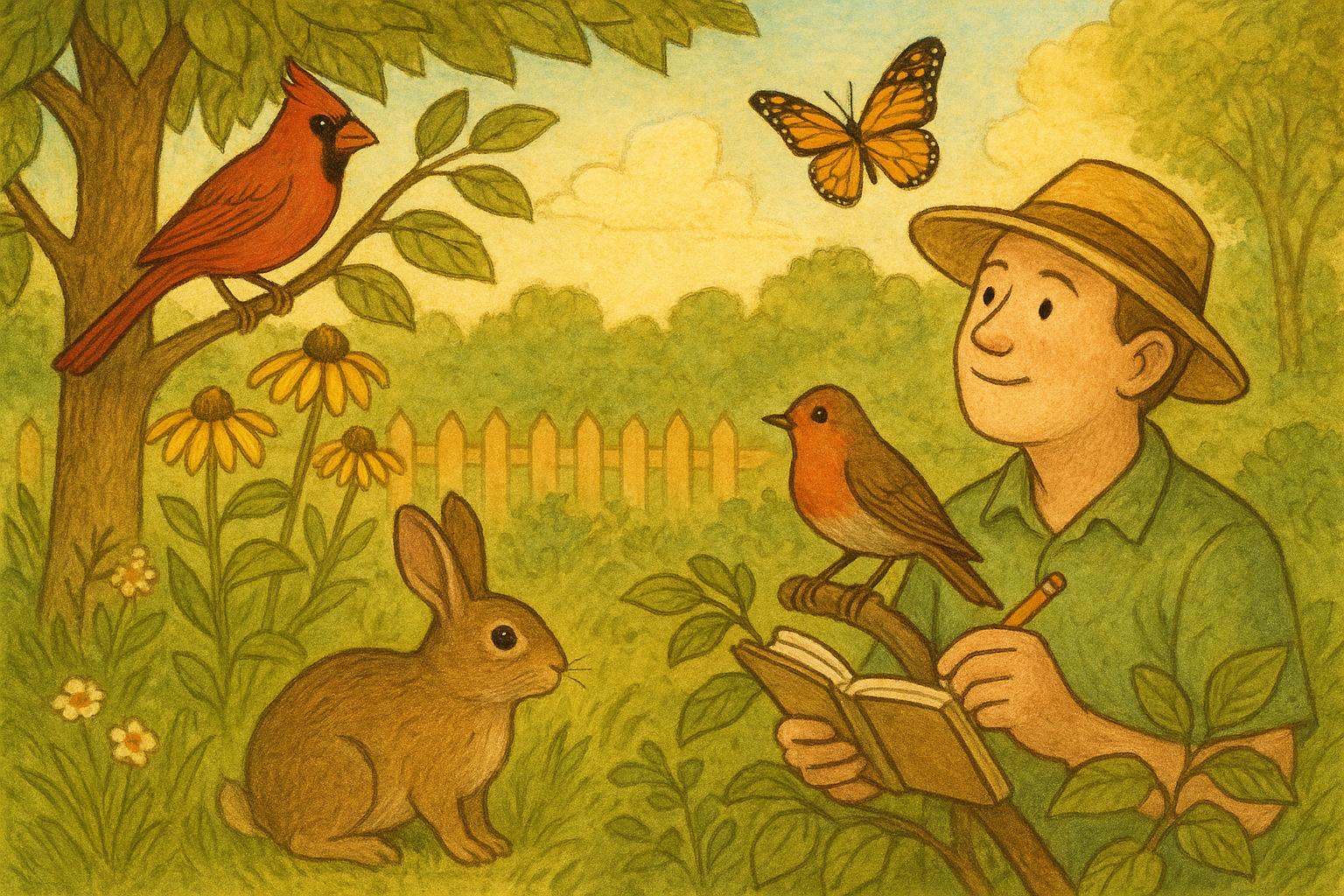
Watch who uses what. If you consistently get certain visitors, adapt. Squirrels favor narrow-necked bowls and may hoard water near their nests; birds like shallow, clean basins. Record your observations for a week or two. Then adjust placement and depth accordingly.
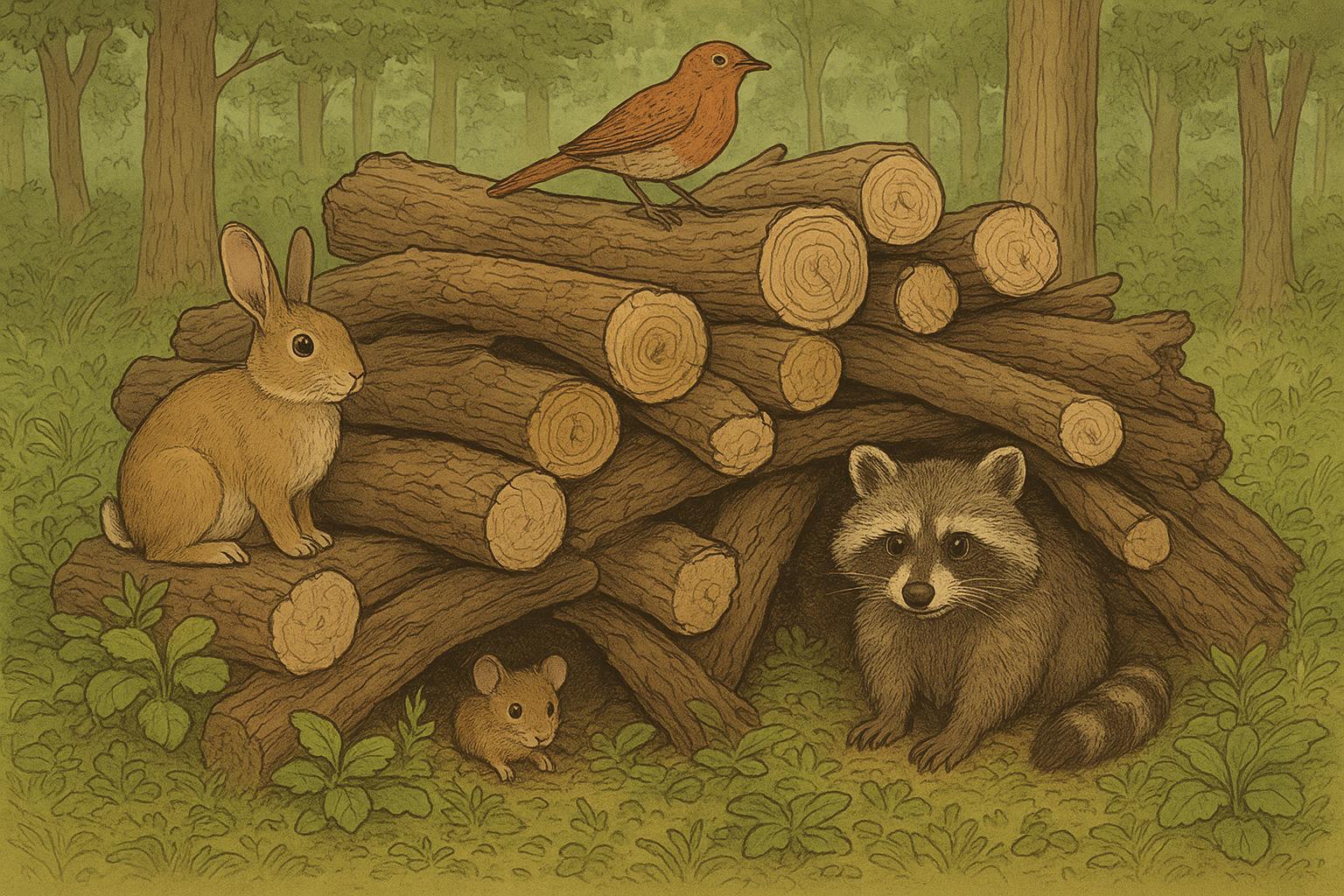
This is also where you can reflect on wildlife hydration in your habitat beyond water. Native plants that hold water in their blooms or offer shade reduce drought stress for critters. Mulch keeps soil moist and supports insects. A wet log or a damp leaf pile will be used by amphibians.
### Heat Wave Tactics
When temperatures spike, top up bowls more frequently and consider adding frozen water bottles to larger containers to extend cool periods without shocking animals with ice. Place an overturned saucer over a bowl to create a shaded micro-pool that stays cooler. If you have pets, set aside separate water; their food and waste can contaminate wildlife water.
Provide extra places to drink during heat events. A dozen small dishes spread around the yard works better than one big one. It reduces competition and keeps timid animals coming back.
### Safety And Predators
Water attracts both prey and predators. Avoid placing dishes where cats or dogs can crouch unseen. Elevated baths and windowside perches help birds see predators coming. If neighborhood cats are a problem, place water sources near dense shrubs where birds can dart into cover quickly.
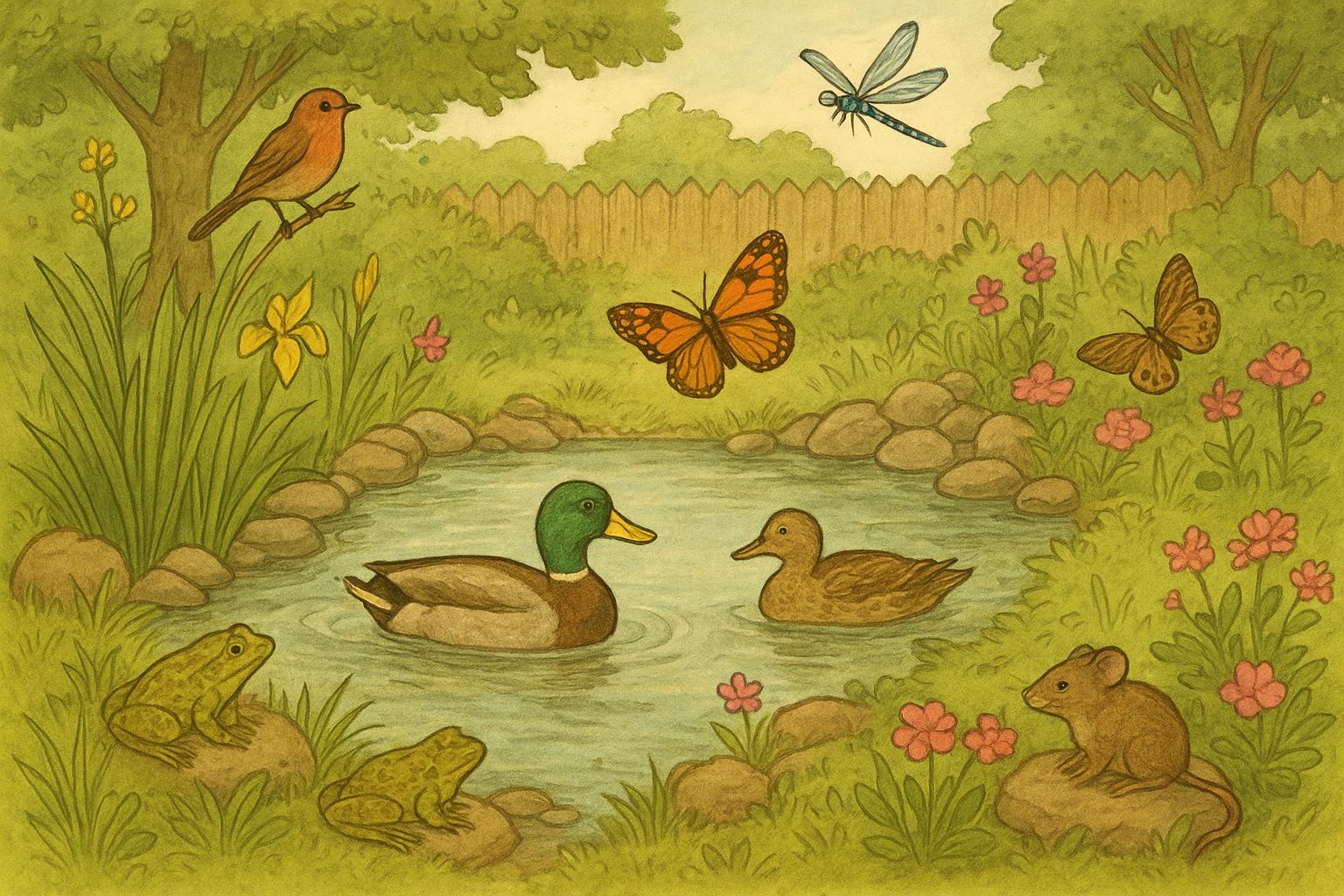
If you have a pond, add shallow edges or ramped stones so small animals can climb out. Slippery, steep-sided ponds are hazardous. Netting can reduce predator strikes but can also trap wildlife; use it carefully.
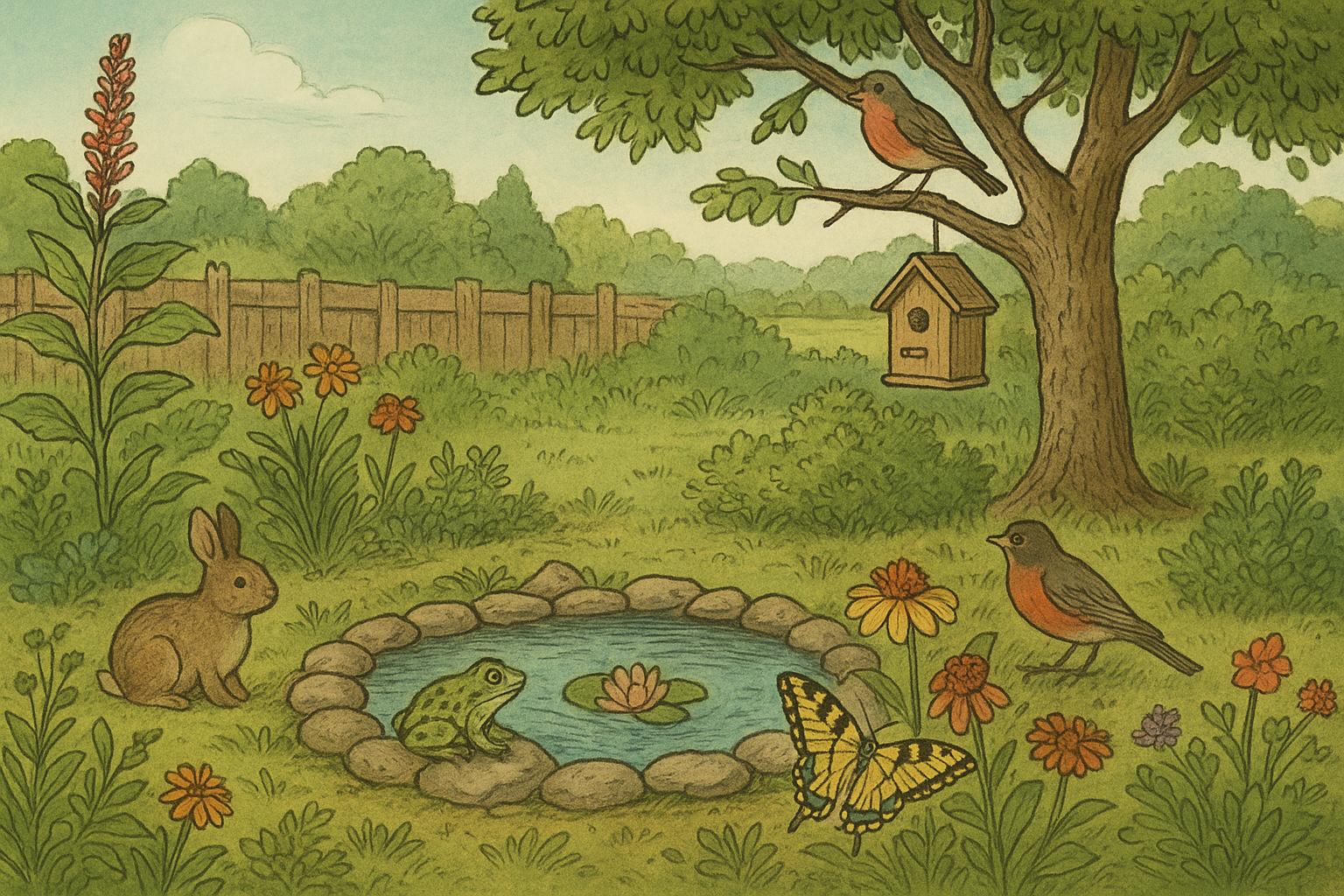
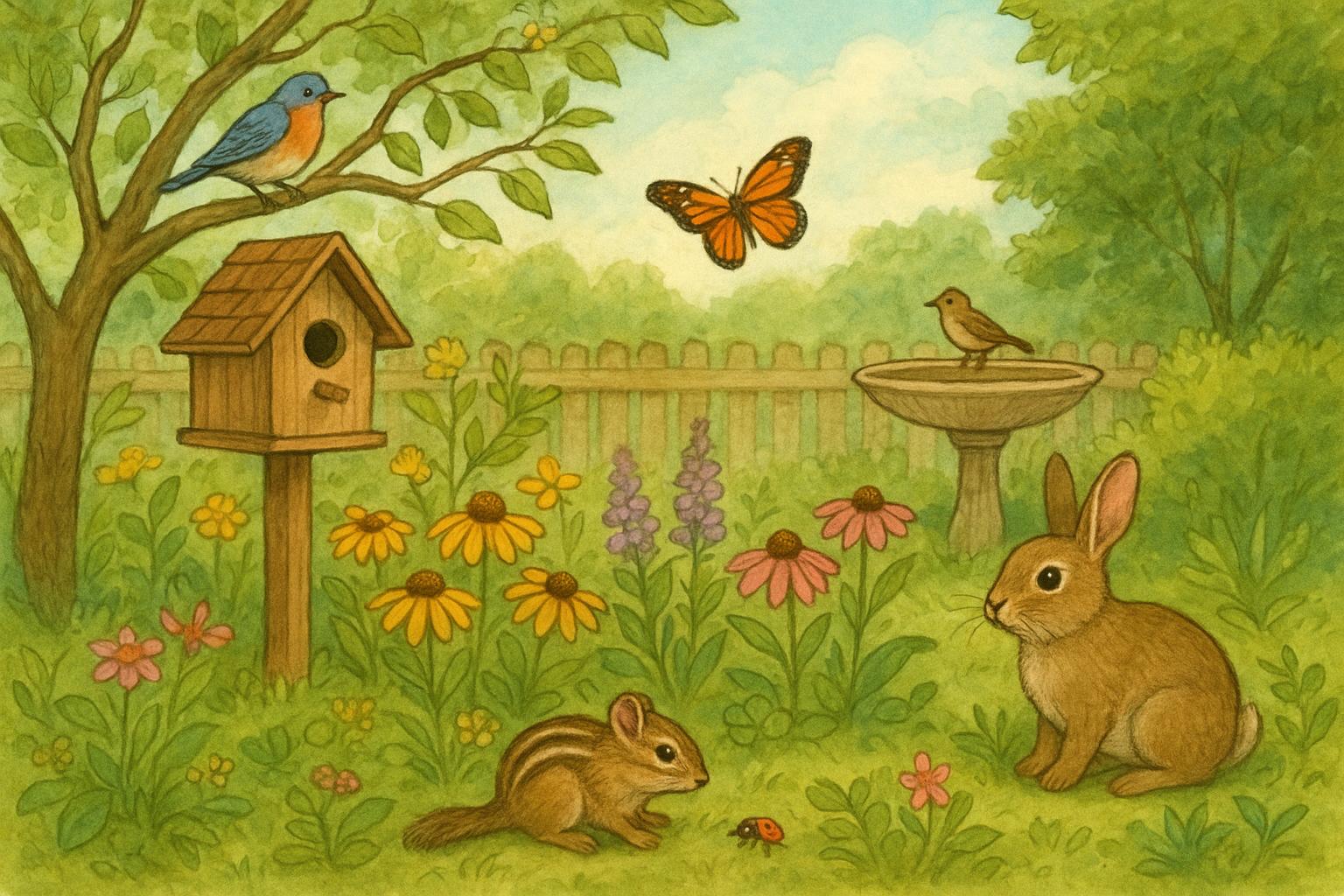
A small, practical shift in how you supply water makes a real difference in wildlife hydration across the neighborhood. Keep it simple, observe, and tweak. A bowl in the right spot, cleaned frequently and shaded, will be visited more often than a pristine fountain stuck in full sun. And remember: variety wins. Offer multiple kinds of backyard wildlife water and you’ll serve more species with less fuss.
seperate one more thing: once a habit is in place, neighbors notice and start doing it too. That’s how a thirsty block becomes a livable corridor for animals.




Leave a Reply