
## Backyard Nectar Birds: Practical Steps To Welcome Them
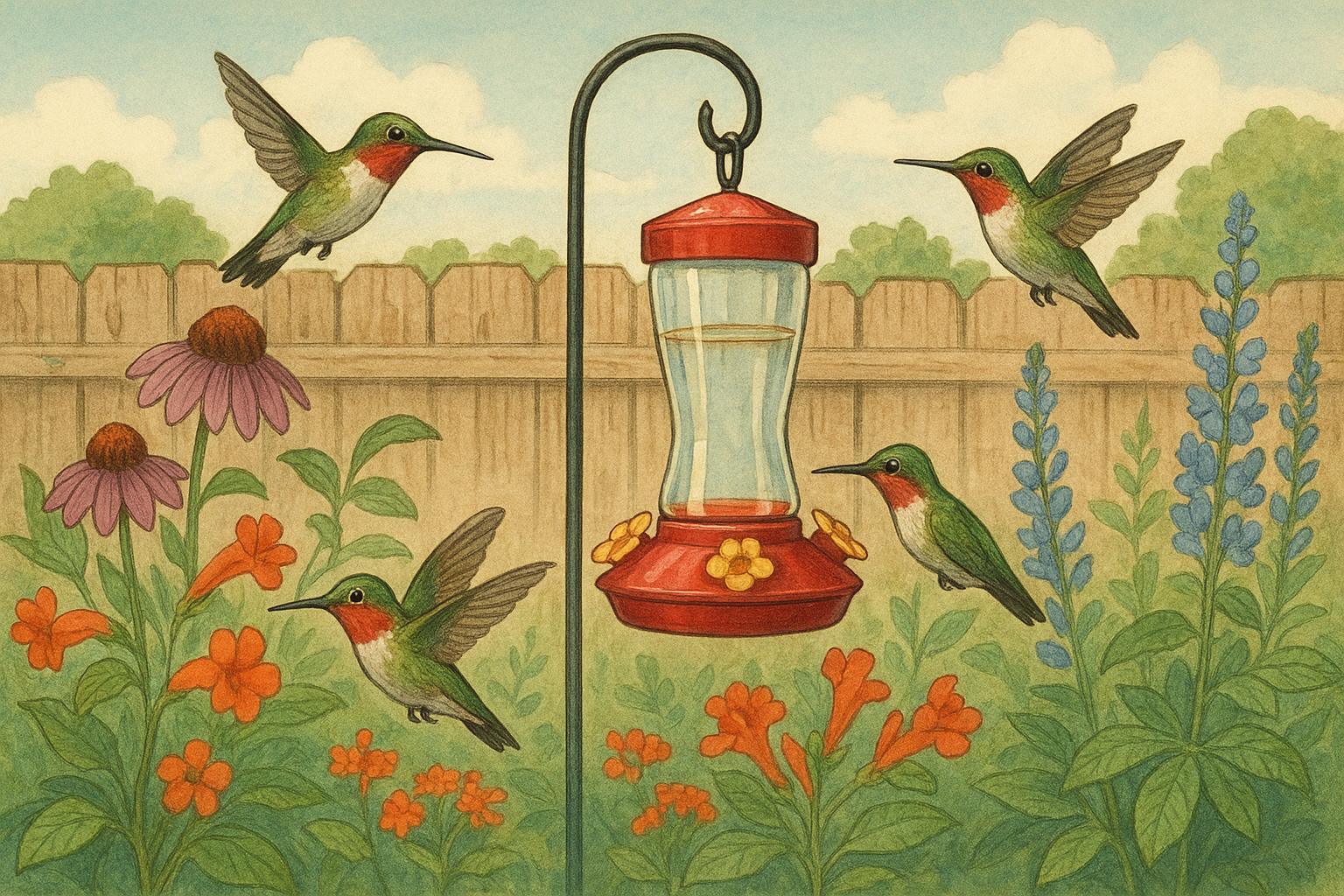
If you want hummingbirds to treat your yard like a stop on their commute, start with food and safety. Backyard nectar birds need reliable nectar sources, places to perch, and a sense that predators aren’t waiting around the corner. Pick one thing and do it well: a clean feeder or a bright patch of tubular flowers will bring results faster than scattering a dozen half-finished projects.
## Hummingbird Habitat Essentials
A workable hummingbird habitat is simple: food, water, and shelter. Food means both feeders and flowers. Water can be a mister or a shallow dripper — hummingbirds love moving water more than still. Shelter comes from shrubs or small trees where they can hide or preen. Provide these in layers: low shrubs for quick escapes, mid-height branches for perching, and taller trees for roosting.
### Food: Feeders Versus Flowers
Feeders are the easiest way to control nectar sources and attract birds quickly. Use clear feeders with troughs or a few small ports. Avoid metal perches that get hot in direct sun. The basic nectar recipe is 1 part white granulated sugar to 4 parts water. Boil to dissolve and cool before filling. No need for red dye — it can be harmful. Change the solution every 3–4 days in warm weather and every 7–10 days when cool. Clean feeders with a soft brush; vinegar and hot water are enough.
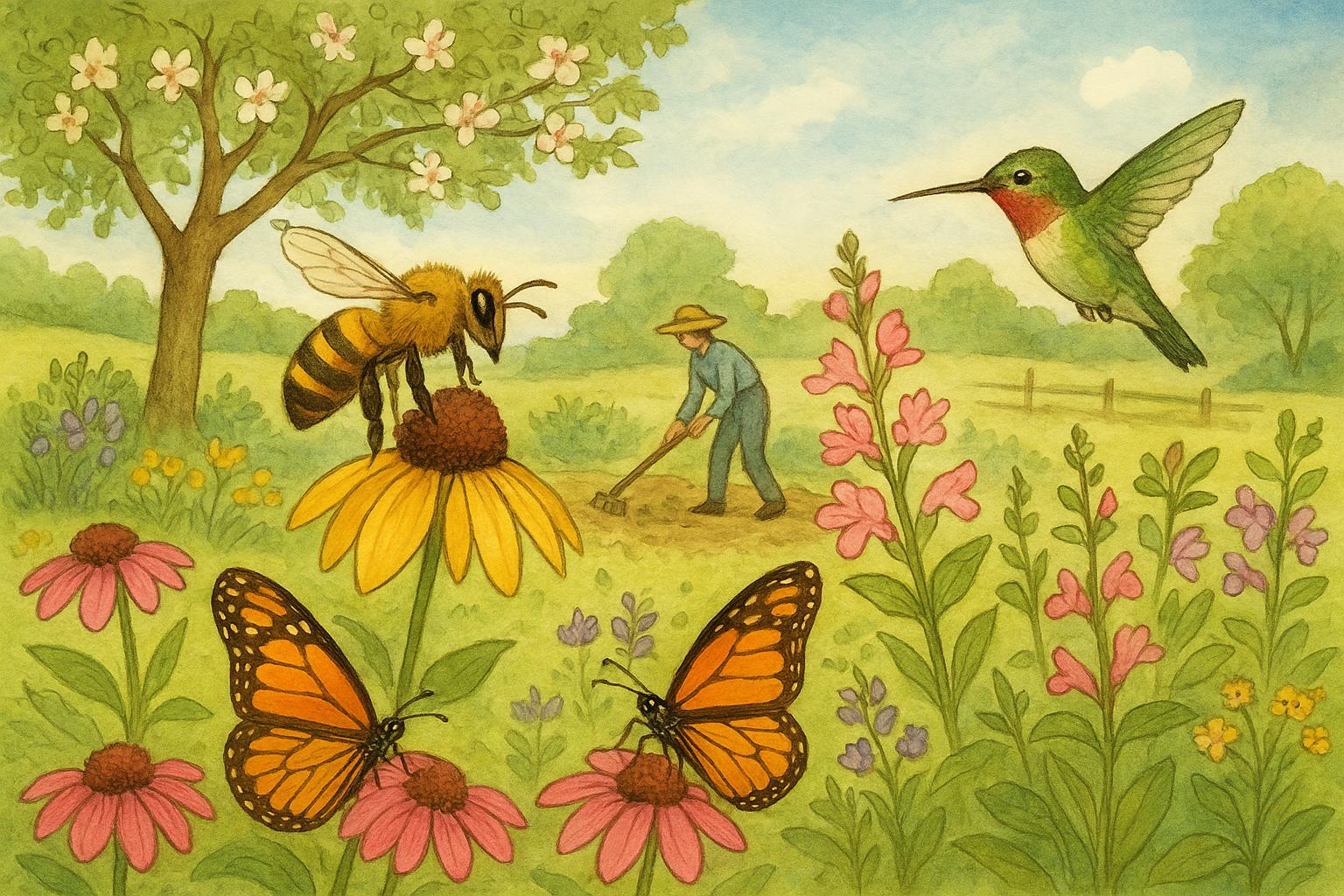
Natural nectar sources are more subtle but ultimately healthier for a stable hummingbird population. Plant tubular flowers like penstemon, columbine, bee balm, and trumpet vine. Native species are best because local hummingbirds have evolved with them. Stagger bloom times so something is always in flower. That way your patch stands out as a dependable stop.
#### Where To Place Feeders
Put feeders in view but not in full blaze of midday sun. A shaded spot near flowers is ideal. Keep them 10–15 feet from windows to reduce collision risk. If you have multiple feeders, space them apart so territorial males can’t dominate all of them. Hang at different heights; hummingbirds will sample options and tell you what they prefer.
## Designing Nectar-Rich Plantings
Plan for succession. Early spring blossoms like salvia and columbine draw first arrivals. Mid-season favorites include bee balm and penstemon. Late bloomers like salvias and some fuchsias keep birds coming in autumn. Mix colors and shapes, but emphasize reds, oranges, and deep pinks — hummingbirds see these well and associate them with nectar sources.
Native shrubs such as currant and red-flowering currant in the West, or coral honeysuckle in the Southeast, are great choices. If you live in the desert, choose penstemon and desert willow. Add a vine or two for vertical interest. A cluster of plants is better than isolated blooms; concentrations of flowers are easier to find and defend.
### Soil And Maintenance Tips
Don’t over-fertilize. High nitrogen encourages leaves over flowers. Use compost to build soil slowly. Deadhead spent flowers to encourage more blooms, but leave some seed heads in late season for insects that hummingbirds also eat. Mulch to retain moisture and cut down on weeds. If you water deeply but infrequently, your plants will develop stronger roots and more reliable blooms.
#### Plant Combinations That Work
– Bee Balm + Phlox + Penstemon: a mid-season hummingbird magnet.
– Salvia + Trumpet Vine + Fuchsia: strong color contrast and varied corolla shapes.
– Red Columbine + Native Currant + Lupine: early-season nectar sources.
## Water: More Than A Pretty Feature
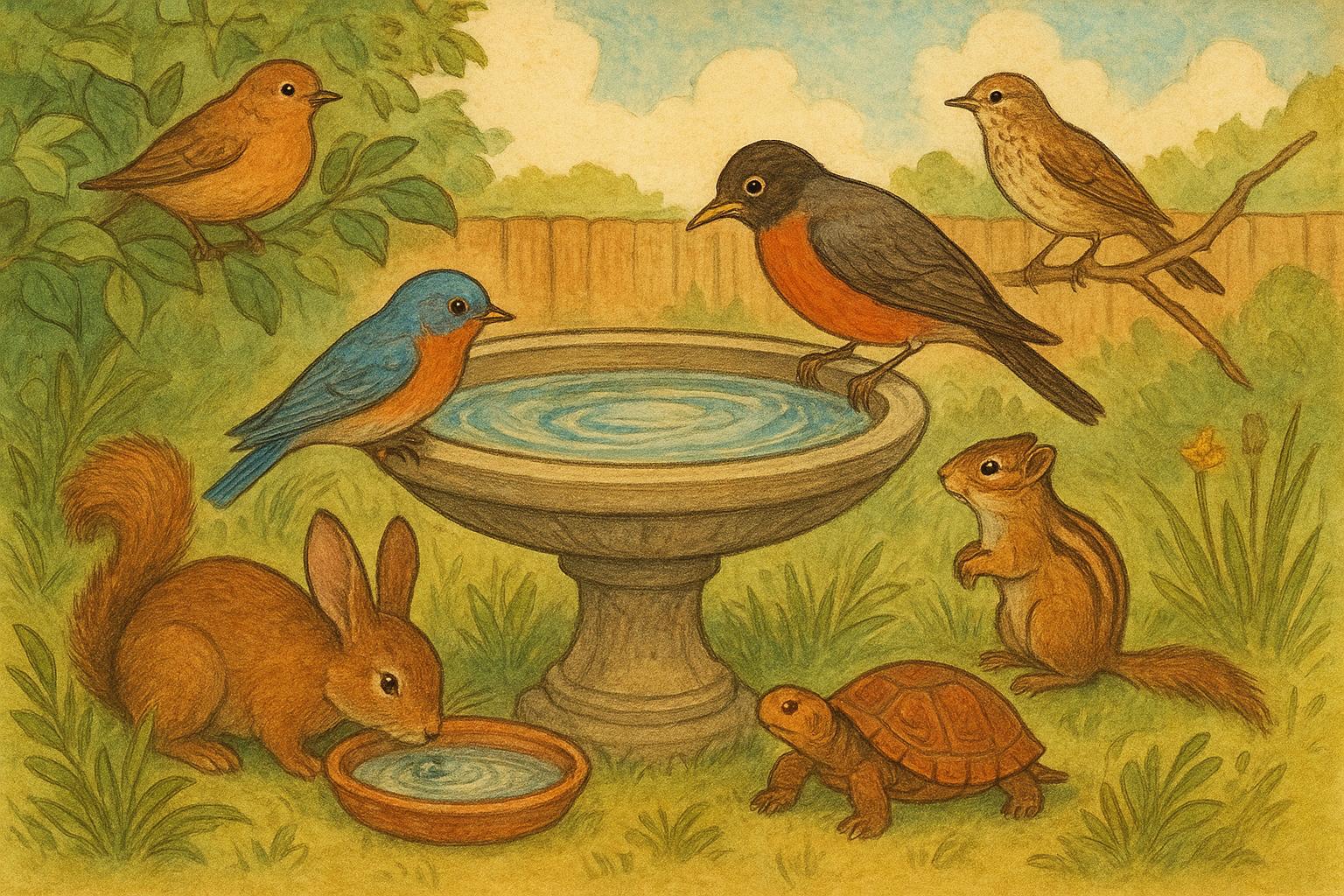
Hummingbirds bathe and drink differently than most backyard birds. They like fine sprays and mists. A small mister or a dripper that creates a thin curtain of water is more appealing than a deep birdbath. Put the mister near flowering plants so the birds can dry off on a nearby perch. Clean water features often — algae or mineral buildup can discourage visits or harbor bacteria.
## Territorial Behavior And Social Tips
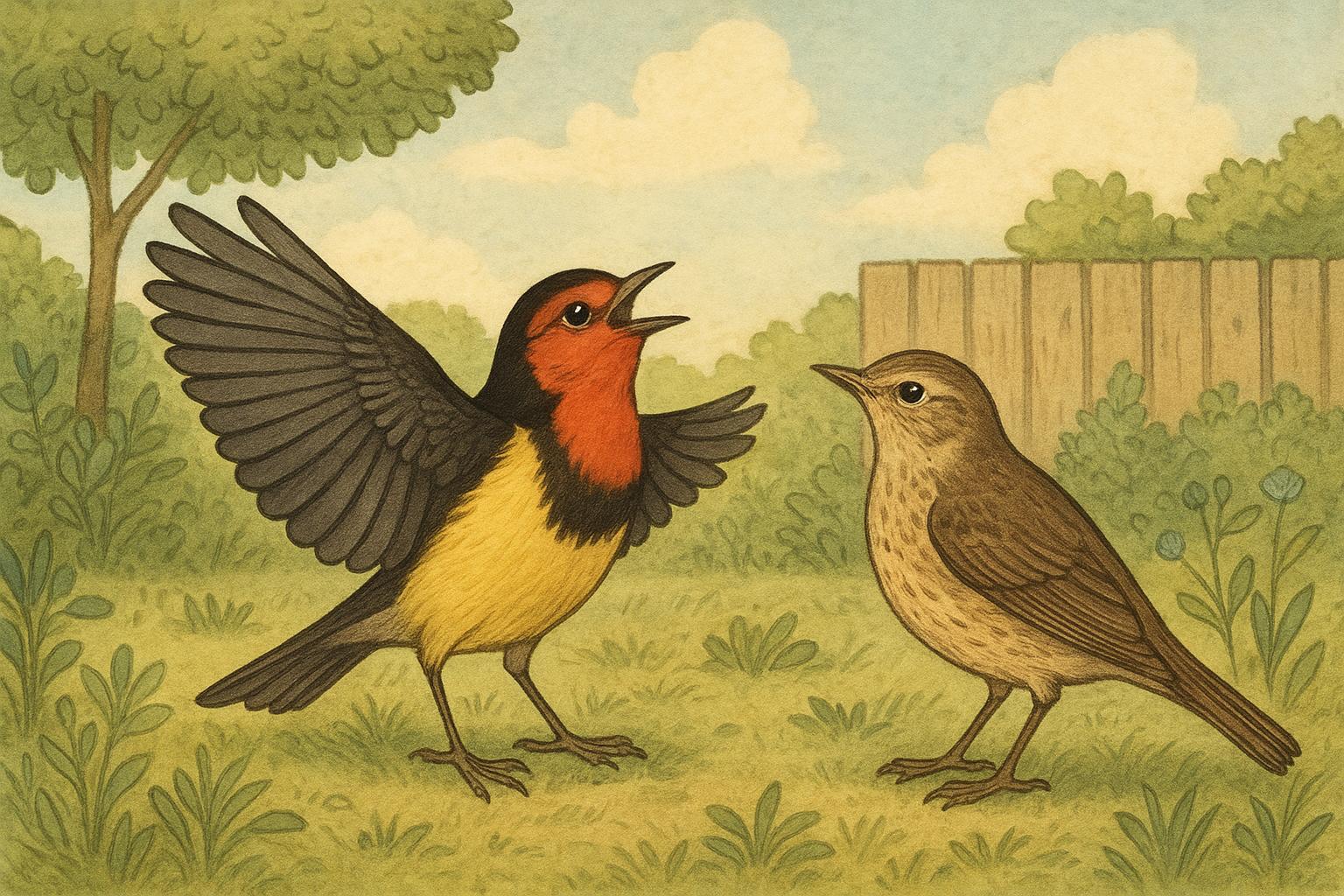
Hummingbirds are famously territorial. In a small yard, expect a dominant male to chase others away. You can reduce conflict by offering multiple feeders and plant clusters spread across the yard. If one bird is supressing visits, move a feeder to a new location for a few days. Female humerbirds are less aggressive and will use feeders more if males remain occupied elsewhere.
Young birds learn quickly. In late summer you may see many tiny fledglings practicing their aerial maneuvers and testing nectar sources. Keep feeders plentiful through the fledging period. That helps reduce starvation and teaches youngsters where safe food is.
### Predators And Hazards
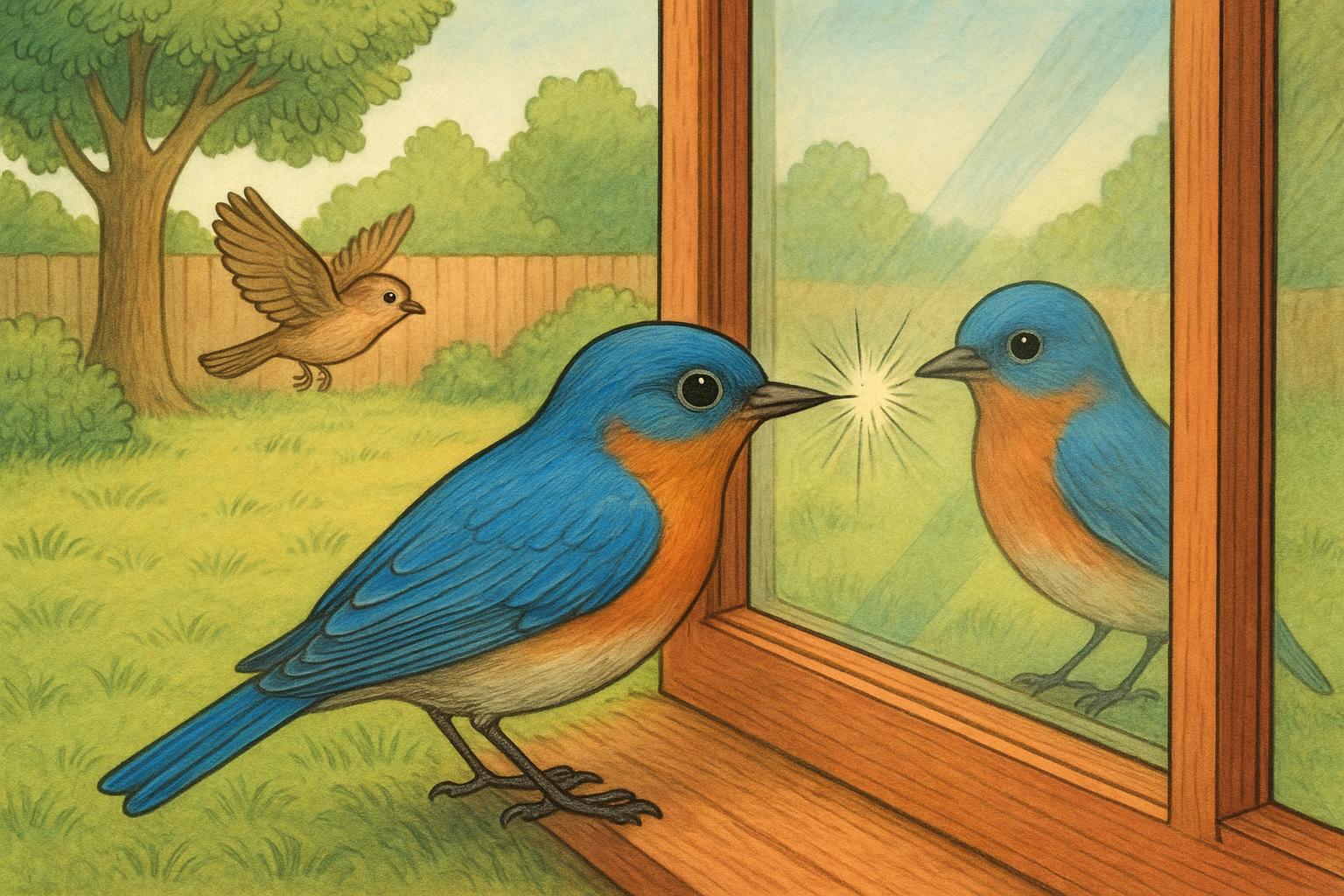
Cats are the biggest risk around feeders near windows or ground-level plants. Keep feeders well away from dense shrubs where a cat can hide. Windows are another hazard. Reduce reflection with decals or move feeders closer than 3 feet from the glass so birds don’t build up speed before a collision. Avoid pesticides. Hummingbirds also eat small insects; poisoning their prey harms them indirectly.
#### Avoiding Mold And Bacterial Issues
Sugar water can ferment or grow mold if left too long. That’s why cleaning is essential. Use hot water and a bottle brush, and rinse thoroughly. If you see cloudy nectar, dump it and clean the feeder immediately. In winter, cups of nectar can freeze; offer feeders during warm spells but don’t expect much use in harsh cold unless you’re in a mild climate.
## Seasonal Strategies
Spring: Put feeders out before the first expected arrival. Early feeders build trust. Pair them with early-blooming plants.
Summer: Maintain water and shade to keep nectar from spoiling. Watch for fledglings.
Fall: Keep nectar available for migrating birds. Offer multiple nectar sources; they need to fatten up. Some species visit later into October, so don’t remove everything on September 1st without checking local migration timing.
Winter: In southern regions, feeding year-round helps resident birds. In colder places, feeders can be left during warm days but will need more frequent maintenance to prevent freezing or fermentation.
## Troubleshooting Common Problems
If your backyard nectar birds aren’t showing up, check these things first: feeder cleanliness, placement, and food recipe. If you use a fancy nectar mix, try the simple 1:4 sugar water recipe for a week. If a single territorial male is scaring off others, add another feeder thirty feet away to split activity. If birds visit but leave quickly, add more blooms or try a mister. Sometimes small changes make a big difference.
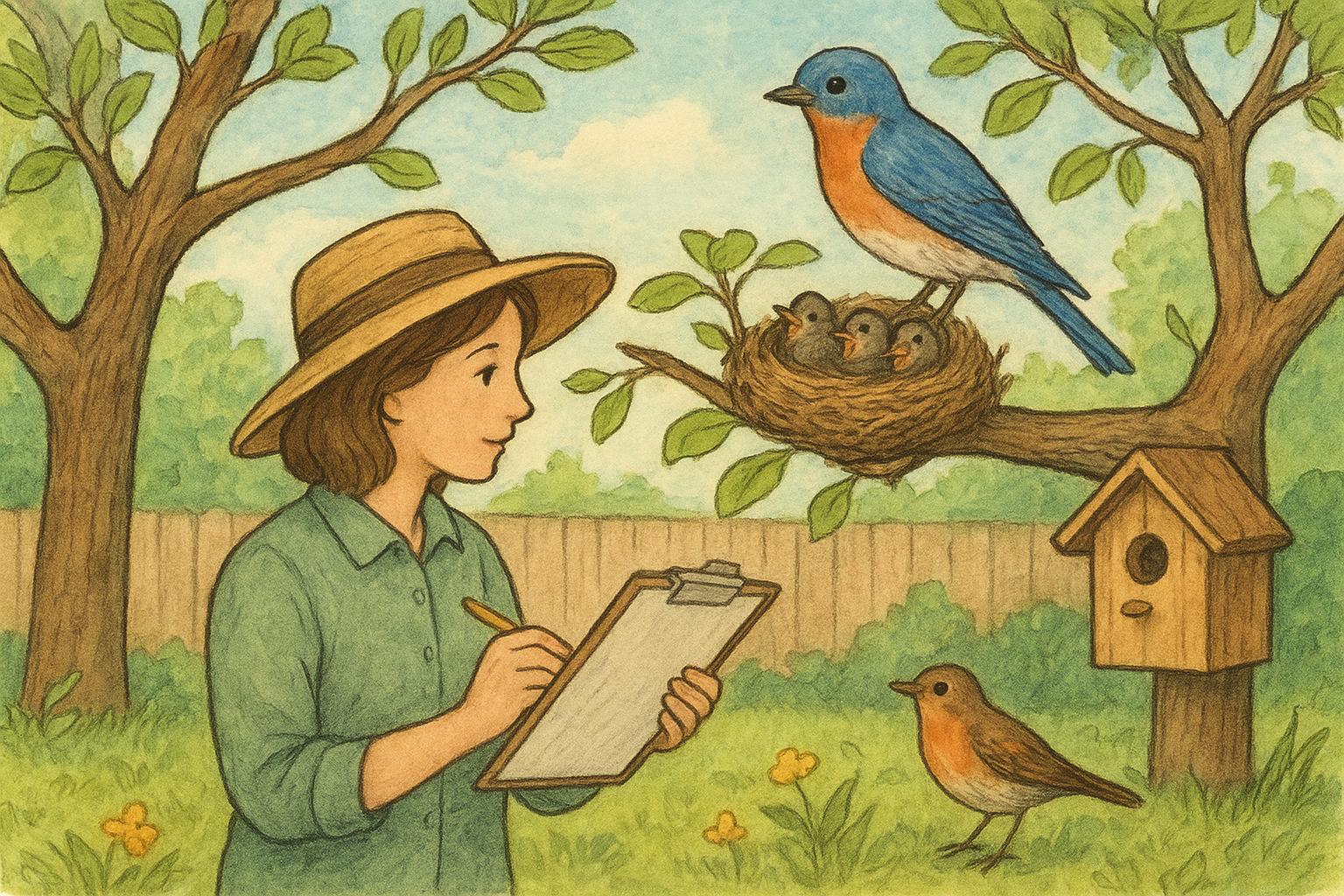
Keep notes. Jot down first sightings, plants that produce the most visits, and which times of day are busiest. Over a season you’ll see patterns and can tweak layout, plant choices, and feeder placement. This is how a haphazard yard becomes a reliable hummingbird habitat.
## Observation And Enjoyment
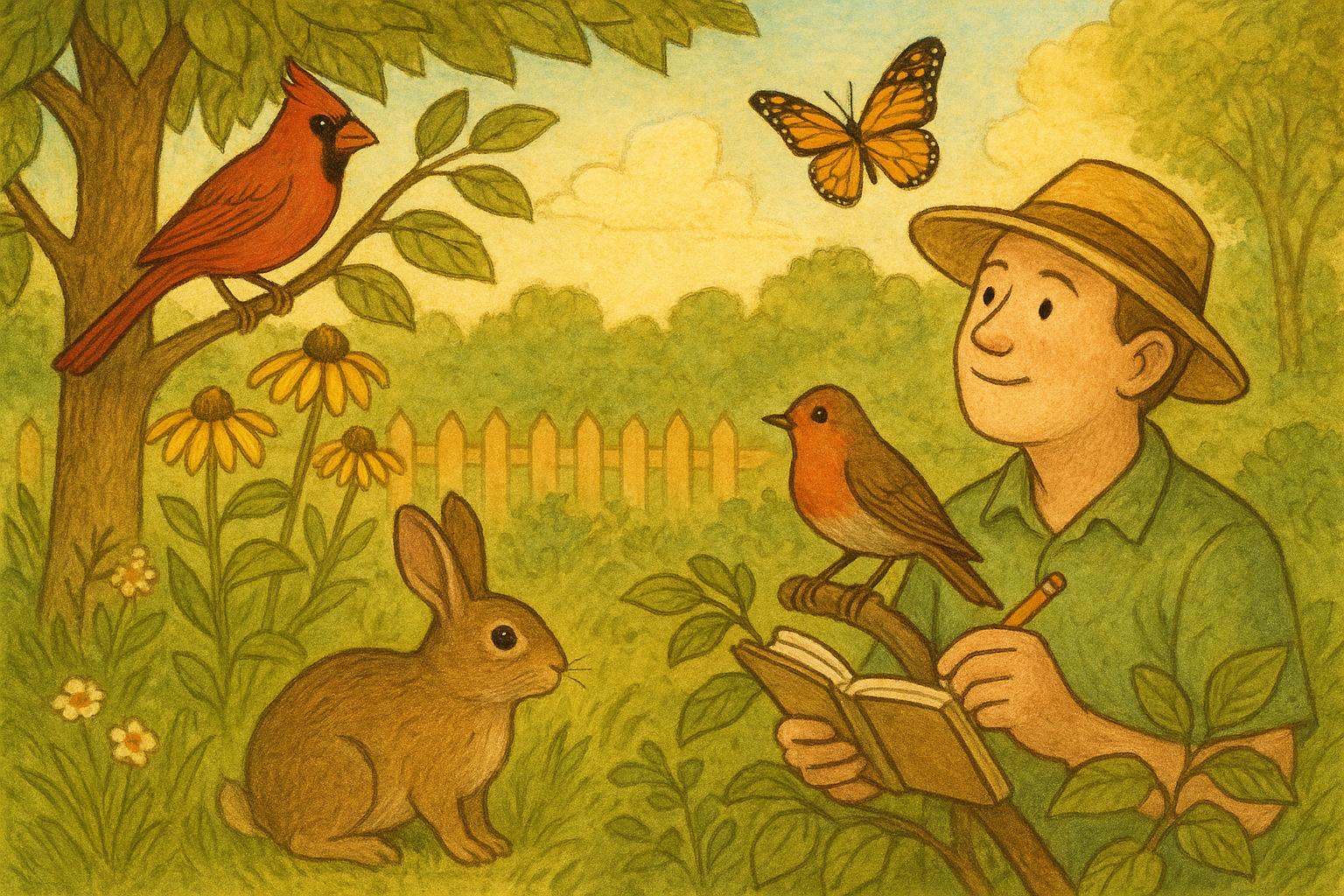
Once things are humming, spend time watching how birds use space. Notice which plants they prefer, how they defend territories, and how fledglings behave. Bring a pair of binoculars and a notebook. Photograph flight paths and feeder patterns. These small details help you refine the layout and increase success in the seasons to come.
If you want to recieve more visits, think like a hummingbird: bright color, liquid energy, safe perches, and a tidy, predictable patch. Make the changes, wait a few days, and they’ll start to check your yard as a potential hangout. Keep at it, and your backyard nectar birds will reward you with lively, close-up theater every day.

Leave a Reply