
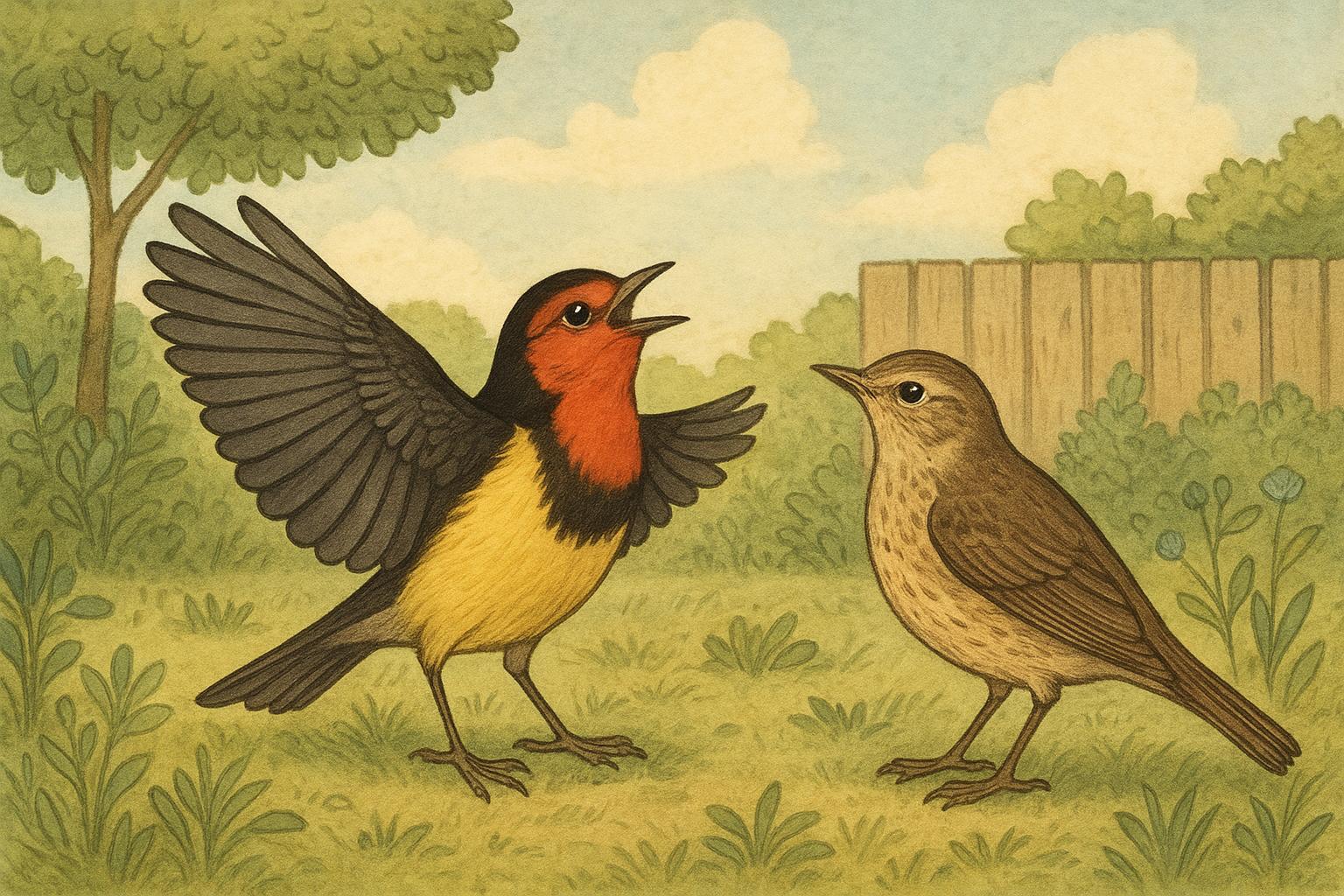
Most people think of backyard birds as background noise. But those small dramas up in the shrubs are full of strategy, negotiation, and plain stubborn showmanship. Watch long enough and you’ll see the rules: who courts, who gives in, who pretends to be bigger than they are. It’s not always pretty. It’s often effective.
## Avian Display Rituals Observed Close To Home
The phrase avian display rituals gets thrown around by birders, but it’s not just for academic papers. In my own yard I’ve recorded drab sparrows becoming theatrical, a male bushtit fluffing into a puffball to catch a female’s eye, and a downy woodpecker turning a simple hop-and-tap into a rhythmic announcement. The rituals you see in a suburban garden are the same basic moves used across continents: flash color, sing loud, present a gift, or perform a high-energy movement that proves stamina.
These behaviors are not random. They’re signals. The male that displays more consistently or creatively tends to get more attention. Females are assessing condition, genetics, and whether a mate will actually help with nest duties. That’s not wishful thinking—female choice is central to bird courtship in most passerines, and courtship displays evolve under that pressure.
### Why Display Rituals Matter
If you want to understand why birds are so bent on showing off, start with constrained resources. Space is limited, predators lurk, and raising chicks is expensive in terms of time and energy. A clear, reliable ritual reduces costly misunderstandings. Rather than fight to death, birds use choreography: a short ritual decides who wins the territory or the female. This is true whether the actor is a showy peacock or a plain-looking robin using a persistent song.
Courtship displays also reveal underlying health. A male that can sing long phrases, hold a tail-fan for minutes, or bring high-quality food demonstrates stamina and access to resources. For species that require biparental care, those signals help the female estimate how much help she will get with chicks. In short, displays are both advertisement and audition.
### The Mechanics Of Display
Most avian display rituals boil down to a few categories: visual, acoustic, tactile, and material exchange. Visual signals include flashy feather displays, exaggerated postures, or flight patterns. Acoustic signals are songs, calls, and complex phrases often learned over months. Tactile signals include mutual preening and mounting behaviors. Material exchange covers food offerings or nest material presented as gifts.
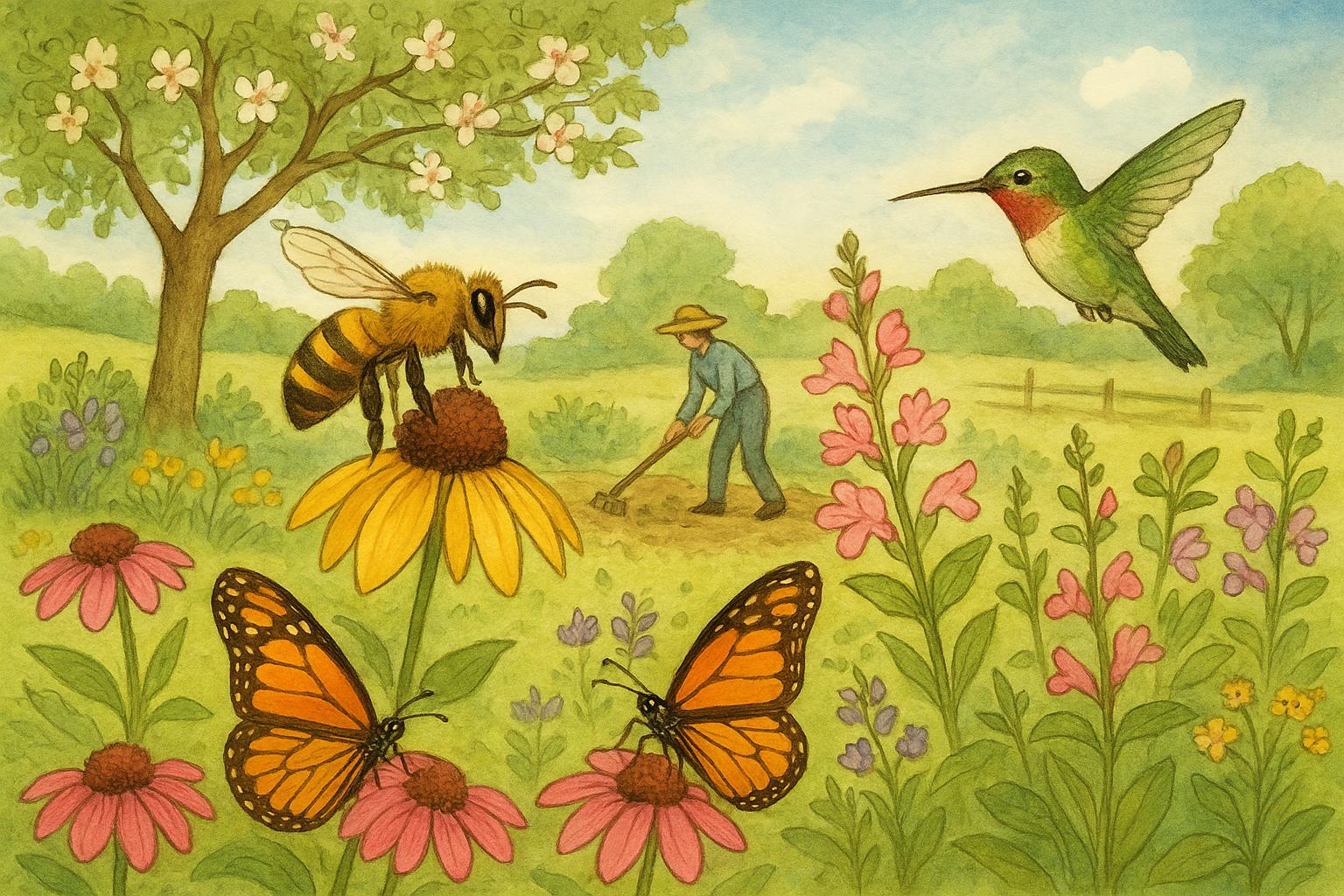
Different species emphasize different channels. Hummingbirds, for example, rely heavily on coordinated flight and flashy gorget flashes, while many warblers use intricate songs. In mixed suburban habitats you can see these differences clearly—hummingbirds zipping through a yard while a thrush settles for a song from a high branch.
#### Plumage And Structural Color
A common question is whether bright feathers are honest signals. Often they are. Pigments like carotenoids must be obtained from diet, so a colurful throat indicates a bird is finding good food. Structural colors—iridescence created by feather microstructure—can be harder to fake because they require precise feather condition. That’s why you’ll see males preening obsessively before a display; missing barbules mean a less vibrant glint.
#### Song As A Performance
Song is more than a melody. It’s a composite signal about learning, brain health, and territory. A male that can produce long, varied song sequences learned during a good developmental period is signaling cognitive fitness. In some species, the speed at which a male switches phrases also matters. Female house finches, for example, respond to repertoire size and consistency.
### Backyard Species, Real Drama
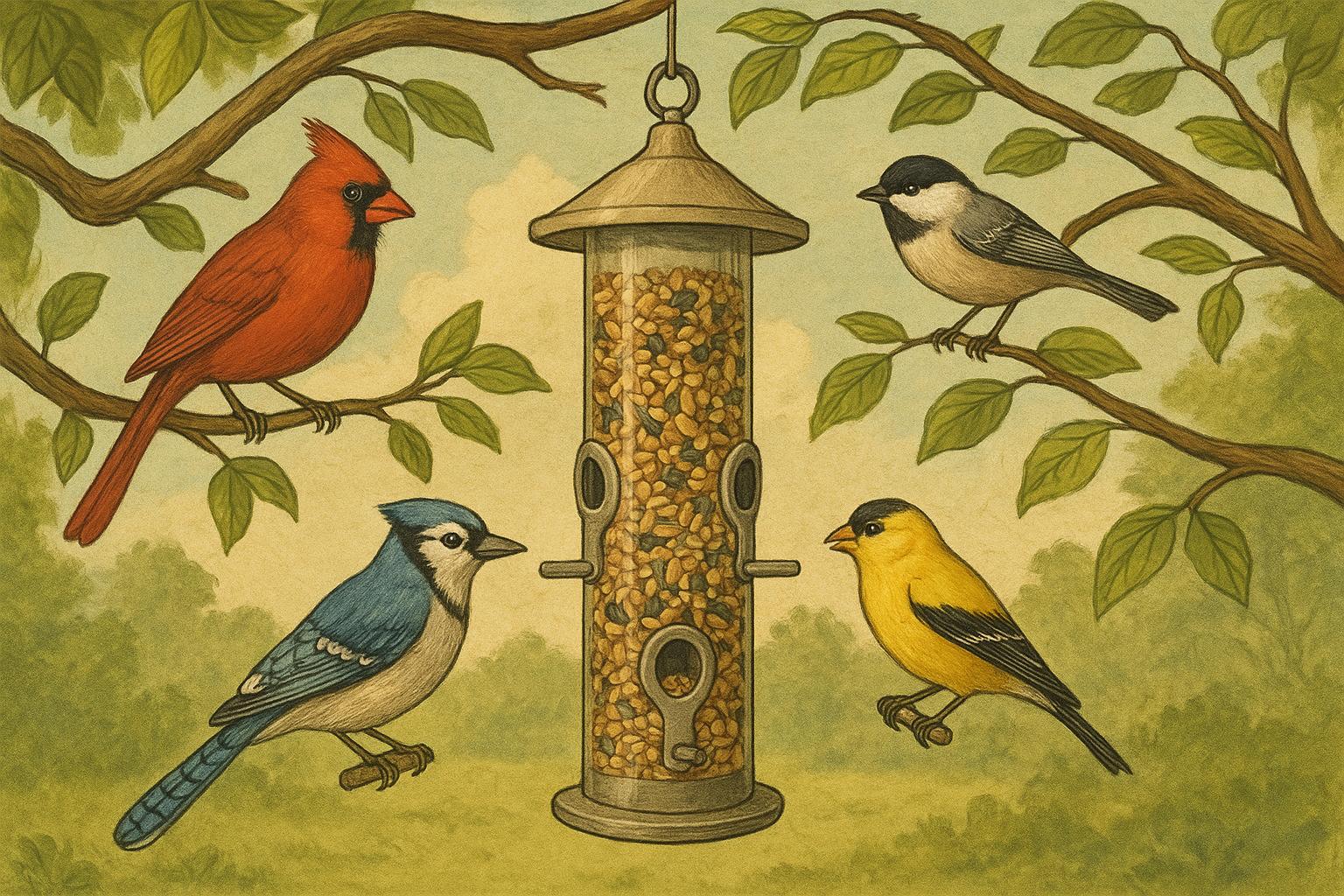
You don’t need a nature reserve to see convincing courtship. Here are a few backyard regulars and what to watch for.
#### Robins And Thrushes
Males sing from exposed perches at dawn and dusk. The song marks territory and invites females. If a female approaches, the male may perform short, hopping displays on the lawn, revealing the white belly and an erect posture. Robins often follow a pattern: sing, hop, feed, repeat. The persistence is itself a message.
#### Hummingbirds
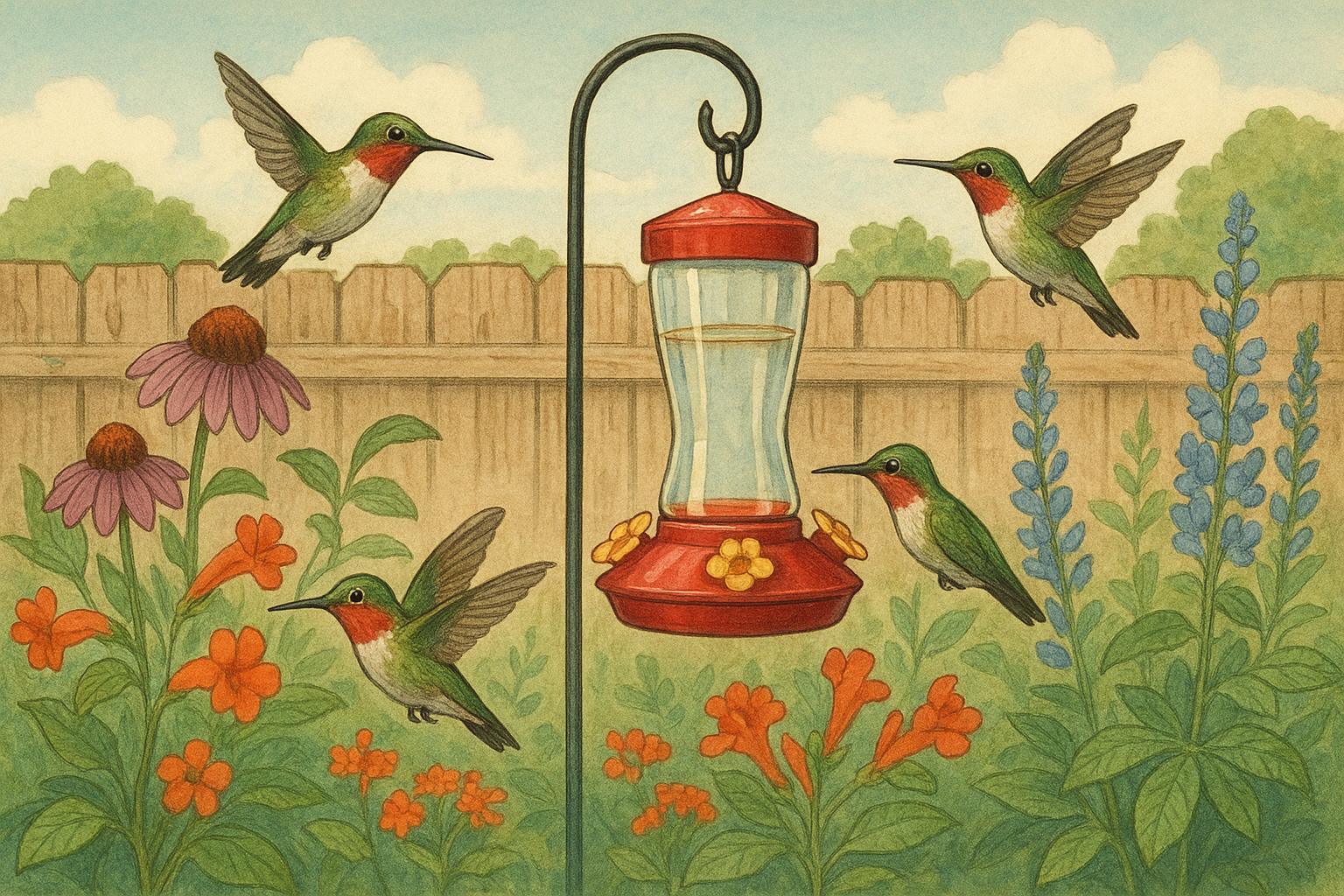
These are kinetic sculptures. Males perform shuttle flights and sudden dives showing off gorget flashes that change with angle. Timing matters: a dive followed by a hover in front of a perch—precise and fast—is more convincing than sporadic flashes. Hummingbird courtship is striking because it combines aerial skill with color.
#### Sparrows, Finches, And House Wrens
Small songbirds often use simpler displays that rely on consistency and proximity. A male may sing his heart out for an hour, then approach a potential nest site and offer material. Food offerings are common: the male brings insects directly to the female or near the nest hole, signaling both competence and willingness to invest.
#### Raptors In Suburbia
Even hawks and falcons adopt some ritualized elements. Courtship flights, where pairs chase or cartwheel together, show pair bonds and fitness. They don’t sing, but their aerial ballet serves the same social function as a song.
## Practical Tips For Observing Courtship Without Disturbing Birds
If you want to watch avian display rituals, do it with care. Disturbance can abort a display or cause nest abandonment. Try these practical steps.
### Approach Slowly And Stay Still
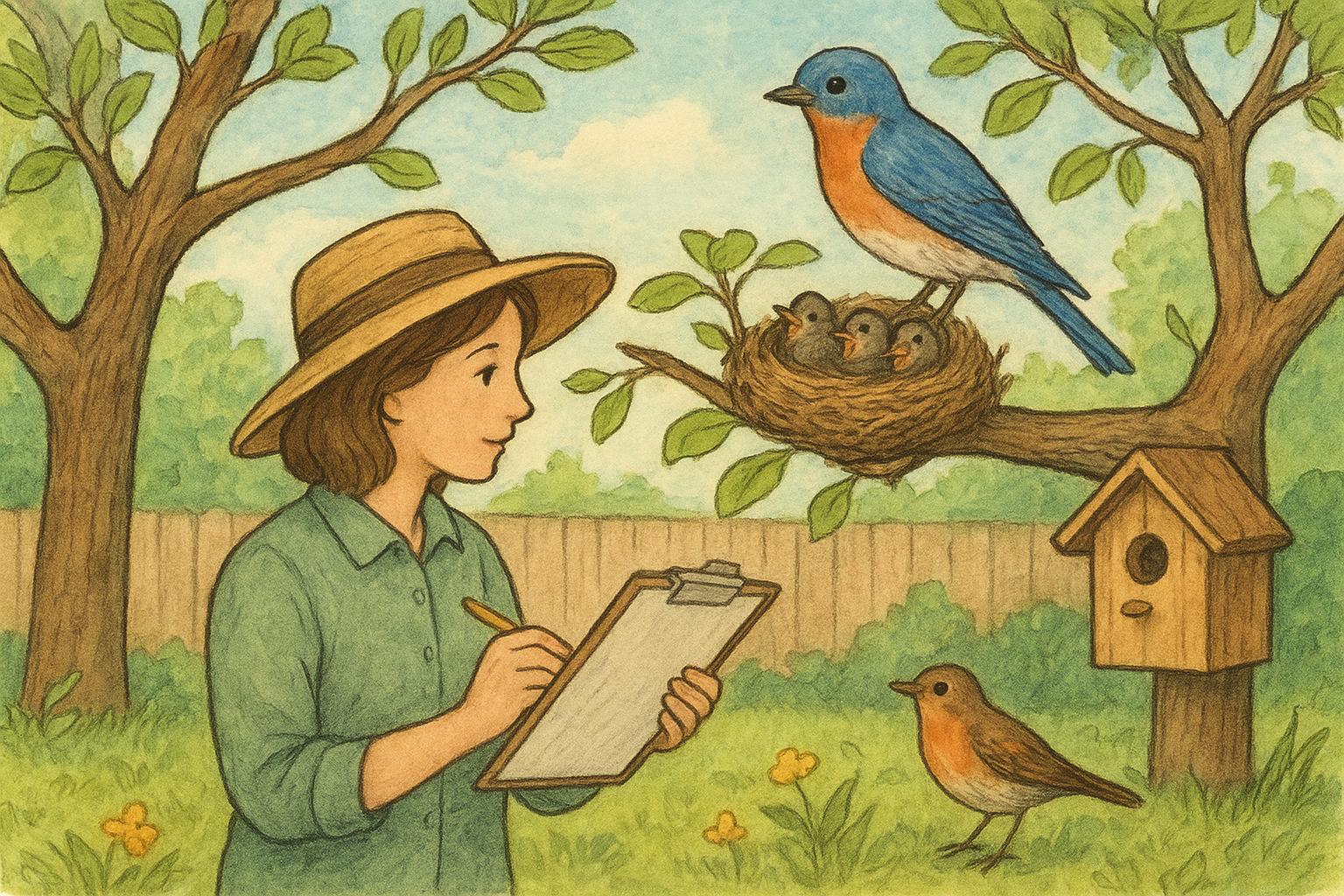
Start at a distance and let the birds ignore you. They’ll be less likely to alter their behavior if you’re not bouncing around. A single chair by the window goes a long way; binoculars are optional if you can get close without stressing them.
### Learn The Patterns
Most displays follow routines. A hummingbird will always return to the same perch during a courtship dive. A male robin will sing, hop, flutter, then offer food. Notice the stitchwork of repetition—display rituals are often predictable.
### Record Short Clips
A short video does more than a photograph. It captures sequence and timing, which matter. I’ve used my phone to record a male sparrow’s entire approach sequence—song, wing quiver, nest offering—and replayed it to notice details I missed live.
### Respect Nesting Season
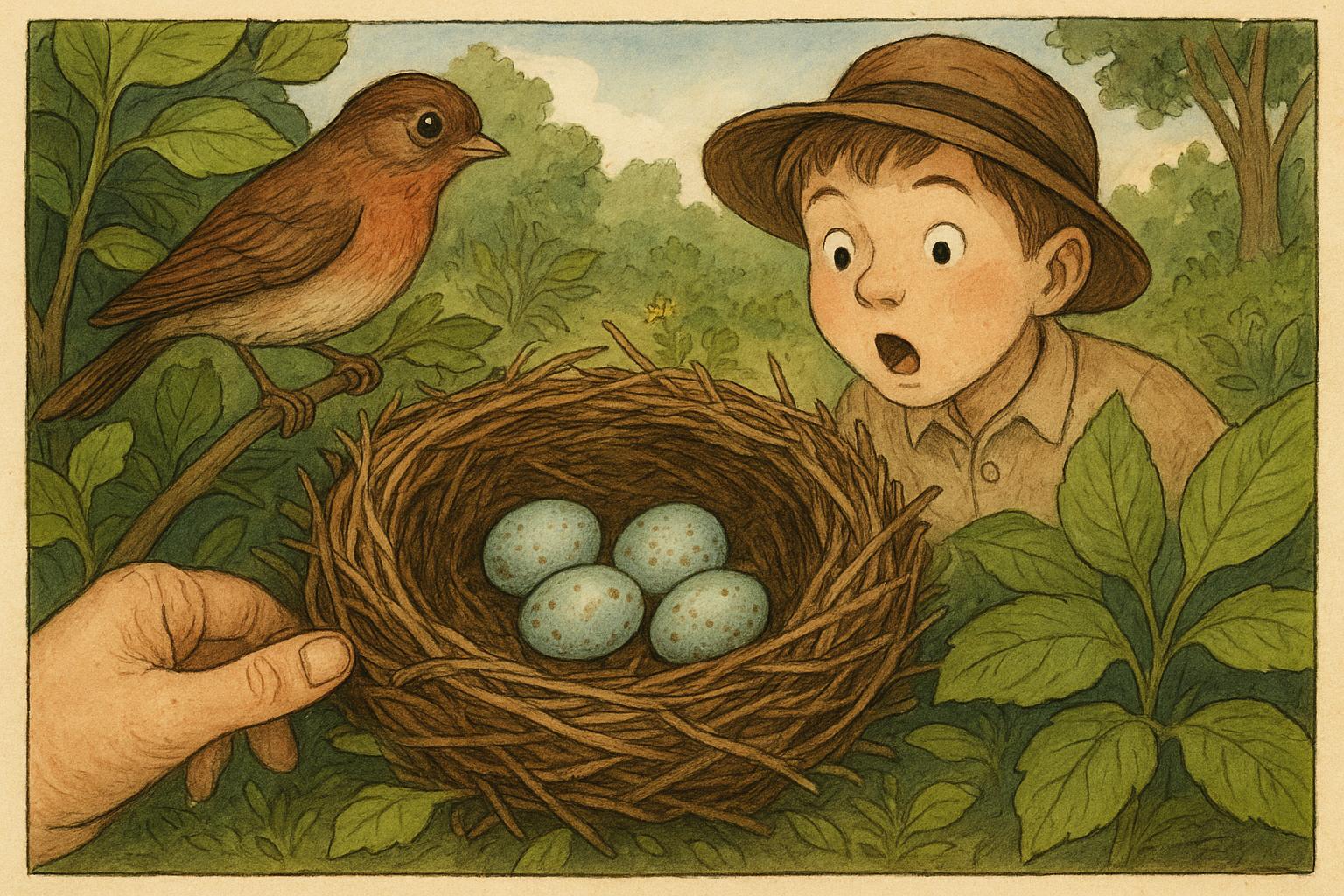
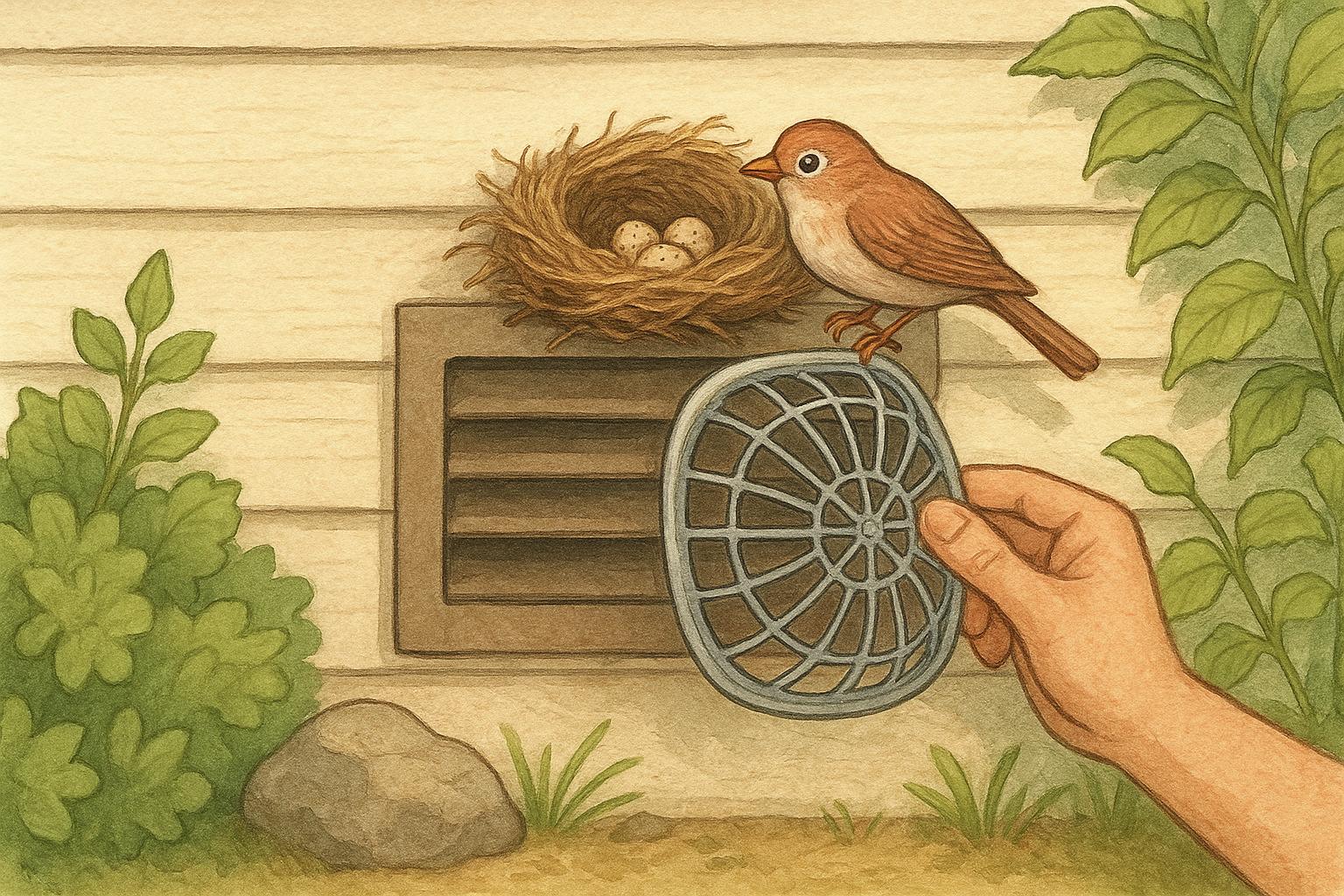
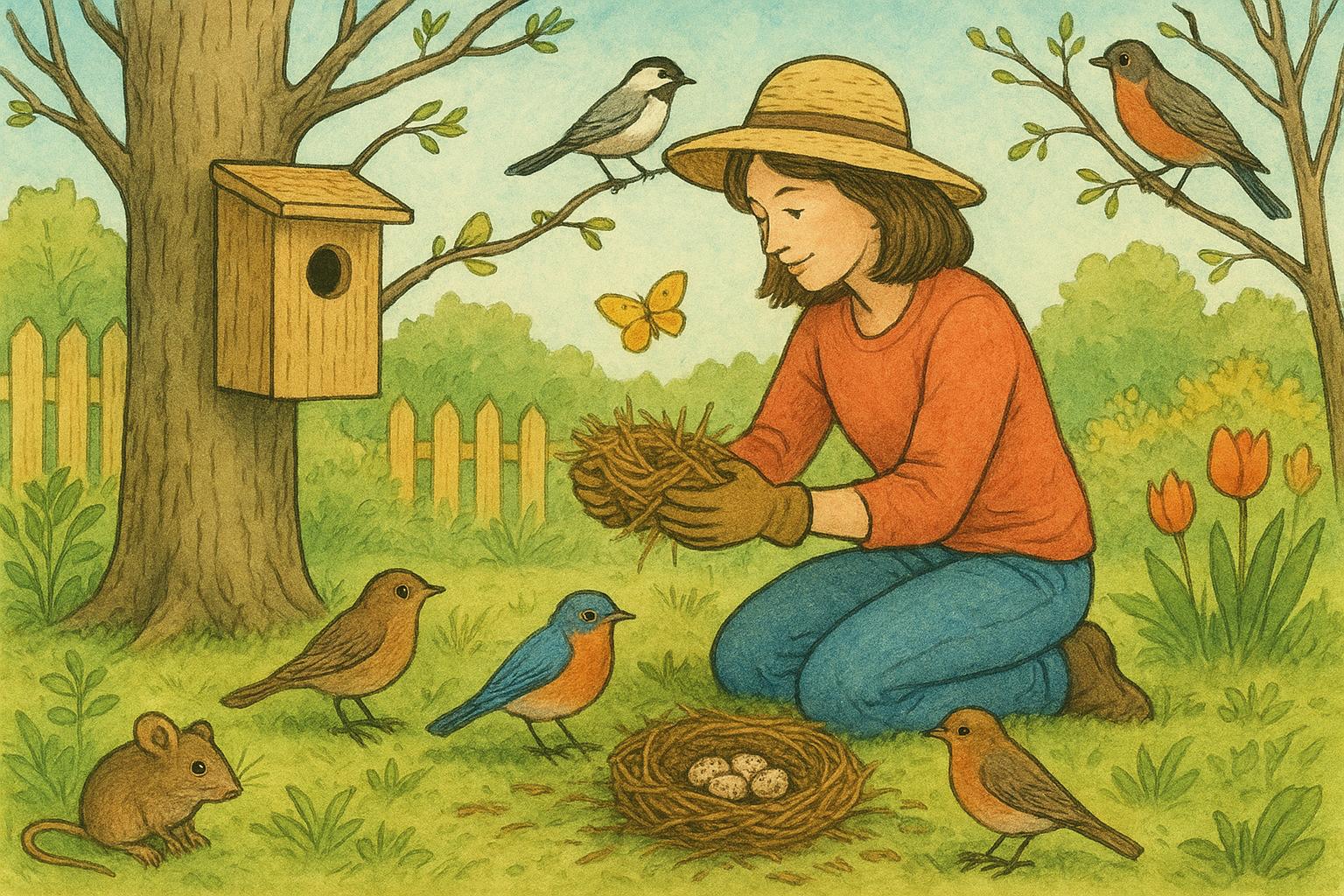
If a bird is actively building or feeding chicks, keep your distance. You might be tempted to help with nest protection, but interference typically harms more than it helps. If animals or pets threaten nests, use non-invasive measures like moving pets or blocking a predator’s line of sight, not touching the nest.
### Offer The Right Resources
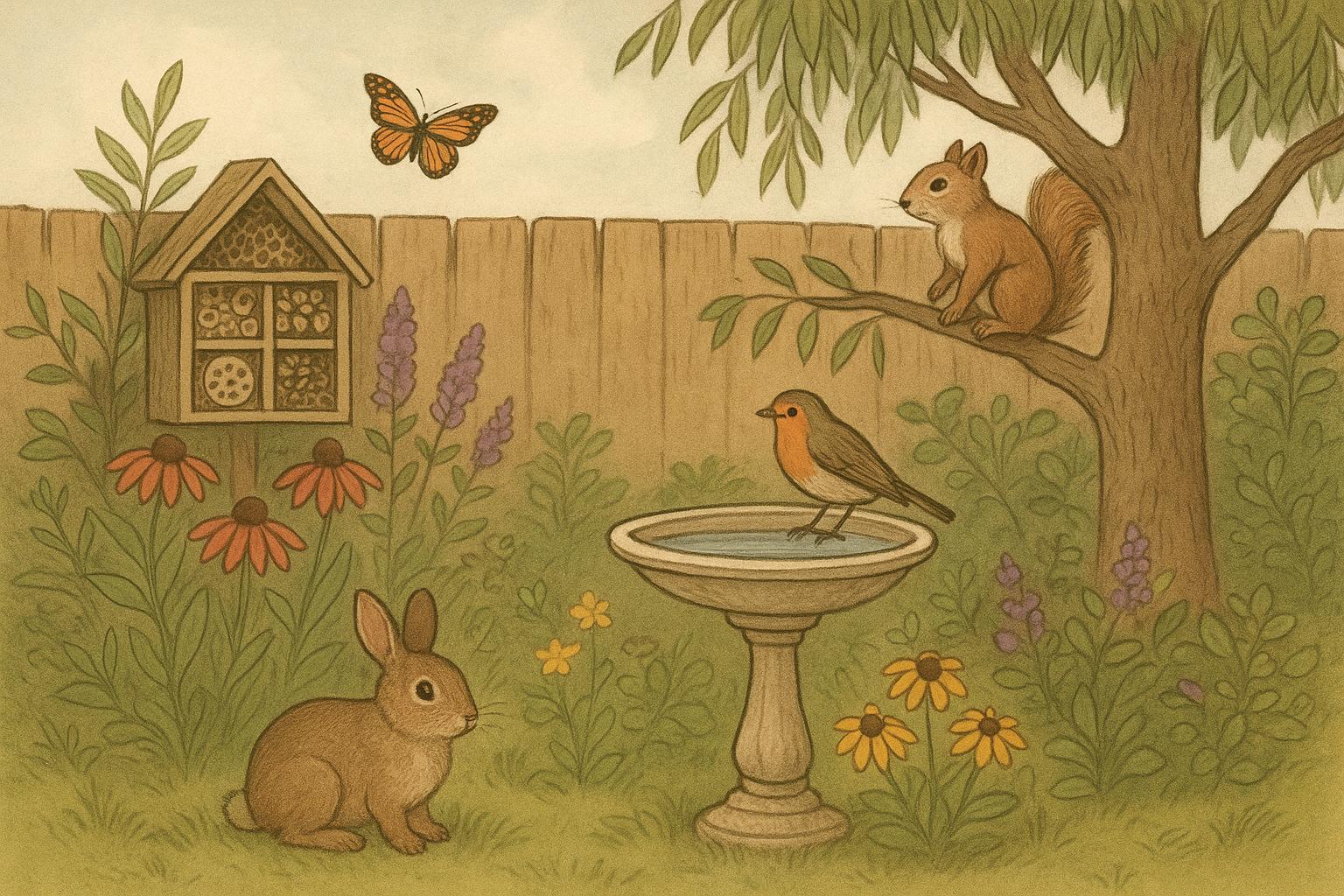
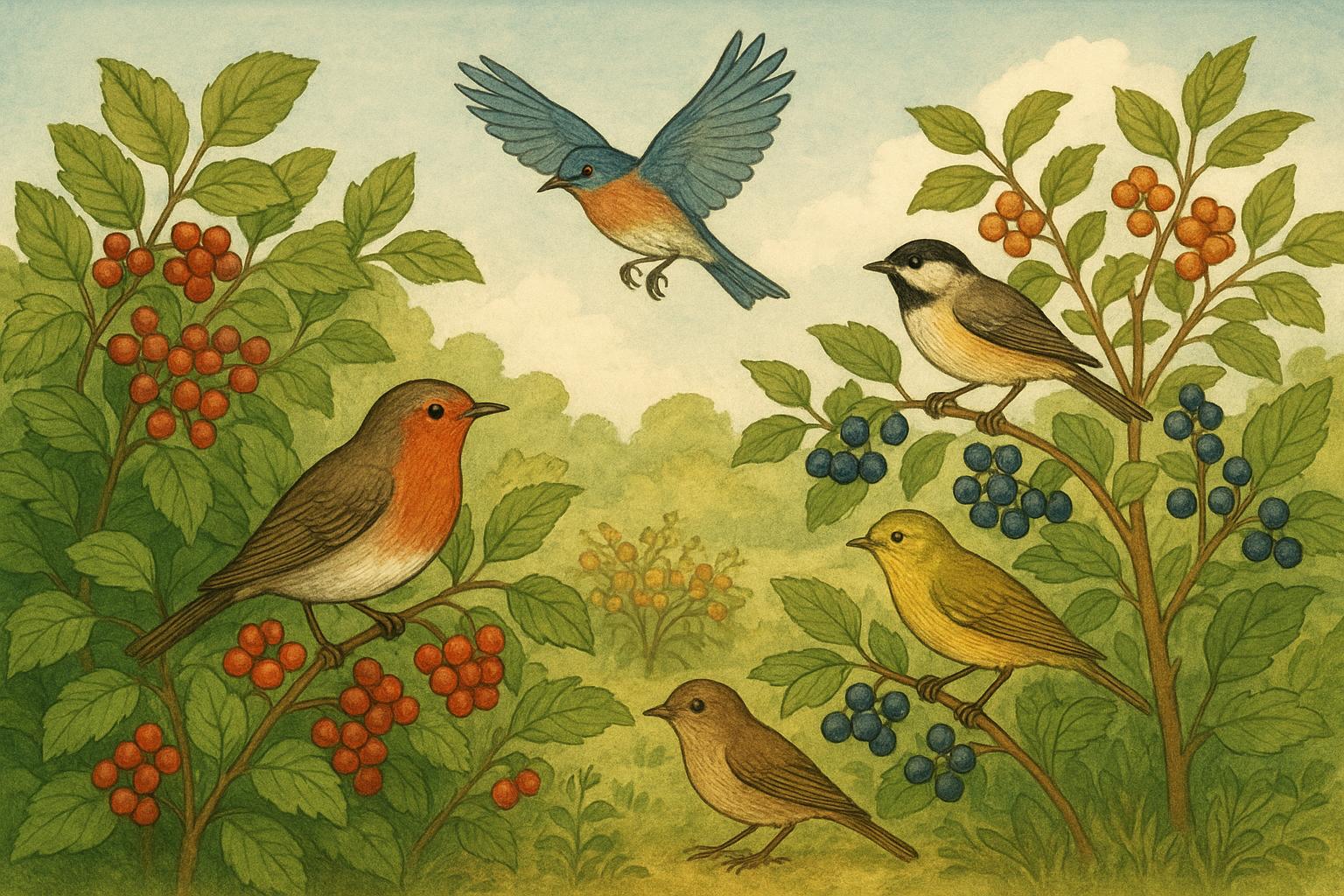
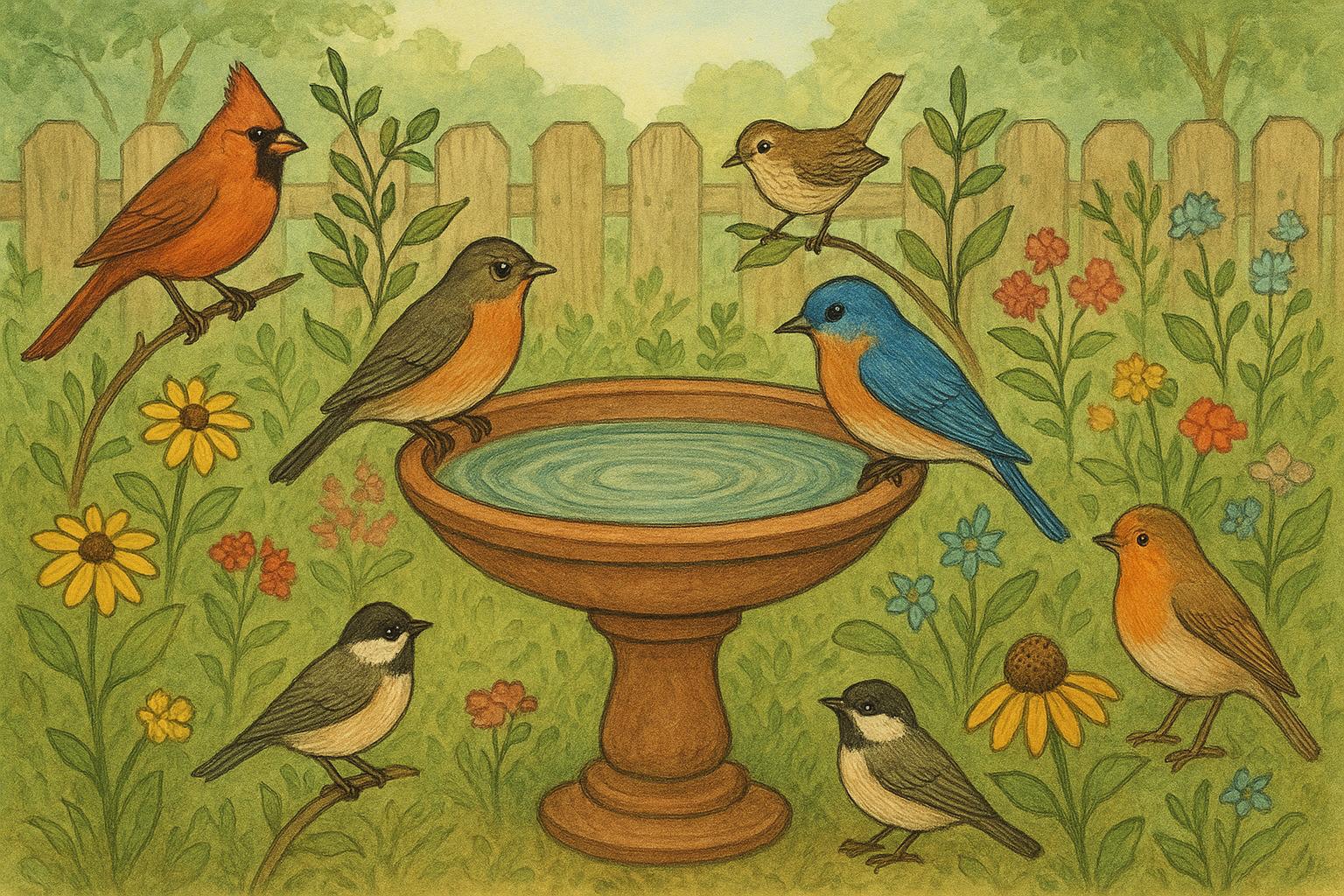
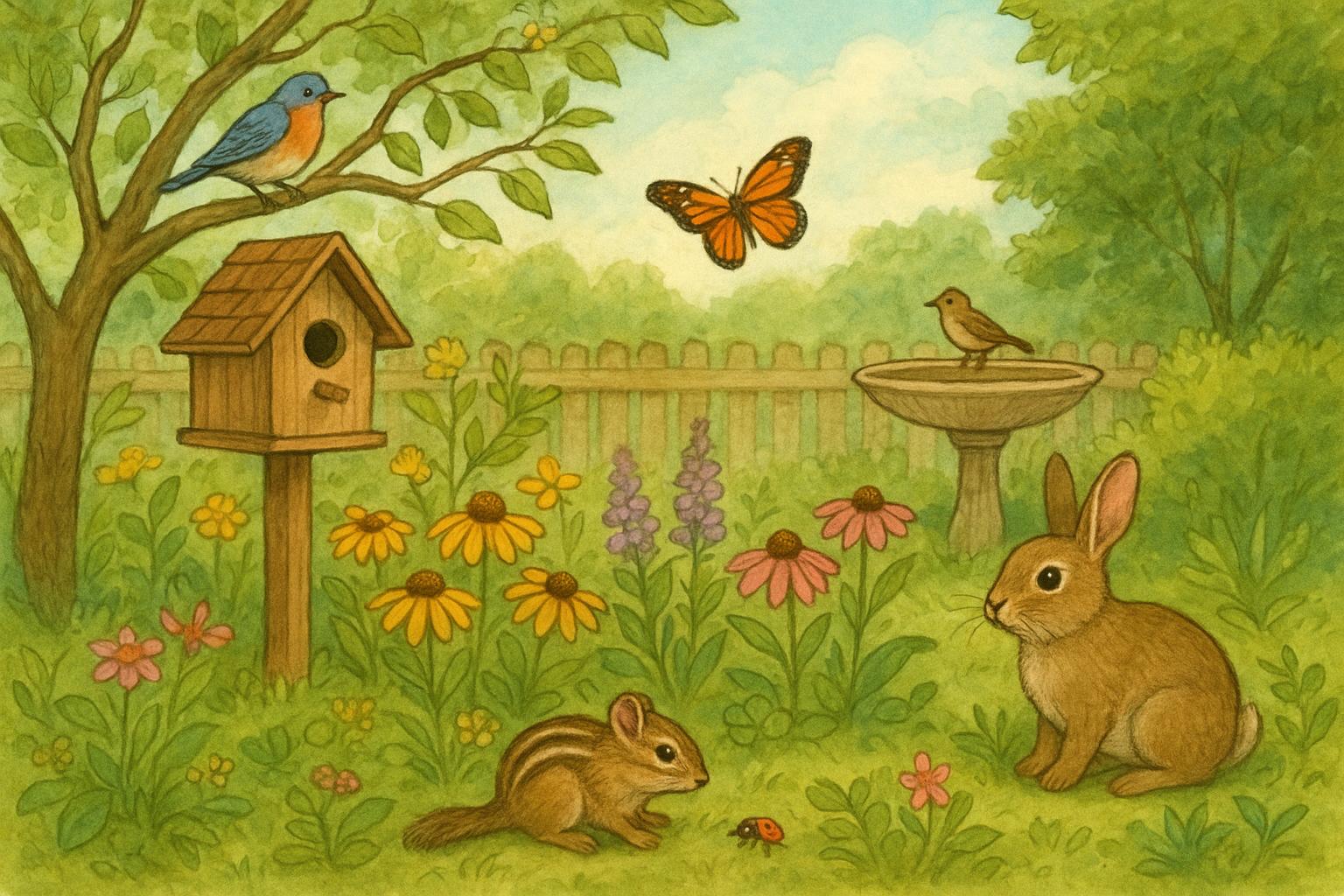
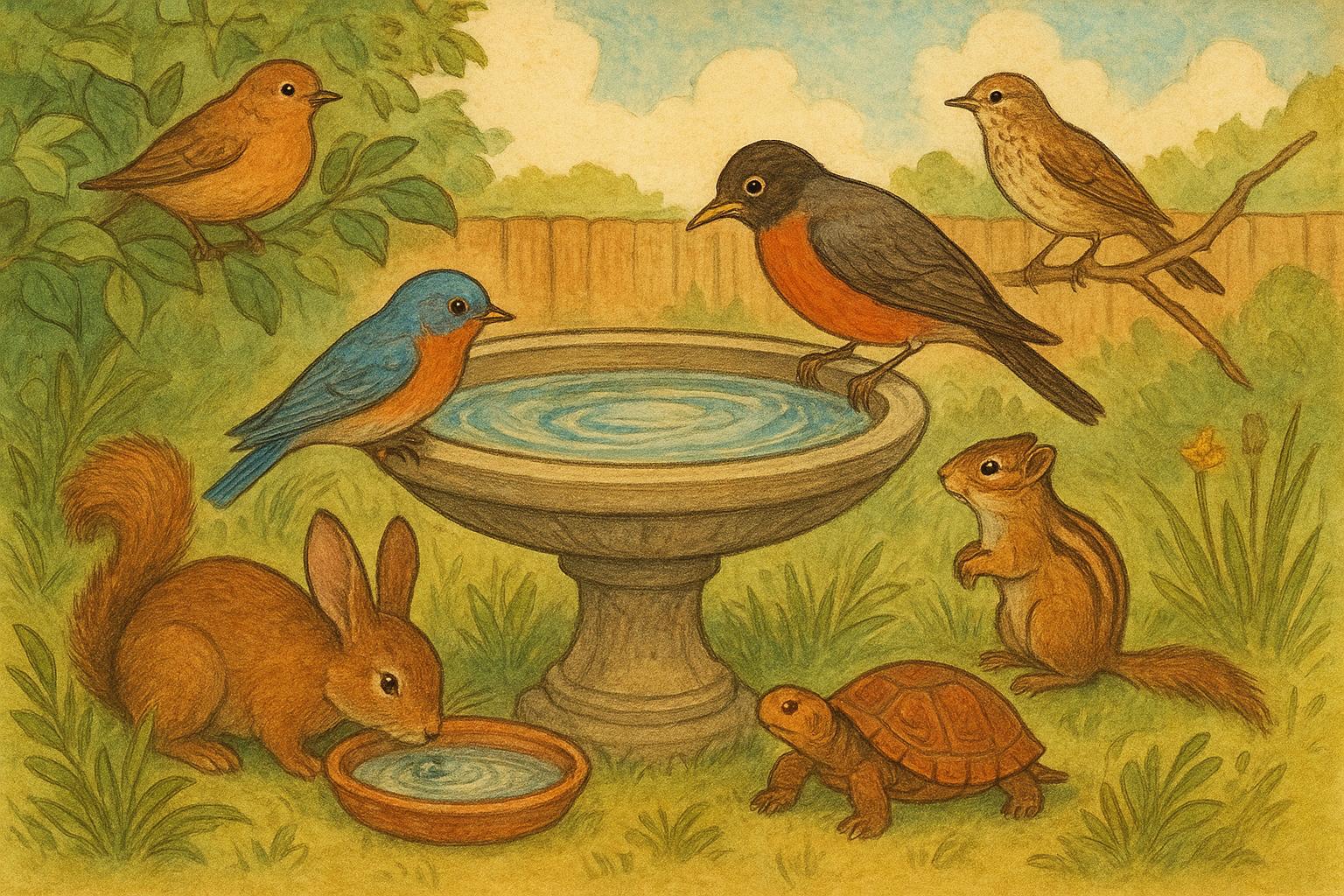
Providing native plants, a small water source, and safe perches encourages natural courtship without forcing it. Clean feeders matter—moldy food can harm birds and blunt the very signals you want to study. Native shrubs give females cover, letting males display in visible spots while females judge in safety.
## Interpreting Behavior: What A Display Actually Means
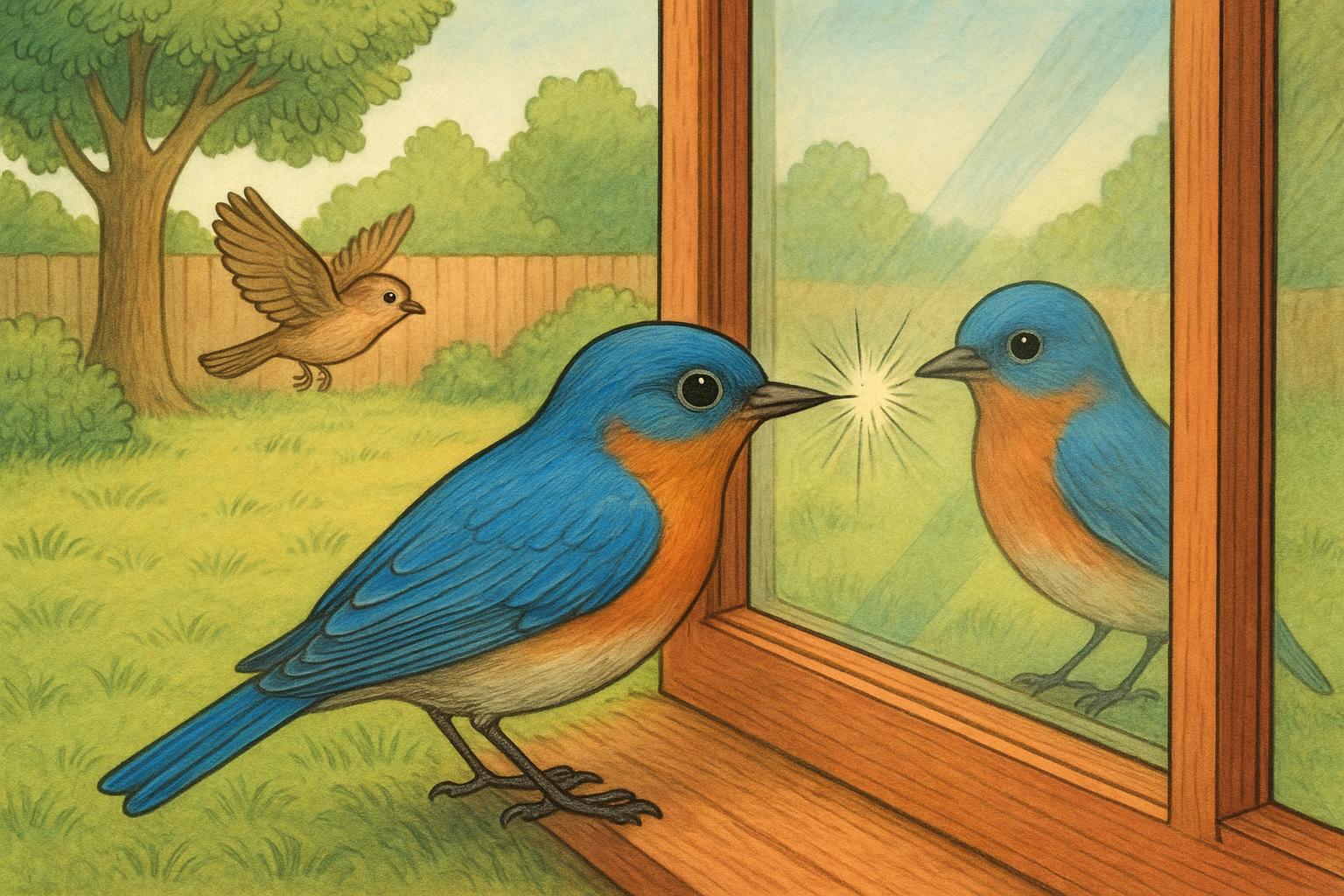
Not every flashy move is a mating bid. Some displays are territorial: male-to-male posturing that keeps rivals at bay. Others are distraction displays meant to lead predators away from nests. Distinguishing these requires context.
Courtship displays to attract mates are often directed at a particular bird and repeated, with the male checking the female’s reactions. Territorial displays, by contrast, are aimed at intruders and may involve aggressive maneuvers. Pay attention to who’s watching and who’s responding. If a male offers food, that’s almost certainly courtship or pair-bonding. If he’s chasing another male with wing flicks, that’s territory maintenance.
### Timing And Seasonal Rhythms
Many species have tight windows. In temperate zones, spring brings a surge of courtship behaviors. In milder climates, displays can extend across months. However, weather also affects timing: a late cold spell can delay nesting, compressing displays into a shorter period. That compression leads to more intense competition and more conspicuous rituals.
### Learning And Cultural Transmission
Some courtship displays are learned. Male song repertoires, for example, are often culturally transmitted; young males learn phrases from local adults. That’s why regional dialects exist among birds. If you move to a new neighborhood you might notice subtle differences in song patterns—small cultural quirks, not genetic ones.
## When Displays Fail
Not every ritual ends in mating. Displays can fail if the male’s condition is poor, if predators interrupt, or if a female rejects the display outright. Rejection can look dramatic: the female may fly off, ignore the male, or adopt a defensive posture. Males often try again. Persistence can pay off, but repeated failure usually forces a change in tactic or territory.
Some species have backup strategies. For instance, if a dominant male loses a fight, a sneak strategy may work: intercepting a female while the dominant male is elsewhere. These tactics illustrate how flexible avian behavior can be—ritualized, yes, but not rigid.
### Human Impact On Displays
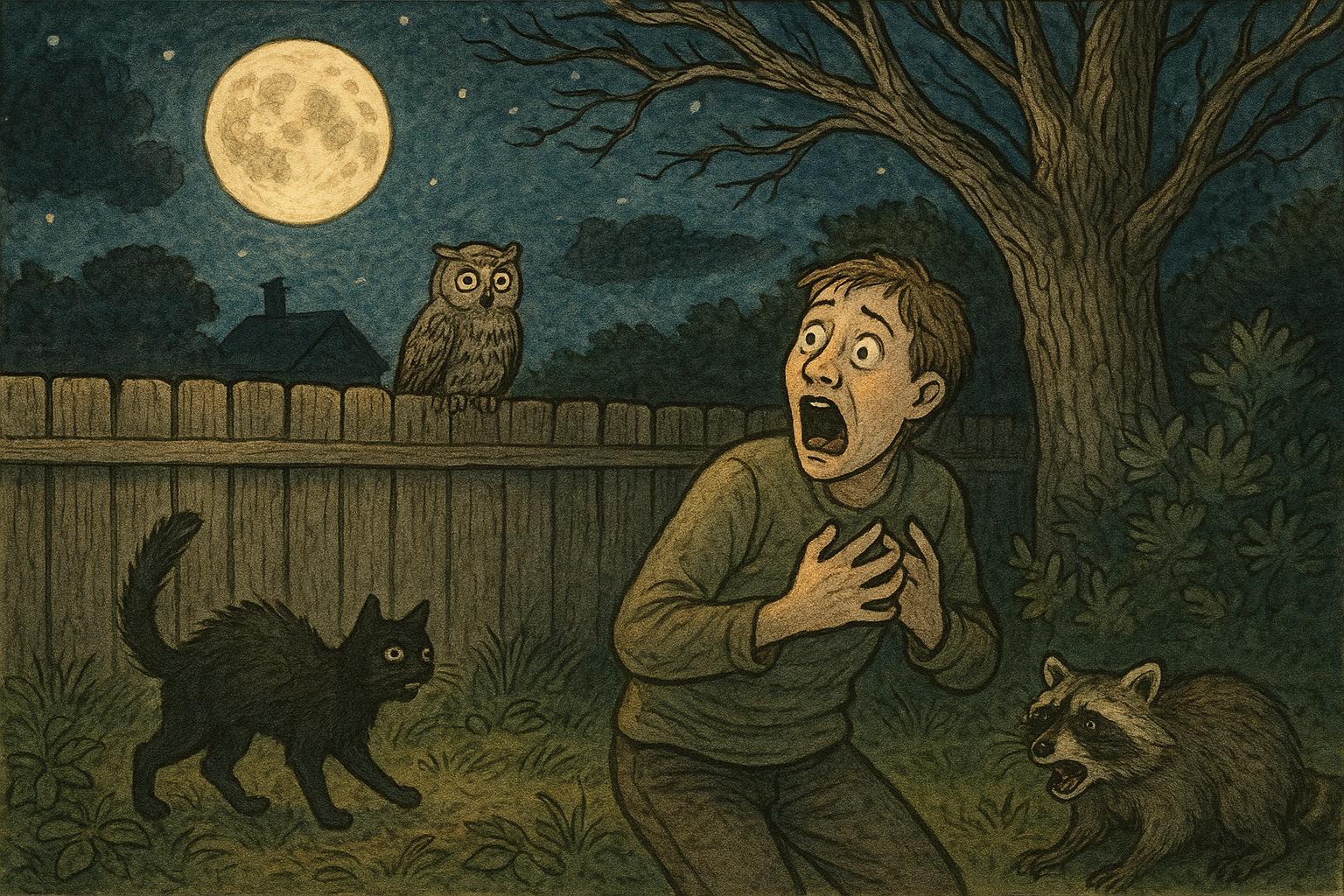
Urbanization changes how displays work. Artificial lights can shift singing times to earlier in the night; noise pollution forces birds to sing louder or at higher pitch, sometimes reducing the complexity of their songs. House cats and other predators increase the cost of conspicuous displays, nudging birds to favor stealth over show. Observers should note these factors when interpreting what they see; a weak display might reflect human-altered ecology, not an intrinsic flaw in the bird.
Watch patiently and you’ll catch the nuances—a male modulating his song length when traffic increases, a female stepping closer only after several successful food deliveries. Those little adjustments tell you as much as the initial fanfare.
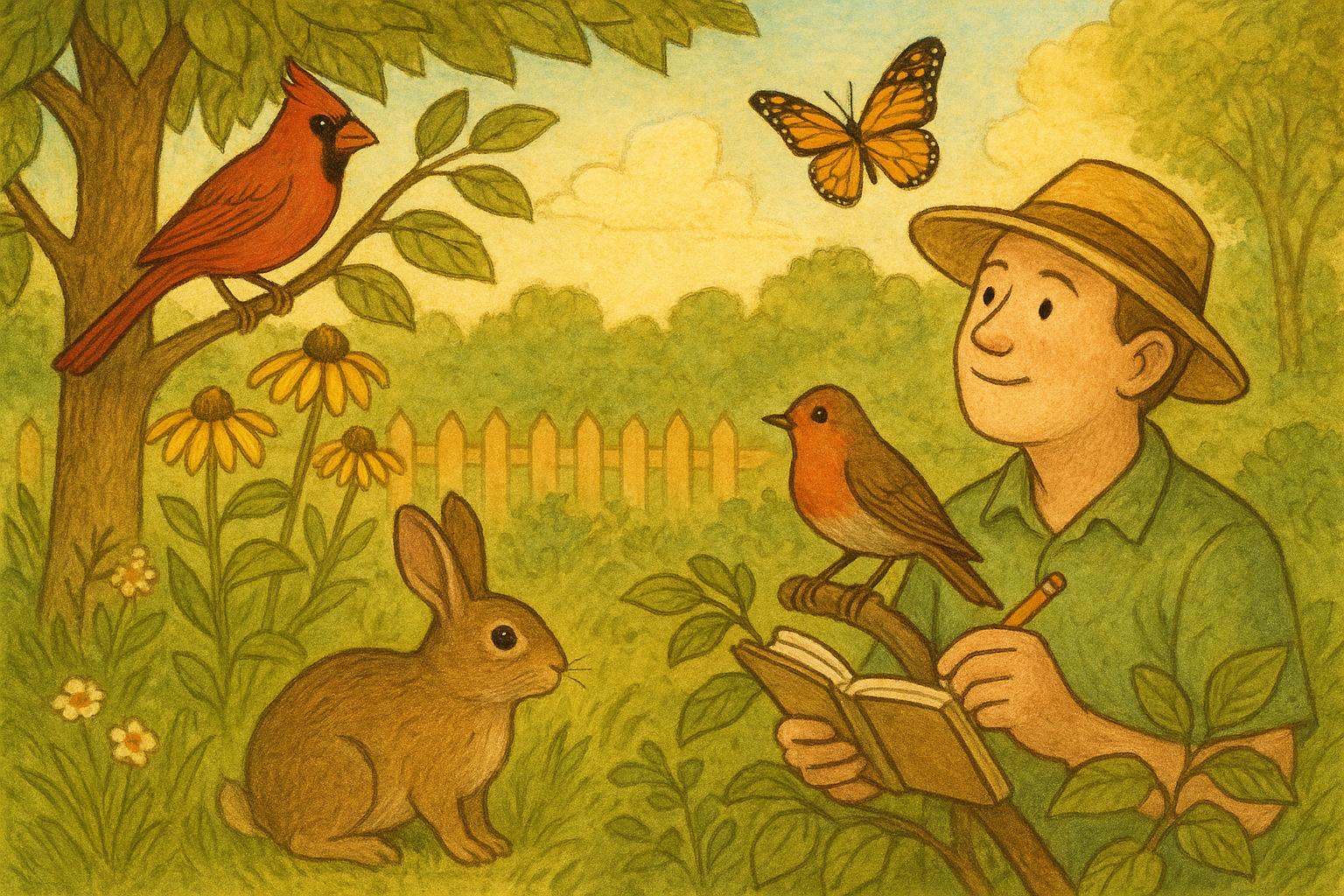
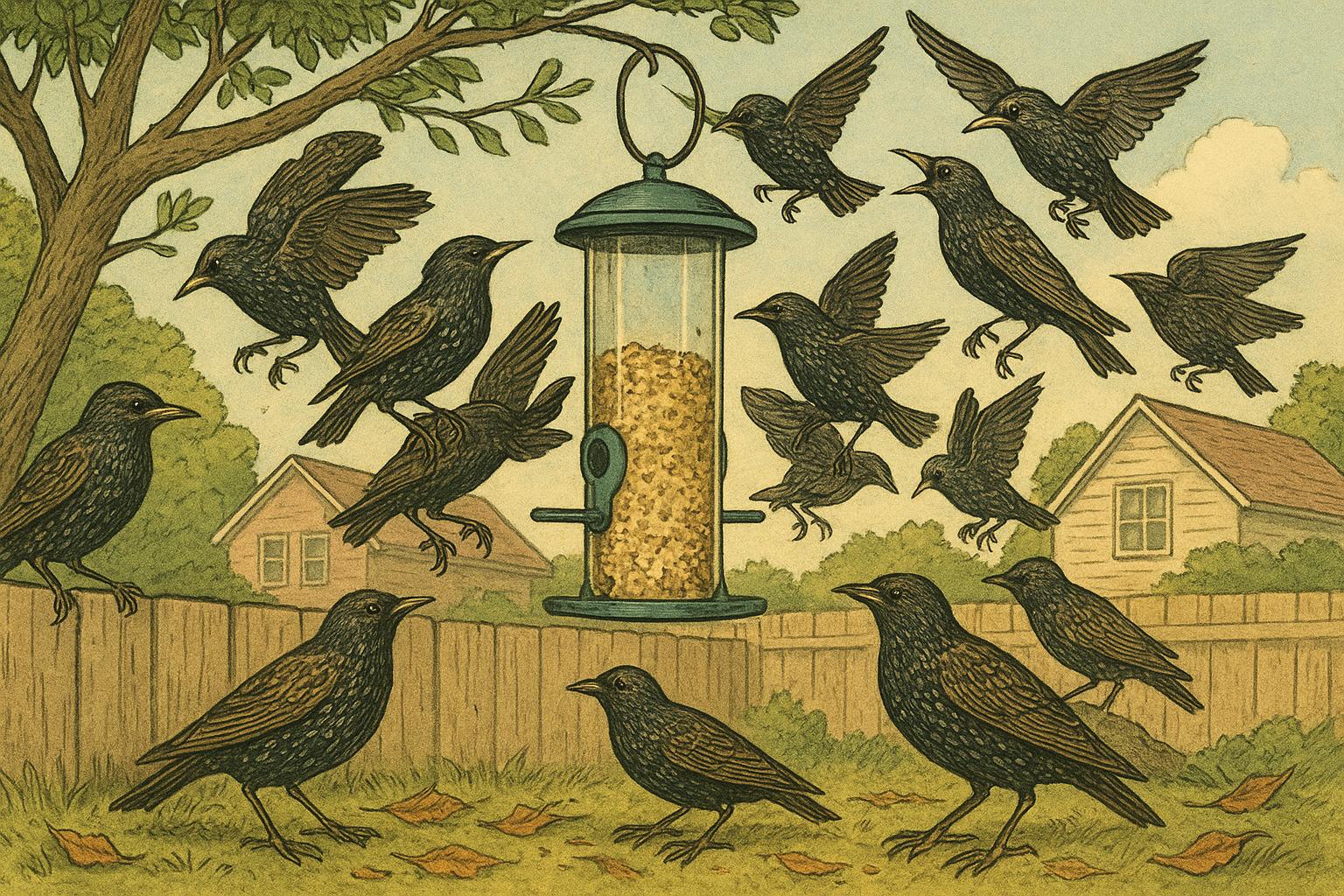
Now turn off the tendency to label everything right away. Let patterns reveal themselves. The next time a pair of starlings starts a puff-and-pivot routine on your fence, watch who leads, who follows, and how often they repeat the move. Small patios, big dramas. Teh details are where the story is.

Leave a Reply