
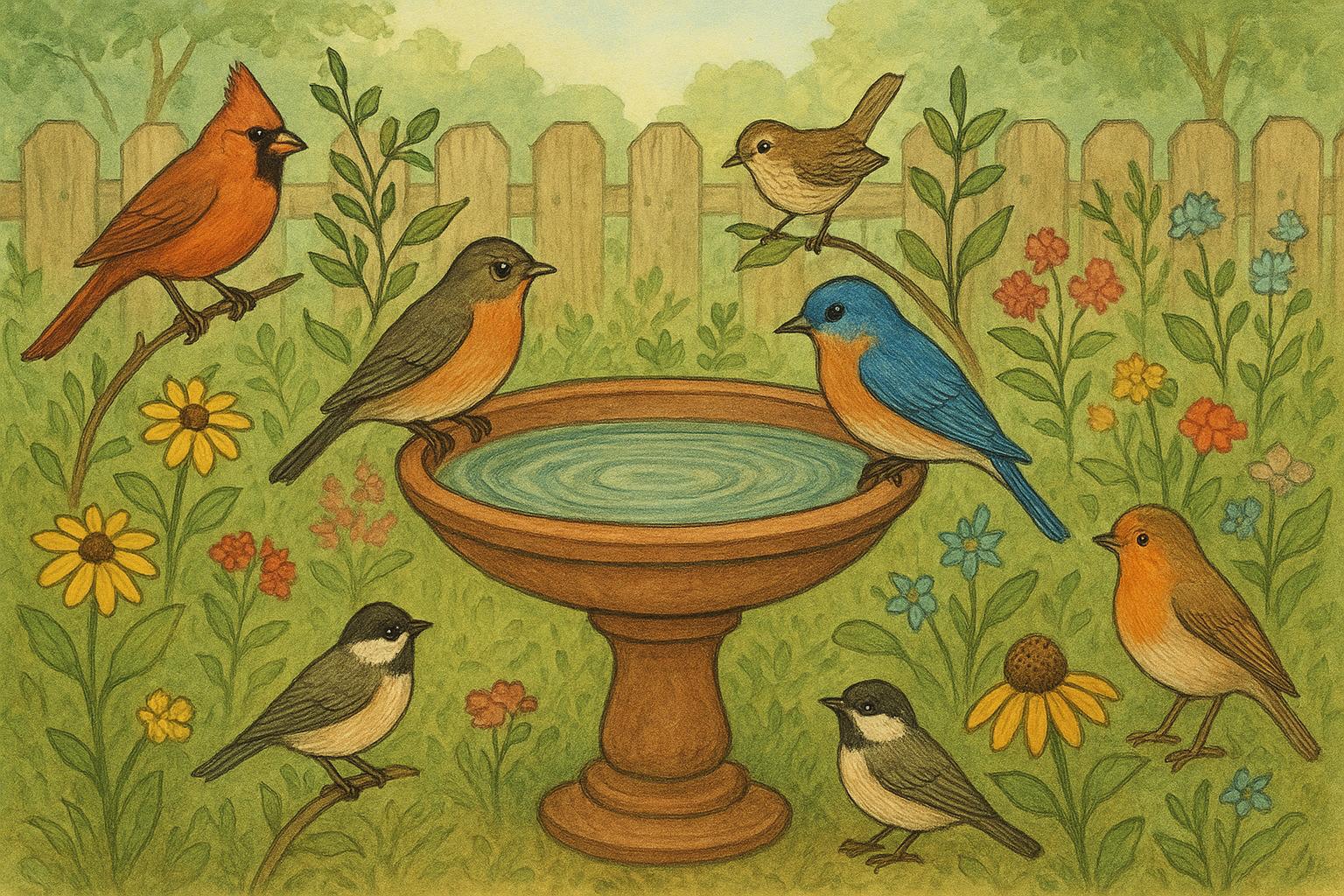
## Avian Drinking Basins For Garden Wildlife: Designs That Work
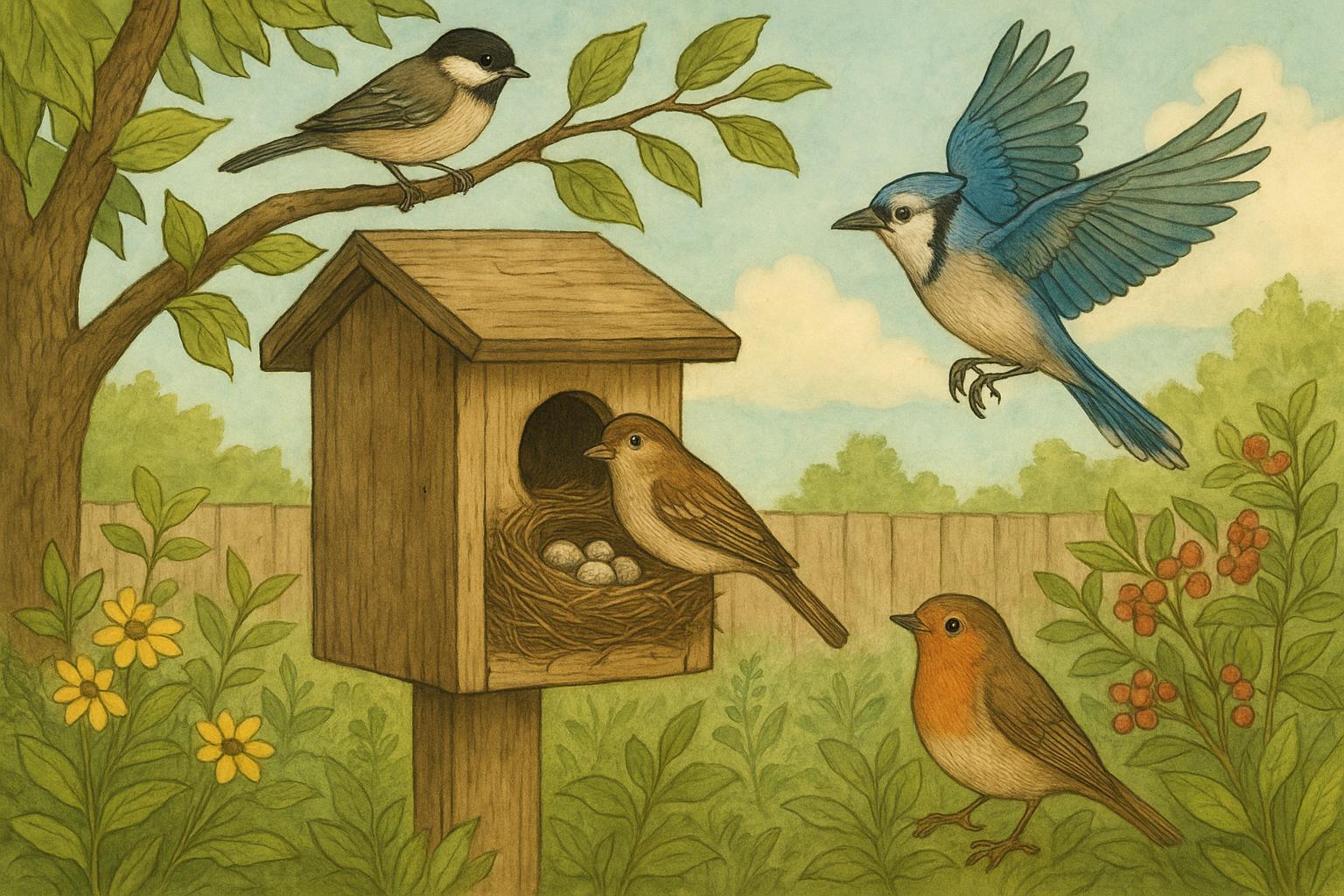
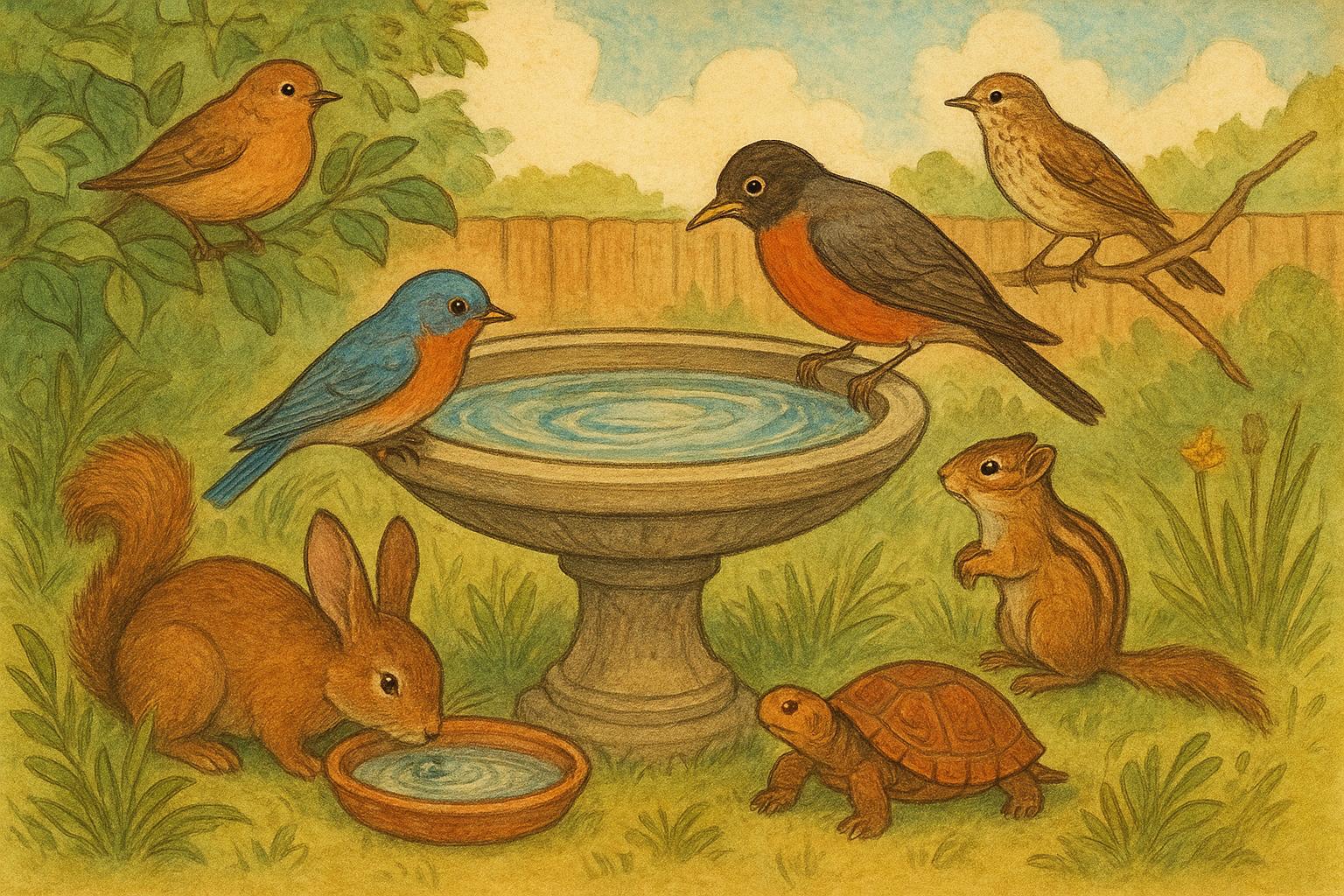
A simple shallow dish can do more for birds than you might think. Avian drinking basins for garden wildlife are not ornamental alone; they shape where birds feed, rest, and raise young. Put one in the right spot and you’ll notice sparrows, finches, robins, and even migrating warblers stopping by on hot afternoons and chilly mornings.
### Why Shallow Basins Matter
Most garden birds prefer shallow water. Deep bowls make them nervous and are dangerous for smaller species. A basin that’s 1/2 to 1 inch deep at the edges and slopes to about 1 1/2 inches toward the center gives plenty of room to wade without risk. That depth works whether you’re using dedicated bird water basins or repurposed shallow dishes.
Shallow water helps birds keep their feathers flexible and clean. That’s essential for insulation and flight. If you’re watching from the kitchen window, you’ll often see birds hop in, bob, and flick water on their wings. They do it pretty frequently during molt seasons and occassionally in winter to remove salt and grit.
### Placement: Where To Put Basins
Location matters more than style. Place avian drinking basins for garden wildlife in spots that feel safe but visible. Near low shrubs is ideal because birds can dart to cover if a cat appears. But don’t tuck the basin right under dense cover; predators can ambush from there. Aim for a clear approach path and several feet of open space.
Height varies by species. Ground-feeders like thrushes prefer basins on the ground. Smaller perching birds appreciate a raised basin on a stump or pedestal. If you keep multiple basins, stagger heights to attract a wider range of species.
### Design Choices That Actually Work
You don’t need an expensive fountain. Effective bird water basins include:
– Shallow ceramic plant saucers
– Wide, shallow birdbaths with rough surfaces
– Large terra-cotta saucers set on pavers
– Saucer-style dishes set inside a shallow plastic liner
Texture matters. A rough surface gives perching birds grip. Smooth metal or glazed ceramics can be too slippery when wet. Add a few pebbles or a flat rock to create micro-landing spots. If you like movement, a small solar dripper or bubbler encourages birds to visit, though even a simple dish will work.
### Maintenance Without Headaches
Clean water is non-negotiable. Change the water every two days in warm weather and at least weekly in cooler months. Scrub the basin with a brush and plain water to remove algae and droppings. Avoid soaps or strong cleaners; a diluted vinegar rinse works well if needed.
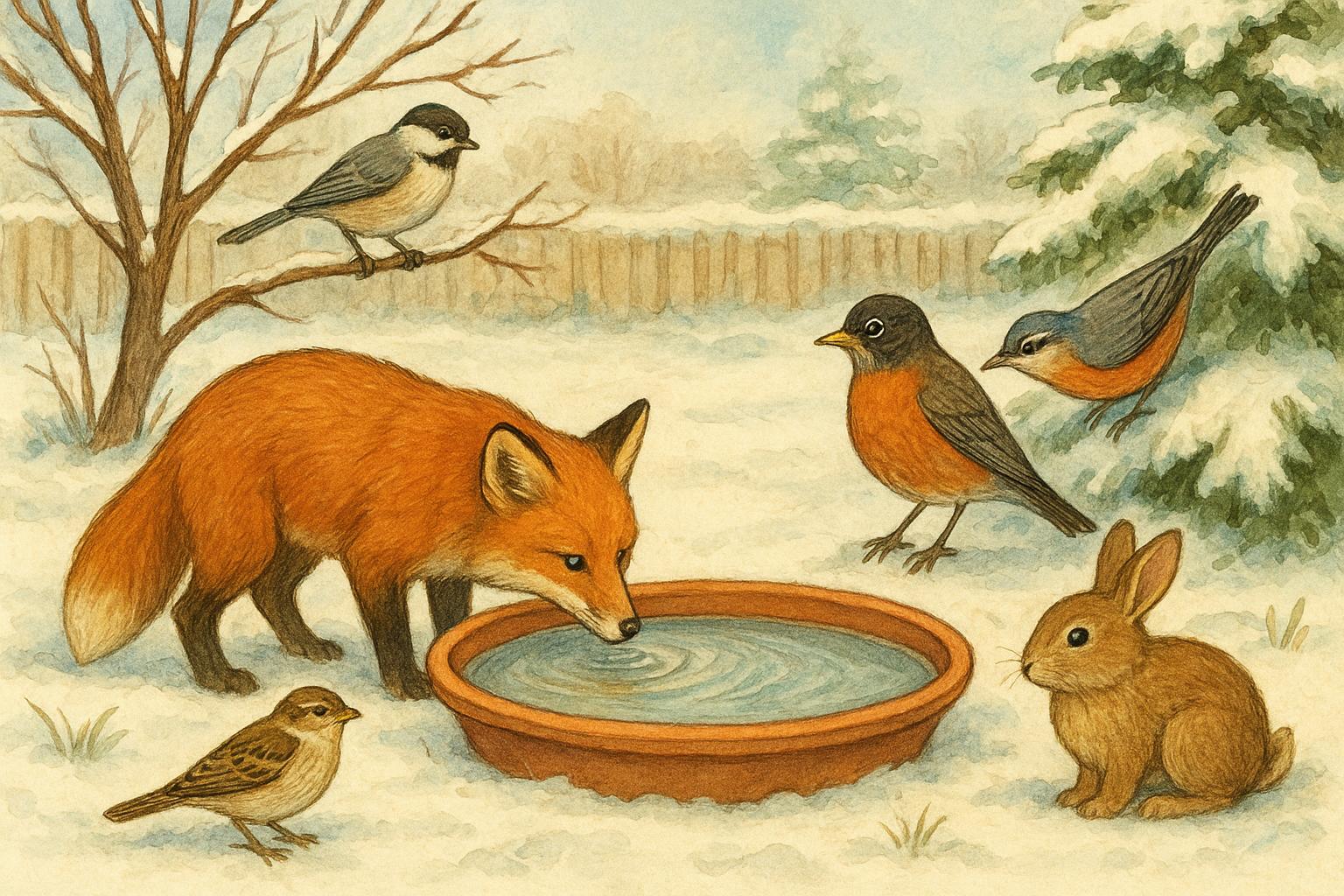
Winter brings extra work. Keep at least one basin open and ice-free whenever possible. A small, thermostatically controlled heater designed for birdbaths or a floating plastic bottle filled with warm water can keep the surface accessible. Many local birders place basins near sunny spots to maximize natural thaw.
### Safety And Ecosystem Considerations
Avoid insect traps or chemicals near bird water basins. Mosquitoes are a concern, but moving water or a small fountain reduces breeding. If standing water is unavoidable, change it frequently and add a bit of gravel to discourage larvae. Position basins away from pesticide-treated beds; birds can drink contaminated water and carry the toxins back to nests.
Consider predators. Cats are the number-one user-generated threat. Place basins far from obvious cat platforms like fences or low branches. If you have raptors in the area, keep basins partly shaded so birds have quick shelter.
### Encouraging Diverse Visitors
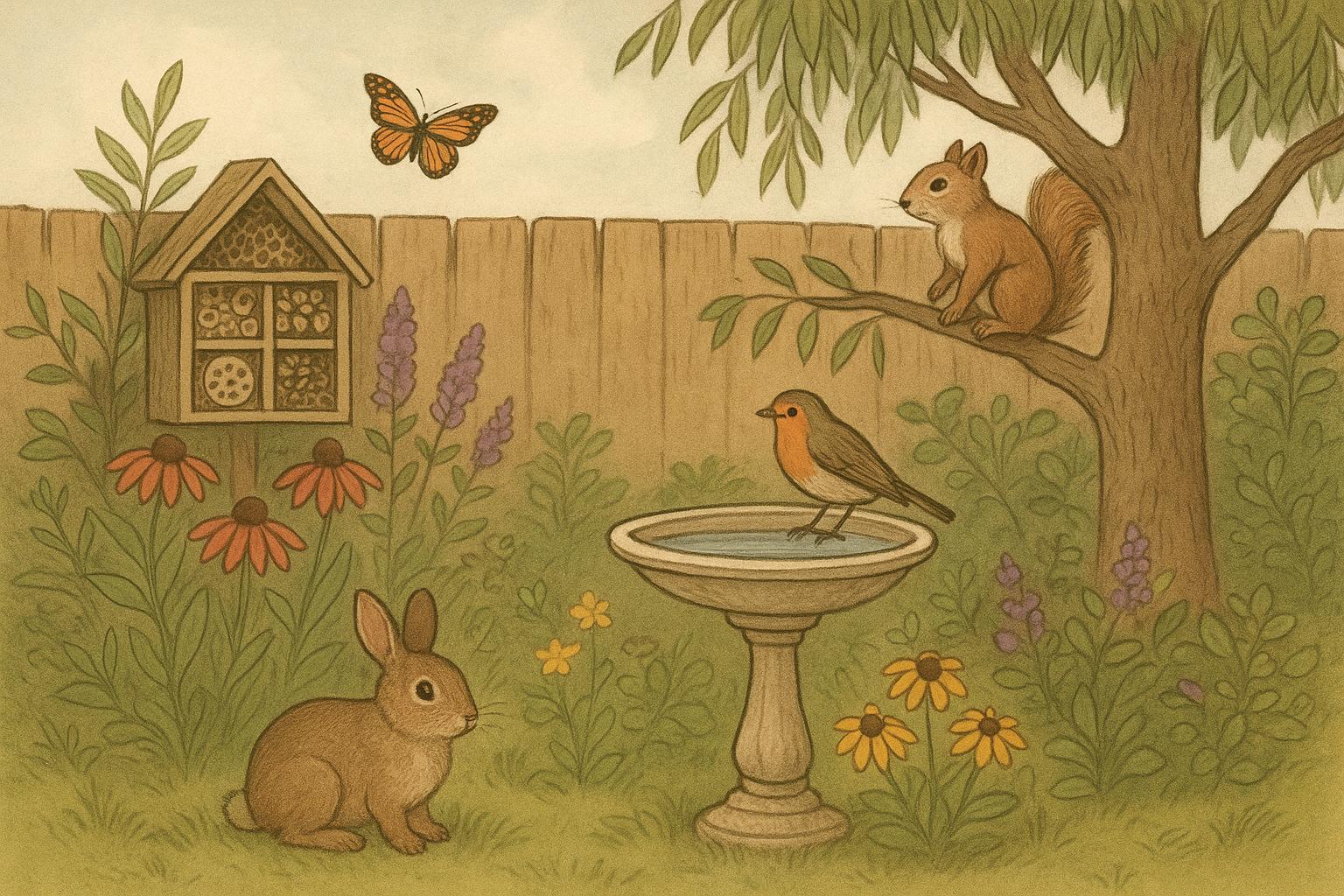
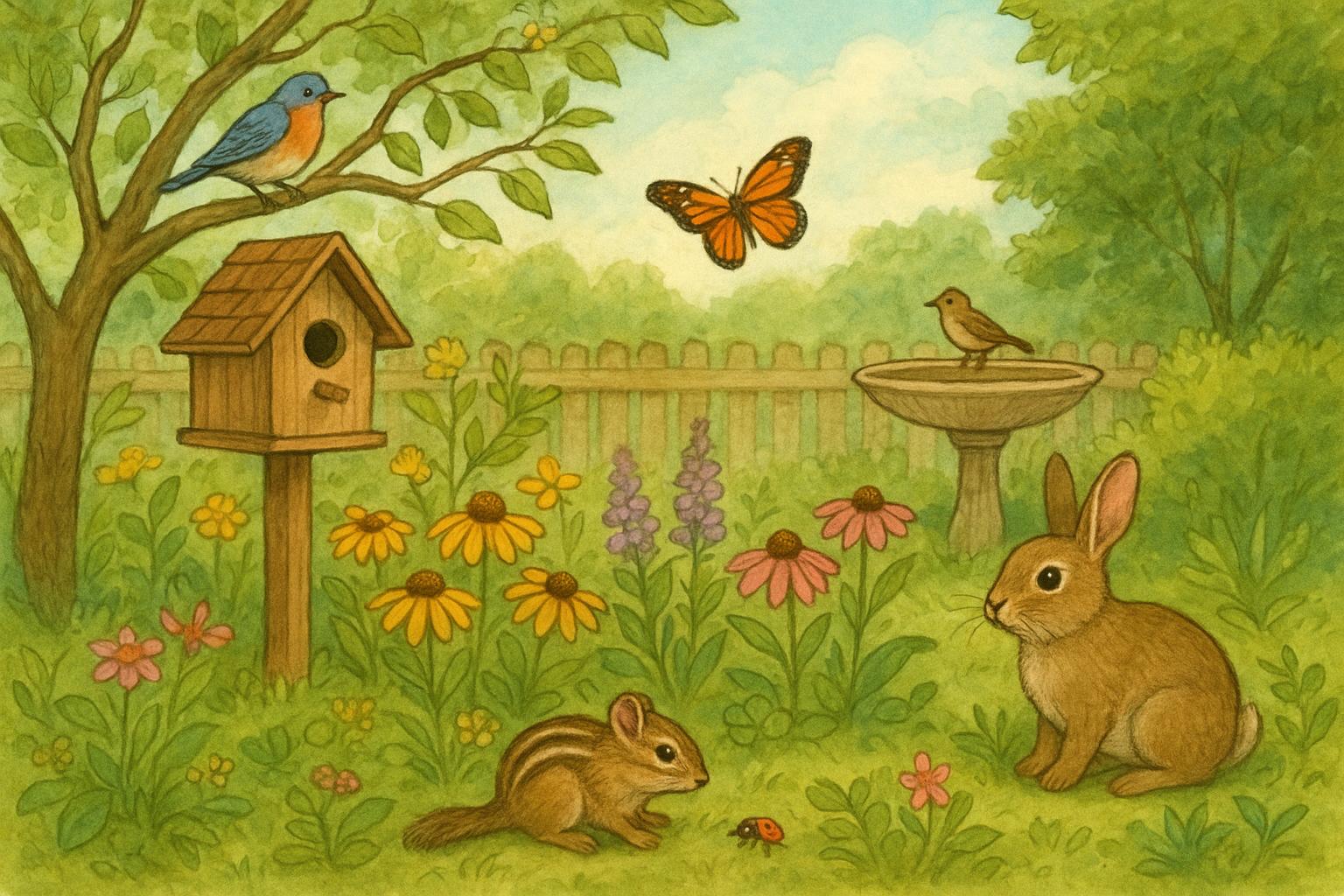
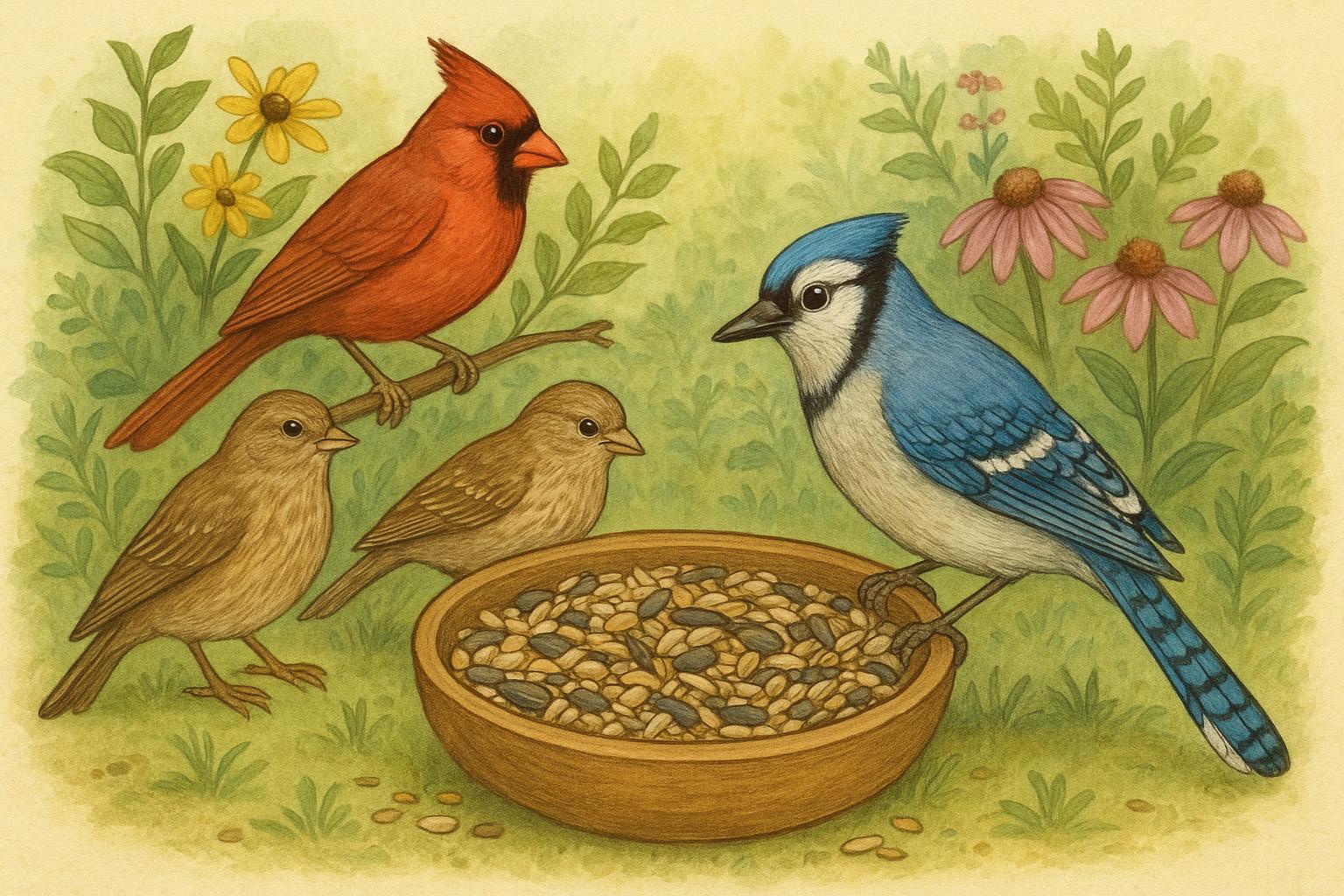
Different species have different tastes. To attract a mix of birds, vary basin sizes and materials across the yard. One shallow rock-liner dish at ground level will pull in thrushes and sparrows. A raised ceramic saucer invites finches and warblers. Keep a mix of plants that provide cover and food nearby—native shrubs with berries, seed-bearing perennials, and a few insect-friendly flowers.
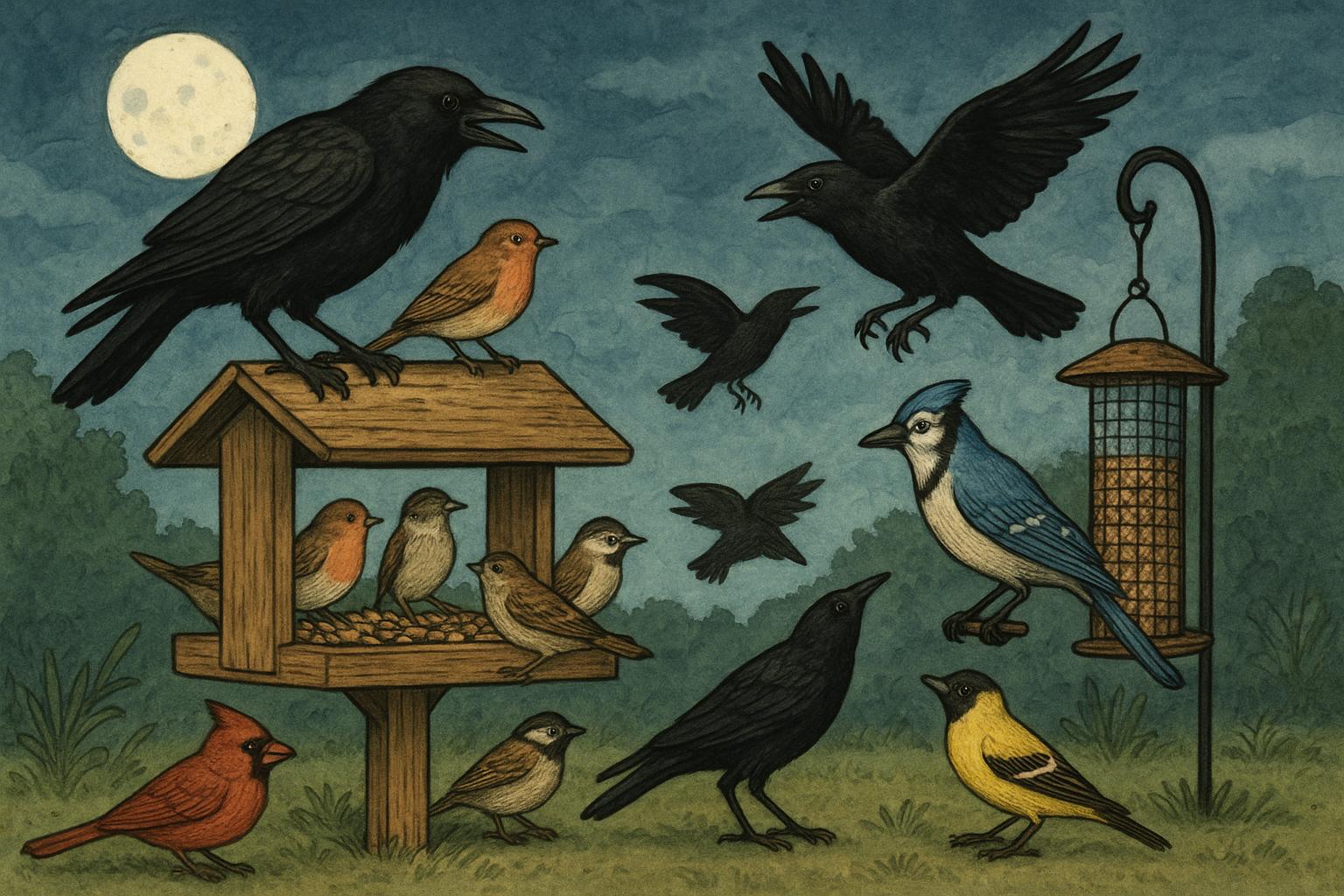
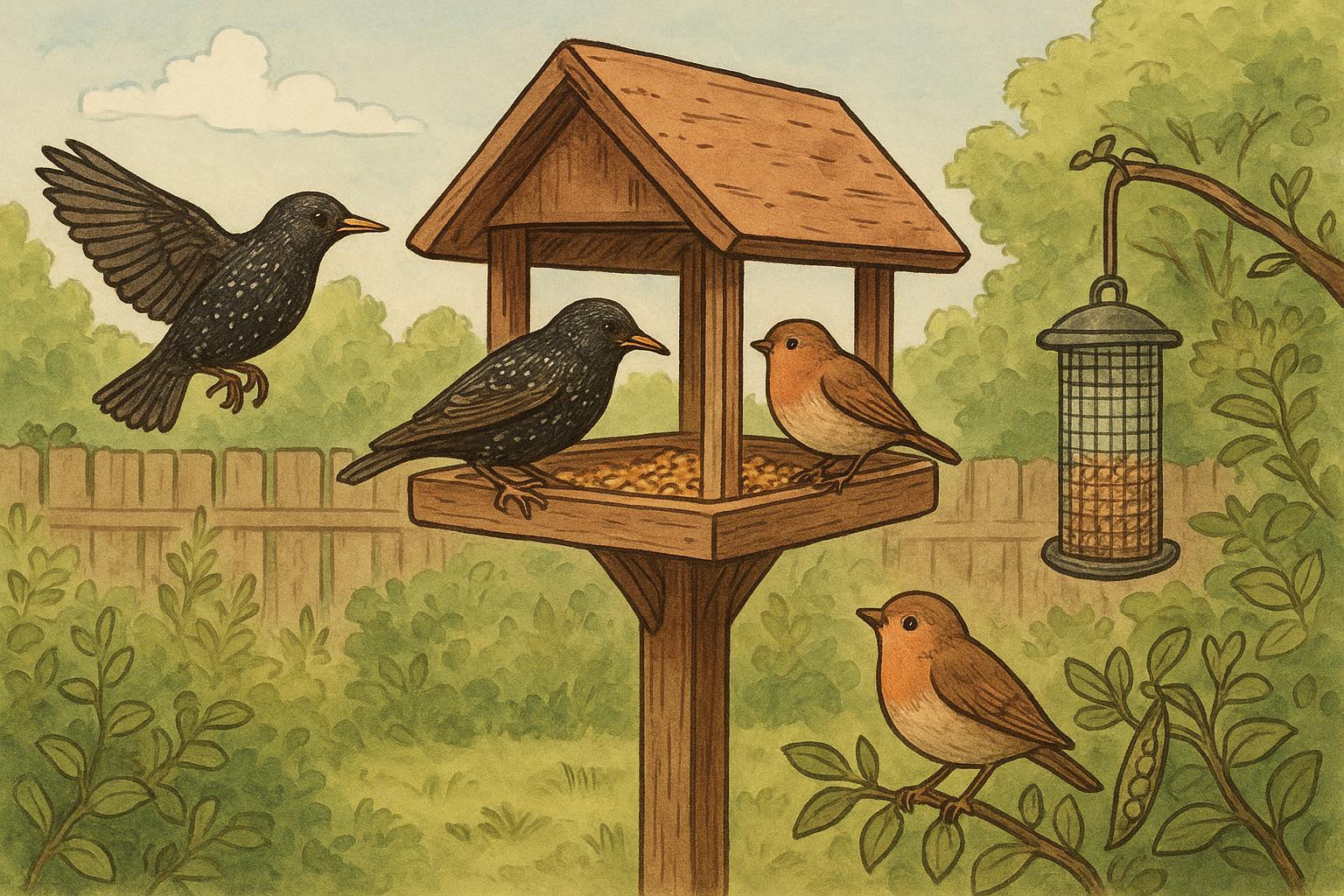
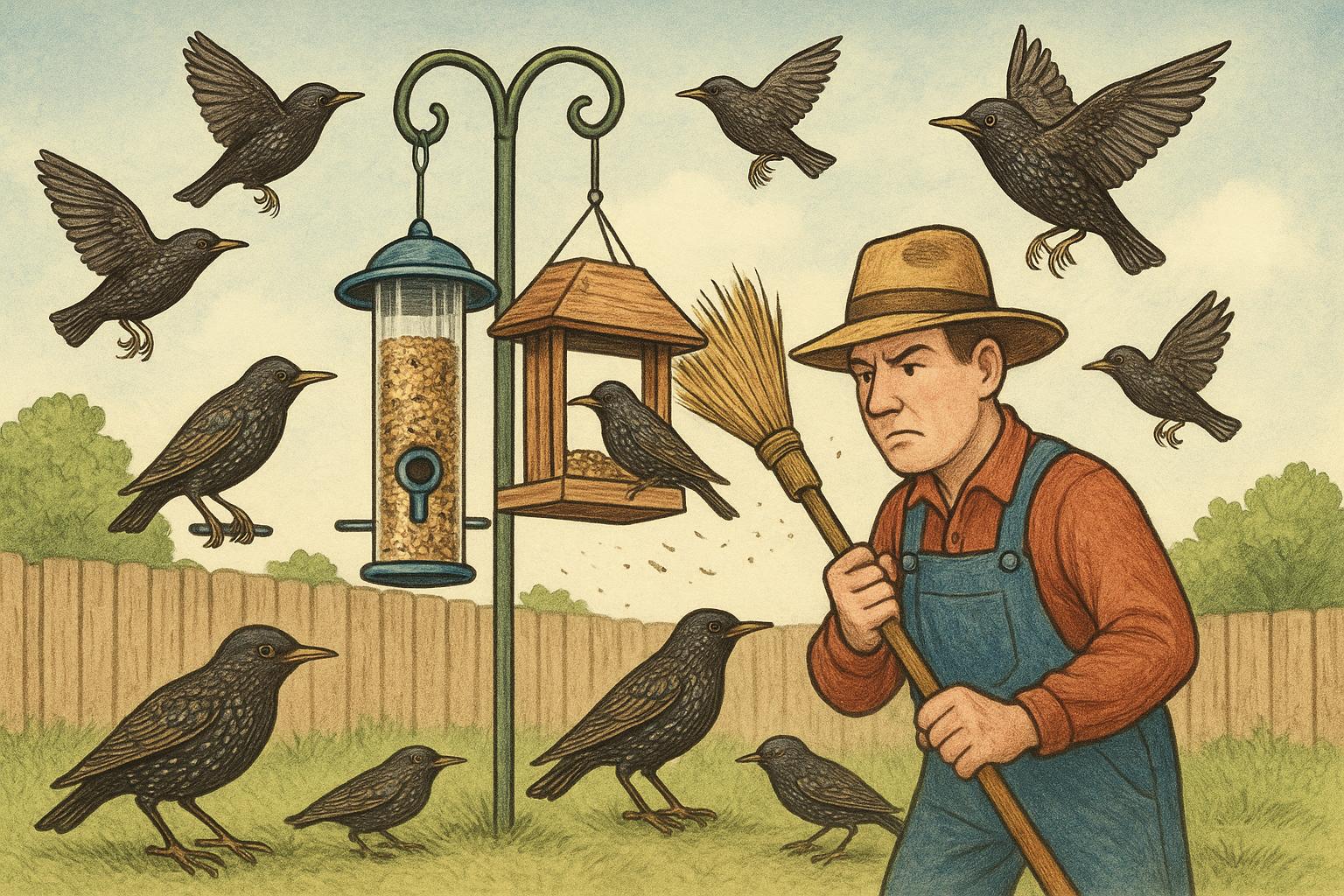
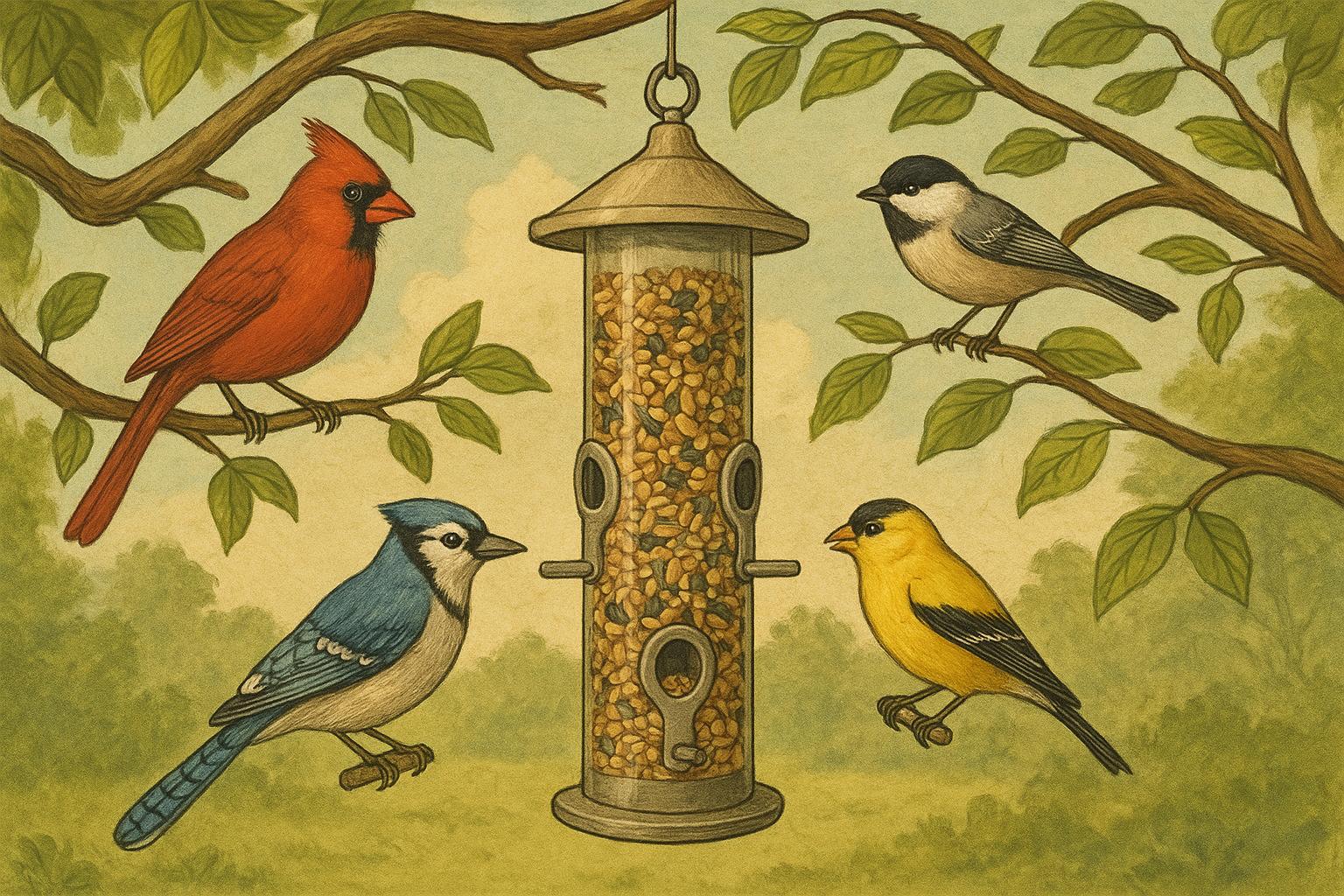
Pair water basins with feeders carefully. If feeders are too close, competitive birds can bully others away from the basin. Separate them by about 10 to 15 feet when possible. Watching jays dominate a feeder while timid goldfinches sip quietly at a basin is common; spacing helps everyone get a fair turn.
#### Seasonal Notes For Busy Gardens
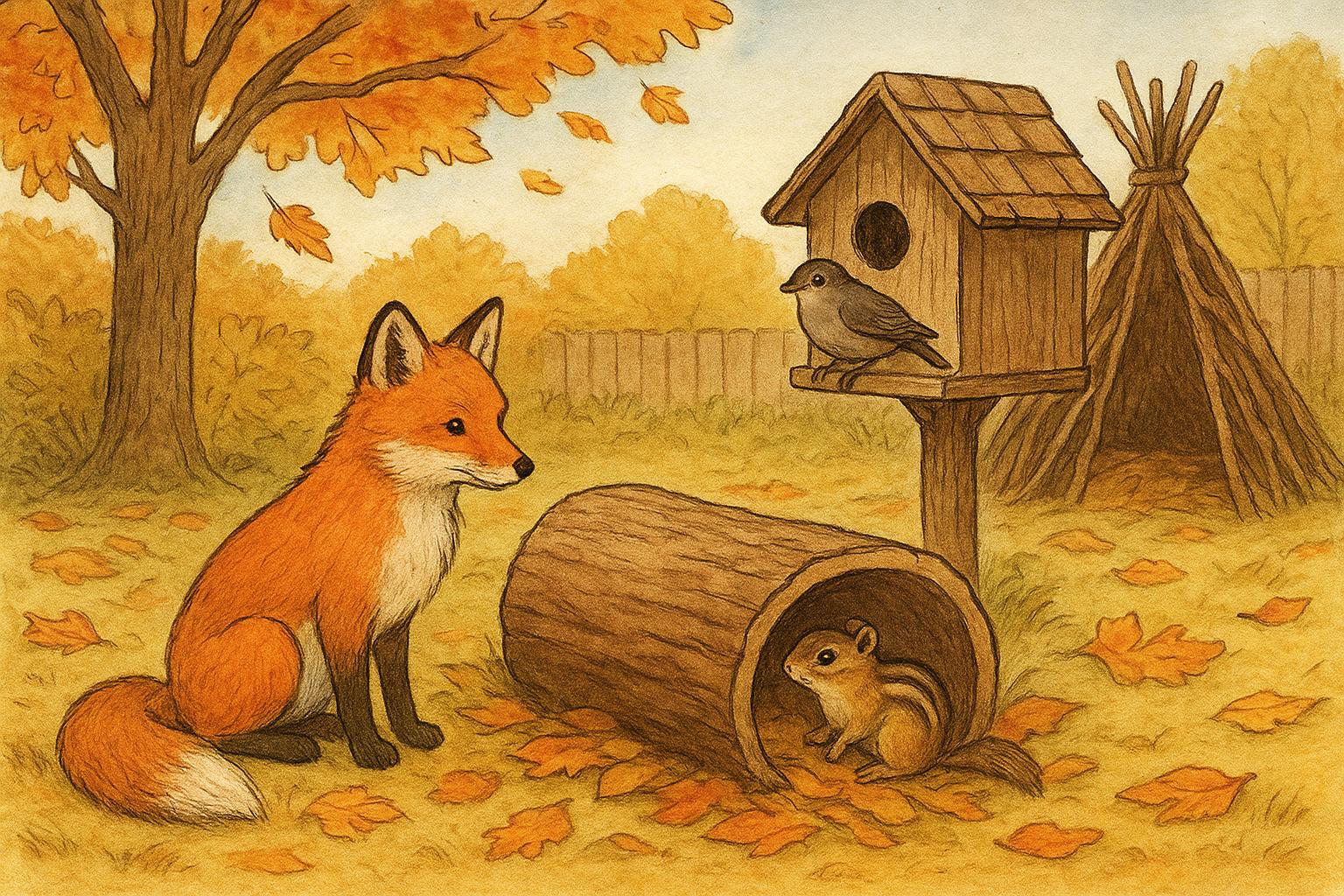
During migration, water basins are tiny emergency rest stops. Migrating birds can be dehydrated after long flights, so fresh water and even a dripper can make your yard a lifesaver. In summer, maintain shallow water and extra shade; birds pant and bathe to cool down. In winter, prioritize one well-maintained basin and check it daily for ice.
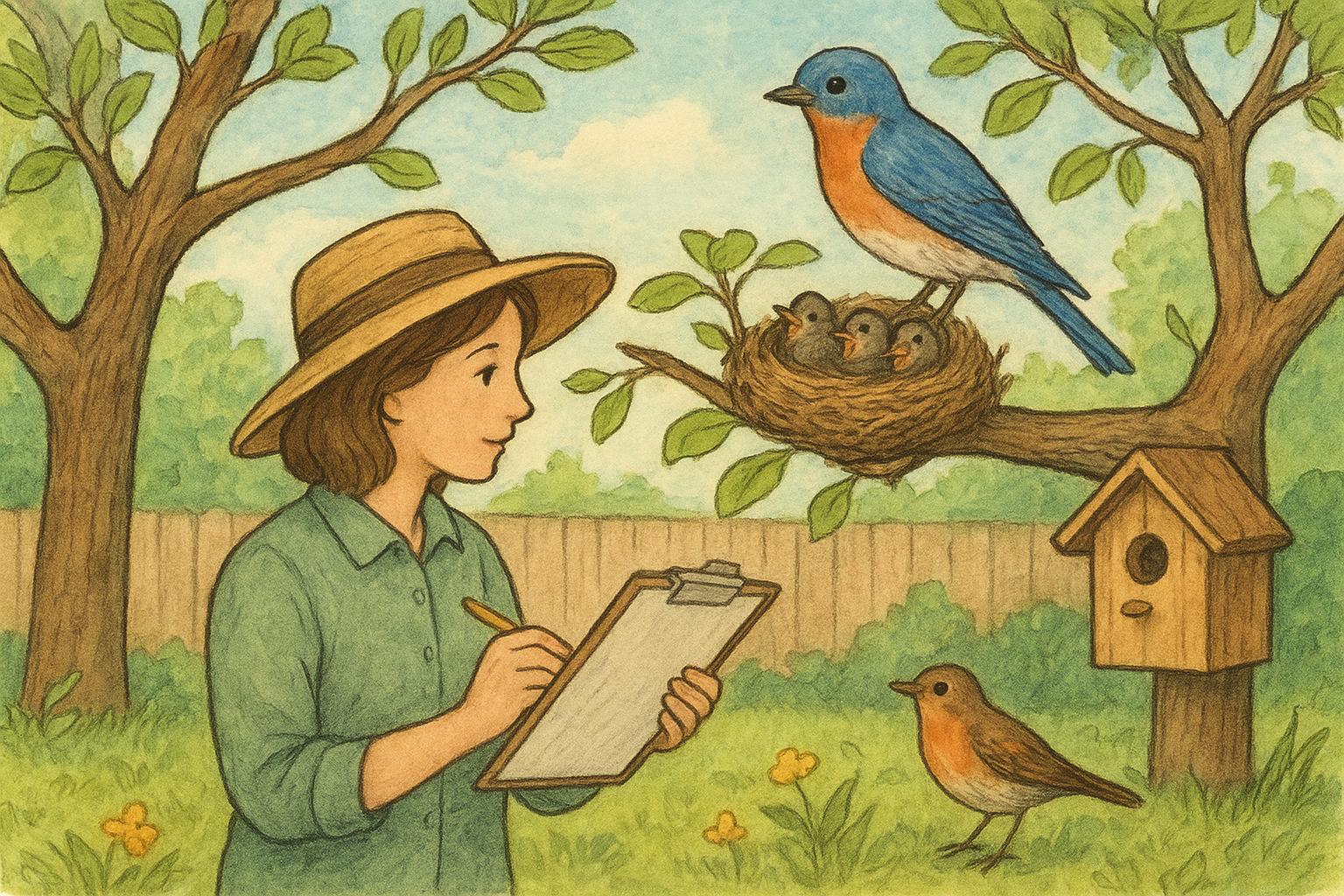
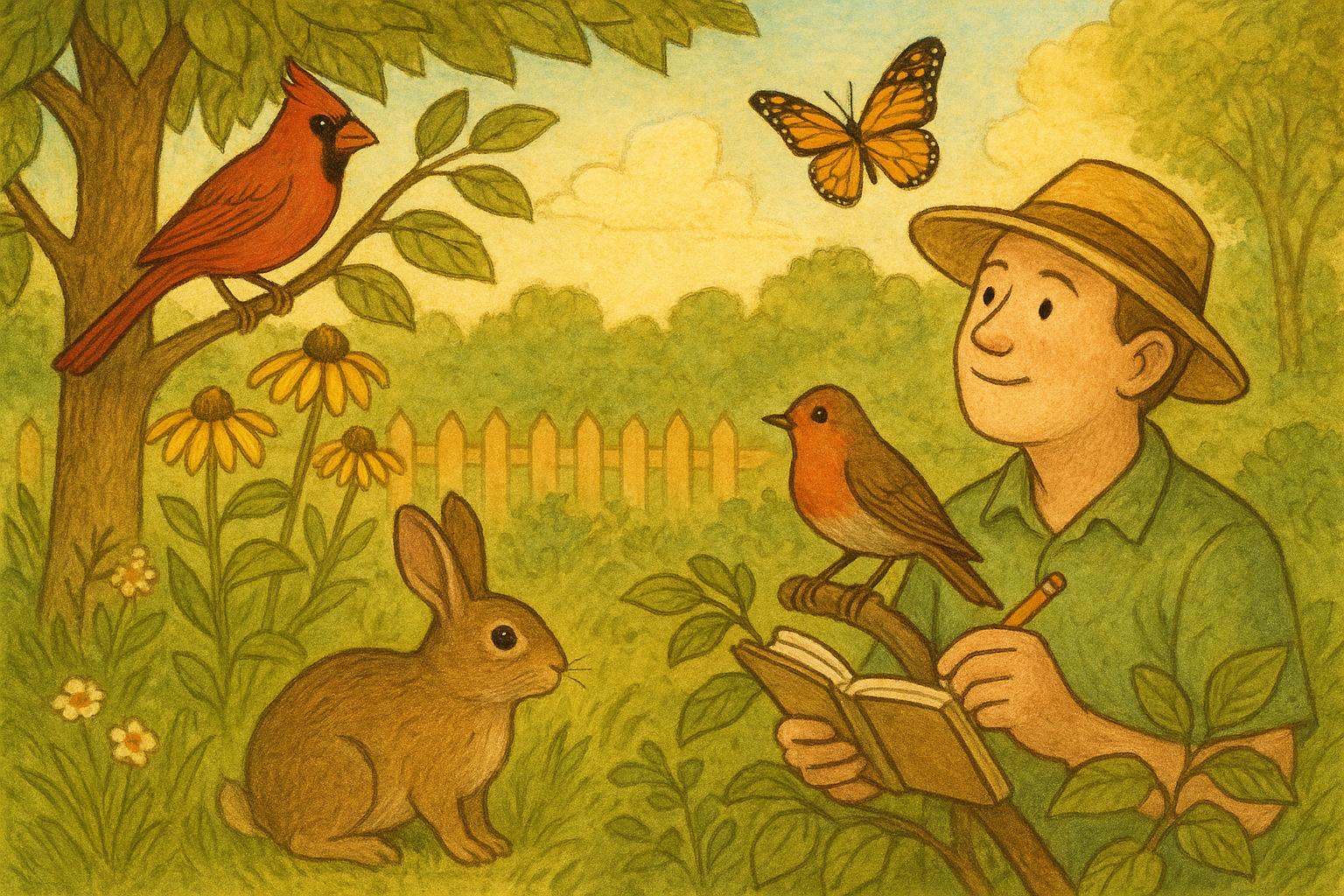
Using avian drinking basins for garden wildlife is one of the least expensive ways to increase biodiversity in a backyard. It’s hands-on, visible, and rewarding. You’ll learn bird behaviors fast, and your garden will feel busier, wilder. If one basin seems quiet, try moving it a few feet or adjusting depth. Small tweaks often yield big differences, and you’ll be surprised how quickly birds pick the best spots.









Leave a Reply