
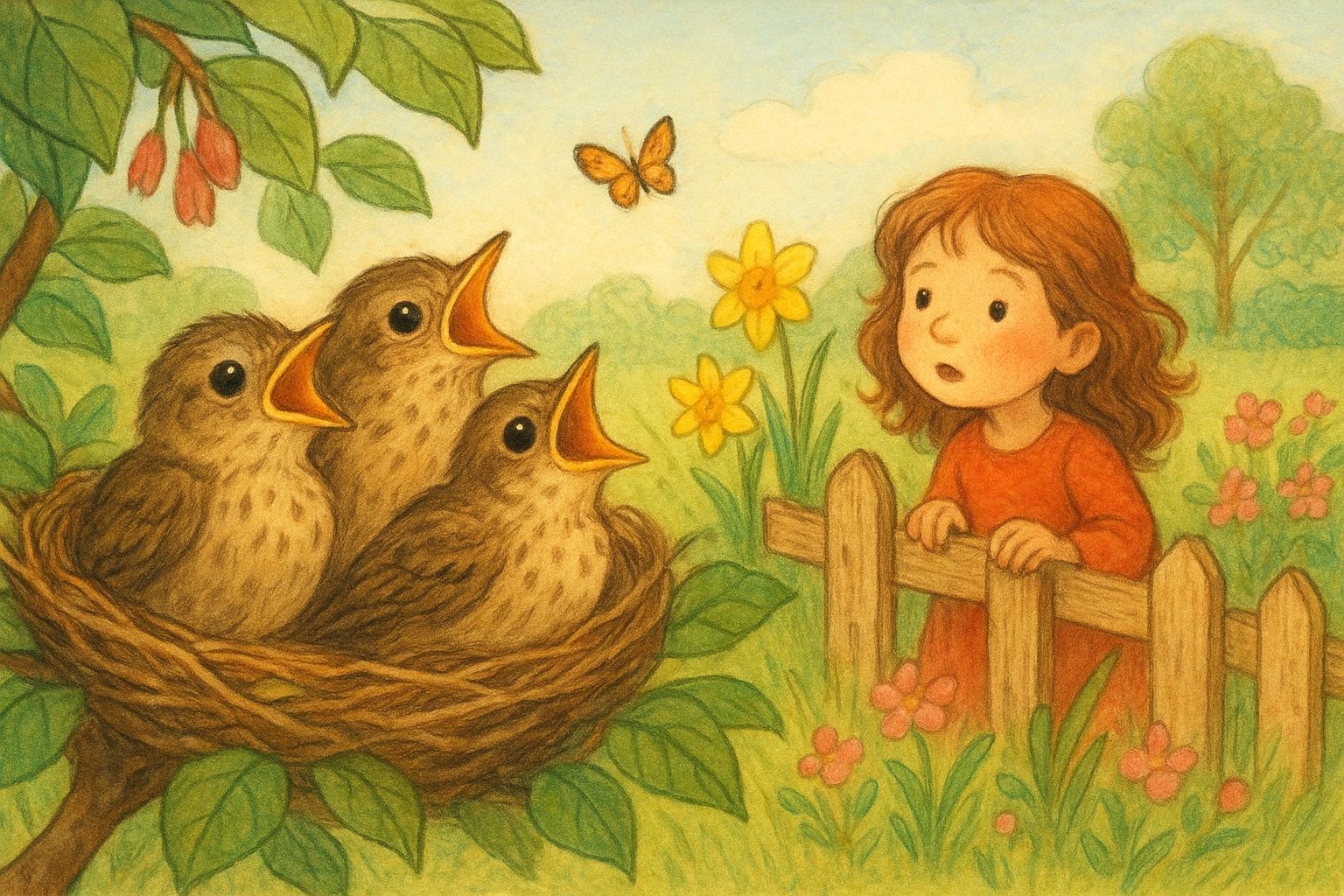
You can see them before you hear them. Tiny heads wobbling above a rim of moss and twigs, mouths opening and closing like small red tulips. Those first moments are plain and immediate. The yard feels larger when something that small is alive inside it.
## Springtime Nestlings In The Backyard: Close Moments That Stick
Springtime nestlings in the backyard arrive like actors in a neighborhood play. One morning a pair of robins appears, then a few days later there are billfuls of worms. Another corner of the yard hosts a tiny wren family under the eaves. Watching those early, fidgety hours teaches you details you don’t notice otherwise: how quickly a parent bird hops between feeder and nest, how the chicks flop on one another to stay warm, how a fledgling practices a wingbeat and looks startled by its own shadow.
Springtime nestlings in the backyard change how you use your space. You stop mowing at dawn near a favorite shrub. You keep the dog on leash around the crabapple. You learn to see the yard in layers — canopy, understory, ground — where birds choose different niches.
### Why A Backyard Suddenly Feels Like A Classroom
If you pay attention, you’ll notice patterns. Bluebirds prefer open fields with fence posts. Titmice like dense shrubs near the house. Sparrows will take almost any cup-shaped support. These are not just trivia. Knowing species and habits helps you anticipate needs. It tells you whether a chick is hungry and should be left alone while a parent fetches food, or whether a fallen baby actually needs rescue.
When springtime nestlings in the backyard appear, you get a front-row seat to parenting strategies. One pair of chickadees makes dozens of short trips per hour. Another species brings bigger, slower meals. You learn that a fierce-sounding parent swoop usually means the nest is very close.
#### The Smell And Sound Of Early Life
It’s not only sight. The air in the yard changes: dry grass, blooming honeysuckle, and the faint, sour tang of fresh droppings under a nest. The sound is layered too. At first you hear adult calls and then high-pitched peeps. Those peeps sharpen with hunger. They slow down when a parent is nearby.
## Practical Ways To Observe Without Harming
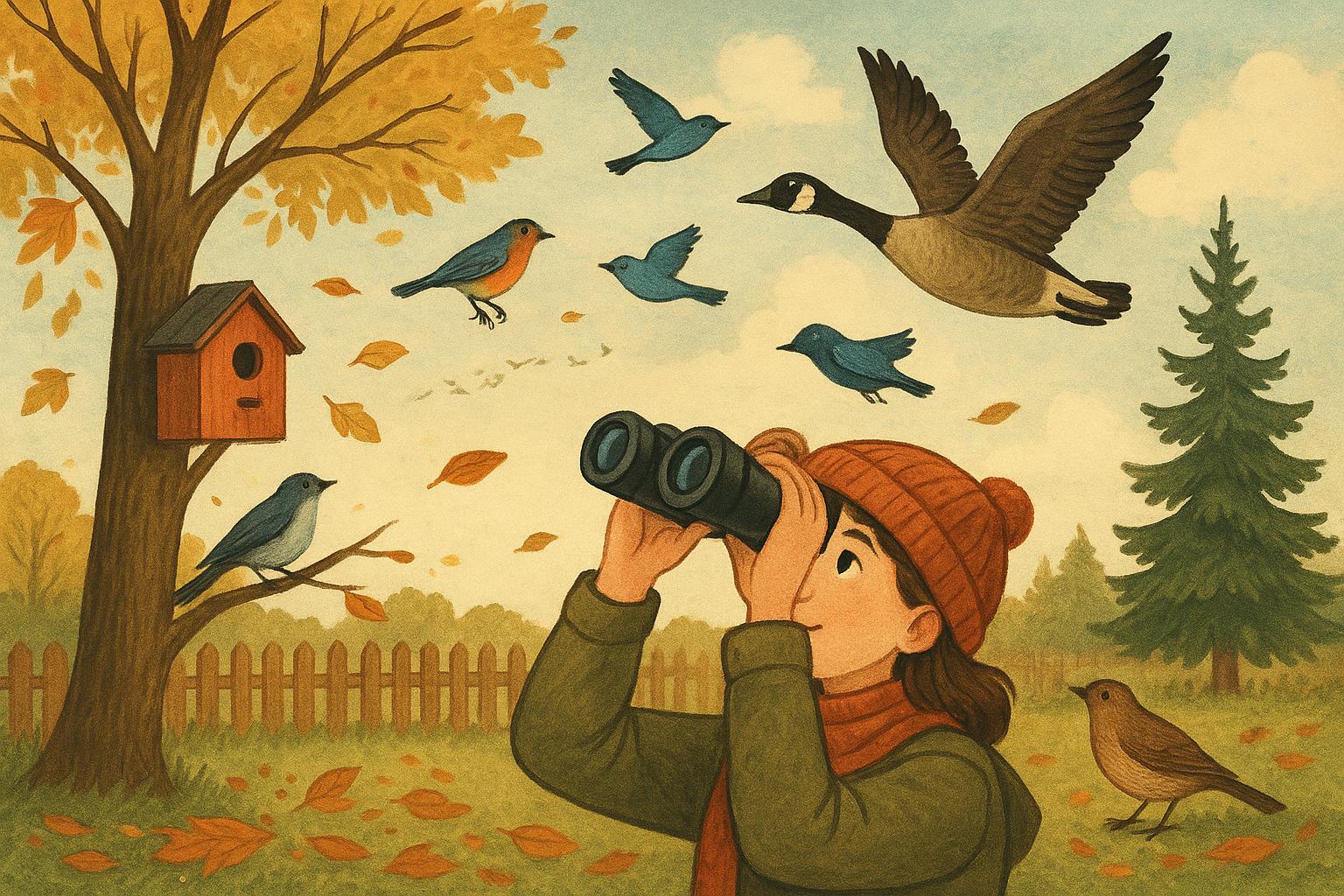
Observation matters, but so does restraint. It’s tempting to linger by a favorite nest, but many birds abandon nests if humans approach too often. Keep distance. Use binoculars. Put your chair at the edge of the property and let the parents do the heavy lifting.
I left a camera at the right angle one spring and watched a robin parent attempt a worm rescue. I was too close the day before; the adult stayed away. The lesson was simple and hard: good intentions can do harm.
### How To Spot A Nest Without Getting Too Close
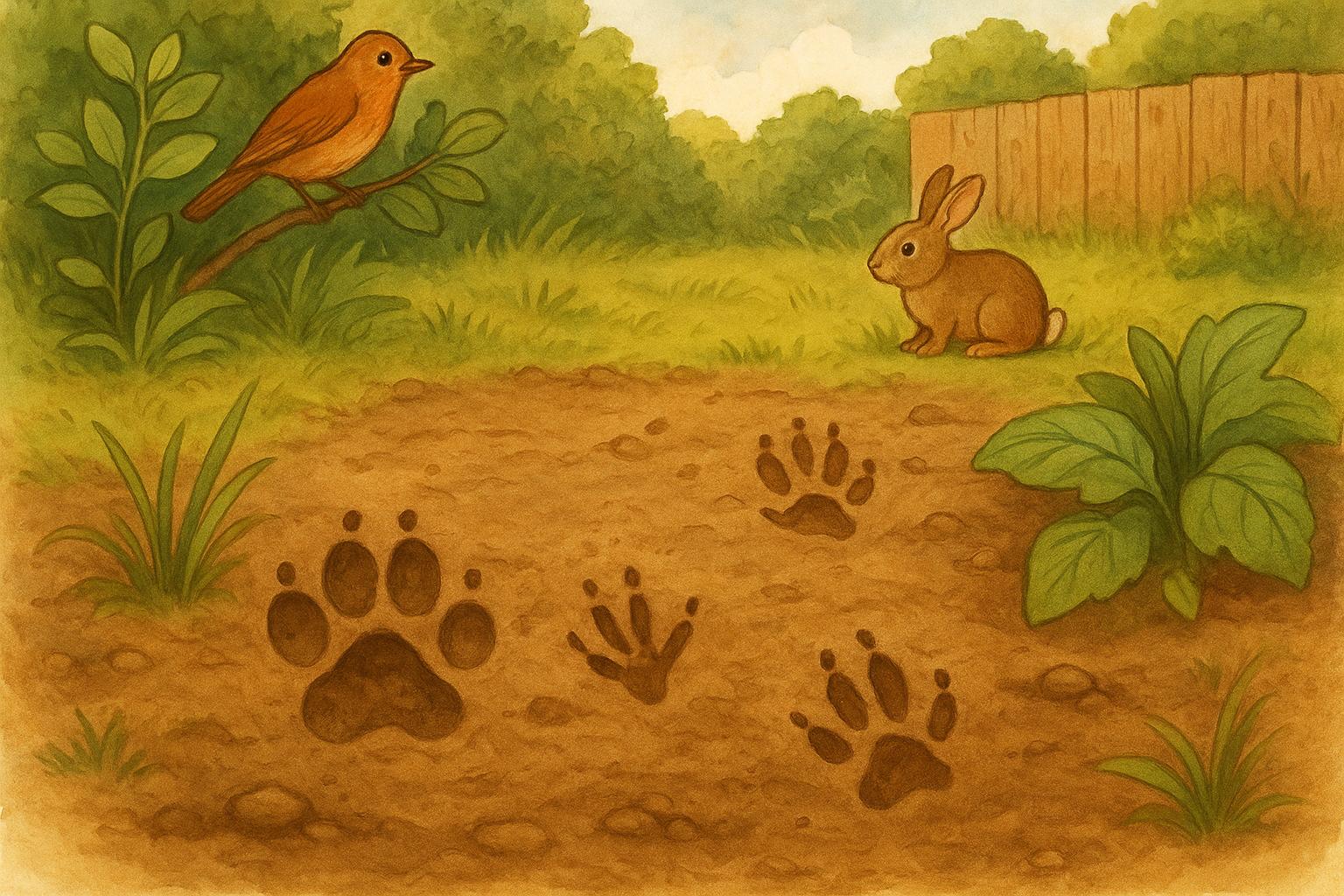
Look for activity, not the nest itself. Parents flight-pathing between a particular shrub and a tree is a strong clue. Fresh droppings on a patio or a concentration of feathers under a porch are other signs. If you find a nest, photograph it from a distance and back away. Don’t touch it unless a professional advises otherwise.
#### If You Find A Fallen Bird
A common panic: a fledgling on the ground. Most fledglings leave the nest before they can fly well. Parents usually care for them on the ground. If the bird is fluffy, hopping, and alert, stay put and keep pets away. Move slowly and check from a distance. Only if the bird is injured, soaked, or clearly in immediate danger should you intervene. Call a local wildlife rehabilitator.
## Creating A Yard That Welcomes Springtime Nestlings In The Backyard
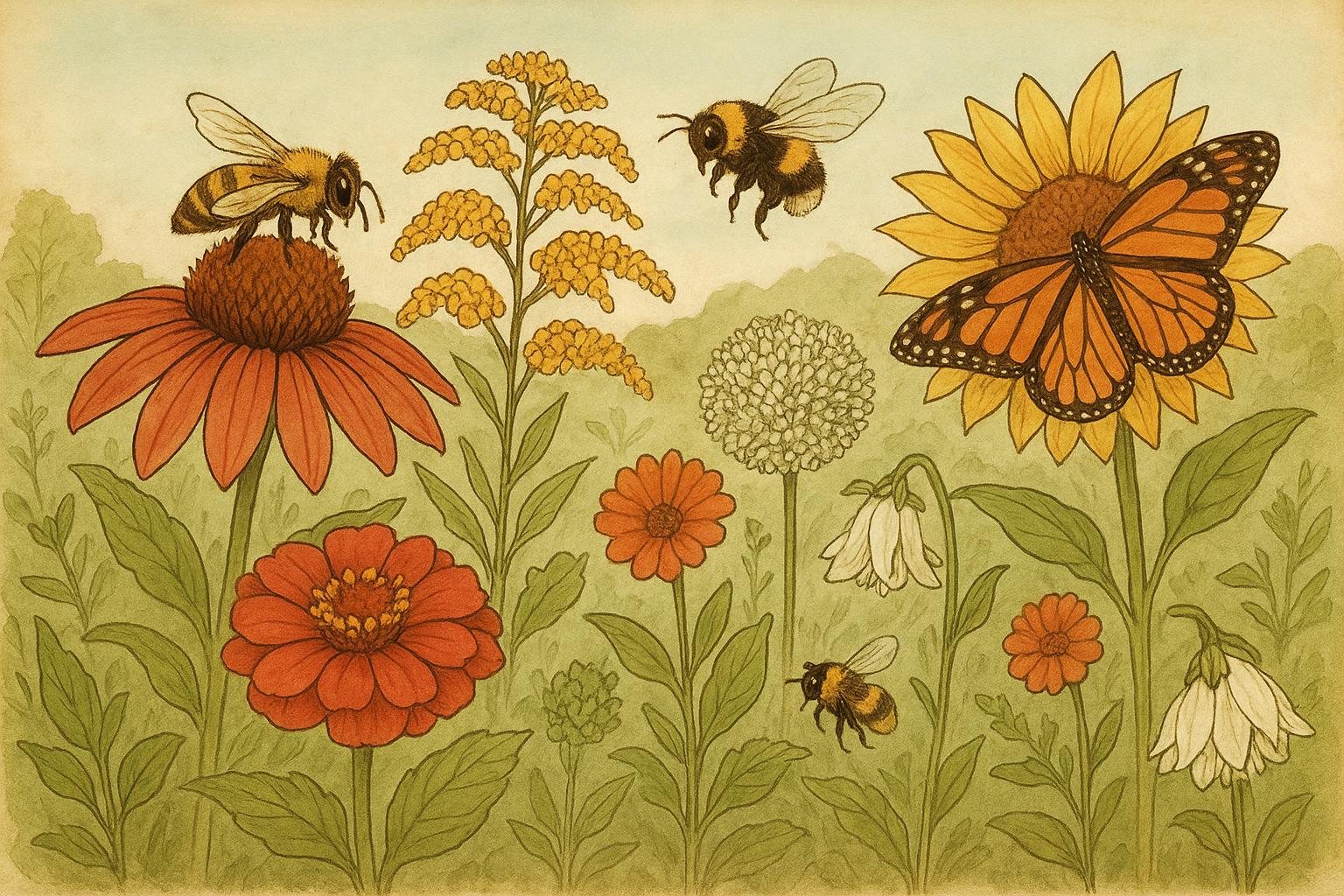
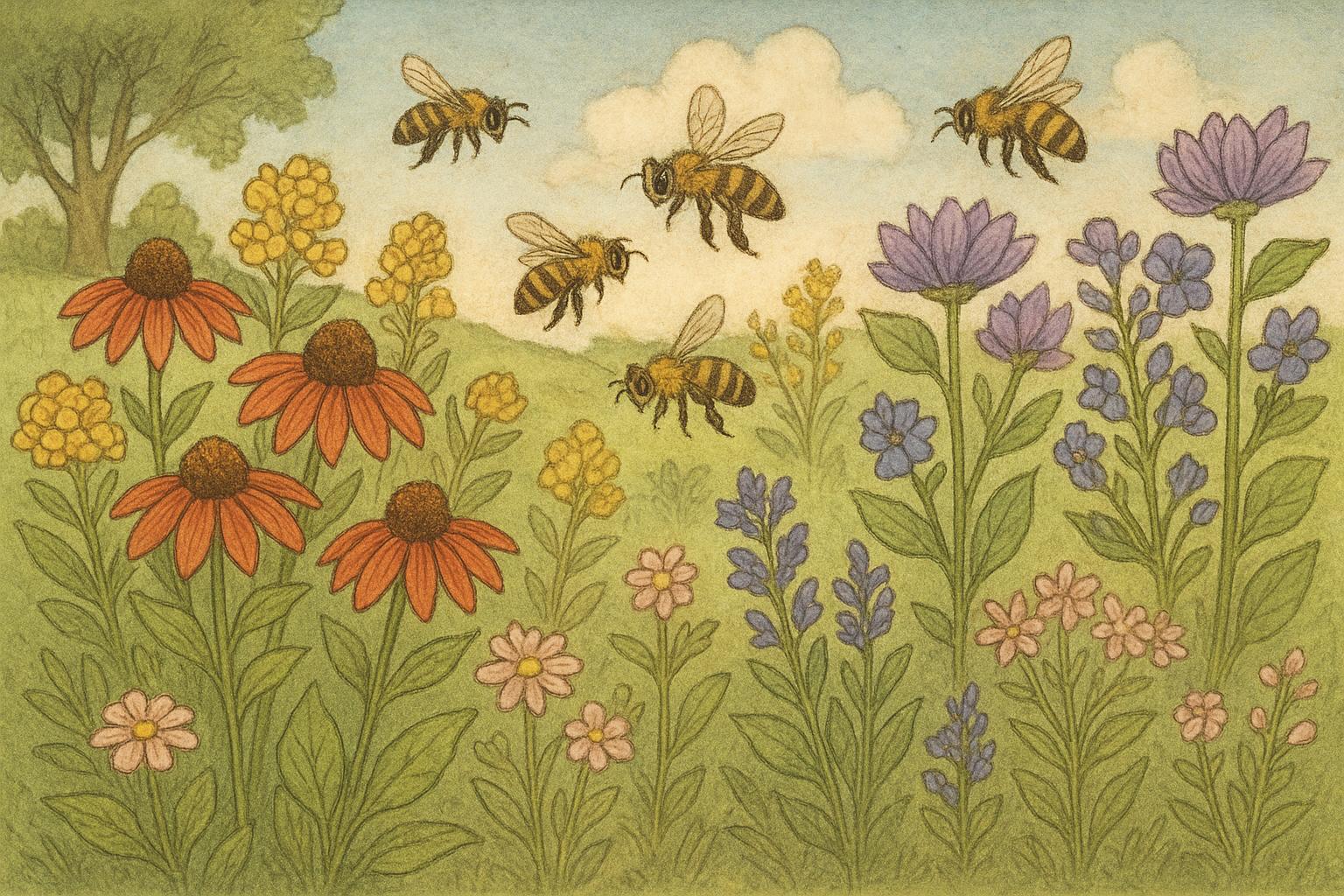
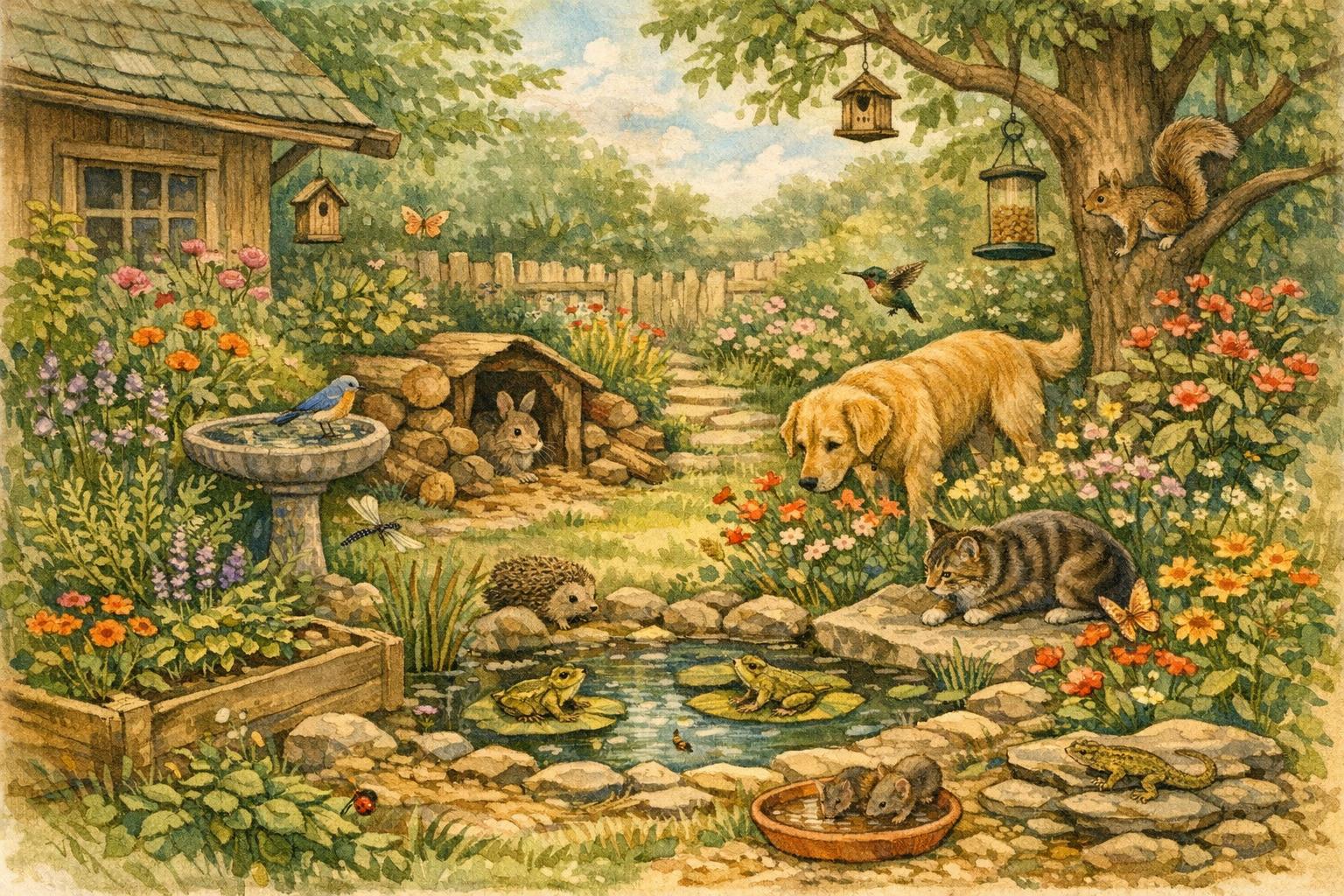
If your goal is to encourage more backyard life, think about structure and food. Native plants support a web of insects, which are the primary food for many chicks. A single native oak can host hundreds of caterpillar species. Caterpillars feed young birds. Planting for insects, not just color, pays off.
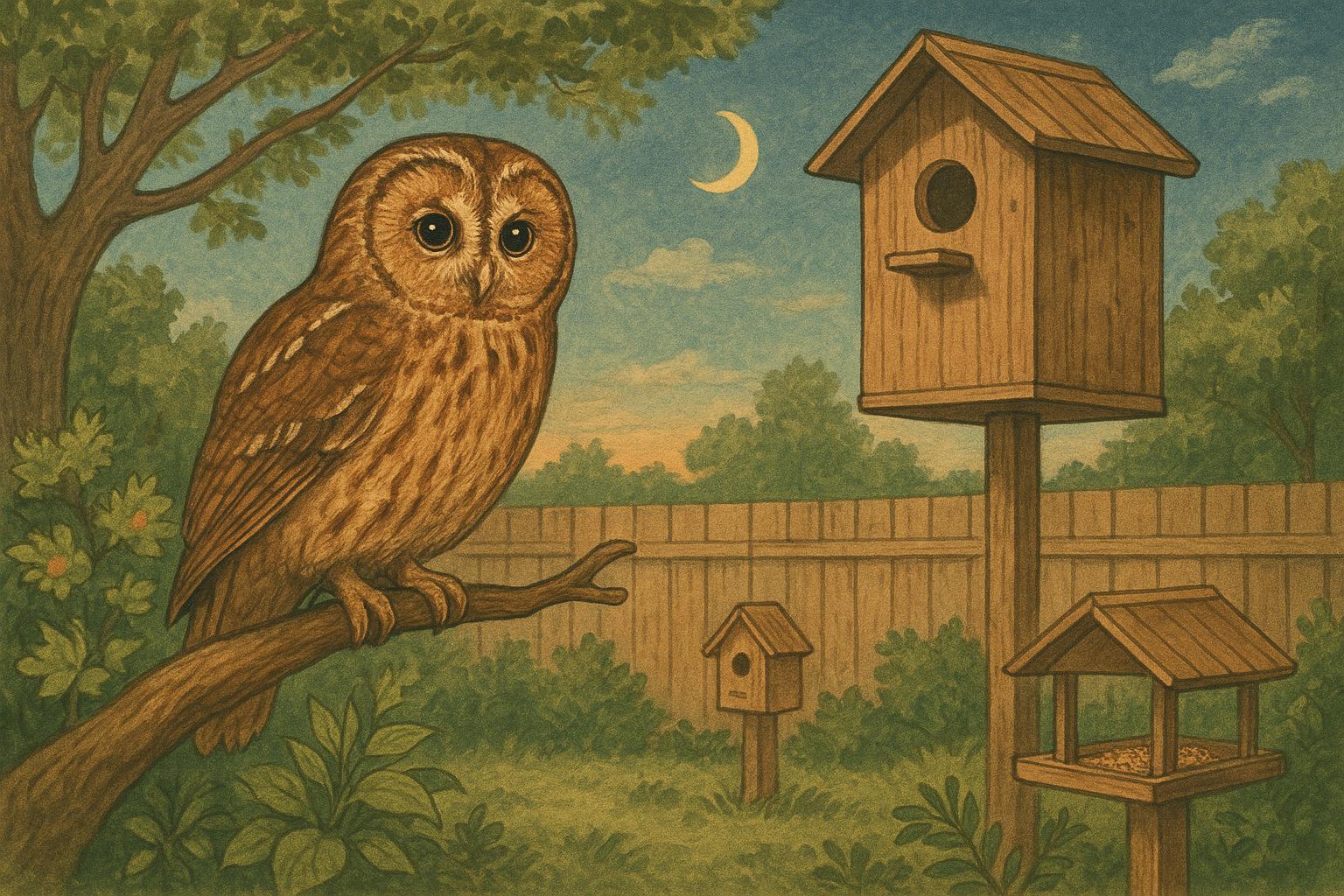
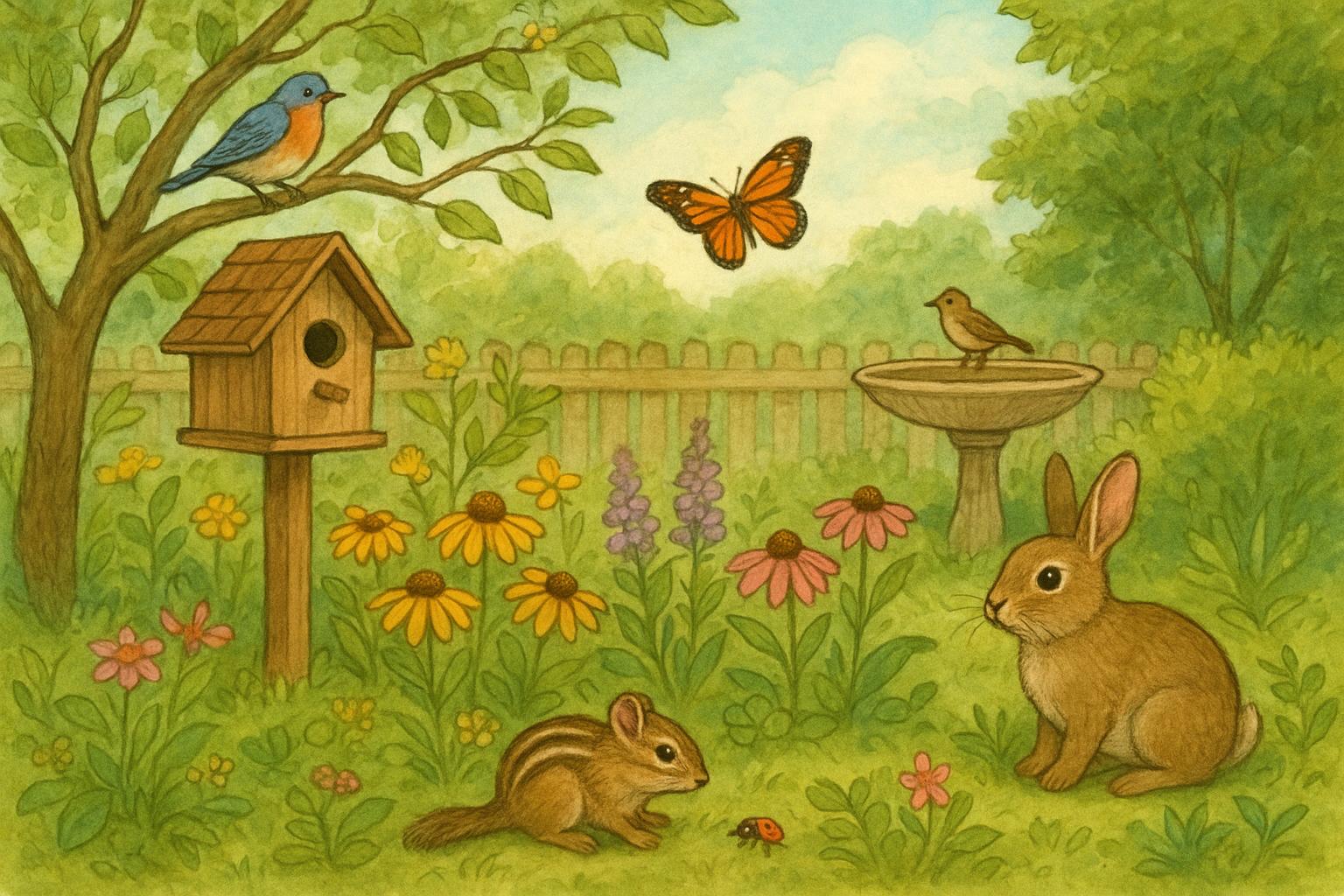
Also, add layers. A mix of tall trees, medium shrubs, and groundcover provides choices for different species. Nest boxes help too, but box placement and maintenance matter. Mount boxes at the right height and face them away from prevailing winds. Clean boxes out in winter.
### Food: What Chicks Actually Eat
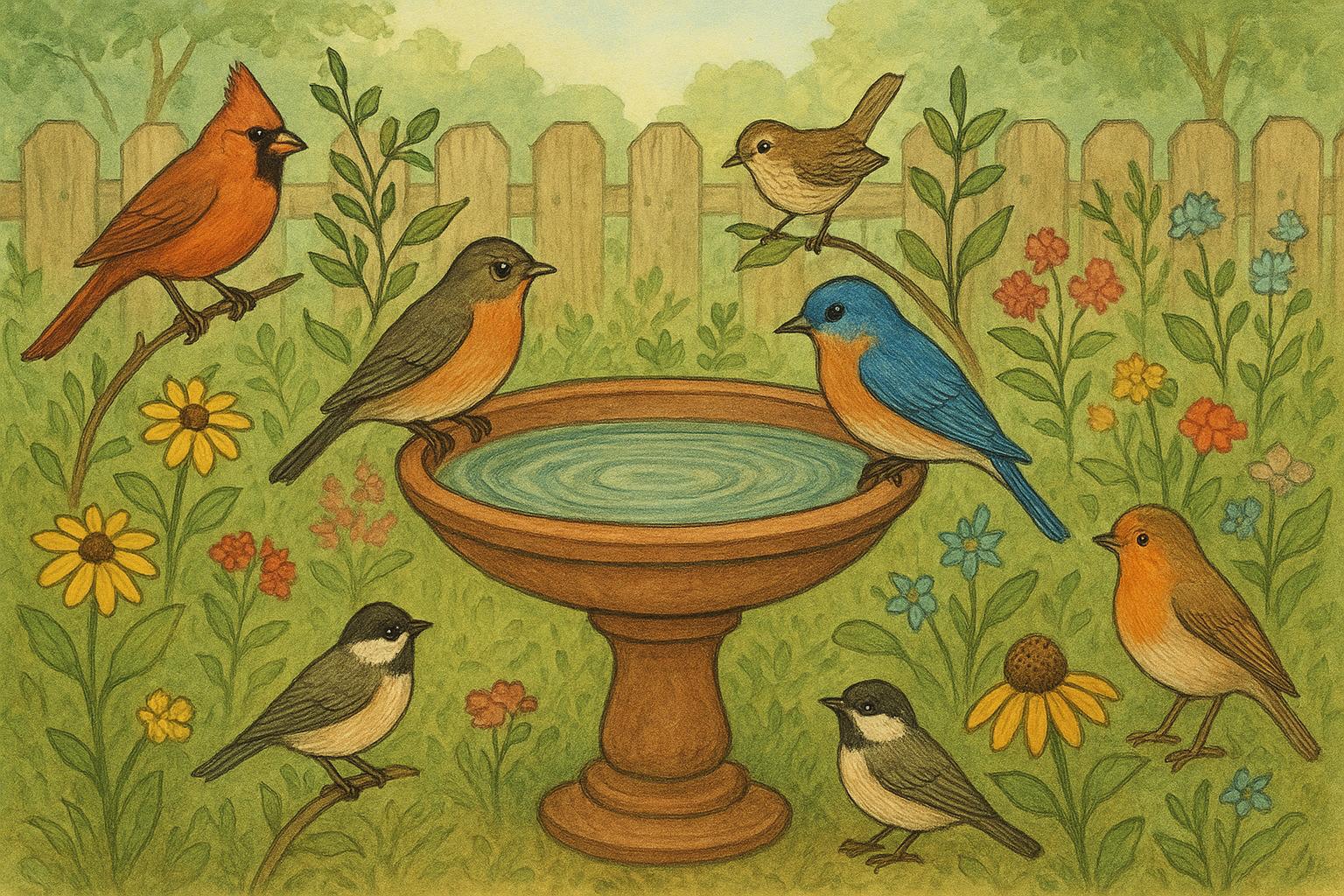
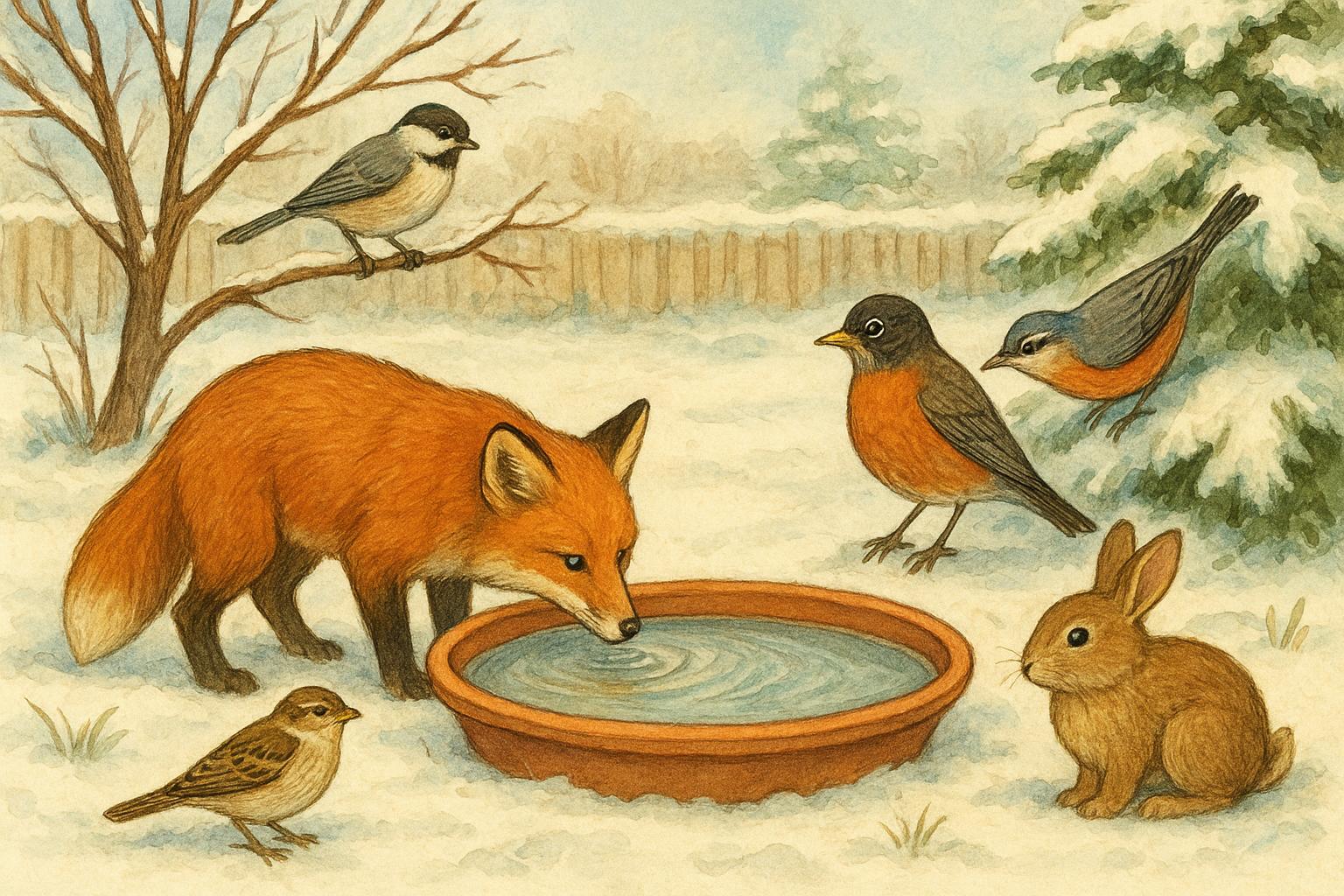
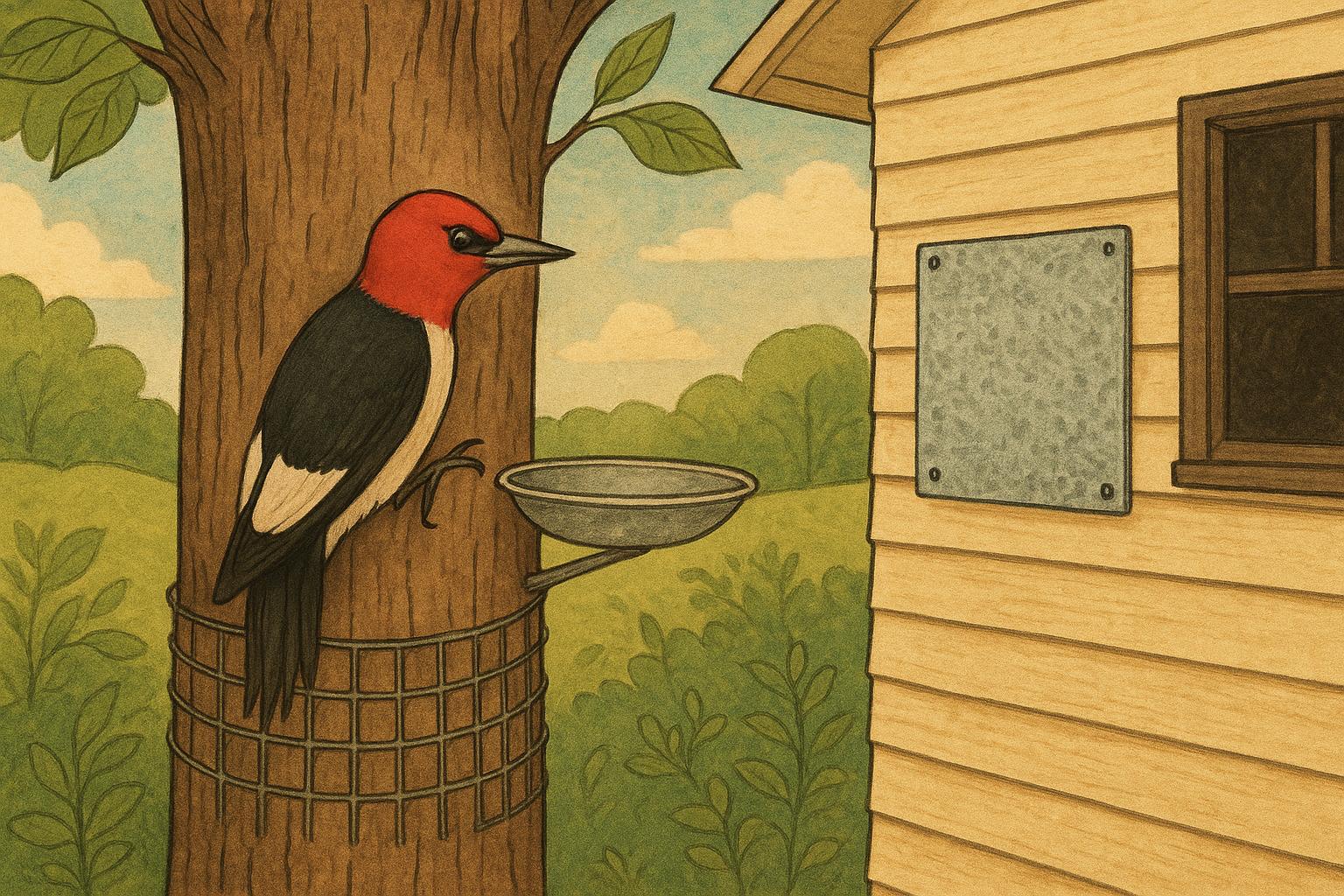
Adult birds eat seeds and suet, but most chicks need soft food. Caterpillars, spiders, and beetle larvae are rich in protein. If you feed birds, offer live or dried mealworms occasionally in early spring. Don’t substitute seeds for the natural diet chicks require. Providing a water source helps parents too; a shallow basin with a sloping edge is ideal.
#### Planting Suggestions That Make A Difference
Choose native shrubs that bloom early and host insects. Viburnum, serviceberry, and spicebush are small examples that support insects and provide cover. Avoid mass-mulched lawns that create a barren middle ground. Even a small wild patch behind a shed can become a micro-habitat.
## Common Backyard Families And Their Habits
Knowing who you have helps you decide what to change. Here are a few species to watch for and what they typically need.
### Robins And Their Open-Cup Nests
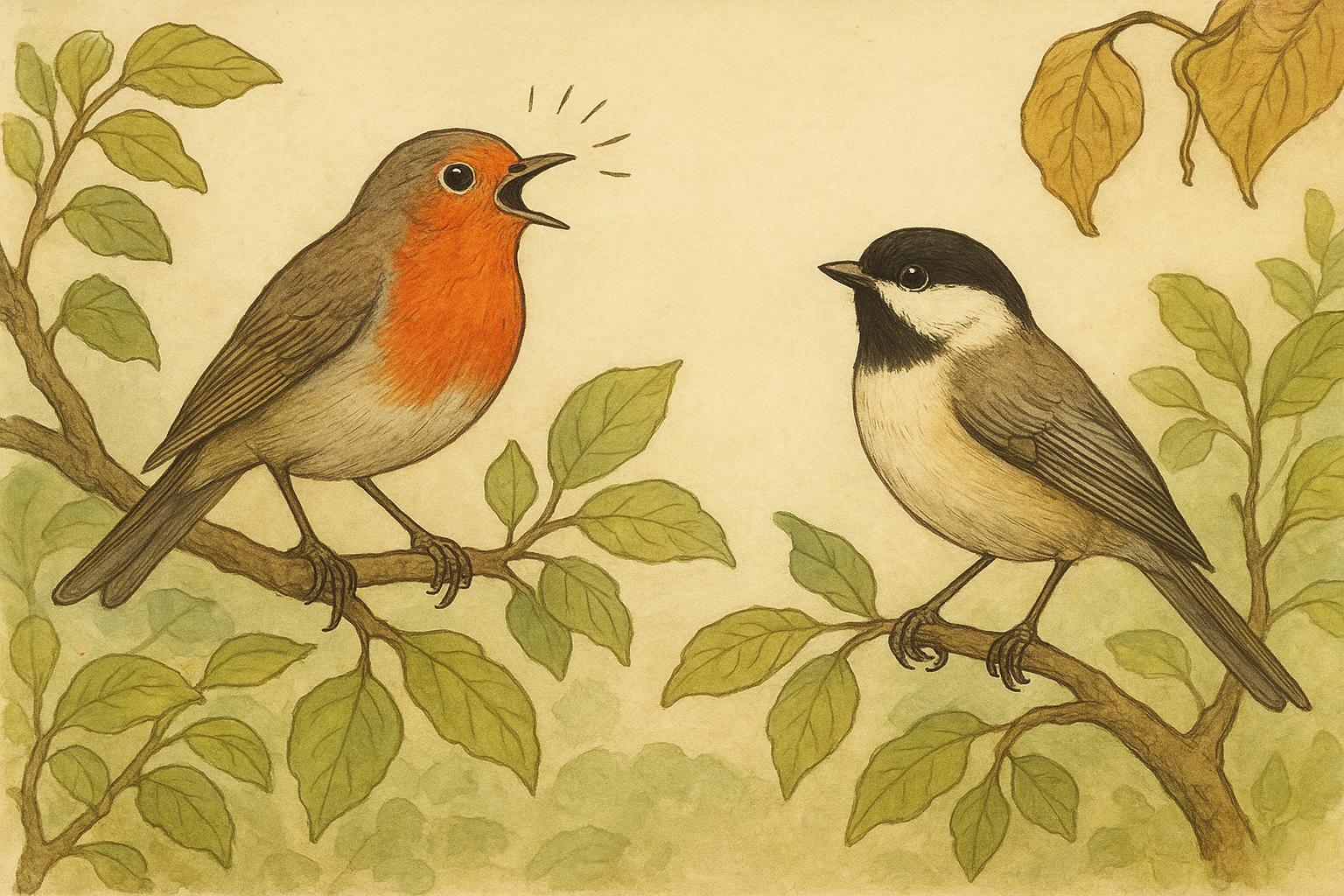
Robins like visible nesting spots on horizontal branches or ledges. They bring long worms and bits of berries. Robins are forgiving of suburban life but will abort nests if you repeatedly disturb them. A single brood may fledge five chicks all demanding worms.
### Wrens And Tight, Hidden Spaces
House wrens favor cavities and nests in dense brush. Their chicks are tiny and noisy. Wrens can nest in strands of vines or behind shutters. Blocking small crevices in late winter can redirect them without eliminating nesting opportunities.
### Bluebirds And A Taste For Boxes
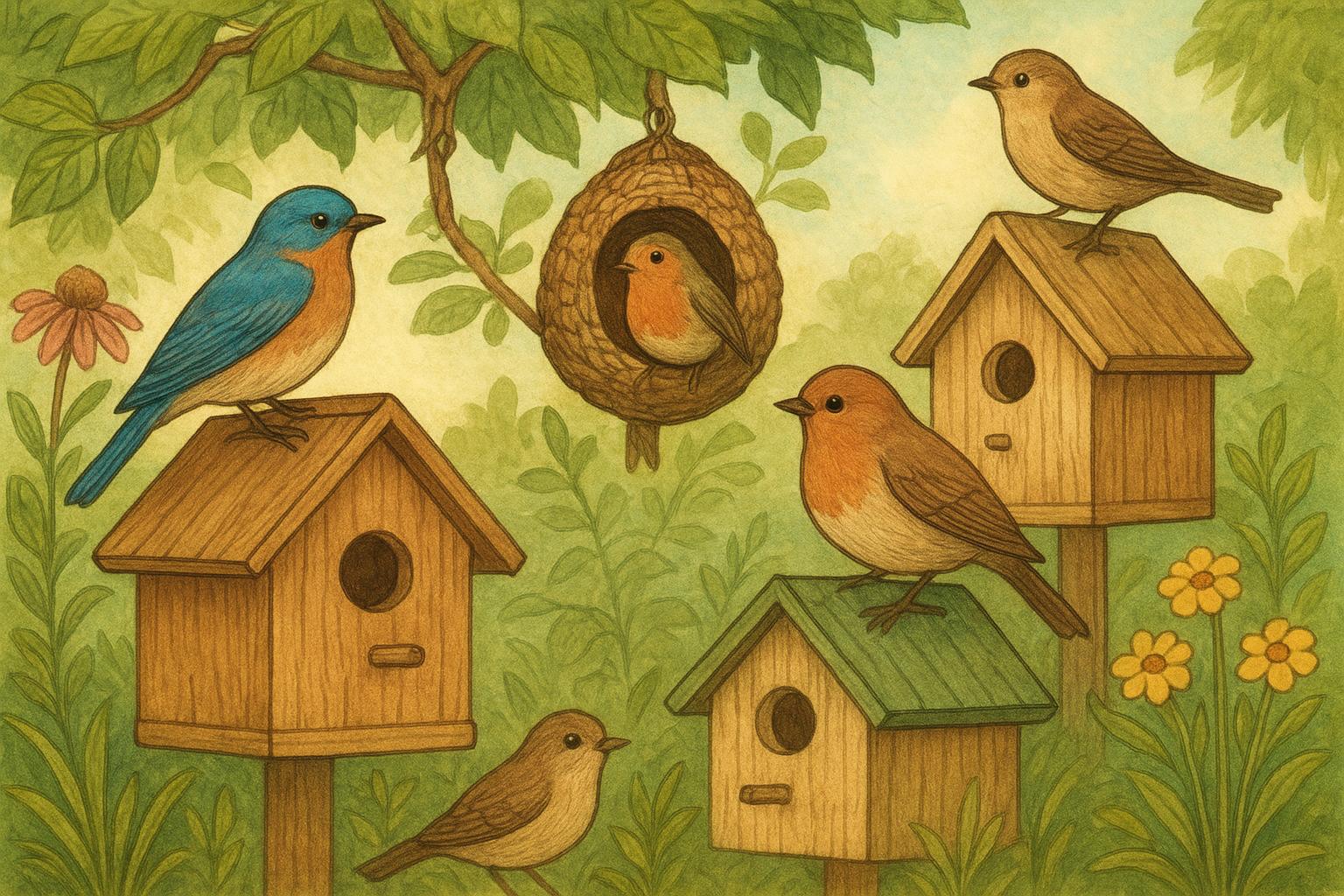
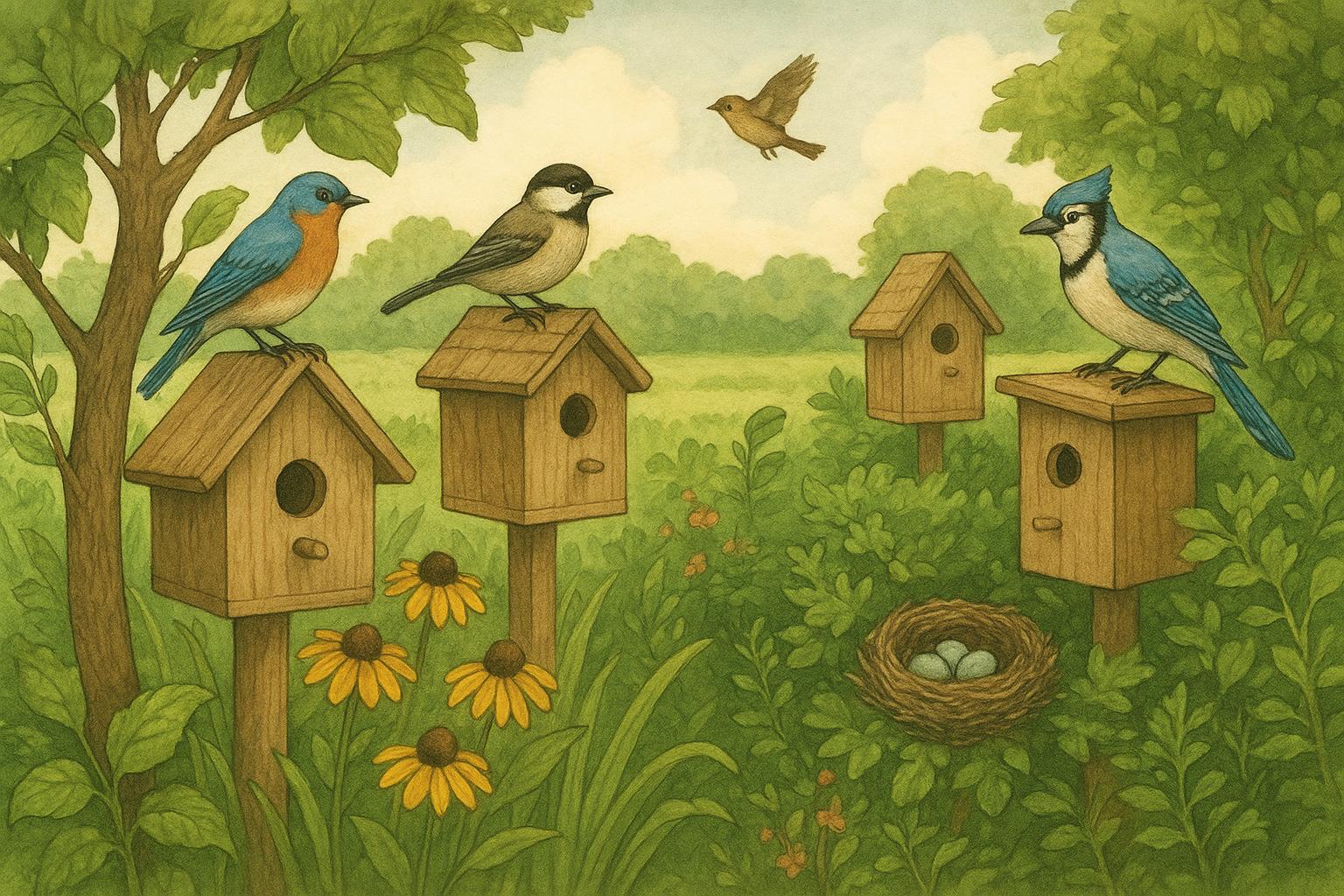
Eastern bluebirds accept nest boxes eagerly when territories and food are good. They need open lawns where they hunt for insects. Boxes must be placed on a pole with a predator guard. Bluebird parents are frequent visitors; you’ll spot them perching on fence posts before swooping down to snatch insects.
### Sparrows, Finches, And Dense Shrubs
Some species nest in dense hedges or the undersides of eaves. They breed in larger numbers and tolerate human presence more. Their chicks follow the same basic pattern: constant feeding and rapid growth.
## When Predators Appear: How To Protect Nestlings Backyard
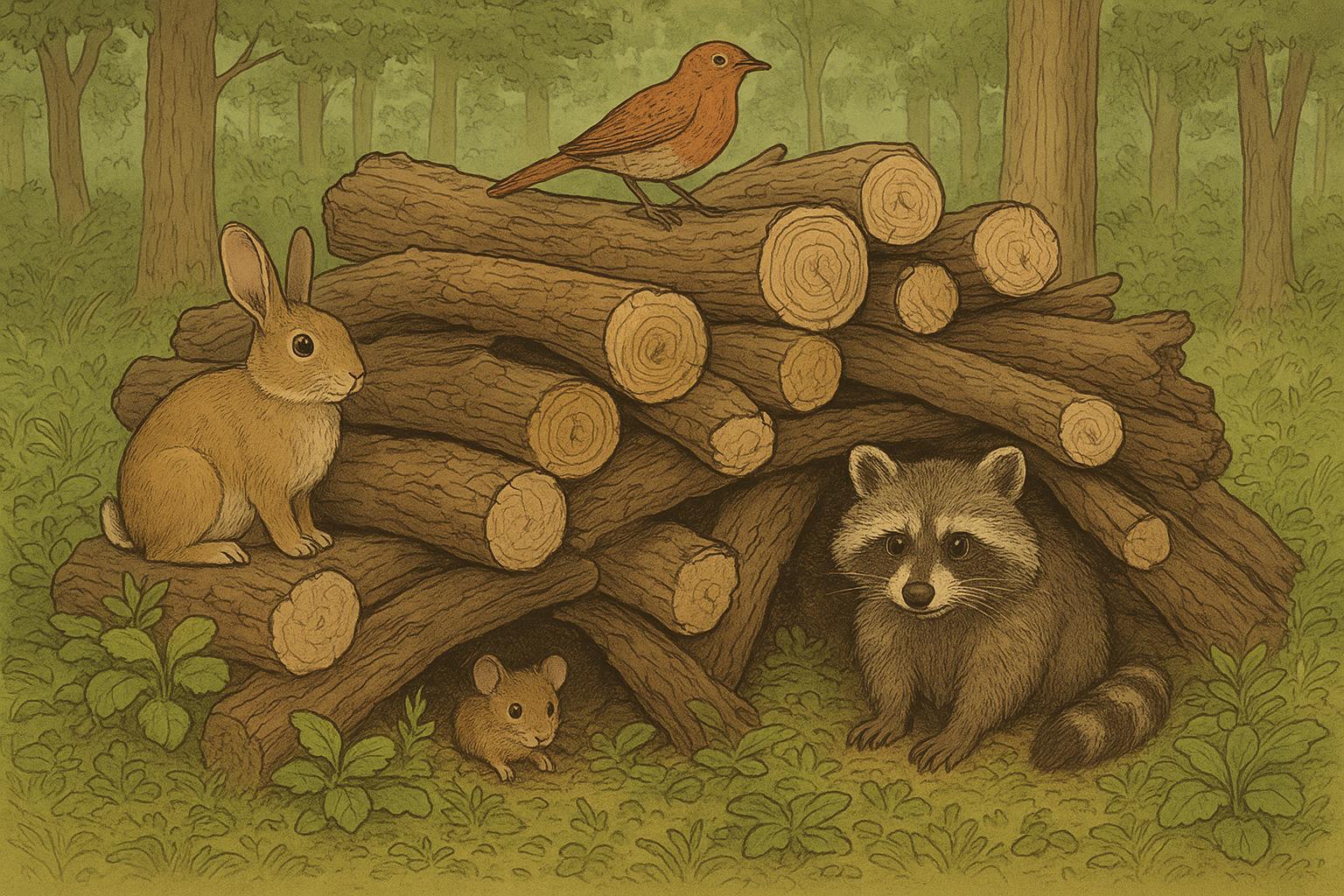
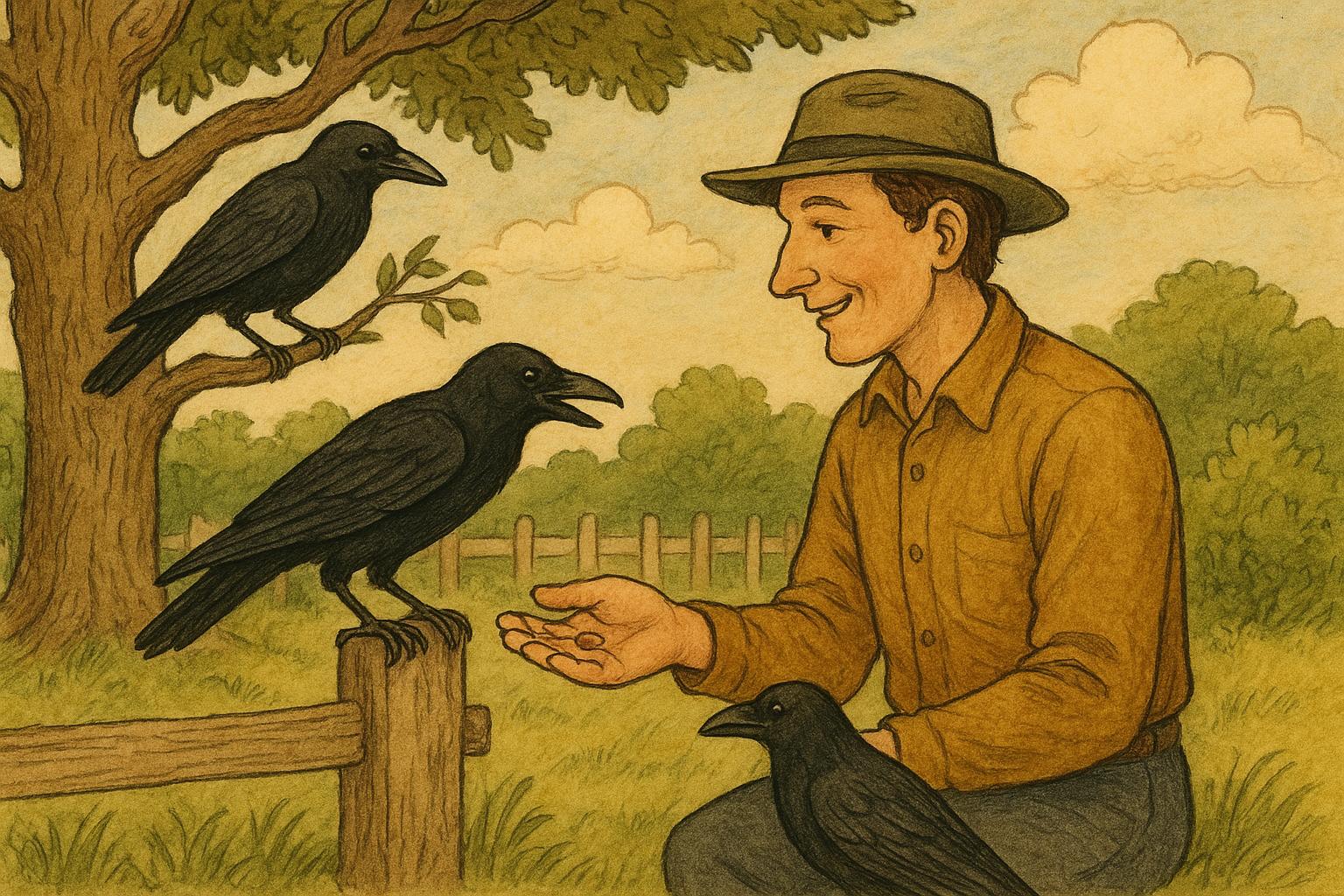
A successful yard isn’t predator-free; it’s predator-smart. Cats, raccoons, and corvids are efficient nest predators. You can’t remove every threat, but you can minimize risk.
Keep cats indoors during nesting season. Add baffles to nest box poles. Avoid placing boxes on tree branches where squirrels have easy access. Plant thorny shrubs like hawthorn or barberry under likely nest spots — adult birds can weave through branches better than larger predators can.
### Signs Of Predation To Watch For
A sudden silence where there was chatter may mean trouble. Shredded nest material or scattered feathers are clear signs. Watch patterns: corvids often make repeated raids; snakes climb trunks at night. If you see chronic predation at one site, consider moving nest boxes or limiting access.
## Photographing Nestlings Without Causing Disturbance
If you love photos, learn to step back. A long lens allows you to capture detail without being a presence the birds notice. Use a tripod and a slow shutter speed in low light. Leave a camera in one place for days, and the birds will ignore it.
I once ruined a fledgling shot by leaning over a box. The parent returned but visible shudder followed. After that I used a remote trigger for better results. Small changes in approach yield better images and happier birds.
### Lighting And Composition Tips
Early morning light is softer and catches the delicate fuzz on a chick’s head. Backlight can create a glow around a downy crown. Compose with context: include a twig or leaf to show scale. Avoid flash; it can frighten a parent and heat up a small enclosed space.
#### Ethical Considerations For Shoots
Never bait birds with food to get a shot. Never place artificial chicks in nests to provoke a response. Keep tripods and people out of flight paths. If your presence changes behavior, step back.
## What To Do If A Nest Is Abandoned
Abandonment can happen for many reasons: repeated disturbance, bad weather, or predator harassment. If you find an abandoned nest, resist the urge to raise the chicks yourself. Hand-rearing wild birds is a specialized task. Contact a licensed rehabilitator.
You can, however, take steps to prevent future abandonment. Minimize repeated daytime foot traffic. Trim branches at a time of year that avoids nesting season. Make small changes and observe results the next spring.
### How To Tell If A Nest Is Truly Abandoned
A truly abandoned nest will be silent for 24 hours and show no parent activity. Check at a distance. If the nest contains eggs and appears cold, it may be abandoned. If chicks are present and quiet, parents may just be away briefly to avoid attracting predators.
## Community Actions That Multiply Benefits
One yard matters, but a block of bird-friendly yards matters more. Talk to your neighbors; explain why you left a shrub unmowed. Host a morning watch and bring coffee. Neighborhoods that coordinate plantings and keep cats indoors see higher fledging rates.
### Programs And Citizen Science
You can contribute to projects like nest monitoring programs or backyard bird surveys. Submitting data helps scientists track trends. Keep accurate records: species, dates, brood size, and any unusual behavior. A neighbor’s anecdote about “lots of robins this year” is interesting, but a log is more useful.
## The Unexpected Joys Of Watching Tiny Lives
People say they feel calmer watching birds. The real surprise is how closely you start to notice micro-changes: the timing of first flights, the exact way a fledgling tilts its head before eating, the way a parent flicks its tail after a long flight. Those small moments are why we build safer yards and learn to step back.
Springtime nestlings in the backyard are a good reason to slow down. They reward patience with lessons about resilience and adaptation. Keep your eyes open and your hands off most things. Let the season do what it has done for millennia.
## Simple Tools That Make A Difference
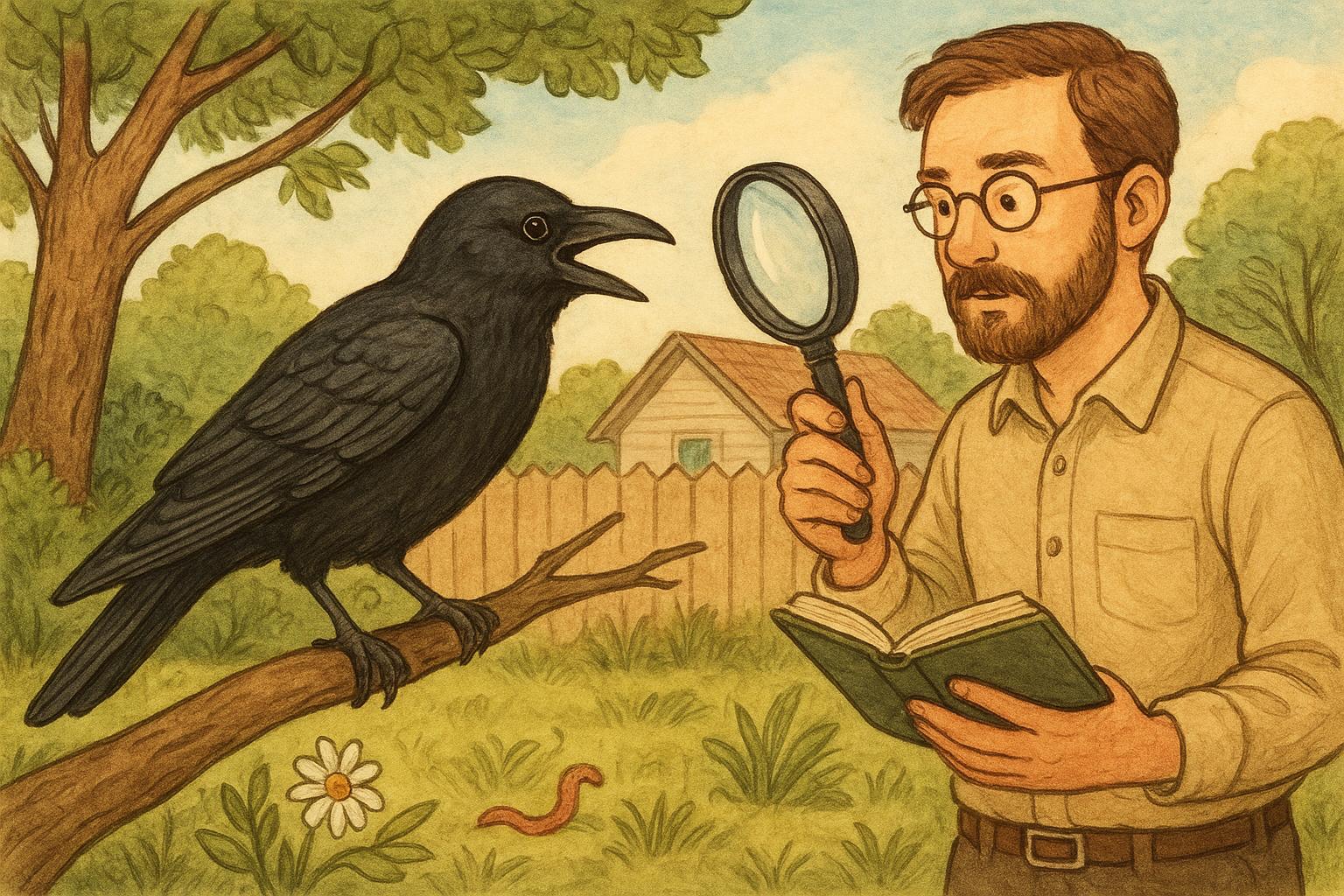
You don’t need expensive gear. A pair of binoculars, a field guide, and a notebook take you a long way. A log of observations will reveal patterns faster than you expect. A cheap thermometer in a nest box can show microclimate differences. Small investments yield big returns.
### A Few Quick Items To Have On Hand
– Binoculars for distant viewing.
– A camera with a long lens if you like photography.
– A local rehabber’s contact saved in your phone.
– Native plant seeds for seasonal planting.
## When Kids Get Involved: Teaching Responsibility
Children respond to nests in surprising ways. They want to touch, name, and carry things. Teach them to watch quietly and to respect boundaries. Assign a “stay line” at the edge of a yard where kids can sit and sketch. Hand them a field guide and ask them to note the number of trips a parent bird makes in 15 minutes.
A neighbor taught her kids to swap a few minutes of play for a morning of birdwatching. The exchange paid off. The kids learned patience; the birds kept their nests.
#### Small Projects For Young Naturalists
Make a nest box craft. Map local bird sightings. Record a dawn chorus and compare notes across the season. These activities build lasting habits and gentle respect for wildlife.
## The Reality: Not Every Nest Survives
This is the hard part. Predation, weather, and disease mean some nests fail. It’s part of the natural cycle. That does not make it easier when you witness it. But watching both success and failure gives a fuller picture of life in the yard.
Springtime nestlings in the backyard teach you to accept unpredictability. You hope for bright-eyed fledglings, but you also prepare for many small losses. That balance is part of being a careful steward.
## Invitations For Your Next Spring
Next season, pick one small change. Let a corner of the yard grow denser. Talk to a neighbor about a shared planting. Buy one native shrub. Observe. Make notes.
Springtime nestlings in the backyard will notice none of these directly, but the cumulative effect of small, consistent changes is big. Over a few years you may see more species nesting, more fledglings making it through, and a yard that feels livelier in the same modest, real way life always does.
Occassionally a single fledgling will change how you think about your whole property. Pay attention. Let your yard work for them and you’ll get to watch the lesson unfold.
Leave a Reply