
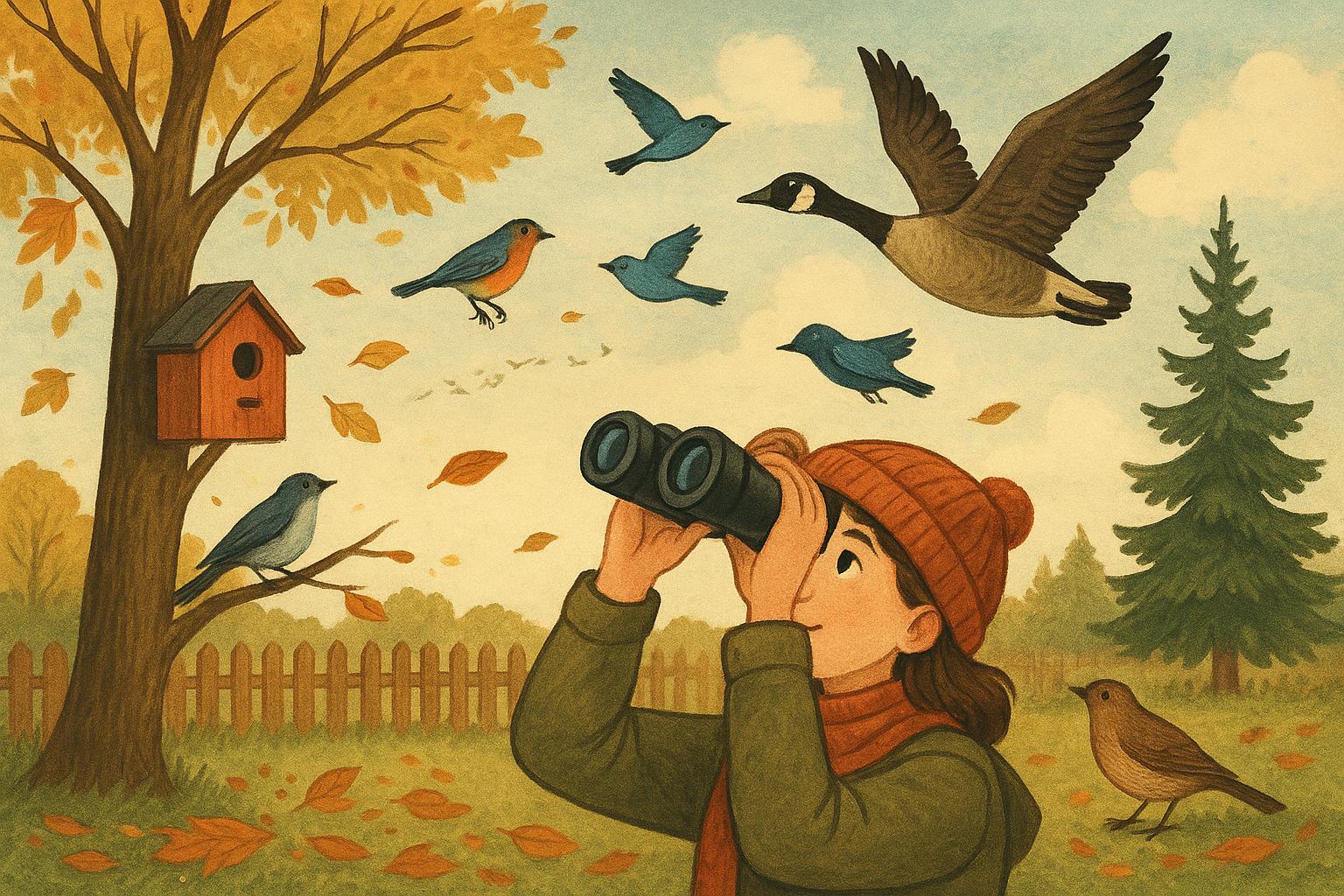
## Bird Migration Basics: What To Expect
Migration isn’t a single event you watch once and check off. It’s a season of repeated movements, surges and lulls. Learn the bird migration basics and you’ll stop thinking about one big migration day and start noticing patterns: first waves in March, peak variety in late April and early May, then a thinning until summer, followed by another, often louder, inbound in August through October. The timing shifts with latitude, elevation and local weather, but the overall rhythm is steady year to year.
### Why Birds Migrate
Birds move to trade places with the seasons. Breeding habitat and abundant food are the biggest drivers. Think of a warbler that needs insect-rich forests to raise chicks; it spends winters where insects are reliable, then hightails to temperate woods once spring pushes insects back north. Longer days also matter. Photoperiod triggers hormonal changes that prompt movement. Predation, competition and the chance to use better nesting spots play a role too.
The basic mechanics are simpler than people imagine: fatten up, depart in favorable winds, navigate using stars, sun and landmarks, and land where resources look promising. Learning bird migration basics gets you better at anticipating arrivals and recognizing when birds aren’t acting like they usually do.
### Spring Versus Fall: Different Rules
Spring migration tends to look like a sprint. Birds are racing to claim territory and mates. You’ll see more males and more aggressive behaviors. Timing is tighter; a cold snap delays arrival but when it warms the push forward can be dramatic.
Fall migration is messier. Juveniles join adults, routes are less strict, and birds are more focused on fueling up than on being territorial. You’ll often see higher numbers of some species in fall because juveniles are moving for the first time and may take different paths. Also, fall migration spreads over a longer period, giving you more chances to notice oddities.
#### Nocturnal Travelers
Many songbirds migrate at night. They leave after dusk, fly for hours, and land before dawn. Night migration reduces predation and avoids daytime thermals that raptors use. That’s why you might hear flight calls at night during a migration pulse or see a morning fallout: exhausted migrants grounded by weather. If you live under a migration corridor, lights-out campaigns in tall buildings and reducing exterior lighting can cut down window collisions dramatically.
#### Daytime Movers
Raptors, swifts, and many waterbirds travel by day, often using thermal currents or coastlines to navigate. Look for kettles of hawks spiraling on thermals in fall, or lines of geese following geographic features. Shorebirds use tidal timing and stop at mudflats to refuel; following tide charts is a practical tip for seeing large numbers.
### What Backyard Birders Can Do
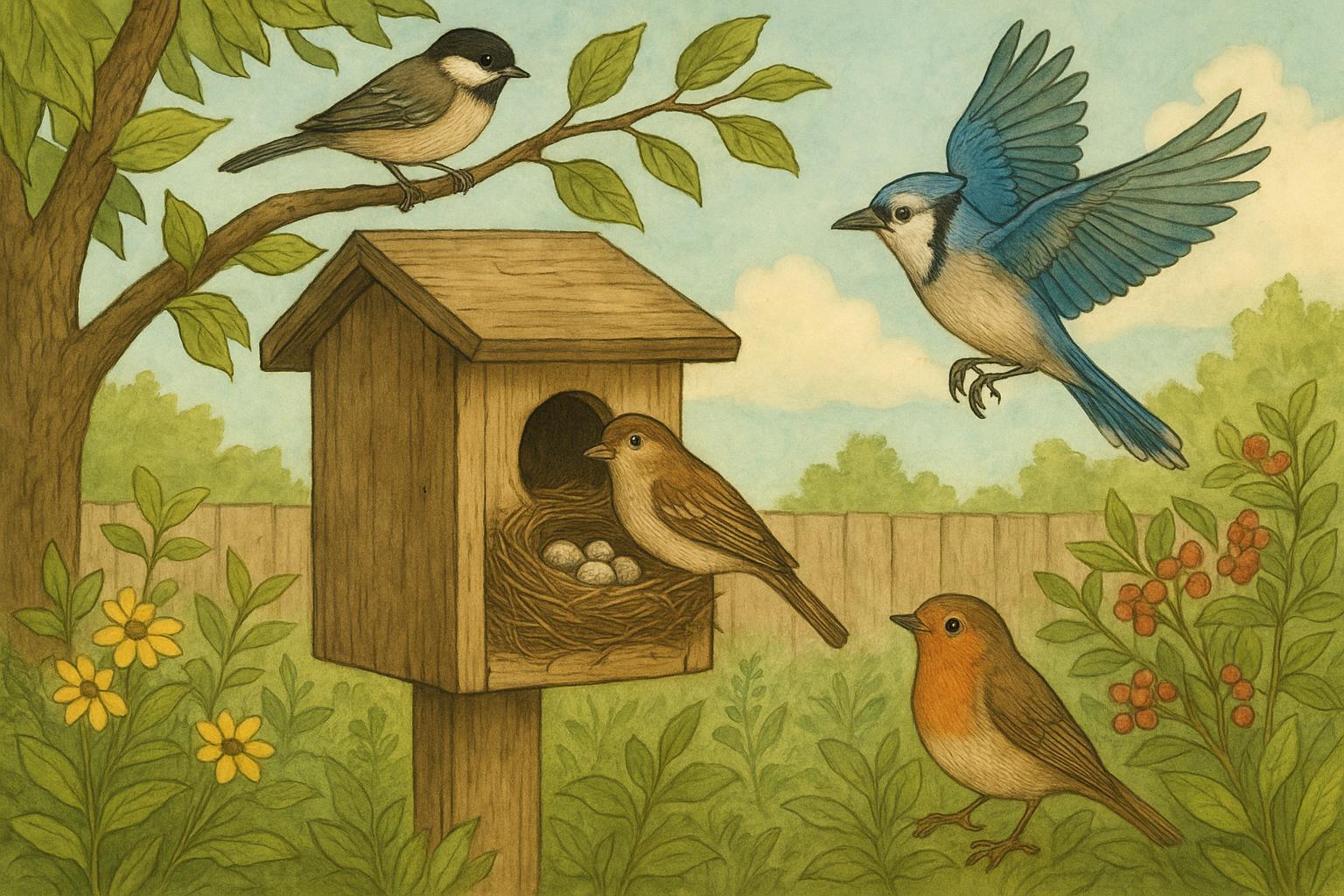
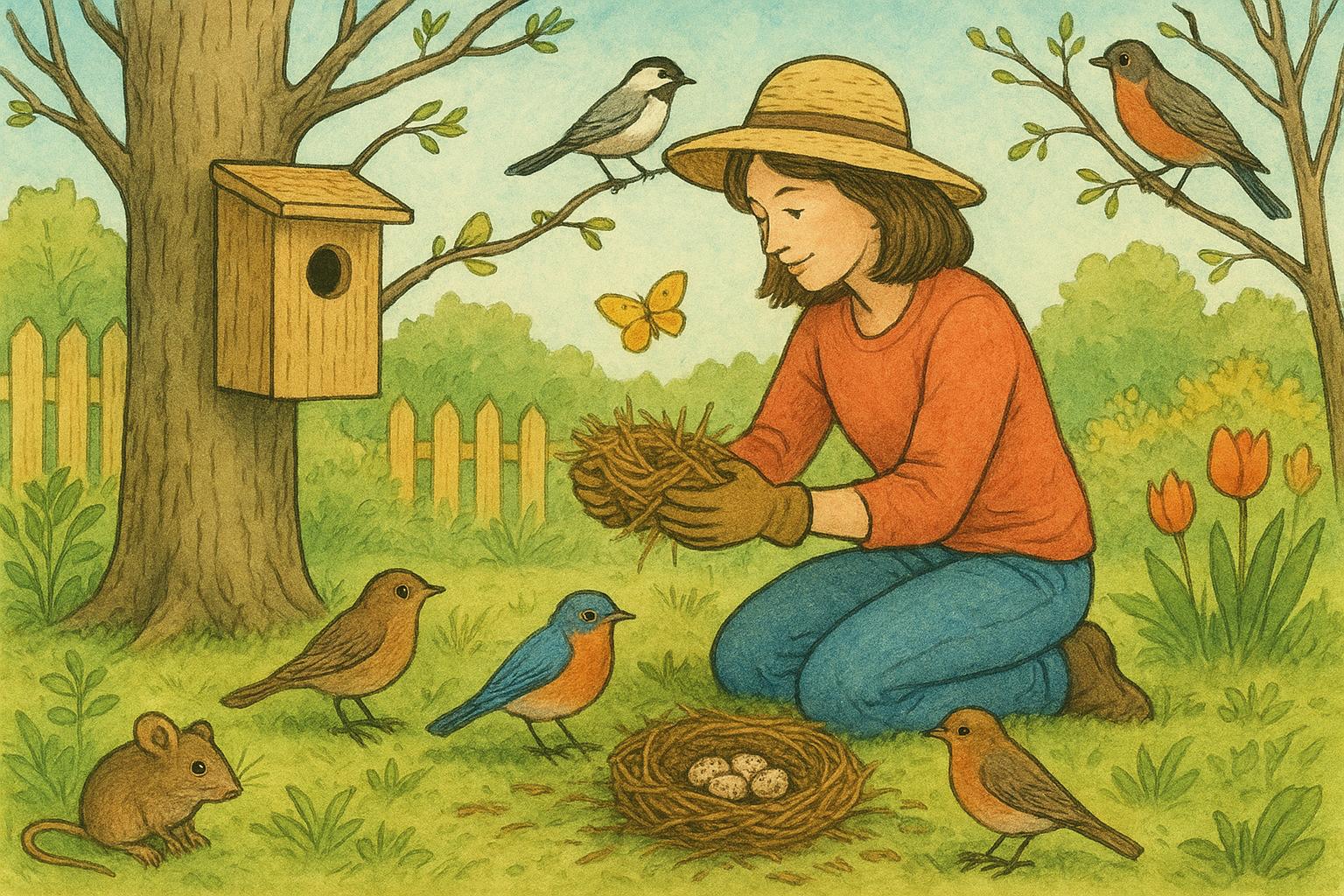
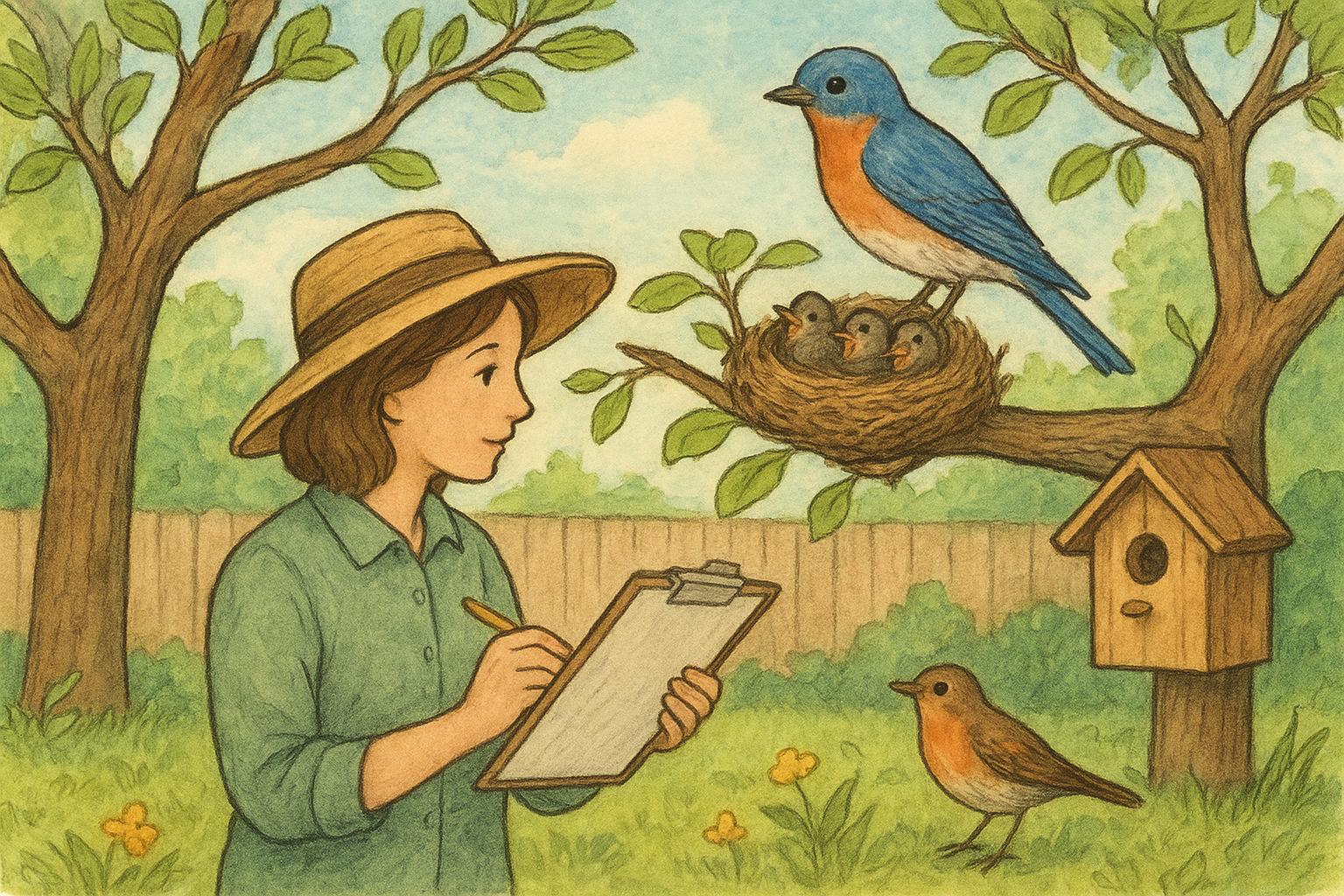
You don’t need a rural patch to participate in migration. Urban and suburban yards are essential stopover habitat. Migrants need food, water, and safe places to rest—even a small backyard can provide that. Start with clean, reliable sources and a predictable schedule.
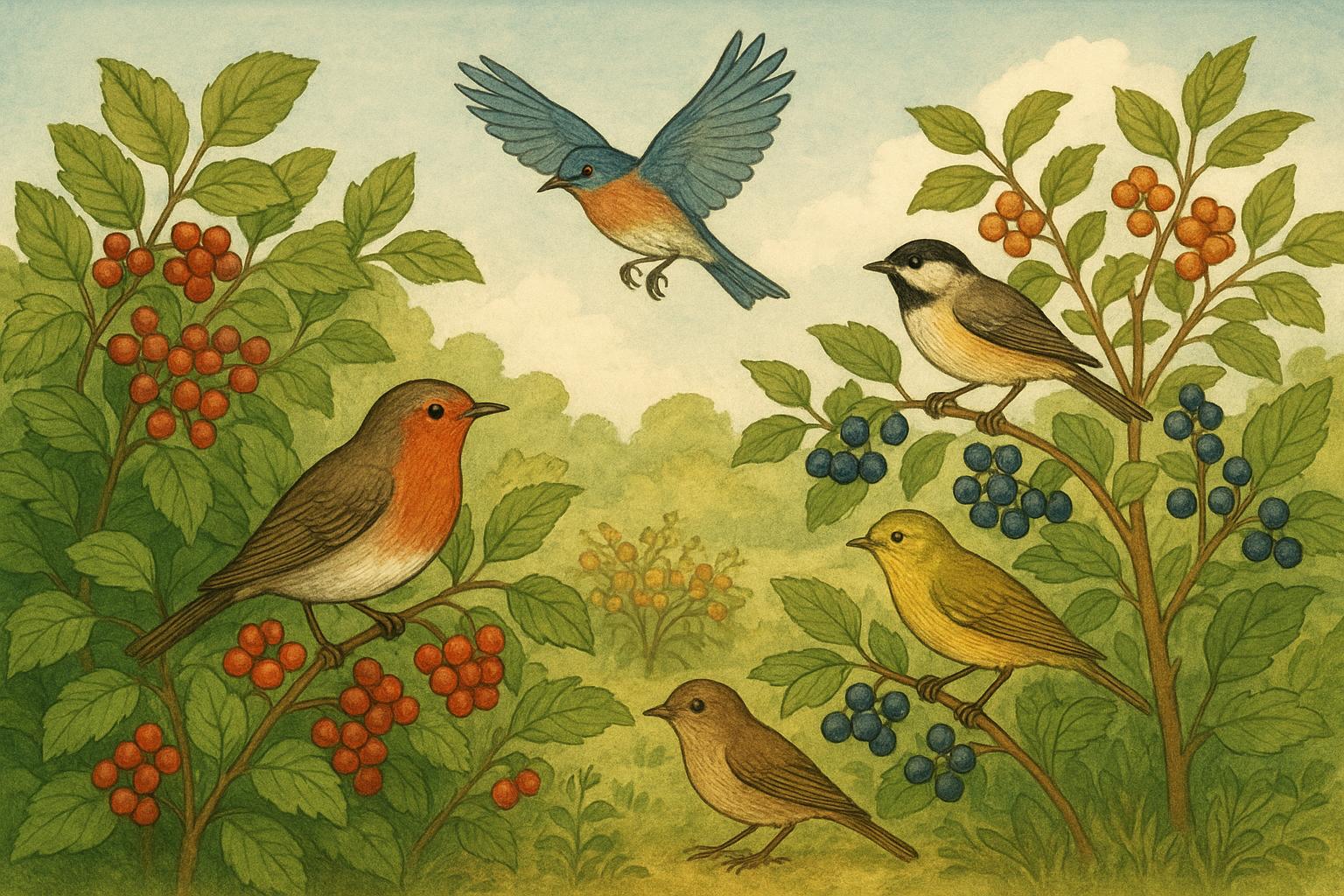
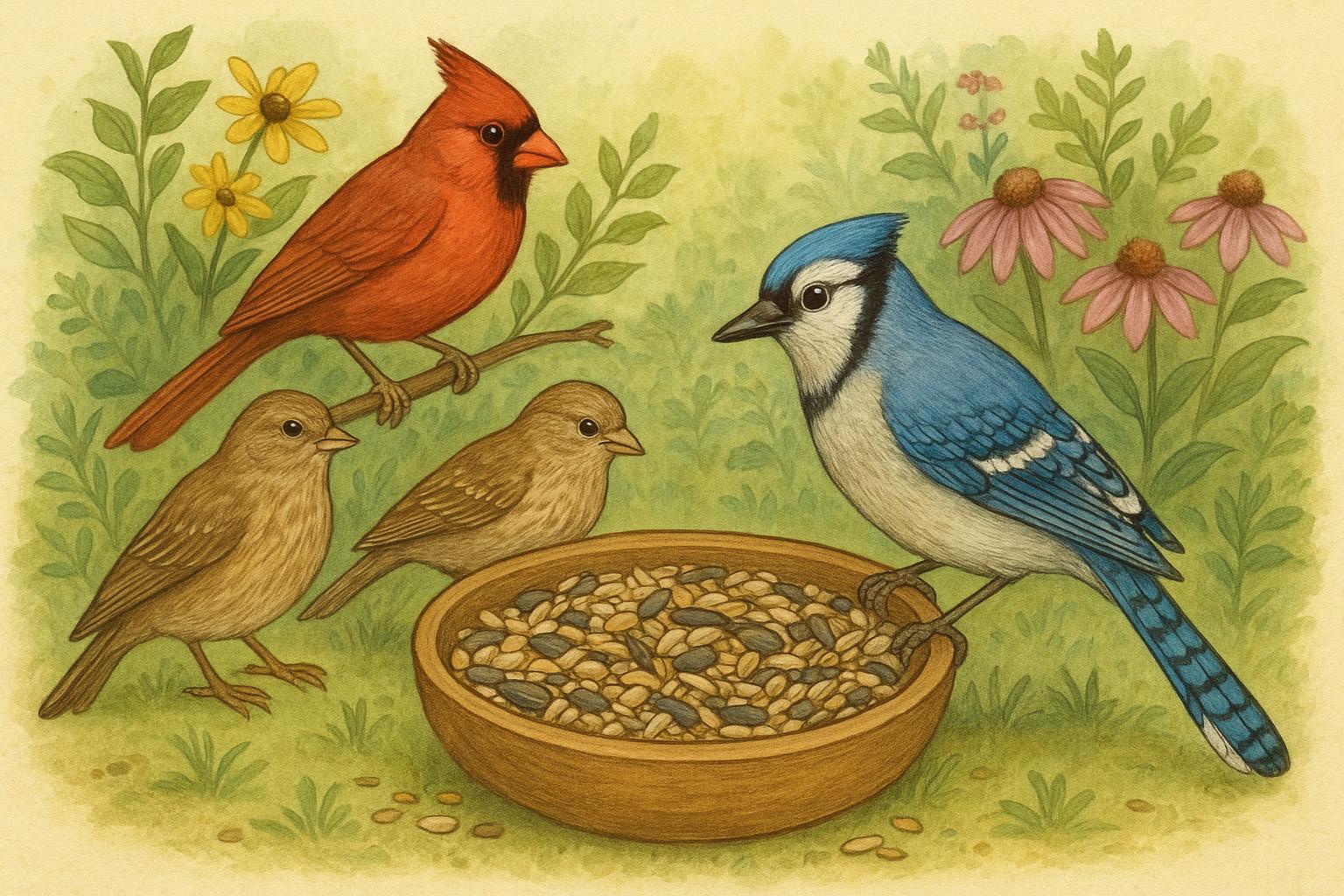
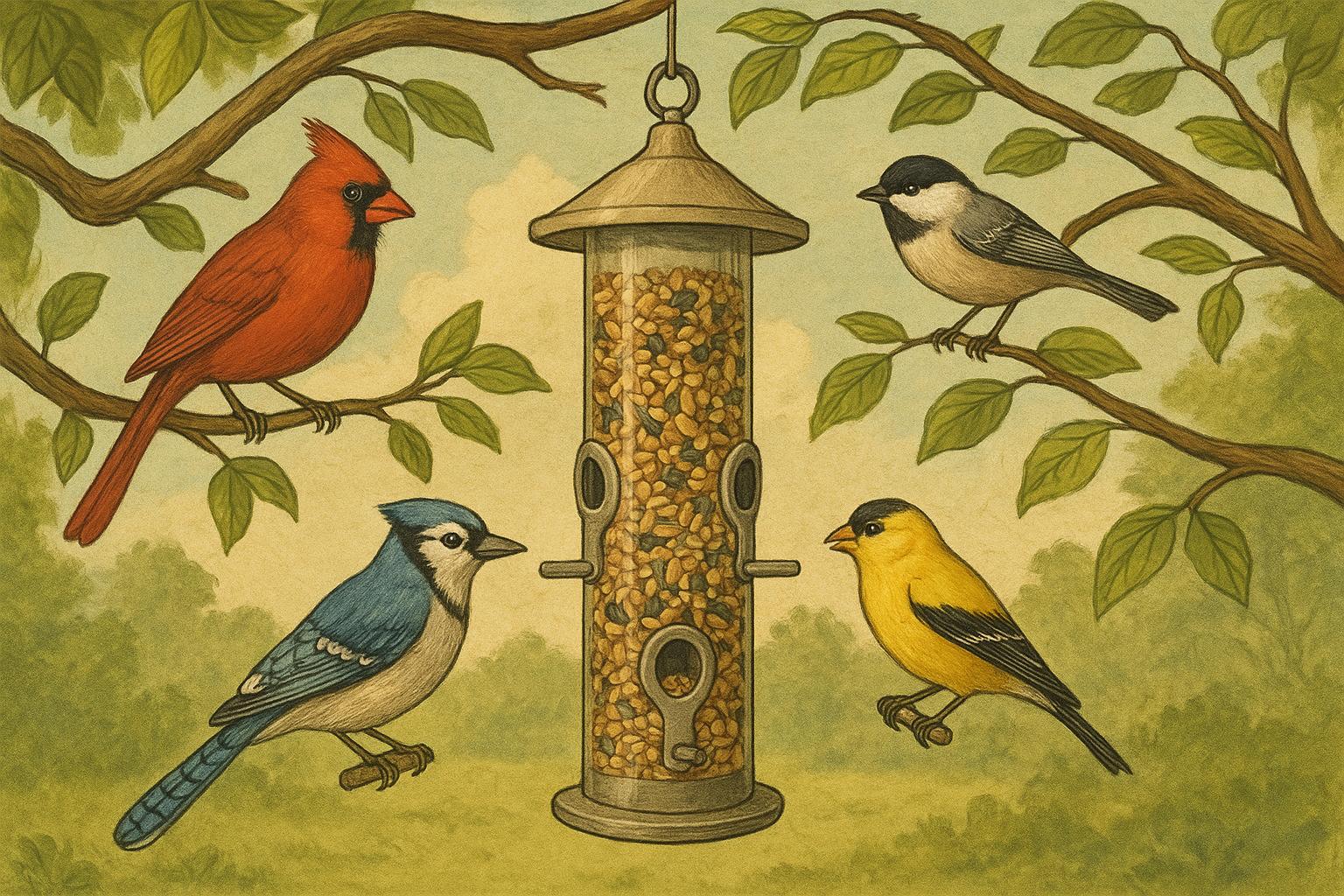
Feeders matter. Some migrants take seeds readily if they’re accustomed to suburban settings; others prefer fruit, nectar or insects. Offering a variety helps. Native plants are underrated: a stand of native shrubs can host insects and berries that migrating birds will use for days. Even a single serviceberry or dogwood planted in the right spot will change the calendar of what shows up in your yard.
If you enjoy birding, focus on making your place a consistent, visible resource. Migrants learn and return to reliable spots. Over a few seasons you’ll notice patterns in which species use your yard, and when.
#### Feeders And Food
– Black-oil sunflower and nyjer seed attract a wide range of small migrants.
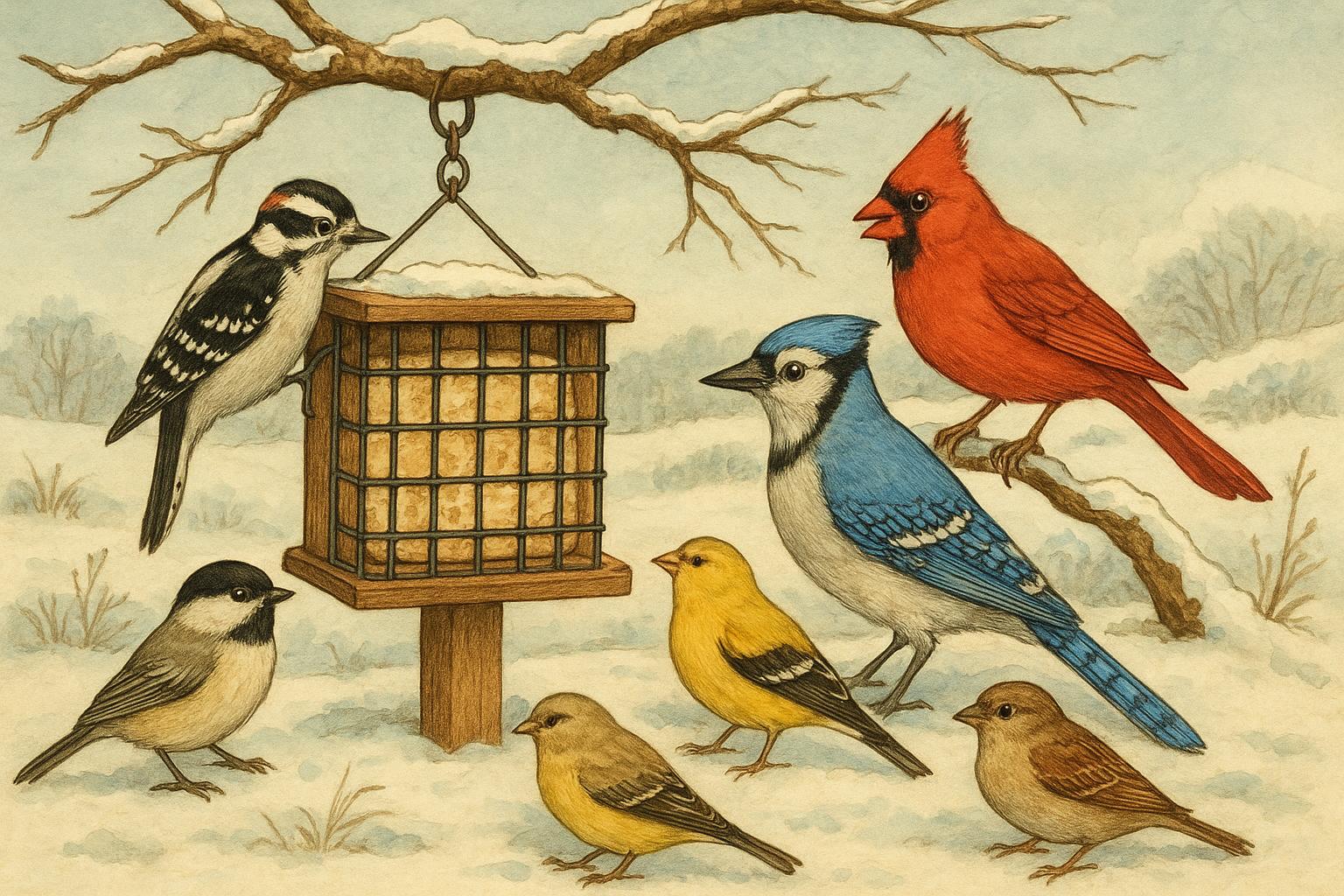
– Suet and peanut cakes draw woodpeckers and insectivores that are refueling.
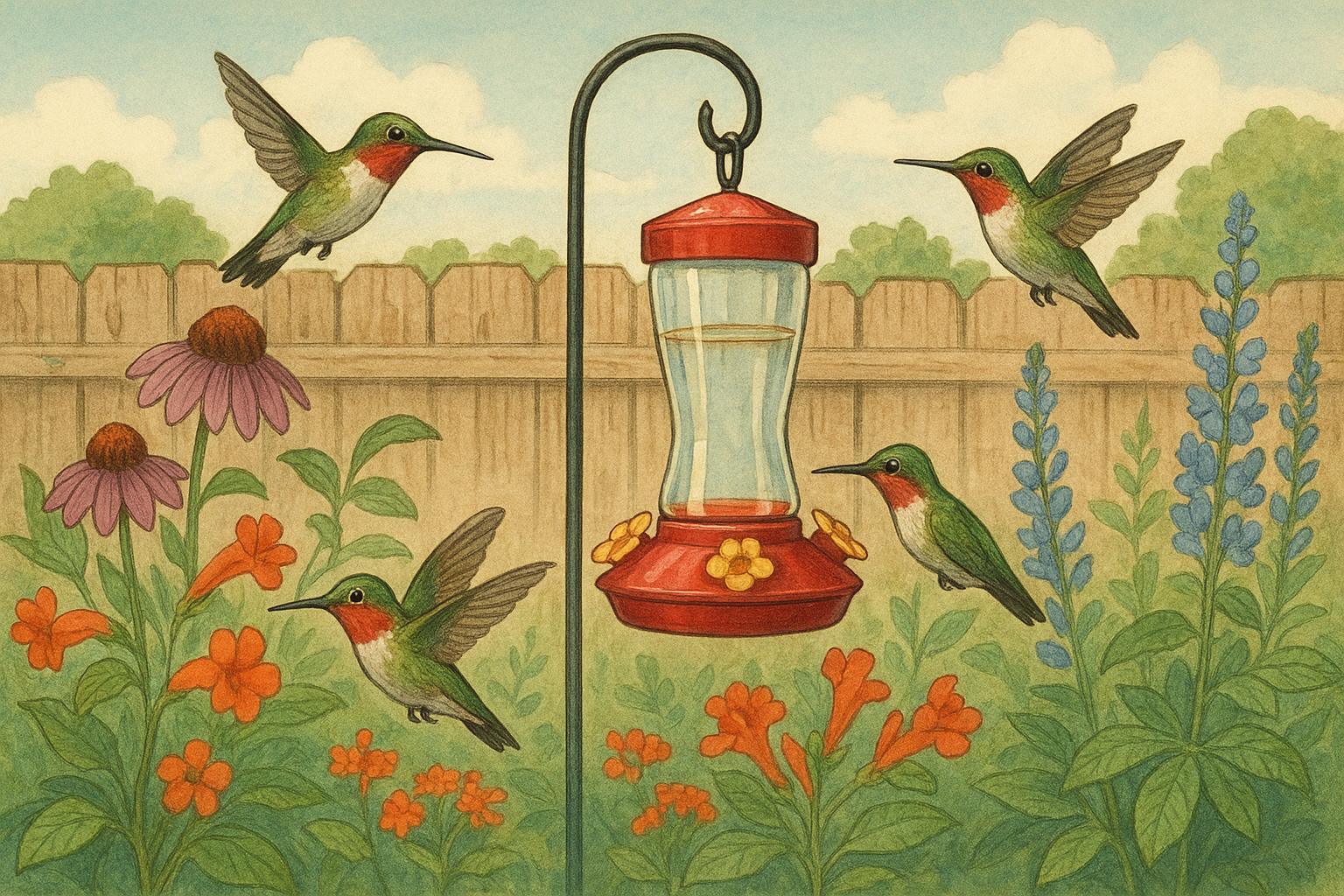
– Sugar-water feeders bring hummingbirds in spring and fall; switch solutions regularly.
– Put out ripe fruit or jelly for thrushes and tanagers; they will take advantage if you offer it.
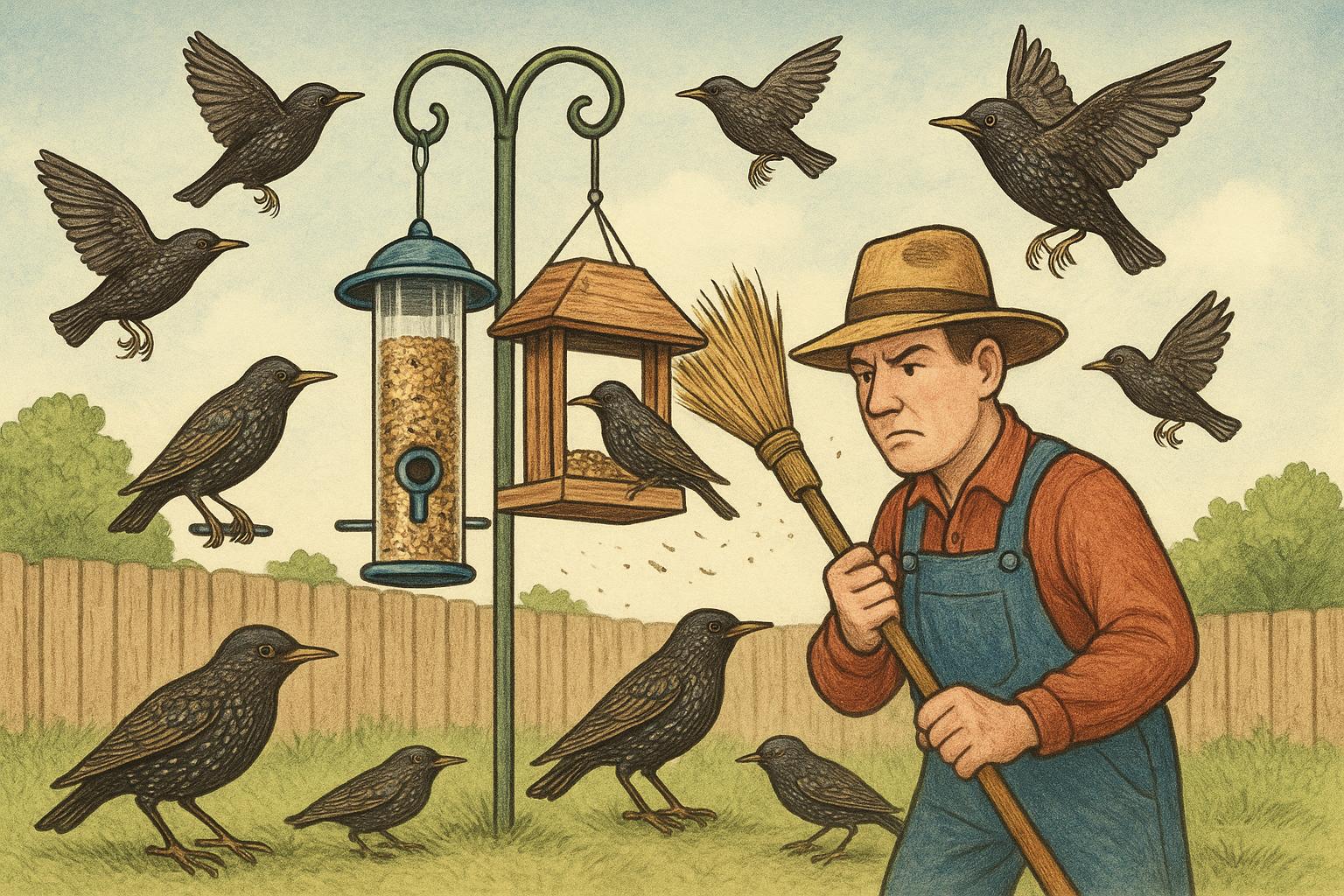
Don’t overdo sugar water or seed without cleaning. Stale food and dirty feeders spread disease. Change seed bottoms, scrub feeders weekly, and keep in mind that high activity after a storm or cold-front event will empty feeders fast.
#### Water And Shelter
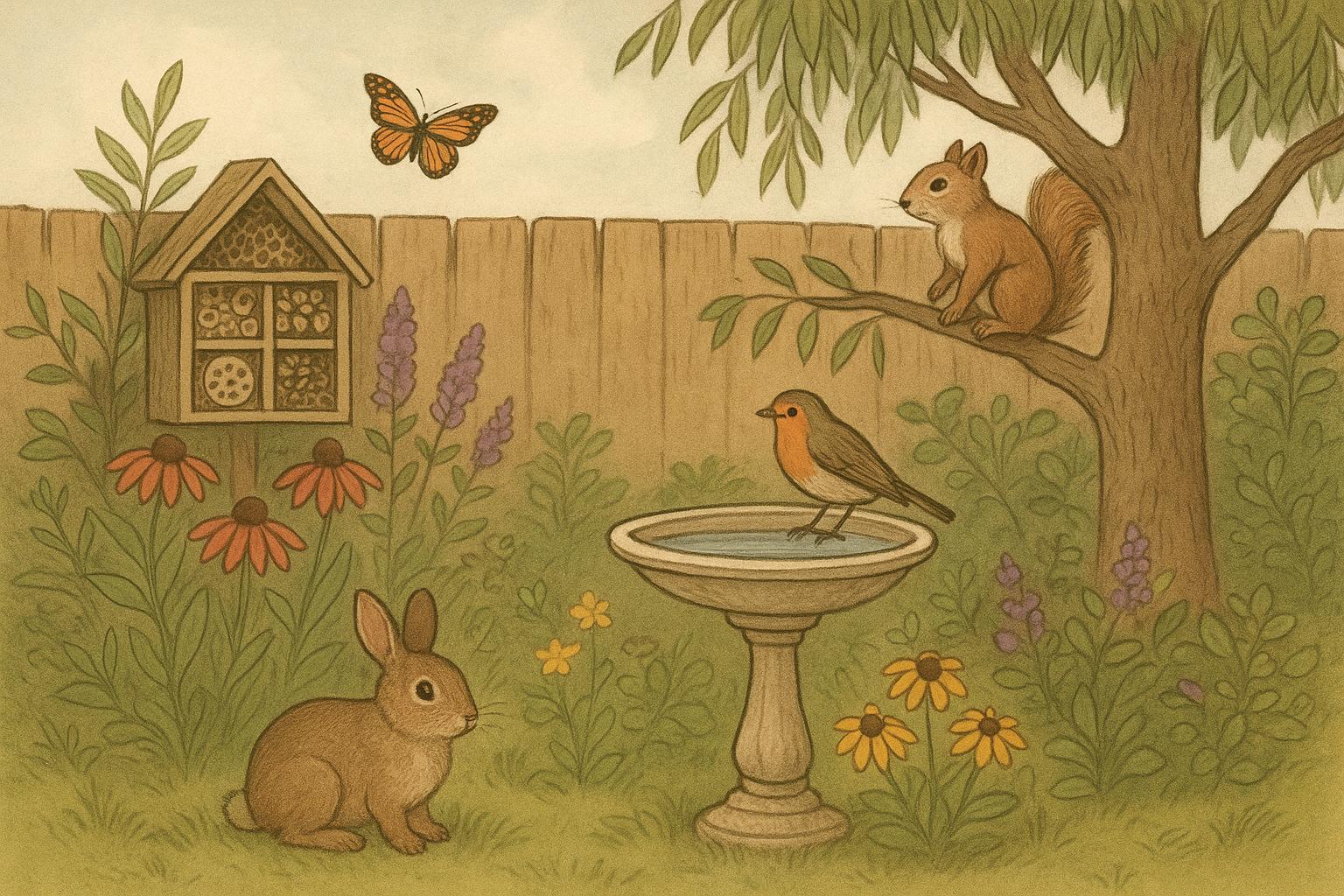
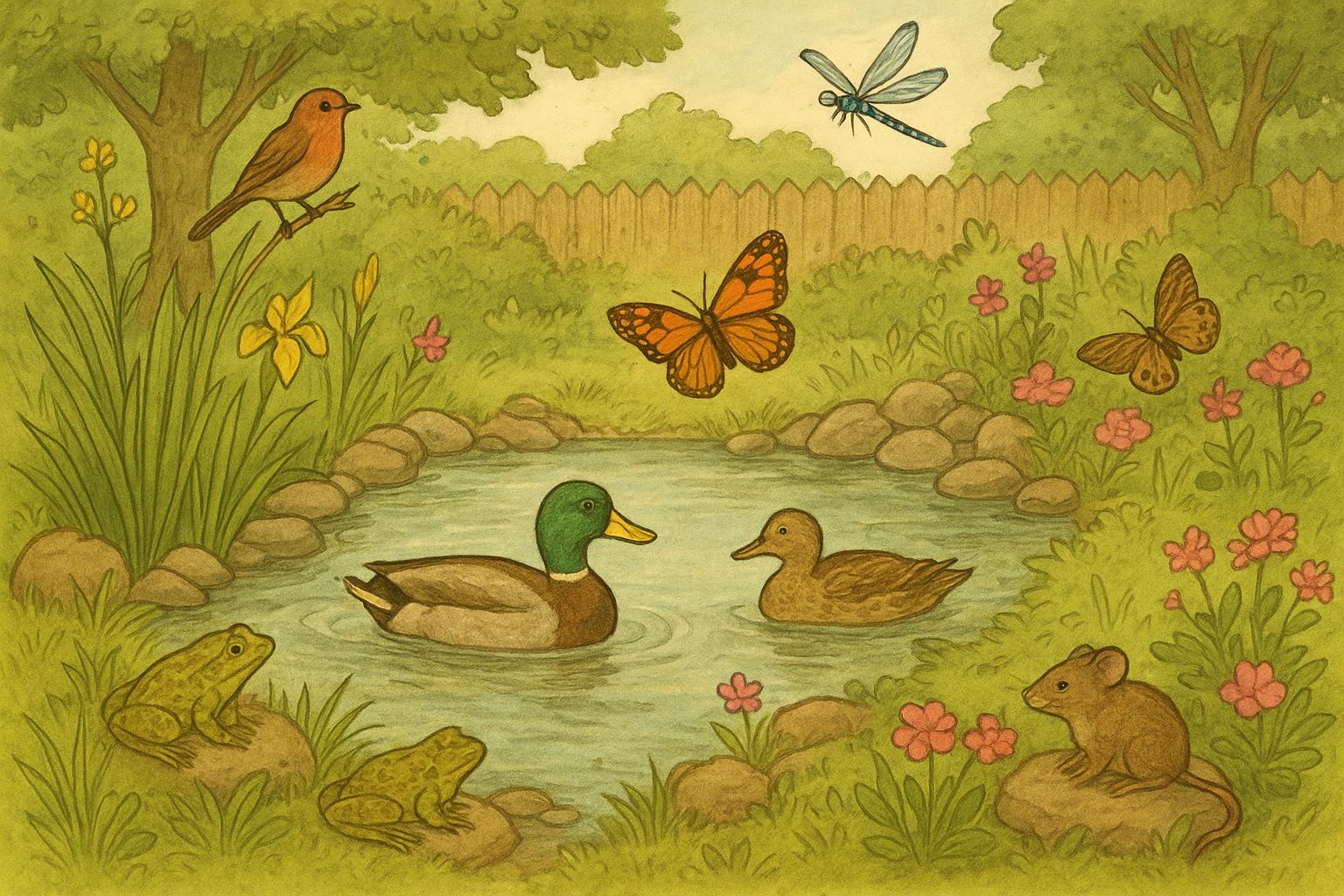
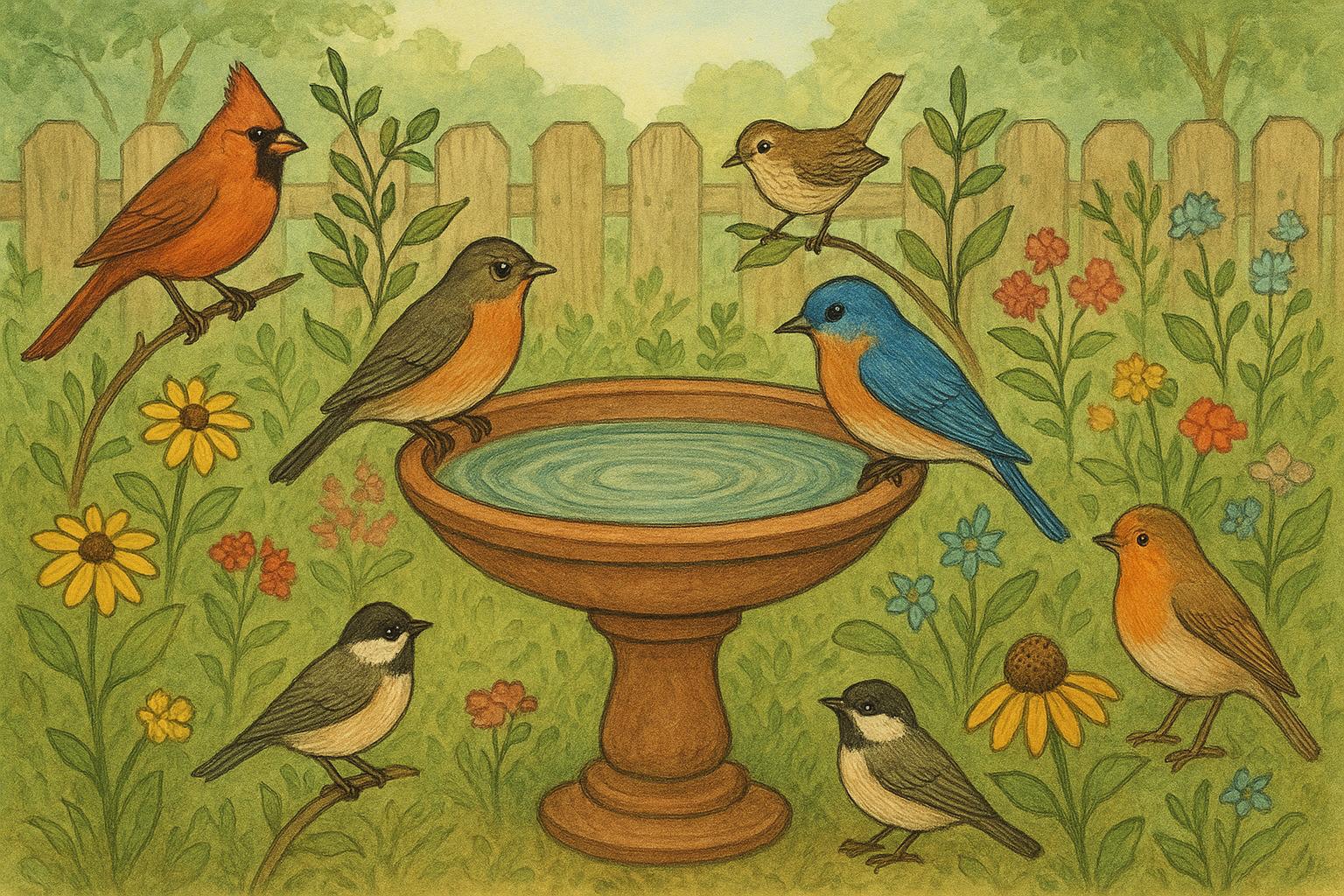
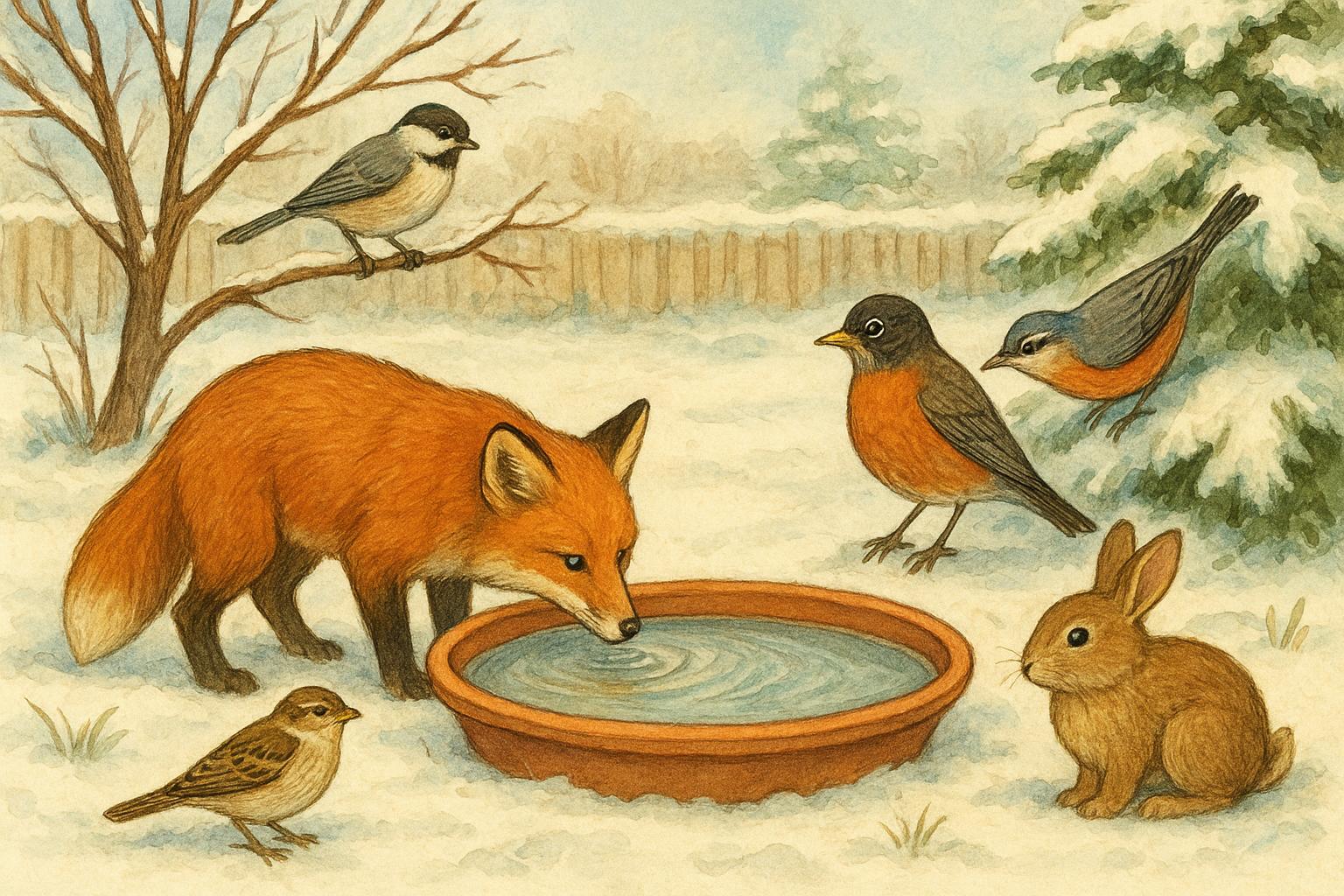
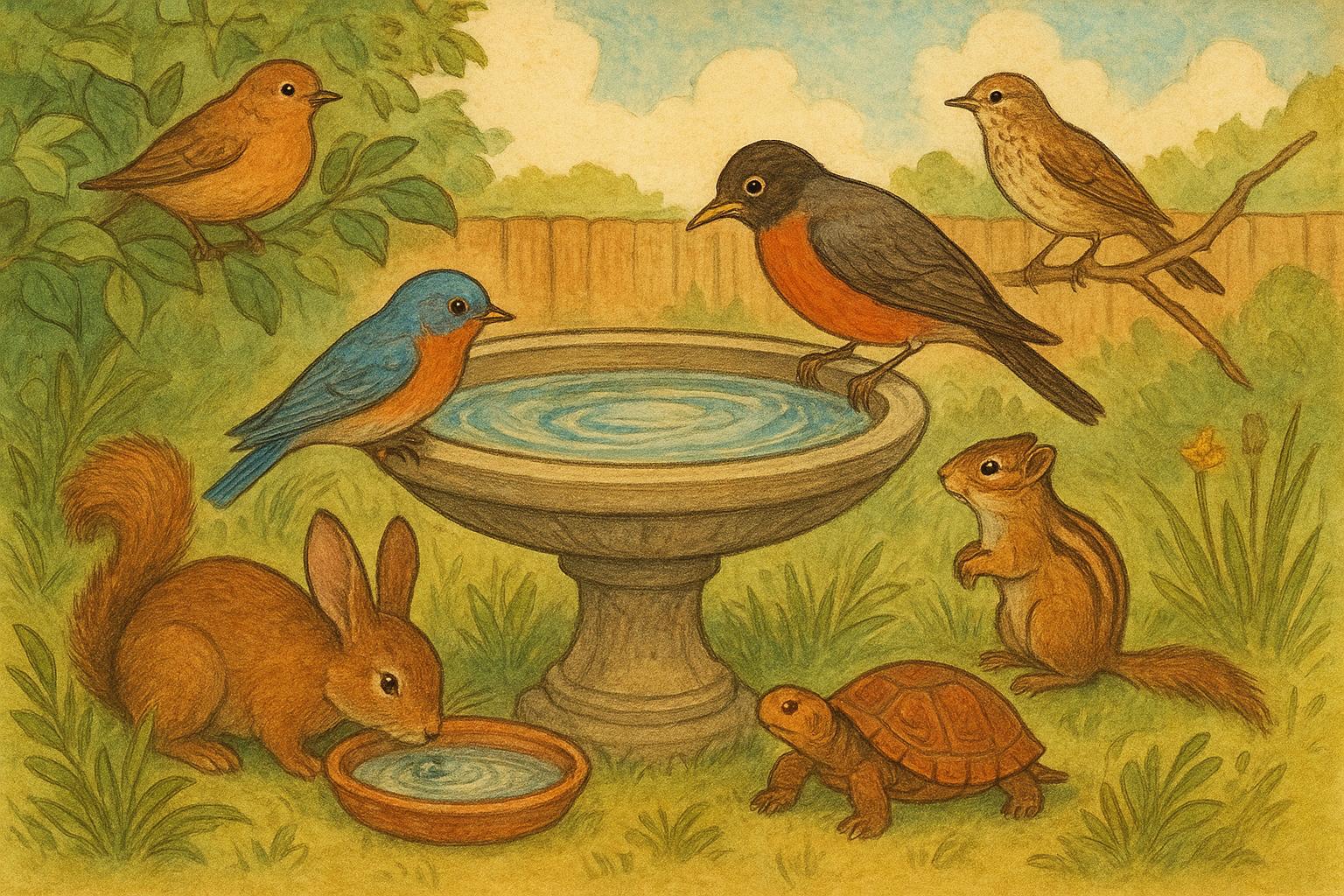
Migrating birds are thirsty and they bathe. A shallow birdbath with a dripper or mister will attract migrants more reliably than a still pool. The moving water catches attention and offers safe bathing without deep water hazards.
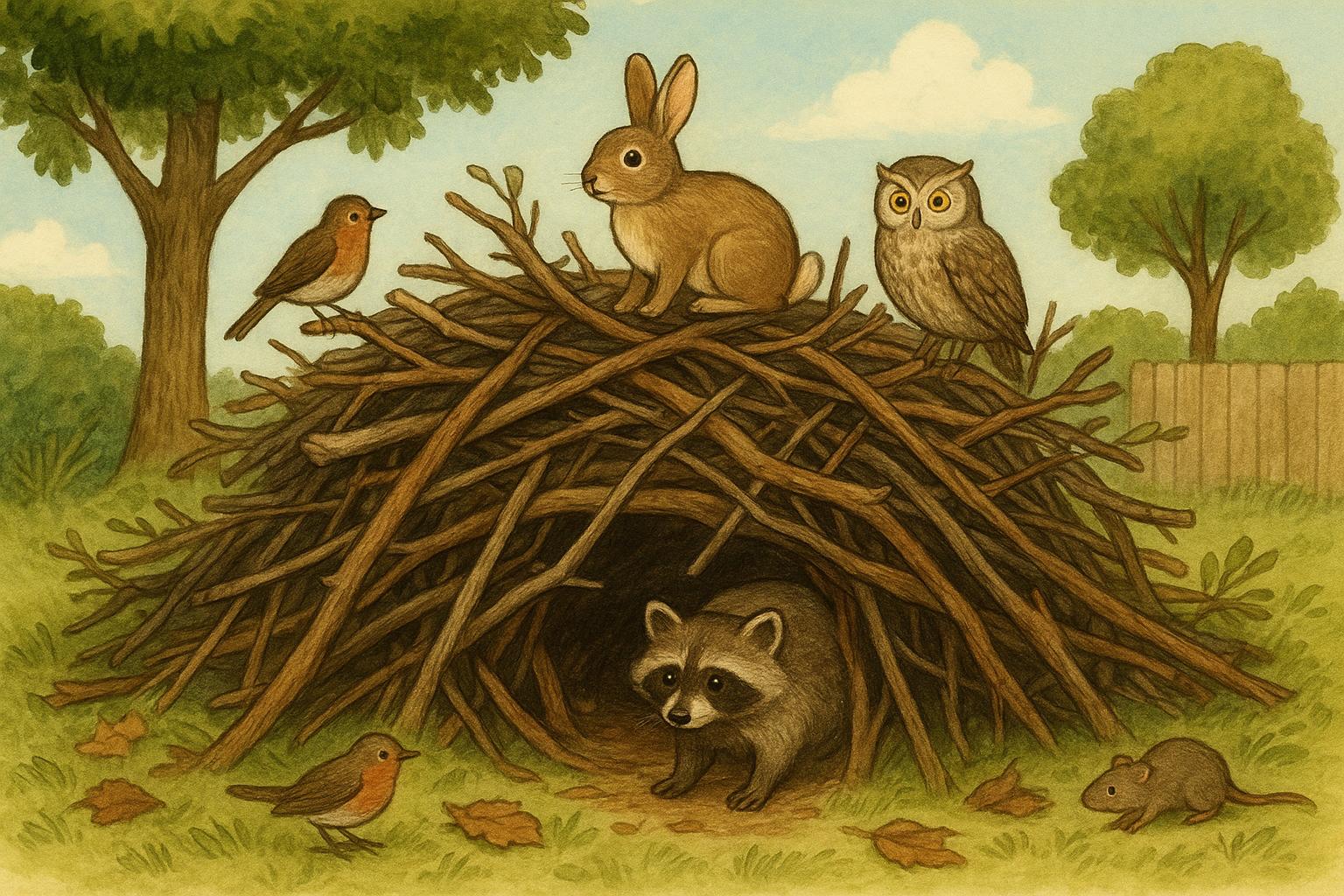
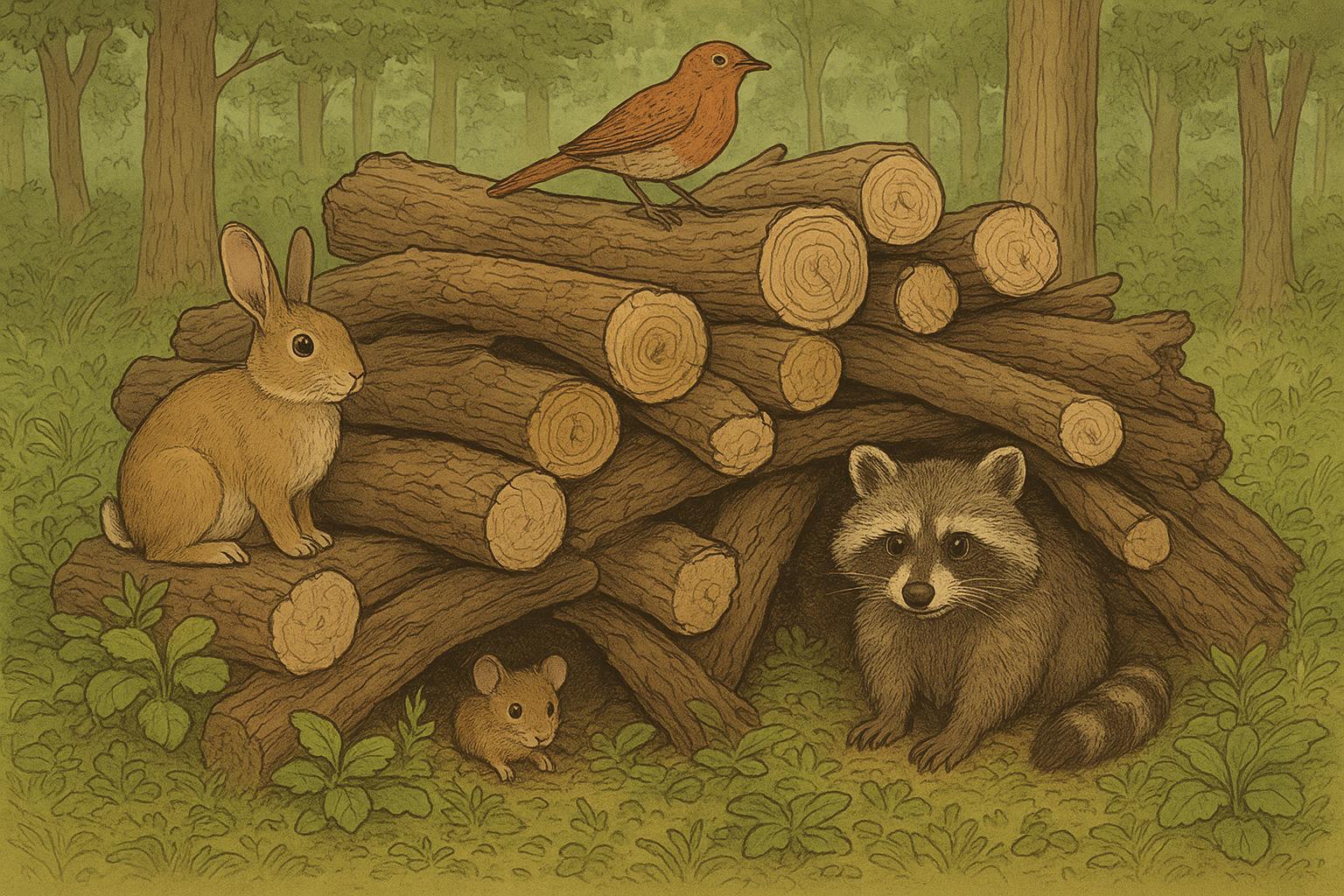
As for shelter, layered plantings work best: tall trees for roosting, mid-level shrubs for cover, and lower plants for insects and seeds. Evergreens are prized resting spots in early spring when deciduous trees are leafless. Even small brush piles give nervous migrants a place to hide from raptors.
### When To Watch And How To Record
There are two useful windows for watching migrants: dawn and the hour or two after, and the afternoon during fallback days. Dawn is when nocturnal migrants are still around, bewildered by daylight; mornings can produce “fallouts” where dozens of exhausted birds cram into the nearest safe patch. Afternoon watching captures diurnal movement, especially of raptors and swallows.
Weather shapes movement. South winds and clear skies favor northward spring movement. Cold fronts push southbound migrants in fall. Pay attention to barometric pressure and wind forecasts. On a compass-point migration day, birds tend to follow coastlines, ridgelines and river corridors. That helps you pick a vantage point.
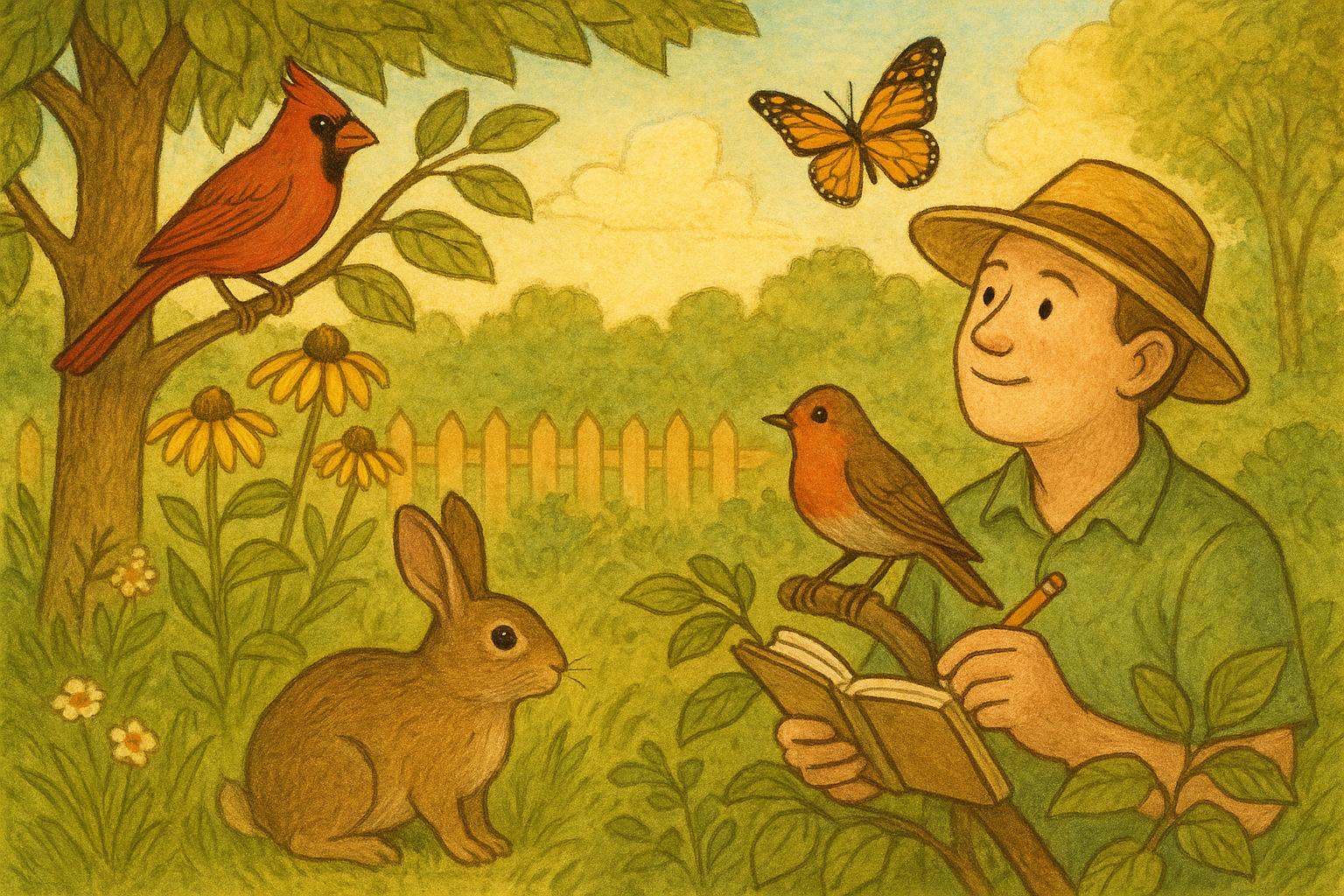
Keep notes. A small notebook, spreadsheet or eBird checklist will help you spot trends. If you use eBird you’re adding to scientific records and getting local alerts. Sign up to recieve migration emails or apps that summarize local counts; those alerts are useful for planning a watching day.
#### Tools For Backyard Observations
A pair of binoculars and a field guide are the baseline. Add these and you’ll be set:
– eBird for checklists and hotspot data.
– Merlin for quick ID help and sound recognition.
– Local bird club WhatsApp or email lists for fallout alerts.
– A notebook with date, time, weather, and counts for your own tracking.
Apps won’t replace patience, but they speed recognition and connect you with local knowledge that can turn a slow morning into a great one.
### Troubles You Might See
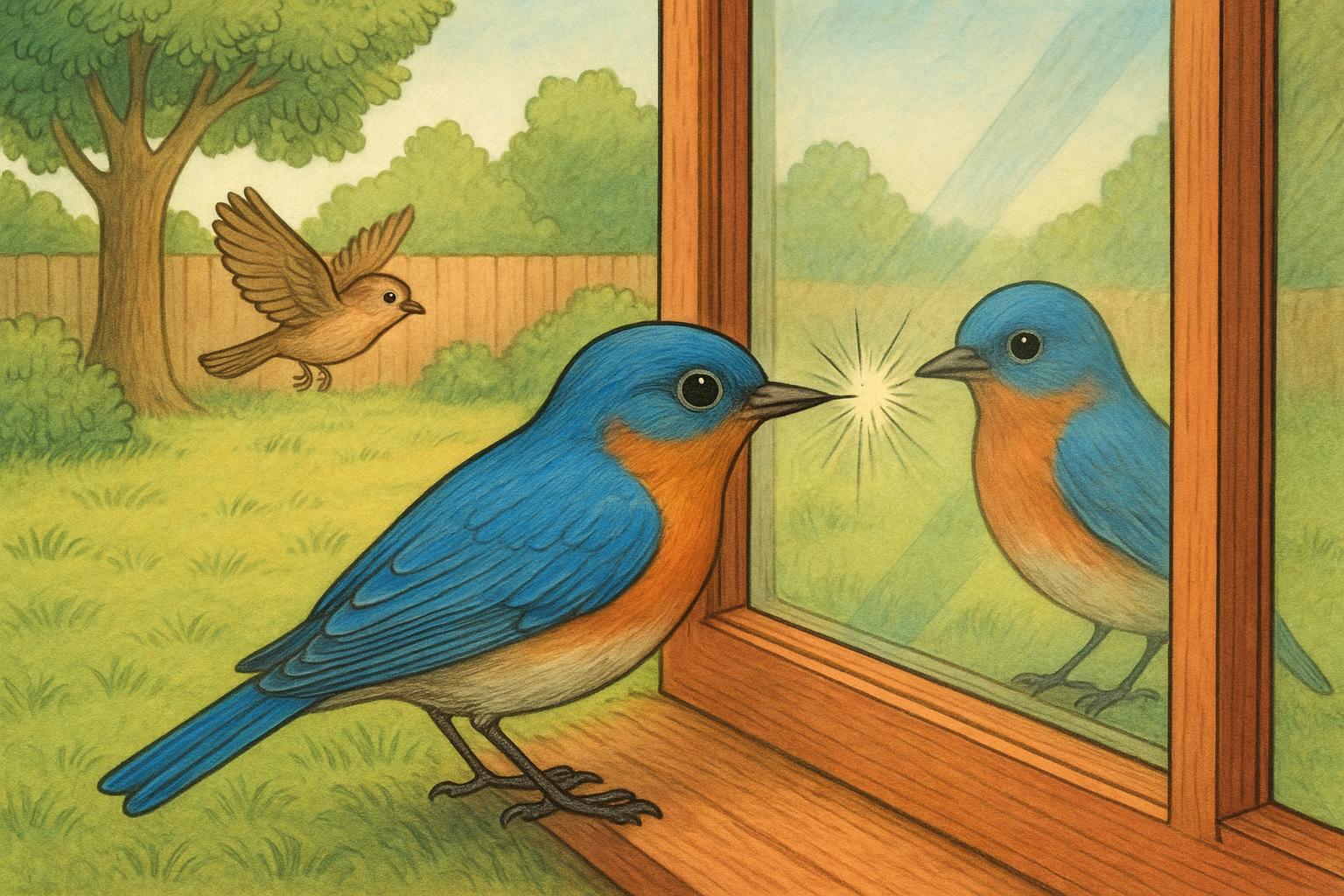
Migration isn’t always graceful. Collisions with glass, predators, and exhausted birds are common problems. Window strikes can peak during migration because night migrants fly into urban-lit areas. Reducing lighting, applying visible decals on large panes, or moving feeders a few feet away from windows reduces fatal strikes.
Free-roaming cats are major predators. Even well-fed cats hunt. If you feed birds, keep cats indoors or in enclosed runs. Predators like hawks and falcons also capitalize on migration; design your feeders and perches so birds can escape quickly when raptors appear.
Disease outbreaks occur when crowds gather at feeders. Maintain cleanliness to lower risk. Rotate feeding and bathing sites if you notice unusual mortality.
### Recognizing Unusual Sightings
Migration brings vagrants—birds well outside their normal ranges. Storms, navigational errors or young birds finding their way for the first time can deposit rare species in unlikely spots. When you see an oddball, document carefully: photos, exact location, time and behavior are all valuable. Share with local lists or a regional eBird reviewer if you think it’s noteworthy.
A useful habit is checking the species composition around major storms. After strong easterlies or hurricanes, coastal areas often report inland records of seabirds or tropical species. Those days can be thrilling if you’re prepared.
### Habitat Upgrades That Pay Off
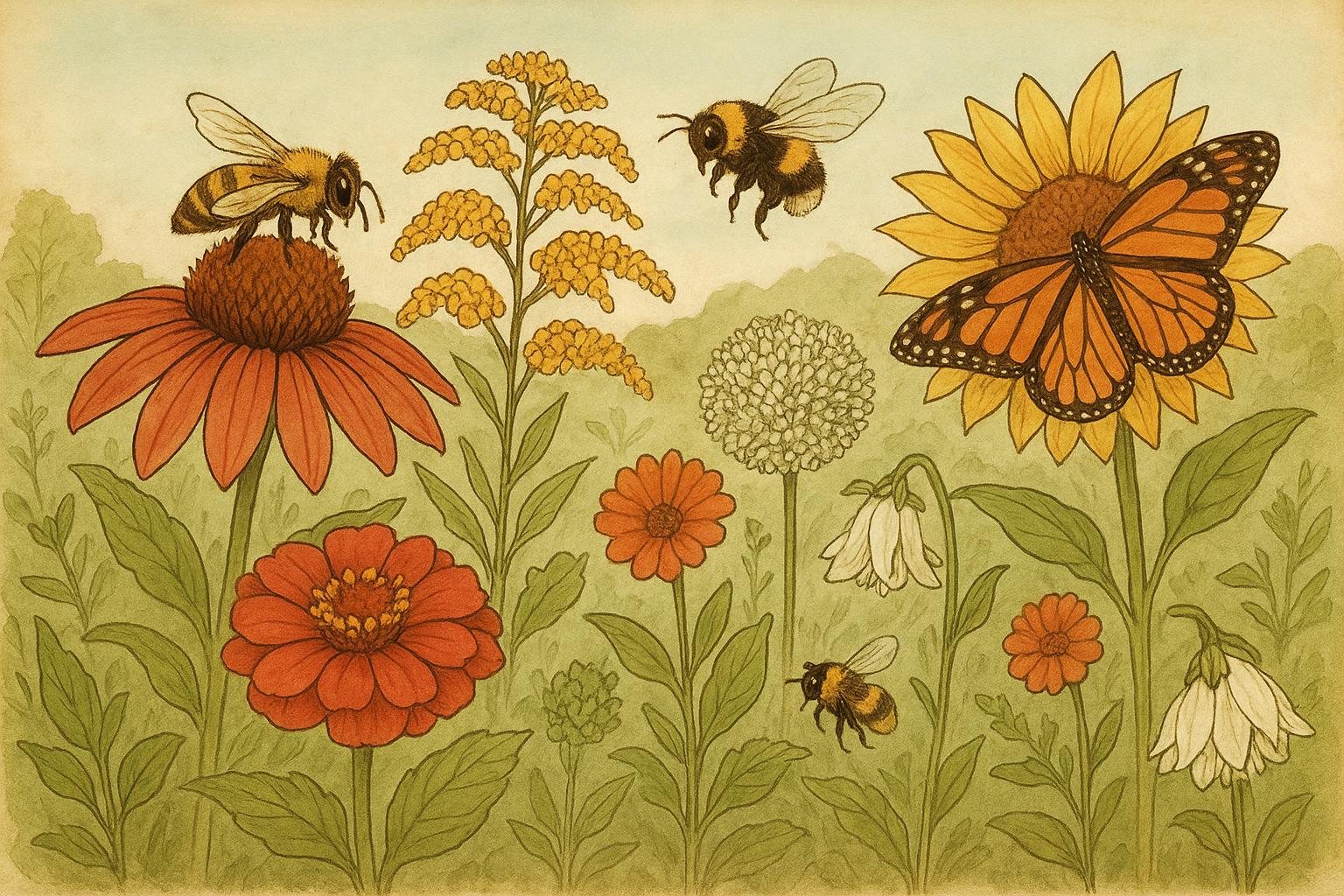
Commit to native plantings and staggered bloom times. Early-spring bloomers like native willows and serviceberries feed early arrivals. Summer bloomers keep resident insect populations healthy, and late-blooming trees and shrubs help fall migrants pack on fat.
Avoid broad pesticide use; migrants eat insects and spiders to refuel. A no-spray policy during migration windows improves the food quality in your yard. If you must treat for pests, use targeted measures and apply them when birds are least likely to be affected.
Leave some leaf litter and dead stems through winter. Those elements harbor overwintering insects and seed stores important for early migrants and resident species. It looks a little messy, but it works.
### Practical Watching Tips
Set a routine. A 30-minute morning walk around your yard and neighborhood during peak migration will pay off more than sporadic long sessions. Keep your optics handy by the window. Make friends with a few local birders; a tip from someone who saw a rare warbler two blocks away will get you out the door faster than any app.
Note weather and moon phase in your log. Night migrants often follow moonlight, so full or waning gibbous moons can influence intensity. Fallouts happen after low-pressure systems; a following clear night often produces the strongest movement.
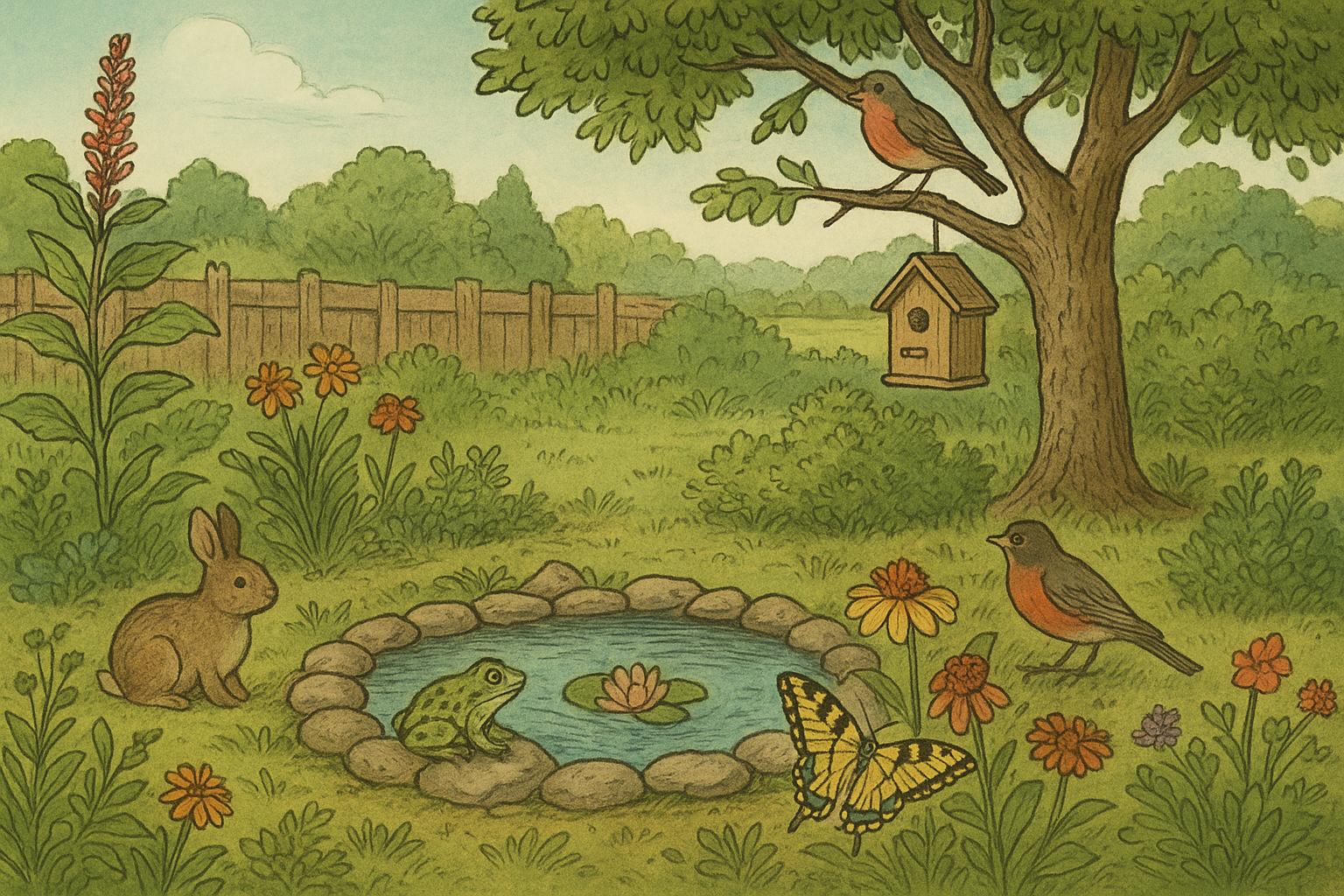
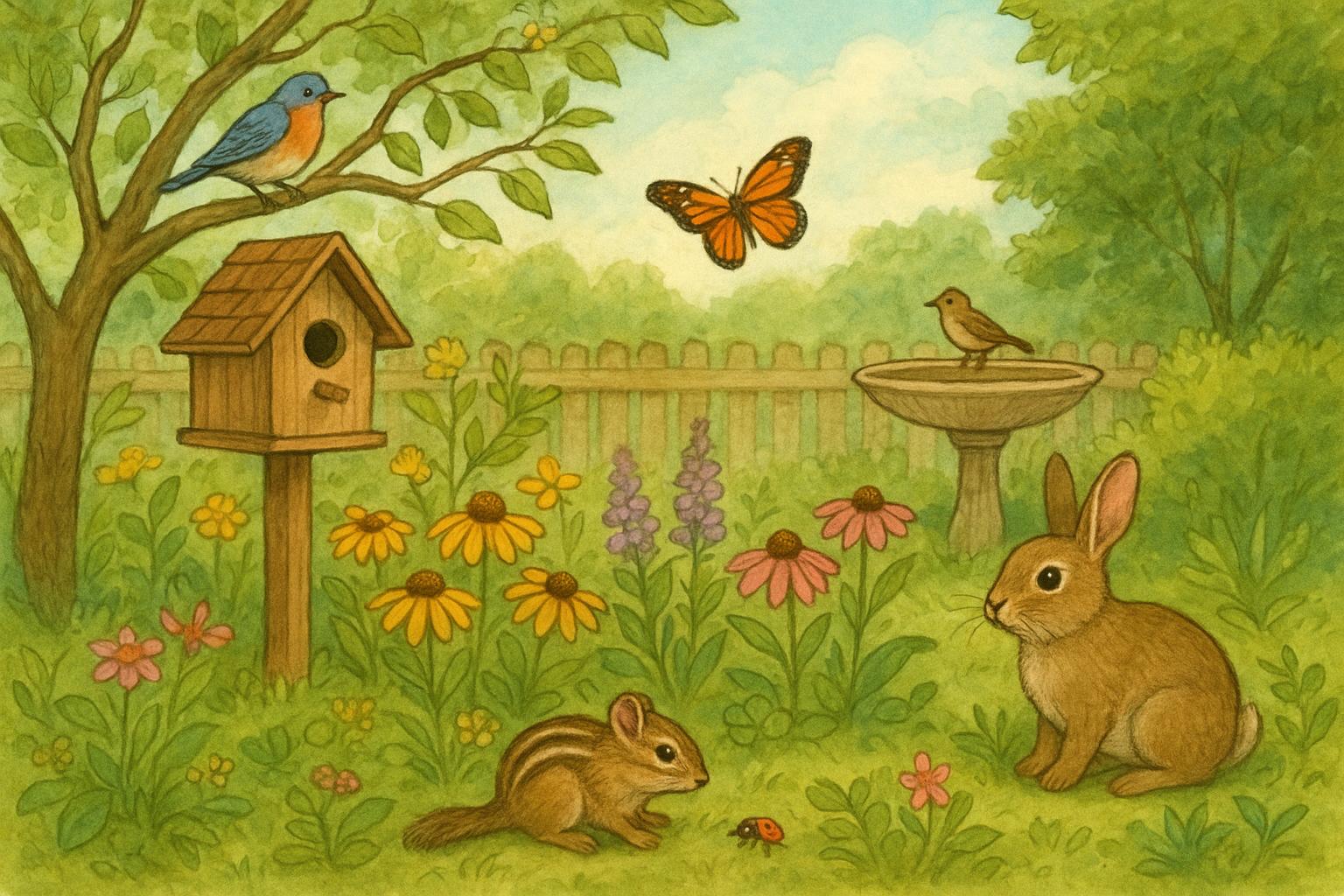
If you want to attract more migrants over time, consistency matters. A predictable source of water and food, native plantings, and reduced hazards create a small but reliable oasis on the route. Over seasons you’ll learn when to expect which species and how to tweak your habitat to favor those you enjoy watching the most.
Keep an open calendar. Movement can be subtle, and sometimes the best sightings occur when you’re not looking for them. Stick with the bird migration basics and you’ll see more, learn faster, and enjoy the seasonal returns in a grounded, practical way—one feeder refill at a time.



Leave a Reply