
## Forefoot Vs Hindfoot Track Comparison: What To Look For
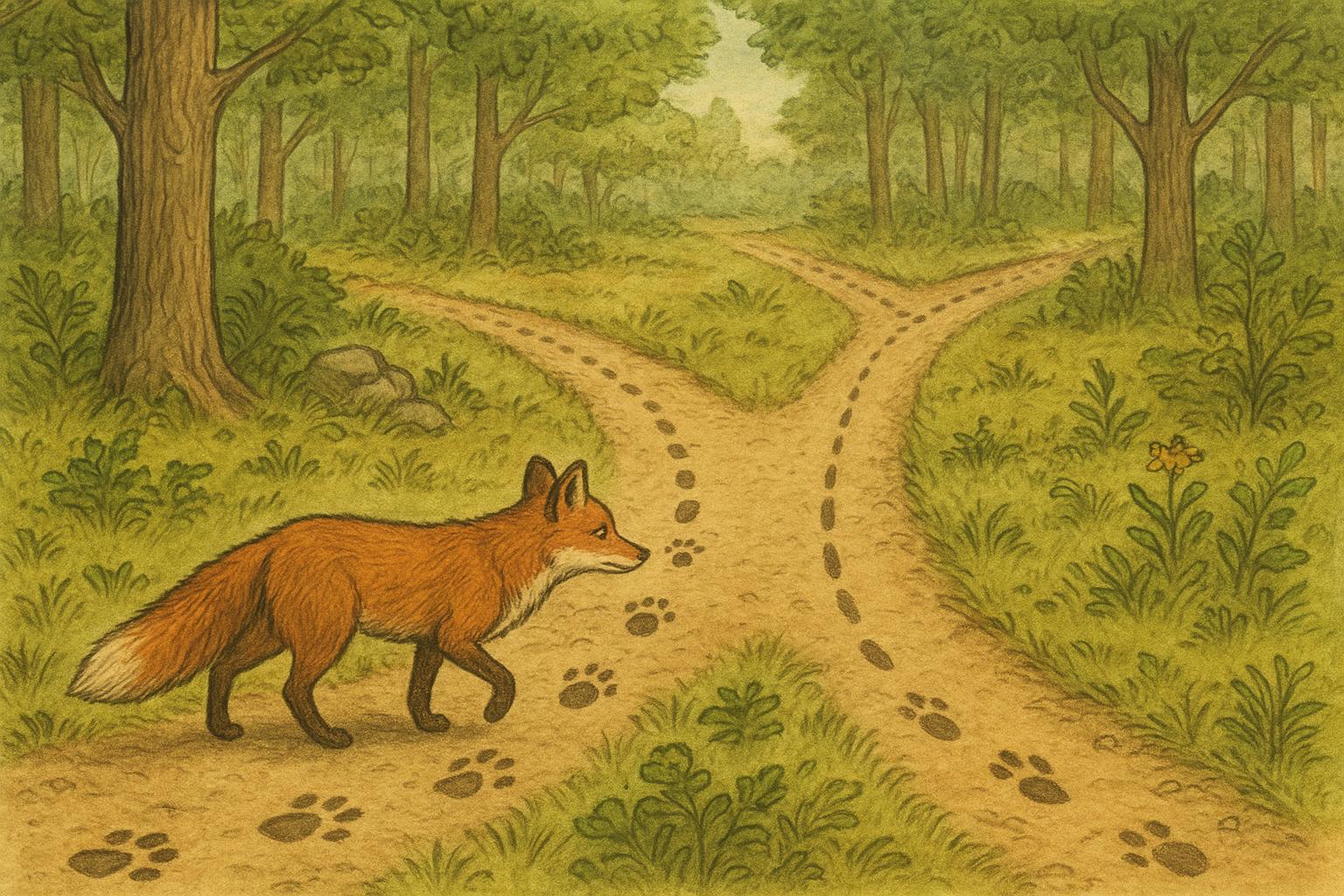
If you want to know what stopped by the yard last night, start by asking whether the print is a forefoot or a hindfoot. A forefoot vs hindfoot track comparison cuts through guesswork faster than trying to memorize every species’ print. Front feet and back feet tend to leave distinct signatures: shape, toe placement, pad structure, and claw impressions give you different clues.
### Reading Track Anatomy To Tell Front From Back
Look first at track anatomy. On many mammals the forefoot (front) carries more of the animal’s weight and shows up larger and rounder. The metacarpal pad in a forefoot is often broader, with toe impressions splayed slightly forward. Hindfeet commonly have a narrower, more elongated plantar pad and toes that align closely with the midline.
In canids, for example, the forefoot might appear as a squatter oval and the hind as a tapered teardrop. In deer, the front hoof can be flatter and leave a slightly wider split, while the hind hoof prints can be deeper and more pointed at the rear. These patterns are part of basic track anatomy you can use across species.
### How Gait Changes The Footprint Comparison
Gait matters. A walk produces alternating fore and hind impressions that are easy to compare. A trot or bound compresses timing, and prints can overlap. That makes a footprint comparison trickier because pressure distribution shifts. In a trotting coyote, hind prints often land in or just ahead of fore prints, creating a stacked look that fools novice trackers.
#### Use Scale And Angles
Always put something for scale in photos. Measure length and width, then note toe-to-heel ratios. Angle of placement can signal turning or slipping. If a forefoot is turned outward while the hind remains straight, expect a different stride pattern than if both are aligned.
### Practical Field Tips For Footprint Comparison
Start with the obvious: size and shape. Then check claws. Claws are more likely to show on forefeet when braking or grabbing, and on hindfeet when pushing off. Depth gives you weight distribution—deeper fronts can indicate an animal leaning forward, which might happen during digging or watching.
Record a simple set of data on each print: length, width, number of toes, presence of claws, pad shape, and spacing between prints. I like to jot coordinates and a quick sketch before the wind or sun ruins details. It’s surprising how many times I’ve come back to a print and realized my notes were mispelled but otherwise usable.
### Examples: Canid Versus Ungulate Footprints
When you compare a dog track to a deer track, the differences jump out. A dog’s forefoot shows four distinct toe pads plus a large central pad, usually with claw marks. The hind is similar but narrower. Deer tracks are cloven: two elongated halves. In a forefoot vs hindfoot track comparison the cloven halves may spread differently between front and back—front hooves can leave a more rounded split, while hind hooves are often sharper at the rear.
Birds create another set of rules. The front versus back idea applies differently because birds have anisodactyl or zygodactyl toe arrangements rather than distinct fore and hind pads. Still, the footprint comparison principle—looking at structural differences to infer placement and function—holds true.
### Common Mistakes People Make
Relying only on size is the top mistake. Soil type, substrate moisture, and angle of descent can enlarge or shrink impressions. Another trap is ignoring sequence: a single isolated print can be ambiguous, but a run of prints clarifies which are fore and which are hind. Lastly, don’t assume symmetry means species—domestic animals and young juveniles often distort normal proportions.
#### When Overlapping Prints Confuse The Picture
If fore and hind prints overlap, map them. Use tracing paper or a clear plastic sheet and mark edges. Separate prints often show different pad textures; forefeet may have more rounded pad grooves from braking, hindfeet more linear grooves from propulsion. That texture difference helps when simple shape fails.
### Tools And Techniques That Actually Help
Carry a small toolkit: a ruler, a scale card, a camera, and a small trowel. Make quick casts when the print is fresh and the subject is likely protected (follow local rules). A cast freezes the pressure profile—where the deepest parts are. Compare the casted fore and hind prints side by side for an immediate footprint comparison that’s hard to misread.
You’ll get better by practicing near farms or wildlife areas where animals are common. Study paired sets: identify a likely forefoot, then follow to the hind and compare. Over time the differences in track anatomy and arrangement become intuitive.
### Notes On Seasonal And Substrate Effects
Mud, snow, and hard-packed sand all change the story. Snow fills, melt refreezes, and wind abrade details. In wet mud, claws may disappear; in dry sand toes can smear. Adjust your expectations and weigh the forefoot vs hindfoot track comparison against environmental context, not just form.















Leave a Reply