
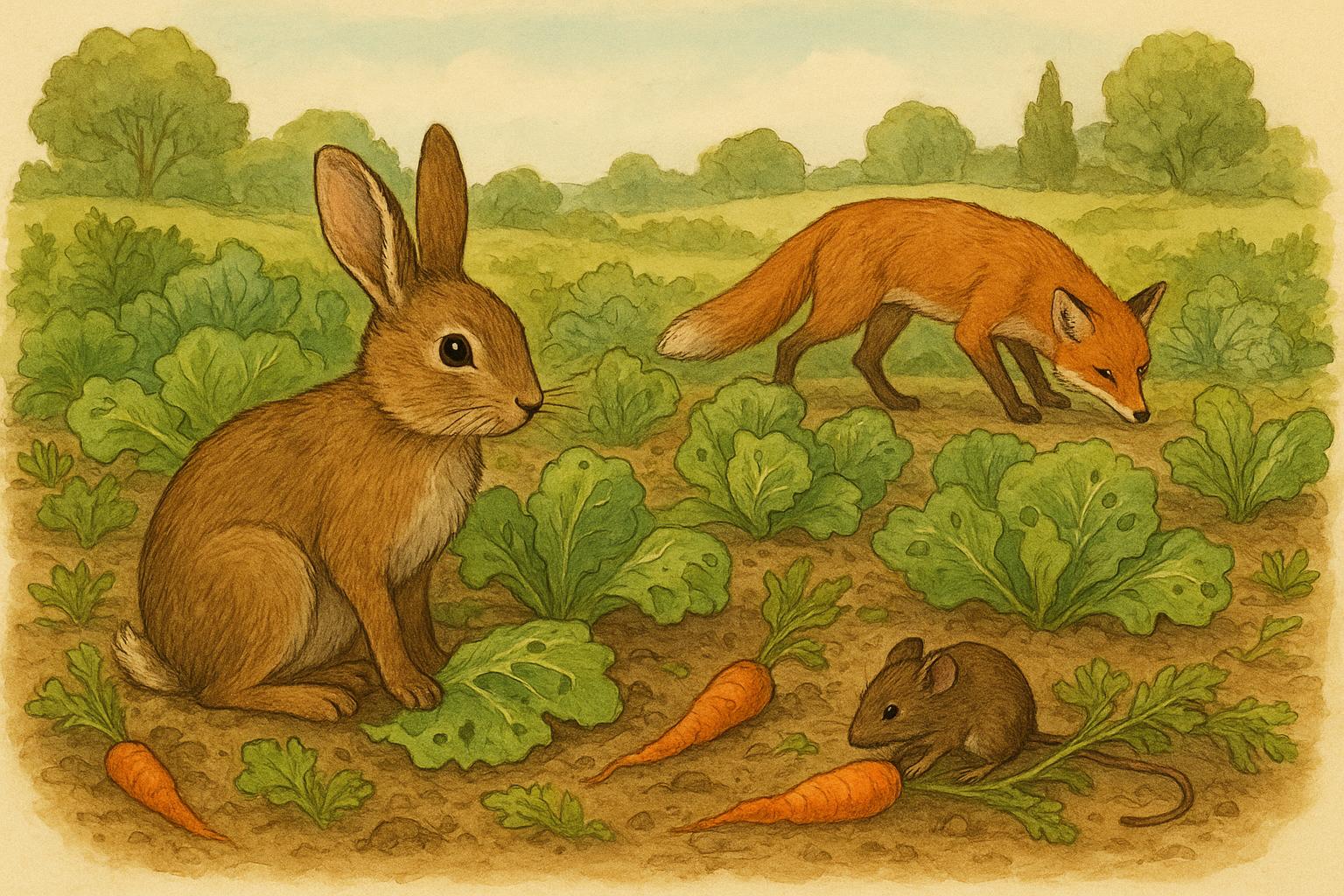
Wild animals aren’t subtle. They’re practical and blunt. One night a rabbit strips your baby lettuce bare. A raccoon flips over a tray of seedlings. A vole chews roots below the soil. Those are not accidents — they’re behaviors you can learn to read.
## Wildlife Damage In Vegetable Gardens: Recognizing Patterns
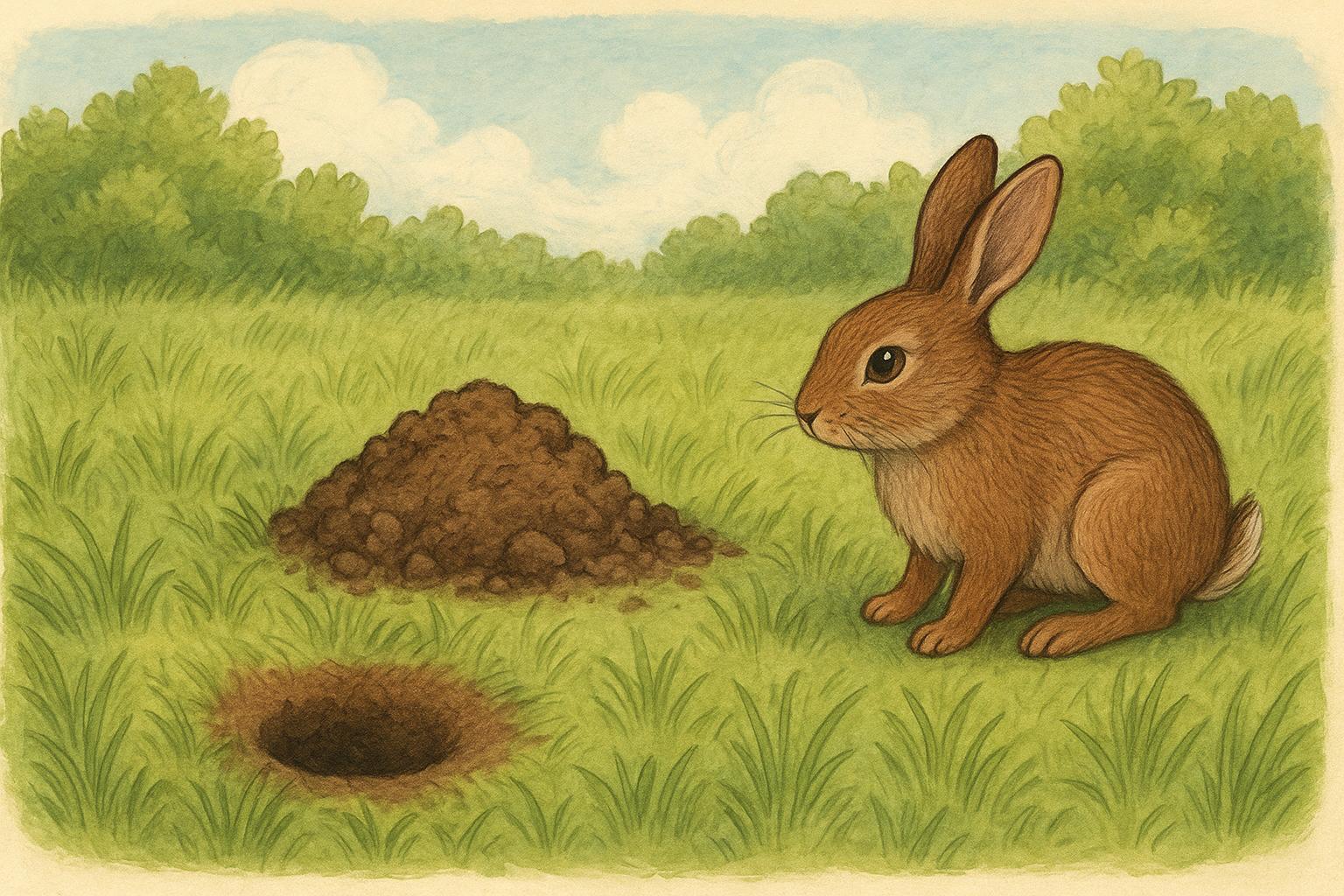
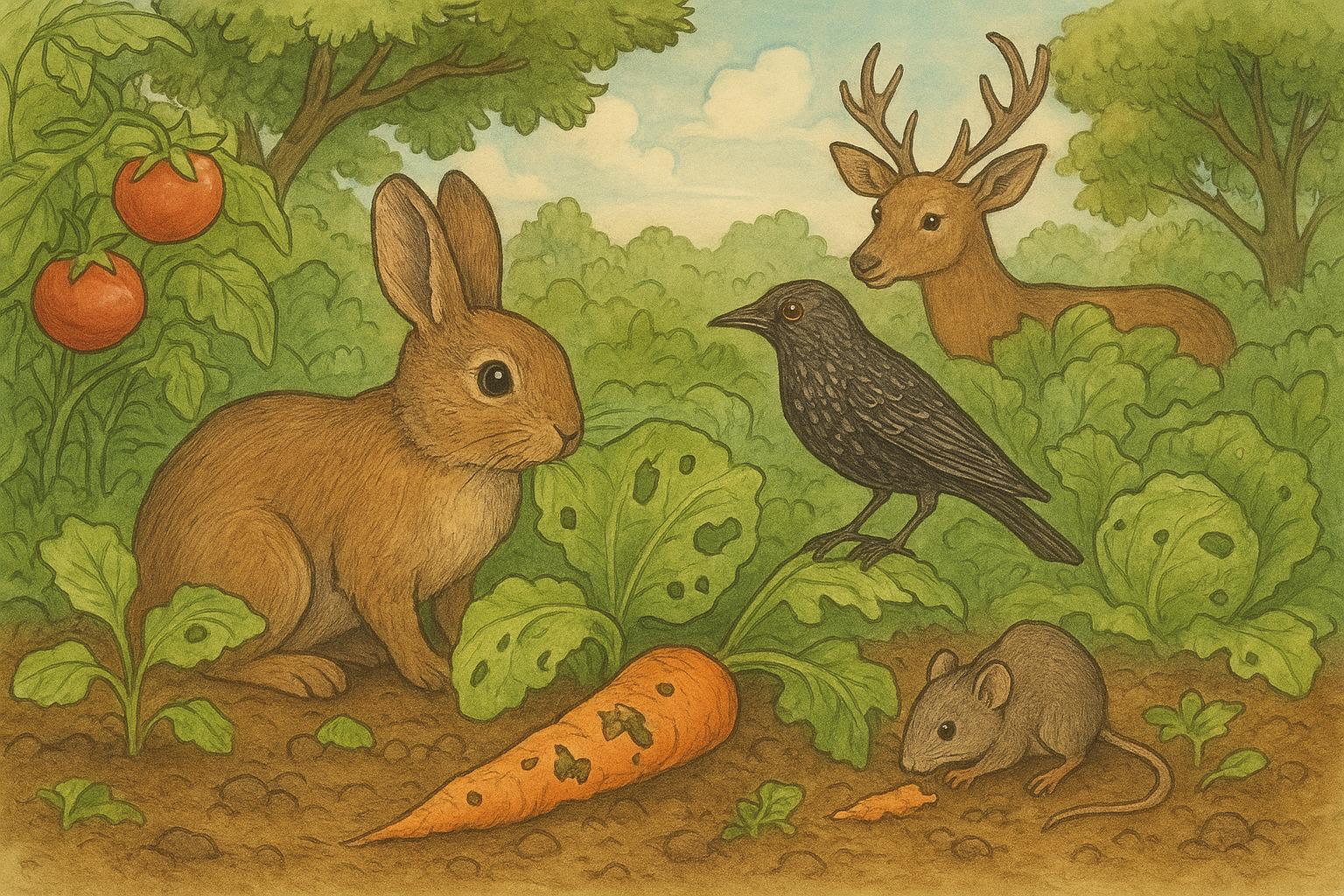
Start with the obvious. Different animals leave different signatures. Rabbits clip plant stems close to the ground and leave clean, angled cuts. Deer take higher bites and often leave ragged edges on leaves. Squirrels and birds go for fruit and seeds, not the foliage. Raccoons show curiosity: they dig, flip, and create scattered messes. Rodents gnaw at stems and tunnels appear near roots.
If you identify the pattern quickly, you can choose a fix that actually works. Too often people treat every problem like the same pest and waste time and money. The right solution follows the right diagnosis.
### Tracks, Droppings, And Physical Clues
Tracks are the fastest clue if you’ve got mud or soft soil. Look for rounded impressions for raccoons, large cloven prints for deer, tiny, chewed bits for rodents. Droppings tell you diet: pellet-like for rabbits, tubular for rodents, larger segmented for raccoons. A shovel will also tell stories — tunnels, eaten roots, grubbed soil. Keep a small notebook or take photos on your phone; patterns emerge over weeks.
#### Time Of Day And Feeding Patterns
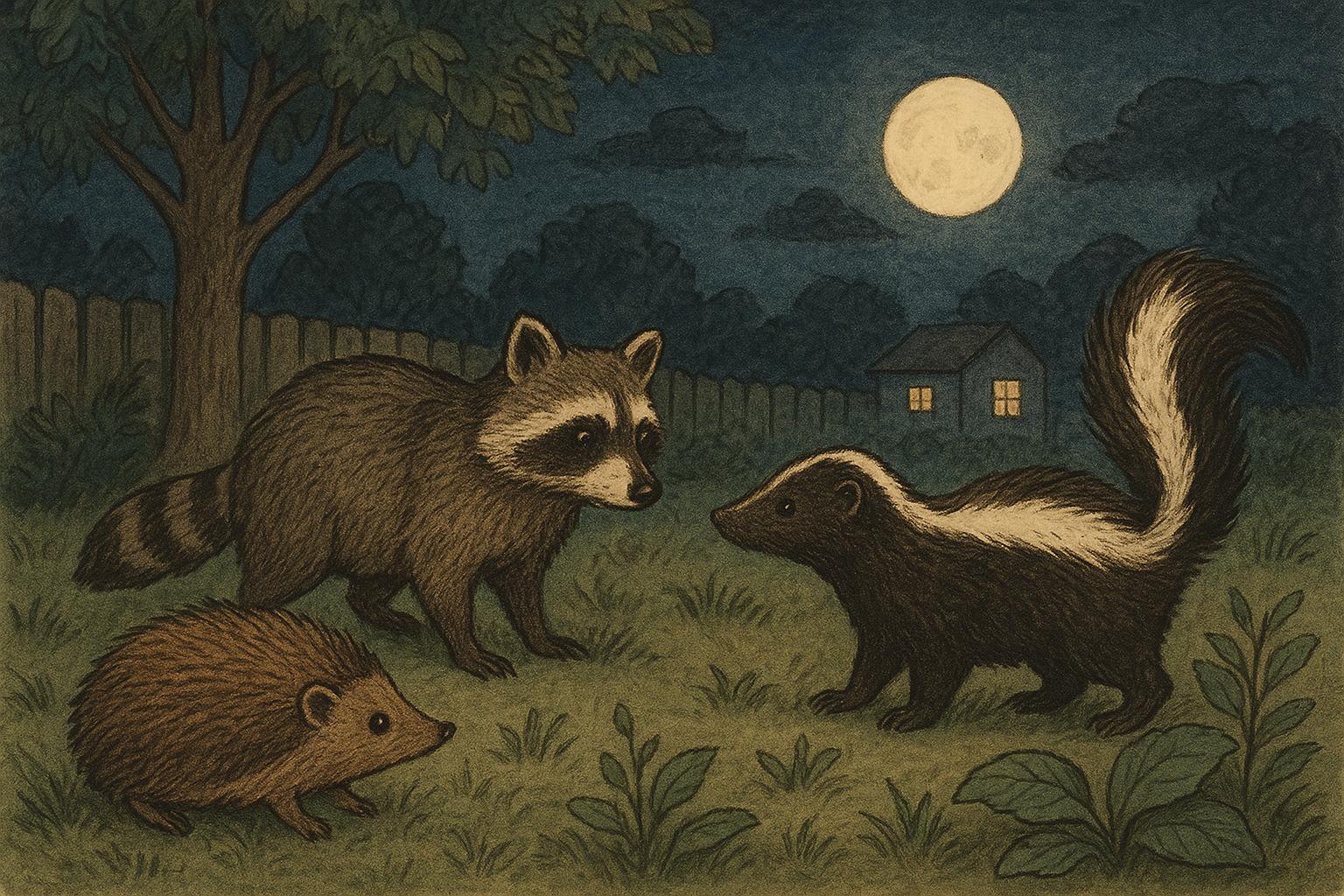
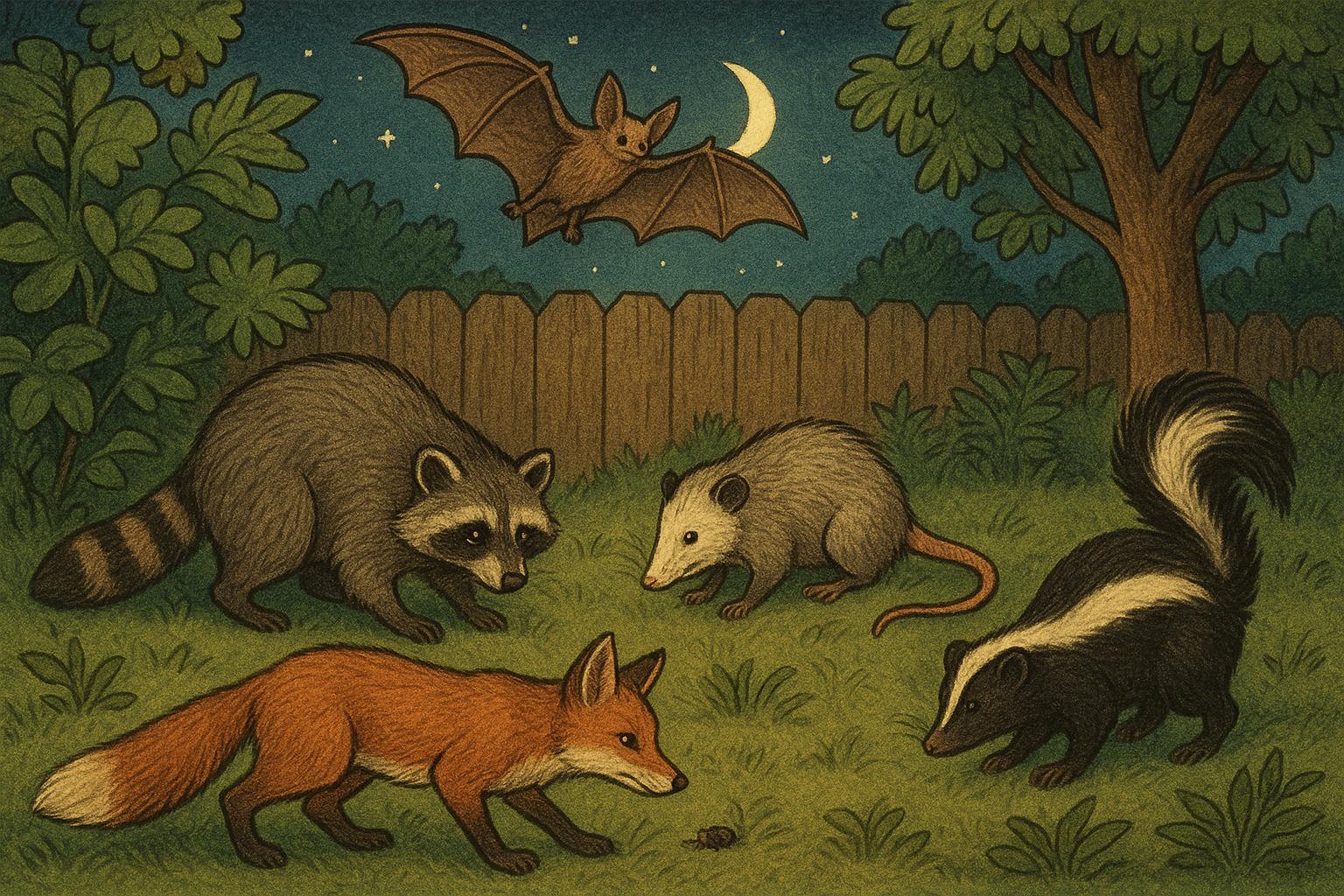
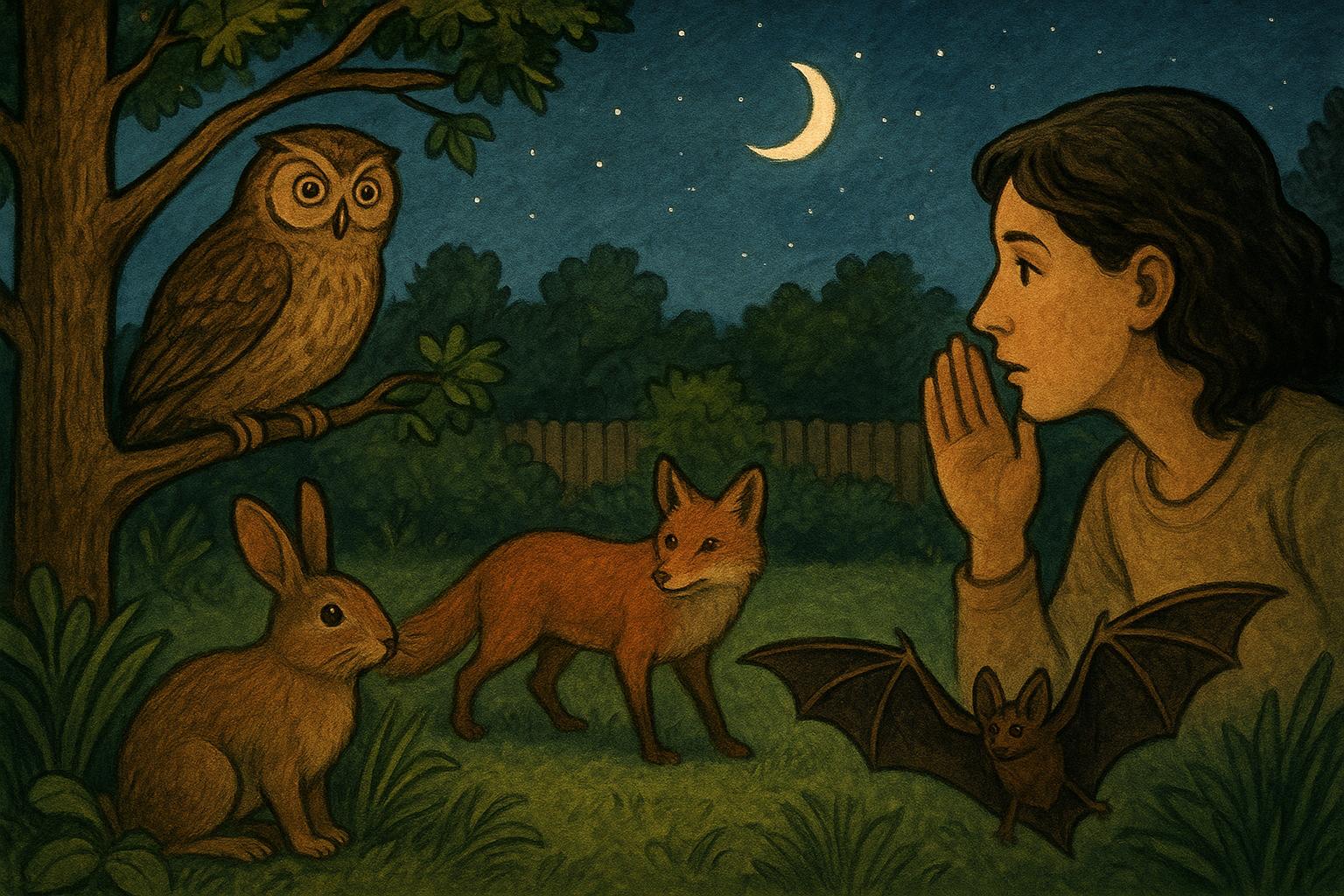
Nocturnal visitors like raccoons and opossums will do damage at night. Birds and squirrels are active by day. If you find seedlings stripped in the morning, consider a night-time visitor. Pests also have seasonal preferences. Early spring sees deer browsing tender shoots; mid-summer brings birds after ripening tomatoes; late fall invites rodents seeking food stores.
### Which Animals Cause What Garden Damage
Here’s a quick, practical list of common offenders and the typical garden damage they cause:
– Rabbits: Eat young plants, clean-cut stems, usually below 1.5 feet.
– Deer: Bite higher on shrubs and tall vegetables, can strip entire rows.
– Raccoons: Target fruits, dig in containers, trash small raised beds.
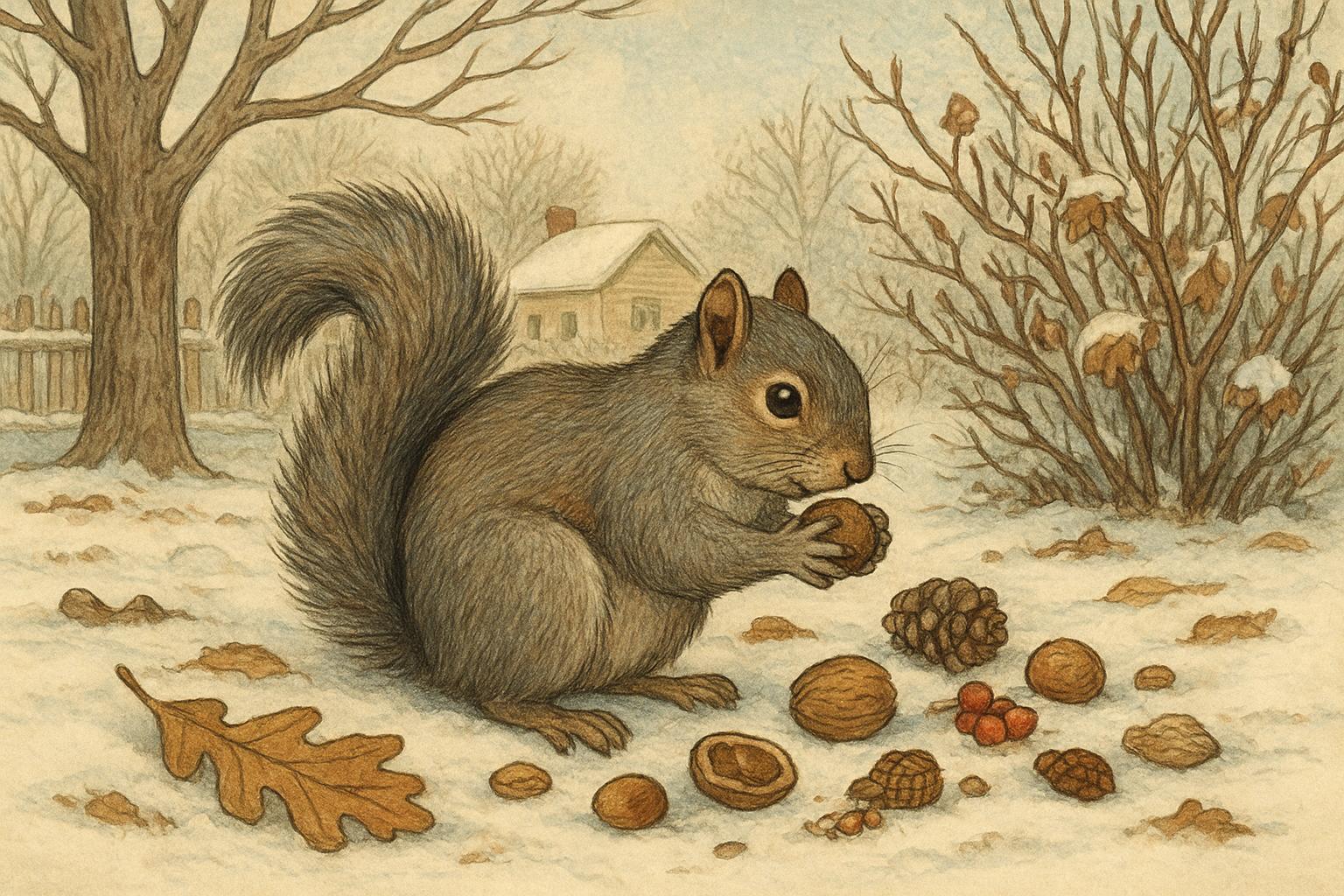
– Squirrels: Steal seeds and nuts, nibble fruits, and sometimes dig to bury or recover food.
– Voles: Create surface runways, gnaw roots and crowns.
– Birds: Peck holes in tomatoes and peppers, strip berries.
That’s the short version. The reason to be specific is simple: waterbath deterrents or motion lights address some problems but are useless against others.
## Practical Preventative Steps
Choose a combination of physical barriers, habitat modification, and targeted deterrents.
### Fencing And Physical Barriers
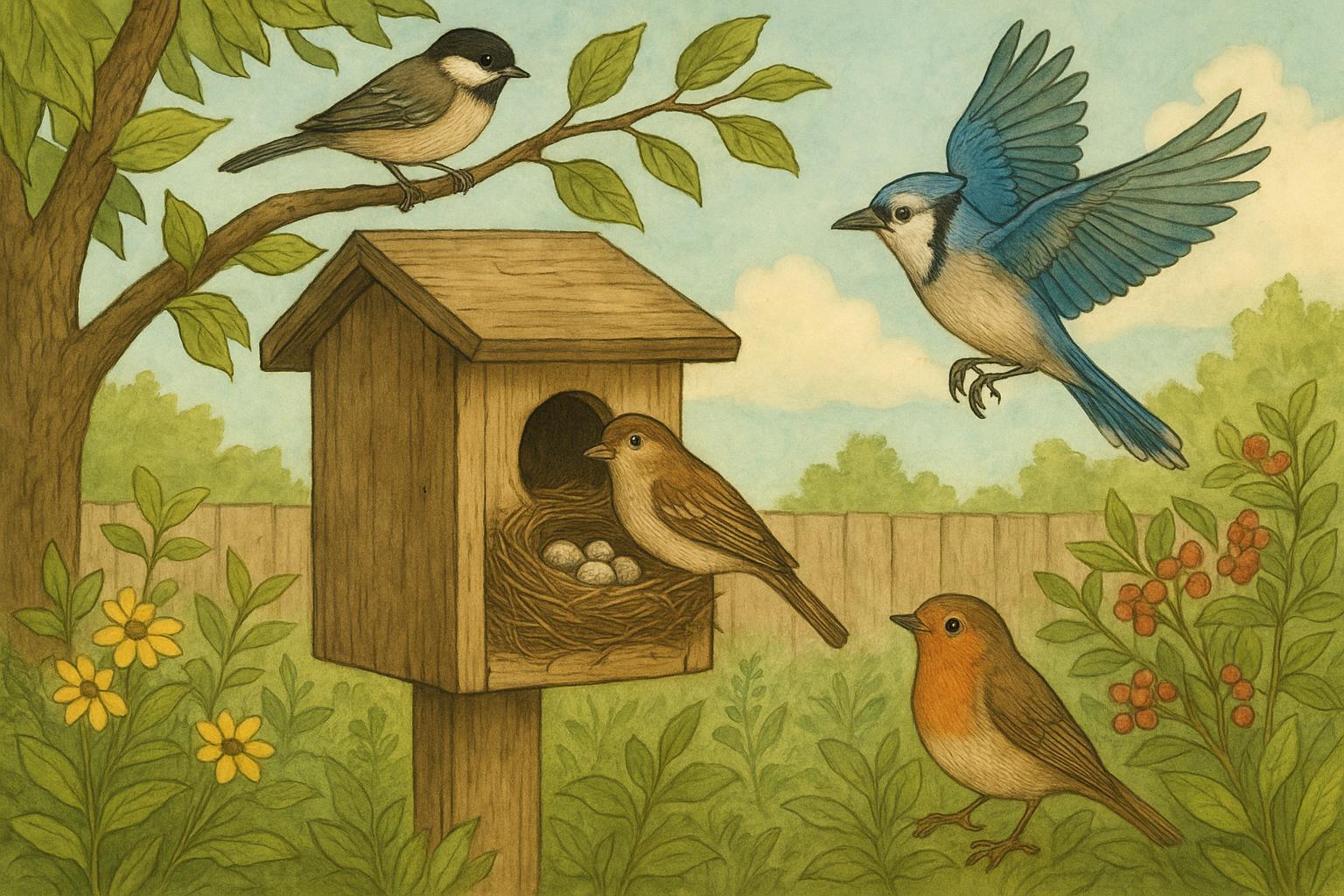
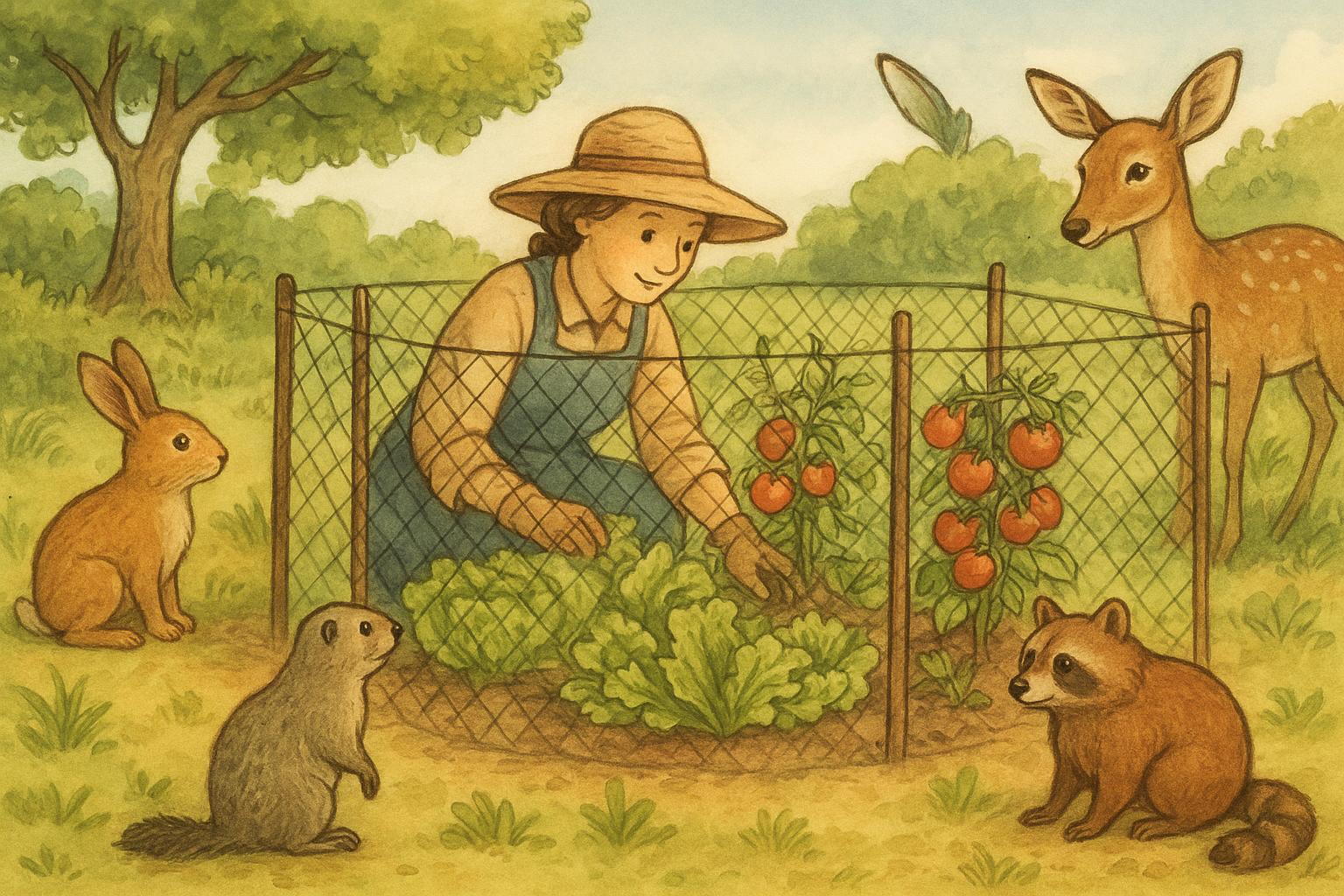
A sturdy fence is the only surefire way to stop deer. For rabbits and many other small mammals, bury hardware cloth 6–12 inches into the soil or use an apron of wire to prevent burrowing. Floating row covers protect young plants without blocking light. Netting over berries and low fruit prevents bird predation.
Barriers work best when they’re tailored. A 6-foot fence stops deer. A 2-foot high chicken wire cage around young cabbages keeps rabbits honest. Think of fences as insurance — they work quietly and consistently, and they don’t rely on you remembering to intervene every day.
#### Containers And Elevated Beds
Move vulnerable crops into containers or higher beds if squirrels and raccoons are the problem. Raised heights of 2–3 feet deter many ground foragers and reduce unintentional trampling. Containers also make it easier to swap soil and inspect root-level garden damage quickly.
### Habitat Modification To Reduce Attractants
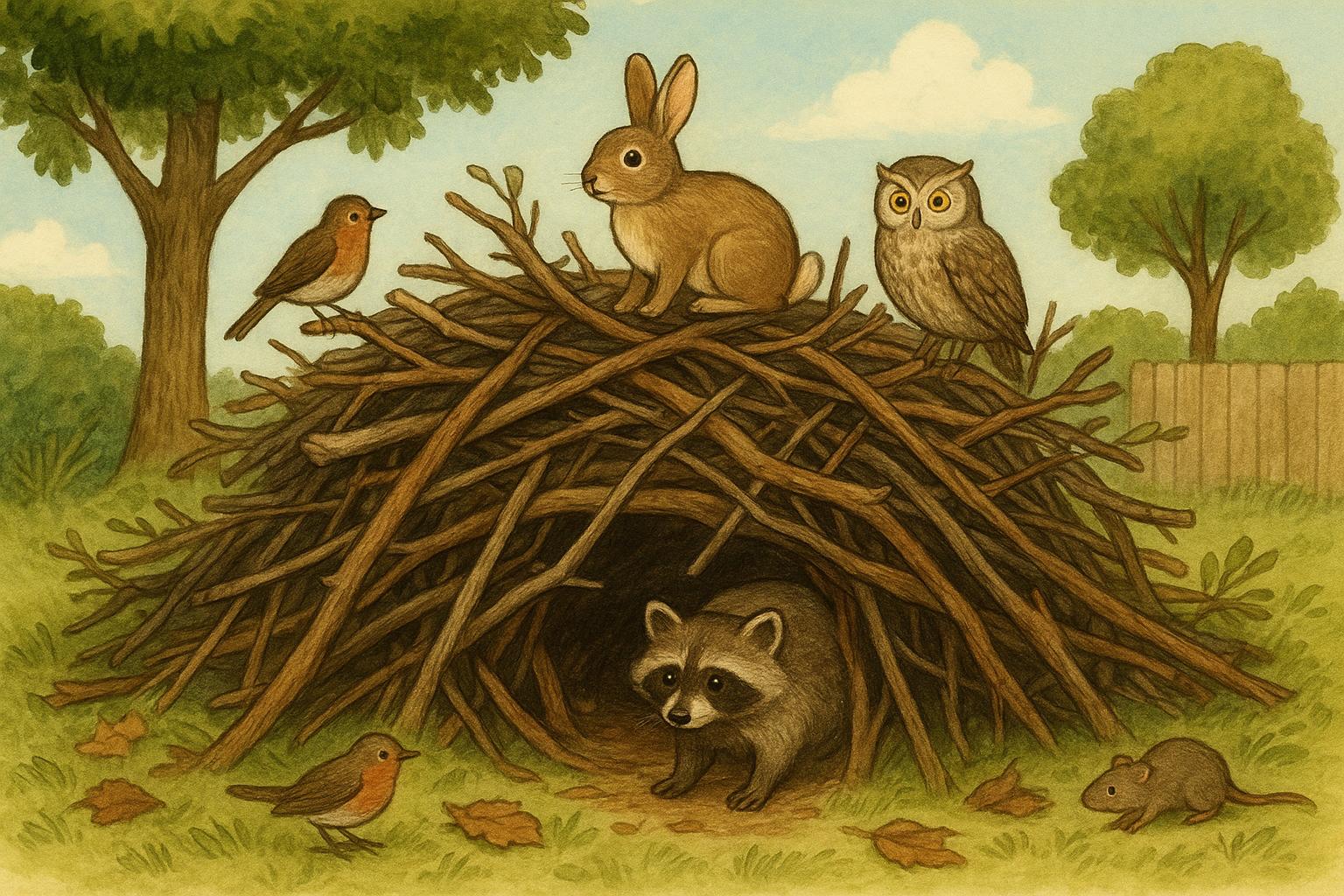
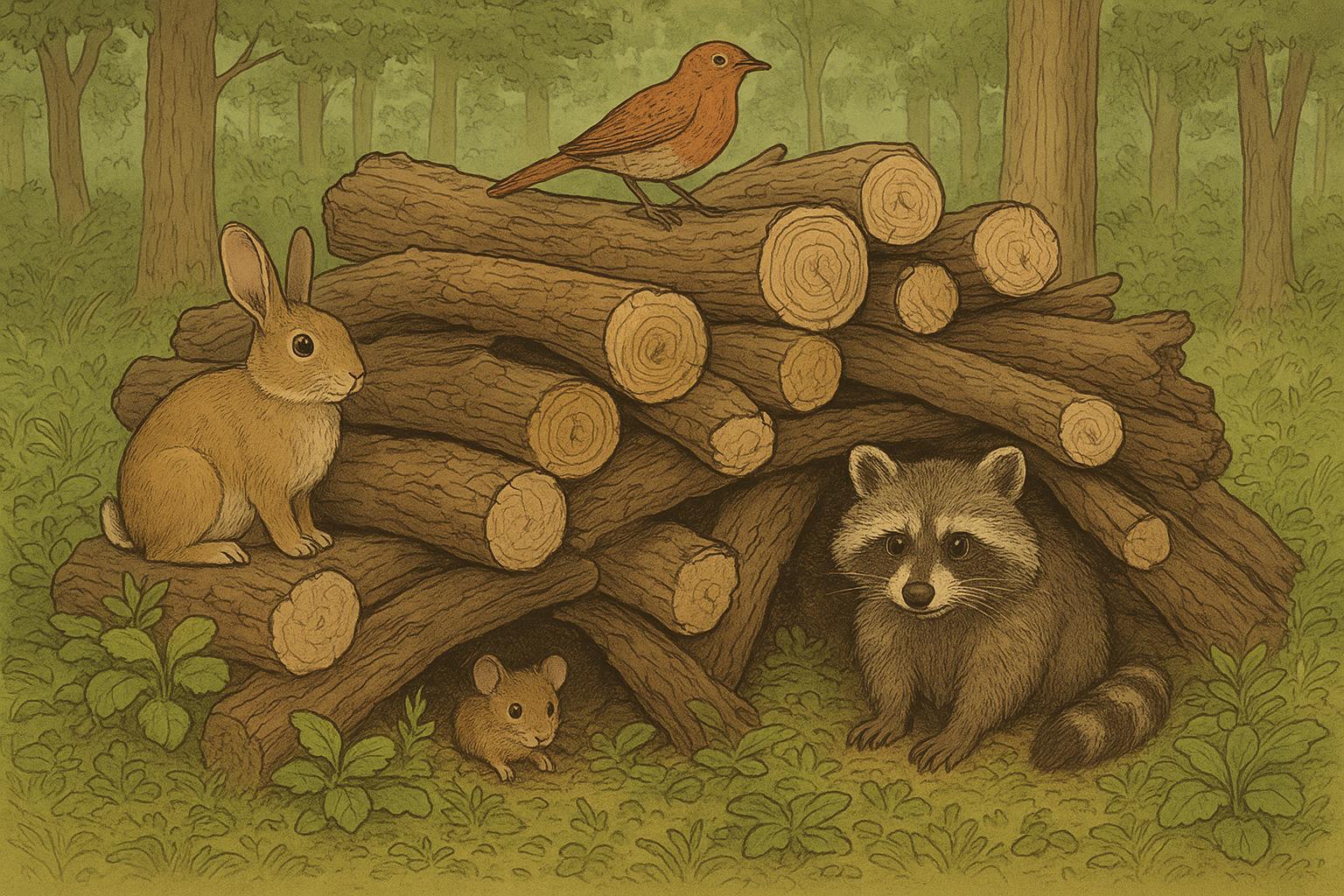
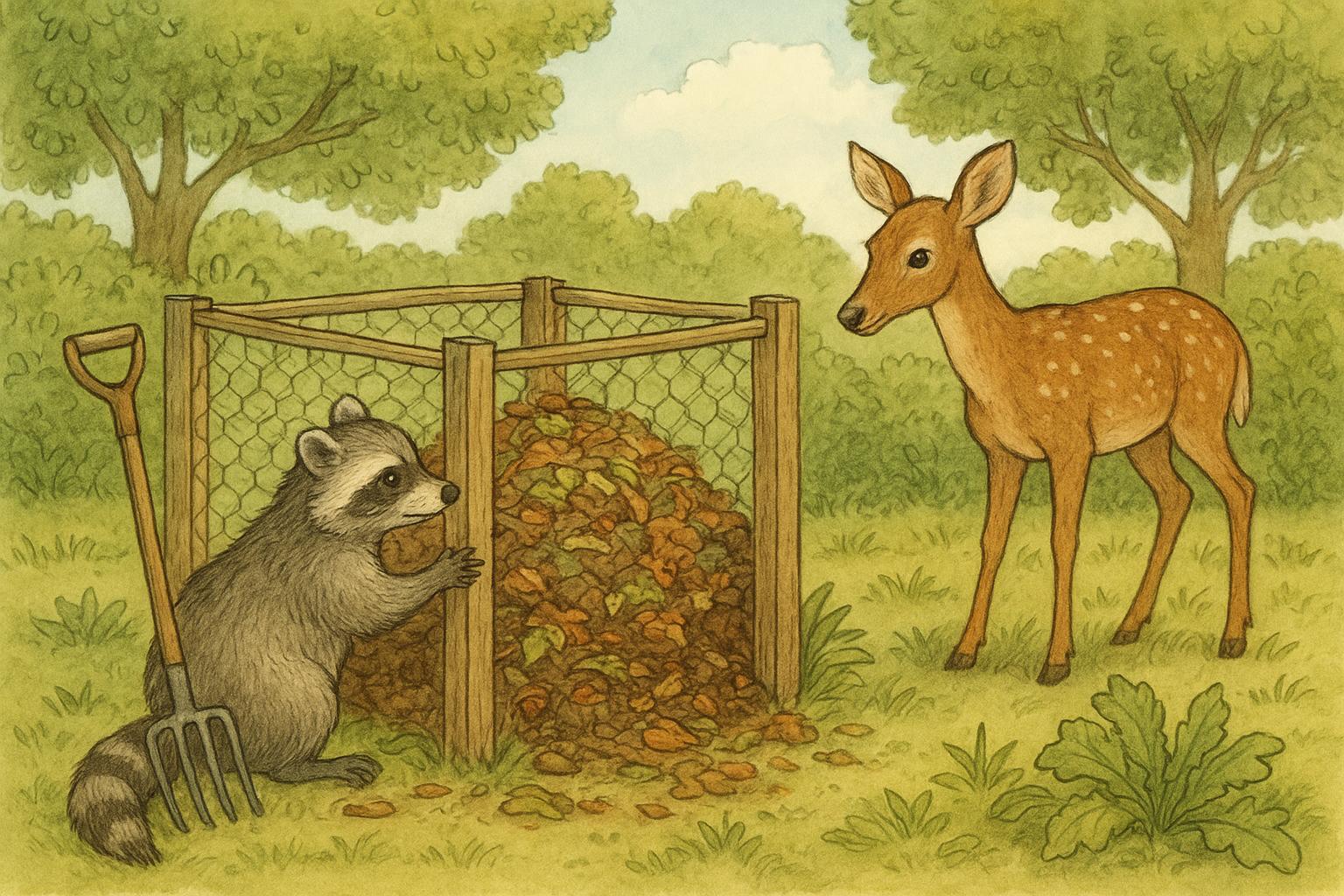
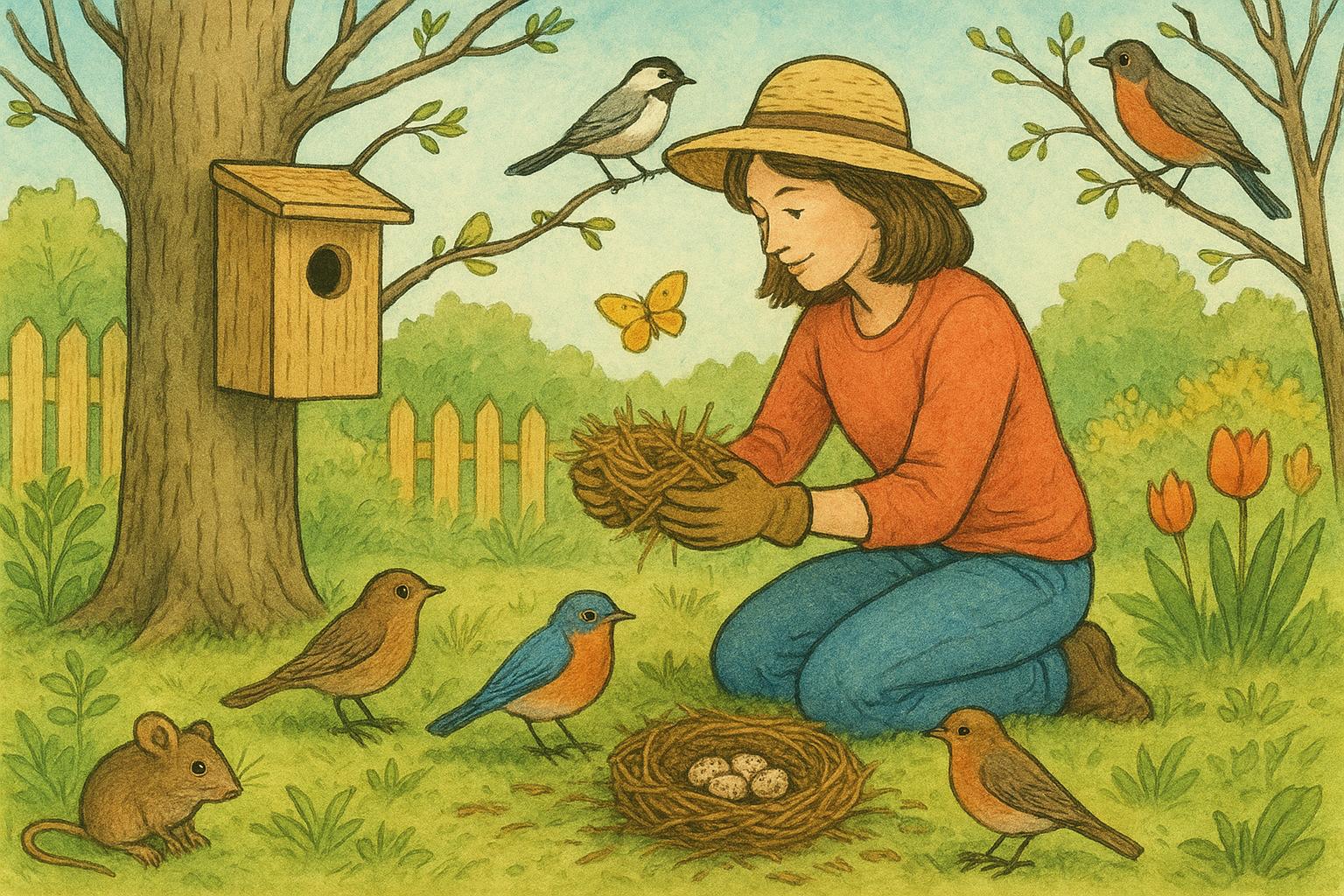
Trim brush piles and close gaps under sheds. Encourage predators like owls by installing a nest box. Avoid leaving pet food outdoors. Removing hiding places and consistent food sources reduces the carrying capacity of your yard for backyard pests.
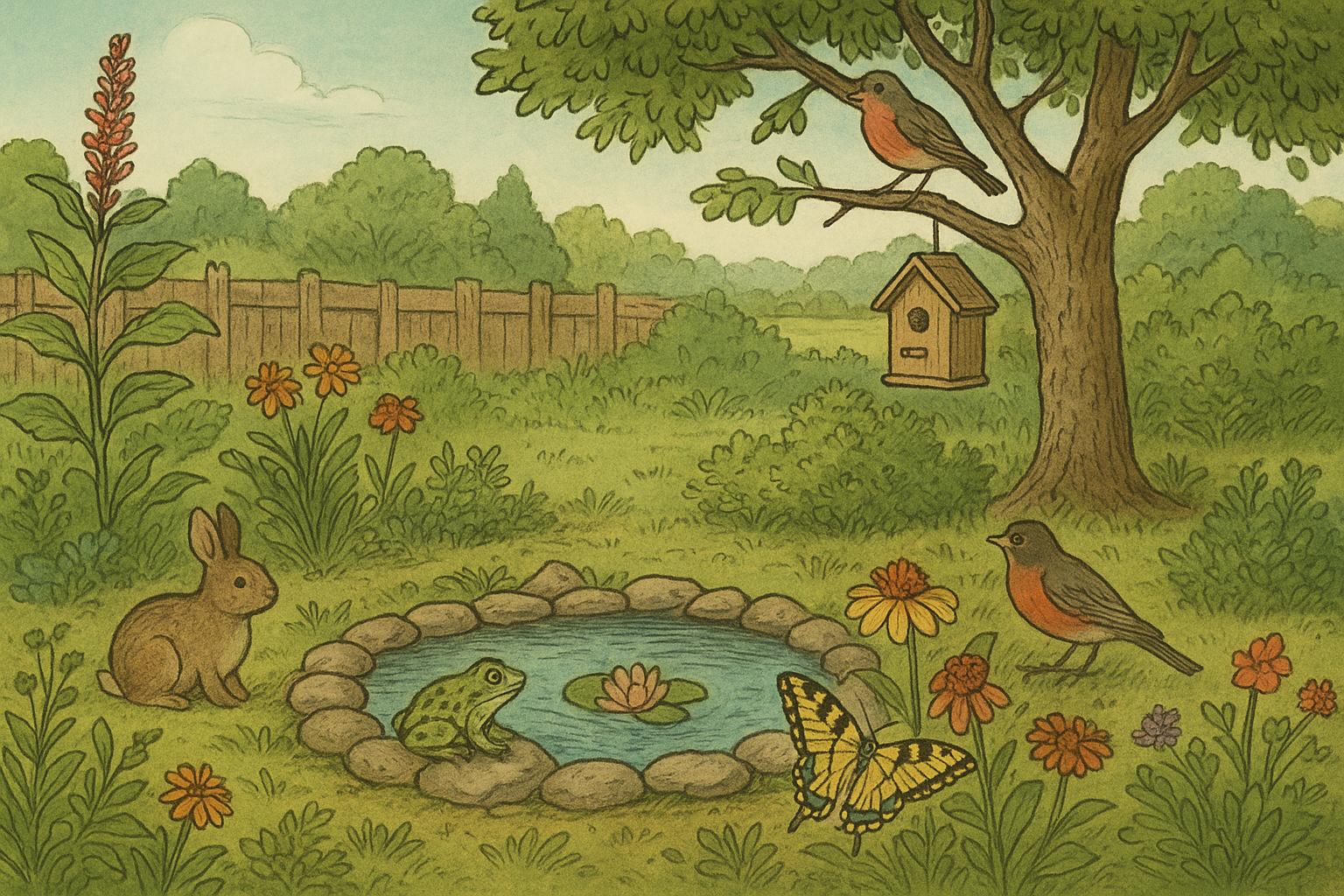
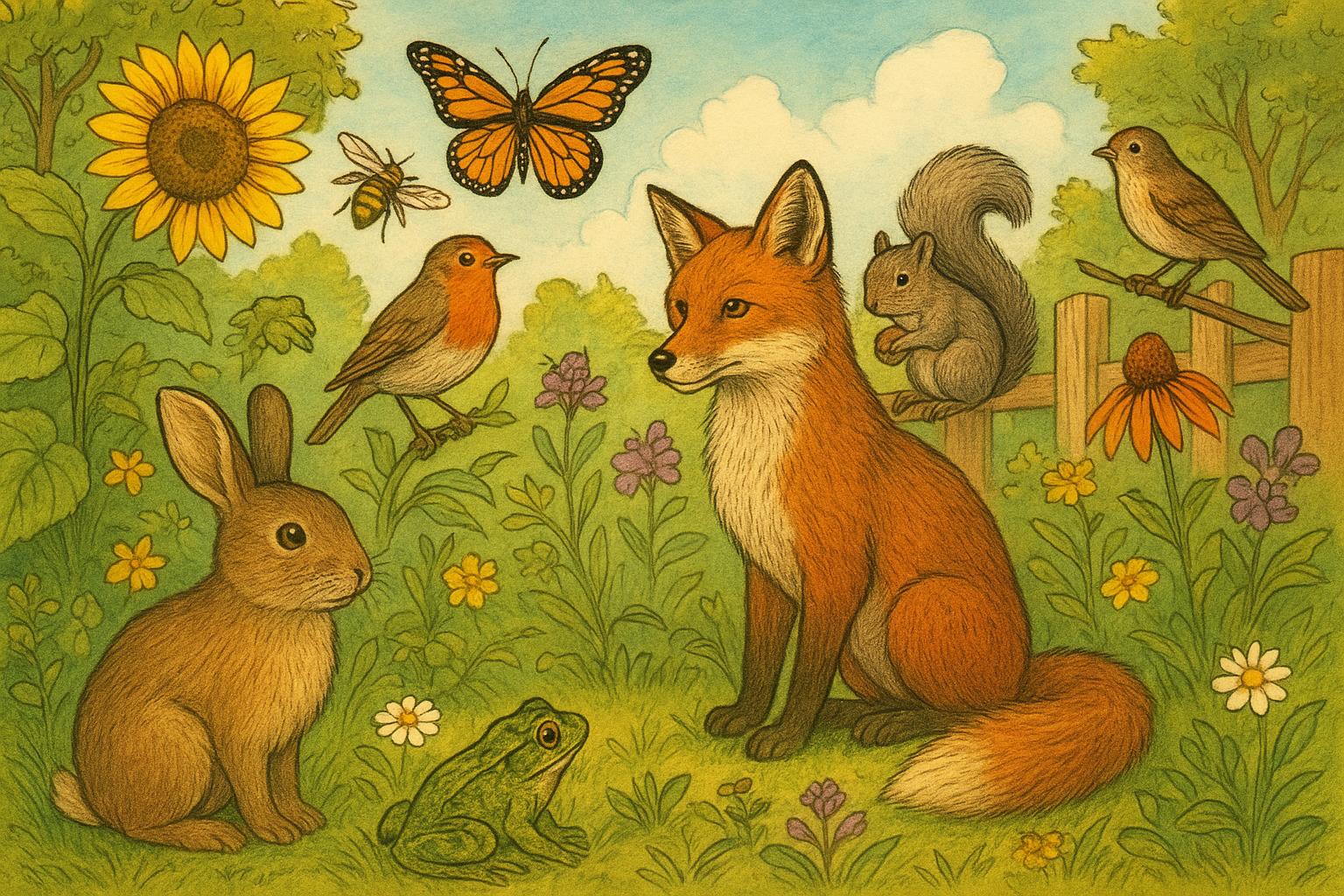
Use native plants on your property perimeter to draw animals away from crops. That won’t stop everything, but it creates choices for wildlife, making your plot less of the only option.
## Deterrents That Work (And Those That Don’t)
Not all deterrents are created equal. Smells and taste repellents can be helpful short-term, but they lose effectiveness as animals get used to them. Motion-activated lights or sprinklers can startle nocturnal raiders and break habits — they’re cheap to try and often give immediate relief.
Electronic devices that claim to repel animals with sound are hit-or-miss. Some species habituate quickly. Visual deterrents like reflective tape may work ocassionally for birds, but not for determined mammals.
### Trapping And Removal
Live-trapping is legal in some places but regulated in others. Always check local rules before trapping wildlife. If you trap and relocate an animal, understand that survival and rehoming are not guaranteed. Often the ethical and effective option is exclusion — block access rather than move the animal.
Working with professional wildlife control is sensible if you have persistent issues or if a potentially dangerous animal (like a raccoon with rabies) is involved.
## Crop Choices And Planting Strategies
Planting strategies change the risk profile. Certain crops attract fewer pests. Herbs with strong scents — rosemary, lavender, thyme — can act as a mild deterrent around beds. Plant sacrificial rows of fast-growing greens at the garden edge to divert attention from prized crops. Rotate planting locations yearly to reduce build-up of pests in soil and to interrupt life cycles of critters that favor a single spot.
Stagger planting times so you don’t get a single catastrophic hit when everything ripens at once. Distributed harvests keep steady yields even if some plants suffer periodic garden damage.
### Soil Health And Resilience
Healthy plants tolerate nibbling better. Good soil structure, balanced nutrients, and adequate water reduce vulnerability. A robust tomato plant survives a few pecks; a stressed one won’t. Compost, mulching, and proper irrigation are the quiet groundwork for resisting wildlife damage in vegetable gardens.
## When To Call Experts
If you face recurring losses that outstrip your time and tools, or if the animals pose a hazard, call a local extension office or wildlife professional. They can confirm species, recommend legal humane removal, and suggest long-term strategies tailored to your property.
Expect to try several tactics. Wildlife adapts. So should your approach.

Leave a Reply