
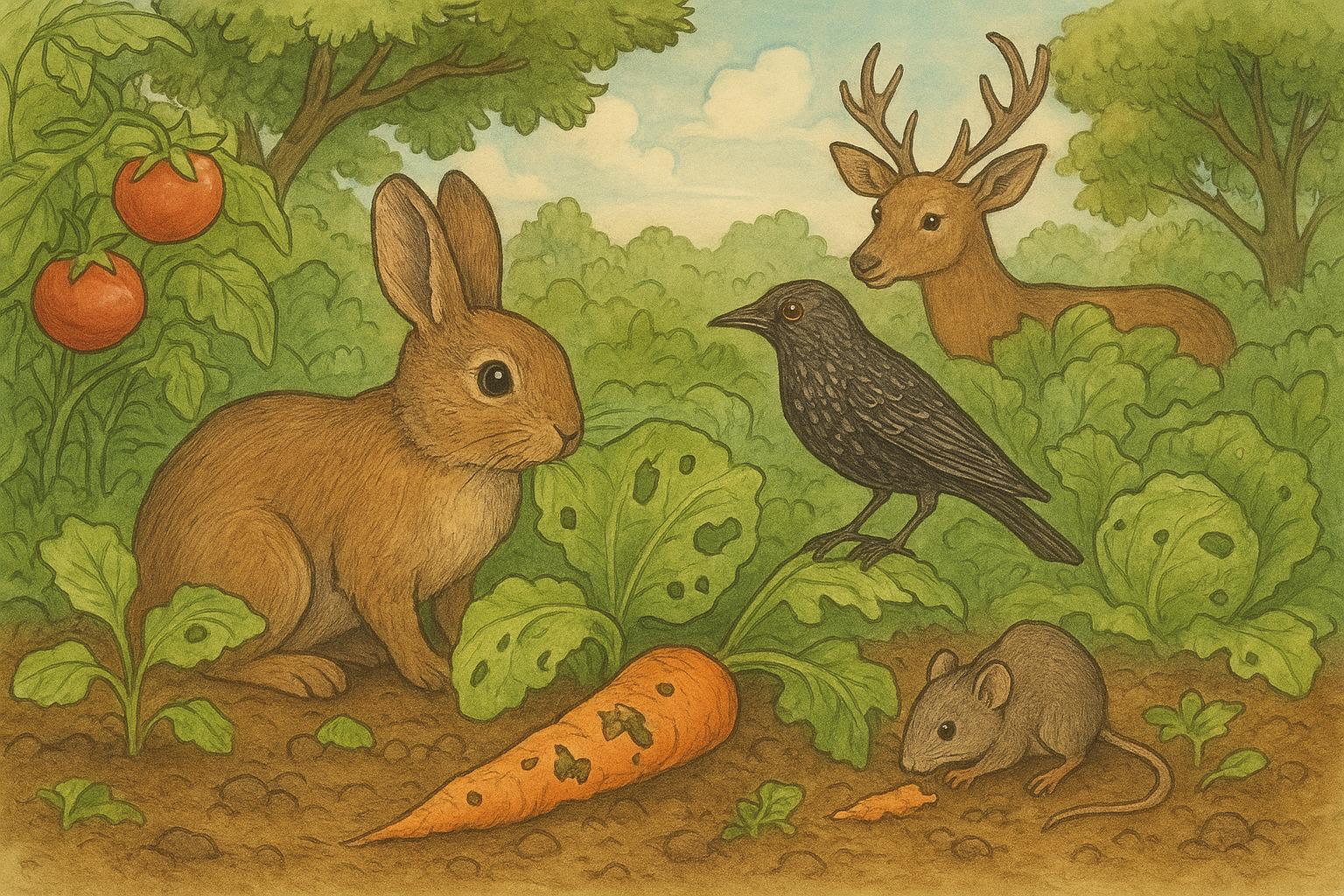
You planted radishes, tomatoes and a hopeful row of beans, then woke up to holes, missing seedlings and a plant that looks like it went through a blender. That feeling of betrayal is normal. Figuring out what caused the damage and why it happened is the practical work of the gardener—less dramatic than revenge, but more effective.
## Common Culprits And Their Habits
Most of the vegetable damage you see in a home garden is from a handful of animals. Knowing each animal’s habits tells you what to look for and what will actually stop them.
### Deer: The Big, Quiet Browsers
Deer don’t usually trample. They nip and eat. If leafy tops of lettuce, kale or young broccoli are cleanly clipped at about an inch above the bud, deer are prime suspects. They prefer tender greens but will take tomatoes and beans when hungry. Deer often hit a garden under cover of dusk and dawn. A few nights of habit will set them to return.
### Rabbits: The Small, Persistent Eaters
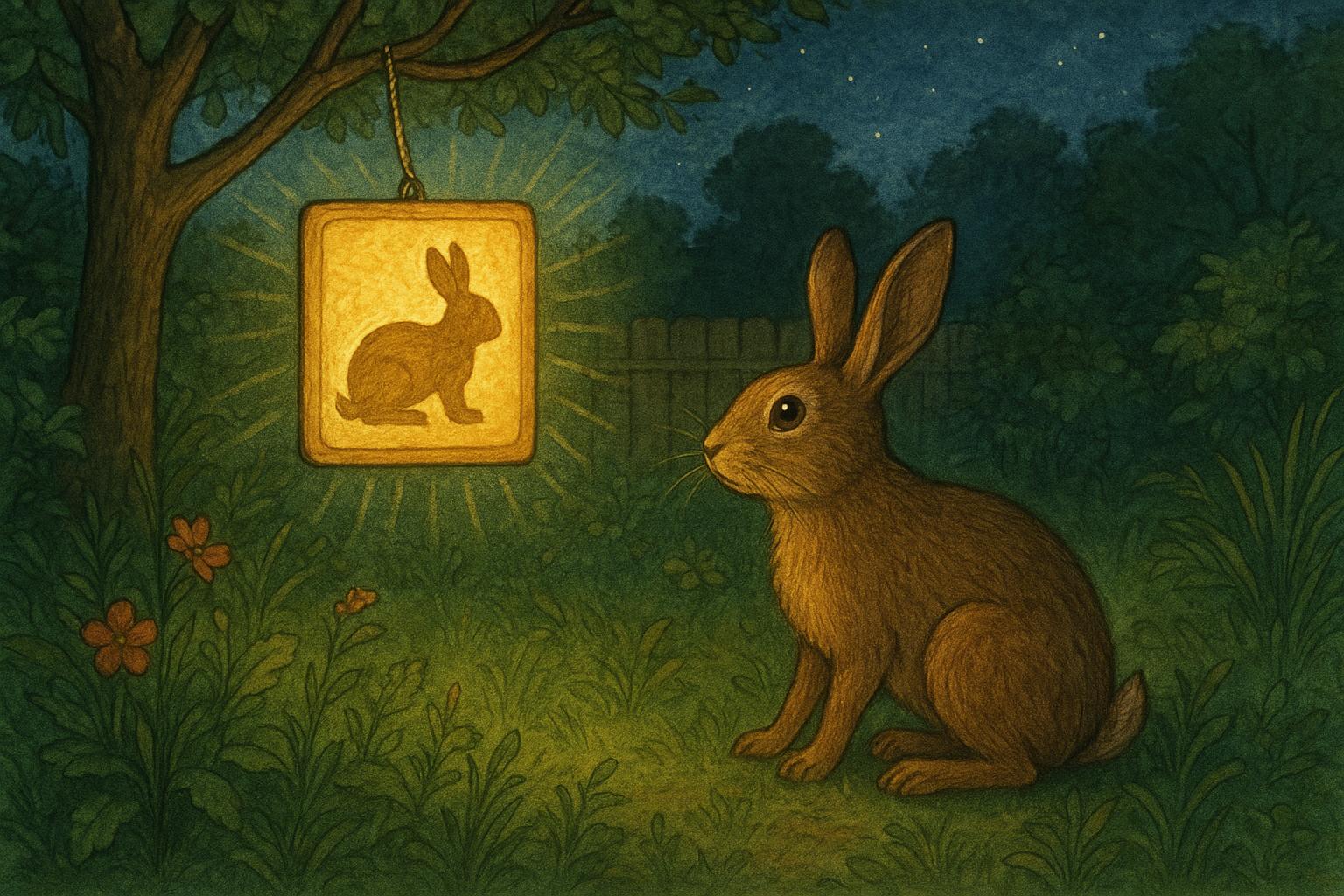
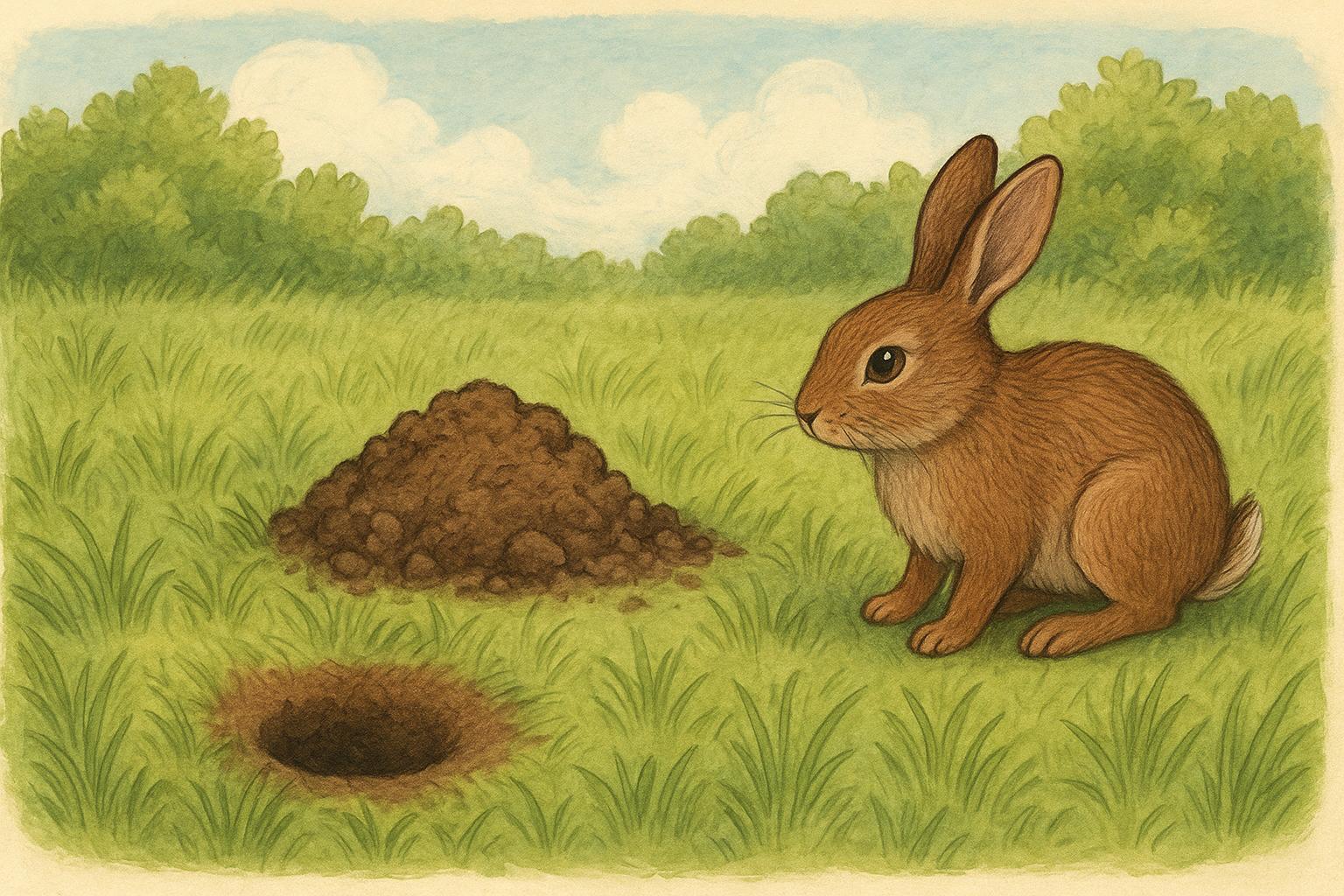
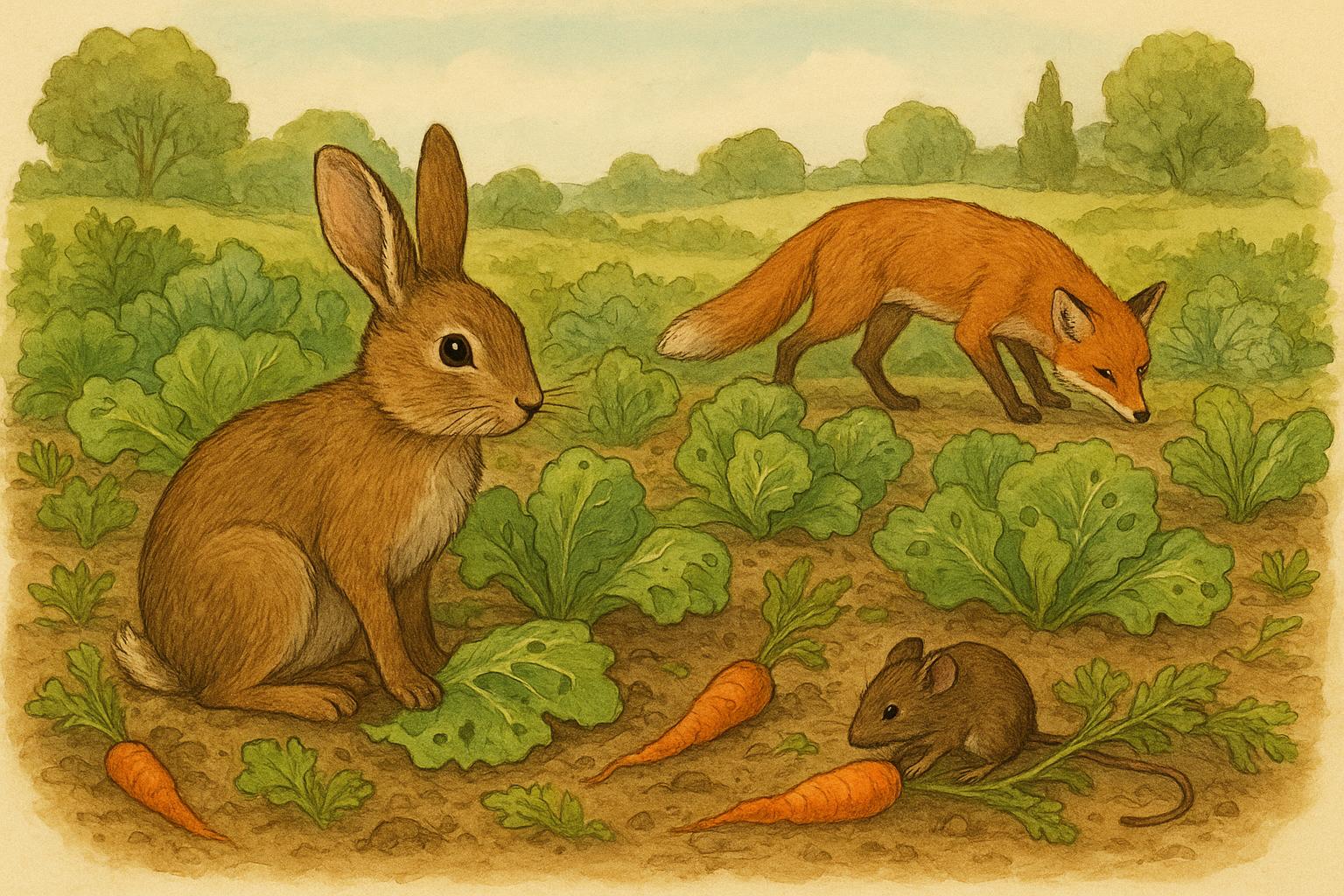
Rabbits go for seedlings and tender stems. They leave ragged edges, and their bites are often clean but at a low height—about 2 to 4 inches off the ground. Look for droppings that are small, round pellets. Rabbits are opportunistic; a single gap in a fence or a hole in a low barrier is all they need.
### Groundhogs (Woodchucks): The Bulldozers
Groundhogs uproot plants whole. If you find plants knocked over, roots torn or whole seedlings dug out and dragged away, groundhogs may be the source. They also make burrows; a burrow entrance near a garden bed is a dead giveaway. Unlike deer, groundhogs will chew through stems and fruit, leaving ragged, woody damage.
### Voles And Moles: The Subterranean Threats
Voles chew roots and stems at ground level. If mature plants suddenly wilt and topple with intact leaves but severed stems underground, check for shallow runways through mulch. Moles mostly eat insects, but their tunneling can disturb roots and create mounds that damage plants. Voles often create obvious surface tracks and small holes.
### Birds: The Peckers
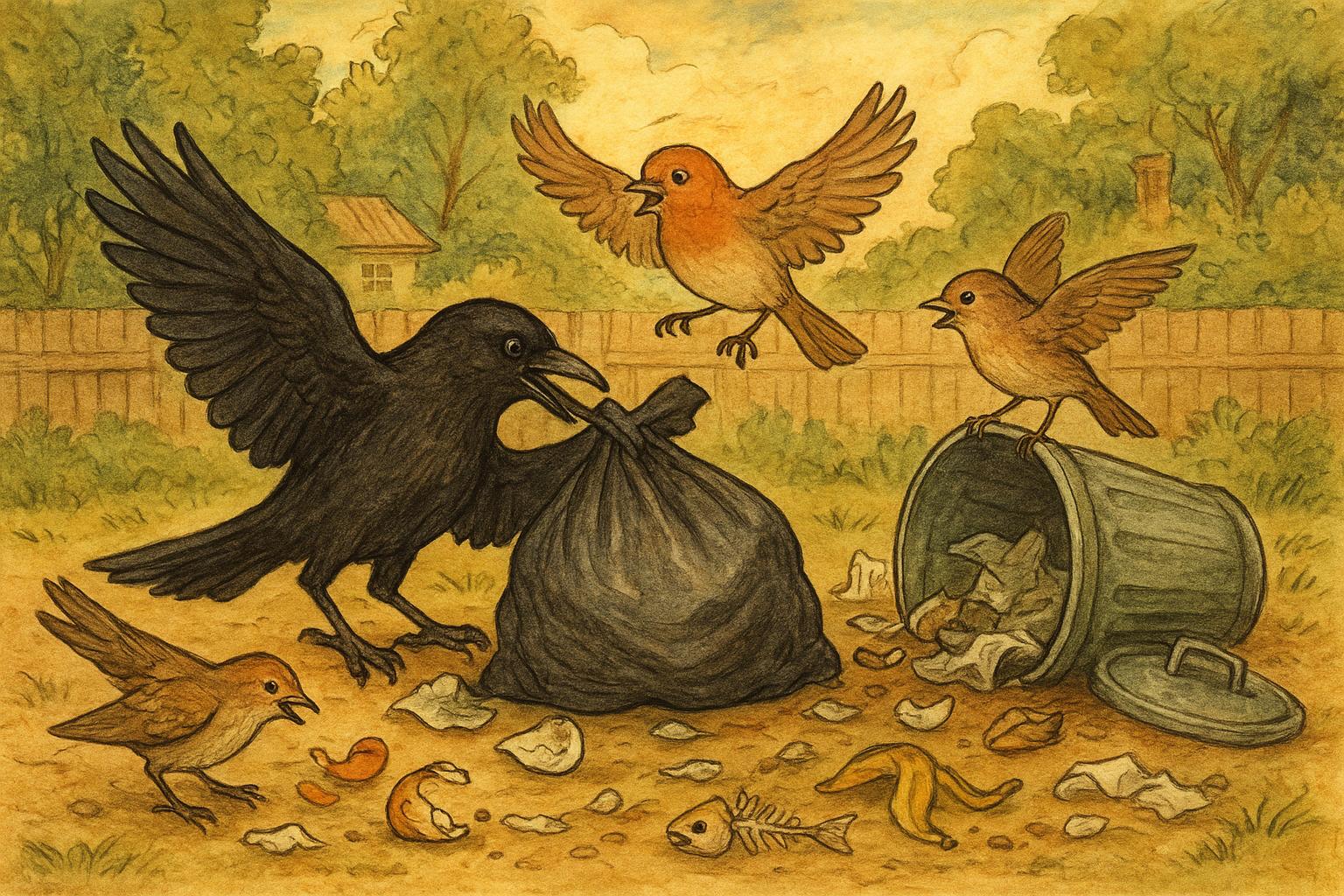
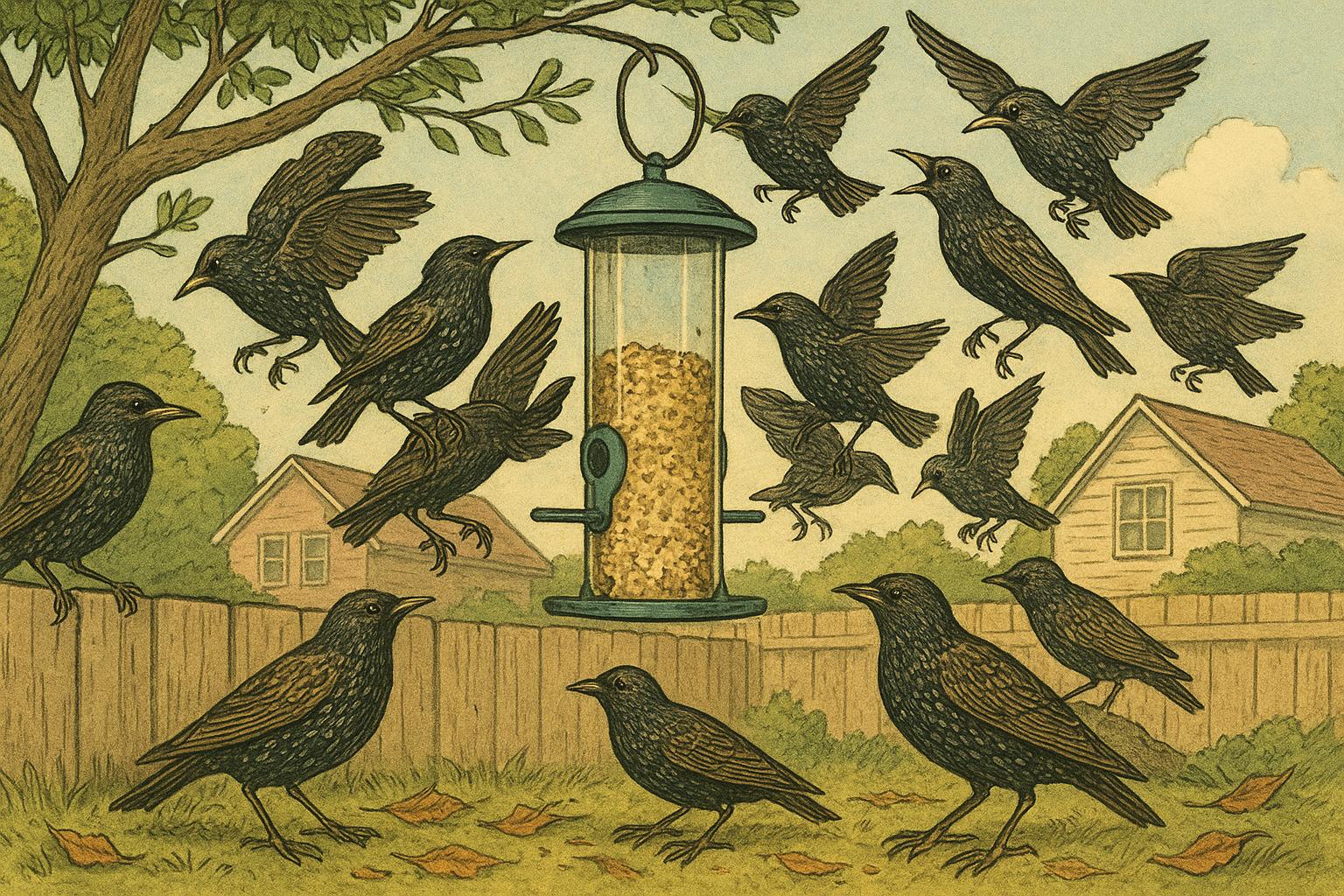
Birds can be a huge headache for ripening fruit and exposed seedlings. Starlings, crows and blackbirds peck at tomatoes and strawberries, leaving small holes or torn fruit. Larger birds will pull up seedlings and scatter soil. Bird damage is often daytime and obvious because they leave bite marks and droppings.
### Raccoons And Opossums: The Nighttime Ransackers
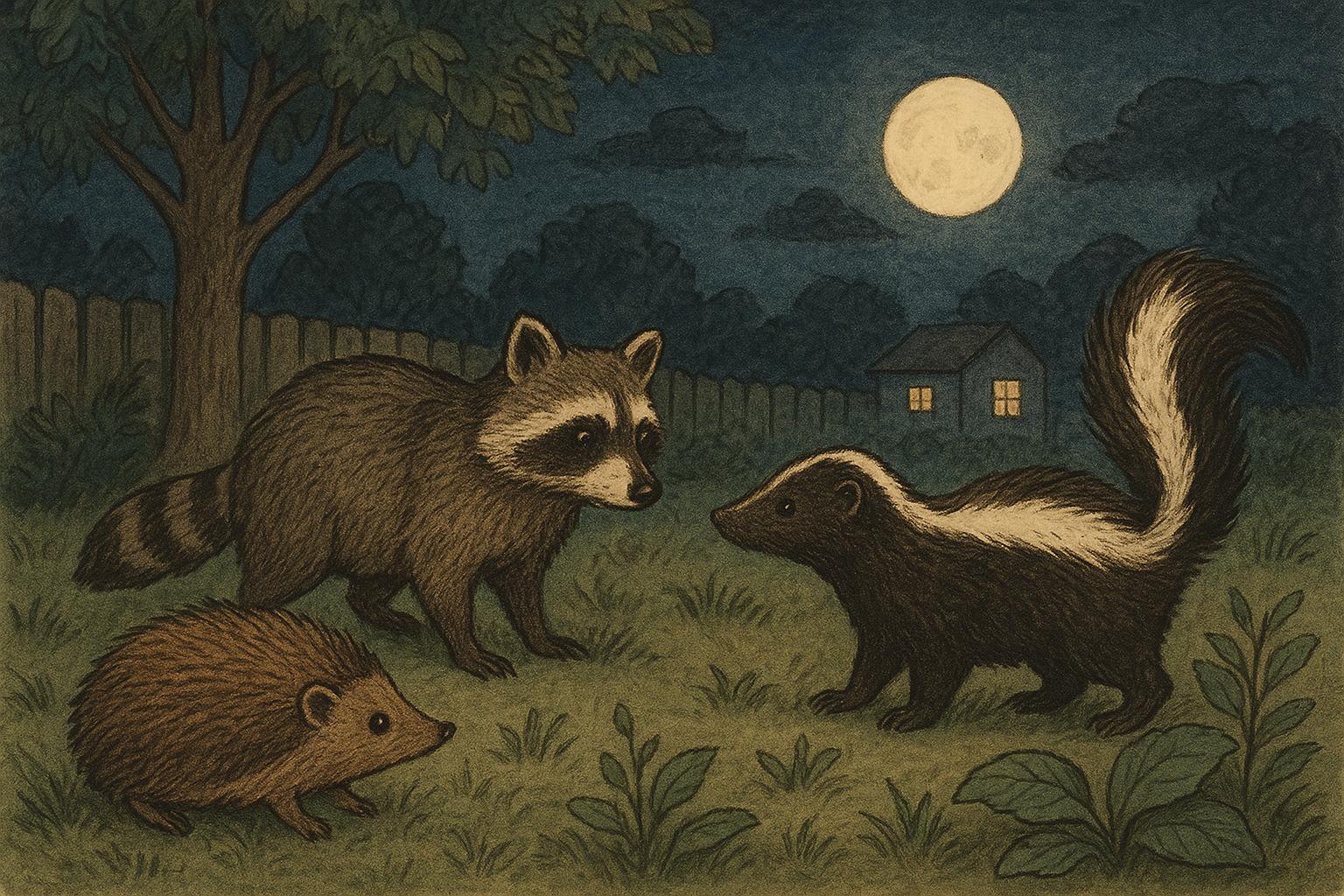
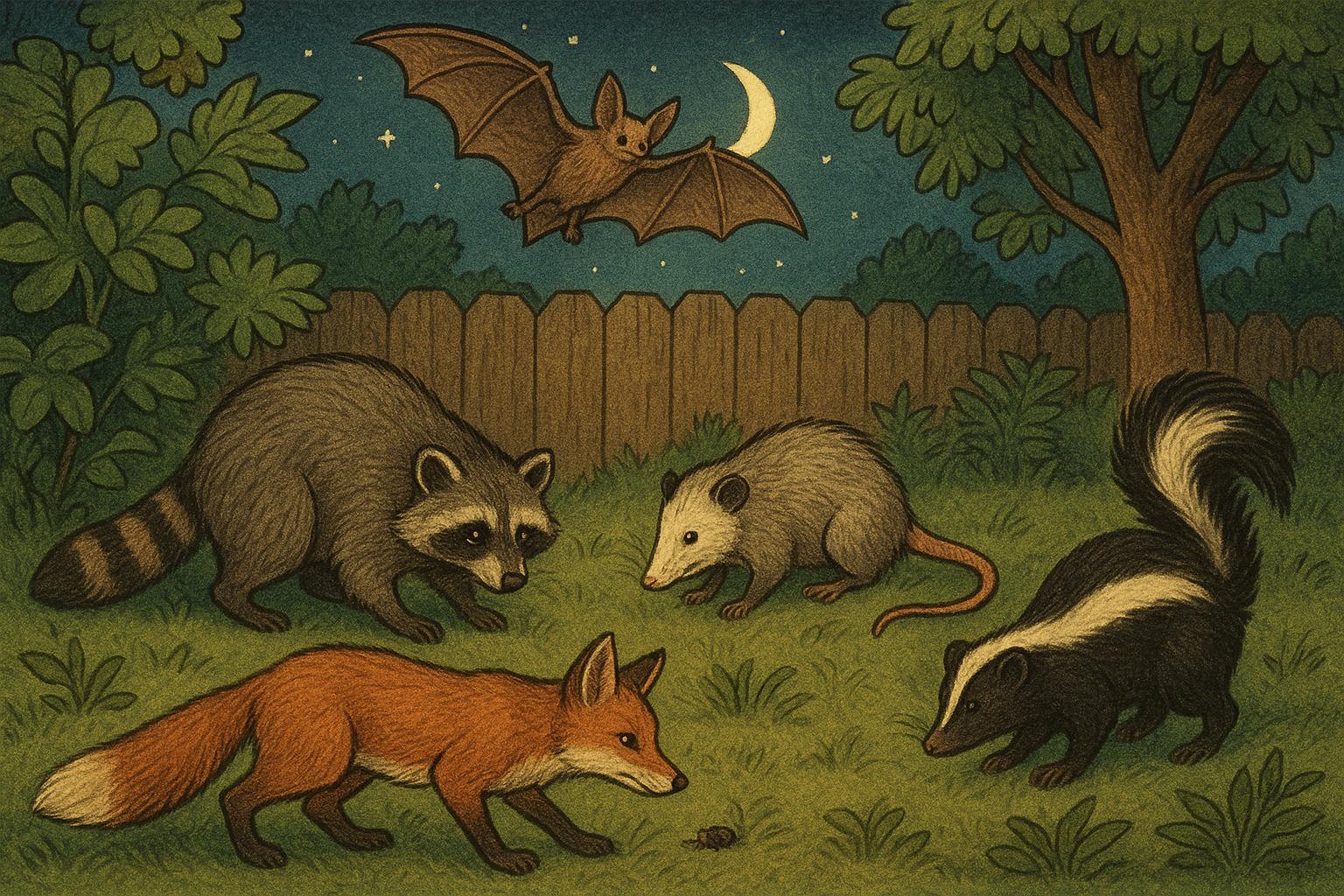
These mammals are dexterous. They’ll open netting, push through flimsy fences and dig into compost for unearthed bulbs. Raccoons can shred tomatoes, pull up melons and rummage through supports. Look for paw prints, dragged fruit and nocturnal activity.
### Squirrels: The Quick Thieves
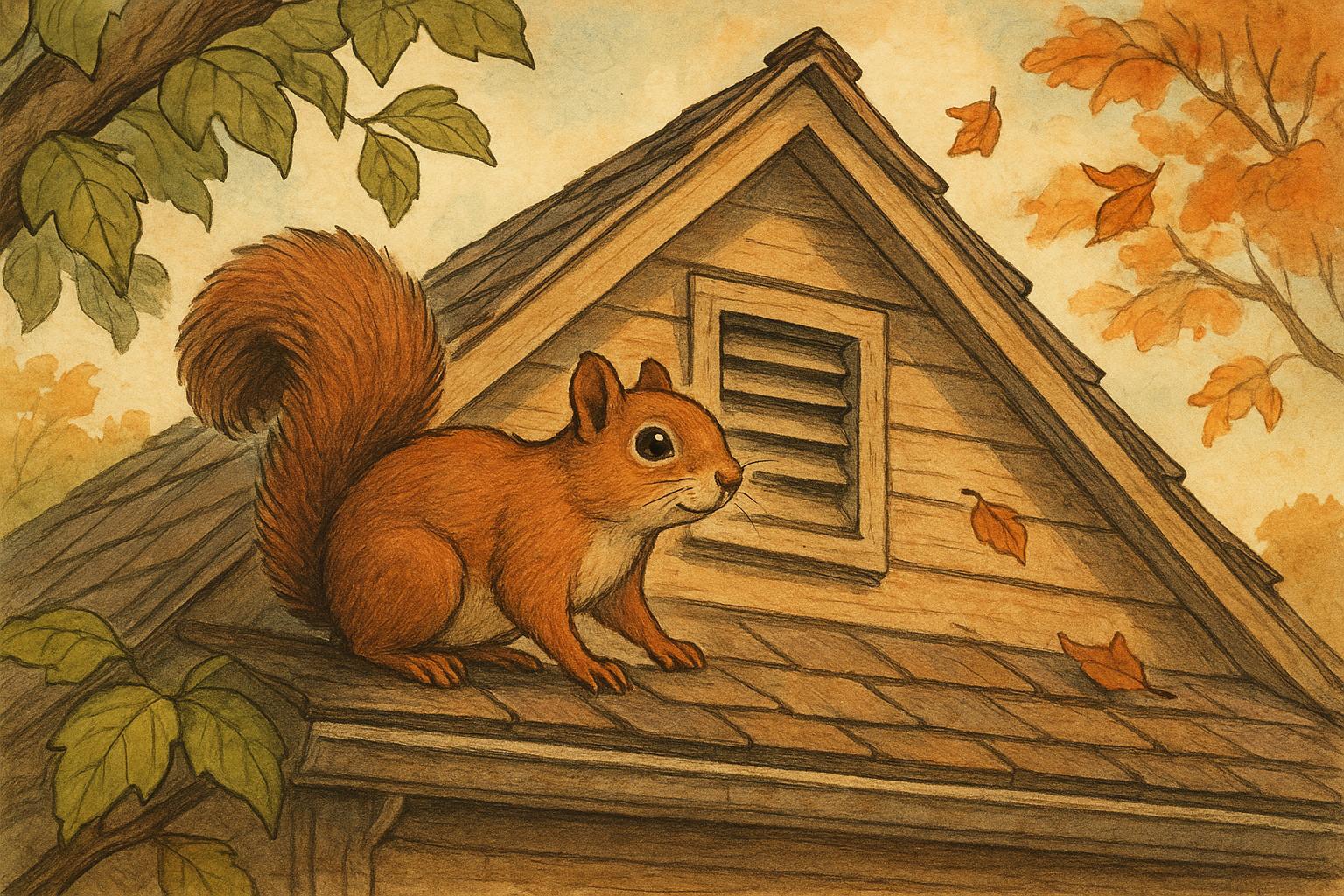
Squirrels nibble at corn, apple and tomato. They often take small bites and leave a mess—partly eaten fruit behind. They’ll climb trellises and make short work of soft-skinned fruit. Unlike raccoons, squirrels are daytime thieves and relentless opportunists.
## Wildlife Damage To Vegetables: How And Why It Happens
Wildlife damage to vegetables is rarely random. Animals have reasons: easy calories, safety, and habit. The moment you understand the “why,” the choices you make about prevention make sense.
### Food Quality And Plant Stage
Animals tend to target vegetables at their most rewarding stage. Tender seedlings, sweet fruits and the highest-calorie parts like corn kernels or squash flesh are magnets. Tomatoes with cracking skin, ripe strawberries, and the outer leaves of cabbages offer quick rewards for little effort. If you notice repeated hits right before harvest, you’re watching animals respond to peak palatability.
### Garden Layout And Access
Is your garden next to a woodlot, hedgerow or rubbish line? Those are travel corridors and cover for animals. A garden tucked against a brushy fence is more likely to attract deer and rabbits that use the brush for shelter. Open, isolated plots get more bird pressure. Small holes in a fence, a gate left ajar, or a low wall let critters in. Even a compost heap with vegetable scraps becomes a nightly invitation.
### Seasonal Forces
Spring and early summer bring hungry juveniles and limited natural forage, so wildlife foraging often increases. Drier summers push animals toward irrigated gardens as a water source. In winter, if snow covers wild food, vegetable beds become a visible buffet. Understanding seasonal timing helps predict when vegetable damage will spike.
### Scent, Visibility And Habit
Animals follow smells. Fruit and crushed leaves are olfactory beacons. Mulches that hold odor, such as straw that’s been used around garlic, can both hide and reveal food depending on moisture. Once animals learn a reliable food spot, they return. That’s why a few nights of wildlife foraging can turn into ongoing predation.
## Signs To Identify Different Types Of Vegetable Damage
You don’t need a wildlife camera to diagnose most problems. Look closely at bite patterns, heights and surrounding clues.
### Bite Patterns And Heights
Clean-uniform cuts near the top: think deer. Low, ragged chews around seedlings: rabbits. Fruits with small peck marks and missing interiors: birds. Partly eaten fruit with scattered remains and scrapings: raccoons or squirrels. Uprooted or dragged plants often point to groundhogs; severed stems at soil level suggest voles.
### Tracks, Droppings And Burrows
Tracks in mud or snow give quick ID. Pellet droppings, size and shape help too. Groundhog burrows are larger and often near garden edges. Vole tunnels run under mulch and leave sleek pathways. Raccoon prints show five fingers; rabbit prints are distinctive too. Check the perimeter; often the animal left its calling card not in the bed, but just outside it.
### Time Of Day
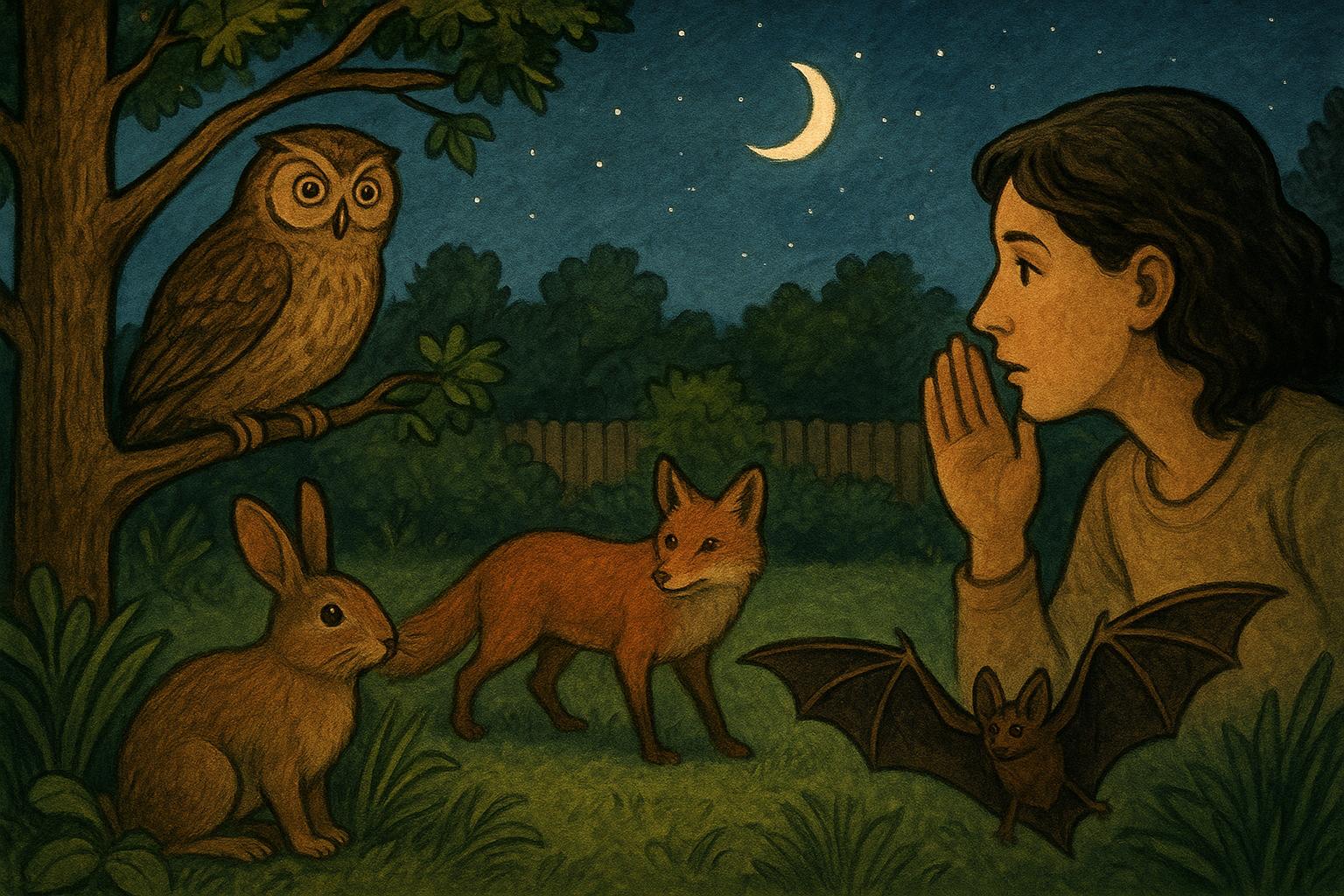
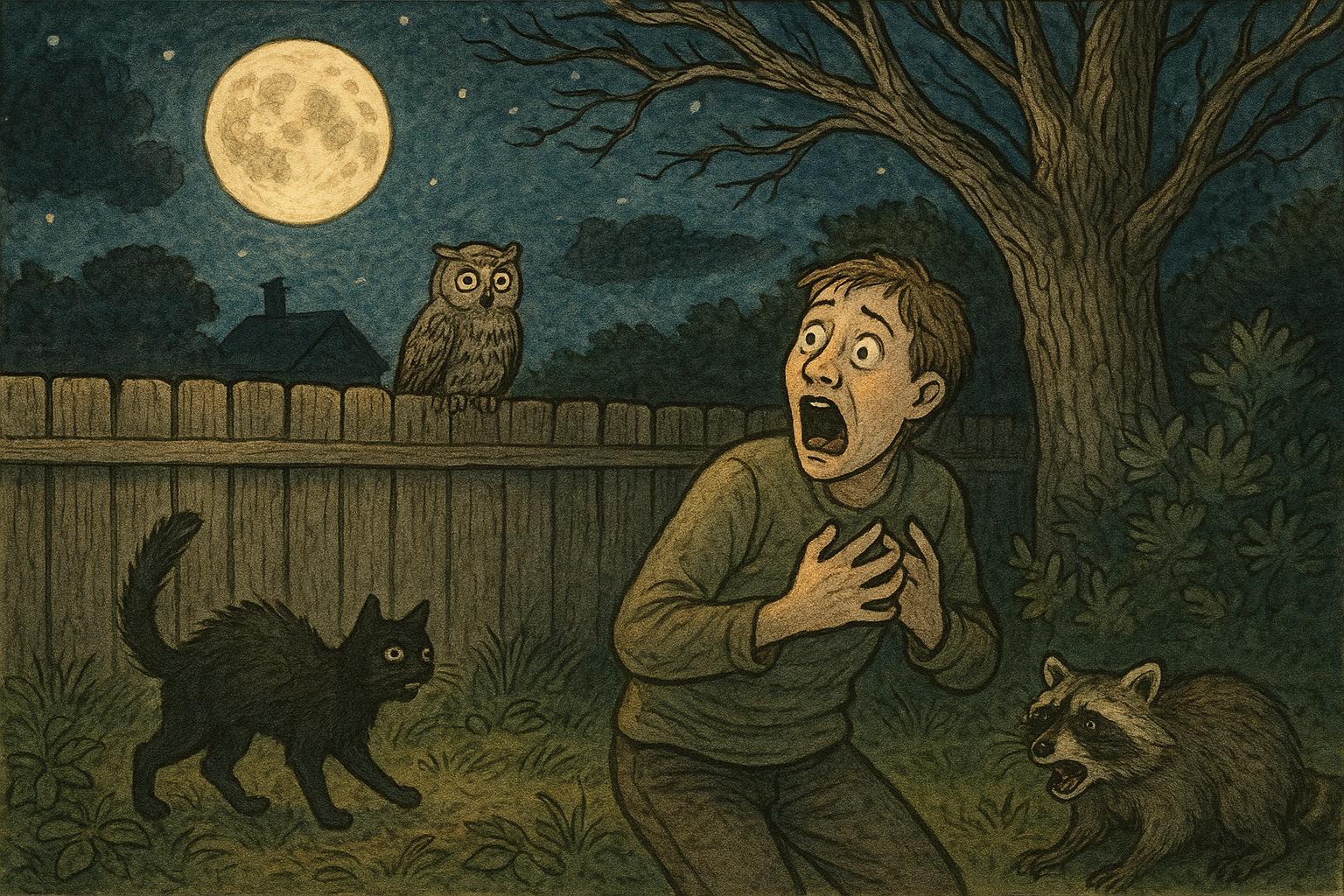
Match the damage to activity time. Daytime hits point to birds, squirrels and rabbits. Nighttime chaos is likely raccoons, deer or opossums. Use this to choose tactics—lighting helps against nocturnal thieves but won’t stop a daytime robin.
## Predictors And Risk Factors In Your Garden
Some garden setups invite more wildlife foraging than others. Fixing the setup is often cheaper and more effective than repeated deterrent application.
### Edges, Cover And Escape Routes
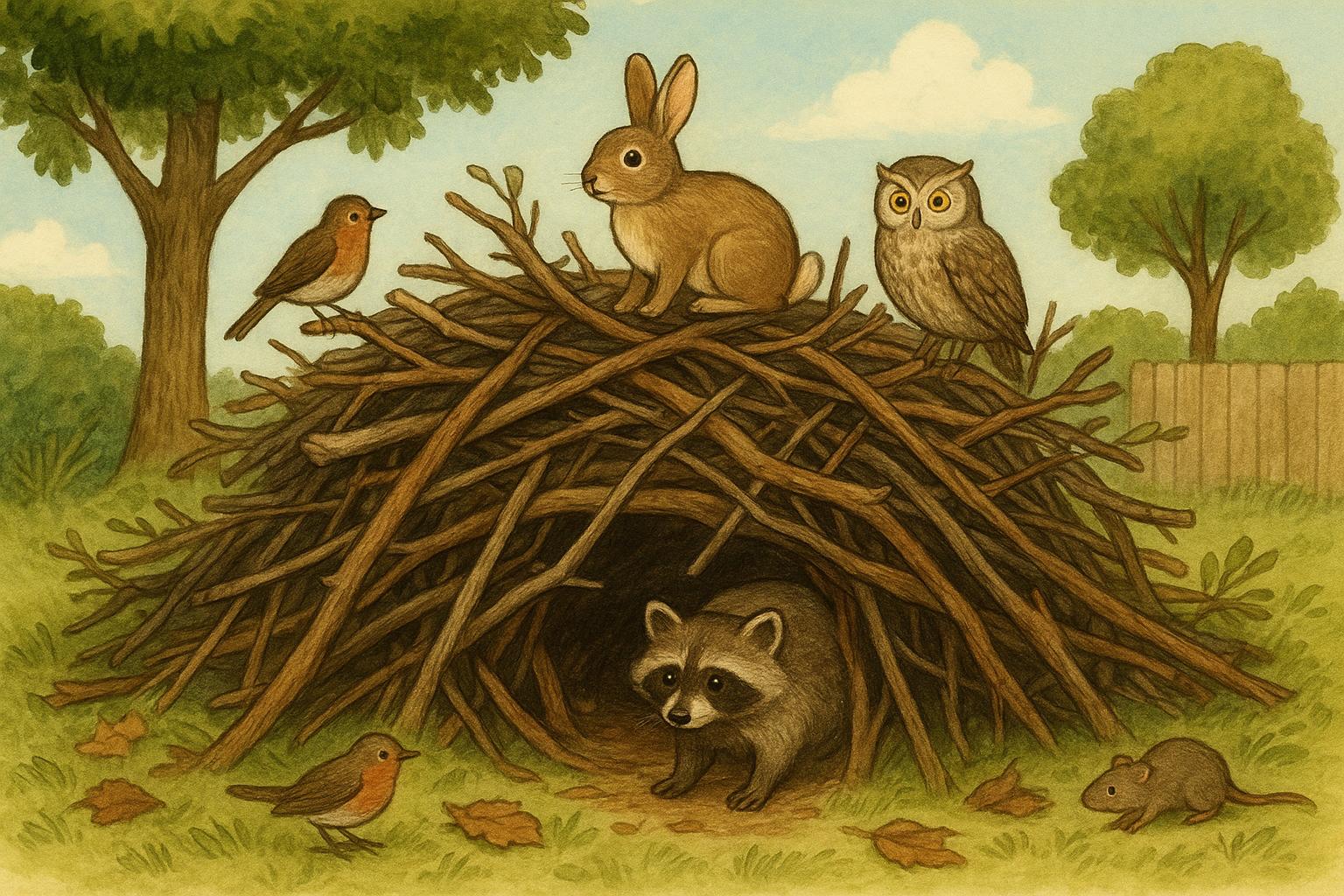
A hedged edge, overgrown strip, or brush pile acts as both food source and cover. Animals will shelter there and dart out to feed. Clean that edge up, leave a narrow, open strip around the garden, or place a low fence that removes easy cover. It’s about changing the risk landscape for wildlife.
### Crop Selection And Planting Patterns
Rows of the same crop are a billboard. Mixed plantings confuse animals and lower concentrated reward. Planting garlic, chives or strong-scented herbs alongside vegetables can mask scent; intersperse sacrificial plants like nasturtiums for pests. Rotating high-value crops to less vulnerable parts of the garden helps too.
### Water And Compost Management
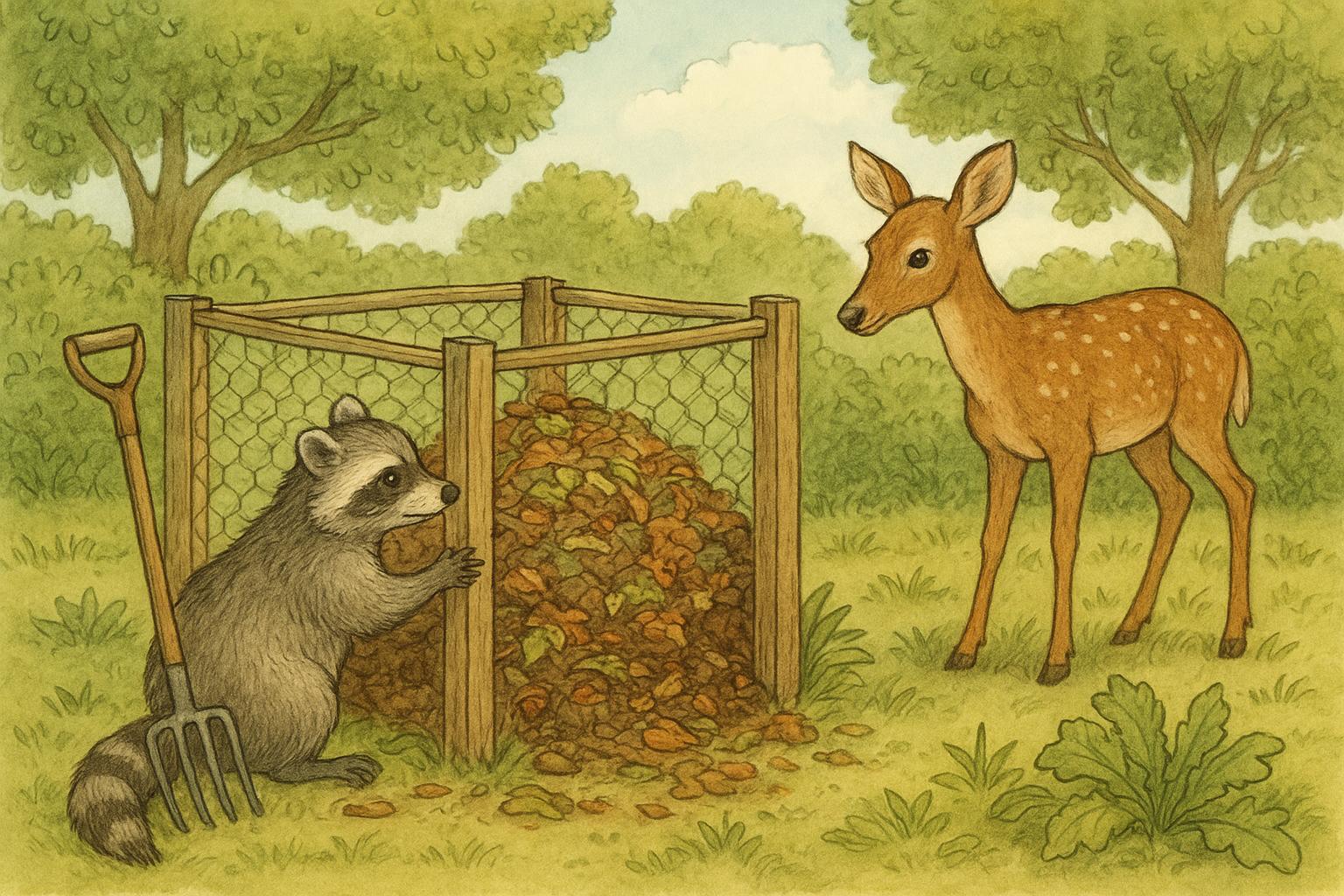
A consistent water source draws animals. Dripping hoses, leaking covers, and open water bowls are attractants. Compost that includes fresh kitchen scraps, especially fruit and bread, invites nightly visitors. Keep compost sealed or cooled in a Bokashi system to reduce attraction.
### Crop Visibility And Accessibility
Raised beds are easier to fence and manage. Low beds against open sloped lawns are easier for deer to access. High trellises can protect tomatoes and beans from ground-level nibblers but not from squirrels or raccoons that climb.
## Practical Steps To Reduce Wildlife Damage To Vegetables
Here’s what actually makes a difference in the garden. Pick the combination that fits your animals, budget and tolerance.
### Fencing: The Most Reliable Option
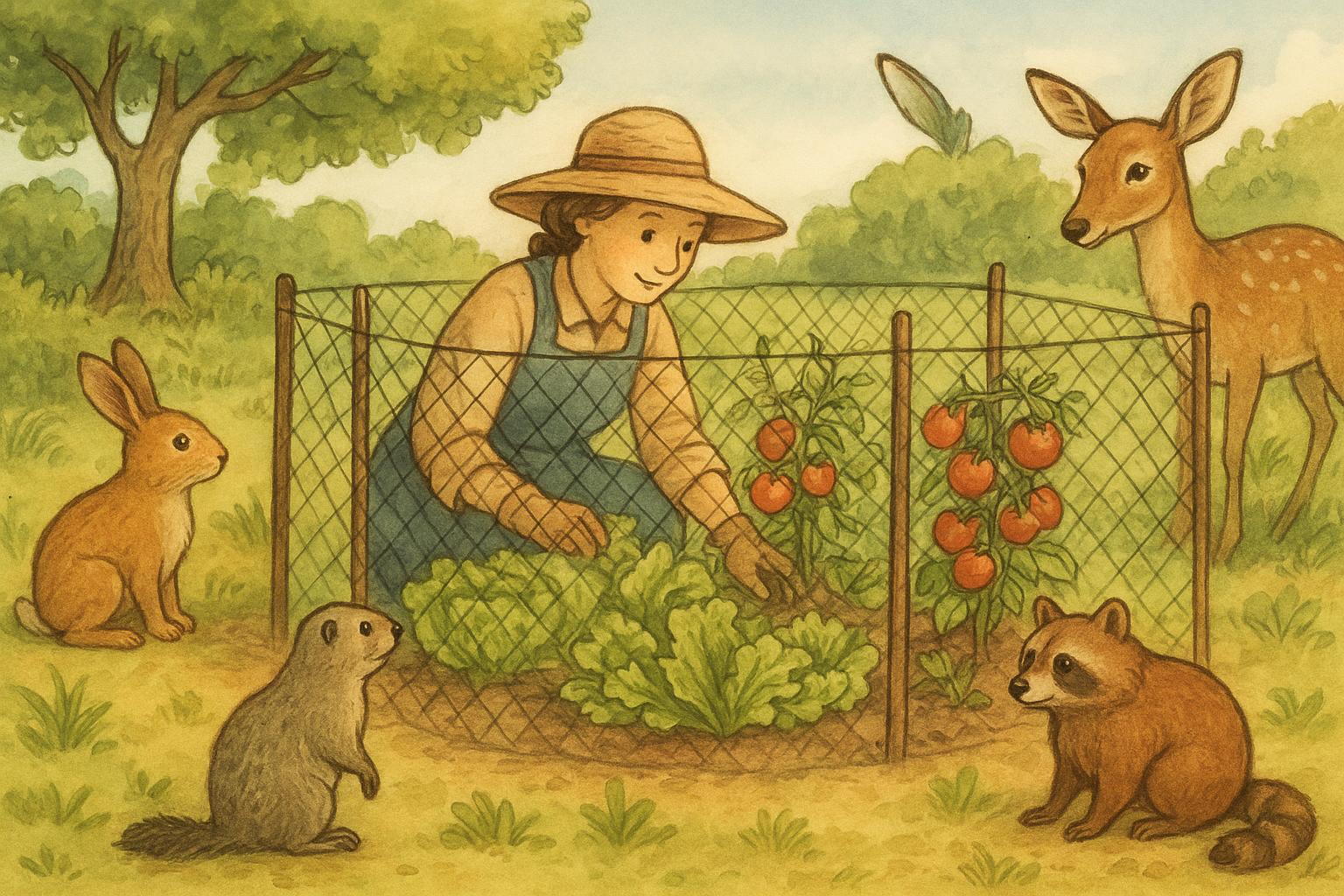
A good fence is the difference between repeated losses and a quiet bed. For rabbits, a 2-foot poultry mesh with the bottom buried an inch or two keeps them out. For deer, aim for 7 to 8 feet or use double fencing—two shorter fences spaced apart so deer won’t jump. Make seams tight. A single gap unravels the whole system. For groundhogs, dig or bury mesh to block burrowing.
### Netting And Covers For Specific Crops
Bird netting over berries and row covers for early seedlings stop a lot of wildlife damage to vegetables without altering the whole garden. Use sturdy supports so netting doesn’t crush plants. Take netting off when pollination is needed; timed protection can prevent most losses.
### Smell And Taste Deterrents
Commercial repellents work short-term but depend on reapplication after rain. Homemade options—cayenne spray, garlic, or predator urine—can help but animals adapt. Rotating deterrents keeps them guessing longer. Be careful with anything that might harm beneficial insects or neighboring pets.
### Motion And Light Deterrents
Motion-activated lights or sprinklers startle nocturnal visitors. They’re inexpensive and effective for raccoons, opossums and deer early on. However, animals eventually habituate if the stimulus becomes predictable. Use in combination with other methods.
### Habitat Modification
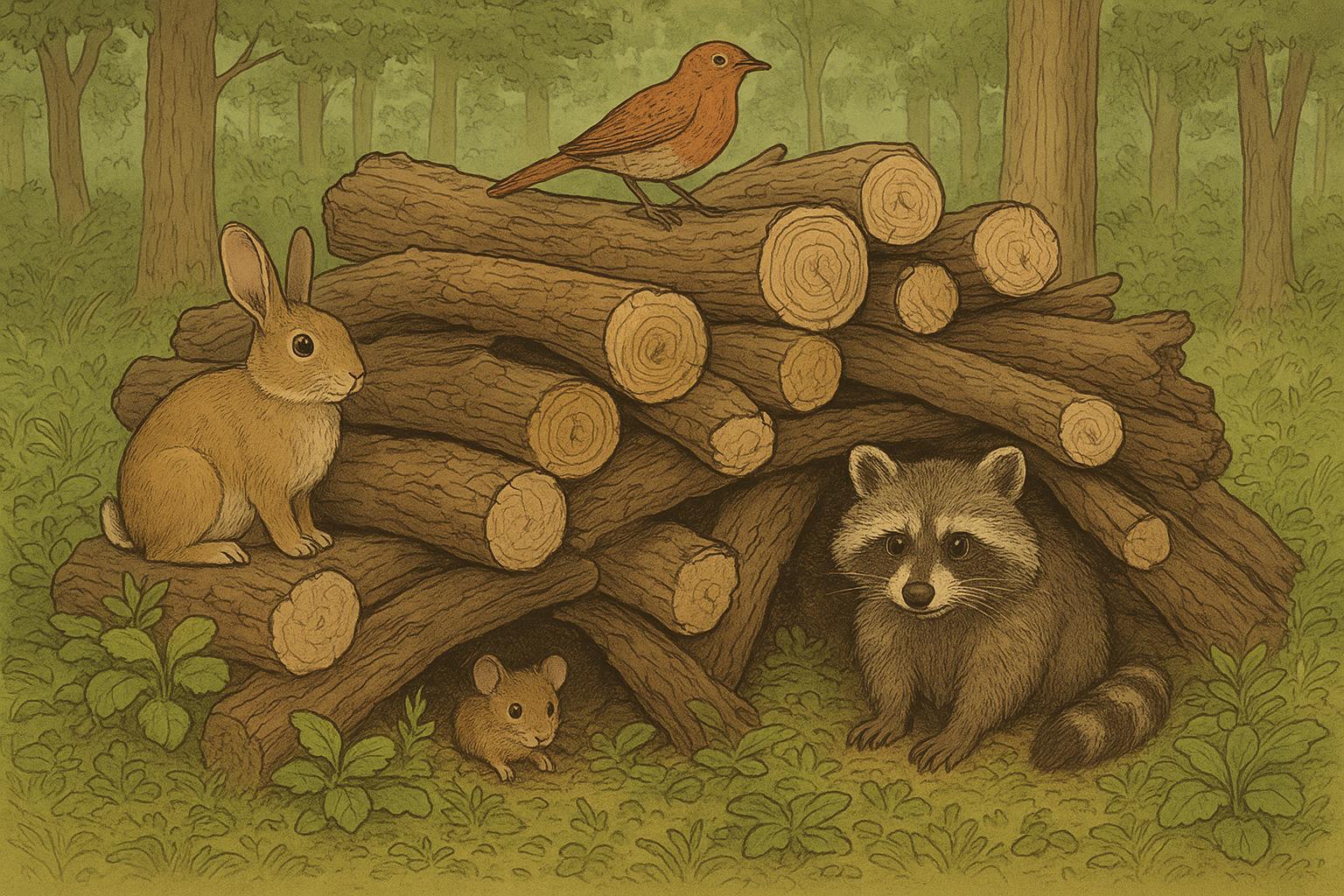
Pull back brush, clean temporary woodpiles, and manage hedgerows so predators and prey don’t nest near crops. Replace high-cover native plantings with low-growth options around the garden edge. Remove piles of debris where rabbits and rodents hide. This reduces the neighborhood appeal.
### Timing, Harvesting And Plant Choices
Harvest earlier when possible. Pick fruits as soon as they blush if you have a recurrent problem with birds or raccoons. Switch to less vulnerable varieties—some tomato cultivars are thicker-skinned and less attractive to squirrels. Stagger plantings so all your crops don’t ripen at once and create a seasonal smorgasboard.
### Live Trapping And Professional Help
For persistent, habituated animals like groundhogs or raccoons, live trapping and relocation may be necessary. Check local laws—relocation is restricted in many areas and may stress the animal or shift the problem elsewhere. Hire a pro when you’re unsure. It’s faster and often cheaper than repeated DIY failures.
### Encouraging Predators And Natural Controls
Owls, hawks and foxes can reduce populations of rodents that cause vegetable damage. Installing owl boxes or leaving small patches of natural habitat beyond your garden can help predatory birds and mammals thrive. It’s not a quick fix, but over seasons you’ll see fewer voles and more balance.
### Small-Scale Trials And Monitoring
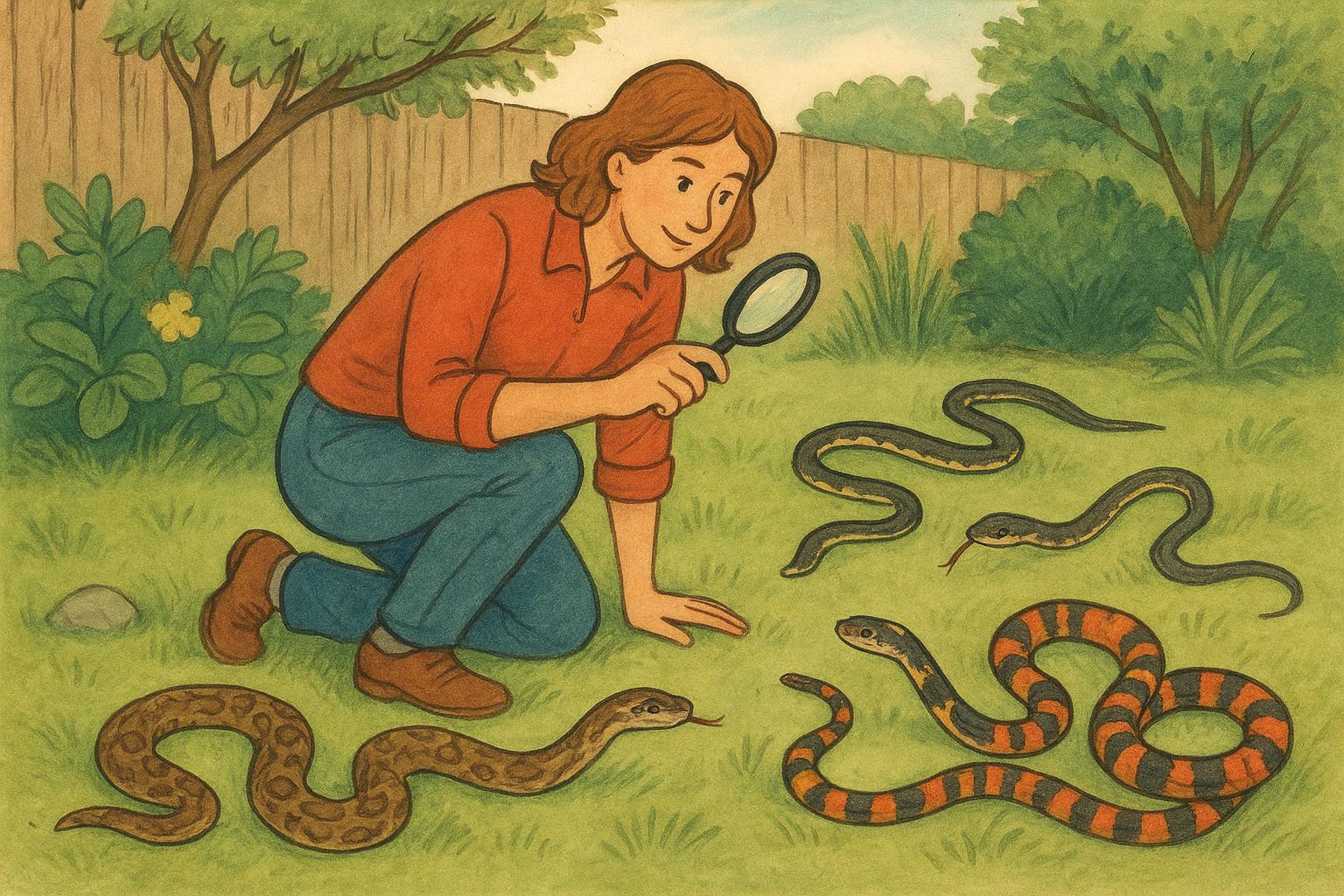
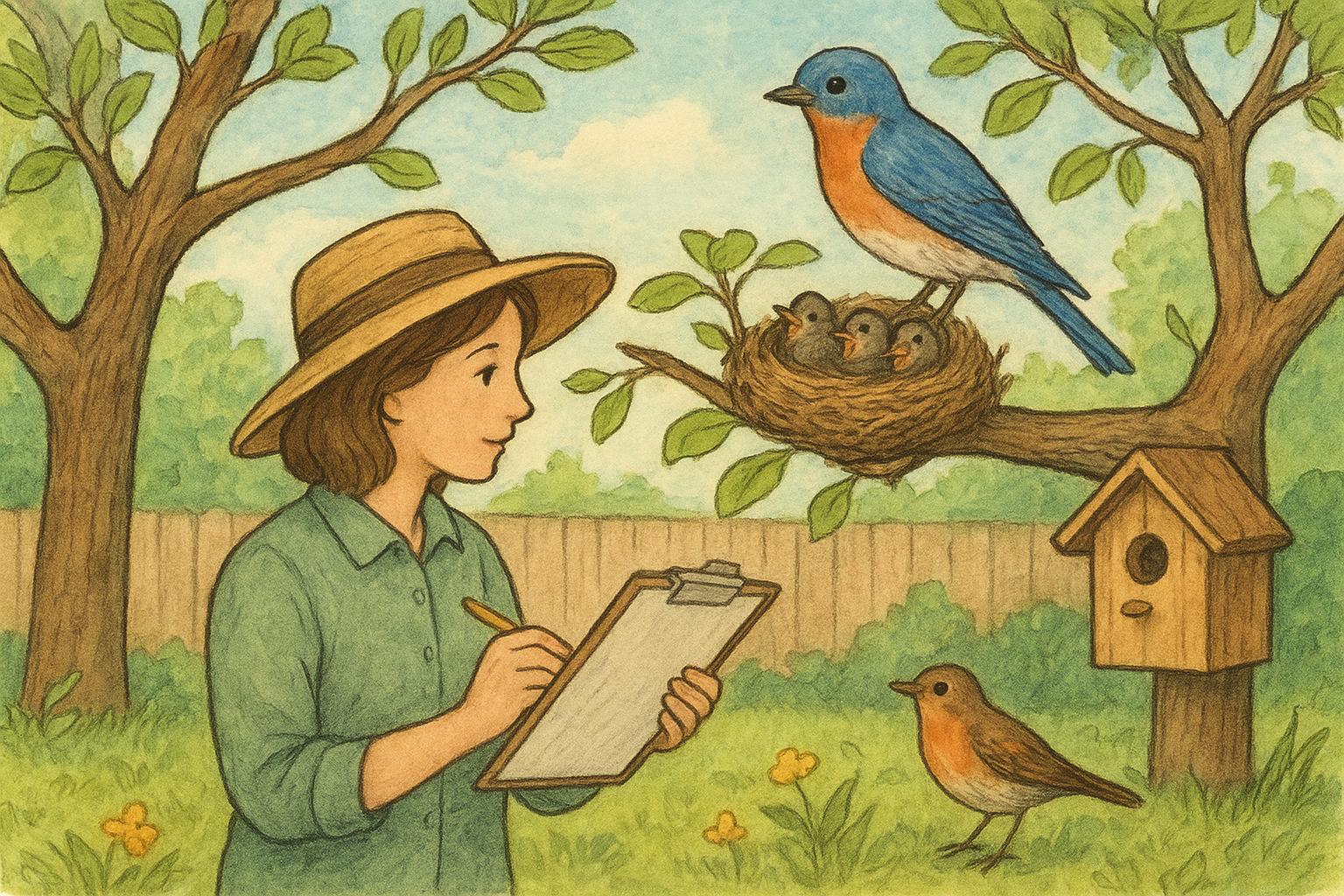
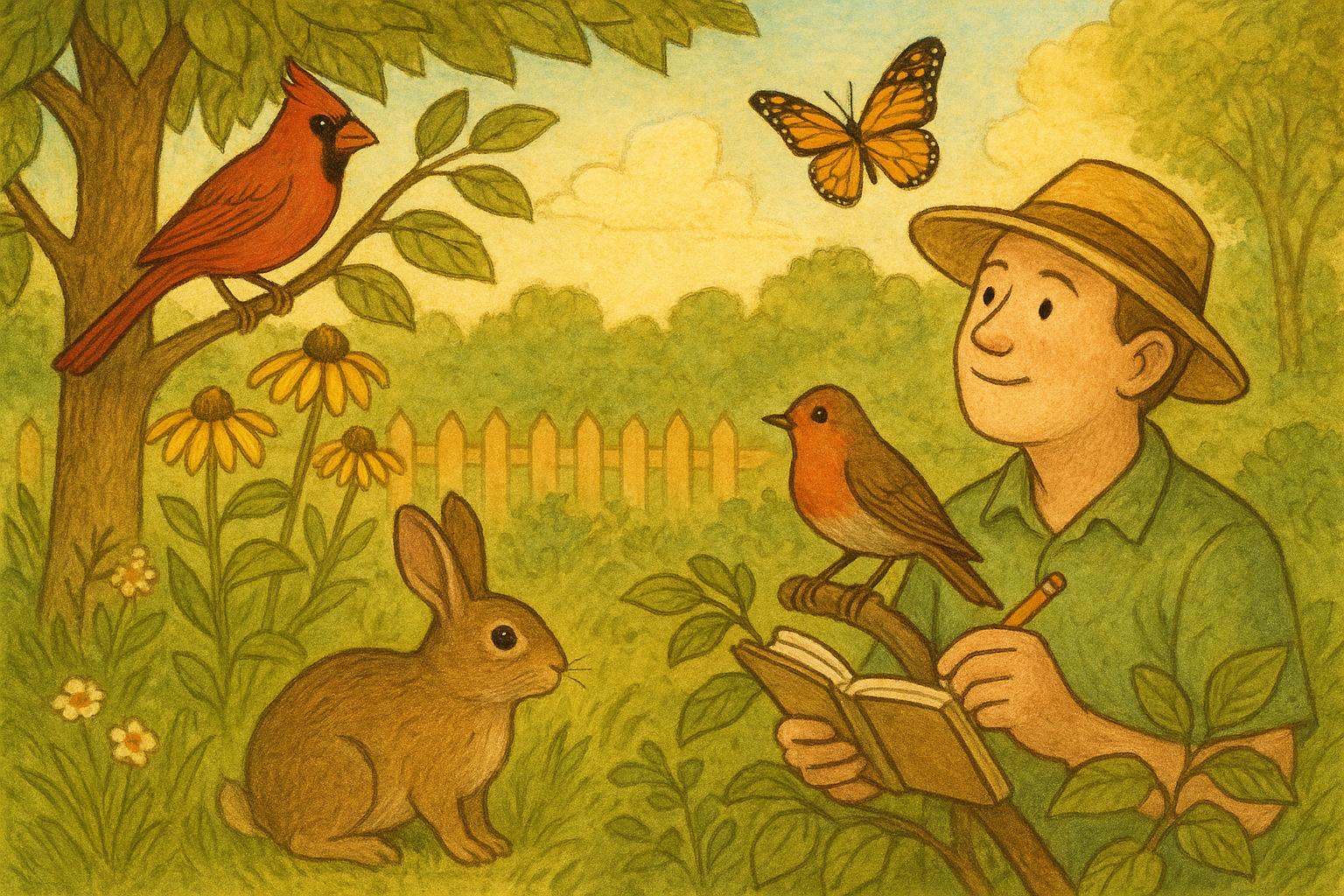
Try one change at a time and watch the difference for a week or two. Install a motion-activated camera in problem areas. You’ll be surprised how often the culprit is something you didn’t expect. Camera evidence saves you money and lets you tailor tactics—no need to build a deer fence for a squirrel problem.
## When Wildlife Foraging Is A Sign Of Bigger Problems
Wildlife foraging in your vegetable beds can mean more than hungry animals. If you see a sharp uptick in visits, check the landscape.
### Habitat Loss And Seasonal Scarcity
Construction, clear-cutting or drought can push animals into suburban yards. If a neighboring field gets plowed or a woodlot is thinned, expect temporary increases in vegetable damage as animals re-route their territory.
### Disease, Population Booms And Human Feeding
Sometimes overpopulation or disease-free winters swell certain species’ numbers, leading to more bold foraging behavior. People feeding wildlife, intentionally or not, teaches animals that human areas are safe and food-rich. Remove intentional feeding and secure garbage to reduce habituation.
### Soil Health And Crop Vulnerability
Poor soil produces weaker plants that are more susceptible to damage and less able to recover. Healthy, vigorous plants tolerate nibbling better and often outgrow initial damage. Good compost, right fertilization and proper watering make your garden a tougher target.
## Identifying The Threshold For Action
Not every nibble is worth a fortress. Decide what level of loss is acceptable and what’s not. A few missing leaves on kale might be fine. Repeated wholesale loss of fruit or entire rows of seedlings isn’t. Match your response to the scale of the problem: temporary deterrents for short-term pressure; structural fixes for chronic wildlife damage to vegetables.
A small change—netting a berry patch, installing 2-foot mesh around new transplants, picking fruit earlier—can pay off immediately. On the other hand, major fences and long-term habitat changes are for persistent, costly problems. Start with observations, then escalate deliberately. Remember: the animal is doing what it’s wired to do. Your task is to make the garden less worth the trip, not to wage war. Accept a little compromise, and focus on the most valuable, at-risk crops first—save the tomatoes that keep your family fed, and let a lower-value bed be sacrificial if you must. This approach keeps your workload reasonable and the garden productive, even when wildlife foraging is part of the landscape.
(definately try a camera if you can; the truth often surprises.)

Leave a Reply