
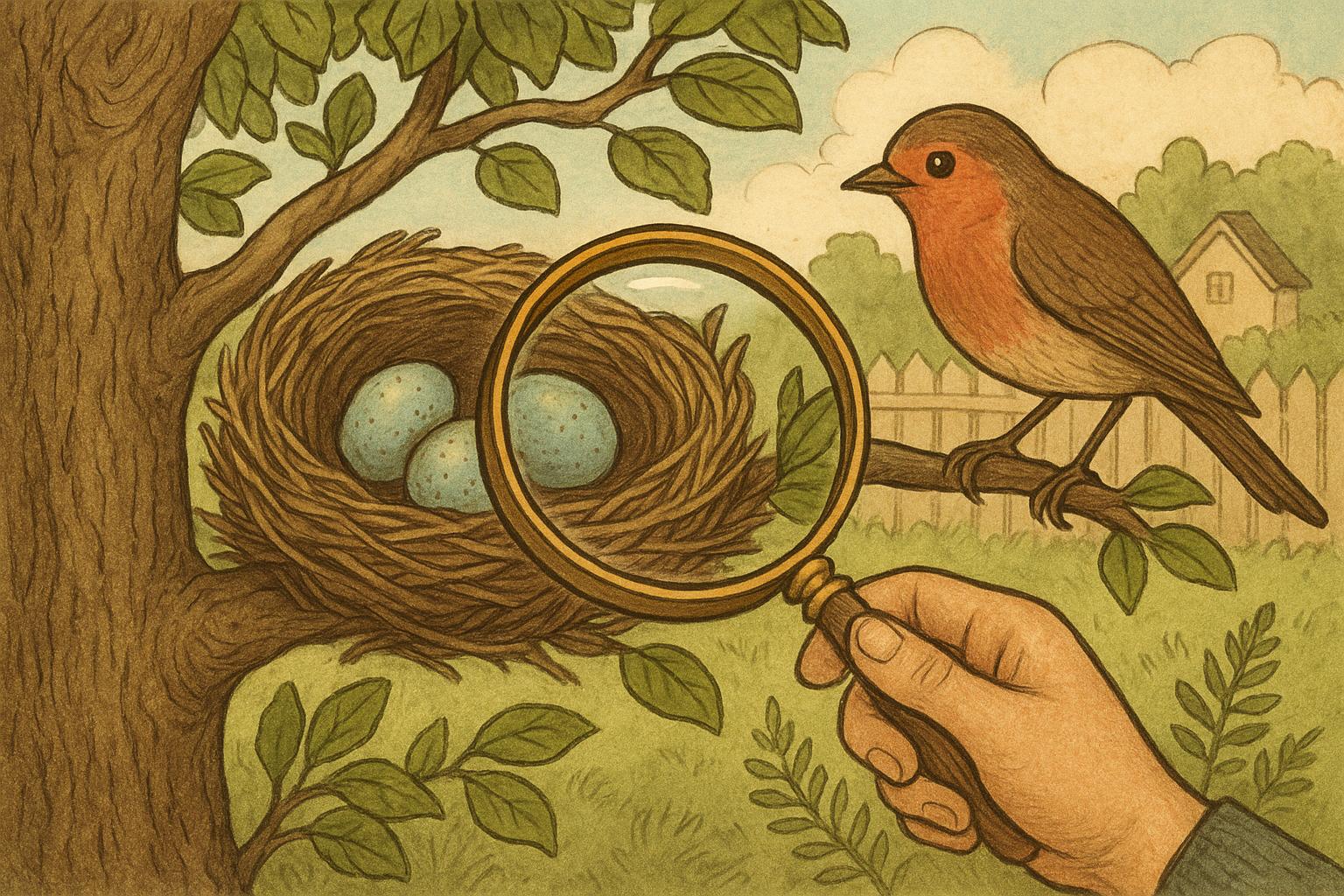
You spot a cluster of twigs and hair tucked in the fork of a maple and your first thought is practical: is that a nuisance or a living room for something you want to protect? Pay attention to small details. The way a rim is raised, the choice of lining, and where it sits give away more than the species — they tell you how the bird lives, what it values, and how it handles threats.
## Bird Nest Features In Plain Sight
Study a nest for a few minutes and you can guess behavior. A deep cup often holds small songbirds that feed nestlings from the rim. A shallow platform suggests quick access for fledglings that leave early. The list of obvious bird nest features is short: placement, size, shape, materials, and entrance design. But each of those hides subtleties.
Placement matters first. Nests in dense shrubs are shielded from wind and predators. Nests on exposed branches show confidence, or desperation when territory is scarce. Roof eaves and porch lights attract cavity-using species and the occasional opportunist. Watch where droppings accumulate on nearby leaves or on the ground; those stains often point to a nest even when it’s well camouflaged.
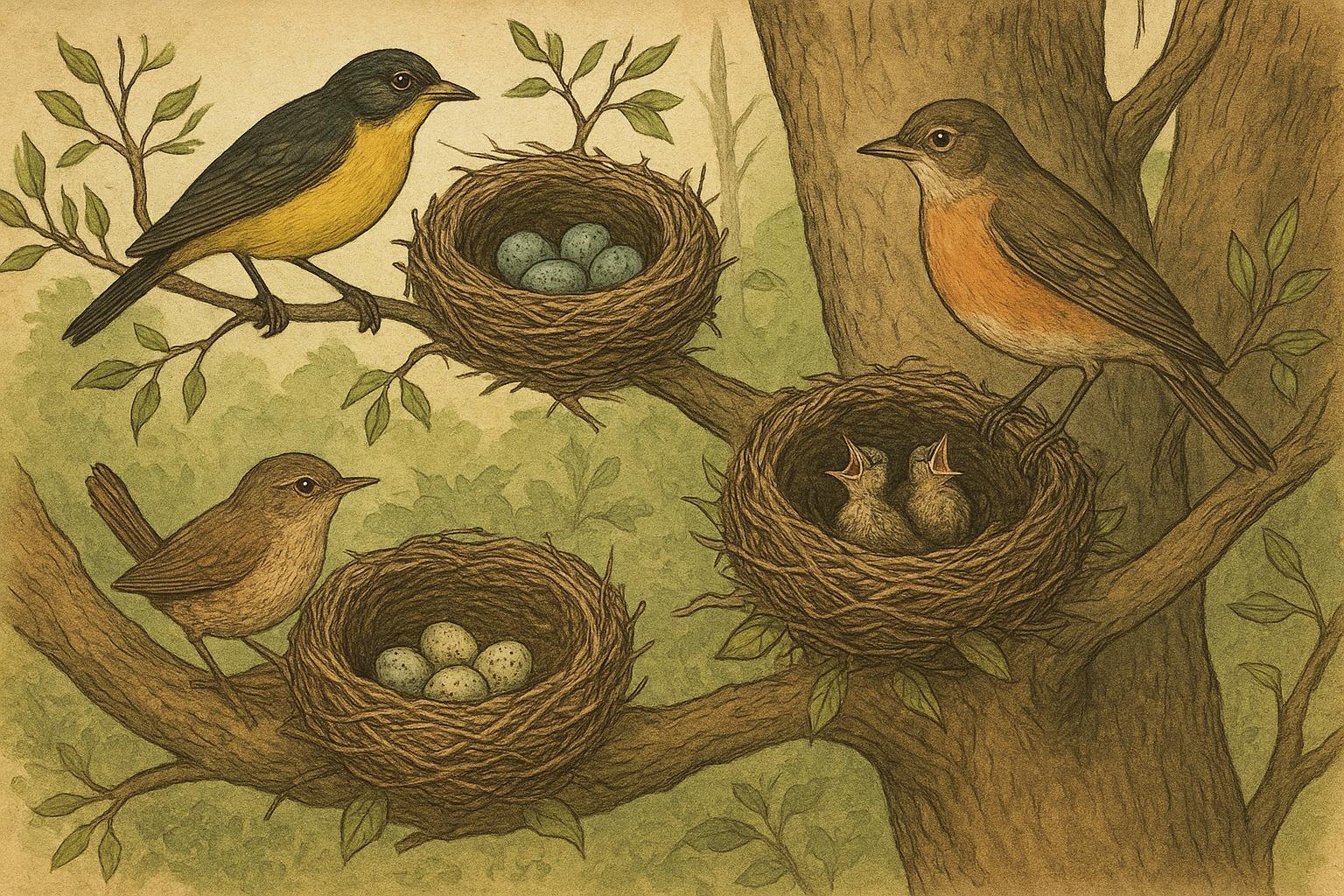
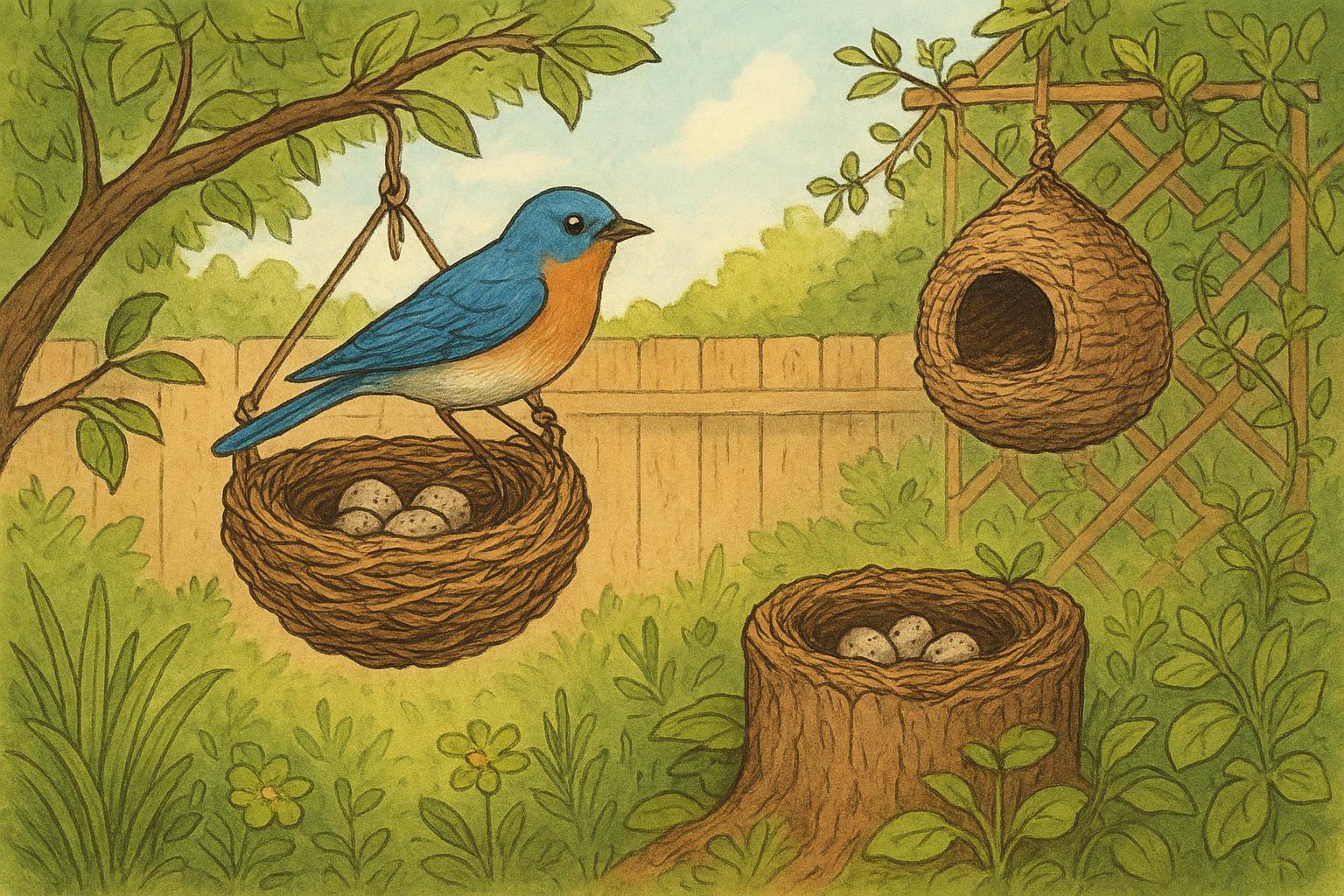
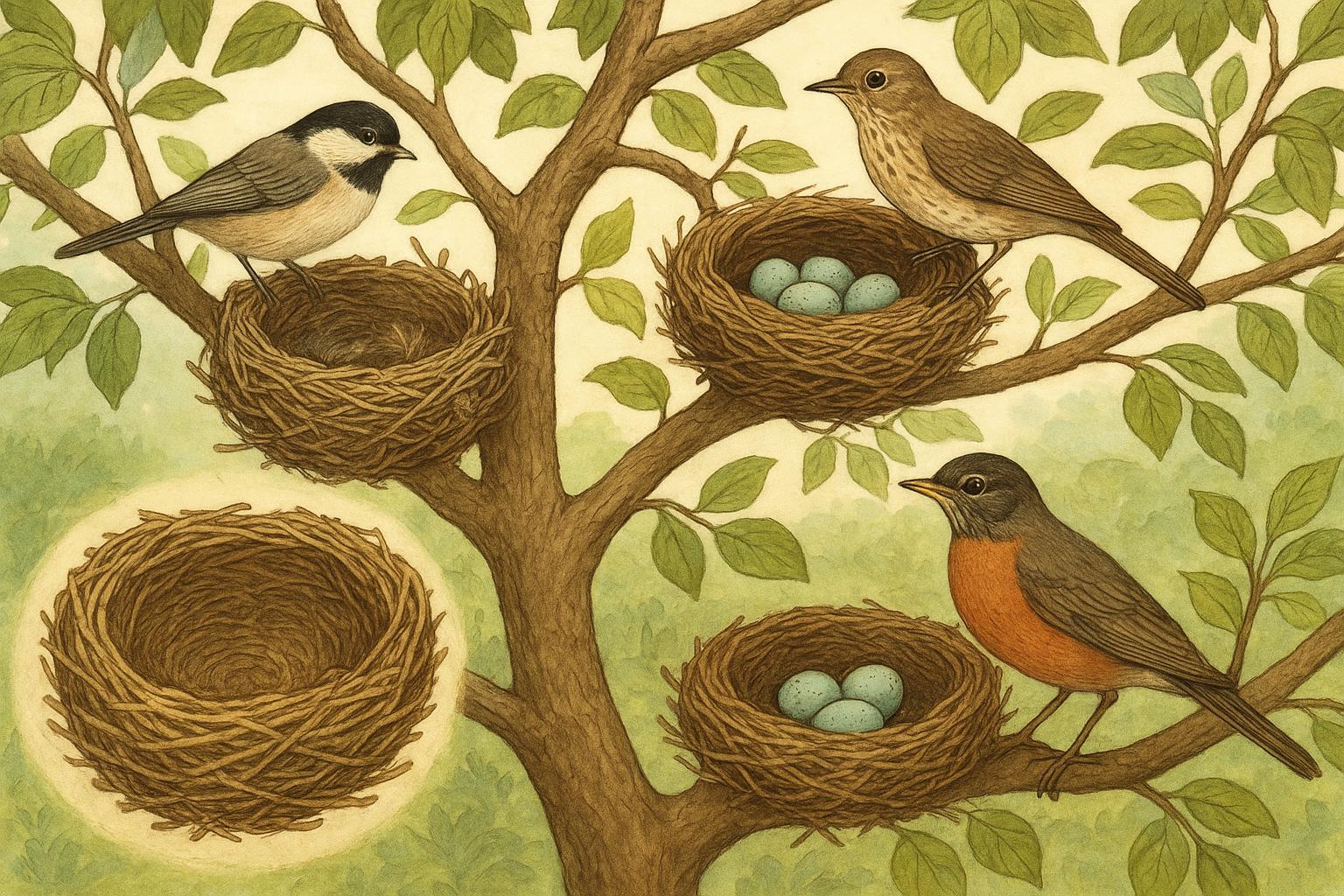
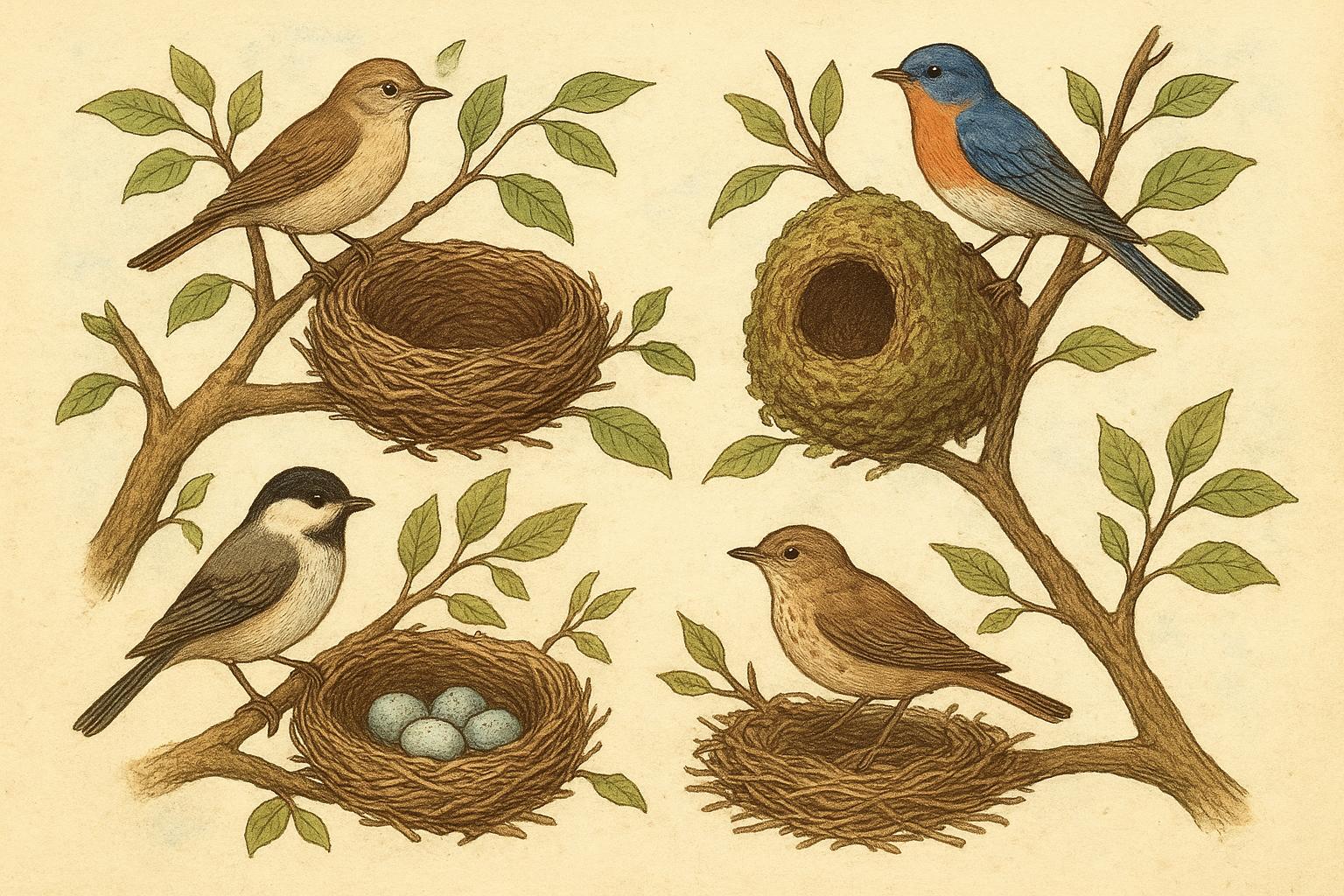
Size and shape tell you about the family inside. Tiny cup nests, about the volume of a teacup, usually belong to warblers, chickadees, or finches. Bulky domes or pendulous sacks sway in the wind; orioles and some wrens build these to reduce exposure to rain and predators. A platform built around a fork might weigh several pounds and supports larger birds like crows or hawks. Read the silhouette: narrow, deep cups with inward-curving rims say “shield the eggs.” Shallow bowls say “hands-off chicks” — parents expect to shepherd fledglings quickly.
Materials are the quiet language of a nest. Grasses and leaves provide structure. Animal hair and soft feathers are lining — an insulation choice for colder climates or early-season broods. Mud acts as mortar for swallows and robins, which need a solid cup that resists wind. Spider silk shows an advanced technique: tiny scraps glued together, elastic and strong. If you see plastic or string woven in, don’t assume a species change; birds are resourceful and will incorporate manmade items when natural fibers are scarce.
### Why Rim, Lining, And Entrance Matter
Rims stop eggs from spilling out when parents land. A thick rim also hides eggs from curious eyes. The lining regulates temperature. A nest with dense, oily feather lining retains heat better than loose grass. The entrance size and position reveal predator strategy. Side entrances help conceal active nests from above. Open cups keep watch higher up and depend on movement to distract predators.
Look at the lining closely. Does it appear plush and almost sewn in? That indicates multiple returns by the parents during construction, often a sign of a species that will stay and raise several broods. A sparse interior suggests a hurry or opportunistic breeder. The presence of a mud base or a woven foundation shows intention — these are long-term nests, meant to last or be reused.
## How Location Speaks To Risk And Reward
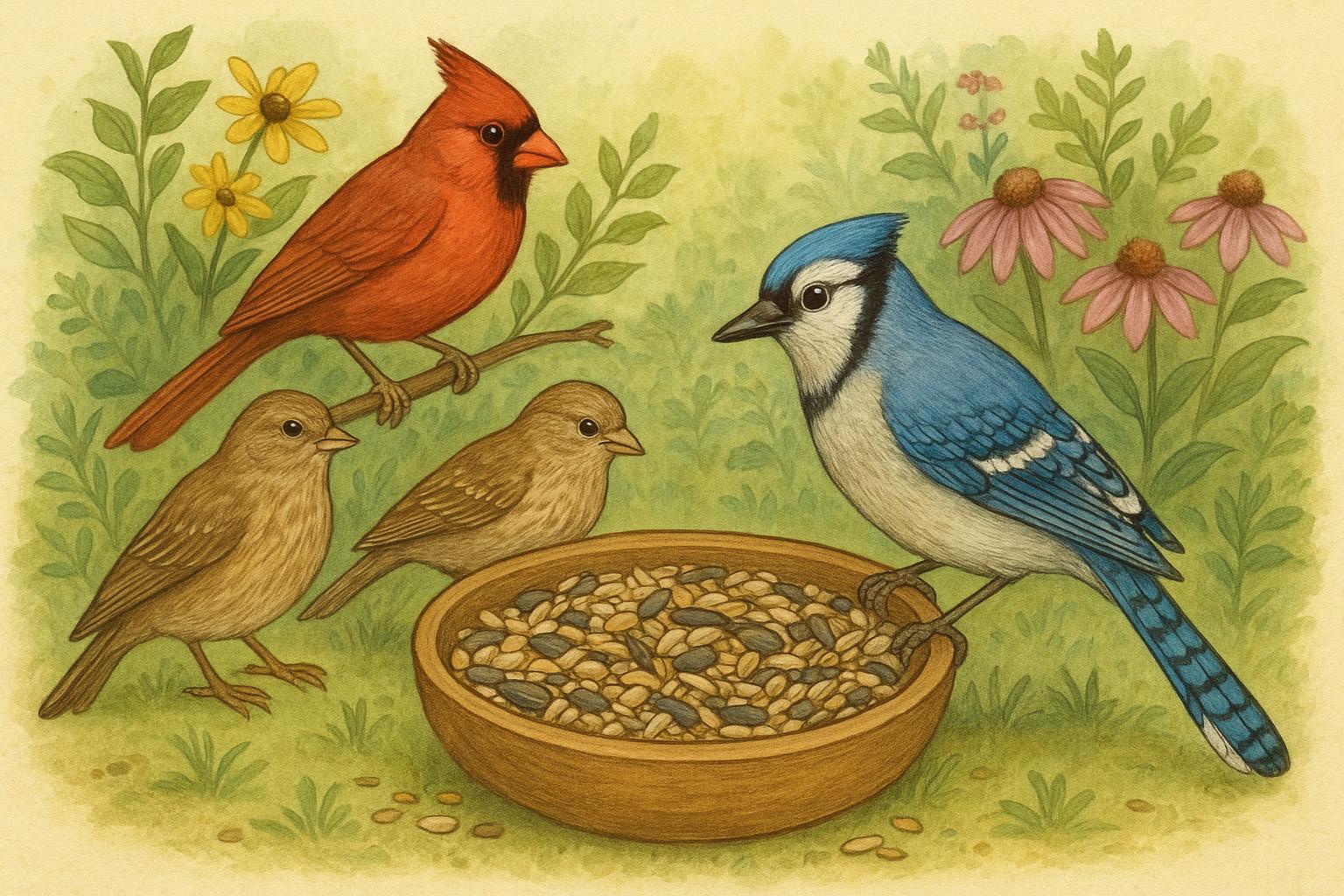
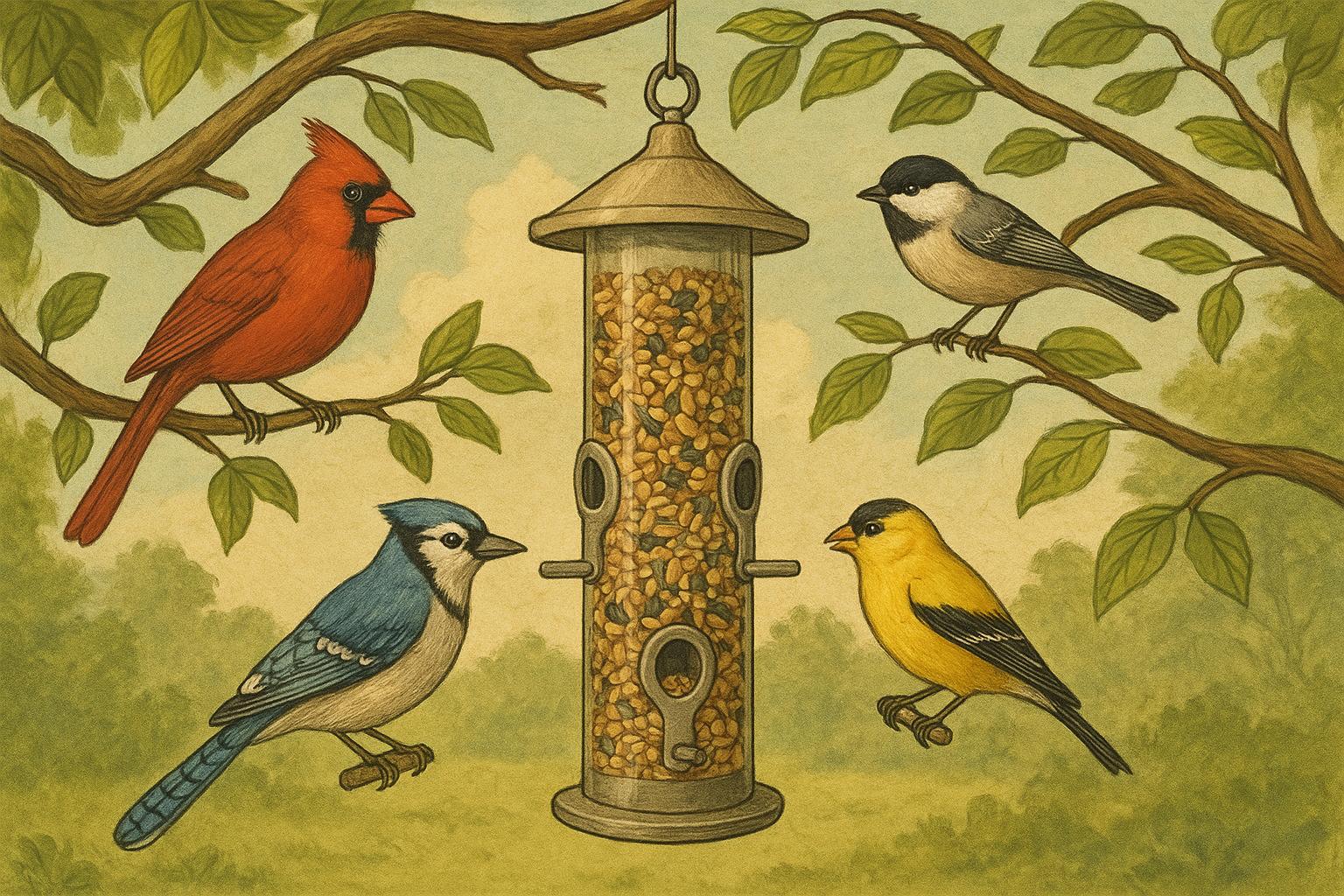
Nests are negotiations between safety and access to food. A nest tucked under a large leaf reduces sun exposure for chicks. High nests reduce mammalian threats but increase visibility to aerial predators. Nest features you find in urban backyards often reflect this trade-off plainly: nesting near bird feeders gives quick food but also places nests close to human activity and domestic pets.
Proximity to water is another clue. If a nest sits over a pond or near a drip line, expect insects as the food source for chicks. Shorebirds and water-edge species often use stiffer materials to resist moisture. Nests near lawns where earthworms are plentiful might be shallow and well-hidden in grass tussocks — the parents need quick trips back and forth.
### Signs Of Reuse And Renovation
Some species renovate old nests. Look for fresh materials woven into an older structure or new mud patches. Reused nests show layers: darker, decomposed plant fibers beneath newer, paler strands. Nest features like a reinforced rim, added lining, or repaired walls are reliable evidence of reuse.
Arenas where nests are reused across years often become micro-ecosystems. You’ll find feather lice, small mites, or even fungal growth if the nest sits damp and shaded. That’s not a sign of neglect; it’s an ecological consequence of choosing longevity.
## Minute Details Experienced Gardeners Notice
If you care for a yard, start cataloguing details: feathers, pellet remains, seed casings, and the texture of materials. Many birds leave telltale signatures. For example, house sparrows favor coarse grasses and paper; goldfinches love thistle down for lining. A collection of long grass stems and spider silk suggests hummingbirds or small wrens.
Feathers in the outside structure often serve a display role as well as insulation. Some species tuck bright feathers at the rim as a decoy or to attract mates. You may see green moss used for camouflage in shaded spots. Moss holds moisture and can cool a nest, which is helpful for species breeding in humid springs.
#### Using Sound To Confirm Species
The sounds around a nest are as diagnostic as physical traits. High-frequency, rapid calls often belong to small canopy birds. Low, rasping sounds near a cavity point to woodpeckers or nuthatches. If you hear constant begging when you approach, you’re likely near a nest with young in it. Keep distance; stress can cause parents to abandon a nest.
## Identifying Nest Features Of Common Backyard Species
Let’s look at some species you’re likely to meet and which nest features they favor.
### Robins And Mud-Based Construction
American robins build cup nests with a mud base and grass lining. That mud acts like concrete. The structure is heavy and usually within a yard’s shrubs or low tree branches. Robins will pick the same area again if it proved safe — you might find several layered mud nests in one tree over years.
### House Wrens And Tiny, Tidy Builders
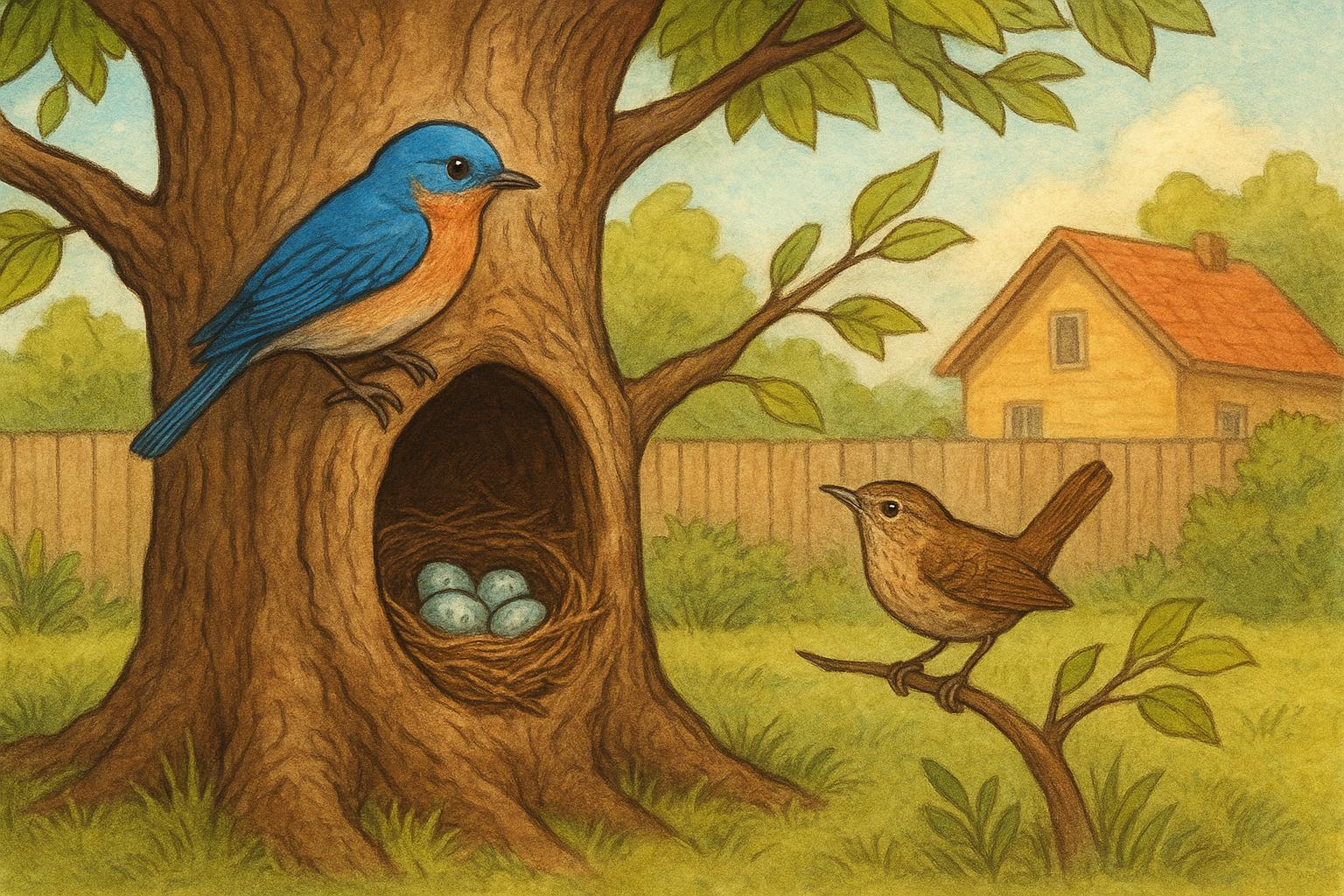
House wrens prefer cavities and build neat little nests with sticks and fine grasses. Their entrance is small, and they often choose spots that hide movement. If you see a cluster of twig nests dangling from gutters or under eaves, wrens are likely candidates. They’re meticulous about the internal lining, using soft plant down.
### Finches And Cup Nests With Soft Linings
Finches make compact cups lined with thistle or cattail down. Their nests are lightweight and usually, you’ll spot soft, white linings when leaves thin out. If you find tiny bits of down in your gutters or on window sills, that’s a hint finches nest nearby.
#### Cavity Nesters: Sizing Up Holes And Entrances
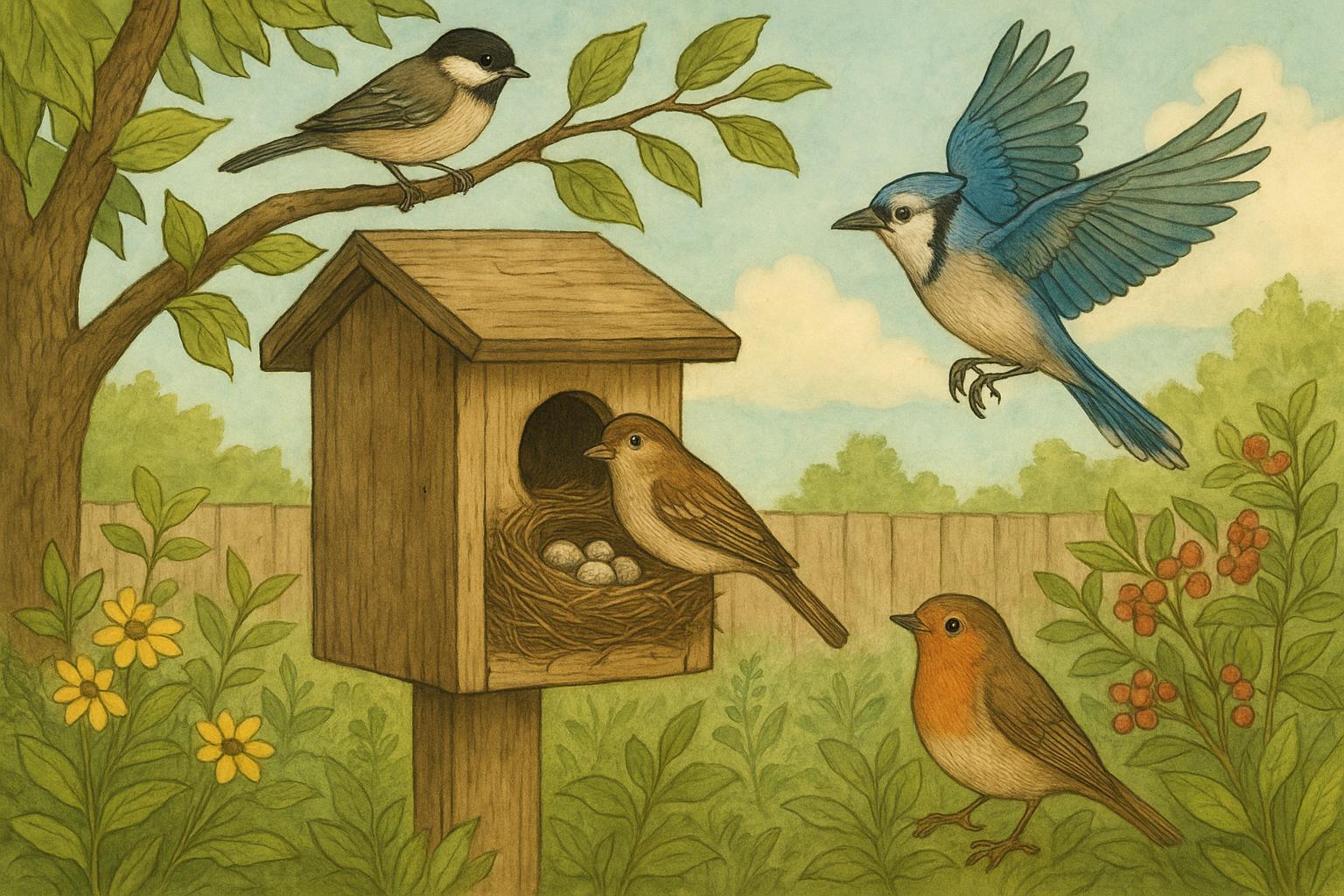
Look at hole size and placement to guess species. Small round holes near the trunk often house chickadees or titmice. Larger rectangular holes could be woodpeckers. If the cavity is in a manmade nest box, entrance diameter and box depth reveal target species — smaller openings suit small songbirds; larger entries invite bluebirds or tree swallows.
## Materials Tell Stories About Behavior And Environment
Birds pick materials not only for comfort but for function. Silk from spiders provides elasticity; mud provides rigidity; moss and leaves form insulation. Observe how materials are layered. A waterproof outer shell of bark flakes and an inner lining of animal hair is a deliberate thermal strategy.
When foreign materials show up — shiny plastics, string, wrappings — that reflects local availability. Birds don’t care about aesthetics. A nest with a lot of plastic might be in a neighborhood where natural fibers are scarce or where trash is readily accessible. These materials can be problematic, entangling chicks or retaining heat, but they also show adaptability.
### Plants As Construction Tools And Chemical Defenses
Some birds use aromatic plants in their nests. These choices reduce parasites or mask scent from predators. For example, wrens and starlings sometimes tuck aromatic leaves into their nests. If you notice bits of eucalyptus or lavender, the builder might be using these as a chemical defense.
Thorns and spiny stems may be used on the outer structure as a deterrent. A nest rim lined with thorny branches discourages squirrels and cats. That’s an active use of the landscape for defense.
## When A Nest’s Position Reveals Seasonal Strategies
Timing influences nest features. Early-season nests emphasize warmth — heavy linings, southern exposure. Late-season nests emphasize ventilation — open cups or elevated rims to keep eggs cool. In hotter climates, you’ll see more shaded placements and reflective materials like light-colored grasses.
Migration patterns also play a role. Migratory birds often build lighter nests; they need speed and minimal time on territory. Resident birds invest in sturdier nests because they’ll reuse or defend them across seasons.
### Clues From Droppings And Feeding Patterns
Fresh droppings under a nesting area tell you where parents are perching. Pellet remains indicate a carnivorous or insectivorous diet; seed shells point to granivores. If you see regular feeding trips recorded by leaf damage or missing buds, you’re near a busy nest. Note the direction of adults’ flight — that’s the path to the nest.
## How Predators Shape Nest Features
Predator pressure sculpts many nest features. In yards with cats or raccoons, birds use higher, tighter cavities and more concealment. In areas with predatory birds, nests sit lower and inside thicker cover. If you notice nests with camouflaged exteriors — lichen, moss, or bark — those are deliberate anti-predator choices.
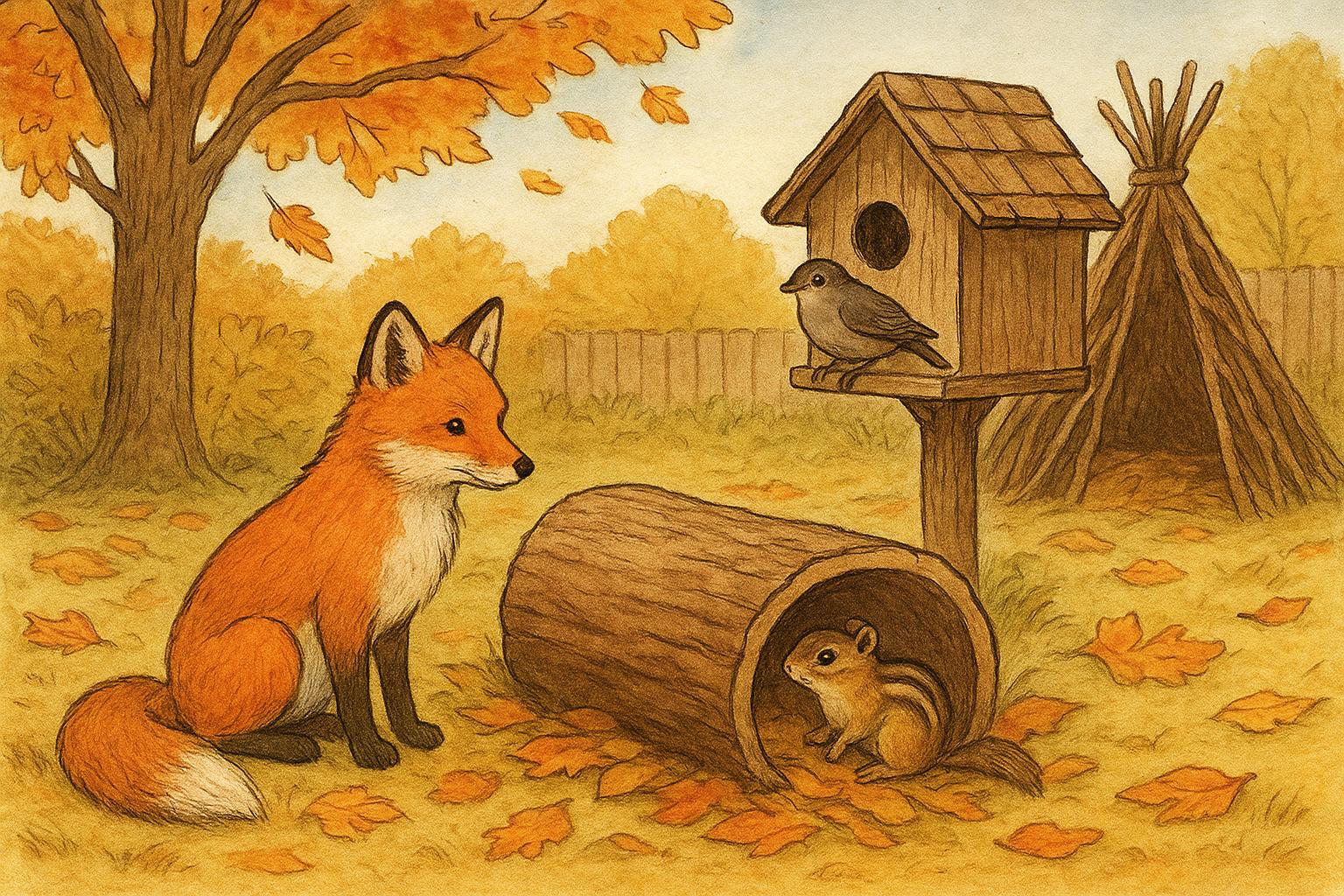
Some birds add “false” nest material nearby as decoys. You might see a pile of sticks or leaf litter suggestive of a nest; the real nest is elsewhere. This misdirection costs little but buys safety.
#### Human Influence On Nest Choices
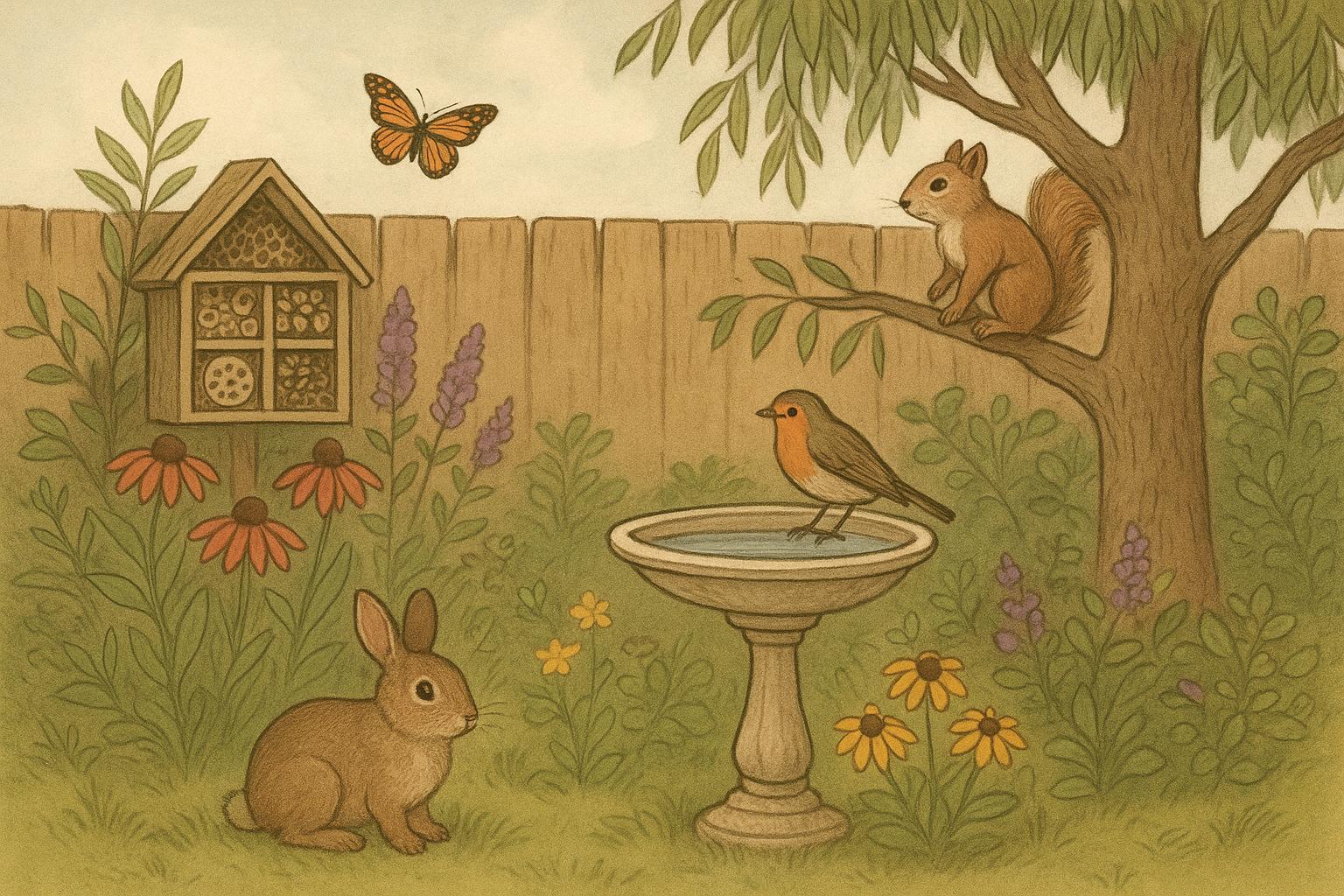
Our yards are shaping birds’ decisions. Birdhouses with poorly sized entrances create bottlenecks, inviting the wrong tenant. Placement matters: boxes too close to feeders invite predators. Landscaping choices — mowing frequency, shrub placement, or the presence of thorny plants — all change which nest features are favored.
Simple human fixes help. Moving feeders slightly, leaving a shrub or two untrimmed through nesting season, or installing a predator guard on a pole can shift nest placement toward safer zones. Those changes encourage species with different nest features and will alter the composition of your backyard birds.
## Reading Nest Features Without Disturbing Wildlife
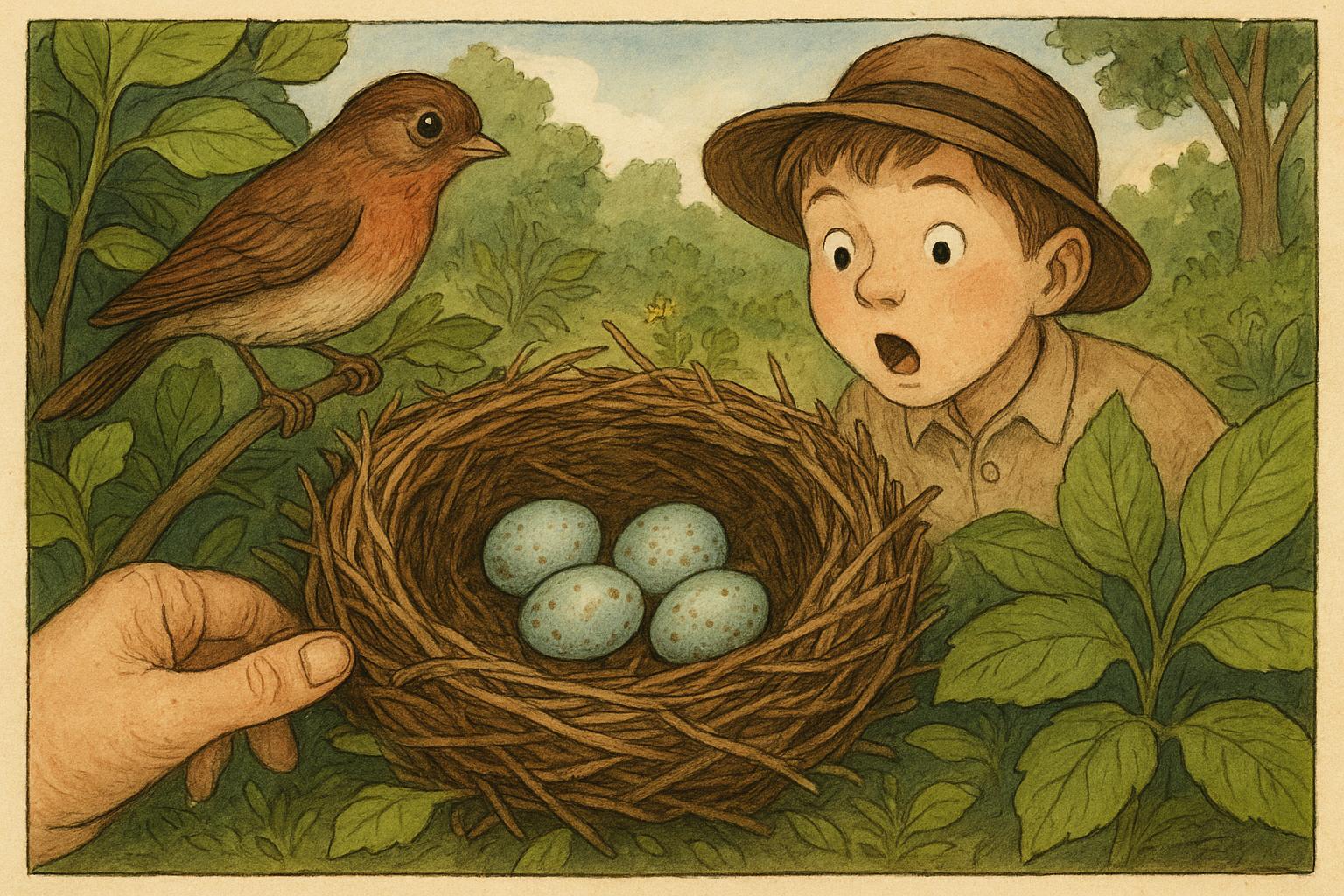
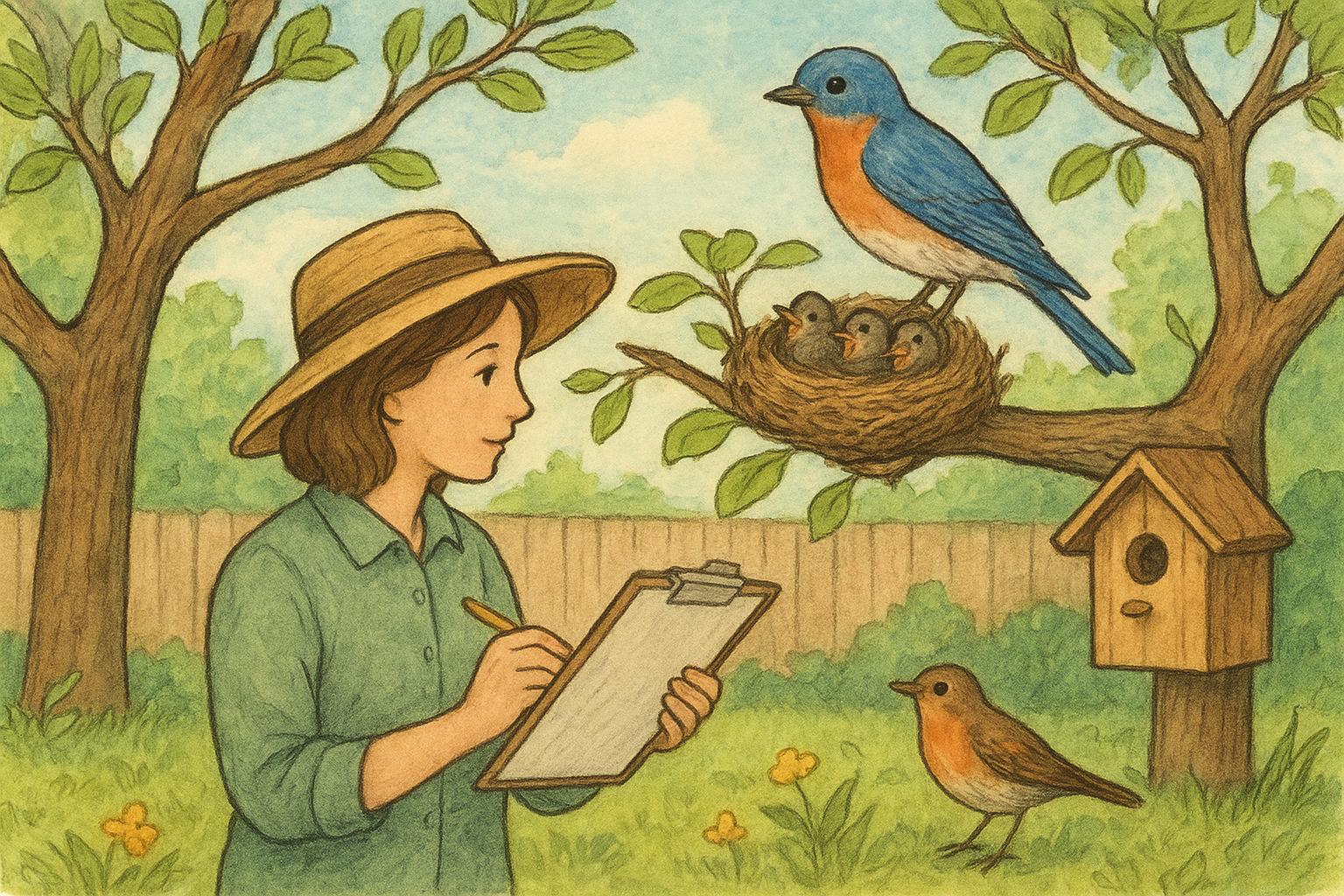
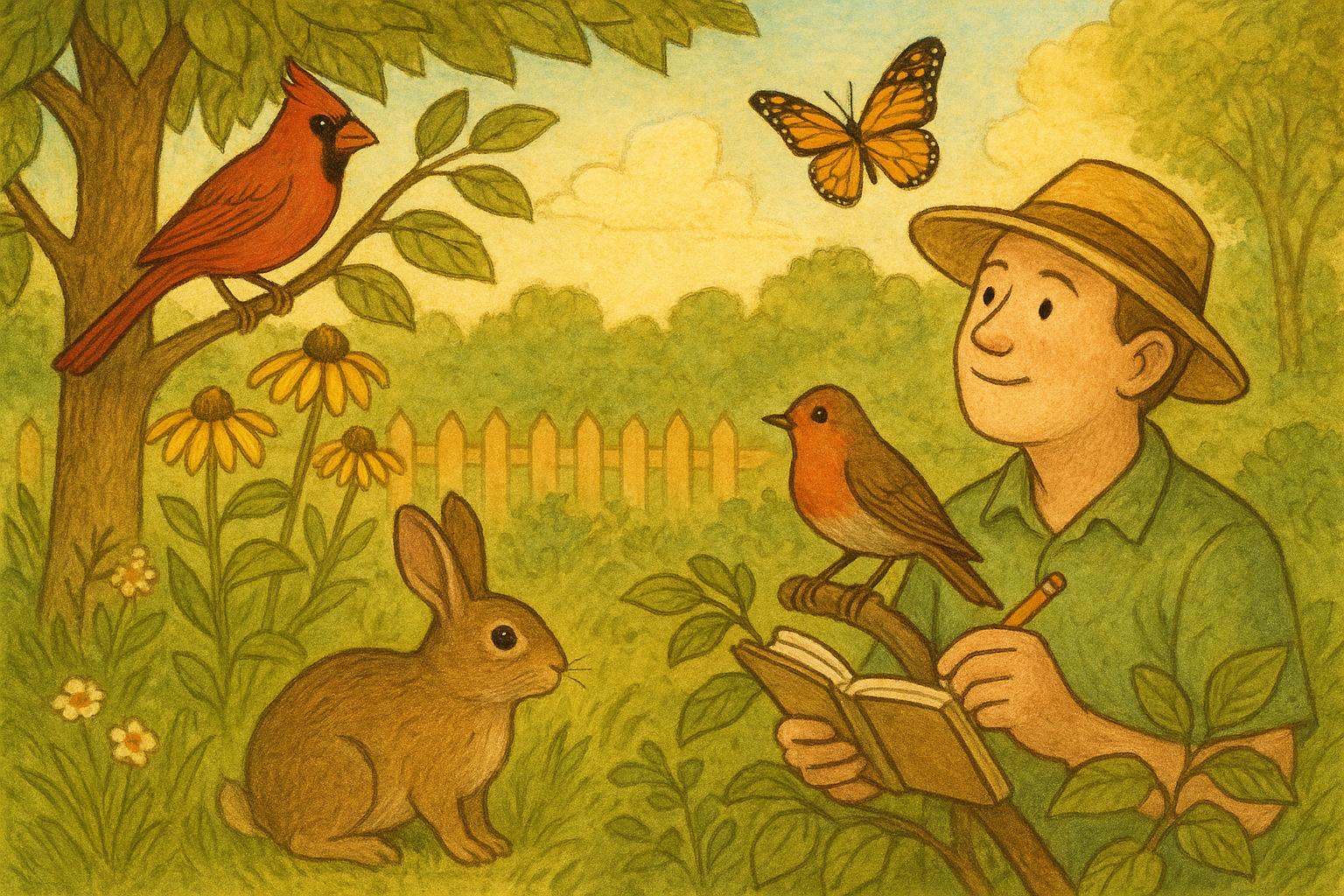
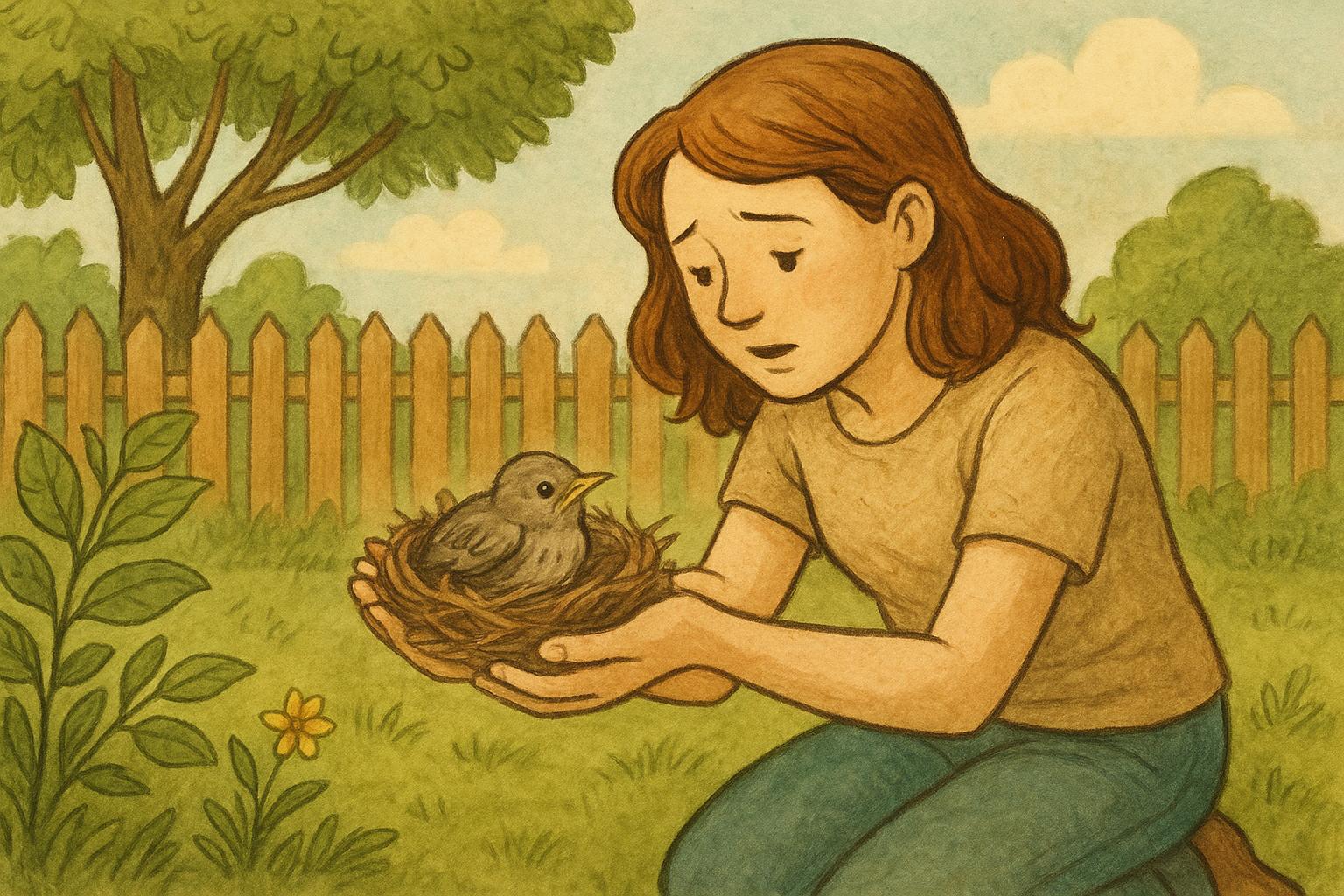
You can learn a lot from a safe distance. Binoculars and a notebook are enough. Photograph from afar and return later to observe construction progress. Never touch an active nest. That stresses birds and may lead to abandonment.
If you find an empty nest, examine it once cold (no recent use). Note material layers, dimensions, and any unique accoutrements. Leave nests in place if they contain eggs or chicks. For old nests, consider moving some materials into a shelf or garden bed to study decomposition and the microfauna that develop.
### Signs A Nest Is Active
Activity is obvious if adults arrive with food and briefly enter the nest. You might also see fresh droppings, newly added materials, or hear young begging. Heat from an occupied nest is detectable at close range — but don’t get close. If you can’t tell, observe discreetly for longer periods rather than interfering.
## Practical Projects To Observe Nest Features Up Close
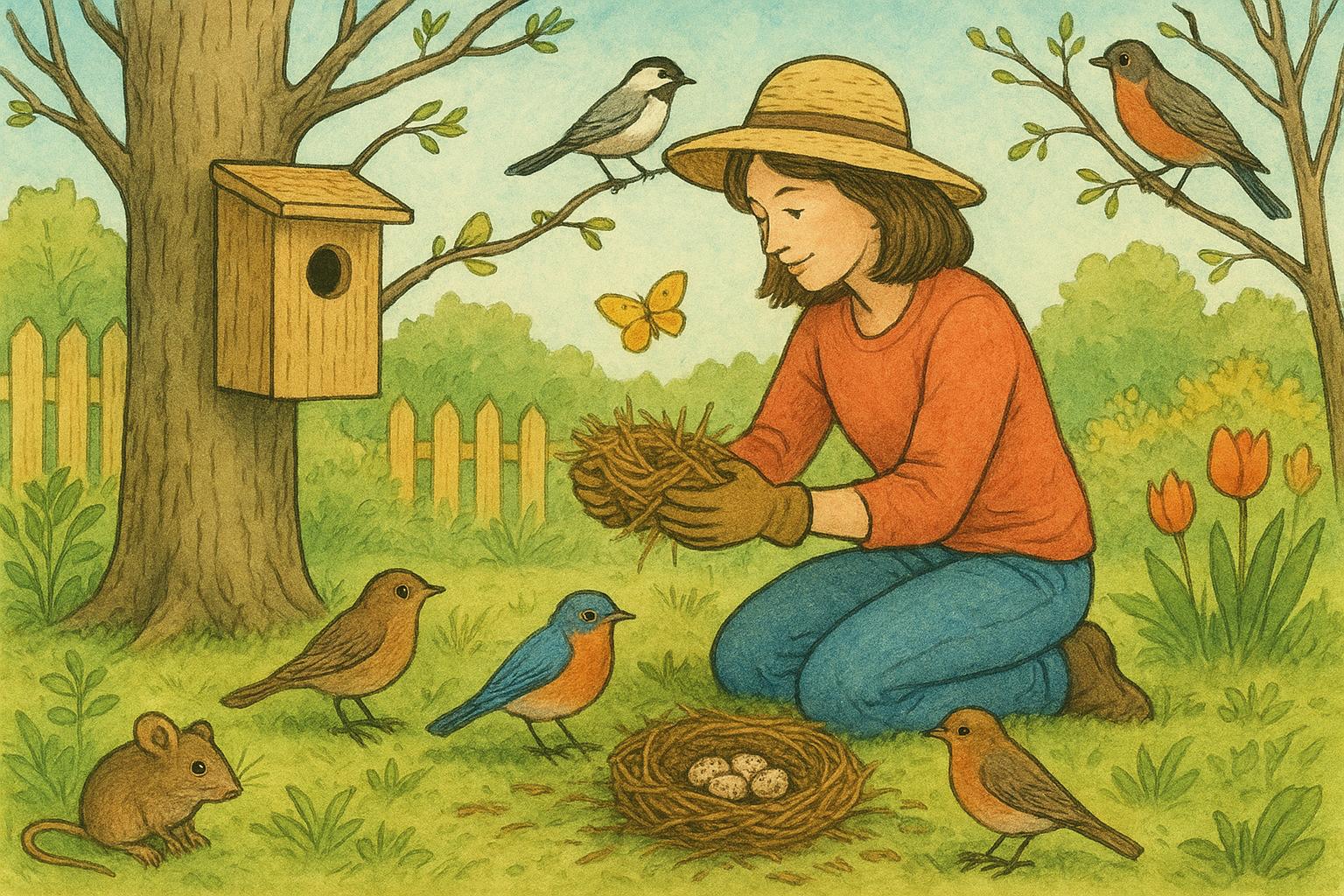
If you want a closer look without harming birds, install a nest box with the correct dimensions for your target species. Mount it at the right height and orientation and leave it alone. Watch from a distance. Swap in a camera only outside nesting season. That way you learn construction behavior and nest features firsthand without stressing birds.
Keep a seasonal log: note first materials added, when lining begins, and when eggs appear. Over years you’ll see patterns — the same species may shift materials or placement in response to weather or local predators.
## When To Intervene And When To Let Nature Decide
Intervene only when a nest is in immediate danger that you can mitigate without causing more stress. For instance, if nestlings are in a location with a clear and fixable predator access (like an easily blockable raccoon path), a careful, minimal intervention helps. Do not move nests; parents can usually find them but moving nests often do more harm than good.
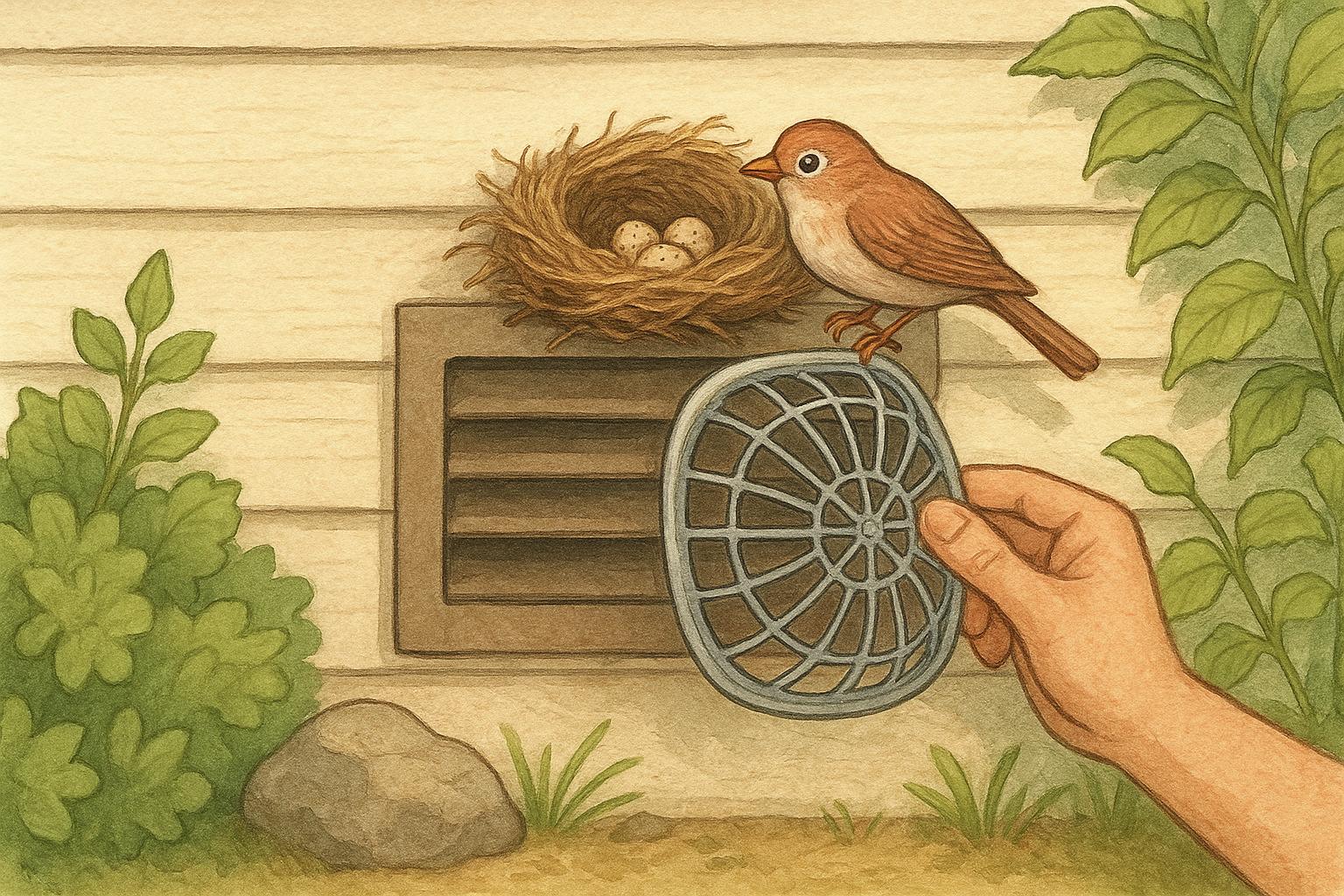
If a nest is in a hazardous human spot — say, a vent or construction zone — contact local wildlife rehabilitators for advice. They can guide you on whether relocation is possible and legal. Remember: many species are protected by law and handling them is regulated.
## Small Observations That Reveal Big Behaviors
A few feathers outside a nest? That’s normal molting or discarded prey. A string of dead insects on nearby branches? It’s food caching. A perfectly circular entrance hole? That’s a species signature. The more you notice these small traits, the more confident your identifications will be.
Bird nest features are not static labels. They’re active decisions made by birds in response to weather, predators, and resource availability. Watch closely and you’ll start to predict changes from one season to the next.
## Bird Nest Features Unveiled In Backyard Nest Clues
Put together placement, materials, and shape and you’ll have a good guess at the builder. A compact cup lined with soft down in a high shrub likely belongs to a finch. A mud-reinforced cup on a low branch screams robin. A cavity with a tiny entrance and a soft interior points to chickadees. Those patterns repeat in yards across the country because the problems birds face are consistent: shelter, warmth, and protection.
If you want to deepen your observations, record each nest you find: dimensions, primary materials, lining type, height above ground, orientation, and neighboring plant species. Over a few seasons, those notes reveal trends you won’t spot in a single afternoon. Backyard study pays off — you’ll begin to recognize species by their engineering choices.
Be patient. Nature communicates in small, exact details. The rim of a nest, the choice of moss, the angle of a cup; these are not random. They are the answers birds give to the daily question of survival. And if you keep looking, you’ll see the same solutions recur in different combinations, each tailored to local challenges. suprise yourself by how much a single nest can tell you about the life that built it.



Leave a Reply