
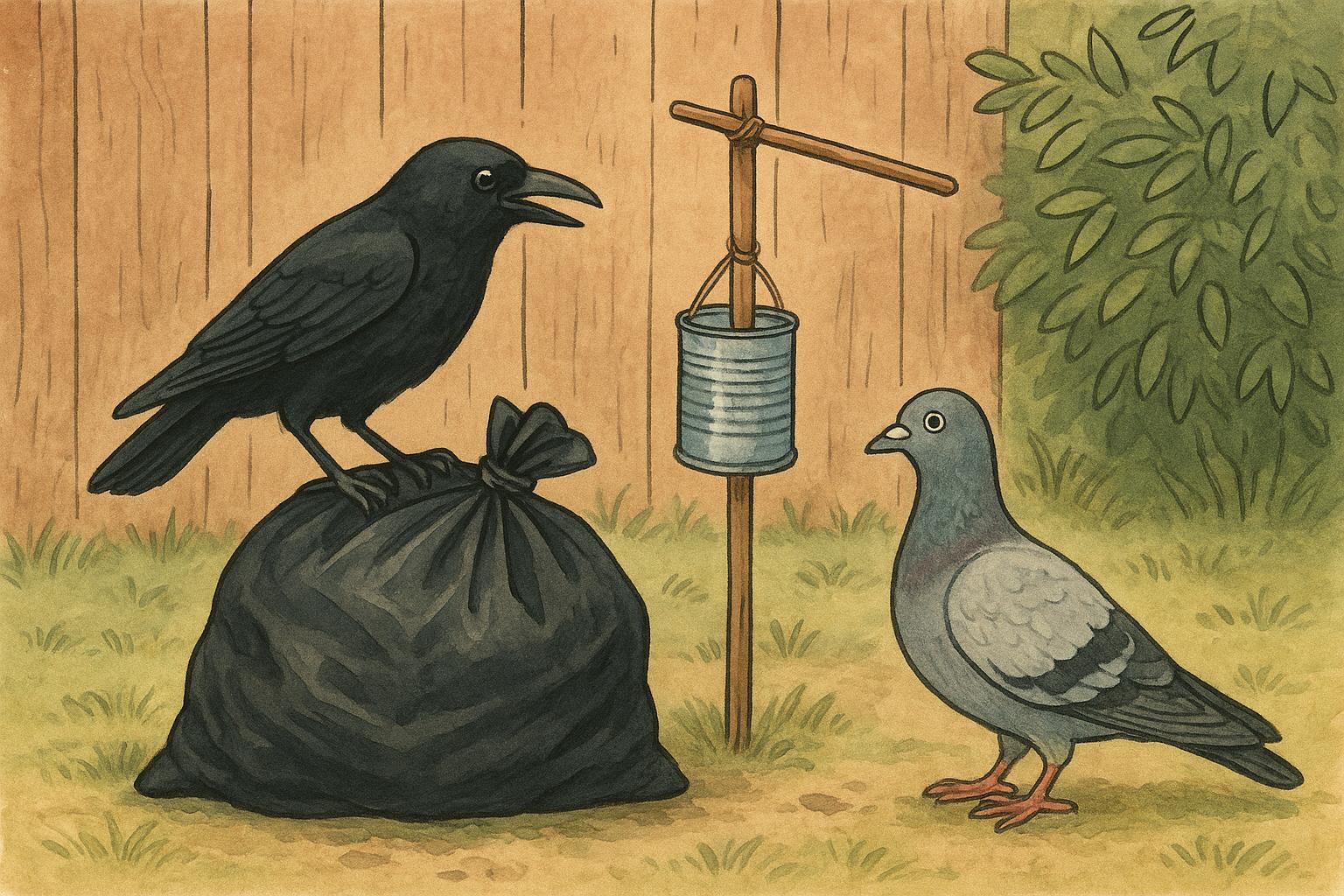
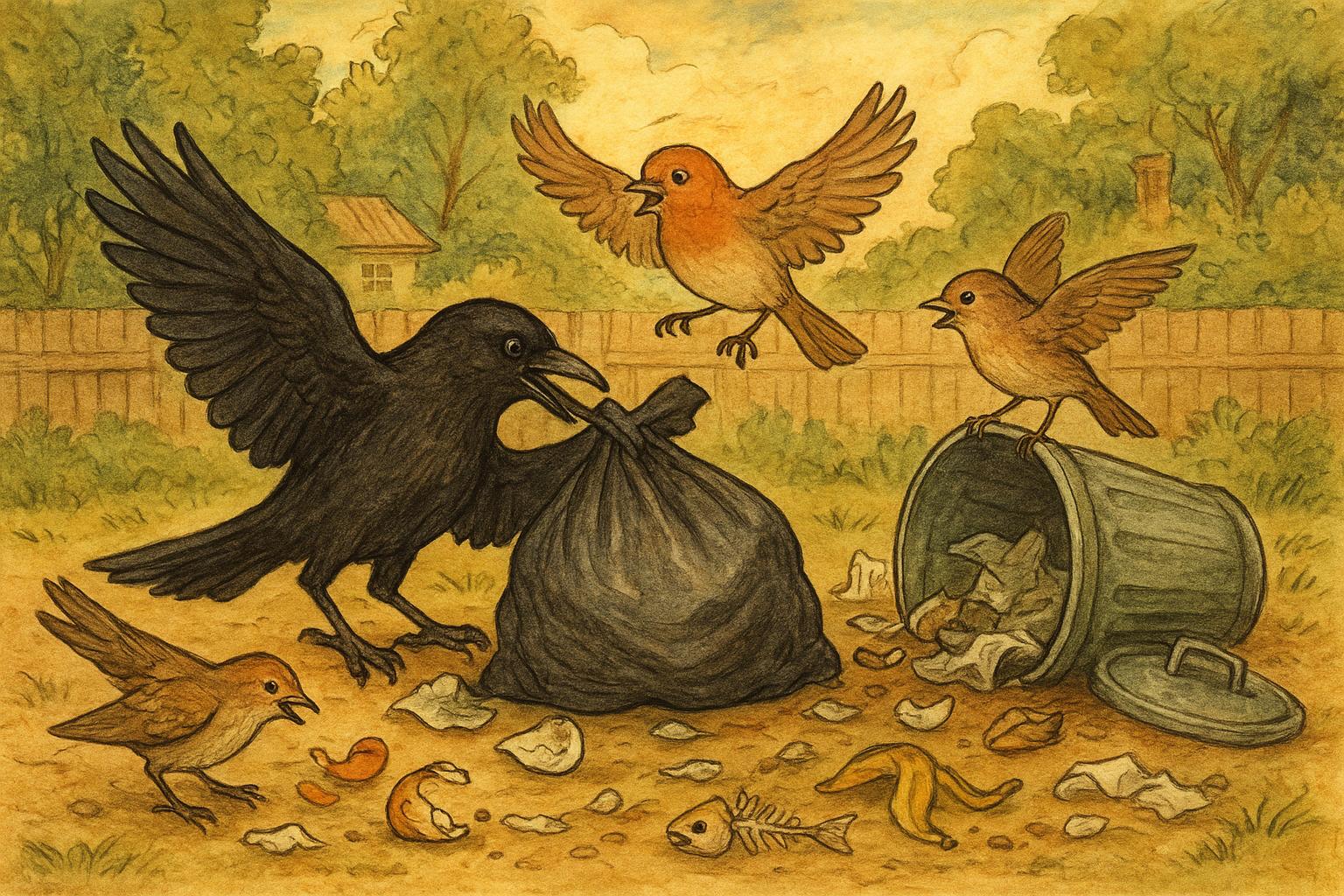
Birds tearing open trash bags is one of those small, stubborn headaches that gets bigger fast. You wake up to feathers, soggy cardboard, and half-eaten leftovers spread across the lawn. The fix doesn’t have to be cruel or complicated. With a few practical moves you can stop the mess without hurting wildlife or inviting more trouble.
## Deterring Birds From Trash Bags: Practical First Moves
Start with obvious fixes and move outward. Often people assume birds are brazen and clever, but most of the time they’re opportunists reacting to three things: smell, access, and predictability. Reduce those and you’ll cut the problem dramatically.
### Reduce Smell And Attractive Food Cues
Smell is the magnet. Rinse food containers before throwing them away and wrap particularly aromatic items—meat scraps, greasy pizza boxes, cooked rice—in newspaper or a double bag. That cuts odour and makes the trash less appealing. If you feed pets outside, bring bowls in when possible; even small amounts of leftover kibble can become a neighborhood dinner invitation.
### Change When Trash Goes Out
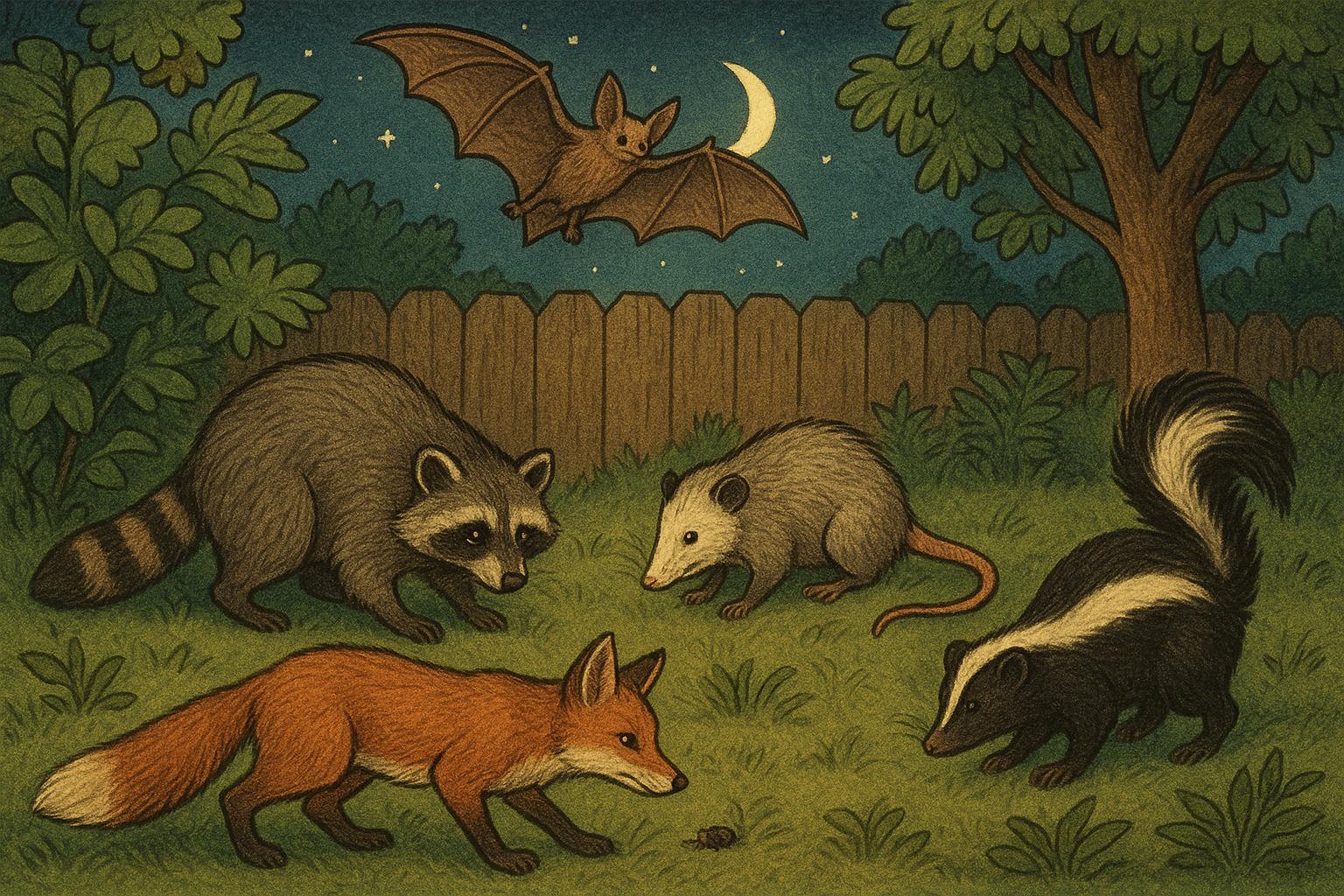
If birds (or raccoons) hit your garbage overnight, try changing pickup timing. Put bins out the morning of pickup rather than the night before. That removes the predictable window birds learn to exploit. In places where morning drop-off isn’t feasible, keep bags in a garage or shed until collection day.
### Use Secure Containers Before Bags Go Out
Loose trash bags are the easiest target. Replace leaving bags visible on the curb with a rigid trash can that has a tight-fitting lid. If you must use bags, place them inside a lidded bin or behind a secured fence. A simple bungee cord or strap over a lid often makes lids too tricky for birds and wind.
## Bird Deterrents You Can Use Around Bags
There are humane options that send a clear message without harm. Pick methods that suit your yard and neighborhood. Rotate tactics if birds begin to adapt.
### Visual Deterrents That Actually Work
Shiny, moving objects catch birds’ attention and make them nervous. Hang strips of reflective tape or old CDs around the bin area. Predator silhouettes—plastic owls or hawk cutouts—work best for a few days. Birds learn fast, so move these items weekly to keep them effective.
#### Practical Placement Tips
Put reflective items at different heights. Attach them to the bin, a nearby tree, and a fence. Make sure objects move with the wind; rigid, motionless figures lose effectiveness.
### Tactile Barriers And Covers
A trash bag under a heavy lid is fine, but if you prefer not to use cans, cover the bags with netting or a large tarp. Secure the edges with bricks or stakes. The texture and movement of netting discourage birds; it’s also a cheap, reusable solution.
### Sound Deterrents — Use Sparingly
Ultrasonic devices and recorded predator calls are sold as bird deterrents, but results are mixed. Birds quickly habituate to constant noise. If you try sound, use motion-triggered devices so the noise happens only when an animal approaches. That keeps the effect from fading.
### Smell-Based Ideas To Discourage Scavenging
Some household smells bother birds: strong vinegar, ammonia, or citrus peels strategically placed in closed containers can help. Don’t douse waste with chemicals; instead, tuck ammonia-soaked rags in a small sealed container with holes that let smell out but keep animals from reaching the rag. Be cautious: ammonia is strong and should be handled safely.
## Practical Steps For Different Scenarios
Every yard is different. Here are specific approaches based on common setups.
### Urban Rowhouse Or Apartment With Curb Bags
If you and your neighbors leave bags at the curb, coordination helps. Talk to your building manager or HOA about centralized bins with locking lids. Encourage others to rinse containers. If that’s not possible, keep your bag inside until trash day and use a small container to store waste temporarily.
### Suburban Yard With Garage Or Shed Access
Keep bags inside the garage and take them out right before pickup. If storing inside isn’t feasible, use a trash can with a locking lid; add a concrete block on top or a bungee cord. For extra protection, drape a tarp over the can and secure the edges.
### Rural Properties And Open Spaces
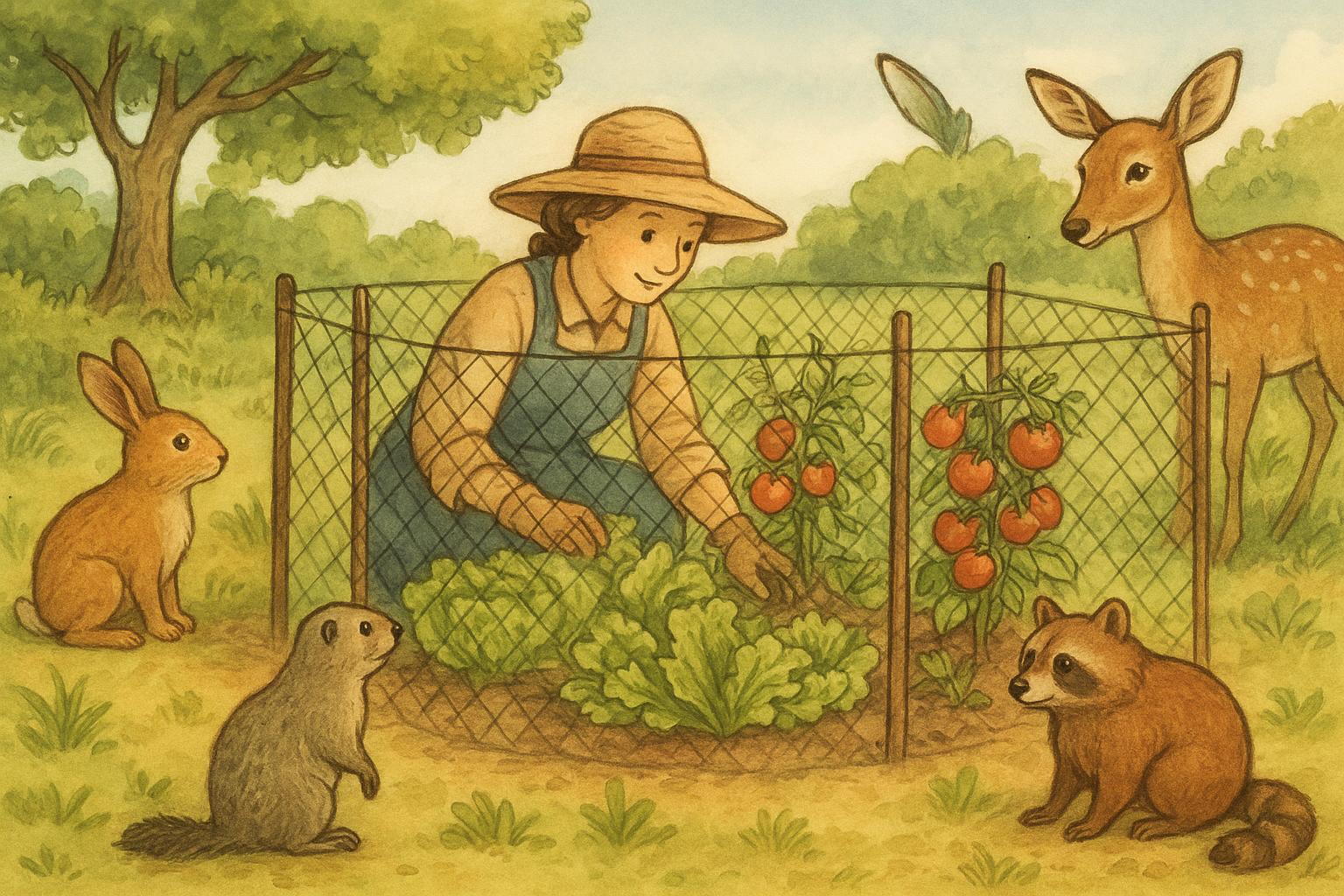
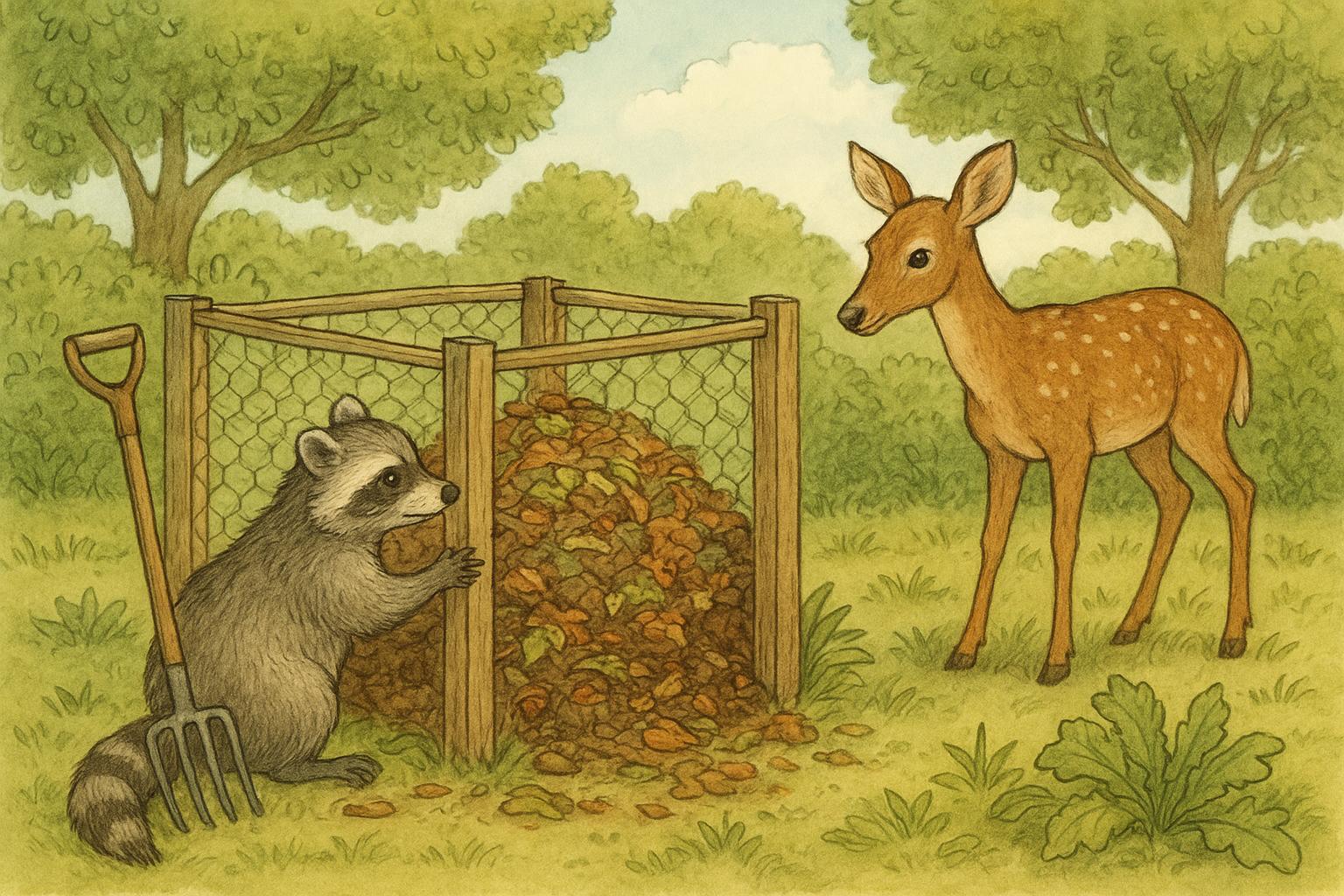
Birds and other wildlife can be persistent in rural areas. Use heavy-duty metal cans with tight lids and consider a simple wire cage—sturdy poultry netting over a pallet frame can keep critters out while allowing waste pickup access. Compost food scraps only if you have a closed compost bin; open piles are magnets.
## Combining Bird Deterrents For Better Results
One method alone often fails because birds adapt. Combine smell control, secure containers, and visual deterrents. For example: rinse containers, double-bag greasy items, store bags in a locked can, hang reflective strips on the can, and change the location of a plastic predator figure weekly. That layered approach keeps birds guessing.
### Timing And Routine Changes
Change routines occasionally. Birds learn schedules. If you always put trash out at 7 a.m. and birds start visiting at 6, swap to 8 a.m. once in a while. Move deterrents. Keep the area tidy; stray scraps on the ground negate other efforts.
#### Quick DIY Netting Setup
An inexpensive netting setup can be built with landscape stakes and poultry netting. Lay netting over bags, anchor with bricks, and remove for collection day. It’s low-cost and effective for several seasons.
## Addressing Specific Bird Types
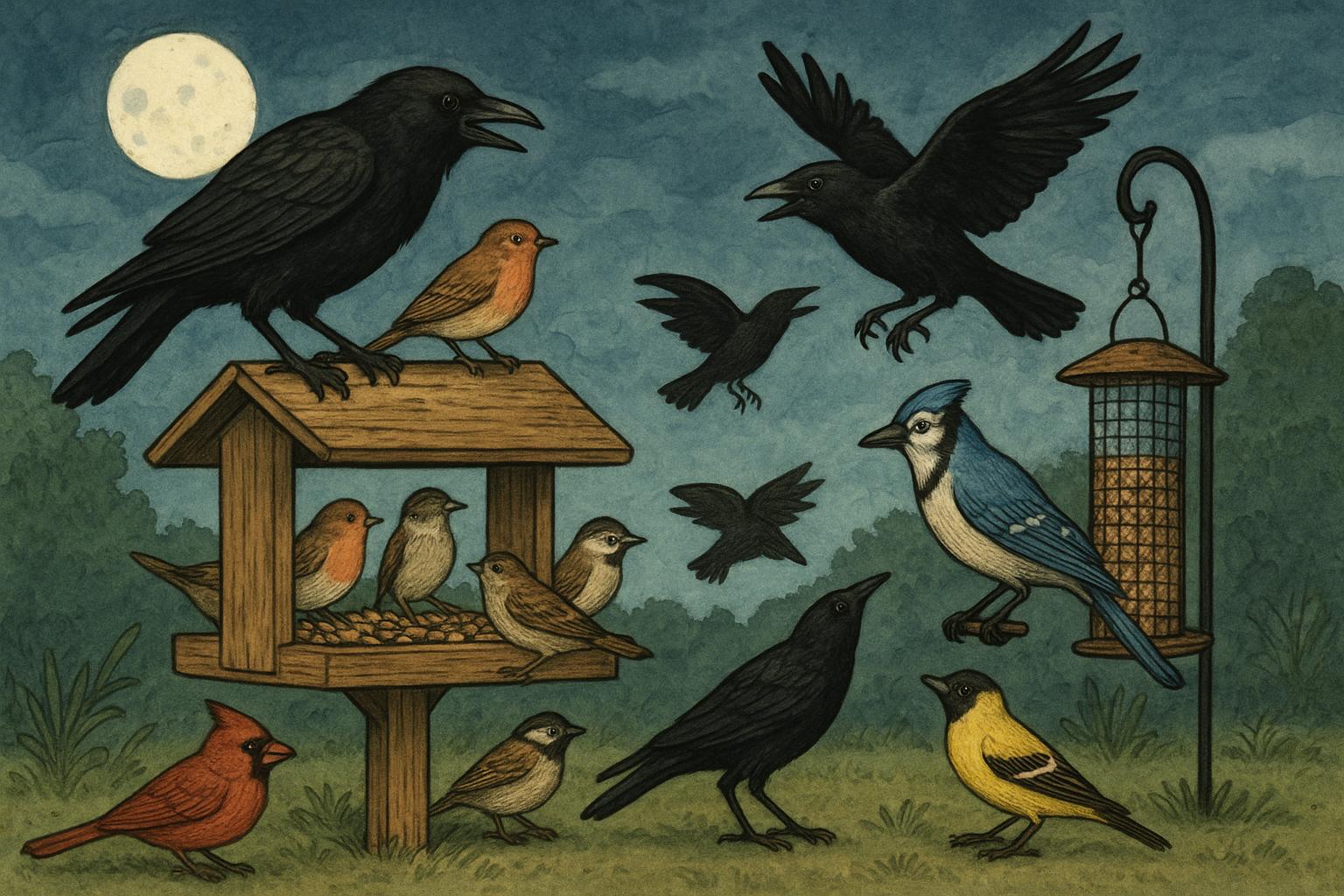
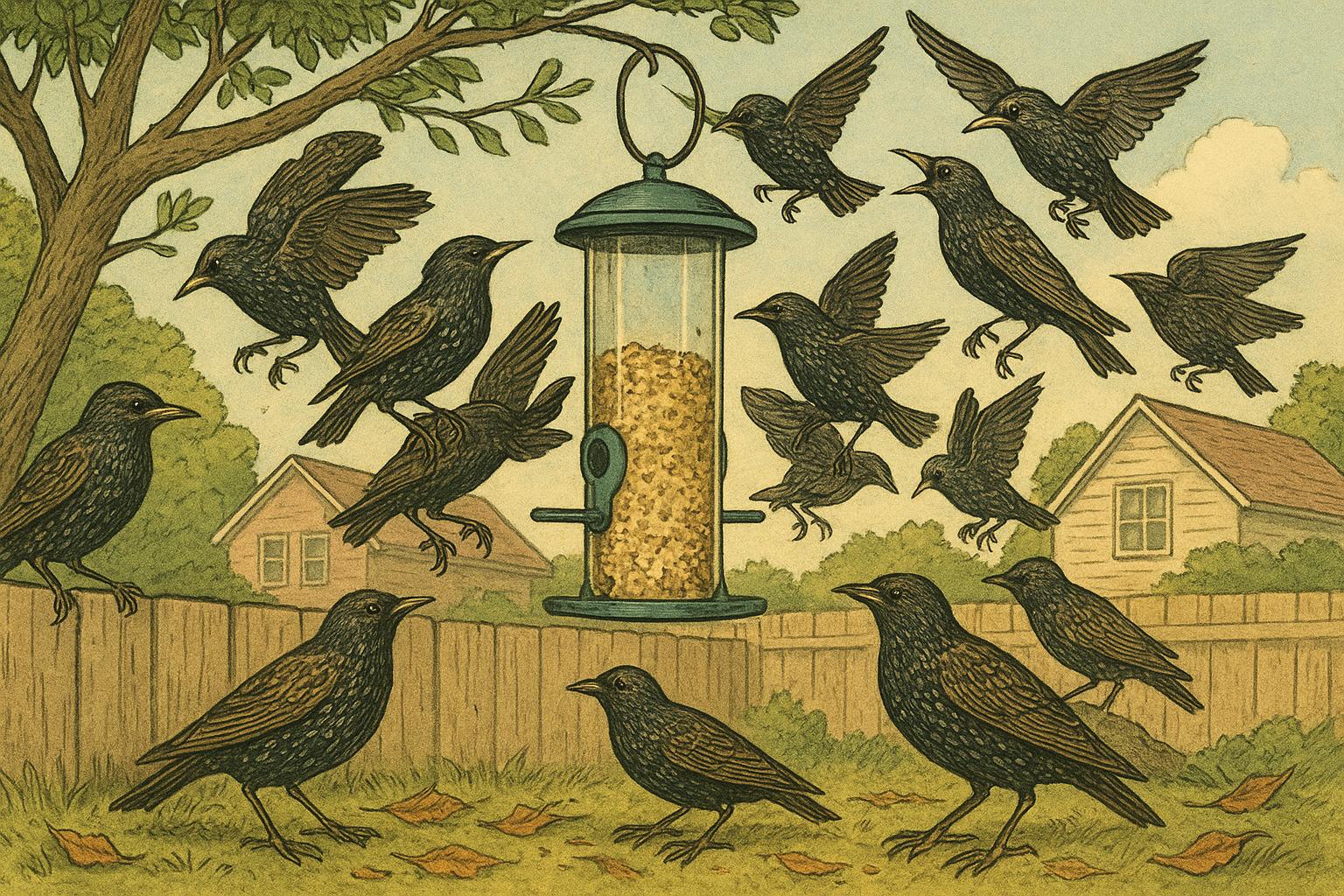
Different birds behave differently. Crows are curious and problem-solvers; seagulls are bold and used to human food; starlings work in groups. A solution that deters gulls might not stop crows.
### Crows And Corvids
Crows are smart and may figure out locks. Use multi-layer deterrents: motion-activated sprinklers are surprisingly good against crows. They learn to avoid areas that spray them when they approach.
### Seagulls
Seagulls often work over open flats and beaches. Minimizing exposed food and using closed containers is the best bet. Reflective tape helps because seagulls dislike sudden light changes.
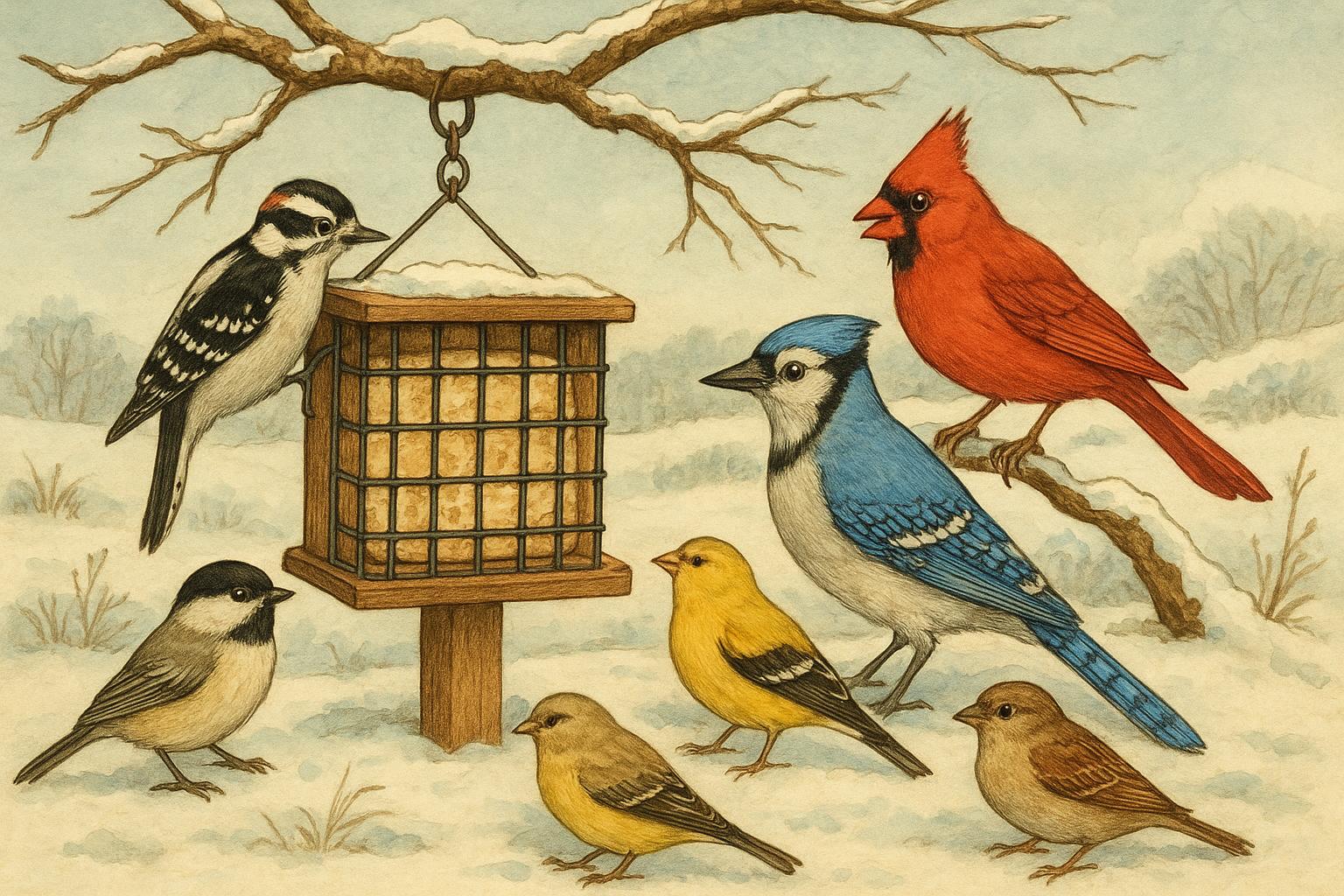
### Smaller Songbirds
They’re less likely to tear bags but will pick through lightweight bags. Strong bags and netting usually solve the problem.
## Safety And Ethical Considerations
Don’t use glue traps, poisons, or illegal methods. Those can injure wildlife, pets, and children. Live traps should only be used by professionals. The goal is deterrence, not harm.
### Avoid Hazardous Fixes
Do not staple or tie sharp wires directly onto bags. Birds can be injured, and you’ll likely face neighborhood complaints or legal issues. If you want to use a wire mesh cage, make sure it’s well-made and not likely to entangle animals.
## Maintenance And Monitoring
Set a small schedule to check your deterrents. Once a week walk the bin area. Replace torn netting, clean reflective tape so it still shines, and reposition predator figures. Keep notes on what works and how birds respond.
### Keep a Simple Log
A quick log helps. Note the date, what you changed, and whether the mess reduced. After a month you’ll see patterns and know which tactics are worth keeping.
## When To Call A Professional
If you’re dealing with protected species, serious infestations, or chronic mess despite your best efforts, call local animal control or a wildlife specialist. They can suggest legal and effective methods. Sometimes the issue is wider—nearby food sources, restaurant dumpsters, or a communal feeding habit—and needs a neighborhood solution.
Try one or two commonsense changes first. Often a modest shift—store bags inside, use a secure can, hang some reflective tape—cuts the problem more than expected. Keep the approach humane, adjust when birds adapt, and don’t be shy about combining strategies. A little elbow grease and sensible deterents can restore order to your yard without turning it into a battle zone.





Leave a Reply