
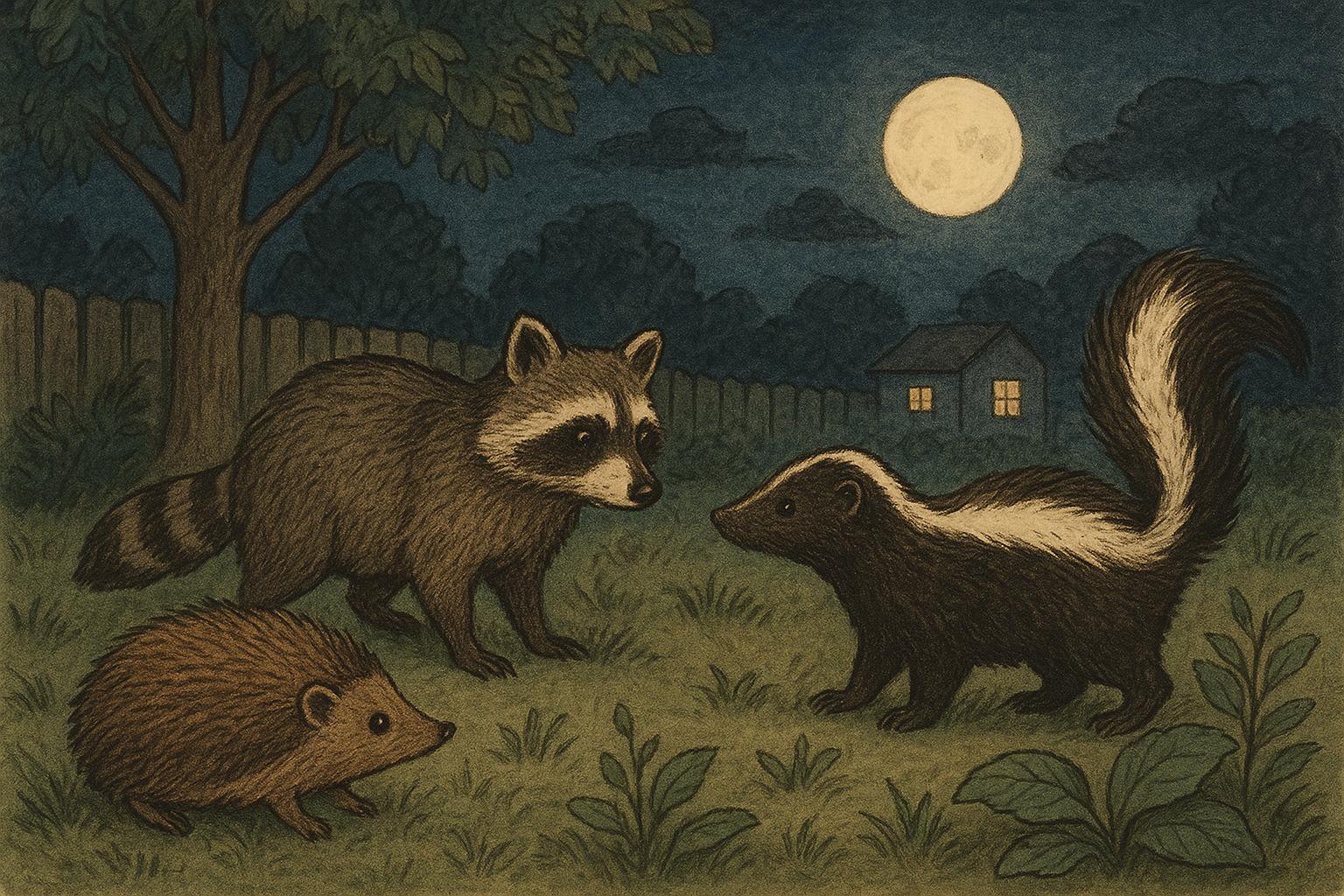
You can learn more from a single midnight observation than from weeks of daylight watching, if you know what to look for. Backyard night mammal encounters are not random curiosities. They follow patterns: paths they prefer, food cues that bring them close to houses, and predictable behavior tied to the phases of the moon or human activity. Treat them like data, not folklore.
## Backyard Night Mammal Encounters: A Practical Framework
The first job is to decide what you mean by an encounter. For some people it’s a raccoon on the porch. For others it’s a brief rustle in the hedgerow you never explain. Define your observation unit: a single visual confirmation, a camera trigger, or repeated signs like tracks and scat. Keep it consistent. If you want usable information, you need repeatable measures.
Label time windows. I use three: Evening (30 minutes after sunset to 11:00 p.m.), Midnight (11:00 p.m. to 3:00 a.m.), and Pre-Dawn (3:00 a.m. to 30 minutes before sunrise). These windows reflect different activity peaks. Raccoons often concentrate in Evening and Midnight. Coyotes and foxes shift later. Bats, yes they’re mammals in many classifications, are mostly Pre-Dawn and early evening. Note the moon phase for every sample. Bright nights alter movement patterns.
Set spatial boundaries too. Define a yard into zones: Perimeter (fence line, tree line), Structure Proximate (within 5 meters of human structures), and Core Yard (lawn and garden beds). You’ll find the same species in different zones with different behaviors. A raccoon in the Structure Proximate zone is likely scavenging. One in the Perimeter is probably passing through.
## Field Protocols For Observeing Activity
Do this like a field biologist. Use standardized gear, record methods, and limit bias.
### Timing And Temporal Patterns
Consistency beats random checks. If you want to compare across weeks, collect data at the same three windows you set. Night mammal encounters often show temporal shifts after human schedule changes: new outdoor lights, neighbors changing trash habits, or a dog introduced to a yard. Those changes create detectable shifts in behavior within days.
Record duration of each event. How long was the animal present? Ten seconds, two minutes, twenty? Short visits tend to be transit events; long visits tend to be foraging or nesting activity. Also note the initiation trigger if you saw one: did it come to a feeder? Did you hear a dog bark? Those triggers are important covariates.
#### Why Midnight Windows Matter
Midnight gives less human noise and clearer animal decisions. Predators use that quiet. Prey species shift later or earlier to avoid overlap. If you’re measuring the presence of foxes versus opossums, sample heavily during the Midnight window to increase detection probability.
### Detection Tools And Setup
A basic kit:
– One trail camera with infrared and time stamping.
– A headlamp that emits red light or a dim white light.
– A small notebook and waterproof pen.
– Disposable gloves and a plastic bag for any sample handling.
Cameras are central. Set them at knee height for medium mammals, higher for deer. Angle them to monitor heat-sources like pet doors or composter lids. For quantifiable results, set cameras to a fixed sensitivity and a fixed trigger interval across all deployments. If you change settings mid-study because of false triggers, note it.
Place minimal attractants. Bait skews behavior and increases time at a site, which may be fine if you’re studying what a species will eat, but it ruins attempts to measure natural movement patterns. If you do use bait for species confirmation, do so for a single session and then remove it.
#### Camera Placement Principles
– Face the camera along a trail, not perpendicular to it. You get better images of body shape and gait this way.
– Avoid placing cameras directly facing a bright light or reflective surface.
– When you want to measure passage rates across a yard, place two cameras across a known corridor. The time stamps will let you estimate speed and direction.
– Keep batteries and memory cards fresh. Nothing kills a dataset faster than a gap because you forgot to check a card.
## Signs And Evidence: Reading The Night
You don’t always need to see an animal. The yard leaves clues.
### Tracks And Gait Analysis
Tracks tell stories. Learn basic shapes. Raccoon prints look like small human hands, about 6-9 cm across, with five toes. Opossum prints may look similar but are slightly longer and often show a prehensile hind toe on the hind foot. Foxes and coyotes show four toes and a distinct pad pattern. Claw marks are present in canids and raccoons but usually absent in felids.
Measure stride and stride length. A larger stride often means faster movement and may indicate avoidance behavior. A narrow trackway indicates cautious or stealthy movement; a wide trackway can indicate comfort. If you find tracks near a compost heap with a narrow, frequent stride pattern, you’ve probably got a regular visitor.
Track substrate matters. Soft soil and mud preserve detail. Concrete and dry grass do not. For firm surfaces, look for secondary signs like disturbed vegetation, hair caught on rough surfaces, or smeared scat.
#### Interpreting Toe Counts And Claw Marks
– Five toes on fore and hind: raccoon or opossum. Note the shape: raccoon prints are rounded, opossum hind prints show an opposable toe.
– Four toes with prominent claw marks and a triangular pad: canid.
– Four toes, retractile claws not visible, rounded pad: felid.
Don’t over-assign species on a single ambiguous print. Corroborate with scat, hair, or camera evidence when possible.
### Scat And Diet Clues
Scat reveals diet and sometimes identity. Raccoon scat is variable but often contains shells, seeds, or stems, and is clumped irregularly. Coyote scat tends to be segmented and may contain fur or bones. Deer droppings are pelletized. Opossum scat is often messy and may contain insect parts.
Use gloves. Place samples in labeled bags with the date and location. If you’re not sending to a lab, at least photograph the scat with a scale. Diet composition helps determine why an animal is in your yard. If raccoon scat is full of pet food remains, you’ve identified a food attractant.
Smell can also be diagnostic. Skunk scent is unmistakable. Scent-marking by canids can indicate territorial behavior, which in turn suggests resident animals rather than passersby.
## Behavioral Notes On Common Species
Behavior varies by species and by urbanization gradient. I’ll cover the usual backyard players and what to expect.
### Raccoons And Urban Foragers
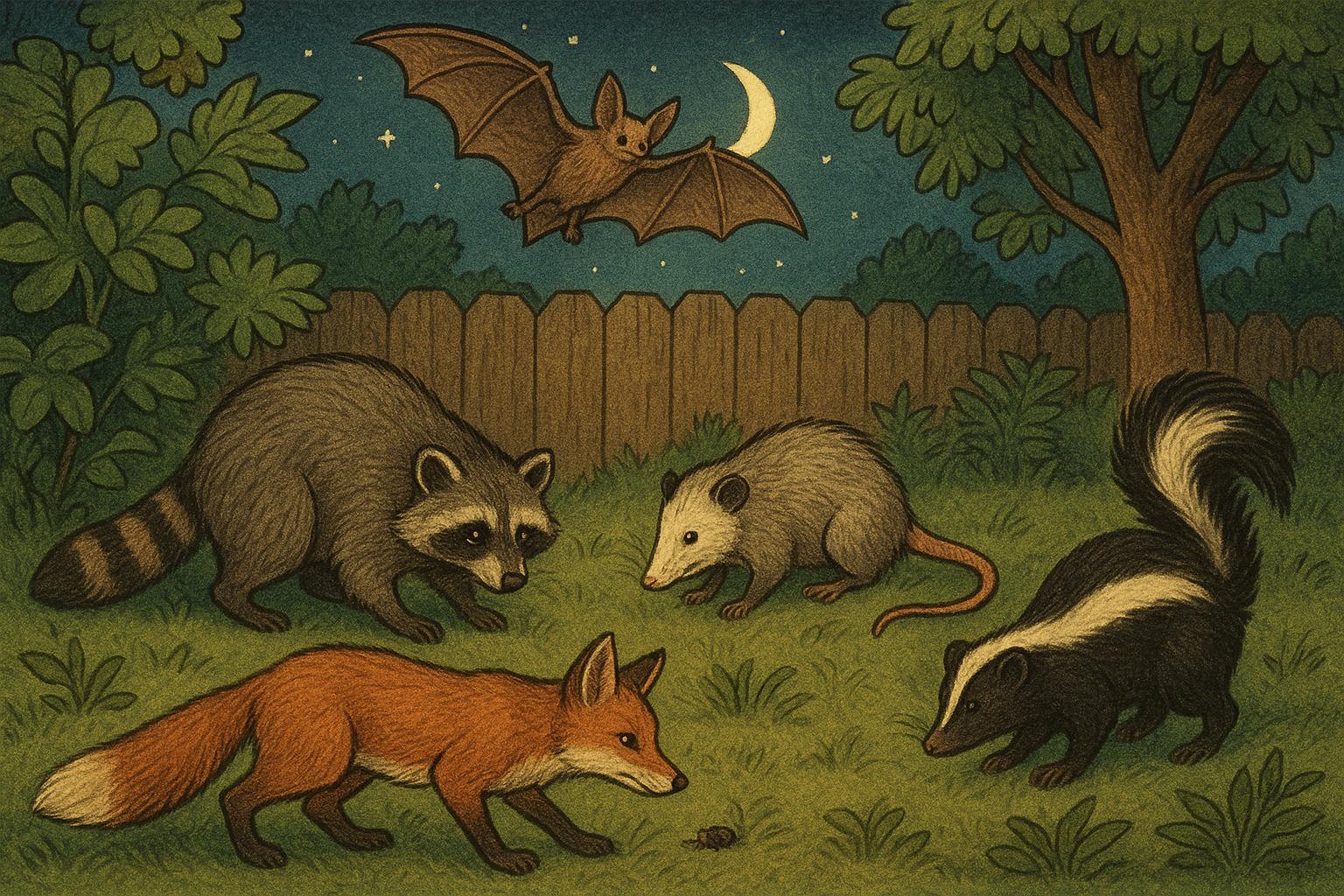
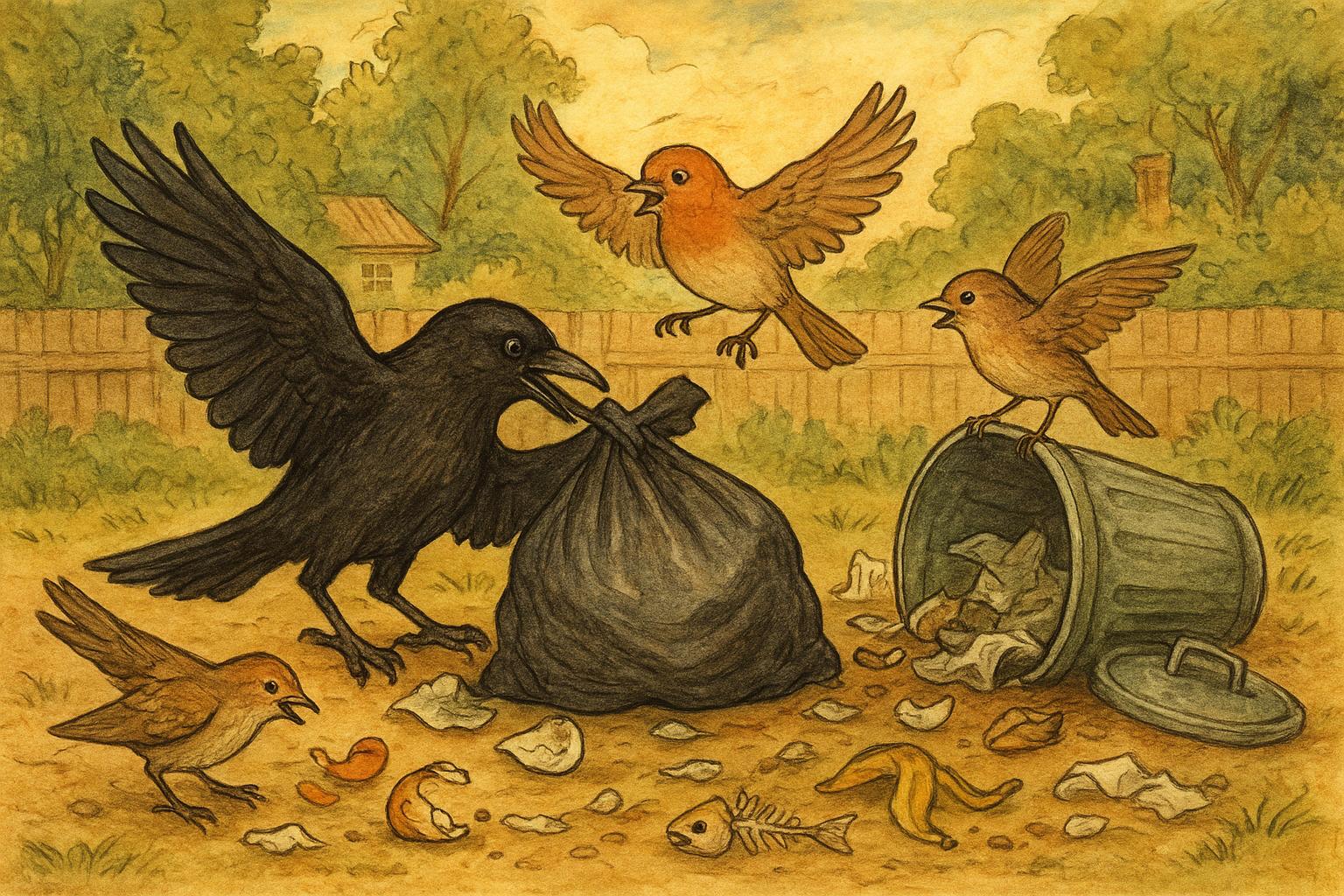
Raccoons are opportunists with high behavioral flexibility. They learn schedules quickly. If you leave pet food out or have unsecured trash, raccoons will adjust their activity to hit those resources at low-risk times. They are dexterous. If you see evidence of food containers being opened or lids finding were removed, that is raccoon work.
They also exhibit problem-solving. One of my neighbors watched a raccoon learn to open a sliding trash lid in three nights. Rapid learning like that changes encounter rates and increases conflict probability. If your goal is to reduce backyard night mammal encounters from raccoons, secure attractants before changing detection protocols.
### Coyotes, Foxes, And Larger Carnivores
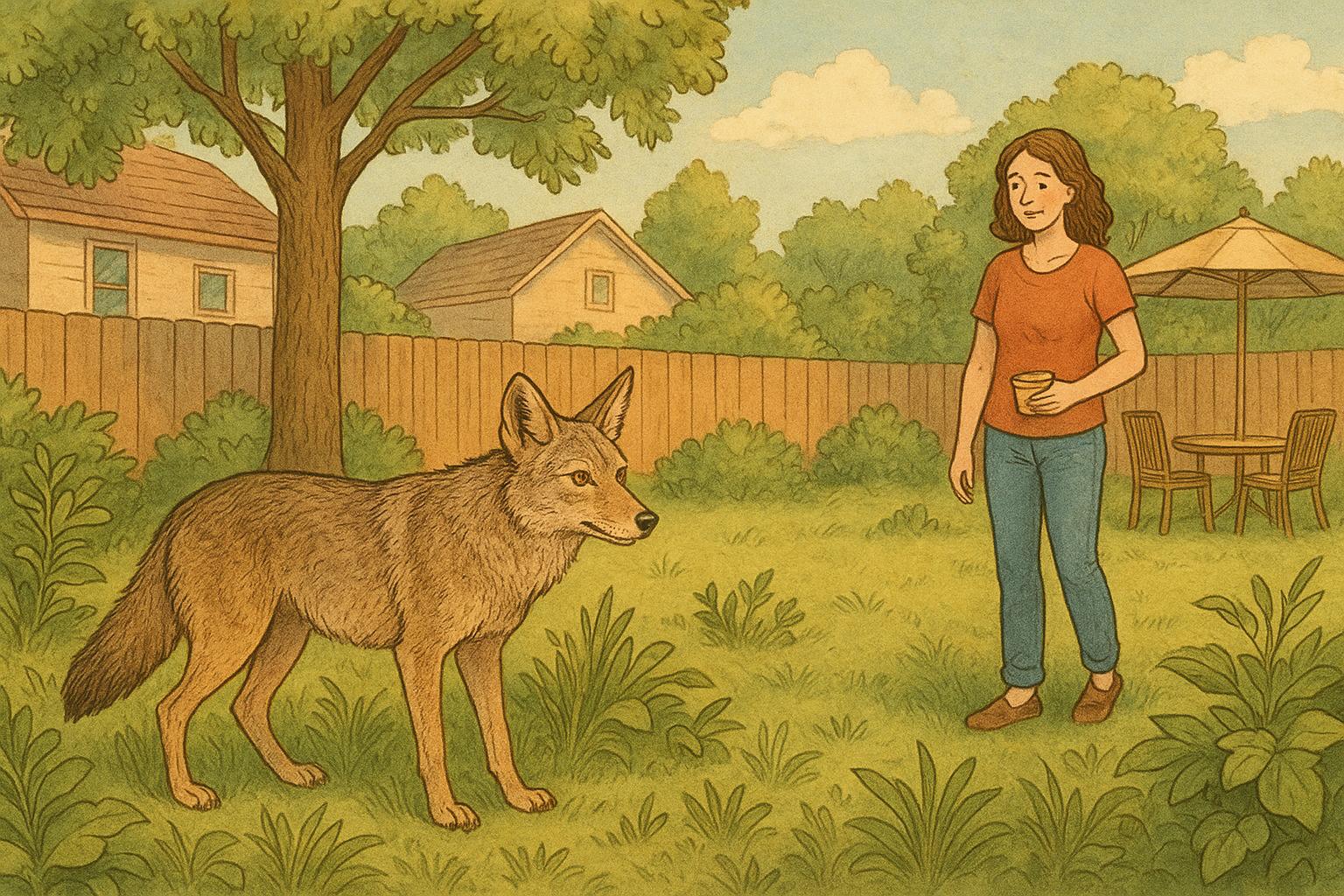
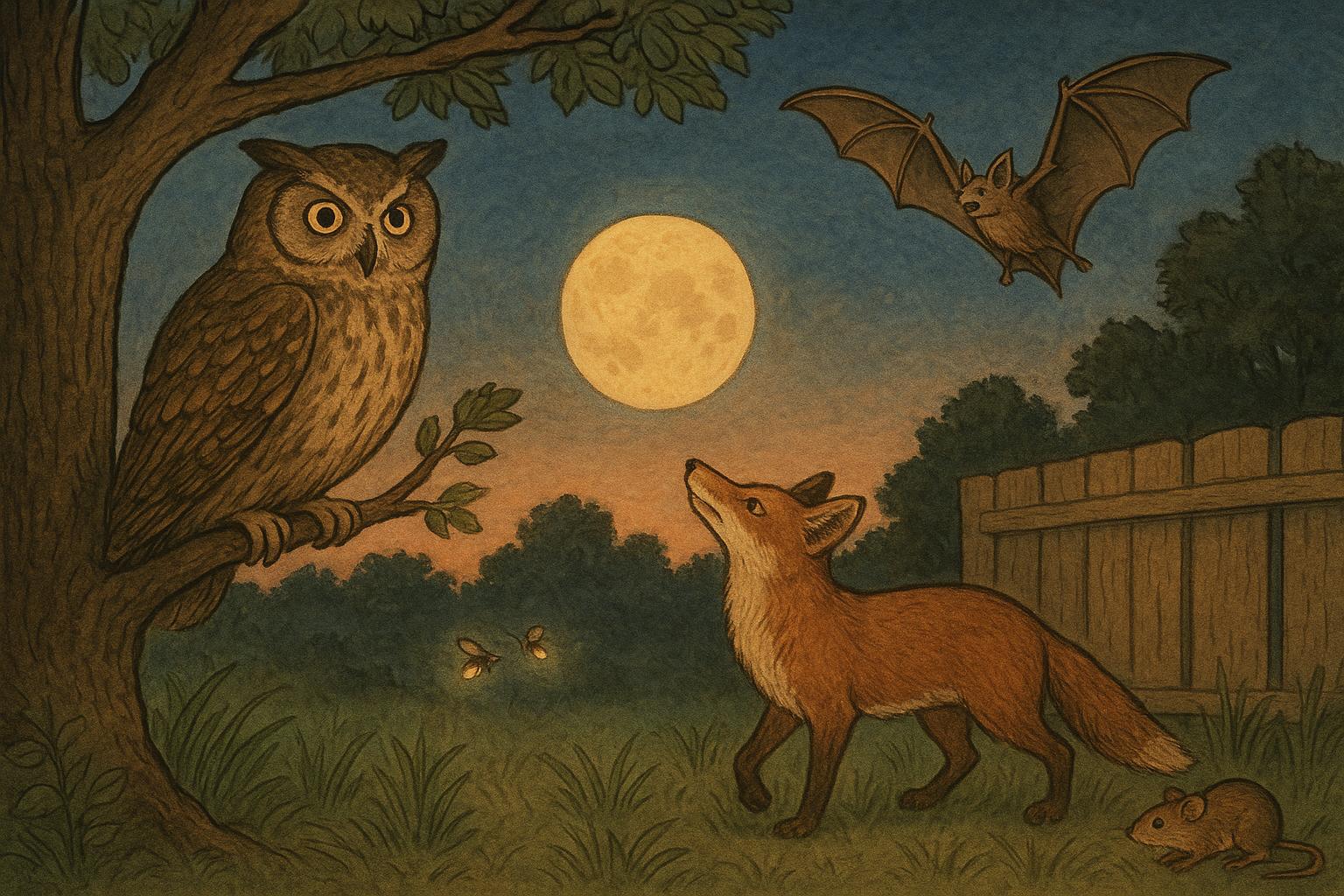
Coyotes adapt to suburban life but retain cautious behavior. They often use greenbelts and fence edges as corridors. If you see coyote tracks repeatedly in the Perimeter zone and they occur during the same time window, you may have a resident pair.
Coyotes are bolder at night than at day. Avoid confrontation. Do not feed them. Foxes are smaller, often crepuscular to noctural, and may use similar spaces but prefer less direct human contact. Both will alter timing in response to dogs and humans.
### Opossums, Skunks, And Small Omnivores
Opossums are slow-moving and will often forage close to structures. They are solitary and tend to be low-risk because they play dead or flee rather than fight. Skunks are predictable if you have insect-rich lawns or grubs; they will return to known food patches and can be identified by low, shuffling tracks and strong scent marks.
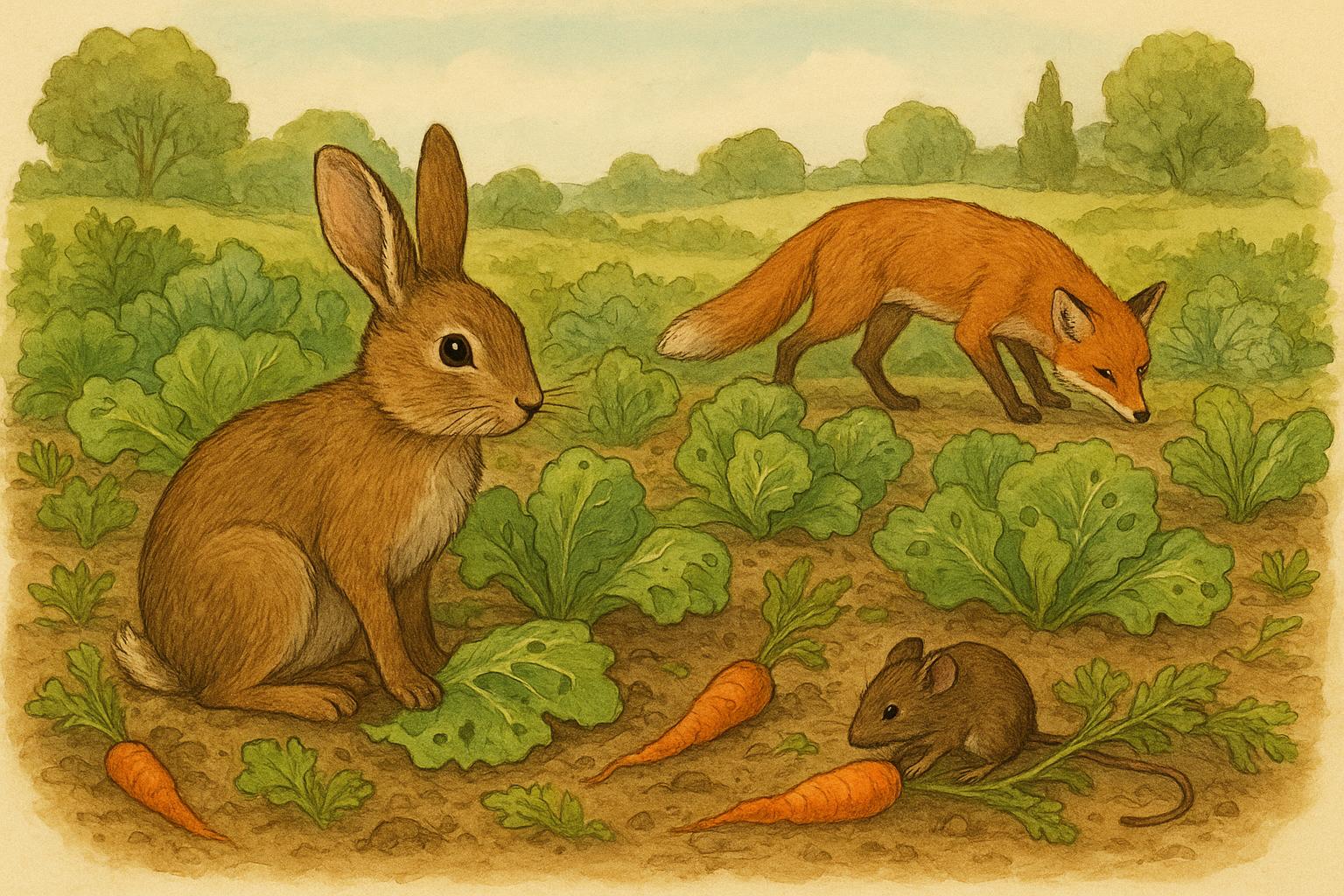
These smaller mammals often trigger human-wildlife interactions when they find easy food like pet food, chicken coops with gaps, or compost. Securing those food sources changes their behavior quickly.
### Deer And Large Browsers
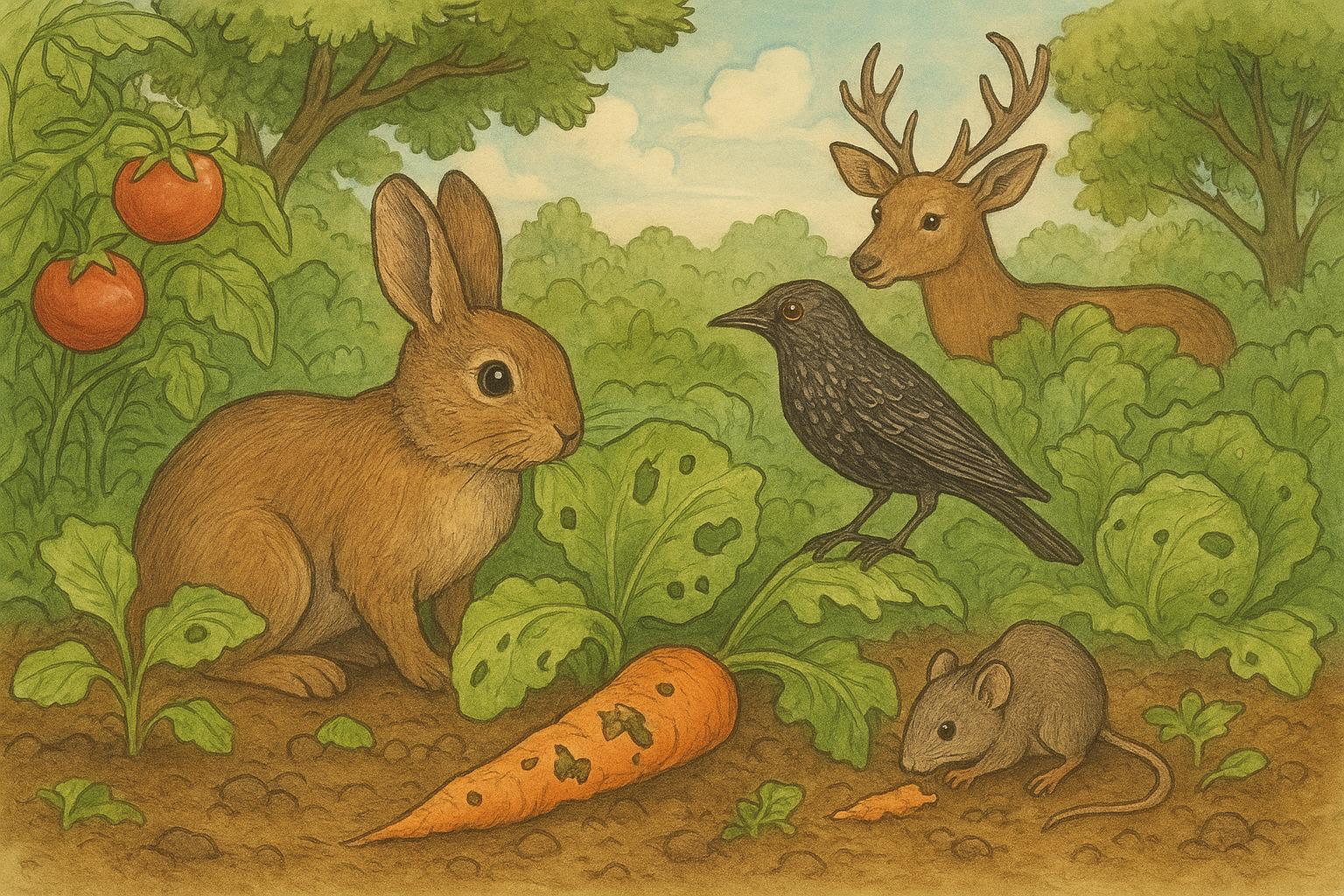
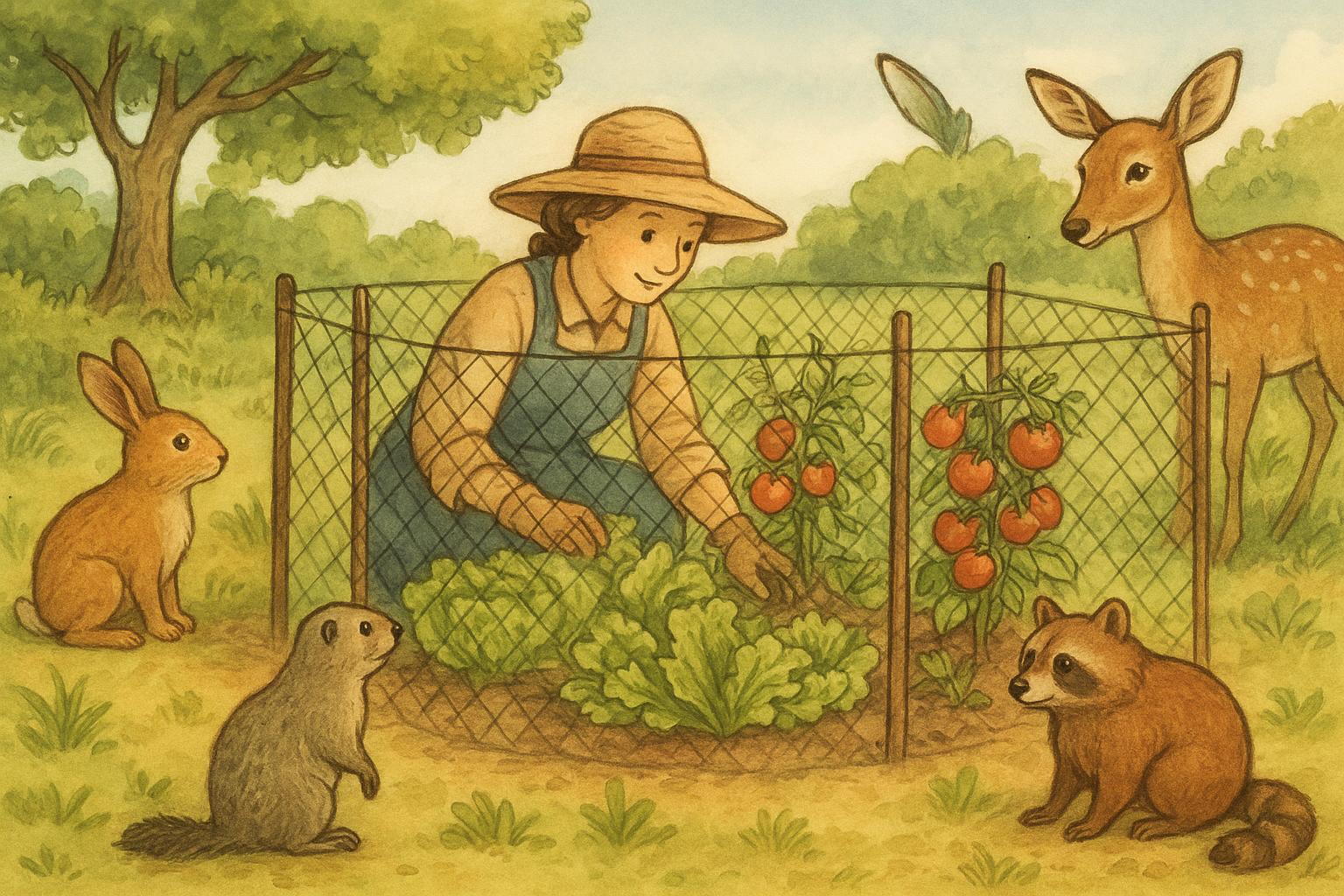
Deer are often the source of evening browse damage and tick risks more than direct conflict. In backyards, they move along hedgerows and prefer edges where cover meets forage. If your garden shows repeated leaf stripping on shrubs at a consistent height, you can infer the height class of the deer. Motion-activated lights can deter deer but will also change nocturnal patterns for predators that rely on their presence.
## Data Recording, Ethics, And Legal Considerations
When you collect information, you’ve taken on a responsibility to do it right and to minimize harm.
### Standardized Forms And Minimal Disturbance
Create a simple log: Date, Time Window, Zone, Species (or unidentified), Evidence Type (sighting, camera, track, scat), Duration, Behavior Notes, Attractant Present. Keep entries short and standardized. That helps later if you or a neighbor want to analyze patterns.
Respect animal welfare. Do not block exits to dens or nests. Do not prize rare species for pets. If you want clearer photos, adjust cameras slowly over several nights rather than shocking animals with new disturbances.
Document human context too. If a neighbor left pet food outside, note it. Many mammal encounters are better explained by human action than by animal choice.
### When To Call Wildlife Control
Call when there is a clear threat: direct aggression toward humans, evidence of disease (very unusual behavior, excessive salivation, disorientation), or animals trapped and injured. For babies that appear orphaned, observe from a distance for a reasonable period because parents often return only at night. Many well-meaning rescues actually separate juveniles from their parents unnecessarily.
Legalities differ by jurisdiction. Some species are protected and cannot be relocated without permits. Check local wildlife agency rules before taking action. If you’re in a homeowner association, share data with neighbors before escalating. Sometimes simple changes that everyone agrees to, like securing trash, reduce conflicts across multiple properties.
## Interpreting Patterns And Avoiding Bias
Two common errors: over-reporting charismatic animals and under-reporting routine ones. Raccoons and coyotes get logged because they’re noticeable. Small rodents and shrews rarely make logs but can drive predator behavior. Set baseline surveys to capture the less dramatic species too.
Be wary of confirmation bias. If you expect to see coyotes, you will interpret ambiguous tracks as canid. Use multiple lines of evidence. A camera image plus tracks plus scat equals higher confidence. When in doubt, classify as unknown or unknown-canid and revisit the site for more data.
Occupancy probability is a useful concept. Just because you didn’t see an animal in three nights doesn’t mean it’s absent. Detection probability varies among species, seasons, and weather. Rain reduces camera sensitivity for small mammals, for example. Account for those detection differences in any analysis.
## Practical Mitigations For Frequent Visitors
If the goal is to reduce problematic backyard night mammal encounters without harming wildlife, focus on three things: Remove attractants, reduce access, and modify habitat.
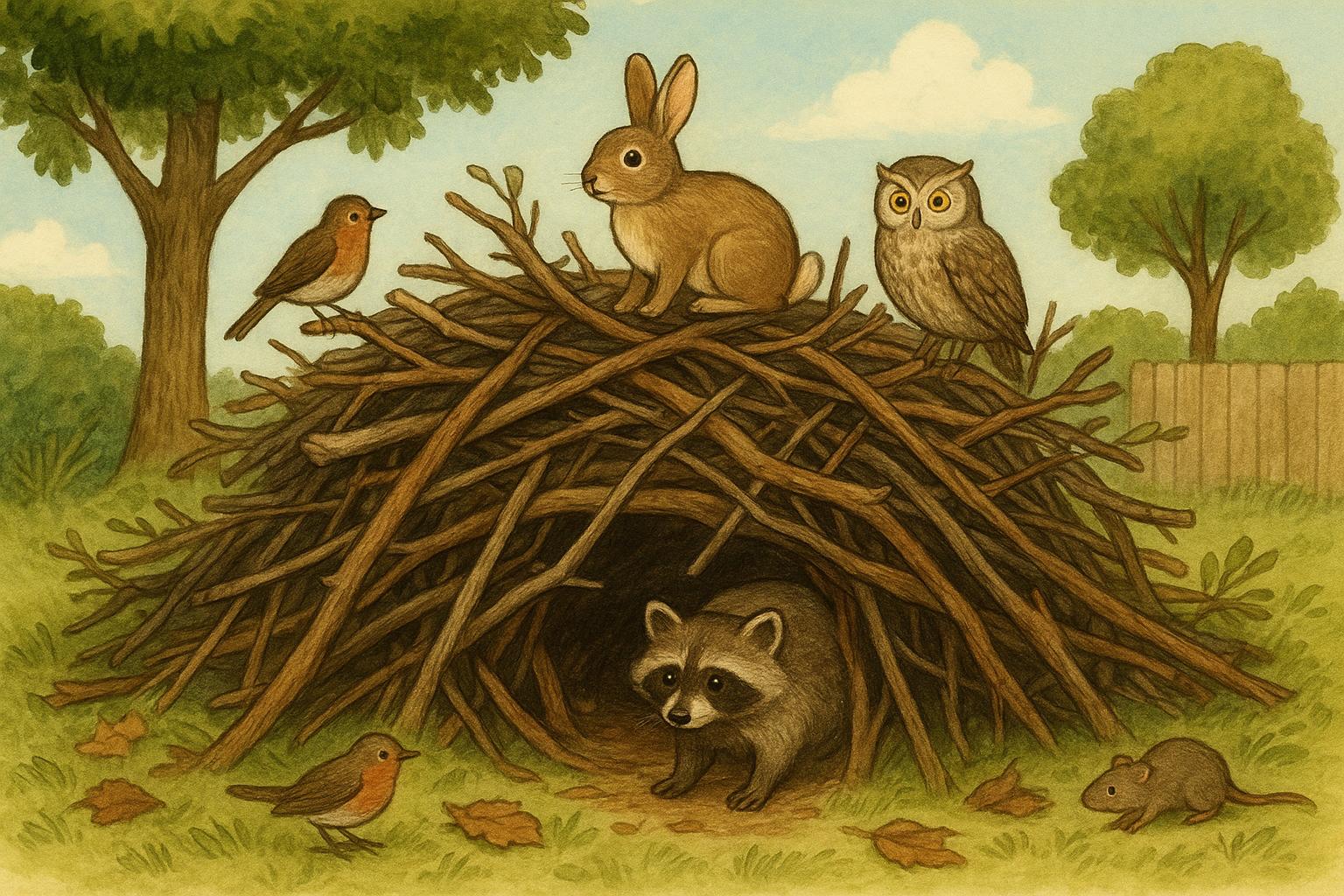
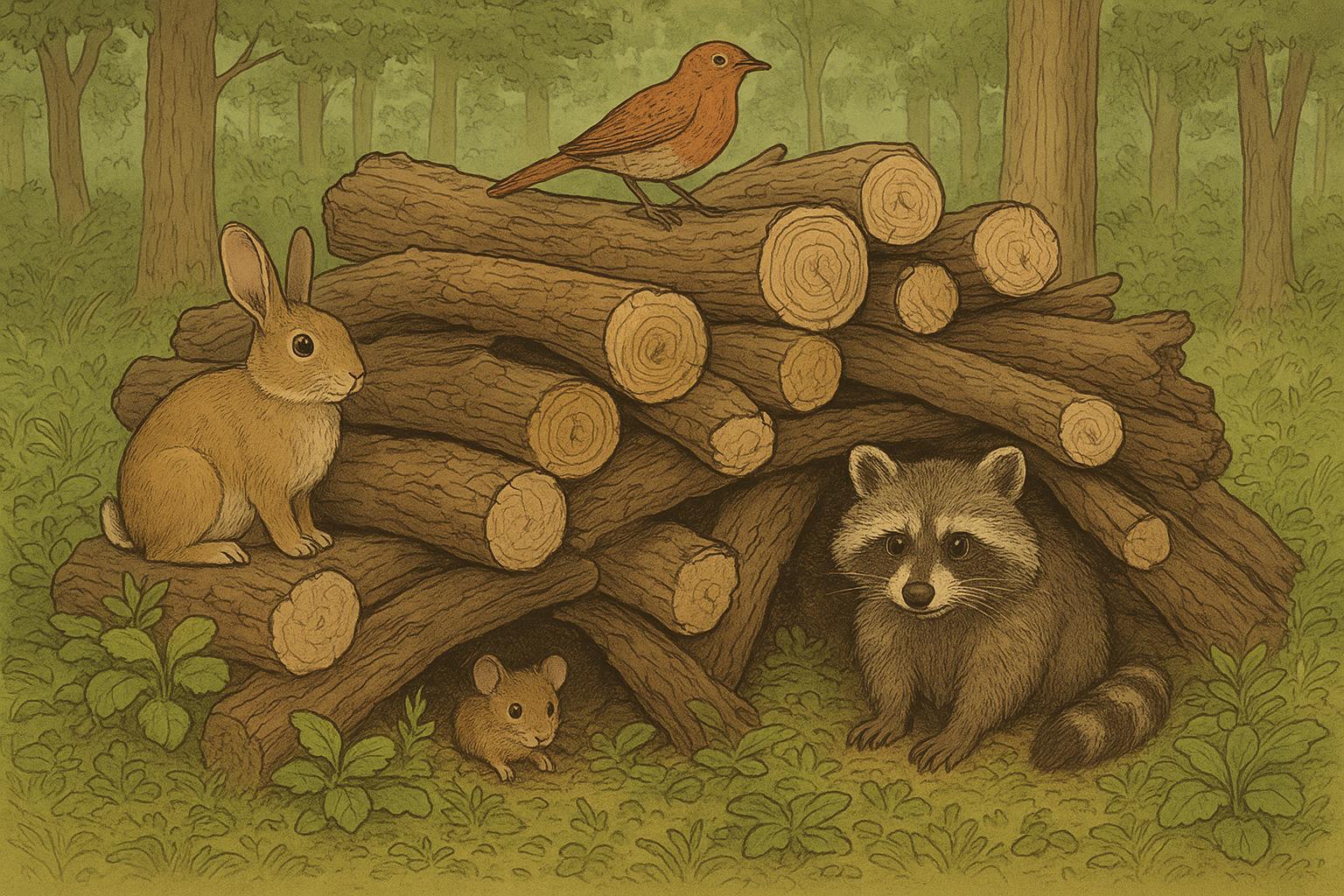
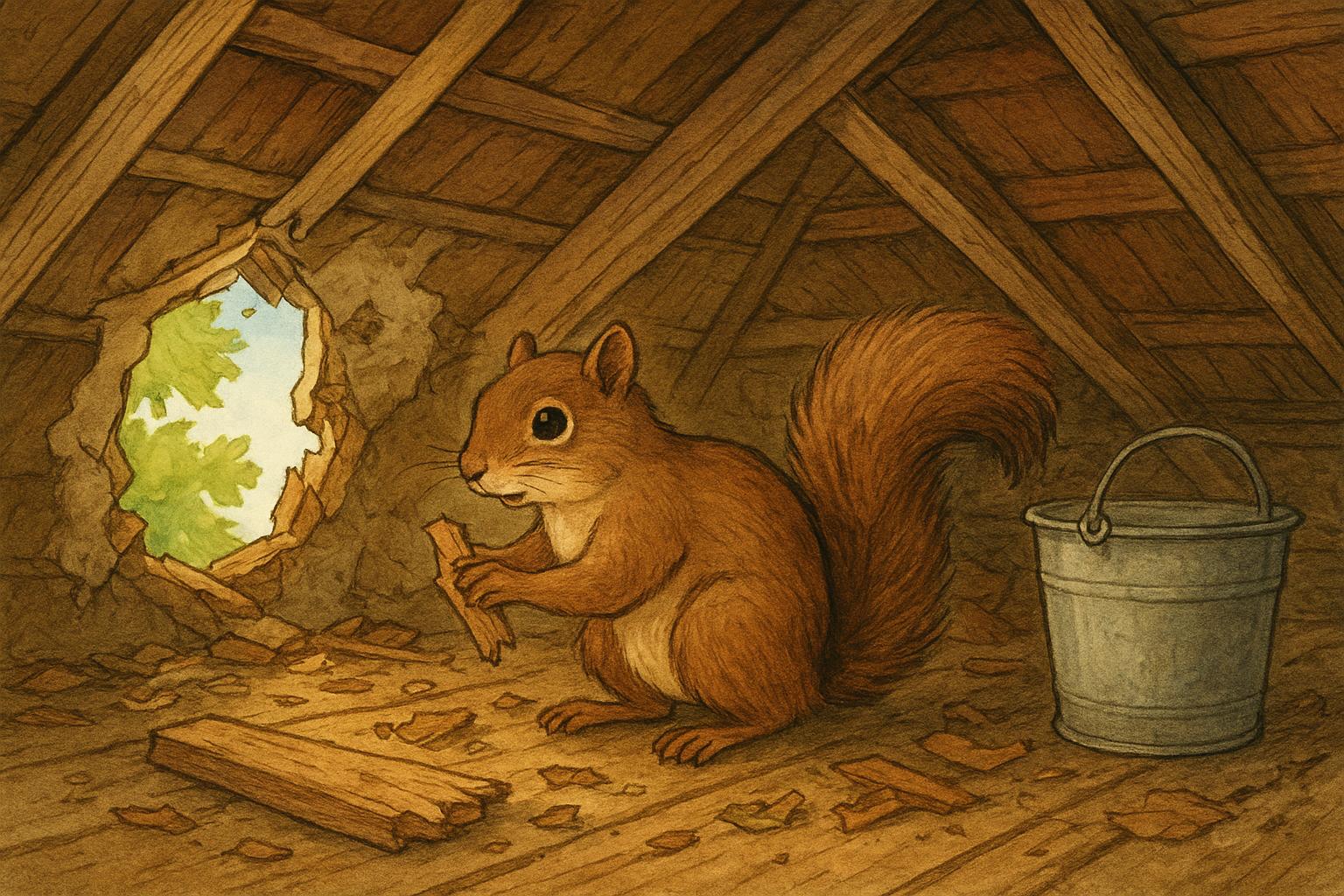
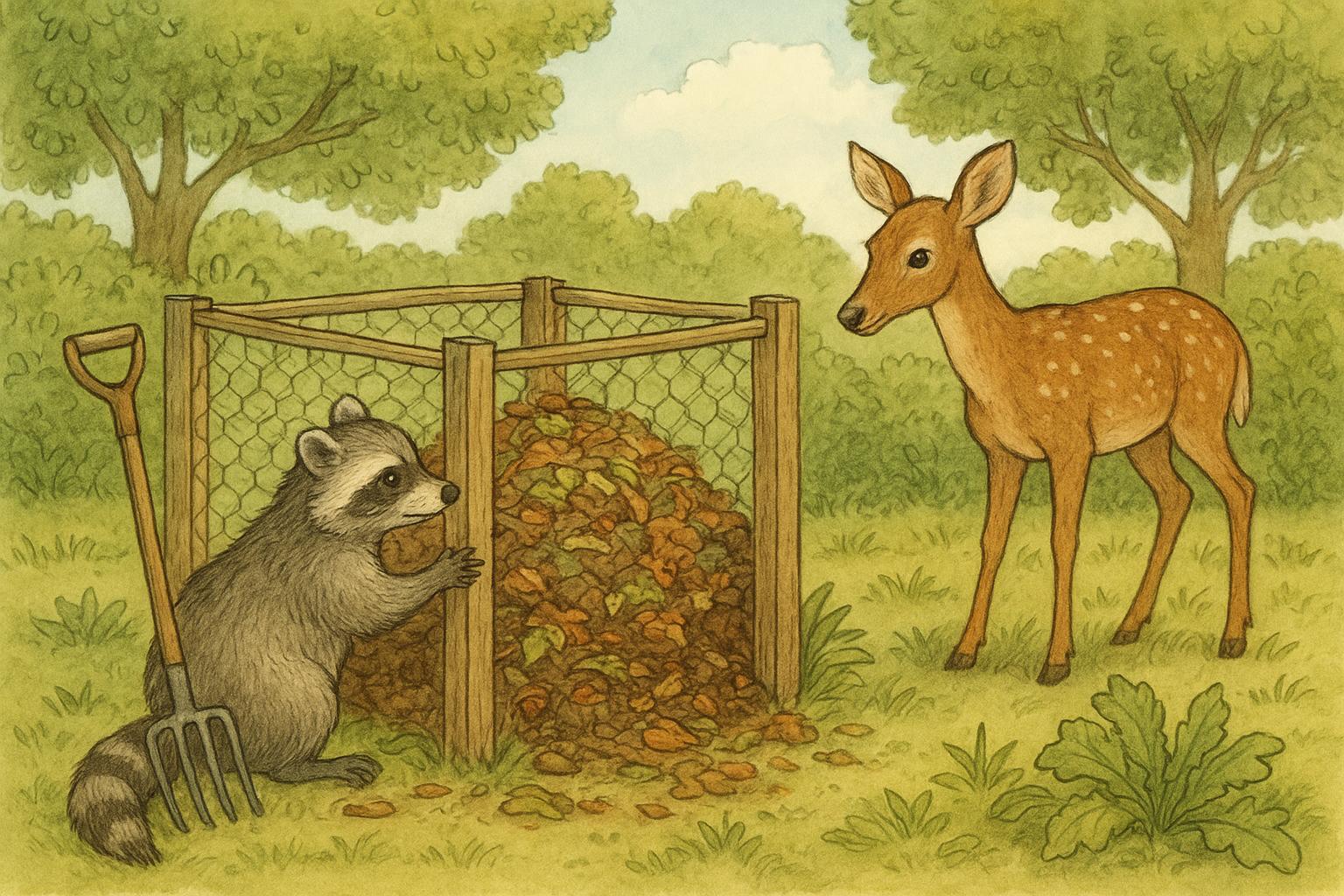
Remove attractants: secure trash, bring pet food inside at night, install raccoon-proof compost systems, and use deer-resistant plantings. Reduce access: cap off crawlspaces, seal holes in sheds, and install fence skirts to prevent digging. Modify habitat: remove brush piles near structures and discourage denning by keeping zones open and well-lit in ways that don’t create collateral problems for neighbors.
Don’t use poisons. They create secondary poisoning in predators and suffering in target species. Live traps are a last resort and often illegal to relocate wildlife. Professional wildlife rehabilitators and control agents have the permits and training to handle complex cases.
## Using Backyard Observations For Larger Questions
Your backyard can be a small-scale research station. If multiple neighbors collect standardized logs, you can map movement corridors through a neighborhood. You can test hypotheses. Does putting trash out earlier in the evening increase visits? Does a new dog reduce fox detections but increase coyote vocalization? Keep it simple, and test one change at a time.
Share data with local wildlife biologists. They often lack fine-grained urban data and will value repeated, systematic observations. You may be part of a larger pattern, like shifts in predator-prey dynamics or new colonization events.
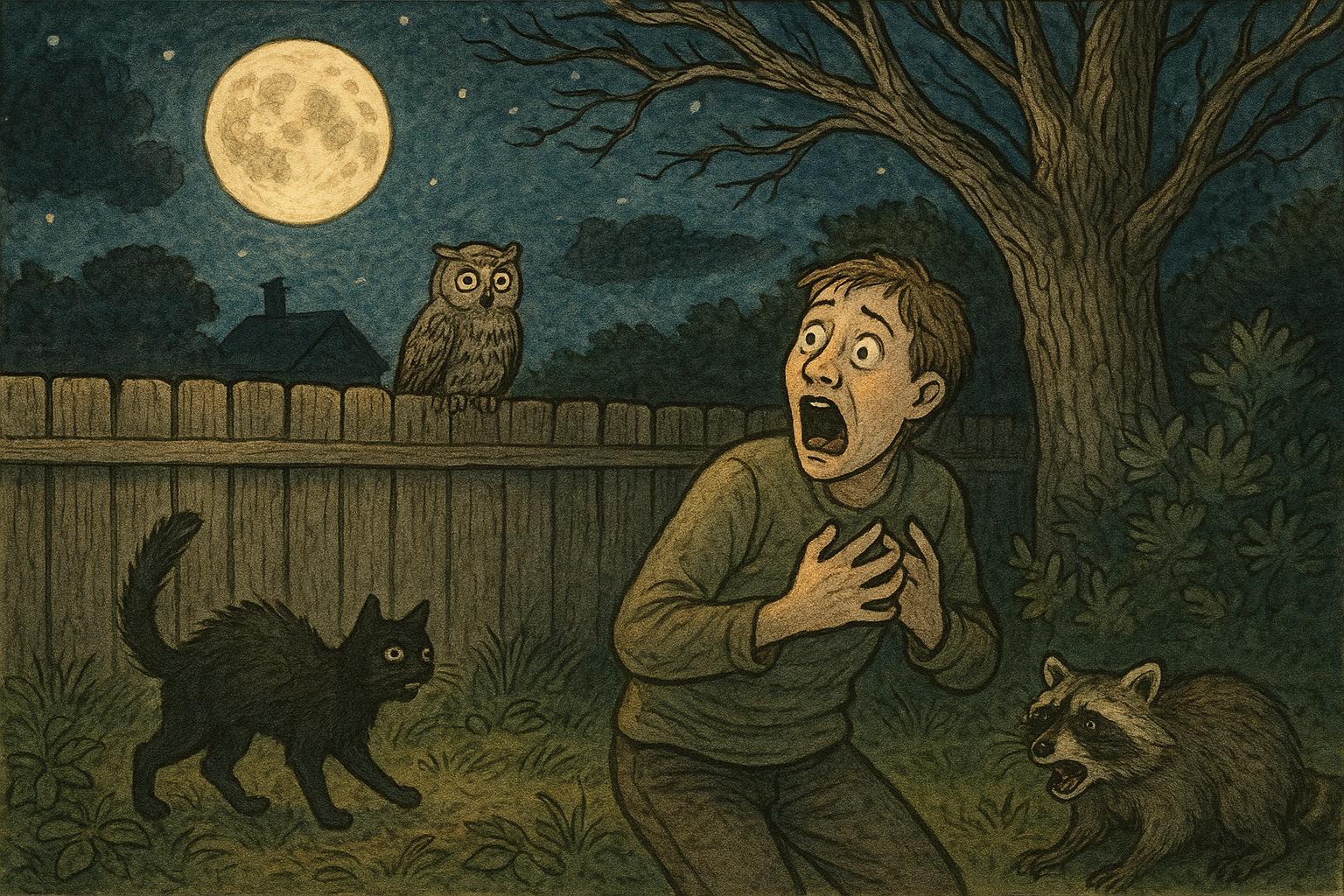
Be realistic. Backyard night mammal encounters are a mix of routine foraging and adaptation. Expect novelty occasionally. That’s the point of watching. It will change the way you think about the land behind your house.
If you want to improve your own records, try a two-week focused sample. Keep one camera on for all windows. Note any changes you make on specific days. You’ll learn whether the animals are regular visitors or opportunistic passersby. I once ran such a two-week protocol and found a raccoon visiting every third night, always between 1:30 and 2:15 a.m., and always heading straight to the same shed vent. Fixing that vent dropped my confirmed visits within a week. Simple things work when you treat the yard as a system.
Last practical note: Expect the odd mis-identity. I once logged a “fox” that turned out to be a small feral dog. Mistakes teach you to refine methods. Keep your notebook honest and your camera angles adjusted. The night will tell you the rest, though sometimes it will be annoyingly vague. Be patient and systematic and the patterns will clarfy, even if some details remain mysterious for a while.




















Leave a Reply