
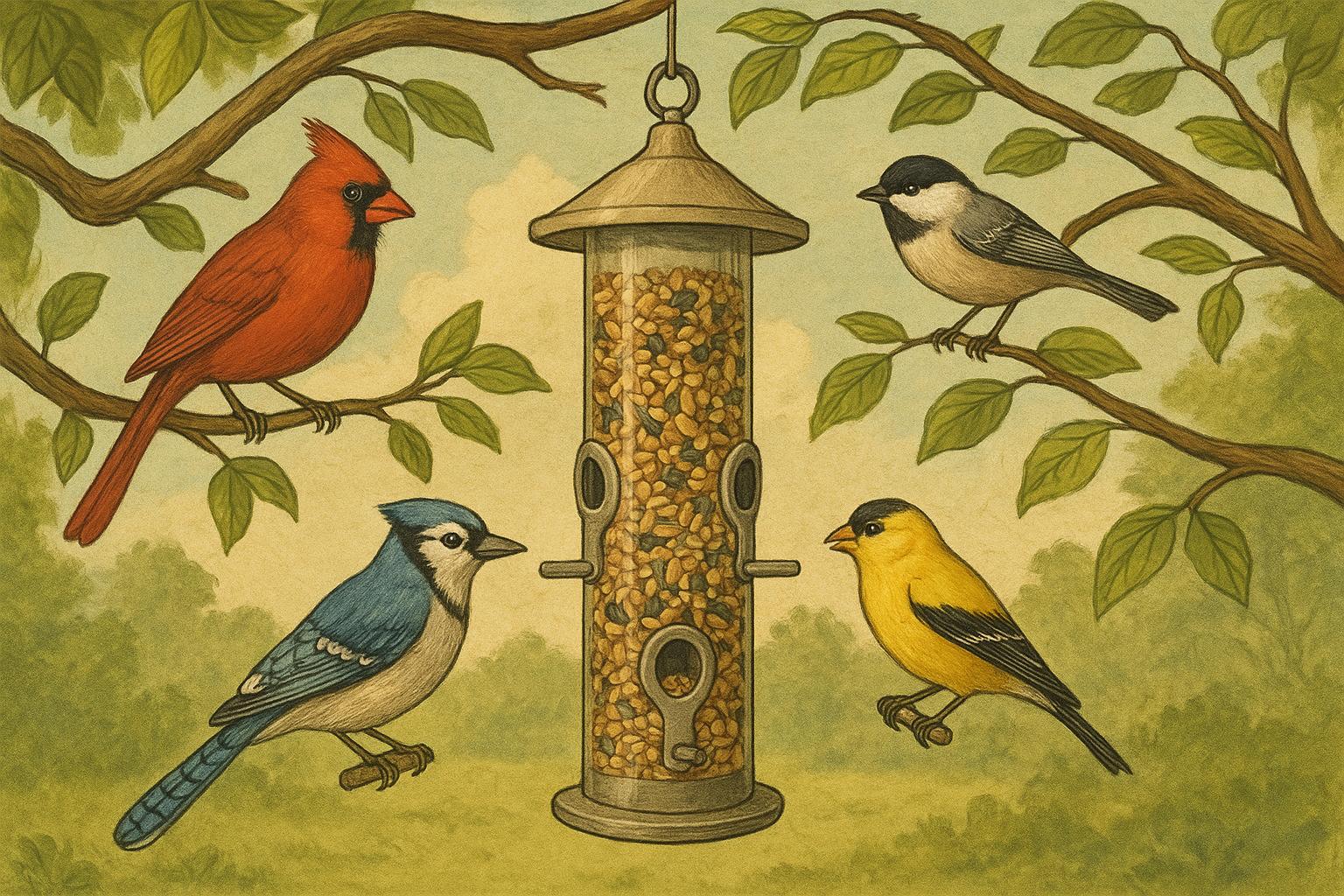
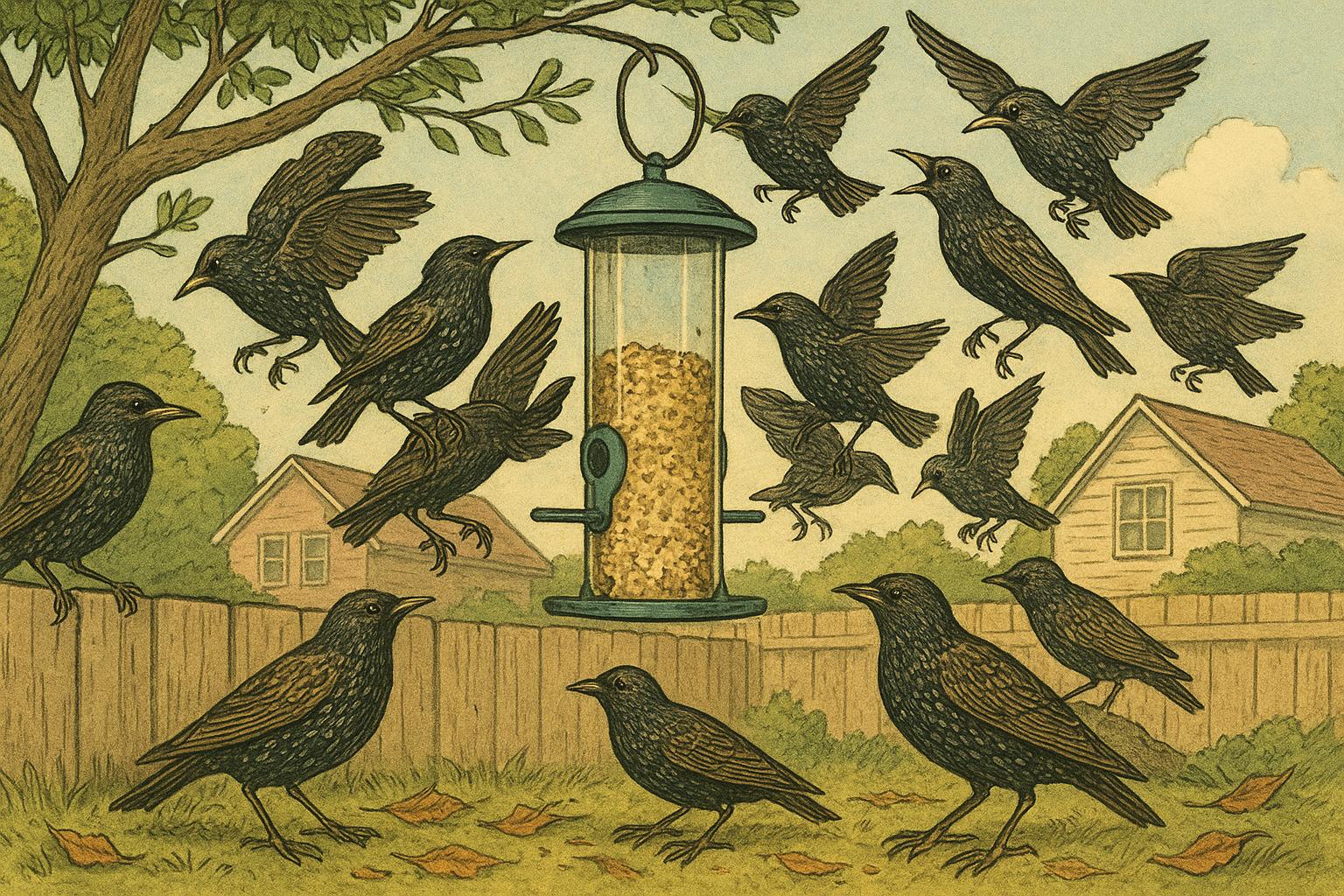
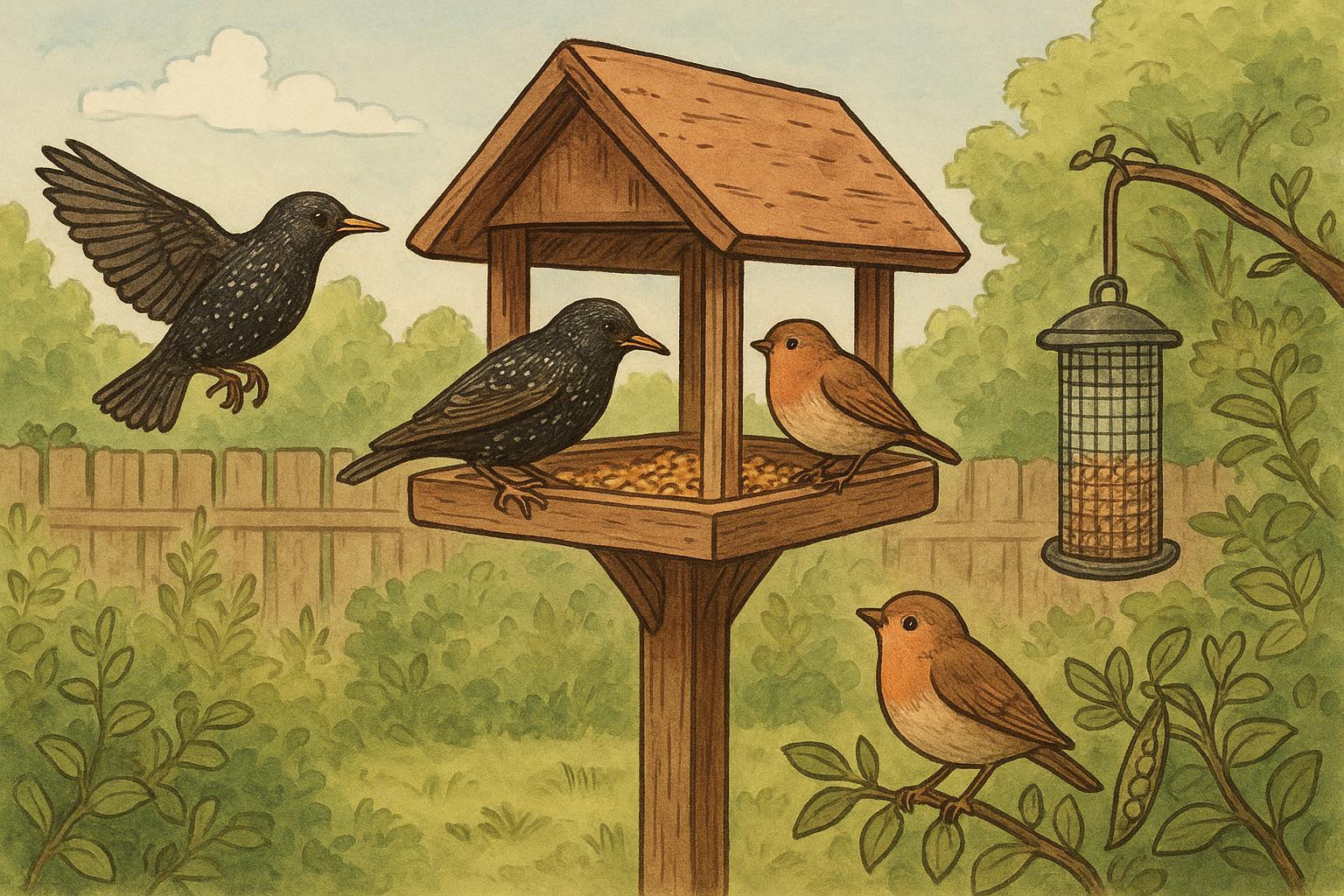
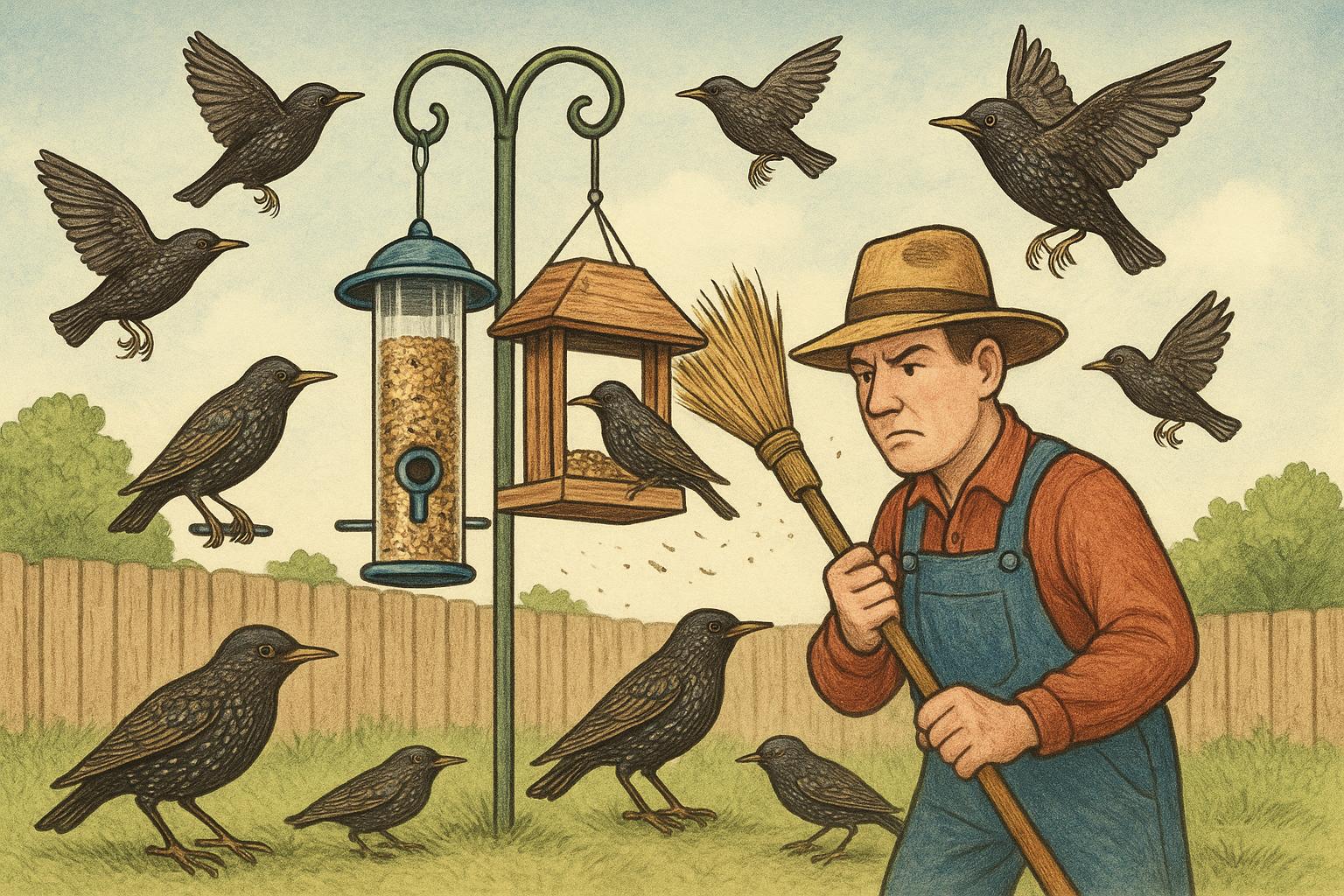
If you want more birds at your tube feeder, the first thing to change is what you put in it. Not all seeds are created equal for tube-style feeders. Some fall through the ports, some get wet and rot, and others invite pigeons and starlings while driving away finches and chickadees. Pick seeds that suit the feeder and the birds you want, and you’ll see a difference within days.
## Best Seed Types For Tube Feeders
Choosing seed types for tube feeders means balancing size, shell type, and appeal. Tube feeders work best with seeds that flow through the ports and don’t leave a lot of hull debris at the bottom. Black-oil sunflower is a clear winner here. The small, oily kernel fits well in ports, offers high calories, and most backyard species love it. If you only buy one thing, buy hulled black-oil sunflower. It attracts cardinals, titmice, nuthatches, chickadees, and many more.
Safflower is another solid option for tube feeders. It’s slightly larger and harder, which keeps squirrels less interested. Cardinals and doves will eat it, while many small songbirds ignore it less often than some people claim. Nyjer seed is an outlier: tiny and expensive, but perfect for finches. Use a tube designed for nyjer; regular ports will let it spill.
## Why Seed Choice Matters
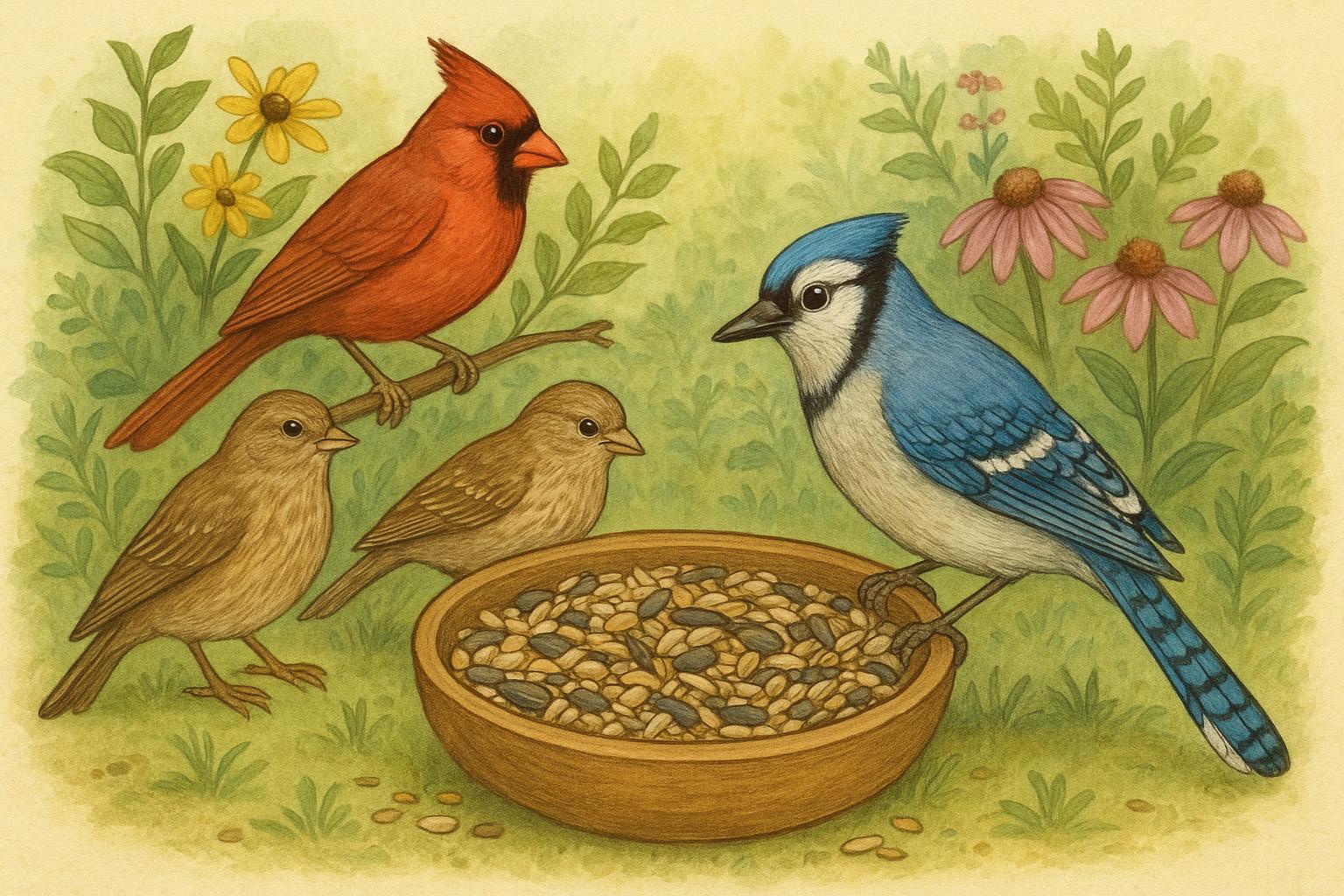
Different birds have different bills and feeding behaviors. Finches and goldfinches pick at small seeds. Grosbeaks and cardinals prefer larger kernels that they can crack. If you load a tube feeder with a general low-cost mix that’s heavy on millet and filler seeds, you’ll get sparrows and pigeons, and less of the colorful songbirds you wanted. That’s a common mistake.
Seed condition also matters. Wet seed molds quickly, especially in spring and fall. Use fresh, dry seed and pick tube feeders with good drainage. If seeds clump, fewer birds will visit. You’ll also notice fewer visits when the seed mix has lots of husks. Birds tend to avoid feeders that produce a mess below them. For predictable results, choose tube feeder seeds that are clean and well-sized for your ports.
### Single Seeds Worth Offering
Black-Oil Sunflower: The highest-value seed for most feeders. The thin shell and high oil content make it easy to crack and digest. Expect to attract a wide range of species.
Safflower: Good for deterring unwanted visitors. Squirrels dislike it, and it tends to stay put in a tube. Use it in winter when you want to feed cardinals and chickadees without encouraging starlings.
Nyjer (Thistle): Tiny seeds for finches. If you want goldfinches, siskins, or redpolls, this is the one. Buy a special nyjer tube or a mesh sock.
White Proso Millet: This is the common filler in cheap mixes. Ground-feeding birds like doves and sparrows eat it. It’s fine in small amounts, but too much will shift your bird mix toward ground feeders and away from perching songbirds.
Cracked Corn: Best left for ground trays. It attracts jays and doves but is messy in a tube feeder. Small amounts may be okay for mixed feeding setups, but avoid using cracked corn as the main tube feeder seed.
### How Tube Feeder Seeds Differ From Tray Food
Tube feeder seeds need to stay where birds can access them easily and not cake into a soggy mess. Tube feeders are about elevation and protection. Seeds that are oily or slightly smaller tend to move through the ports smoothly. That matters because port blockage or seed spoilage will quickly reduce visits. If you’re refilling daily or every few days, you can be more flexible. If you want longer refilling intervals, pick seeds that resist moisture and compaction.
## Seed Blends Versus Single Seeds
There’s a case for both. Seed blends give you variety and often attract more species simultaneously. A good blend that uses high-quality components can be a dependable all-round choice. But cheap blends are mostly millet and red milo — fillers that benefit only a narrow set of birds. When a blend says “wild bird food” but lists milo first, it’s not a premium mix.
If you choose seed blends, look for ones where black-oil sunflower appears near the top of the ingredients. That signals the blend is actually useful. For finches, blends with significant nyjer work, but again, nyjer is best in a specialized tube. And remember: mixes with lots of shells create waste. You’ll end up brushing off husks and cleaning the area beneath the feeder more often.
#### Best Seed Blends For Tube Feeders
Blends that prioritize small sunflower pieces and include safflower tend to perform well. A “sunflower-safflower” mix gives you both variety and resistance to pest birds. For finch-heavy yards, a blend that combines nyjer and fine sunflower chips will keep both goldfinches and house finches around. When buying commercial mixes, check the back label. If the blend lists “milling by-products,” pass.
#### Making Your Own Blend
DIY blends are simple and often cheaper. Combine 60-70% black-oil sunflower with 20-30% safflower and a small percentage of shelled corn or peanuts if you want to bring in jays and woodpeckers. For finch-focused mixes, swap a chunk of the sunflower for nyjer. Mix in small batches to keep seed fresh. You can label the bag and rotate stock in the pantry to avoid stale seed.
### Tips For Loading And Maintaining Feeders
Keep seed dry. Moisture is the single biggest spoilage factor. Clean tube feeders monthly and more often in humid weather. Replace moldy seed immediately; don’t try to salvage it. Place the feeder where birds can perch safely and where you can see them. A feeder against a wall may be safer from wind but harder for birds to spot.
Rotate seed types seasonally. In spring, offer more nyjer and sunflower to support nesting birds. In winter, slightly fattier seed like sunflower keeps birds warm. Watch what comes and goes. If you’re refilling but birds aren’t visiting, change the seed. You might recieve fewer visitors because of a poor mix or stale product.
Limitable seed spillage matters too. If seeds fall and sprout under your feeder, you’ll welcome weeds and draw ground feeders. Consider a seed tray or a little catchment to keep the immediate area tidy.
### Other Small Details That Help
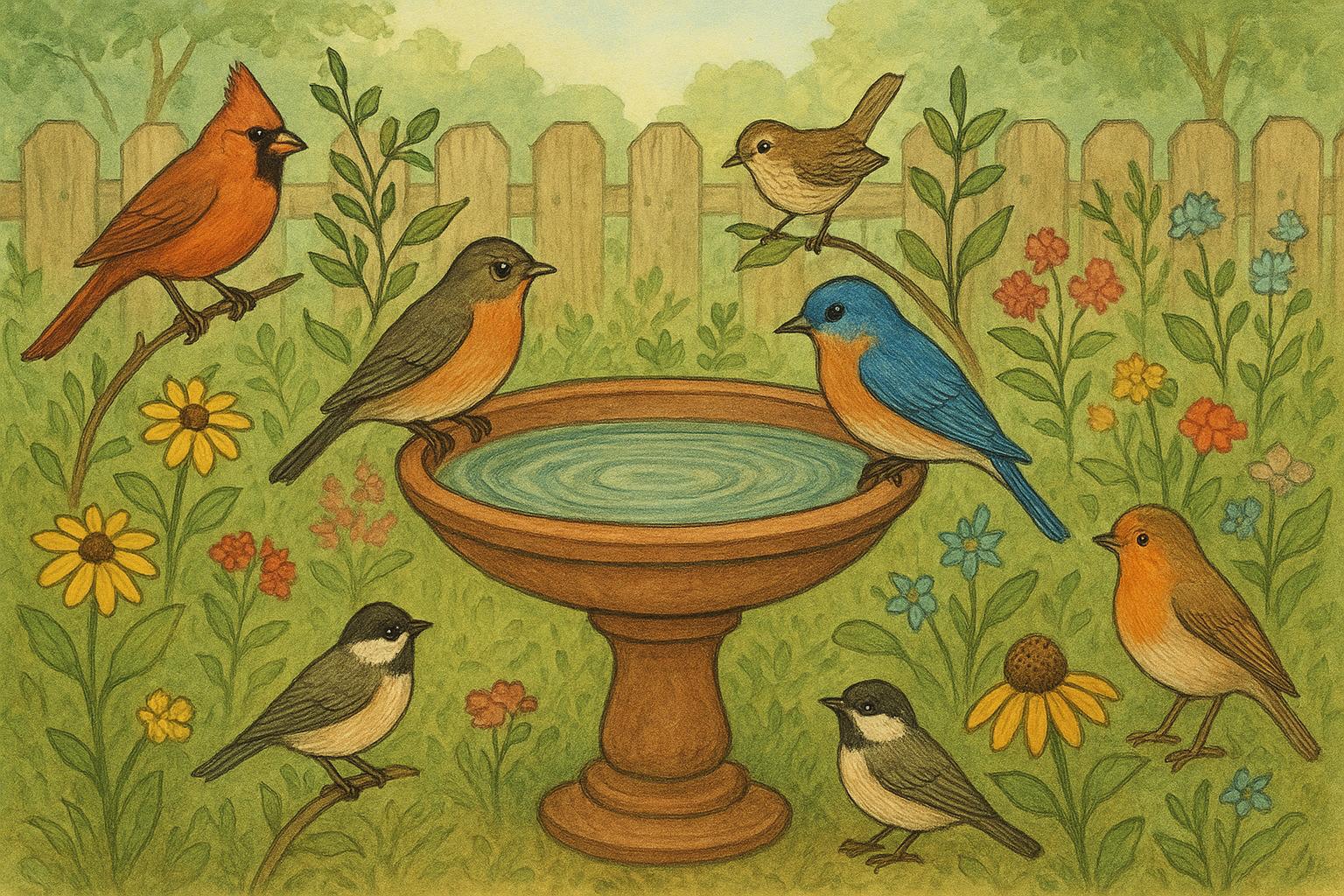
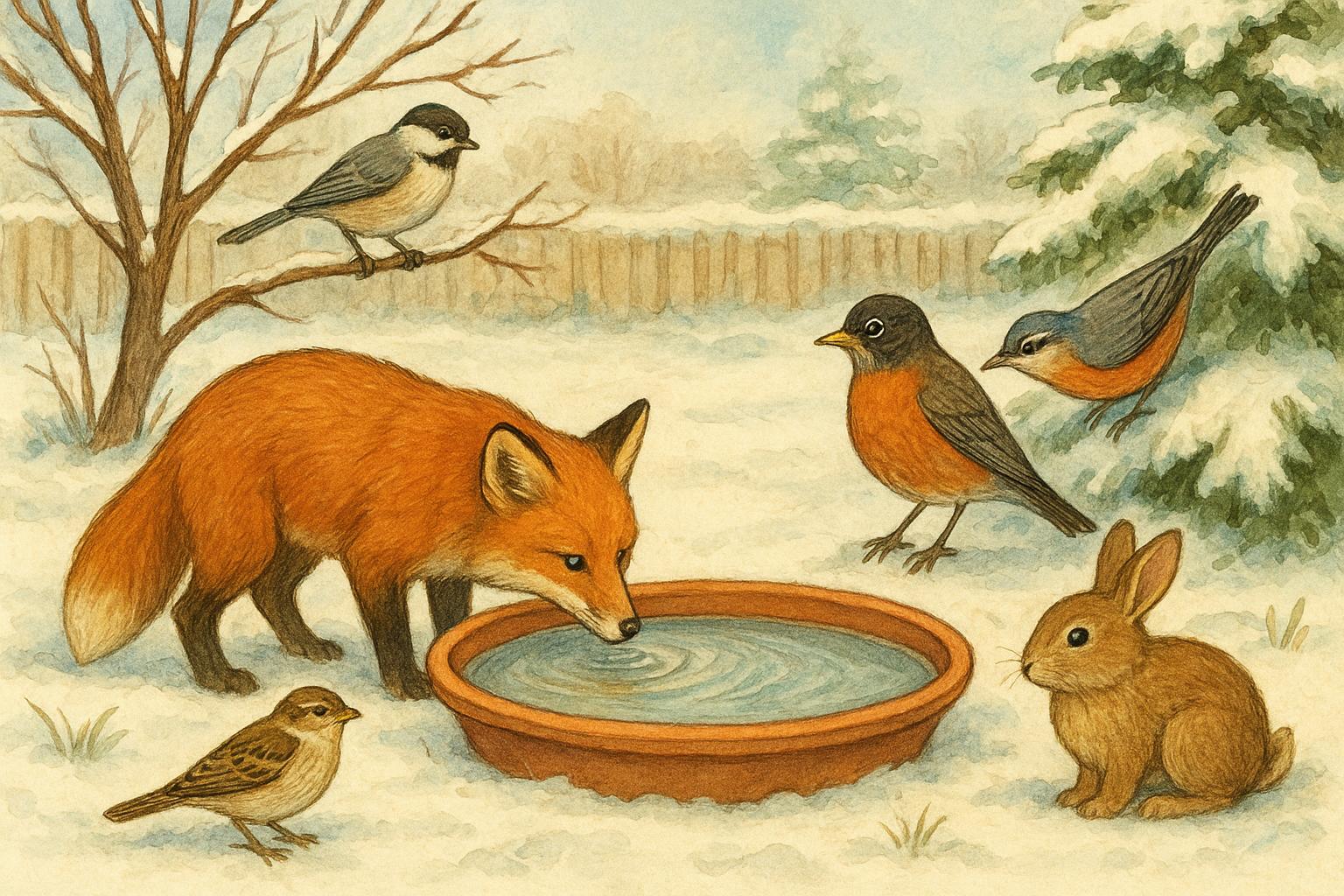
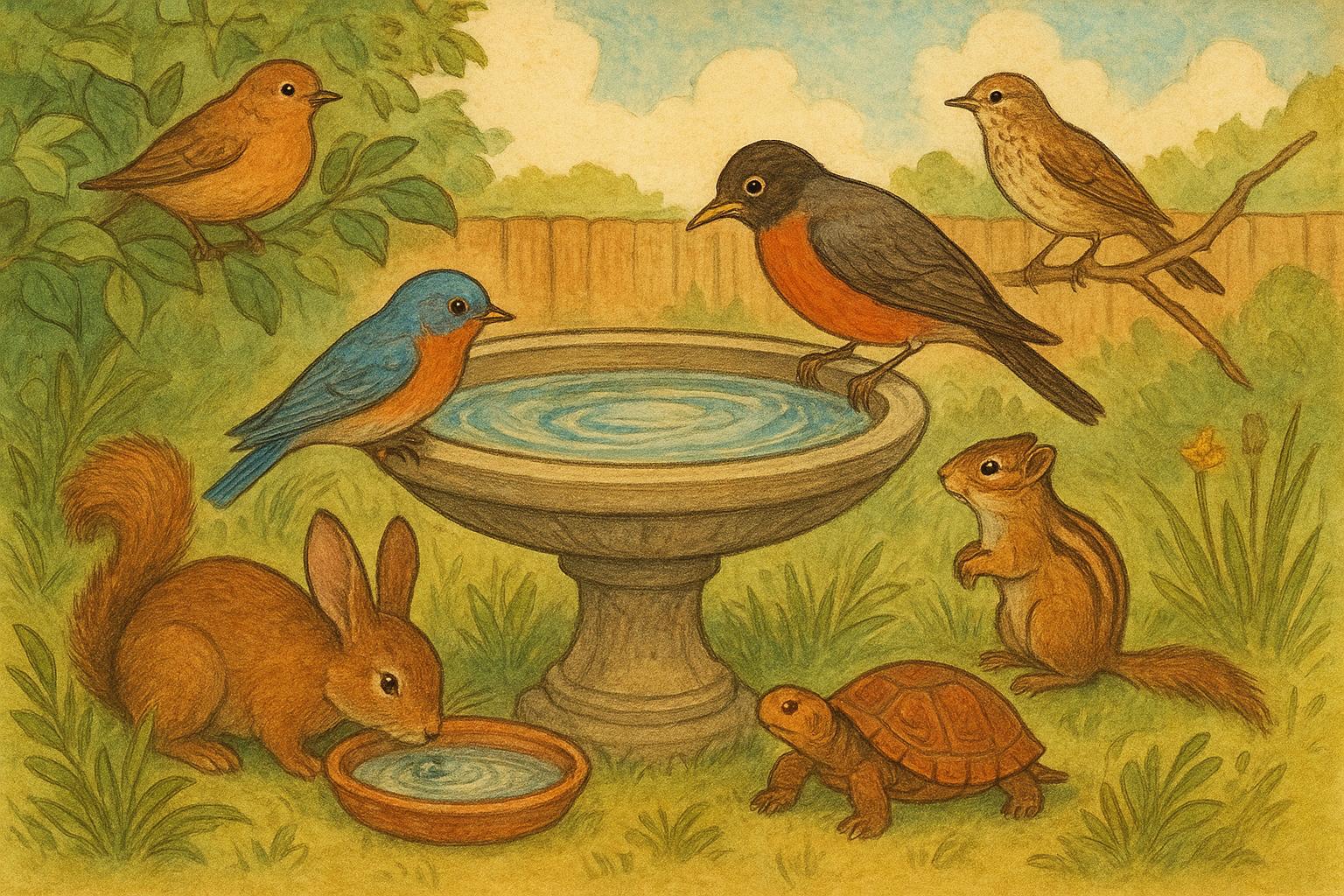
Buy in sizes you’ll use within a month or two. Bulk seed can be tempting but stores can hide stale inventory. Store bags off the ground and in a cool, dry place. If squirrels are a problem, try safflower or a tube with a weight-sensitive perch; many birds will put up with that gear but squirrels will be discouraged. And don’t ignore water. A nearby birdbath increases visits, sometimes dramatically.
Feeders are tools. Put the right seed in the right tool, and the birds show up. Change one variable at a time so you know what worked. Keep notes for a season or two. You’ll start to recognize patterns in which seed types for tube feeders draw the species you want and which only add noise.









Leave a Reply