
## Signs You Shouldn’t Ignore
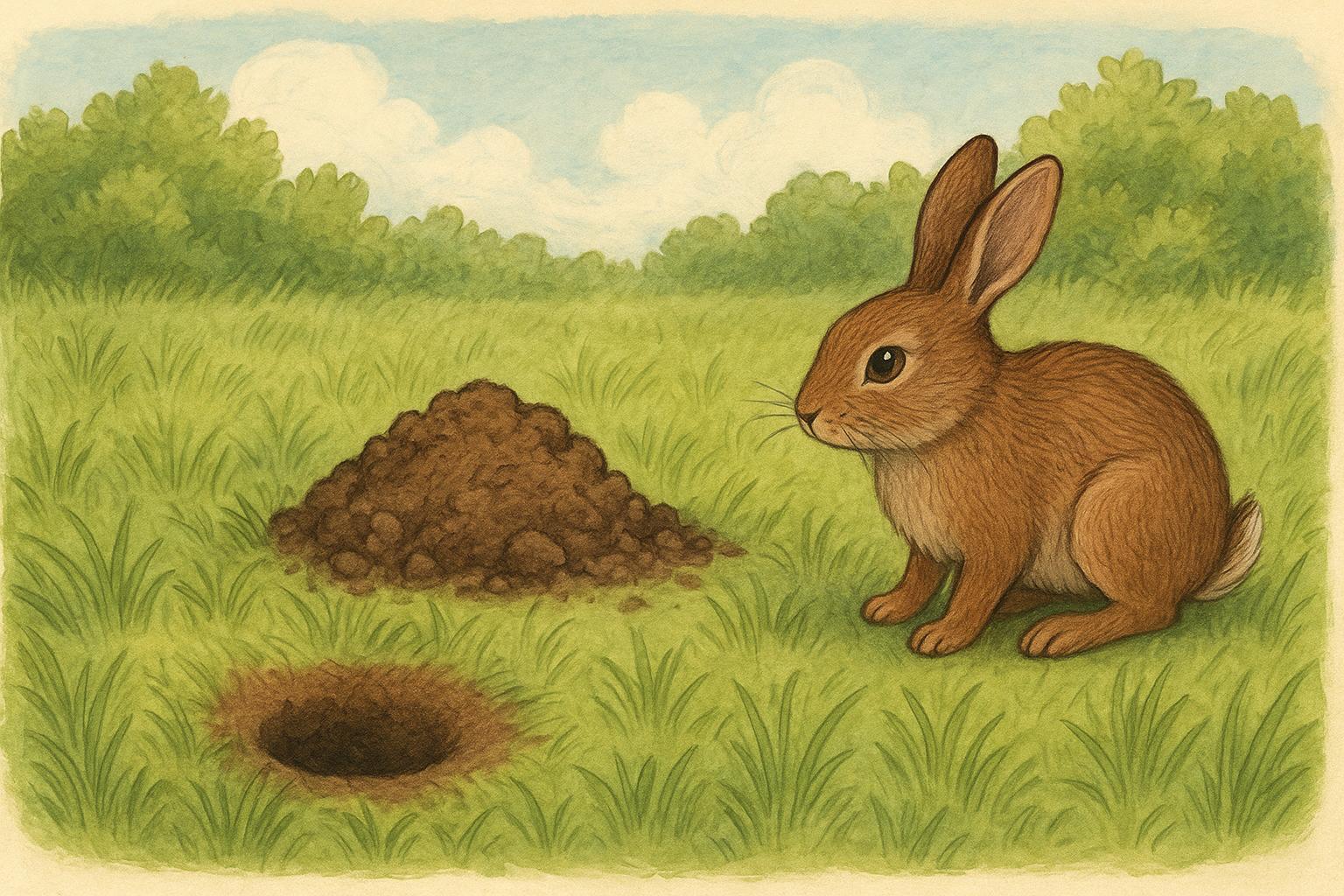
You step outside and notice a fresh mound of dirt. Or you find a round hole where a sprinkler used to be. That first reaction is usually annoyance—another chore, another problem. But those small details are clues. Some are purely cosmetic. Others point to animals or drainage problems that will get worse if you ignore them.
One quick rule: look at the surrounding ground. Is the soil disturbed in a line, clustered, or isolated? Is the grass flattened nearby? Those patterns tell you whether you’re dealing with a single critter, a family of tunnelers, or soil shifting from water. Don’t assume every bump is the same.
### Fresh Soil And Mound Shape
Freshly tossed soil is soft and crumbly. Old soil has weeds and is compact. Moles and voles push up conical mounds of fine soil that almost look powdered. Gophers create crescent- or fan-shaped mounds with a plugged hole on the side. Raccoons and skunks leave shallow, messy holes as they dig for grubs. If the pile has small bits of grass and roots, something dug up the sod—pay attention.
### Open Holes Versus Plugged Entrances
Open, cleanly cut holes are often hand-sized and indicate animals that come and go quickly. Plugged or covered holes suggest an animal that wants to keep its nest insulated—gophers and sometimes rabbits do this. If you’re seeing multiple plugged entrances across the lawn, that’s a clearer sign of burrowing activity rather than a single animal passing through.
## How To Read Lawn Mound Or Burrow Indicators
When hunters or gardeners talk about lawn mound or burrow indicators, they mean the small, readable details that point to what’s under the surface. You can become fluent in those signals with a little practice. Start by cataloguing three things for each disturbance: shape of the mound, number of holes, and location relative to trees, fences, or foundations.
If you get this wrong, you’ll spend money on the wrong fix. Trapping gophers differs from treating vole damage. Waterlogged soil needs drainage, not pest control. Treat the symptom without diagnosing and you’ll be back out in a month.
### Match Shape To Culprit
– Conical mounds, surface tunnels, and no visible holes: Think moles.
– Fan-shaped piles with plugged holes off to the side: Likely gophers.
– Small, shallow pits dug in search of grubs: Skunks or raccoons.
– Shallow, numerous holes in rows close to plants: Voles or shrews.
Look for gnaw marks, droppings, or runways through the grass too. These secondary cues are as useful as the primary mound.
#### What Location Tells You
When mounds cluster near trees and shrubs, animals are using root zones for cover and food. Mounds clustered along property lines often indicate animals moving between yards. If you see activity right next to the foundation or near a water source, prioritize those spots—damage there can affect structures or underground utilities.
## Interpreting Burrow Indicators For Different Animals
Not every animal leaves dramatic signs. Some leave precise, neat clues; others are sloppy. Learning common burrow indicators will let you act sooner.
### Moles: Tunnels More Than Pockets
Moles are insectivores. They carve networks of tunnels to hunt grubs and worms. The visible sign is often a raised, ridged tunnel or soft, puckered ground where the tunnel is just below the surface. Moles typically don’t create obvious open holes. Instead, they push soil up in ridges or small volcano-like mounds. If you step on the ridge, it collapses into a tunnel.
### Gophers: The Dirt Engineers
Gophers move a lot of soil. Their mounds are often dramatic, with a fan or crescent shape and a plugged entrance on the tunnel’s side. You’ll find the majority of the soil outside the entry, pushed up as they expand their chambers. They strip roots and bulbs as they go, so check flower beds and vegetable rows for missing plants or clean-cut roots.
### Voles: Small But Numerous
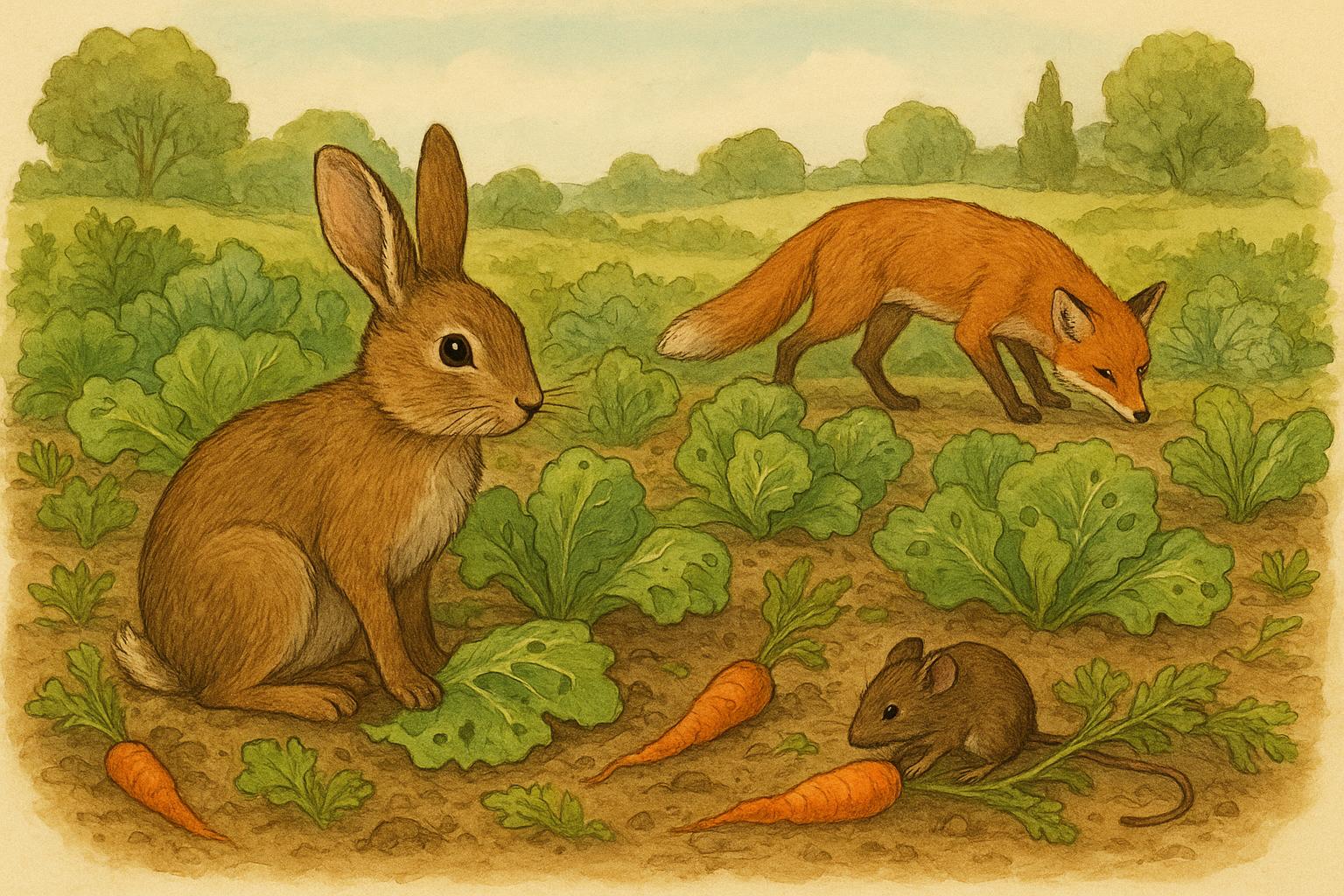
Voles are small rodents that chew plants and create surface runways through grass. Their burrows are shallow and often hidden under cover. Their signs are more subtle: chewed bark at the base of young trees, small surface holes, and tidy, narrow paths through the lawn. If you have many small yard holes in a grid or near low vegetation, voles could be the issue.
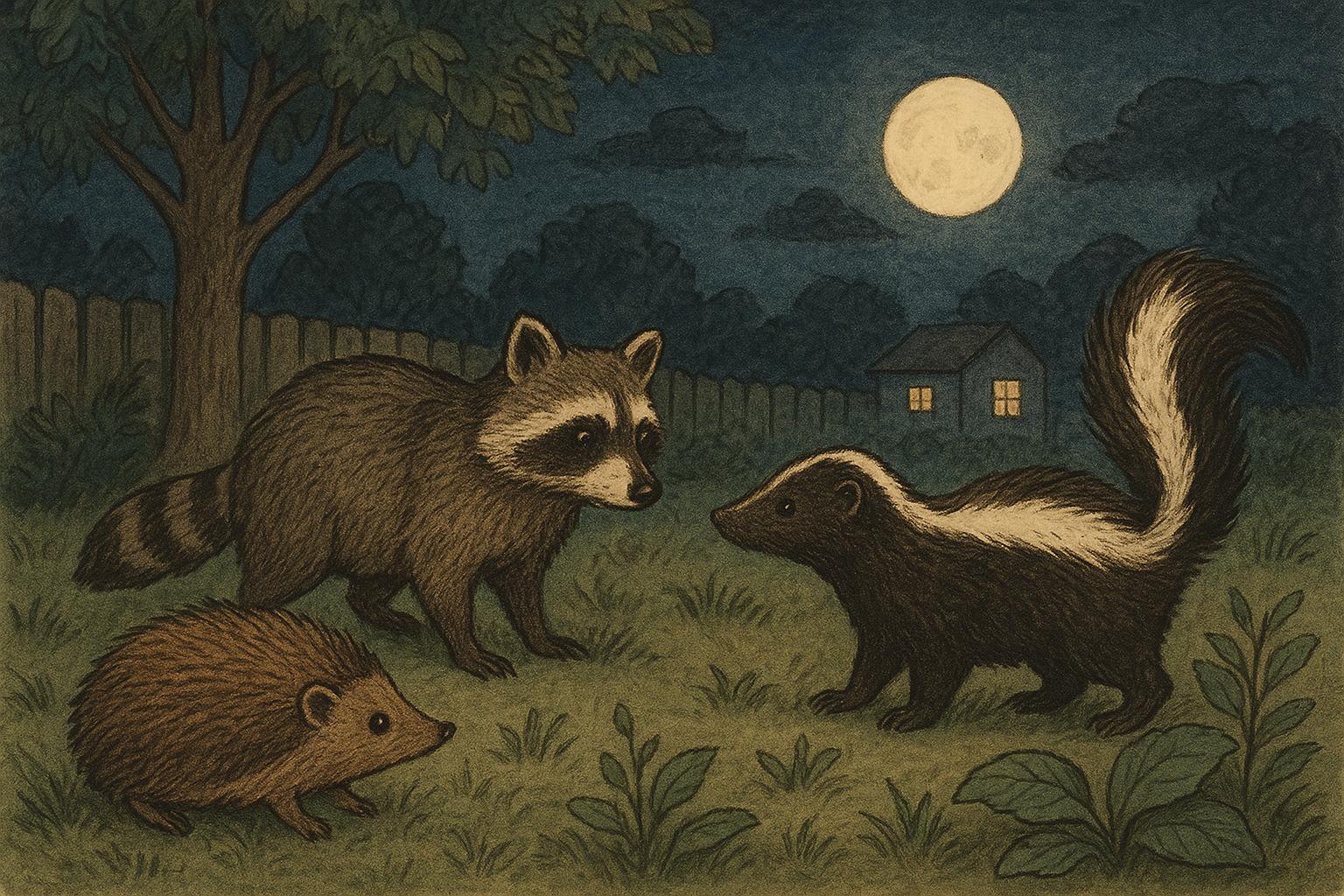
### Raccoons And Skunks: Nighttime Disturbers
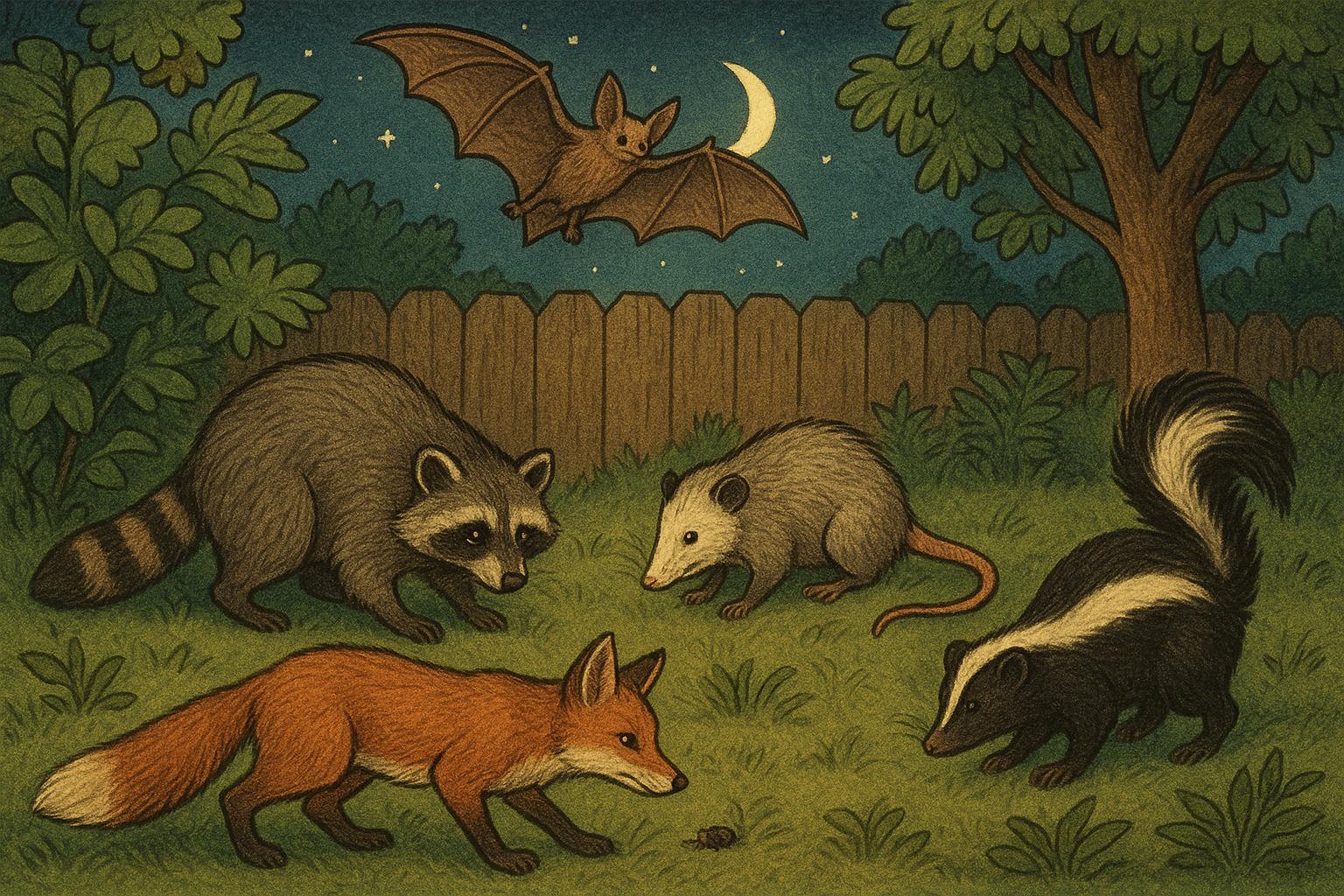
If the soil looks like it’s been raked in patches and there are irregular, shallow pits, you’ve probably seen the work of raccoons or skunks. They dig for grubs and beetles at night, leaving messy, forked holes. Check for paw prints in soft dirt or scuff marks near the holes.
## Yard Holes: When To Worry
Yard holes are not just an eyesore. They can be hazardous and harmful to your lawn health. A few considerations help you decide if you need to intervene.
### Safety And Structural Concerns
If holes are large enough for a pet or child to trip into, fix them immediately. Animals burrowing near foundations, sidewalks, or driveways can undermine structures over time. Holes near irrigation lines can expose or damage pipes. Small yard holes that appear close to each other could merge into larger collapses.
### Lawn Health And Plant Damage
Repeated digging destroys root systems. Even if the grass looks fine today, tunneling under puts roots at risk during dry spells. Animals like voles eat bark and roots, which can kill shrubs or young trees slowly. If you notice dying patches of grass or thinned shrubs near burrow sites, act sooner rather than later.
## Practical Steps To Take Right Now
You don’t need fancy equipment to start diagnosing and mitigating the problem. A few practical steps will give you better intel before calling a pro.
### Inspect, Mark, And Monitor
Walk the lawn early in the morning or after rain. Mark fresh mounds with a flag or stake. Photograph them. Note how many appear in a week. Patterns matter—activity in one corner means a targeted fix; activity across the whole yard means a larger issue.
### Try Simple Fixes First
– Improve drainage where water pools; wet soil attracts certain burrowers.
– Remove surface cover like loose mulch or tall grass that hides entrances.
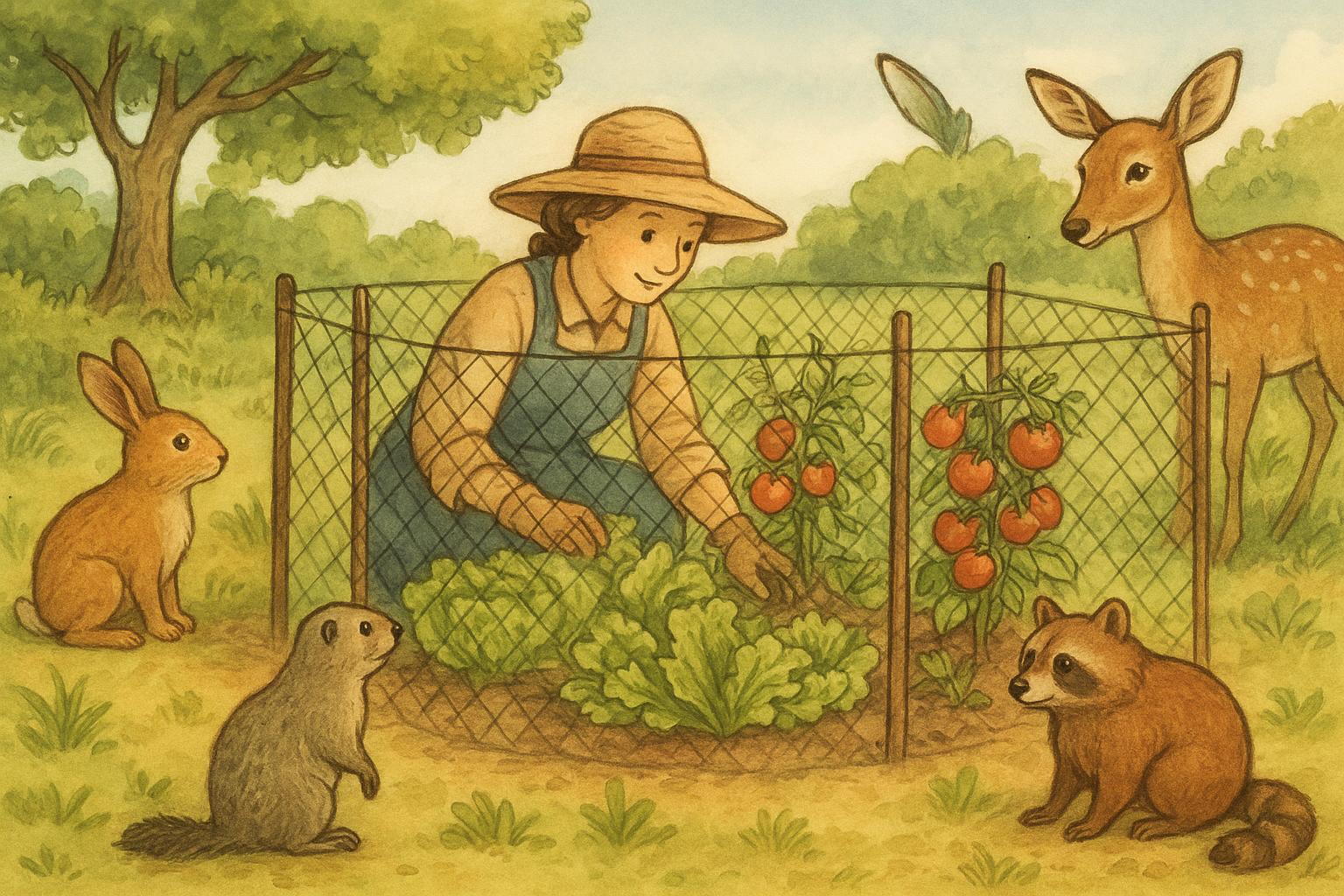
– Protect bulb and seed beds with wire mesh or hardware cloth.
If you use repellents or traps, read labels and local regulations. Some options are effective for one species but dangerous for pets or non-target animals.
#### When To Call A Professional
If mounds persist after your basic fixes, or if you’re dealing with a significant infestation around structures, bring in a pest control specialist who understands local species. They’ll distinguish between similar burrow indicators and recommend targeted treatments. It’s safer and often cheaper than repeated DIY attempts.
## Preventing Return Visits
Once you curb active burrowing, focus on making your yard less appealing to future excavators. Maintain healthy turf by aerating and overseeding problem areas so there are fewer easily tunneled spots. Reduce food sources: lawn grubs draw skunks and raccoons, so address grub problems promptly.
Rotate plants and avoid planting shallow-rooted bulbs right next to easy cover like brush piles. Seal off access under decks and sheds. Small barriers are surprisingly effective at steering animals away.
### Keep Notes And Adapt
Keep a simple log: date, number of mounds, and your response. Over a season you’ll see trends. Maybe activity spikes in spring when baby animals disperse, or after a wet winter. Adjust your strategy. It’s not one-and-done.
Occassionally a neighbor’s yard is the real source; animals travel. Talk to your neigbor if activity seems to cross property lines. Simple coordination—like both of you removing ground cover—can cut infestations back dramatically.
Spotting and interpreting lawn mound or burrow indicators isn’t about being an expert overnight. It’s about paying attention, matching shapes to likely culprits, and taking practical steps to protect your lawn and family. With a few careful checks, you’ll spend less time guessing and more time fixing the right problems. Some fixes are quick, others take patience. Either way, you’ll know what you’re dealing with next time you see those suprising little piles of dirt.



Leave a Reply