
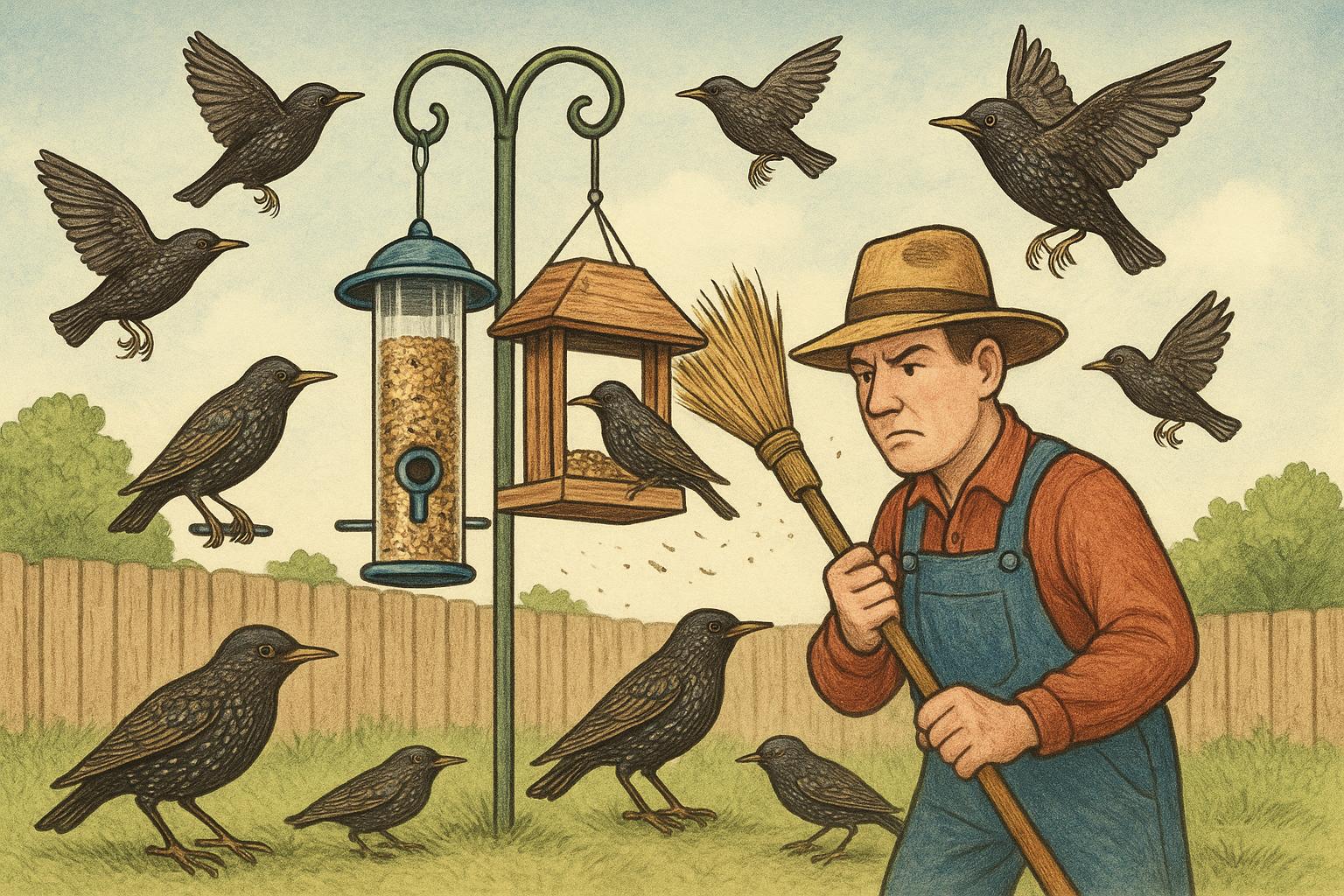
Starlings will turn a neat backyard feeder into a noisy, dusty buffet if you let them. They’re fast, social, and blunt about pushing other birds aside. That makes managing them at feeders more about smart design than brute force.
## Managing Starlings At Backyard Feeders: Why They Stick Around
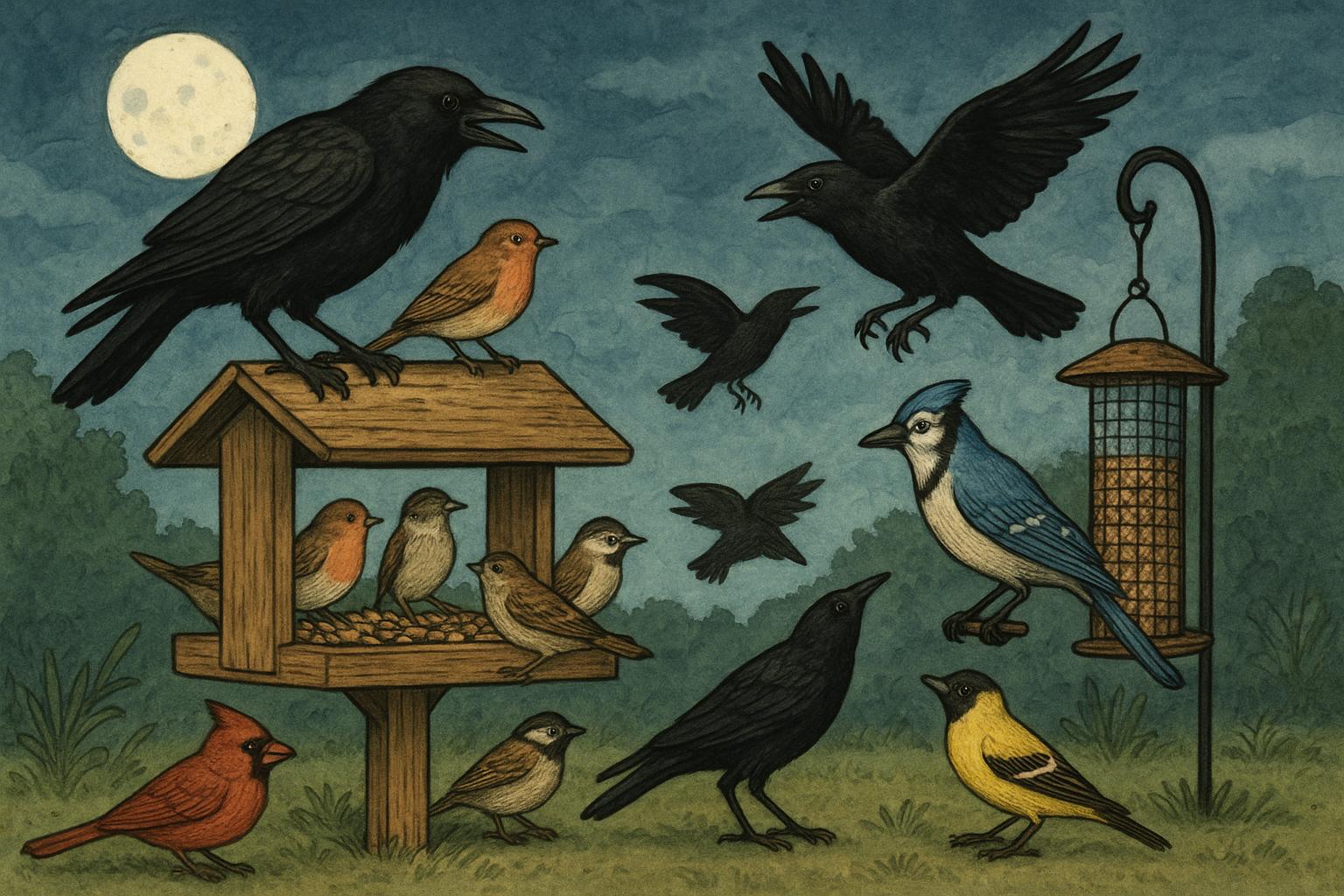
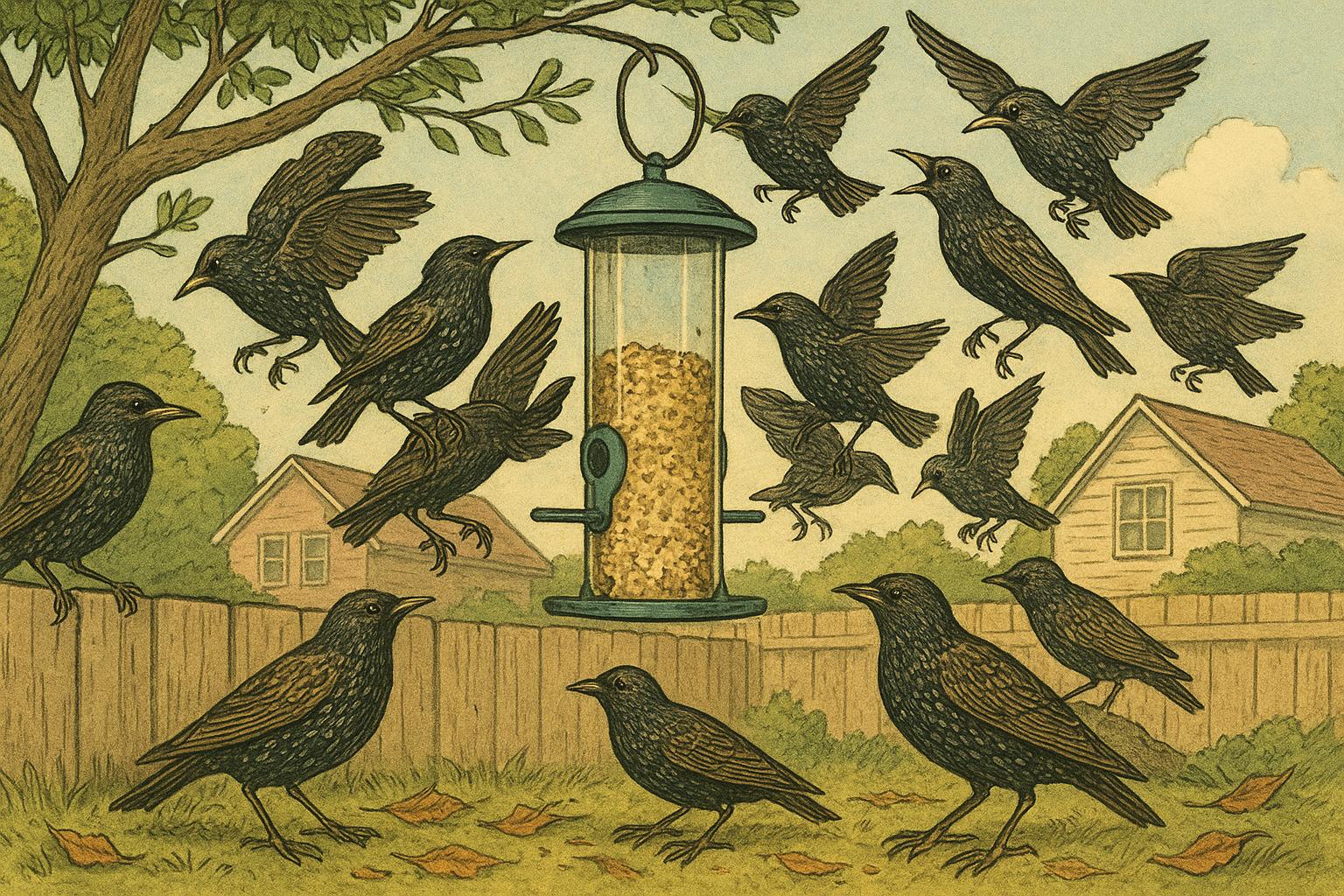
Starlings are opportunists. They travel in flocks, spot a food source, and tell the whole gang. Once a feeder becomes a predictable, easy meal, dozens of birds can be there within an hour. The result: wasted seed, smashed feeder ports, and fewer visits from songbirds you actually want to see.
Understanding that behavior is the first step in managing starlings at backyard feeders. They prefer open spaces where they can land and take off easily. They’re comfortable on platform and tube feeders with broad perches. And they’ll learn which feeders are easiest to raid. Change the target, and you cut the problem.
### How Feeder Design Affects Starling Visits
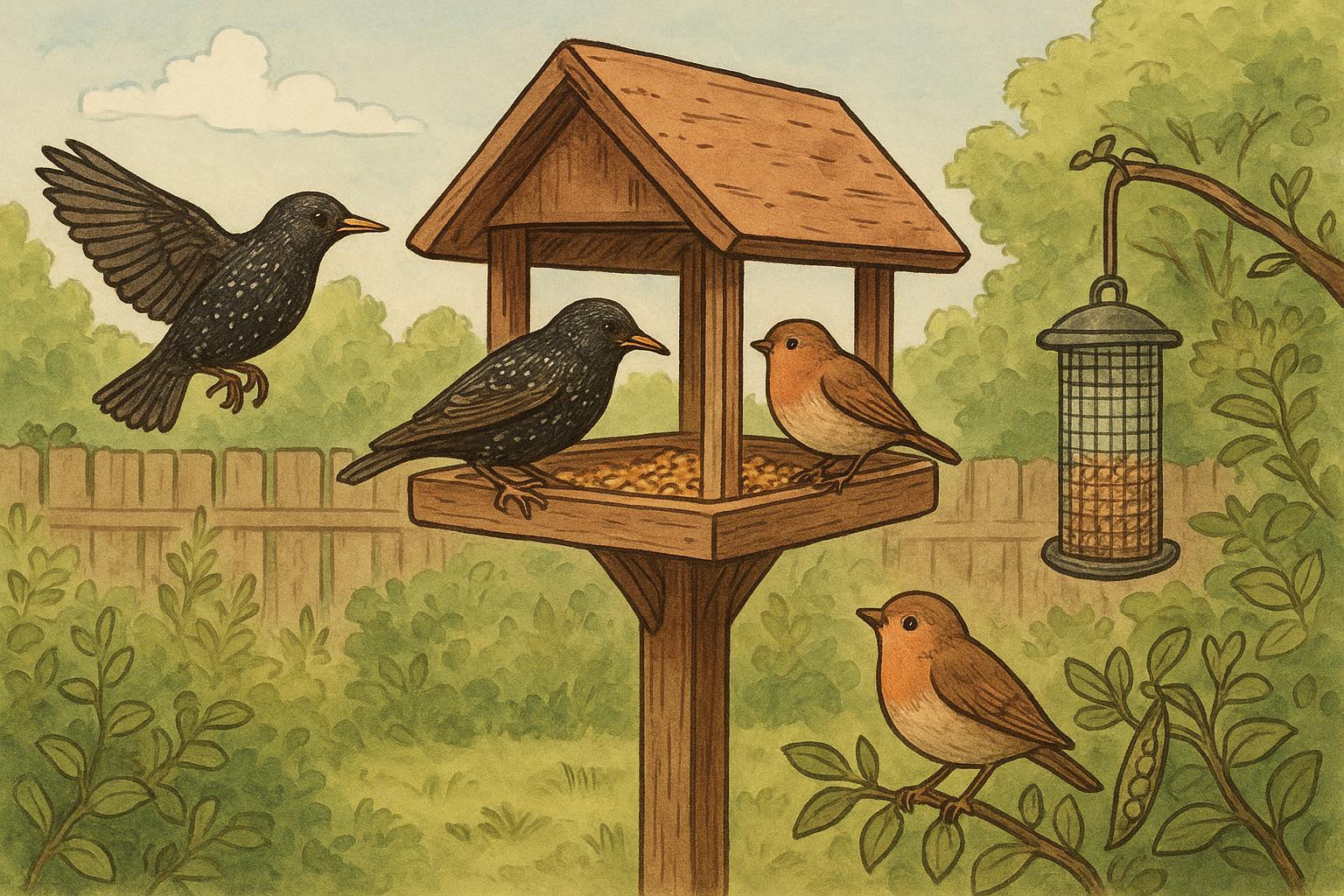
The wrong feeder invites them in. Platform feeders and wide tray-style seed feeders are essentially a neon sign for starlings. Tube feeders with standard perches are just as bad if the perches are big enough for a starling to balance.
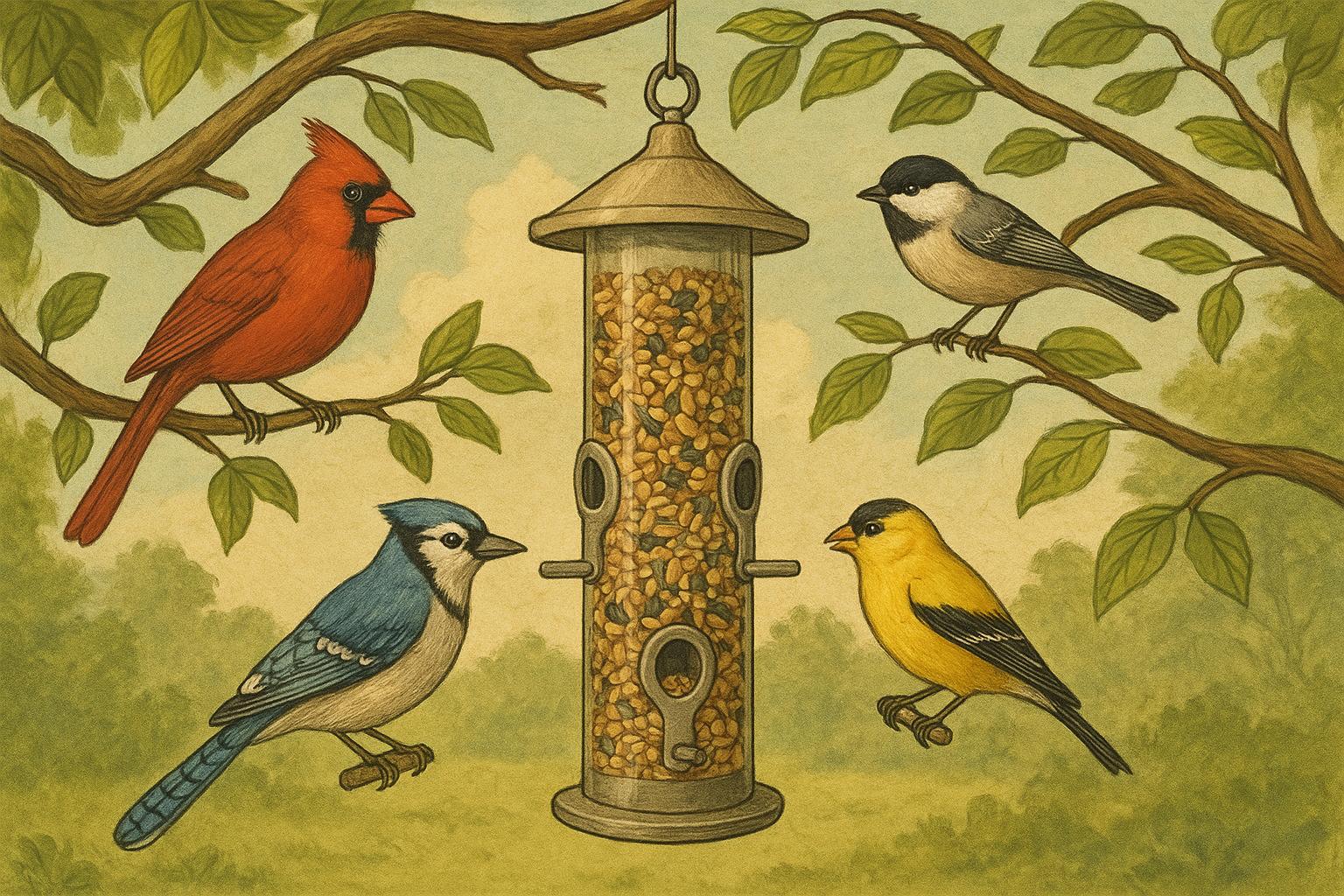
If your goal is to reduce starling pressure, think geometry. Feeders with small ports, narrow perches, or cages sized for small songbirds make it harder for starlings to access seed. A caged sunflower feeder with one-inch spacing lets chickadees and finches in but keeps larger, heavier birds out. Use nyjer-specific feeders for finches; the tiny ports and perches are impractical for starlings.
## Practical Deterrence Techniques That Actually Work
Deterrence doesn’t need to be dramatic. It needs to be persistent and targeted. Here are methods that make a real difference without being cruel.
### Switch Feeder Types And Seed
Swap platform feeders for tube feeders designed for small birds. Replace mixed seed that contains millet and cracked corn—favorites of starlings—with safflower or black-oil sunflower in a caged feeder that excludes bigger birds. Nyjer seed in sock-style feeders draws finches but is ignored by most starlings.
When you change seed types, do it consistently. An occasional refill of mixed seed will undo weeks of progress. Also, avoid scatter feeding. Leaving piles of seed on the ground is an open invitation for flocks.
(Primary phrase count: 1 — managing starlings at backyard feeders)
### Use Cages And Exclusion Devices
Cages around feeders are low-tech and effective. A cylinder of 3/4-inch wire mesh around a sunflower feeder blocks starlings while letting smaller songbirds feed. Some commercial “squirrel-proof” cages work for birds too; pick one with enough room inside for small birds to enter. Weight-sensitive feeders that close under heavier loads can sometimes exclude starlings, but test them—the balance needs to be tuned to keep out starlings while letting desired birds feed.
Avoid overcrowding feeders. One or two properly designed feeders placed apart will let smaller birds approach comfortably without being swamped.
### Alter Feeding Times And Visibility
Starlings feed in groups and follow patterns. If you put food out at dawn and again in late afternoon, starlings will learn those windows and show up en masse. Try limiting feeding times to a single period early in the morning. That can give local songbirds an edge before the flock arrives. It’s not foolproof, but it reduces steady availability.
Reducing the attractiveness of the feeder’s surroundings helps too. Trim low branches and remove nearby large perches where starlings can hang out and wait. If they don’t have a staging spot, they’re less likely to stick around.
(Primary phrase count: 2 — managing starlings at backyard feeders)
## Behavior-Based Tactics: Outthink The Flock
Starlings are social learners. They pick up on patterns and tell others. That’s useful: if you can break a pattern, you reduce visits.
### Make Feeding Less Predictable
Rotate feeder locations by a few yards every few weeks. Move the feeder closer to shrubs at odd times or raise it higher than usual. These changes create a small friction for starlings. They’ll find the feeders again eventually, but the extra effort can let native songbirds feed with fewer interruptions.
Visual deterrents like shiny tape or reflectors work temporarily. Starlings often get used to them within days. Combining visual cues with other measures buys time—enough for you to implement longer-term fixes.
### Use Alternative Food Stations
If you’re willing to accommodate starlings away from prime viewing spots, set up a separate, less visible feeder with foods they like. Place it at the far edge of the yard or near a garage roof. That can split the flock and reduce pressure on your main stations. Don’t use this technique as a permanent solution; starlings will still scout widely.
(Secondary phrase count: 1 — starling control)
### Noise And Motion Tools: Short-Lived Wins
Ultrasonic devices sell well, but evidence of their lasting effectiveness is mixed. Audible predator calls or recorded distress calls may scatter a flock for a time, but starlings habituate quickly. Motion-activated sprinklers can be effective in small yards—sudden water startles them out, and the memory of being soaked keeps them away longer than shiny tape does. Still, these are best used as temporary components of a broader strategy.
## Why Lethal Measures Aren’t The Easy Answer
In many regions starlings are non-native and can legally be controlled under certain circumstances. But lethal methods require permits, professional handling, and a clear understanding of local regulations. For most backyard birders, these are impractical and unnecessary. Deterrence that changes feeding practices and habitat usually delivers the results you want without escalating to that level.
If you’re dealing with a commercial operation or a serious infestation, consult wildlife authorities. They can advise on legal and safe options. Don’t take matters into your own hands with methods that risk harming other species.
(Secondary phrase count: 2 — starling control)
### Small Habitat Changes Add Up
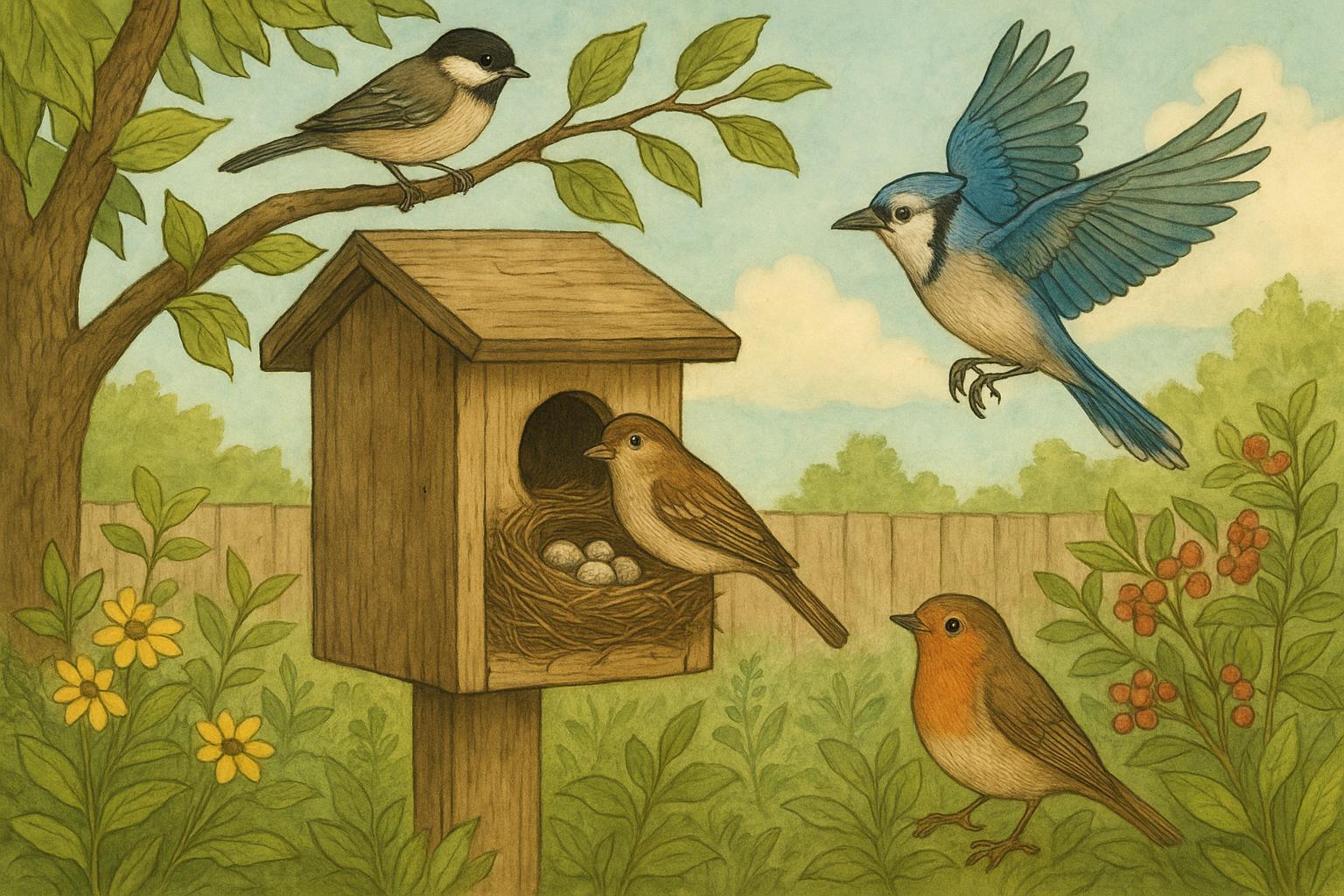
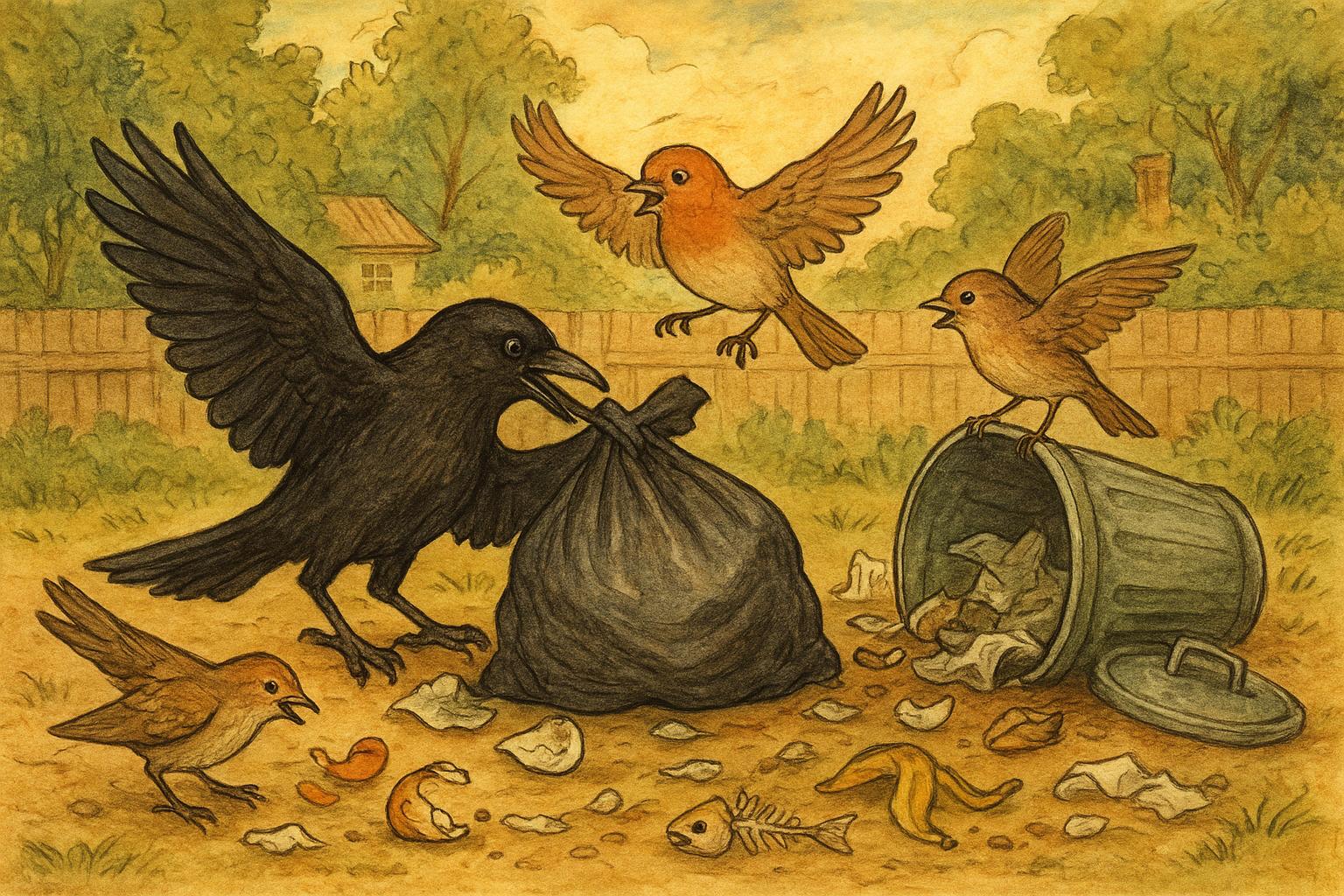
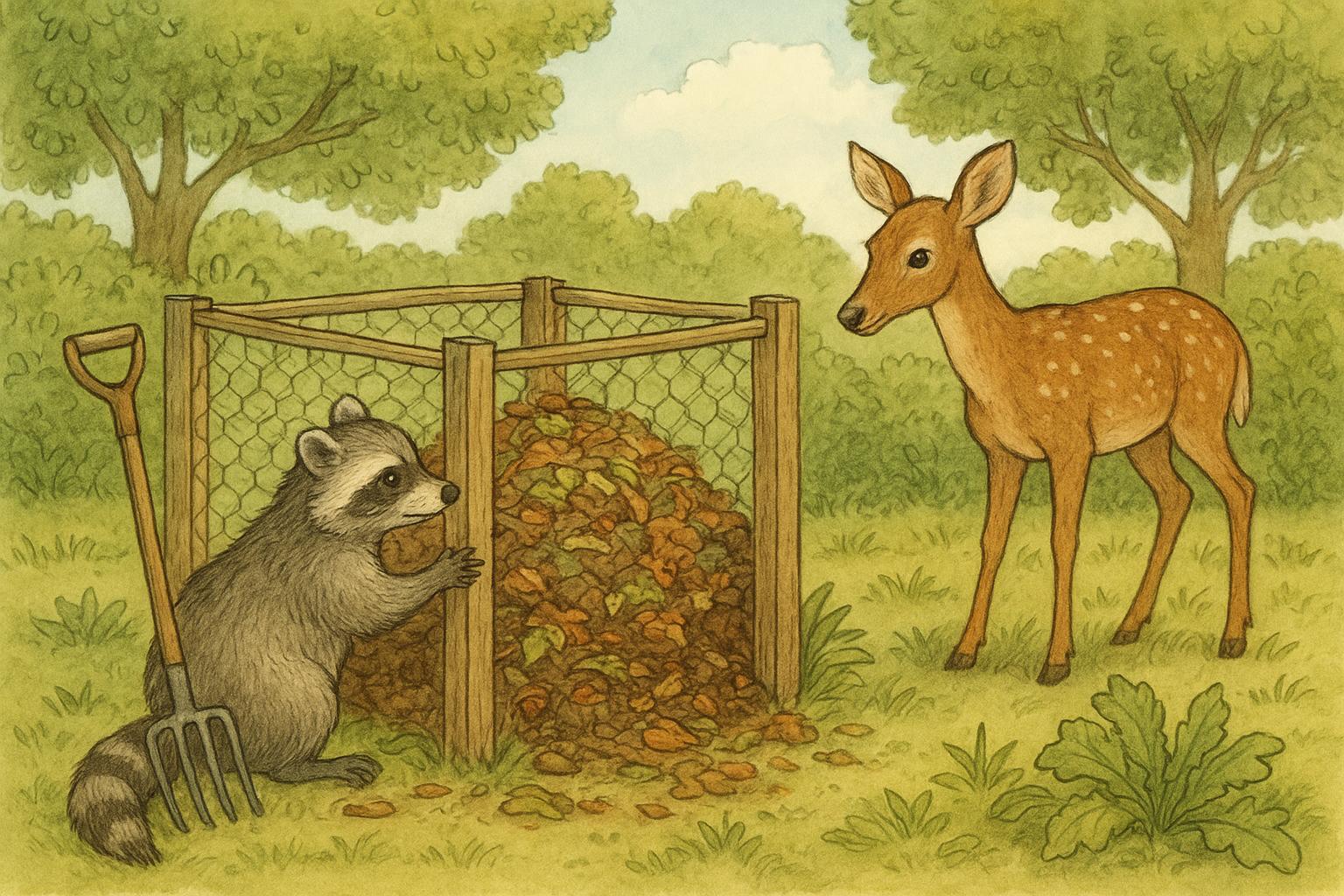
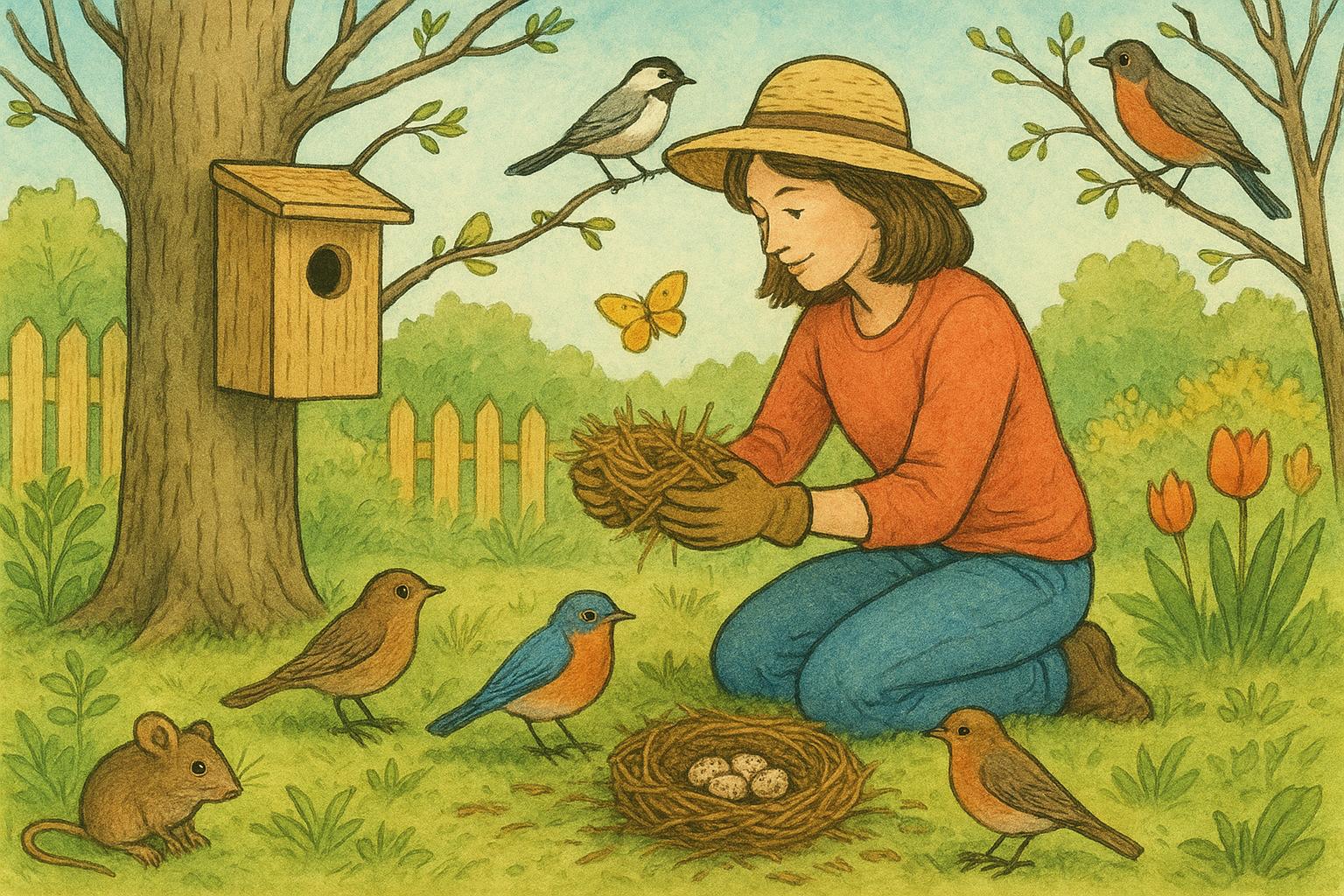
Remove open compost piles, secure trash, and cover pet food left outdoors. Starlings exploit any consistent, easy food source. Even trimming holes in nest boxes can prevent starlings from roosting or nesting in close quarters—if nest boxes are desired for smaller native species, use entrance-hole sizes that exclude starlings.
These habitat tweaks reduce the general carrying capacity of the yard for starlings, making your feeders less of a focal point.
(Primary phrase count: 3 — managing starlings at backyard feeders)
## Product Choices That Help
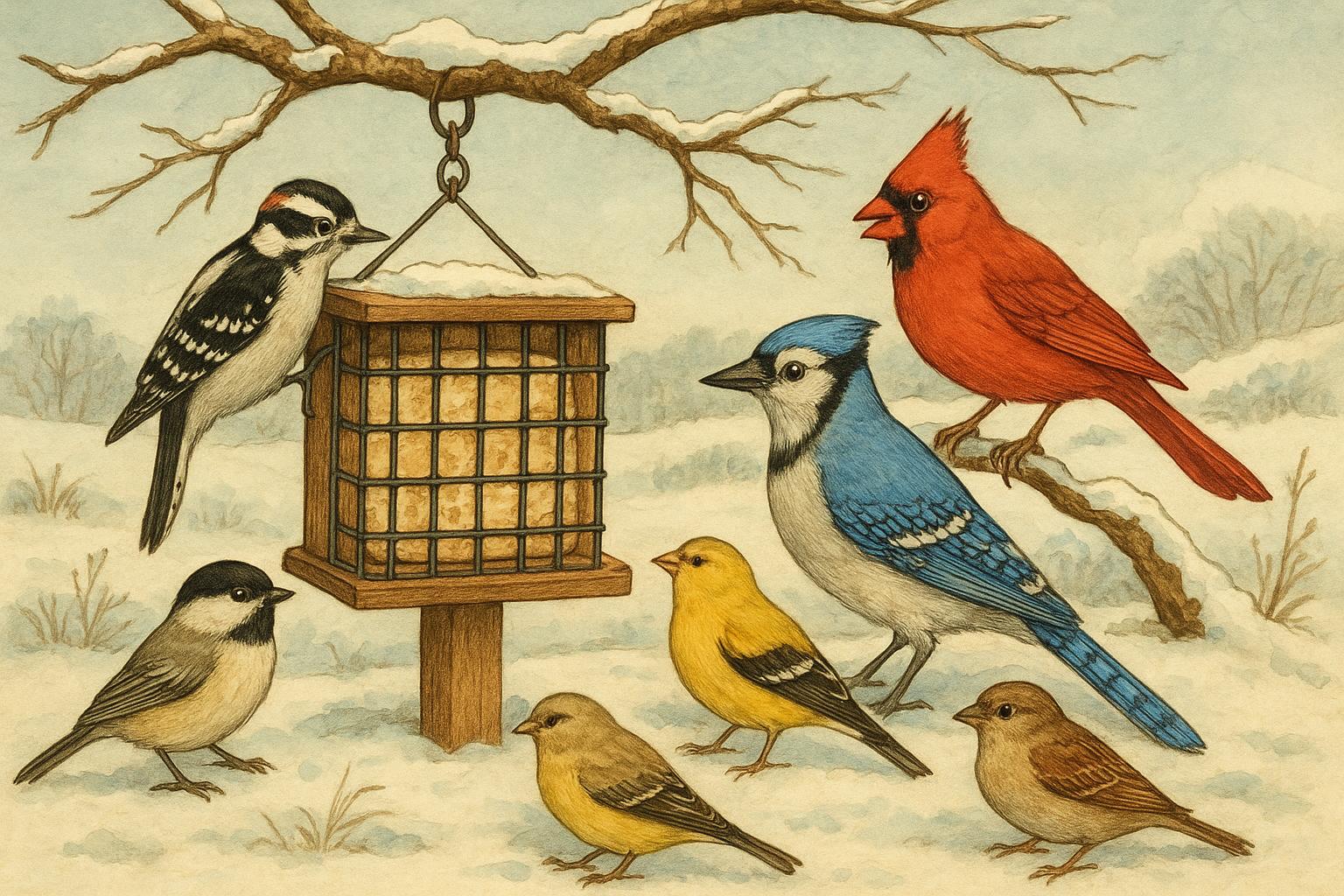
Not all feeders are created equal. Look for tube feeders with small perches and ports under 1/4 inch for nyjer; caged feeders with one-inch spacing; and suet cages with small holes that prevent larger birds from clinging. Steel feeders are easier to clean and resist damage. Keep a couple of well-placed, species-specific feeders rather than a buffet-style arrangement.
Buy a handful of inexpensive deterrents and rotate them. The goal is to make the appearance and access of your feeding station less welcoming to large flocks.
(Secondary phrase count: 3 — starling feeders)
### Maintenance And Sanitation
Dirty feeders attract more birds, and disease spreads quicker in congested flocks. Clean feeders regularly with a diluted bleach solution or a bird-safe disinfectant. Remove spoiled seed and mop up fallen hulls. A well-maintained feeder is simply less appealing to a large flock, and small birds are likelier to visit a clean, reliable station.
(Primary phrase count: 4 — managing starlings at backyard feeders)
## Real-World Example: What Worked For My Neighbor
A neighbor of mine had a recurring starling problem. He used a large platform feeder and filled it with mixed seed. Songbirds vanished. He installed two tube feeders designed for small perches, put nyjer in one, and caged the sunflower feeder with a one-inch mesh. He also started feeding only in the mornings and moved the feeder 15 feet away from an overhanging pine. Within two weeks the starlings cut their visits in half and cardinals and titmice came back.
That’s the key: modest changes, done consistently, change the cost-benefit ratio for the birds. The flock still visits sometimes, but it’s no longer the default.
(Secondary phrase count: 4 — starling feeders)
### When To Get Professional Help
If starlings are causing structural damage, entering buildings, or creating health hazards, it’s time to consult professionals. Pest-control experts and wildlife biologists can advise and act within the law. They’ll help you weigh options that combine exclusion, habitat changes, and, if necessary, legal removal.
(Primary phrase count: 5 — managing starlings at backyard feeders)
## Avoiding Common Mistakes
People often try a single tactic—shiny tape, a hawk decoy, or changing seed—and expect permanent results. Starlings are adaptable. Short-term fixes work short-term. The successful route is layered: physical exclusion, seed choice, timing, habitat tweaks, and maintenance.
Also, don’t blame only the feeder design. Your whole yard’s food availability matters. Bird baths, open compost, pet food, and fallen fruit all contribute. Address them too.
(Primary phrase count: 6 — managing starlings at backyard feeders)
If you want to reduce starling visits fast: swap out obvious attractants, switch to species-specific feeders, and be consistent about what you offer and when. It won’t be instant, but starlings respond to predictable changes. Keep at it, and your yard can return to hosting the smaller songbirds you enjoy watching. Just be patient—behavioral change takes time, and starlings are stubborn, but they’re not invincible or undefeatable if you combine sensible deterrence with a bit of persistence. And yes, they’ll definately grumble about it.












Leave a Reply