
## Winter Foraging By Gray Squirrels
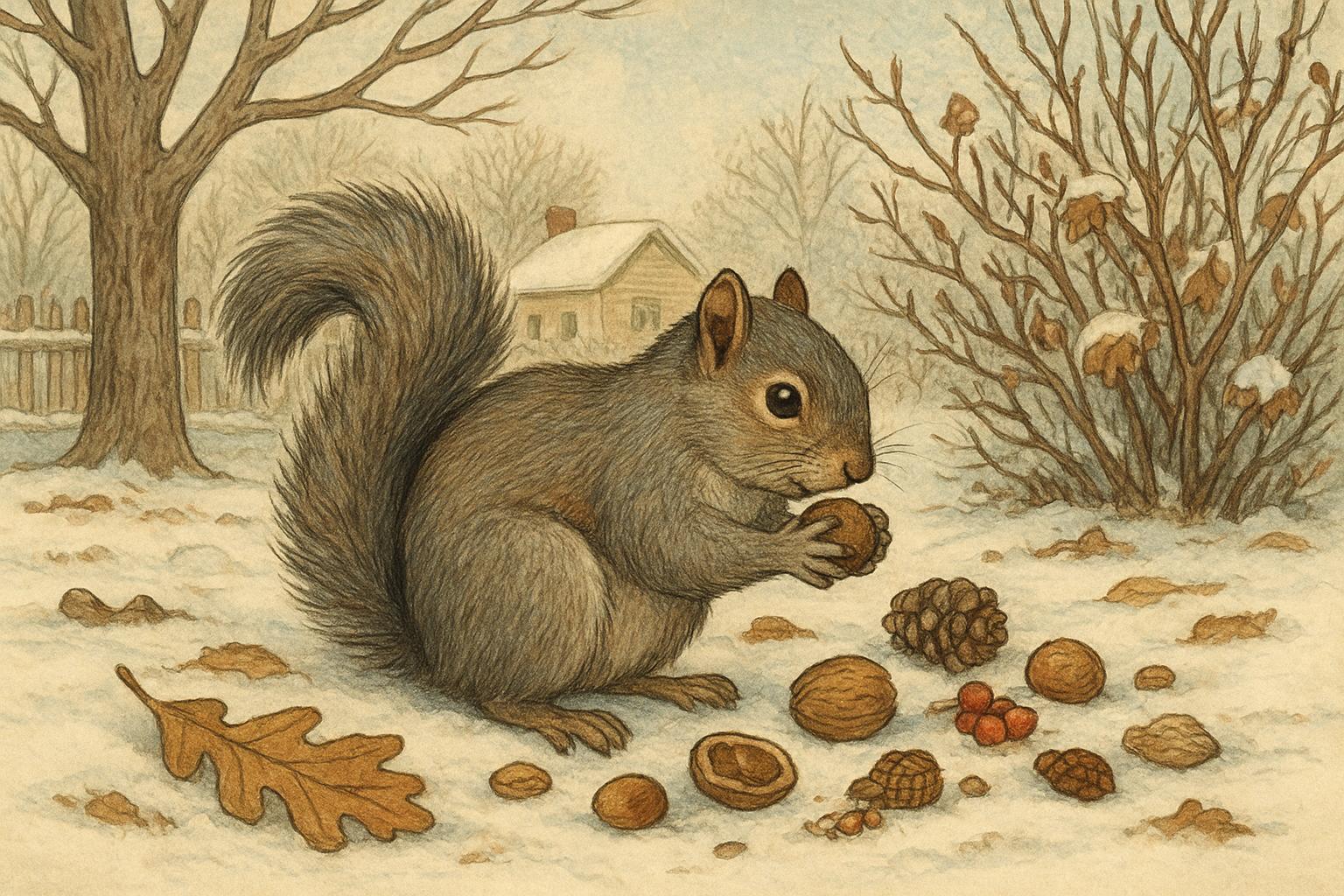
Walk outside on a hard frost morning and you’ll see the evidence: small dug holes across the lawn, chewed shells, and a plump gray mass moving from tree base to bird feeder. That little choreography is winter foraging by gray squirrels in action — a mix of frantic stuffing and careful bookkeeping. They’re not just eating; they’re managing a pantry for the months when food is scarce.
### How Gray Squirrels Build A Backyard Pantry
Gray squirrel foraging looks chaotic but it’s deliberate. In fall they collect nuts, seeds, and whatever fatty bits they can find. Then they bury them in shallow caches across yards, under mulch, near foundations, and at the edges of flower beds. A gray squirrel pantry is rarely a single stash. It’s more like thousands of small, spread-out deposits that act as insurance against theft and bad weather.
The squirrels use two main strategies: scatter hoarding and larder hoarding. With scatter hoarding they bury items in many places. With the larder approach they might tuck a large haul into a tree cavity or the eaves of a roof. You’ll see signs of both. A hole in the lawn with a recently discarded shell means scatter hoarding. Quiet chewing in a dense knot of branches often points to a larder being re-stocked.
#### Signs To Look For
– Shallow, dime-to-quarter-sized holes in leaf litter or grass.
– A pile of nut shells under a feeder or tree.
– Short, rapid treks from tree to ground, often back and forth.
– Pauses as the squirrel sniffs the ground, then a quick scrape and cover.
Those holes don’t always mean a lost nut. Many caches are retrieved later. A few are reburied elsewhere. The pattern of holes across a yard is the external map of their gray squirrel pantry.
### Food Choices And Seasonal Tradeoffs
Not every food item is treated the same. Nuts with thick shells like acorns and hickories are classical pantry items. They store well and provide dense calories. But squirrels will also stash sunflower seeds, corn, and bits of fruit when they can. During hard weather you’ll see a shift toward anything high in fat — walnuts and black oil sunflower seeds often top that list.
Winter foraging by gray squirrels gets harder when the ground freezes. In those periods they rely on caches closer to the surface, under leaves or mulch, and on any human-provided food. Bird feeders become both a source and a battleground: squirrels pilfer seeds, and they also inadvertently create more middens — concentrated piles of shells and hulls that signal a busy gray squirrel pantry.
Gray squirrel foraging is opportunistic. On mild days they’ll range further, rechecking caches and replacing spoiled items. On deep freezes they move less and use nearby larders or even raide tree cavities where they stored a larger supply.
#### Where They Hide It
Cache locations are chosen for a mix of cover, soil ease, and proximity to landmarks the squirrel can use to remember the spot. You’ll find caches:
– Near roots and tree bases where scent hides better.
– Under decks, in compost piles, and under evergreen cover.
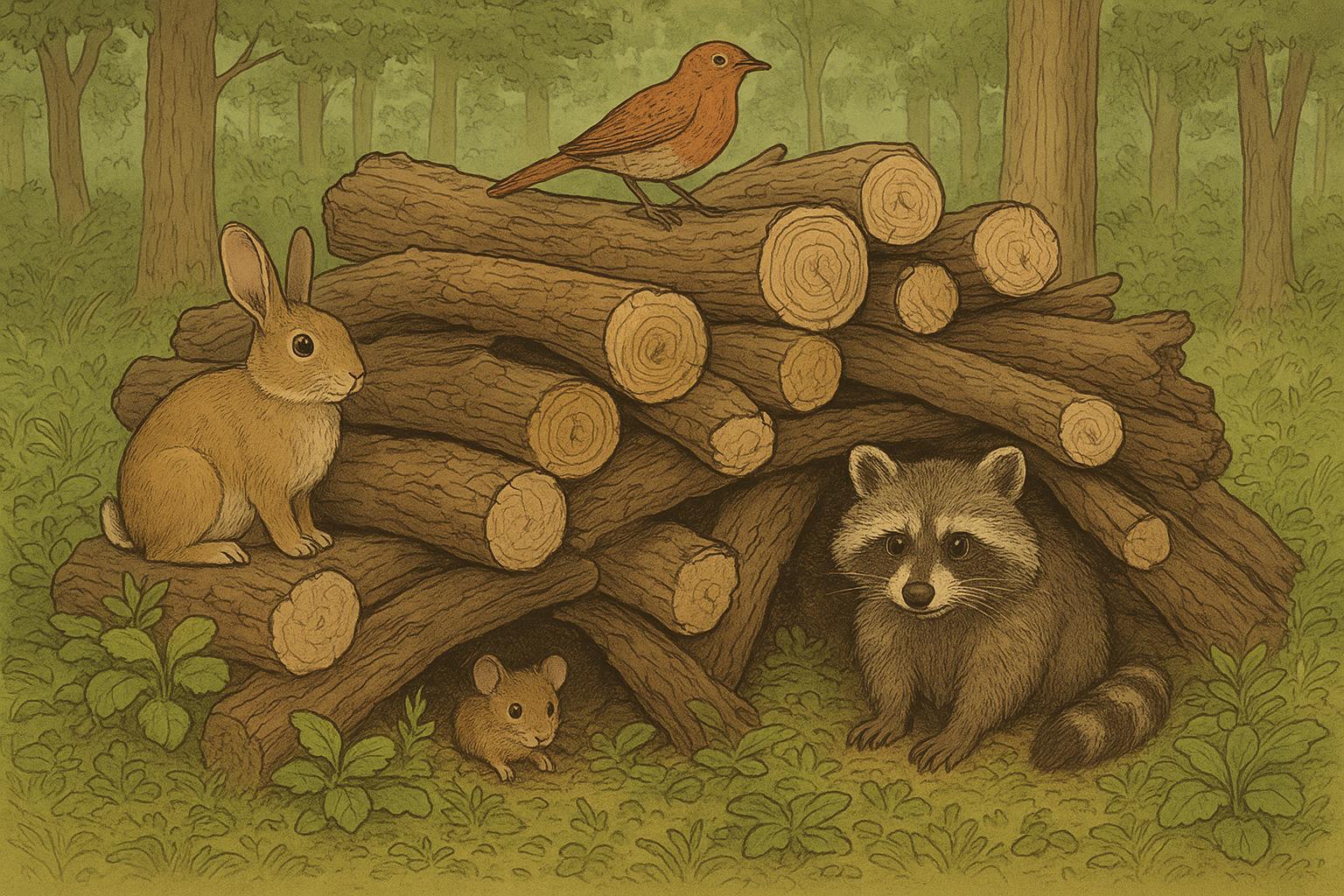
– Around the base of fences and under piles of wood.
They often use visual cues — a certain stone, a clump of grass — and that spatial memory is impressive. But caches aren’t always safe. Other squirrels, jays, and even rodents learn to read the map. Pilferage is common; that’s part of why scatter hoarding works as a strategy.
### Watching And Helping The Pantry
If you want to observe winter foraging by gray squirrels without disrupting them, pick a cool but not freezing morning. Sit quietly with a thermos and keep a safe distance; they’re cautious and will return faster if you don’t loom. Note which trees they favor and where the holes appear. Over a few days you’ll see reuse patterns and maybe even a favorite stash site.
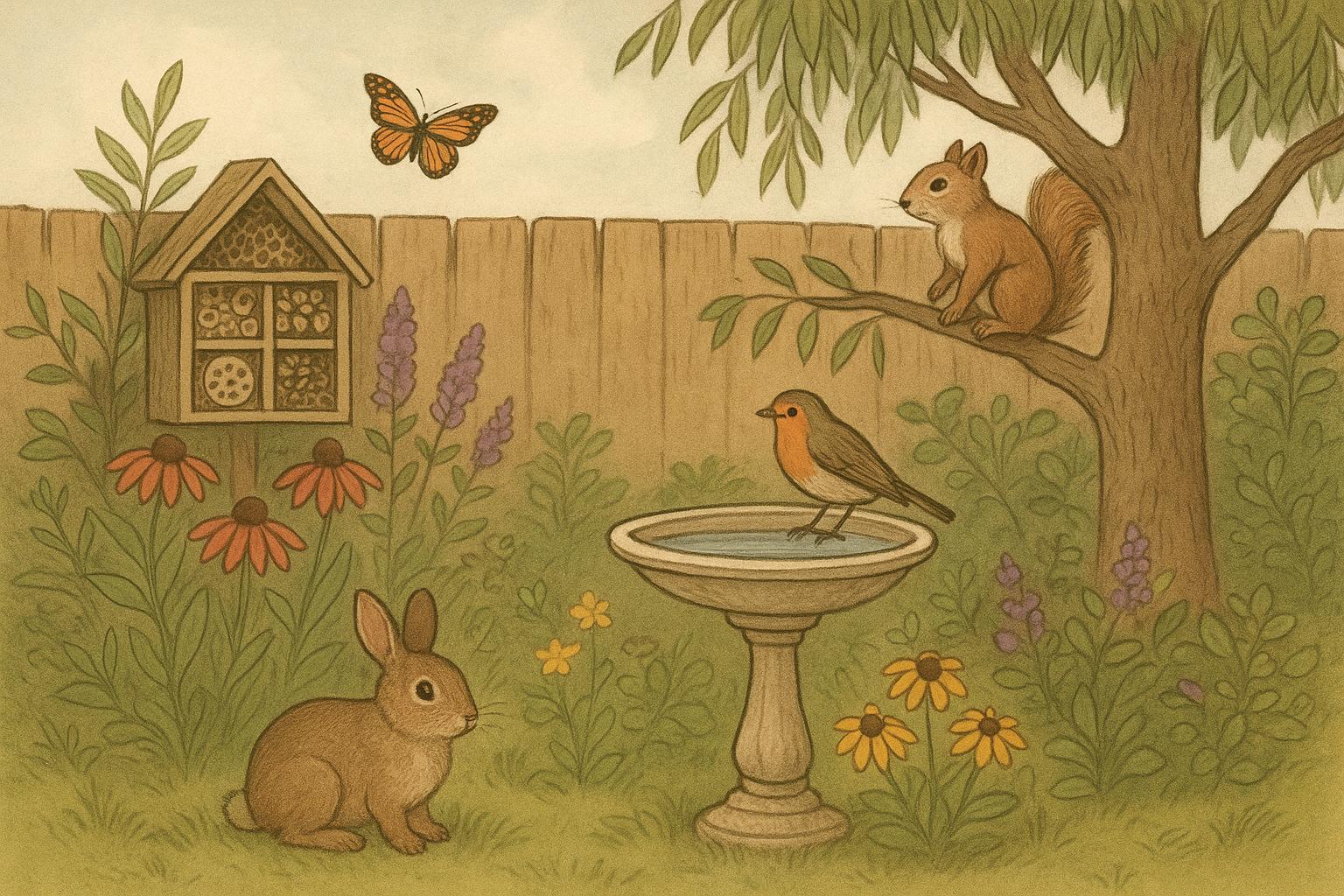
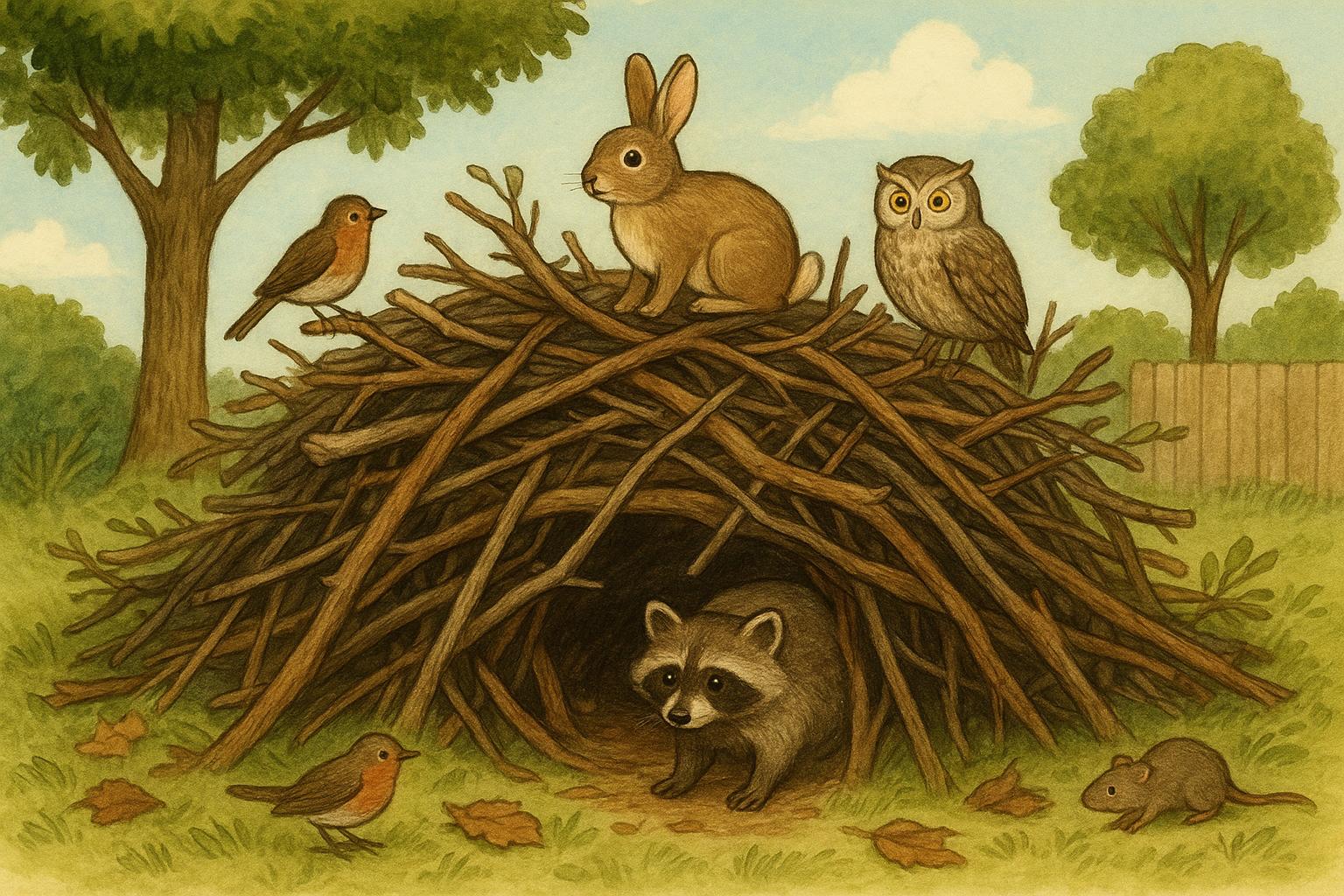
Homeowners who like the idea of a gray squirrel pantry can make small changes that matter. Planting native nut trees — oaks, hickories, beeches — gives squirrels long-term food sources. Leaving a strip of leaf litter and fallen branches in one corner of the yard provides easy cache cover and reduces the urge to dig in flower beds. If bird feeders get raided too much, try a ground tray feeder or place feeders where squirrels have trouble reaching.
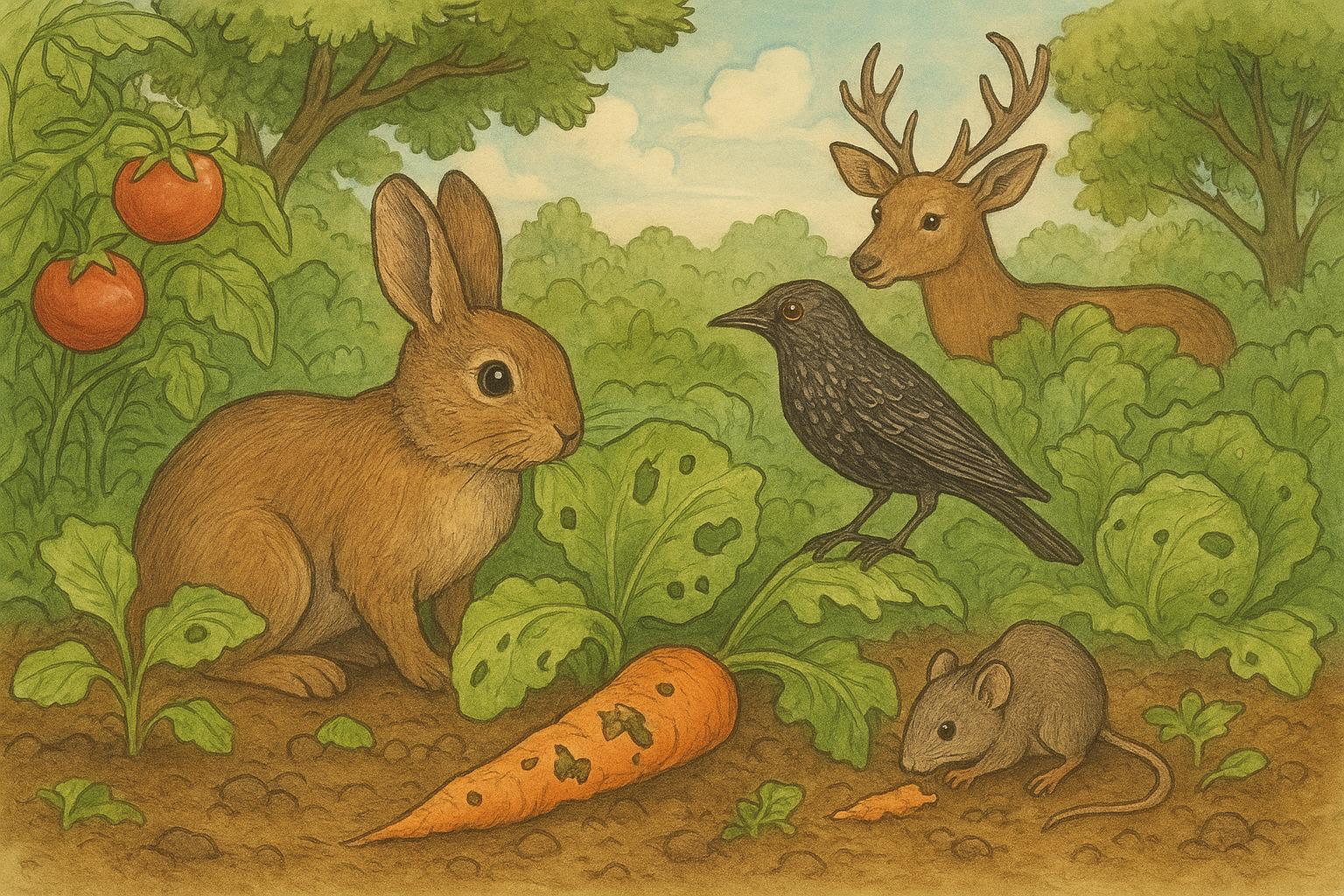
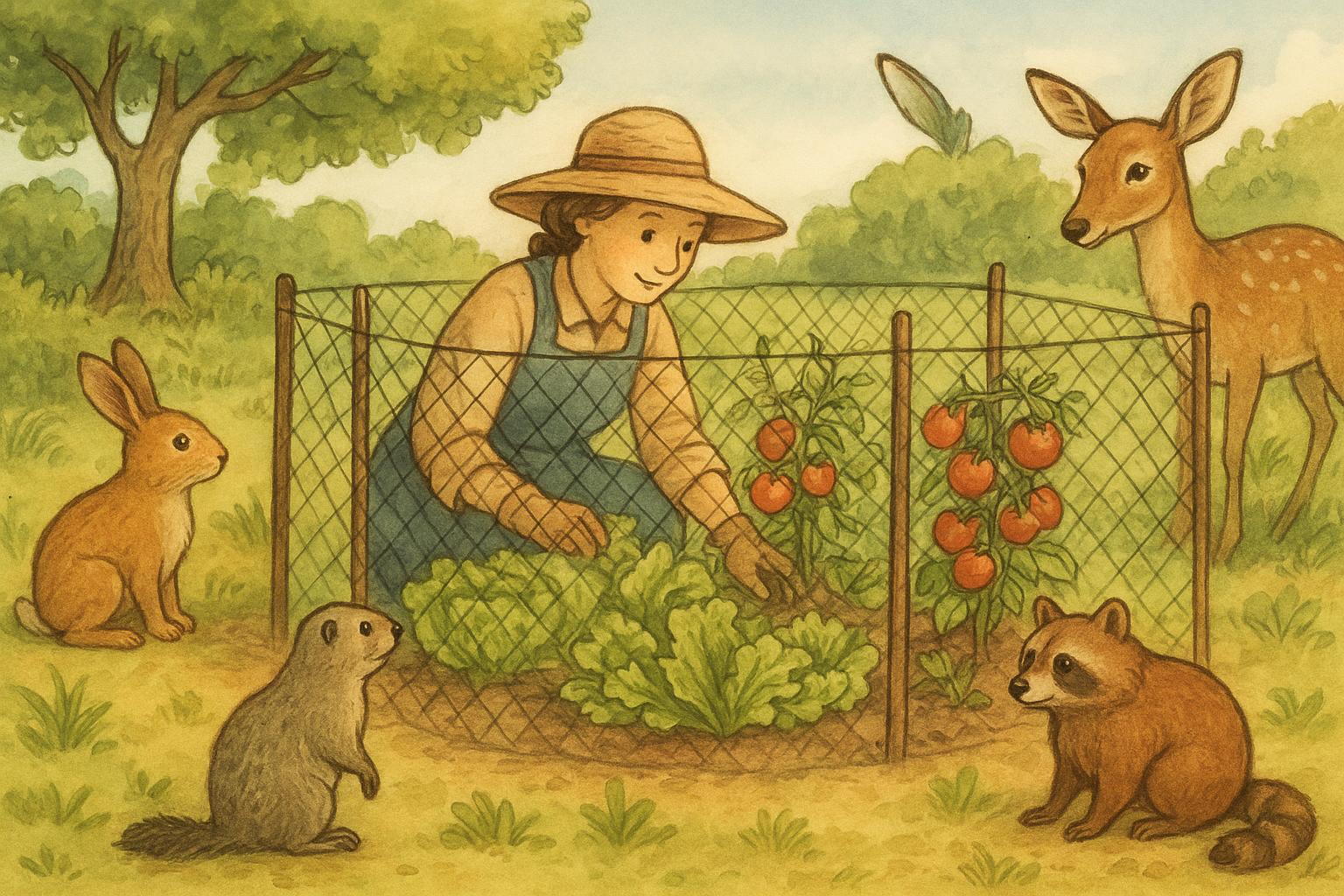
Gray squirrel foraging can be a mixed blessing. They help disperse seeds and clean up fallen fruit, but they also raid garden beds and compete with songbirds at feeders. If you want to protect plants, use cloches or raised beds; if you want to encourage healthy wildlife behavior, give the squirrels places to stash that won’t upset your roses.
### What To Avoid Doing
Don’t remove every leaf and twig in autumn. That tidy yard actually reduces good cache cover and increases digging in unwanted spots. Don’t feed squirrels directly with human snacks; processed foods upset their digestion and an artificially large gray squirrel pantry encourages unnaturally high survival that can strain local ecosystems. Finally, don’t try to recover every cache you find; many are still claimed by their owner, and digging them up often causes more harm than good.
A few small shifts in how you manage your yard change the whole dynamic. Leave some cover, consider what you plant, and watch. Over time you’ll learn the rhythm of the neiborhood squirrels — when they stash, when they dig, and how the backyard pantry gets rotated throughout the winter. Suddelny a scatted hole or a line of shells will start to tell a story about animal intelligence and survival that’s easy to miss unless you pay attention. Occassionally that story includes a surprise: a forgotten nut sprouting in spring, a tiny oak where a squirrel once stashed its future.


Leave a Reply