

## What Animals Stay Active All Winter
You’ll see more life in your yard over cold months than you might expect. If you’re wondering what animals stay active all winter, start by watching the obvious: squirrels, deer, and birds. They don’t vanish when the temperature drops. Instead they change how they move, eat, and sleep.
### Backyard Mammals You’ll See More Often
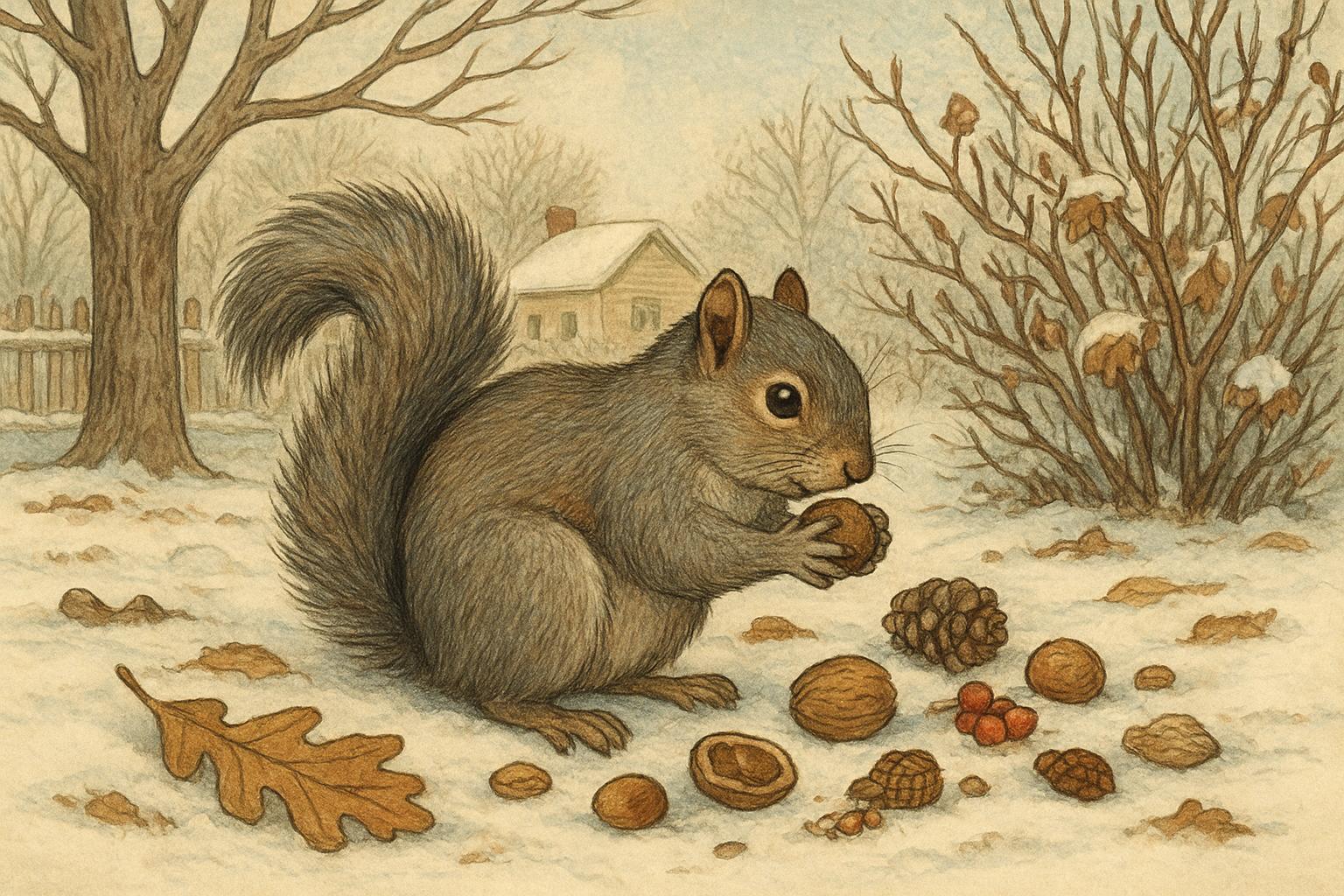
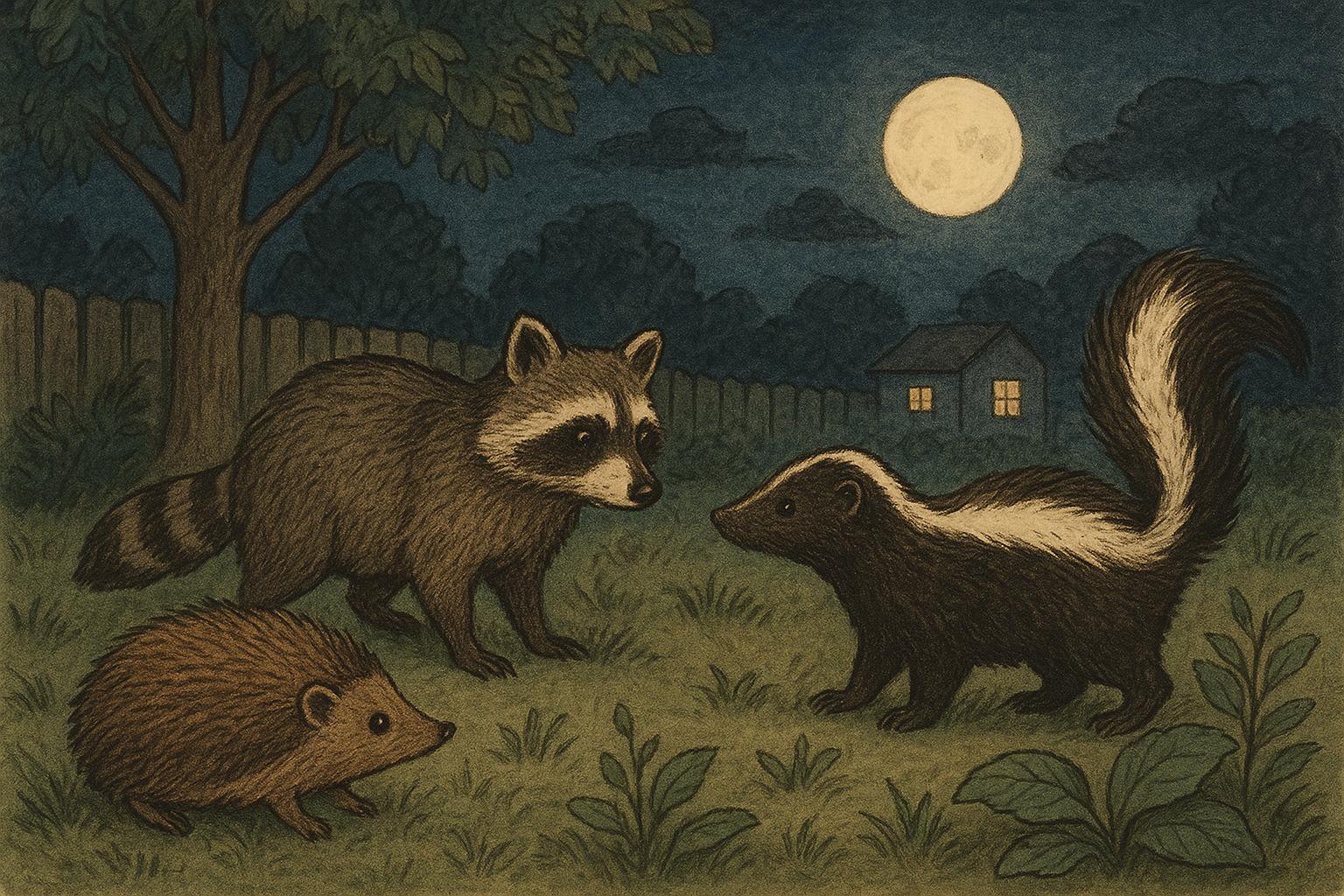
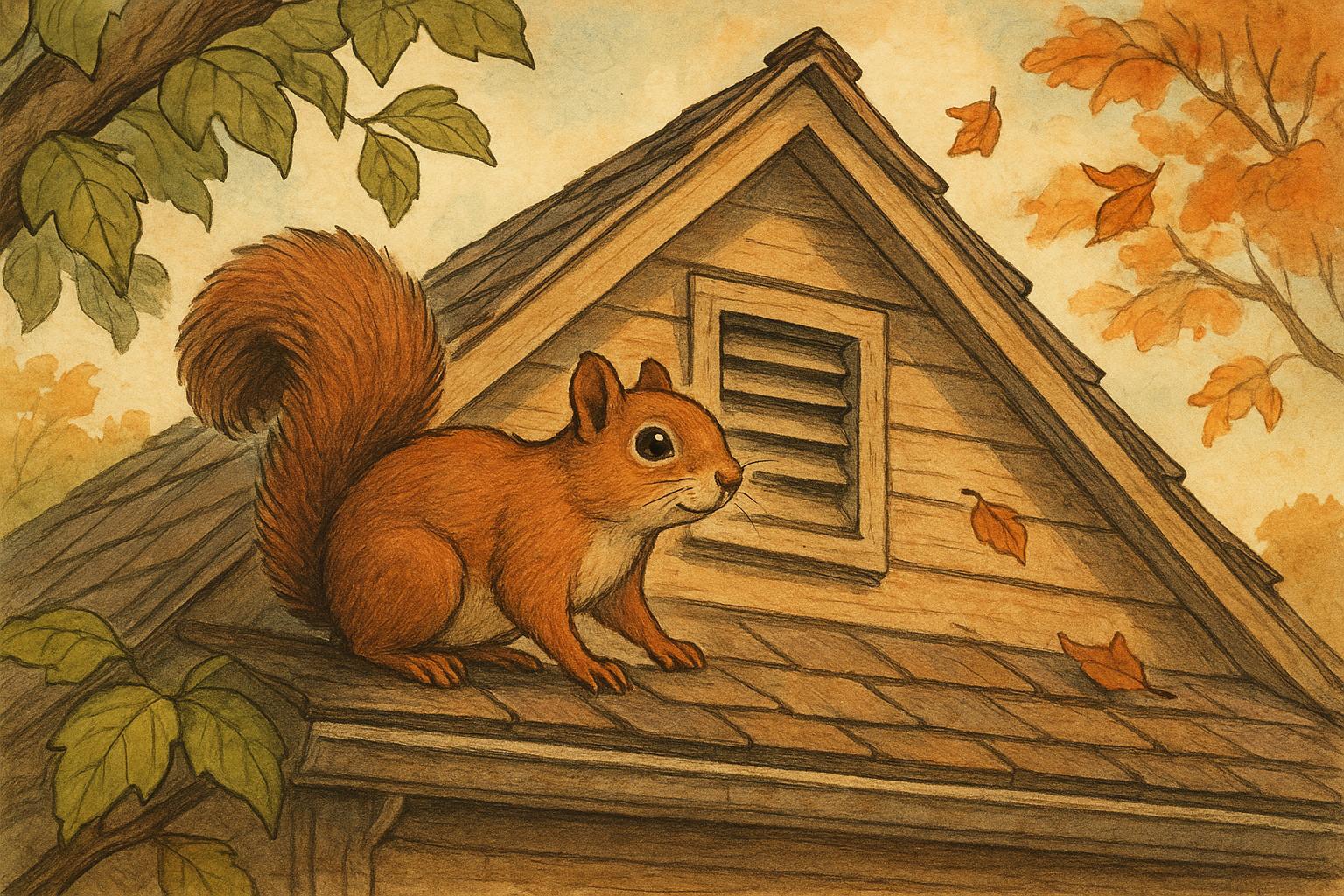
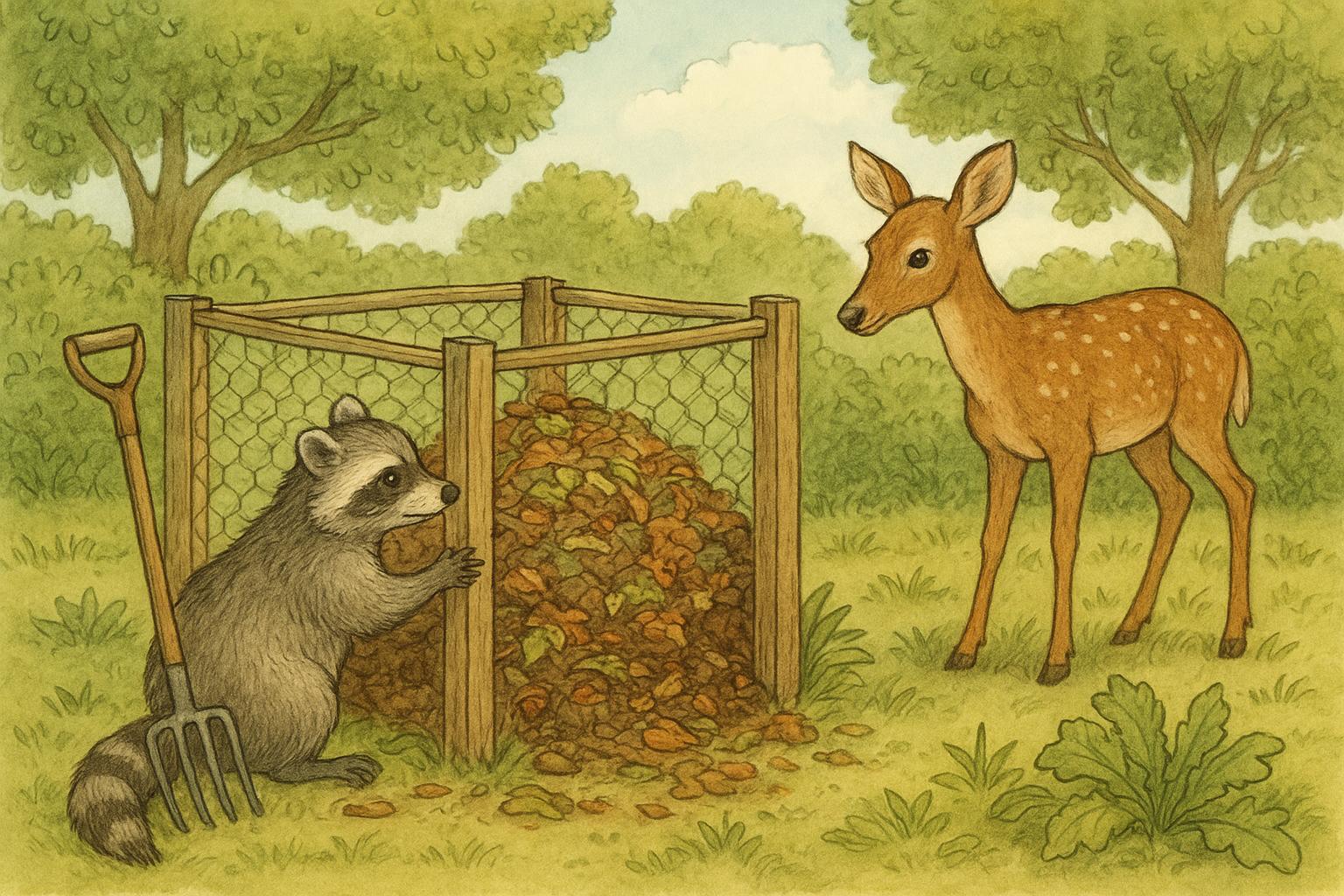
Squirrels are the headline act. Grey and red squirrels cache nuts in fall and switch to digging up those stashes when food is scarce. Their activity is easy to catch: frantic digging, sudden chases, and the occasional aerial chase across power lines. Raccoons are another regular. They don’t hibernate fully; they go into torpor when it’s brutally cold and otherwise forage under streetlights, in open trash bins, and near bird feeders.
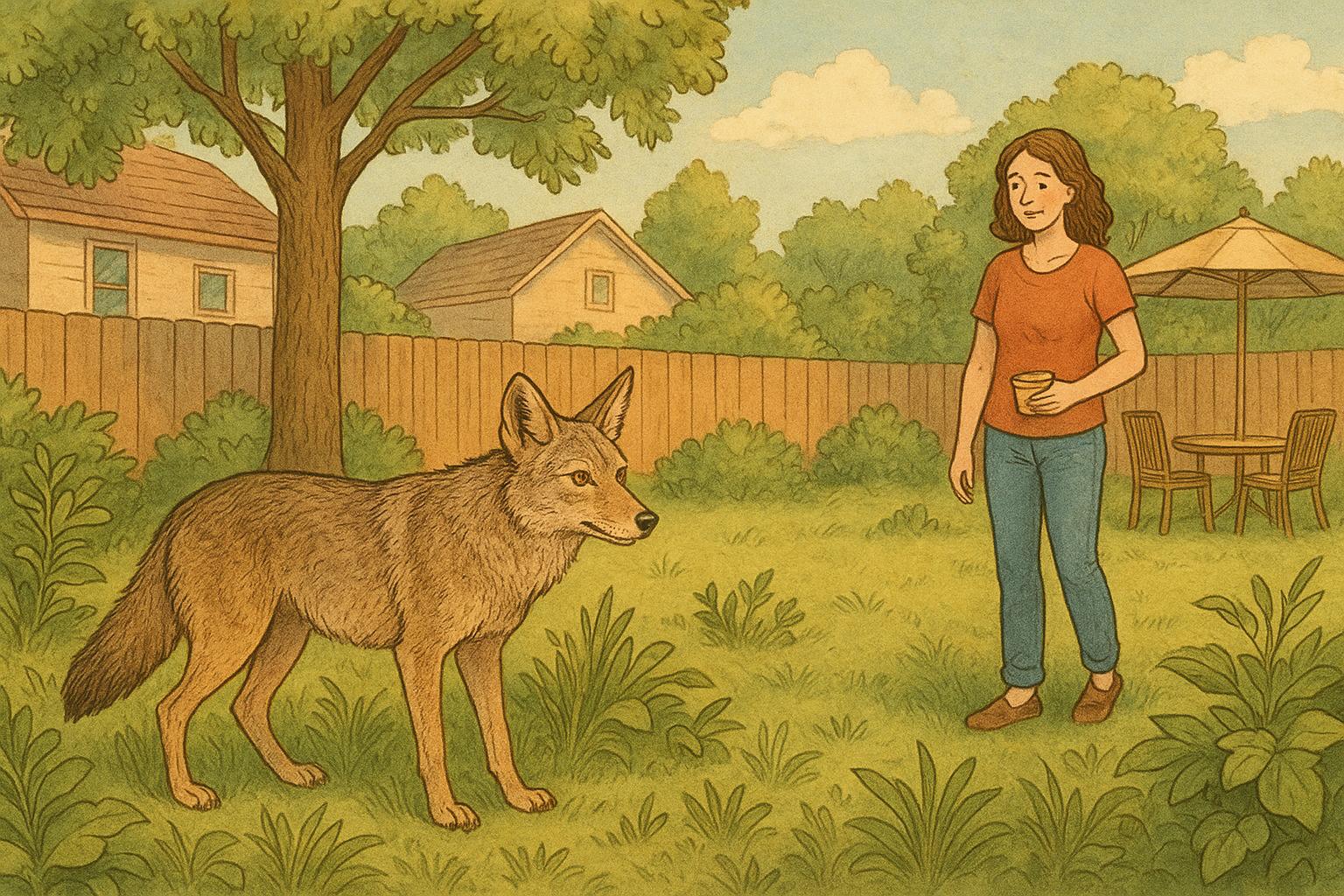
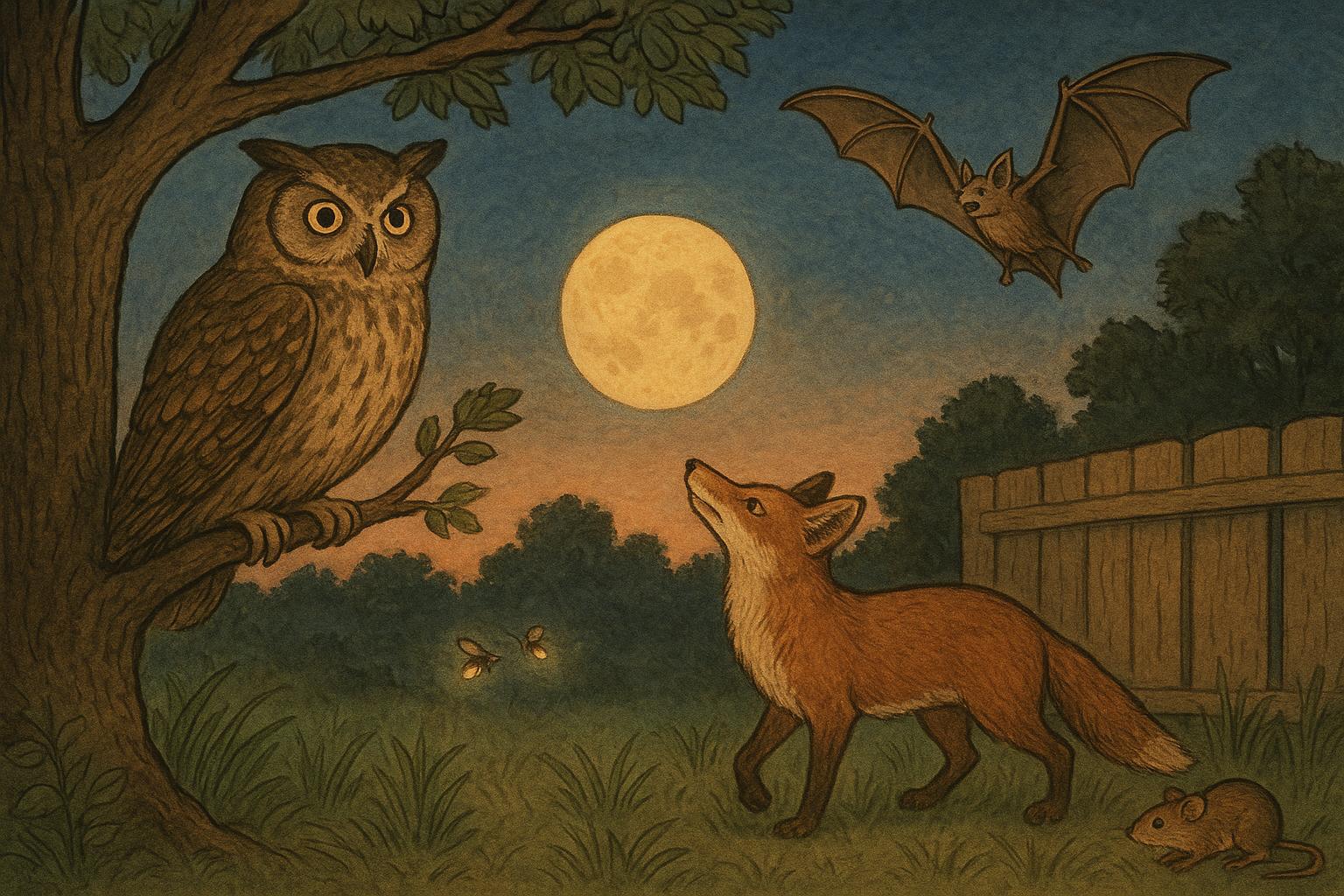
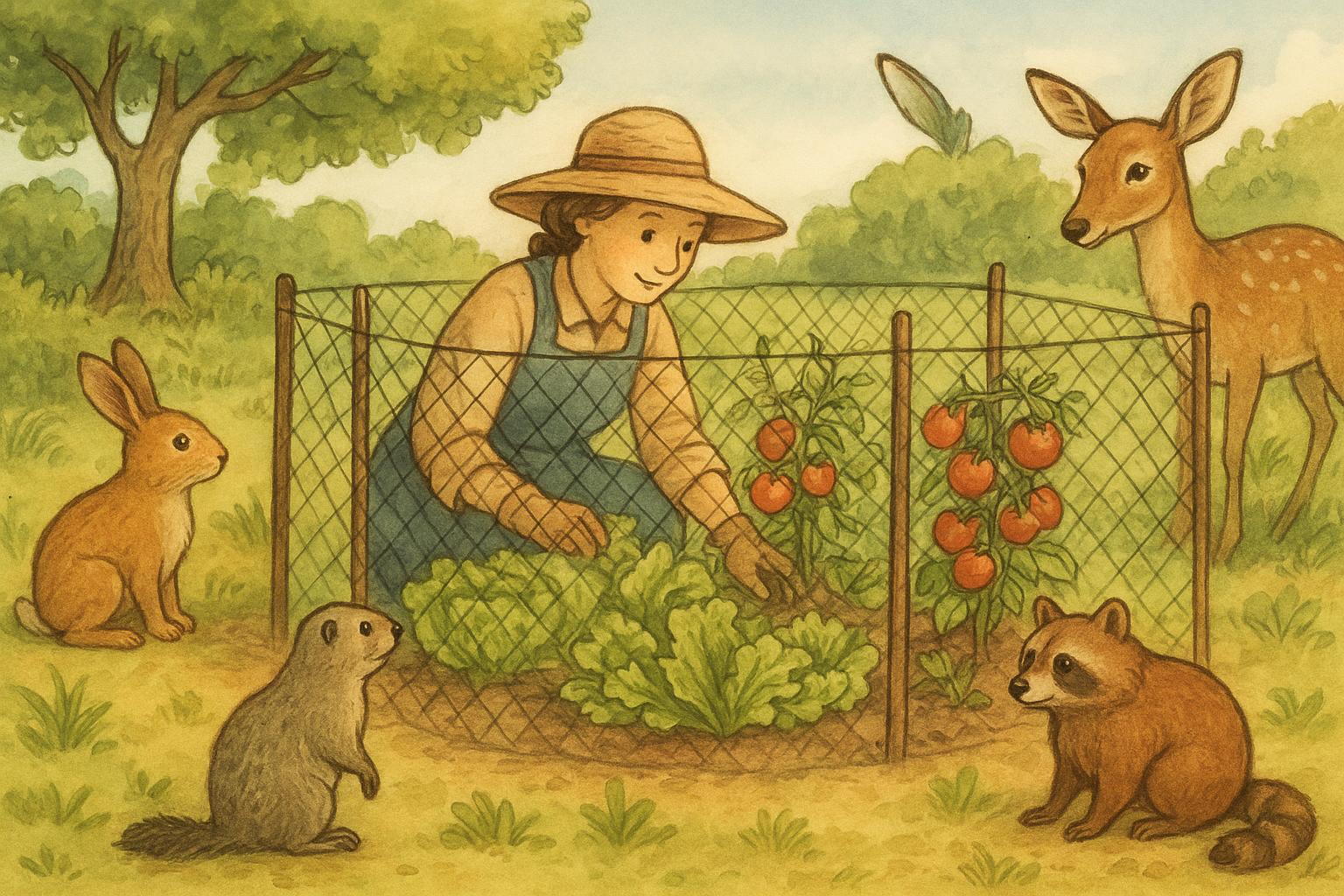
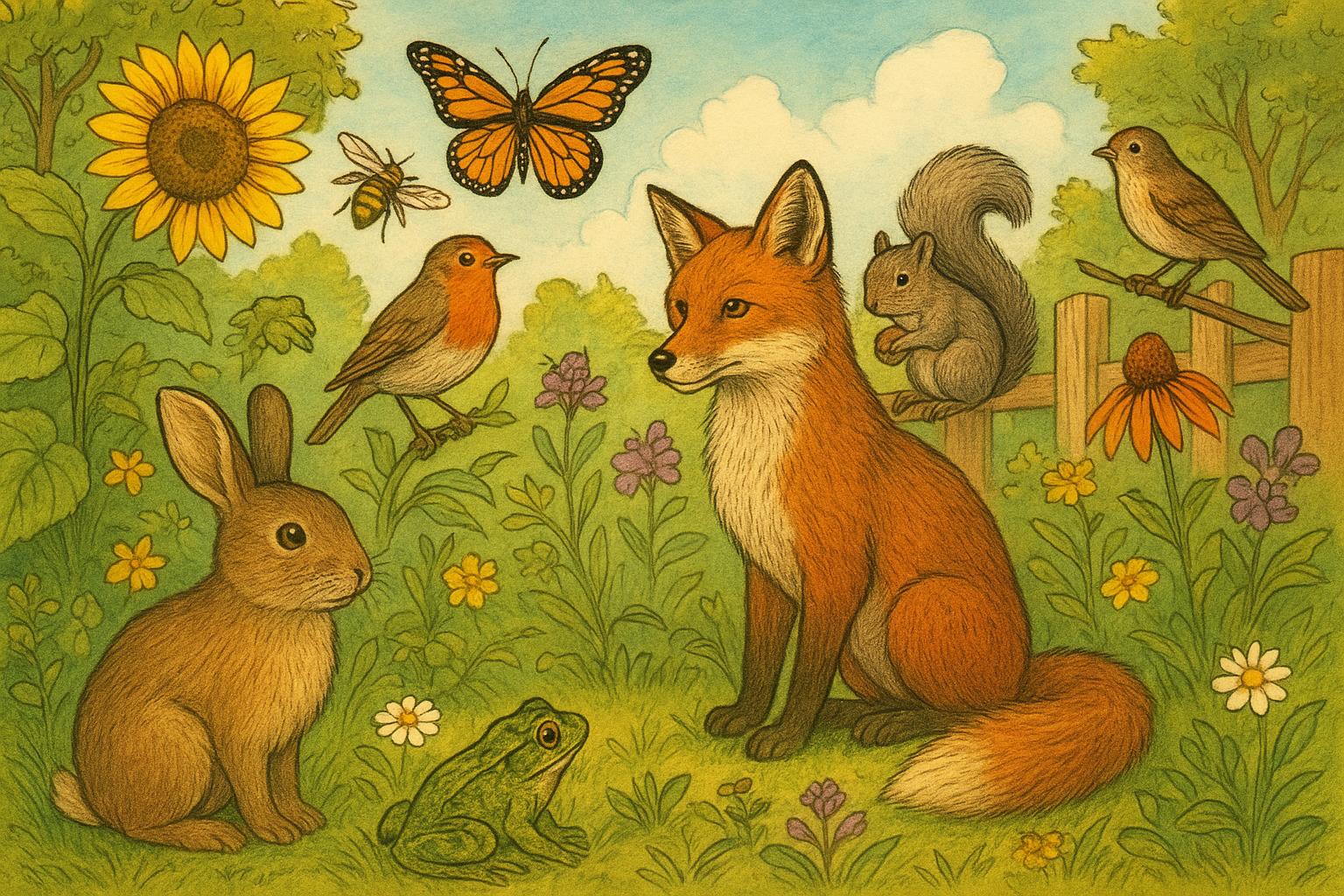
Deer browse on woody twigs and whatever greenery pokes through. They are crepuscular—most active at dawn and dusk—so you might only notice their tracks or the stripped bark on small trees. Foxes and coyotes patrol yards for rodents. They’re lean and efficient, and they’ll use the same paths night after night.
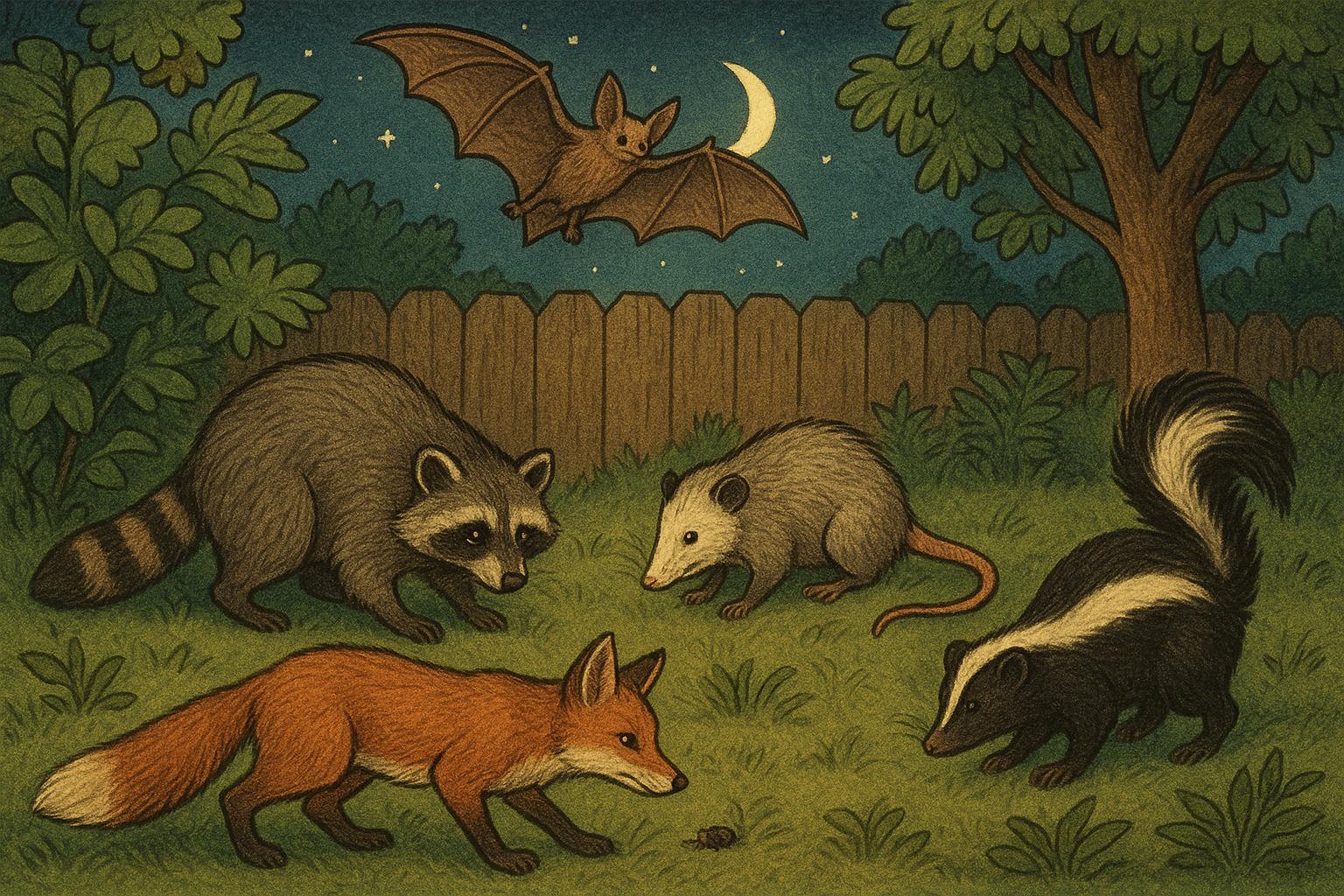
What animals stay active all winter? Mostly the ones that can rearrange their diet or shelter. That includes skunks, opossums, and many small carnivores that never do a long seasonal sleep.
### Birds That Keep Coming Through
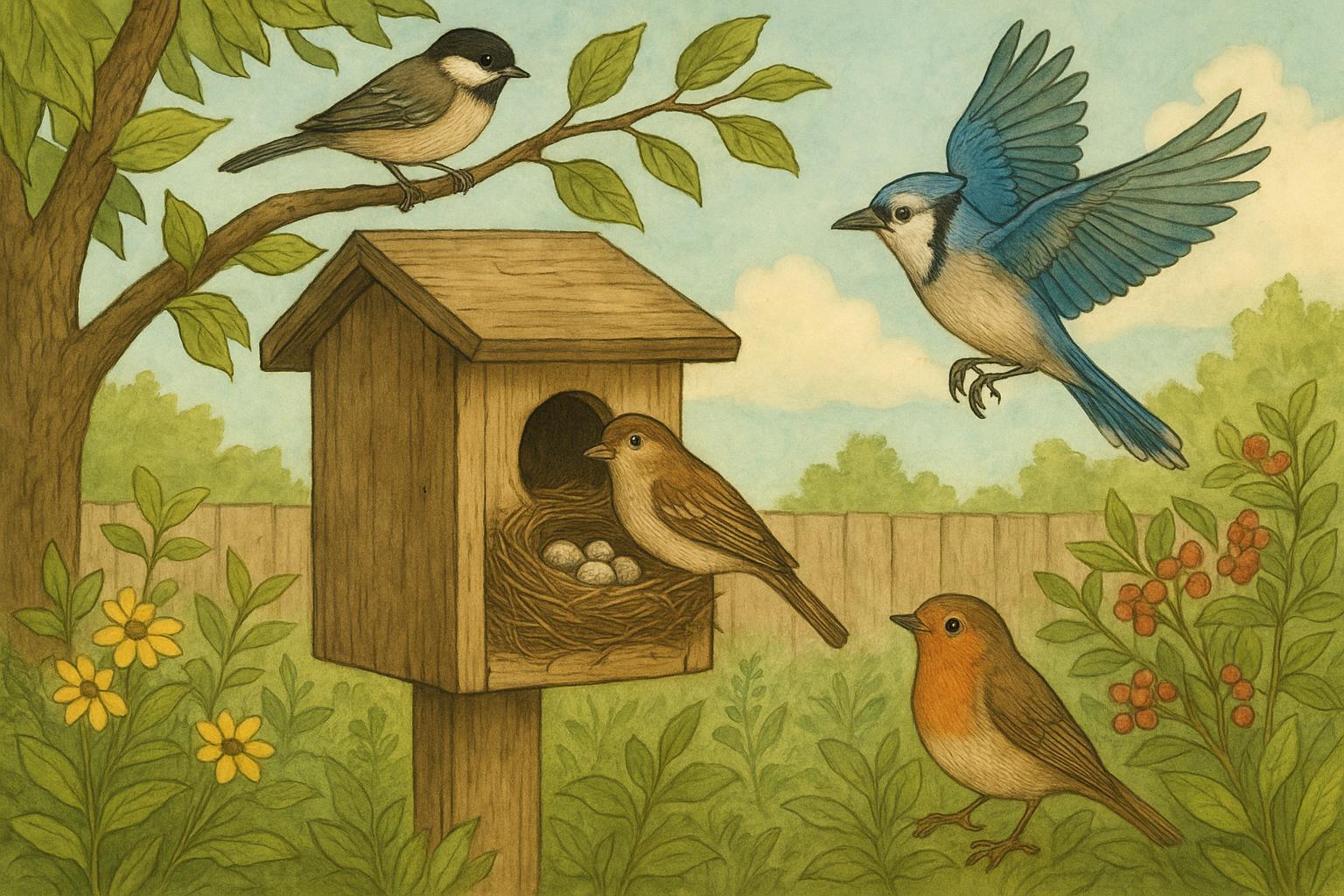
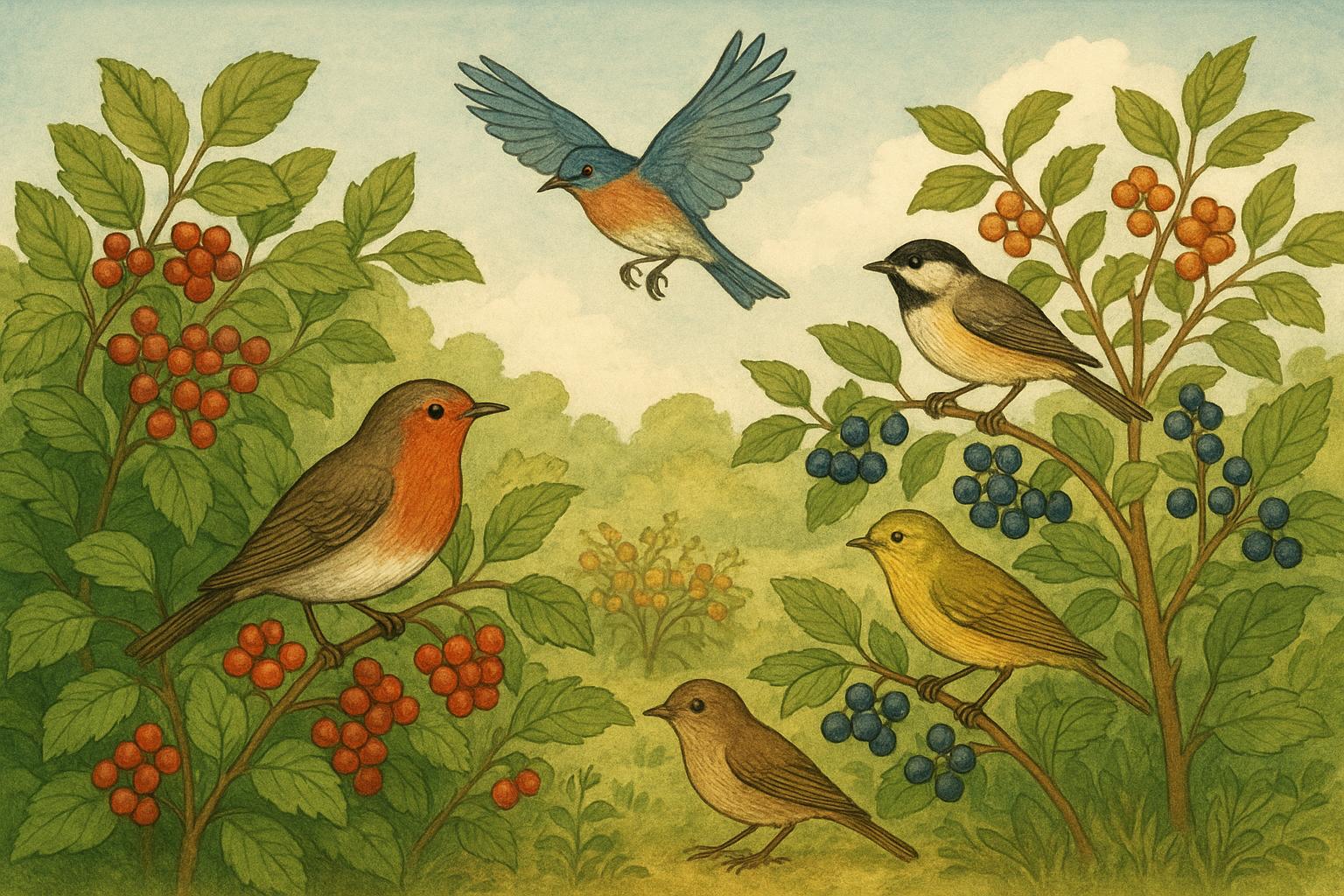
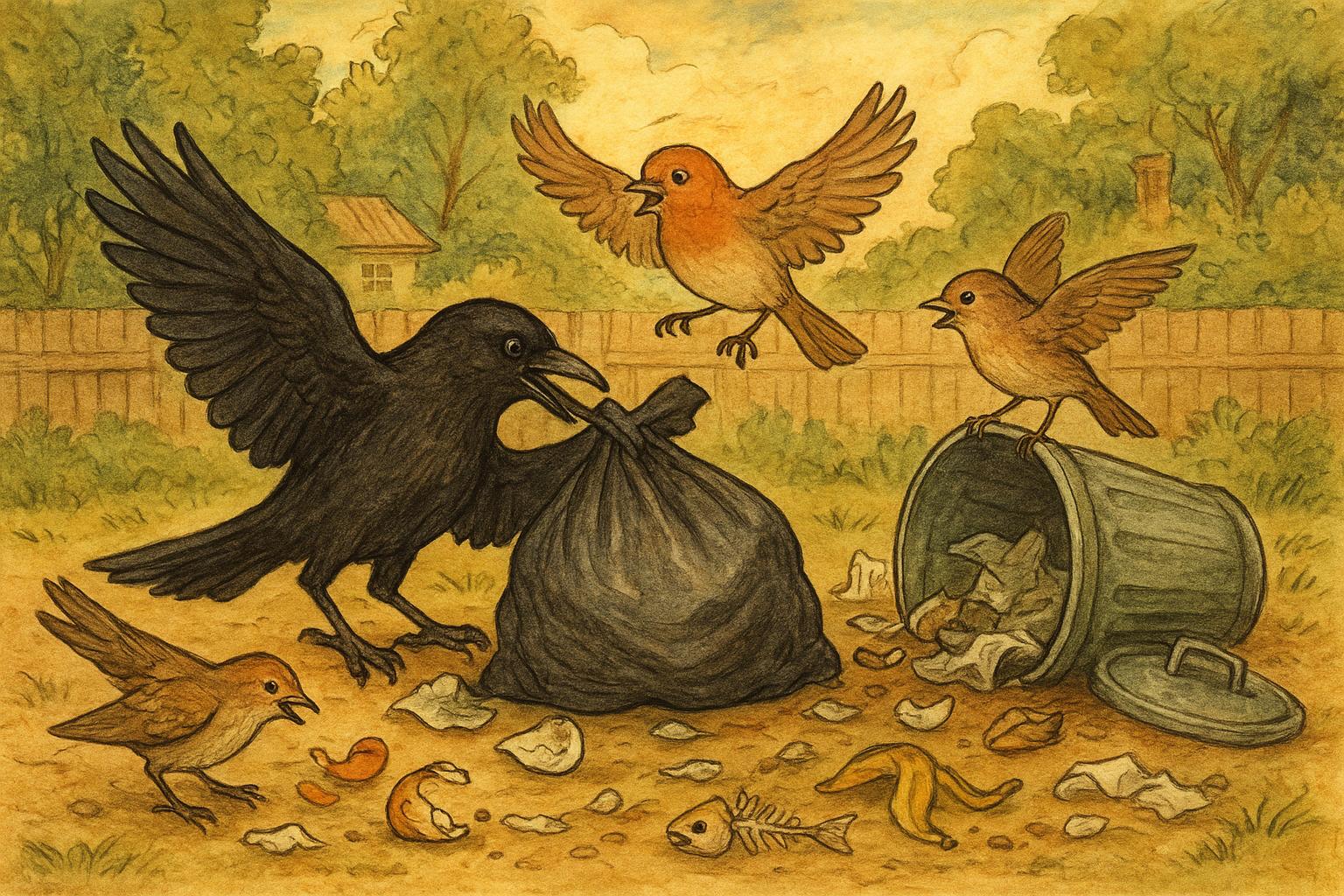
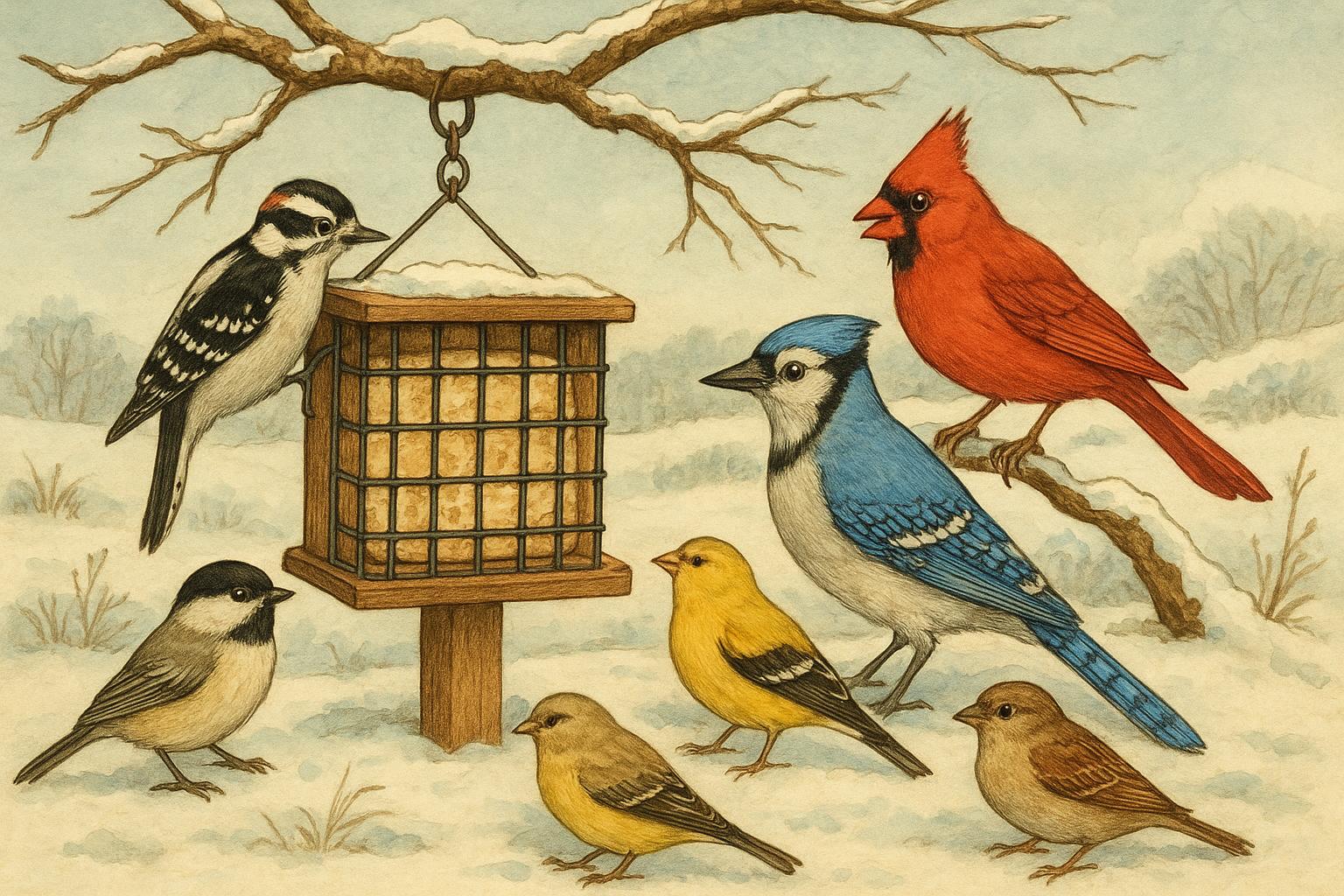
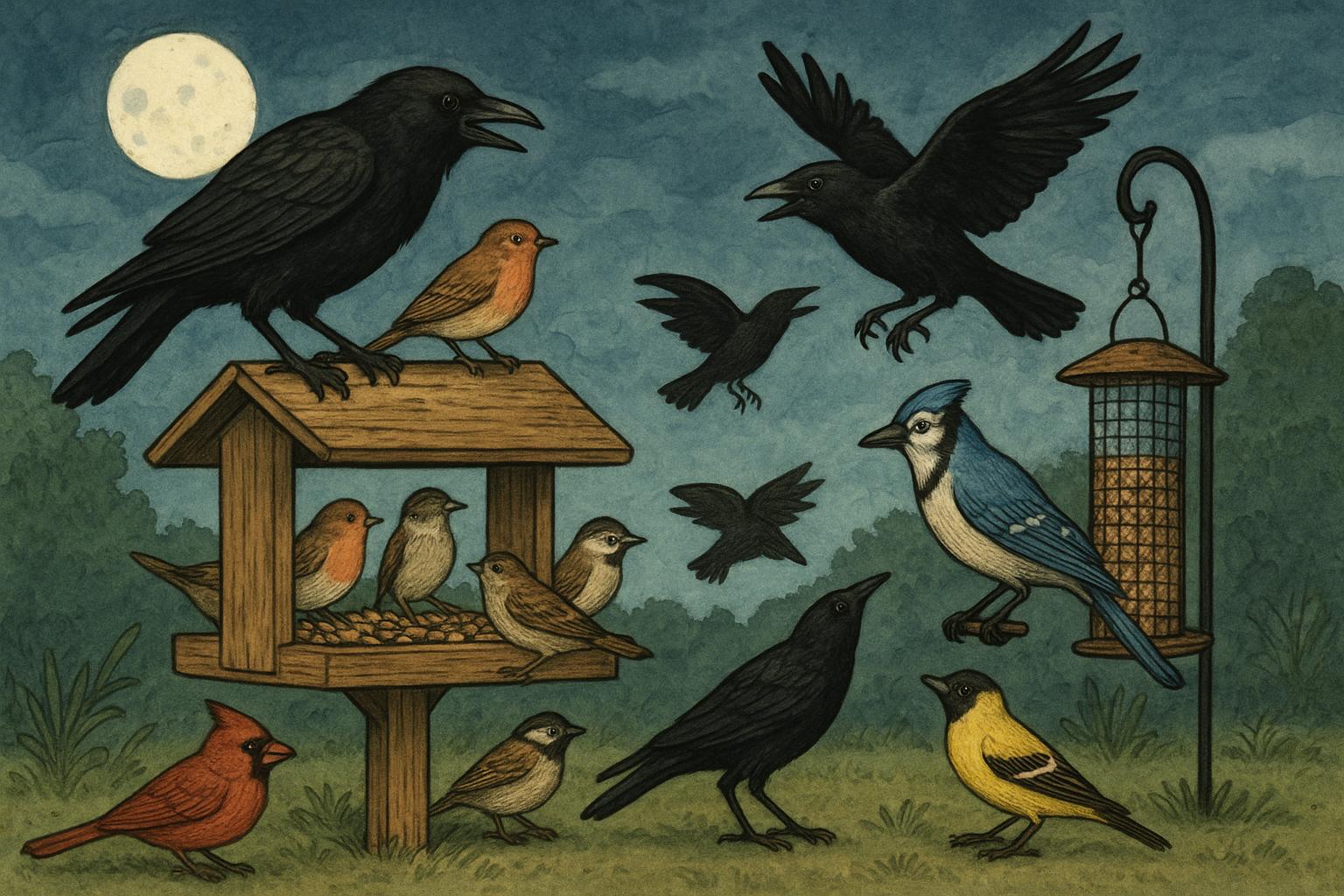
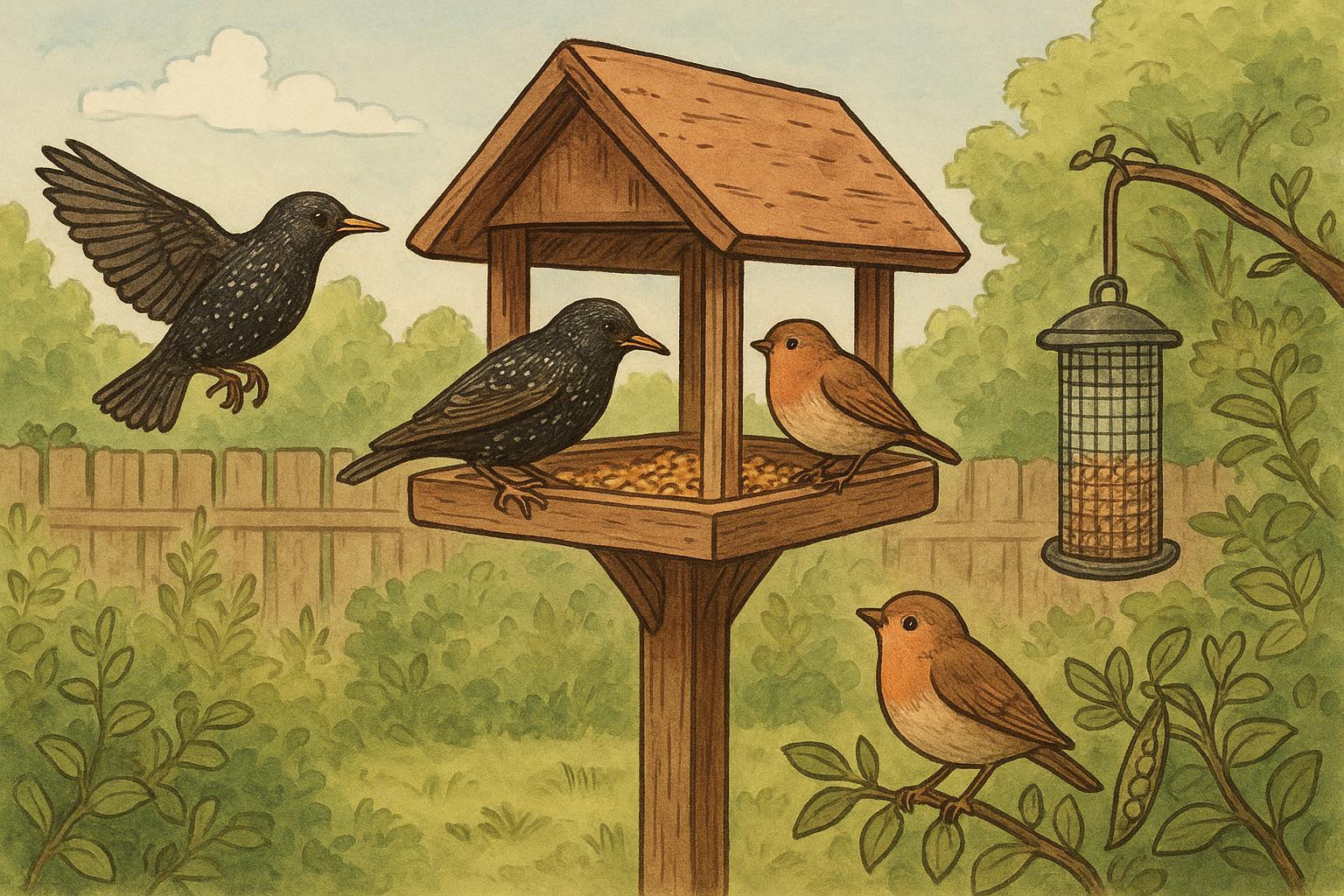
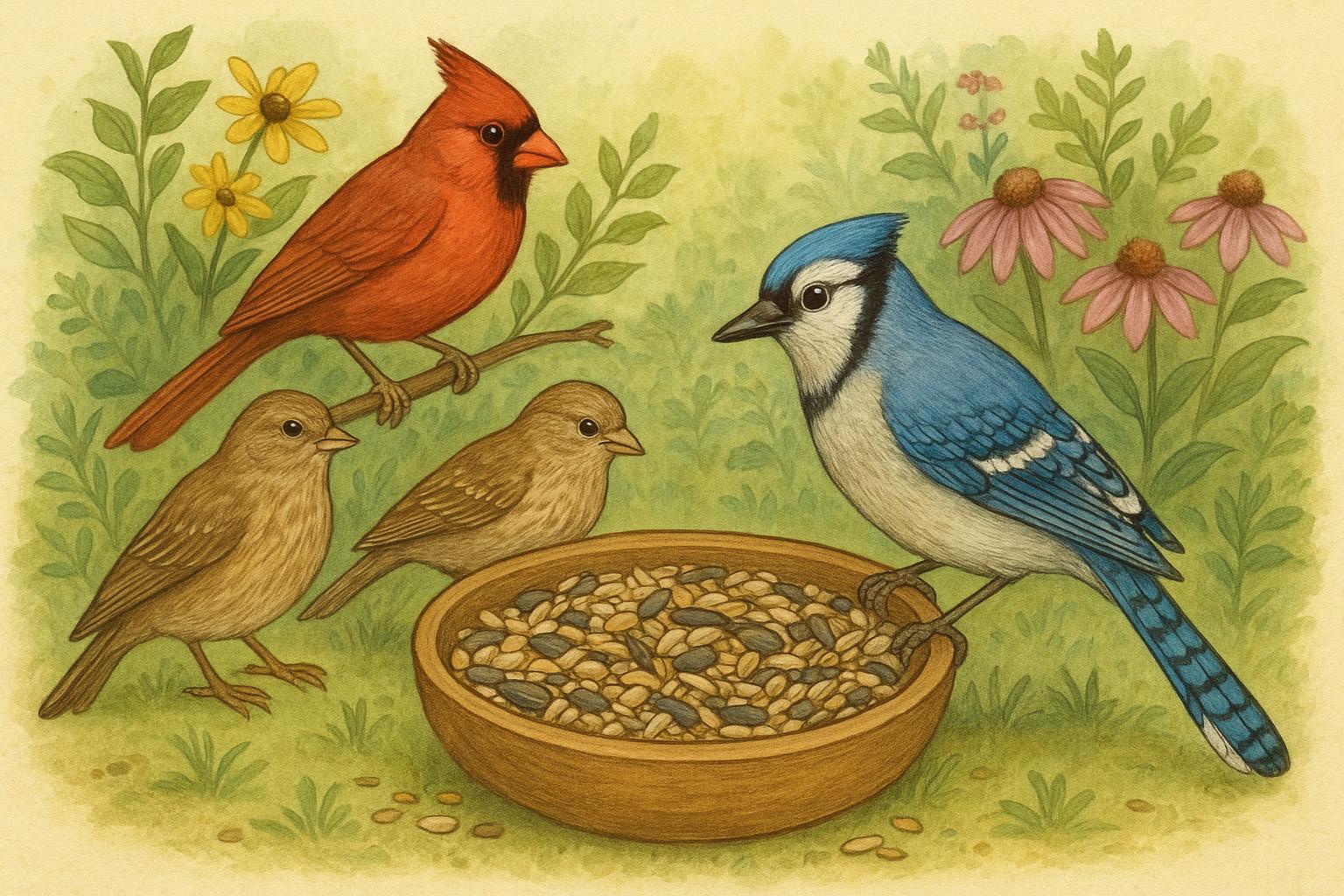
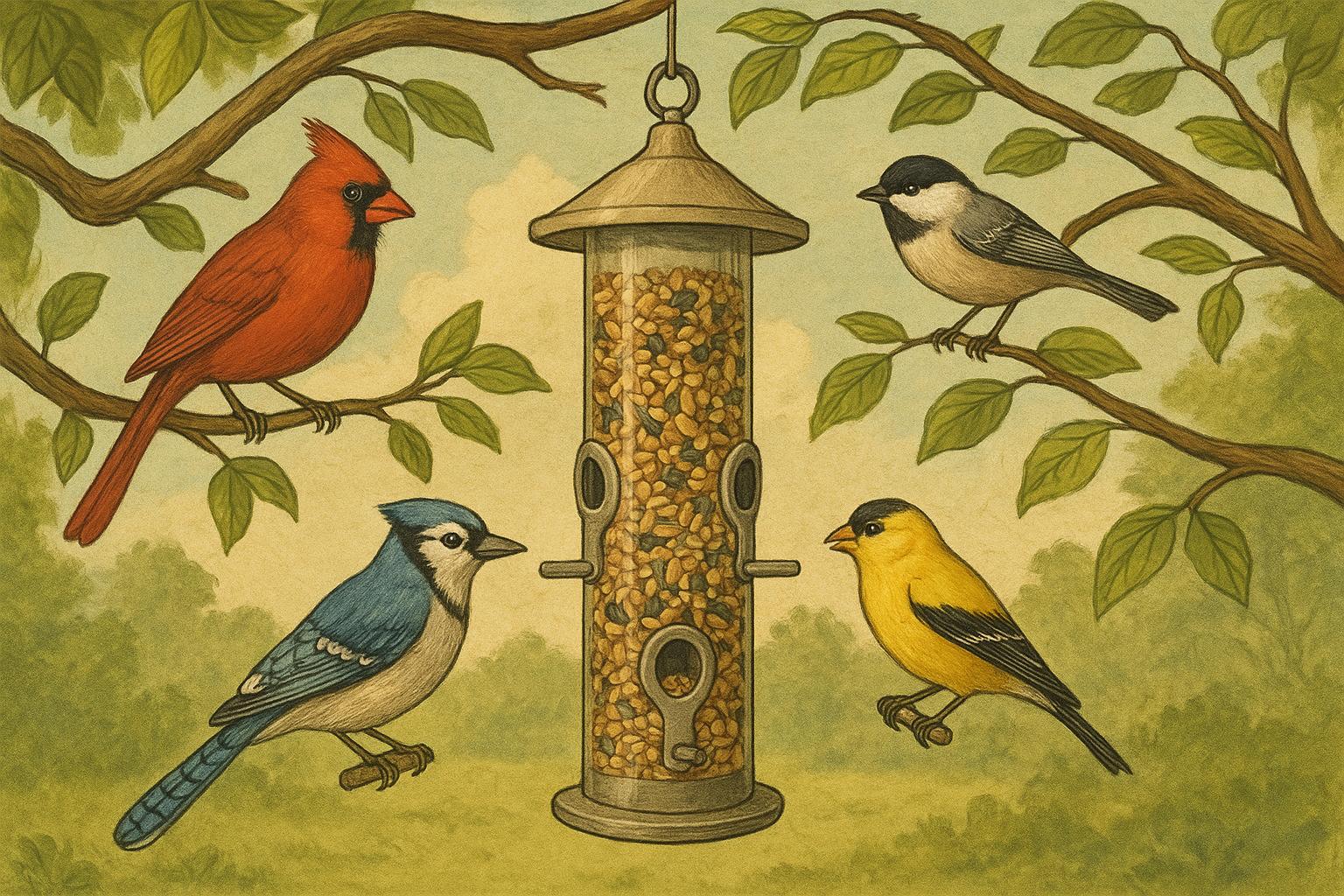
Chickadees, nuthatches, and woodpeckers are winter regulars. These birds maintain high metabolic rates and need frequent food. That’s why they’re attracted to suet and high-fat feeders. Larger visitors like jays and crows don’t leave either; they’re opportunistic and remember food sites.
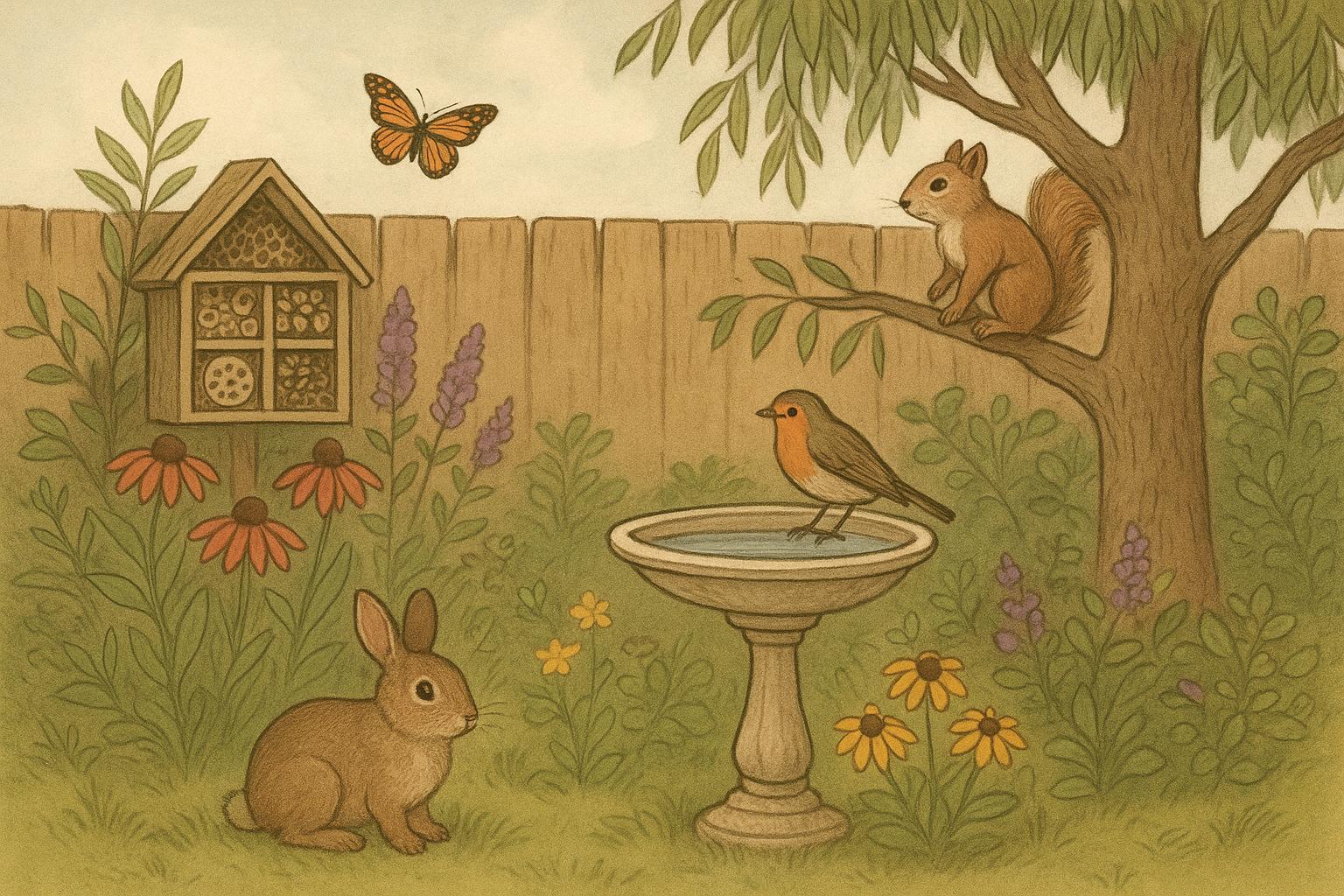
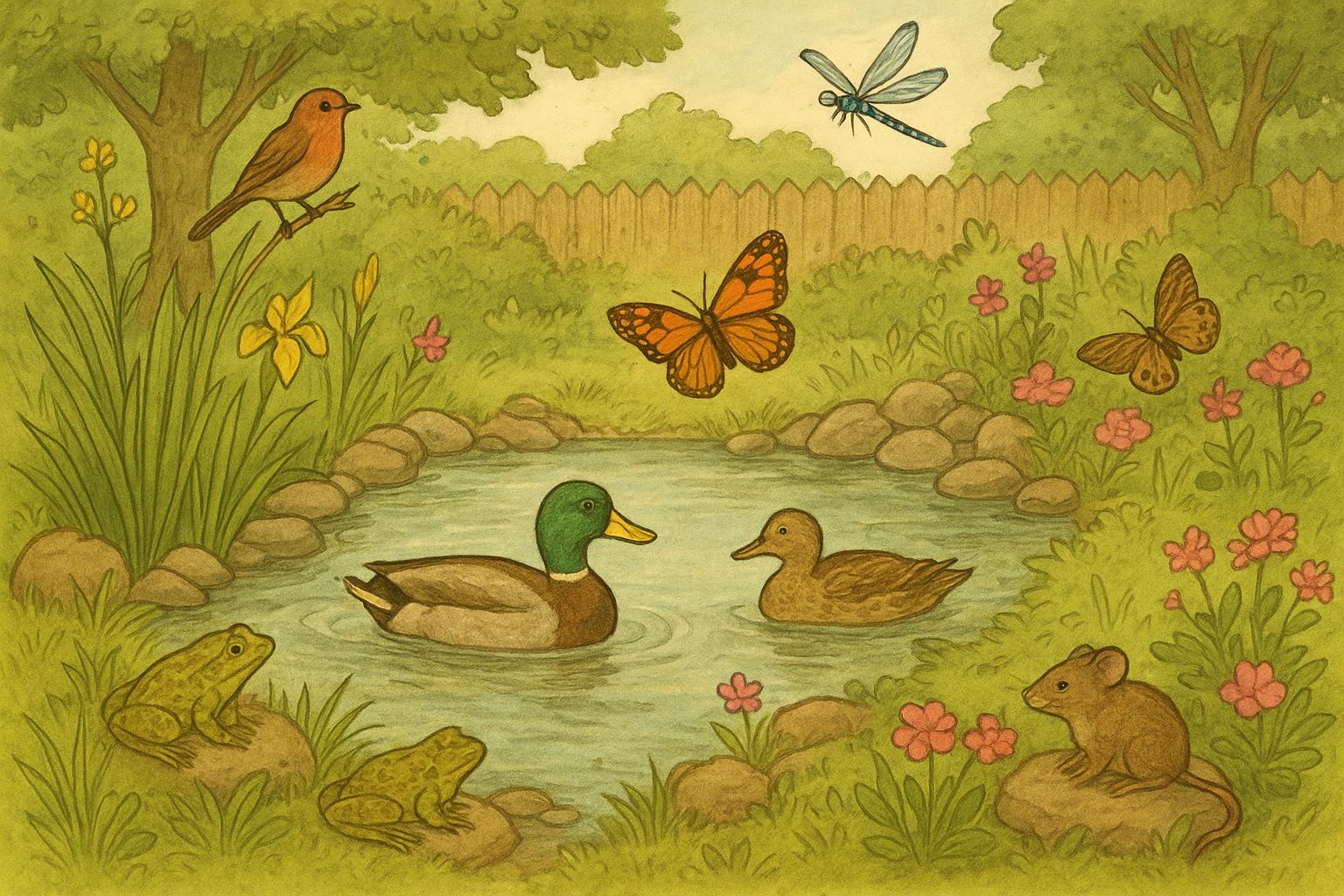
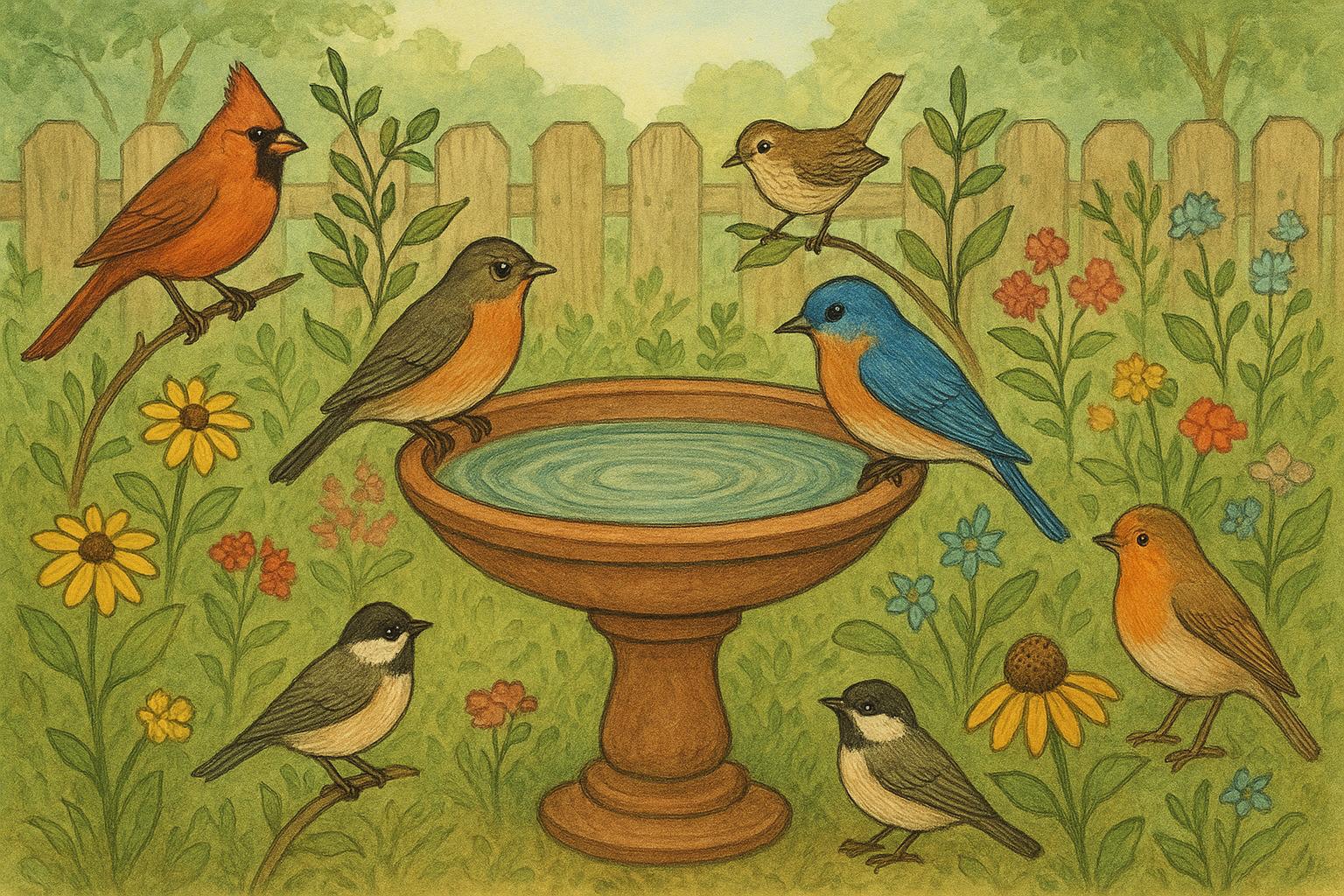
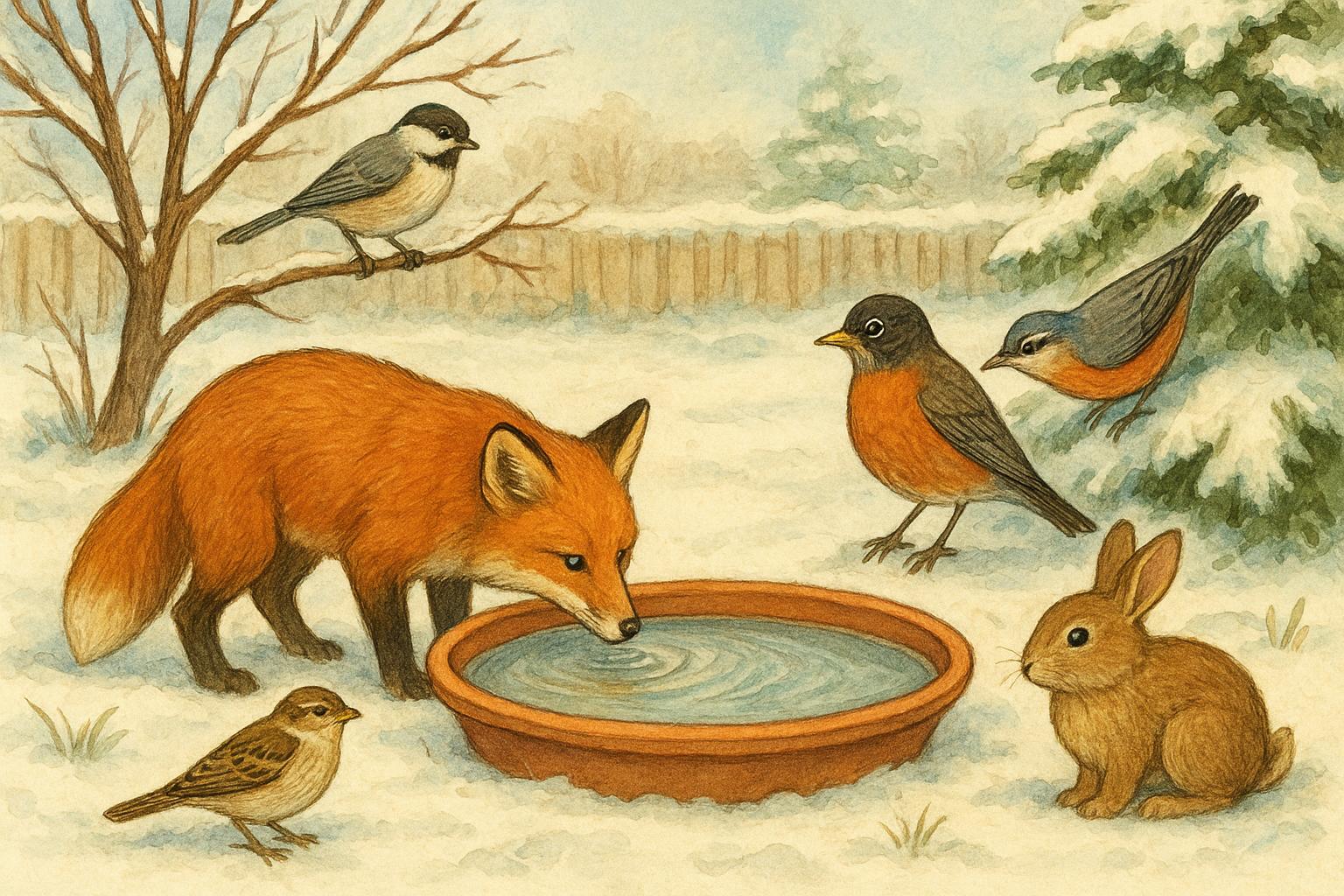
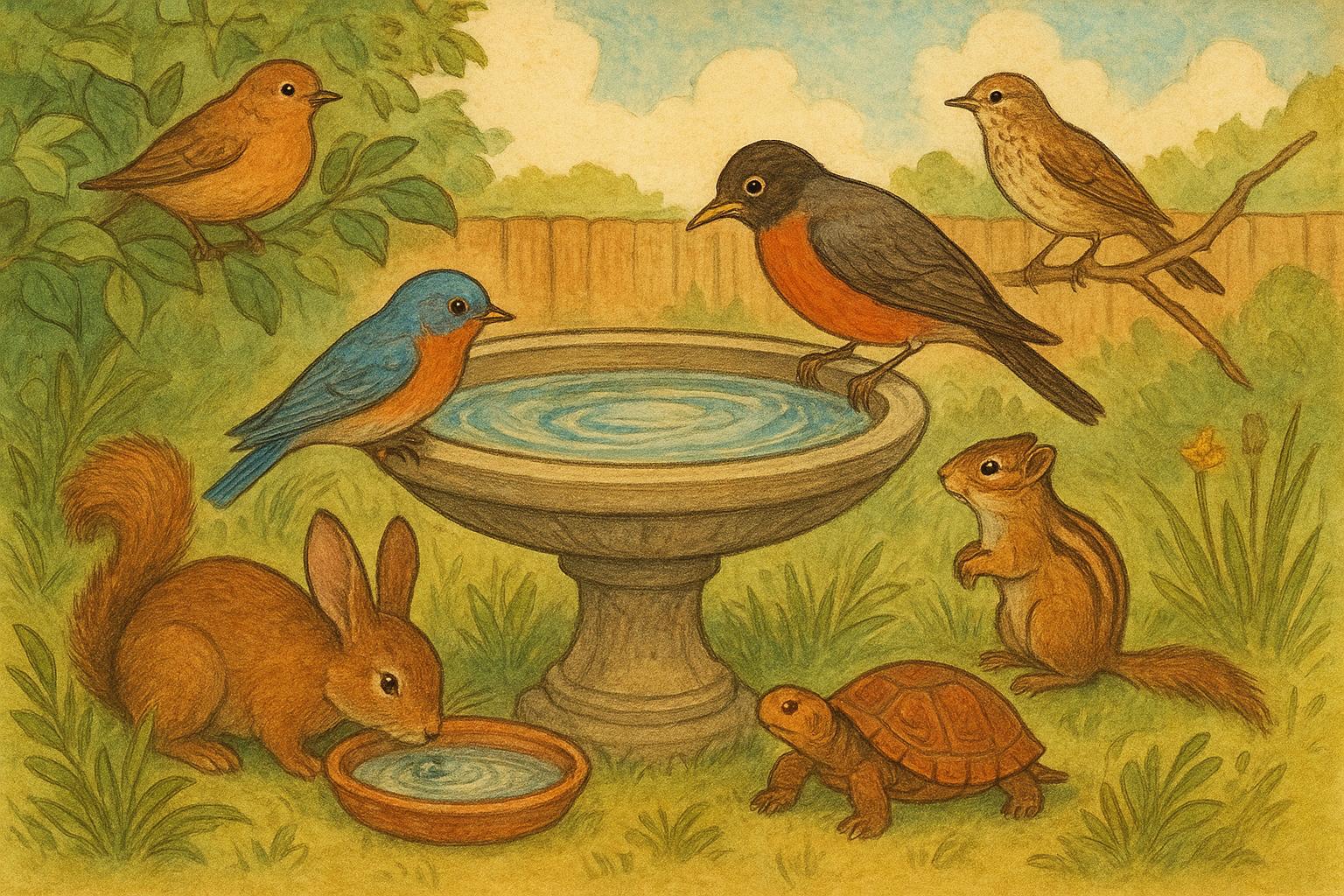
Water matters. A heated birdbath or a shallow dish placed in a sheltered spot will change how often birds visit. If you want to see more winter wildlife activity, add a couple of well-placed feeders and keep them filled, especially during cold snaps.
### Small Mammals: The Invisible Crew
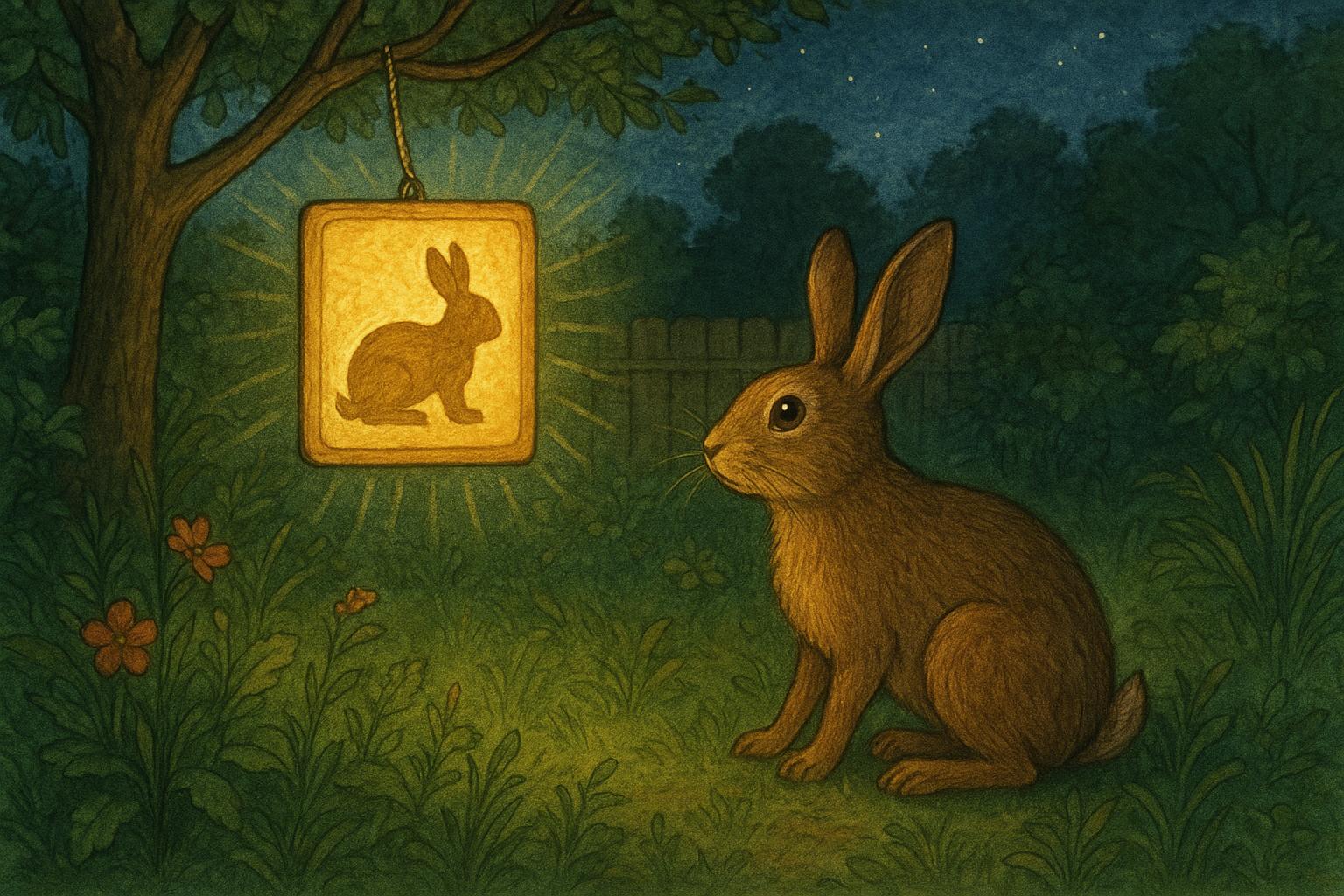
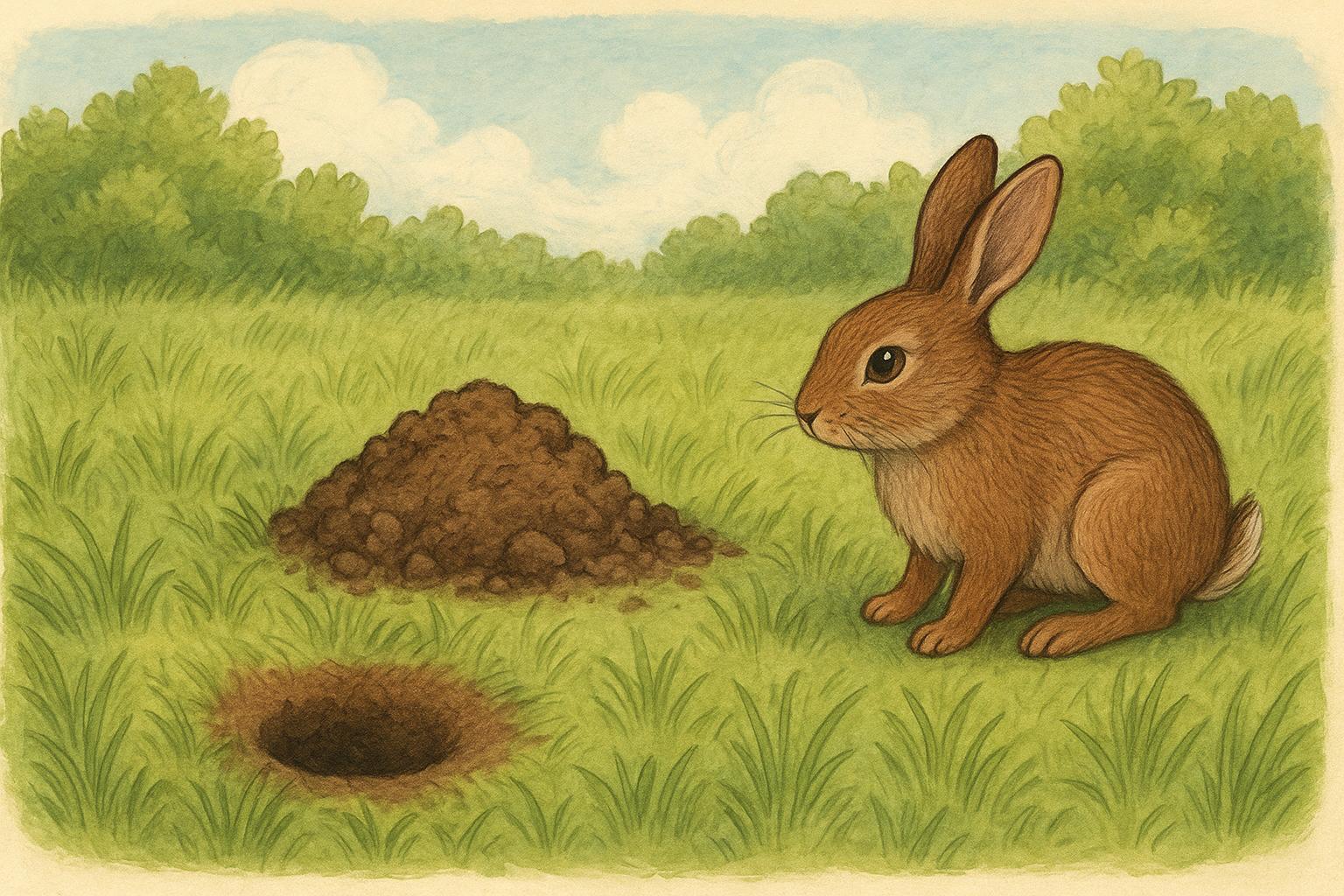
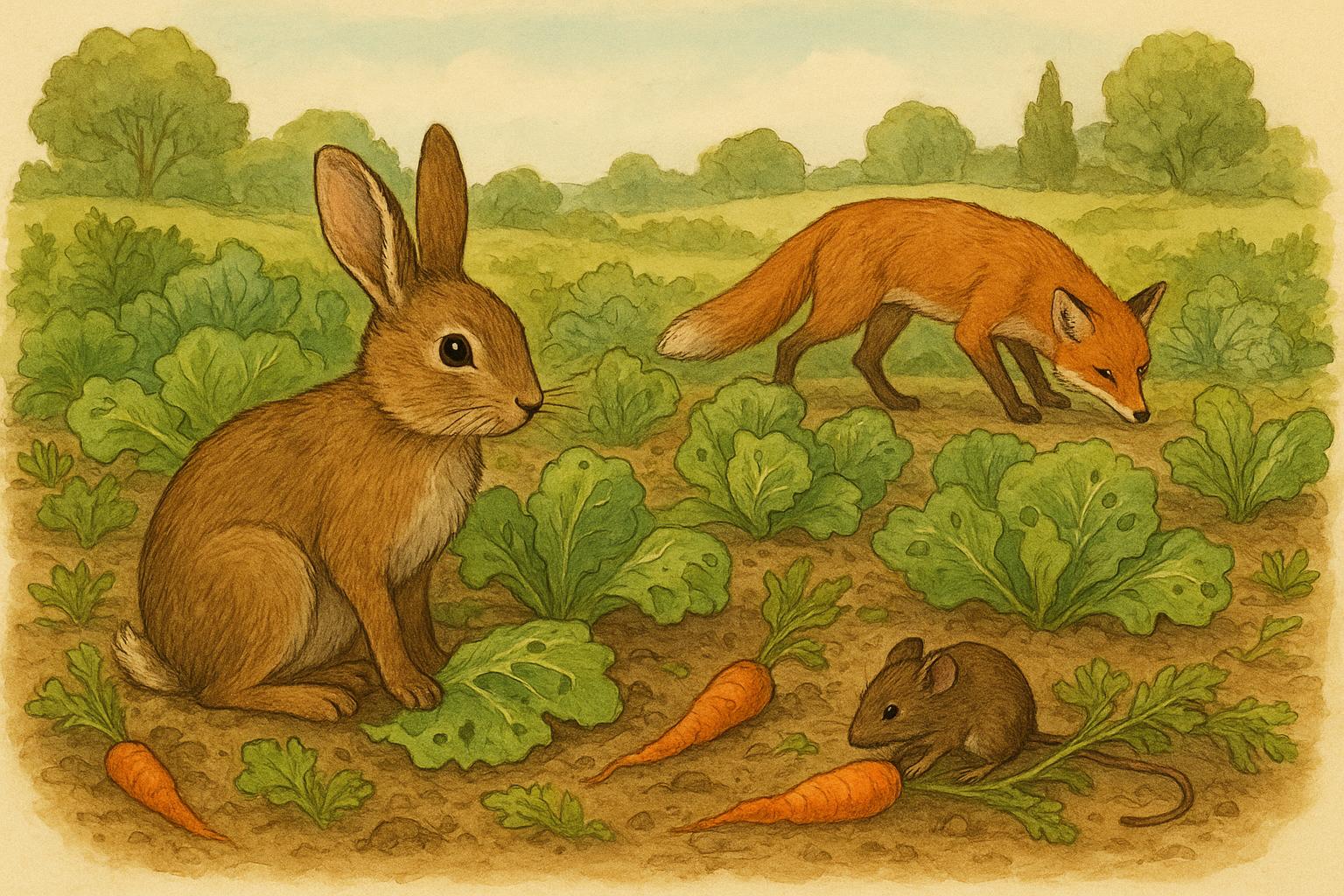
Rabbits, mice, voles, and shrews are the secret of winter yards. Rabbits stay active by shifting to bark, buds, and leftover grasses. Mice and voles are still living under the snow in tunnels called subnivean spaces. That insulated layer of snow creates a warm corridor where they feed on roots and seeds, and predators follow.
If you’re paying attention, their work shows up as gnawed stems, neat lines of tracks under the snow, and small holes in the frost. These signs are the best way to track winter wildlife activity without getting out in the cold too much.
#### How To Tell Who’s Been There
Tracks, scat, and feeding marks tell you what’s visiting. Deer tracks are cloven and large. Squirrel tracks show four toes on the front feet and five on the hind, often with tail drag marks. Bird footprints are obvious in fresh snow and will point you to feeder favorites.
Look for chewed seed heads and stripped bark. Those are squirrel and rabbit signatures. If you find small, braided tunnels in the snow, that’s voles doing their thing. These clues are part of a practical hibernation guide for the observant homeowner: hibernation doesn’t mean an absence—look for alternatives.
### Behavior Changes, Not Disappearances
People confuse winter dormancy with hibernation. True hibernators, like some bats and ground squirrels, enter long periods of torpor. But many common backyard species simply reduce activity. That makes a simple hibernation guide handy: expect reduced daily travel, more use of shelter, and bursts of feeding on milder days.
Birds fluff up to trap heat. Mammals grow thicker coats. Rats and mice might move into voids in basements or wood piles. Raccoons may sleep more during bitter stretches but will emerge on warmer afternoons to forage. Not dramatic, but it keeps them alive.
#### Practical Steps To Encourage Activity
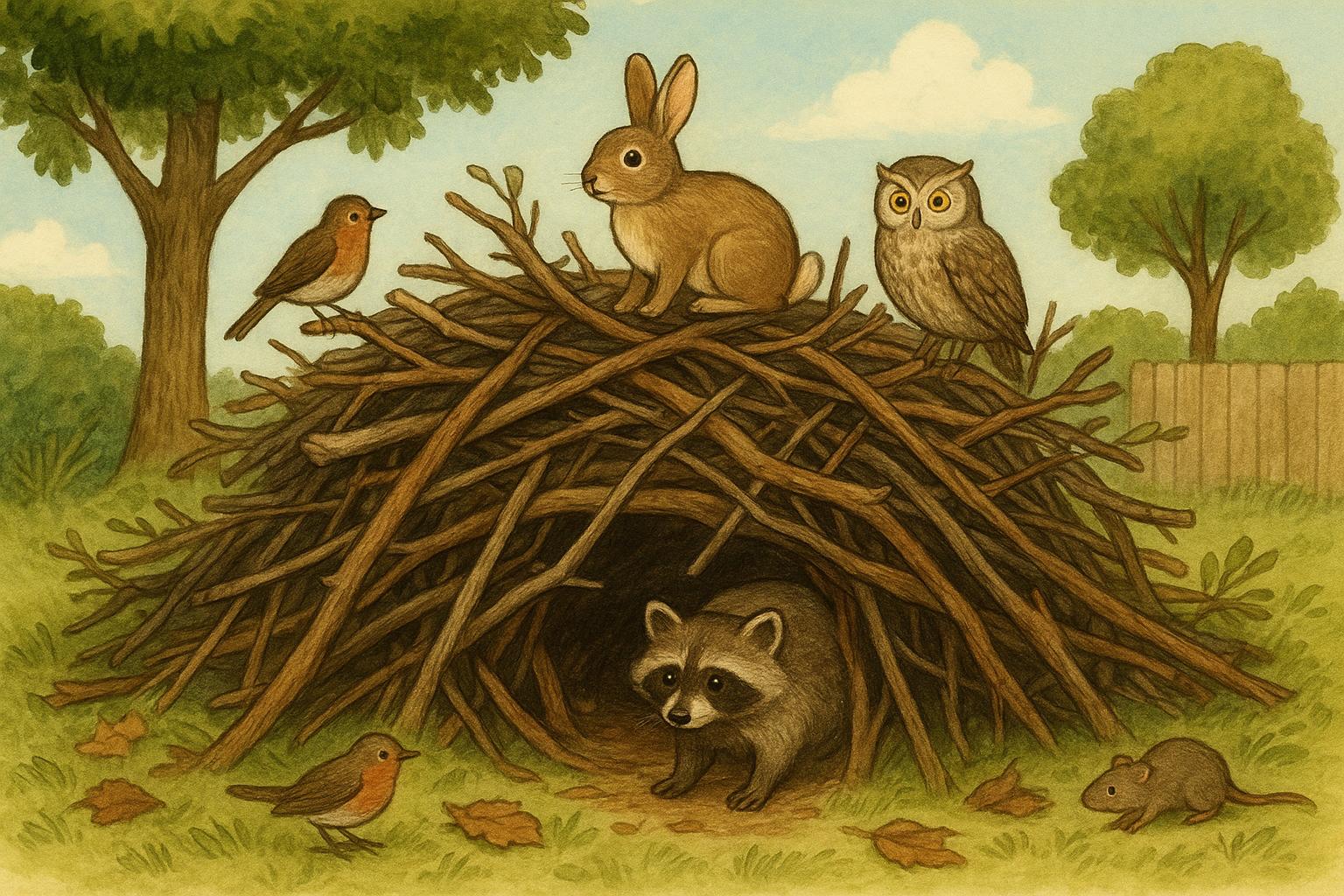
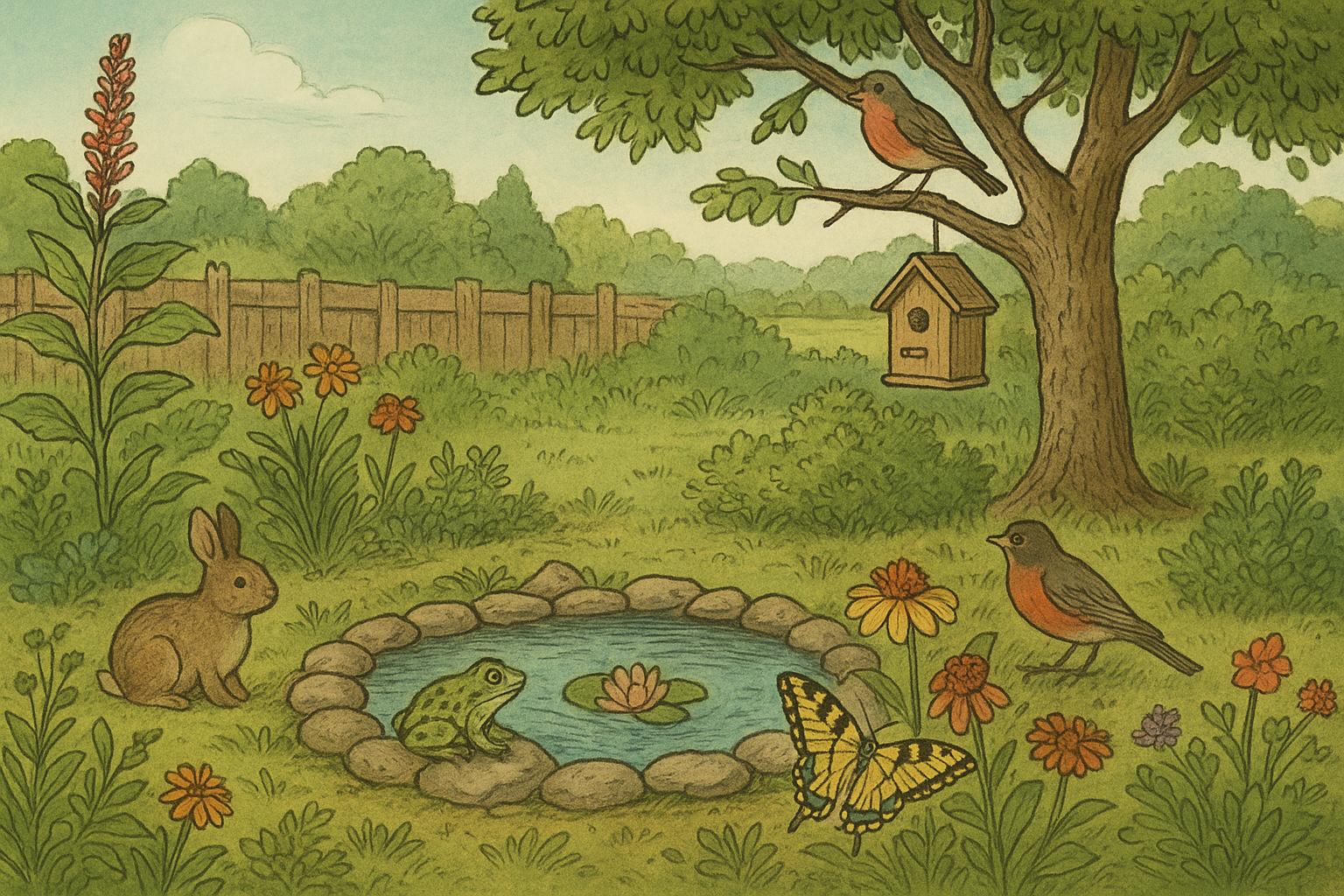
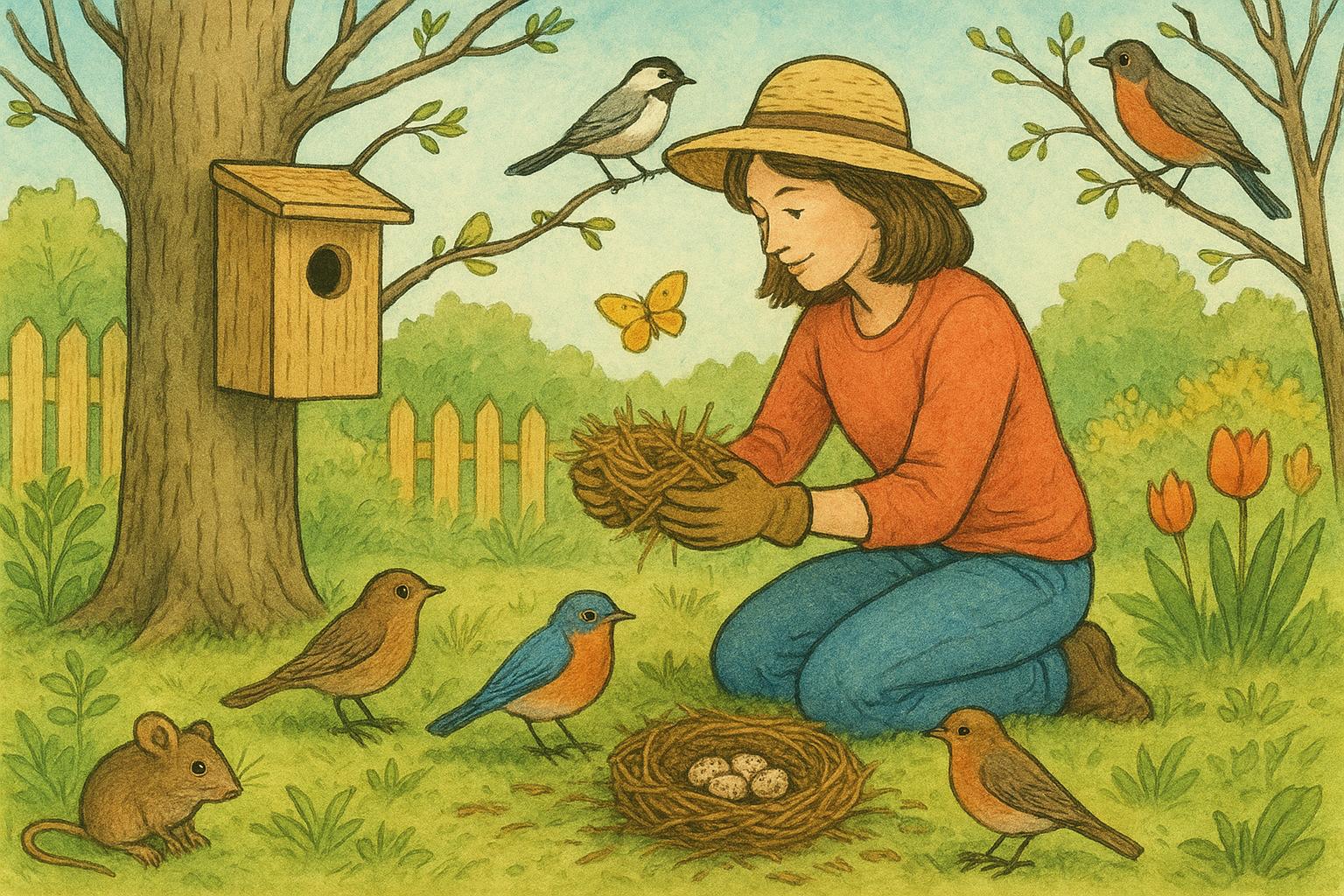
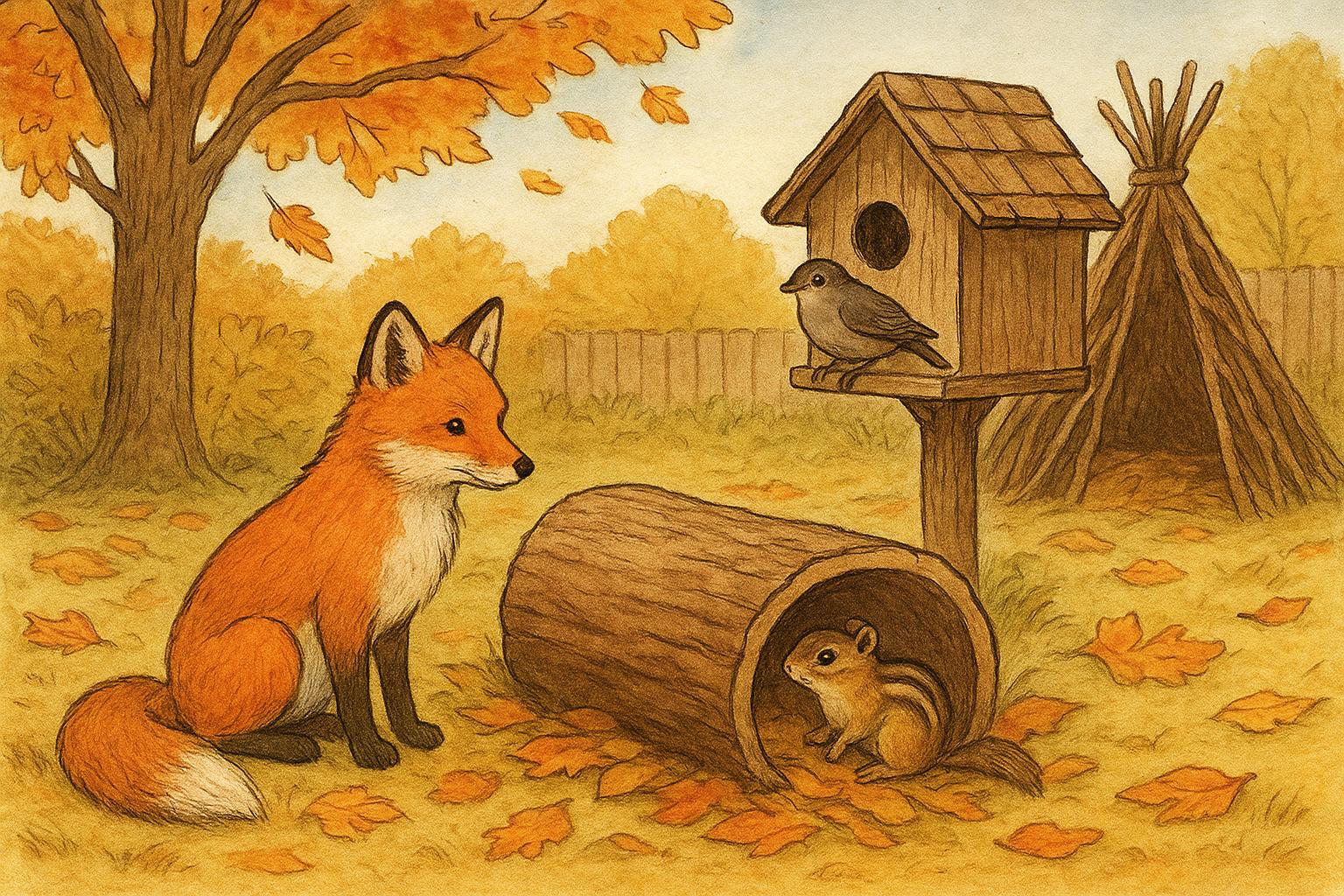
If you want to support winter wildlife activity, leave some leaf litter and brush piles. Those provide cover and food sources for insects and small mammals. Offer feeders with seeds and suet. Keep a steady water source if possible—ice-free water is a rare luxury for birds and small mammals.
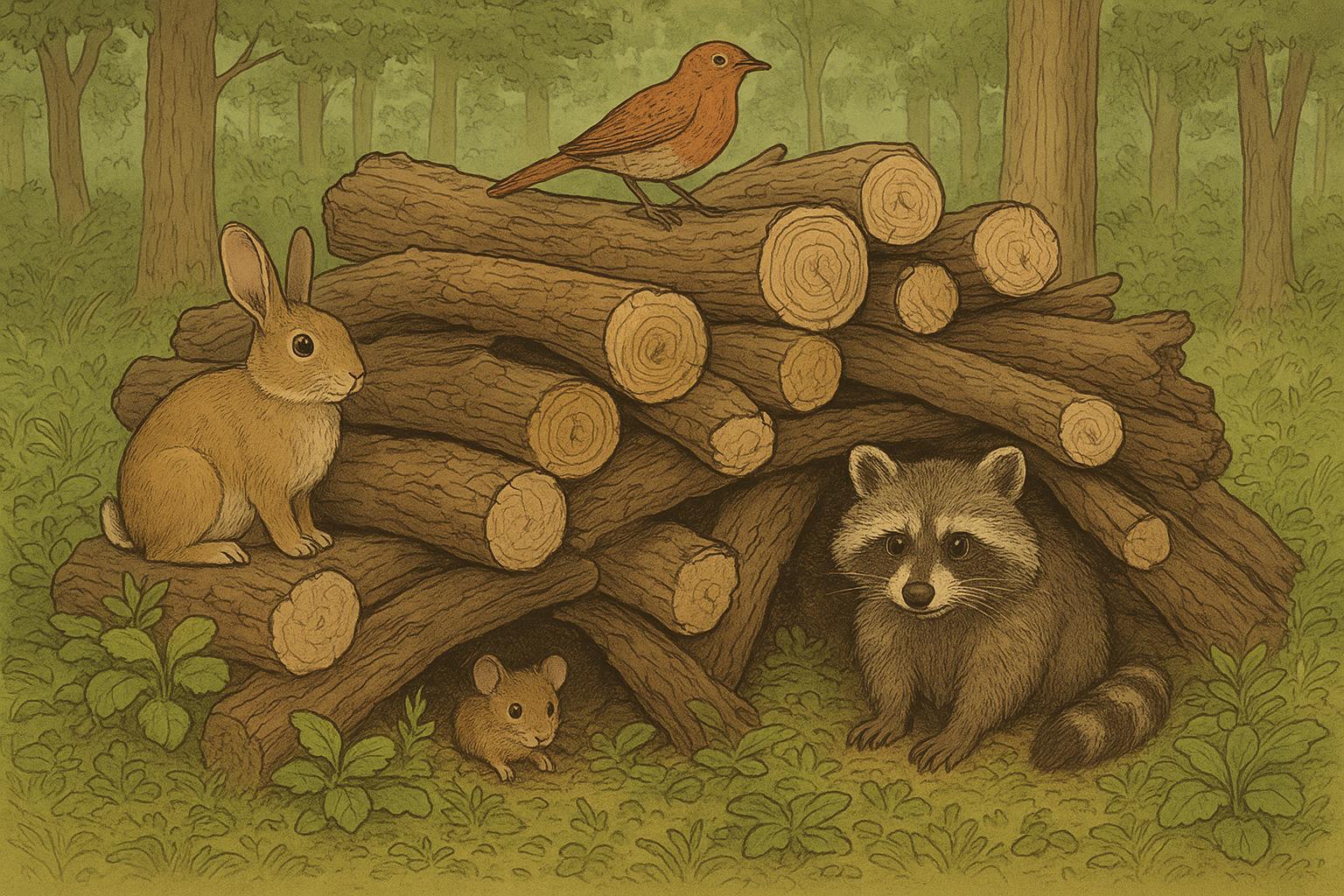
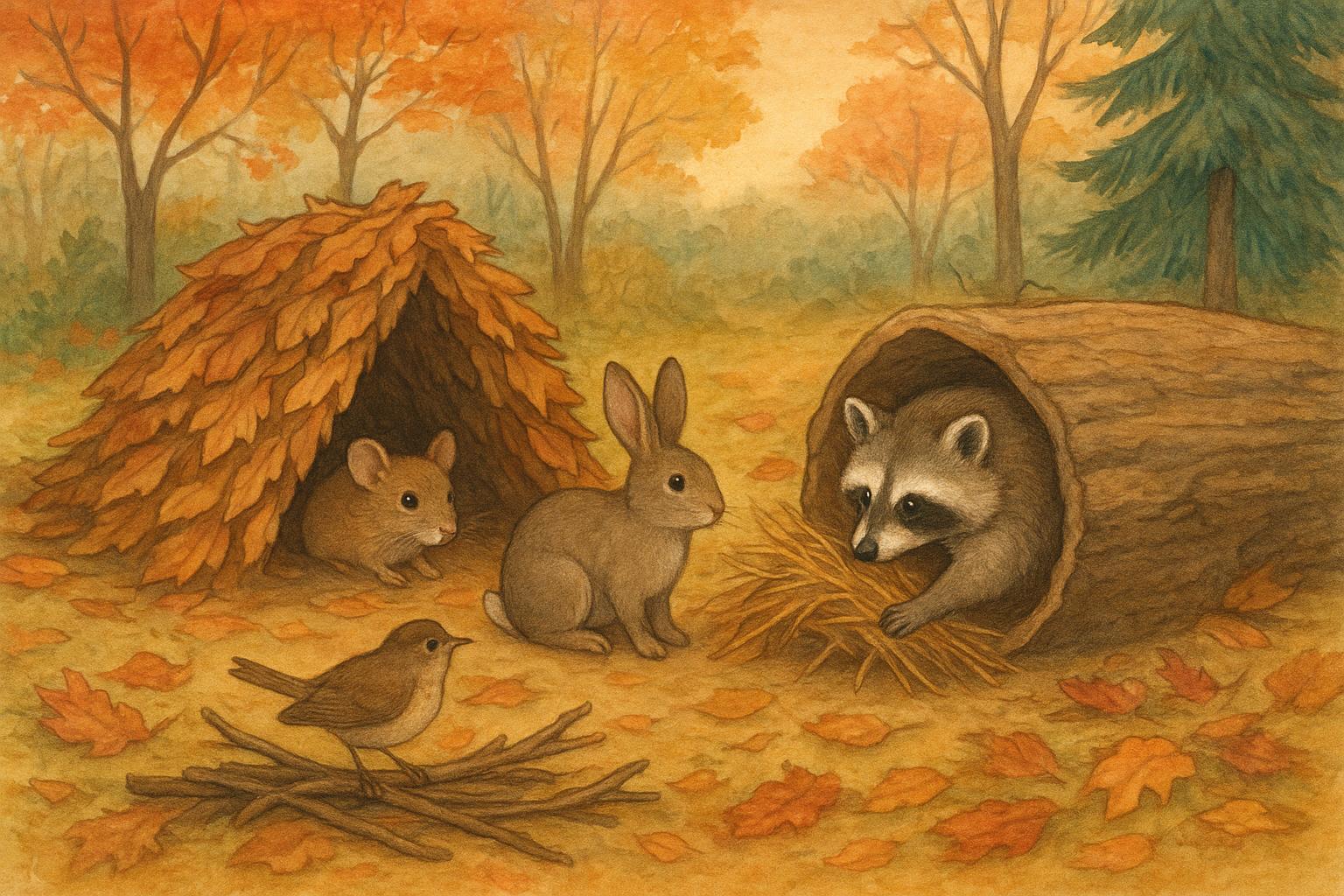
Avoid abrupt yard cleanups in late fall. Leaving seed heads and hollow stems over winter gives food and nesting material. Even a shallow brush pile or a small stack of logs can become a sheltering spot for overwintering insects and small critters.
### When You Need To Intervene
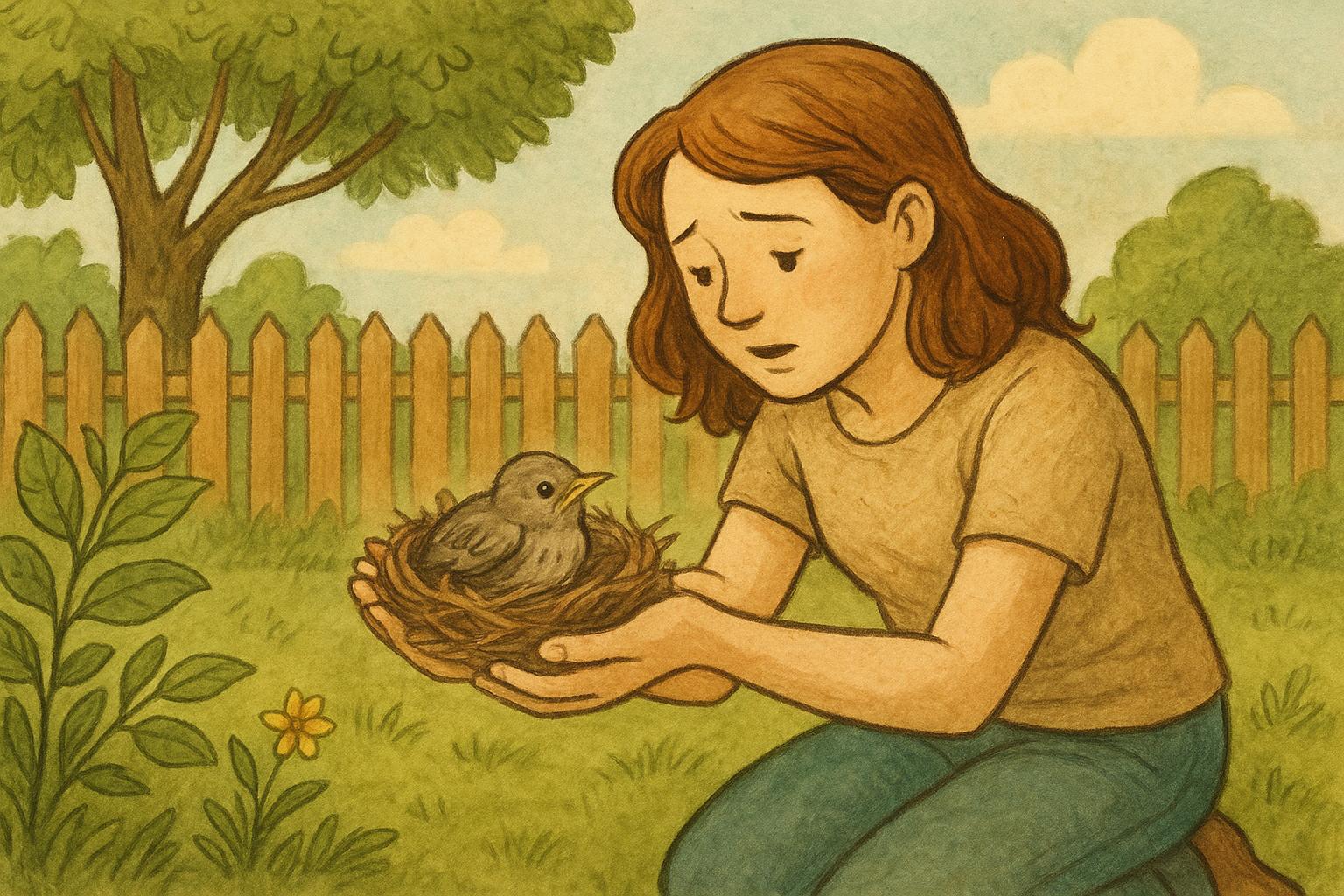
Some animals do fine on their own. Others, like an injured songbird or an orphaned fawn, need help. Before you act, consult a local wildlife rehabilitator or a trusted hibernation guide offered by state parks. They’ll tell you if an animal is truly orphaned or just part of normal seasonal behavior.
If you spot an animal that looks weak, check for visible injuries, unusual behavior, or persistent daytime activity from a typically nocturnal species. These are signs someone might need assistance.
You’ll notice that winter yards are quieter but still busy in different ways. Learning what animals stay active all winter changes how you think about cold months. You start to see the small dramas that keep a neighborhood ecosystem humming, even in subzero weather. And once you notice, you’ll begin to leave a few more things out—shelter, feed, and water—and watch a surprising amount of life carry on. Ocurrs more often than people expect, and that’s the point. Keep your eyes open and your feeders stocked, and the yard will repay you with steady visits.
Leave a Reply