
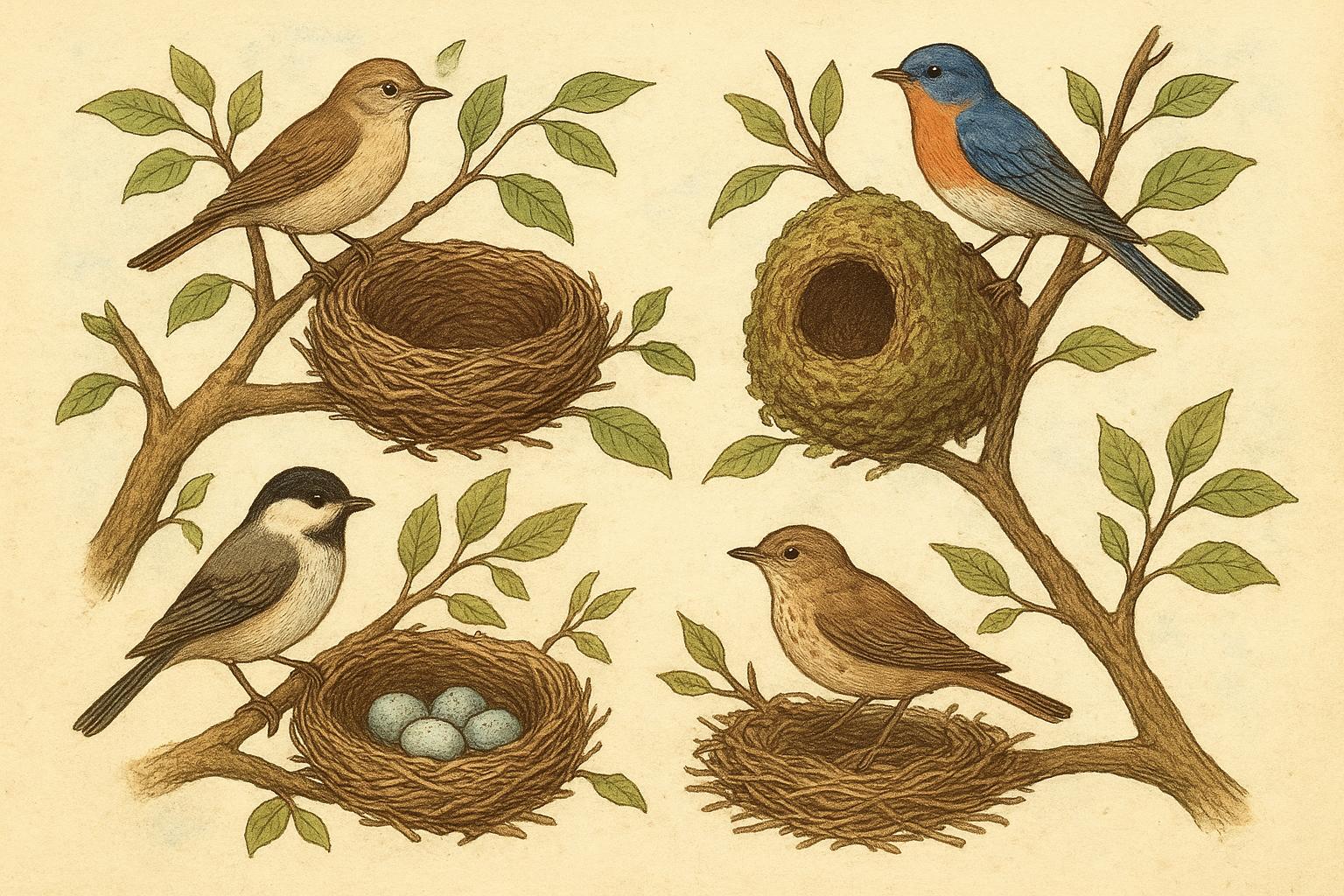
## Common Bird Nest Designs You’ll Spot In Backyards
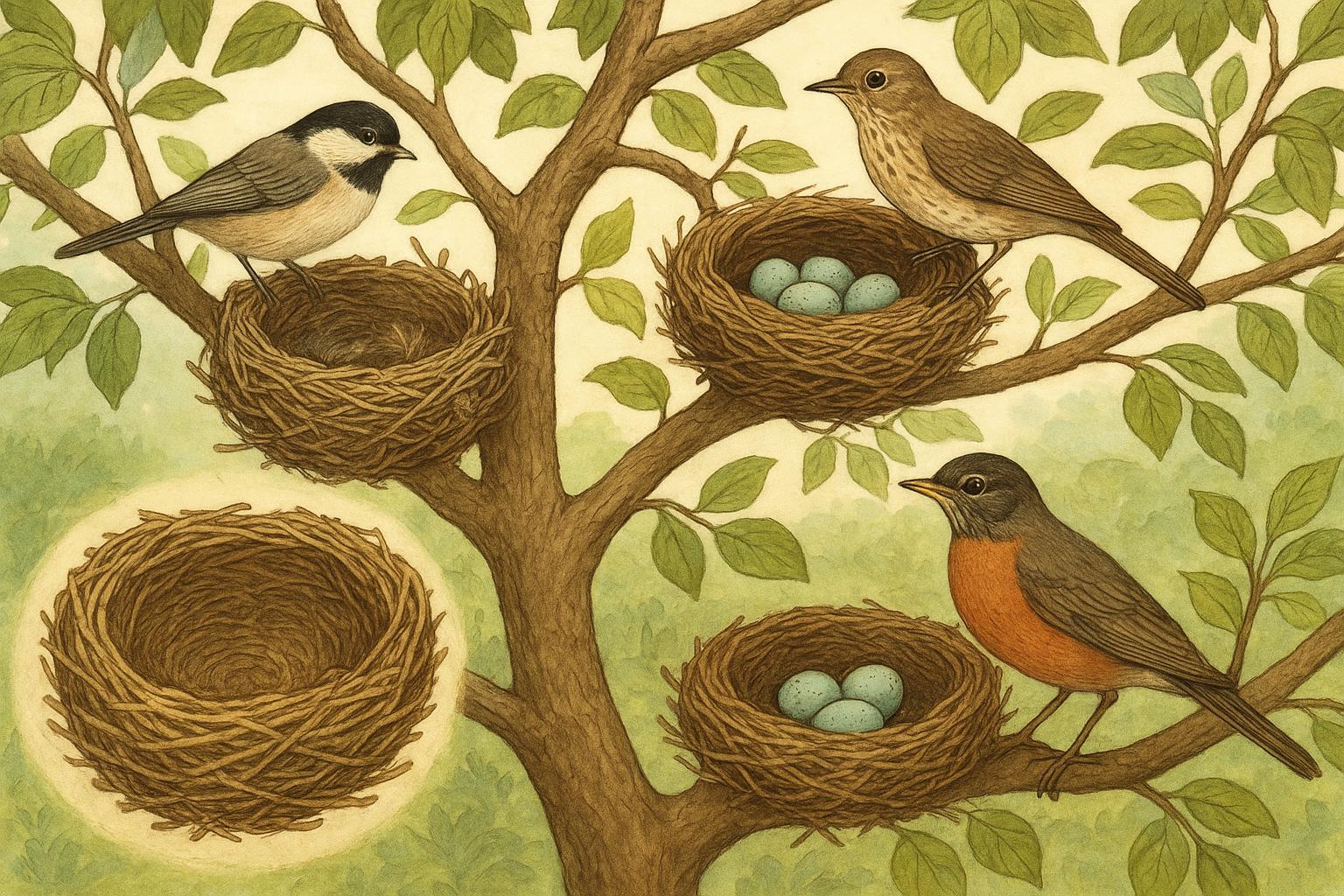
Look up in a maple, peer into a hanging basket, or crouch behind the shed and you’ll start to see patterns. Backyard birds follow a handful of templates for building nests. These patterns are what most backyard guides point to when they explain where birds breed and raise young. Knowing the common bird nest designs helps you spot nests, protect them, and make your yard friendlier to the birds you want to attract.
### Why Nest Form Matters
Nest form isn’t random. It tells you about a species’ life strategy: concealment, predator defense, microclimate control, or signaling. A pendulous, woven sack is built by species that want to hide eggs from predators and rain. A cavity nest provides strong protection but requires either tree decay or a bird that excavates. The materials and site choice affect insulation, parasite loads, and how long a nest will last.
### How To Use This Knowledge In Your Yard
Once you can recognize typical constructions, you won’t need to identify every species by sight. You can make informed choices: where to hang birdhouses, what plants to leave in place, when to avoid pruning. Backyard guides often focus on nest form because it’s the most useful thing for homeowners to notice quickly.
## The Classic Cup Nest: Simple And Versatile
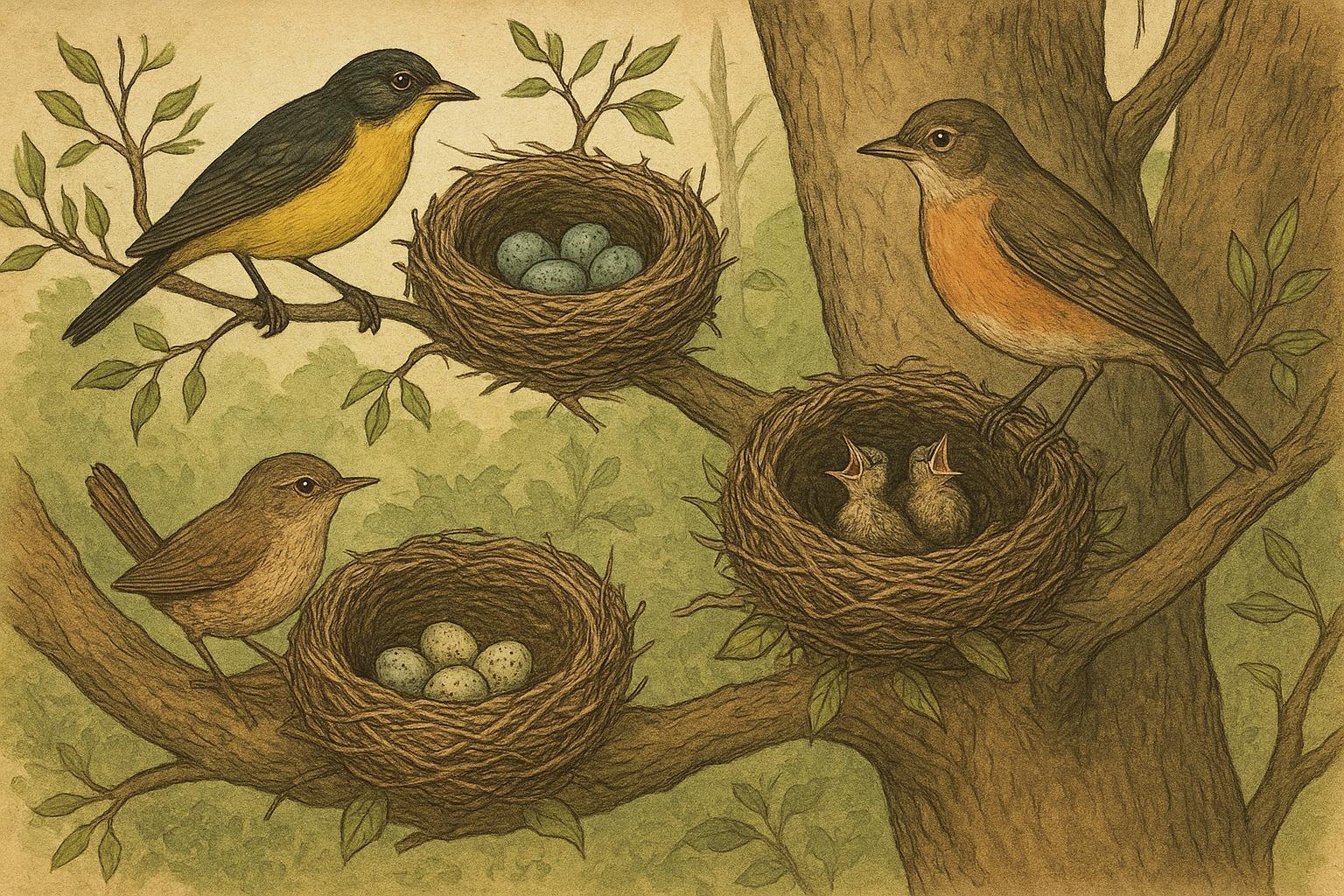
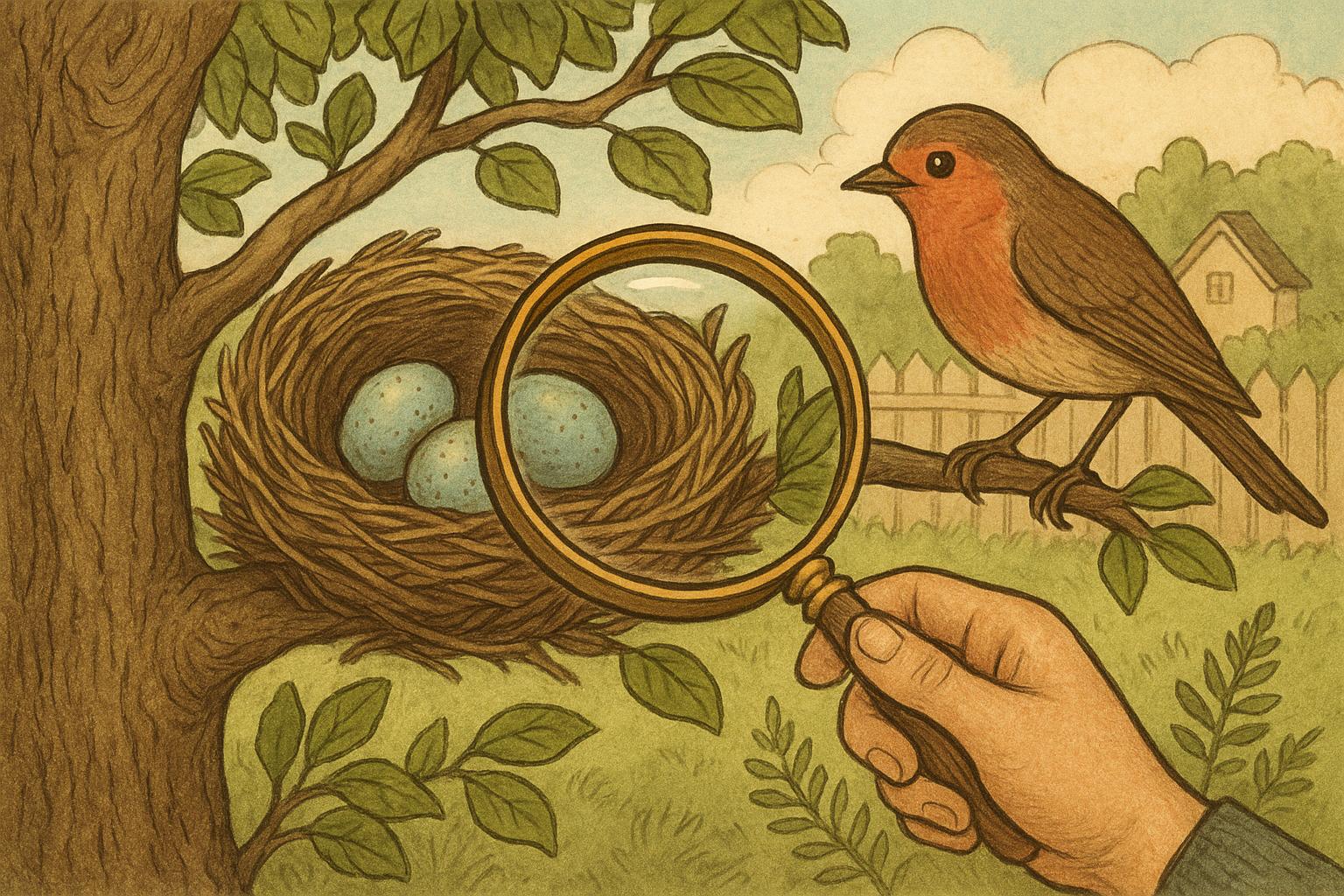
Cup nests are the form most people picture when they think of bird nests. They’re shallow bowls, usually lined with soft material.
### Where You Find Cup Nests
Cup nests can be in tree forks, shrubs, porch ledges, and even on large limbs. Robins and many sparrows favor open cup nests. Hummingbirds build tiny cup nests on thin branches, often camouflaged with lichen.
### Materials And Build Technique
Typically grass, rootlets, moss, and fine fibers form the outer cup. The lining might be animal hair, feathers, or soft plant down. Builders pack the outer structure tightly to hold shape and then line the interior for cushioning. Cup nests are quick to make, which matters when a breeding window is short.
#### Tips For Observing Cup Nests
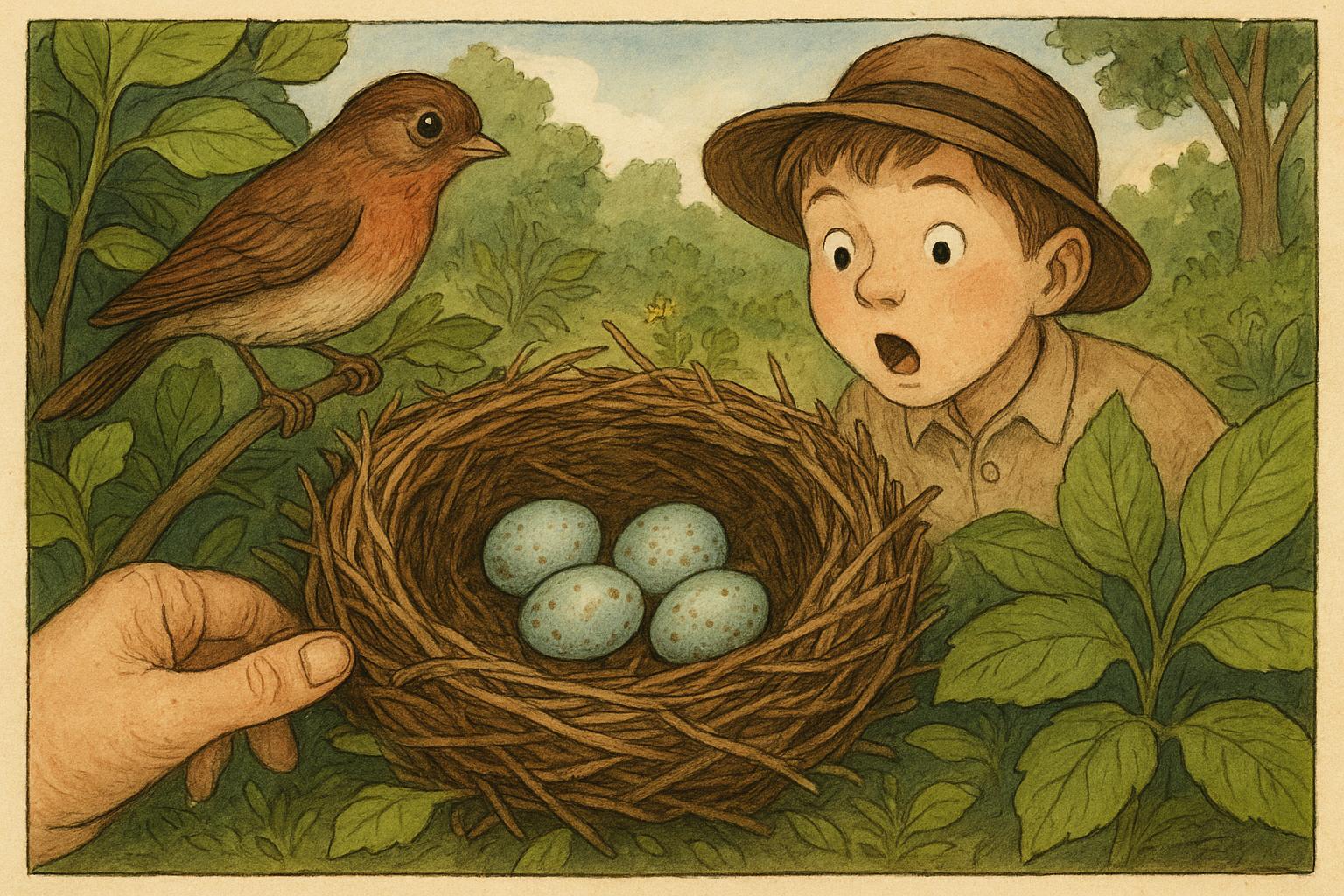
– Keep distance. Birds may abandon nests if bothered early in nesting.
– Note the angle of the branch. A horizontal fork suggests a stable cup; thin drooping branches often host smaller species like warblers.
– If you see fresh grass clippings or pet fur going into a shrub, the builder is probably constructing a cup nest nearby.
## Cavity Nests: Nature’s Tiny Fortresses
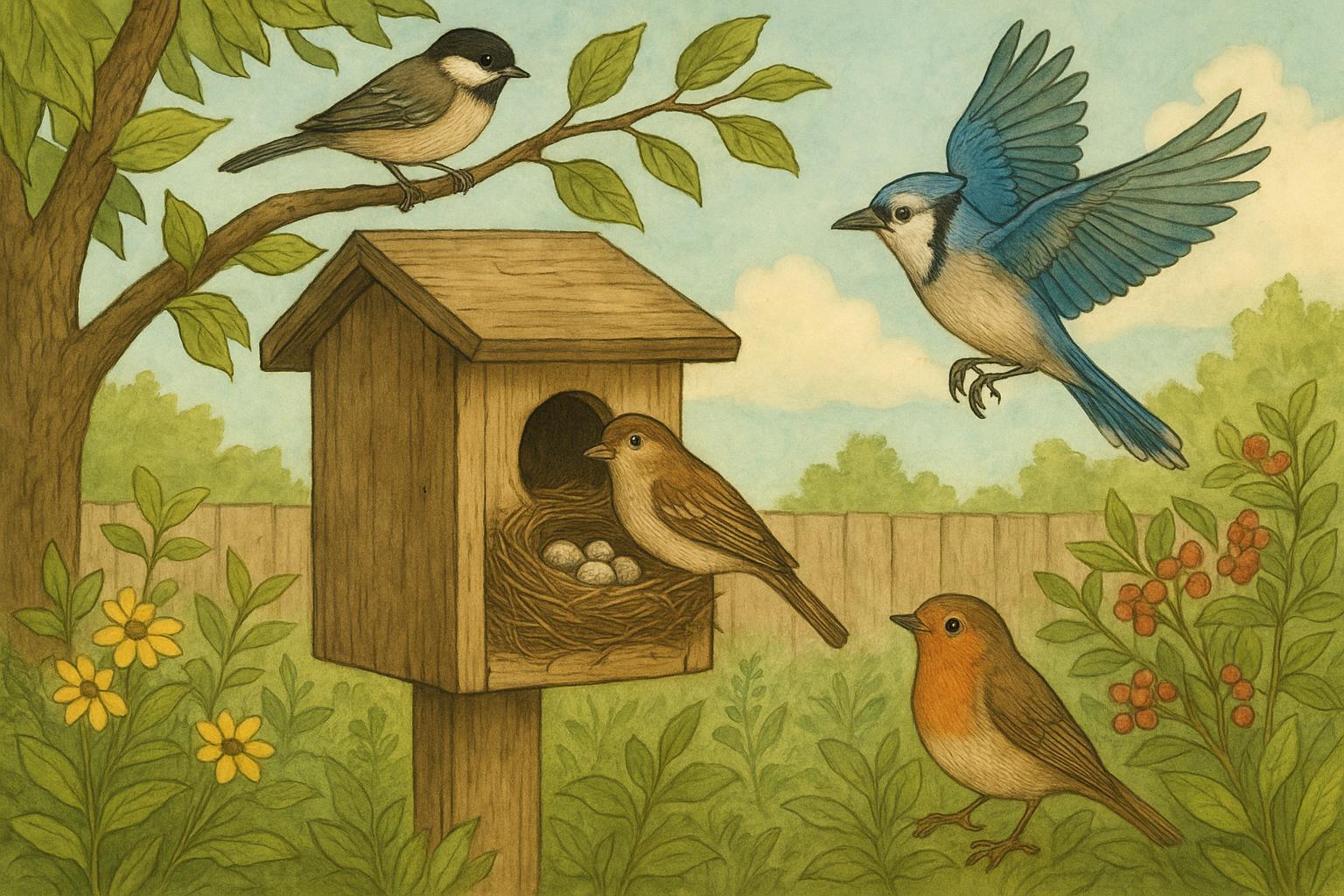
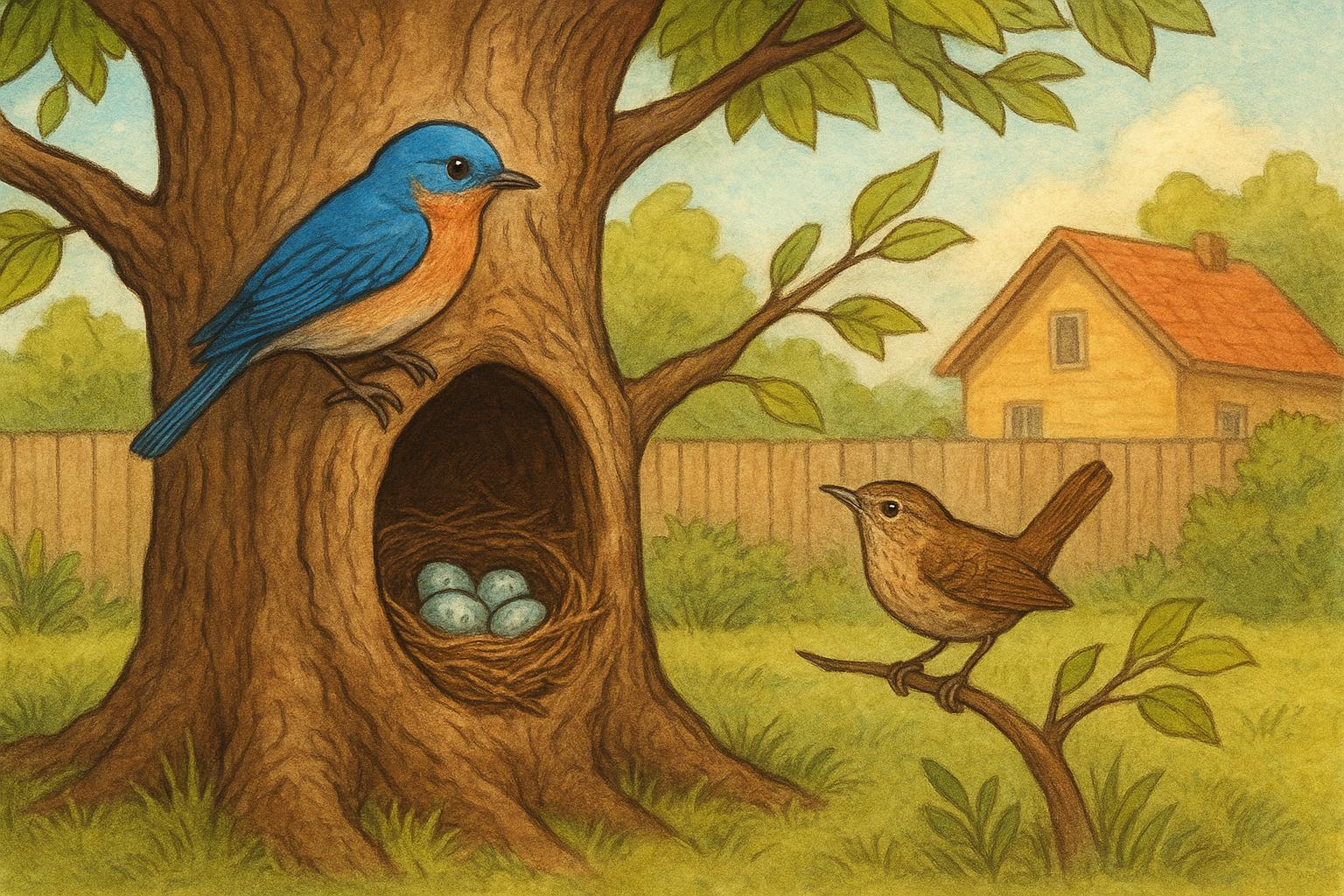
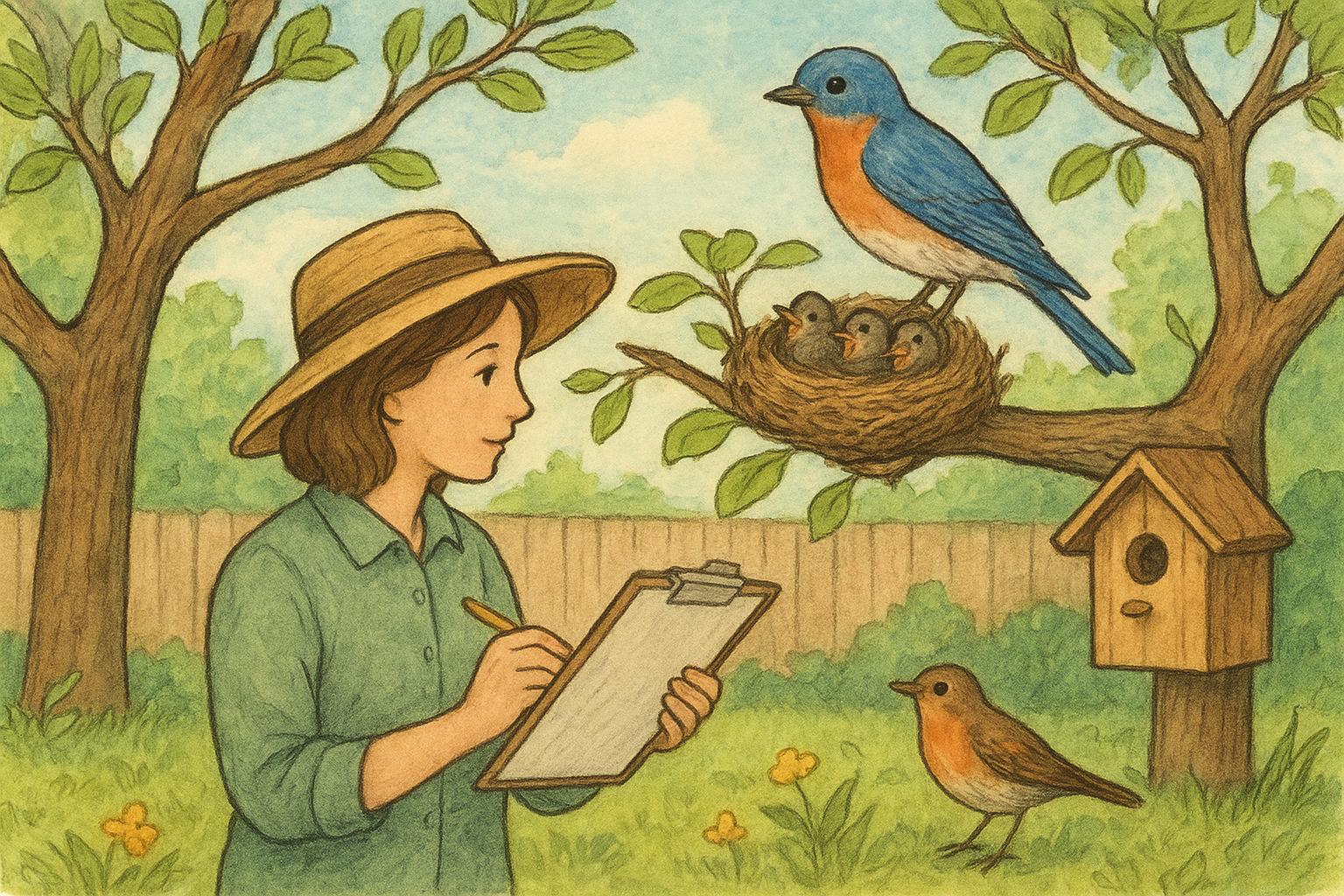
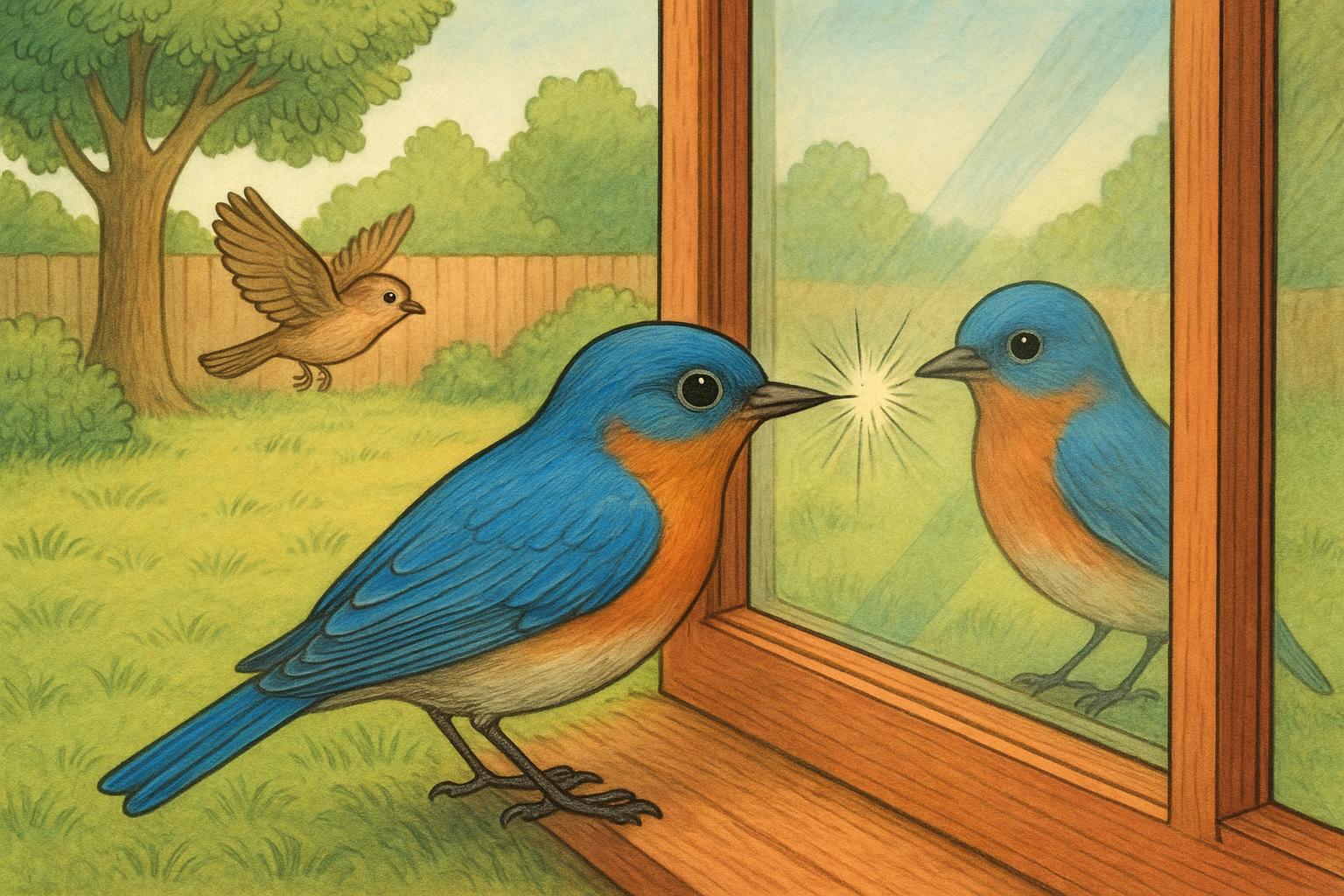
Cavity nests are built inside hollow trees, in natural crevices, or in birdhouses. Woodpeckers and some owls excavate them. Others, like chickadees and bluebirds, use existing cavities.
### Why Cavity Nests Work
They protect from weather and many predators, and internal microclimate is more stable. Because cavities are limited, they’re a contested resource. Species that can excavate have an advantage.
### Where People Can Help
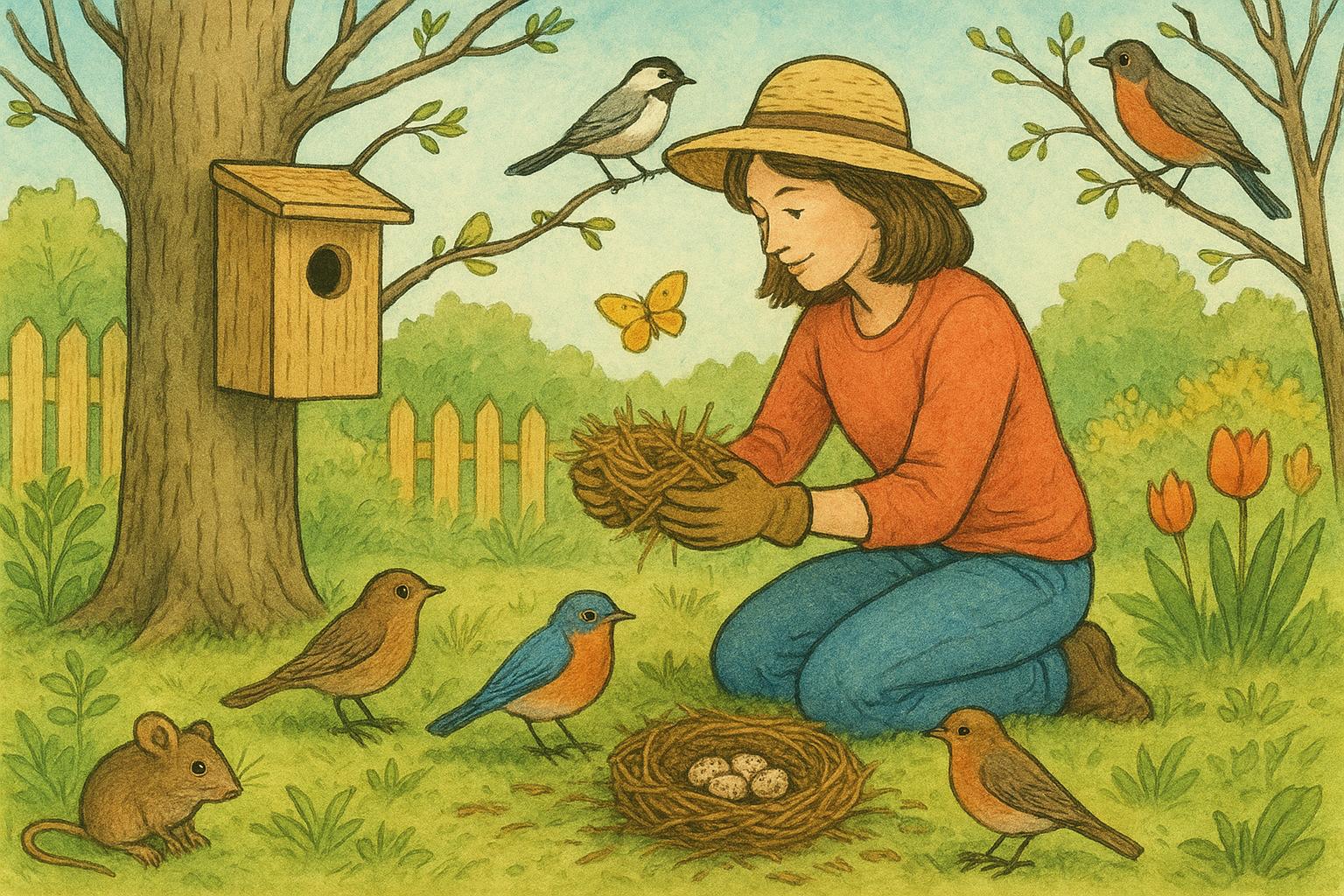
Install properly sized nest boxes. Match the box dimensions and entrance hole size to the target species. Mount boxes at appropriate heights and angles. Avoid placing a box where cats can jump to the entrance. Maintenance matters. Clean out old nesting material after the season if research or local guidance suggests it. Some birds reuse materials, but old nests can harbor parasites.
#### Box Placement Details
– Bluebirds: 4 to 6 feet high, open fields nearby.
– Chickadees: 5 to 15 feet, wooded edges.
– Tree swallows: similar to bluebirds but prefer water nearby.
## Platform And Bulky Twig Nests: Big And Visible
Some birds build flat or bulky nests made of sticks and twigs. Hawks, crows, and herons are the obvious examples.
### Where They Appear
These nests often sit high in the canopy, on utility poles, or in palm trees. Raptors choose sites with good visibility for hunting. Herons pick secluded islands or tall trees near wetlands.
### Construction And Longevity
Twig platforms take time and can be reused year after year. Their size supports larger clutches and growing chicks. The downside is that a big, heavy nest can damage a tree branch. It also draws attention from predators and people.
#### Dealing With Platform Nests In Urban Areas
If a raptor nest is in a commercial tree, authorities may have rules about removal during the breeding season. In many places, it’s illegal to remove active nests of raptors and some protected species. If a nest threatens infrastructure, contact local wildlife agencies before taking action.
## Pendulous And Woven Nests: Engineering With Fiber
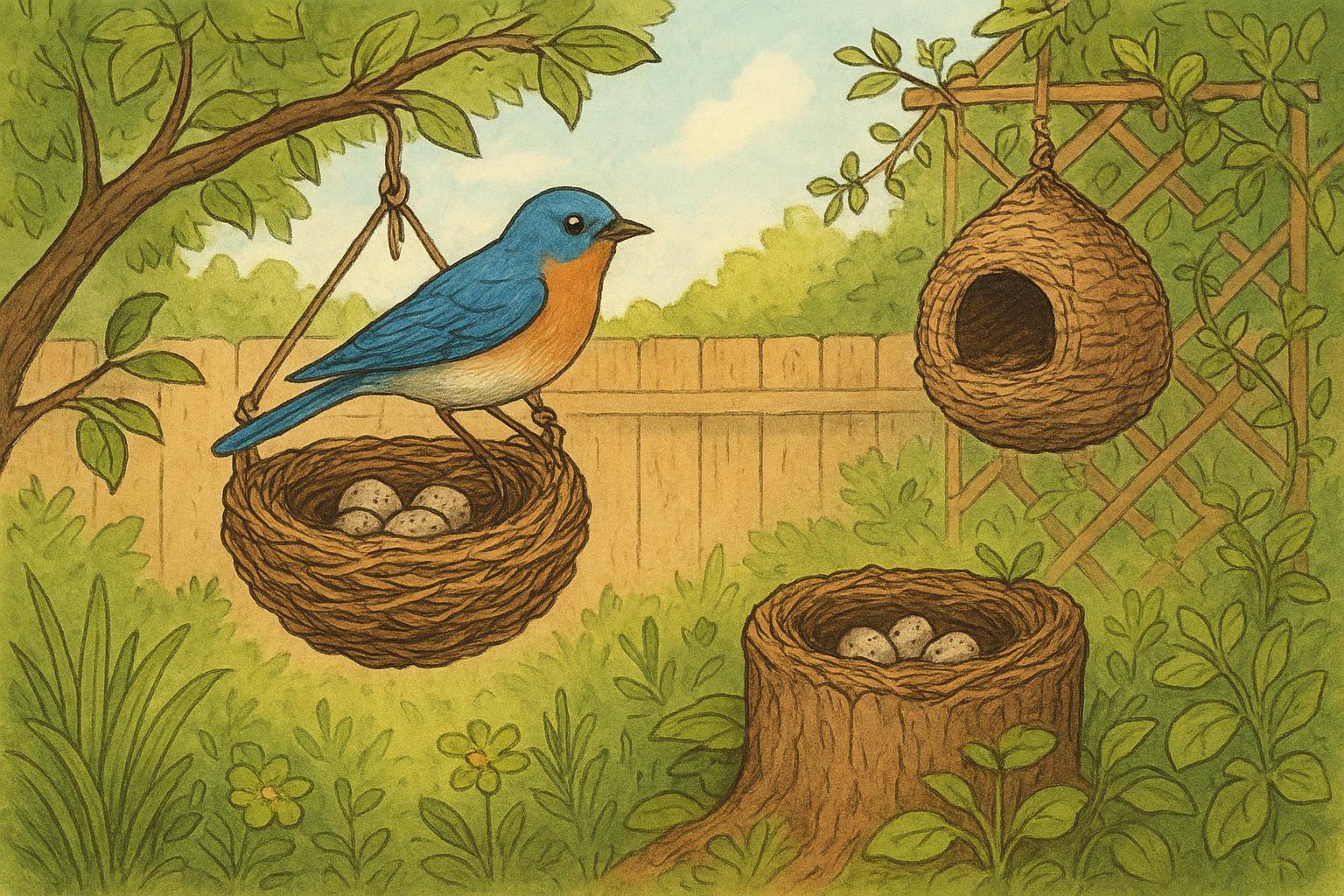
These hanging or bag-like nests are architectural feats. Think of orioles, weavers, and vireos that weave materials into tight, often suspended sacs.
### Why Hanging Nests Work
Hanging structures deter many predators. They also shed water efficiently. Orioles, for instance, suspend a pouch from the end of a twig so snakes or squirrels find it harder to reach.
### Materials And Methods
Builders use long fibers: plant stems, grasses, strips of bark, or human materials like yarn. They braid and knot, creating a flexible but durable shell.
#### How To Encourage Weavers
Provide long, flexible fibers near suitable trees. In other words, hang a spool of unwaxed rope or leave ornamental grasses standing. Place materials in a protected spot so birds can gather them without being exposed to too much predation risk.
## Ground And Scrape Nests: Hidden In Plain Sight
Shorebirds, quail, and some sparrows nest directly on the ground. These are not sloppy nests. They are carefully chosen scrapes lined minimally to blend with the ground.
### Choosing the Right Patch
Birds select spots with good camouflage and a view to see approaching danger. Vegetation height, color, and ground slope all matter. In a suburban lawn, a quail might pick a patch beneath a low bush, or a killdeer might use a gravel driveway.
### How To Protect Ground Nests
Reduce foot traffic in likely areas. Keep dogs on leash in nesting season. If you know a ground nest exists, mark the perimeter discreetly with natural materials so family and landscapers avoid the spot.
## Floating And Amphibious Nests: Built On Water
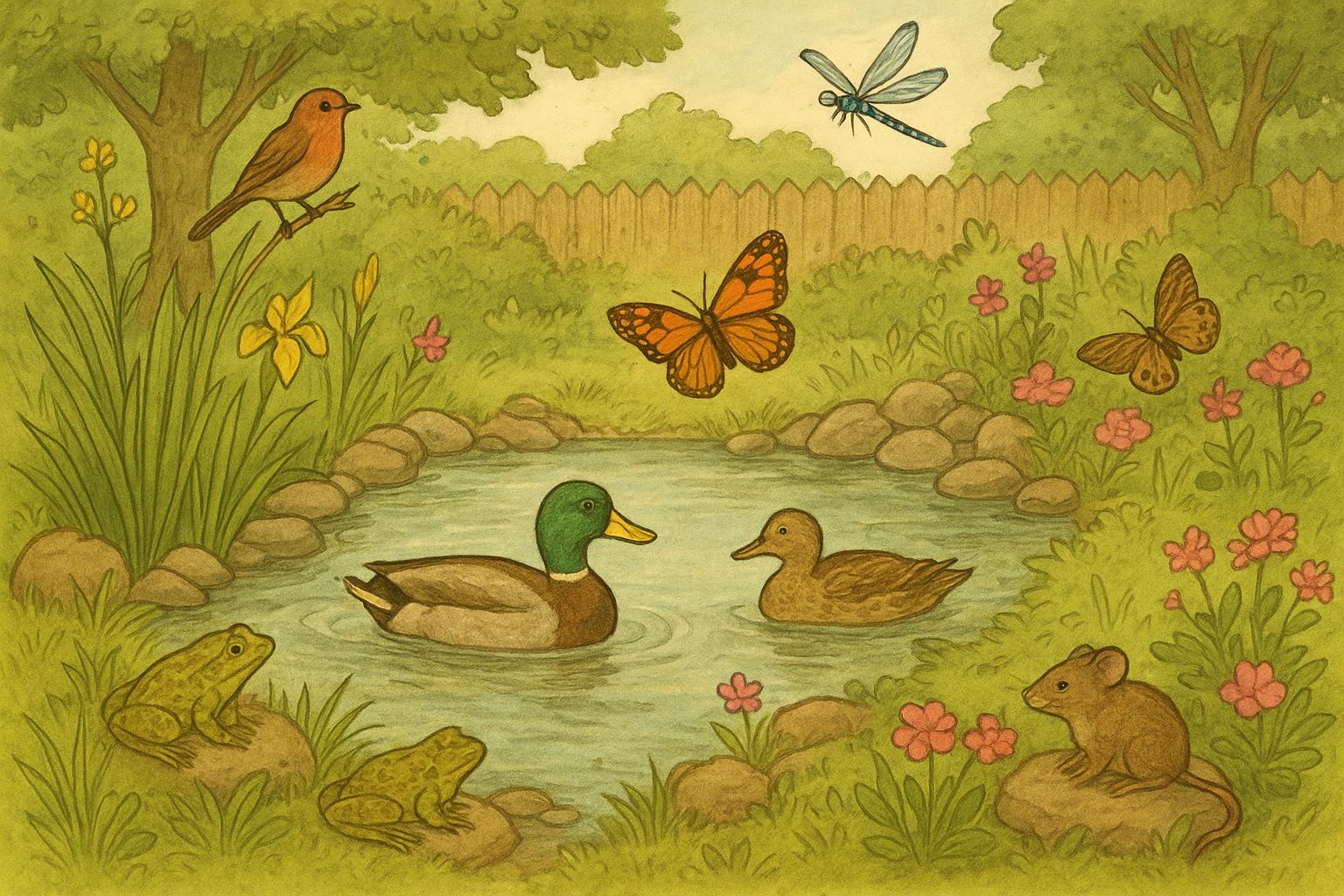
Some birds nest on rafts of vegetation or anchored platforms on the water. Grebes, coots, and some ducks use these designs.
### Why Water Nests Are Smart
Water creates a barrier for many terrestrial predators. Floating nests are anchored to emergent vegetation so they rise and fall with water level. In controlled backyard ponds, that stability can be replicated with floating platforms.
### Practical Steps For Backyard Ponds
Allow clumps of emergent plants like cattails and bulrushes to remain. If you add a floating nesting raft, anchor it well and place it away from heavy human activity.
## Scraps And Opportunistic Nests: Using What’s Around
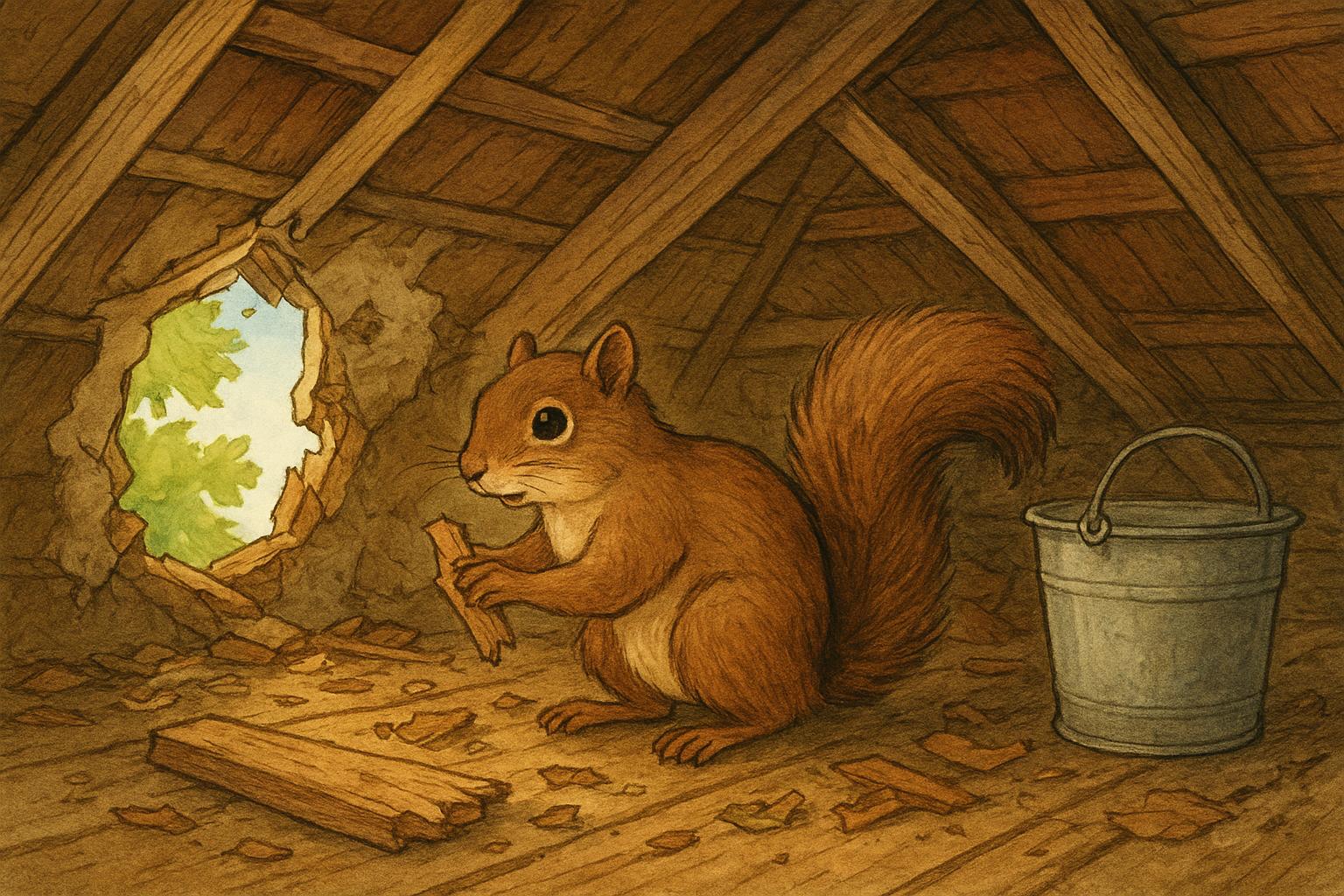
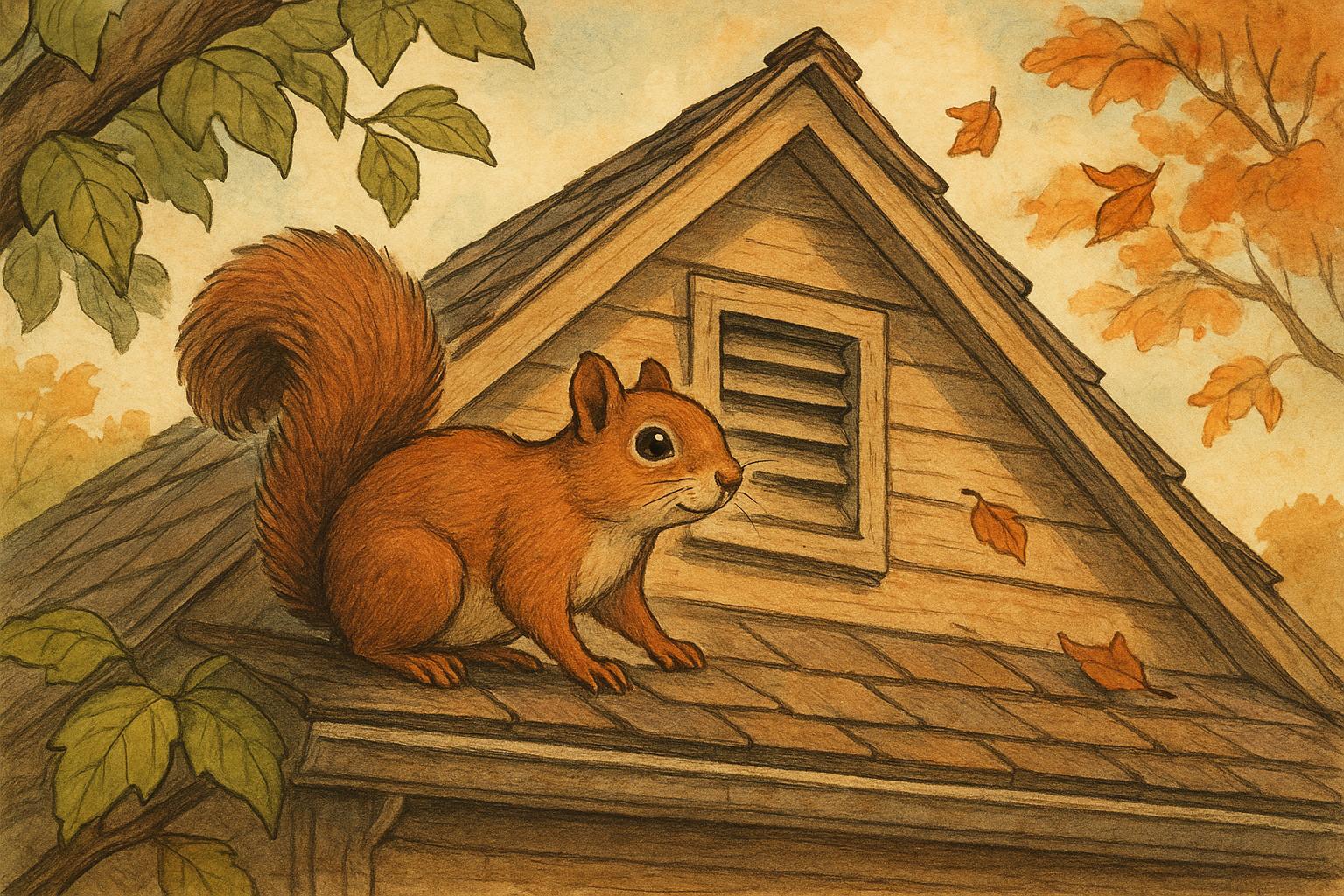
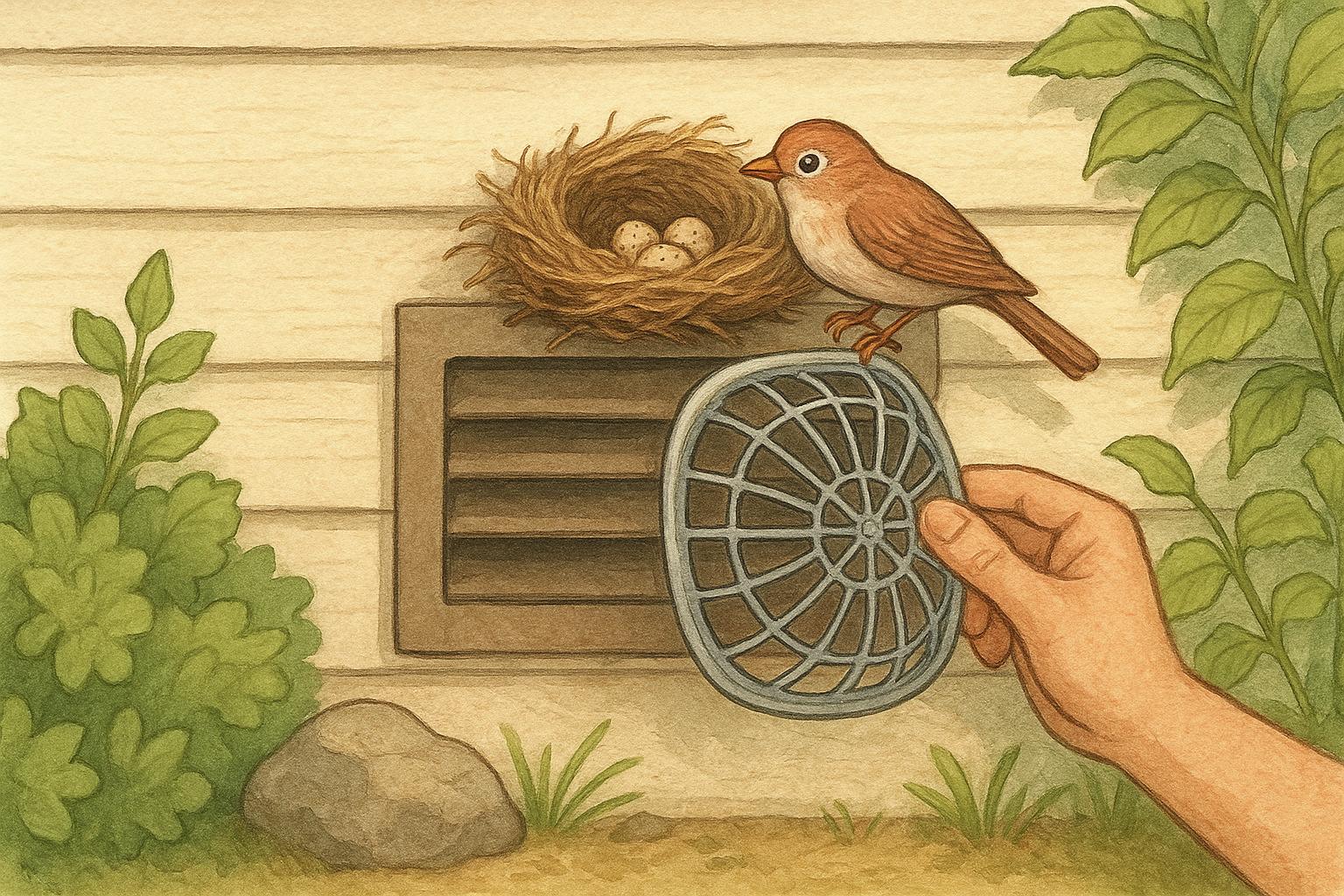
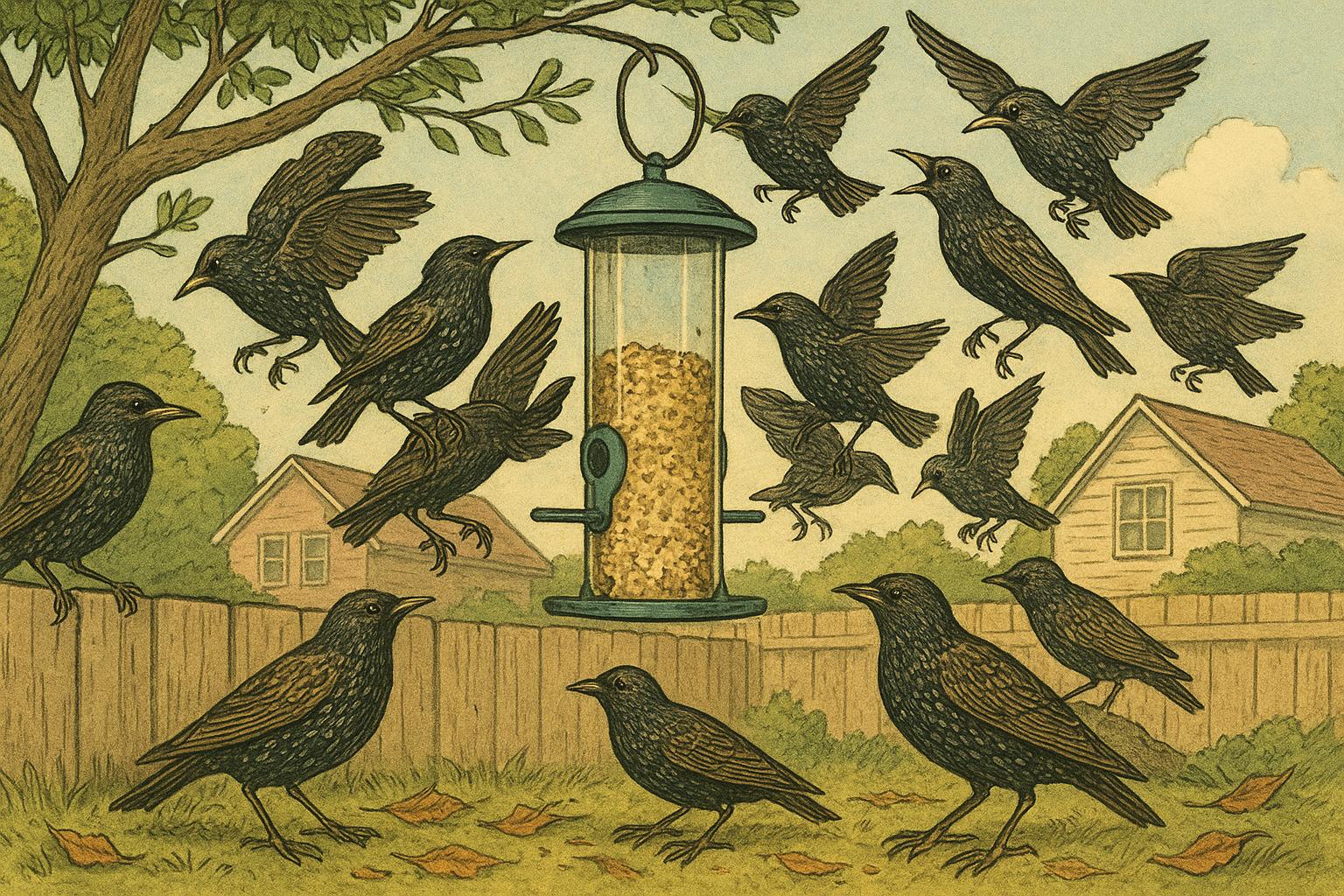
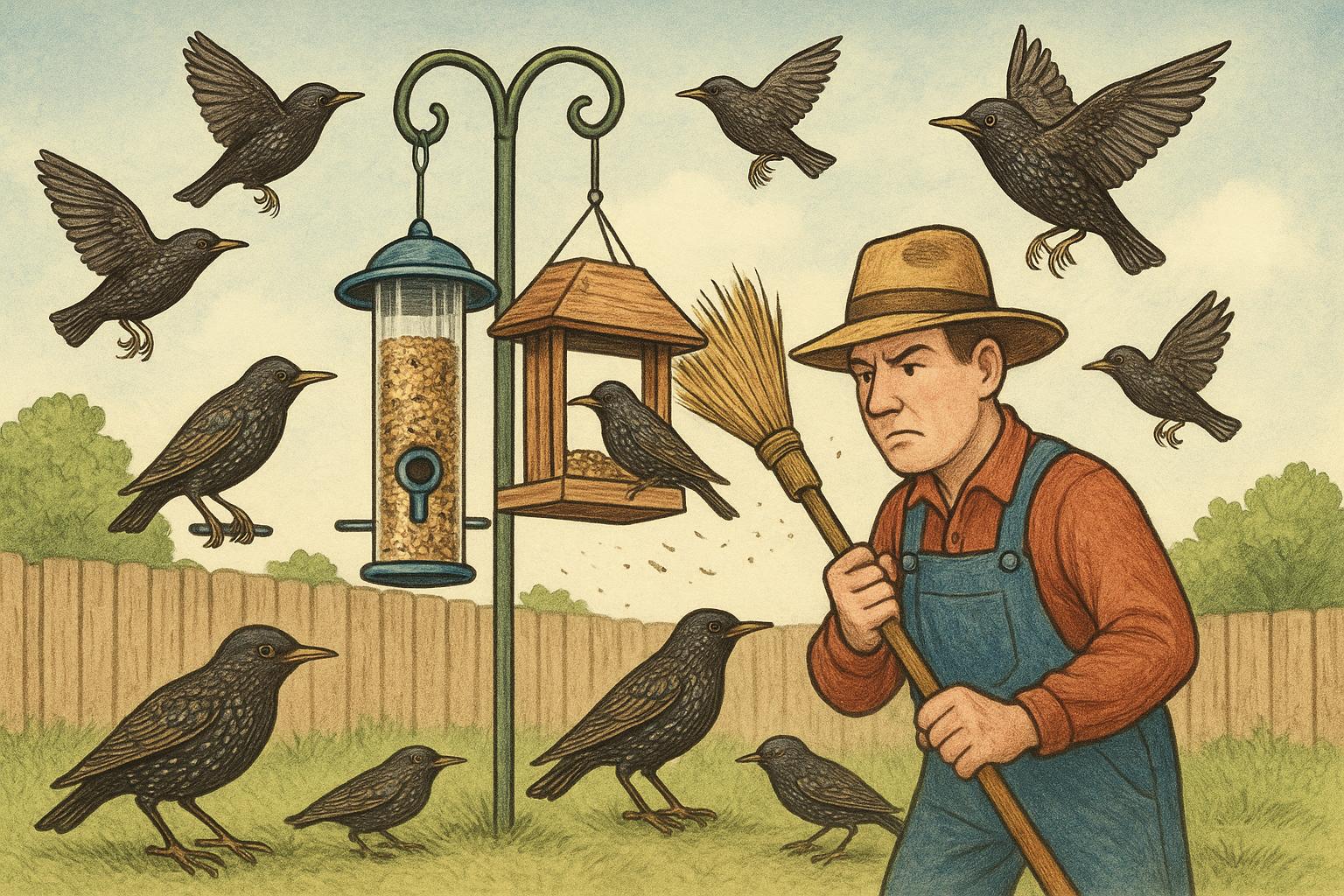
Some birds are resourceful. Starlings and house sparrows will build nests in gutters, vents, or abandoned machinery. They’ll adapt to human-made structures quickly.
### Recognizing Opportunistic Builders
You might notice twigs or nesting material shoved into a vent grille or the corner of a porch light. These species often have multiple nest spots and will switch quickly if disturbed.
### Managing Problem Nesters
If a nest is in an unsafe spot, like HVAC vents, block access when the nest is not active. Never remove eggs or chicks; in many jurisdictions that’s illegal. Instead, wait until the season ends and then seal entry points. Provide alternative nest boxes to redirect them.
## Materials Matter: What Birds Use And Why
Birds use an impressive assortment of building materials. The choices reveal priorities: warmth, camouflage, bonding.
### Common Materials And Their Uses
– Fine grasses and rootlets: shape and outer layers.
– Moss and lichen: camouflage and moisture control.
– Fur, feathers, and down: lining for insulation.
– Twigs and bark: structural support.
– Spider silk and plant fibers: binding and elasticity.
Some species collect man-made items. I’ve seen robins use cigarette filters and orioles use strips of plastic. That can help or hurt; plastic doesn’t breathe and may retain heat.
#### When To Offer Materials
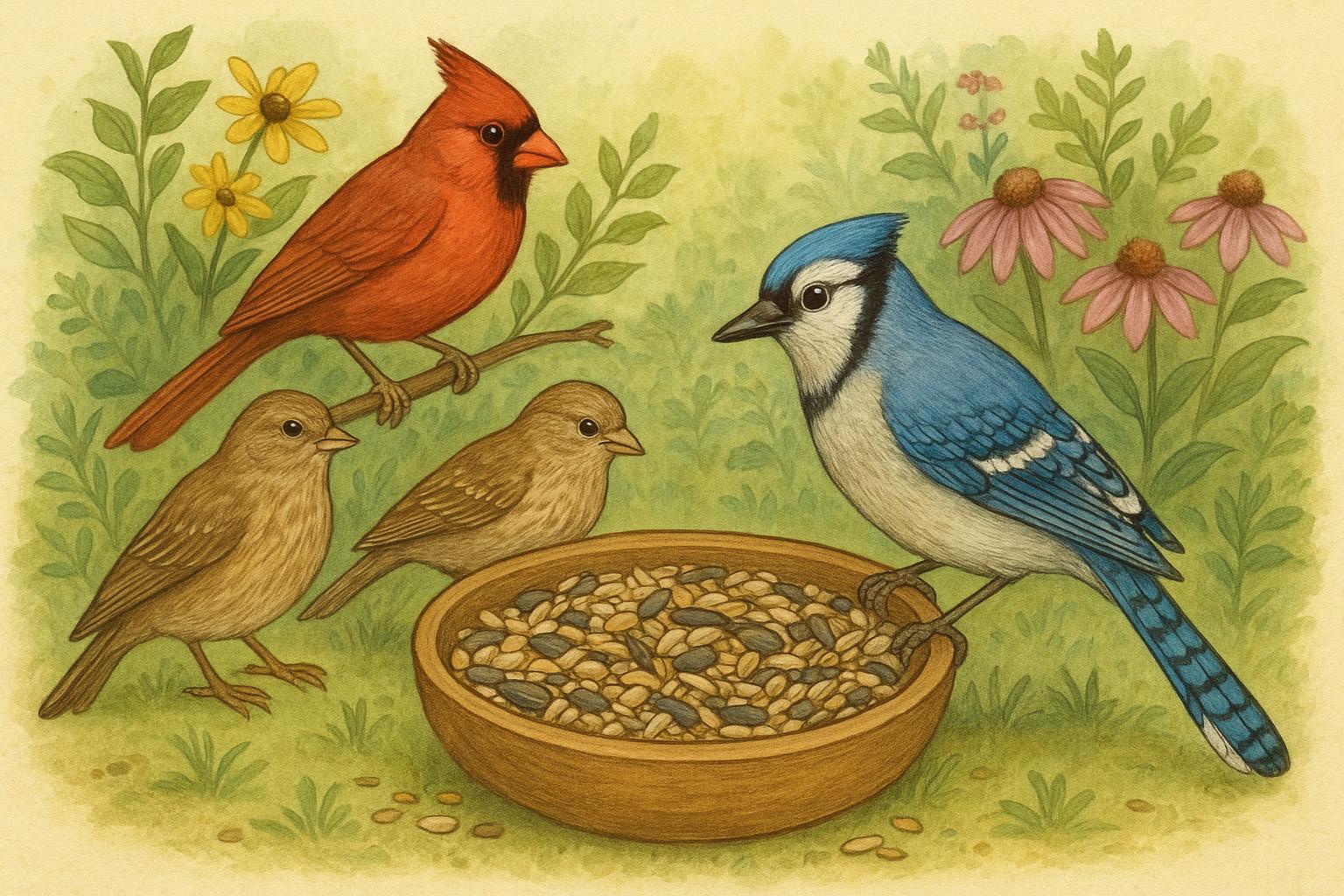
Place small bundles of natural fibers in the yard during early spring. Leave seed heads standing through winter; they provide fibers and food. Avoid offering treated wood shavings or synthetic fibers that can tangle birds.
## Nest Spots: Picking The Right Location
Birds evaluate multiple factors when selecting a site: predator presence, weather exposure, proximity to food, and competition. Backyard guides emphasize site choice because it explains a lot of nested behavior.
### Typical Nest Spots In Urban And Suburban Yards
– Shrubs and low trees for cup nests.
– Tree cavities and nest boxes for cavity users.
– Eaves, rafters, and porch lights for opportunistic builders.
– Ground cover and rock piles for scrape nesters.
– Hanging baskets and planters for pendulous nest builders.
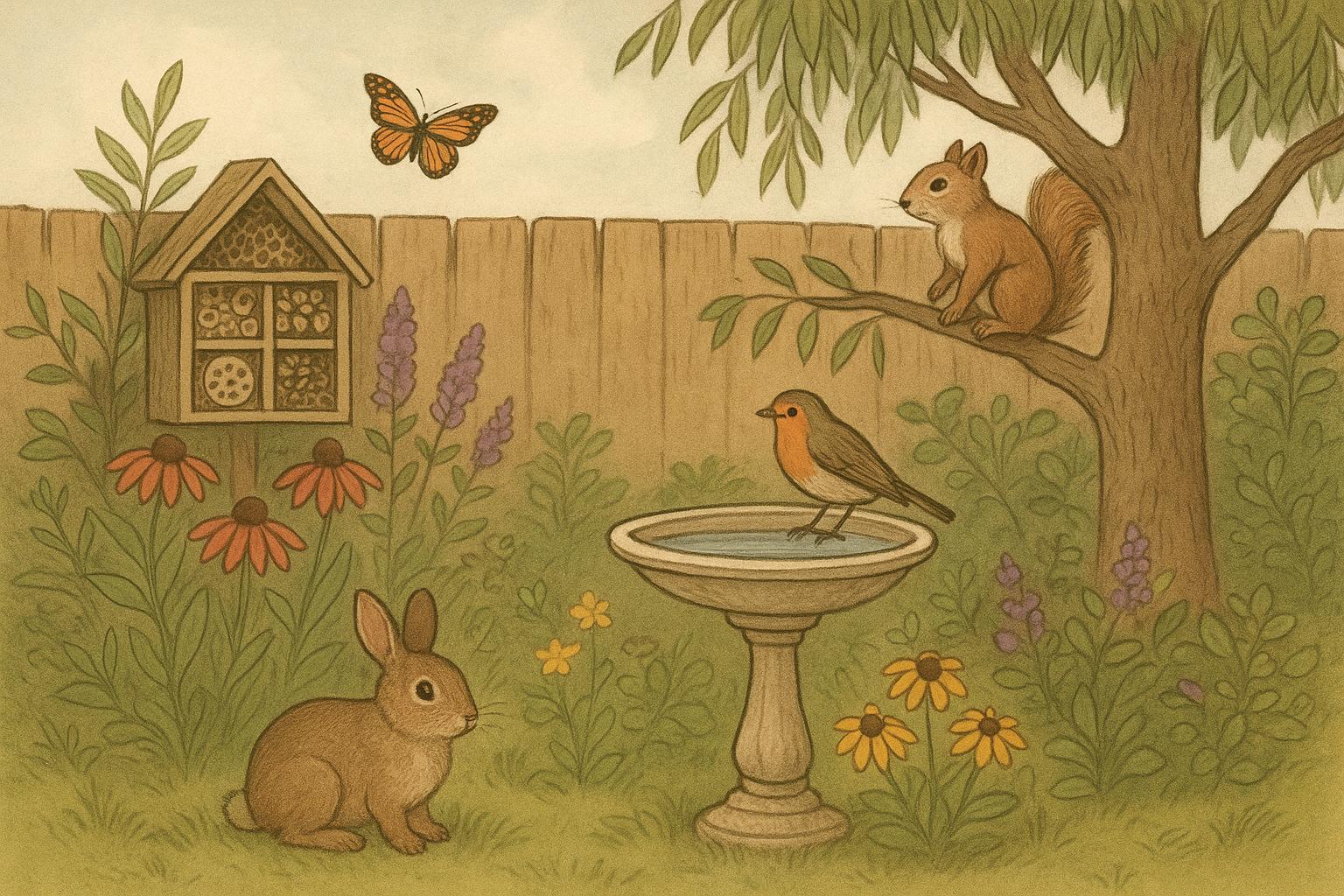
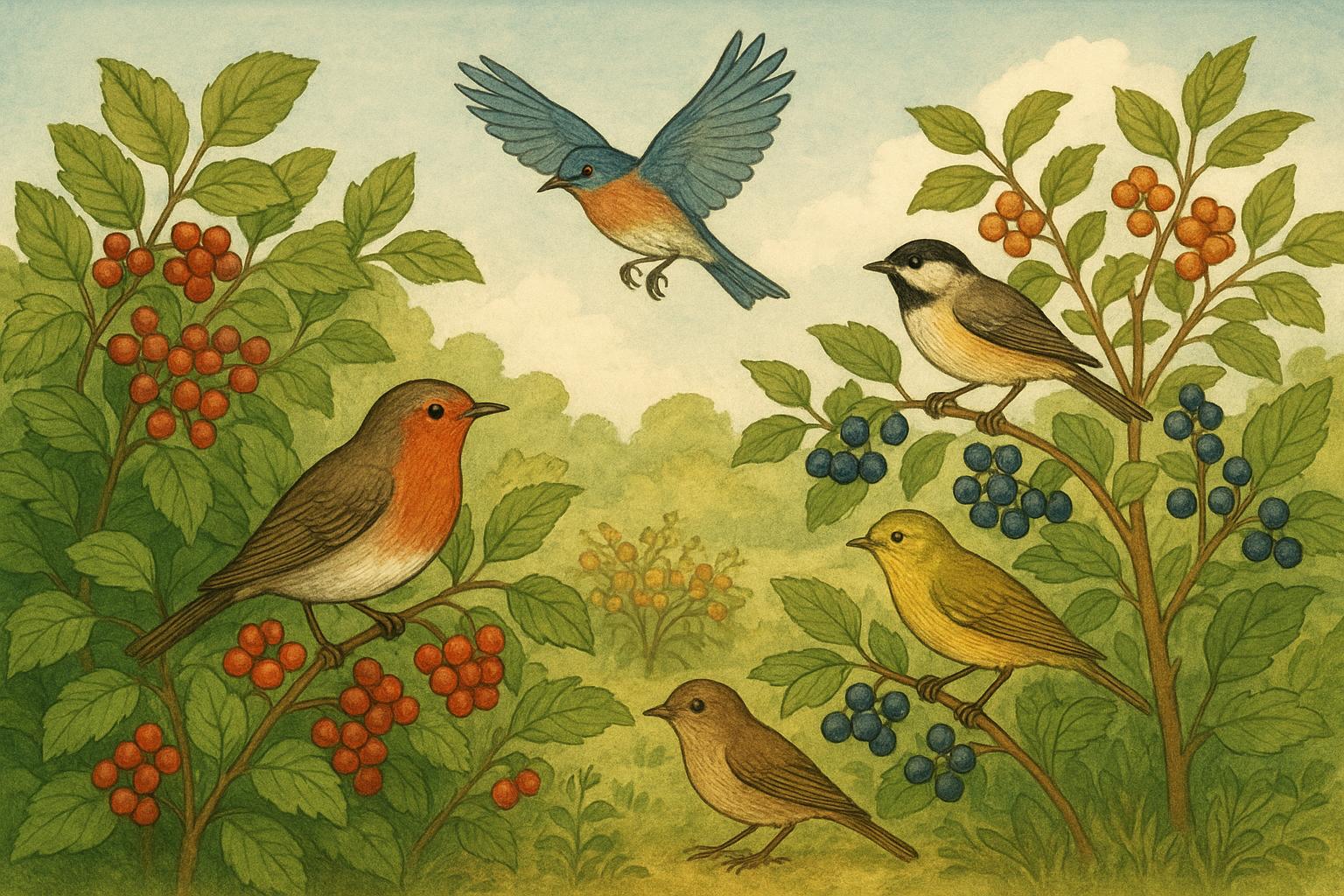
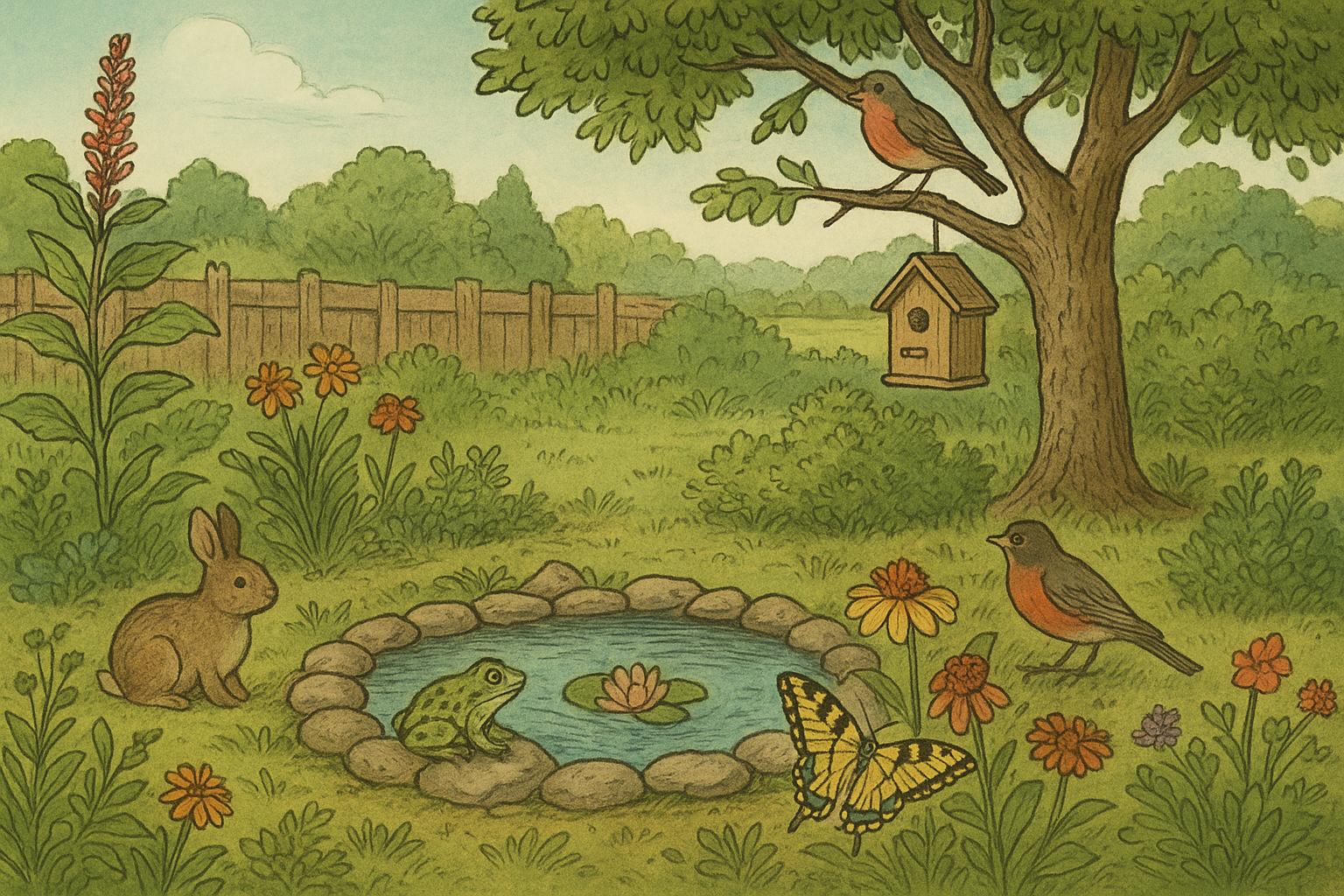
You can modify your landscape to increase attractive nest spots. Leave dead snags when safe. Plant native shrubs that produce dense cover. Install a variety of nest boxes at appropriate heights.
## Signs Of A Nest Without Disturbing It
You don’t need to see chicks to know a nest exists. Behavior tells the story.
### Behaviors To Watch For
– Regular trips by an adult carrying nesting material.
– Repeated visits to a small, protected area with beak full of insects.
– Alarm calls when you approach a particular bush.
– Feathers and small droppings beneath a perch or branch.
If you spot these signs, back off. Most nest failures we see are caused by human disturbance early in the process. Let the adults finish where possible.
## Ethical And Legal Considerations
Nests are protected in many places. You should know the basic rules and local regulations.
### Do’s And Don’ts
Do observe quietly and photograph from a distance. Do provide materials and habitat. Don’t touch active nests or move eggs. Don’t prune heavily during the breeding season if you can avoid it.
#### When You Must Intervene
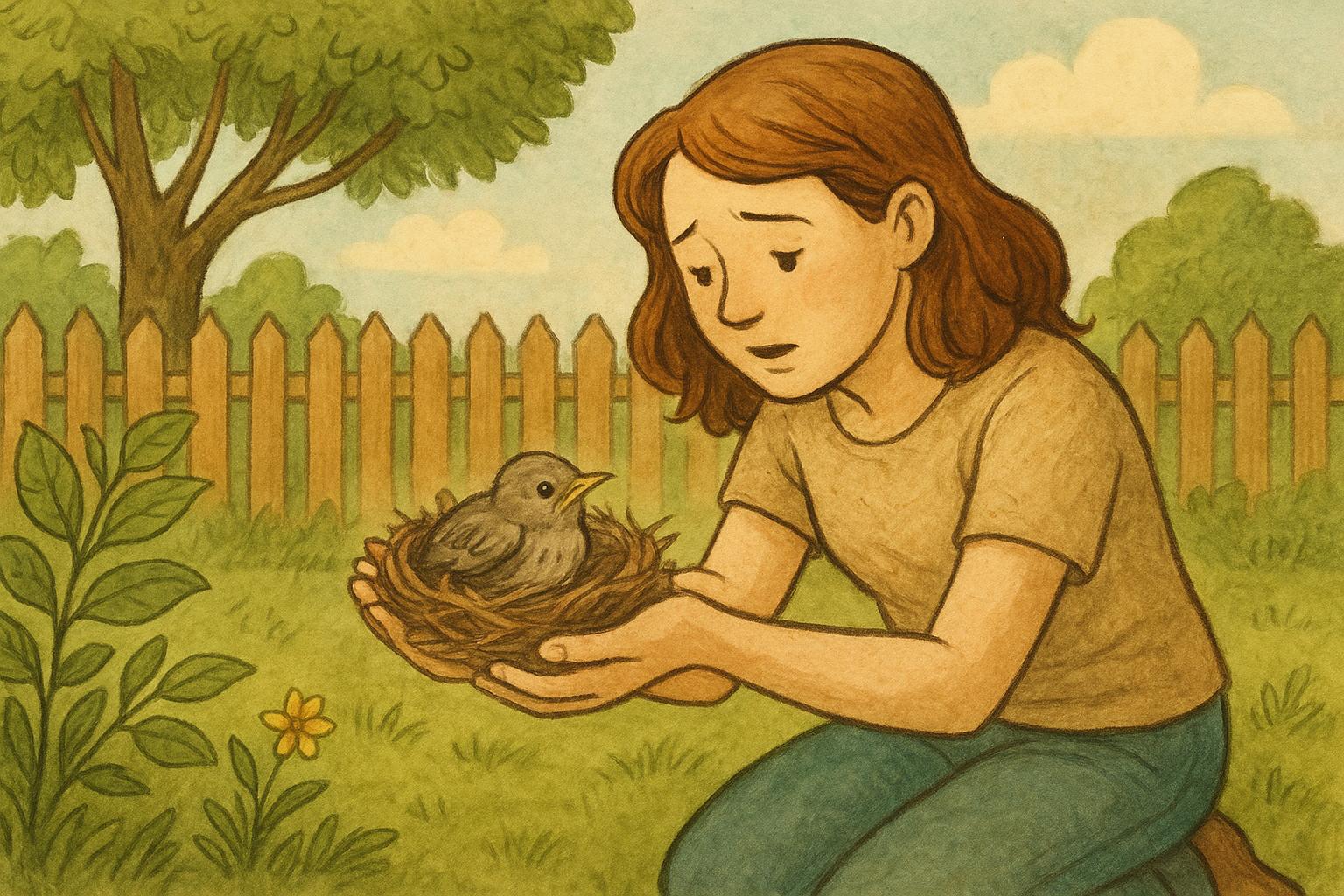
If chicks are clearly injured or the nest is in immediate danger from construction or a pet, contact a licensed wildlife rehabilitator or local conservation authority. They’ll advise you, and in many cases they can legally handle nests and chicks where private citizens cannot.
## Predator Management Without Harm
Predation happens. But there are humane ways to reduce human-caused risk.
### Practical Measures
– Place nest boxes on predator guards or baffles.
– Site boxes away from easy launching points for cats.
– Keep feeders tidy so they do not attract rodents that lead predators to nests.
– Limit tree trimming tools and timing that expose nest spots during the breeding season.
Do not use glue traps or poisons. Those hurt many non-target animals and can make the problem worse.
## Seasonal Timing And Nest Turnover
Most backyard nest activity is concentrated in spring and early summer, but some species nest later in the season or double-brood. Recognizing timing helps you avoid disruption.
### What To Expect Year To Year
A nest in year one may be reused or left to decay. Cavity users might renovate a box annually. Ground scrape nests are ephemeral; a site used one year might be abandoned the next. Keep records if you’re tracking nesting success. That data tells you what changes in your yard actually matter.
## Encouraging Desired Species
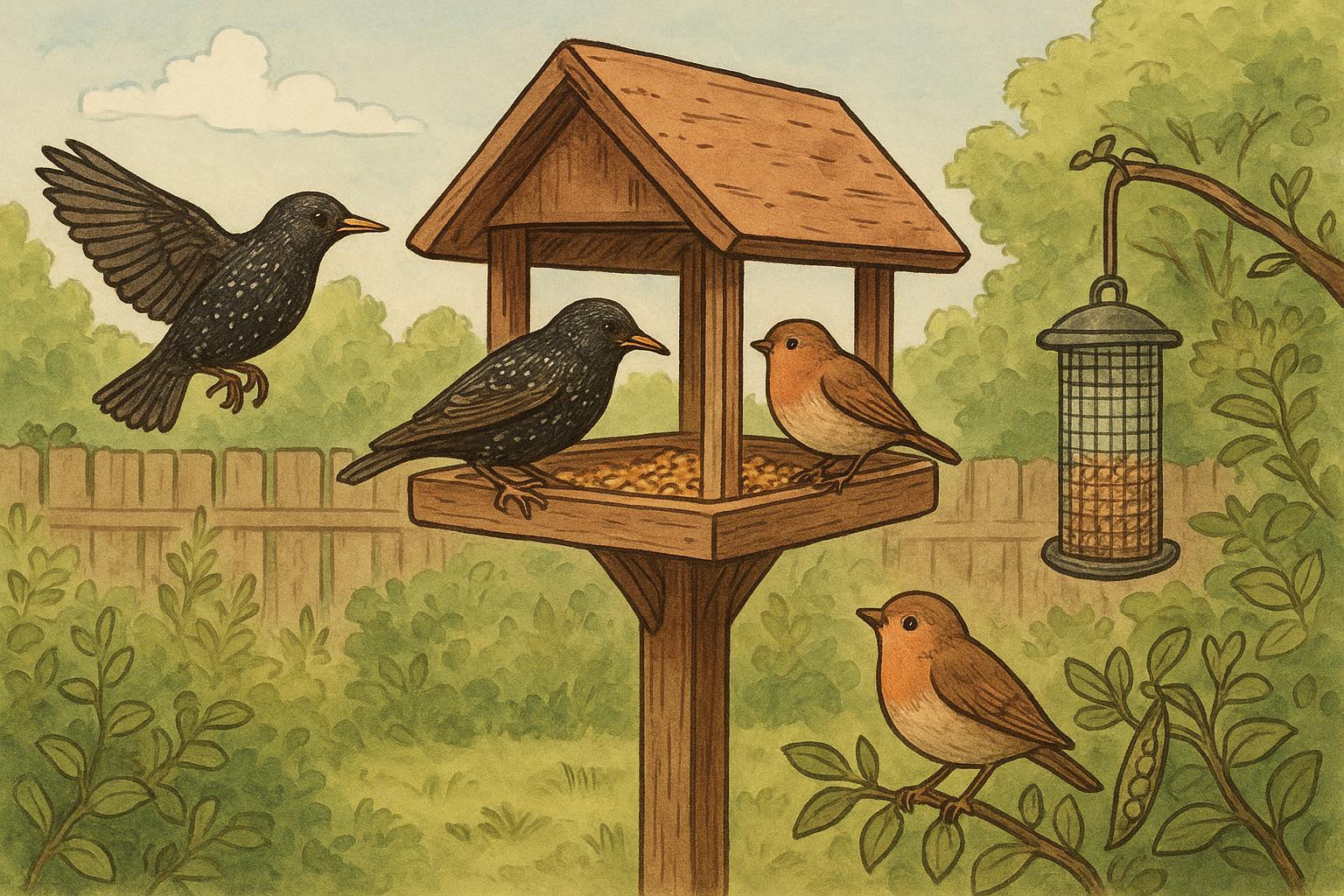
If you prefer bluebirds to starlings, you can take specific steps. If you want wrens and warblers, plan for dense shrubbery and native plants.
### Matching Nest Types To Species
– Cavity boxes for bluebirds and chickadees.
– Hanging baskets and long fibers for orioles.
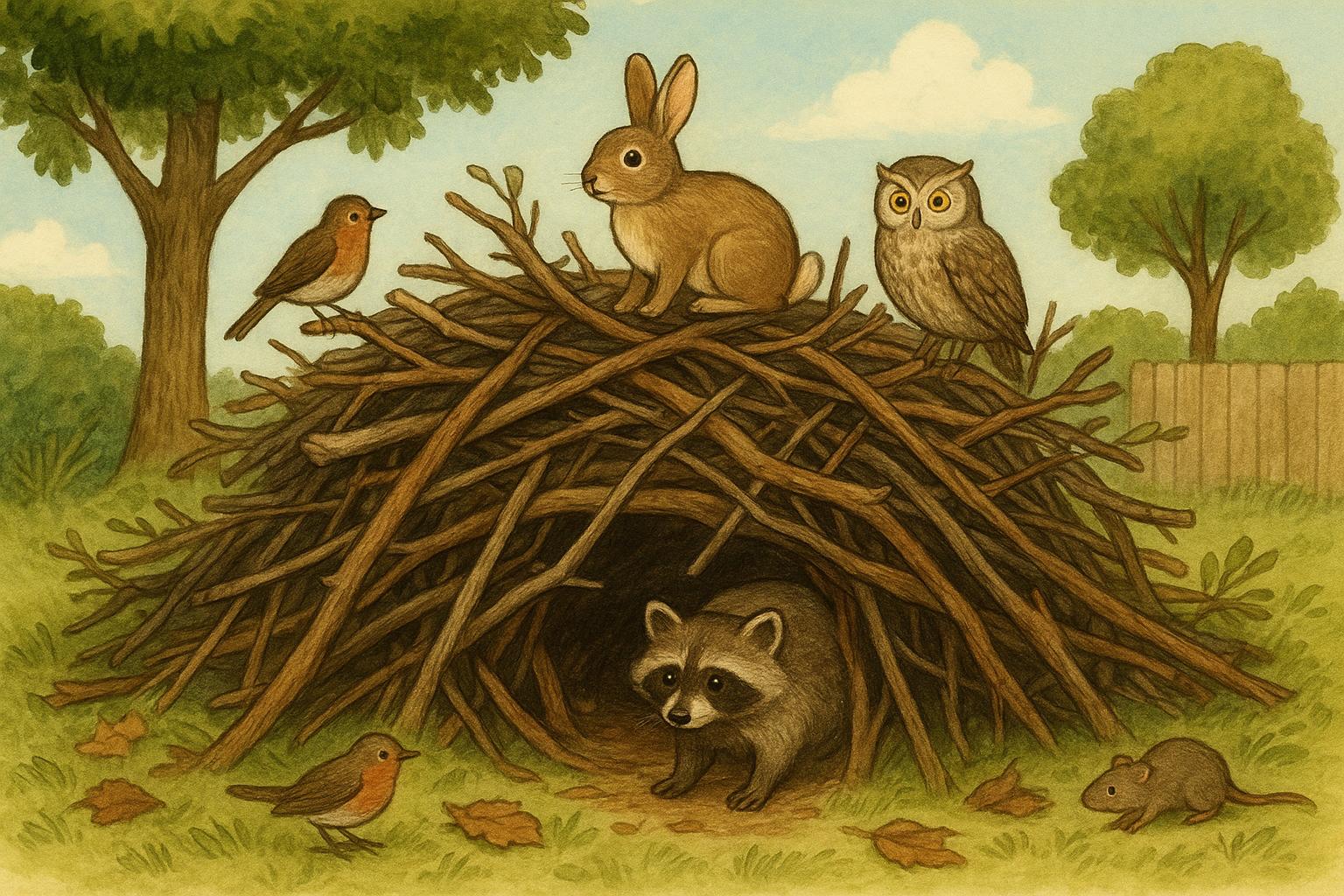
– Dense brush piles and ground cover for wrens and towhees.
Be realistic. You can tilt the odds by creating attractive nest spots, but you can’t control every variable. Nature will choose the rest.
## How To Report Or Record Nest Observations
Citizen science programs exist for a reason. Nest records help researchers track population changes.
### Simple Recording Practices
Log species, nest type, location (general), date, and whether the nest is active. Use public platforms if you’re comfortable, or keep private notes. Do not post exact nest coordinates online for rare species that might be targeted.
Small actions add up. Even casual observations can reveal trends over time — where nests are moving, which nest designs are succeeding, and how urban development alters nest spots.
Remember that nests are living work in progress. They tell a story about resourcefulness and adaptation. With a few careful changes in your yard, you can influence that story in ways that help birds thrive and coexist with people. And once you start watching, you’ll spot patterns in common bird nest designs that make backyard birding richer and more grounded.


Leave a Reply