
## How To Recognize A Nest From A Distance
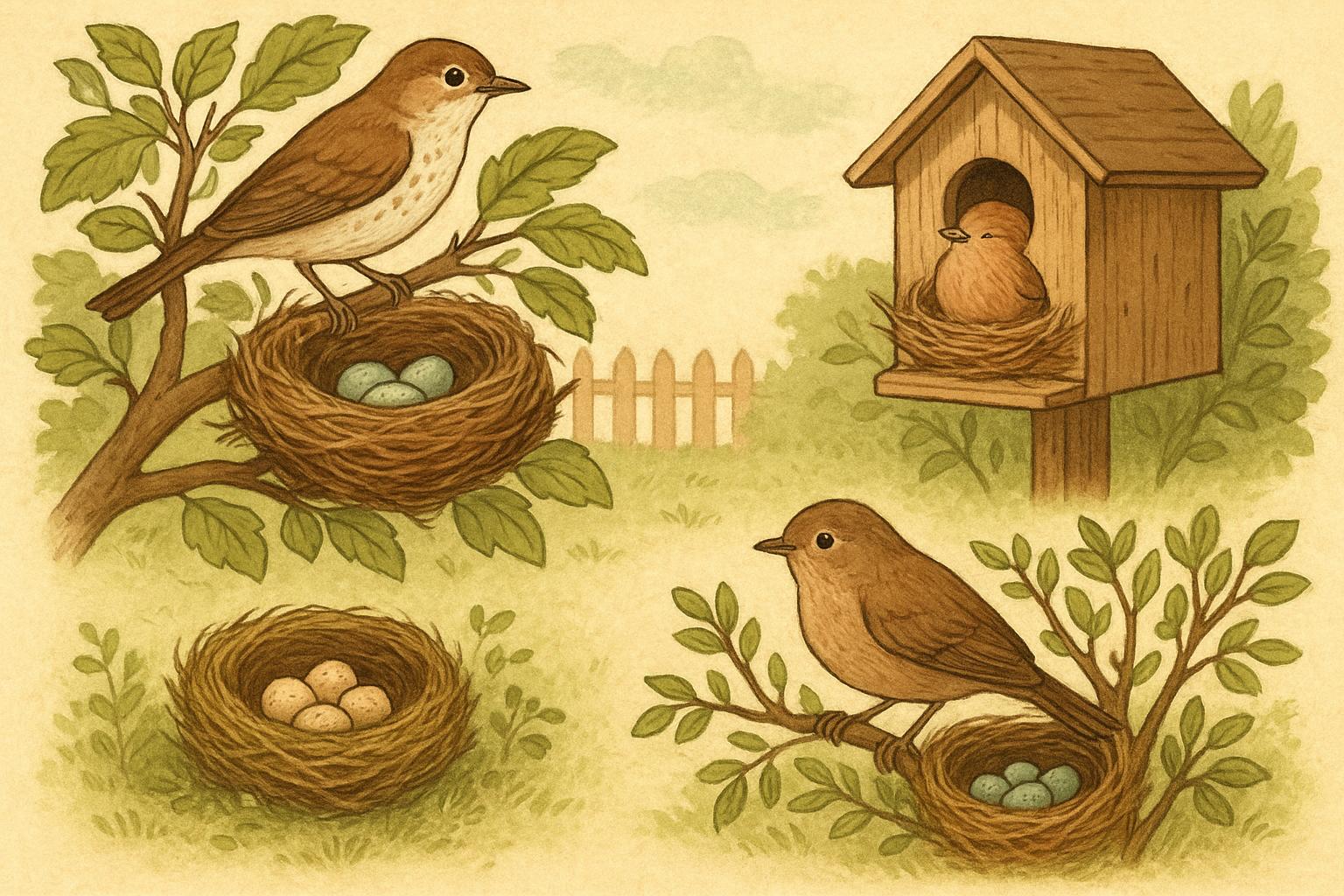
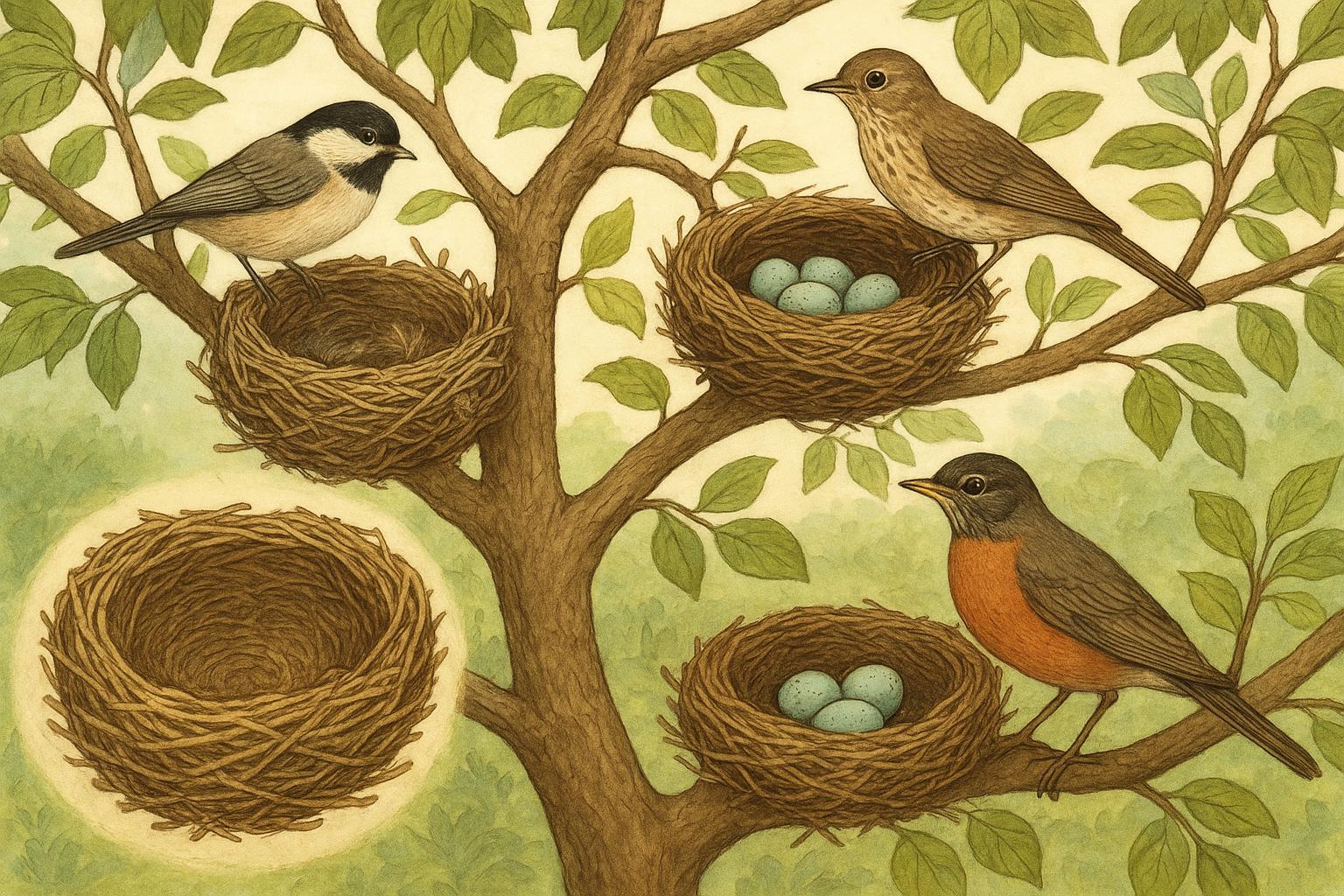
You don’t need binoculars to notice a nest if you know what to look for. Start with shape: cups that sit on horizontal branches, tight mossy balls woven into forks, and platform piles of twigs on top of gutters or flat surfaces. Color and texture matter. A neat cup lined with fine grass often belongs to a small songbird. A rough, bulky stick platform suggests a crow or hawk. Watch how the leaves are parted and whether there’s a consistent access route — birds tend to use the same approach repeatedly.
## Backyard Bird Nest Recognition Guide For Gardeners
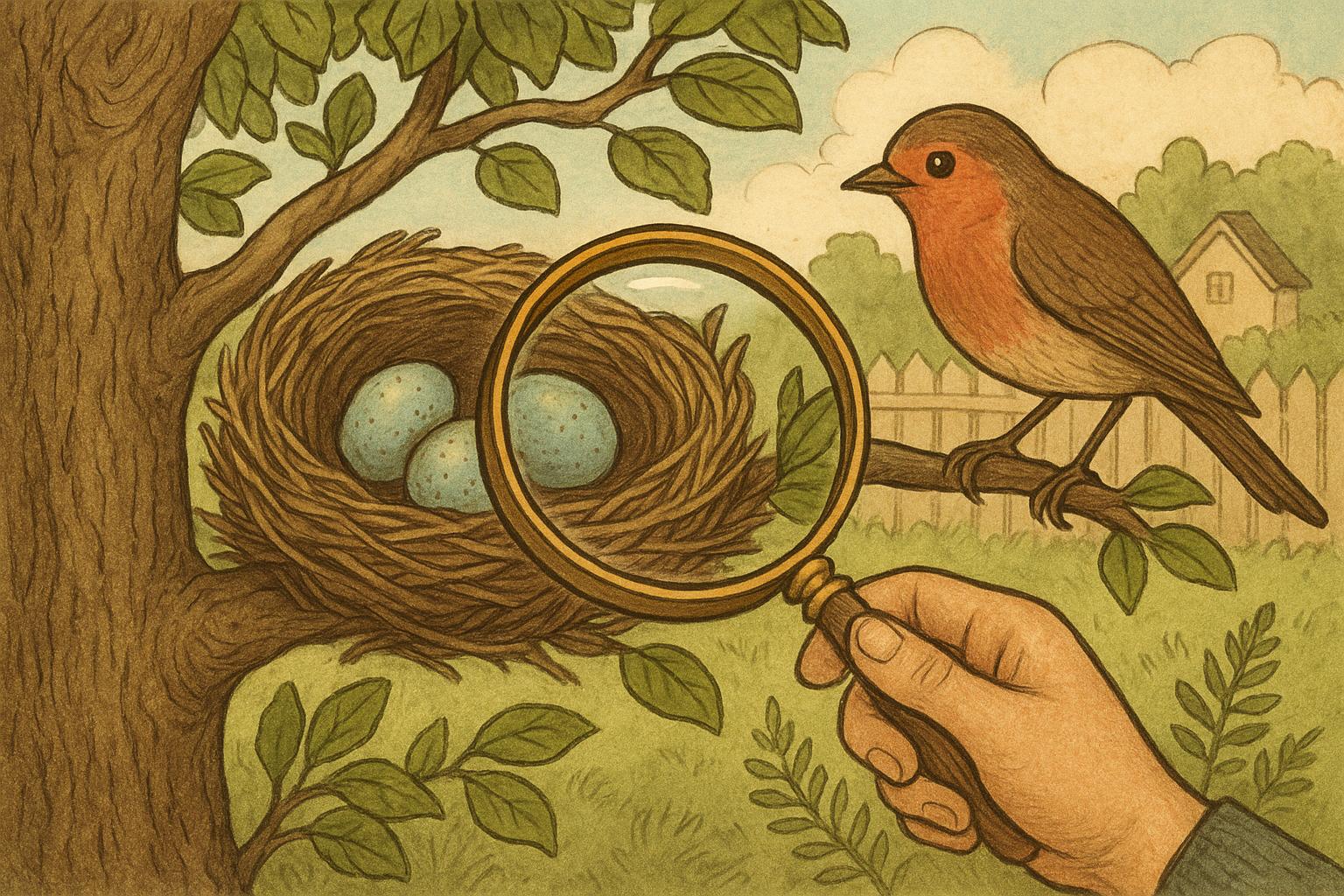
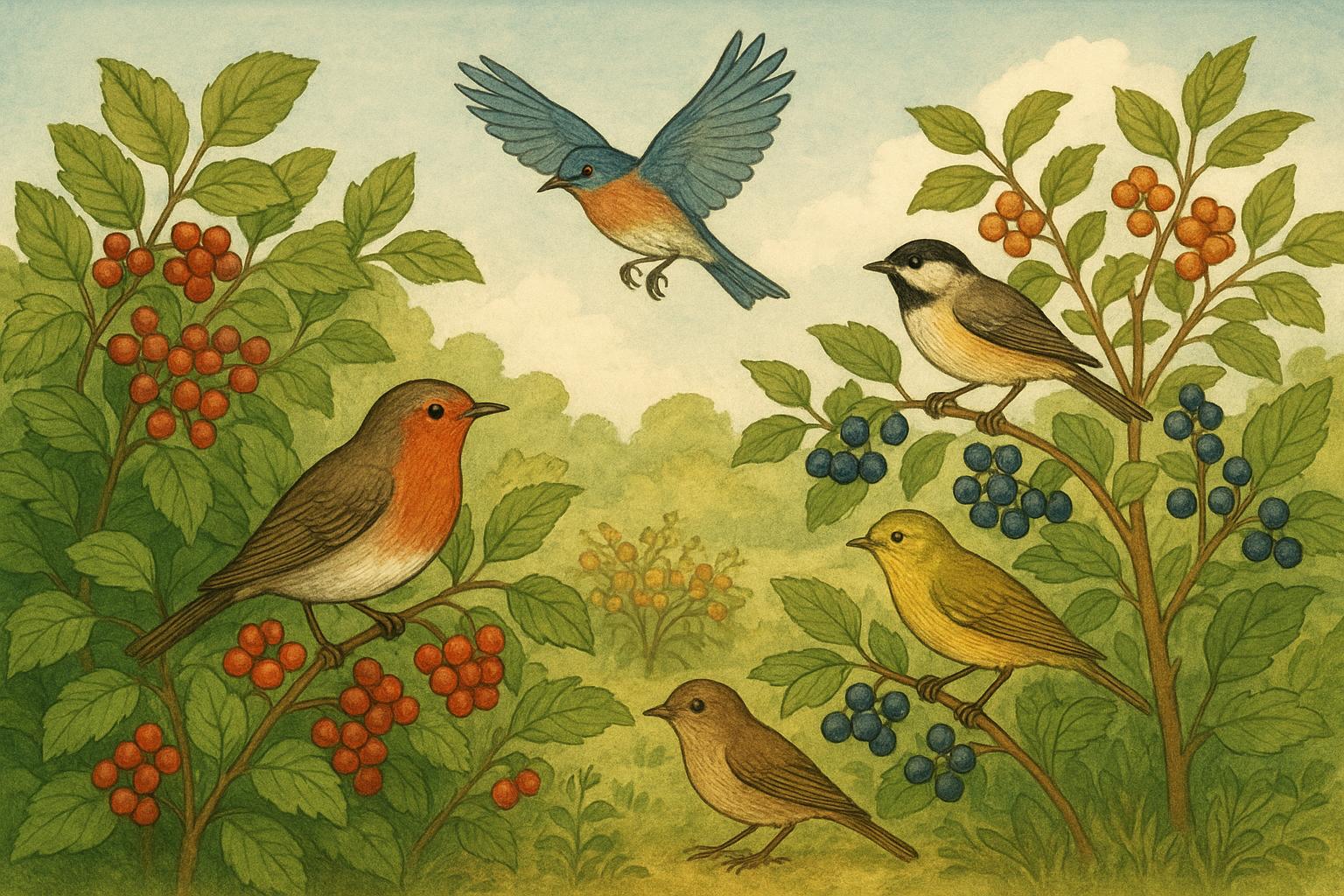
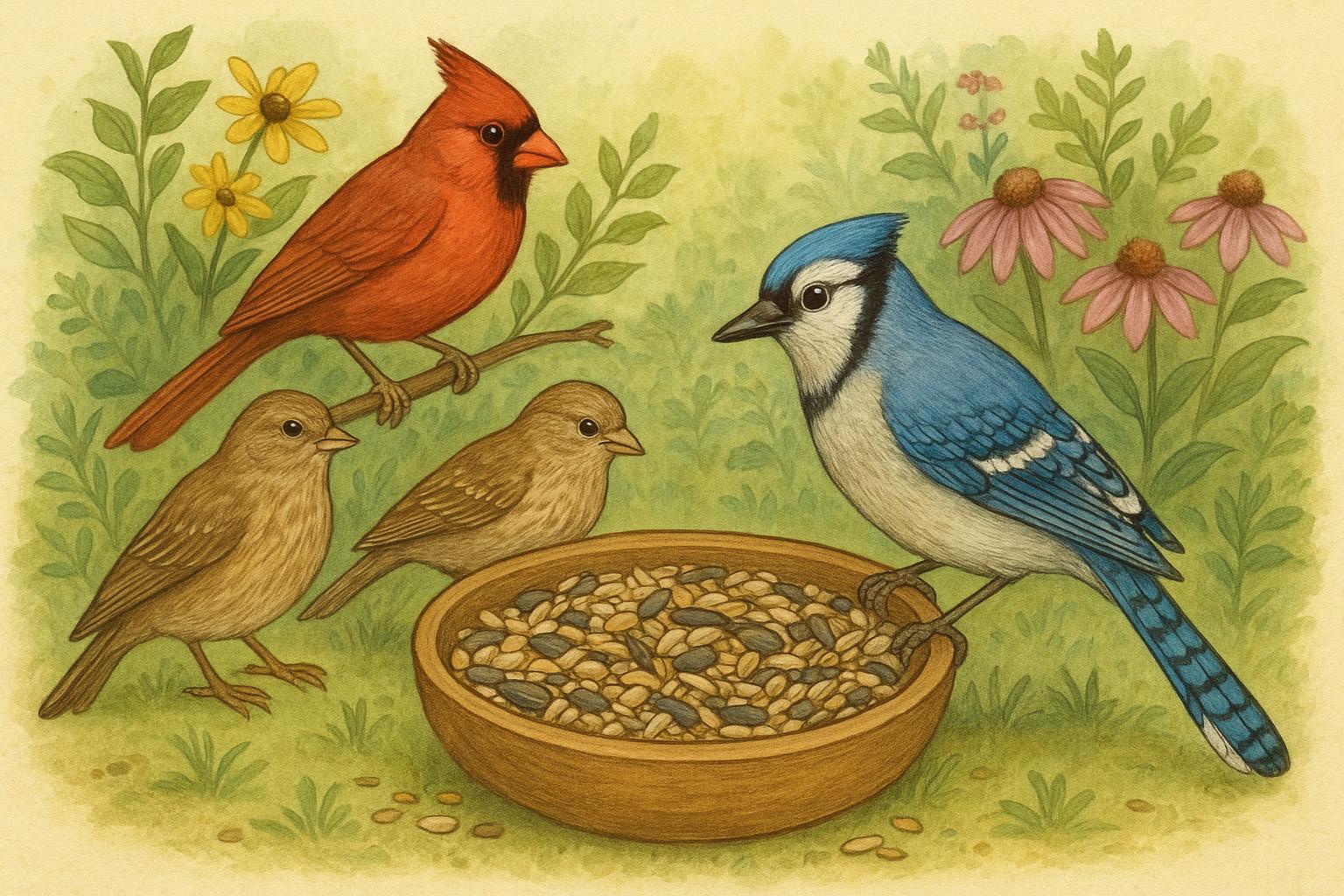
A practical backyard bird nest recognition guide helps you read the scene, not just the structure. Note the nearby food: berry bushes, suet feeders, or a flowering shrub full of insects attract different species and therefore different nest styles. A nest found in dense ivy likely belongs to a robin or a wren. One tucked into a crook of a cedar, higher up, might be a titmouse or chickadee. Keep your distance and spend short, quiet observation periods to confirm activity before you try to identify the owner.
### Reading Location Clues
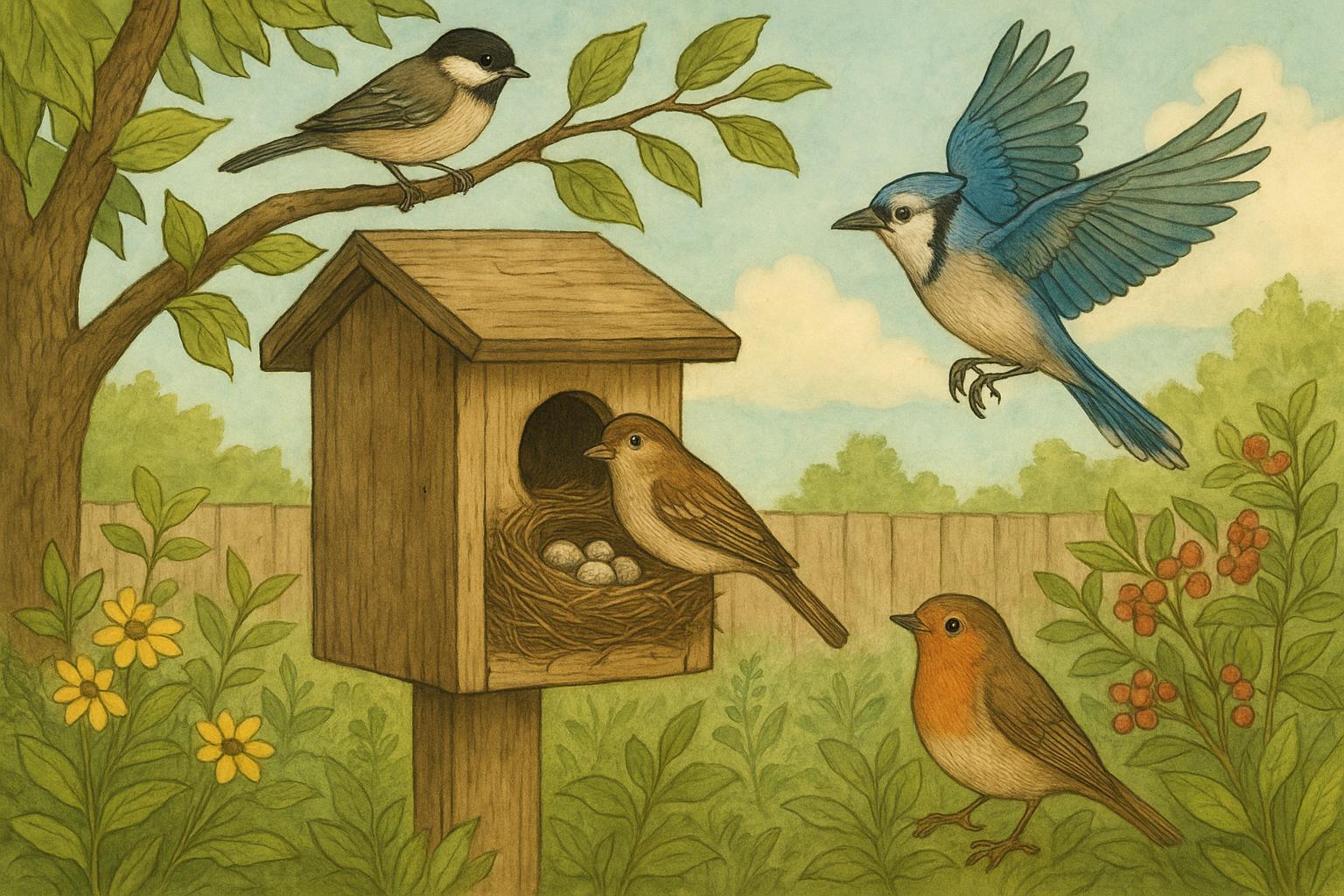
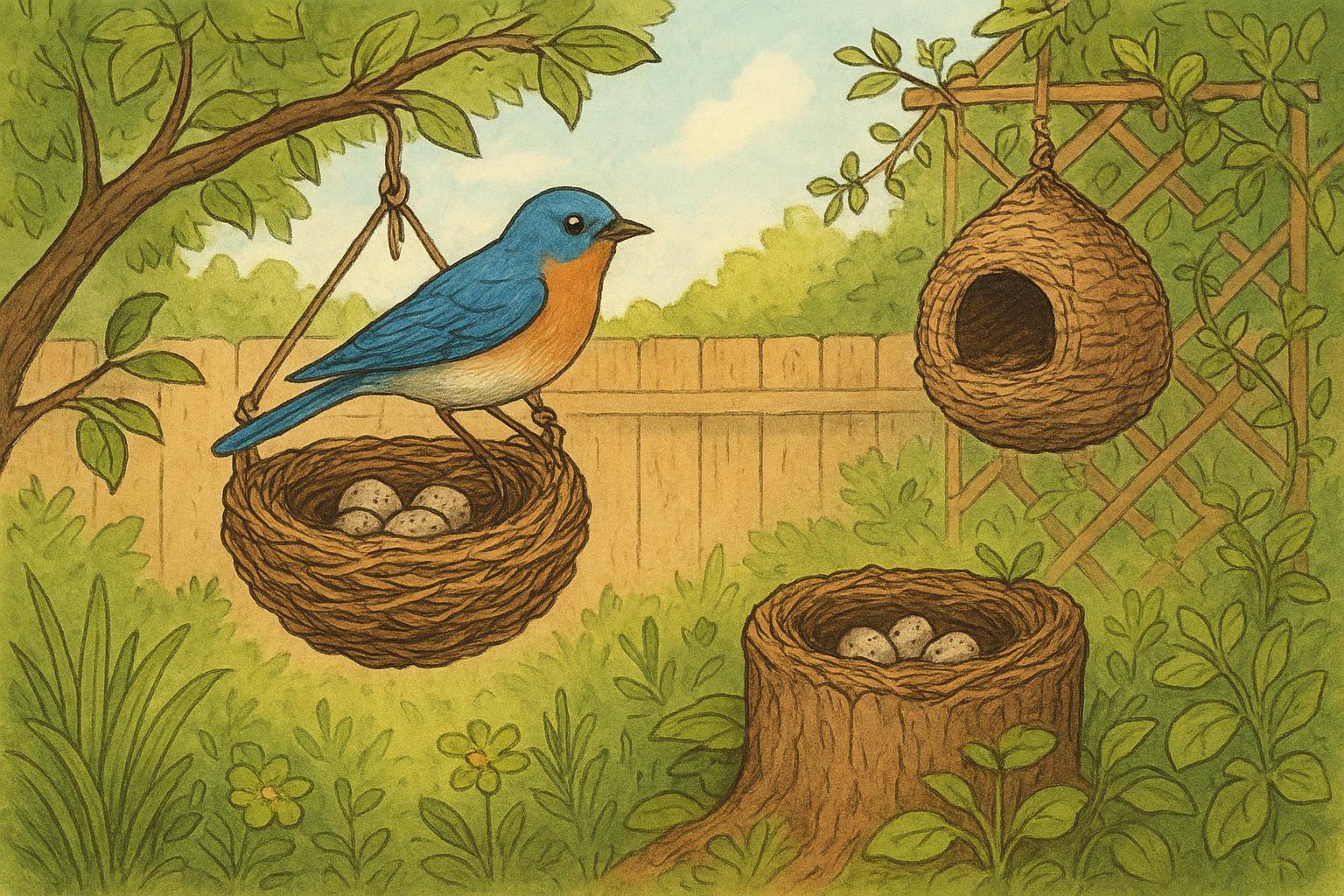
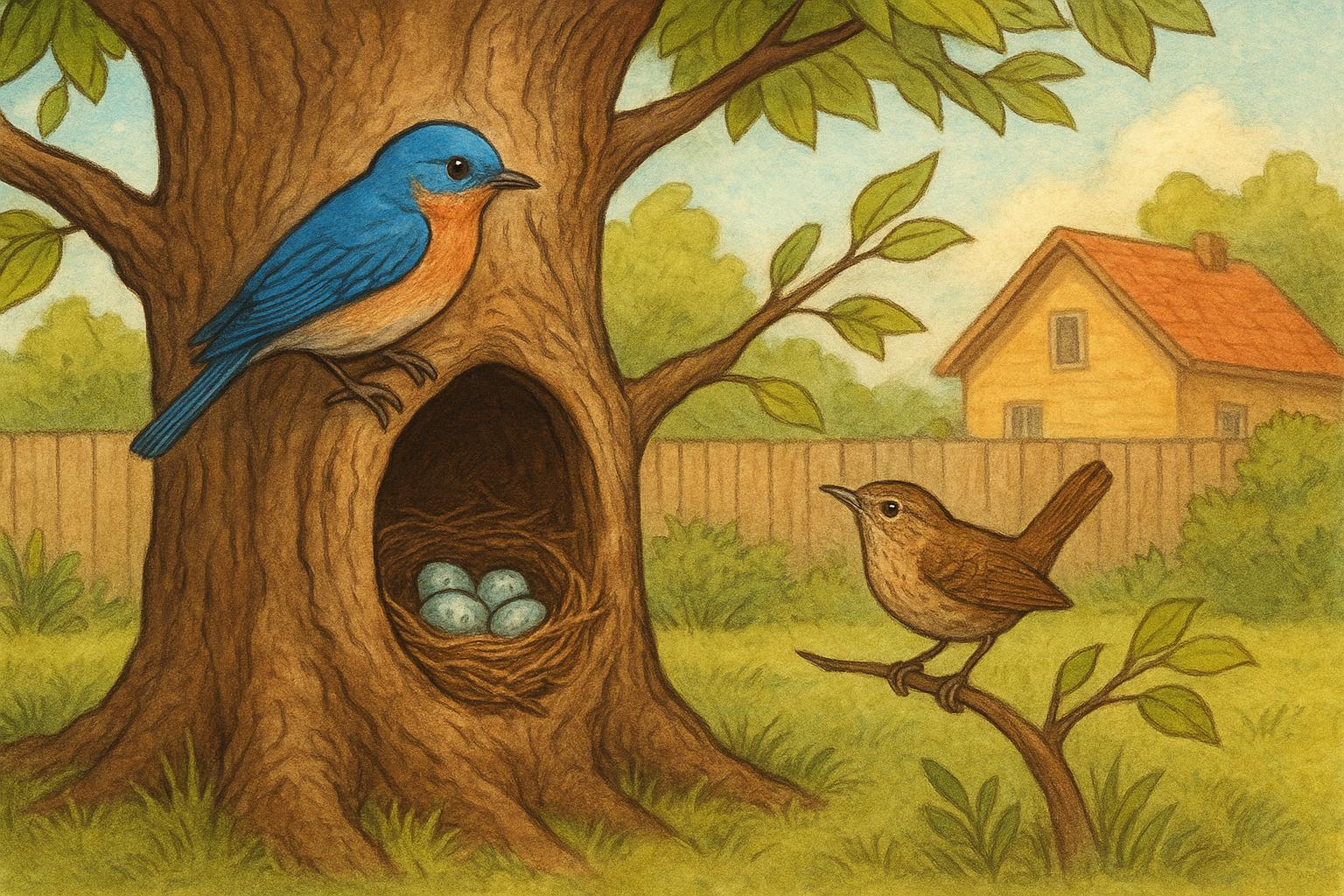
Location tells you a lot. Ground nests appear in grass clumps or at shrub bases and are often cup-shaped or domed. Cavities in trees, mailboxes, or nesting boxes often house bluebirds, titmice, or sparrows. Open-cup nests on branches belong to robins, cardinals, or finches. Look for entry holes when a nest sits inside a cavity. The size of that hole is a reliable hint — tiny for wrens, medium for bluebirds, larger for woodpeckers.
When you follow this backyard bird nest recognition guide, treat each clue as a data point rather than proof. One sign rarely gives you a certain ID. Combine material, placement, and nearby behavior.
### Materials Tell A Story
The nest’s makeup is shorthand for the builder’s preferences and needs. Mud-lined cups are a classic marker of robins and some swallows. Moss and lichens often indicate species that want camouflage, like the ruby-crowned kinglet. Spider silk and plant down mean the nest can stretch and hold more chicks — hummingbirds and orioles use these flexible materials. Look for cleverly hidden anchors: nests sewn into leaves show a high level of engineering, commonly seen in wrens.
## Spotting Active Nest Signs Without Disturbing Birds
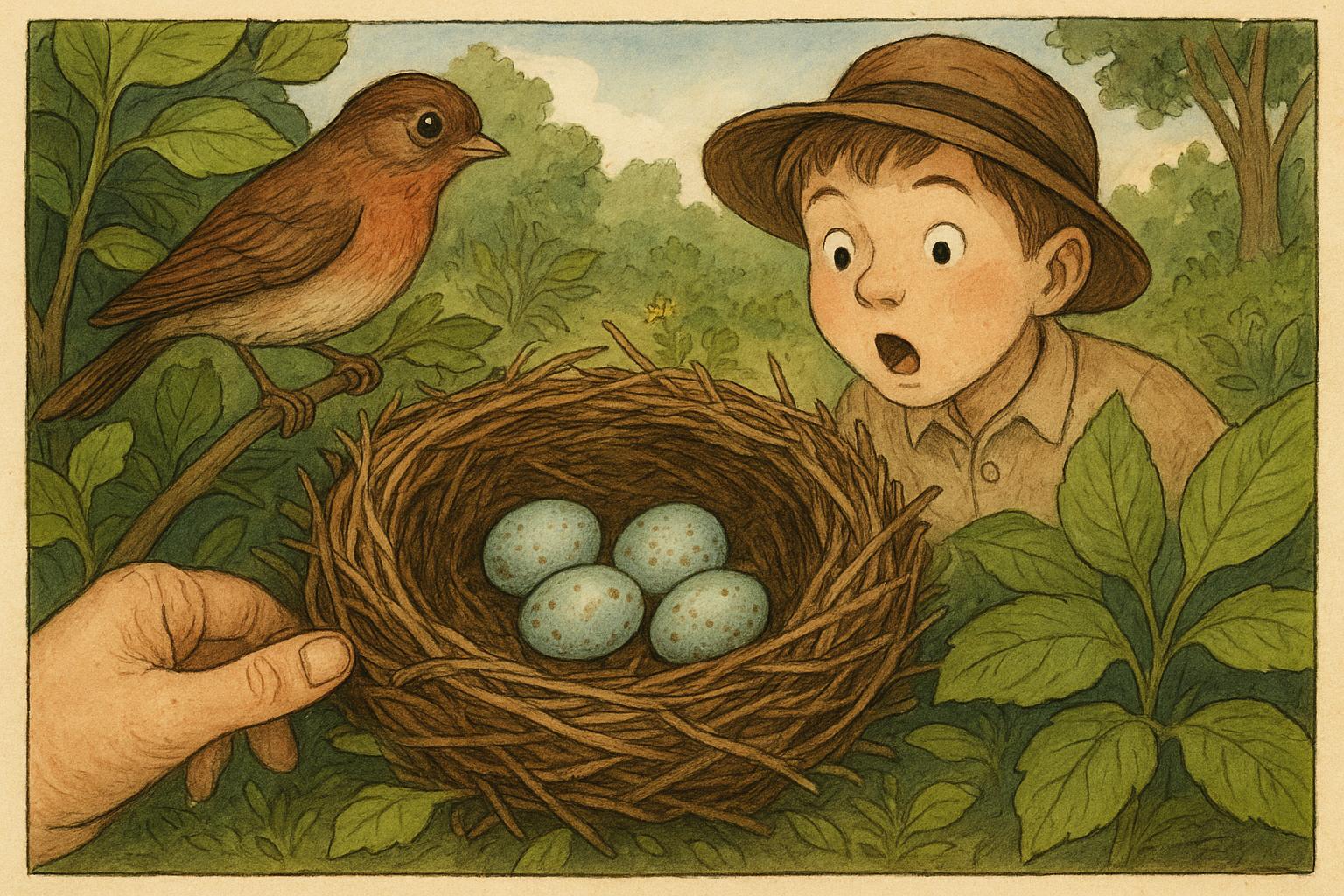
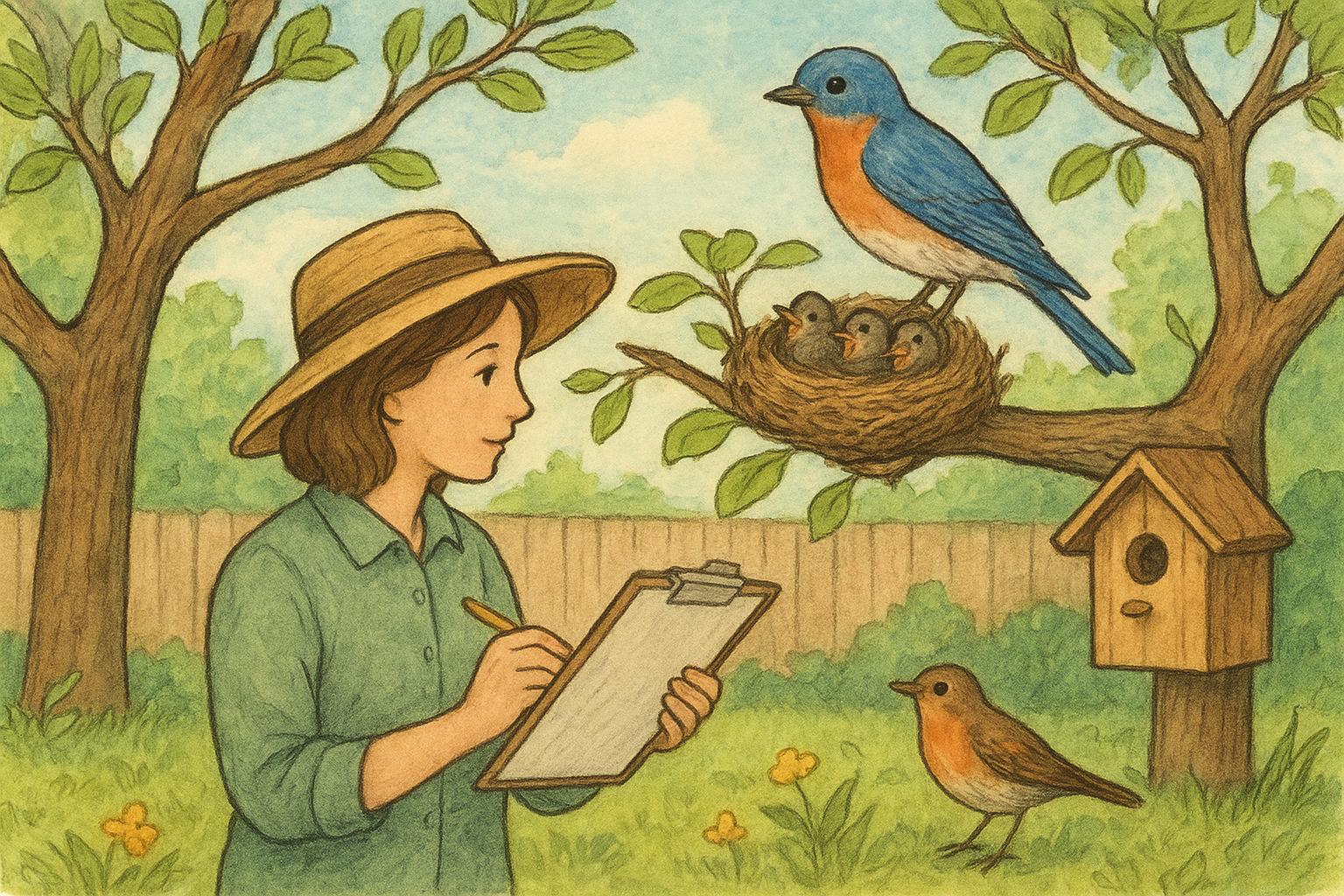
You’re a gentle nestspotter. That means minimal disturbance. Several non-invasive signs mean a nest is occupied: repeated flights to the same spot, food-carrying by adults, and the presence of fecal sac remnants below the nest. Nest building itself is obvious — fresh, greenish materials added over days. If you see adults sitting tight on a nest and shushing when you approach, step back. Stay at least several meters away; even moving too close can cause parents to abandon.
Use short observation windows. Spend five to ten minutes at a time, then leave. Take notes or photos from a safe distance with a zoom lens rather than trying to get a closer look. That practice is central to any backyard bird nest recognition guide worth following.
#### How To Photograph Safely
A picture helps with later ID. Point-and-shoot from a distance or use a telephoto on a tripod. Avoid flash. Don’t touch or move any nesting material — that alarmingly familiar human scent myth is overblown, but handling can transmit parasites or damage delicate structures. If a photo requires a different angle, wait until adults are away for at least an hour.
### Identifying Common Backyard Builders
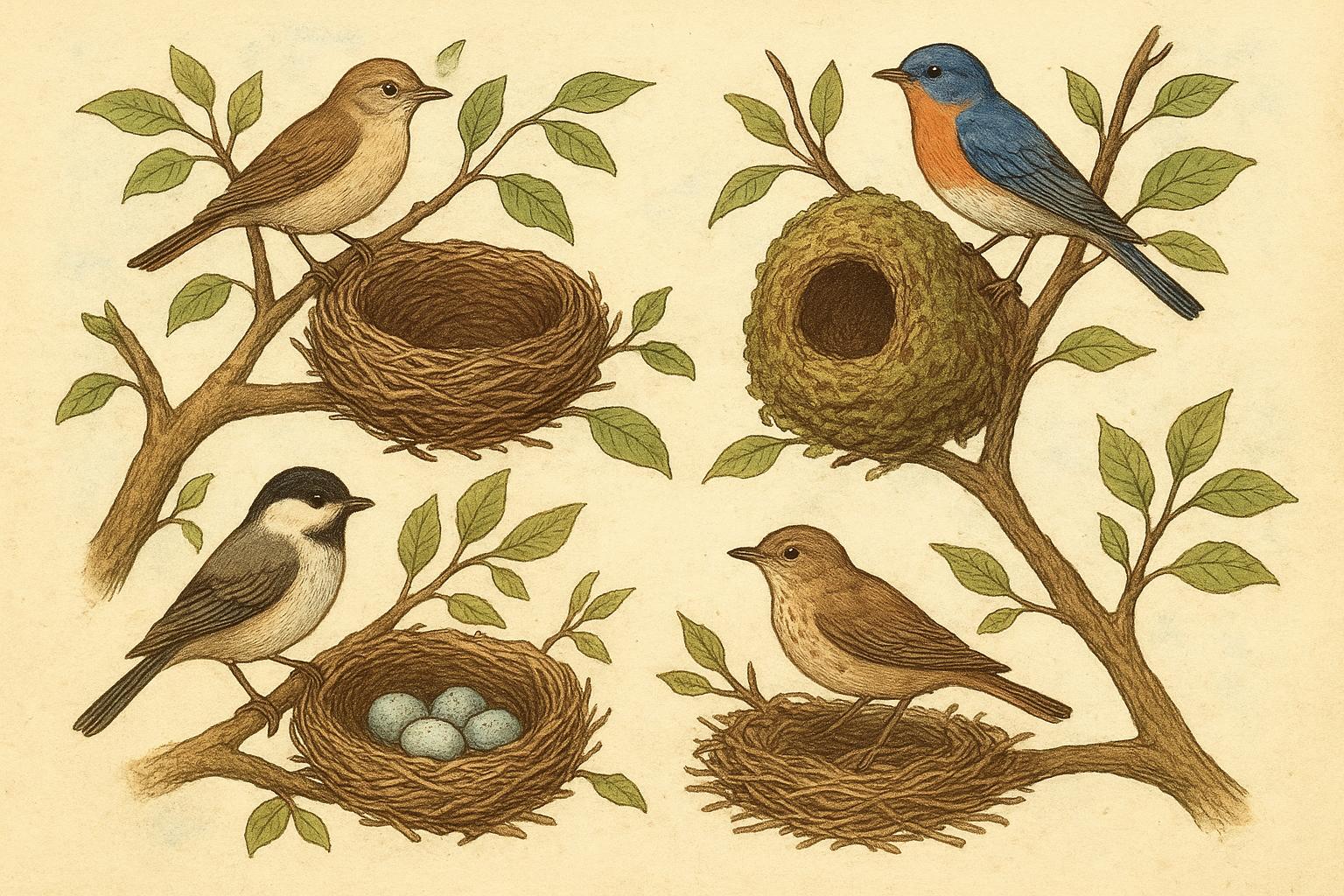
You’ll see patterns if you pay attention. Here are a few common examples I come across in small yards:
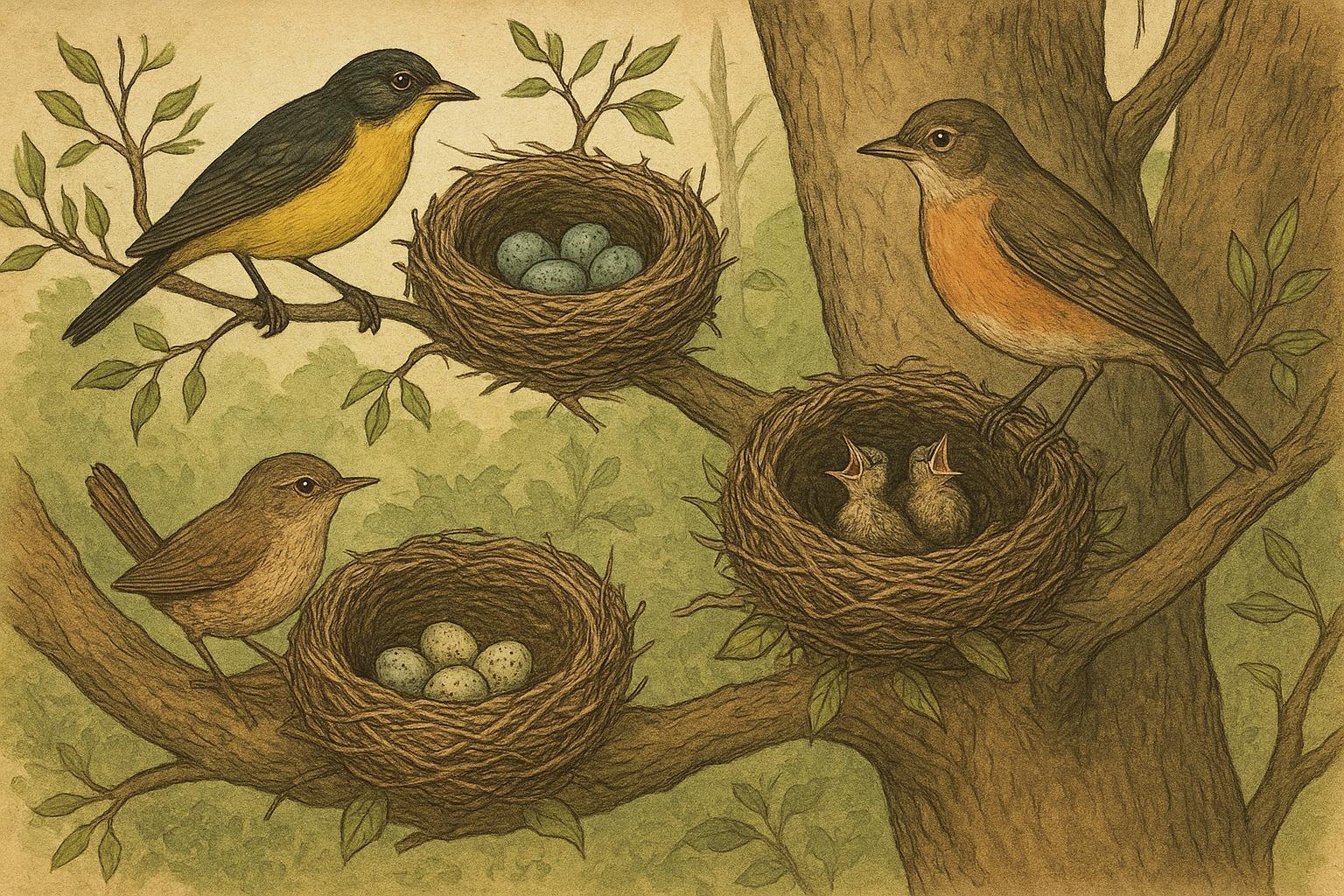
– Robins: Open cup, often on horizontal branches or ledges. Mud reinforcement is common. Frequent visits with worms.
– House Wrens: Compact cup in cavity-like spots or dense shrubs. Twigs and shredded material, often messy.
– Hummingbirds: Tiny cup, built from plant down and spider silk, usually sheltered in a forked twig.
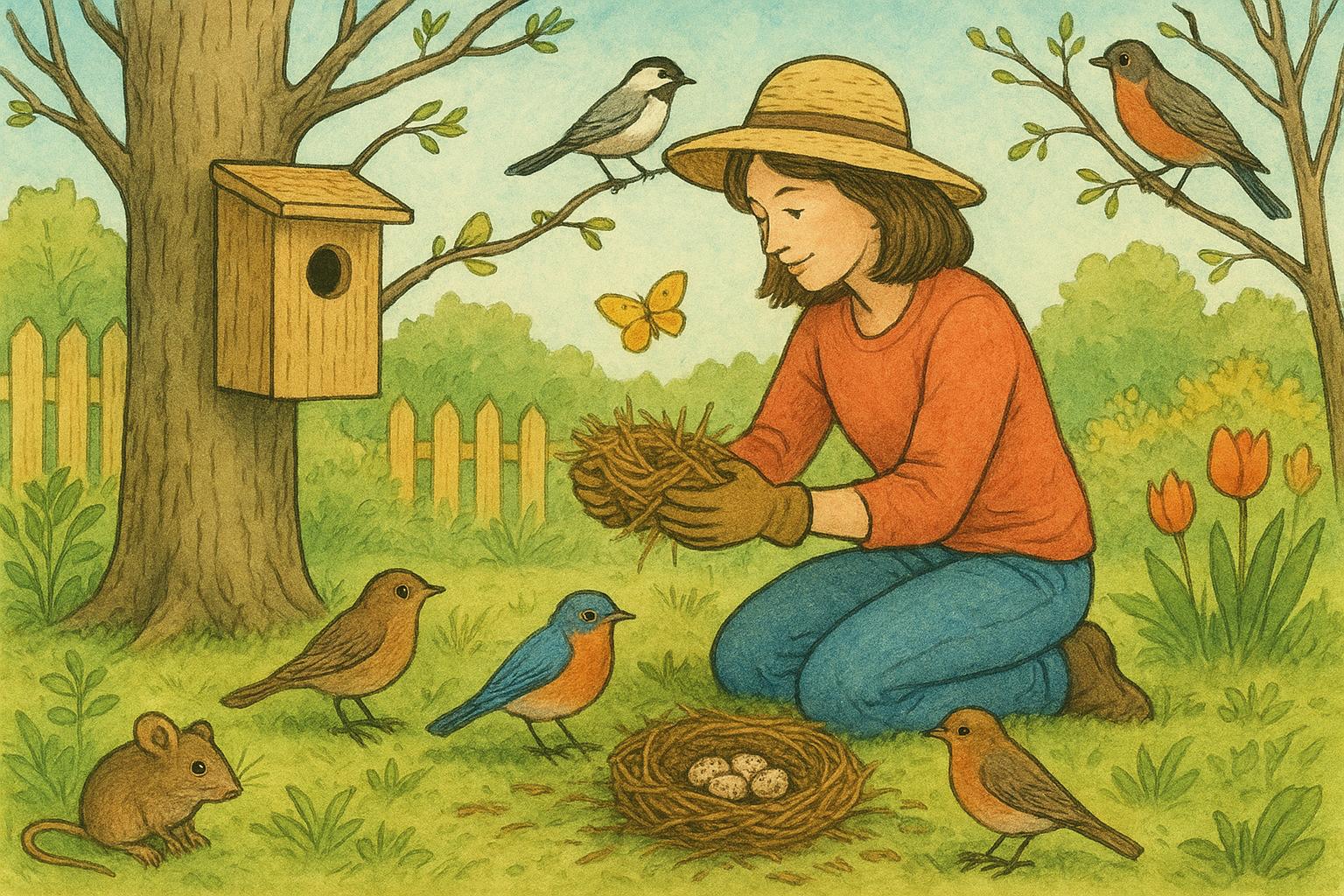
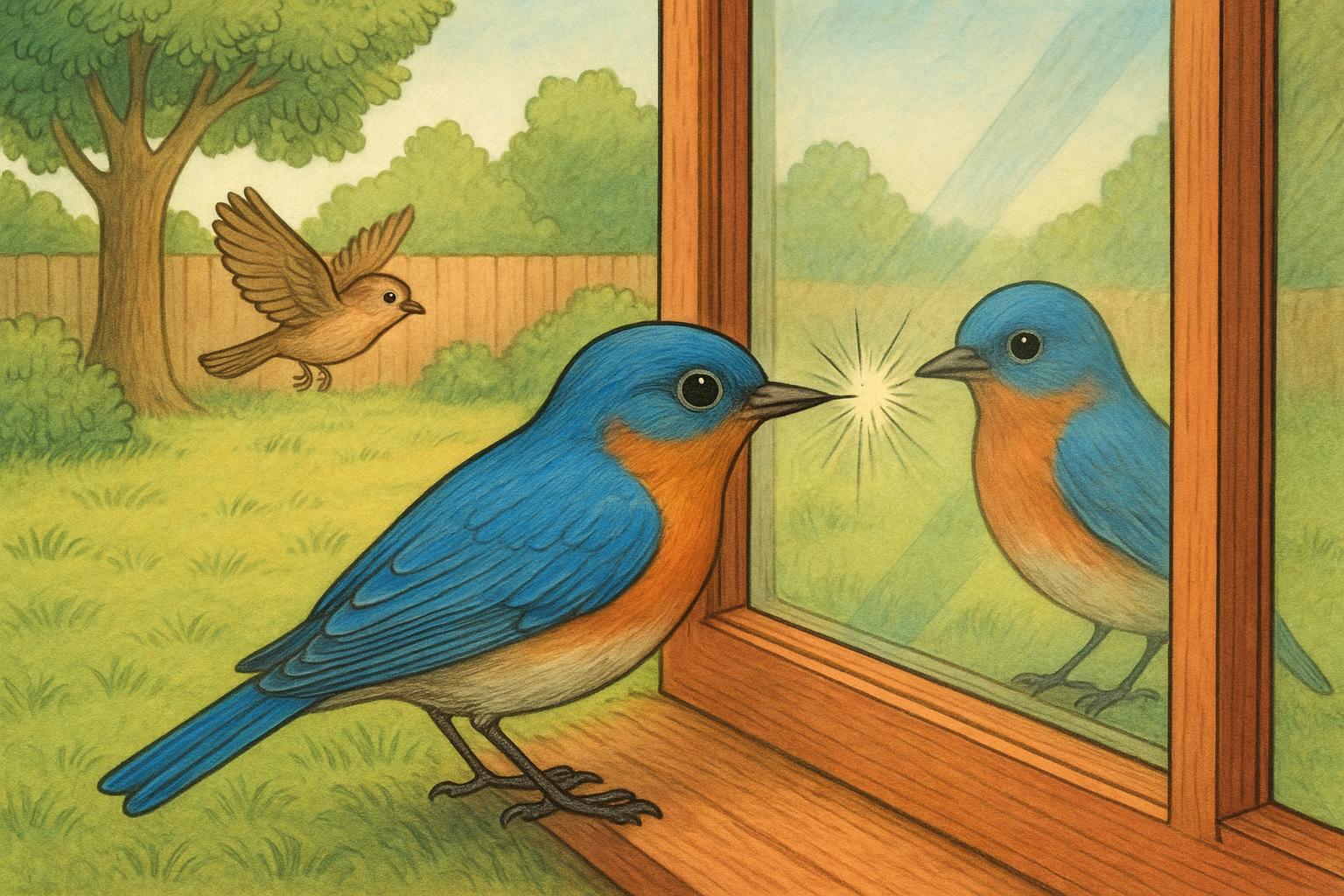
– Bluebirds: Neat, dry cup inside a cavity or nest box. Pale lining with grass.
– Sparrows and Finches: Varying cups and domes in shrubs; often grasses and twine.
I’ve spent hours watching the same yard through a breeding season. Patterns become obvious. A nest that looks abandoned may just be in a quiet phase — one parent sits while the other forages. Patience wins.
## Common Nest Spots And Why Birds Choose Them
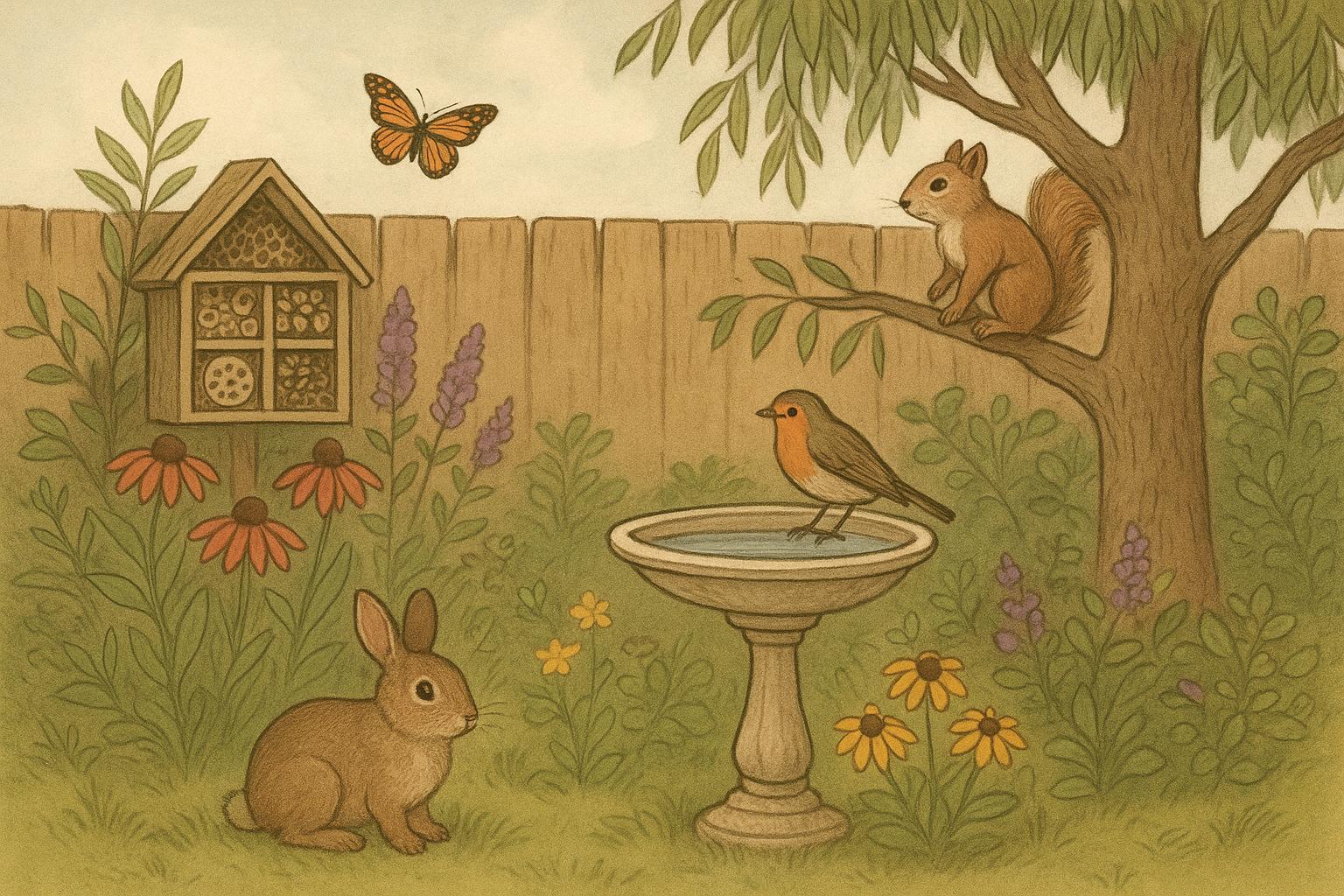
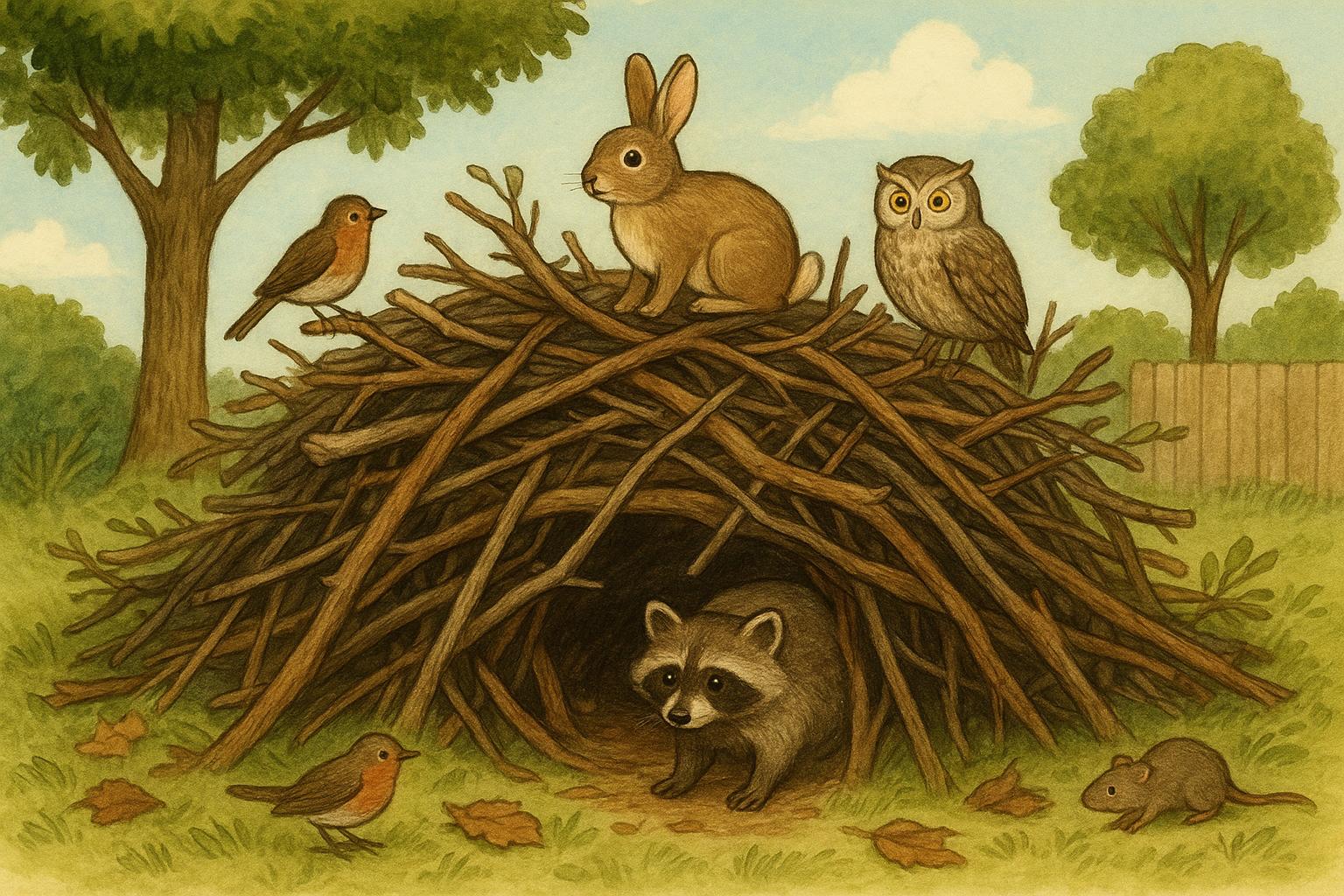
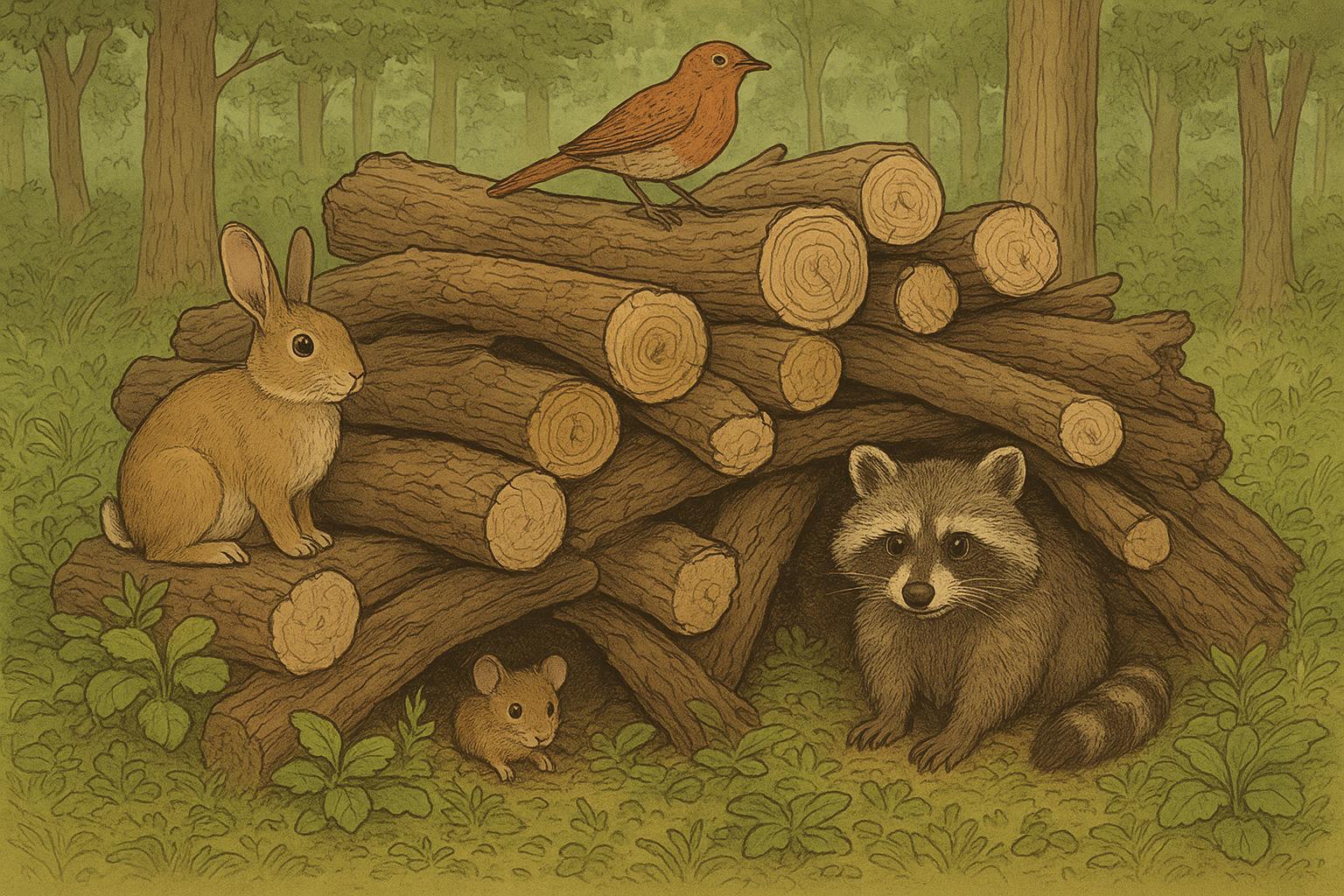
Birds choose nest spots based on food proximity, shelter, and predator avoidance. Dense shrubs give cover. Eaves and gutters provide stable platforms. Thorny bushes deter mammals. Brush piles and dead branches are surprisingly popular because they mimic natural snags. The list of usual locations is predictable once you notice it: the same shrub, the same ornamental tree type, the same pair of eaves sees repeat nesting across years.
When you keep an eye on likely nest spots, you’re not interfering. You’re learning the pattern. That makes it easier to protect nests during yard work, pruning, or pest control.
### Timing And Seasonal Clues
Nesting seasons vary by species and climate. Many songbirds start in spring, but some species run two broods or nest late into summer. If you find nesting material in March and April, expect eggs or nestlings soon. Sweeping activity in late summer might be a second brood or a late species like house finches.
Record dates. That simple habit builds a personal calendar of who nests when in your yard. Use it to avoid prune-and-weed days during peak nesting.
#### Signs Of The Species From Droppings And Sounds
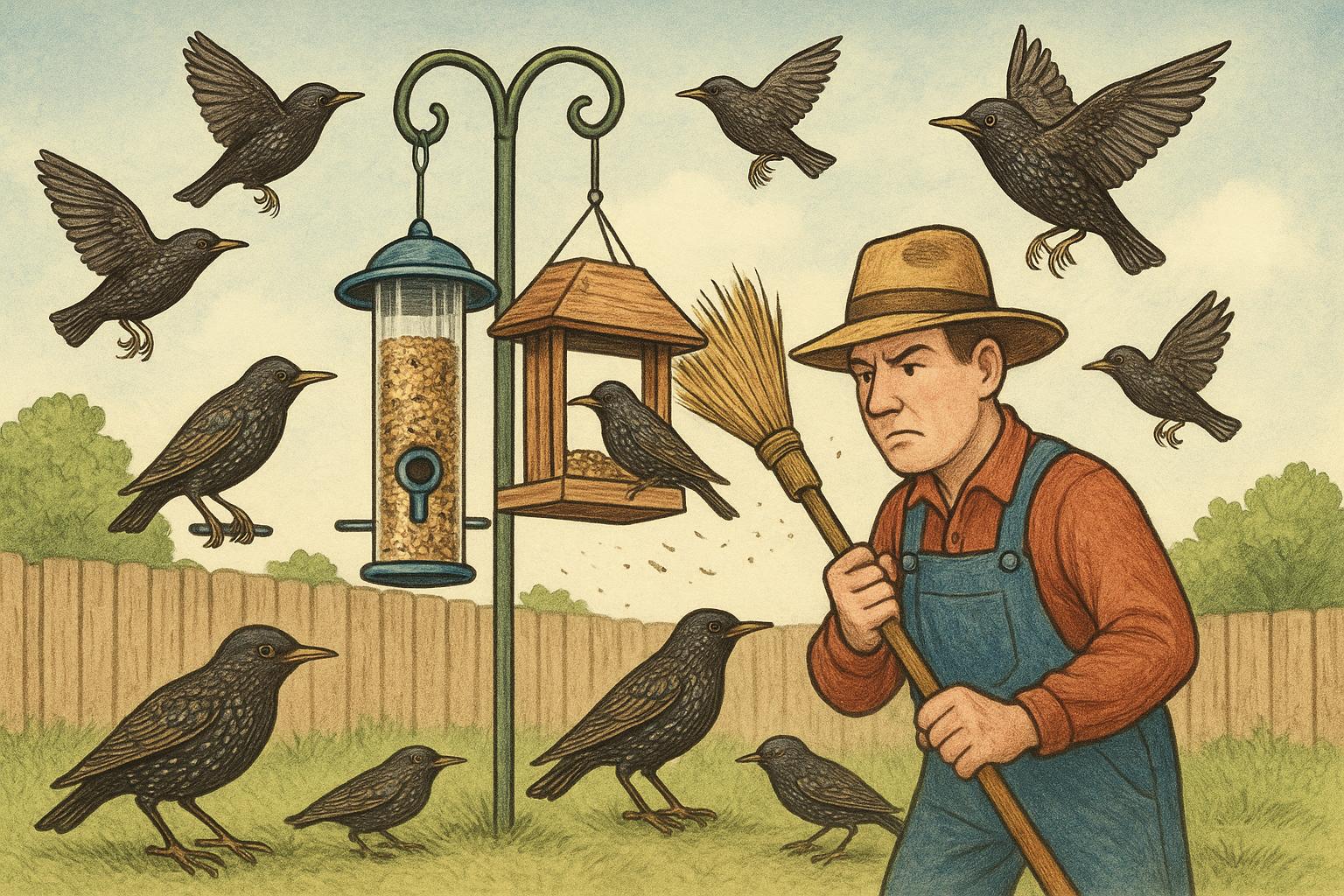
Droppings under a nest can indicate activity and sometimes species by consistency and size. Small white and dark sacs point to passerines. Large, stringier guano suggests larger birds like starlings. More useful, though, are sounds: soft chirps from nestlings, insistent alarm calls from parents, or the clacking of a beak when food arrives. Those audible clues often confirm what the structure alone can’t.
## What To Avoid Doing Around Nests
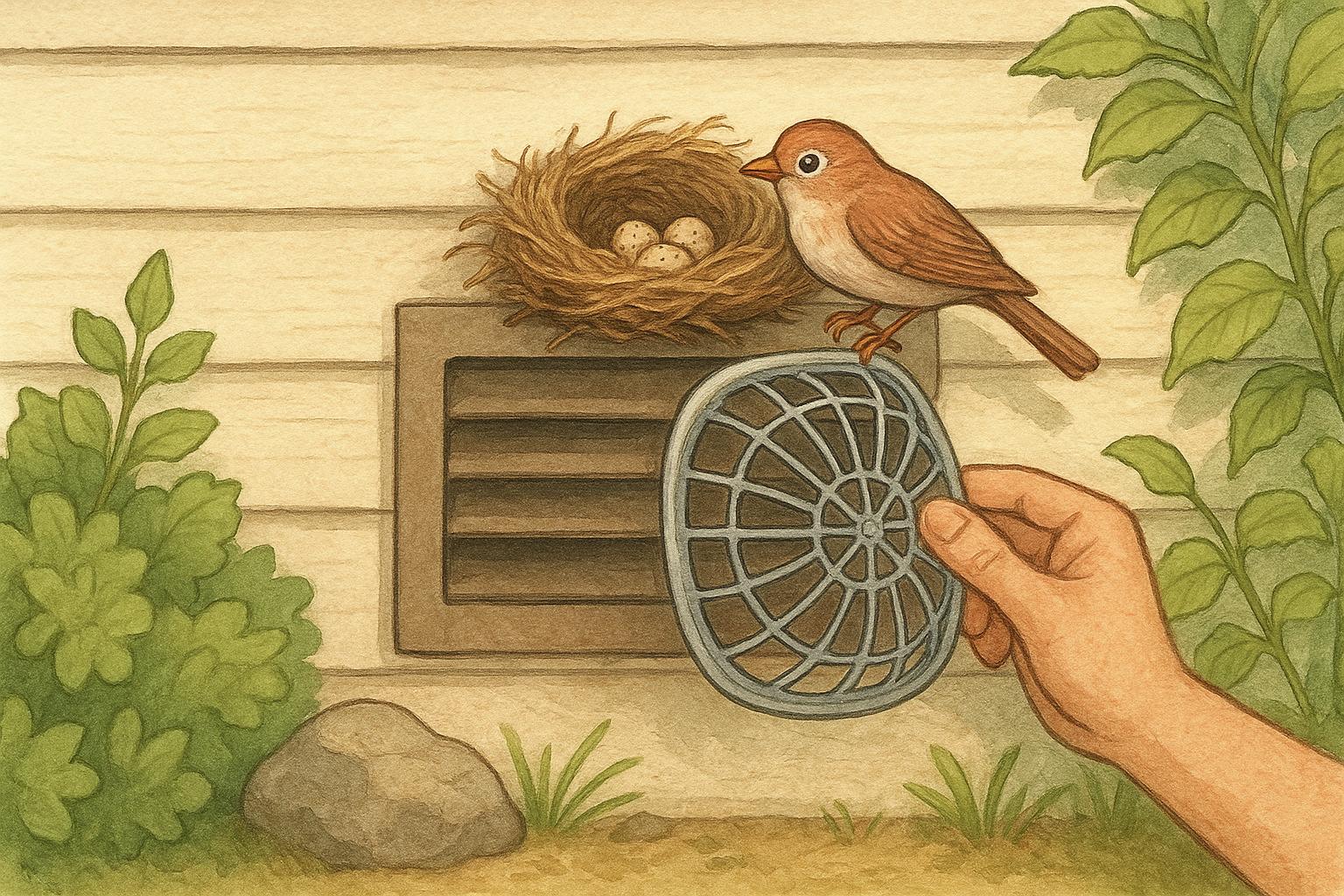
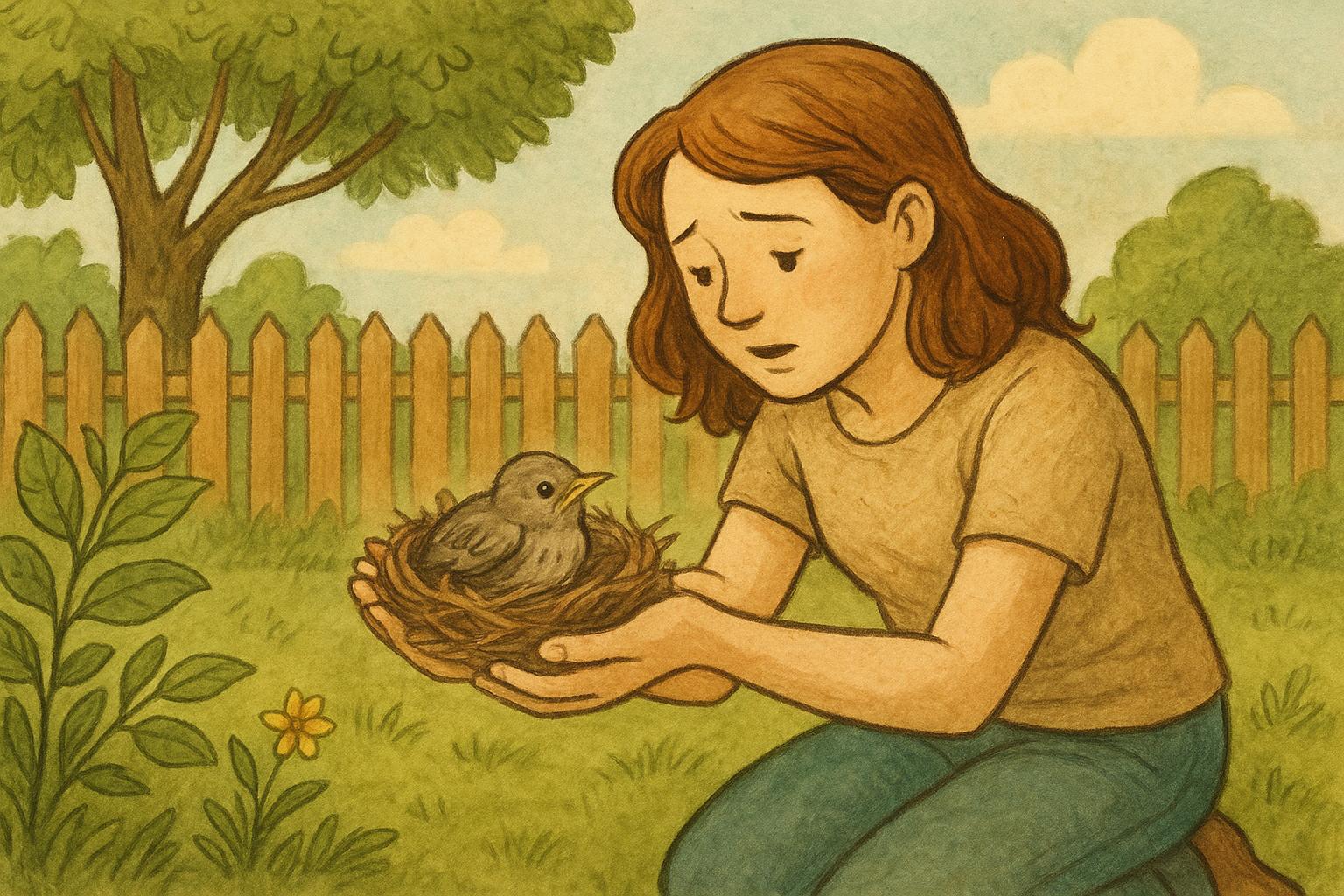
Do not touch, move, or poke nests. Don’t attempt to remove nesting material because a nuisance animal is nearby. If you must perform a yard task, schedule it for outside nesting windows when possible. Keep pets leashed or indoors near active nest spots. Never use rodent traps or toxic bait near nests. Chemical sprays for pests can harm nestlings or change adult behavior.
A respectful, light-touch approach keeps both birds and your garden happier. Think of yourself as a temporary guest in their private room.
### When To Call A Professional
Not every unusual nest needs intervention. But if a nest is in immediate danger — in a work site where removal is unavoidable, or contains injured birds — contact a licensed wildlife rehabilitator or local bird conservation group. They’ll advise whether moving a nest is appropriate or how to time your human activity around nesting. Keep records of communication: dates, names, and advice given.
Use this backyard bird nest recognition guide to make informed, gentle choices. Notice the shapes, materials, and placement. Follow the birds’ cues, not your curiosity. Learn the recurring nest spots in your yard. With that attention, you’ll start guessing correctly and keeping those nests safe while still enjoying the lively drama of nesting season.
Then go outside and watch quietly. You’ll be surprised how much you learn in short sittings — and how quickly the yard becomes a classroom for real, messy, beautiful bird building. Recogntion improves fast when you pay attention.



Leave a Reply