
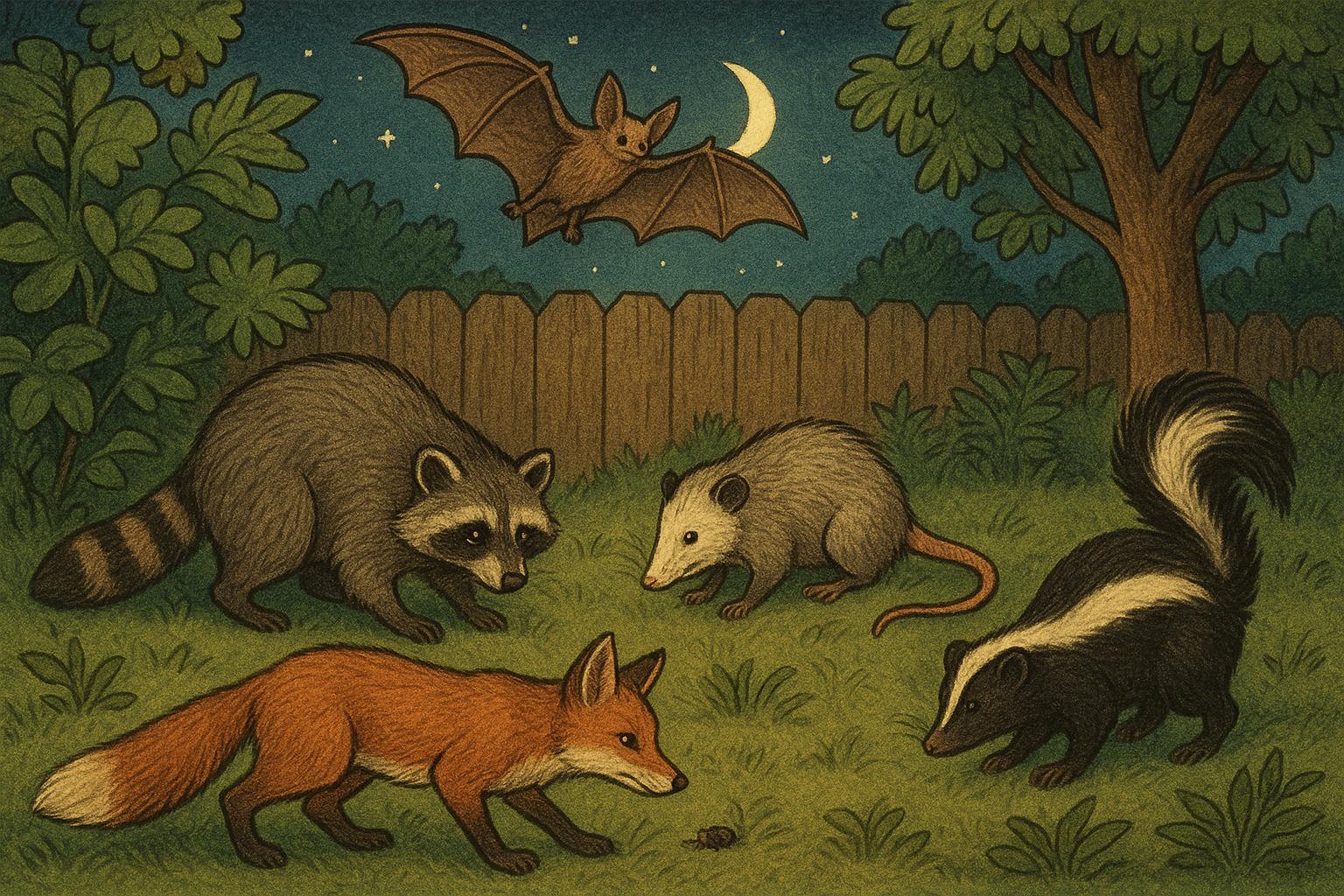
I watched a raccoon unroll a garbage bag with the kind of patience that feels almost intentional. It tugged, sniffed, then sat up like a kid with a prize. That scene, played out in yards across towns, is a shorthand for something bigger: the small, often hidden ways animals reshape our evenings. If you pay attention, your backyard becomes a stage for clear, repeatable behaviors that tell you what they want and how to push back without breaking anything.
## Night Mammal Behavior In Backyards: Patterns After Dark
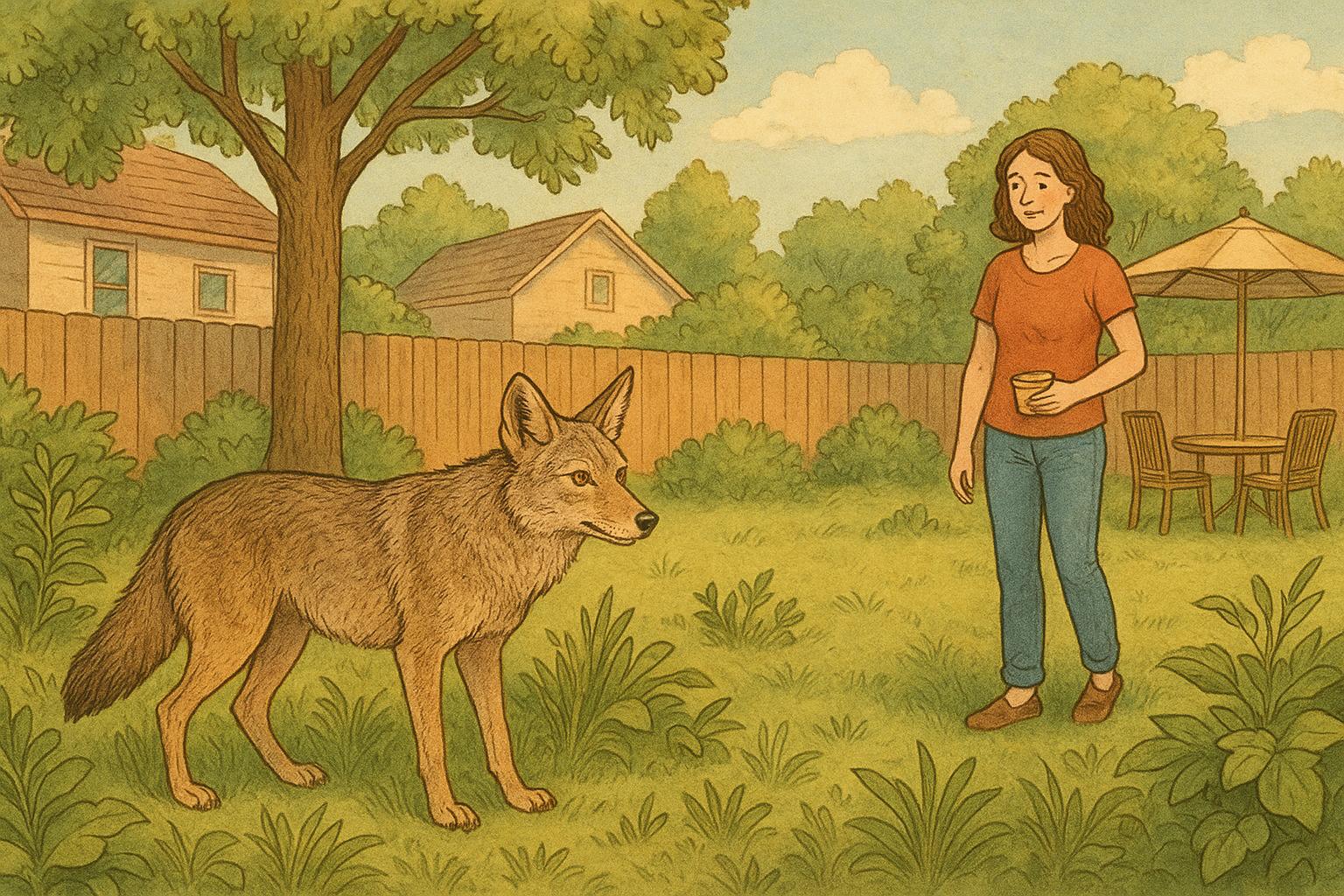
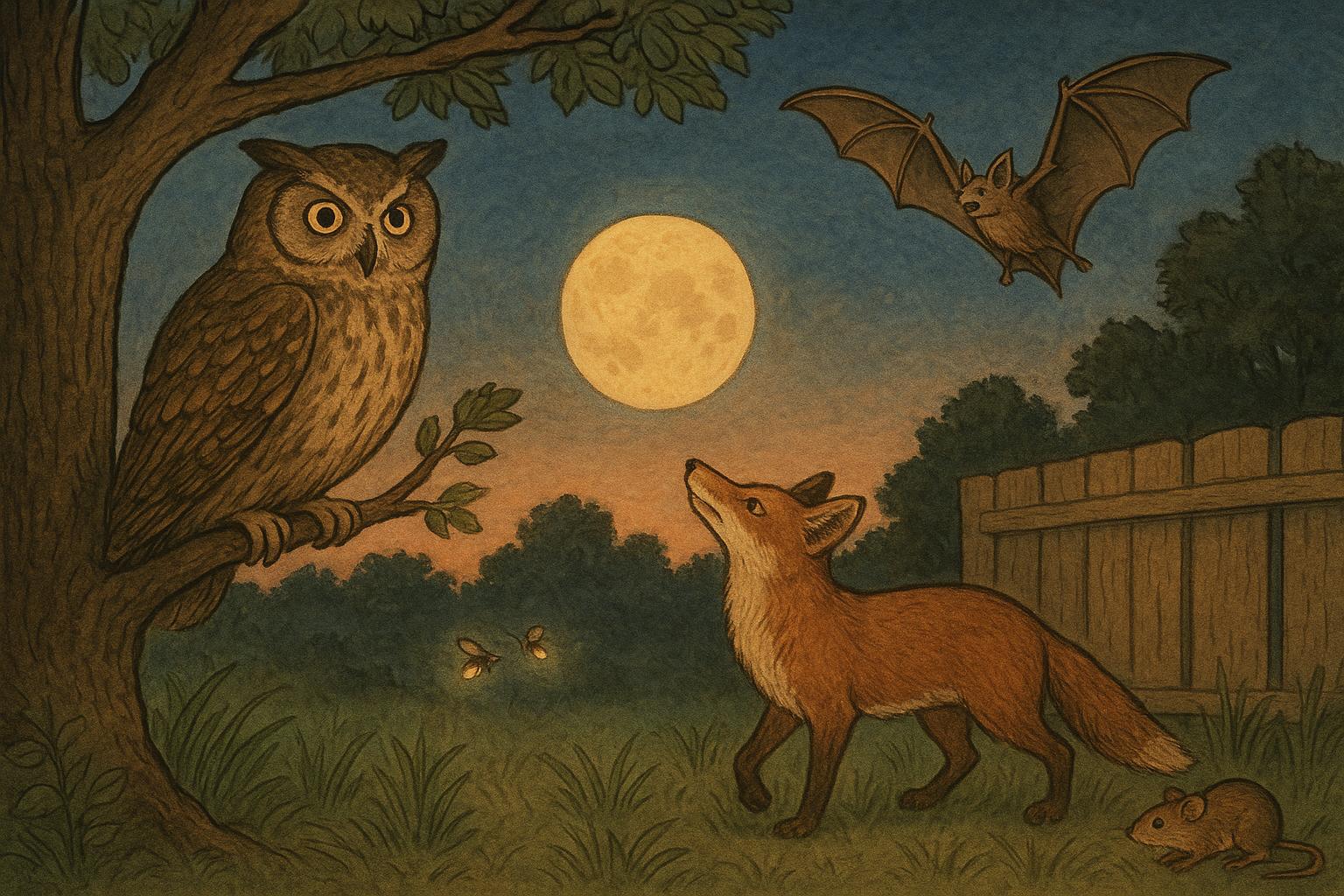
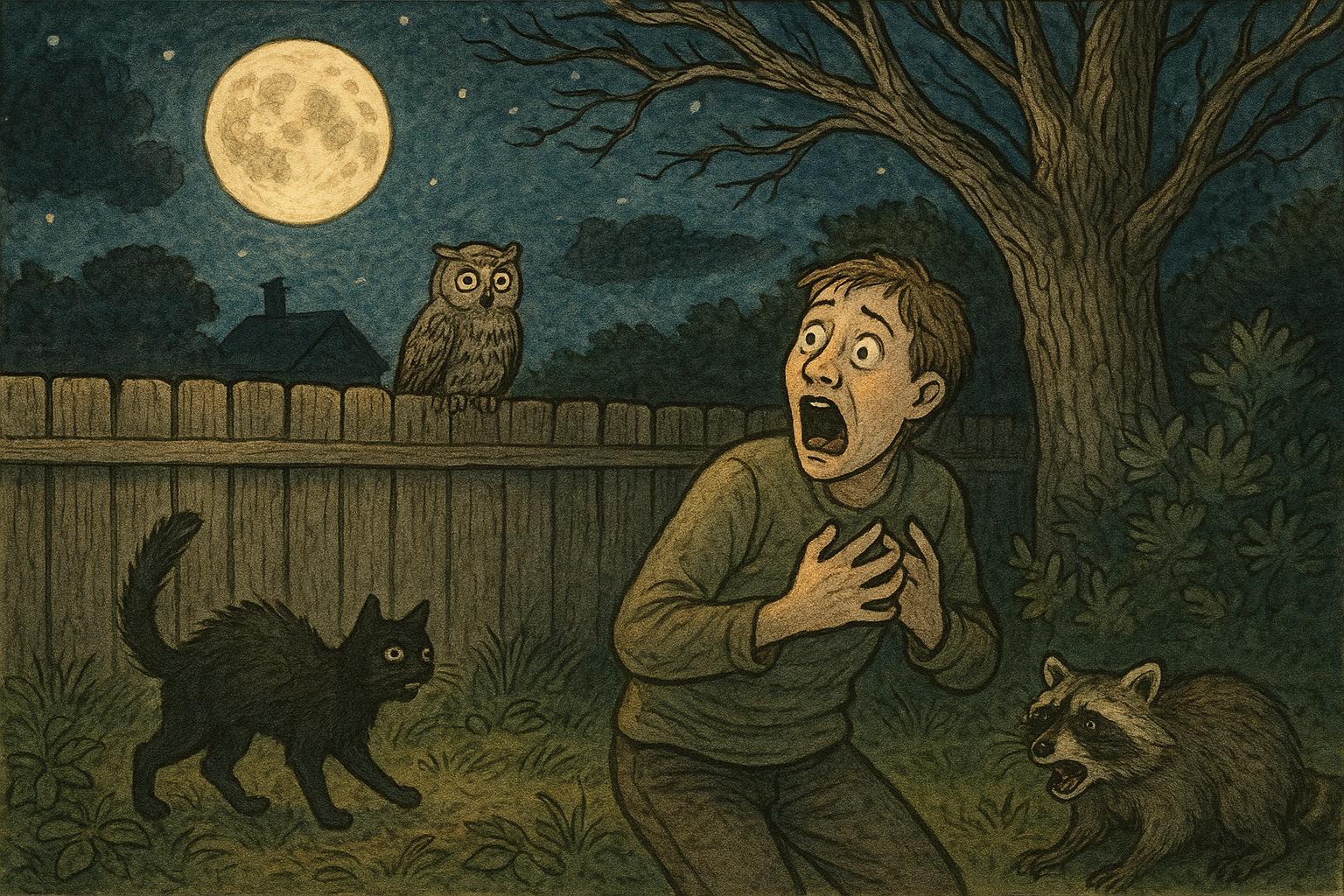
Most of what you notice about night mammal behavior in backyards comes down to simple needs: food, shelter, and safety. Raccoons are food-first specialists. They probe containers, unzip lids, open bird feeder cages. Opossums take the easy route; they scavenge what’s left behind and move on. Foxes and coyotes are more strategic. They hunt rodents and rabbits, mark edges of property with scent, and test fences for weak points. Even bats, which many folks don’t think of as backyard animals, show up to pick off insects that feed on porch lights.
These animals are not uniformly nocturnal. Some are crepuscular, most active around dawn and dusk, and others are strict night roamers. Understanding those shifts helps explain why you’ll see different species across the seasons. In summer, suburban lawns become a veritable buffet; in late winter, activity compresses into narrow windows when food is most available.
### Common Species To Expect
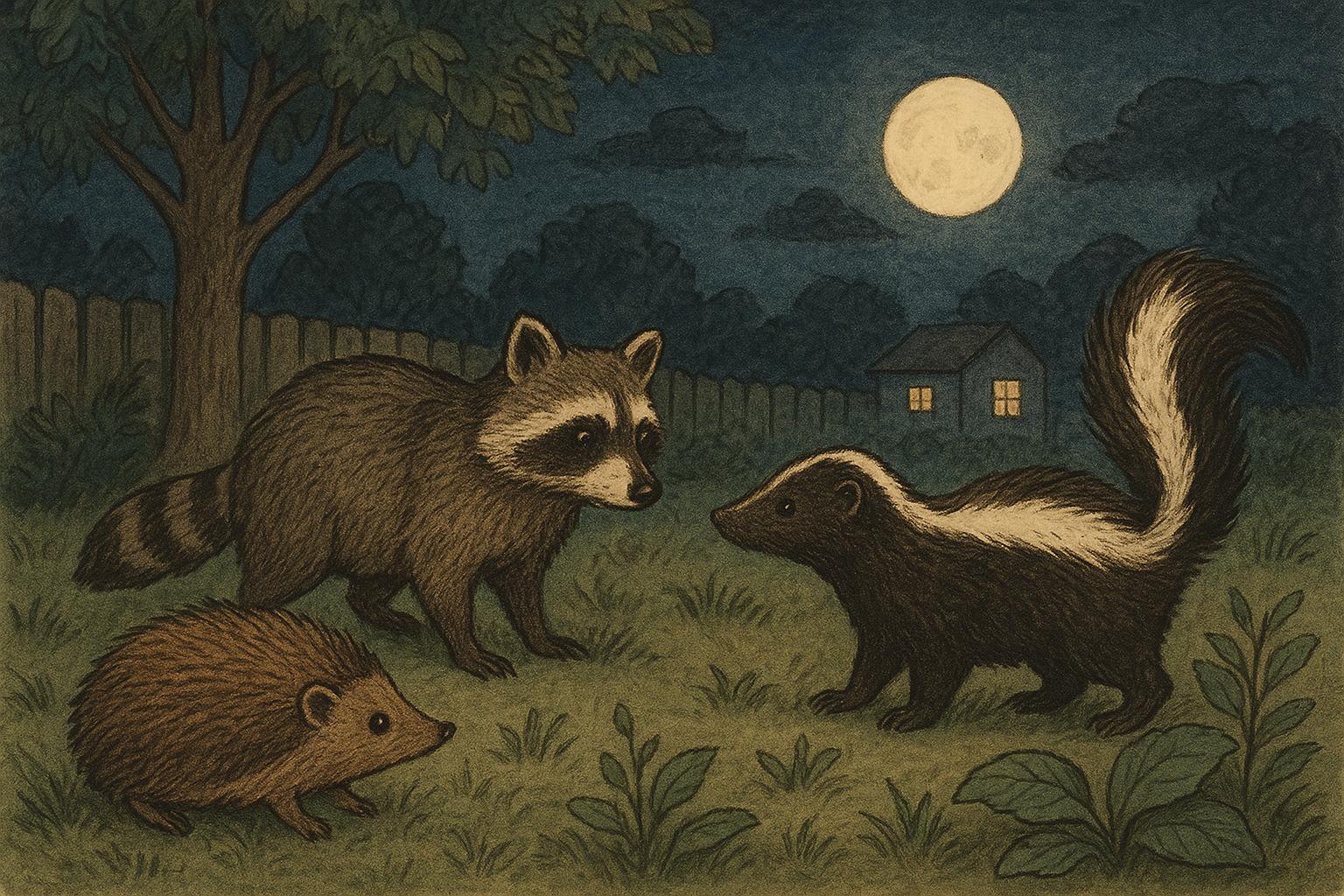
Raccoons, opossums, skunks, foxes, coyotes, mice, rats, and bats make up the bulk of backyard night mammals in many areas. Raccoons are problem solvers and very dexterous. See one paw at a garbage bin and you can bet it has figured the latch system. Opossums are slow and unimposing. They mostly clean up scraps and will play dead if cornered. Skunks defend territory with spray but otherwise move quietly, hunting insects and grubs. Foxes hunt in plain sight, usually alone, and are less likely to mess with human structures than raccoons are.
#### Raccoon Habits
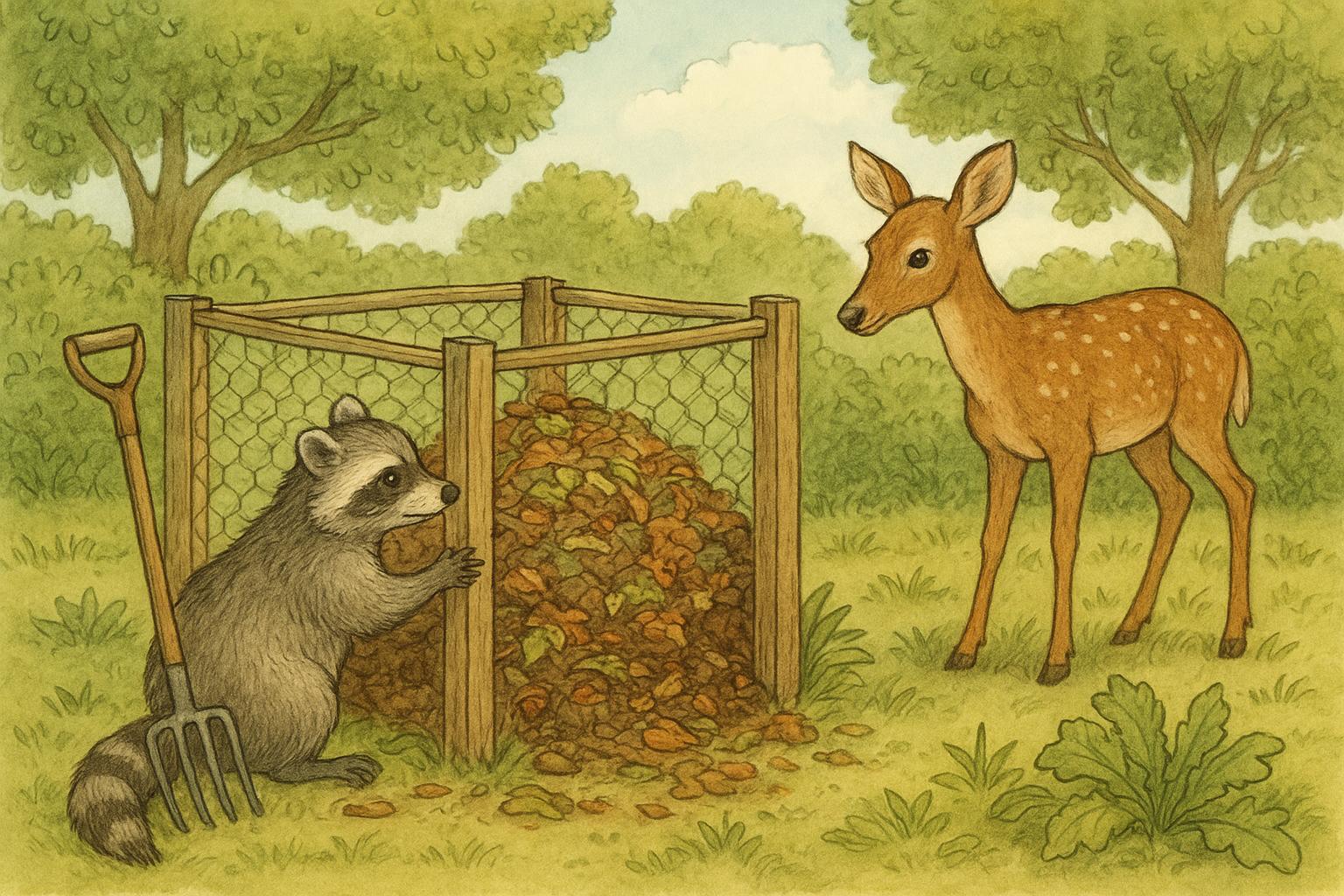
Raccoons return to the same yards if food is reliable. Leave accessible garbage, pet food, or accessible compost and you create a raccoon route. They travel along fences, hop onto roofs to reach attics, and use trees as highways. If you see half-eaten corn or shredded bags on consistent nights, a pair of raccoons might be using your property as a base.
#### Skunk And Opossum Behavior
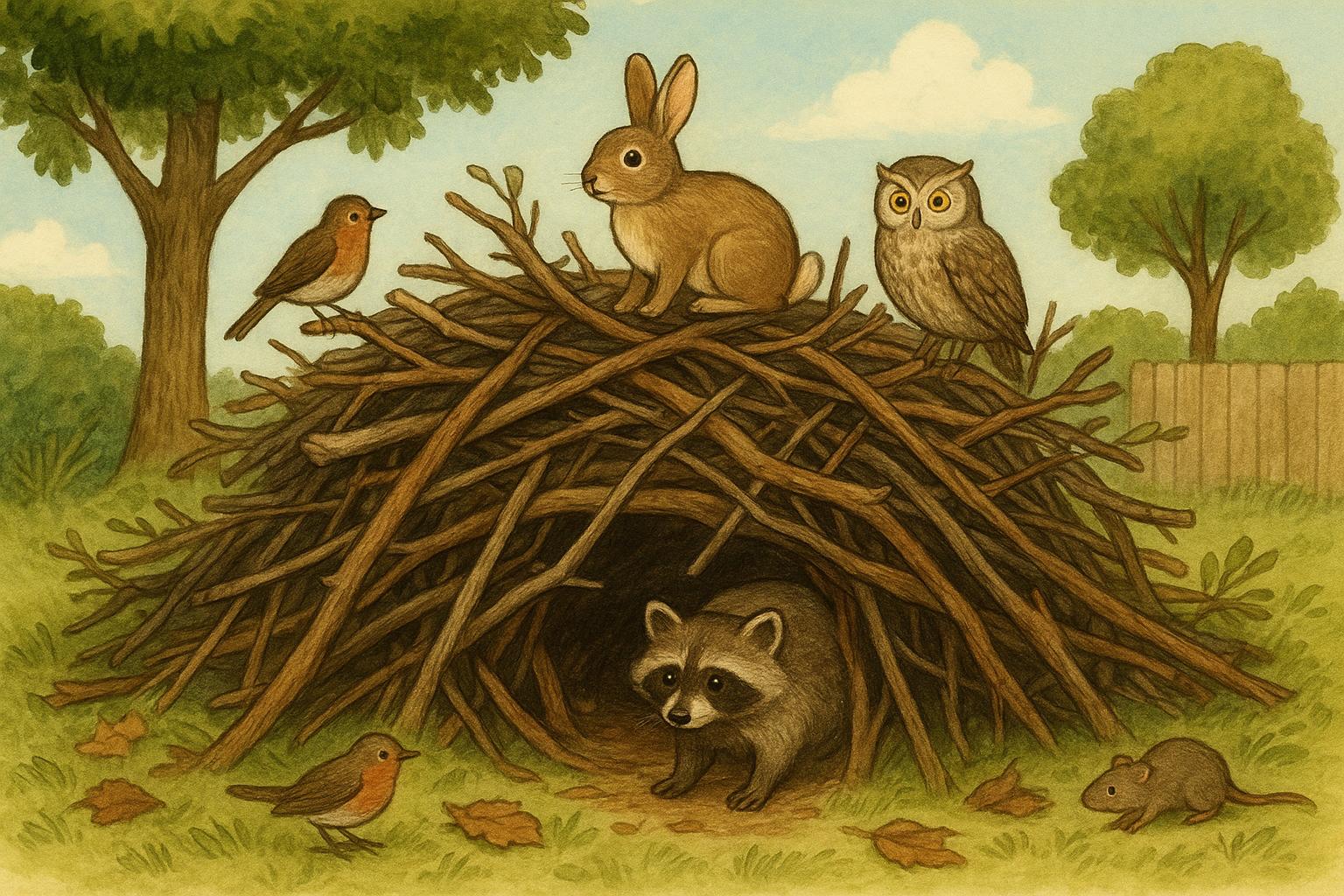
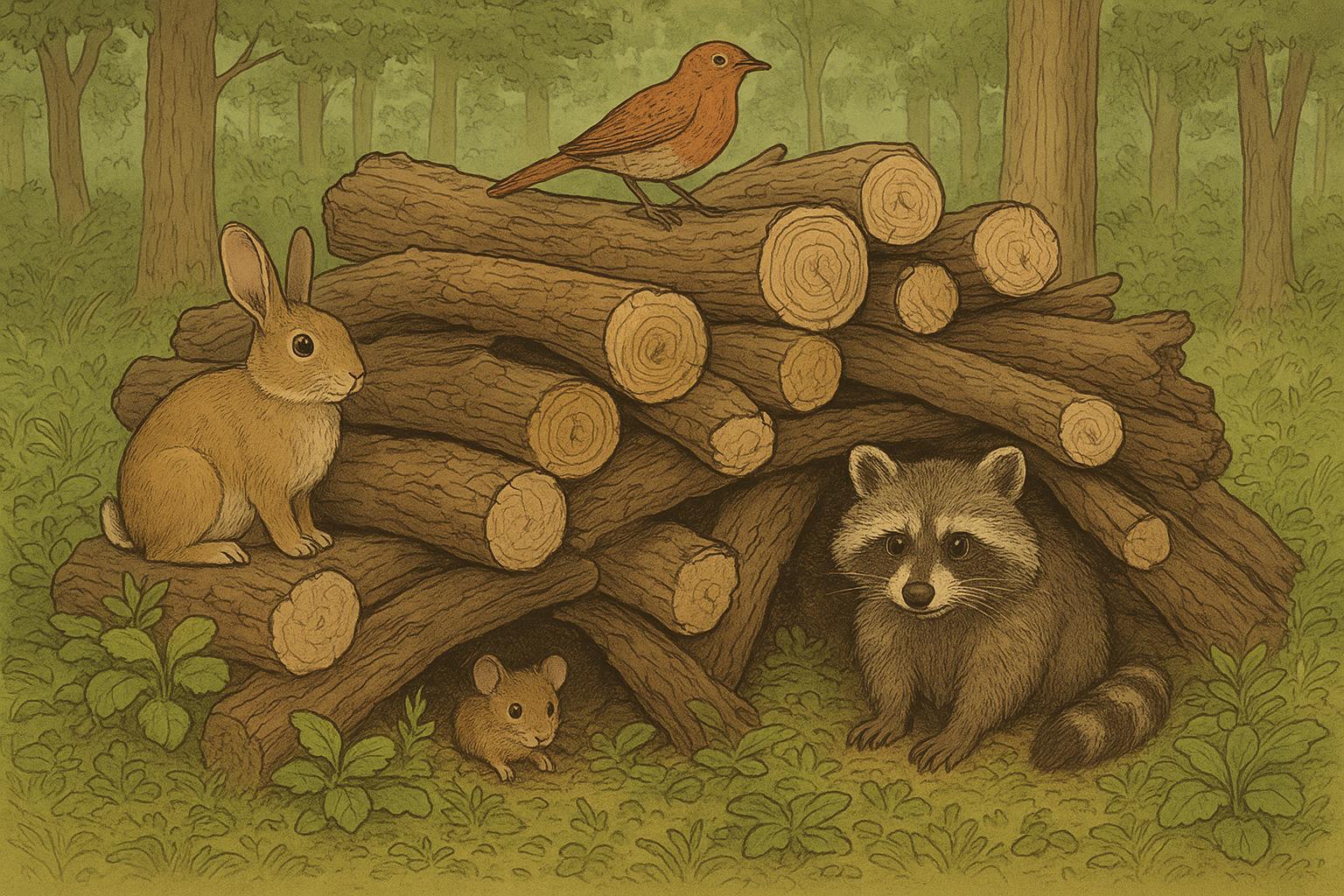
Skunks tend to be cautious, nose to the ground. They dig for grubs and will raid low fruiting trees. Opossums are less confrontational, often seen slinking along hedgerows. Both will use dense brush piles or abandoned equipment as daytime hiding spots. Remove those, and you eliminate attractive shelter.
## How Lighting And Food Shape Night Mammal Behavior
Light matters more than most people expect. Bright, constant lighting will push some species away and attract others. Moths and insects gather around porch lights, and that draws bats and insectivorous birds. Motion-sensor lights create inconsistent patterns, which often do more to annoy people than deter animals. A steady, low-level light along a fence line can make a raccoon think twice, but you will also increase insect traffic.
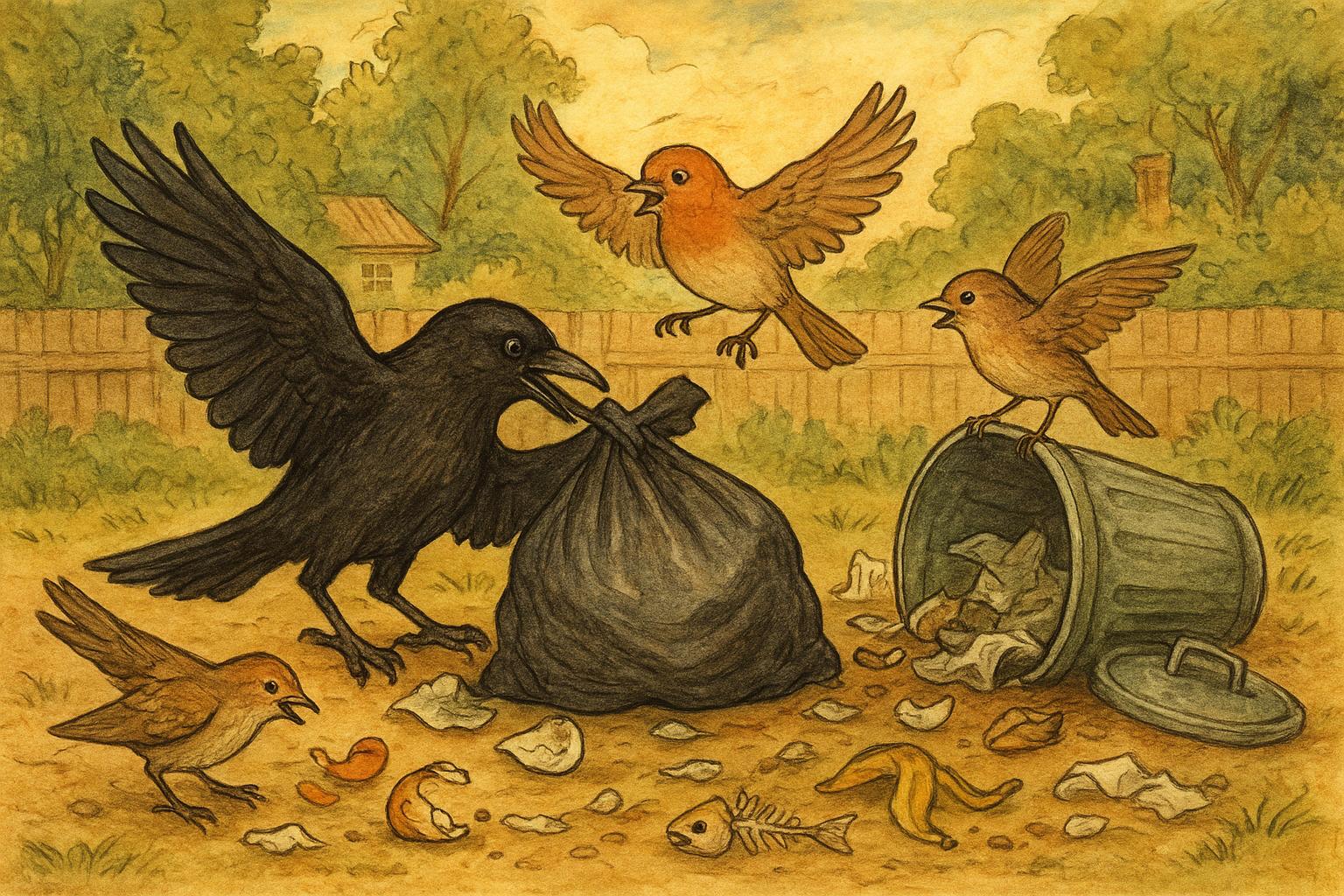
Food is the strongest cue. Pet food left outdoors, open compost, unsecured trash, fruit that falls from trees, and birdseed lying on the ground all turn yards into predictable feeding stations. You can change behavior fast by removing that predictable reward. People often underestimate how quickly animals learn schedules. If a raccoon knows your trash comes out Wednesday night, it will patrol around that time. Change the reward and the patrols change, often within a week.
### Simple Changes That Shift Behavior
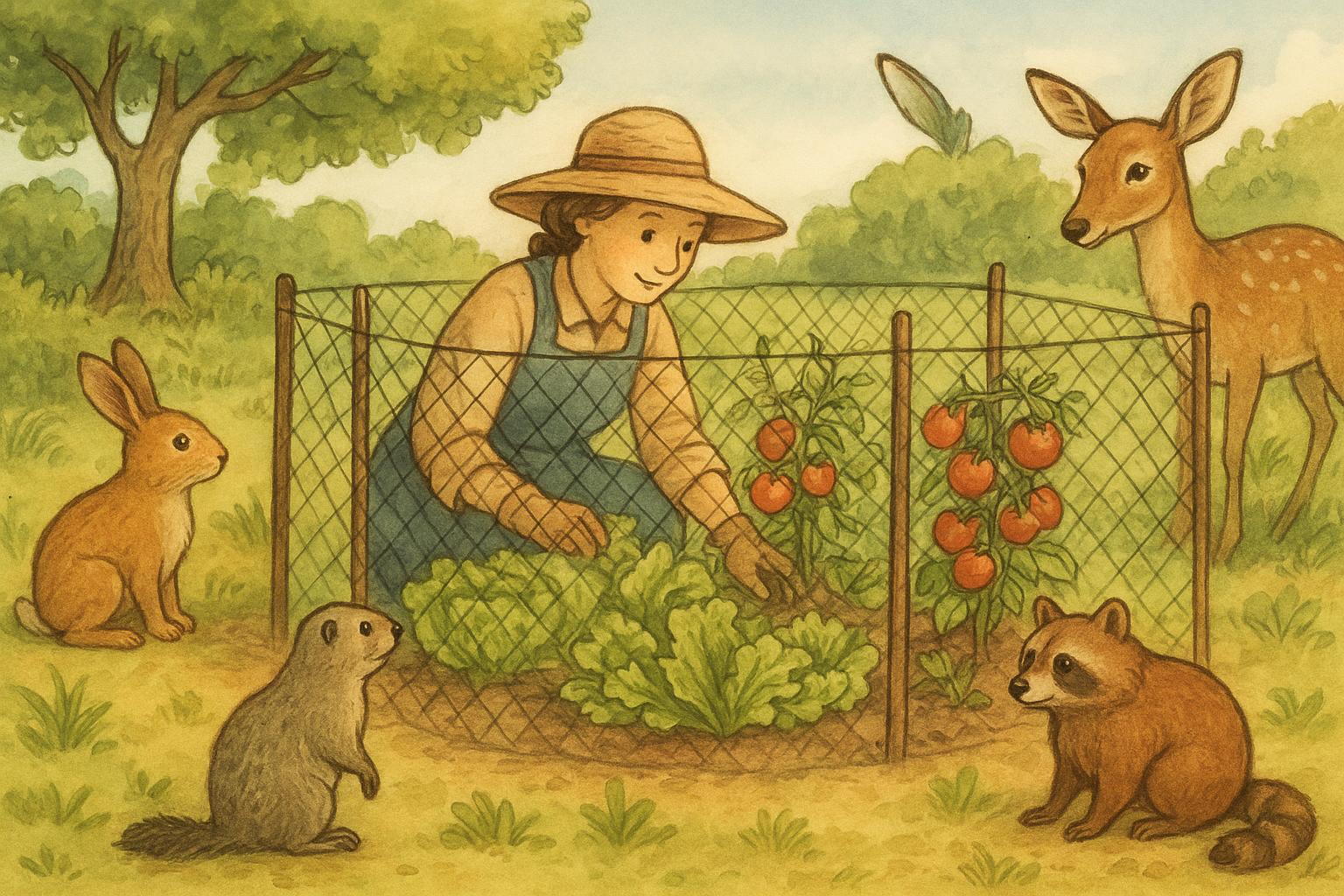
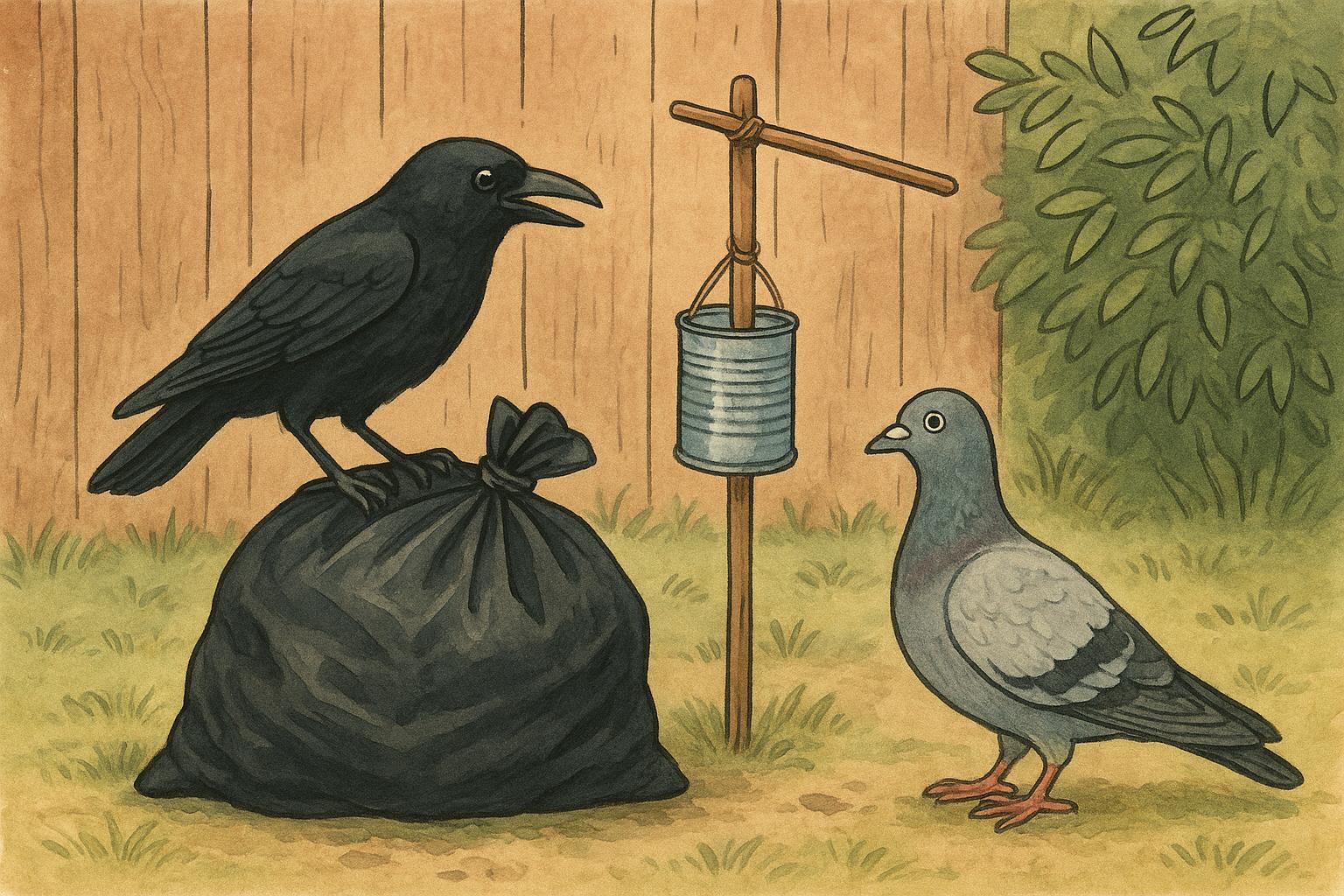
Secure trash in hard-top bins, bring pet bowls inside at night, harvest fruit promptly, and keep grills clean. Hang bird feeders on poles with baffles and clear fallen seed regularly. Those adjustments are boring to write about, but they matter. For foxes and coyotes, maintaining open sightlines and removing dense brush reduces ambush points for prey and makes yards less attractive as hunting grounds.
#### Motion Cameras And What They Reveal
Putting up one inexpensive motion camera will change how you see backyard night mammals. You stop guessing and start cataloging. Cameras reveal routines: when animals arrive, how long they stay, and whether they come alone or with others. That matters. A single raccoon is handled differently than a family group. Cameras also show paths animals take, allowing you to close off access points strategically.
## Signs Of Night Activity To Watch For
Tracks and scat tell immediate stories about presence and diet. Raccoon prints look like small hands, opossums have a five-toed foot pattern, and fox tracks resemble small dog prints. Skunk tracks are symmetrical and may show scent dragging. Droppings reveal diet. High seeds indicate birds or rodents, while shell fragments might point to crab-eating critters in coastal areas.
Sounds are another signal. A fox’s yipping, a raccoon’s chittering, the rustle of a skunk searching leaves these are auditory clues that tell you what’s moving without needing to see it. If your neighbors complain about noise, the animals will often be the cause, not kids. These sounds peak in spring and early summer when animals are mating or feeding young.
### Damage Patterns To Note
Chewed wires, tunnels under sheds, and scratched siding show intent. Rodents gnaw; raccoons open and scatter; foxes dig shallow pits hunting for voles. If you routinely find digging in garden beds, you’re probably dealing with skunks or raccoons. Bird feeders torn down suggest raccoons. Look for repeated damage in the same zone, which signals a habitual route.
#### What Scent Marking Tells You
Scent marking is territorial. When you find concentrated marking near property lines, animals are staking claims. Coyotes and foxes use scent to communicate boundaries. Raccoons mark paths and den entrances. Removing attractants reduces the need to mark heavily, and you’ll notice fewer fresh scent posts over time.
## Interaction With Pets And Human Safety
Pets change animal behavior. A roaming dog that chases wildlife creates territory disputes and increases stress in local populations. Cats and small dogs outdoors at night become easy prey or targets of aggressive defense. Keep pets indoors overnight when predators are active and you avoid most confrontations.
Humane coexistence is practical. Use sturdy enclosures for chickens, motion-activated lights for vulnerable spaces, and secure compost. If an animal appears sick or unusually bold, keep distance. Rabies, mange, and distemper alter behavior and reduce an animal’s natural fear of humans. Report aggressive or clearly ill creatures to local wildlife control.
### When To Call Professionals
If an animal is trapped, injured, or consistently aggressive, call a licensed wildlife rehabilitator or control agency. For denning animals under porches or in wall cavities, professionals use timing and exclusion tactics that won’t harm young ones. Trying to chase a family out when pups are present often leads to the mother returning and creating more stress. Professionals first identify whether young are dependent, then proceed.
#### Legal And Ethical Considerations
Check local rules before relocating animals. In many places, moving wildlife is illegal without a permit and often inhumane because animals are adapted to local territory. Exclusions, habitat modification, and deterrence are better long-term strategies. You don’t need to turn your yard into a fortress. You need to make it predictable and less profitable.
## Seasonal Shifts And Why They Matter
Spring brings young, and that changes everything. Night mammal behavior in backyards intensifies as adults teach offspring to forage. You’ll see more bold attempts to access food and more nocturnal noise. Late summer into fall is when animals fatten up. Expect increased activity as they prepare for lean months. Winter compresses ranges; denning animals come out less, but food shortages can push them into human spaces.
### Planting And Landscaping To Discourage Night Activity
Thorny shrubs along borders, trimmed lower branches, and cleared brush reduce hiding spots. Choose plants that don’t drop a lot of fruit if you want fewer nocturnal visitors. A fence alone won’t stop everything, but combined with clear sightlines and trimmed vegetation, it lowers the odds of an animal using your yard as a highway.
#### Habituation And How It Starts
Habituation happens when animals repeatedly encounter non-threatening humans and accessible food. A single neighbor feeding wildlife, leaving pet food out, or keeping trash loose creates a neighborhood-level problem. You’ll know habituation has occured when animals ignore noise, move through presence of people, and spend daylight in unusual spots. Break the chain by removing rewards. Habituation can reverse, but it takes persistent effort.
If you set up a camera, change one habit, and watch the pattern adjust over a few weeks, you get a clear sense of cause and effect. That’s the practical takeaway: small, consistent changes make night mammal behavior in backyards shift faster than most people expect. Some folks are surprised by how quickly raccoons adapt to a new latch, how fast foxes find a new hunting path, how bats alter their routes when you reduce nighttime lights. And once you know the signs, you stop seeing wildlife as random trouble and start seeing it as a set of choices you can influence.


Leave a Reply