
## Why Backyard Birds Choose Your Yard
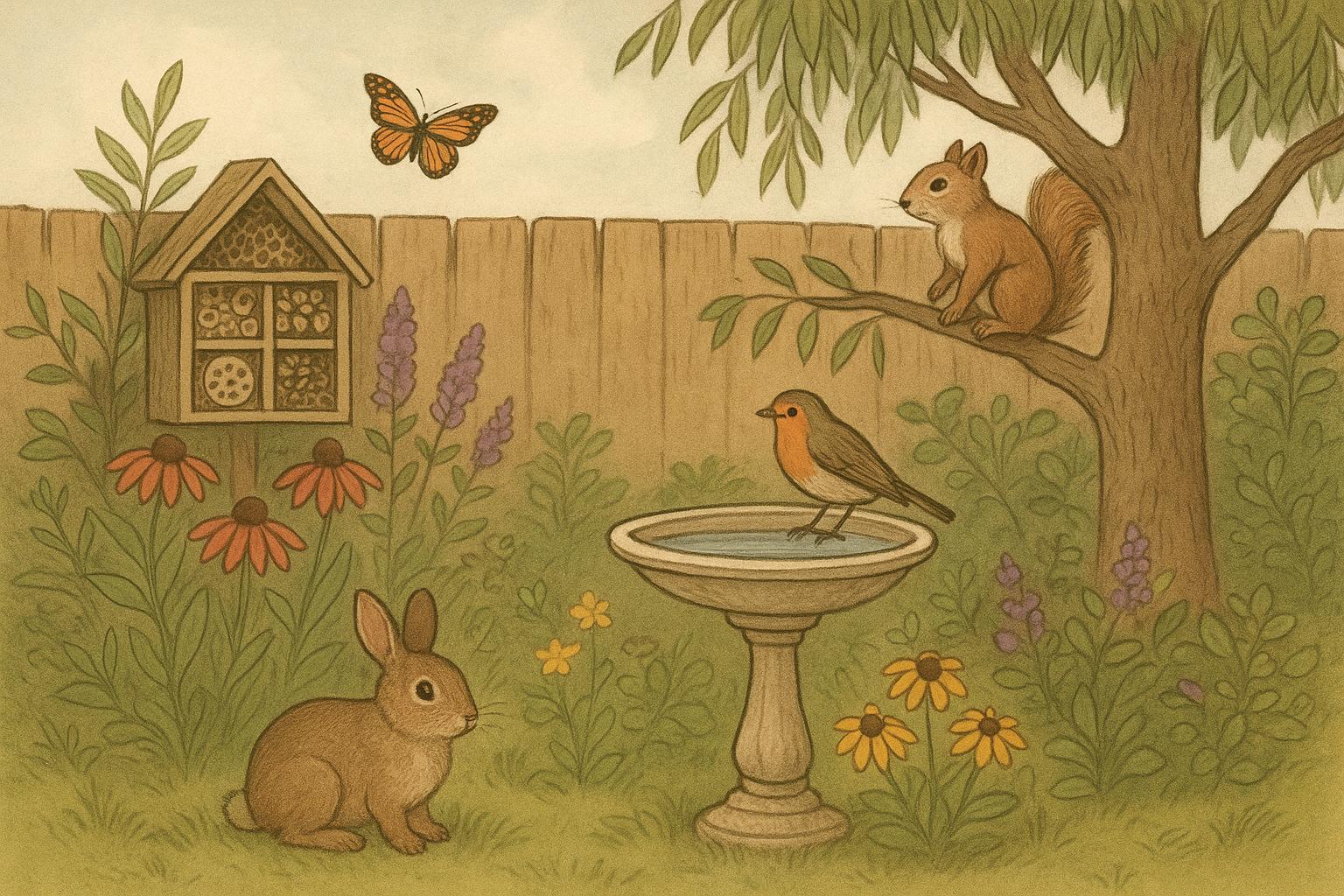
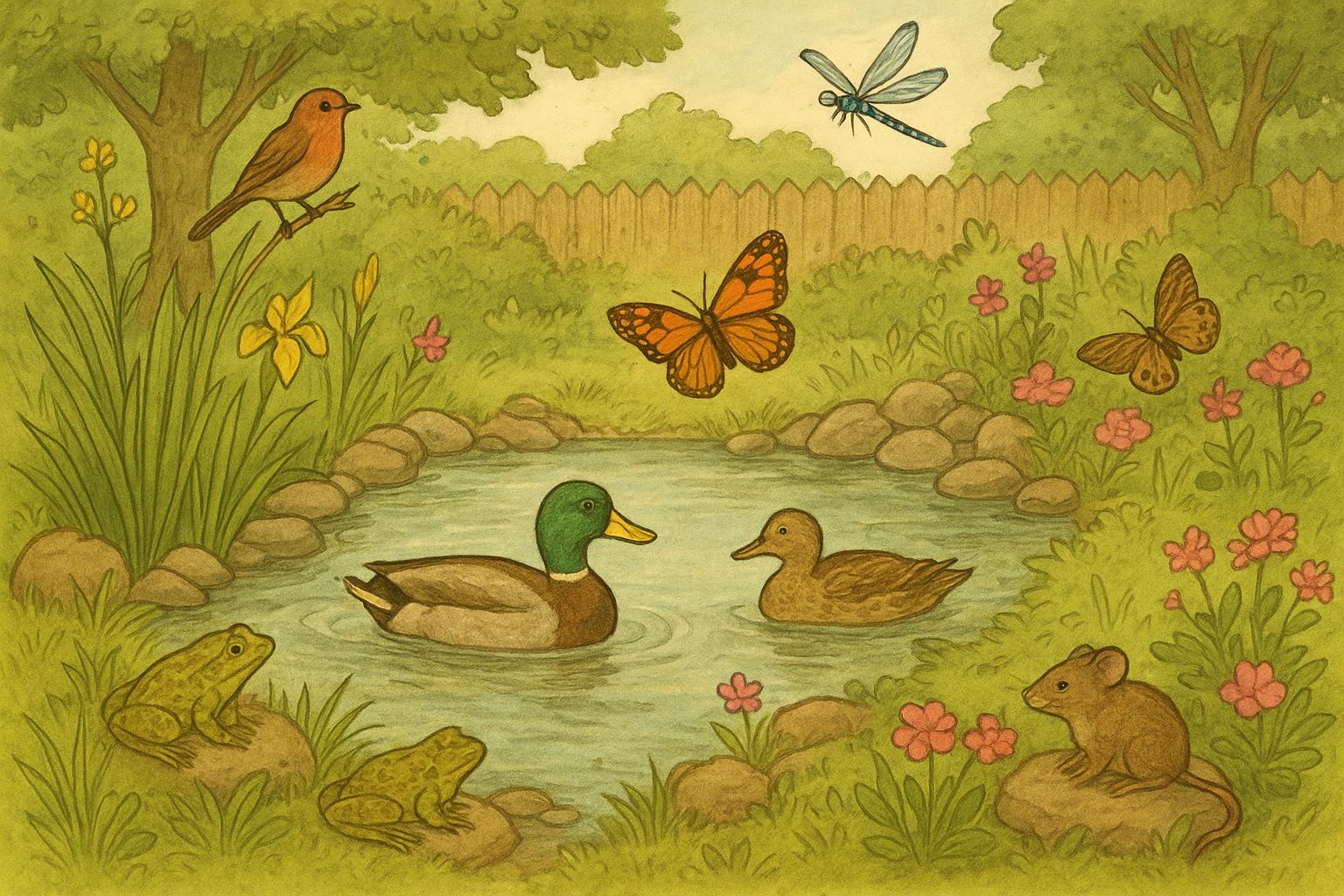
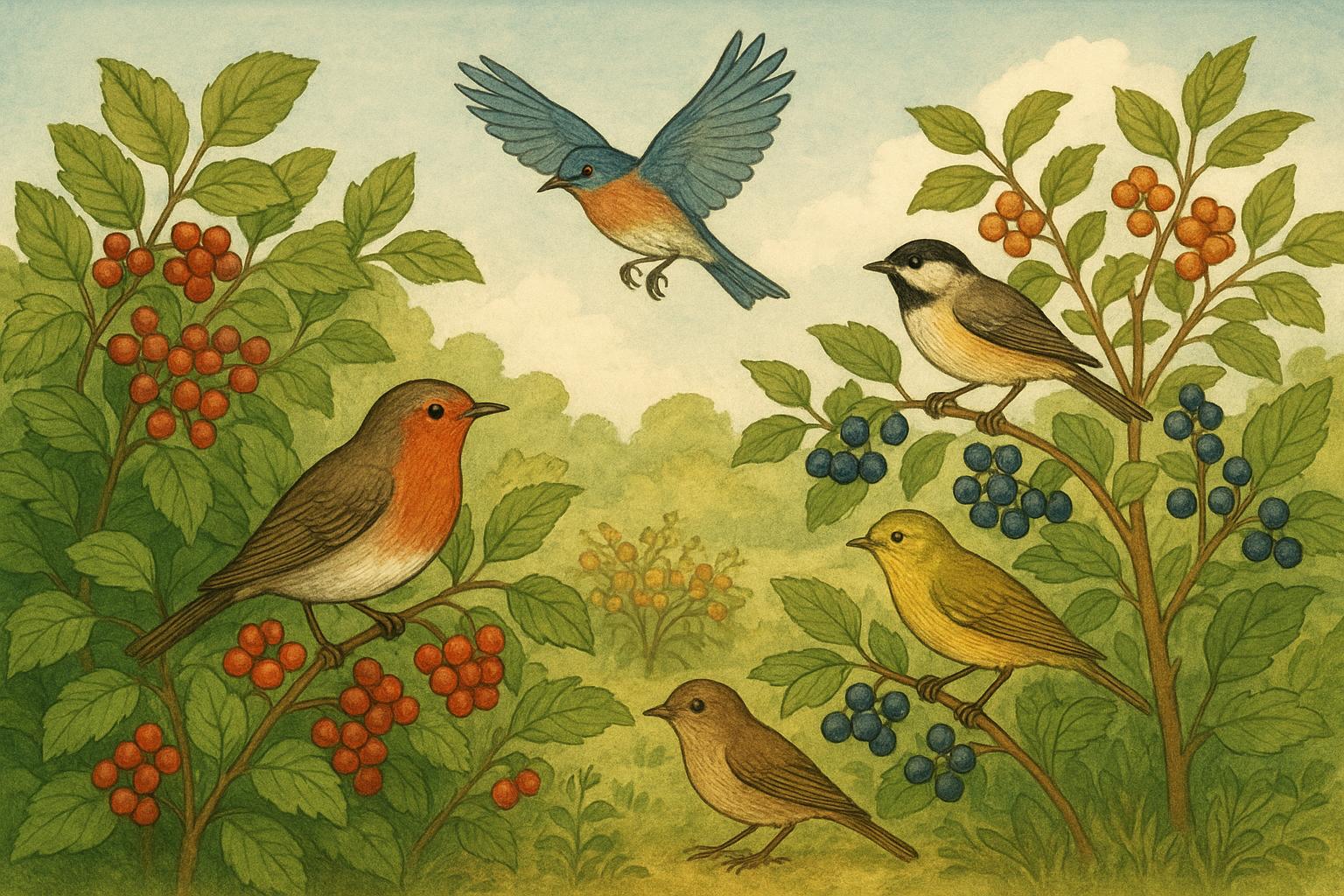
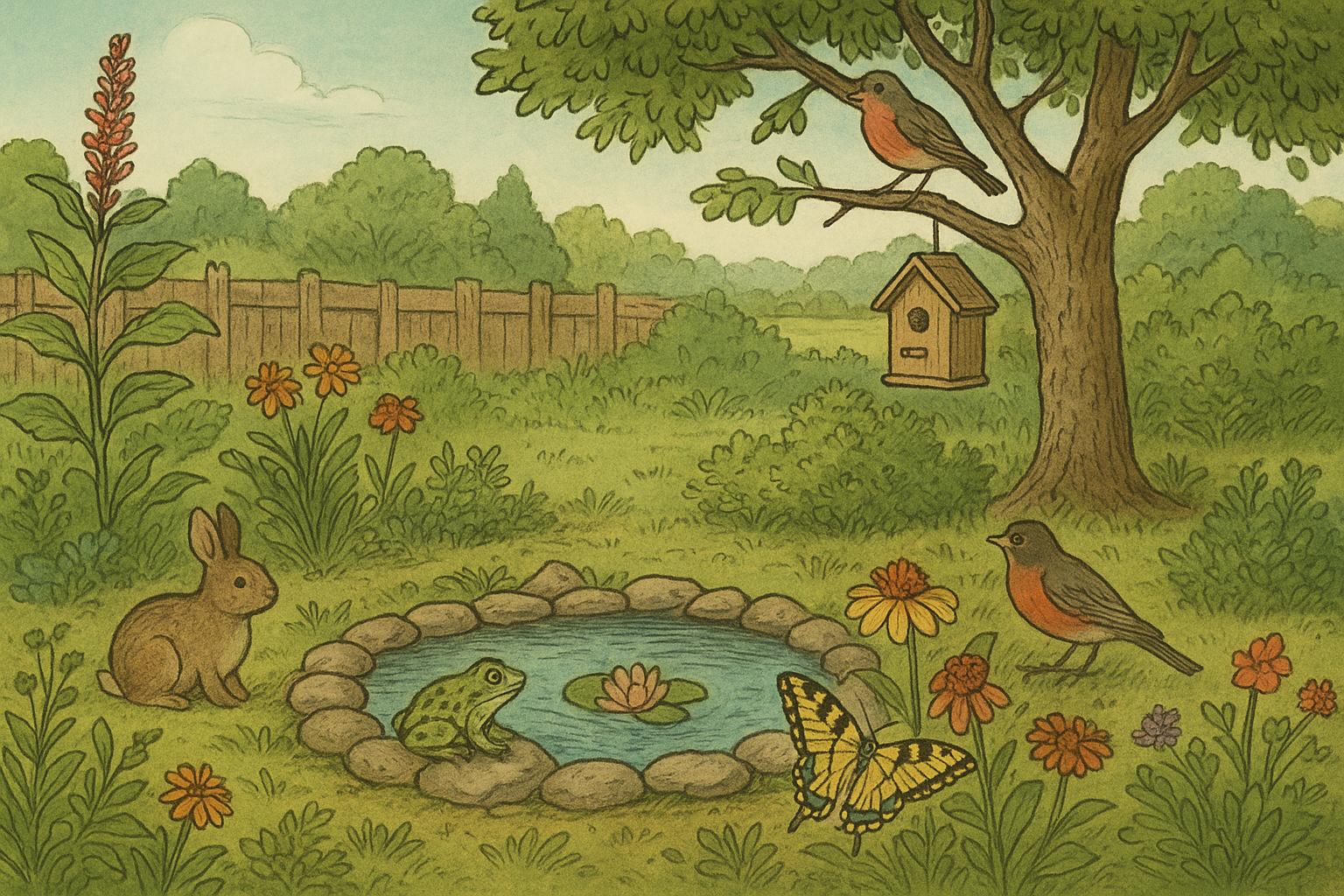
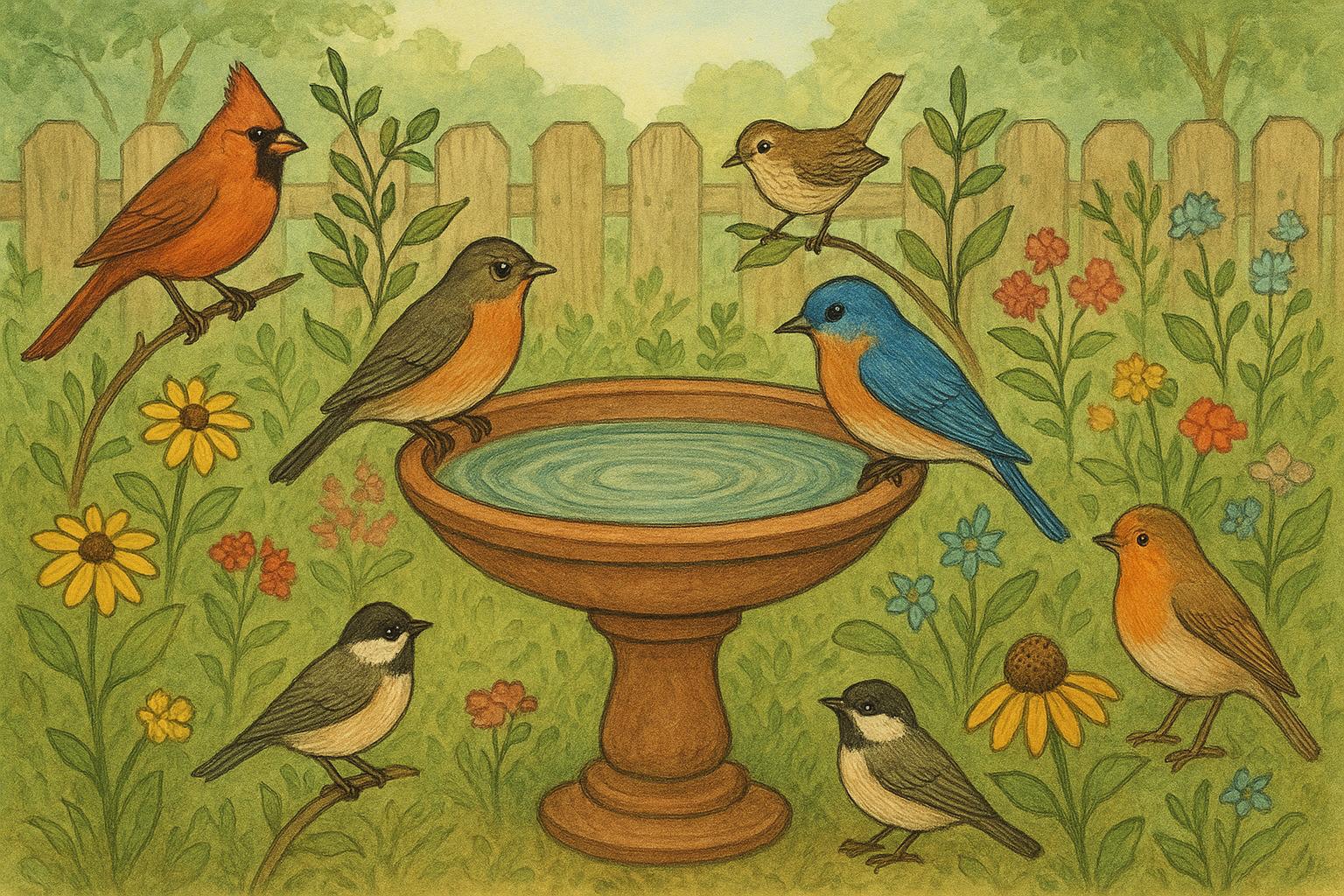
Birds don’t pick a nest site at random. They look for food, cover, safety and a suitable microclimate. If your yard has native shrubs, a water source, and a few undisturbed corners, you’re already on the shortlist. Even small things matter: dense lower branches for warblers, cavities for chickadees, and tall, open branches for swallows. Notice where birds linger first—those are your likely nest construction hotspots.
## Bird Nest Construction: Materials And Placement
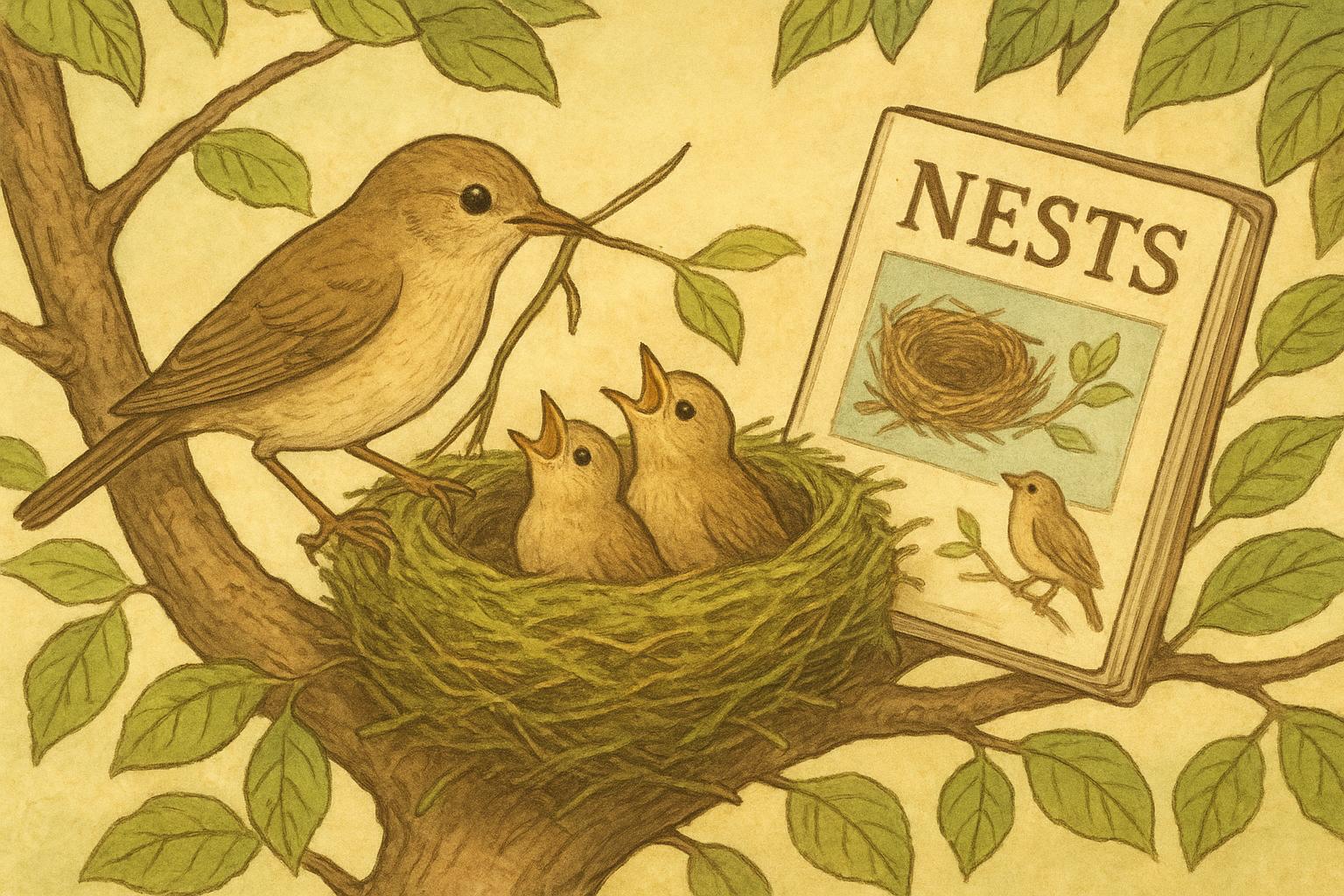
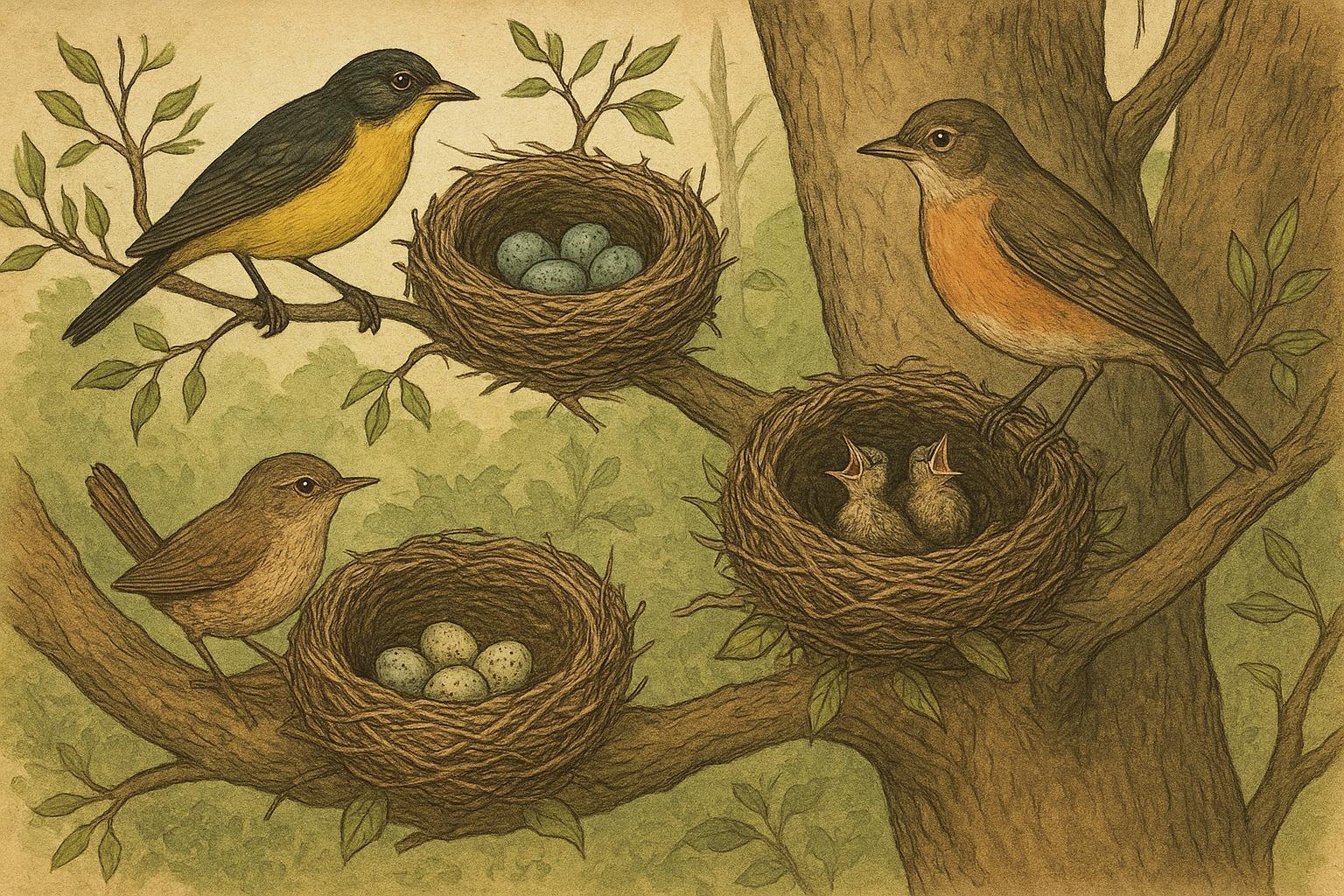
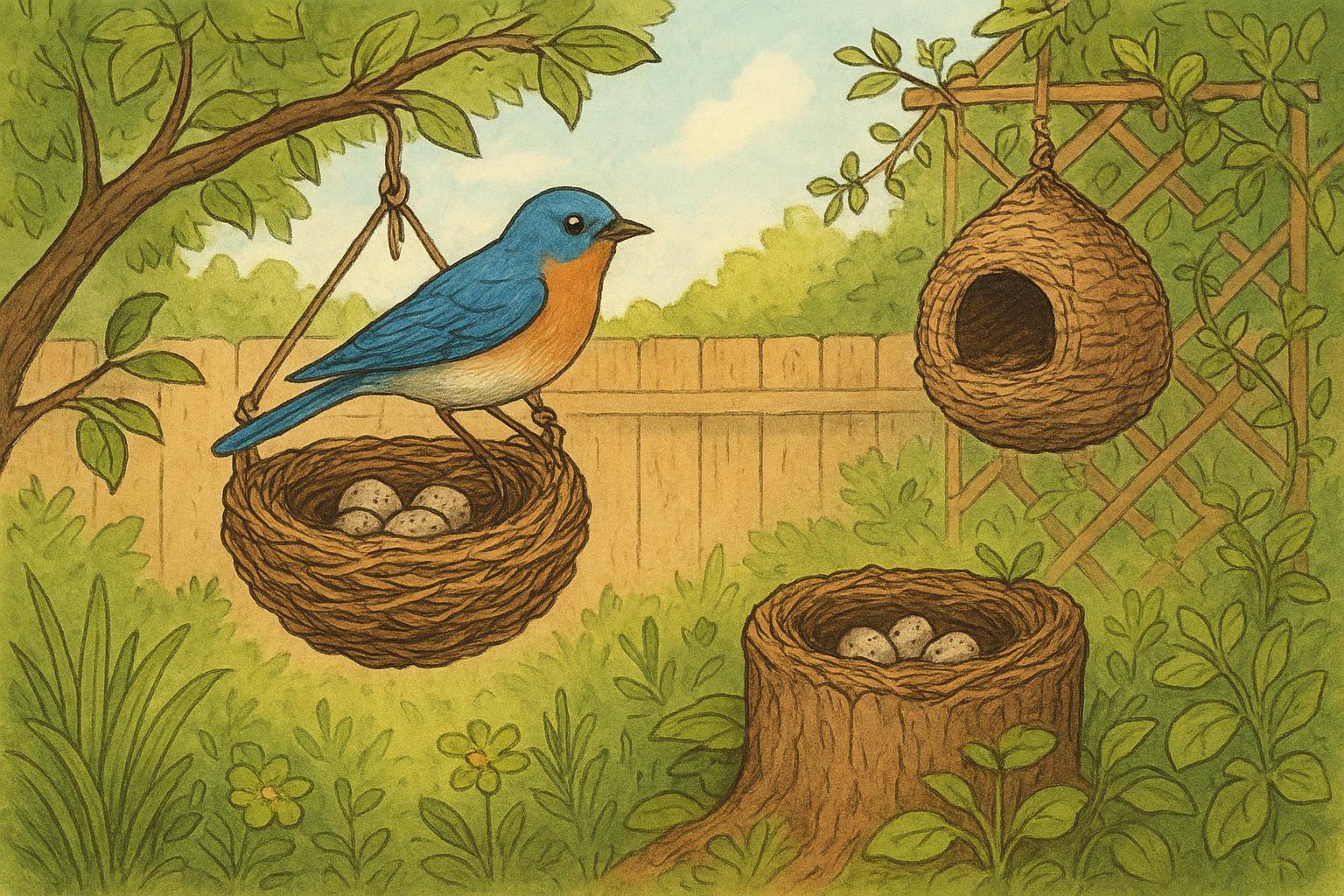
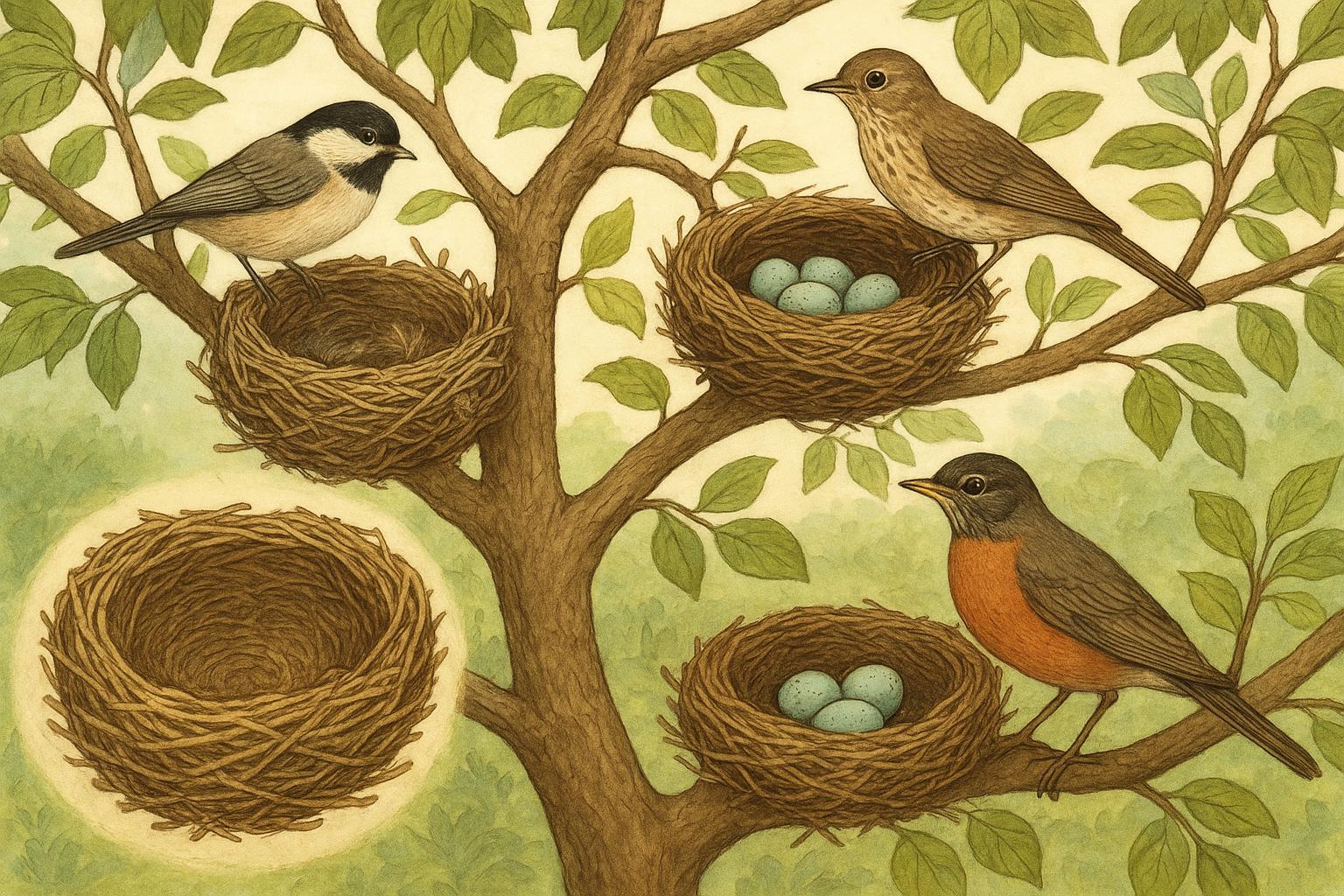
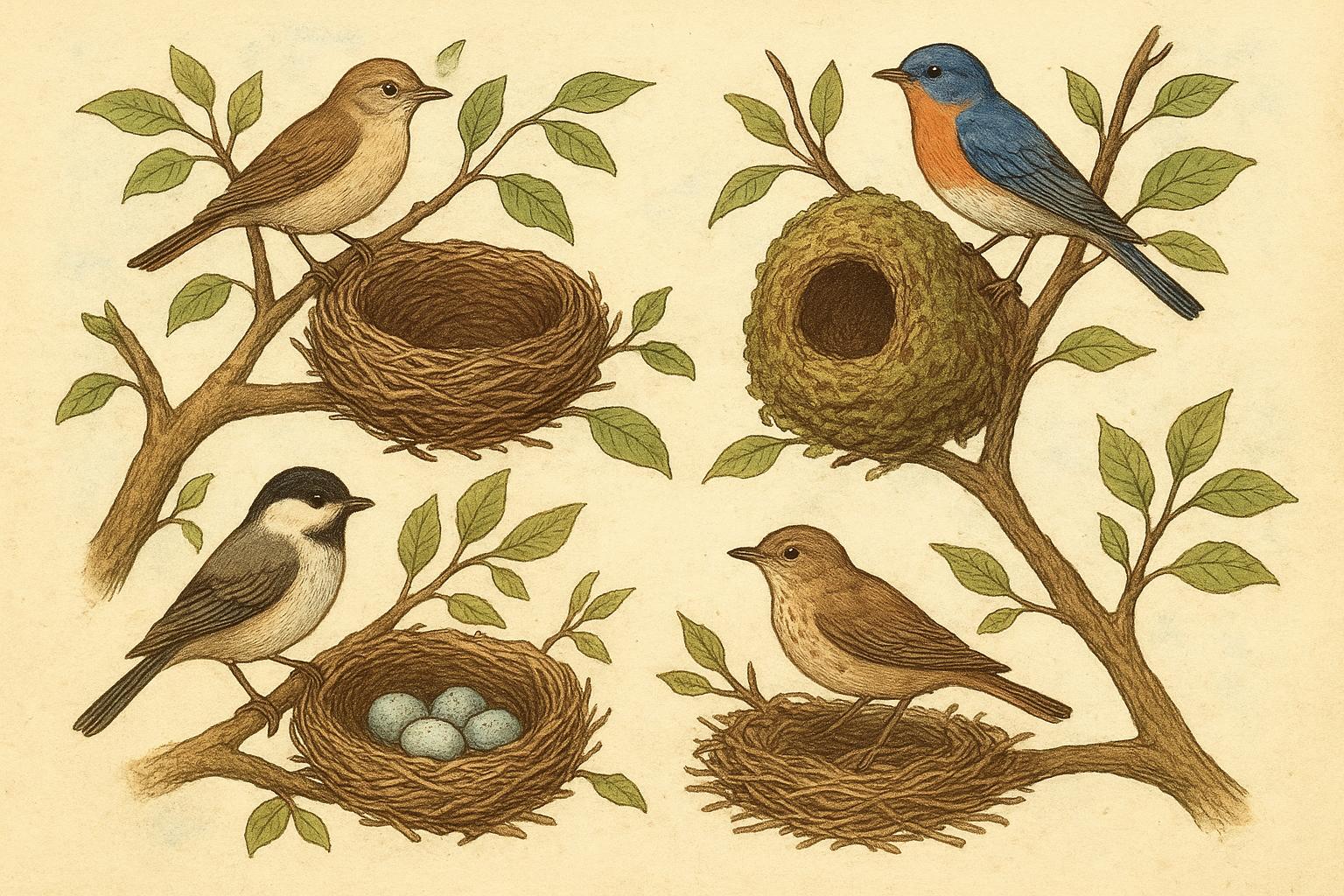
When we talk about bird nest construction, we usually mean two parts: the materials birds collect and the exact spot they pick. Different species combine materials in different ways. A robin will loosely layer grass and mud; a goldfinch works plant down into a cup; a wren builds several chambers of woven twigs. Placement matters too. Some species prefer cavities, others hang from slender twigs. You can influence which birds show up by offering the right mix.
### Common Materials Birds Use
– Grasses And Leaf Fibers: Soft, flexible, and easy to weave.
– Mud: Acts as cement for thrushes and swallows.
– Feathers And Fur: For lining and insulation.
– Spider Silk: Found in hummingbird nests to hold everything tight.
– Moss And Lichen: Provide camouflage and moisture buffering.
Those are the basics, but individual birds get creative. I once watched a pair of robins use a strip of plastic tape as a framework—unsightly, but effective. That’s nest construction adapting to what’s available.
#### How Birds Combine Materials
Birds don’t plan like we do, but the result looks intentional. They start with a foundation—twigs or shredded bark—then weave or press in softer materials. For cavity nesters, insulation and draft prevention are key. For open-cup nesters, camouflage and drainage keep eggs safe when it rains. You’ll see variations within the same species depending on local resources. It’s practical, not aesthetic.
## Designing A Simple Nest Box
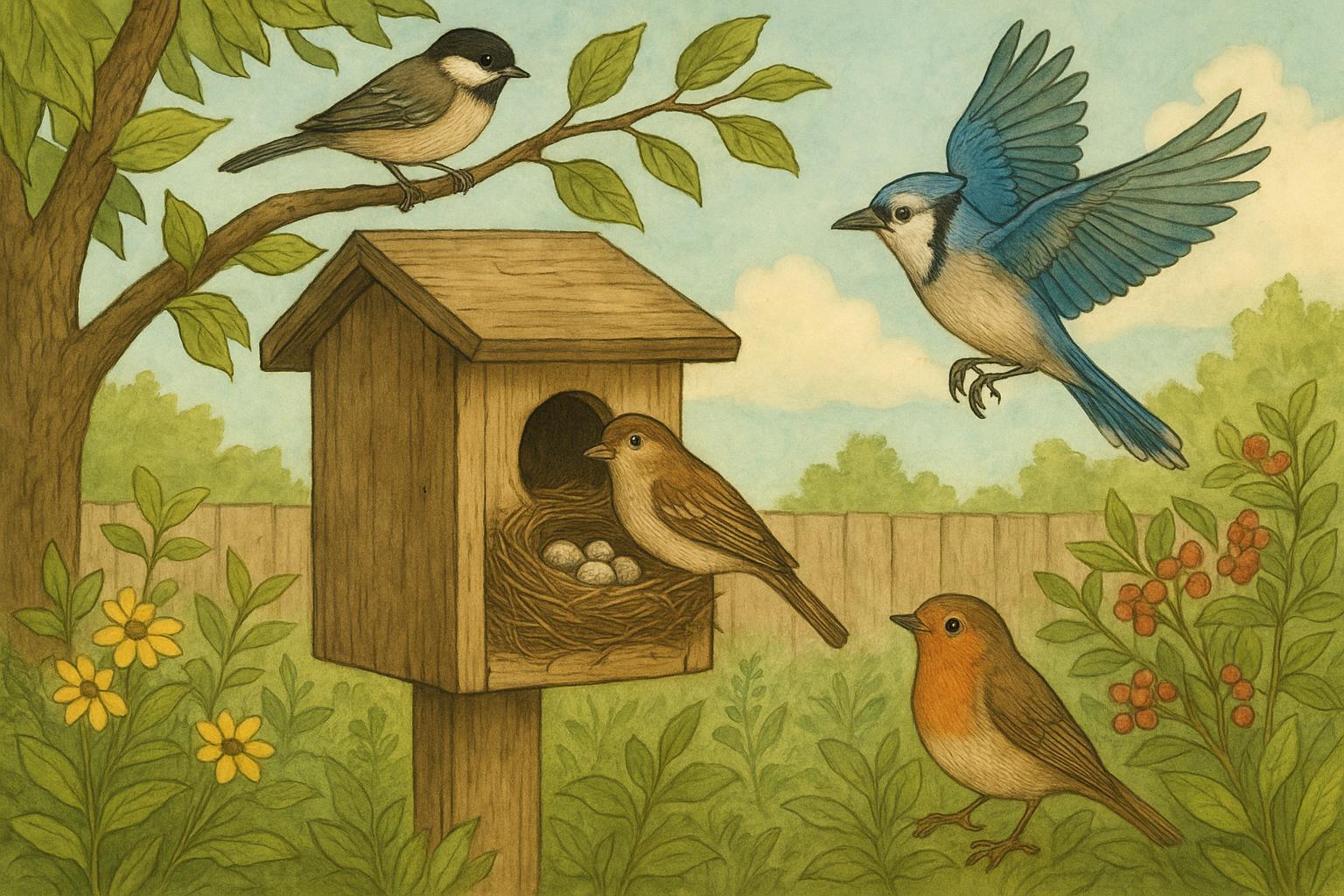
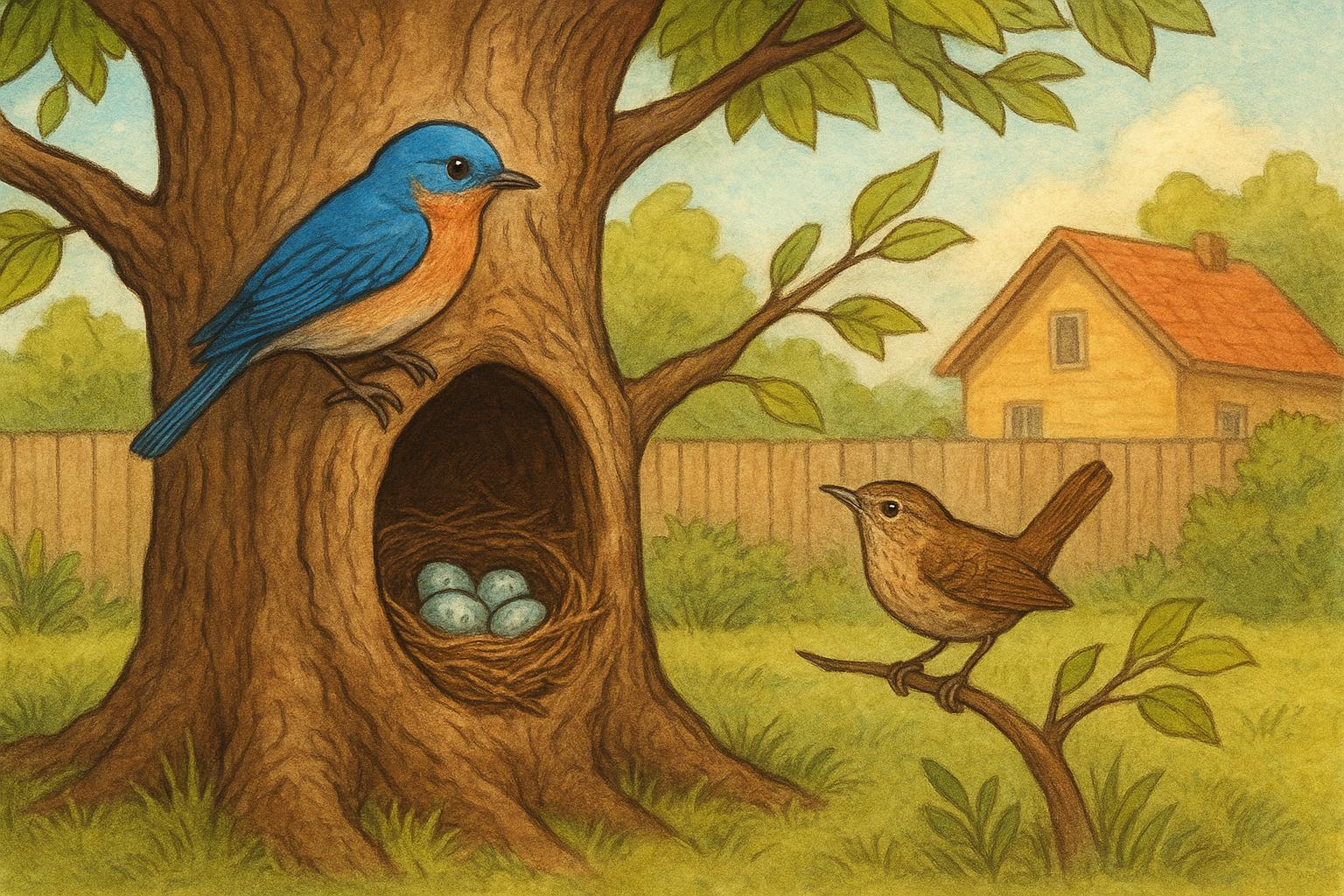
If you can’t offer natural cavities, a nest box helps. But boxes need to match the species’s expectations. A poorly placed or sized box becomes a target for predators or stays empty.
### Sizing And Placement Tips
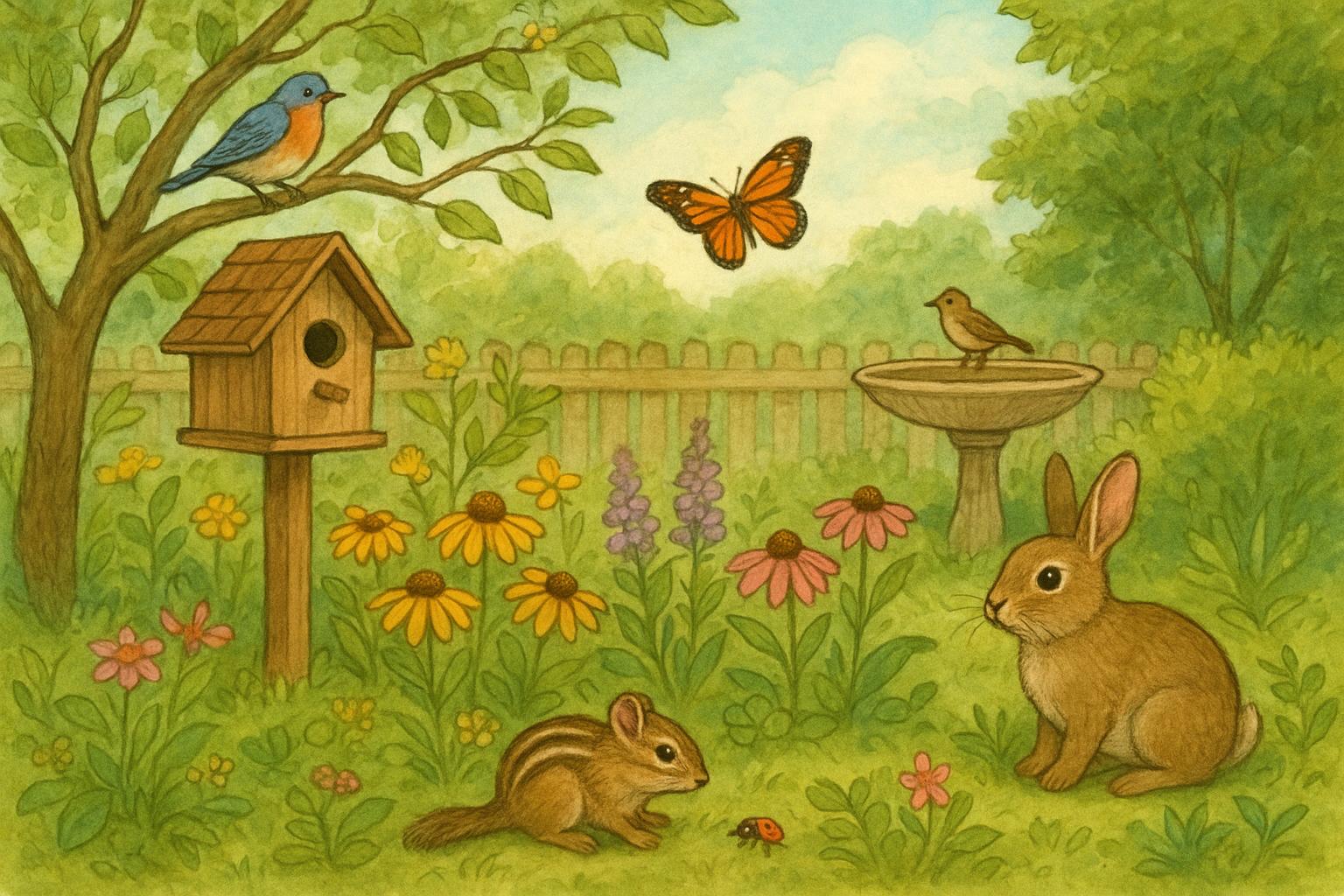
– Entrance Hole Diameter: 1 1/8″ for chickadees, 1 1/2″ for bluebirds. Measure holes, don’t guess.
– Height: Mount boxes 4–10 feet up depending on bird type.
– Orientation: Faces away from prevailing winds and direct noon sun.
– Predator Guards: A simple baffle below can stop raccoons and cats.
Screws, not nails, make future maintenance easier. And leave a few inches of overhang so rain won’t pour in. That matters during intense storms.
## Encouraging Natural Bird Nest Building
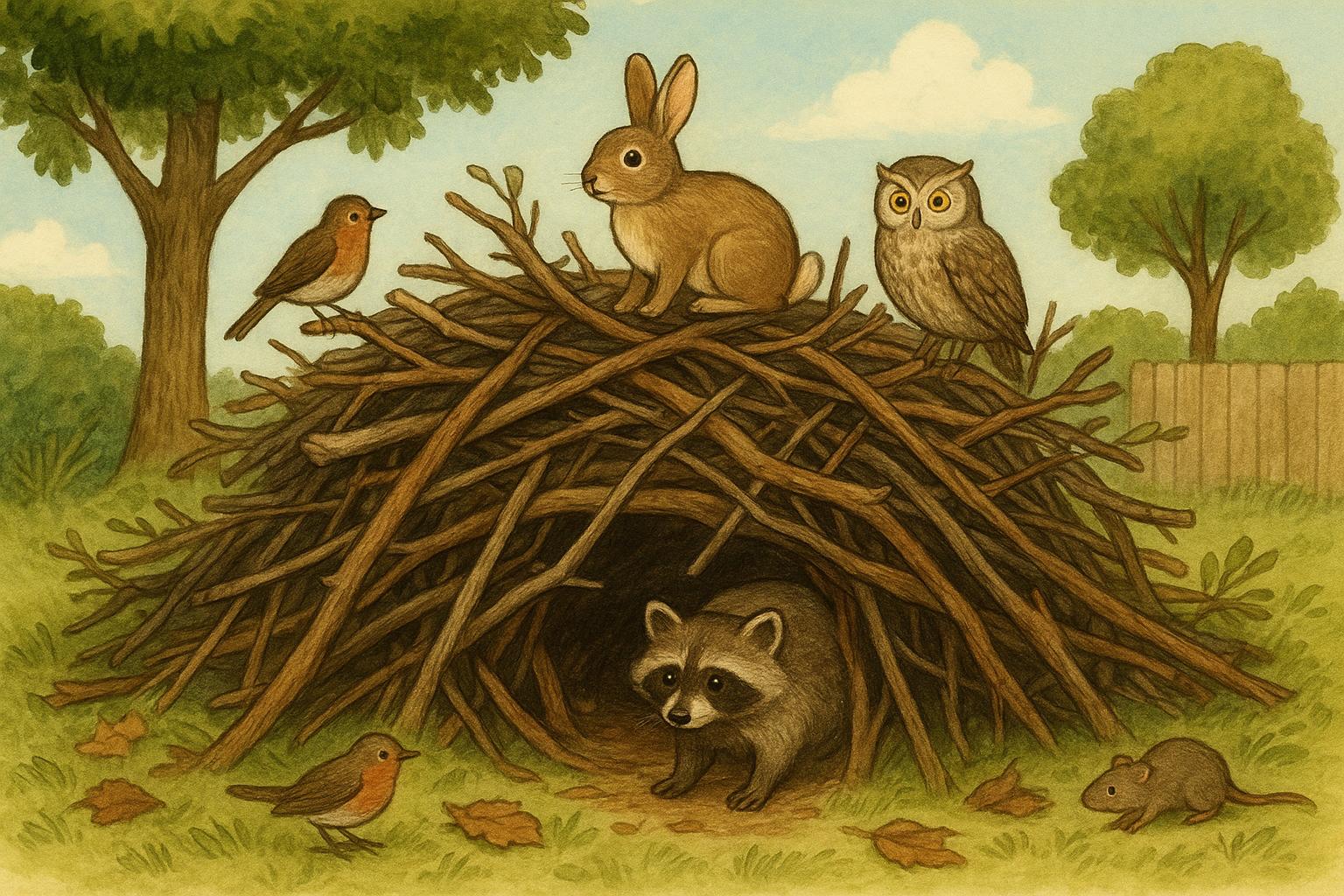
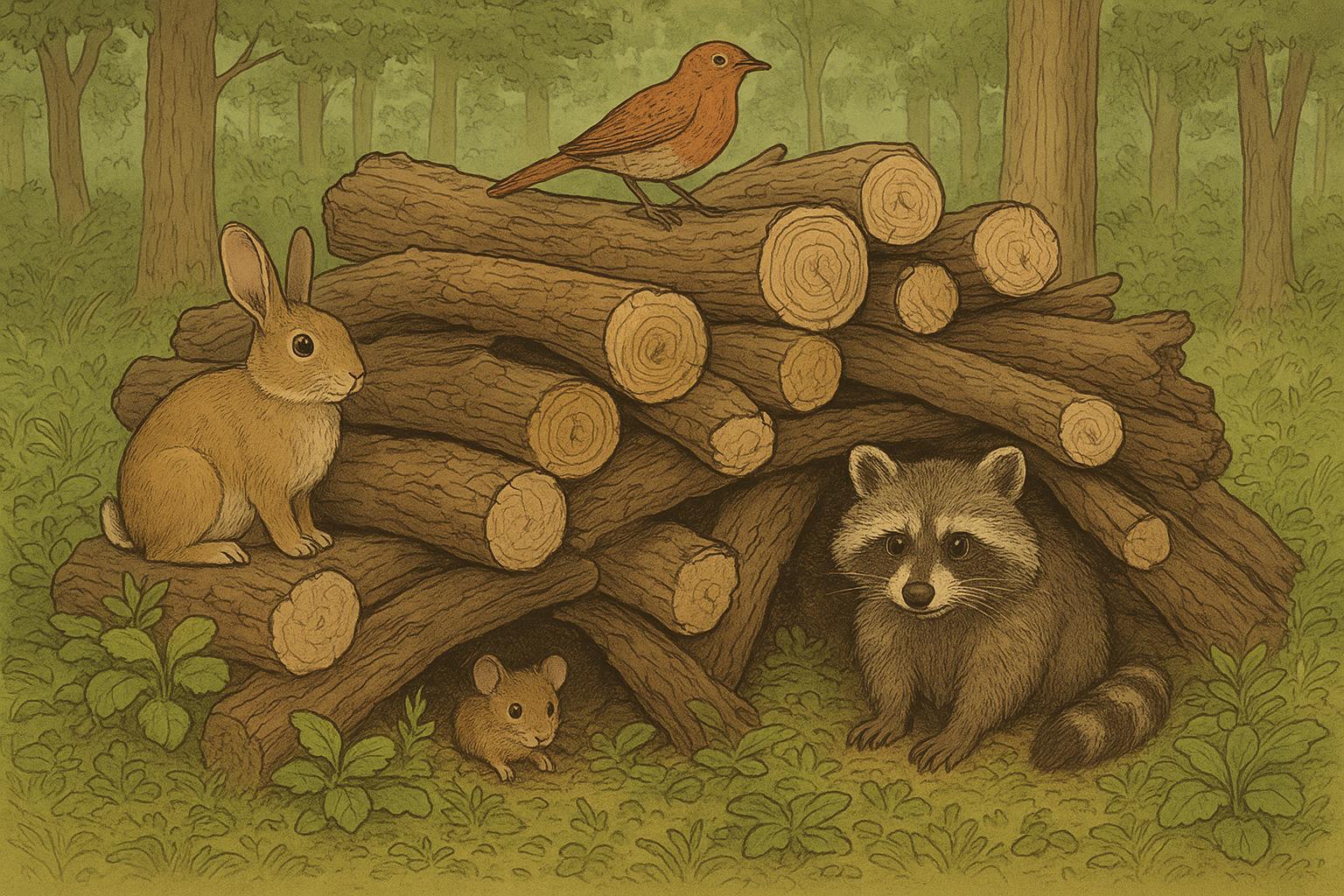
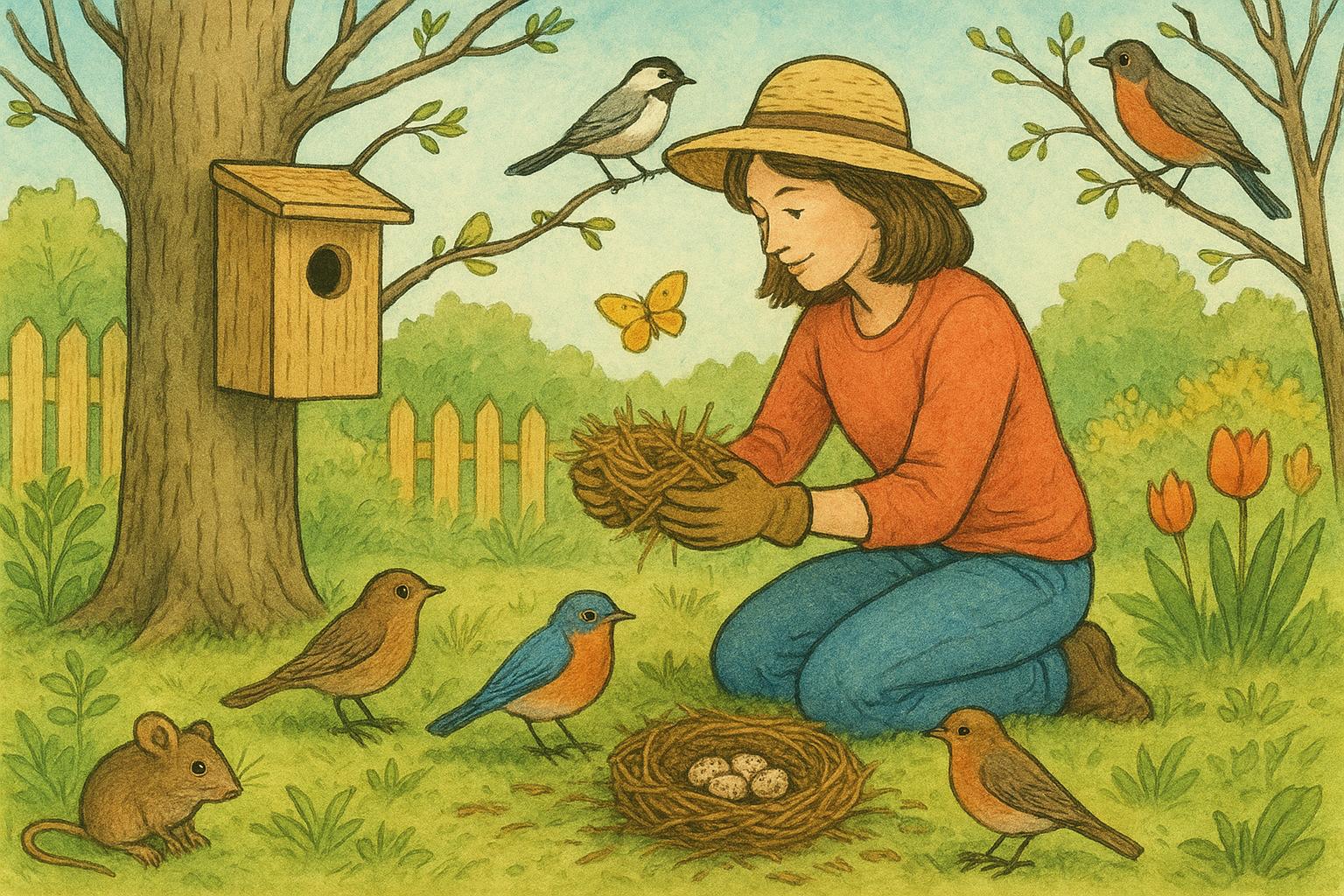
If your goal is bird nest building rather than just housing, tweak the yard. Scatter short bundles of natural fibers (unbleached cotton, short grass) near shrubs. Keep clipped branches and small sticks in a discreet pile. Avoid cord or wire that can tangle chicks. Let some areas of the yard grow a bit wild: tall seed heads attract finches and provide materials.
### Species-Specific Nudges
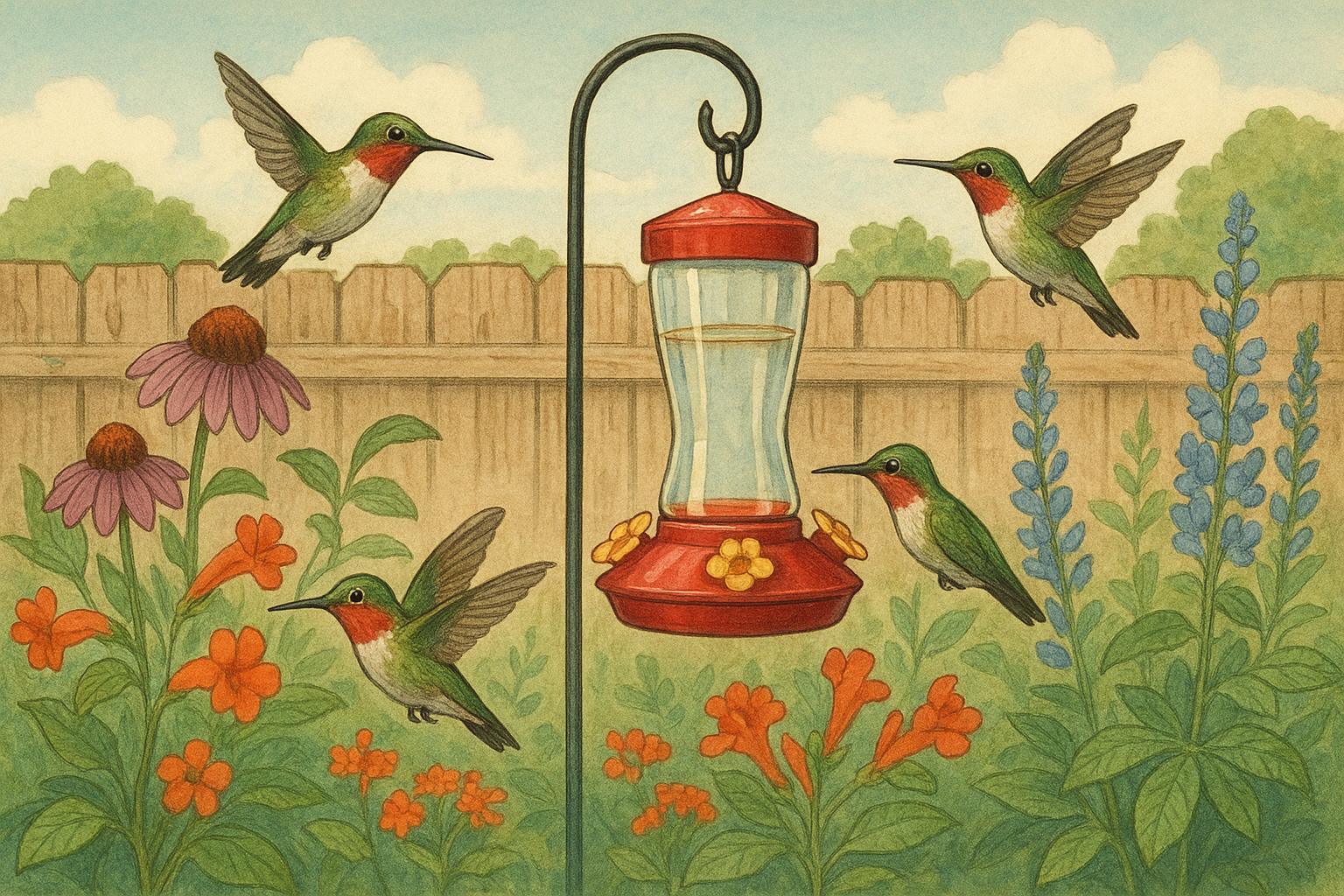
For hummingbirds: hang soft plant down or supply silk from old spider webs (placed gently on branches). For wrens: leave small, open cavities in brush piles. For orioles: offer long strands of natural fiber tied to branches for their hanging nests. These little nudges nudg—not force—birds into building where you can watch.
## Monitoring, Ethics, And Common Mistakes
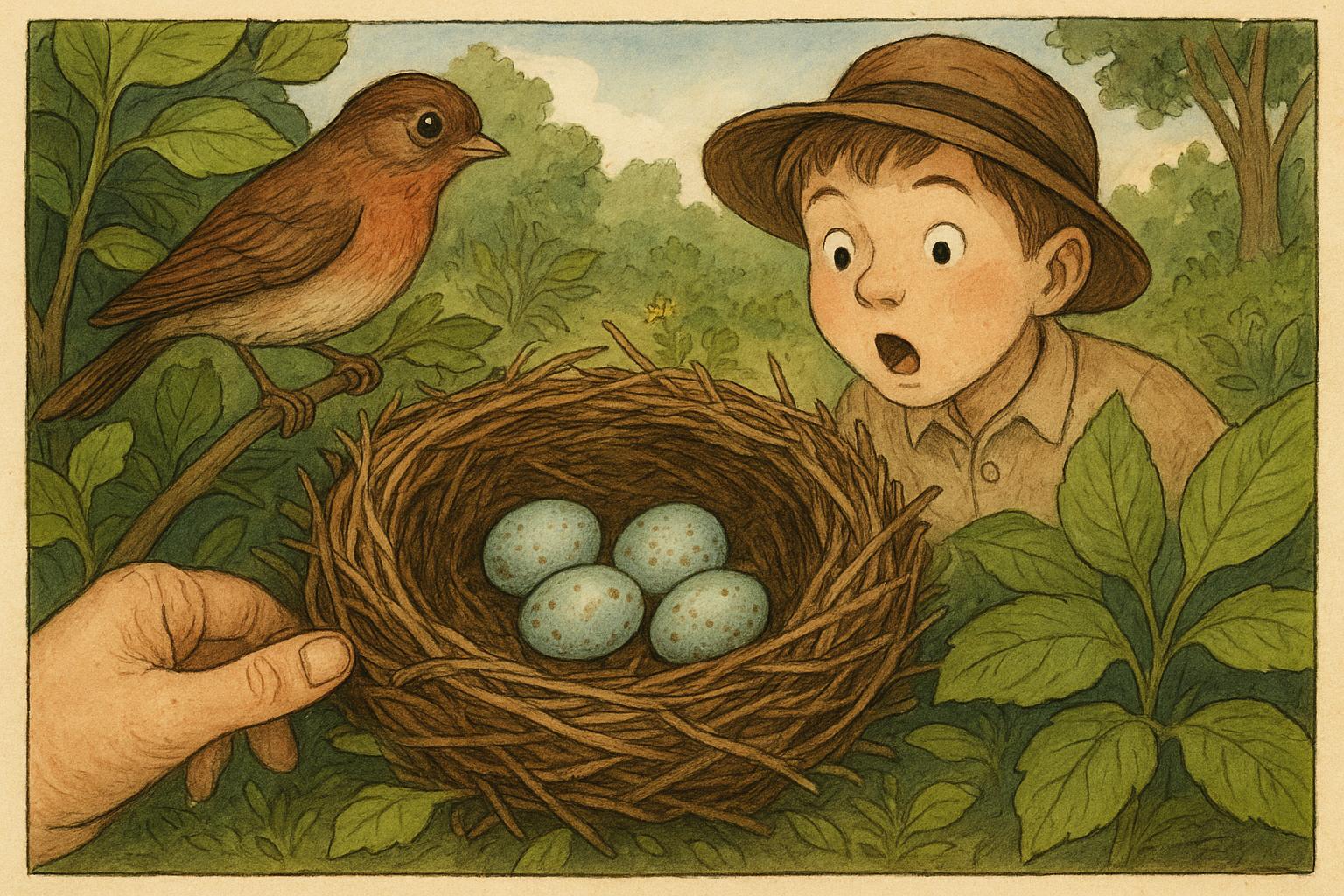
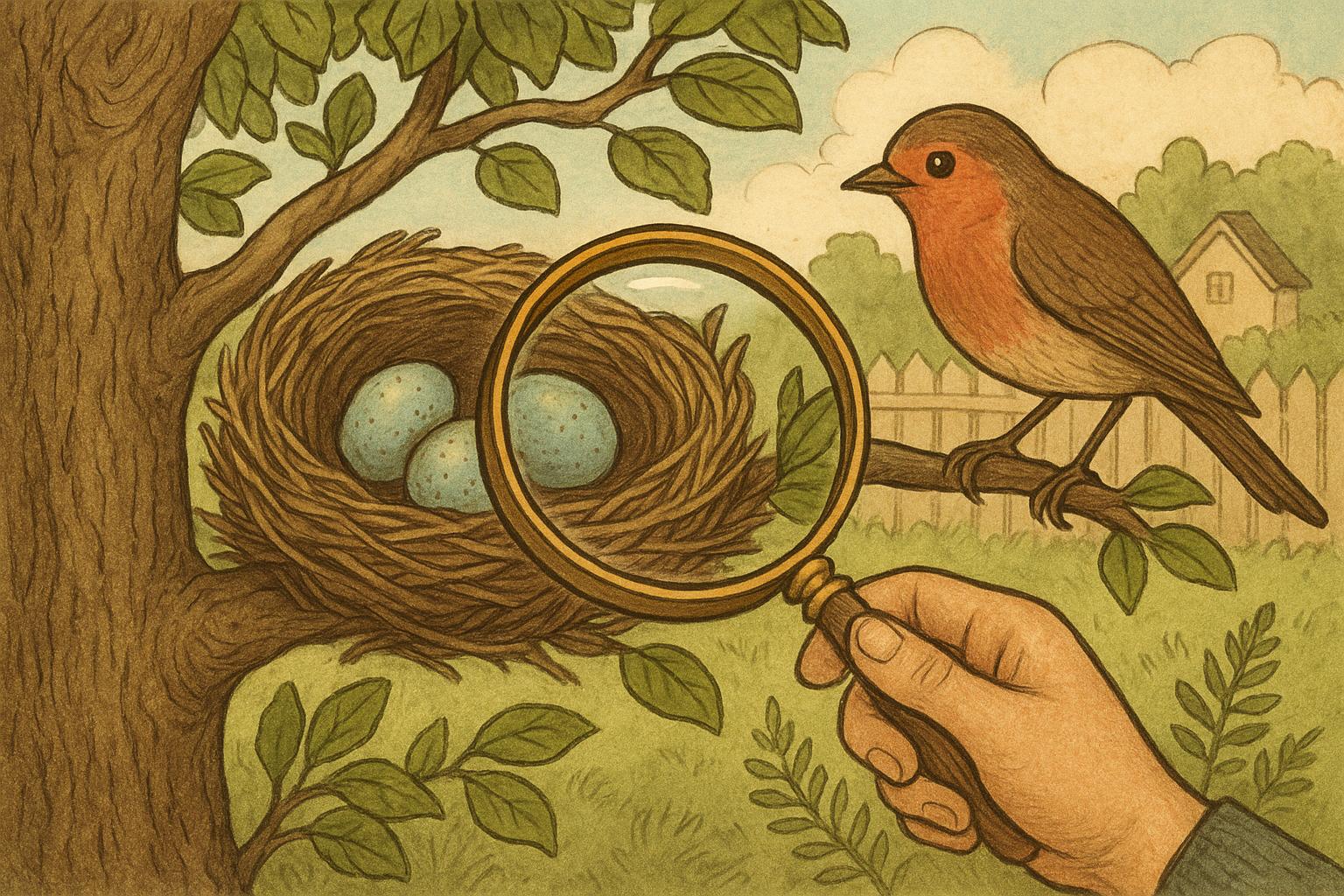
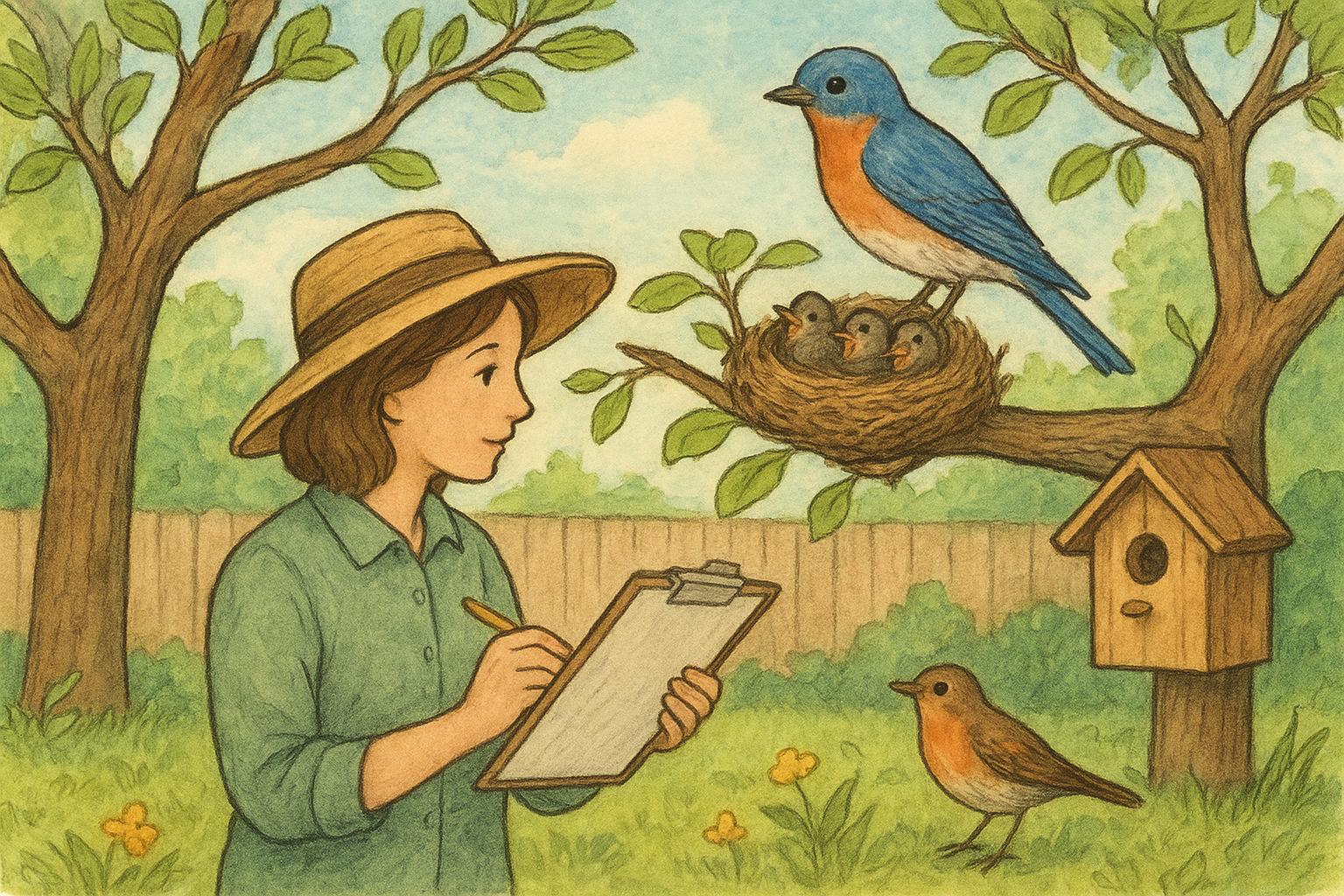
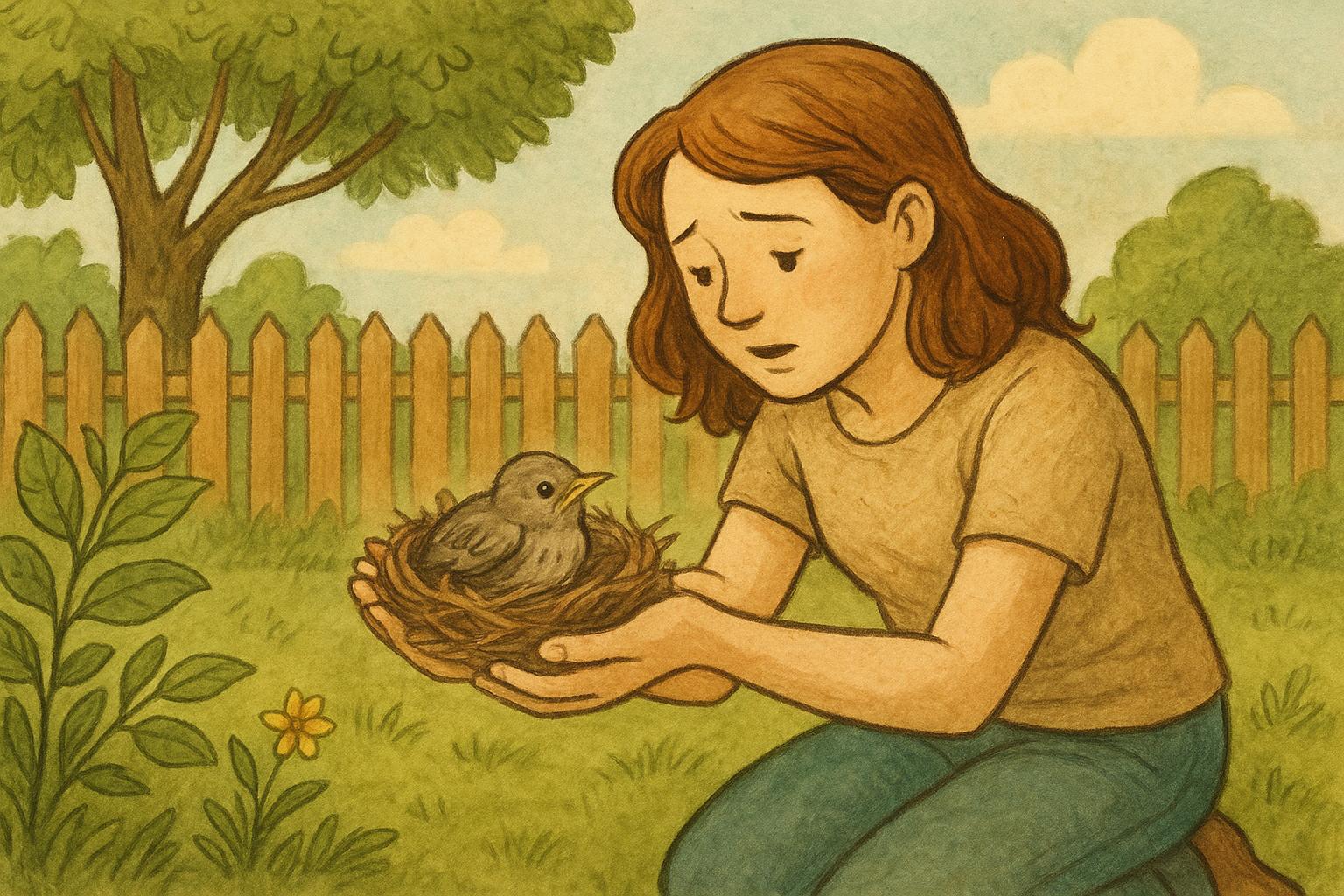
Check nests sparingly. Frequent visits stress adults and attract predators who notice your activity. Use binoculars. Don’t touch eggs unless absolutely necessary. Disturbing a nest can cause abandonment or introduce scent cues.
### What To Avoid
– Artificial Fillers: Avoid yarn and synthetic stuffing; they tangle chicks’ legs.
– Over-Cleaning: Removing all leaf litter removes food and materials birds need.
– Unprotected Feeders Near Nest Sites: Feeders draw predators when placed too close.
Nest construction is a balance between helping and interfering. Your job is to make a yard hospitable, not to micromanage each stick.
#### Dealing With Non-Native Materials
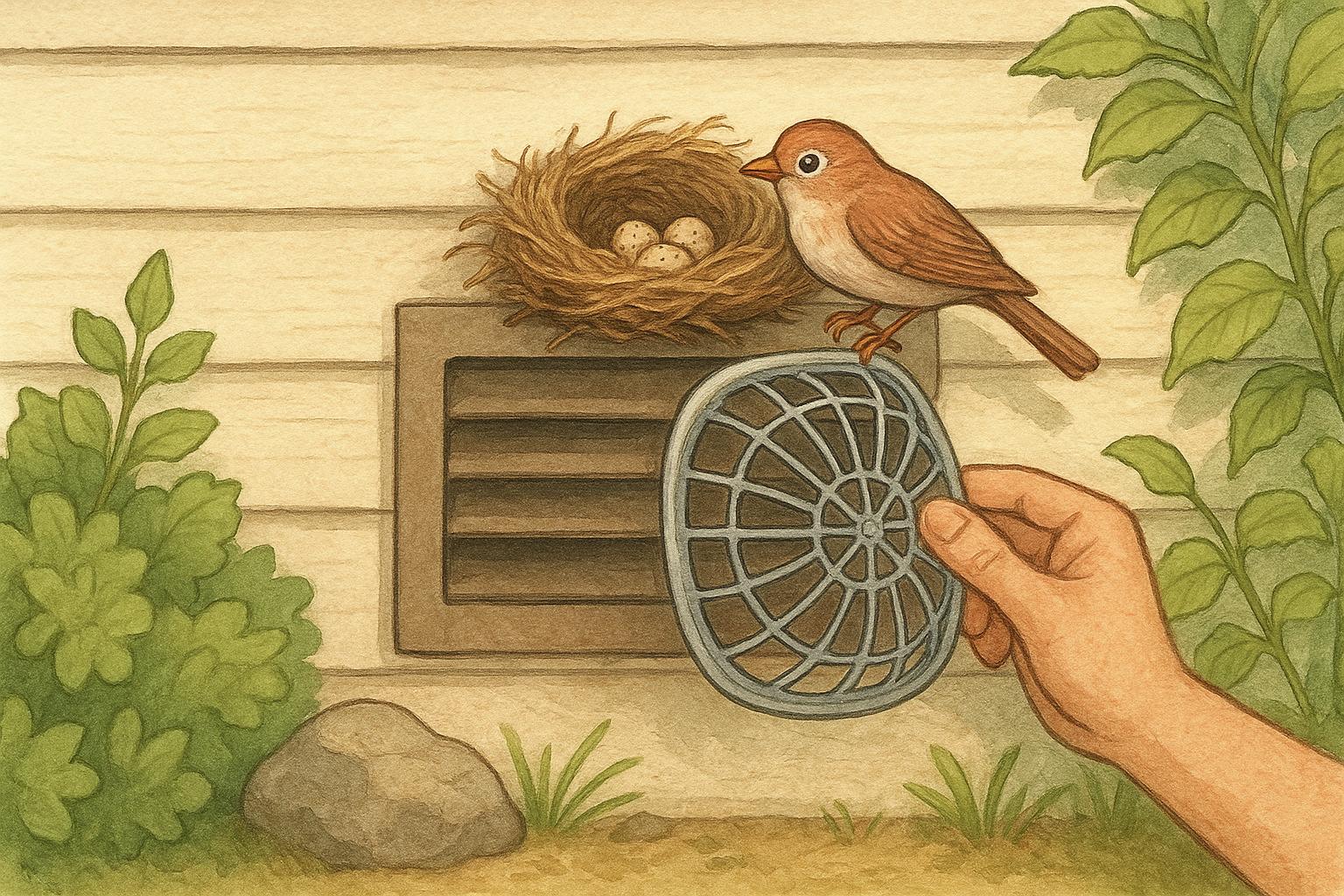
Birds will use what they find, sometimes to their detriment. Thin plastic strips or fishing line can become death traps. If you see birds using those, try to remove the material source from the yard. Replace it with safe alternatives and observe whether nest usage shifts. It usually does.
## Seasonal Considerations For Backyard Nests
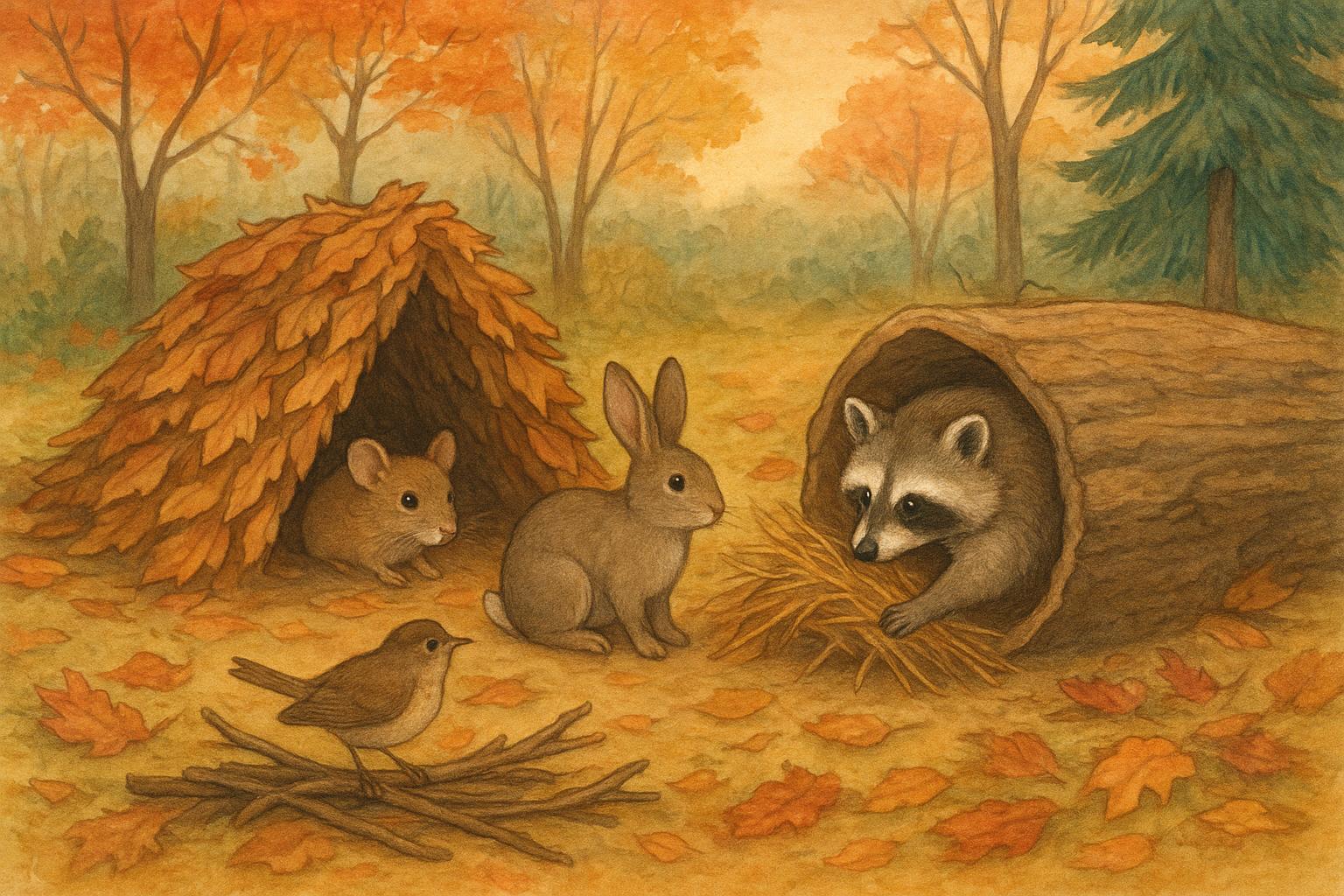
Timing matters. Start offering materials and boxes well before the local breeding season to let birds discover them. In spring, fresh nesting materials are prized. Later in summer, nests can be repurposed by other species or fall apart; leave old nests in place in winter for insects and small mammals that use them. If you must take down a damaged box, wait until late fall or early winter so you don’t disrupt late breeders.
Sprinkling some effort into bird nest construction support can change who moves in. You’ll see more than nests—courtship flights, frantic feeding runs, and the first awkward hops of fledglings. Small, specific actions make the difference. And expect some mess. That’s part of sharing your yard with wildlife—beautiful, messy, and loud. Carelly watch and learn.

Leave a Reply