
## Backyard Nest Design Ideas For Urban Yards
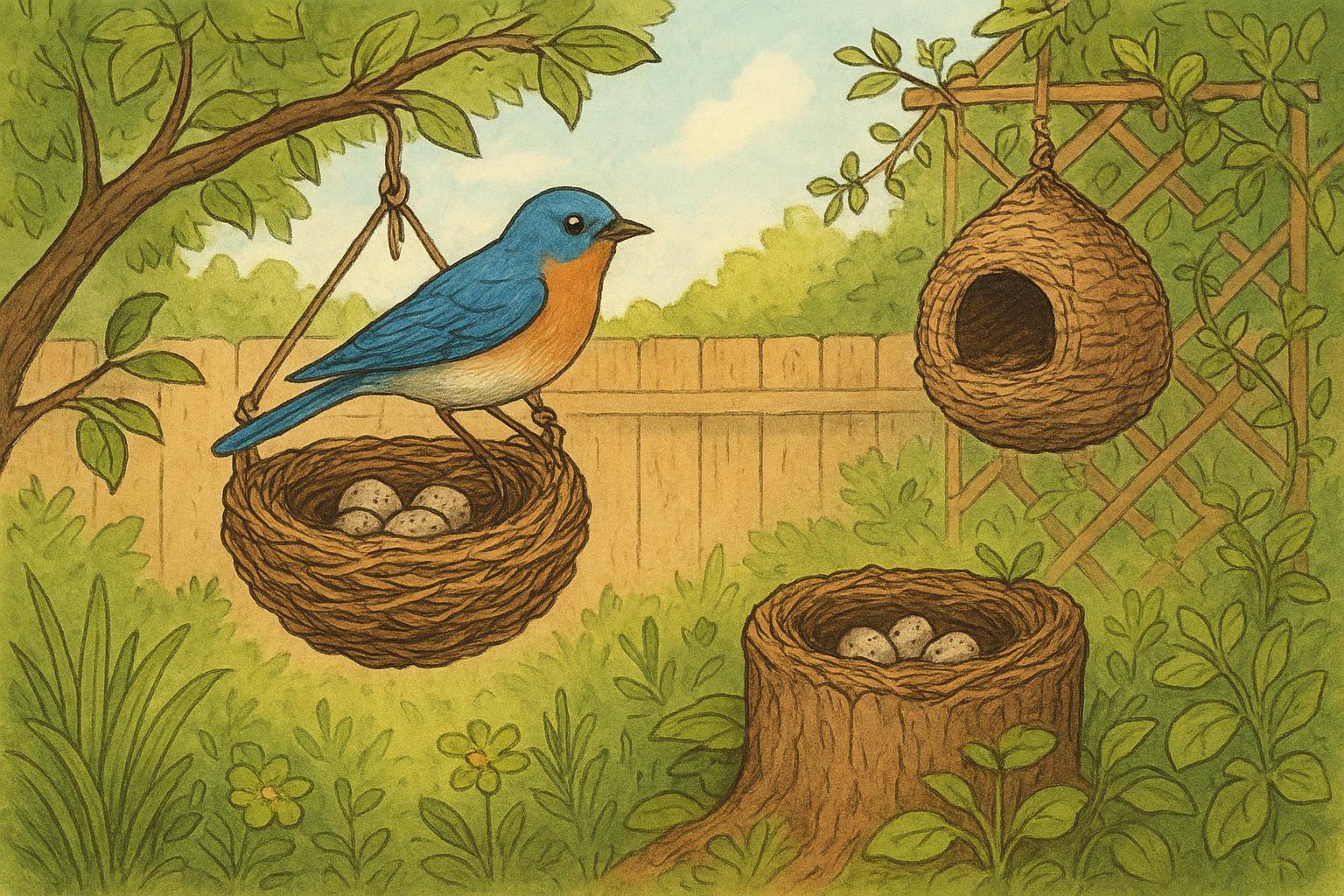
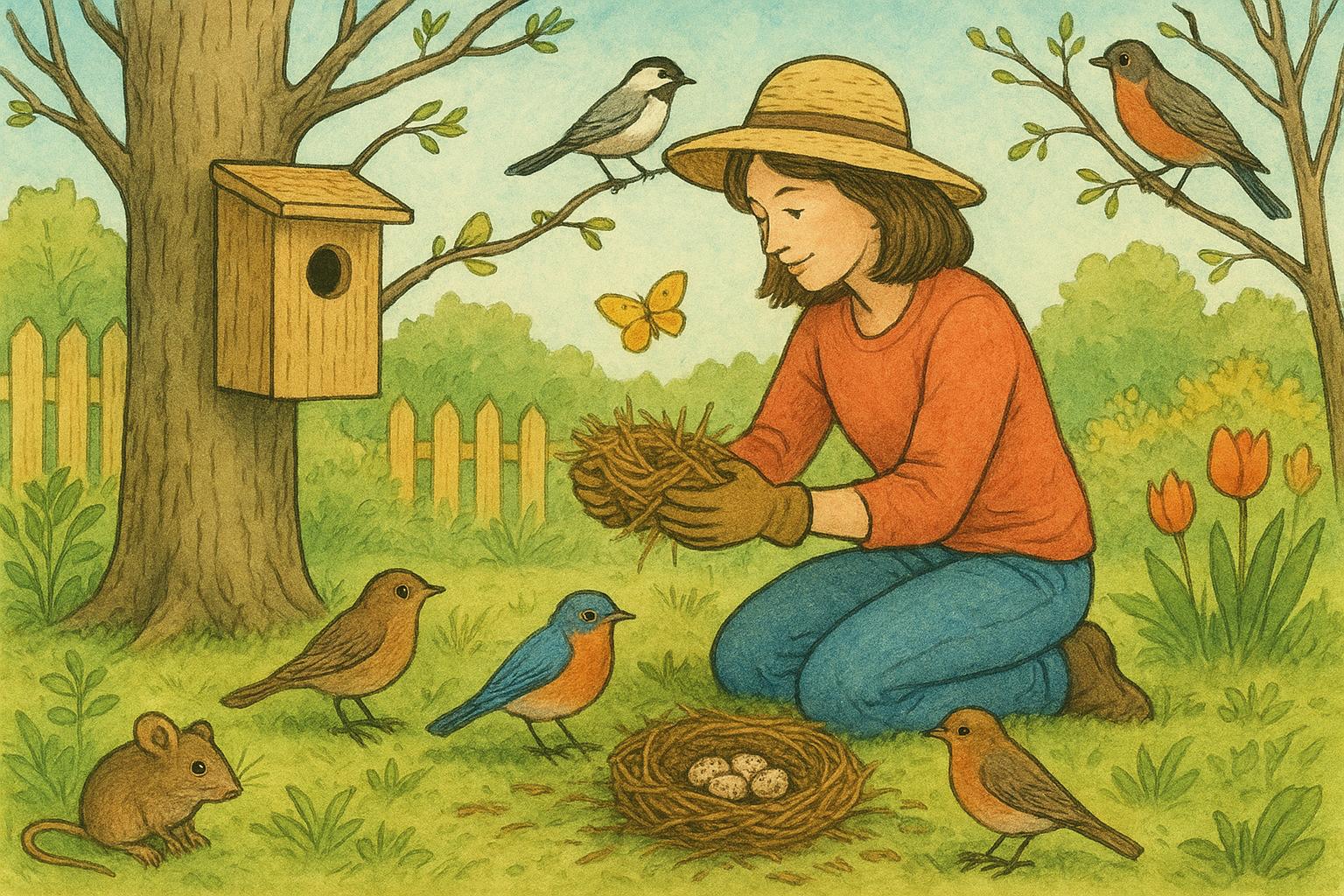
If you want birds to stick around, build something that fits into their daily habits. A few snug boxes, a couple of low platforms, and some sheltered ledges will do far more than a fancy contraption. These backyard nest design ideas tend to favor modesty over flash: simple shapes, sensible drainage, and easy access for parent birds.
### Materials That Mimic Nature
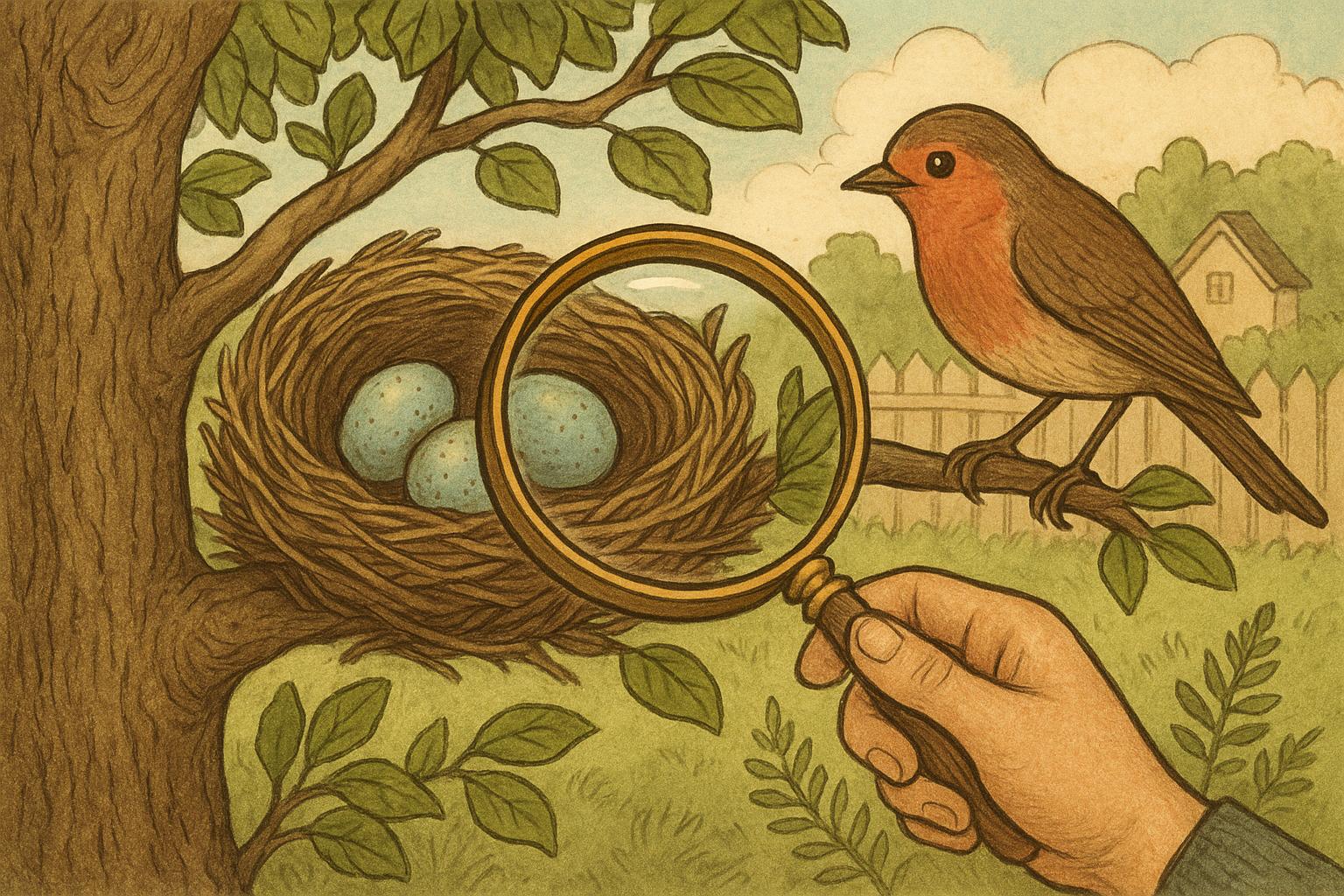
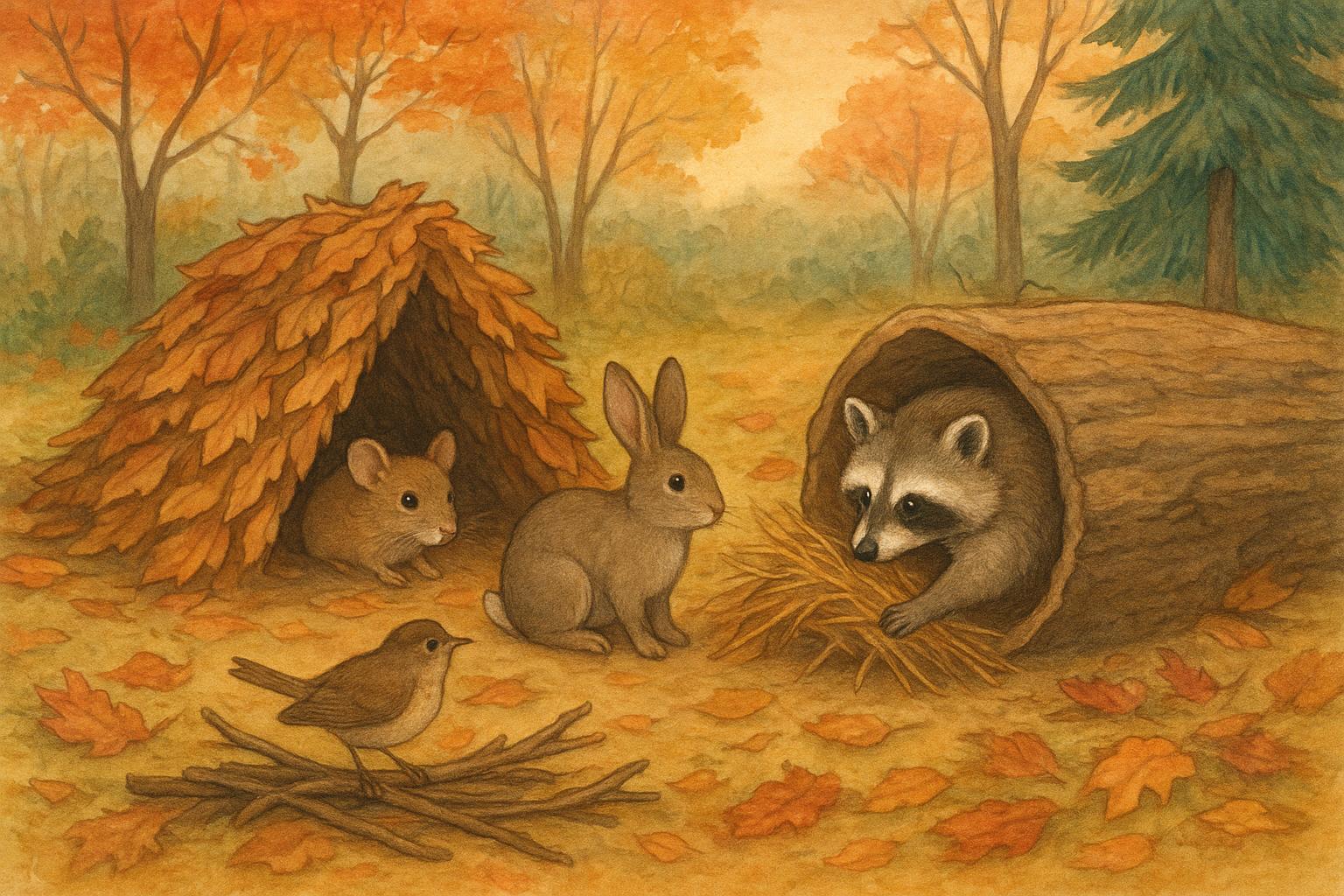
Birds pick nests that feel familiar. A good backyard nest design borrows from what they already use: small twigs, short grasses, moss, and animal hair. Avoid long synthetic strings and lightweight plastic; they look handy but can tangle chicks. Untreated cedar, pine, or reclaimed hardwood make durable exteriors without poisoning insects that fledglings will eat.
The fabric you use matters. Coir liners let water drain and offer insulation without trapping moisture. For ventilation, cut a couple of small holes near the top rather than drilling big openings. In bird nest design, a snug interior with a bit of give is usually better than a rigid cube.
#### Soft Linings And Drainage
When you think through backyard nest design ideas, focus on the tiny details: a slightly concave floor, a few millimeters of shavings, and a lip on the entrance to keep rain out. Drill a few small drainage holes in the base. If the box sits under an overhang, reduce the roof overhang so predators can’t use it as a perch.
### Placement, Height, And Predator Protection
Placement beats perfection in construction. Practical backyard nest design ideas place nests where predators can’t reach but parents can still approach from a clear flight path. For most songbirds, mounting boxes 6 to 12 feet off the ground works. For wrens and small cavity-nesters, higher and more concealed is better.
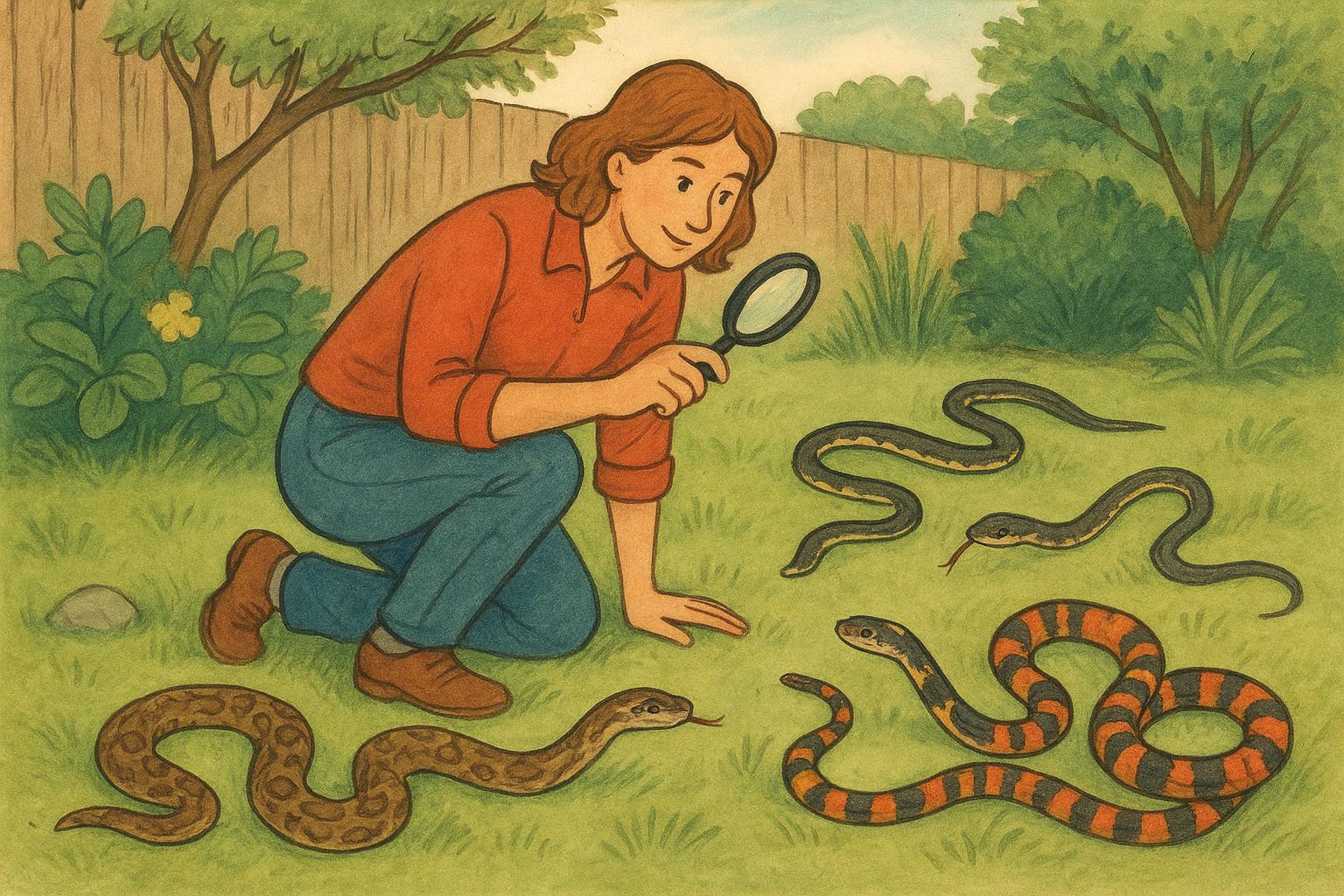
In bird nest design, concealment often beats visibility. Put boxes near shrubs or layered plantings instead of out in the open, but avoid thick ivy that could hide snakes or rodents. Face the entrance away from prevailing winds and toward a line of sight that gives birds an easy exit.
#### Using Local Plants As Cover
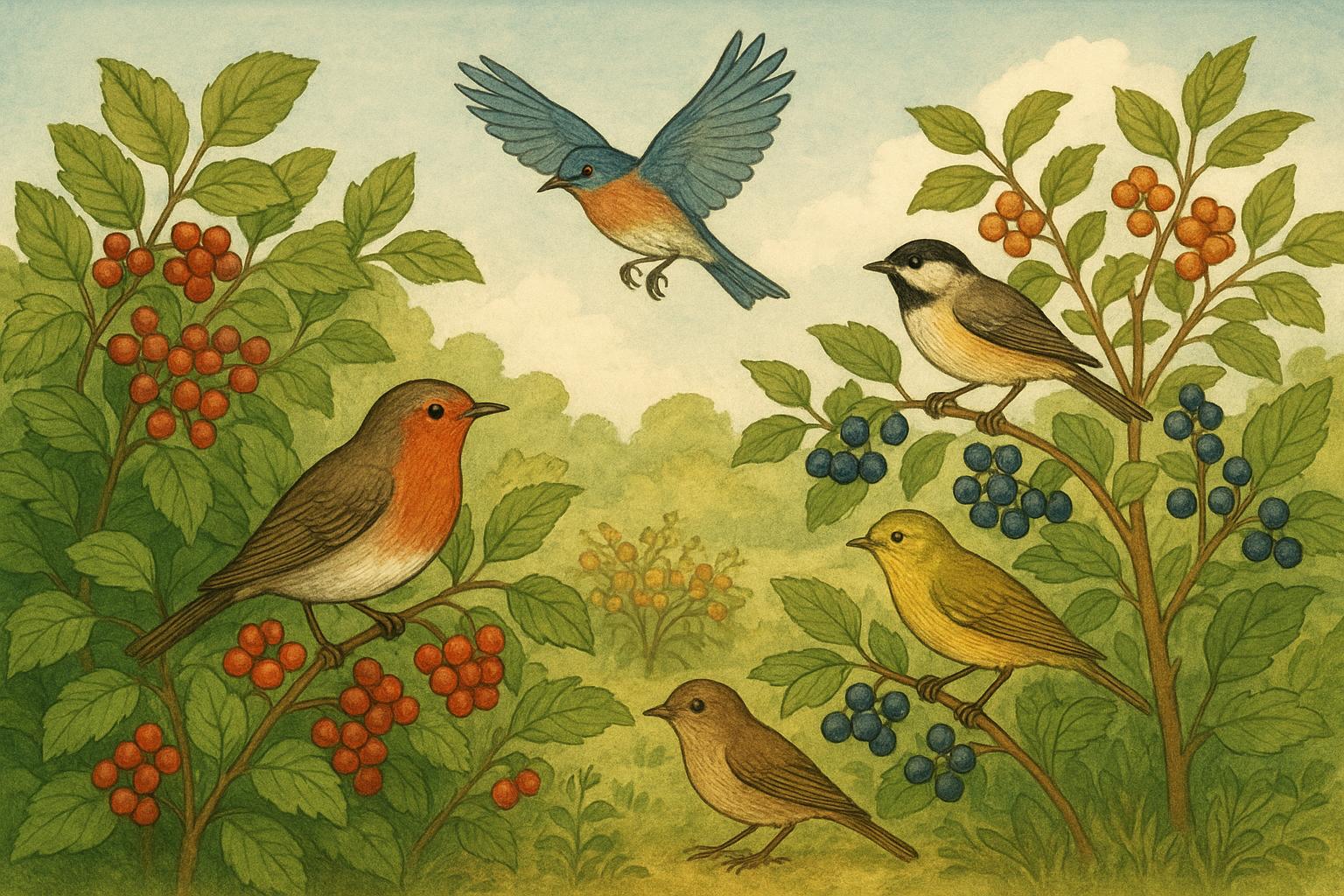
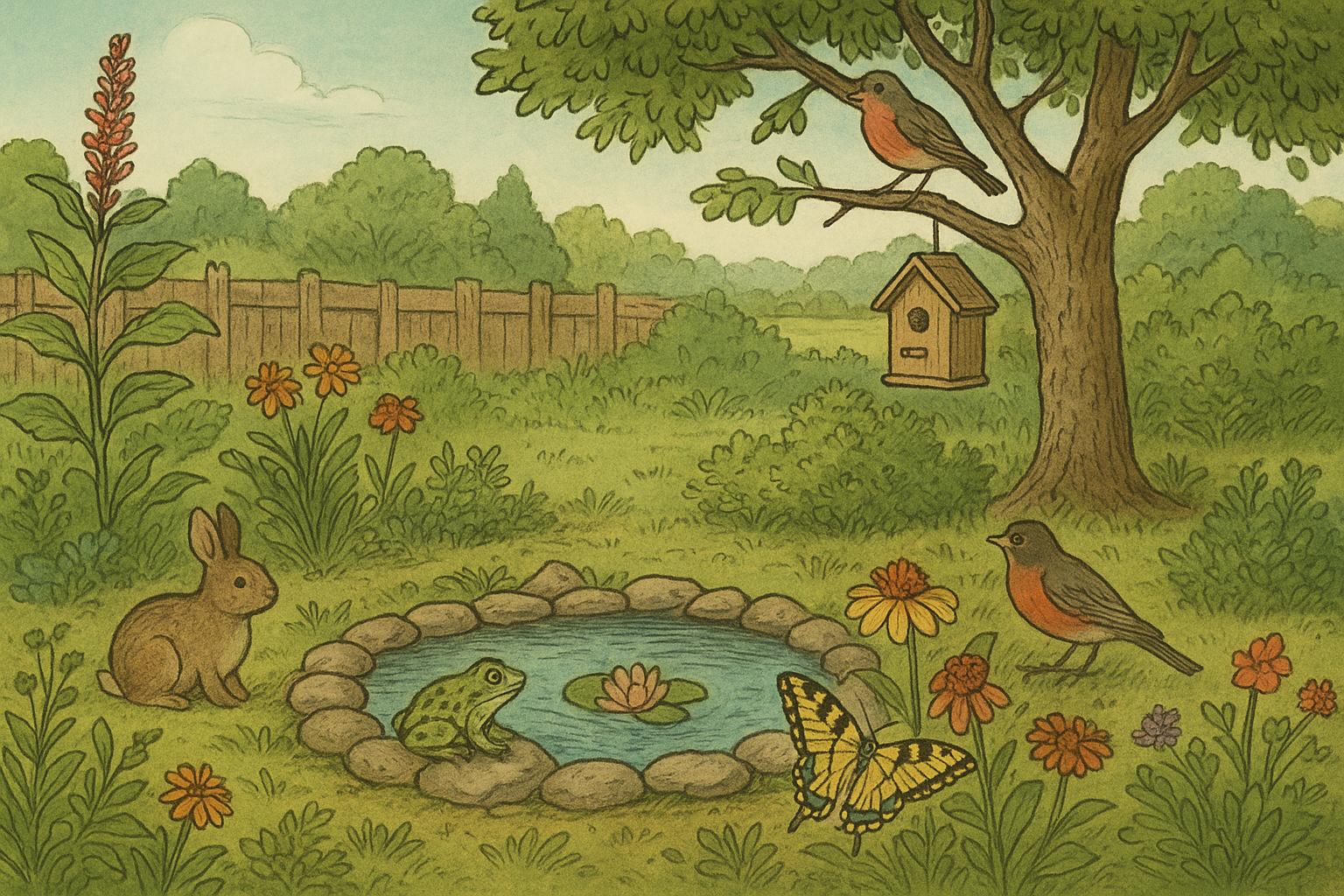
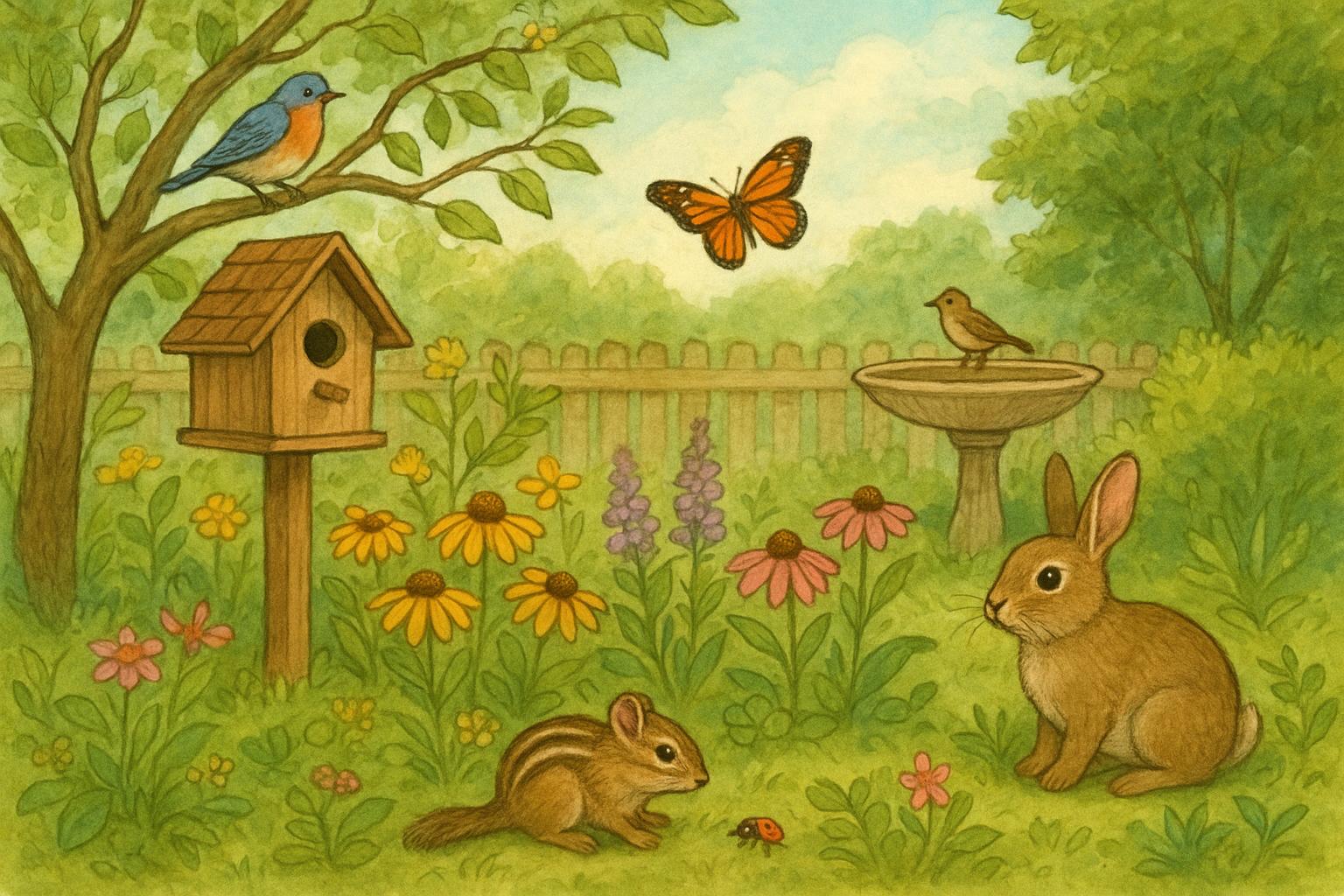
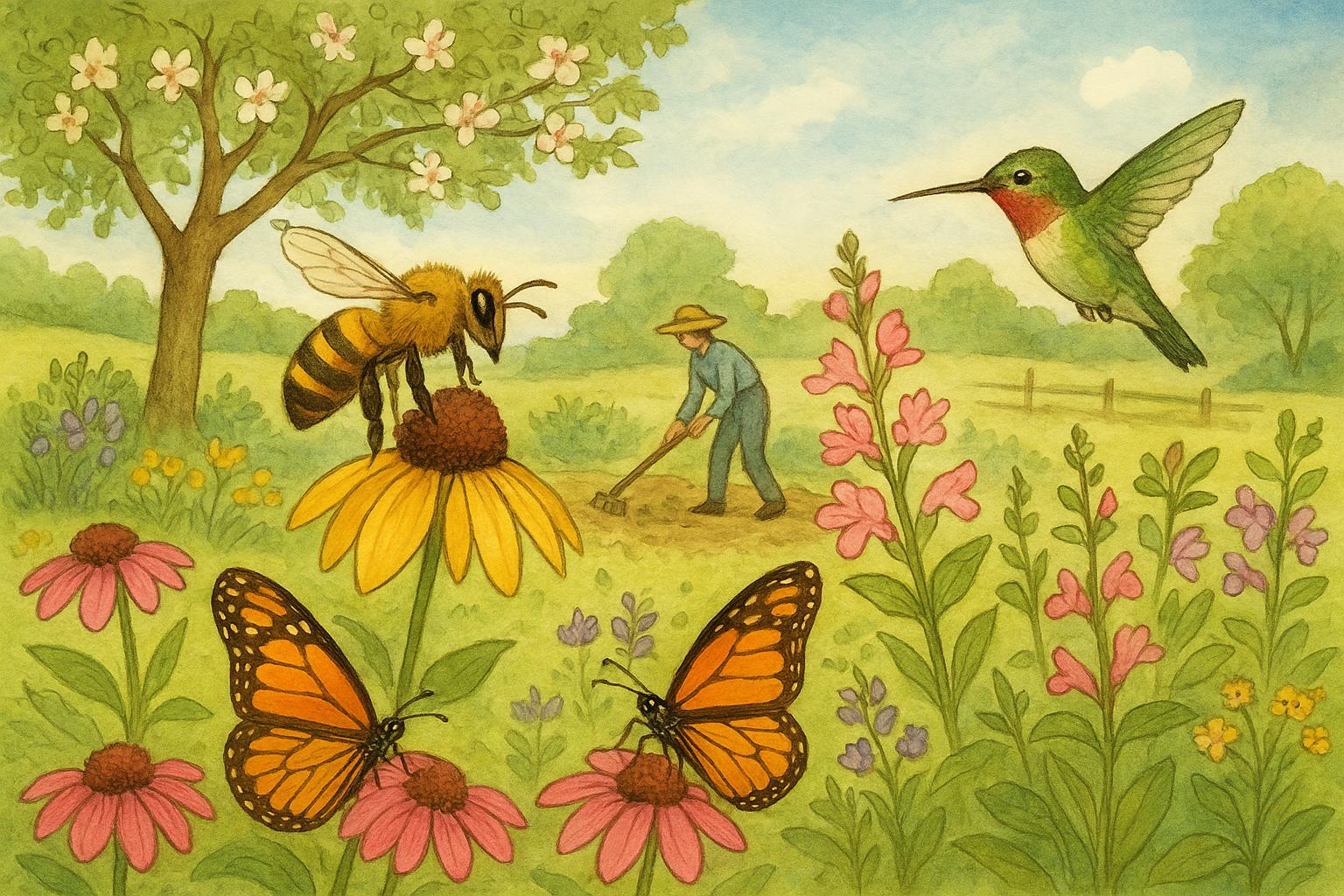
Pair your nest with native shrubs; a backyard nest design that includes layered planting gives both food and cover. Shrubs like serviceberry, hawthorn, and elderberry provide fruit and quick hiding places. A patch of native grasses beneath a platform will attract insects and deter curious cats.
### Building Different Types For Different Species
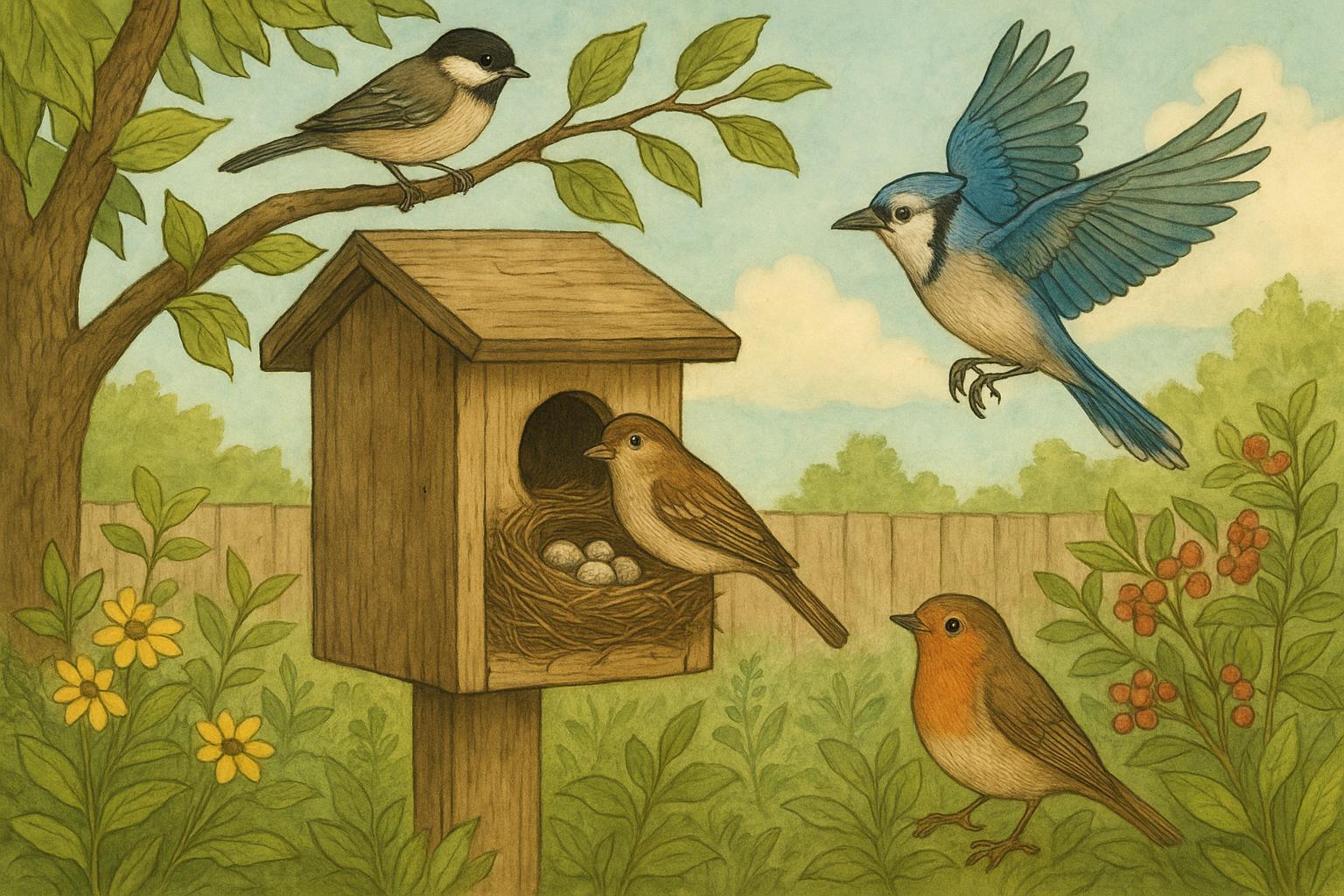
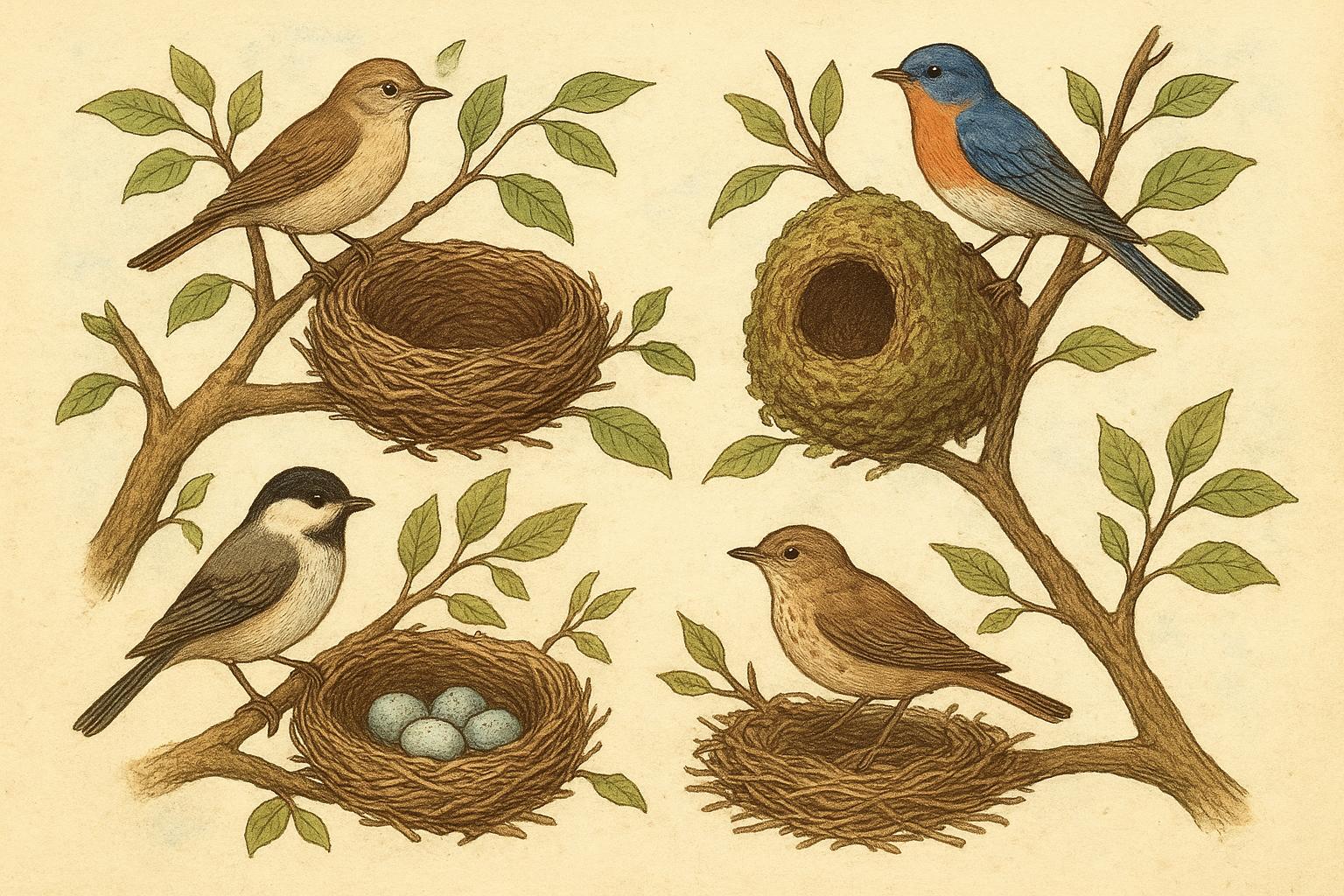
You don’t need one universal box. Tailoring backyard nest design ideas to particular species raises your success rate. A small 3/4-inch entrance hole fits chickadees and titmice. A 1 1/8-inch hole suits house wrens. Robins prefer open platforms with a shallow rim. Match dimensions and you’ll get use faster.
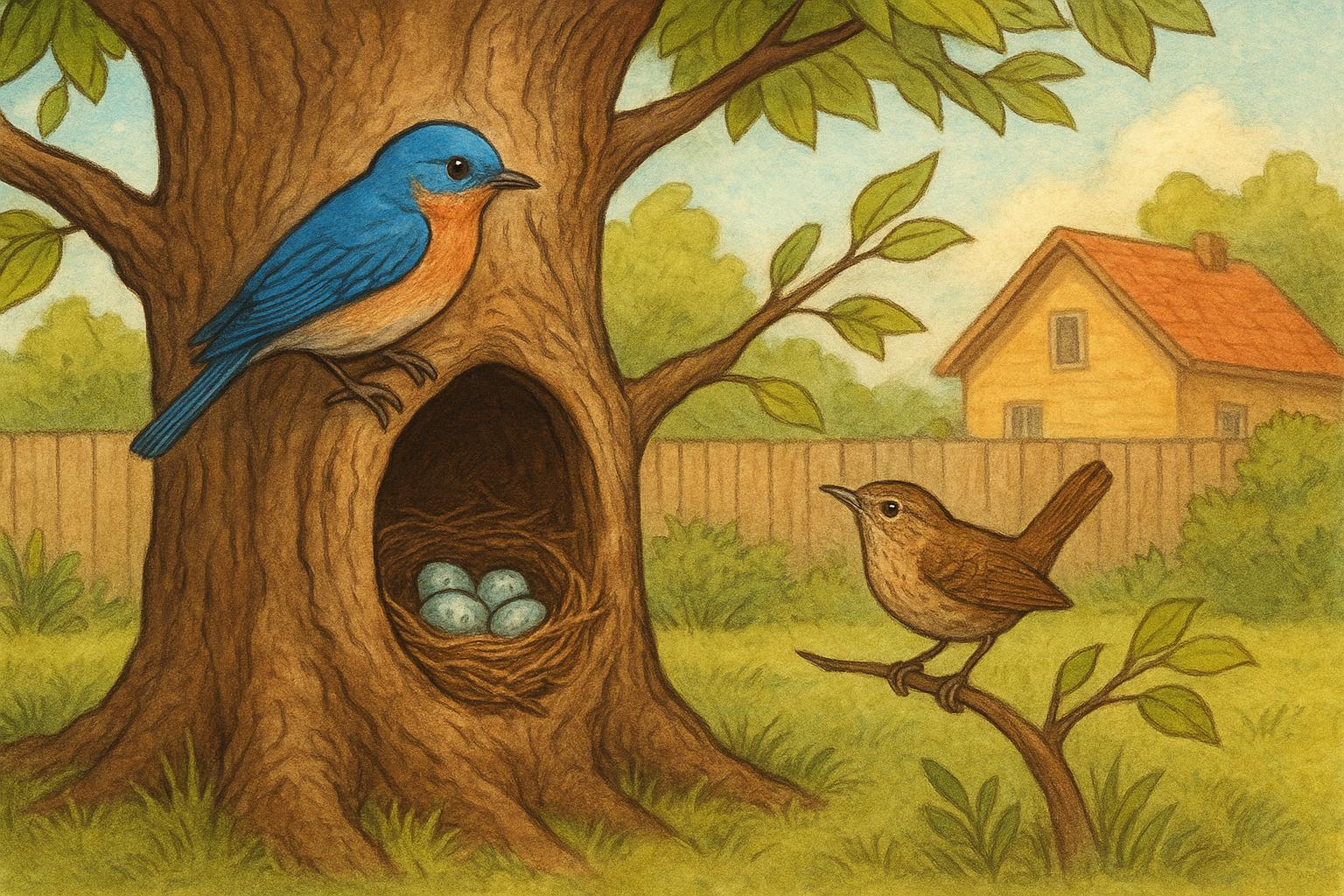
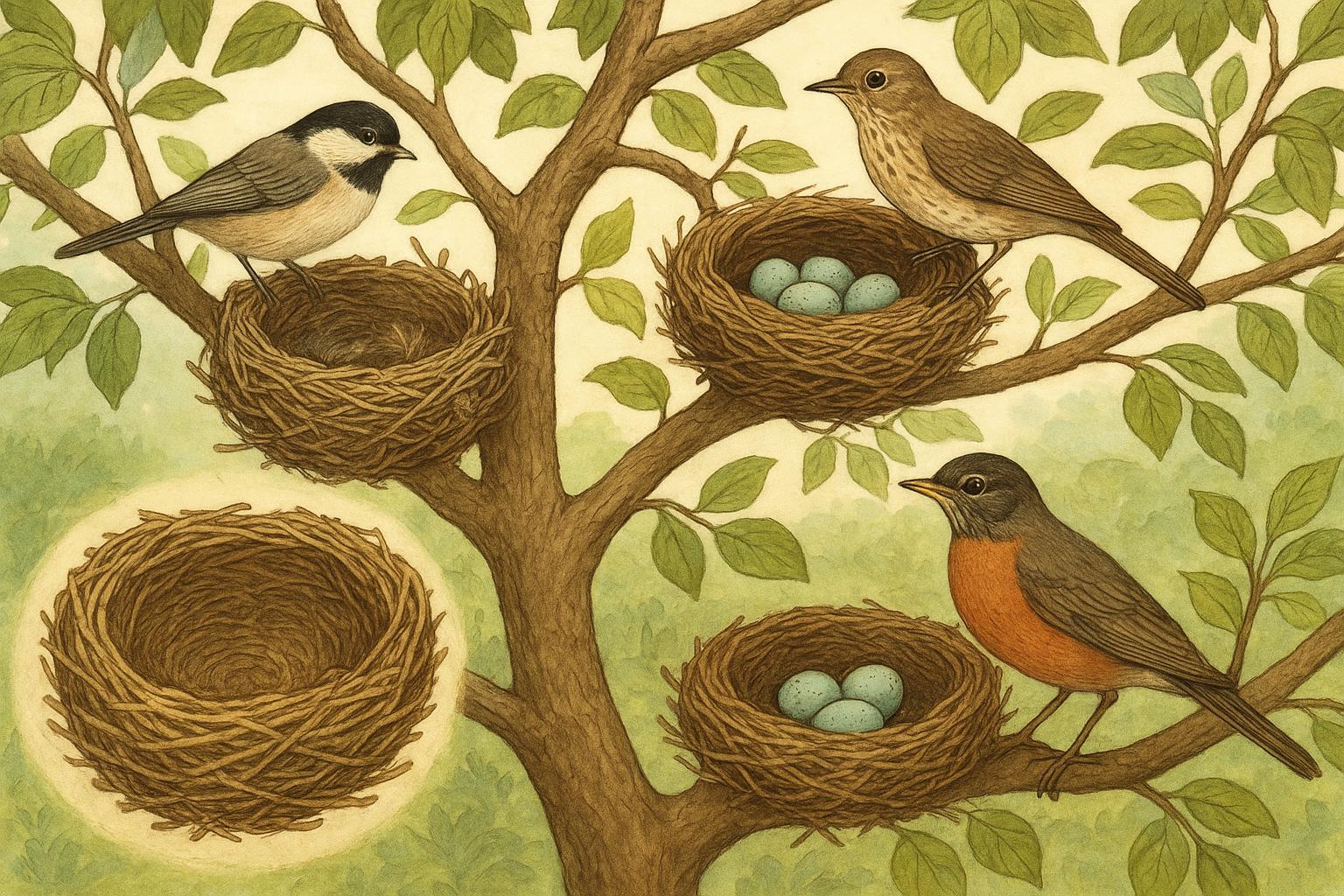
A cavity bird nest design for chickadees uses a small volume and a tiny hole, while a platform bird nest design suits robins and mourning doves. If you’re targeting bluebirds, keep boxes 4 to 6 feet apart in open lawns. For warblers and vireos, aim for denser foliage near tree trunks.
#### Size And Entrance Hole Guidelines
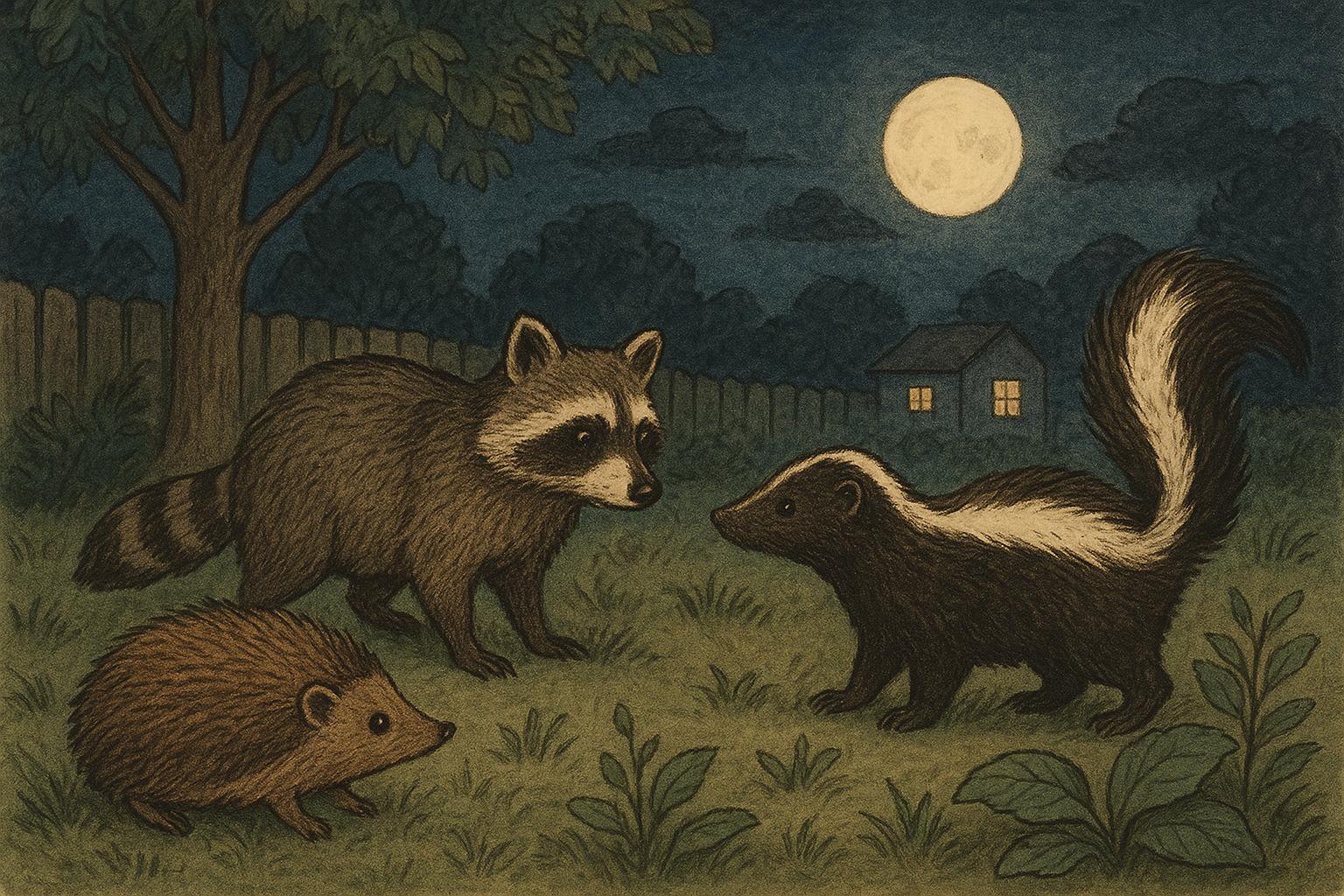
Here are quick, practical numbers: 4x4x8-inch box with 3/4-inch hole for chickadees; 6x6x8-inch with 1 1/8-inch hole for house wrens; 8x8x10-inch platform for robins. Line the bottom with a thin layer of wood shavings; don’t glue or staple anything inside because parents will reshape the space to their needs. Predation guards on poles, or baffles, will cut losses from raccoons and snakes.
## Backyard Nest Design Ideas For Cold Climates
In chillier places, insulation and orientation matter more. Insulate with a thicker wall or a double-wall design but keep ventilation holes near the top. Insulation is part of solid backyard nest design, but avoid sealing vents—airflow prevents mold and keeps nestlings healthy.
Position nests out of wind tunnels and slightly sunward so the morning light helps warm the interior. Use darker paint on the exterior to absorb heat; keep any paint non-toxic and only on the outside. Consider wiring small perches for species that prefer an approach platform rather than landing directly at the entrance.
### Attracting Birds And Managing Human Traffic
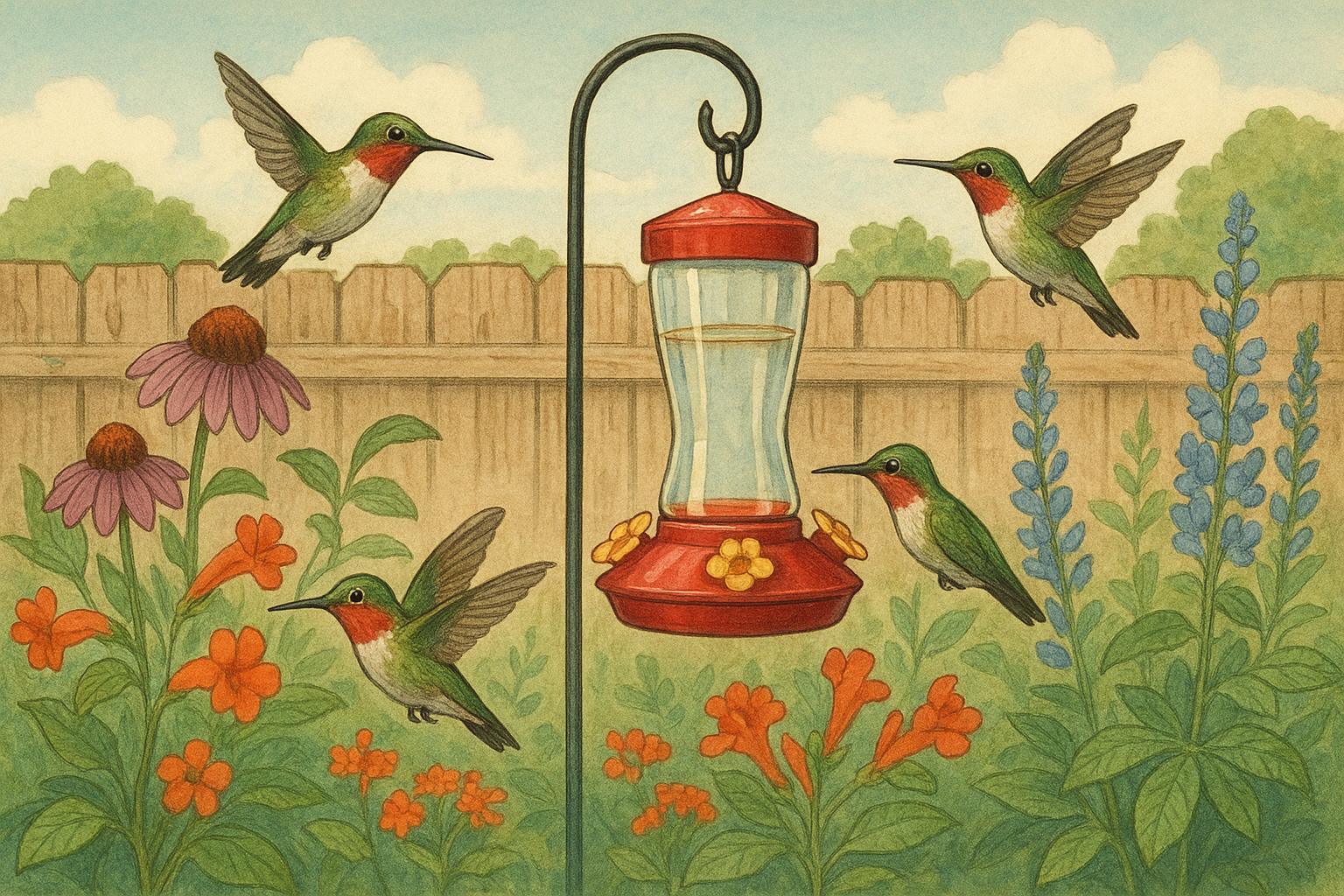
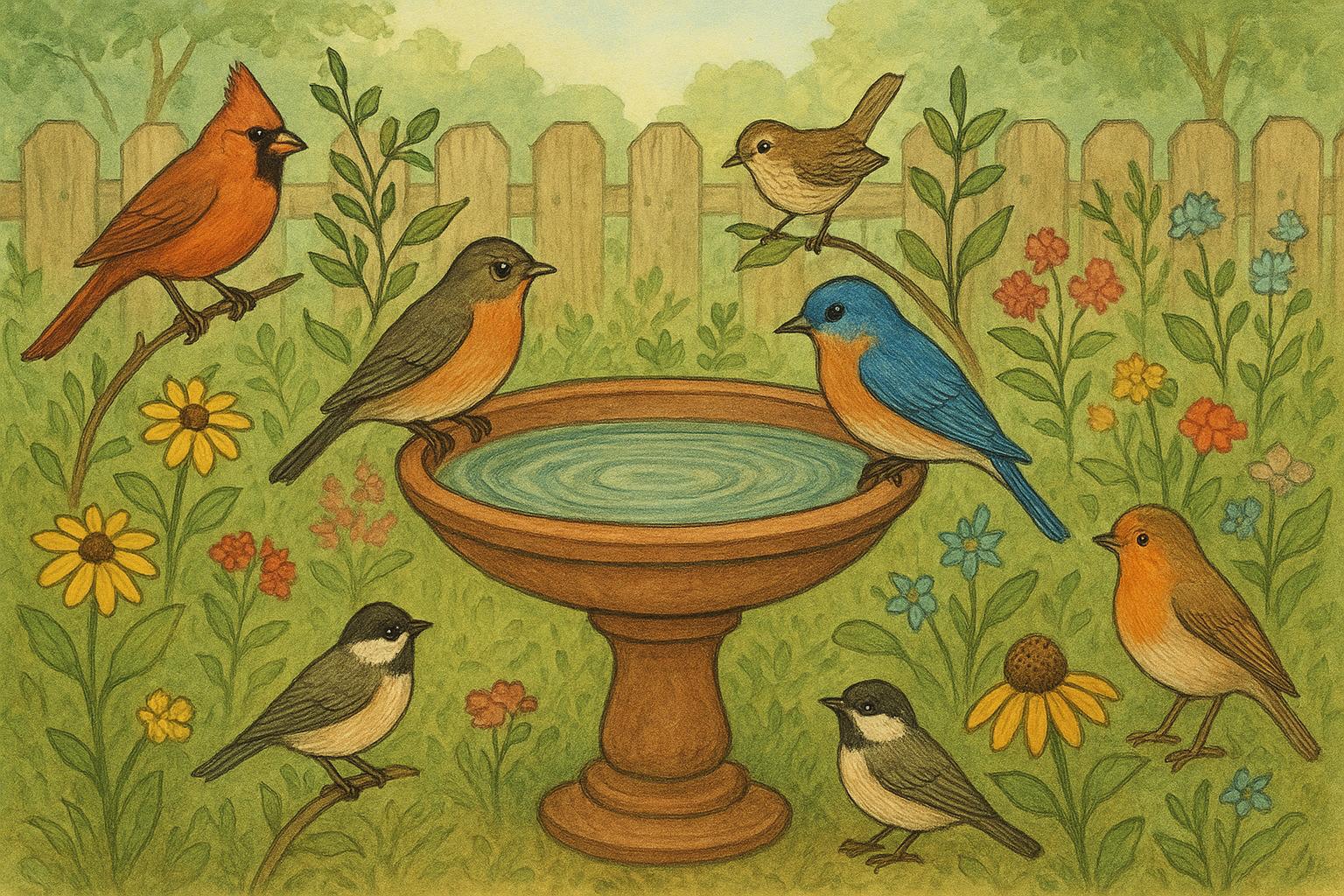
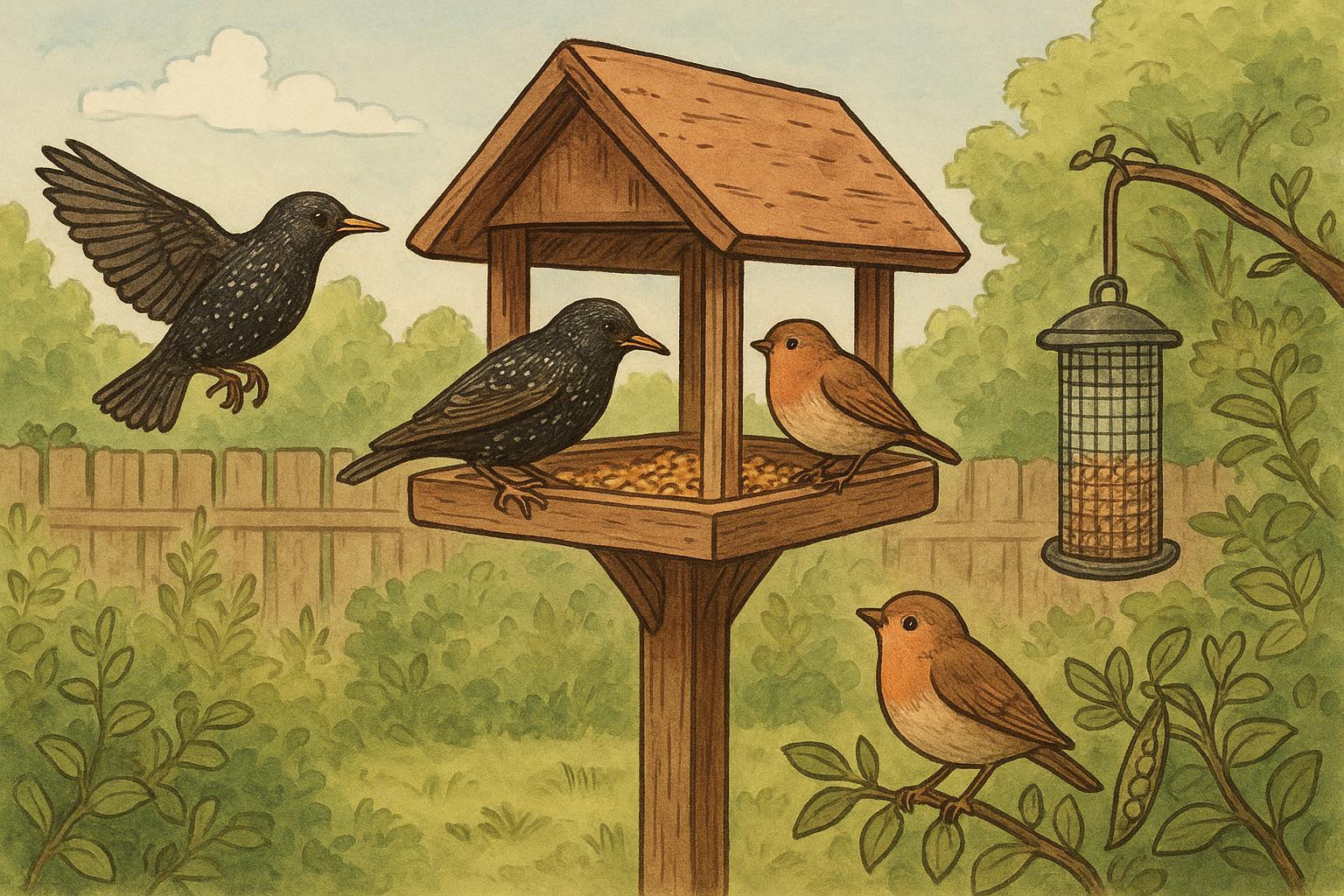
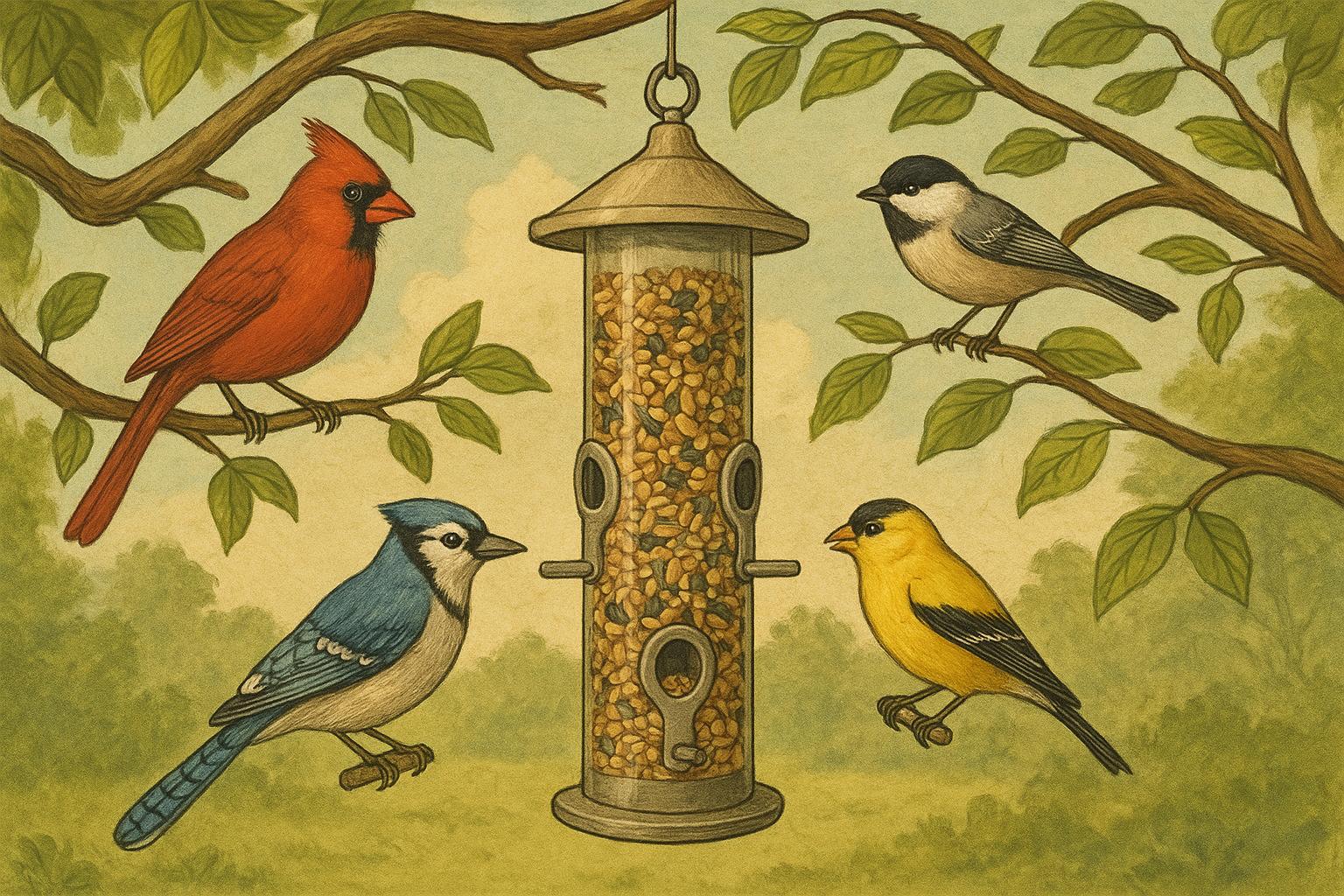
Think about feeders and water together with nest placement. A hummingbird feeder near a nesting shrub can be a magnet for nesting activity, but keep feeders at least 10 feet from boxes to avoid attracting predators. Put nests facing a quiet section of the yard and away from heavy foot traffic; place them toward quieter neigborhoods or back corners if possible.
If you want a final design tweak: add a small camera slot that allows occasional checks without opening the box. Use it sparingly. Birds will accept human help more readily if the structure looks like a safe, familiar spot rather than an experiment.

Leave a Reply