
## Why Birds Favor Vents Behind Siding
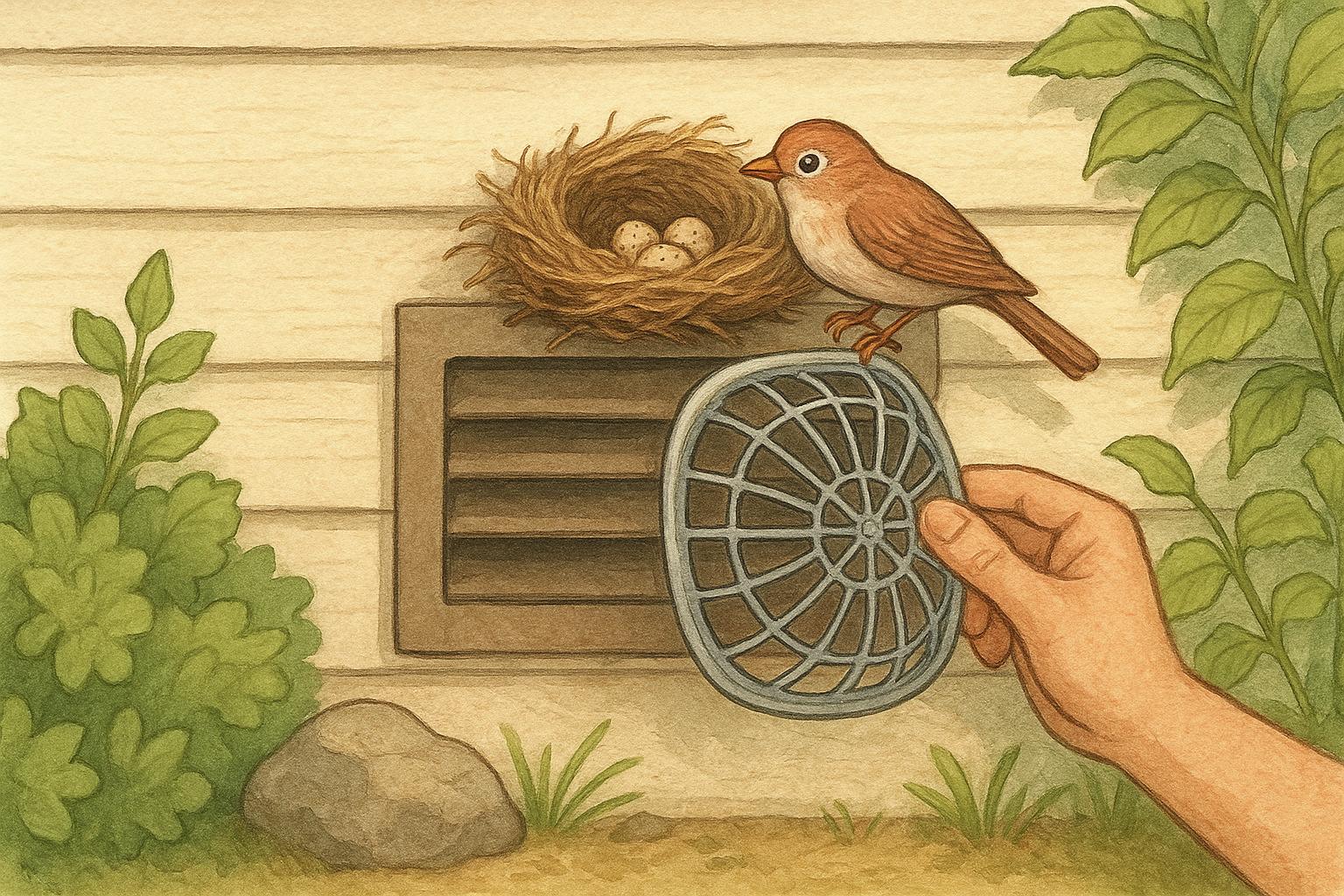
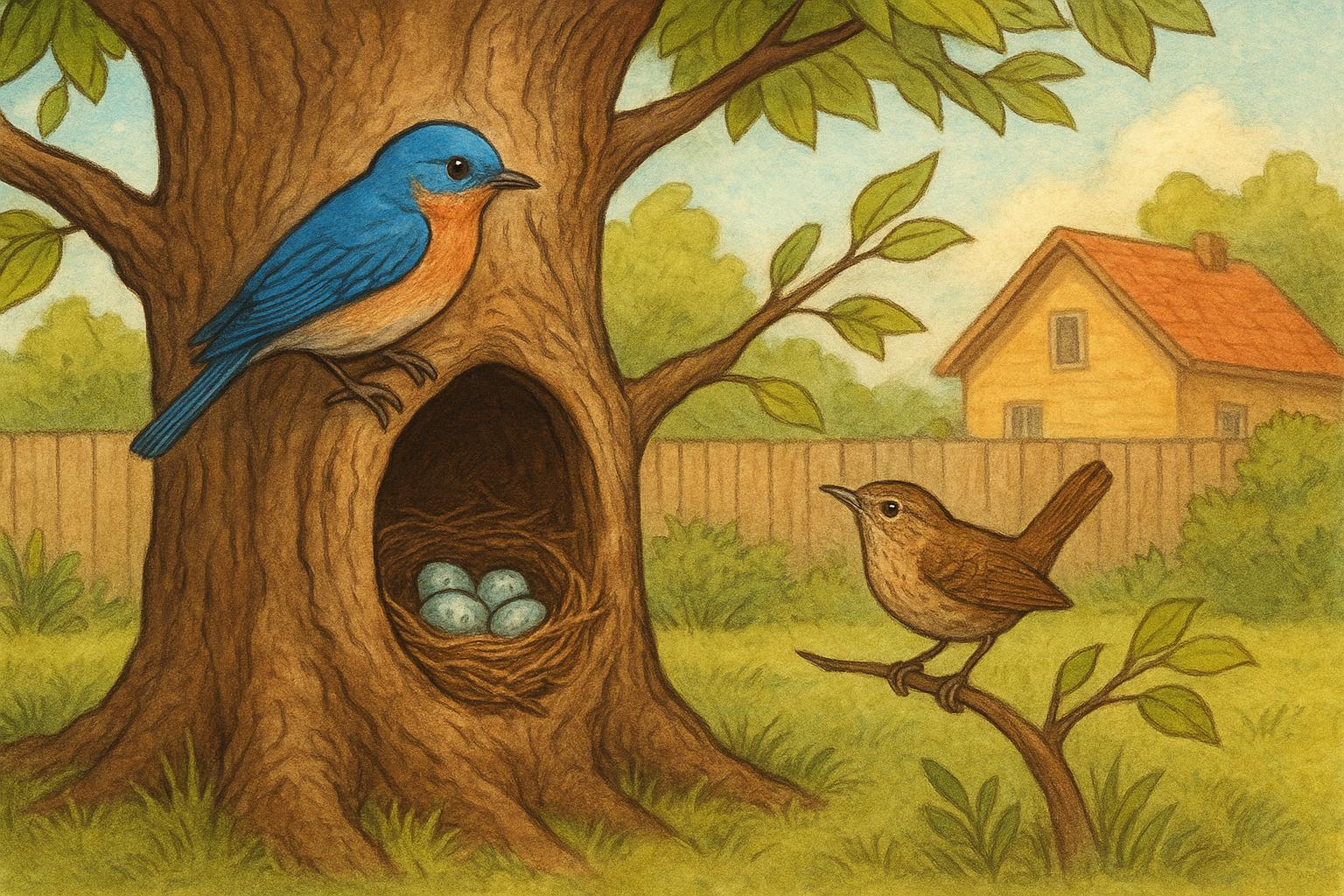
Birds look for sheltered cavities. The gap between siding and framing makes a perfect little alcove: dry, out of direct wind, and often close to a food source. House sparrows, starlings, and wrens are common offenders. They push in through louvers or broken screens and start building. If you’ve found nesting material behind your siding, you’re not alone. Fixing it early saves hours of cleanup and prevents long-term damage.
### How To Spot Early Signs
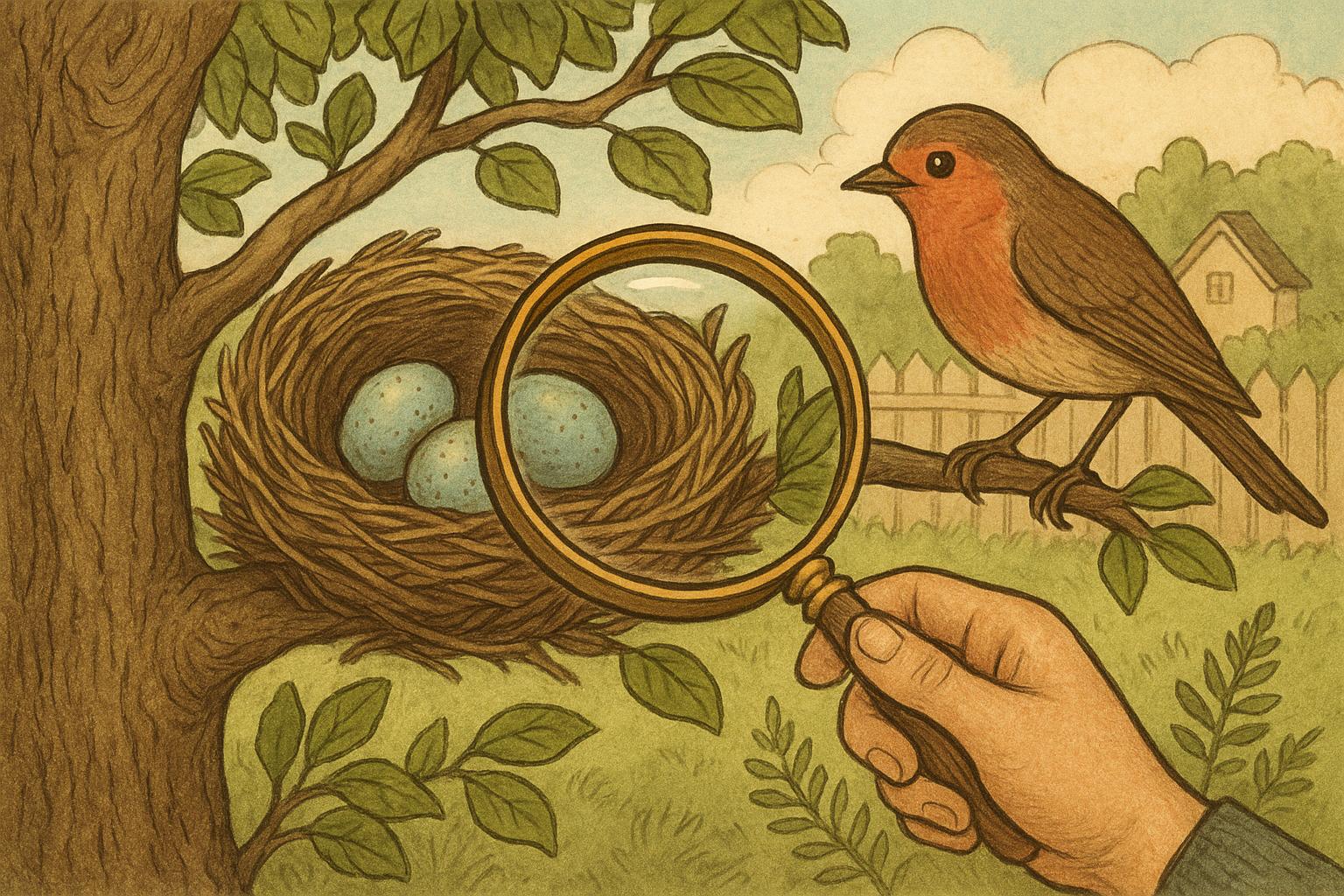
You don’t need a ladder every time. Look for pecks, droppings on the lower edge of siding, or strange sounds—chips and cheeps early in the morning. If vents sound muffled or a dryer is backing up, that could be a plug of nesting material. Check vents for loose trim and gaps where the siding meets the vent. Occassionally a knife-edge of sunlight will reveal a nest cavity.
## Practical Tips For Deterring Birds Nesting In Vents
Start with inspection, then move to denial: make the cavity unusable without blocking airflow. The most effective strategies are simple, mechanical fixes that birds can’t easily bypass.
### Seal Gaps And Repair Screens
Take the time to tighten loose siding and replace torn screens. A small gap will be exploited. Use corrosion-resistant screws and stainless hardware cloth (1/4-inch mesh) to screen over openings. Hardware cloth is stiff, unlike plastic mesh, so birds can’t push through. Cut it so it sits tight against the framing and fasten it every 4–6 inches.
### Use Proper Vent Covers And Guards
Not all covers are equal. Look for covers designed for your vent type—bathroom, soffit, dryer, or ridge vents. A purpose-built vent bird deterrent will allow airflow and still close off access. For dryer vents, choose a clamshell model with a gravity flap and a debris screen. For soffit vents, install a small stainless steel guard behind the louver. The goal is to exclude birds while keeping ventilation intact.
### One-Way Solutions For Active Nests
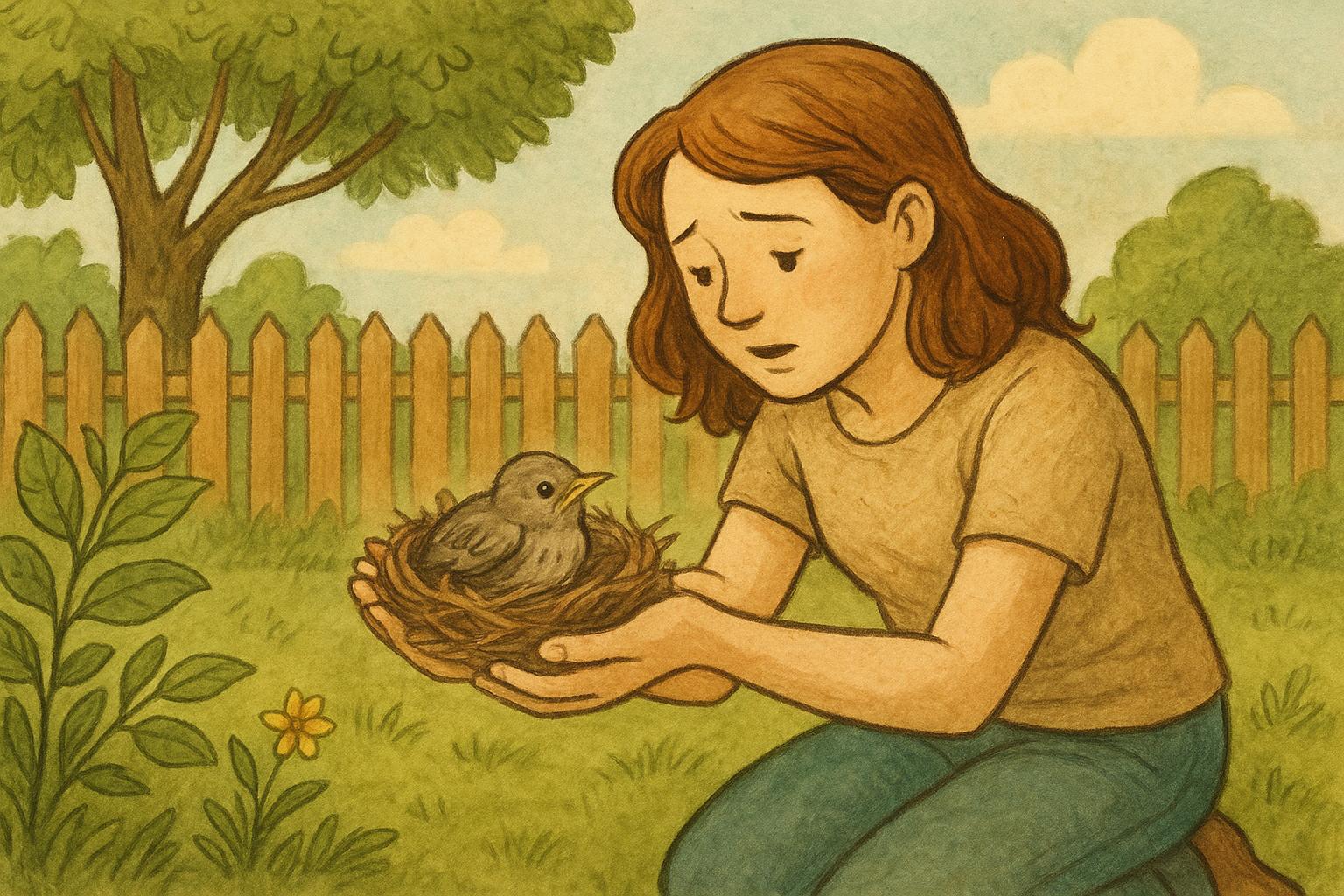
If birds are already nesting, timing matters. Check local regulations before moving nests; many species are protected during nesting season. If allowed, use a one-way exit: a short cone of mesh that lets chicks leave but not reenter. This can be risky—if chicks remain inside without parents for long, they may die. When in doubt, call a pro.
## Choosing A Vent Bird Deterrent
There are cheap fixes and durable fixes. Choose based on access and longevity.
### Visual And Audio Deterrents: Use With Caution
Reflective tape, shiny CDs, or predator decoys can work, but they tend to be short-lived solutions. Birds habituate. If you try them, combine with physical barriers. Motion-activated audio devices are hit or miss and can annoy neighbors. Think of these as temporary deterrents while you install permanent guards.
### Permanent Barriers: Mesh, Grilles, And Caps
For long-term protection, invest in stainless steel mesh or custom metal grilles. These resist chewing and rust. For ridge and soffit vents, consider a metal cap that screws into place and includes a tight mesh behind it. A solid vent bird deterrent will be both secure and serviceable—meaning you can remove it for maintenance.
#### Fit And Ventilation Matter
Don’t suffocate the space. Use mesh size appropriate for insects and birds but still allow airflow. For dryer vents, keep the manufacturer’s specifications in mind. Over-restricting airflow reduces efficiency and increases fire risk.
## Timing And Legal Considerations
Bird breeding seasons vary by species and location. In many areas, it’s illegal to remove active nests of migratory birds. Before you remove a nest, identify the species and check local wildlife laws. If it’s outside nesting season, clear nests, clean the area, and install guards.
### Safe Nest Removal Practices
If removal is legal, use gloves and clean tools. Wear a mask if droppings are present; bird droppings can carry fungi dangerous to humans. Don’t burn or compost nests. Bag them and dispose of them according to local guidelines. After removal, disinfect the cavity with a diluted bleach solution to remove residual pathogens.
## Common Vent Types And Specific Fixes
Different vents need different approaches. Here are practical fixes you can use right away.
### Soffit And Eave Vents
These are common entry points because they’re tucked away. Replace broken louvers with vent blocks or install a plastic or metal grille that sits flush with the soffit. Make sure the grille has sloping edges so leaves don’t collect.
### Dryer And Exhaust Vents
Install a hooded vent with a spring-loaded flap and a tight stainless screen. Check yearly for lint accumulation; it’s a fire risk and also helps birds get started. If birds keep returning, you may need a short piece of rigid metal duct to reposition the exit point—away from nesting-friendly ledges.
### Wall Vents Behind Siding
If the vent is hidden behind siding, cut a small access panel in the siding to inspect and install mesh. Use siding-compatible fasteners and seal the cut edges with paintable caulk. You want the repair to be secure and discrete.
## When To Call A Professional
If the nest is large, contains many chicks, or is deep inside the wall cavity, call a wildlife control pro. They can advise on legal removal, check for structural damage, and replace insulation if needed. A reputable contractor will use humane methods and provide a warranty on repairs. Ask for references and proof of licensing.
### Avoid These Common Mistakes
– Don’t stuff vents with foam or rags. It looks quick, but it blocks airflow and can cause rot or fires.
– Don’t use poisonous repellents. They’re inhumane and illegal in many places.
– Don’t rely solely on shiny objects or loud noises. They distract birds briefly but won’t stop determined species like starlings.
## Maintenance And Long-Term Prevention
Inspect vents twice a year—spring and fall. Clean gutters; blocked gutters create ledges close to vents that birds like. Trim back tree branches that give easy launch points. After storms, recheck loose siding and torn screens. A little seasonal upkeep prevents major problems later.
### Record Keeping And Small Upgrades
Keep a simple log of inspections and what deterrents you installed. If a particular vent bird deterrent works well, note the model and where you bought it. Small investments in stainless mesh, better hooded vents, or professional-grade covers add up to fewer headaches and lower repair costs down the road.
End with an actionable step: pick one vulnerable vent this weekend, inspect it, and install a mesh guard. That small fix stops birds nesting vents before they become a messy, costly problem.



































Leave a Reply