
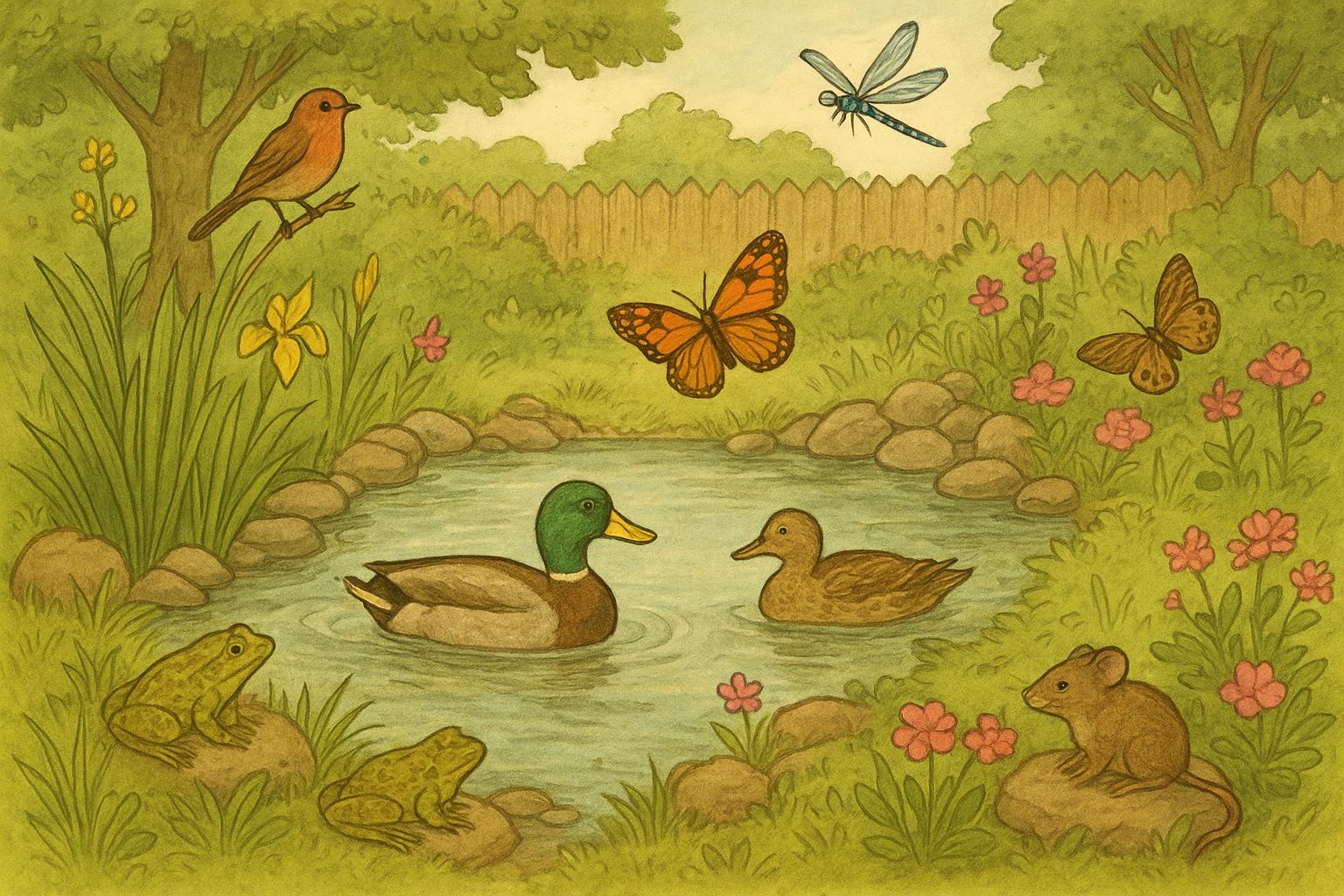
Start with a firm edge. A sloppy fringe of potted plants and a strip of concrete won’t invite much life. If you want frogs, dragonflies and birds to actually use your pond, the water’s edge has to do a few simple things: provide easy access, varied micro-habitats, shelter and food. Do that, and the rest follows.
## Why The Water Edge Matters
Wildlife don’t see a pond as a pretty feature. They see it as a source of water, food and safety. The difference between a sterile backyard pond edge and a lively wildlife pond edge is often less than a foot of carefully arranged shallow shallows and plantings.
Edges that slope gradually give amphibians and invertebrates places to bask and breed. Rinse off netting and steep banks prevent small mammals and birds from reaching the water. The physical structure also affects temperature and oxygen levels near the bank, which changes which plants and insects will set up shop. Think in terms of layers: submerged plants, marginal shelf, damp soil, and nearby upland cover.
## Practical Steps For Creating-A-Wildlife-Friendly-Water-Edge
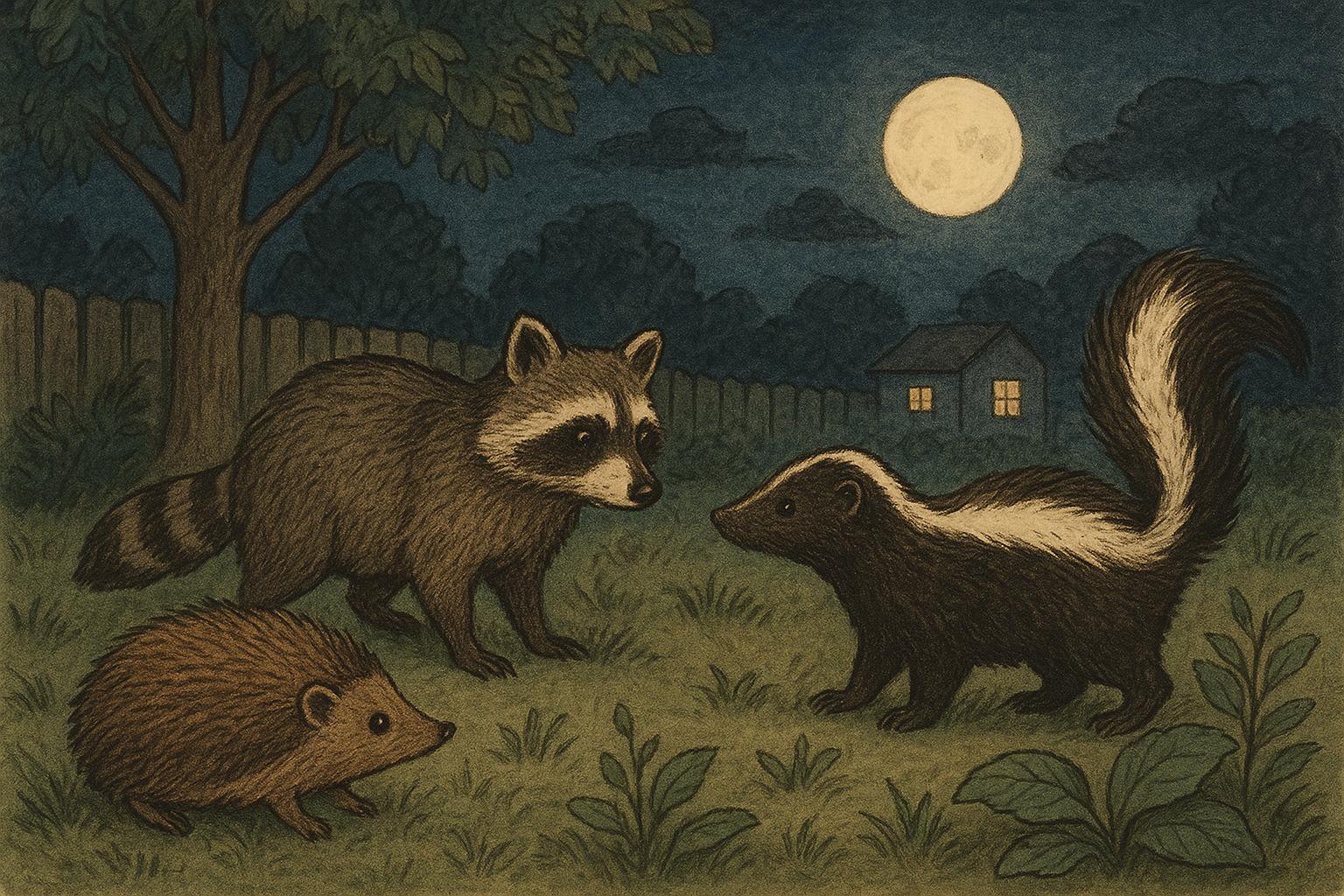
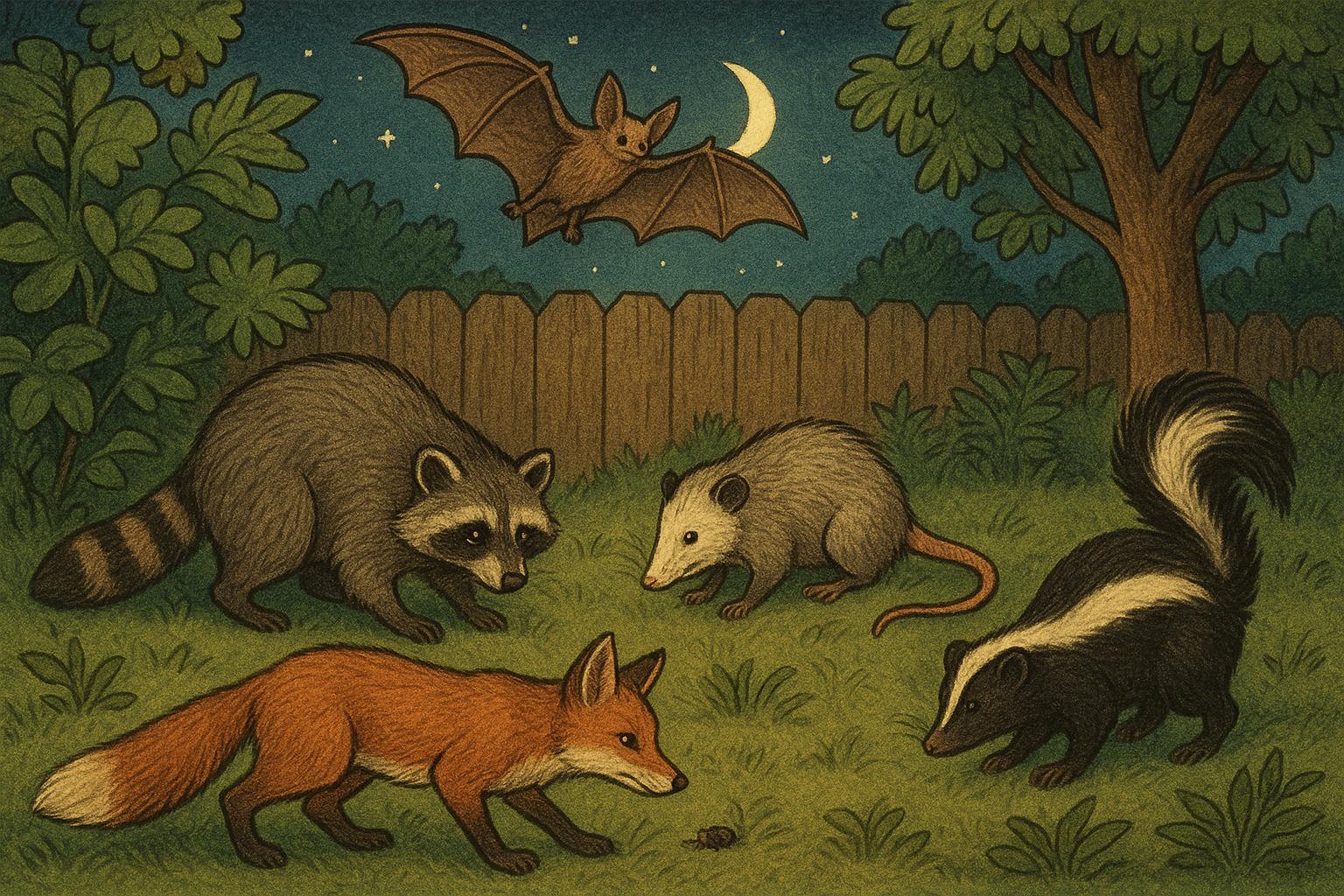
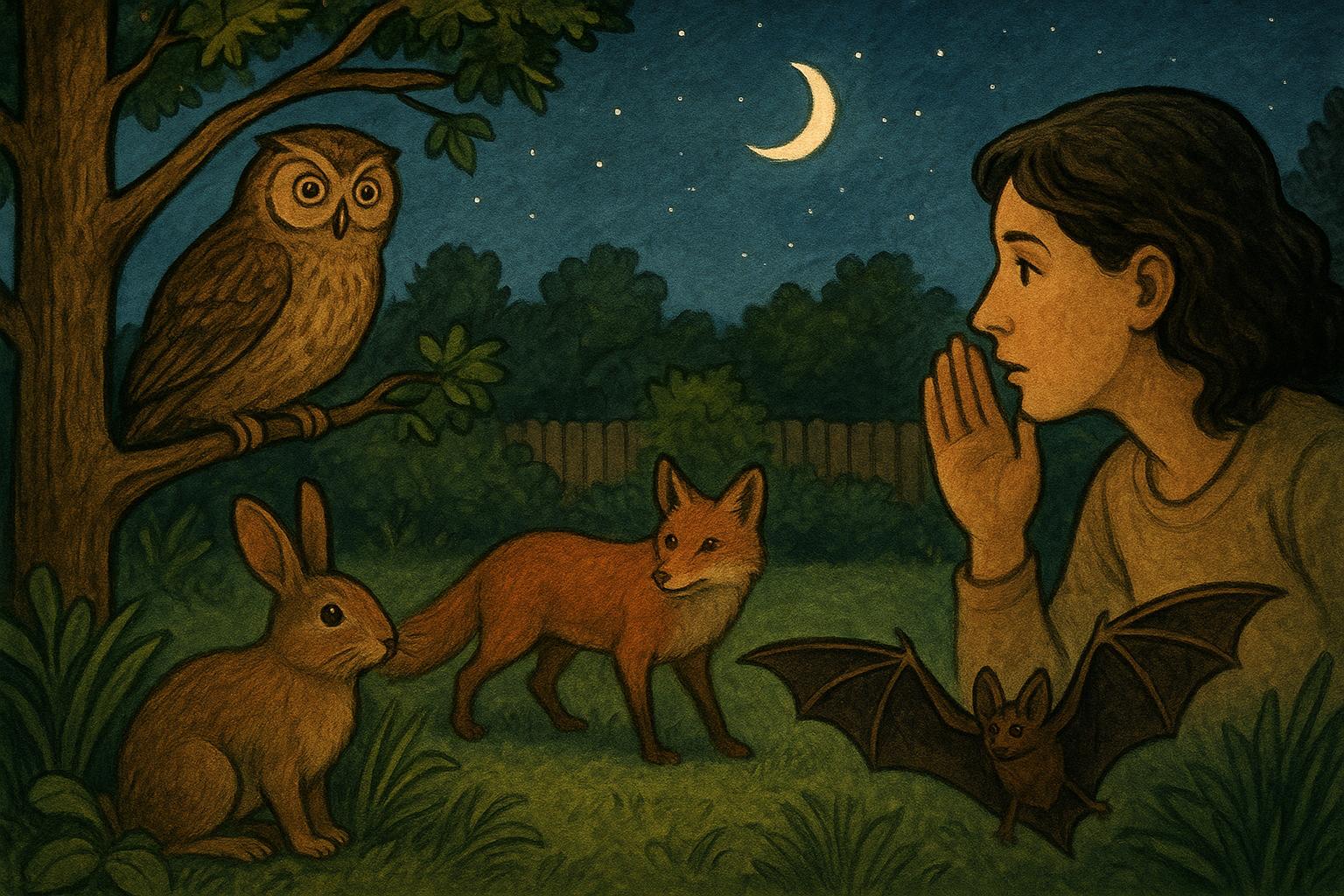
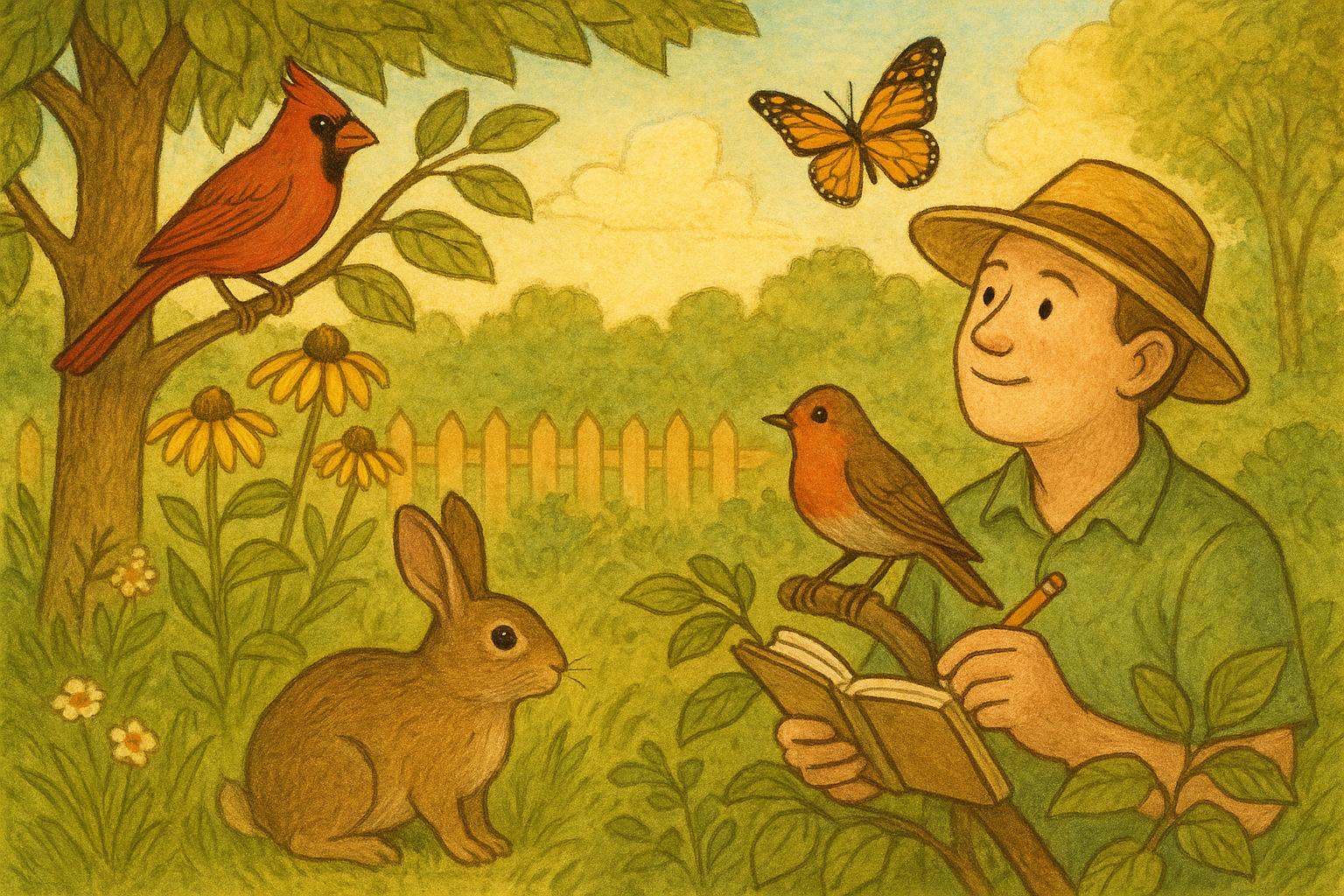
Start by mapping how animals will approach the pond. Will hedgehogs or raccoons use the garden? Do birds perch in nearby trees? Sit with a notebook for a few evenings and observe. Little details tell you which edge elements to prioritize.
### Make Gentle Slopes And Shallow Shelves
A gradual slope is the single biggest game-changer. Create a shelf 10–30 cm wide a little below the waterline where marginal plants can root. This shallow shelf doubles as a nursery for tadpoles and a hunting ground for wading insects.
– Use broken clay pots, large stones, or layers of aquatic planting baskets to build shelves.
– Keep at least one uninterrupted shallow zone for emergent plants. Too many rocks or tall planting will discourage small users.
### Plant For Function, Not Just Looks
Choose native, varied species. Reeds and rushes offer nesting and shelter, while water mint and water forget-me-not support pollinators. For a small pond, try a mix: one submerged oxygenator, two marginal plants, and a few bog plants. Native iris, rushes (Juncus), and flag iris (Iris pseudacorus) are reliable choices in many regions.
#### Plant Placement Tips
– Put denser plants at the sides, not the center.
– Leave open water patches for dragonflies to patrol.
– Place a strip of damp soil or leaf litter behind the marginal zone for ground beetles and amphibian travel.
### Add Hardscape That Helps Life
Stones, logs, and shallow terraces aren’t just decoration. Flat rocks at water level let bees and butterflies drink safely. Sun-warmed stones give reptiles a place to heat up before diving for a sip. Use a mix of particle sizes: larger boulders for perching, flatter stones for access, and gravel to create shallow ripple zones.
One common mistake is a clean, uniform stone rim. Break the line. Tuck gravel between planting baskets, and angle a couple of logs into the water for varied access.
### Provide Shelter And Retreats
Aquatic predators are part of the ecosystem, so give smaller animals escape routes. Submerged shelves and dense marginal planting offer quick cover for fish and tadpoles. A hollow log laid half in the water serves as a refuge for newts.
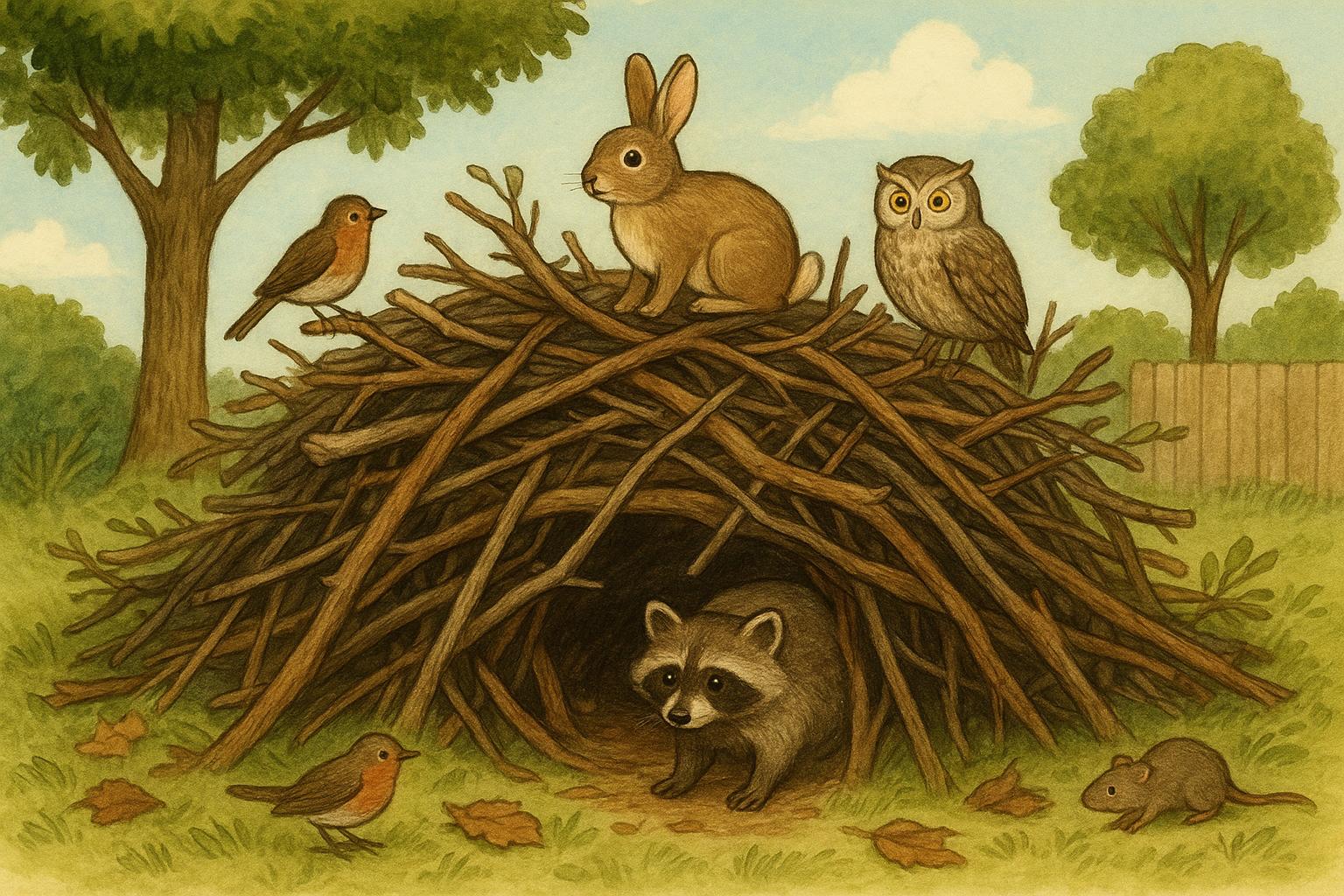
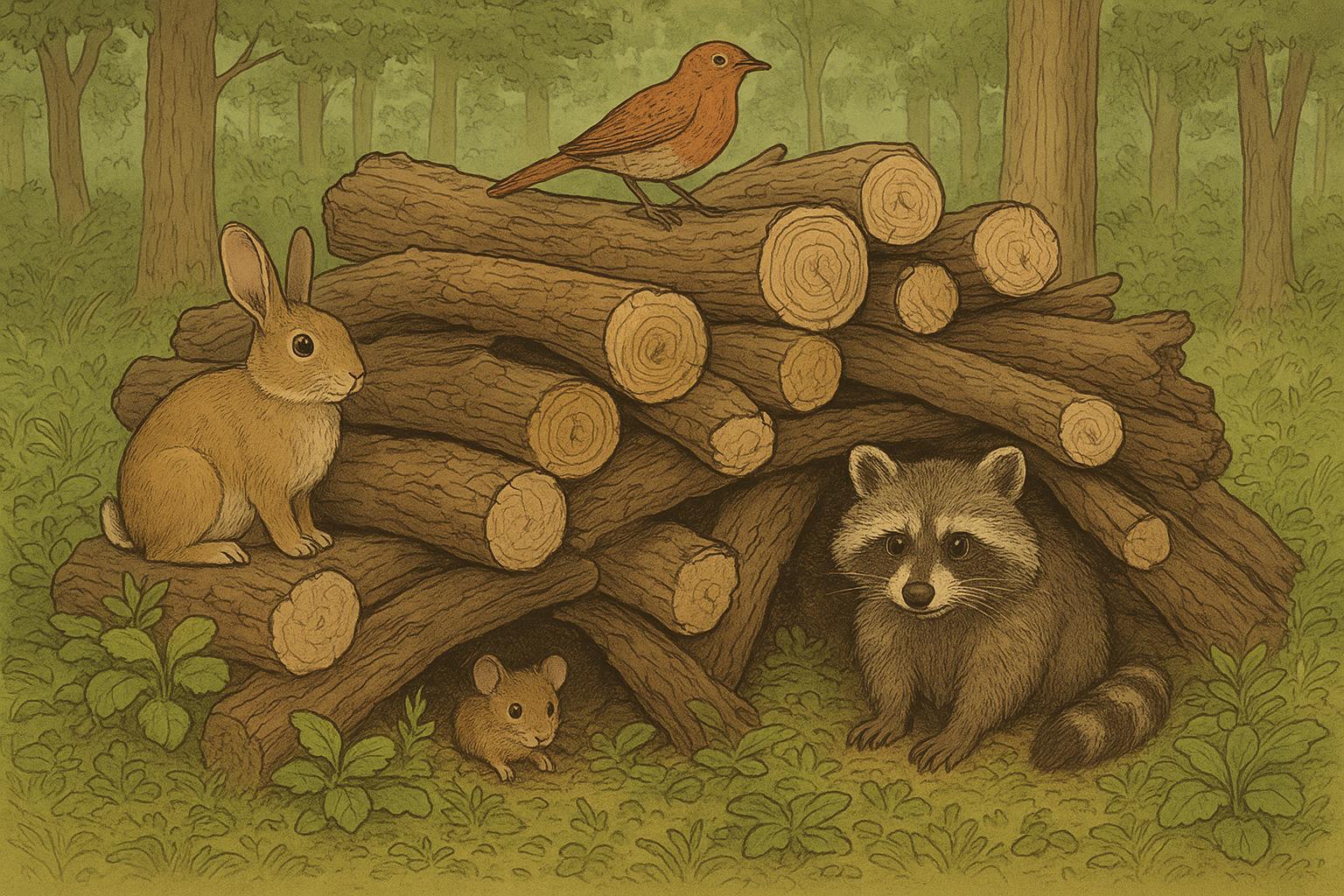
Consider leaving a few damp, shaded piles of leaves nearby. They’re messy, sure, but perfect for invertebrates that feed amphibian larvae. If you’re worried about mosquitos, remember that predators and fishes usually keep larval numbers in check if the habitat supports them.
## Managing Water Quality Without Killing Habitat
A wildlife pond edge doesn’t need crystal-clear, chemically treated water. In fact, some turbidity and leaf litter are normal. Avoid regular chlorine or chemical algaecides. Instead:
– Use plants to absorb excess nutrients.
– Add a small fountain or shallow flow to oxygenate water if it otherwise stagnates.
– Skim excessive floating algae by hand rather than treating the whole pond.
Routinely remove only thick mats of blanket weed. A healthy pond balances itself if the edge supports a diversity of plants and microhabitats. Occasionally scoop out compacted silt from the deepest point, not the margins, to avoid disturbing breeding zones.
### Encourage Nearby Upland Habitat
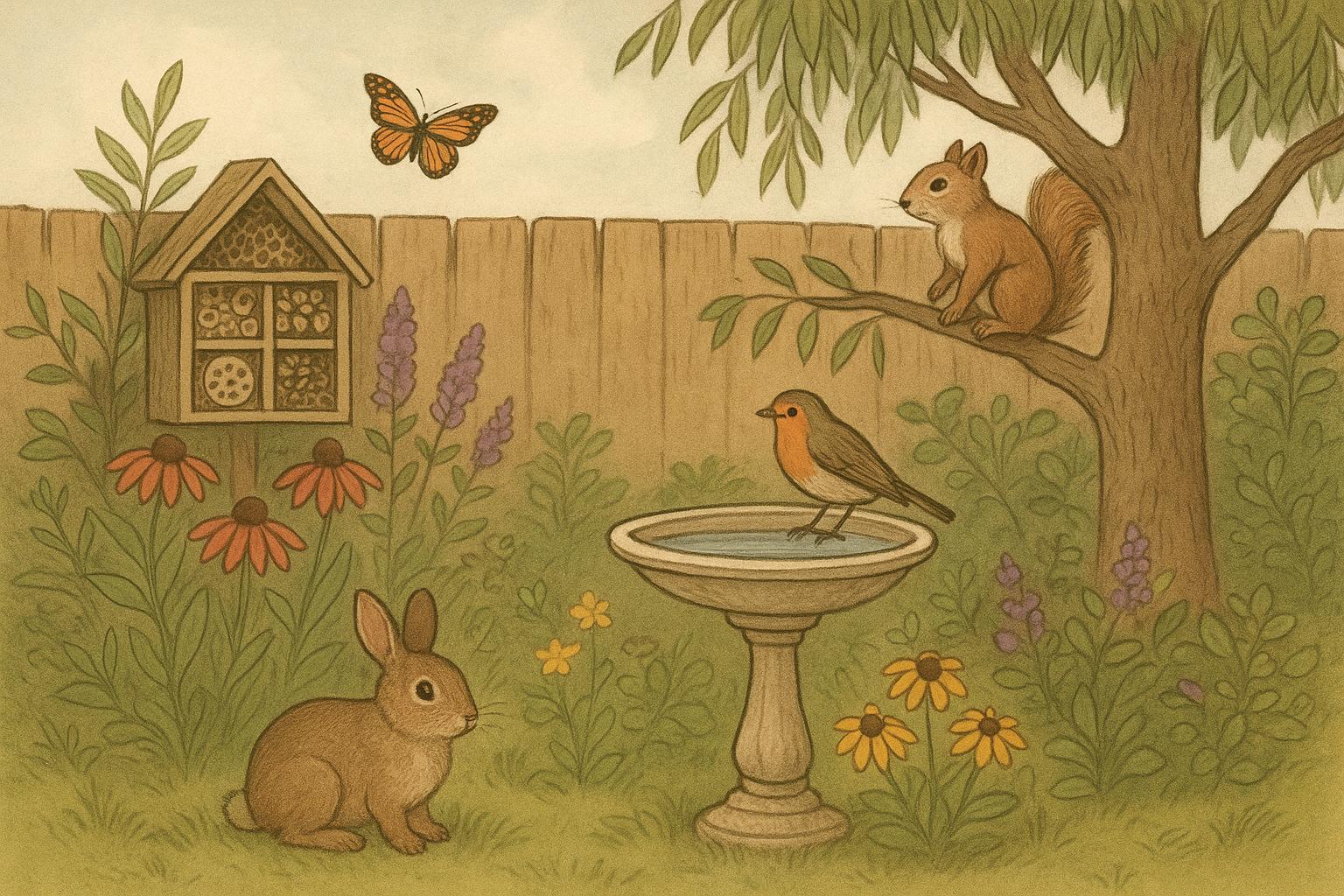
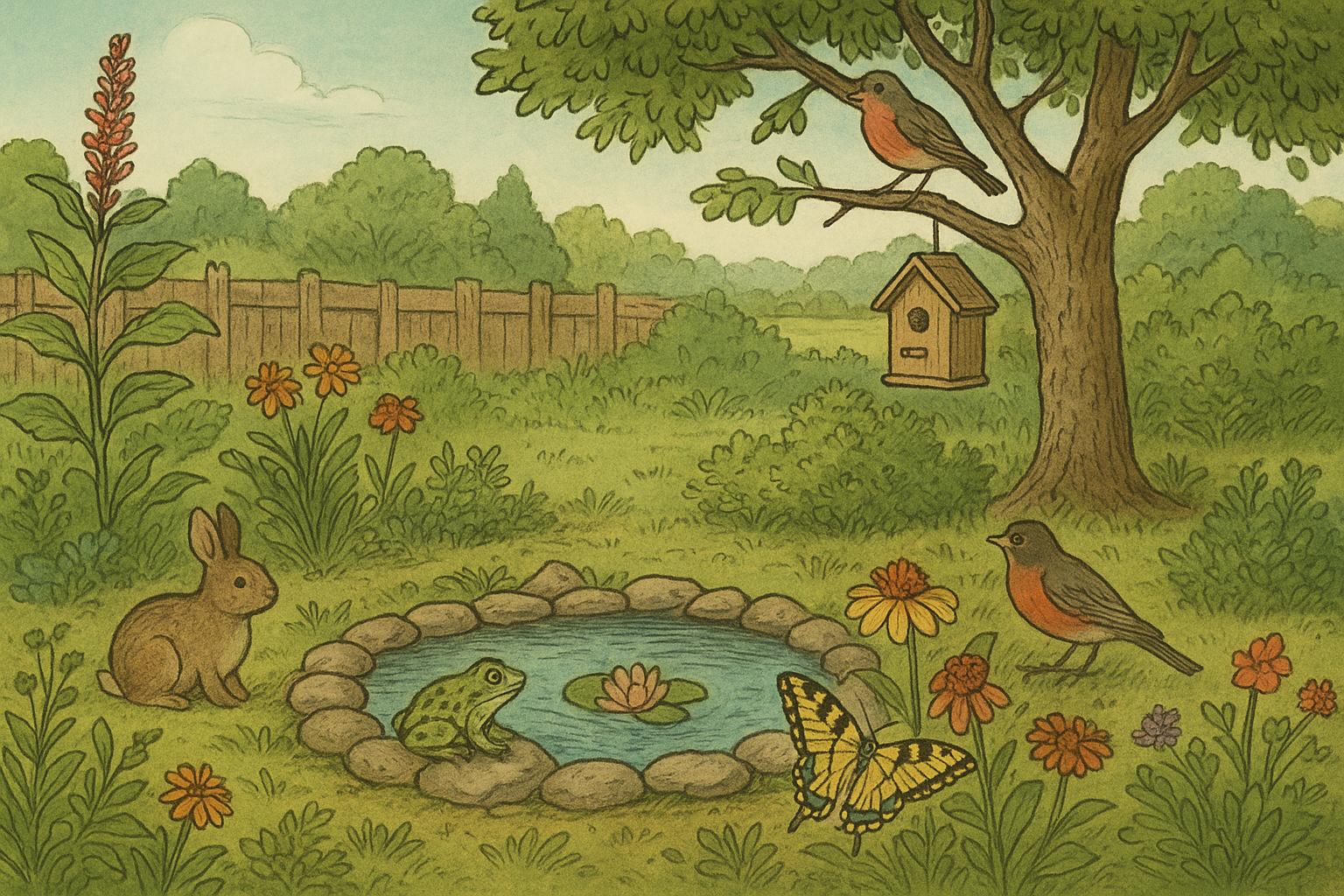
Don’t treat the pond as an island. A wildlife pond edge works best when paired with rough grass, native hedges, or a small wildflower patch. These areas supply insects and cover, and create corridors that connect your pond to the wider neighborhood.
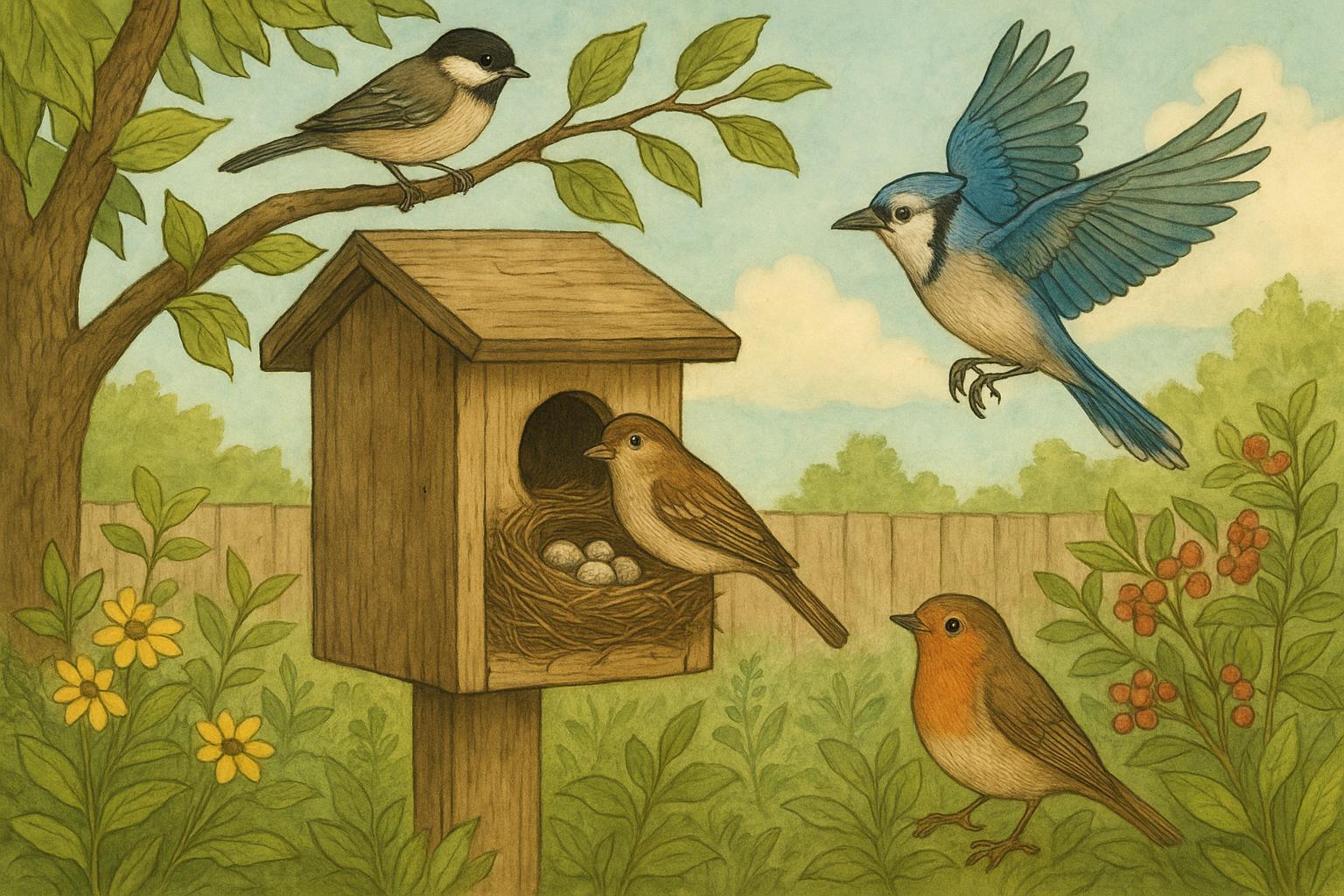
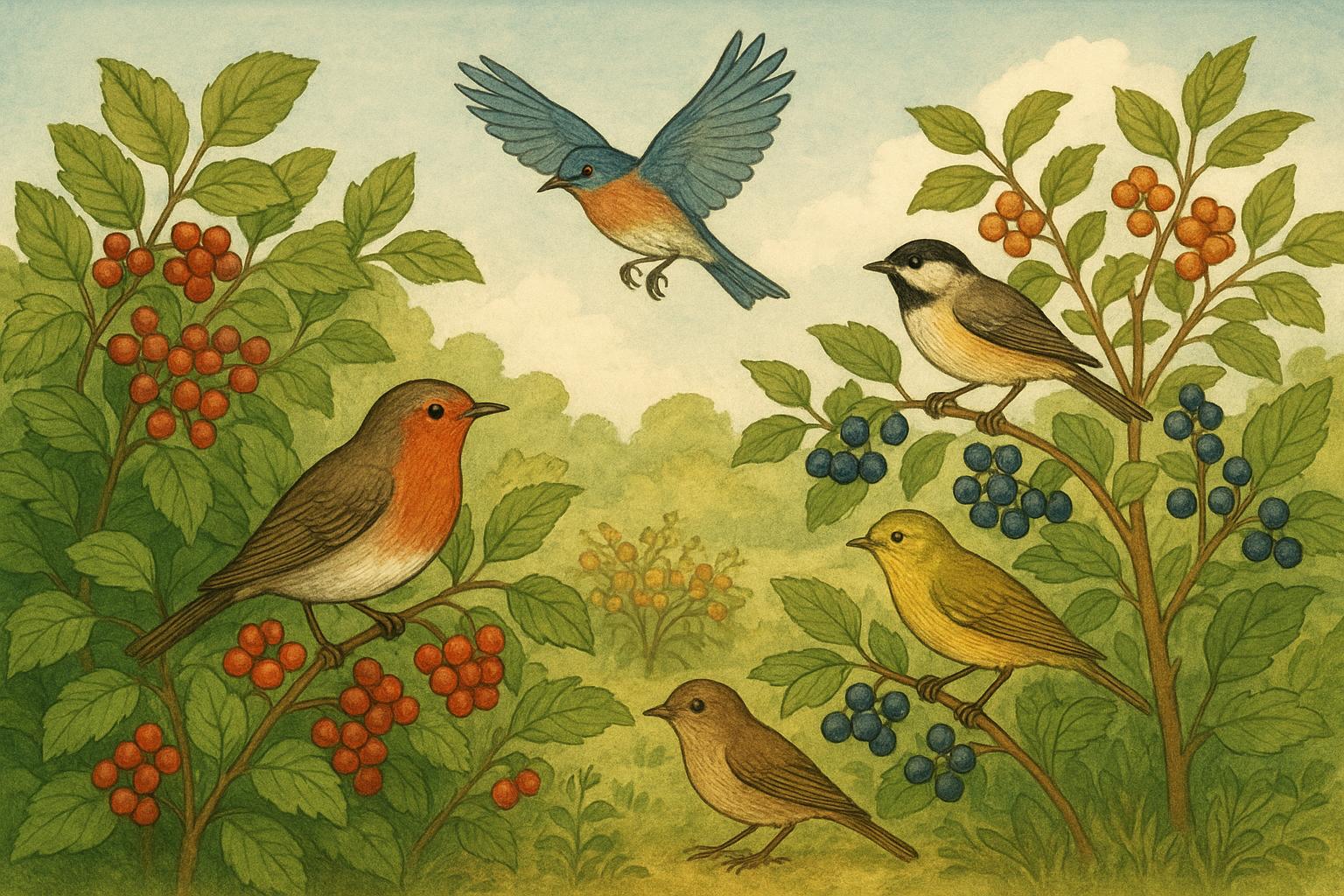
A narrow strip of uncut grass between the lawn and the pond makes a huge difference. Plant a few shrubs that fruit at different times of year to keep birds and mammals coming back.
## Maintenance That Keeps Life Thriving
Maintenance should be light-handed. Cut back vigorous reeds in rotation so there are always some left to seed. Remove invasive species before they dominate. Inspect edges after heavy rain for collapsed banks and repair them with a mix of clay, gravel and plants. Be practical: a bit of muck at the edge is normal and often beneficial.
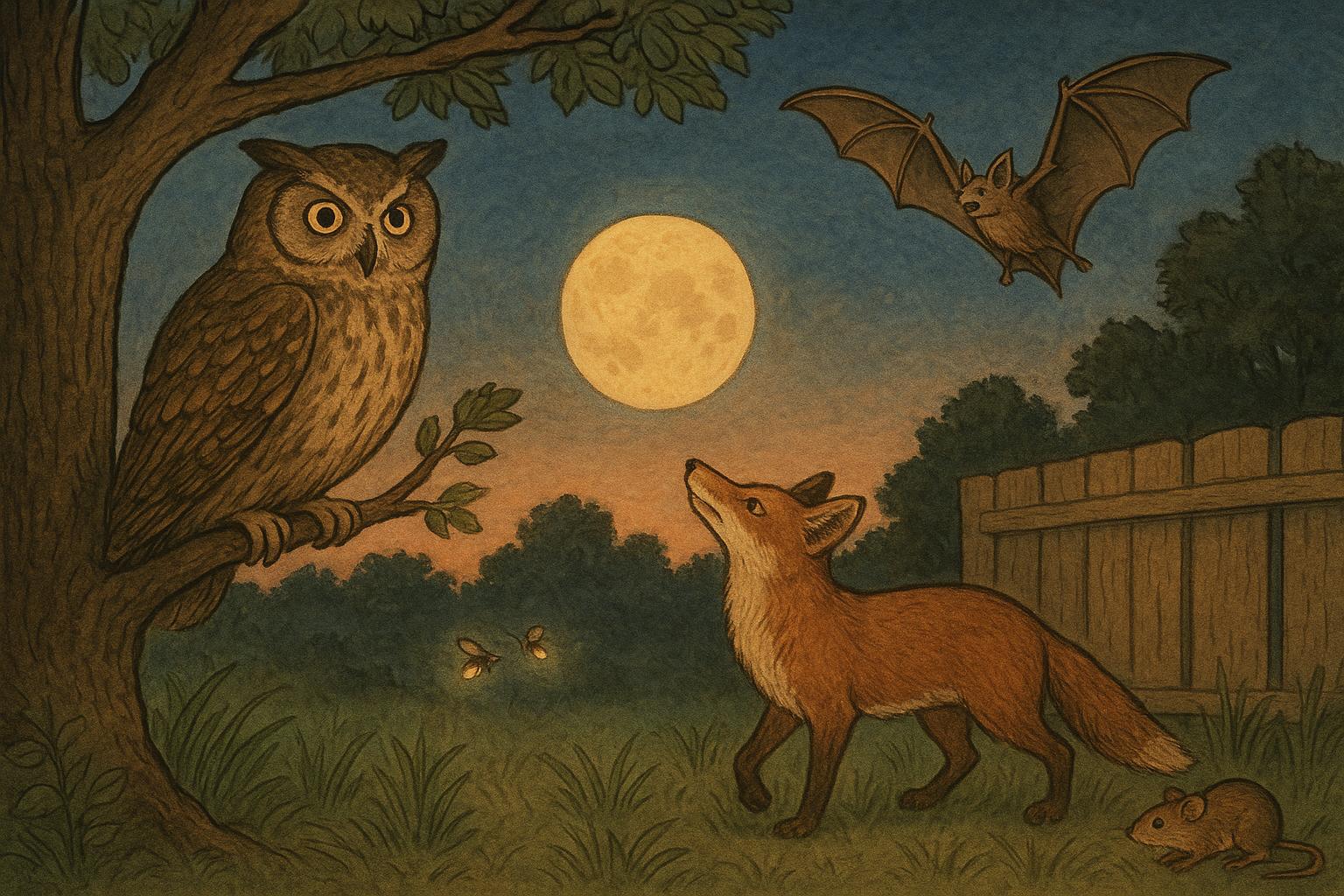
Some evenings you’ll notice something new—a heron stalking, a new frog chorus, dragonfly larvae on the rocks. That’s the whole point. Keep the edge varied, accessible, and a touch wild, and the pond will find its rhythm. You’ll see it, bit by bit. Ocassionally you’ll need to nudge things back, but mostly the system hums along if you give it the right places to live and hide. And if a few leaves gather at the shorline, don’t panic; nature knows what she’s doin.



Leave a Reply