
## Why Birds Tap Reflective Glass Surfaces Near Feeders
You’ve probably heard a woodpecker-style rapping on a patio door and seen a small bird fly off, only to return and hammer the same spot. That sound is often a reaction to what the bird thinks it’s seeing: an intruder in the form of a mirror image. The real reason why birds tap reflective glass surfaces has less to do with curiosity and more to do with territory, mating signals, and plain confusion.
### What The Bird Actually Sees
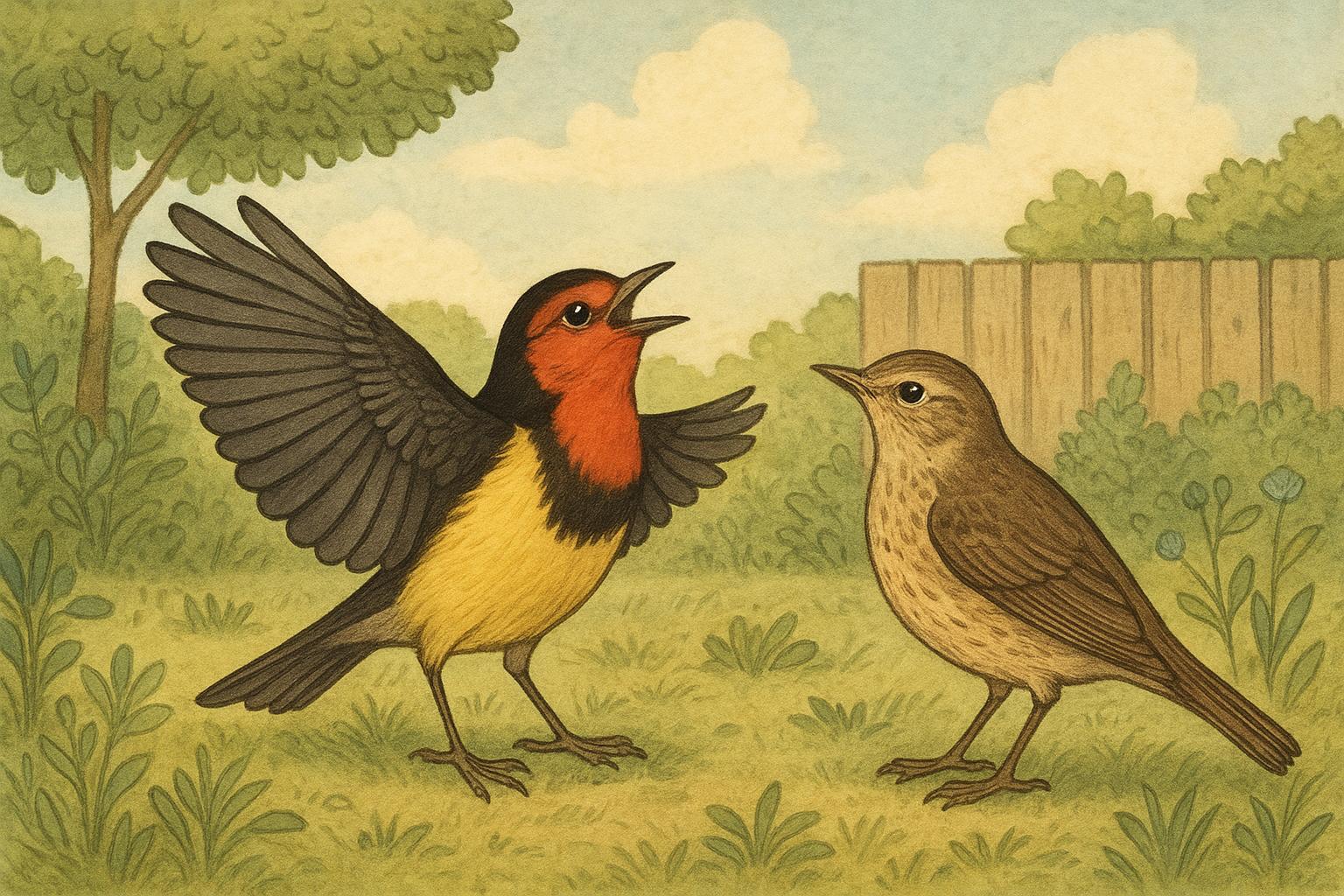
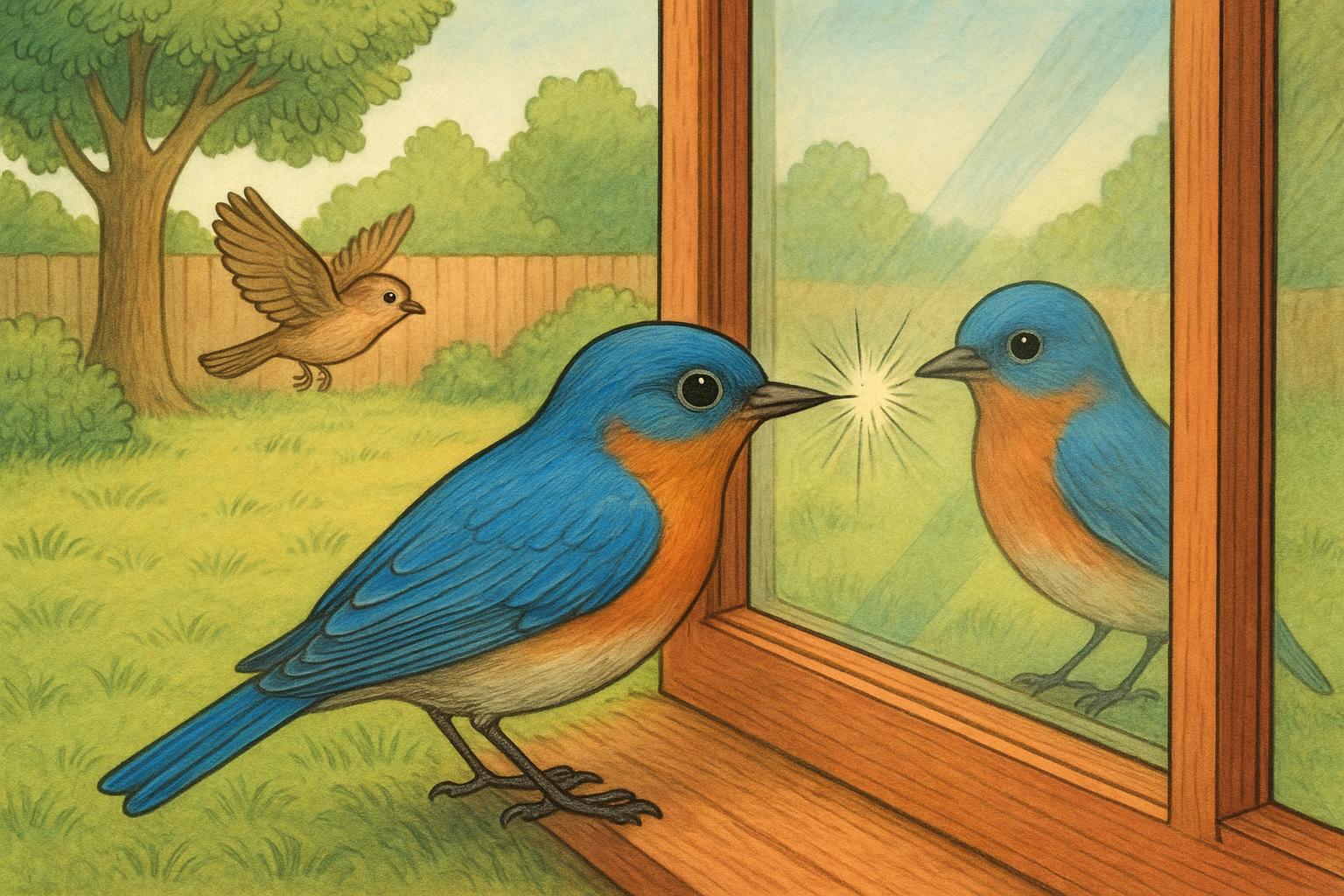
To a bird, a clean window can look like open space or a rival. When sunlight hits glass at the right angle, it throws back a strong silhouette. Those glass reflections can be bright and crisp, showing branches, sky, or another bird. If a male robin spots what appears to be another male in its territory, it will approach to assert dominance. Sometimes the response is a tap or peck at the glass. In other cases the bird will repeatedly slam into the pane trying to dislodge the “intruder.” That explains a lot about why birds tap reflective glass surfaces: they’re acting on instinct, not logic.
A bird window reflection can also show seasonal cues. In spring, when hormones are high, a male sees his reflection and treats it like a rival he must chase away. During migration or fall, reflections of habitat can trick birds into thinking the window is a continuation of the landscape, so collisions or repeated tapping happen more often.
### Signals, Territory, And Mating Messiness
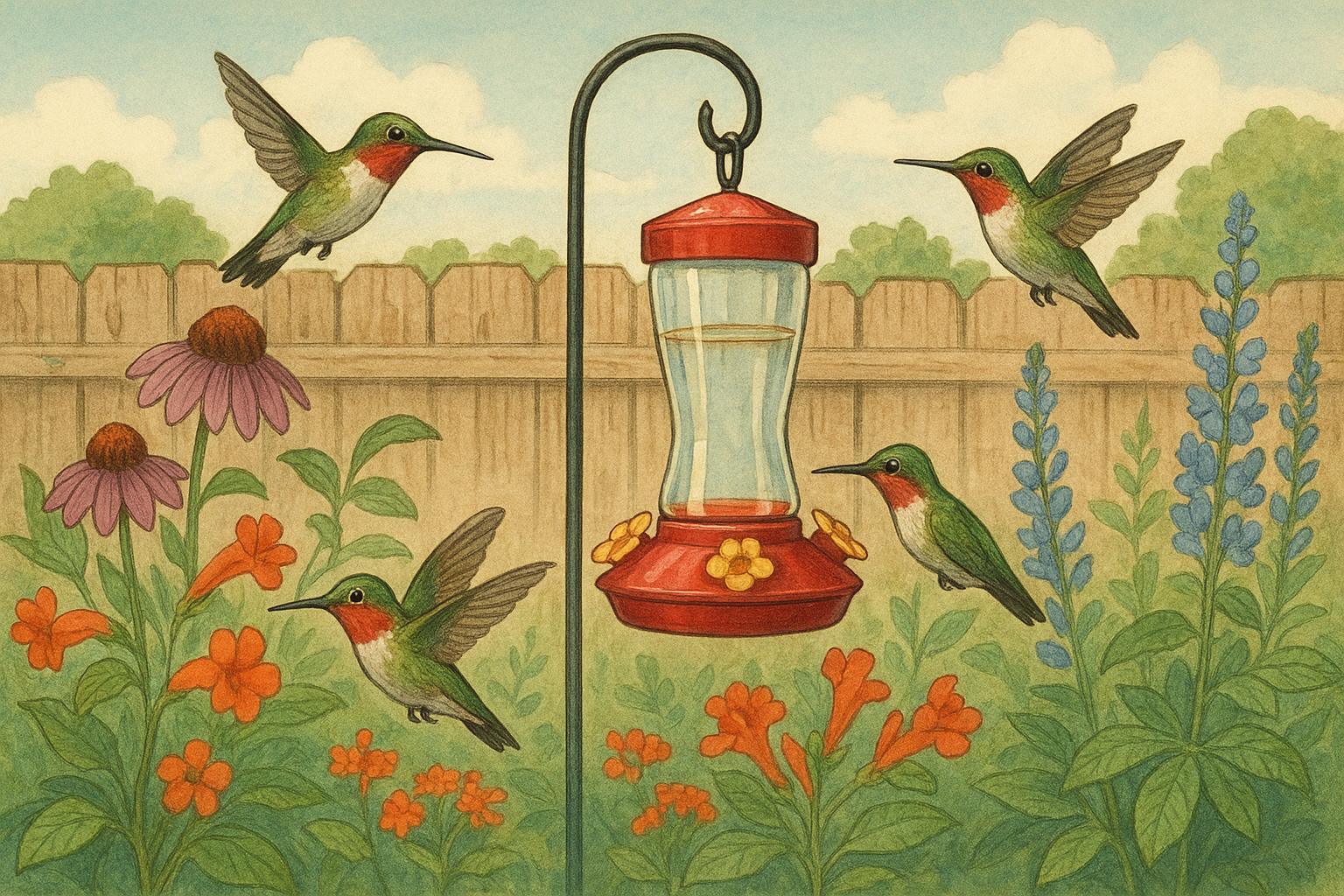
Birds use visual signals for courtship and territorial patrols. A flash of plumage, a wing beat, or a song can provoke a response from another bird. The moment a bird spots its reflected image it interprets that image through its own behavioral rules. A hummingbird defending a feeder will dive-bomb a reflection. A male sparrow may puff up and peck persistently. That’s why birds tap reflective glass surfaces so often around feeders and nesting spots.
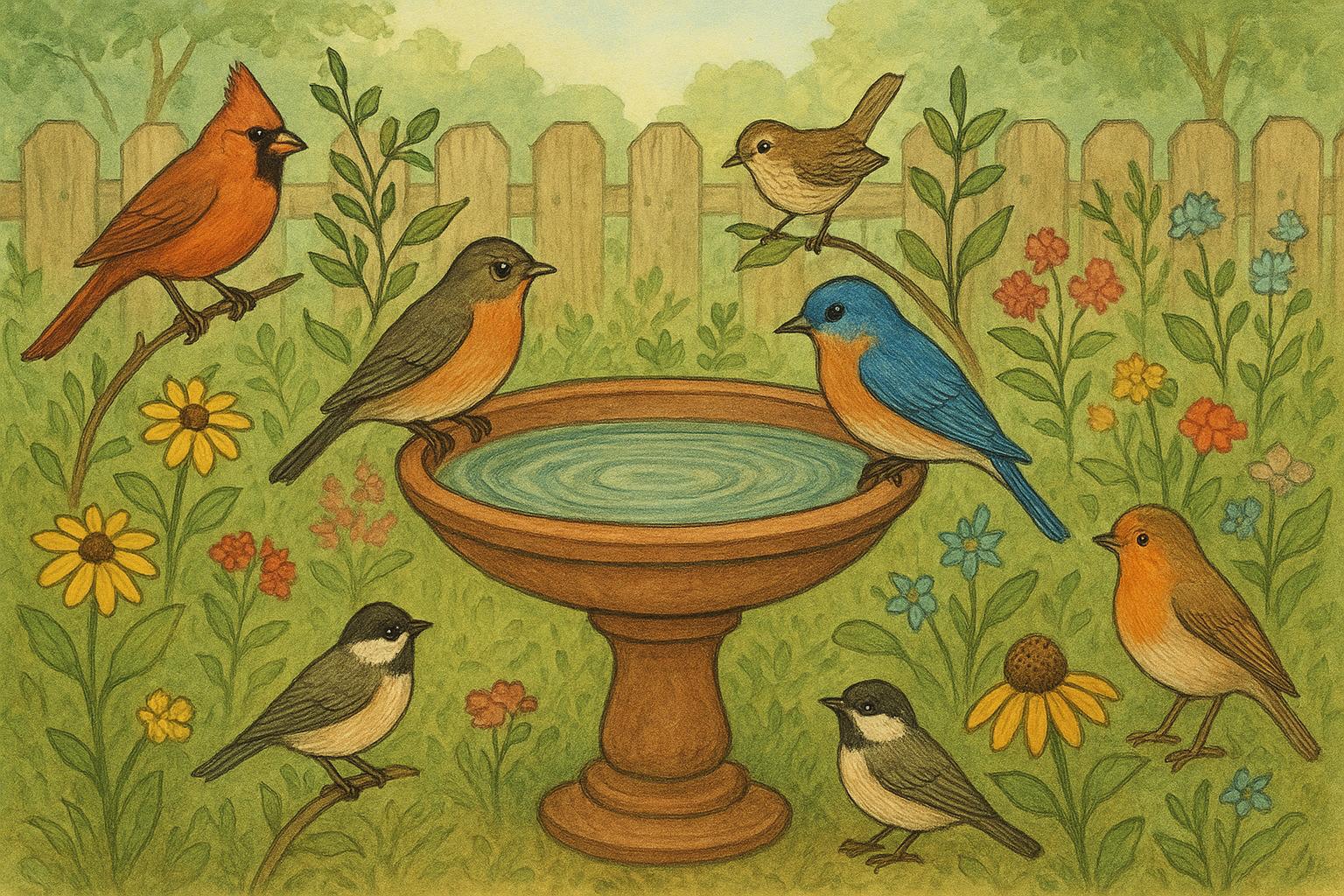
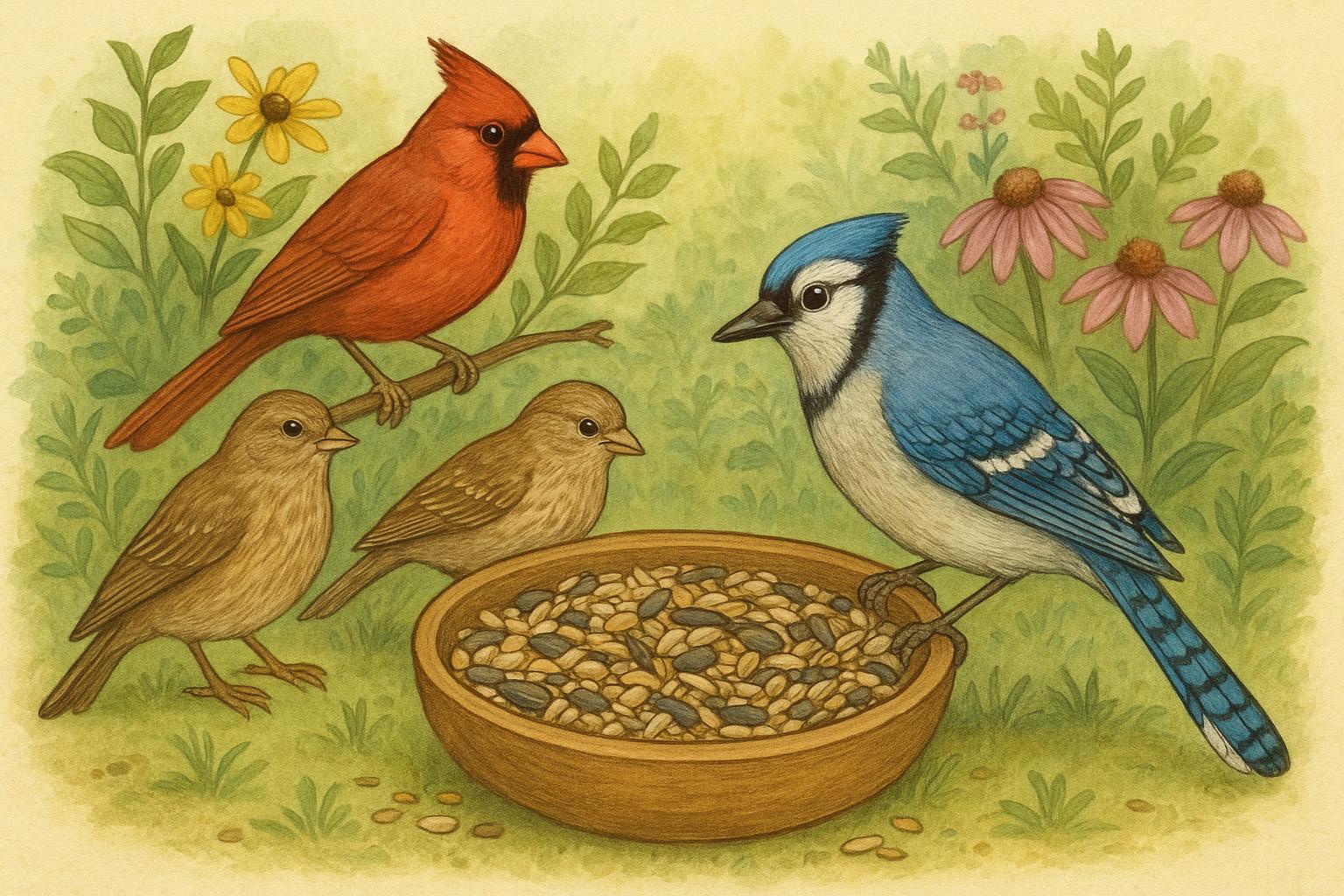
Not all species are equally bothered. Mockingbirds, robins, and cardinals are notorious repeat offenders. They have strong territorial instincts and respond quickly to what they interpret as competition. Smaller birds might simply bolt away from a confusing reflection. You can sometimes predict problems: windows facing a birdbath, feeder, or dense shrubbery create more tempting glass reflections and therefore more trouble.
### How Light And Angle Make It Worse
Sun angle matters. Early morning and late afternoon light is low and warm, which tends to produce clearer reflections. On cloudy days, the glass acts more like a dark window and reflects less. Indoor lighting also changes the effect. A brightly lit room at night will make the window behave like a mirror toward the outside. In short, the same pane of glass can be harmless one hour and a trap the next. That shifting behavior is a big part of why birds tap reflective glass surfaces — it’s inconsistent, and birds react to what looks like immediate threats or openings.
### Small Practical Fixes That Actually Work
#### Make The Reflection Less Real
If a bird keeps returning to the same spot, breaking up the reflected image helps. Apply window film, temporary paper shapes, or spray soapy water to the outside surface. Even tape in a grid pattern reduces mirror-like effects. Anything that disrupts continuous glass reflections makes the perceived rival less convincing.
#### Change The Landscape Near The Window
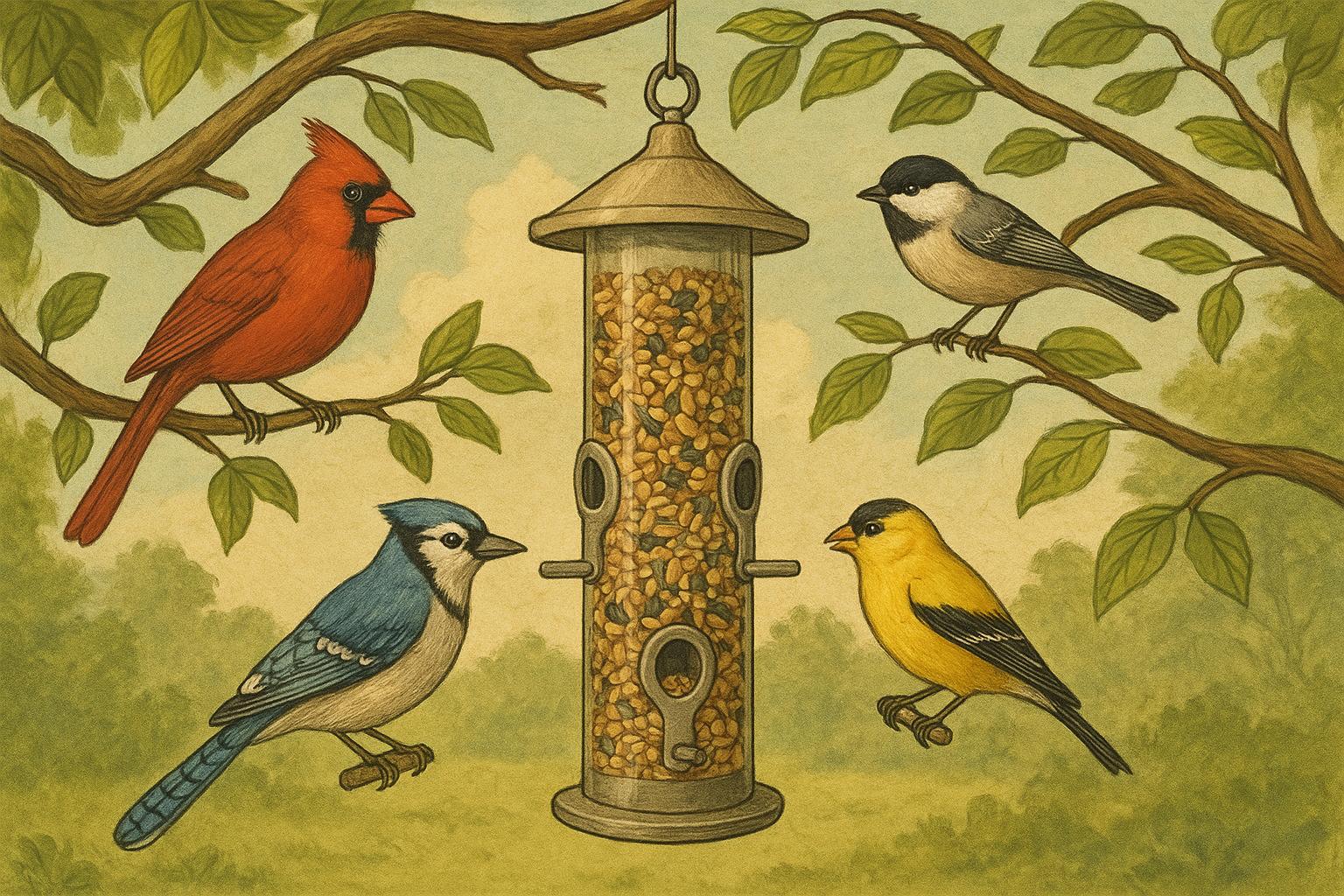
Move feeders away from windows, or add a bush or two between feeder and glass. That reduces direct sightlines and makes it harder for a bird to mistake reflections for actual rivals. When possible, reposition houseplants or indoor lights at night to lessen the bird window reflection that tempts evening collisions.
#### Timed Motion And Visual Cues
Hanging a shiny object that moves in the breeze can be surprisingly effective. The motion creates a variable visual cue that birds learn is not a stationary competitor. Also, closing curtains early or installing exterior shades during breeding season can cut down incidents where territorial birds repeatedly peck a pane.
### When Tapping Turns Dangerous
Tapping isn’t always harmless. Repeated impact can injure beaks or lead to fatal collisions. You’ll know it’s a serious problem if you hear loud thuds, find feathers around the glass, or see a single bird returning relentlessly at dawn. In those cases, more permanent measures are needed: durable external screens, one-way films that make glass appear opaque from the outside, or rearranging the yard layout so that reflections no longer match important territorial markers.
Public parks and apartment buildings see a lot of this because large glass surfaces reflect entire trees and sky. In backyards, the typical culprits are patio doors and picture windows that face feeders. That’s why birds tap reflective glass surfaces around homes more often than you might expect.
Keep an eye on patterns. If a bird taps at the same spot during the same week every spring, that’s almost certainly territorial behavior. If it’s random and isolated, it might be a young bird learning the landscape. Either way, reducing clear reflections and changing sightlines goes a long way to preventing the problem.
A quick note: one homeowner found that placing a small branch vertically against the outside glass stopped a persistent cardinal almost immediately. Simple fixes can be weirdly effective.



Leave a Reply