
## Mole Damage Indicators: How To Read Your Lawn
Moles leave a mess that looks deliberate but tells a story if you know how to read it. Look for small volcano-shaped mounds, shallow surface ridges, and patches of grass that seem to puff up and then sink. Those are the classic mole damage indicators, and each one points to different behavior underground. Some signs mean feeding, others mean nesting or travel. Once you can sort those out, the rest of the assessment is straightforward.
### How Moles Make Tunnels And What You See On Top
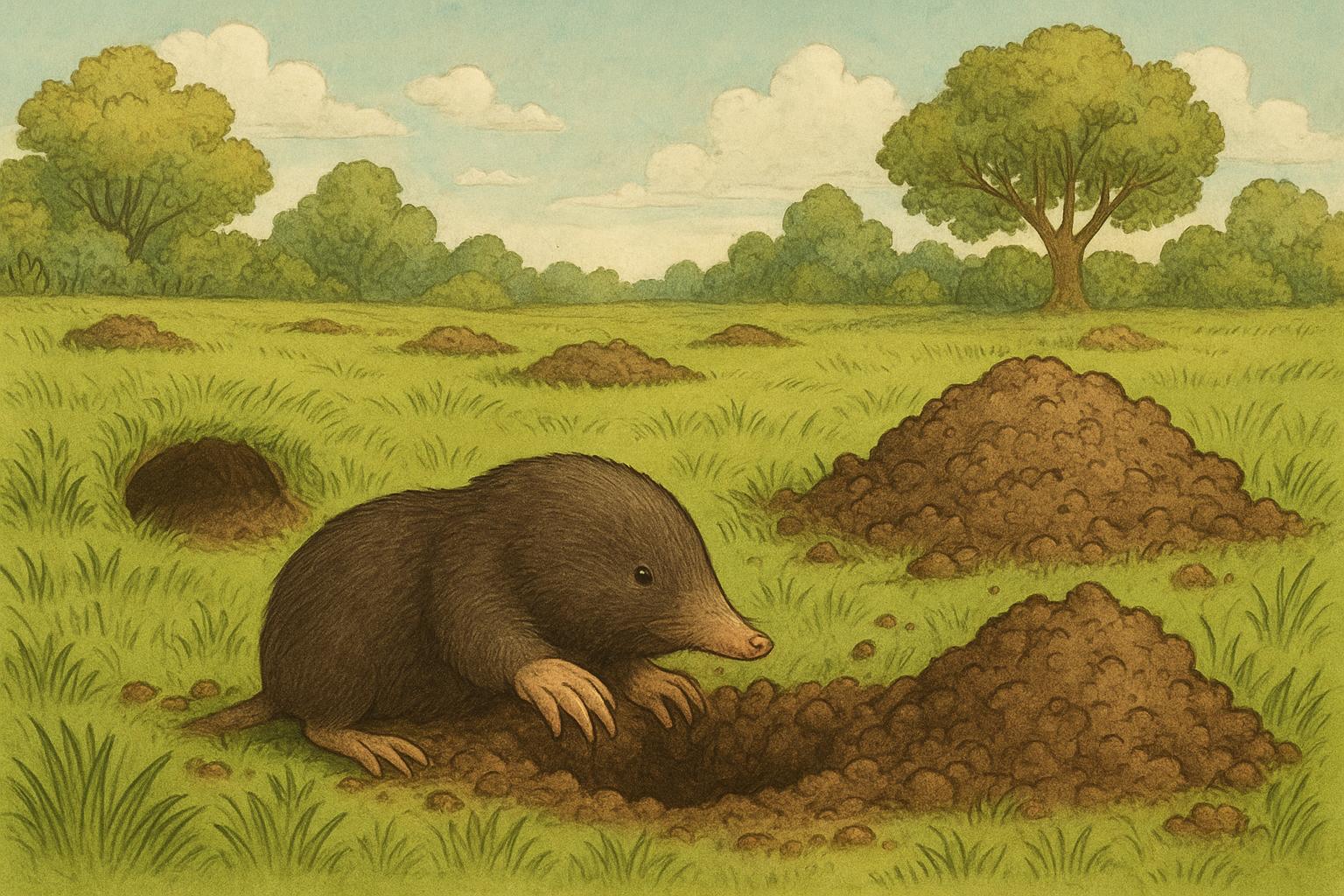
Moles are insectivores. They don’t eat roots; they hunt worms and grubs. To catch prey they tunnel through the upper soil layers, turning up the earth as they go. The most obvious sign is the molehill — a conical mound of freshly pushed soil with no entrance hole on top. That’s different from many rodents. Then there are ridges: long raised strips where the mole moved just below the surface. Those ridges are often a chain of collapsed tunnel walls, and they can look like wrinkles in the turf.
When you see these patterns, note the soil texture. Freshly dug mounds will have looser, crumbly soil that’s still moist. Older mounds are compacted and may have grass starting to re-root. Those visual and tactile differences help you gauge when the activity happened.
#### Fresh Tunnels Versus Old Activity
A fresh tunnel is soft to the touch and might collapse easily when you step on it. The grass over a new tunnel often looks slightly lighter because the roots were disturbed. Older tunnels form a sunken line where grass grows more sparsely. If you press your finger into a ridge and the soil yields, that’s recent work. If it’s hard-packed or covered in new plant growth, it’s older. Tracking this over several days tells you whether moles are still active.
### Distinguishing Mole Damage From Other Pests
Not every bump in the lawn is a mole. Voles, gophers, and even skunks create their own damage. Voles leave runways at the surface and clipped stems; gophers create larger mounds with an obvious plug or entrance. Gopher mounds are crescent-shaped and often have a visible opening. Moles, by contrast, tend to leave small, round mounds and linear ridges. Look at the pattern: scattered volcanoes with interconnecting ridges almost always point to moles.
If you dig into the side of a mound and find a smooth-walled tunnel with compacted sides, that’s a mole tunnel. Vole burrows are more irregular and often near plant roots. Remember: mole damage is mostly to the turf surface and soil structure, not to plant roots themselves. That’s an important distinction when you assess plant health later.
## Assessing The Extent Of Lawn Damage
Start small and expand. Pick a representative patch of lawn and map the signs: count fresh mounds, mark ridges, and note areas where grass is wilting or pulled up. That baseline helps with decisions — whether to repair a few spots or plan a neighborhood-wide remediation.
### Inspecting For Soil Disturbance
Soil disturbance is the key metric. You want to know how much of the upper soil profile has been churned. Walk the lawn on a cool morning when the ground is firm. Press along ridge lines and scoop into a mound to see how deep the disturbance goes. If tunnels are limited to the top two to four inches, root damage will be minimal. If you find deeper networks, expect more uneven settling in the turf. Count the number of fresh mounds per 100 square feet to estimate activity levels. If there are more than a handful, the mole population is probably active and should be addressed.
Check the surrounding landscape as well. Lawns near compost piles, woodpiles, or moist garden beds often have more soil disturbance because those spots attract earthworms and insects. That creates a concentrated food source for moles.
#### Tools For Measuring Damage
You don’t need fancy gear. A garden trowel, a tape measure, and a notebook will do. Use the trowel to open tunnels and observe the sides. Measure the length of ridges and the height of mounds. Over time, record whether the number of fresh mounds increases or declines. Simple photographic records are useful too — take a shot from the same angle every few days to document activity.
### Plant Health And Root Issues Related To Mole Damage
One misconception is that moles eat plant roots. They rarely do. However, their tunneling can uproot small plants or expose root systems to drying out. Look closely at flower beds and newly seeded turf. If seedlings fail to establish over a tunnel area, the cause is likely the soil disturbance rather than root predation. Perennials with deep roots are usually fine. Shallow-rooted annuals and newly installed sod are most at risk.
When a tunnel collapses, it can leave air pockets beneath the turf. Those pockets wick moisture away from roots and create dry patches. You’ll see grass that looks wilted despite regular watering. In those cases, press the turf down, add a thin layer of topsoil, and water deeply to encourage re-rooting.
## Practical Steps After Identifying Mole Damage Indicators
Once you’ve confirmed mole activity and measured the disturbance, decide on immediate fixes and long-term changes. There are two parallel tracks: repairing the lawn and reducing the attractiveness of your property to moles.
### Short-Term Repairs For Visible Damage
For individual mounds, the quickest fix is to flatten the soil and reseed or patch with sod. Fresh mounds should be raked or moved into low spots. If tunnels have collapsed and left depressions, fill them with a mix of topsoil and compost to match the surrounding grade. After filling, tamp lightly and water. Don’t over-tamp; compacted soil is a problem too. For elongated ridges, slit-seed the area and roll to improve soil contact.
In lawns that show many small soft ridges, aerating and topdressing can help. Aeration breaks up the compacted areas mole activity often causes, and topdressing evens the grade so mowing is safer. If you have newer plantings, pin down exposed roots and drench with water to re-establish contact with soil.
### Reducing Soil Attractiveness
Moles follow food. If your soil has high earthworm or grub numbers, moles will keep coming back. Treating for grubs lowers the food supply and can reduce mole traffic. However, grub treatments should be targeted and timed correctly — late summer is when most grub control products work best.
Irrigation habits matter. Overly wet lawns invite more earthworms, and that invites moles. Let the lawn dry slightly between deep waterings. That reduces surface invertebrates without stressing deep-rooted plants. Also keep compost and organic mulches away from the immediate lawn edge where possible; those piles are feeding stations.
#### Biological Controls And Predators
Encouraging natural predators can be part of the strategy. Foxes, owls, and snakes prey on moles occasionally. Creating a diverse habitat at the edges of your property — native shrubs, perennials, a small brush pile — can attract these predators. That’s a slow approach and not a guaranteed fix. Still, in combination with other tactics, it can tip the balance.
## Nonlethal And Lethal Control Options
People debate the ethics and efficacy of different control methods. It helps to be practical: choose the approach that fits your time, budget, and tolerance for live animals.
### Trapping
Trapping is among the most reliable methods when performed correctly. There are several trap types designed to be set inside active tunnels. The challenge is finding the main travel routes and setting traps in firm, unmistakably active sections. I recommend checking traps daily and following local regulations. Trapping can remove individual moles quickly and with minimal collateral damage if done by someone experienced.
### Repellents And Baits
Repellents have mixed results. Castor oil-based products can irritate moles and disrupt their feeding temporarily, but they rarely provide a lasting solution in grub-rich soils. Baits that mimic earthworms exist, but you must be cautious with non-target species and follow label directions. In many cases, reducing the food supply and repairing the lawn are more effective long-term.
### Flooding And Sonic Devices
Flooding tunnels can work occasionally but is inconsistent. Moles often have deeper escape routes and will simply move to adjacent areas. Sonic or vibrating repellents also produce variable results. Some homeowners swear by them; research shows mixed efficacy. Use these methods as part of a broader plan rather than a single fix.
## Monitoring And Long-Term Management
After action is taken, monitoring is the underrated step. Without it you won’t know if your tactics worked or if further action is needed.
### How To Set Up A Monitoring Routine
Walk the lawn twice a week at first, then weekly once activity declines. Mark new mounds with spray paint or small flags to track frequency. Keep notes: dates, number of mounds, and whether traps or treatments were applied. Over a growing season you’ll see whether mole activity follows a pattern — maybe heavy in spring and calmer in summer.
If mole damage indicators keep appearing in the same zone, change the environment. Replace thick mulch near the lawn, reduce irrigation in that area, or add a shallow gravel strip between lawn and beds. These small changes can make a place less appealing to mole prey.
#### Using Neighbors’ Observations
Moles don’t respect property lines. If your street has several lawns with signs of mole damage, coordinate with neighbors. A single homeowner’s efforts may be undone by active moles next door. Share notes on timing and methods used. A coordinated grub treatment or trapping effort is more likely to reduce the local population than isolated actions.
## When To Call A Professional
If you’re dealing with widespread soil disturbance across large lawn areas, or if you’ve tried DIY tactics for several months with no change, bring in a pro. Experienced contractors know how to read mole travel routes quickly and set traps effectively. They also offer warranties or follow-up visits, which help when activity returns.
Ask any contractor for references and a clear plan. A good professional will first verify that the damage is from moles, not gophers or voles, then outline a monitoring and treatment timeline. Be wary of anyone promising a one-time cure. Mole populations respond to many factors in the landscape, and persistent problems often require multiple interventions.
### The Cost-Benefit Calculation
Decide based on the area affected and the importance of the lawn to you. Small patches of mole damage can be repaired cheaply and may not warrant professional help. High-visibility lawns, athletic fields, or newly established turf might justify hiring someone. Factor in the cost of repeated DIY attempts, lost time, and the potential for repeated reseeding if you’re unsure.
## Preventing Future Mole Problems
Reduce the reasons moles choose your lawn. Maintain balanced soil moisture, avoid over-fertilizing with slow-release organic matter that can boost insect life, and manage compost and yard debris carefully. A healthy lawn with deep roots is less likely to show dramatic effects from mole activity, even if tunnels appear.
Plant choices matter too. Some ornamental beds with dense plantings attract earthworms and insects. Consider a gravel border between lawn and beds or use heavier mulches that discourage soil invertebrates near the turf edge. Small changes can make a place less desirable for moles while keeping the rest of your garden intact.
Keep records of what you try. A year of careful notes will show which adjustments reduced mole damage and which had no effect. Over time you’ll develop a tailored plan for your specific soil and microclimate. And when something finally clicks, you’ll know whether it was the rake-and-fill tactic, the grub treatment, or changing the watering schedule that made the real difference. Suprise yourself by paying attention.


















































Leave a Reply