
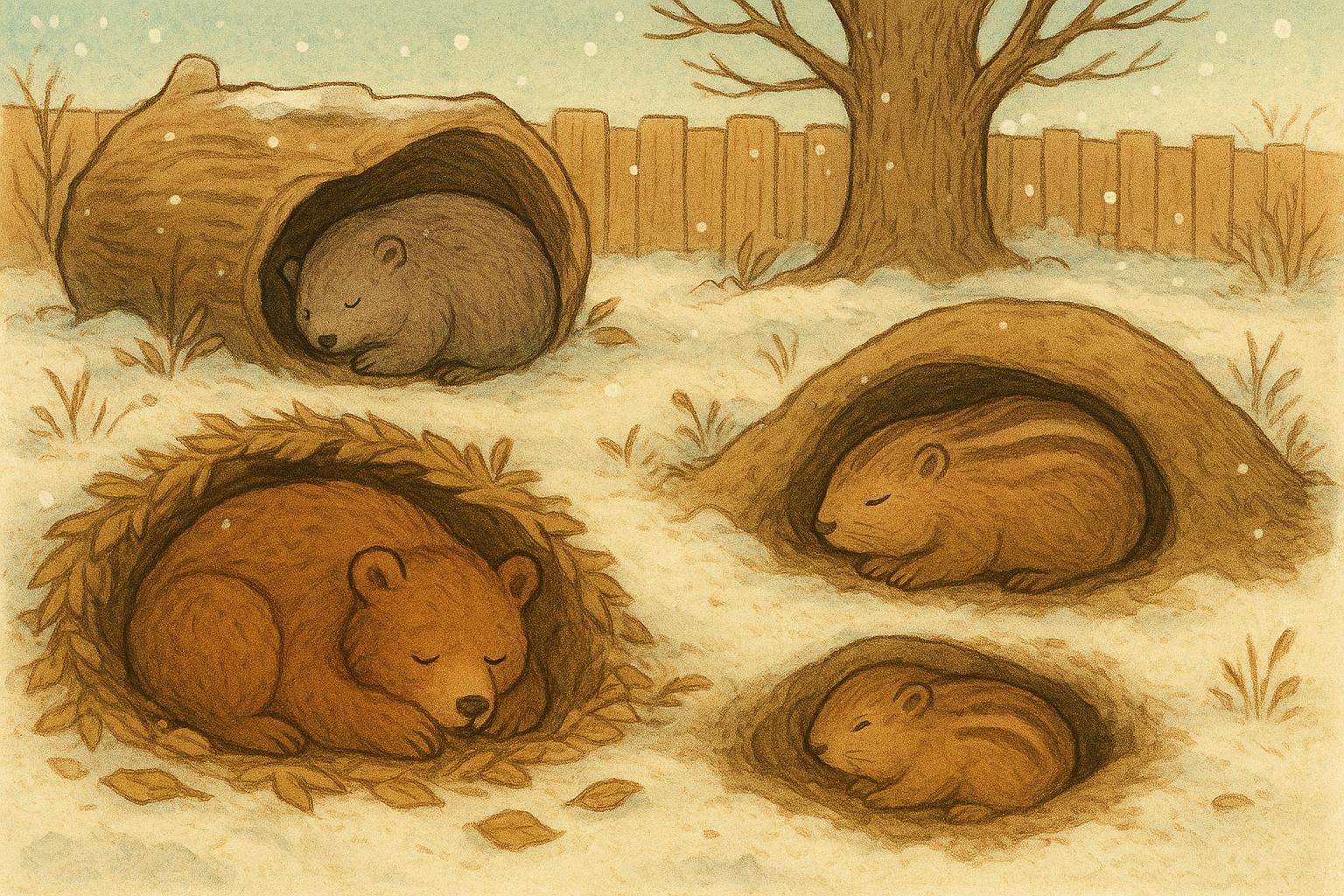
If you’ve ever wondered which animals hibernate in your backyard, you’re in the right place. Winter in the yard isn’t just quiet—it’s a busy season of naps, slowdowns, and strategic retreats. We’ll walk through the usual suspects, clarify a few myths, and give you two practical, formal remedies to help relevant critters without creating problems for others.
## Which Animals Hibernate In Your Backyard This Winter
Hibernation is a survival strategy, not a one-size-fits-all nap. When people ask which animals hibernate, they usually picture long, uninterrupted sleep—but the reality varies. Some species enter deep hibernation, dropping body temperature and metabolic rate for weeks. Others use torpor (shorter daily or multi-day slowdowns), and reptiles and amphibians undergo brumation—a similar, but physiologically distinct, slowdown.
### Common Backyard Hibernators: Mammals
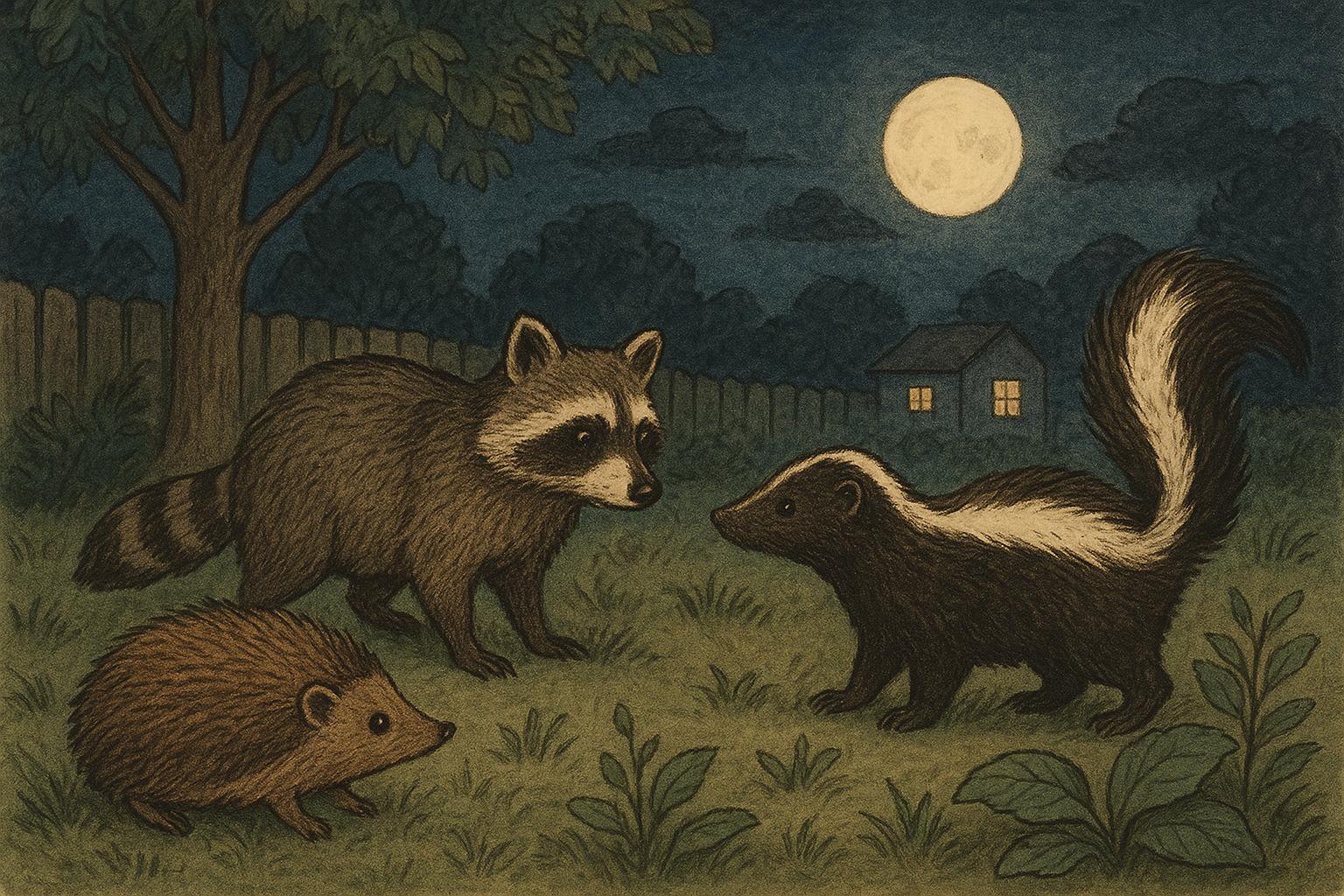
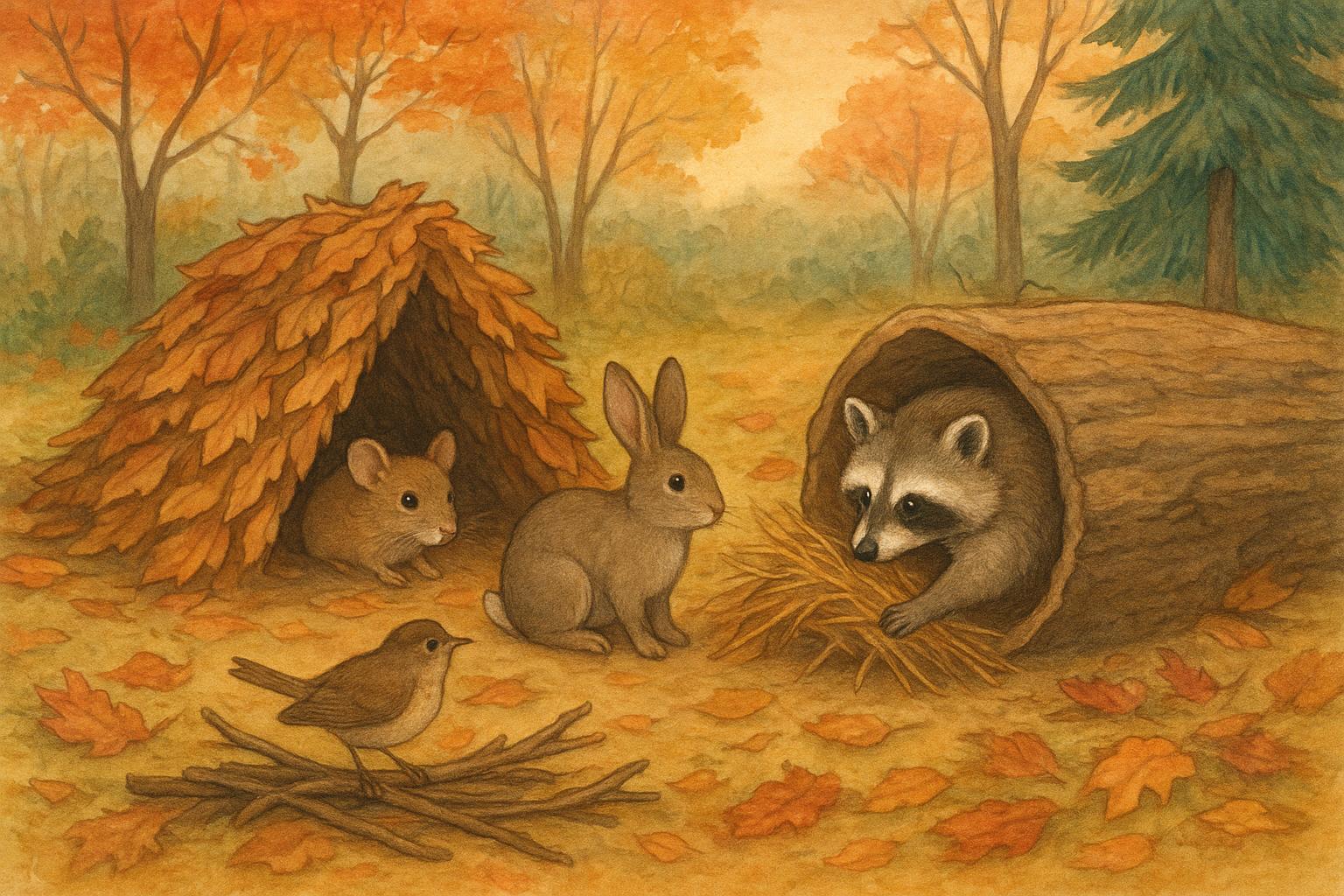
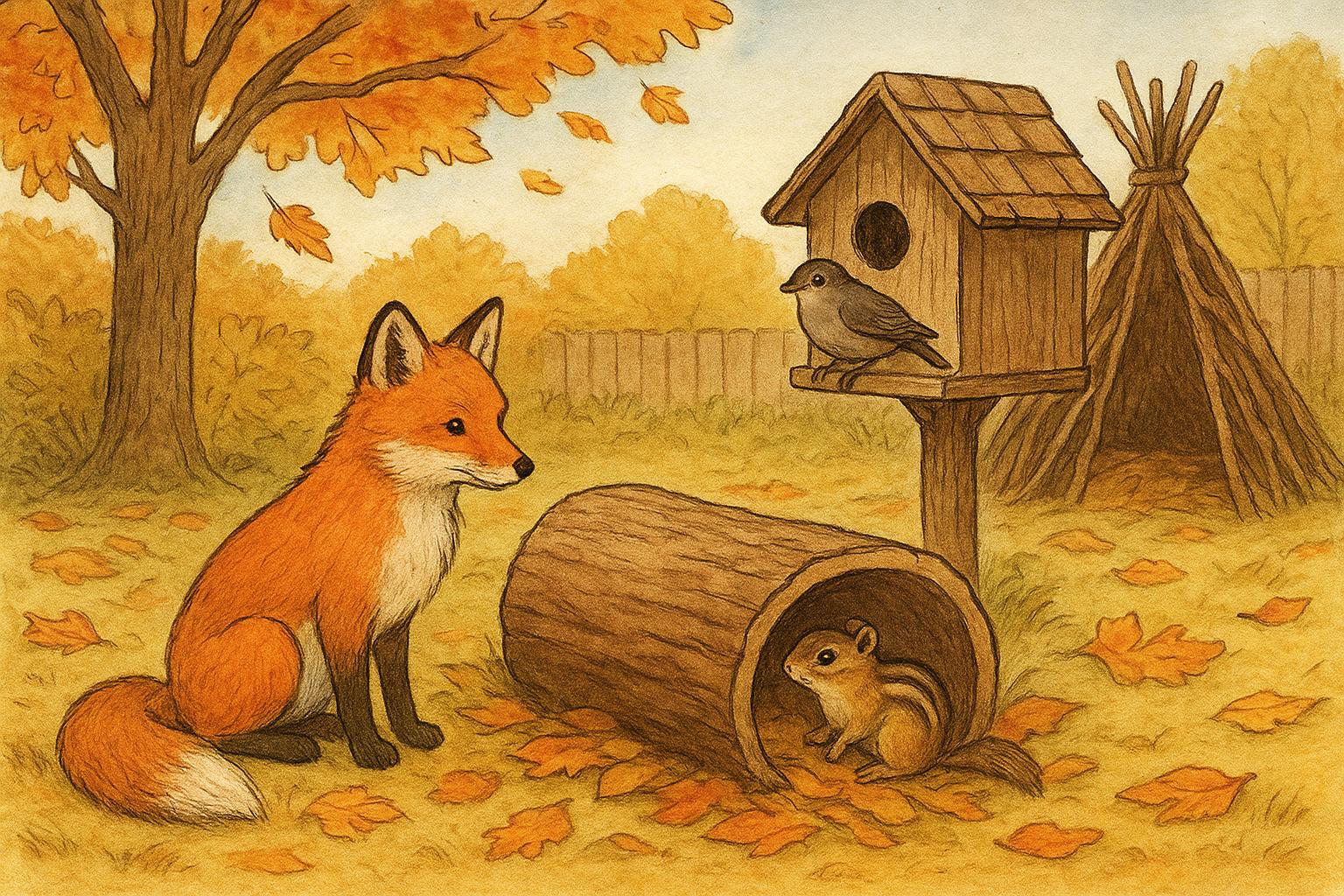
True hibernators in many temperate backyards include groundhogs (woodchucks) and certain species of bats and small rodents. Chipmunks, for example, often wake periodically through winter to eat stored food, so they are sometimes called partial hibernators. Hedgehogs (in areas where they live) are classic backyard hibernators that rely on leaf litter and insulated nests.
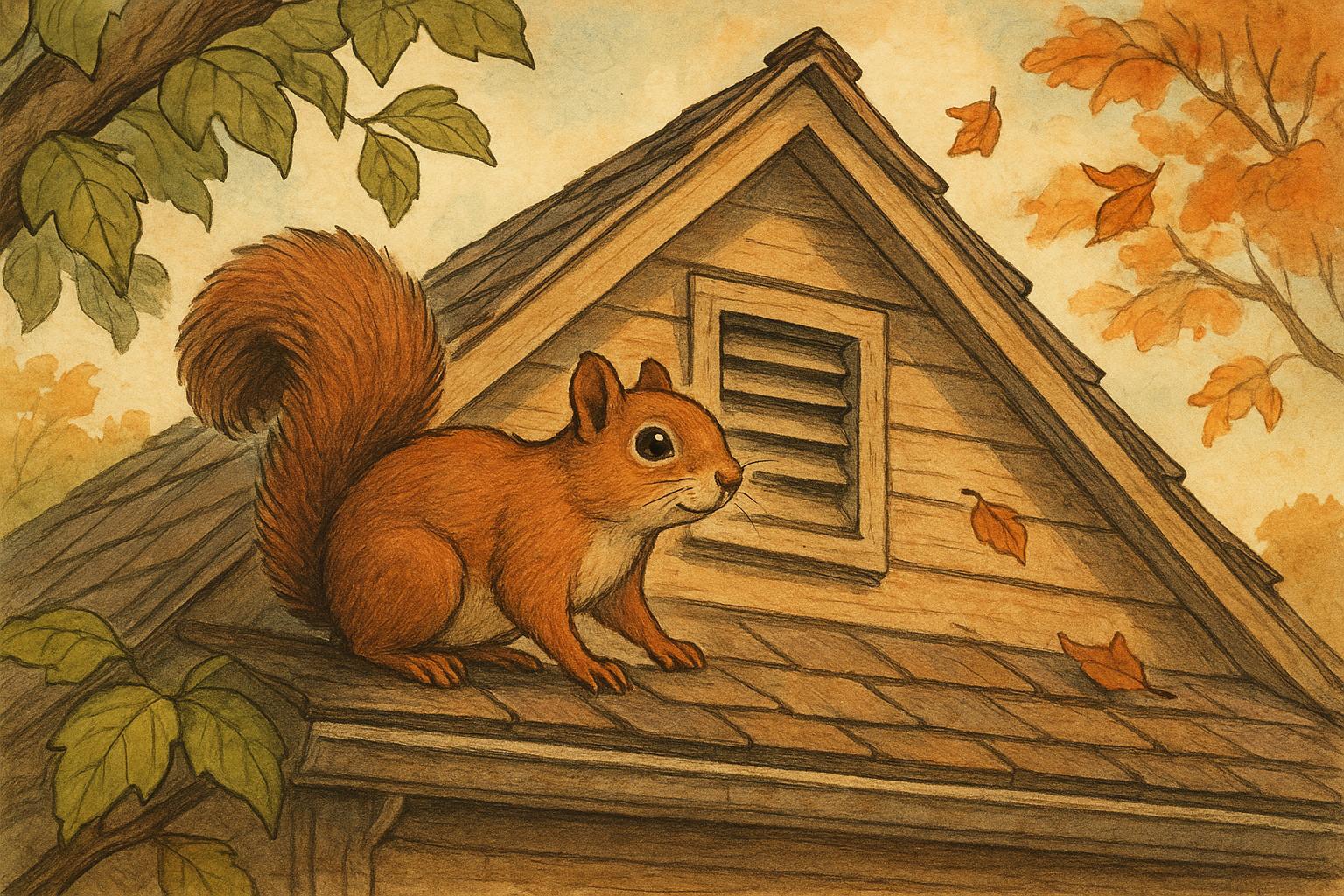
A quick way to remember which animals hibernate is that many true hibernators are small mammals with fat reserves and insulated nests or burrows. Not every cold-weather visitor sleeps through the season—raccoons, foxes, and many squirrels reduce activity but do not enter true hibernation.
#### Groundhogs (Woodchucks)
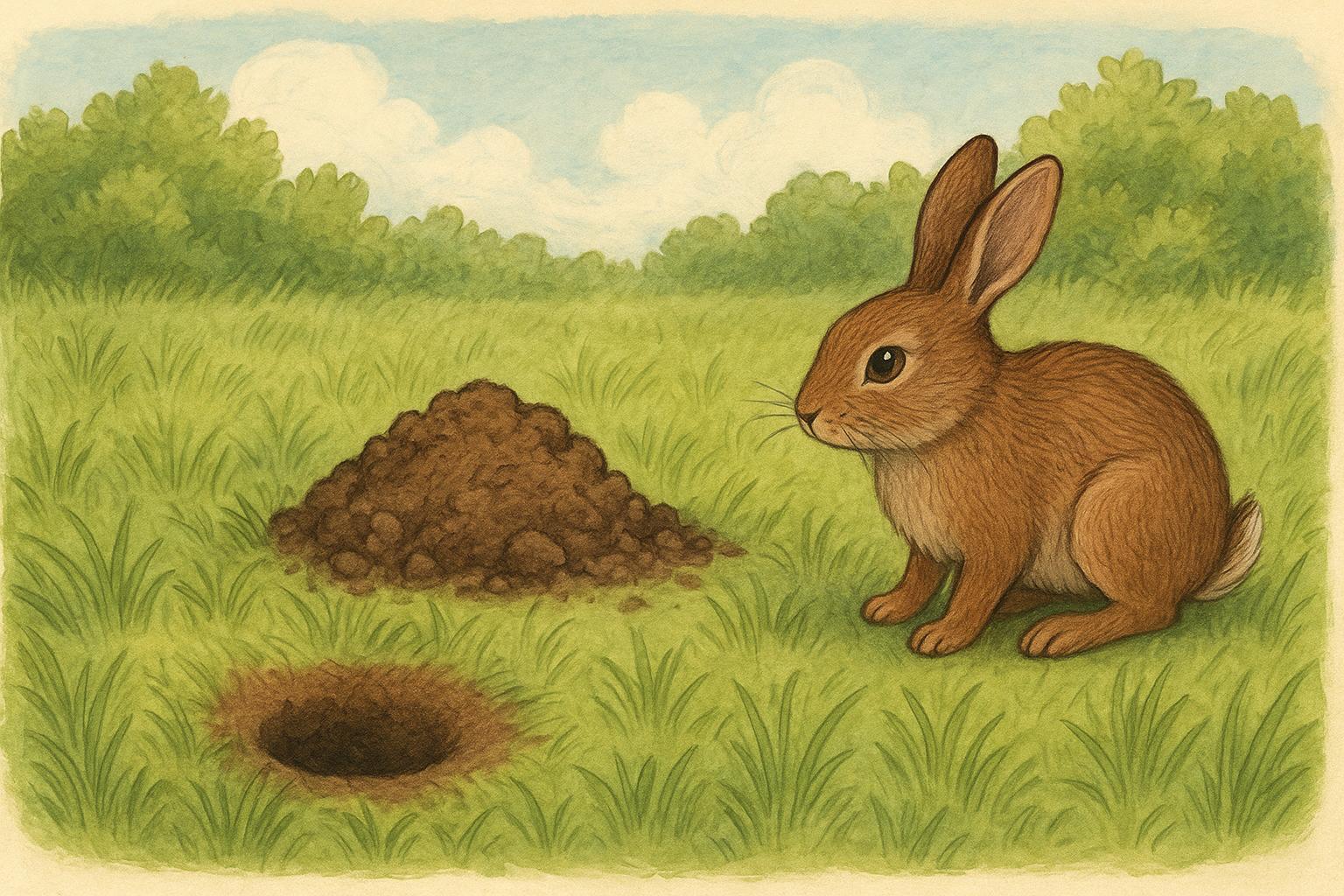
Groundhogs are among the few large mammals that enter true hibernation. They dig burrows that provide stable temperatures, and they drop their metabolic rate substantially. If you see a burrow with a well-worn entrance and compact soil right at the yard’s edge, it might be a groundhog home.
#### Bats
Bats often use attics, eaves, and tree cavities as winter refuges. If you have bats in your yard, they may hibernate in nearby protected structures—just make sure not to seal up roosts during active months.
### Reptiles, Amphibians And Insects
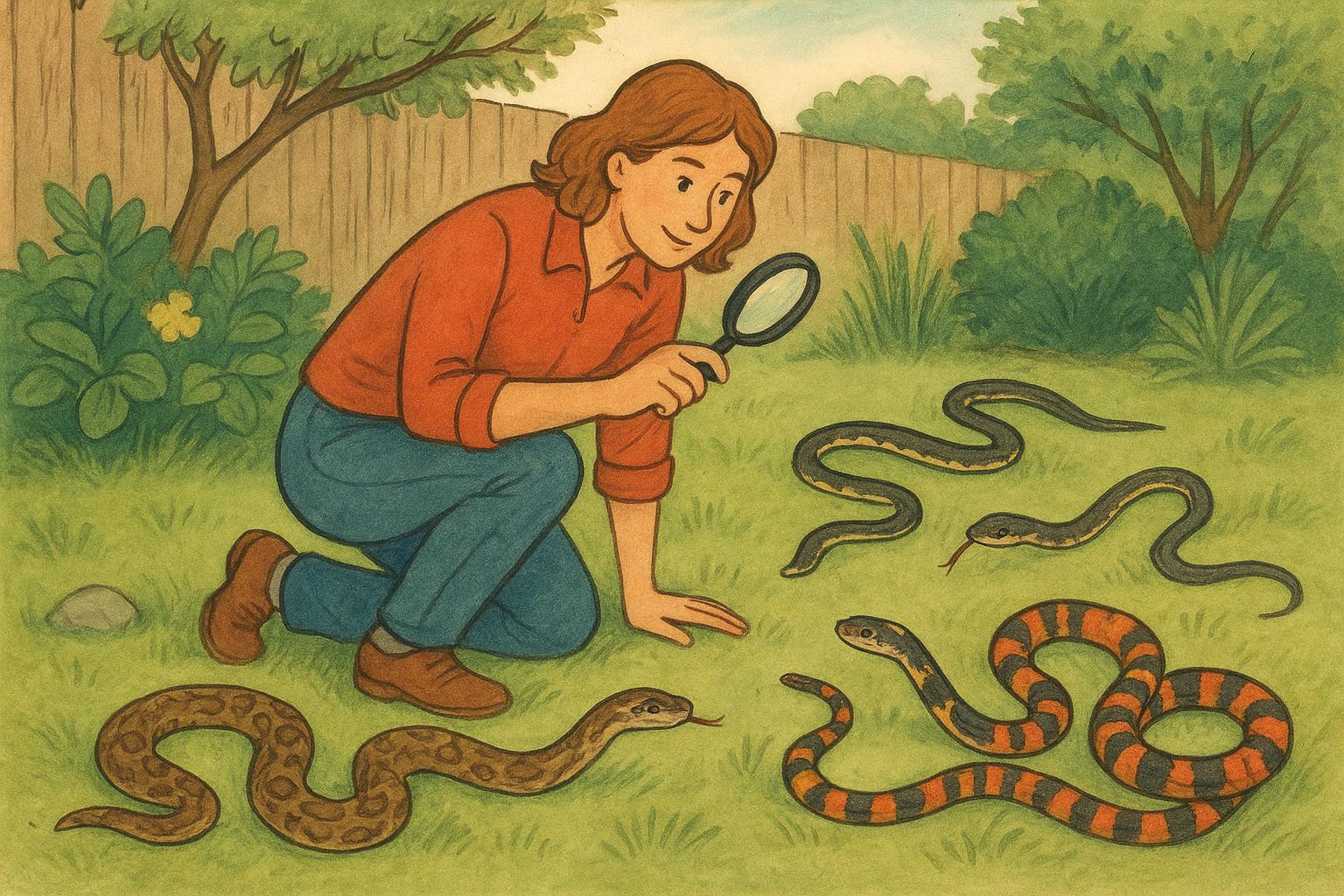
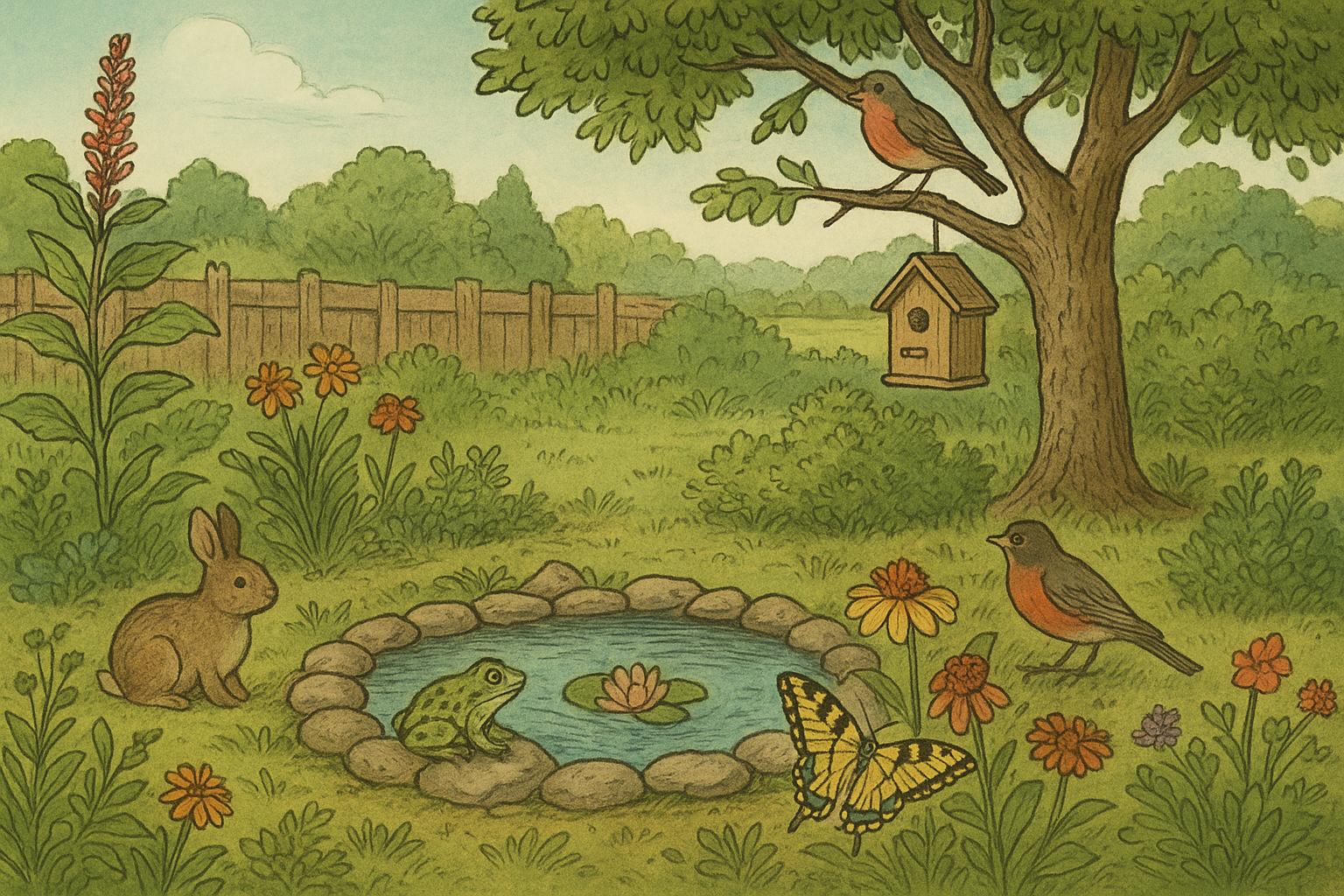
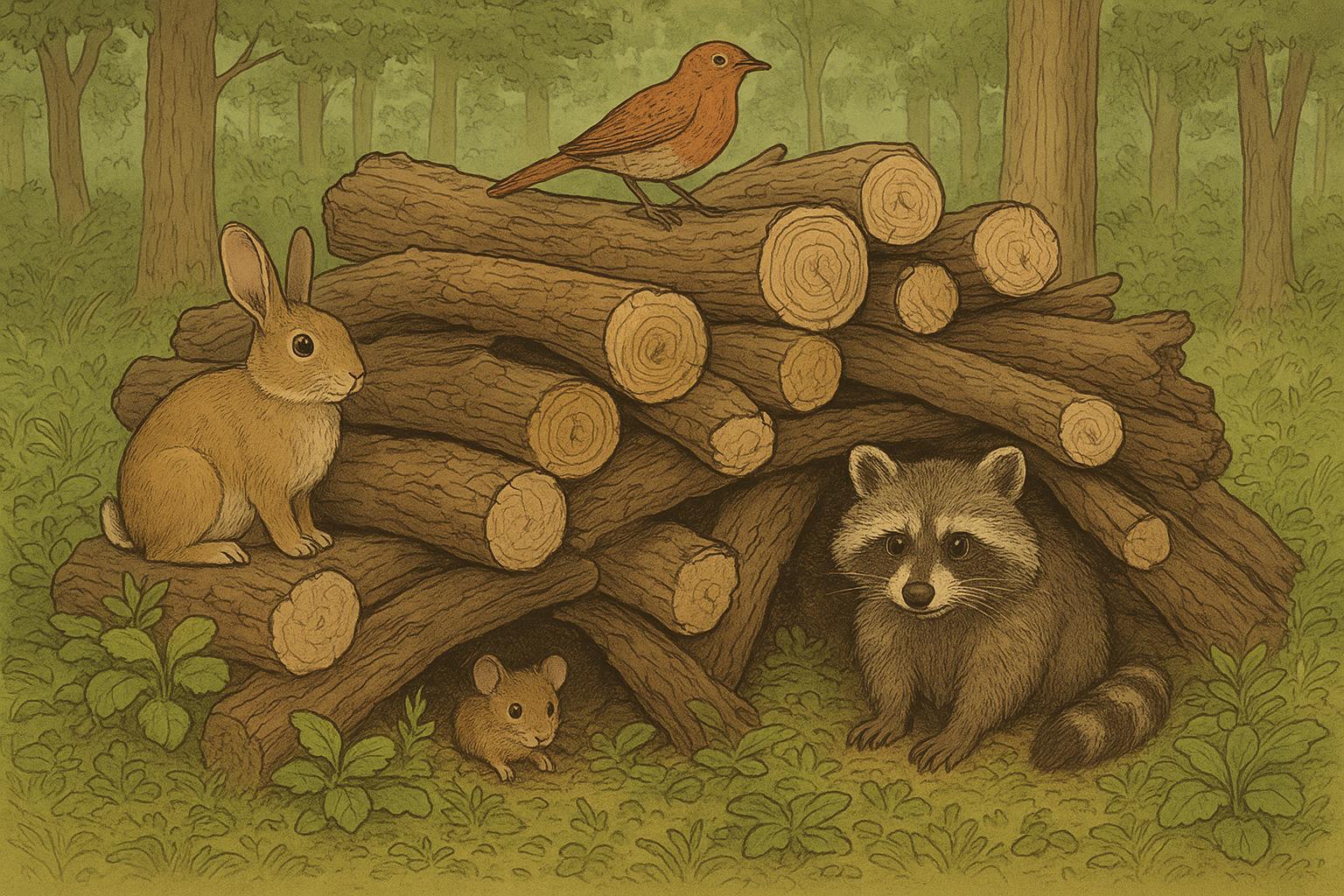
Technically, reptiles and amphibians brumate rather than hibernate, but for backyard watchers the distinction can seem academic. Turtles, frogs, and snakes often move to protected spots—under pond mud, in rock piles, or beneath log jams—where metabolic processes slow dramatically.
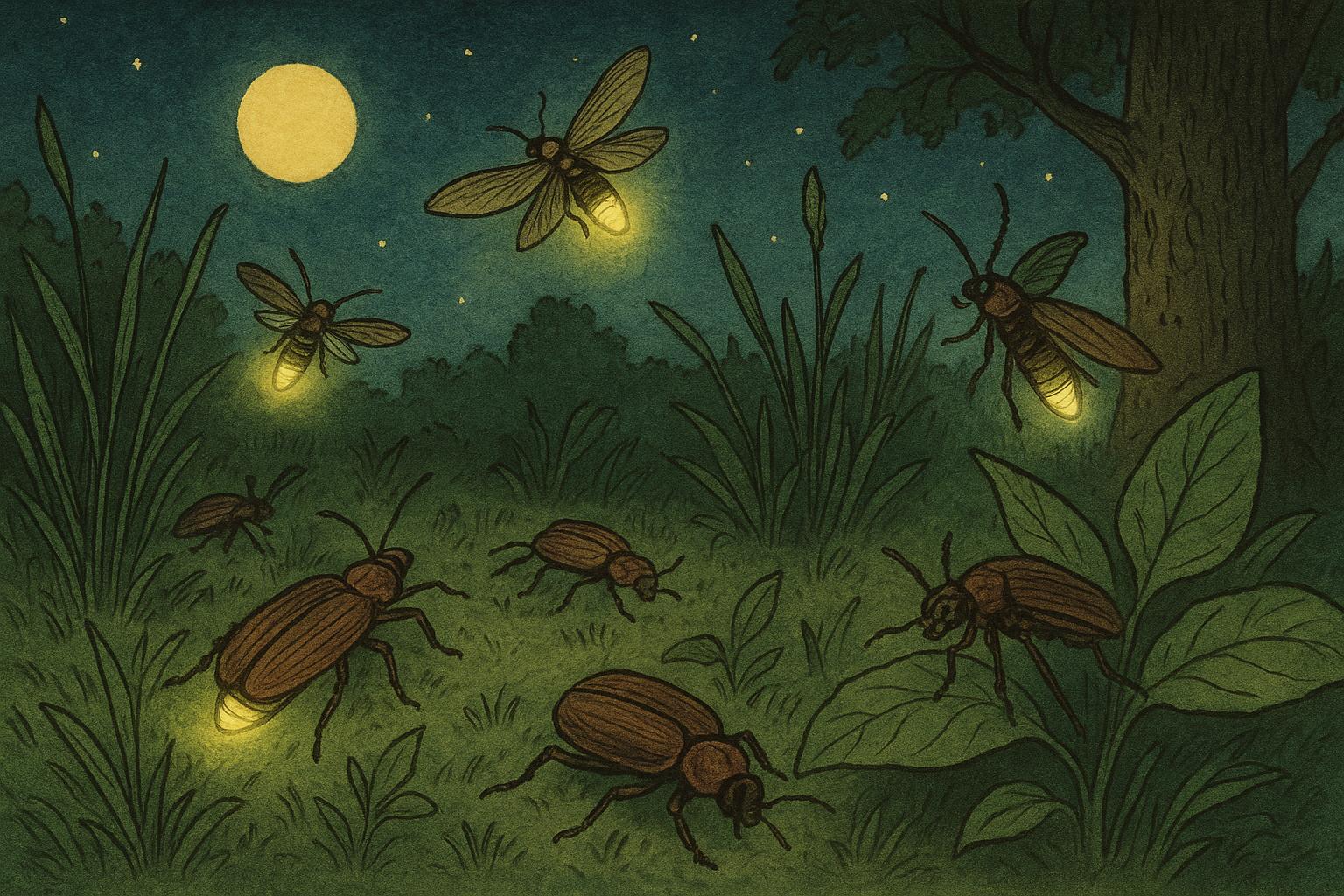
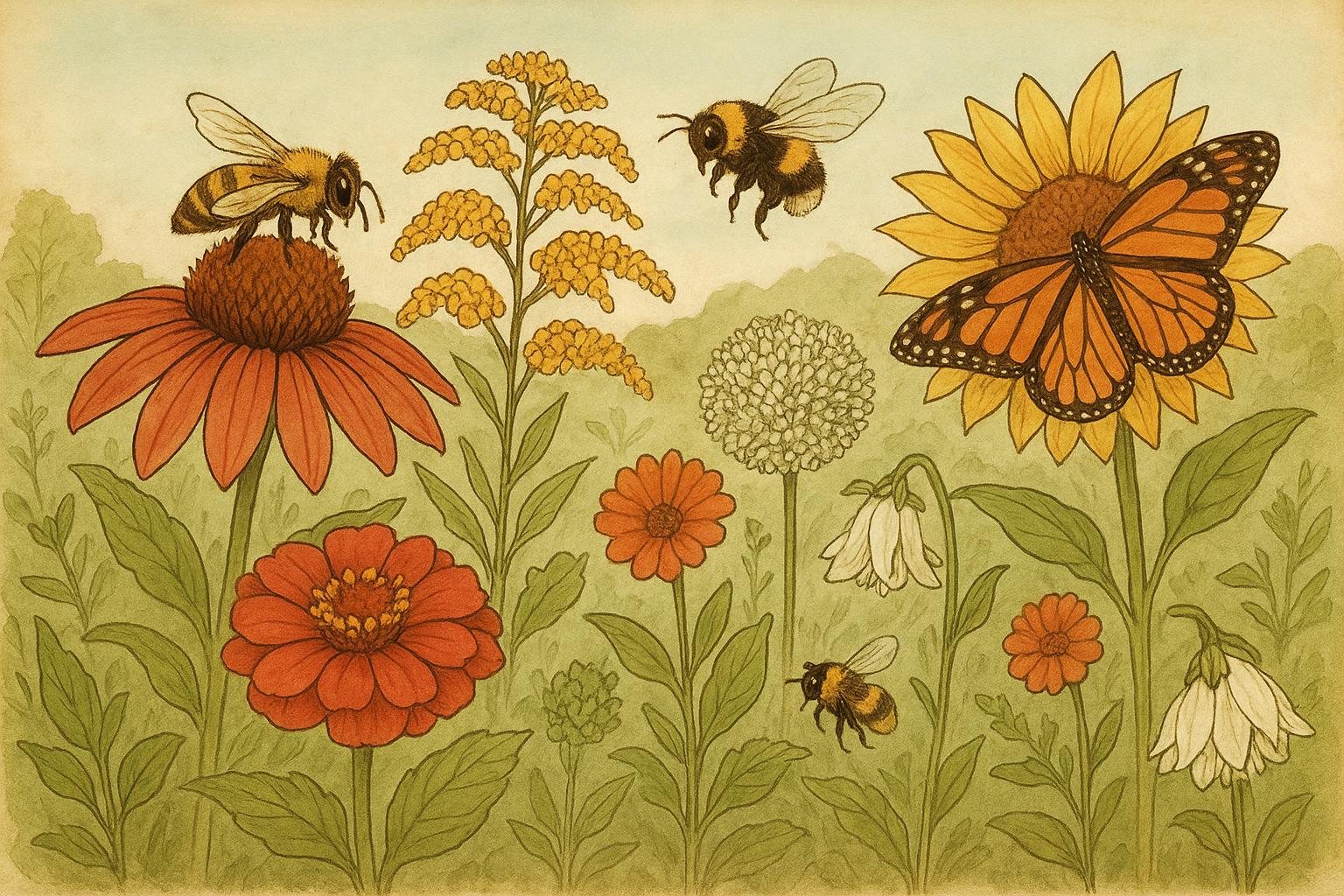
Certain insects also enter long-term dormancy. Bumblebee queens overwinter underground or in leaf litter, lady beetles cluster in sheltered crevices, and some moths and butterflies survive as pupae. If you want to know which animals hibernate among the small and often overlooked residents, look in the soil and leaf-litter horizons.
People often ask which animals hibernate among reptiles and amphibians; technically they brumate, but for practical backyard management it helps to treat their winter behavior like hibernation: provide undisturbed shelter and refrain from heavy yard clean-up until spring.
### Signs To Look For
– Undisturbed leaf piles, log piles, and rock crevices are good places to start watching.
– Burrow entrances with fresh soil or compacted paths often indicate mammal use.
– Clusters of small insects under eaves or behind siding can mean overwintering aggregations (lady beetles, for example).
– Reduced sightings of normally active animals—especially from late fall through early spring—may mean hibernation or torpor.
If you want to help without harm, first identify which animals hibernate on your property. Disturbing a den or roost in winter can be fatal for the occupant, and trapping or relocating hibernating animals is problematic and often illegal.
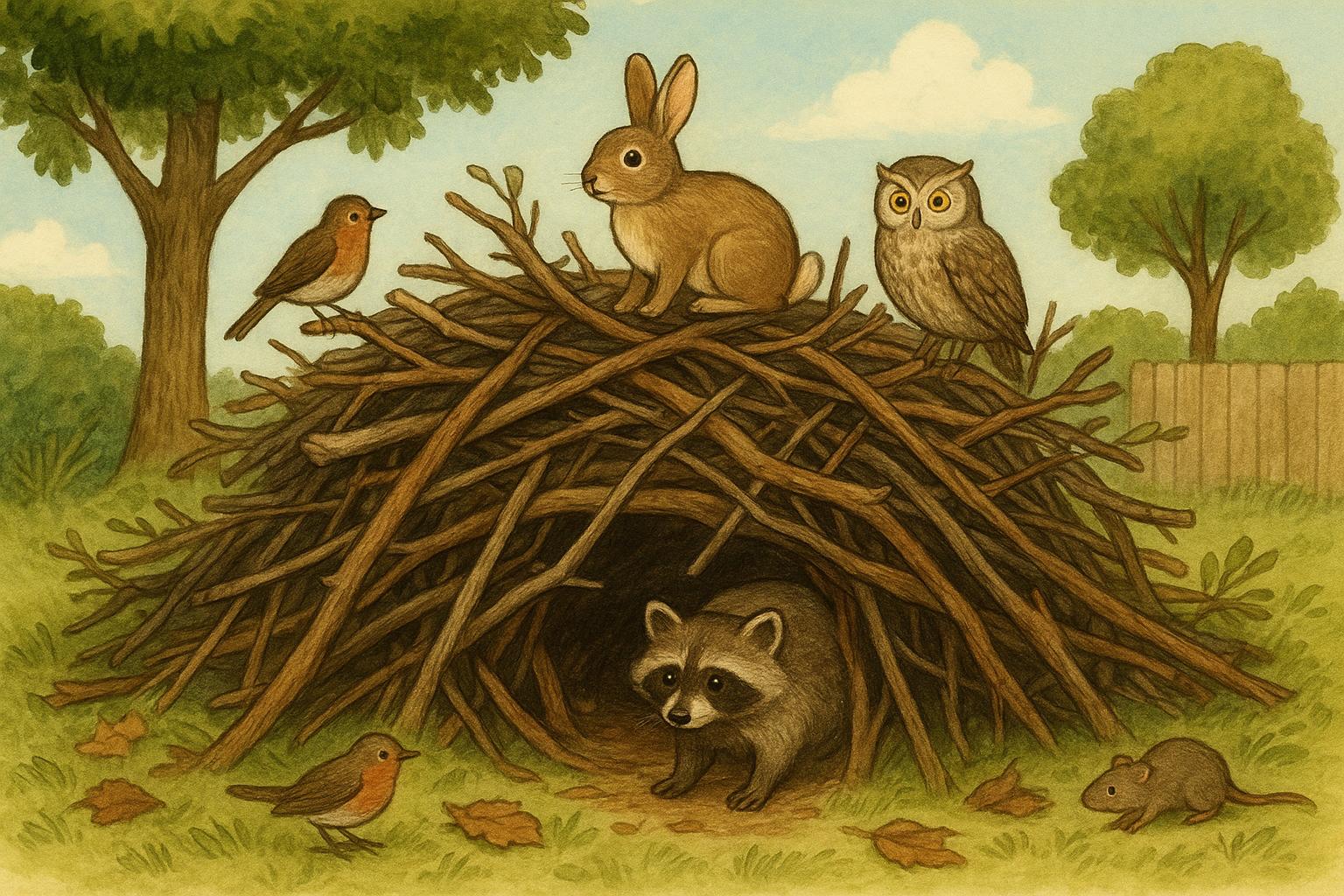
### 1. Build A Mammal Hibernaculum (For Hedgehogs, Chipmunks, Small Rodents)
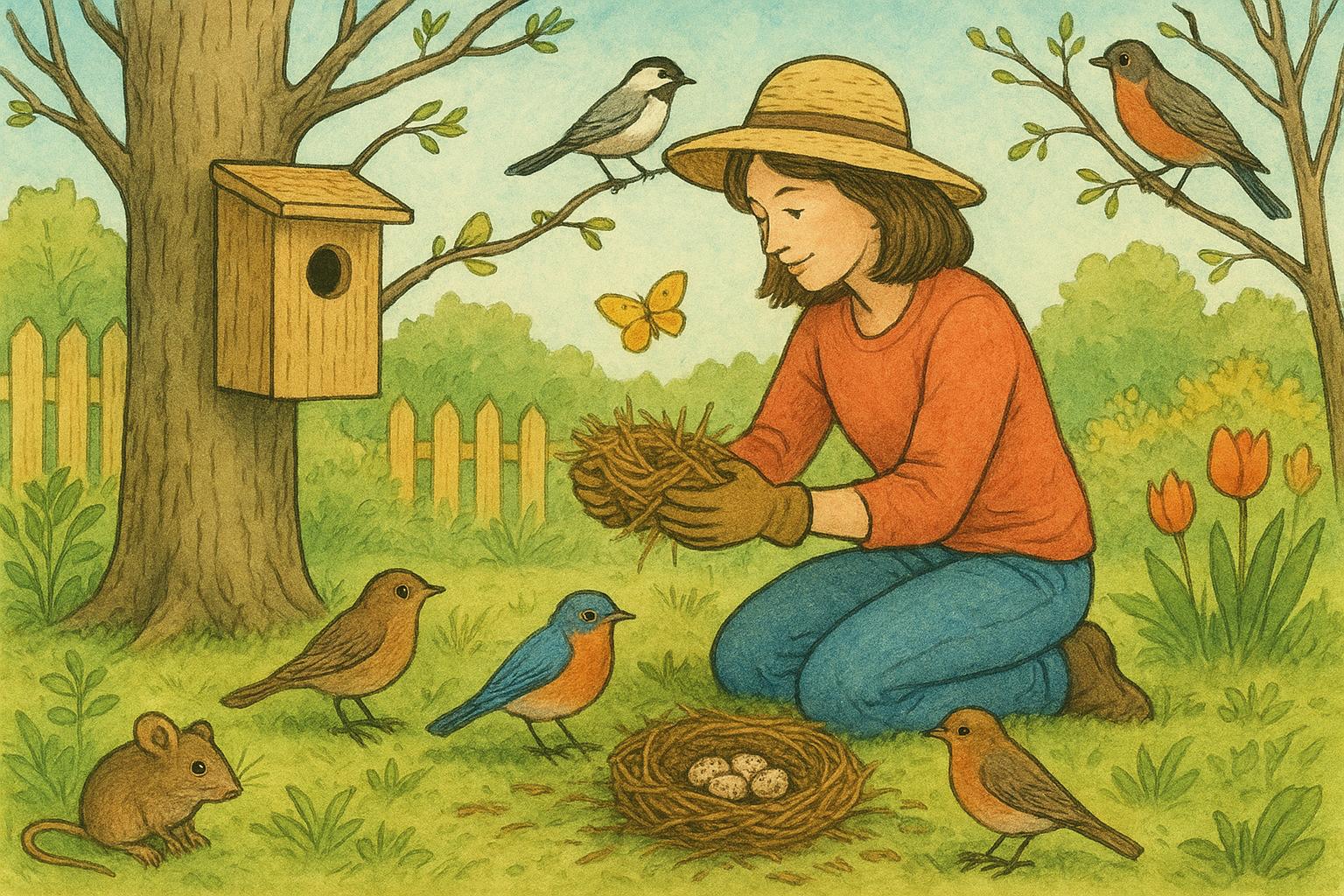
This remedy is formal and practical: build a protected, insulated shelter that mimics natural cavities to give small mammals safe places to overwinter.
Required Materials:
– Untreated cedar or pine planks (or an alternative rot-resistant wood)
– Straw or dried leaves (no hay if possible; hay can mold)
– Hardware cloth (1/4″ mesh) for predator vents
– Exterior screws and waterproof wood glue
– Shovel, drill, and saw
– Optional: corrugated underground pipe for tunnel entrance
Step-by-Step Creation and Application:
1. Site Selection: Choose a quiet, undisturbed corner of the yard, preferably near shrubs or a hedgerow. Avoid low spots that collect water.
2. Base Construction: Cut a wooden box roughly 18″x18″x12″ with an angled roof for runoff. Ensure a small entrance hole (3–4 inches) high enough to prevent flooding.
3. Insulation Layer: Line the inside with straw or dried leaves, creating a 3–4 inch bedding layer. Do not pack it densely—animals need space to move.
4. Predator Protection: Attach a short length of hardware cloth around the entrance outside the box to discourage digging predators, while leaving an accessible pathway.
5. Optional Tunnel: If you use corrugated pipe, bury one end into the entrance to create a 1–2 foot tunnel; this helps animals feel secure and prevents casual disturbance.
6. Placement and Camouflage: Partially bury the box so it’s stable and camouflaged with leaf litter and brush. Leave a small monitoring gap so you can check in spring without collapsing the structure.
7. Timing: Install in late autumn after temperatures have begun to fall, and avoid opening or moving the box during the winter months.
8. Monitoring: In early spring, check the hibernaculum for signs of occupancy (fur, droppings) and renew bedding annually.
This shelter addresses which animals hibernate that use shallow cavities and leaf-litter nests. It is not suitable for larger species or for animals requiring specialized habitats (like bats).
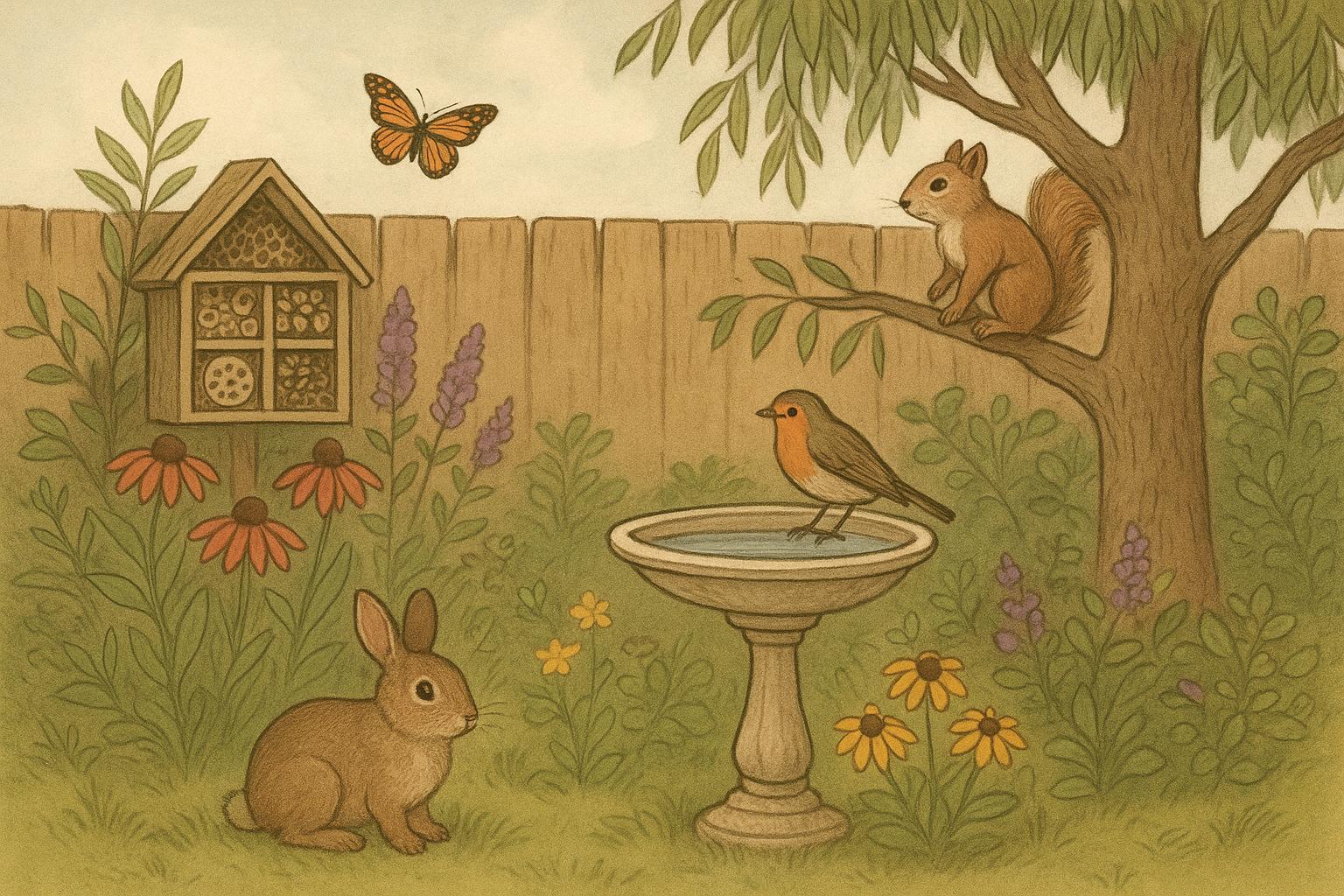
### 2. Create Insect And Pollinator Winter Havens
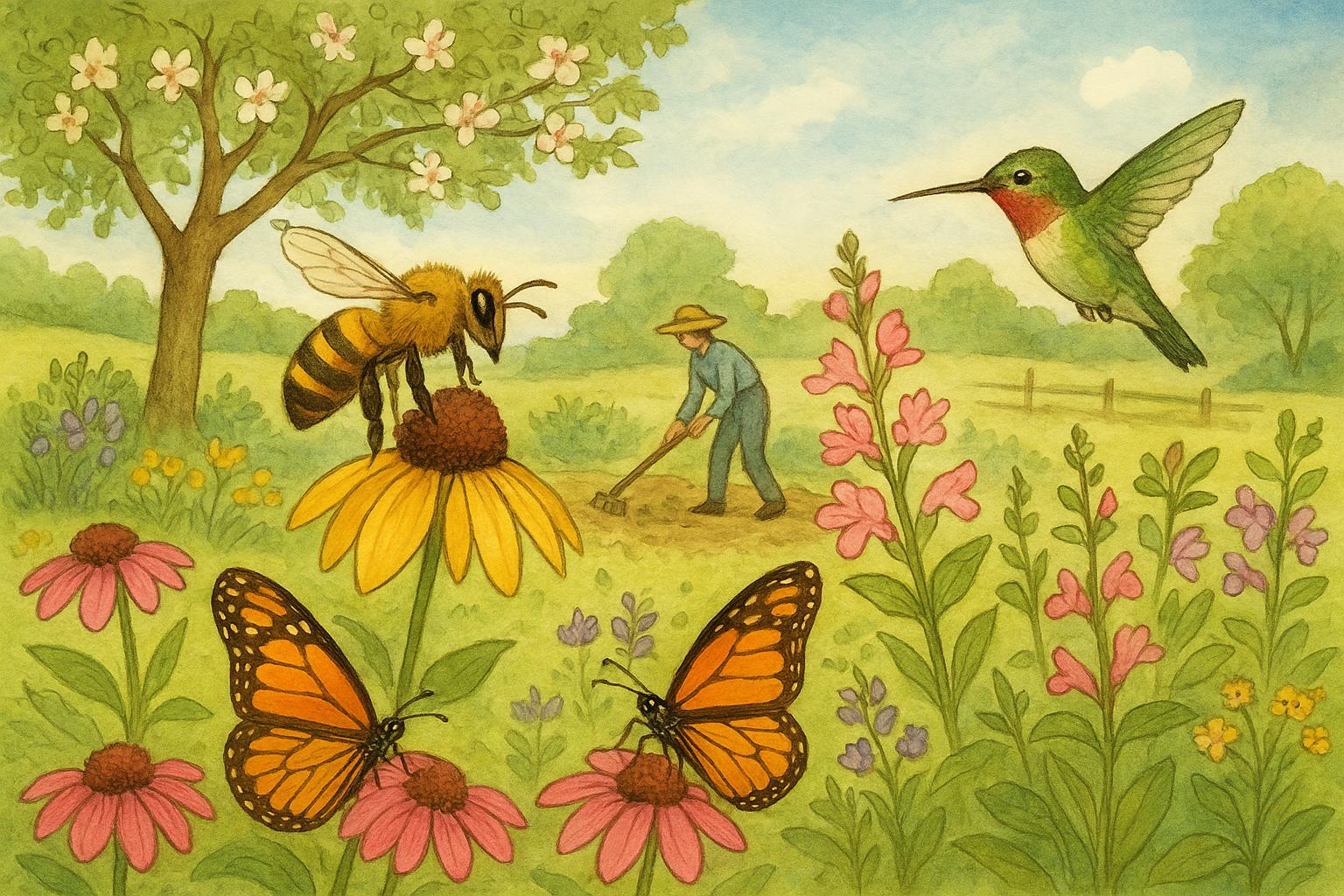
Many people think hibernation only applies to furry things. This second remedy is for the tiny overwinterers—bumblebee queens, solitary bees, and beneficial insects.
Required Materials:
– Untreated wood block or hollow bamboo stems
– Drill with various bit sizes (3/32″ to 3/8″)
– Straw, dry leaves, and small bundles of hollow stems
– Mesh or wood box to house materials
– Twine for bundles
Step-by-Step Creation and Application:
1. Site Selection: Place the structure in a sheltered, sunny spot near forage sources and away from prevailing winds. Height should be between 2–6 feet off the ground.
2. Prepare Nesting Blocks: Drill holes of different diameters (3/32″ to 3/8″) into the end grain of untreated hardwood blocks, 2–6 inches deep. These mimic tunnels used by solitary bees.
3. Bundle Hollow Stems: Cut hollow stems or bamboo to 4–6 inch lengths and bundle them tightly with twine. Ensure closed ends align to prevent drafts.
4. Assemble the Box: Place nesting blocks and bundles inside the box with a slight upward angle to shed moisture. Add dried leaves and straw around the items for insulation.
5. Cover and Vent: Attach a slanted roof to the box to keep rain out; small ventilation gaps are fine but avoid large openings that admit predators.
6. Install Before Frost: Set up in late summer or early autumn so insects have time to locate the site. Leave undisturbed through winter and spring; open the box in late spring to allow adults to emerge and observe occupancy.
This managed approach addresses which animals hibernate at ground level and in hollow stems—those tiny, essential pollinators often missed during garden clean-up.
### Watching And Respecting Hibernators
If you’re curious which animals hibernate on your street, set up passive monitoring: identify potential shelters, reduce disturbance, and consider a motion camera aimed at a burrow entrance or a hidden trail. Never dig up a suspected den or move leaf piles in winter—that’s when residents are most vulnerable.
A little forethought can make your yard a winter sanctuary. Offer safe shelter options, leave some leaf litter in quiet corners, and resist the urge to tidy every last twig before spring. Not only will you support biodiversity, but you’ll also get the quiet satisfaction of being a responsible neighbor to the local hibernators.


Leave a Reply